Category: West Asia

  • Israeli Airstrikes On Lebanon Kills Five

    Israeli Airstrikes On Lebanon Kills Five

    On May 31, the Israeli regime fighter jets targeted a headquarters belonging to the Popular Front for the Liberation of Palestine (PFLP) in the Beqaa Governorate on the border of Lebanon and Syria; According to preliminary information, at least five people were killed.

    The PFLP confirmed the martyrdom of five of its members and the wounding of 10 others in the Beqaa region, but the Hebrew media, citing Israeli officials, denied any airstrikes on Lebanese soil.

    Earlier, Seyed Hassan Nasrallah, the Secretary General of Hezbollah in Lebanon, stated in a speech that the resistance in Lebanon will respond decisively and quickly to any attack on any human being in Lebanon, be it Lebanese, Palestinian or any other nationality.

  • Israeli trooper Killed In Tulkarm

    Israeli trooper Killed In Tulkarm

    An Israeli army radio declared that a number of Palestinians fired from inside a car at one of the security forces around the Haramish settlement in the north of Tulkarm and fled the shooting scene.

    According to local sources, the Israeli security force was transferred to a medical center after being shot in the chest and shoulder areas, but he succumbed to death due to the severity of the injuries. Israeli Army forces cooperate with Shabak (an Israeli security agency) in a bid to search for the Palestinians behind the shooting operation.

    Spokesperson of the Palestinian resistance movement Hamas Abdul Latif al-Qanoua said in a statement that the heroic operation is a reason, which proves the steadfast determination of the Palestinian nation to defend its land and sanctities against repeated strikes by the Israeli occupiers on Al-Aqsa Mosque.

    It is worth mentioning that a young Palestinian man shot at a car belonging to Israeli settlers in the Sheikh Jarrah neighborhood located in East Jerusalem on April 18, and two Israelis were severely injured during the operation.

  • Iraqi, Iranian Top Security Advisors Meet In Tehran

    Iraqi, Iranian Top Security Advisors Meet In Tehran

    During the meeting, Ahmadian pointed out to the common religious and long civilizational commonalities between Iraq and Iran, describing it as a guarantee for profound and extensive ties between the two nations.

    The Iranian official said that the Islamic Republic of Iran’s policy has always been based on supporting a government in Iraq, which has its roots in the will of the Iraqi people.

    He also stipulated that the martyrs of the two neighboring countries together have made great sacrifices in fighting terrorism and insecurity, and that the most prominent instance of the joint efforts occurred when the great resistance commanders such as Iranian Lieutenant General Qassem Soleimani and former Member of the Council of Representatives of Iraq Abu Mahdi al-Muhandis were martyred in a US attack in Baghdad on January 3, 2020.

    Ahmadian described a recent security agreement between Iraq and Iran, which is the result of months of dialogue and joint efforts of the relevant institutions of the two nations, as a very appropriate and strategic measure and called for the precise implementation of the security accord.

    The secretary of Iran’s Supreme National Security Council went on to say that the Islamic Republic expects the Iraqi government to end the presence of anti-Iran elements in the Arab country as soon as possible within the framework of the agreement and guarantee the security of the neighboring country’s borderlines with Iran.

    The Islamic Republic of Iran is determined to develop and deepen comprehensive relationship with neighboring states in particular the friendly and brotherly country of Iraq, he said, noting that Tehran is ready for cooperation and interaction in all aspects at bilateral and multilateral levels.

    Al-Araji, for his part, congratulated Ahmadian on his appointment as the secretary of the Supreme National Security Council of the Islamic Republic of Iran and wished him success, saying that the Iraqi government and its national security body are determined and prepared to continue close and persistent communication in all arenas of collaborations with the Islamic Republic of Iran as before.

    The Arab official pointed to the brilliant relationship between the two neighboring states that have always been lasting, saying that we consider Iraq’s security as Iran’s one and vice versa.

    Continuous consultations between senior authorities of the two nations will help speed up the implementation of bilateral agreements especially in economic and security dimensions, and are prerequisite for stability and progress of the two states, al-Araji argued.

    Along with a high-ranking delegation, I have come to meet you and I emphasize Iraq’s commitment to the agreement, which was recently signed between the two nations, he added.

    Iraq’s national security adviser also mentioned that the security accord has its roots in our faith and belief, because we consider the stability and development of Iran and Iraq to be an assurance for enhancing the national security of both countries and creating a platform for peace and progress in the West Asia region.

    It is worth mentioning that the former secretary of Iran’s Supreme National Security Council Ali Shamkhani met with his Iraqi counterpart Qasim al-Araji in Iraq’s capital city Baghdad and the two sides held talks on March 19, 2023.

    Following the meeting, a ceremony was held in the presence of Iraq’s Prime Minister Mohammed Shia’ Al Sudani; then, a joint security cooperation agreement between Iraq and Iran was inked by the then secretary of Iran’s Supreme National Security Council and the national security adviser of Iraq’s prime minister.

    Read more: Ali Akbar Ahmadian Appointed As Secretary of Iran’s National Security Council

  • Israeli Regime Air Force Pounds Syrian Capital

    Israeli Regime Air Force Pounds Syrian Capital

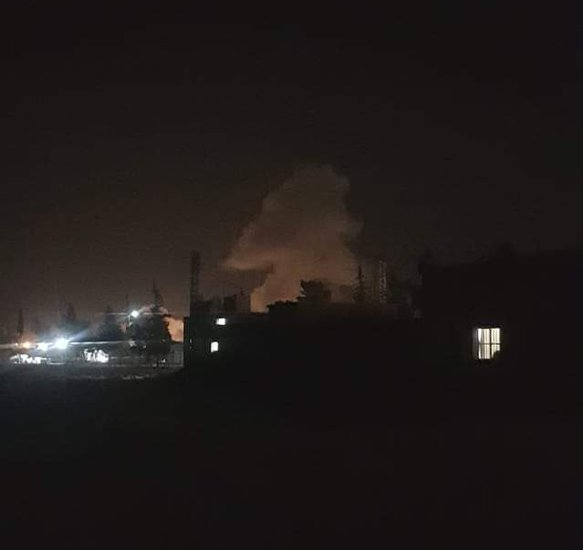
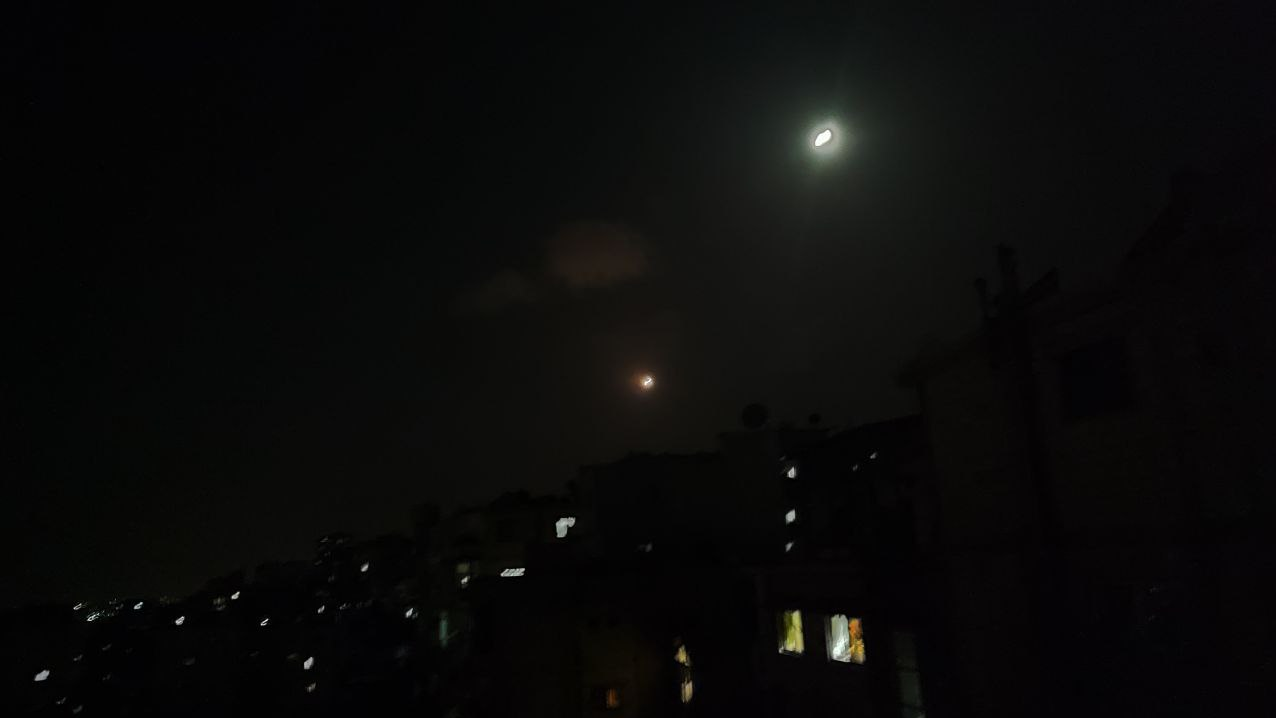
    According to information released by a Syrian military source, the Israeli enemy struck some targets in the outskirts of Damascus with a number of missiles from the occupied Golan Heights around 23:24 p.m. Sunday local time and the Syrian army’s air defense shot down most of the missiles. The attack ended up in some material damages.

    Further information has not been released yet, but it is said that the Syrian army’s positions in Hafeir al-Fouqa village in the Al-Tall District of the Rif Dimashq Governorate, which is located in northern Damascus, were targeted in the airstrike by Israeli fighter jets.

    This is the first strike by the Israeli regime on the Syrian soil following a five-day war against Palestinian resistance groups during the Thar al-Ahrar operation. It seems that the Israeli regime’s army was reassured that there would be no new confrontation with the Palestinian resistance groups; the Tel Aviv regime focused its attention on Syria.

    Thus, it is likely that in the coming days there will be strikes by the Israeli army against targets in Syrian soil due to different reasons, including attacks on centers active in designing and manufacturing missiles as well as drone arsenals and so on.

    It should be noted that fighter jets of the Israeli regime’s army also fired some missiles at targets in Aleppo Governorate on May 2, which led to martyrdom of a Syrian soldier and injury of seven others.

  • Israeli Settlers Continue Anti-Netanyahu Protest Rallies

    Israeli Settlers Continue Anti-Netanyahu Protest Rallies

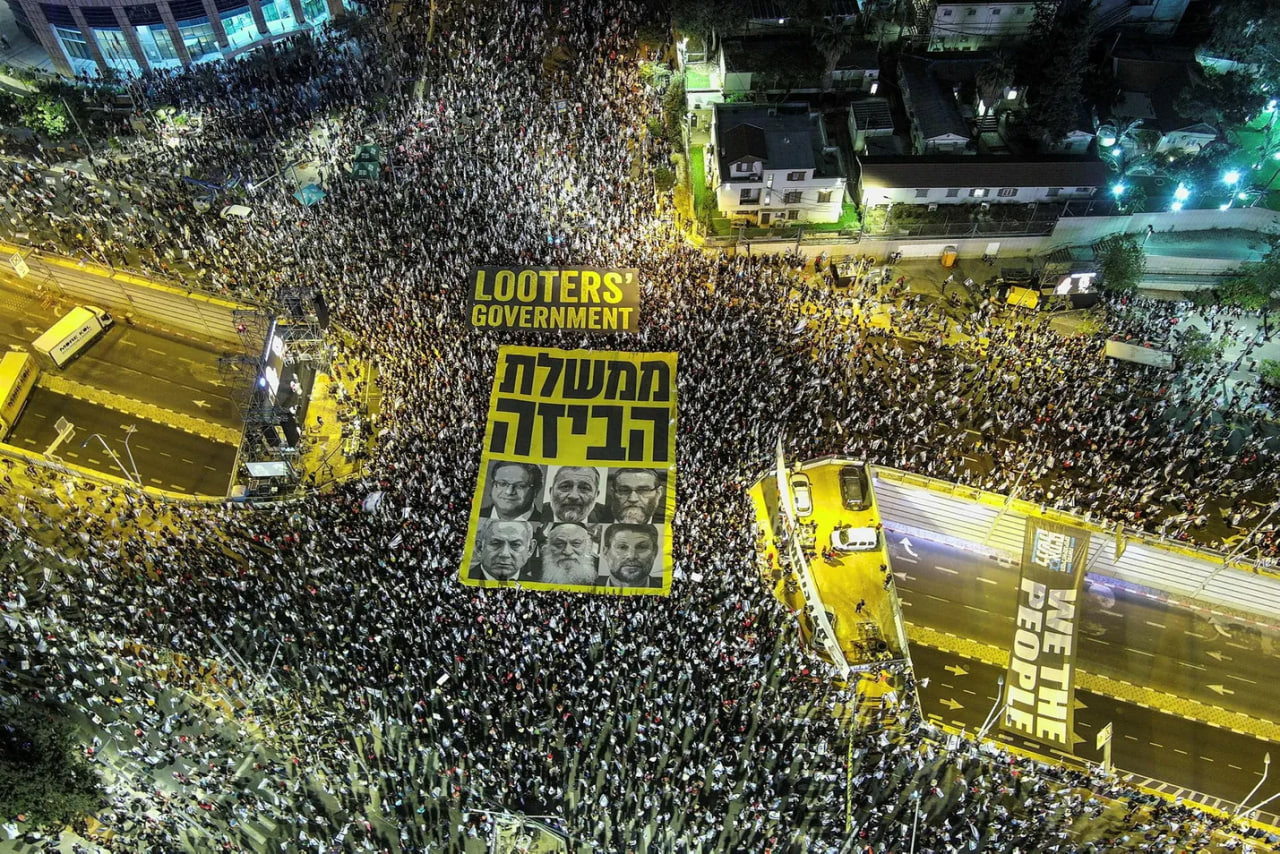
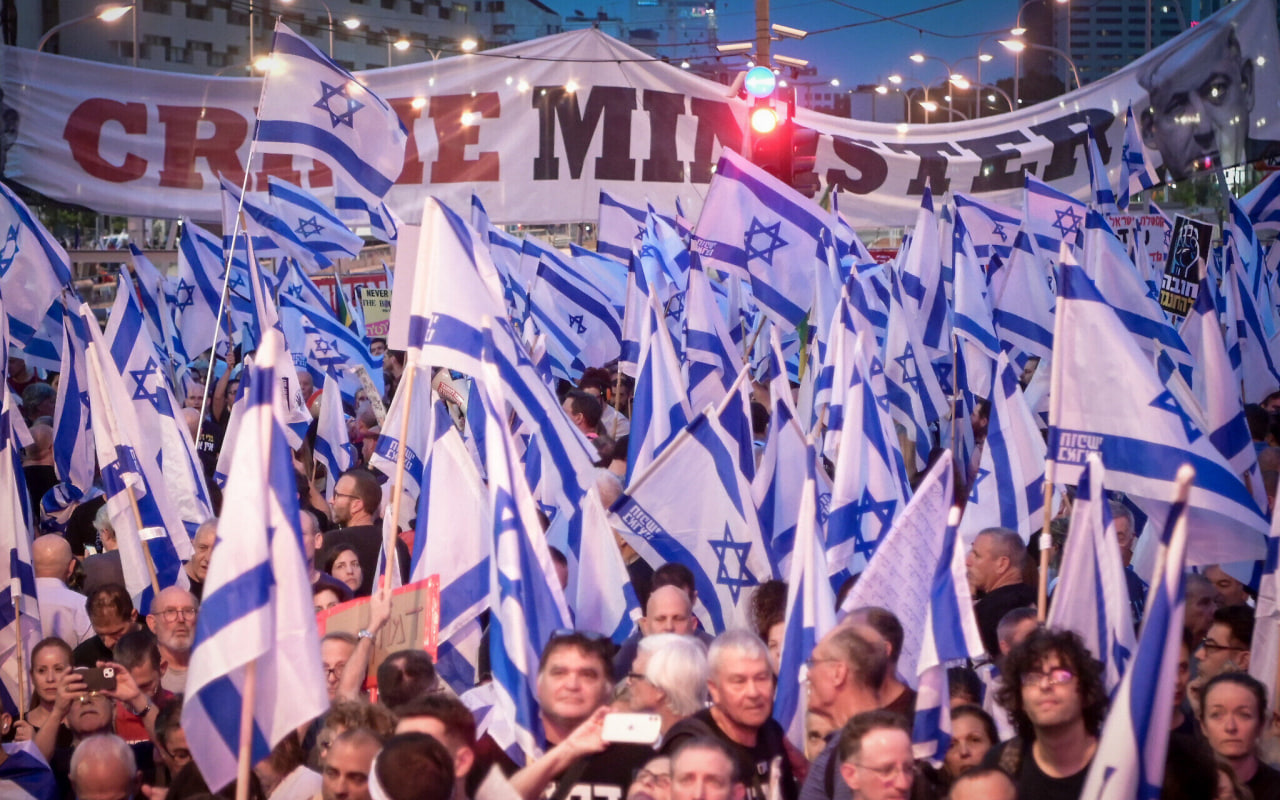
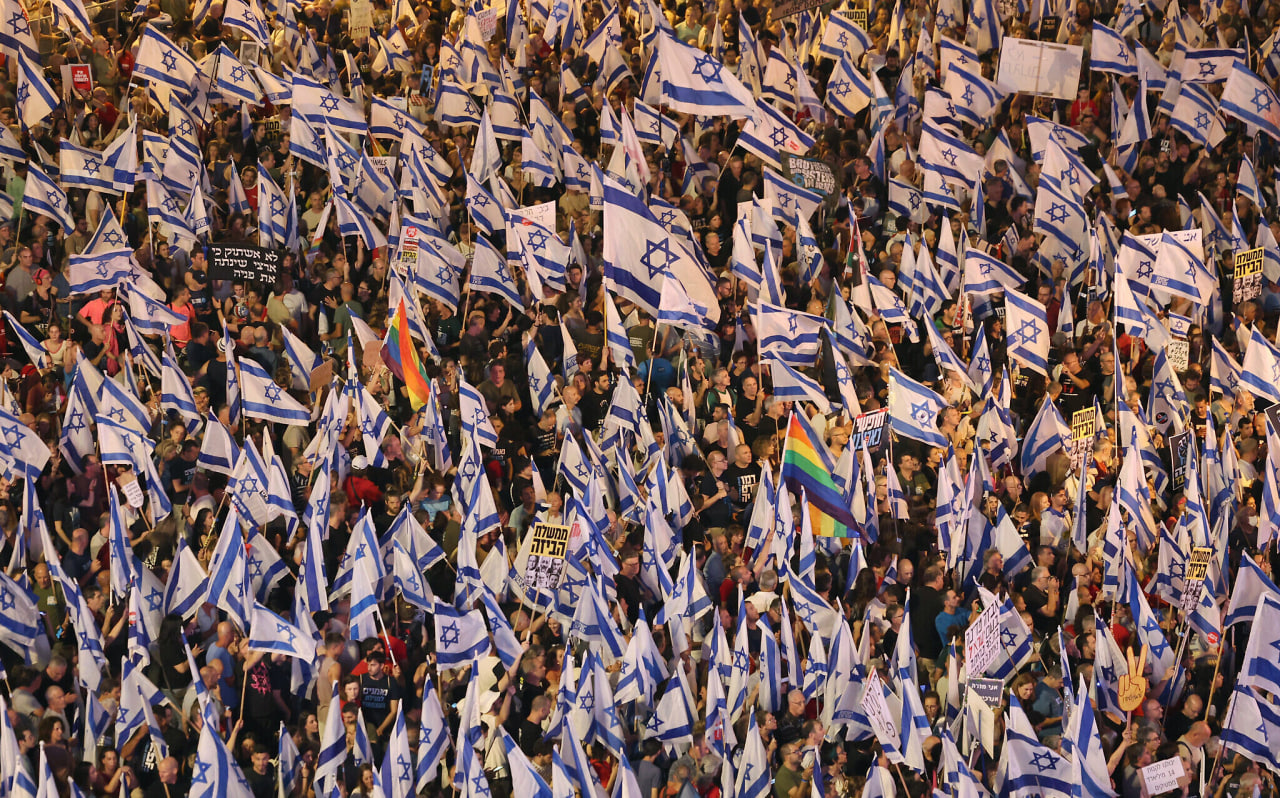
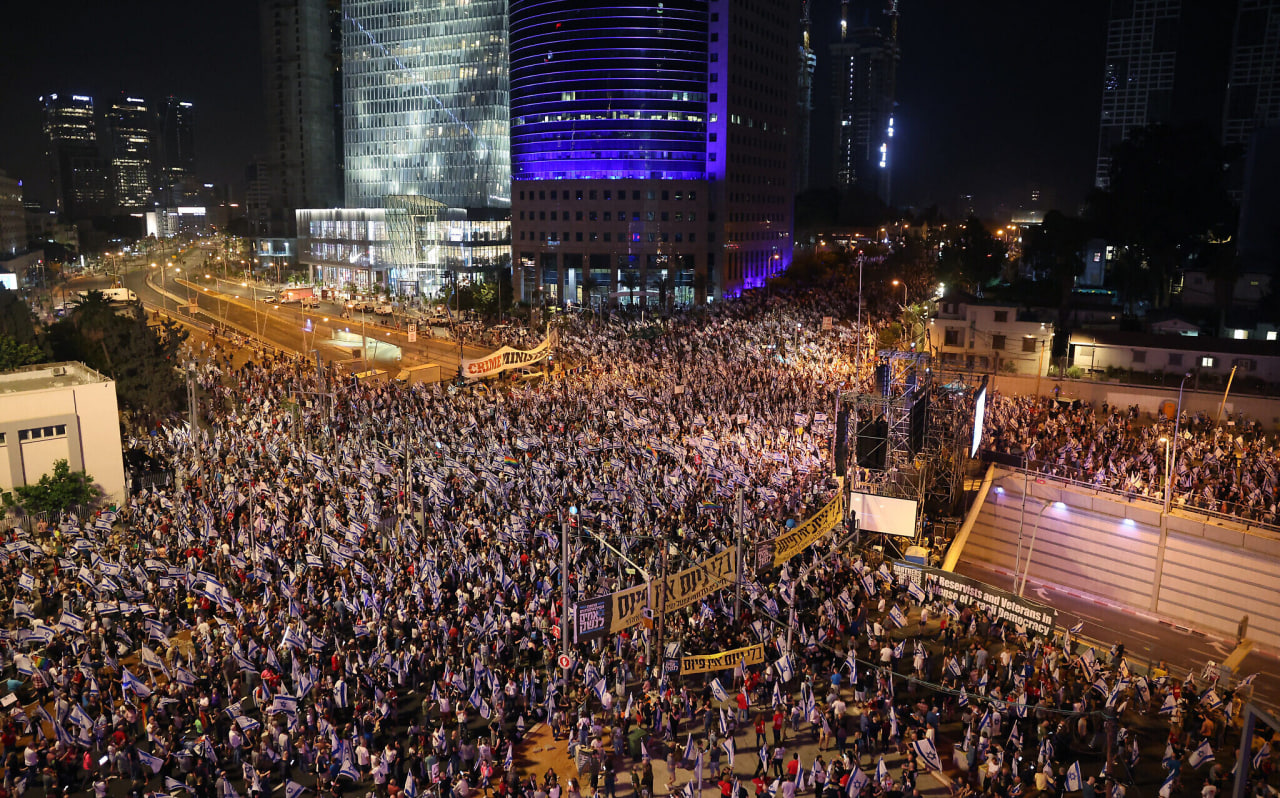
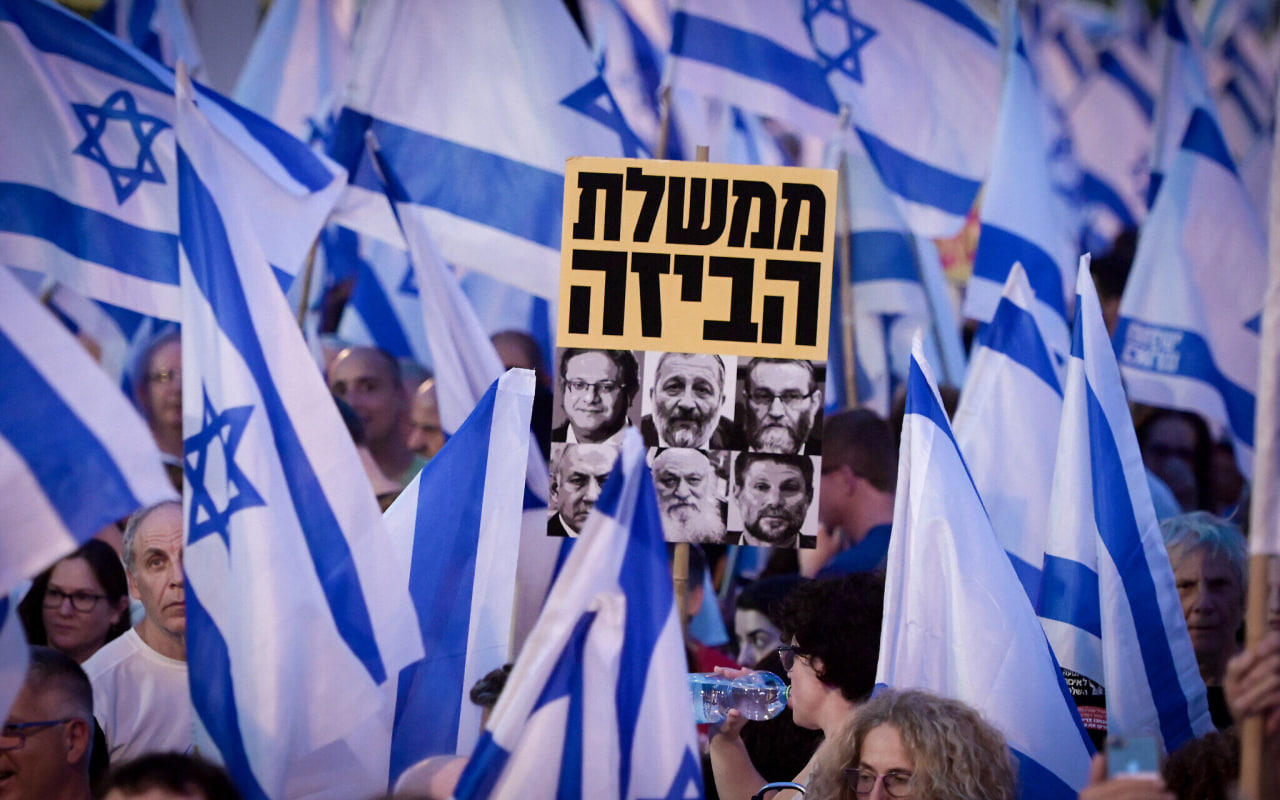
    Thousands of the Israeli settlers protested against Netanyahu’s judicial reform program on May 27 in Kapalan Street in Tel Aviv and several other cities in the occupied Palestinian territories.

    The recent decline in the value of the shekel (the currency of the Israeli regime) also caused the increase of protest rallies against Premier Netanyahu. The Israeli protesters blocked several streets by holding rallies on Saturday night.

    It is worth mentioning that the Israeli prime minister declared the suspension of his controversial plan for the judiciary of the regime on March 27, but the Israeli settlers continue protest rallies in various cities of the occupied territories of Palestine in a bid to oppose the so-called judicial reform and some other decisions and actions made by the Israeli premier.

    The Israeli protesters are of the opinion that the so-called judicial reforms proposed by new Israeli government will deal a devastating blow to the independence of the Israeli regime’s judicial system.

  • Latest Updates On Palestine, 28 May 2023

    Latest Updates On Palestine, 28 May 2023

    – On May 22, following an attack by the Israeli armed forces on the Balata Camp located in north of the West Bank, three Palestinians were martyred and six others were wounded.

    – On May 23, Secretary-General of the Islamic Jihad Movement in Palestine Ziyad al-Nakhalah reacted to Israeli Prime Minister Benjamin Netanyahu’s threats on assassination of Palestinian resistance commanders, and revealed how the position of the martyred commanders of Al-Quds Brigades was identified during the recent five-day conflict in the Gaza Strip.

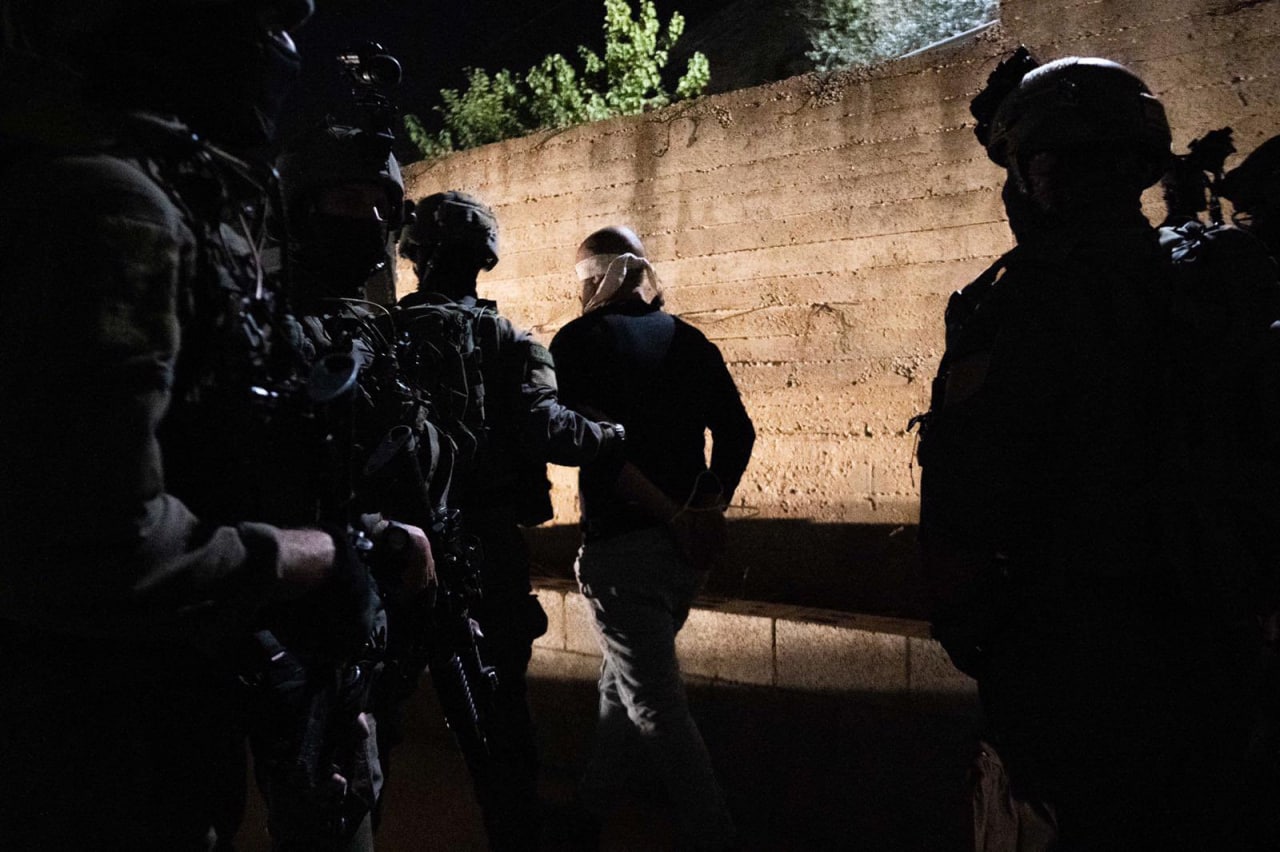
    – On May 25, the Palestinian Red Crescent declared that 10 Palestinians were injured as a result of an Israeli army strike on the Aqabat Jabr Camp in the Jericho Governorate of the eastern West Bank. Furthermore, during the raid on the mentioned area, at least 14 Palestinians were arrested by Israeli troopers.

    – On May 27, thousands of Israeli settlers held protest rallies in Kabalan Street in Tel Aviv and several other cities in the occupied Palestinian territories to stand against Premier Netanyahu’s controversial judicial reform plans.

    – On May 28, local sources said that Israeli regime troops arrested one of the leaders of the Palestinian Islamic Jihad Movement named Lui Al-Ashqar in Sidon town near Tulkarm city in the West Bank.

    – The Israeli regime’s army has initiated the construction of concrete walls, because it is afraid that its soldiers may be targeted by Palestinian resistance anti-tank missiles along the Gaza Strip borderline.

    – The Hebrew-language newspaper Yedioth Ahronoth reported that the Israeli armed forces are preparing themselves for a “Doomsday” confrontation scenario that is a war during it various fronts, especially Lebanon, Syria, Iraq and Iran would take part.

  • One Iranian Border Guard Martyred In Border Clash With Taliban

    One Iranian Border Guard Martyred In Border Clash With Taliban

    According to a Twitter statement by the Taliban interior ministry spokesman, Abdul Nafee Takkur, during the clashes between the Taliban militants and the Iranian Border Guards in the north of Sistan and Baluchistan Province, an Iranian border guard and a Taliban militant was killed, and a number of other forces were wounded.

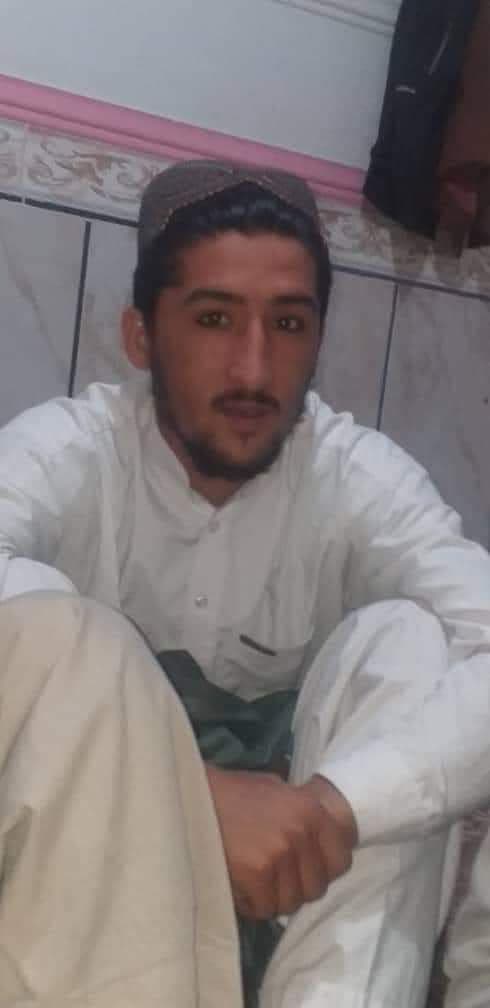
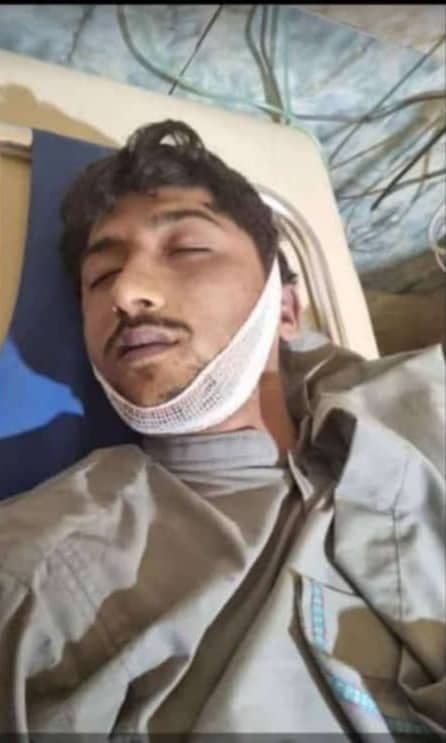
    This is while the local sources in Afghanistan have published images of two persons, claiming that two Afghans were killed in these clashes. Also, based on the statements of a number of employees of the Zaranj hospital, the casualties of the Taliban are 11 killed and wounded. In addition, another image related to an unknown person known as Khaled Panjshiri has been published, according to the IWN field source, this person was probably one of the soldiers of the previous government and was killed in a conflict with the Taliban around the city of Kabul And it has nothing to do with recent border conflicts.

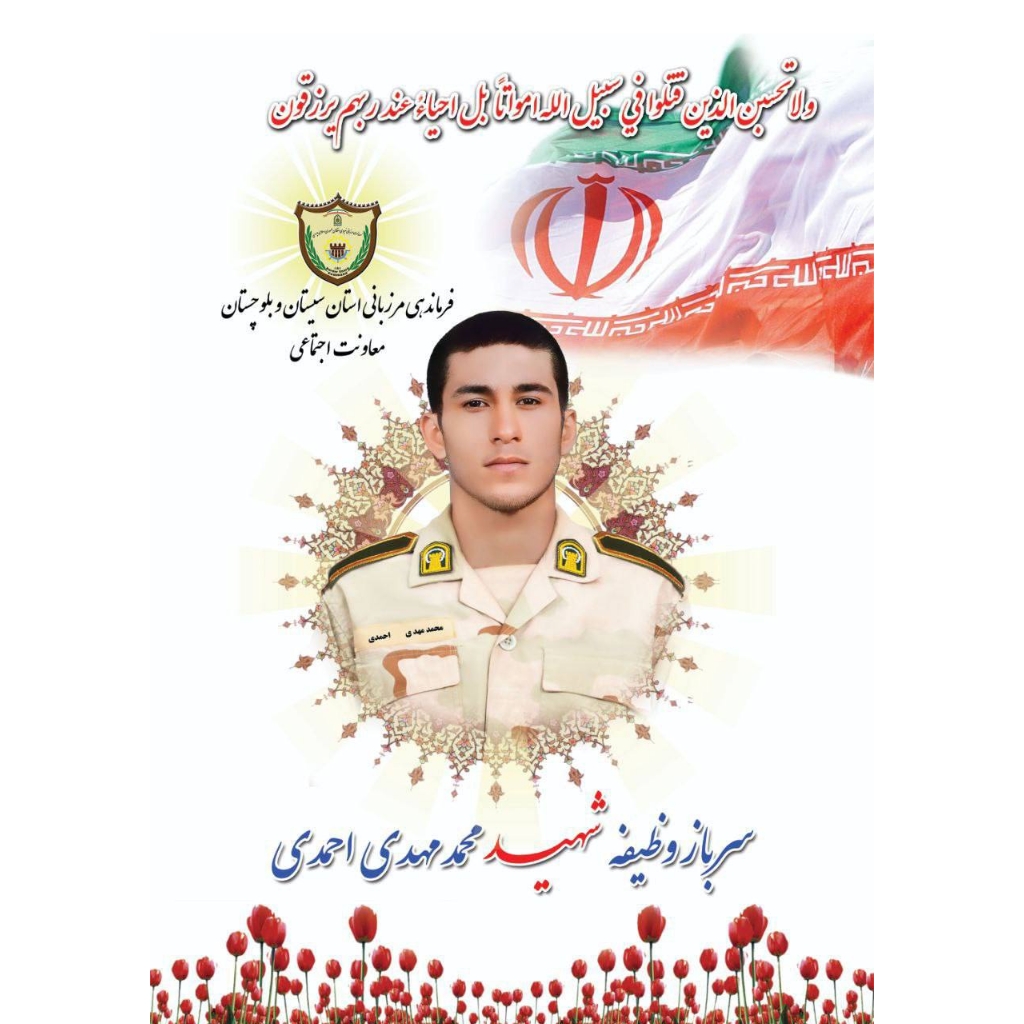
    Iran’s Border Guard Command of Sistan and Baluchistan province also released the image of Mohammad Mehdi Ahmadi, the Iranian soldier that was martyred in recent clashes, and declared the casualties of the Iranian Border Guard in the Taliban attack as one martyr and several wounded.

    Read more: Taliban And Iran Border Clash Leaves 4 Dead (Video)

  • Iran Not To Recognize Taliban: FM Amirabdollahian

    Iran Not To Recognize Taliban: FM Amirabdollahian

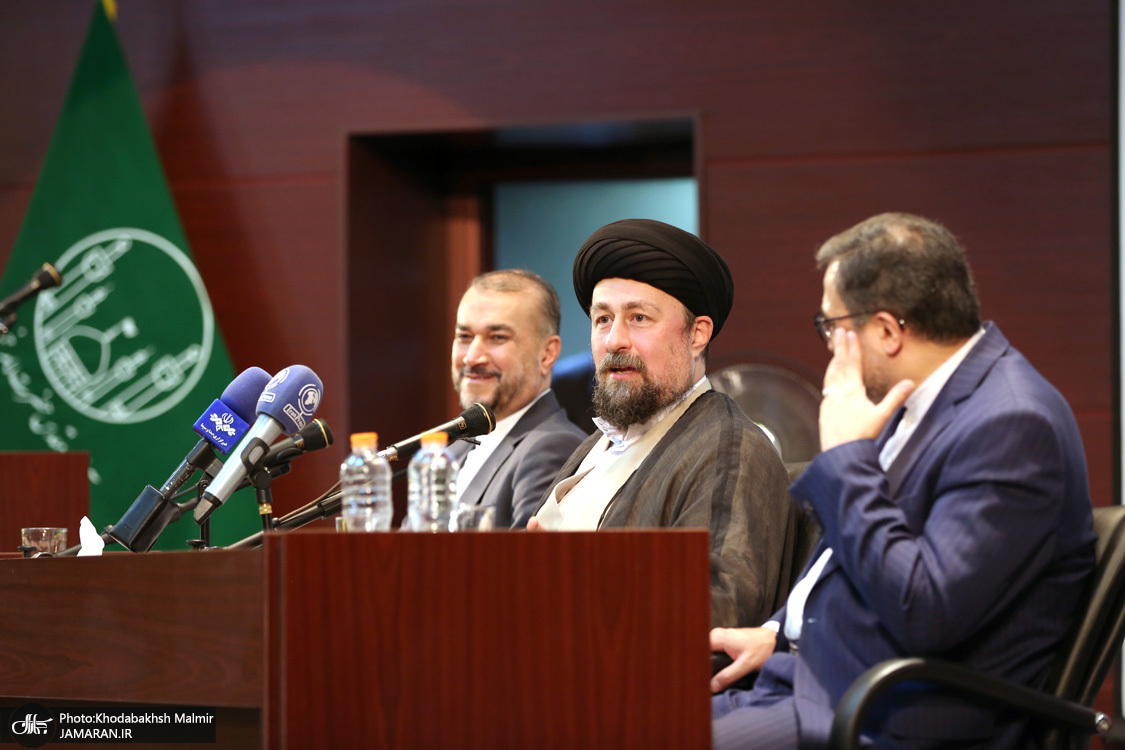
    Amirabdollahian made the remarks in a meeting between Iran’s Foreign Ministry officials and heads of its diplomatic missions abroad with the custodian of Imam Khomeini’s holy shrine Hassan Khomeini in Tehran on May 25.

    The foreign minister said we are dissatisfied that an inclusive government has not been formed in Afghanistan and we have also announced the issue to the current rulers of Afghanistan; so, we do not recognize the current governing body of Afghanistan and we emphasize the need for the formation of an inclusive government in the neighboring state. Moreover, the Taliban group is just a fraction of the political reality in Afghanistan, but it is not the whole reality.

    The foreign minister further referred to the neighborliness of Iran and Afghanistan as well as the long borders between the two countries, saying the scattered border clashes that have occasionally happened on the Afghanistan- Iran borderlines in recent months are a source of concern.

    According to the top diplomat, there is no way but interaction between the two neighboring countries, and that we do not want the bitter incident of Mazar-i-Sharif to be repeated, but we want to help realize peace and security in Afghanistan and we also have expectations from the current rulers of the neighboring state.

    Amirabdollahian pointed to Iran’s water rights from the Helmand River, adding that we have had talks with Afghan officials on the issue and we are of the opinion that the legal path should be considered in this regard on the basis of water-sharing treaty, which was signed in 1973. We told Afghan officials that the water rights issue cannot be resolved through a political statement and must be pursued within the framework of legal actions, he noted.

    The Iranian foreign minister also described the Taliban caretaker government’s policy in facing women and girls as inhumane and emphasized that Iran considers the policy contrary to the teachings of the Prophet of Islam (PBUH).

    Rhetorical tensions between Taliban and Iran escalated after the Taliban rulers replied negatively Iran’s repeated diplomatic requests for the implementation of the 1973 treaty on Iran’s water rights from the Helmand River, claiming that the Afghans are facing drought and lack of water in the Kajaki Dam, which is an earth and rock-fill embankment type dam located on the Helmand River in the Kajaki District of Helmand Province in Afghanistan.

    The Taliban rulers also rejected Iran’s request to dispatch a technical delegation to verify the amount of water in the Kajaki Dam.

    Video: Iran Warns Taliban On Water Rights

  • Taliban And Iran Border Clash Leaves 3 Dead (Video)

    Taliban And Iran Border Clash Leaves 3 Dead (Video)

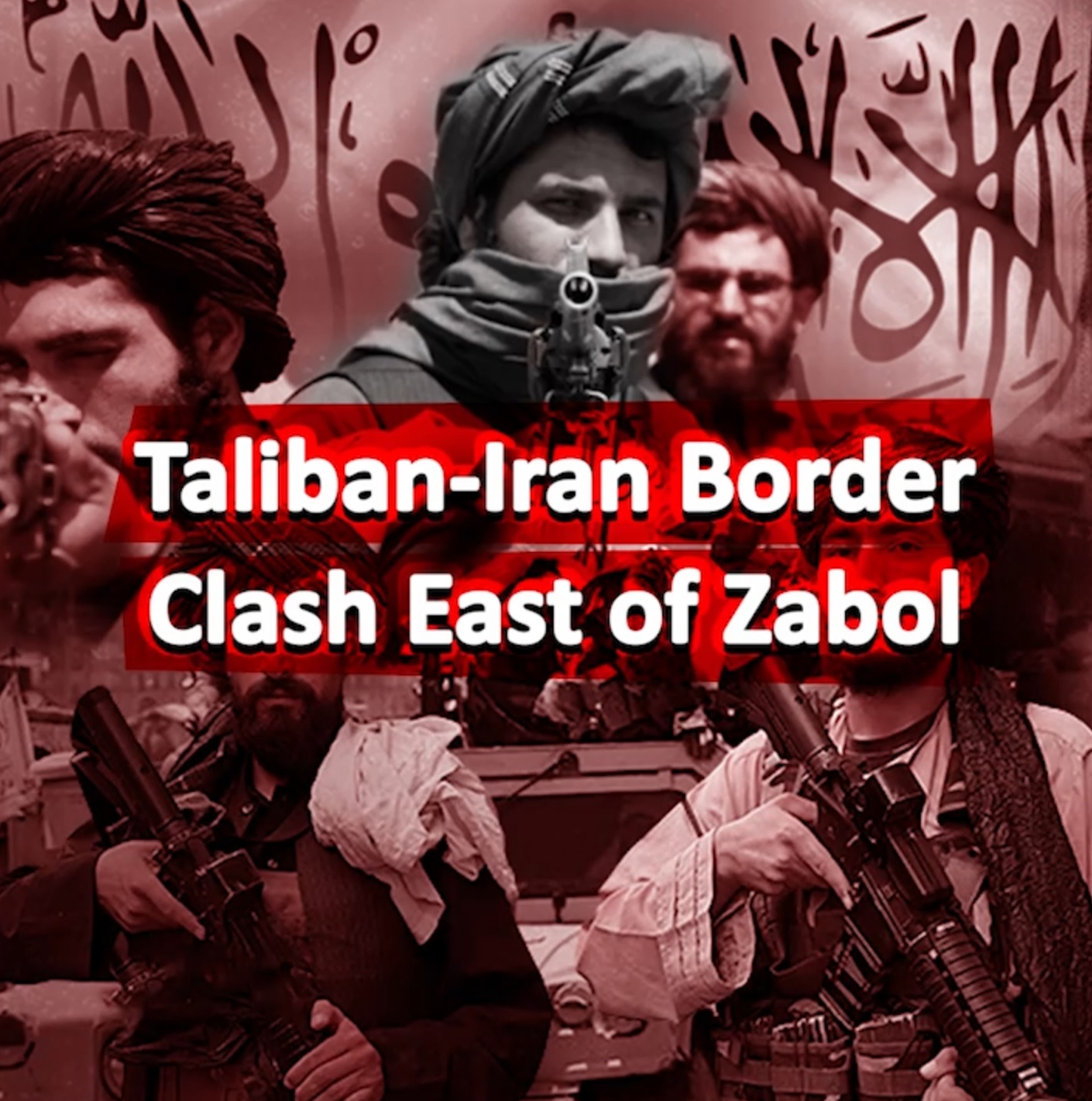
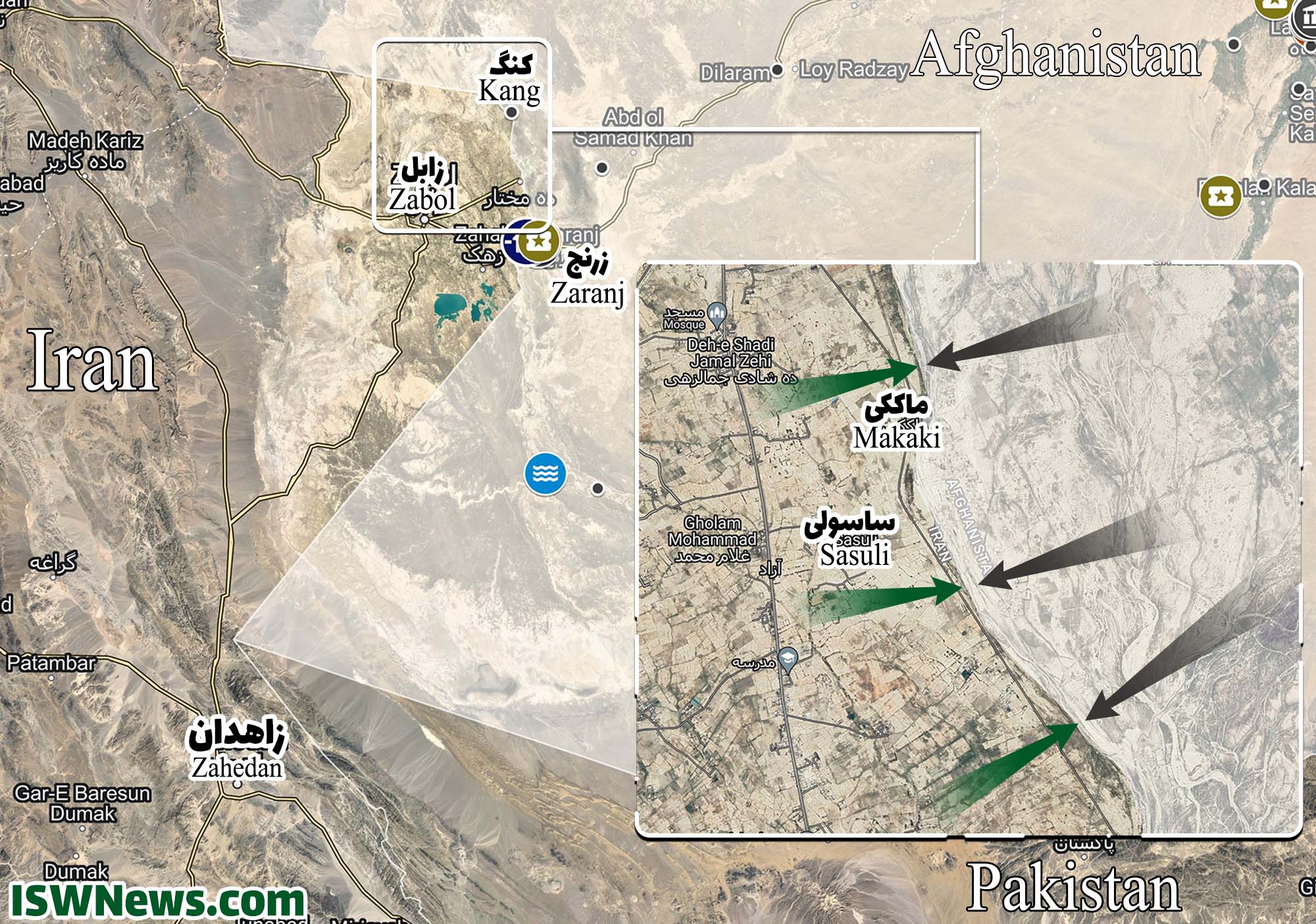
    According to local sources in the border areas of Zabol, the capital city of Sistan and Baluchestan Province, some Taliban militants and a number of Iranian border guards started armed clashes on the outskirts of Makaki, Sasuli and Haatam villages, which are located east of Zabol city from noon today (May 27) and the two sides exchanged fire.

    As a result of these clashes, an Iranian border guard lost their live and at least two Taliban militants were also killed and several others were wounded.

    At present, the conflict ended after artillery fire and exchange of gun fire, and border officials on both sides are investigating the differences, while the reason behind the clash has not been determined so far.

    Taliban militants had previously prevented Iranian machineries from constructing border walls and it seems that the today clash had its roots in such disputes.

    Local sources in Afghanistan’s Nimruz Province claim that Iran has launched artillery attacks on the airport and residential areas in northern villages of southwestern city of Zaranj, but the Iranian authorities ruled out the allegations and emphasize that Iranians’ artillery targeted Taliban forces’ positions.

    The main areas of conflict between the Iran’s border guards and Taliban on the border of Makaki and Sasuli villages in Sistan and Baluchistan province.
    The released video of Taliban attack on Iranian forces in the border area

    Despite numerous reports from Taliban-affiliated media outlets on Iran’s missile attacks on Zaranj city in the center of Nimruz province as well as Afghanistan’s border villages, there have not been released any report or image of the alleged missile attack to show the consequences of the so-called Iranian missile strike on the areas; so, the propaganda campaign is completely unfounded. Furthermore, news stories on the Taliban’s advances in Iranian territory are not based on facts on the ground.

    Following today’s border clash in eastern Zabol, Commander-in-Chief of the Police Force of the Islamic Republic of Iran Major General Ahmadreza Radan ordered the border guards stationed in the mentioned border area to bravely and decisively defend the borders and do not allow anyone to violate or approach the borderline. His order also emphasizes that the border forces of the Islamic Republic of Iran will decisively respond to any border violation or aggression, and the current rulers of Afghanistan must be held accountable for their miscalculation, which is contrary to international principles.

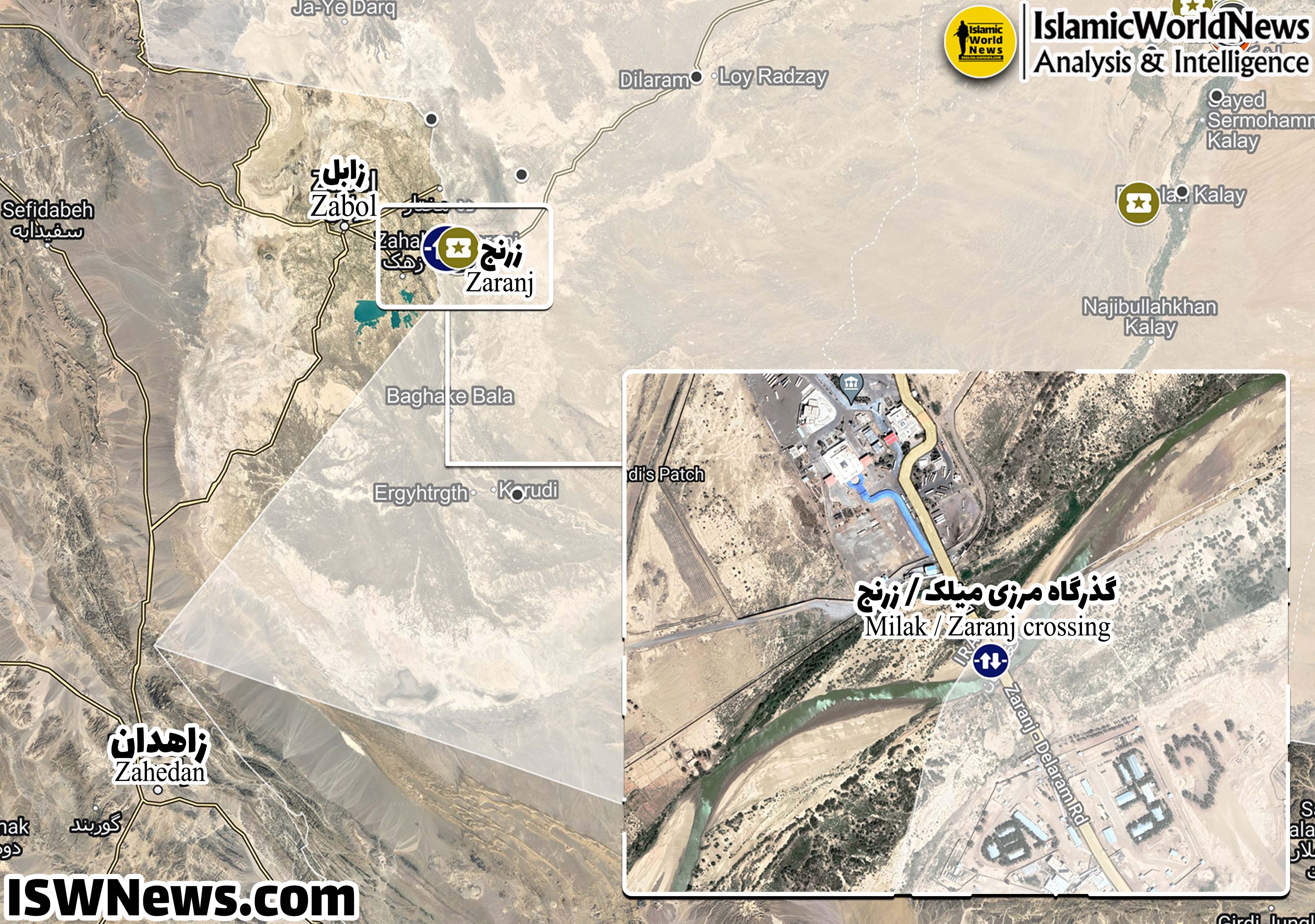
    Also, after today’s attack on the border areas east of Zabol, the Abrisham bridge, the only connection between Zaranj city and Iran, was closed. Milak-Zaranj crossing is the busiest border terminal between Iran and Afghanistan and has a high impact on the volume of trades between Iran and Afghanistan in the south of this country.

    Abrisham bridge, the only connection between Zaranj city and Iran

    The Iran-Taliban border conflict is an issue that has become a typical incident after the Taliban group took control of the Afghan government in August 2021 and such clashes have repeatedly occurred on the borderlines between Iran and its neighbors such as Pakistan, Tajikistan, Uzbekistan and Turkmenistan. The Taliban militants’ lack of know-how on laws and regulations concerning international borderlines has led to increased insecurity, smuggling and terrorist activities in Afghanistan’s joint border areas with Iran.

    Clashes and shootings between the Taliban and Iranian border guards in the border areas
    Exchange of artillery fire between Iranian border guards and Taliban militants
  • Islamic Jihad Reveals How Israel Could Identify Resistance Commanders’ Locations

    Islamic Jihad Reveals How Israel Could Identify Resistance Commanders’ Locations

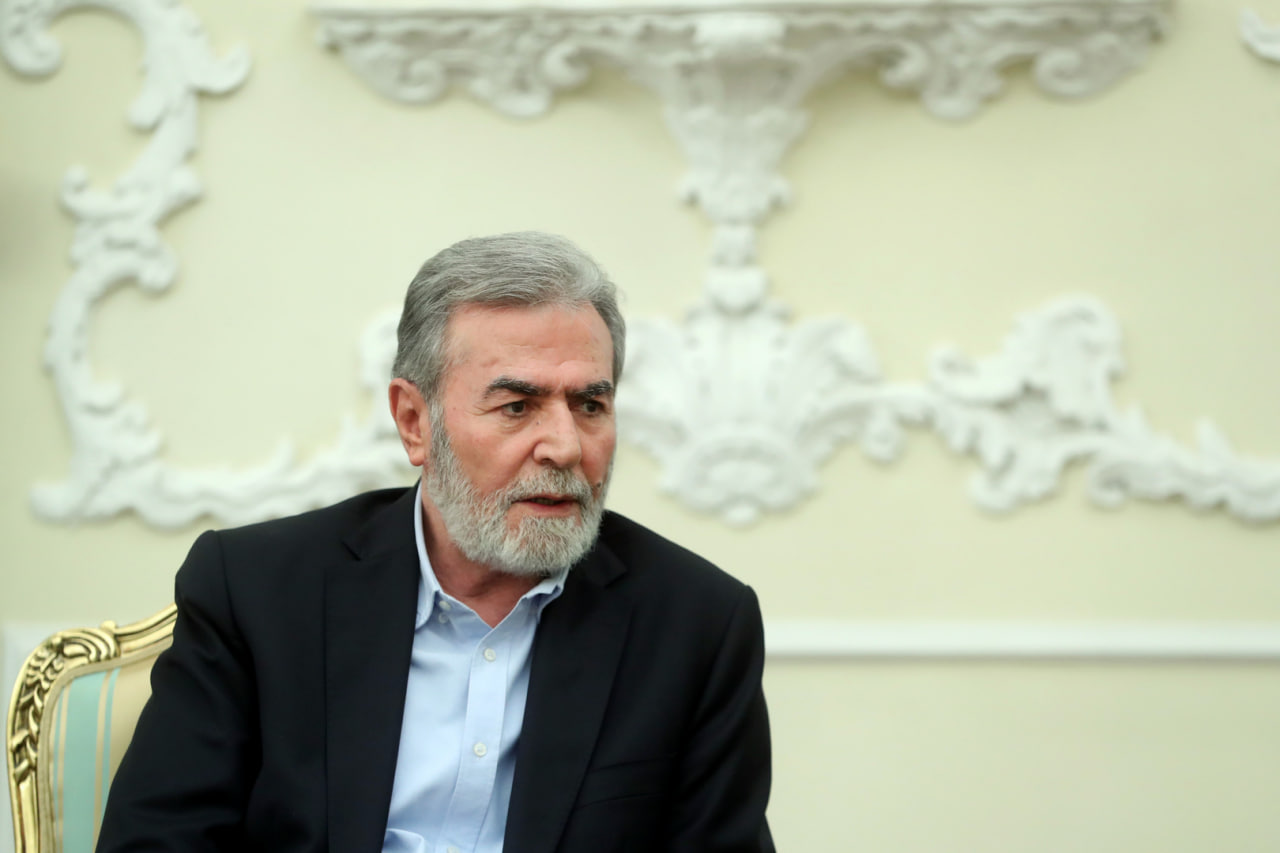
    On May 23, Secretary-General of the Islamic Jihad Movement in Palestine Ziyad al-Nakhalah said that the Palestinian movement was in a better position in the recent battle in comparison to the past confrontations. If Netanyahu dares to target the leaders of the movement in other fields, we will also rocket the Zionist regime, he added.

    Al-Nakhalah also argued that the reason for the assassination of the commanders of Al-Quds Brigades, the military wing of the Islamic Jihad movement during the recent five-day Israeli war against the Gaza Strip, was the commanders’ negligence in utilizing communication devices.

    The Jihad official went on to say that this was the main reason, which assisted the Israeli army to be able to identify the locations of the commanders of the movement in the Gaza Strip and assassinate them. According to the secretary general, the commanders always visited their families, and Israeli fighter jets assassinated them during the recent ceasefire and tranquility in the Gaza Strip.

    Read more: Secretary General Of Islamic Jihad Declares The End Of Fighting In Gaza

    There had been no security infiltration into the ranks of the Islamic Jihad Movement in Palestine, he underlined, adding that the only negligence, which had occurred, was the usage of cell phones; therefore, the security instructions had not been implemented.

    Resistance forces must refrain from using communication devices, he emphasized, noting that I am sorry to say that all the commanders who were martyred in the recent war had cell phones and this is a deadly weakness on the commanders’ part.

    Al-Nakhalah further stipulated that the successors of the martyred commanders are selected from the ranks of Al-Quds Brigades and whenever a commander is assassinated, another military staff from among the ranks of the Al-Quds Brigades would replace the martyred one. Therefore, the martyrdom of the resistance commanders does not cause any disruption to the military structure of the Islamic Jihad Movement and its infrastructure.

    The secretary-general also stated that Iran’s support for the Palestinian resistance is unconditional, because we do not have oil and military bases to supply the resistance fighters. The so-called normalization of ties with the Israeli regime is a heavy disappointment; so, the Arab states must support the Palestinian people in their steadfastness and perseverance, he noted.

    I am grateful for all the parties, who stood with the Palestinian resistance during the recent Gaza conflict, at the top of which were the Islamic Republic of Iran, Lebanon’s Hezbollah, our brothers in Egypt and Qatar, as well as the media outlets that covered the Israeli regime’s aggression against the Gaza Strip, the Palestinian politician said.

    Read more: Israeli Regime Attacks On Gaza Kills Palestinian commanders

  • Latest Updates On Yemen, 25 May 2023

    Latest Updates On Yemen, 25 May 2023

    1- Shabwah Governorate:
    On May 23, seven militants from the Shabwah Defense Forces were injured as a result of a bomb blast on the route of a vehicle carrying Shabwah Defense Forces in the Al-Rawda district. The raid was perhaps carried out by militants affiliated to the Al-Islah Party or the terrorist group of Al-Qaeda. (Interactive map)

    2- Al-Hudaydah Governorate:
    The Saudi-led coalition forces embarked on violating the ongoing ceasefire in Yemen some 134 times in the Al-Hudaydah Governorate over the past 48 hours.

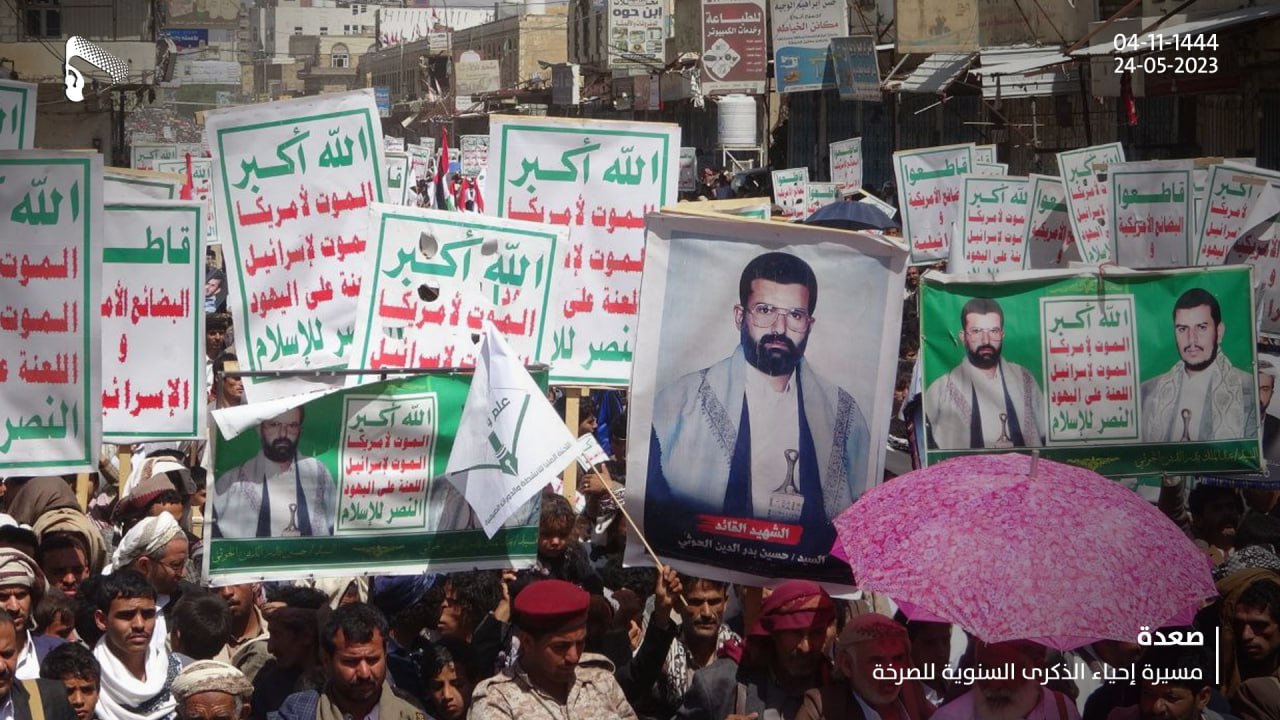
    3- On May 24, the Yemeni people, who are residing across areas controlled by Ansar Allah resistance movement, held a mass rally called “Cry in Face of Arrogant” with the aim of marking the anniversary of the martyrdom of Hussein Badreddin al-Houthi, also known as the eponymous founder of Yemen’s Houthi movement.

    In the demonstration, the Yemeni people described the United States’ slogans about democracy and freedom as sheer lies and they named the US as the main aggressor behind the war on Yemen. The Yemeni people also slammed the United States’ moves in obstructing and hindering the implementation of peace process in the wart-torn Arab country.

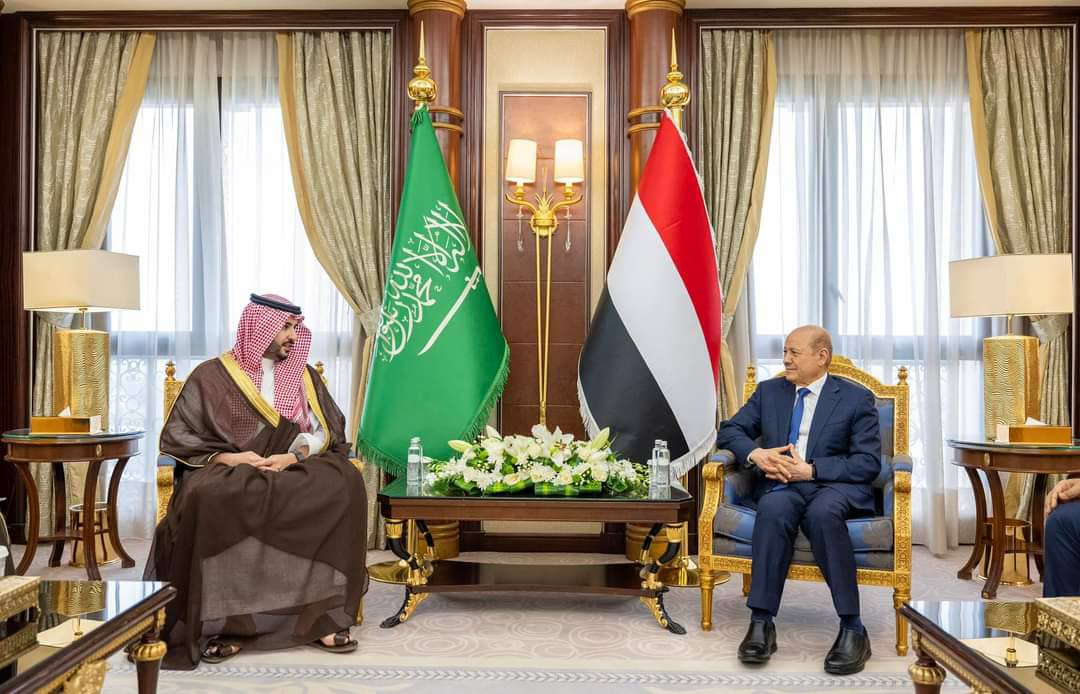
    4- On May 23, the Council of the Presidency of the resigned Yemeni government headed by Rashad Al-Alimi held talks with Minister of Defense of Saudi Arabia Khalid bin Salman Al Saud during a visit to the Saudi kingdom’s capital city Riyadh. Prominent Yemeni figures such as Aidarus al-Zoubaidi, Tareq Saleh, Abdulrahman Al-Muharrami, Sultan Al-Arada as well as other members of the Council of the Presidency of the resigned Yemeni government took part in the meeting.

    5- On May 22, Senior Advisor to Iran’s Foreign Minister Ali Asghar Khaji called for the removal of obstacles to the transfer of humanitarian aid to the war-stricken Arab nation in a video call with UN Special Envoy to Yemen Hans Grundberg. The two sides also discussed the peace process in Yemen during the video conversation.

    6- On May 17, British Ambassador to Yemen Richard Oppenheim in an interview with the Saudi newspaper Al-Sharq Al-Awsat said that my country supports the partition of Yemen. Any reconciliation in Yemen should also contain the issue of the southern region of the country and refer to the formation of a new arrangement in accordance with the resolution confirmed by the United Nations Security Council.