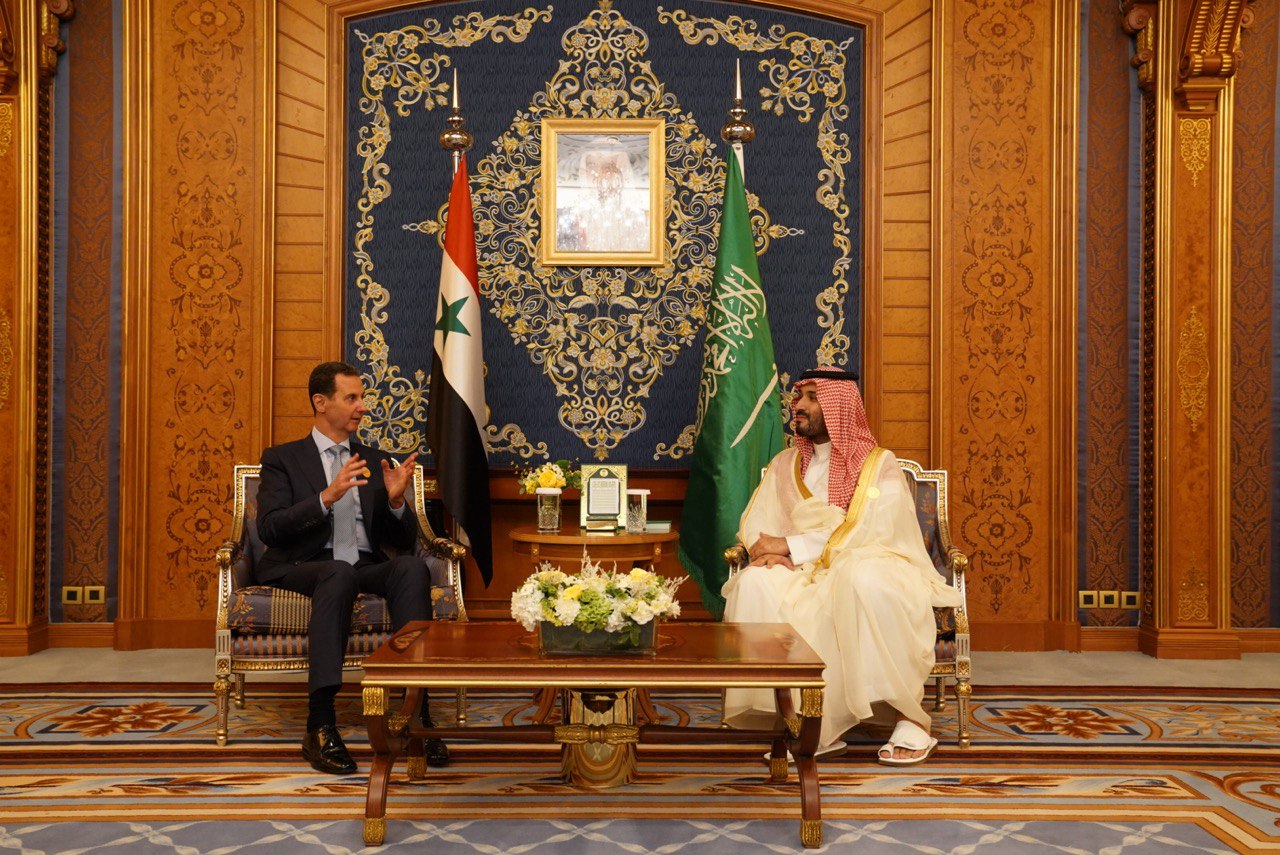
In this meeting, Assad and bin Salman discussed the developments in the Arab countries and the positive reflection of the relations between these countries and emphasized that this atmosphere indicates a collective movement towards common views.
The President of Syria appreciated the efforts of Saudi Arabia for convergence among Arab countries and said that joint actions between the Arab countries will help to realize the interests of their nations.
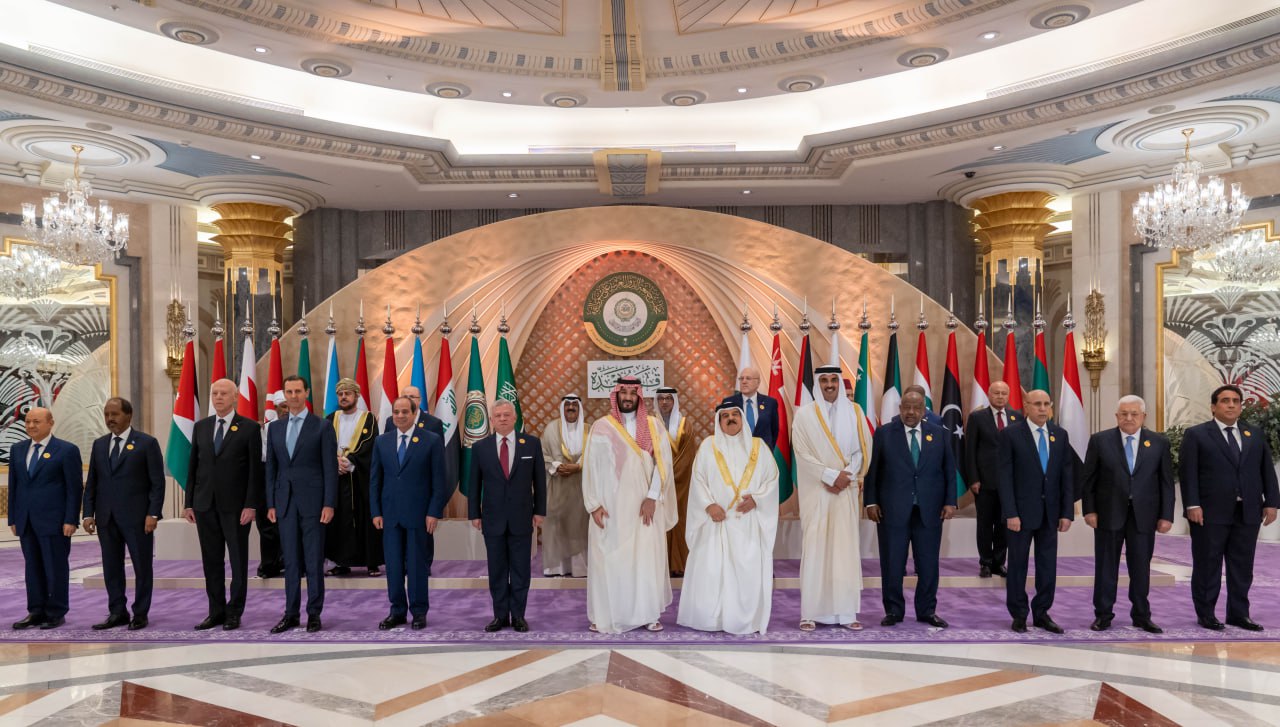
He congratulated bin Salman on the successful holding of the Jeddah summit and emphasized that this summit will increase cohesion among Arab countries.
The parties also expressed their satisfaction with the re-establishment of Riyadh-Damascus relations and said that this will stabilize the region.
It is worth mentioning that the President of Syria, who attended the 32nd meeting of Arab League in Saudi Arabia, met and talked with a number of senior officials of the Arab countries. The meeting between the President of Syria and the Crown Prince of Saudi Arabia was held after the end of the summit of the heads of the Arab League.
The president of Syria arrived at King Abdulaziz International Airport in the Red Sea port city of Jeddah on Thursday (May 18), when he was welcomed by Saudi authorities.
A day after Bashar al-Assad’s arrival in Saudi Arabia, the thirty-second summit of the leaders of Arab countries was held on Friday in Jeddah. According to Saudi media outlets, Mohammad bin Salman officially welcomed the President of Syria prior the onset of the 32nd summit of the Arab League.
The crown prince of Saudi Arabia welcomed the president of Syria
The summit kicked off with a speech by Mohammad bin Salman and he said at the beginning of the session that we are pleased with the presence of Bashar al-Assad, President of Syria, at the meeting of the leaders of Arab countries.
We hope that Syria’s return to the Arab League will help Syria’s security and the support for the country, he said.
Also, the subject of Palestine is the key issue of Arab and Muslim countries; an issue that is at the top of Saudi Arabia’s priorities, he noted, adding that the issue of Palestine is a focal point in the Arab world and we are working together to find a solution for it.
Bin Salman went on to say that we will not allow our region to become a battlefield; we have had years of conflict, which hurt people, and that we will devote our efforts to support for Yemeni parties to find a solution to the current crisis in their country.
Secretary-General of the Arab League Ahmad Aboul Gheit, for his part, stated at the summit that we welcome the agreement between Iran and Saudi Arabia, and that the Jeddah meeting is an opportunity to revive Arab issues, which had been left to others for a long time.
During the meeting, Bashar al-Assad described Syria as the heart of the Arab community, saying that I thank the heads of delegations who expressed their deep friendliness for Syria. A joint Arab cooperation to promote our role in resolving crises and issues requires common goals and strategies, the Syrian president argued.
Assad further emphasized that we are facing a historic opportunity to reorganize the mechanisms of the Arab League with the least amount of foreign intervention. The reconciliations that have taken place are a historic opportunity to re-examine our own affairs without foreign interference, he mentioned, adding that the world must leave internal affairs to our own people; so, we reject any foreign interference.
The president also concluded that I hope the conference will mark the commencement of a new phase of joint Arab action for solidarity among us so that instead of war and destruction, we can achieve peace, development and prosperity in the region.
Syrian President Bashar al-Assad’s arrival in Saudi Arabia
It is worth mentioning that the Arab League suspended Syria’s membership in this bloc in 2011 under the pretext of some political and security issues. Finally, after 12 years and following the failure of plots hatched to overthrow President Bashar al-Assad from power as well as the victories of the resistance axis in different fields, foreign ministers of Arab countries of the region agreed to return Syria to the Arab League during a meeting in Egypt on May 7.
The Syrian return to the Arab League and President Assad’s visit to Saudi Arabia created concern among the foes of the resistance axis so much that some Hebrew-language media outlets reacted to the promising developments, as they said that “This is the Arab League that has returned to Syria and not vice versa!”
The Zionists are of the opinion that with Syria’s return to the Arab League, the Arab Spring plot has officially come to an end and the issue of Palestine will once again become the main focus and concern of the Arab countries in the West Asia region and North Africa.
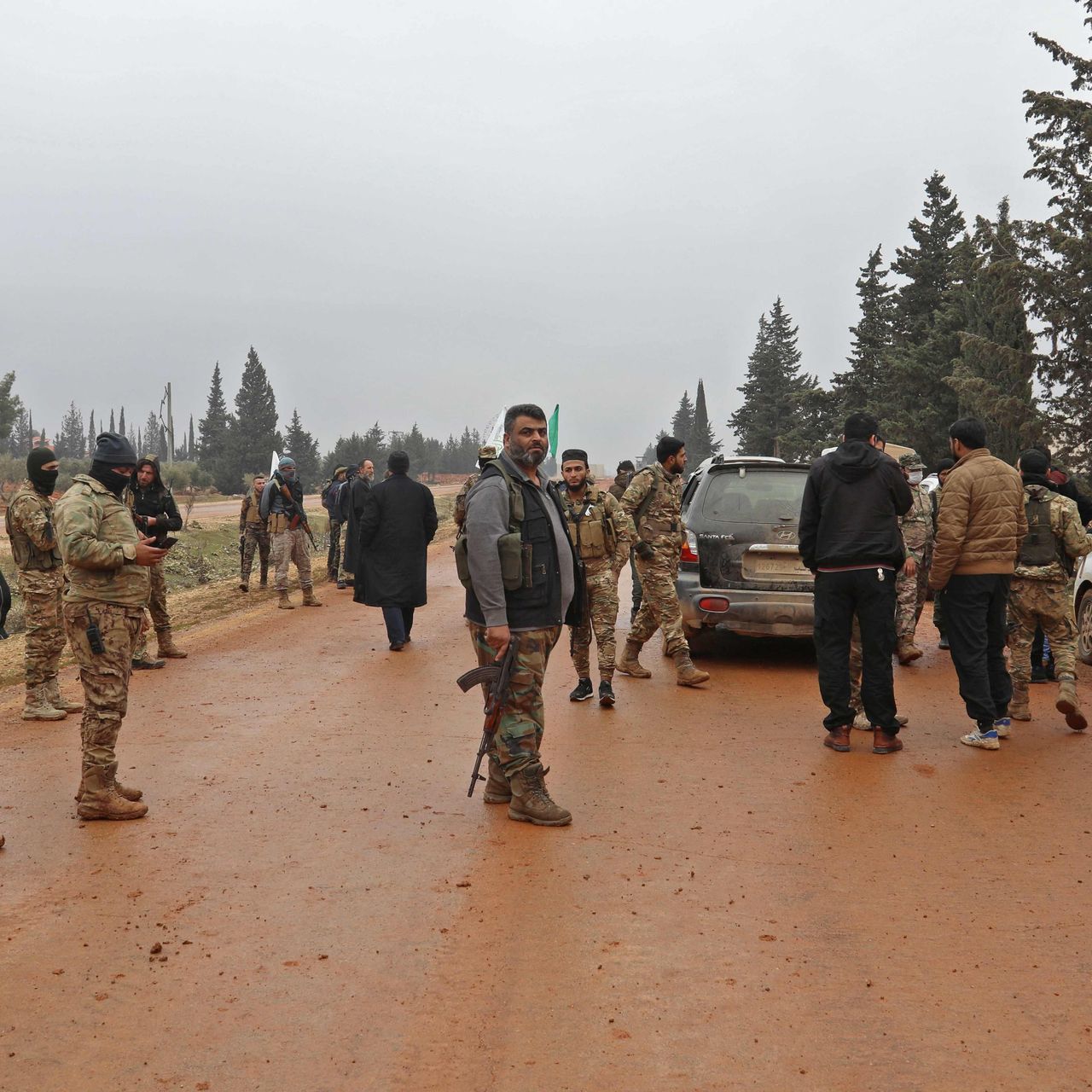
During the four-hour-long meeting, the two sides discussed the presence of foreign military agents of Hay’at Tahrir al-Sham in the Idlib Governorate as well as the presence of foreign women and children.
In the meeting, a number of reports presented by Hay’at Tahrir al-Sham elements to the National Intelligence Organization, which included accurate statistics on the presence of foreign elements in Idlib, were discussed.
They also held talks on the ways to deal with the issue of foreign prisoners in Hay’at Tahrir al-Sham’s prisons as well. It is also said that Hay’at Tahrir al-Sham has agreed to hand over some prisoners, who are European and Asian nationals, to the Turkish authorities.
It seems that The Turkish government, which is aware of the importance of such an issue for Russia and Western countries, is seeking to maintain the presence of foreign elements in Idlib in order to exploit them in possible negotiations about the future of the regions, where the foreign-backed militants are still there.
It is worth mentioning that, earlier this month, the head of the Syrian General Intelligence Directorate, Hussam Louqa met with the commanders of Turkish-backed factions in Aleppo city in northern Syria. In the meeting, the normalization of relations between Damascus-Ankara was discussed. This meeting took place after Hussam Louqa met and talked with the head of the Turkish Intelligence Service on May 5, on the sidelines of the quadrilateral meeting of Iran, Syria, Turkey and Russia in Moscow.
The Hebrew-language newspaper Yedioth Ahronoth published new details of the terrorist operation against three senior commanders of Al-Quds Brigades, the military wing of the Palestinian Islamic Jihad Movement in the Gaza Strip.
The Israeli newspaper quoted anonymous sources as claiming that the strikes that led to the martyrdom of three Islamic Jihad commanders took place simultaneously and there was only a four-second time interval between each strike.
During the terrorist operation, Jihad Ghanem was martyred in Rafah as well as Khalil al-Bahtini and Tariq Azaldin were martyred in the Gaza Strip along with 10 members of their families, including women and children.
According to Yedioth Ahronoth, the terrorist reconnaissance operation lasted 116 hours and various drones and aircraft flew for 4,000 hours to carry out espionage operation in the skies of the Gaza Strip; so, in the end 289 targets belonging to the Islamic Jihad were targeted.
The newspaper also reported that following the firing of Islamic Jihad rockets during the recent holy fasting month of Ramadan and after the recent incidents at the Al-Aqsa Mosque as well as until the start of the Operation Shield and Arrow, some senior leaders of the Islamic Jihad Movement were under the supervision of the Israel Security Agency, known in Hebrew as Shabak or Shin Bet, which is the Israeli counterintelligence and internal security service.
The terrorist act was postponed at least twice due to operational conditions and the desire of the regime’s army to concurrently assassinate senior Islamic Jihad commanders in a surprise operation that would maximize the success of the operation. The Israeli regime’s air force preferred to carry out the assassination of Islamic Jihad commanders from several directions to prevent any sort of surprising elements.
It is worth mentioning that the strikes by the Zionist regime’s army on the Gaza Strip kicked off on May 9 in the framework of the operation dubbed “Operation Shield and Arrow” when the Zionists embarked on assassinating three senior commanders of the Al-Quds Brigades and the operation continued until May 13.
Ultimately, concurrent with the speech of the secretary-general of the Palestinian Islamic Jihad movement, the new round of clashes ended; so, a ceasefire between the Islamic Jihad Movement and the Zionist regime’s army took effect in the Gaza Strip.
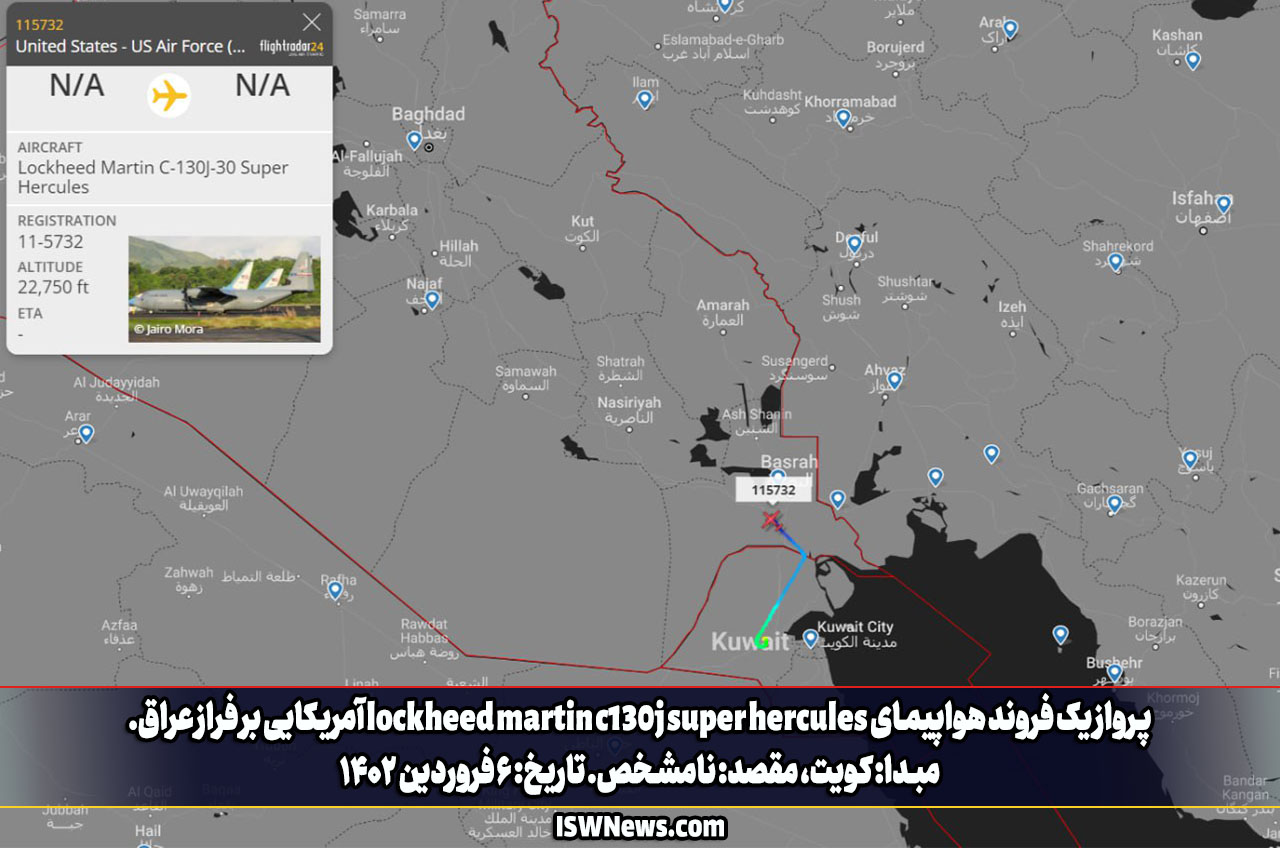
In light of the decline in resistance strikes in Iraq as well as the increase in attacks on the United States’ forces in Syria, the Americans’ movements have increased in recent months in Iraq because their bases in Iraq are somehow a sort of stronghold for the US military bases in Syria.
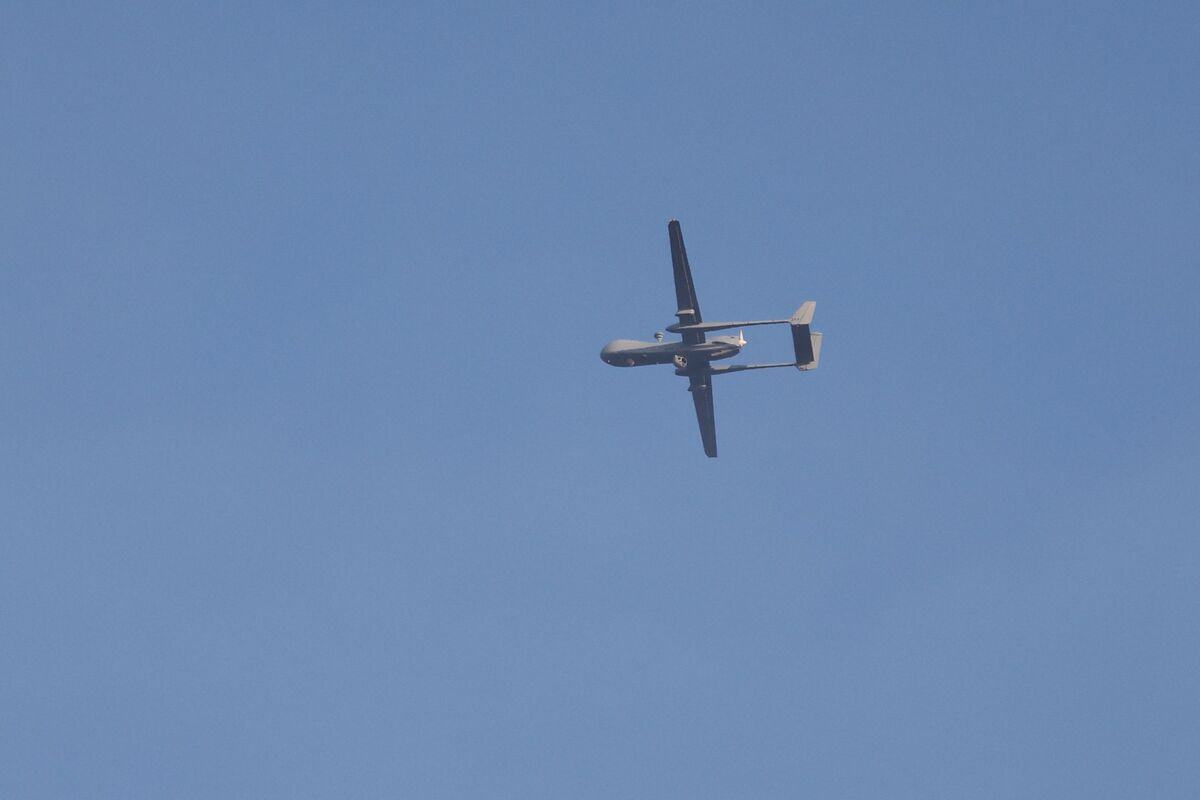
Hence, the US army has transferred a number of its forces and equipment to certain bases in Iraq by aircraft and vehicles, and it has also increased the number of flights of the spy drones over the border areas between Iraq and Syria.
Flights of American aircraft in the border areas of Iraq and Syria. (Click to view full size)
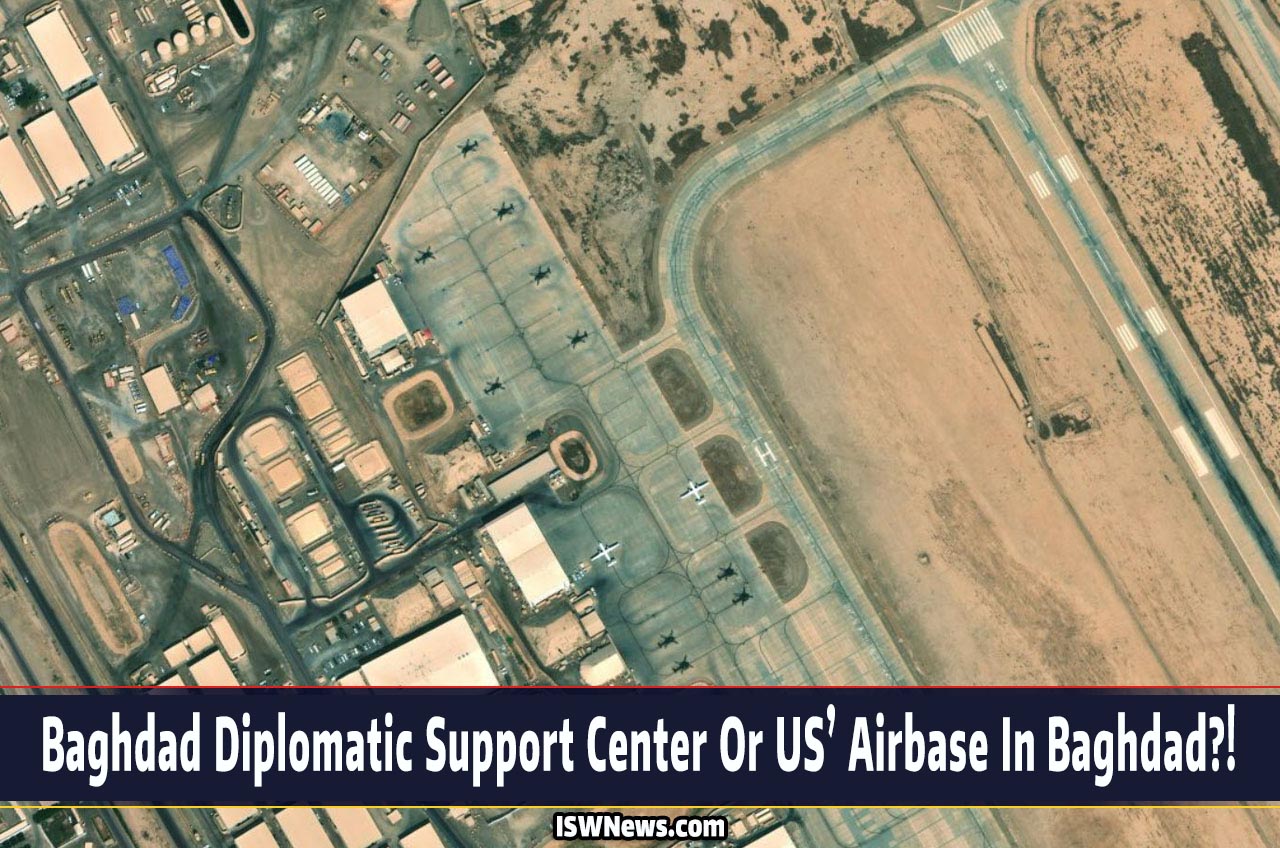
As a result of the surge in military forces and equipment in Iraq, the activity of the Baghdad Diplomatic Support Center (BDSC) increased as well. The Baghdad Diplomatic Support Center is one of the important military bases in the Arab country, which hosts a significant number of helicopters and military aircraft. The 350-hectare center is located at the Baghdad International Airport near the Victory Base Complex. At least 41 agencies and groups as well as a total of 1,600 military personnel are present in the so-called diplomatic center, which is managed by the United States Department of State.
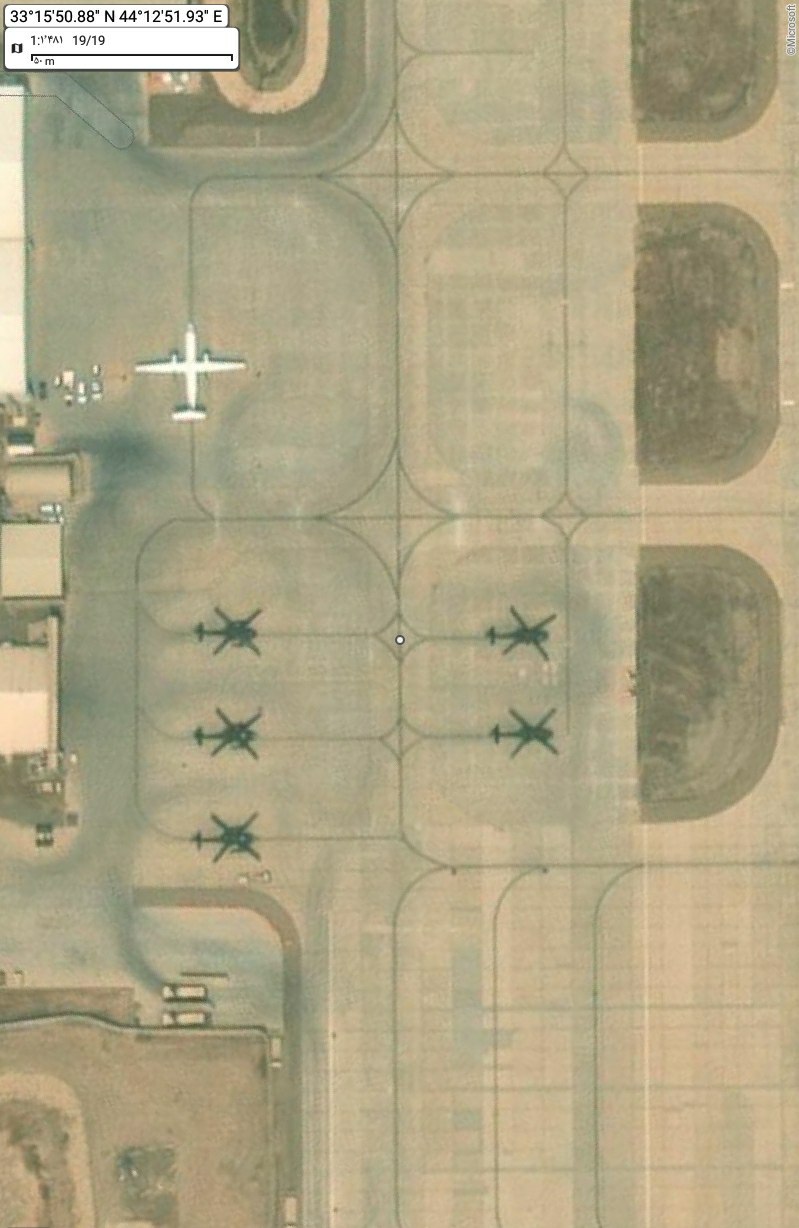
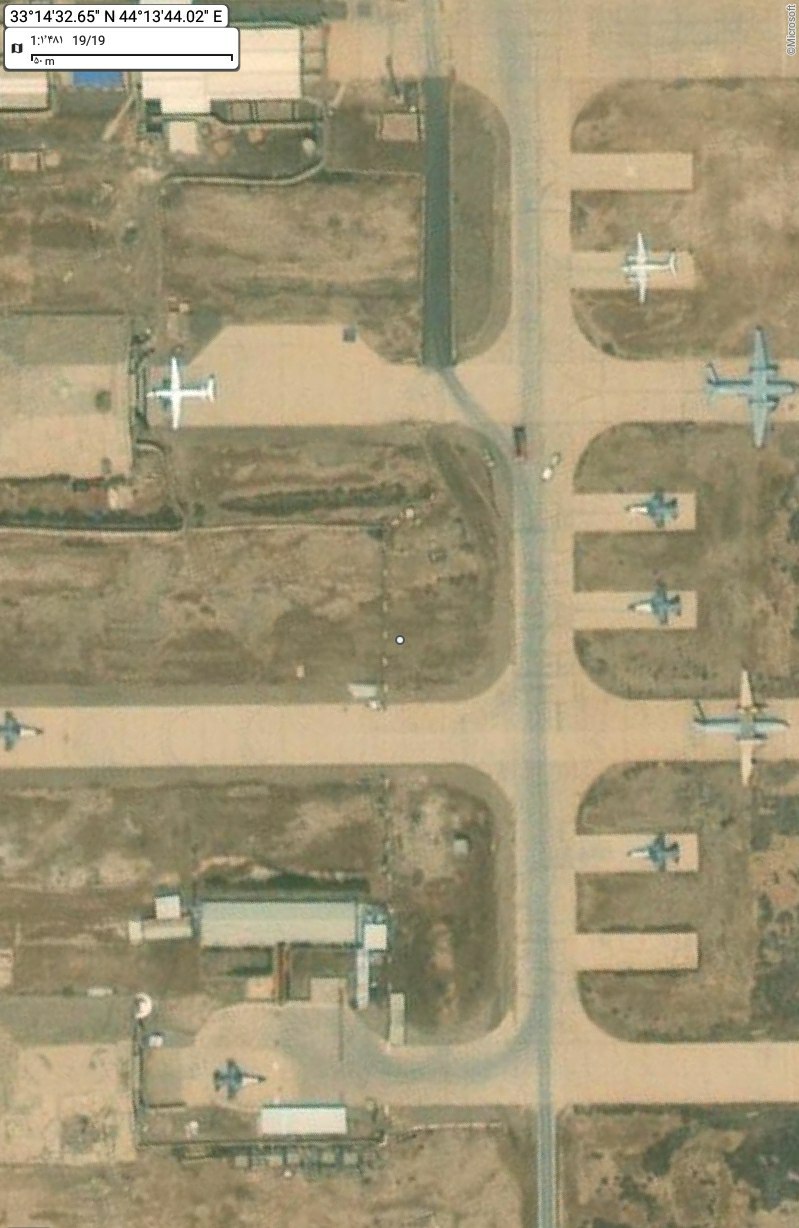
The Satellite images of the BDSC center show that different types of helicopters such as Sikorsky HH-60L Black Hawk and CHINOOK as well as some aircraft such as Beech C-12U-3 Huron and Lockheed C-130 Hercules are stationed at the Baghdad Diplomatic Support Center.
The Americans are conducting their activities in the site under the guise of carrying out diplomatic affairs, but flight observations show that the number of helicopter flights from this air base to the areas of the regional countries and their regions increased in recent months. Observations also show that several military helicopters have flown from the air base to various districts of Baghdad in recent months.
American aircraft activities in Baghdad Diplomatic Support Center (BDSC). (Click to view full size)
Such actions are taking place while many Iraqi people and political factions protest against the presence of the US troops in the Arab country. The activity of the air base, along with other US military bases such as Victory Base Complex in Baghdad Governorate, Al-Harir Air Base in Erbil Governorate, Ayn al-Assad Air Base in Al Anbar Governorate, Al-Taji Air Field and Balad Air base both in Baghdad Governorate, shows the importance of Iraq for the US and indicates Washington’s investment in the Arab country.
The continuation of the military presence and the failure of American soldiers to leave Iraq prompted many people in Iraq to make their voices heard by their officials over the continued presence of the American troops. Some Iraqi analysts and media outlets also published cartoons, memos and various news stories, complaining that the US embassy should deal with political and diplomatic affairs, but it has turned into a large military base in Baghdad, because the Americans deployed heavy military equipment and weapons; so, the personnel of the Baghdad Diplomatic Support Center are engaged in anti-Iraq activities.
However, despite the promises made by the US and Iraqi officials, the presence of the American military forces has not decreased in Iraq in comparison to the past circumstances, but they are still hatching plots and acting against the Arab country and its neighboring states.
Satellite images of Baghdad Diplomatic Support Center (BDSC). (Click to view full size)American aircraft activities in Iraq. (Click to view full size)
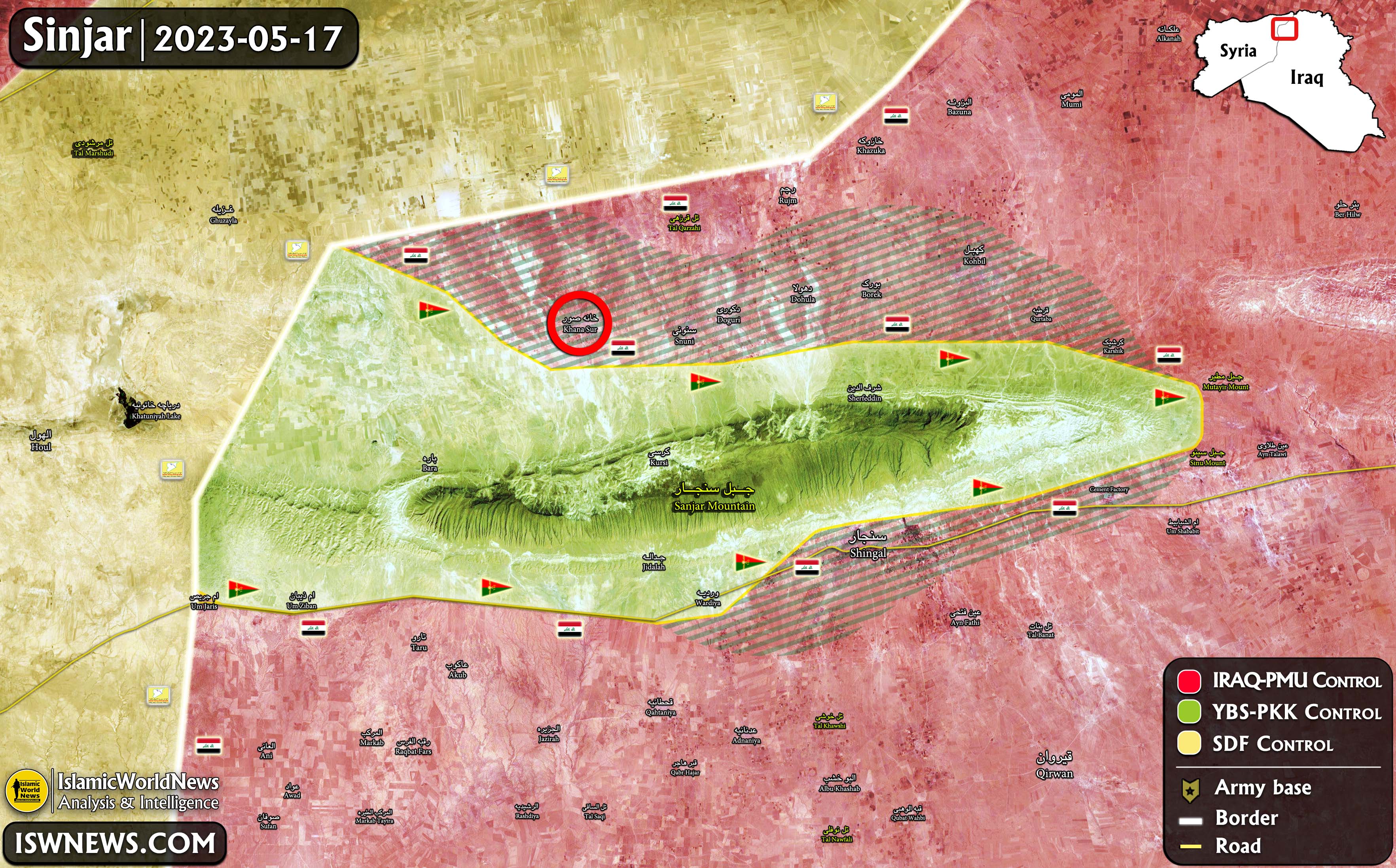
On May 16, Turkish drones targeted a headquarters belonging to the Kurdistan Workers’ Party (PKK) in Khana Sor area located on the outskirts of Sinjar city, during which three PKK members were killed.
The Kurdistan Region of Iraq also announced in a statement: “A Turkish drone targeted a base belonging to the Kurdistan Workers’ Party in Sinjar region, and the attack resulted in the death of three fighters of the Kurdistan Workers’ Party.”
It is worth mentioning that on March 1, Turkish drones also targeted a vehicle in Sinjar city, during which one of the field commanders of the Sinjar Resistance Forces (YBS) along with his bodyguard lost his life.
1- Shabwah Governorate: On May 11, the Dara al-Watan (national shield) Forces moved from Jardan district towards Ataq city. The recent relocation was accompanied by advances on the Ataq-Al Abr road and has not yet caused clashes with the Shabwa Defense Forces and the Southern Transitional Council (STC).
2- Sana’a Governorate: – On May 11, Hatem al-Ahmar, one of the military commanders of the Al-Islah Party and one of the close associates of Major General Hashem Abdullah Hussain Al-Ahmar, a local commander loyal to the Saudi-led coalition, entered capital city Sana’a and joined the Ansar Allah Movement. – Hussein al-Ezzi, Deputy Foreign Minister of Yemen’s National Salvation Government said that France can no longer steal Yemen’s gas and this is what makes the ambassador of the European country talk about us, while he is showing all of his hatred. We tell Paris that your ambassador does not need to play the role of being drowned in tears, lies and hatred, because enmity with the people of Yemen is not appropriate. We are friends and the purchase of the Yemeni gas is available. But you can only buy it based on the international prices.
– On May 15, the Yemeni people held a rally in support of the oppressed people of the Gaza Strip and the Islamic Jihad Movement in various cities of Yemen, which are under the control of the Ansar Allah Movement. The Yemeni people showed support for the Thar Al-Ahrar Operation (Revenge by the Freedom-seekers) by the resistance movements in Palestine. Yemenis also congratulated the victory of the Thar Al-Ahrar Operation and other resistance operations, while condemning international silence, when it comes to the crimes committed by the Zionist regime.
3- Al Hudaydah Governorate: – On May 13, the Ansar Allah Movement’s naval forces destroyed a Saudi coalition military vessel off the coast of Al Hudaydah port city. The boat was carrying weapons and ammunition for the Saudi-led coalition forces and it was destroyed by the Ansar Allah fighters after being abandoned by its crew. – The Saudi-led coalition forces violated the ongoing ceasefire 130 times in Al Hudaydah Governorate over the past 48 hours.
4- Al Bayda Governorate: Following an armed strike by an individual during Friday prayers at the Al-Mansoura village mosque in Al-Qurashiyah district, five people lost their lives and ten others were wounded. Nasser Al-Arami, the attacker, was killed during the clash. Given the history of Takfiri groups’ control over the region, it is likely that the new attack was carried out by the ISIS or Al-Qaeda terrorist groups.
5- Abyan Governorate: – Clashes between the Southern Transitional Council militants and Al-Qaeda terrorist group continue sporadically in Al-Mahfad district, Abyan Governorate. – On May 10, the Al-Islah Party militants and the Southern Transitional Council forces conflicted in Wadi Al-Khayalah village. – In the same day, two people were killed and six others were wounded as a result of a bomb explosion in Ja’ar town and capital of Khanfir District in south-western Yemen.
6- Hadhramaut Governorate: On May 9, the United Arab Emirates (UAE) removed its military personnel and equipment from non-military facilities at El-Rayyan Air Base, including the arrival and departure hall as well as the runway of the airport. After the move, the Saudi-led forces took control of the mentioned sections and deployed the first brigade of the Dara al-Watan forces to protect the military airport. It is noteworthy that the UAE forces along with the American troops are still present in the military section of the El-Rayyan Air Base and at the headquarters of the brigade 190 of the air defense, which is stationed near the military air base.
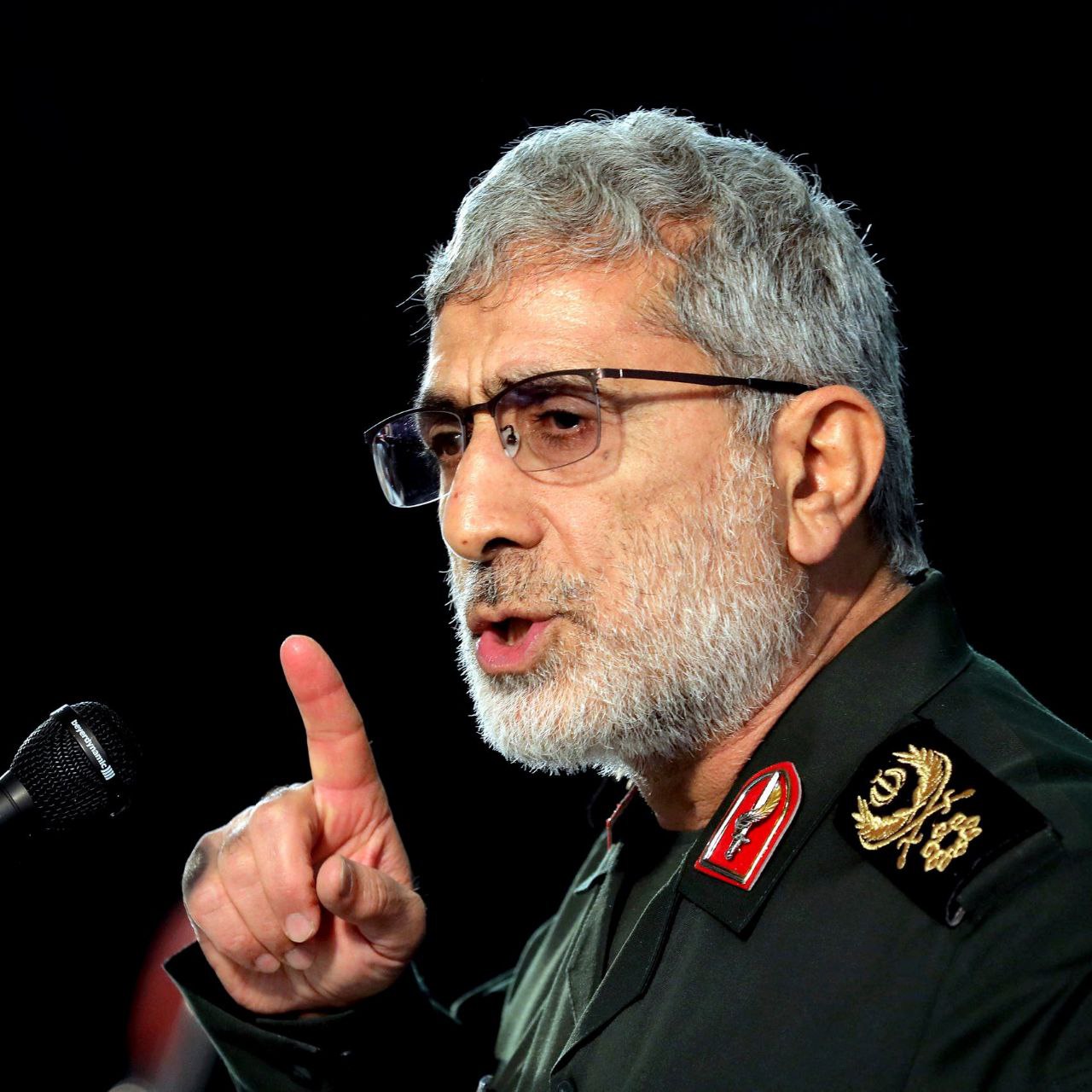
He underlined the support for the Palestinian resistance groups in a message on May 14, noting that the fighters in al-Quds and throughout Palestinian territories have proved that the dawn of victory is approaching.
The commander also praised the families of the Palestinian martyrs, saying that these people take the responsibility of defending al-Quds and sanctities.
According to the Iranian commander, the commanders of the joint operation chamber have shown a new epic in the face of the Zionist regime and proved once more that they can break the myth of strength of the foes.
The victories are parts of a stable step towards the final triumph, he said, adding that Iran will continue backing the Palestinian people and resistance groups to see the uprooting of the Zionist regime in the Palestinian land.
Qaani expressed gratitude to the fighters of Lebanon’s Hezbollah movement as well as all resistance groups, who stand against the Zionist enemies.
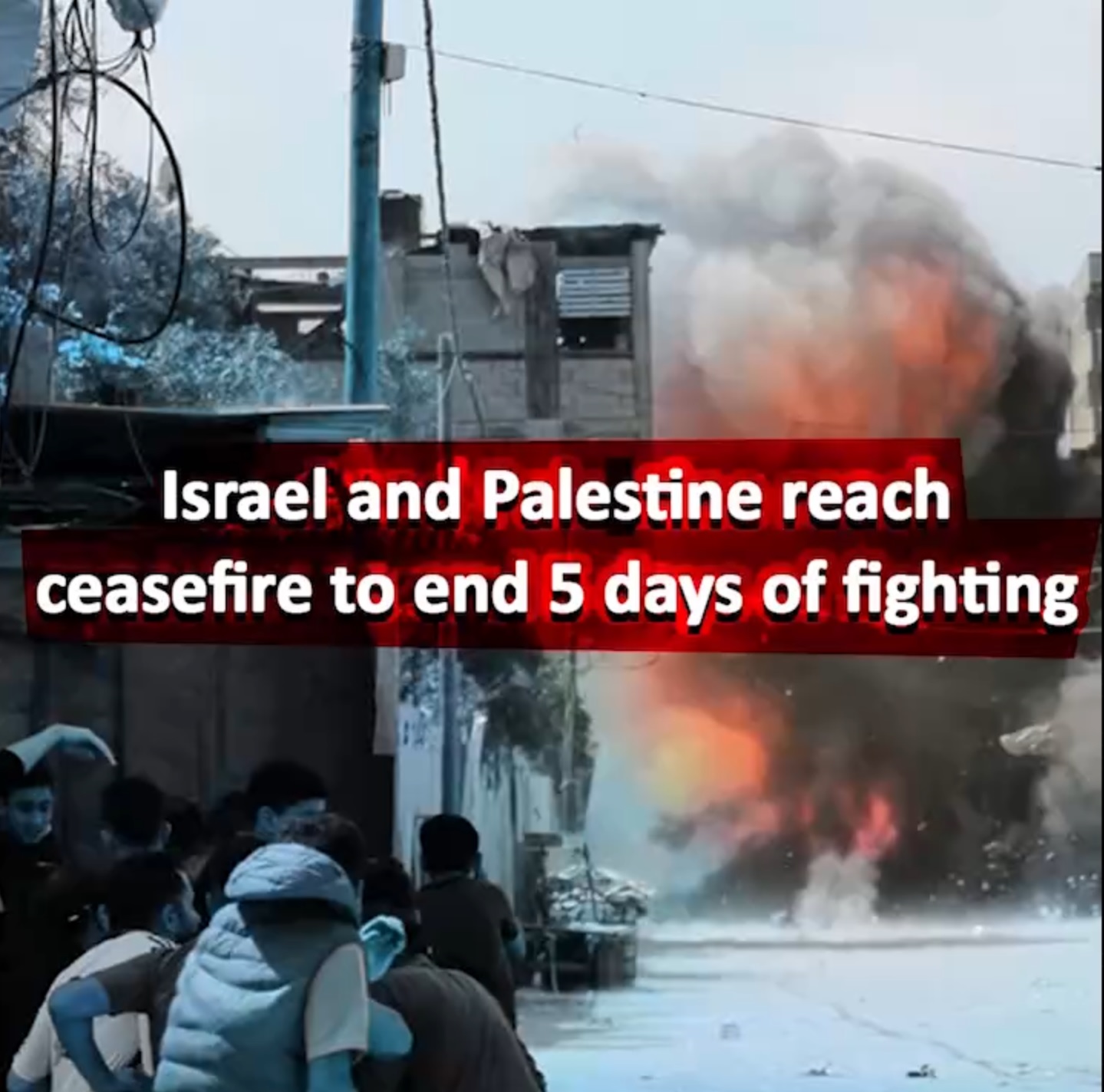
The new round of clashes between Palestinians and Israelis last for five days. The Israeli aggression left 33 Palestinians martyred and 147 others wounded. The Palestinians’ retaliatory rockets left one Israeli killed and 77 others injured.
The head of the Syrian General Intelligence Directorate met with the commanders of Turkish-backed forces in Aleppo. In this meeting, the normalization of relations between Damascus-Ankara was discussed.
The Intelligence Online reported on May 12 that Hussam Louqa met and talked with the head of the Turkish Intelligence Service on May 5, on the sidelines of the quadrilateral meeting of Iran, Syria, Turkey and Russia in Moscow; Two days later on May 7, he went to Aleppo and met with the commanders of Turkish-backed forces.
So far, no further details have been released in this regard. The meeting of the head of the Syrian Intelligence Organization with the militants is considered a very important matter because Louqa is the designer of several reconciliation agreements in Syria. The holding of this meeting shows an important progress in the process of normalizing relations between Syria and Turkey, which is also supported by Russia and Iran.
It is worth noting that the agreement between Damascus and Turkish-backed groups could encourage Ankara to withdraw its forces from Syria and help millions of Syrians return to their homes. However, it is not yet clear whether such an agreement will be possible with the presence of many radical elements among the militants in northern Syria.
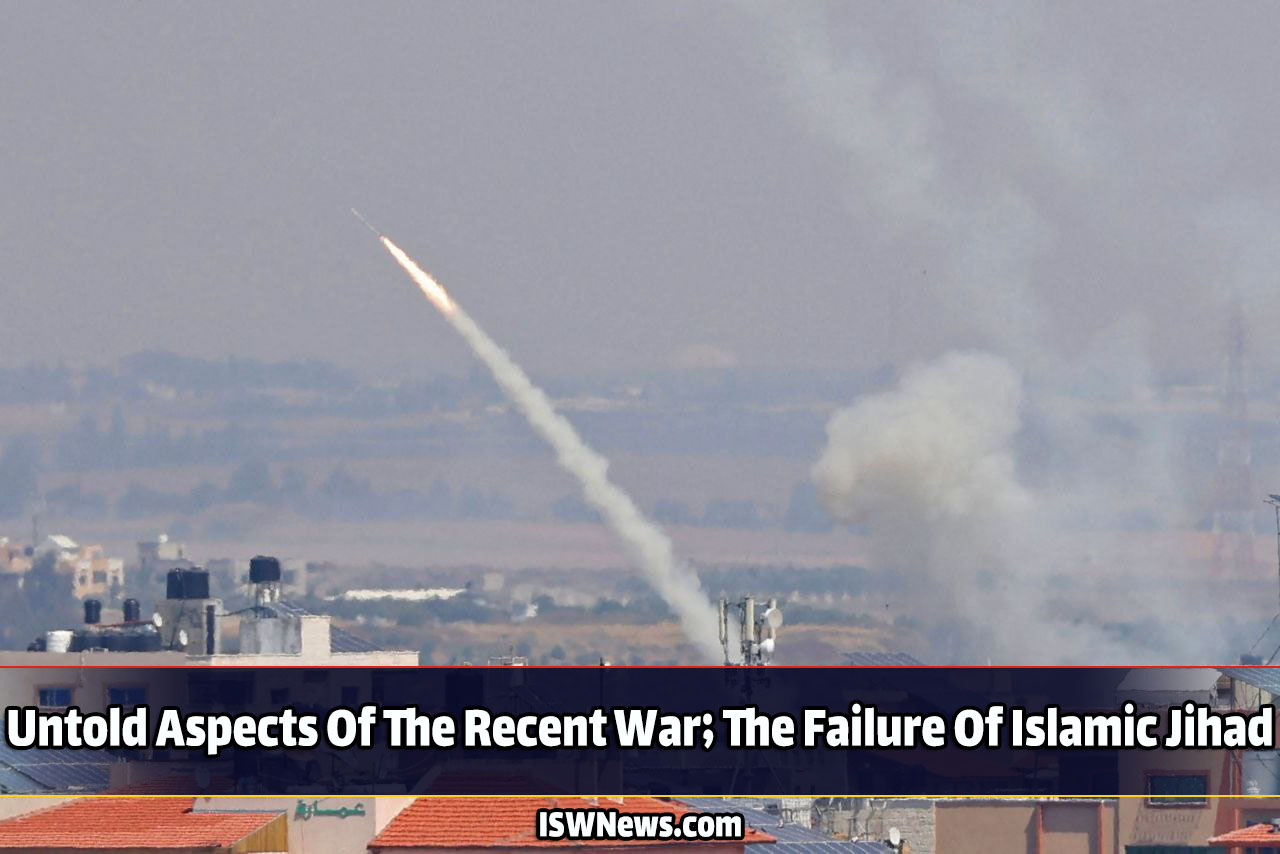
On May 9, Israeli fighter jets conducted air strikes on the houses of commanders of the Al-Quds Brigades, which is the military wing of the Islamic Jihad movement in the Gaza Strip, with the use of precise data. As a result of the military aggression the Israelis martyred three senior commanders of the Al-Quds Brigades along with several members of their families. The regime resorted to the tactic in a bid to cover up its internal protests, which it has been grappling with for weeks; so, the Zionists carried out the assassination operations with the aim of weakening the structure of Islamic Jihad Movement in Palestine.
However, the reaction by Palestinian resistance groups to the criminal aggression by the regime was completely different from what occurred in previous occasions. The Israeli officials expected the Islamic Jihad movement to instantly launch hundreds of rockets after the martyrdom of its commanders and then conclude the confrontation in a few hours and or within one or two days. The Palestinian fighters’ delay and patience primarily signaled their preparedness prior to the storm as well as their planning for a decisive and crushing response to the aggression. But such a scenario did not occur! The Islamic Resistance Movement Hamas did not directly get involved in the clashes and the confrontations were in some way merely on the shoulders of the Islamic Jihad Movement in Palestine.
36 hours from the start of the Israelis’ air strikes on Gaza, the commanders of Islamic Jihad Movement kept calm and then started targeted the Israeli settlements in vicinity of the Gaza Strip by the use of short-range rockets. The rocket attacks did not seem very powerful and most of them were intercepted by Israel’s defense shield systems. Following the influx of new rockets fired by the resistance groups, the battle ground enhanced a little, and Israel had to utilize the David’s Sling along with the Iron Dome system in a bid to be able to intercept the Palestinians’ rockets.
Such unsuccessful and low-impact rocket attacks as well as the show of hesitation by all Palestinian resistance groups to get involved into the clashes sent a message of weakness to Israel, which made this regime more arrogant than ever. The Israeli army reached to the conclusion that they should use the opportunity to assassinate more fighters and commanders of the Islamic Jihad Movement. Thus, during the fourth day of the clashes, a commander of the Al-Quds Brigades, who was the person in charge of the operations of the resistance group, was martyred by the Israeli armed forces.
Furthermore, the inequality of the Palestinians’ response to the assassination of the commanders of Al-Quds Brigades paved the way for the continuation of Israel’s targeted strikes on the high-ranking commanders of Islamic Jihad Movement.
Let’s remember the Saif al-Quds battles, when the Israeli regime targeted a number of experts of missile unit of the Izz al-Din al-Qassam Brigades (IQB), military wing of Hamas movement, during the Saif al-Quds Battle; then, in response, Hamas attacked the position of the employees of the Rafael Advanced Defense Systems, which is an Israeli defense technology company, and the Israelis stopped the assassination of the Palestinian commanders after they received the warning message of Hamas. Unfortunately, this kind of reaction was not implemented by the Islamic Jihad Movement in the recent conflict. The commanders of the resistance groups are expected to remember that the lack of an appropriate and harsh response, which is equal to the crime of the Zionist forces, would lead to the persistence of the policy of physical removal of the commanders of the Islamic Jihad by the regime.
Another significant issue, which was obvious in this round of clashes, was the fragile protection of the commanders of the Islamic Jihad Movement. Although, human casualties are one of the inevitable characteristics of asymmetric wars, and particularly in a small enclave like the Gaza Strip, protection affairs seem to be difficult, but the weak guard for the commanders of the Islamic Jihad Movement was apparent in this round of confrontations. The assassination of several leading military commanders of the Islamic Jihad Movement in a few days indicates that there is a serious security weakness in the protection layers of the resistance movement.
The statements voiced by Secretary General of the Islamic Jihad Movement in Palestine Ziyad Al-Nakhalah at the end of the Thar al-Ahrar Operation indicate that there had been slight differences among the members of the Joint Operation Room of the Palestinian Resistance. It seems to be clear that efforts should be made to equip the Al-Quds Brigades and other Palestinian resistance groups more than ever. Despite the fact that the resistance groups did not get involved into the battle ground with all their forces and equipment; however, these groups’ equipment and arms cannot be compared to the Izz al-Din al-Qassam Brigades either in terms of quality or quantity.
Nonetheless, the Thar al-Ahrar Operation came to an end after five days following both warring sides accepted a ceasefire in a situation that it is obvious; the Palestinian resistance groups did not leave a good track record in this round of conflicts. Therefore, it can be said that the Gaza Strip is still miles away from ideal conditions and deterrence in the face of the Zionist regime.