On Wednesday evening (October 4), UAE forces and the Southern Transitional Council militants stormed a residential house in the city of Al-Mukalla, the center of Hadhramaut Governorate, and while the owner of the house requested enough time so that his family members can wear suitable clothes, the attackers destroyed the door of his house and broke into the building; then, they abused the residents of the house.
The video of the disturbing incident, in which the screams and requests for help by a woman and her children can be heard, has caused widespread outrage among Yemeni people on social media platforms.
Mahmoud Al-Bloushi, one of the renowned media activists in the UAE, explained that his country will act with an iron fist against anyone who dares to harm Emirati soldiers and interests, even if they are in the arms of their women!
He added that UAE forces intended to arrest one of the famous anti-UAE activists and reporters in this operation.
The attack comes as a recent wave of protests has been launched against the re-entry of resigned governor of Hadhramaut Mabkhout bin Madi into the city of Al-Mukalla.
Local media believe that the main goal of these protests has been UAE’s activities to pave the way for the United States to occupy Hadhramaut Governorate in Yemen.
Moreover, an US delegation led by Michael Koenig met with Mabkhout bin Madi and announced the details of a comprehensive military and security plan aimed at ensuring the security of the United States’ presence in Hadhramaut Governorate.
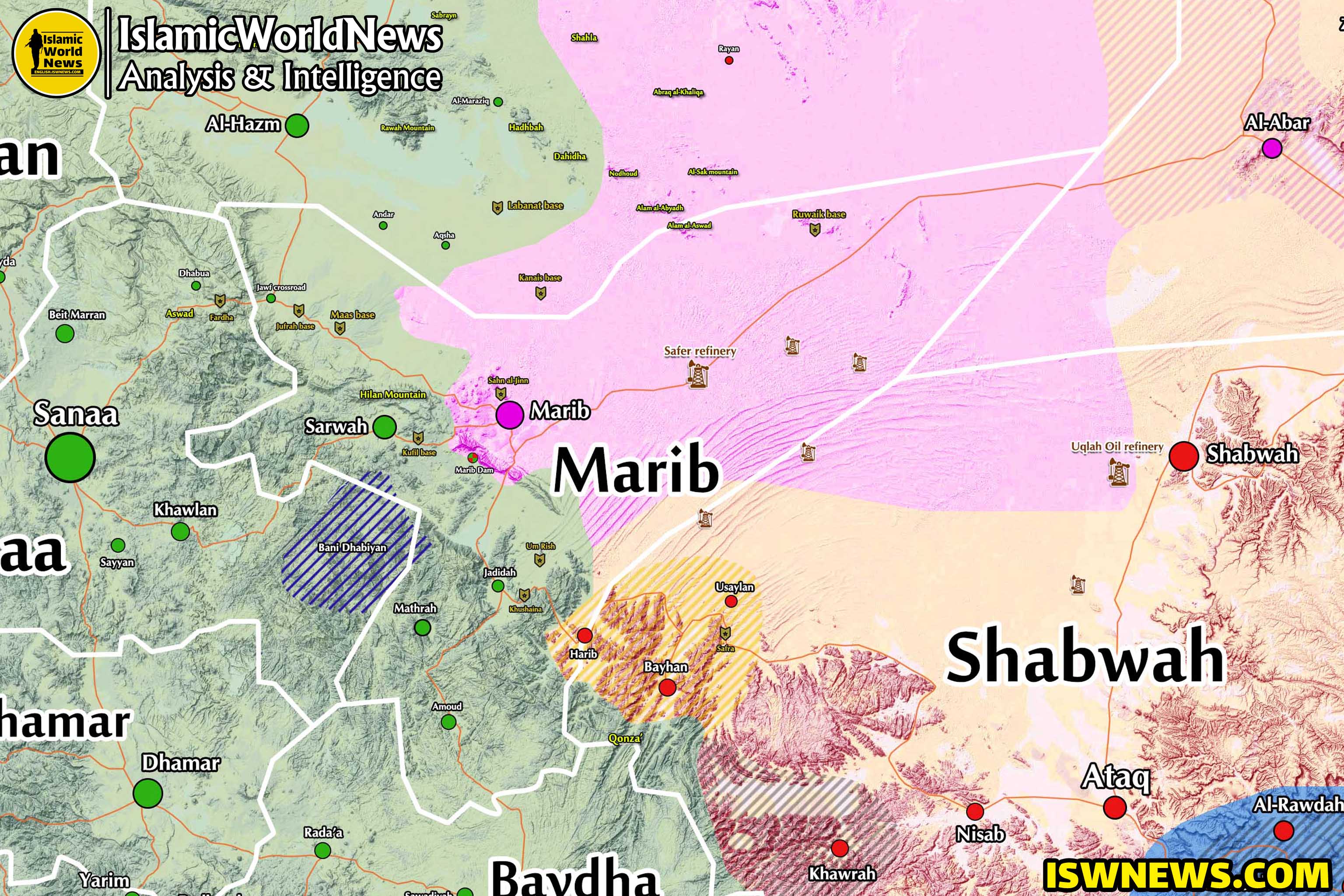
The move was taken in response to the deployment of armed members of the Al Islah (Reform) Party (affiliated with the resigned government) and the blockade of the Safer oil field by order of Saudi Arabia.
Tension between the Al-Damashqah tribe and the Yemeni resigned government forces over financial and other issues continued for the second consecutive week.
The armed members of the Al-Damashqah tribe are preventing the entry or exit of oil and gas tankers to and from the Safer region.
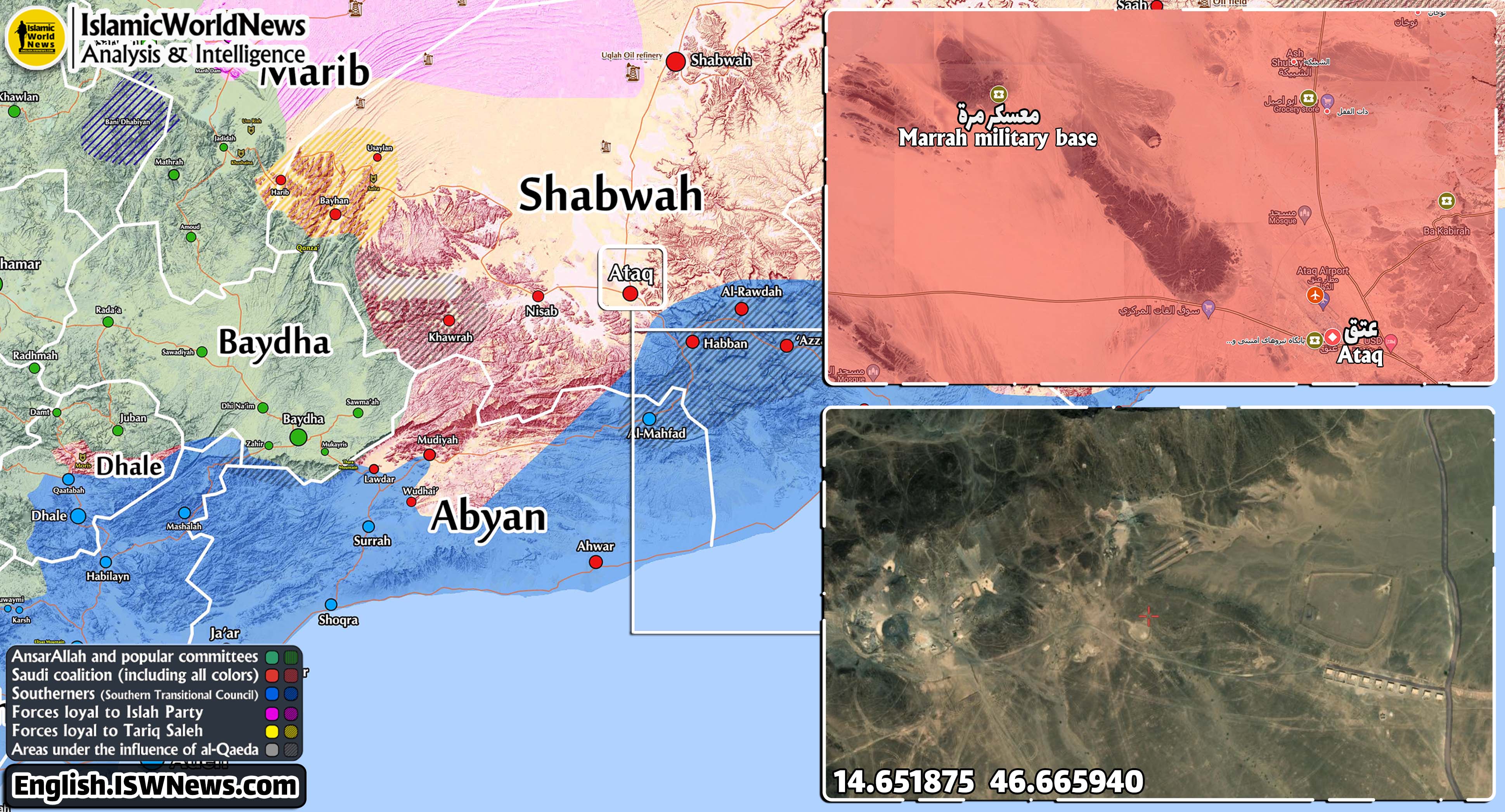
1. Shabwah: On October 1, a new convoy of US military forces arrived at the Morra camp on the western outskirts of Ataq, the capital of Shabwah Governorate. These areas are controlled by the Shabwa Defence Forces and Al-Malaqa Forces, which are under the command of the United Arab Emirates (UAE). Also, in the past days, al-Qaeda militants had carried out attacks on Jardan district’s oil fields that affected the United States’ interests; so, the main reason for the presence of US forces at Marra base could be to prevent al-Qaeda threats to the region’s oil resources.
2- Lahij: Unidentified gunmen killed Colonel Mohammed Ali Abdullah al-Sini, former security commander of the Al-Madarabah and Ras al-Ara districts, who was also a sheikh of al-Sabiha tribe, when he crossed Atira area in Tabun district of Lahij Governorate.
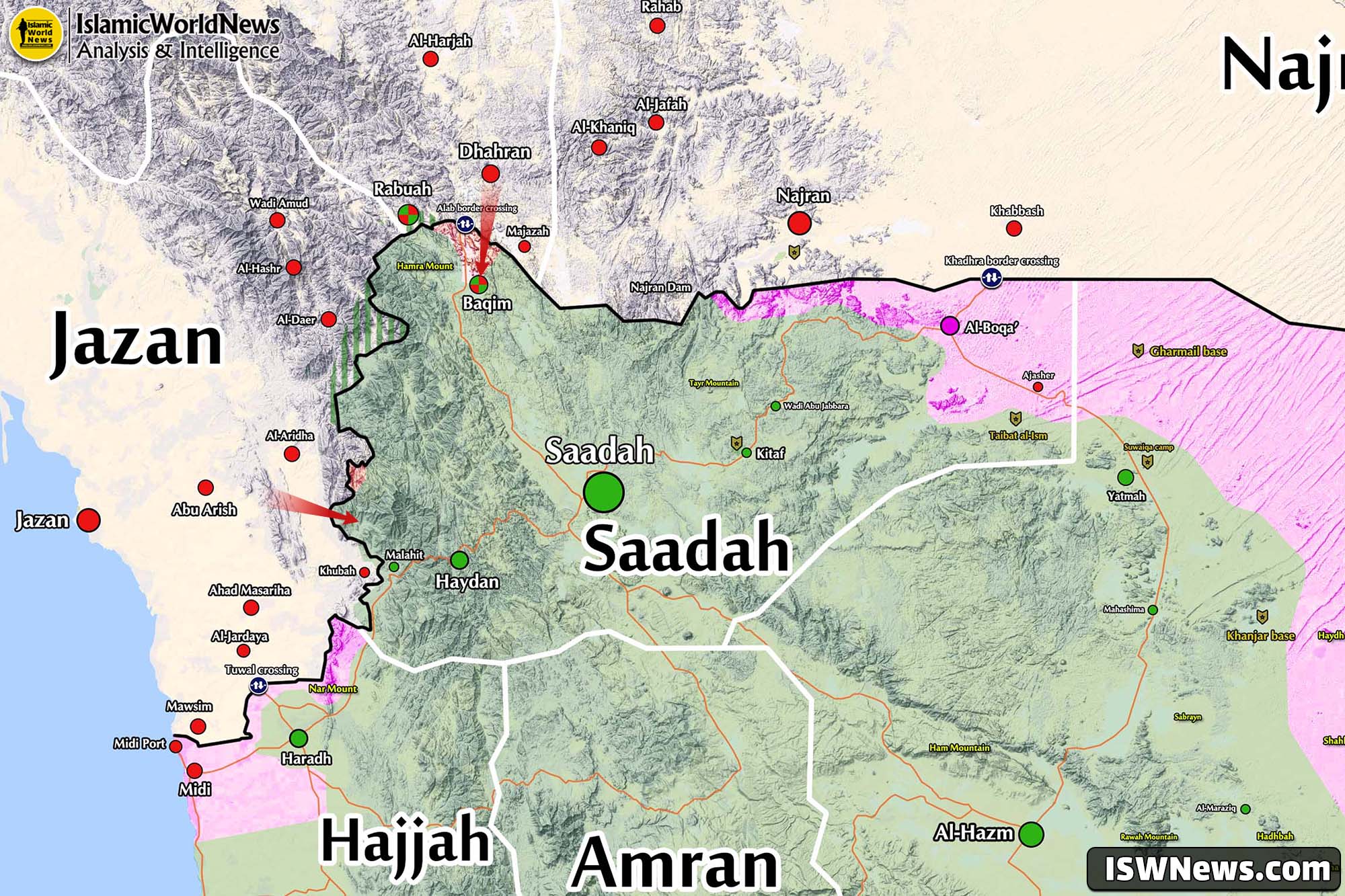
3. Sa’dah: – As a result of artillery attacks and shelling by the Saudi-led coalition on Manbe, Shadda and Qatabir districts over the past 48 hours, three civilians have been killed and five others injured, including one African migrant. – On October 1, commander of al-Maleqa forces Abu Zara’a Al-Muharrami inspected the Alab Front located north of Baqam district, announcing the readiness of his troops to move to this front and attack the positions of the Ansar Allah movement.
4- Al-Hudaydah: Saudi-led coalition forces violated their ceasefire with Yemen 187 times in this Al-Hudaydah Governorate in the past 48 hours.
5- Sana’a: The General People’s Congress (GPC) welcomed the fundamental change in the title and the restructuring of the current government to create national participation, as stated in the recent speech of leader of the Ansar Allah movement Abdul-Malik Badruldeen al-Houthi.
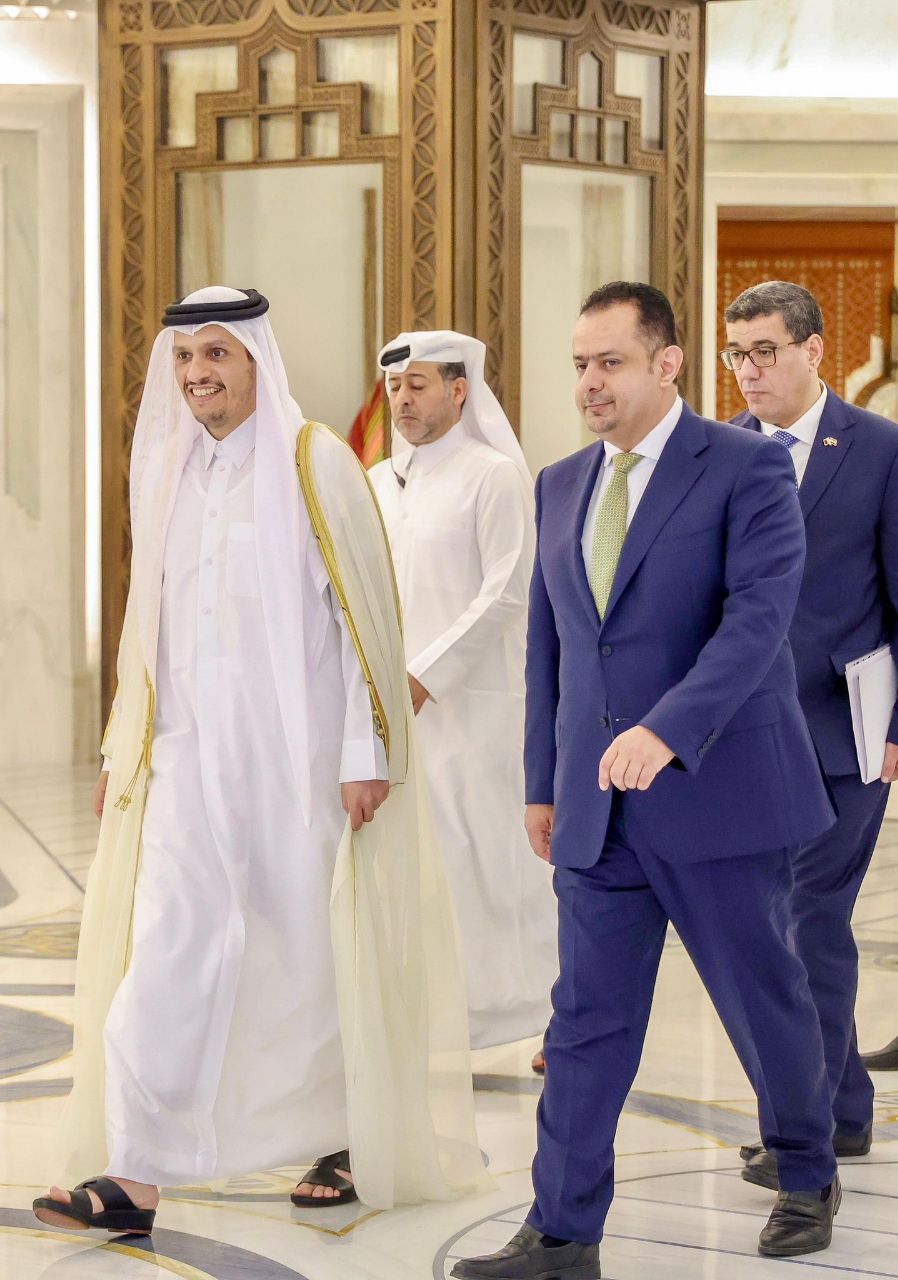
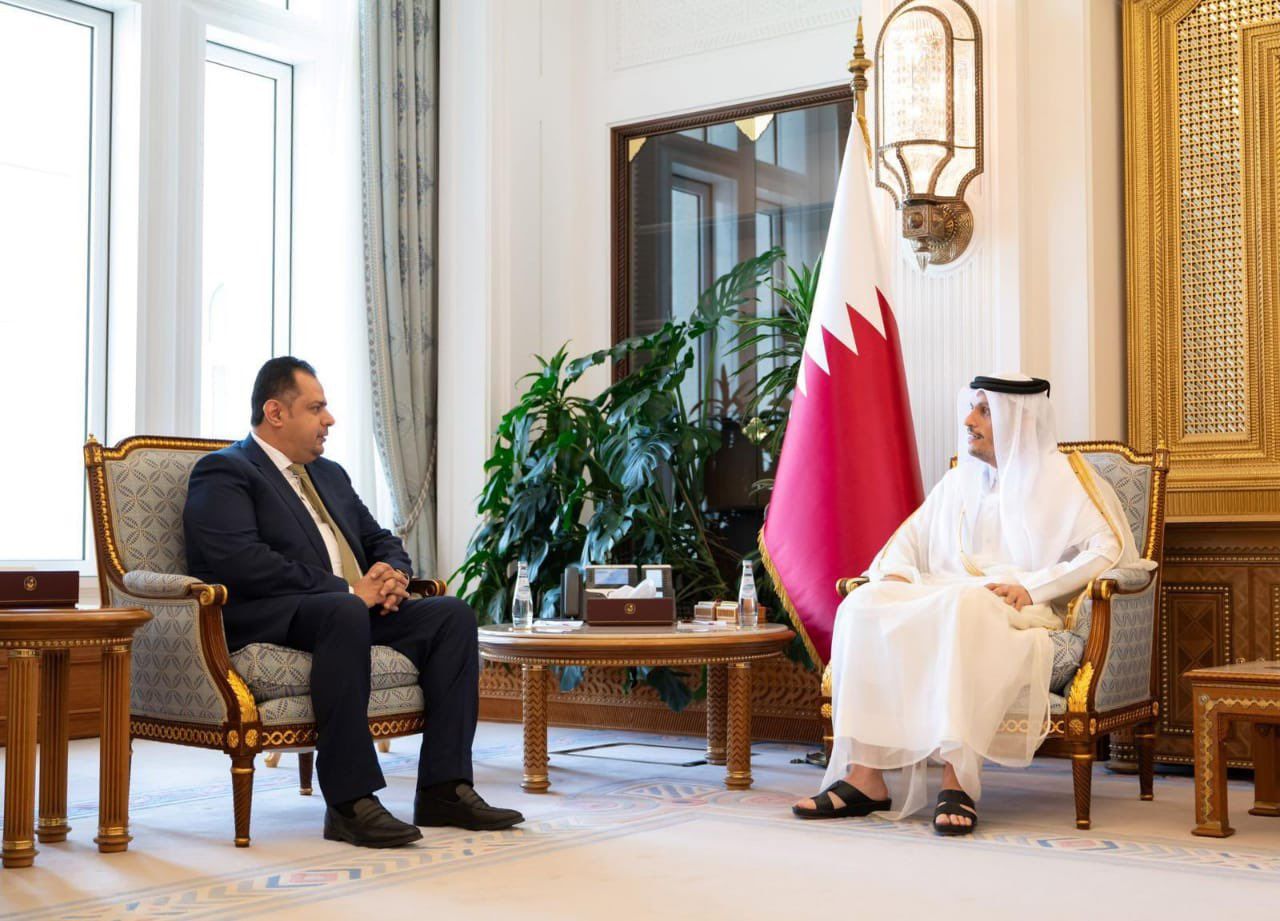
6- On October 1, the resigned Prime Minister of Yemen Maeen Abdulmalik Saeed met with Prime Minister of Qatar Mohammed bin Abdulrahman Al Thani during the Yemeni politician’s visit to Qatar. Al Thani referred to negotiations between Yemeni parties as the only solution to the Yemen crisis in this meeting.
7- On September 30, the US Treasury Department sanctioned two Chinese companies, Fan and Hong Kong Hymark, for supporting the Ansar Allah movement. According to the US claims, these companies sold several shipments of drone parts, including servo motors, worth over $100,000 to the Ansar Allah movement.
According to local sources in Sa’ada Governorate, the Saudi-led coalition has fired more than 30 artillery shells and missiles at Baqem District. Yemeni media have not reported the extent of the damage and casualties of these attacks so far.
Saudi-led coalition artillery attacks on Sa’ada Governorate have increased after the Ansar Allah movement launched a drone strike on Bahraini military positions in Jizan Governorate in response to one of the hundreds of ceasefire violations by the coalition.
The highest number of violations of ceasefire between Yemen and the Saudi-led coalition has been reported in Sa’ada and Al-Hudaydah governorates, which have resulted in not only financial damages to civilian areas but also the deaths of dozens of Yemeni civilians and African migrants.
The Western states and the United Nations have not taken any position on the blatant and widespread violations of the ceasefire by the Saudi-led coalition so far. On the contrary, the Ansar Allah’s response to the aggression by Bahraini soldiers has provoked anger and condemnation from the United Nations and certain Western countries.
Map: Direction of Saudi artillery attacks on Baqim and Shada administrations in Saada province – click to view full size
The United Nations Security Council and Western countries have condemned this attack in a ridiculous move, while the drone attack was just a response to one of the hundreds of ceasefire violations and artillery shelling of the Saudi coalition on the border areas of Yemen.
The Yemeni National Defense Council stated in the statement that it welcomes the fundamental changes announced by Abdul-Malik Badruldeen al-Houthi, leader of Ansar Allah movement, and in line with that and by the Supreme Political Council of Yemen, it dismisses Abdel-Aziz bin Habtour, the current Prime Minister of the National Salvation Government. The current government is responsible for managing governmental affairs, except for appointments and dismissals, until the establishment of a new government.
The leader of Ansar Allah movement announced in his speech on Wednesday that Yemen has entered a new phase of fundamental changes and he also emphasized that after the formation of a righteous government, efforts will be made to reform the judiciary and allow religious scholars to contribute to the government affairs through Islamic rulings.
At the end of its statement, the Supreme Political Council of Yemen appreciated the leadership and other elements of the government of Abdel-Aziz bin Habtour and expressed gratitude to their role in resisting the enemies despite the siege and severe restrictions.
The fundamental changes announced in the structure of the Yemeni government can be seen in line with the Yemen peace negotiations. In fact, the basis for entering into the issue of forming the future government of the Arab country is the establishment of a transitional government and, after this development, holding free elections throughout the war-hit country. Following the event, there is a possibility of extensive agreements with Saudi Arabia and fundamental changes in the structure of the resigned government.
Forces of the resigned government of Yemen, consisting of militants from the Al-Islah (Reform) Party, Al-Dar Al-Watan, and the Presidential Guard Unit, held a parade on the occasion of the September 26 and October 14 revolutions at one of the military bases north of the Yemeni city of Marib.
Governor of Marib and a senior member of the Al-Islah Party Sultan Al-Aradah as well as Commander-in-Chief of the Armed Forces of the resigned government of Yemen Major General Saghir bin Aziz were present at this parade.
The September 26 revolution is the anniversary of an uprising in 1962 that led to the downfall of the Mutawakkilite Kingdom of Yemen. And the October 14 revolution is a movement that led to exit of British forces from Yemen in 1963.
The comparison of the level of the parade with the recent parade of Ansar Allah fighters in Sana’a clearly shows that the resigned government of Yemen does not have any special ability both politically and militarily in the face of the Yemeni National Salvation Government.
The resigned government’s military equipment and personnel are much more limited than the Yemeni army and Ansar Allah movement, and without foreign support (Saudi-led coalition), they have no chance in the face of Ansar Allah movement. Therefore, mentioning their name in peace talks by Saudi leaders is undoubtedly a political game card and certainly cannot be a suitable substitute for presiding a possible transitional period in Yemen’s political future.
Parade of forces of the resigned government of Yemen in Marib
According to ISWnews studies, the parade has been held at Marib Airport located north of the city and near Tadawin Camp. The resigned government’s forces unveiled BM-21 Grad rocket launchers, S-125 Neva/Pechora air defense missiles, as well as an unidentified hexacopter at the military parade.
Location of the Saudi-backed Yemen army parade in Marib – click to view in full size
ISWNews Analysis Group – Following the rocket and artillery attacks on the border regions in Sa’da Governorate by the Saudi-led coalition, Ansar Allah movement targeted Bahraini forces positions in Jizan Governorate.
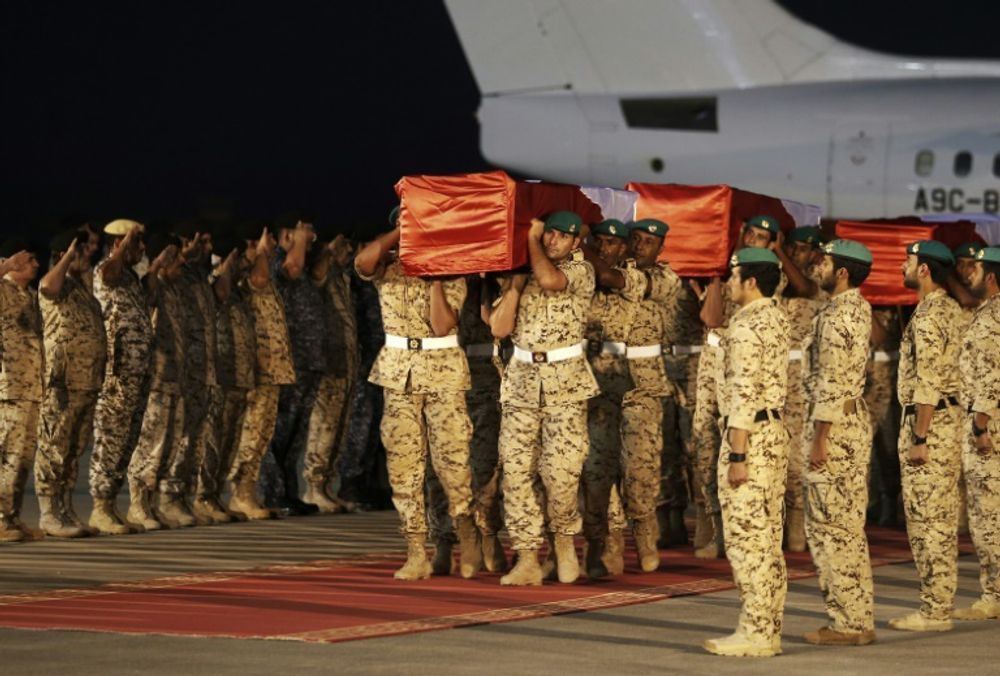
According to the commander-in-chief of Bahrain’s defense forces, the Ansar Allah movement attacked Saudi-led coalition forces’ positions in the border areas of southern Saudi Arabia using a suicide drone on Monday morning, September 25. As a result of the air strike, one Bahraini officer and one soldier were killed, and two others were injured.
Ansar Allah officials and Yemeni media outlets have not yet responded to this news.
Media outlets affiliated to the Saudi-led coalition described this air strike as a flagrant violation of the ceasefire agreement; this is while the border areas of Saada and Al Hudaydah governorates have witnessed hundreds of ceasefire violations by Saudi-led coalition forces since the truce agreement was established in April 2022.
The ceasefire violations have led to the deaths and injuries of hundreds of Yemenis as well as African migrants.
1- Hadhramaut: – On September 24, supporters of the Southern Transitional Council (STC) protested against the return of Mabkhout Mubarak bin Madi, resigned governor of Hadhramaut Governorate, from Saudi Arabia to the city of Al-Mukalla, in Al-Shahr region, as the people held rallies and gatherings to demand his removal from power. – On September 25, the resigned governor of Hadhramaut, in an emergency meeting with the members of the security committee of the governorate, banned any sort of organizing rallies and gatherings in the city of Al-Mukalla.
2- Aden: Following a bomb explosion targeting the vehicle of security forces between Sheikh Othman and Dar Saad districts, head of the security forces in Dar Saad Mosleh al-Zahrani was injured. Local sources in southern Yemen suspect that this attack may have been carried out by armed members of the Al-Islah (Reform) Party, also known as the Yemeni Congregation for Reform.
3- Abyan: On September 24, as a result of a bomb explosion targeting the vehicle of armed members of the Southern Transitional Council (STC) in the village of Al-Jaln in Mudiyah district of south-western Yemen, four people were killed and one person was injured.
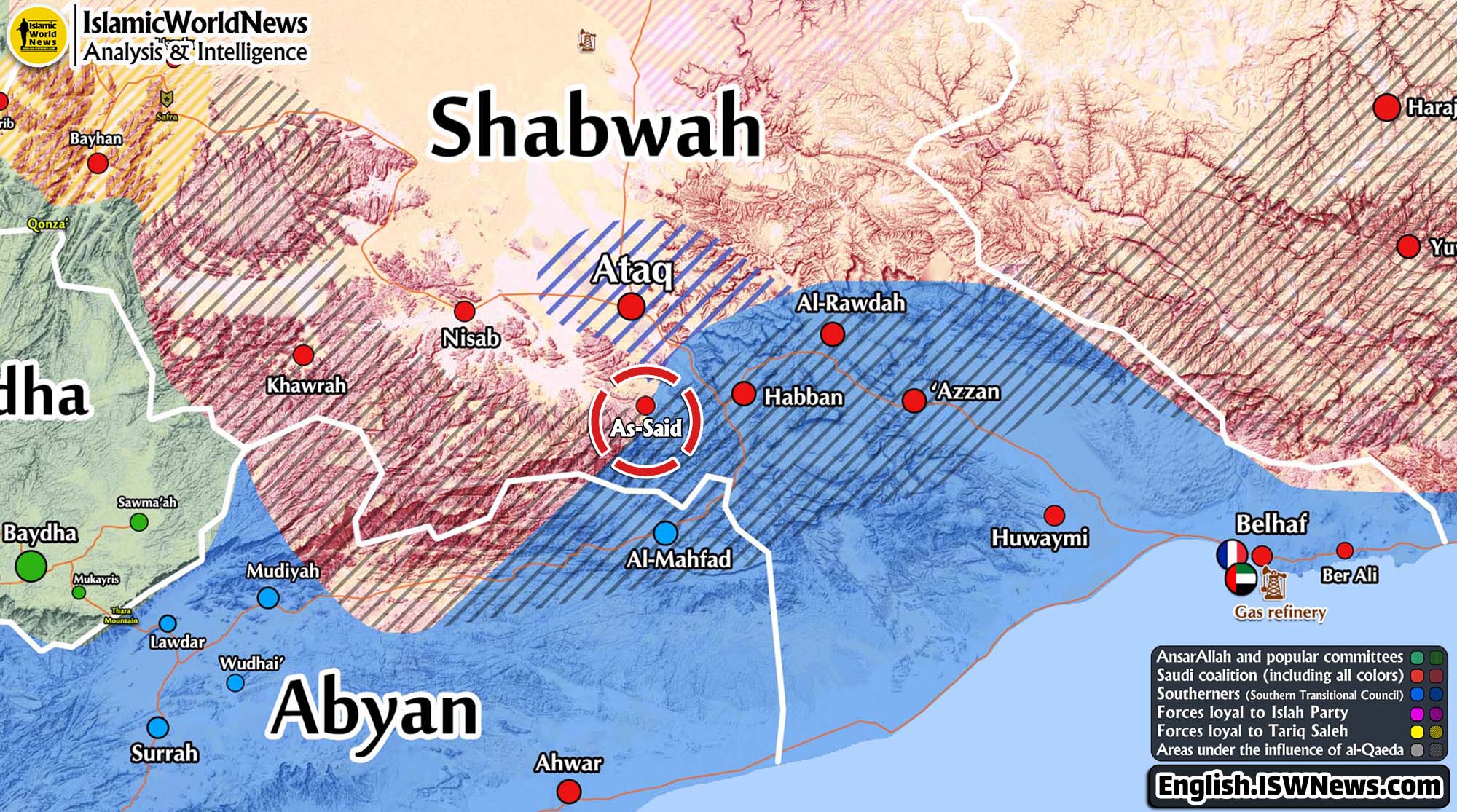
4- Shabwah: – Al-Qaeda militants attacked an ambulance carrying Shabwah Defense Forces in Al-Masinaa village, the center of Al-Saeed district, in Shabwah Governorate. As a result of this attack, four personnel of the Shabwa Defense Forces and the ambulance crew were killed. – On September 25, Al-Qaeda militants attacked Al-Qanah military base on the outskirts of Al-Masina’a village with several rocket-propelled grenades (RPG). Some local sources believe that this attack was carried out by Al-Qaeda’s drones. The Shabwah governor has ordered a halt to school and public places following an escalation in al-Qaeda’s activities in the district of al-Saeed, the provincial official also dispatched reinforcements to clear al-Qaeda positions in the heights around al-Masina’a village.
5- Al-Hudaydah: – Saudi-led coalition forces violated an ongoing ceasefire with Yemen 184 times in the past 48 hours. – Saudi-led coalition drones bombed the areas of Hays and Maqbanah three times in the last 48 hours.
6- Sa’dah: Four Yemeni civilians were wounded as a result of artillery strikes and shelling by the Saudi-led coalition on Shada’a and Monabbih districts in the Sa’dah Governorate.
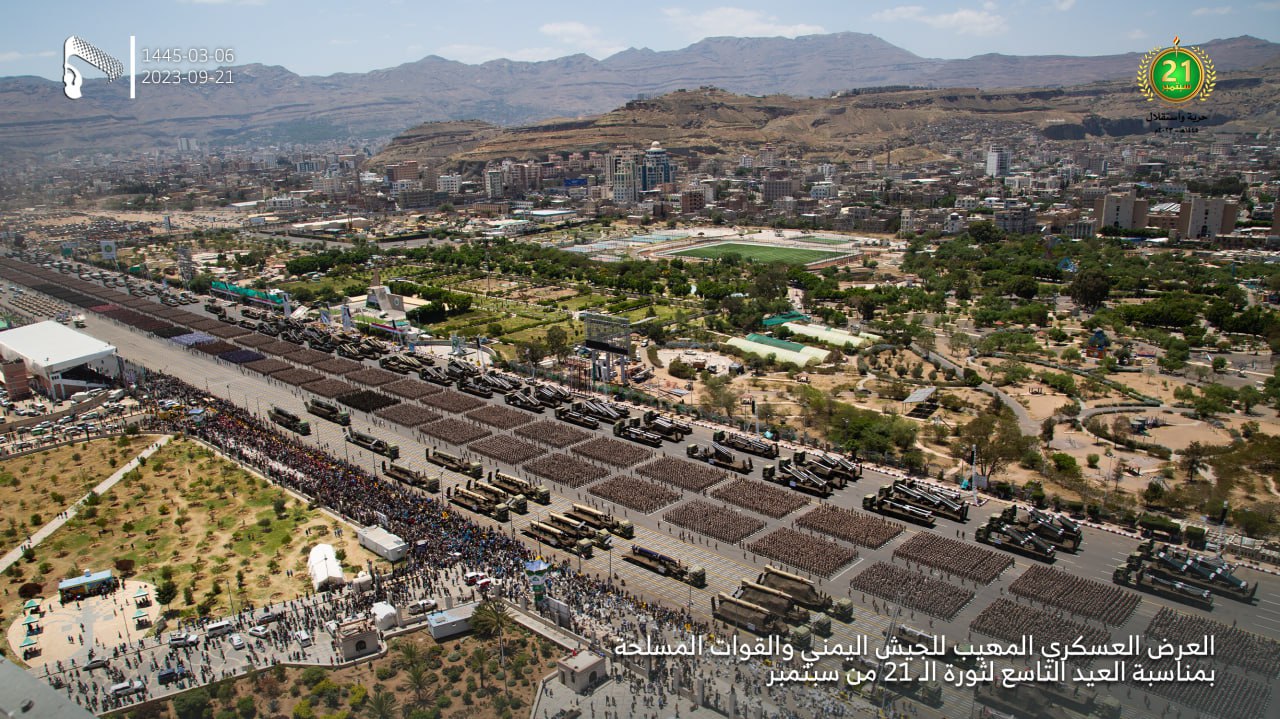
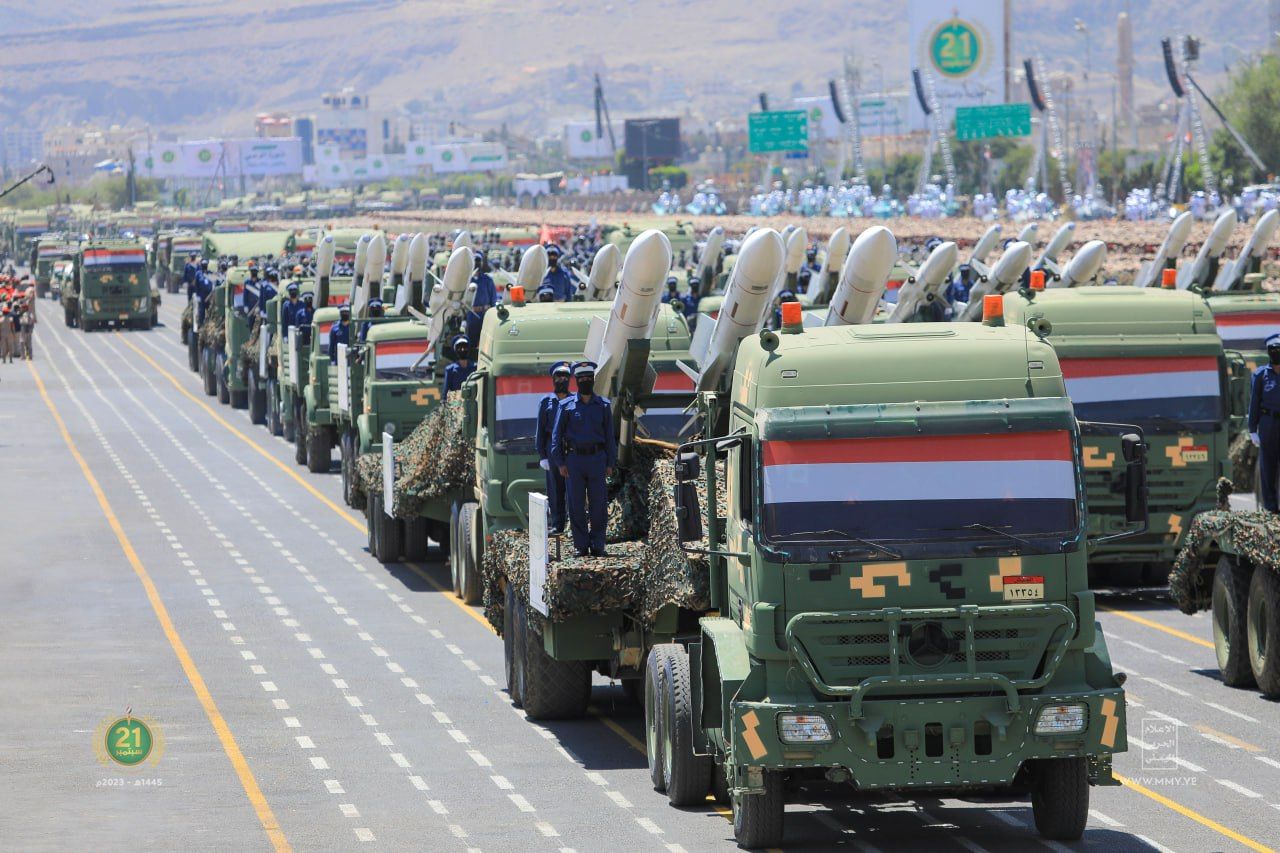
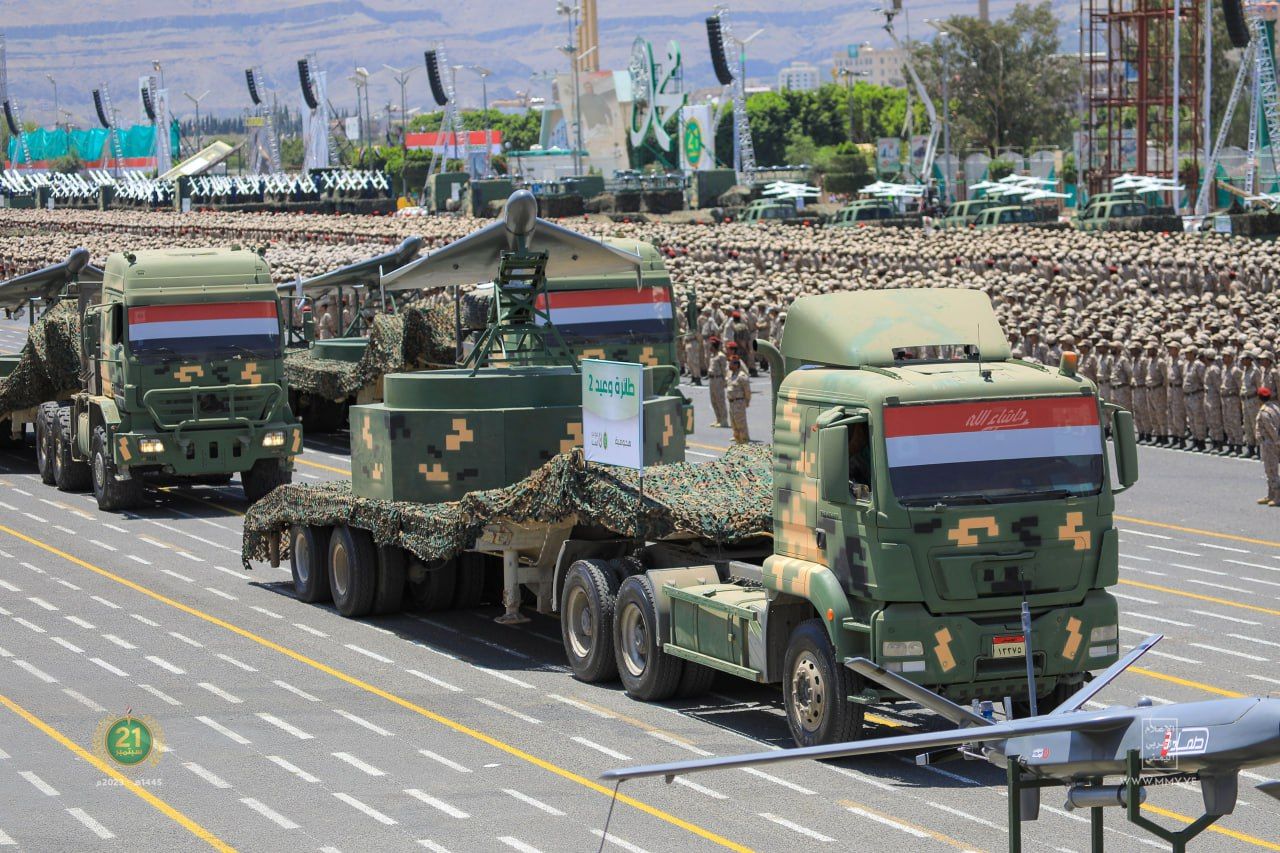
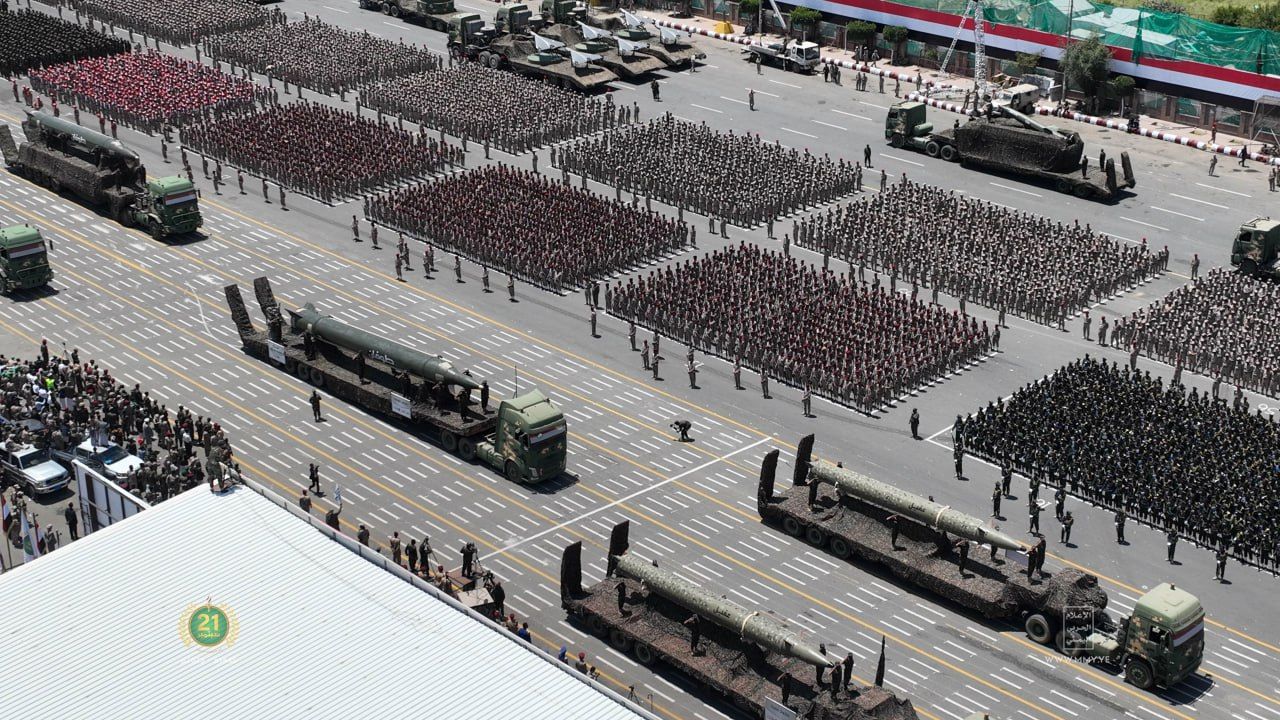
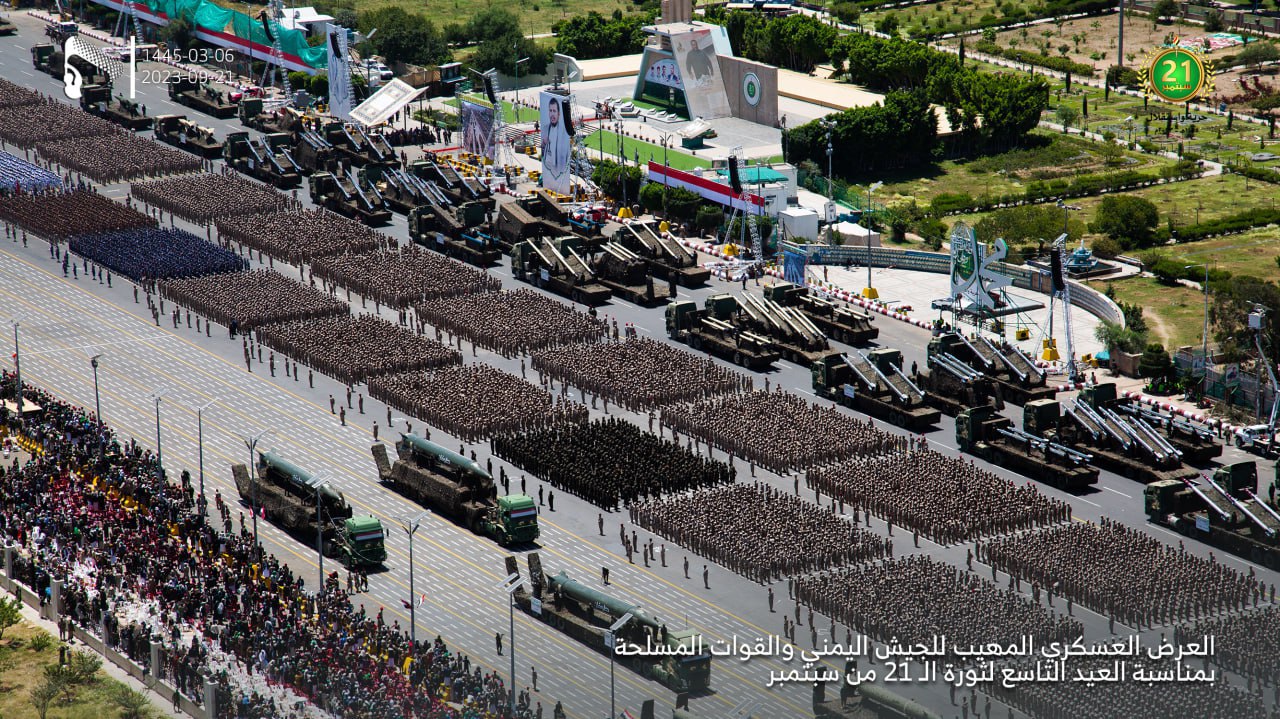
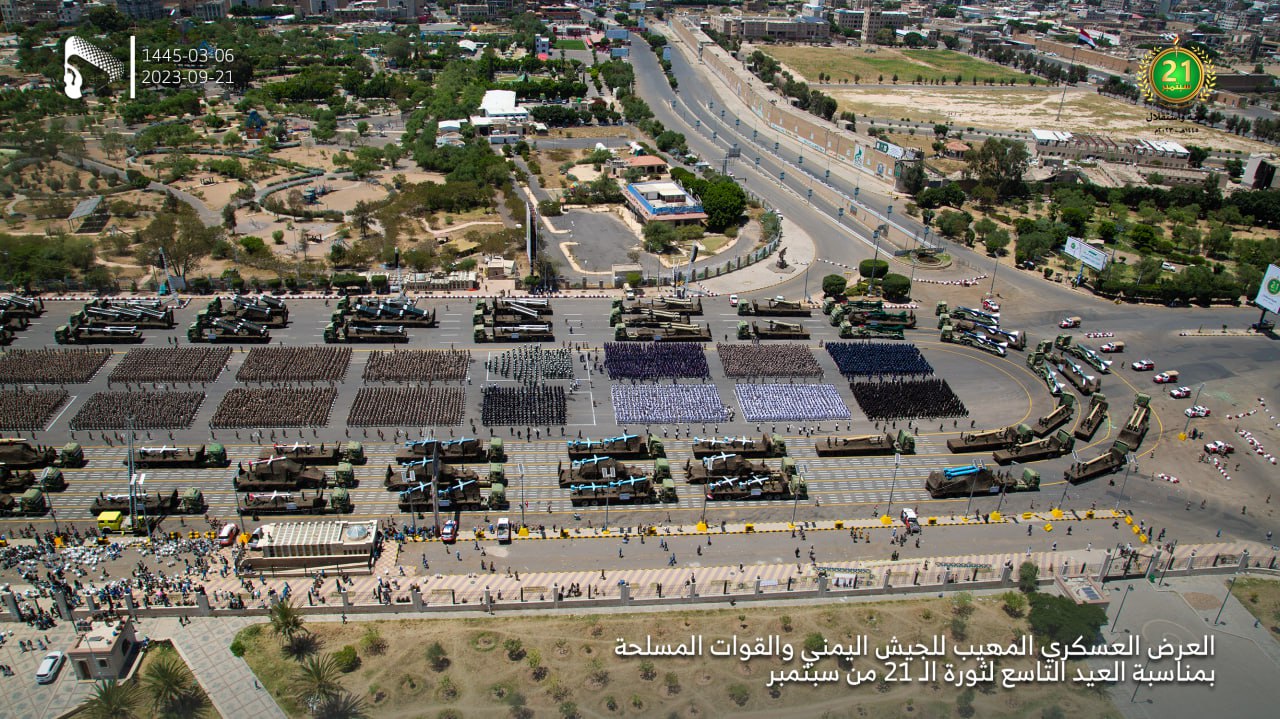
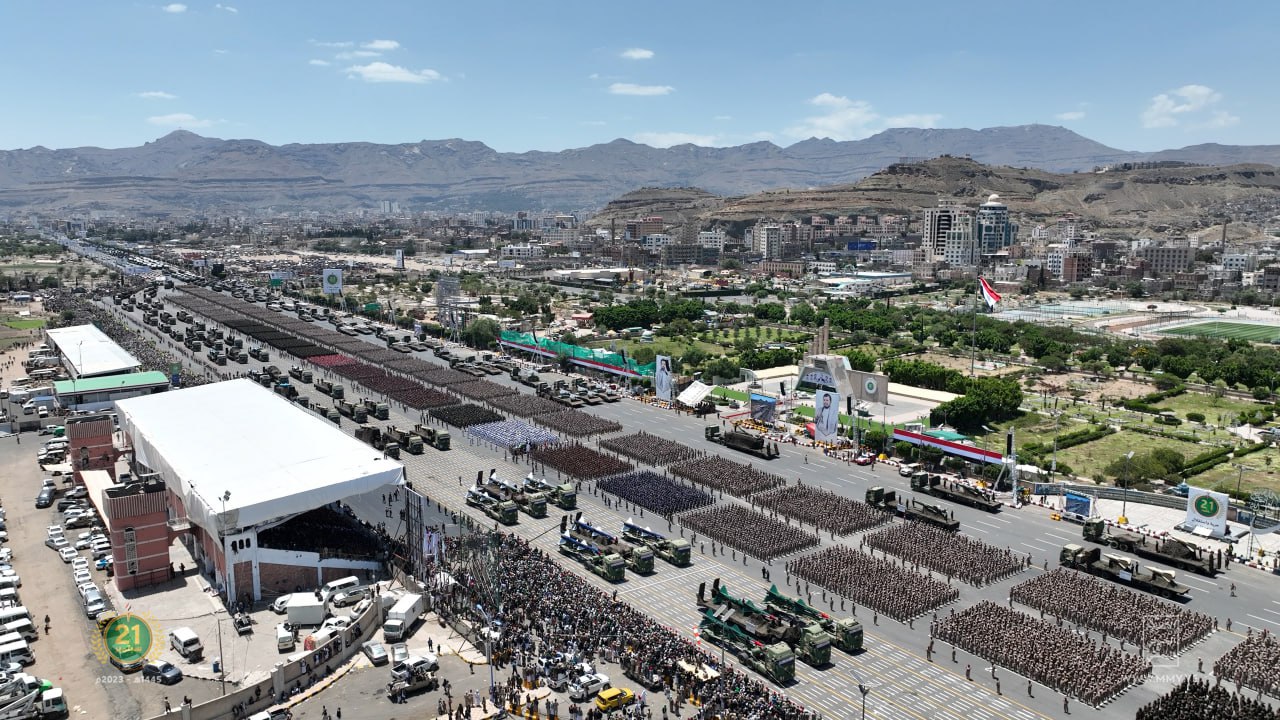
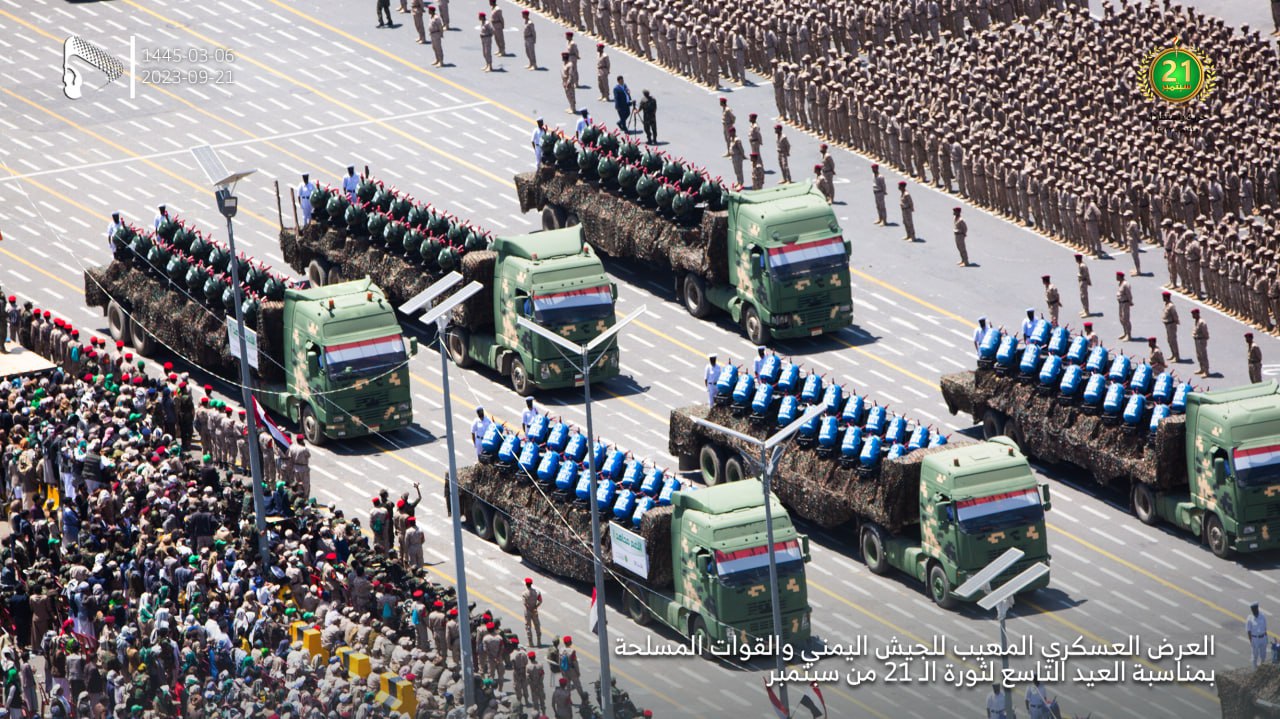
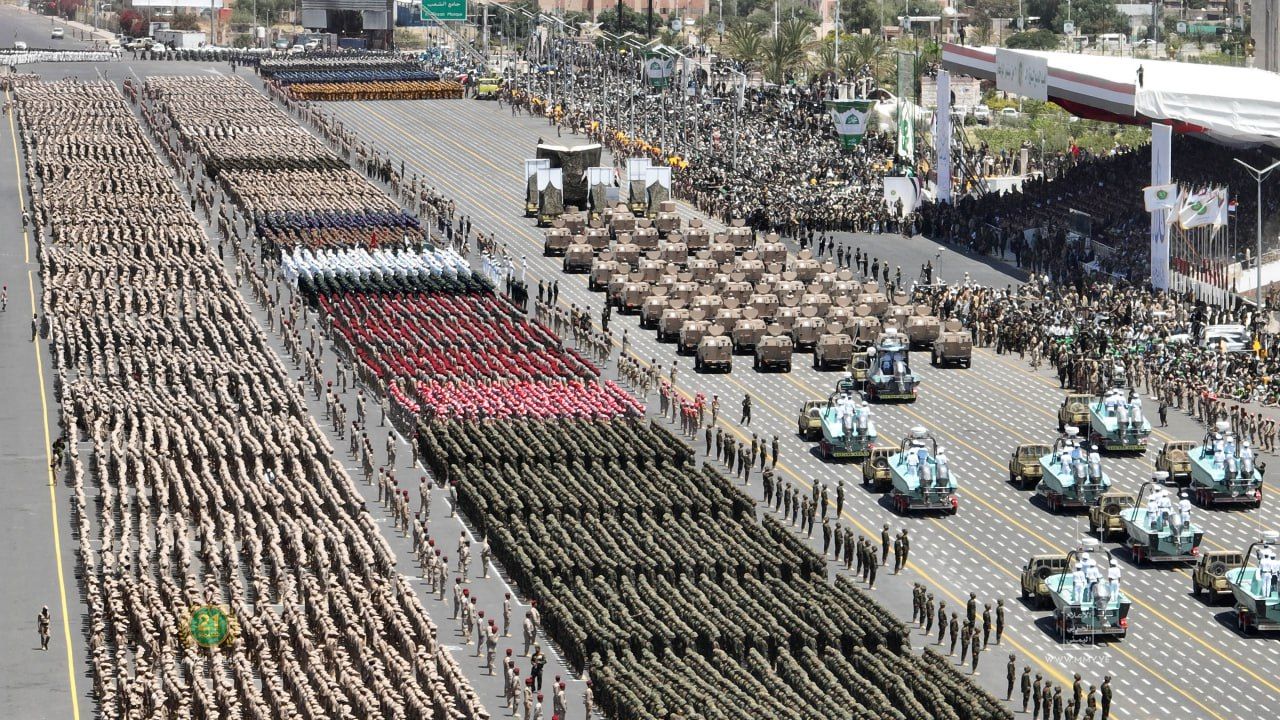
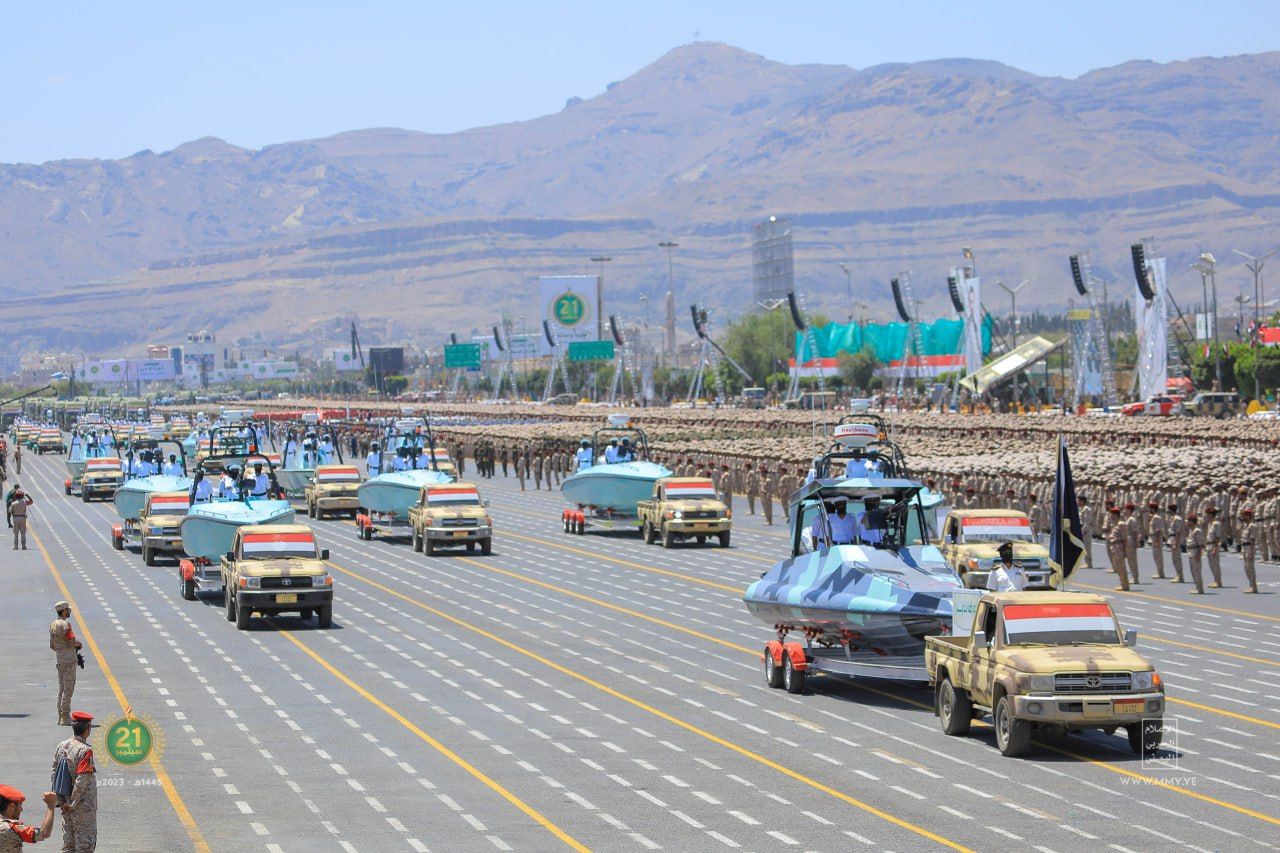
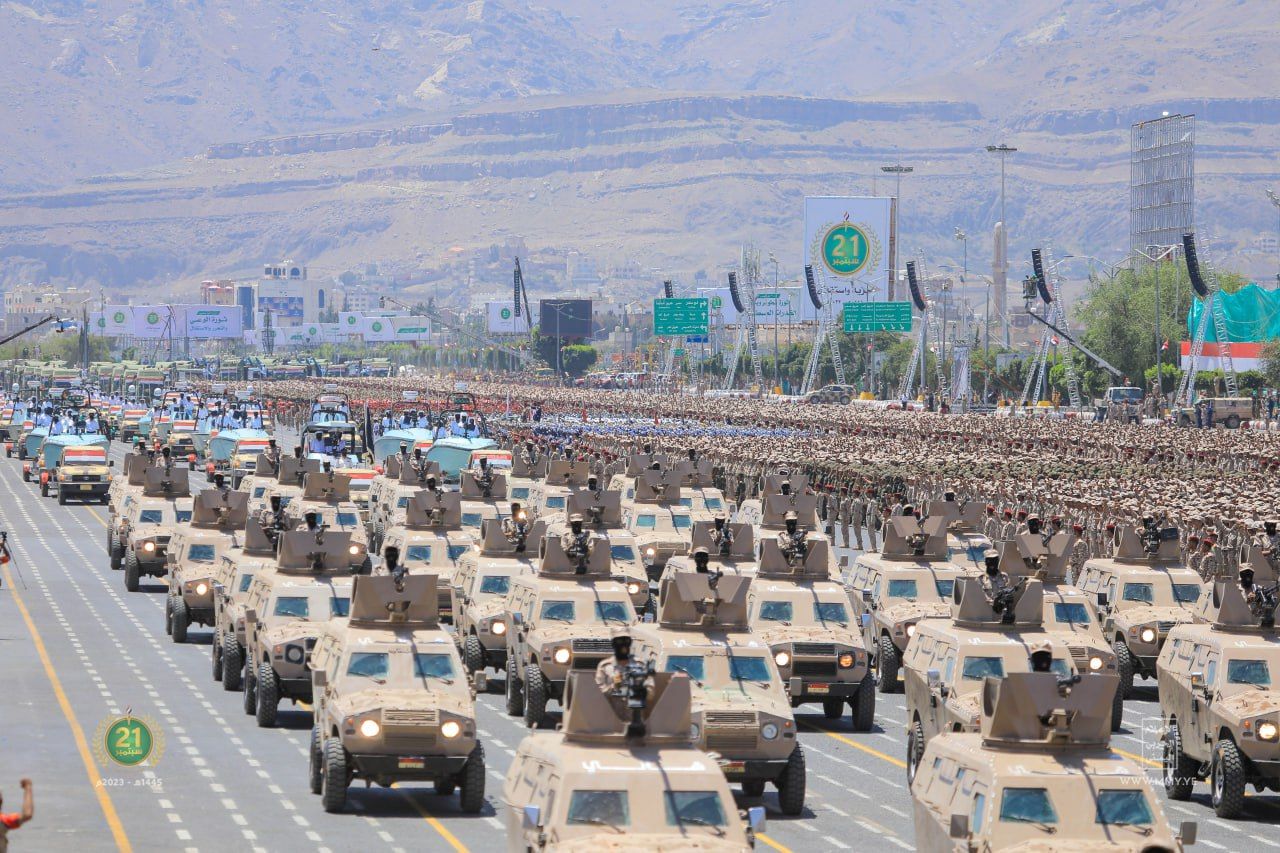
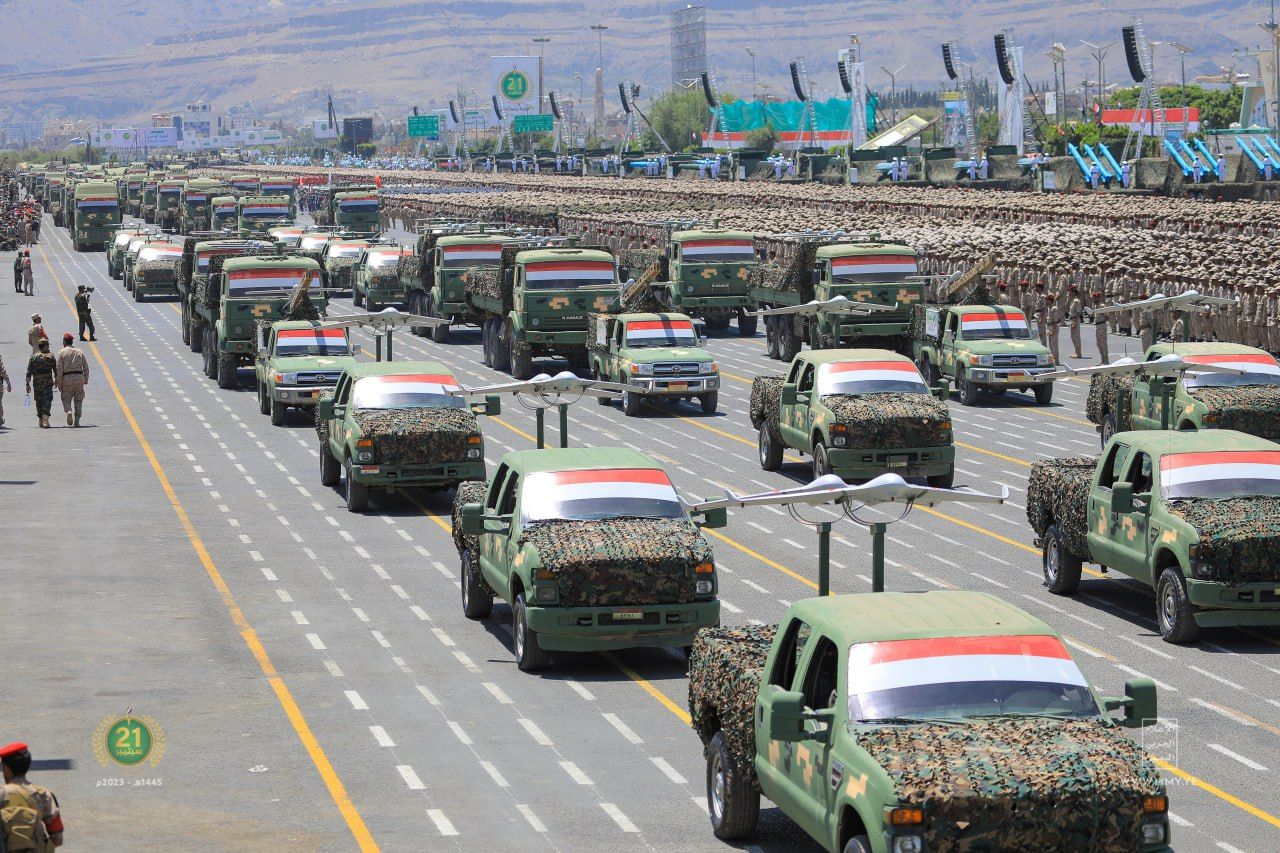
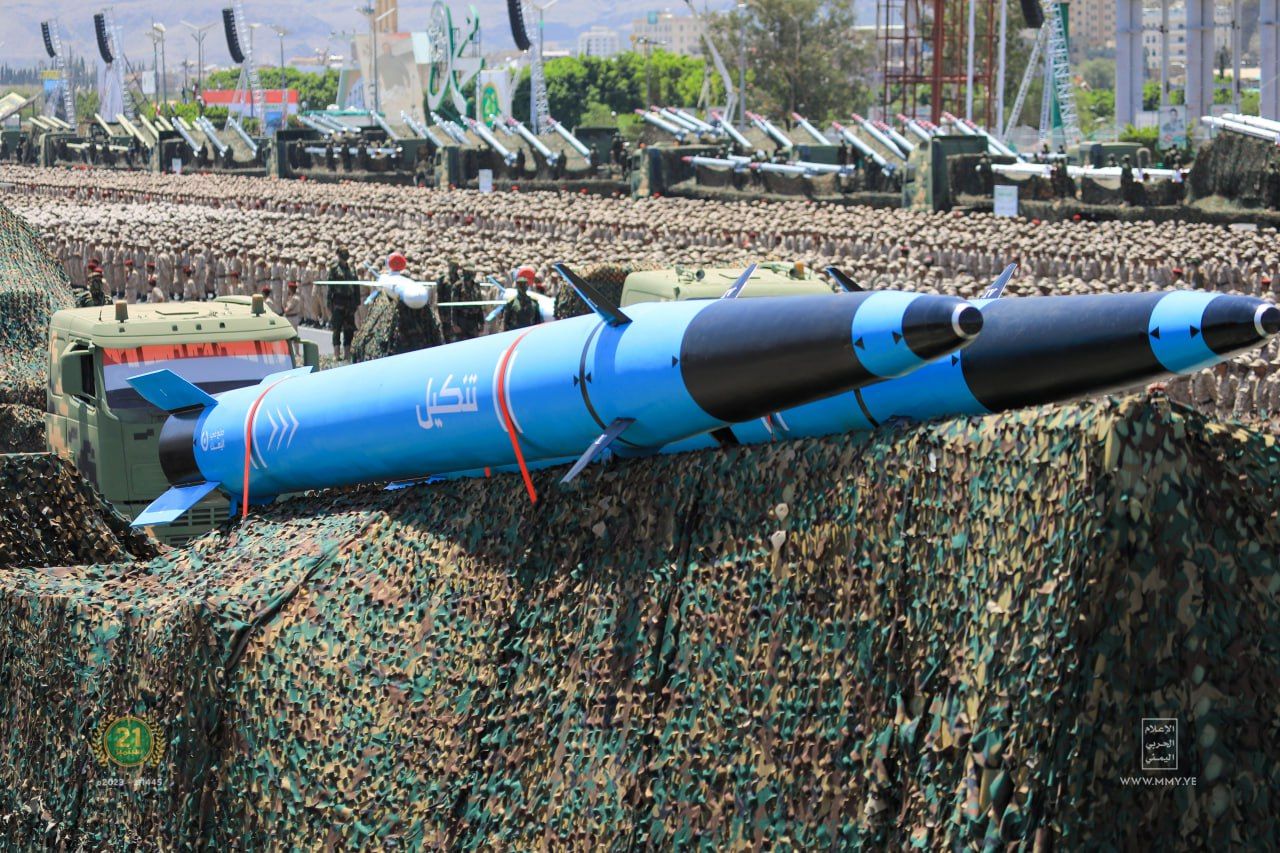
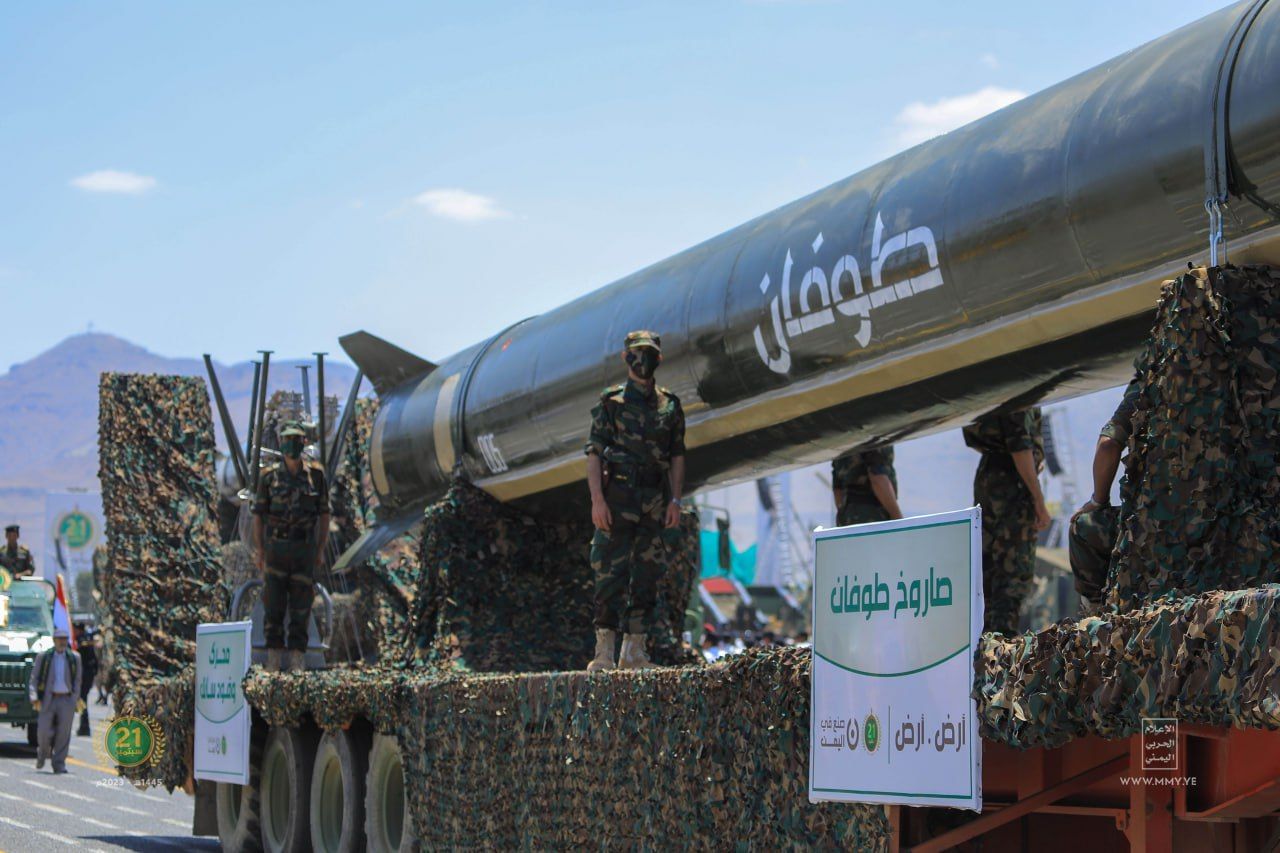
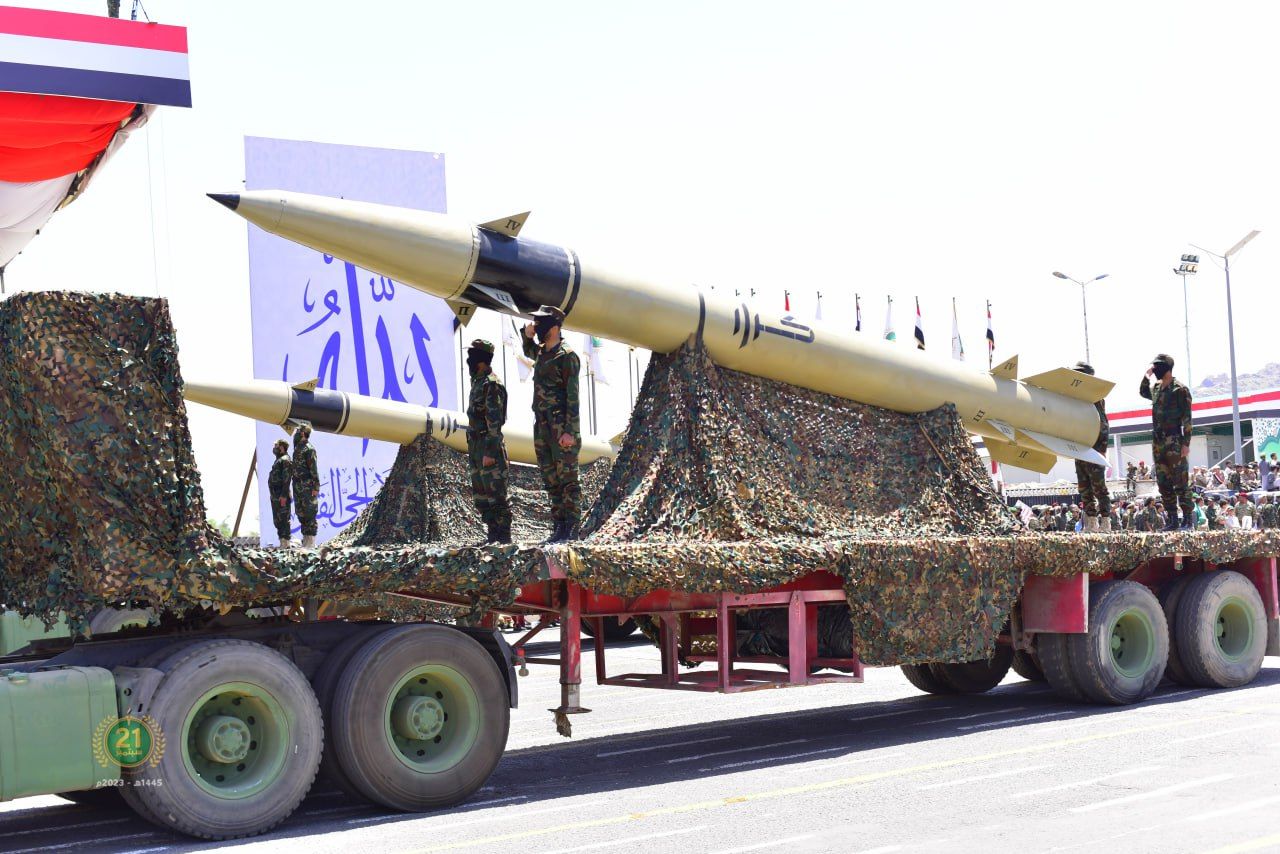
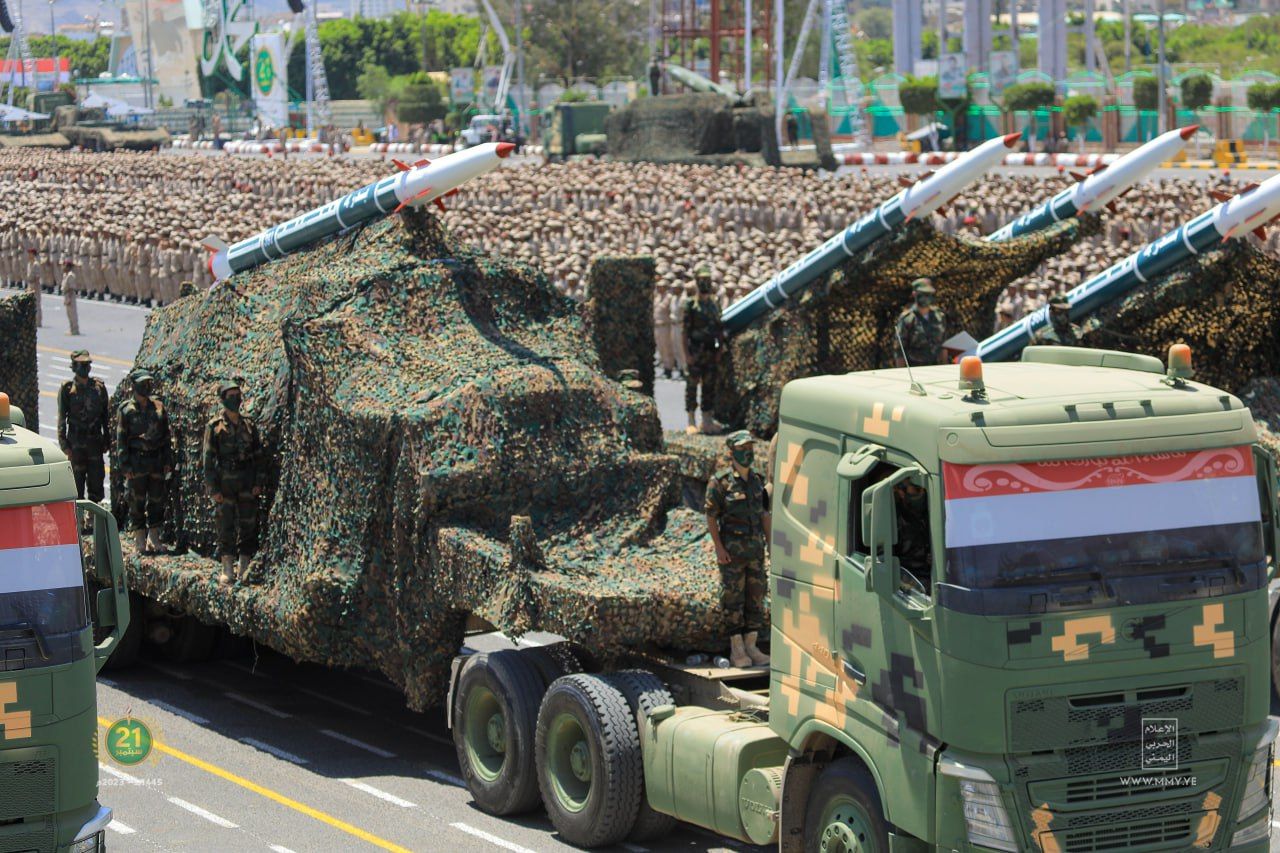
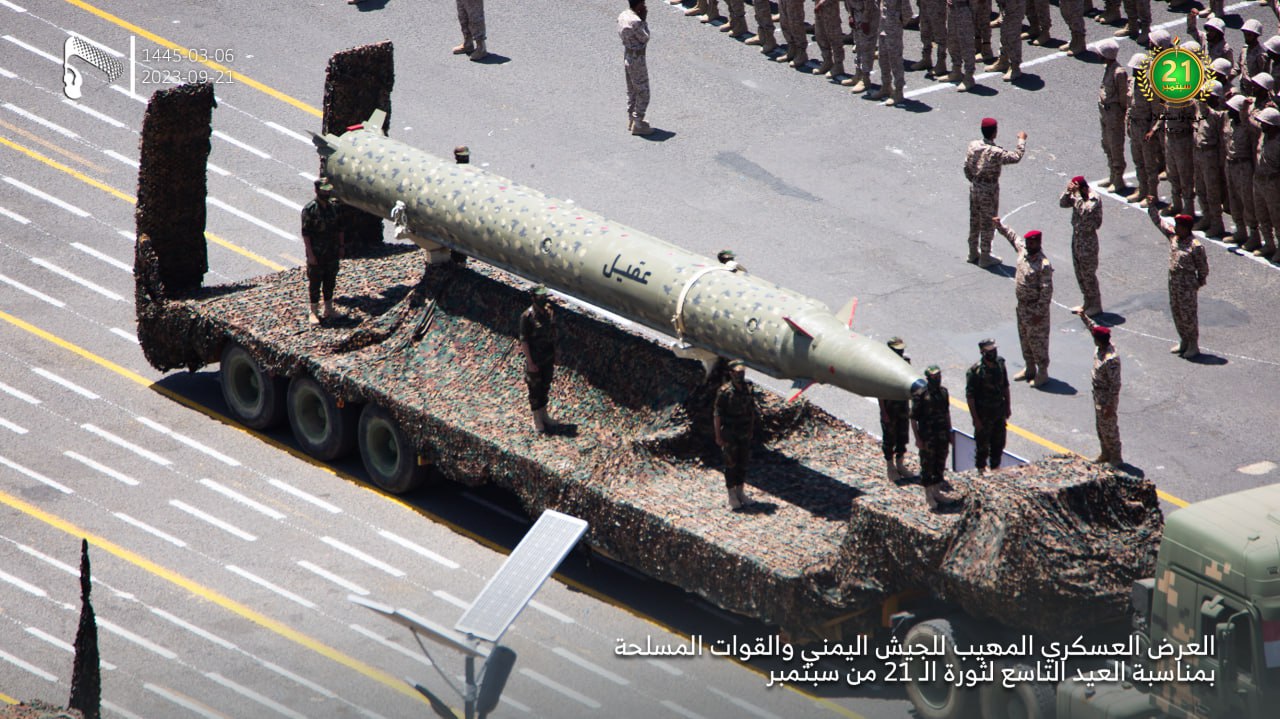
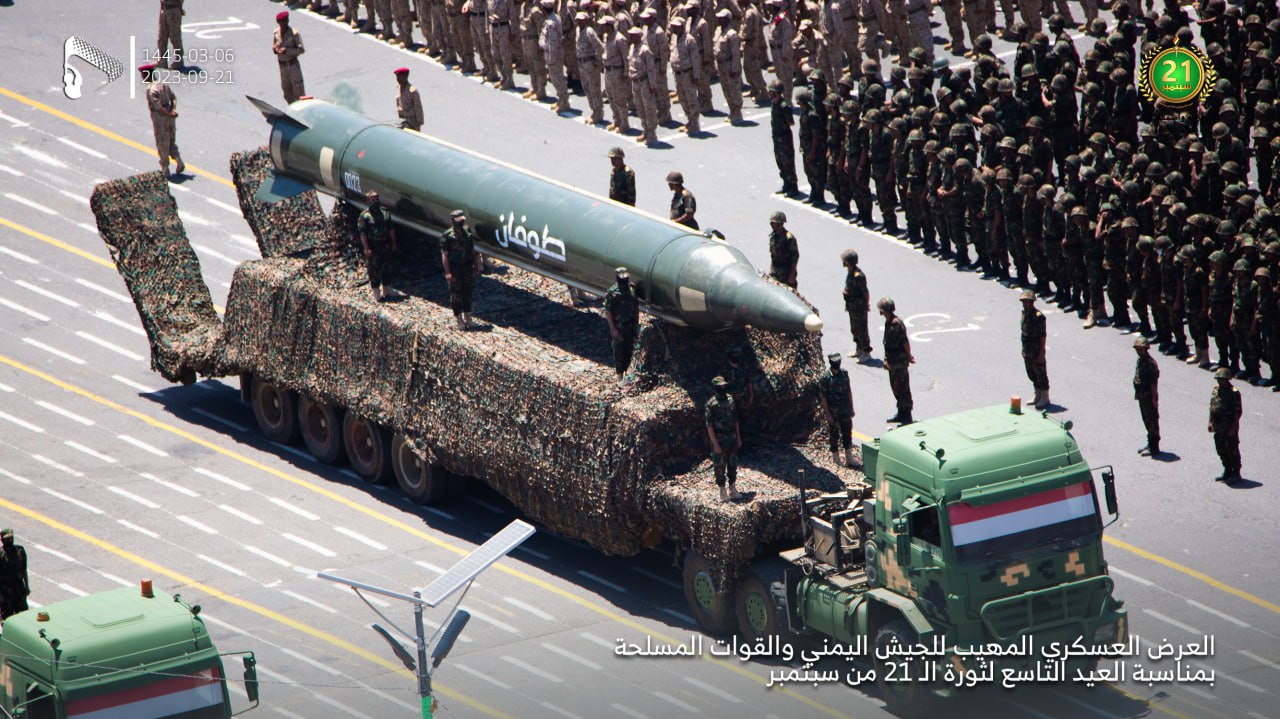
The military exercise began following the arrival of President of the Supreme Political Council of Yemen Mahdi al-Mashat into Al-Sabeen Square as well as the performance of revolutionary anthems and programs in honor of the Holy Quran. In addition to its previous weaponries and combat equipment, the Yemeni army unveiled new equipment such as Hani armored vehicles, Nadir boats, ground-to-sea Saeqa missiles, Sejjil cruise missiles with a range of 180 kilometers, Aqil ballistic missiles, Tufan ballistic missile system and various radars, and several new air defense missiles.
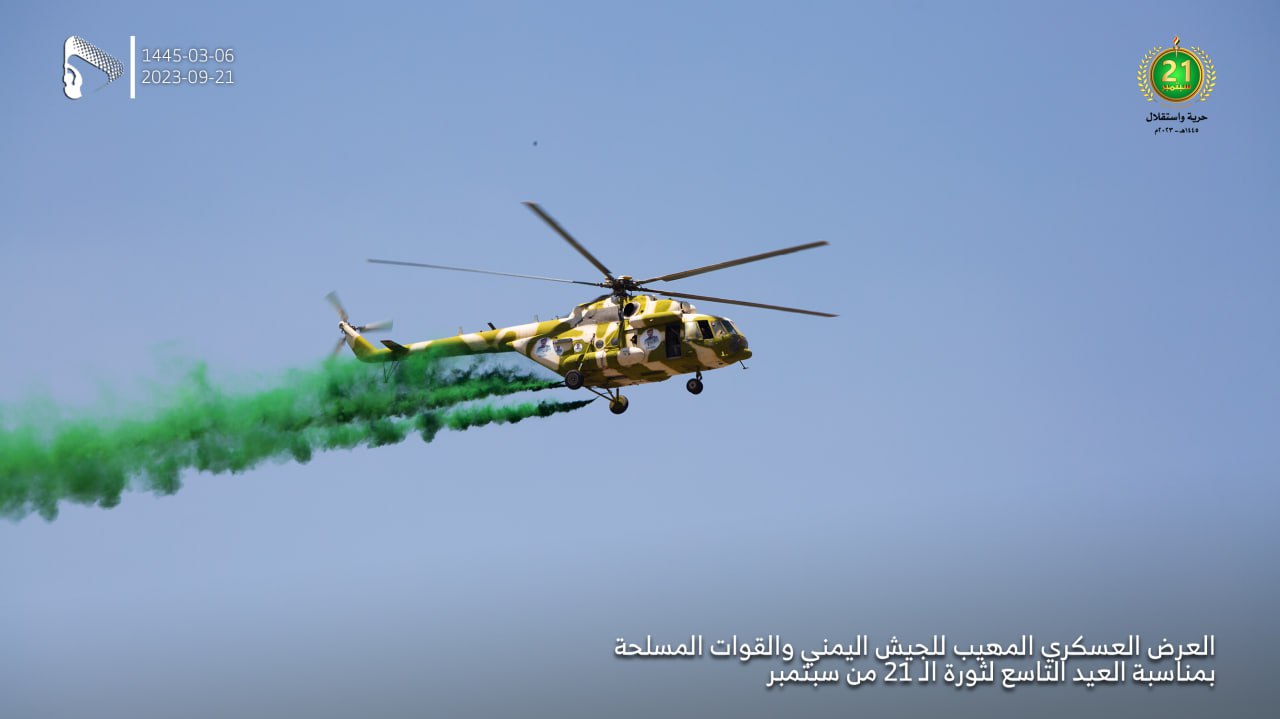
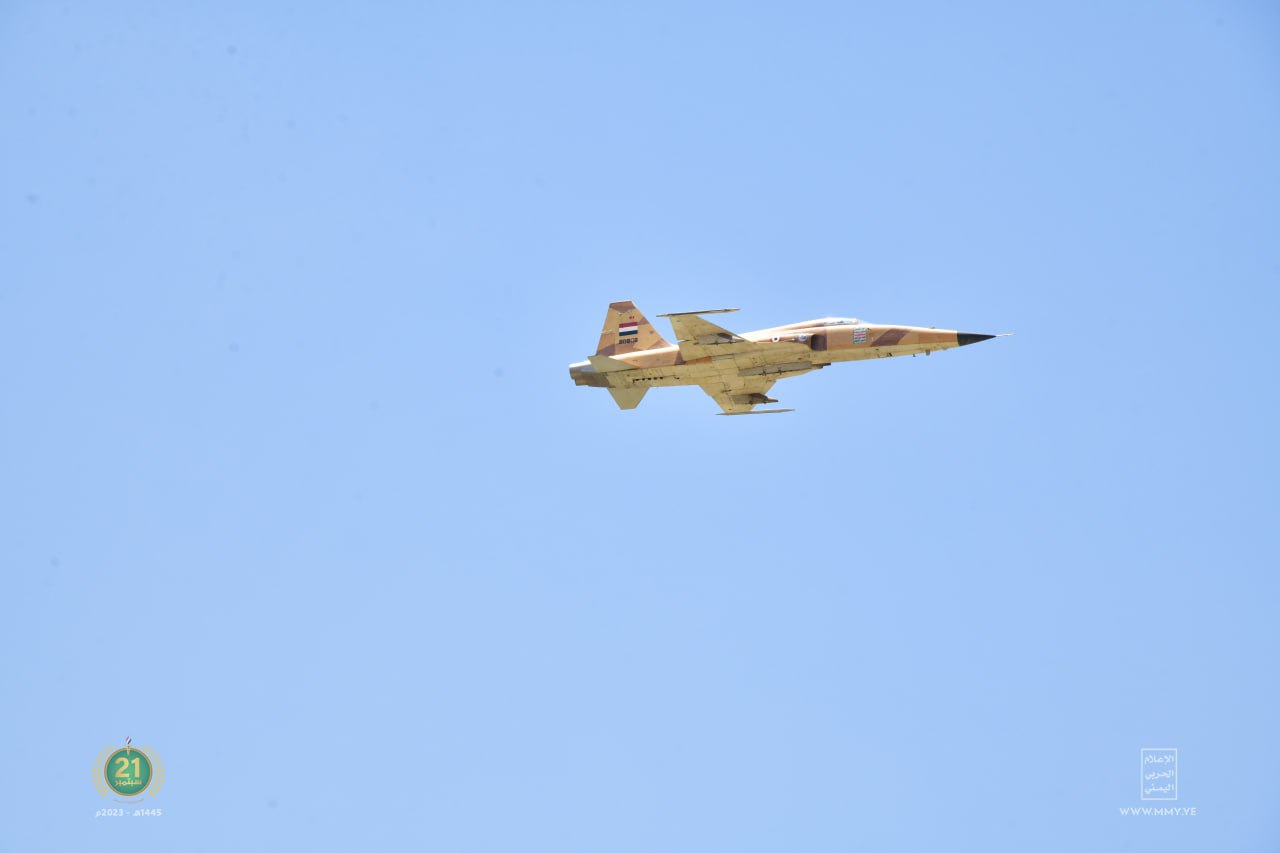
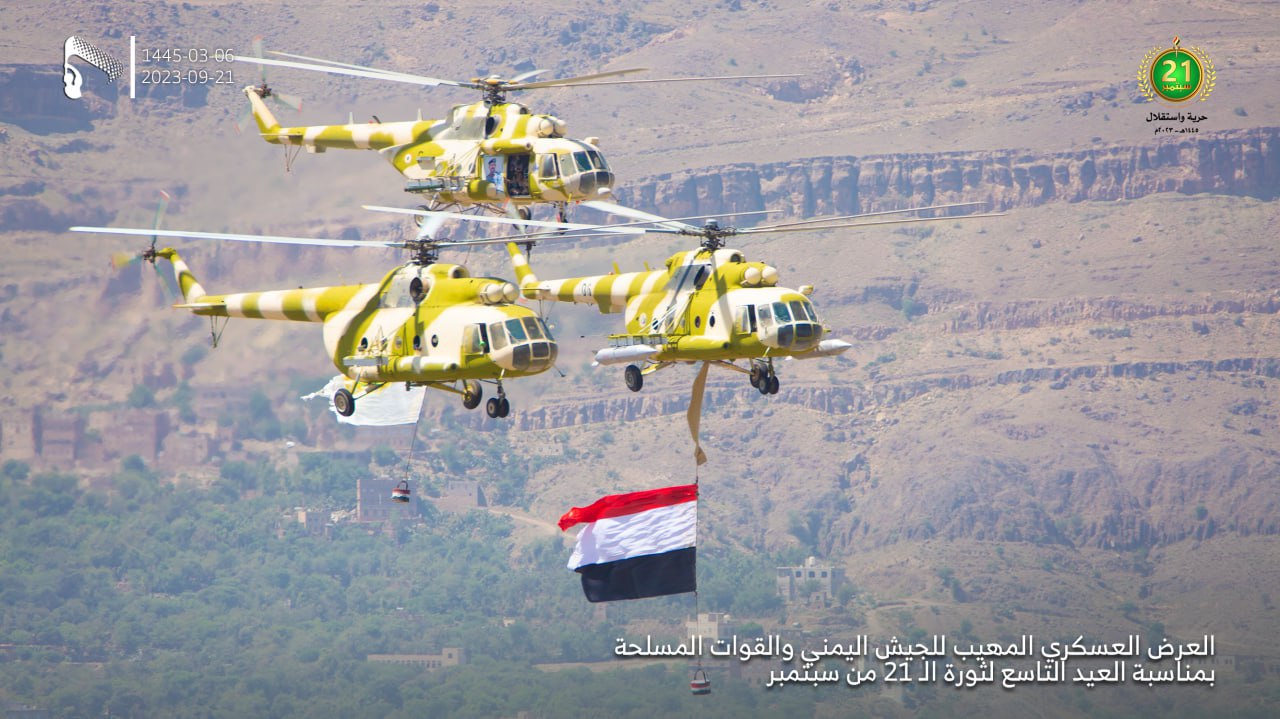
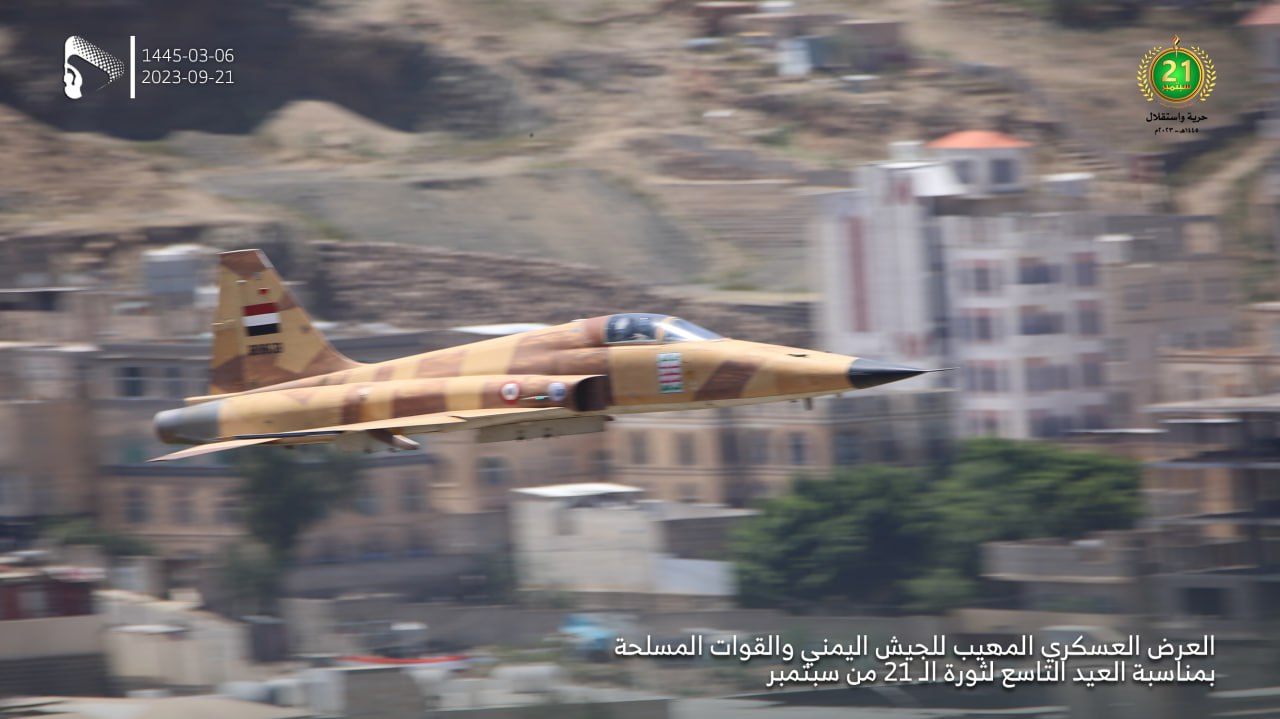
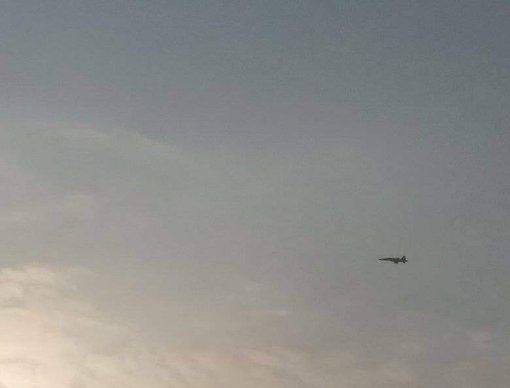
For the first time since the start of Saudi-led coalition war on Yemen, one of the F-5 fighters performed several maneuvers in this parade alongside Mi-17 helicopters of the Yemeni Air Force.
Images of four Mi-17 helicopters and one F-5 fighter jet in the Yemeni army paradeF-5 fighter maneuver in the September 21 parade in Sana’a city
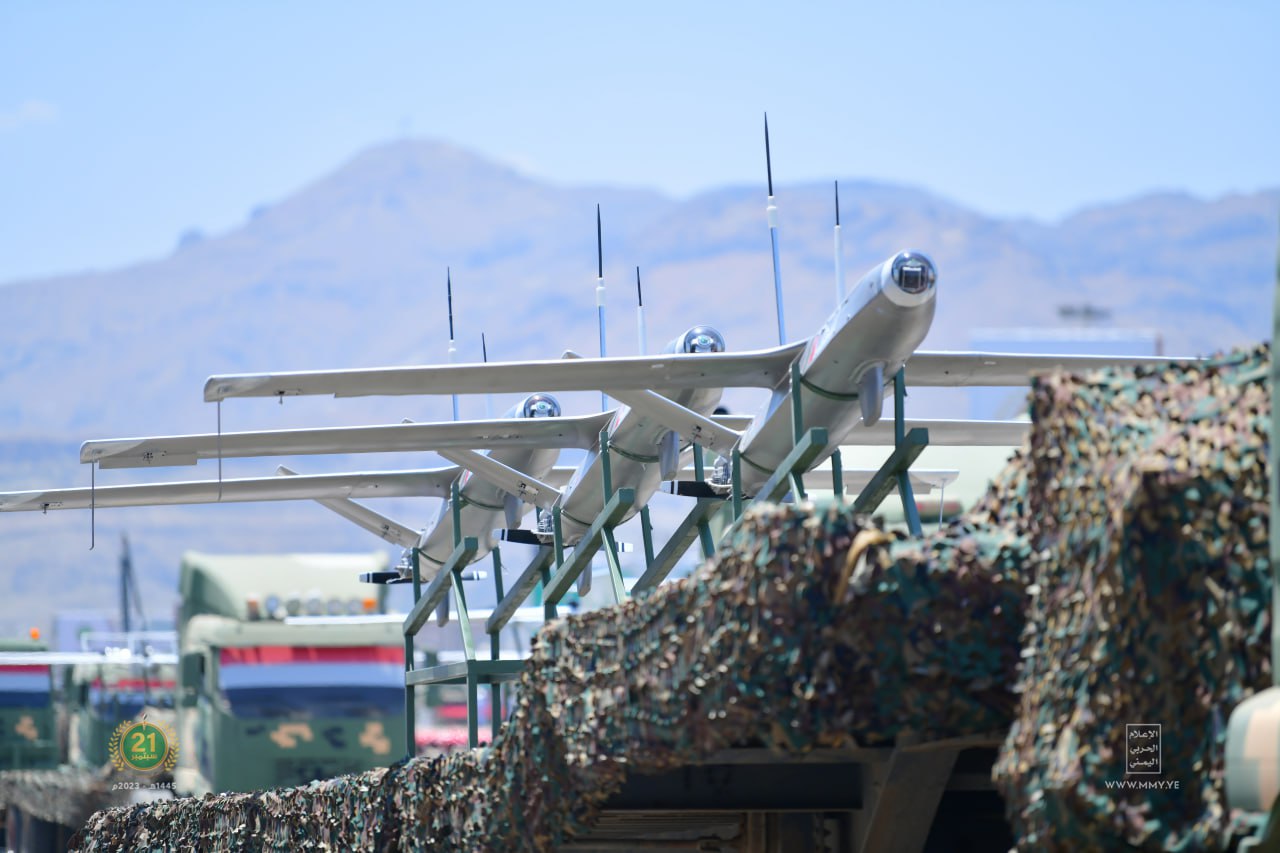
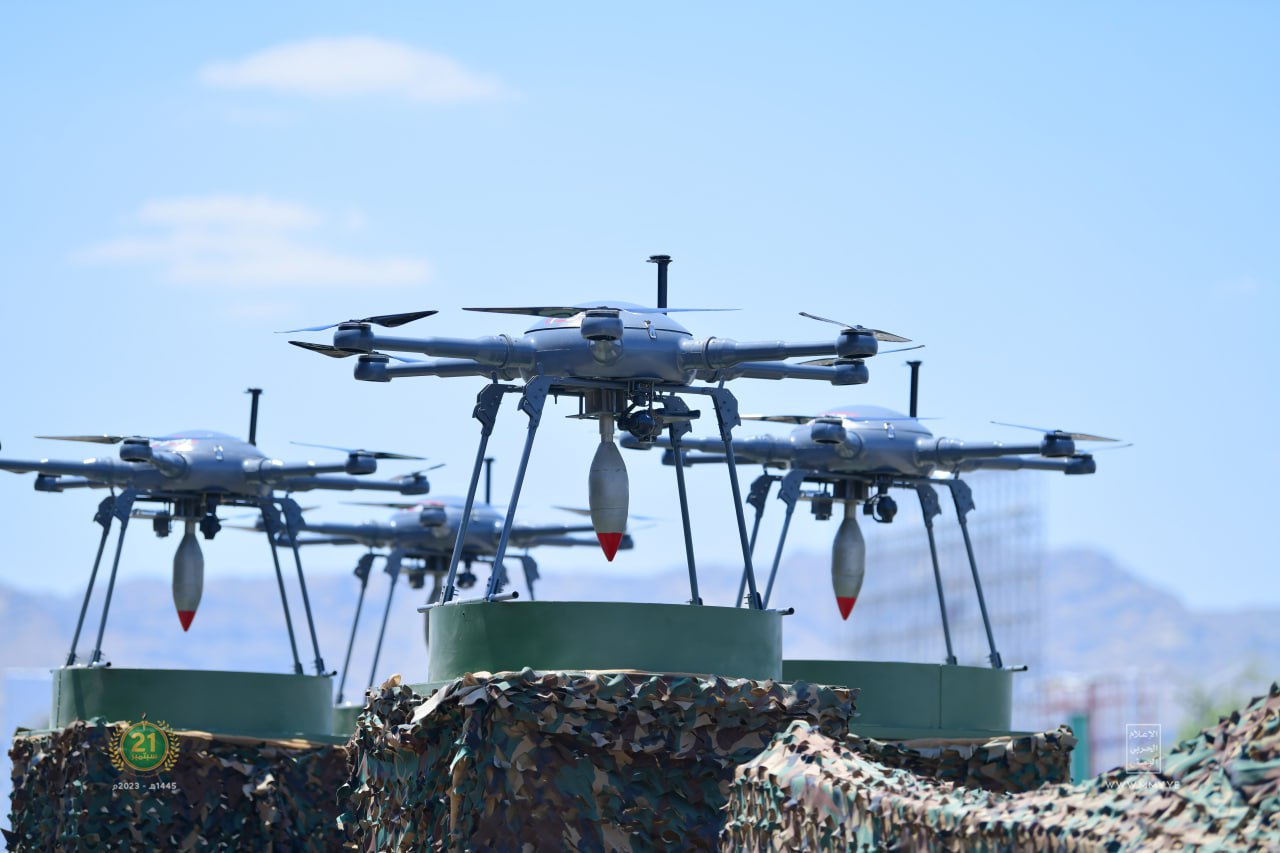
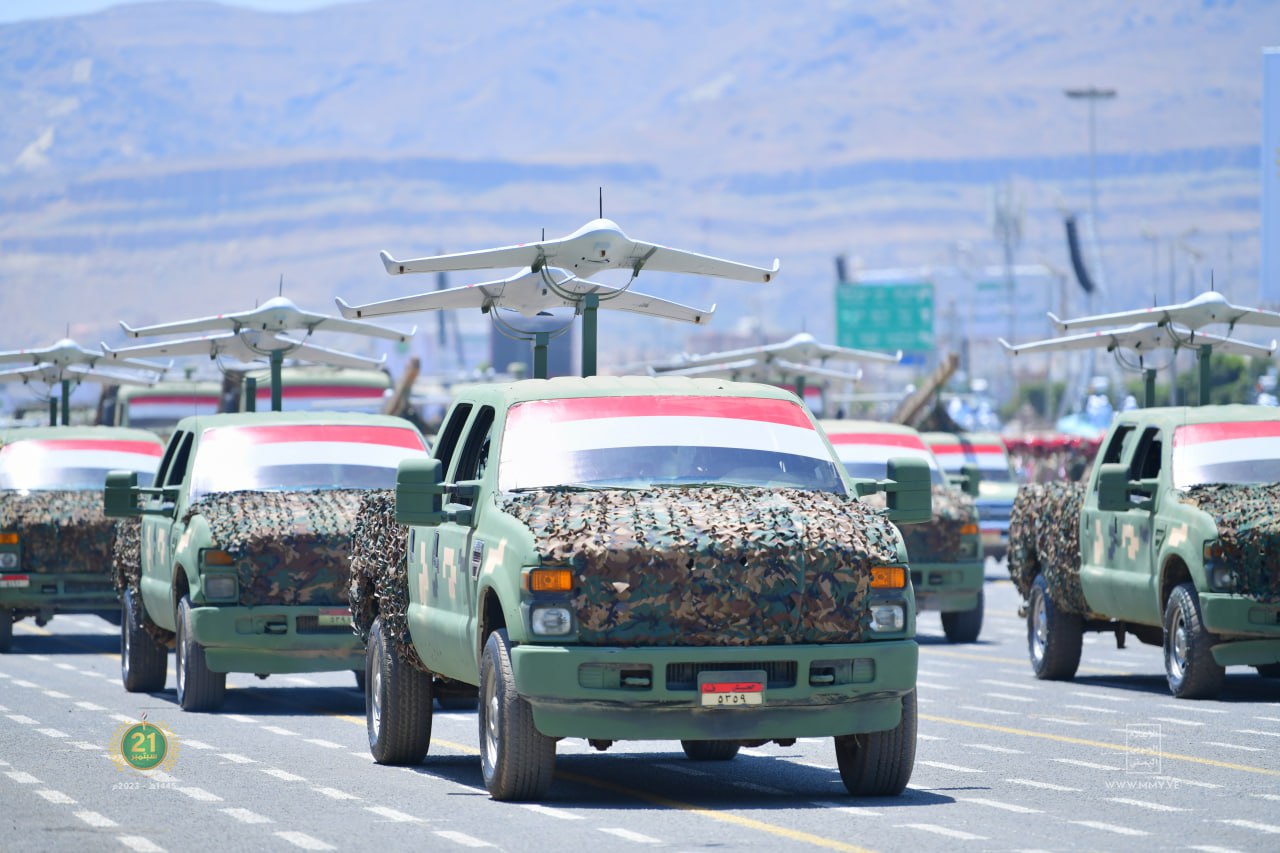
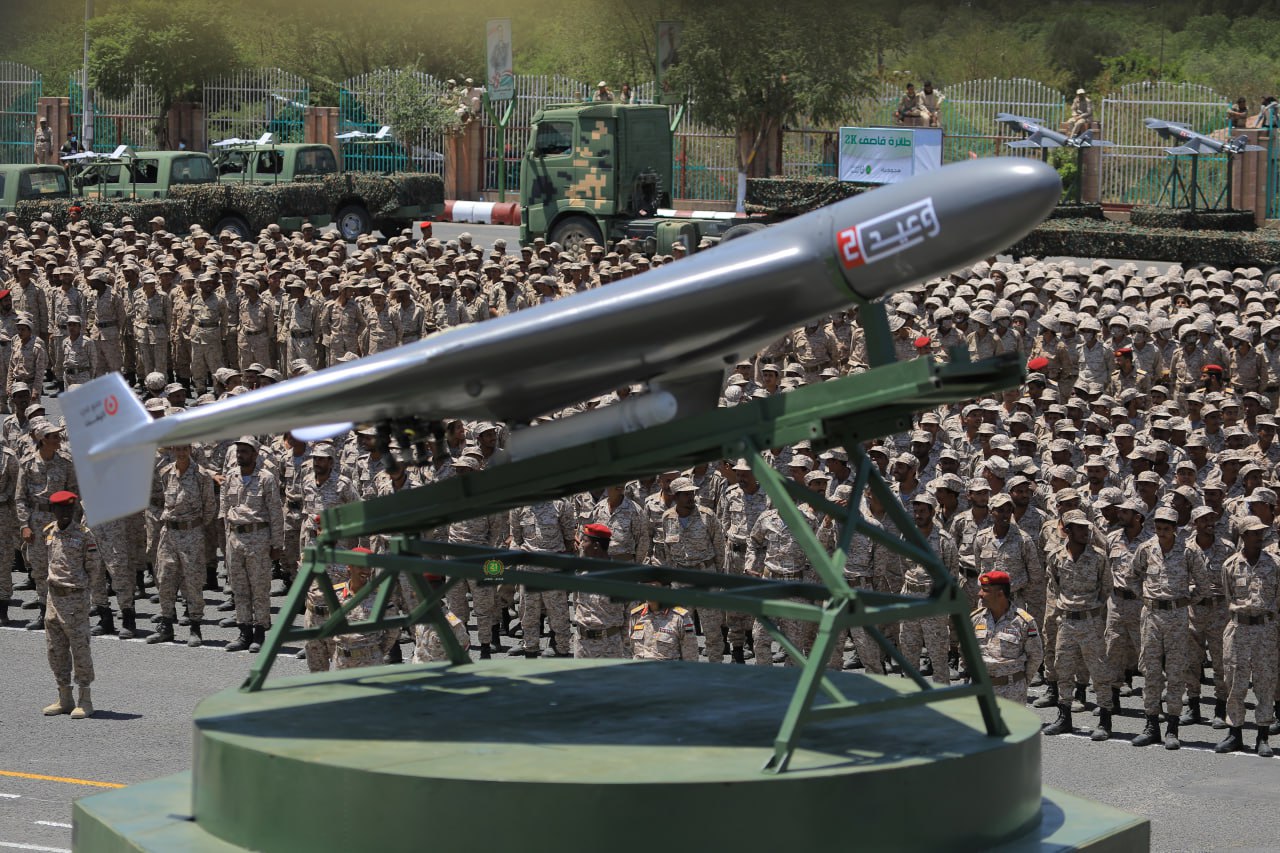
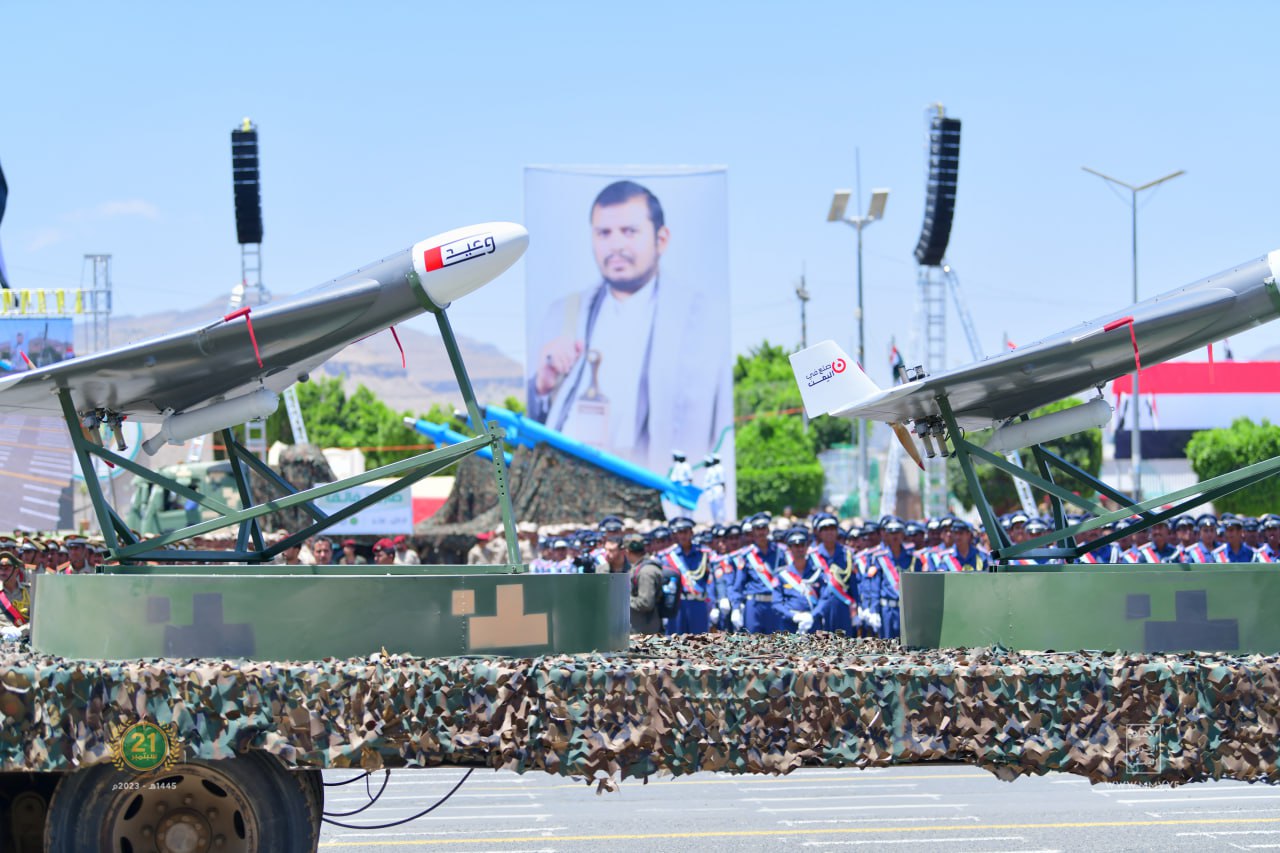
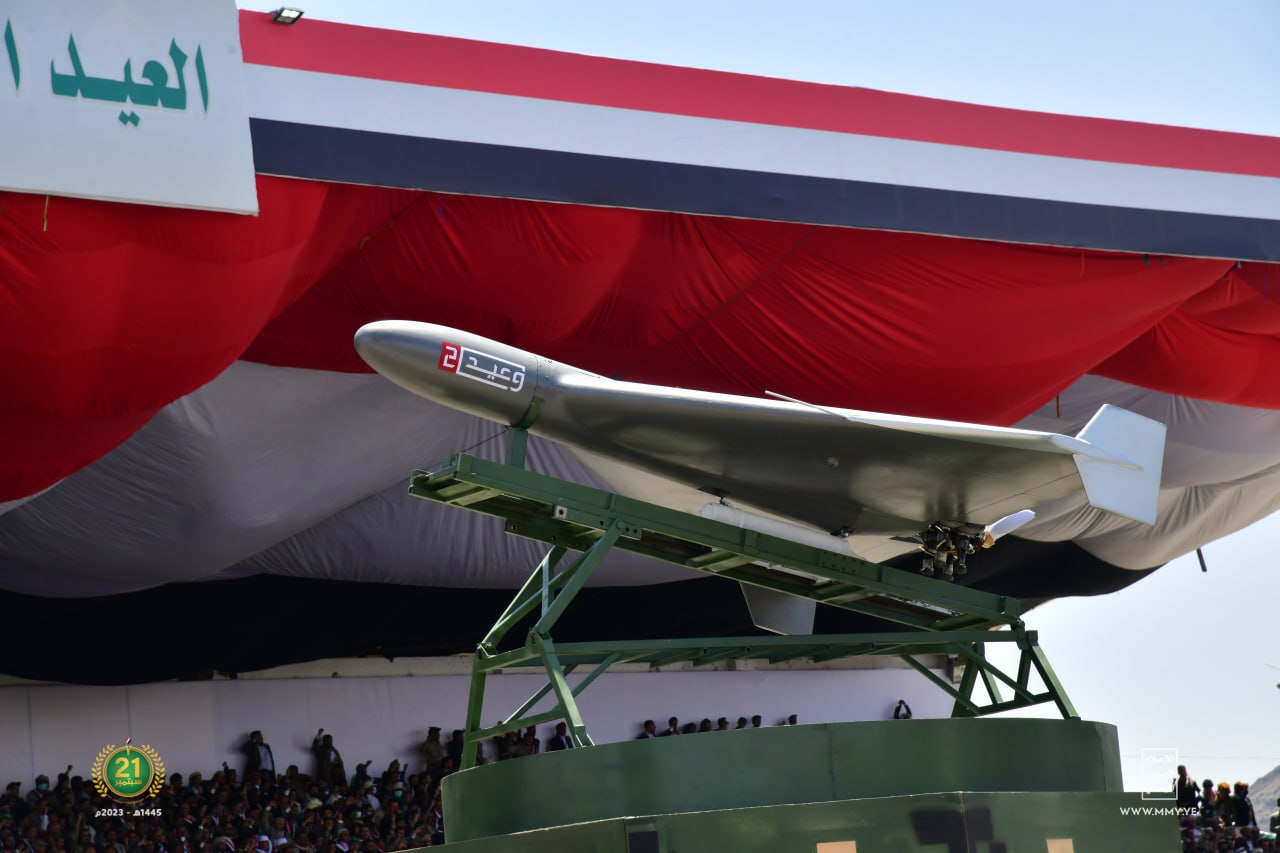
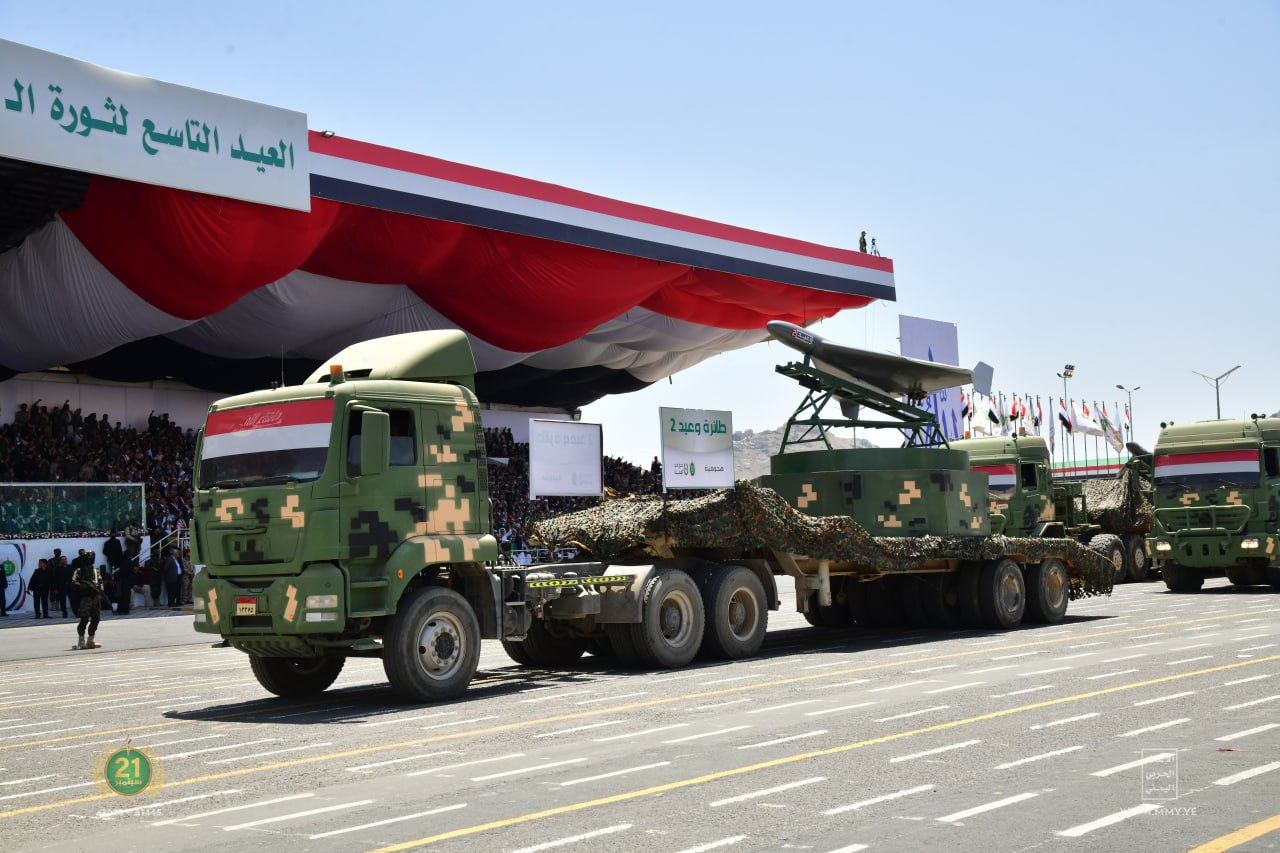
The extensive collections of missiles as well as reconnaissance and assault drones were another difference in this parade compared to past military maneuvers and parades. The Ansar Allah movement displayed drones such as Waeid 1 and 2 (Shahed 136), Mersad 2, Khatef, and Saqar 2 (known as 358) air defense missile, Qasem missile, Badr 4 and so on in large numbers during this parade.
The grand display of Yemen’s stunning army weapons in this parade once again showed that no military operation or invasion by the Saudi-led coalition or even the US-led coalition can bring the people of Yemen to their knees. The all-out air and sea blockade will not prevent this country’s military advances because Iran and the Axis of Resistance are supporting the Yemeni people.
The people of Yemen were outraged by resigned president Abd Rab Mansour Hadi’s betrayal and his government’s collusion with certain Arab countries, especially Saudi Arabia, in 2014. The Yemeni people held extensive rallies against him in various cities of Yemen. With Ansar Allah’s entry into Sana’a city on September 21, 2014, Hadi resigned from the presidency of Yemen and his government agents were dismissed by the Yemeni parliament. After these developments and Ansar Allah’s success in taking control of the Yemeni government, Saudi Arabia and the United Arab Emirates (UAE) formed a coalition against the people of Yemen and Ansar Allah in support of Mansour Hadi; so, his allies attacked all over Yemen.
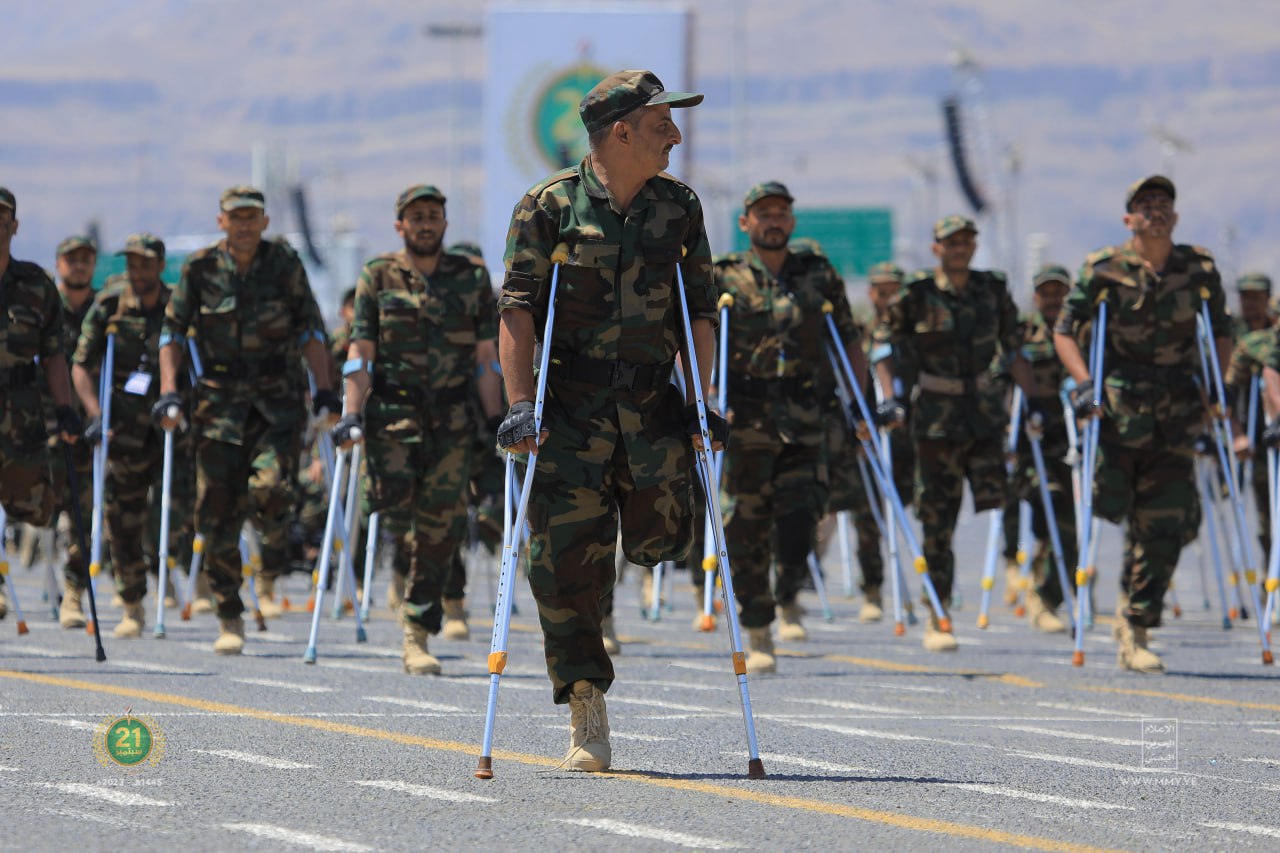
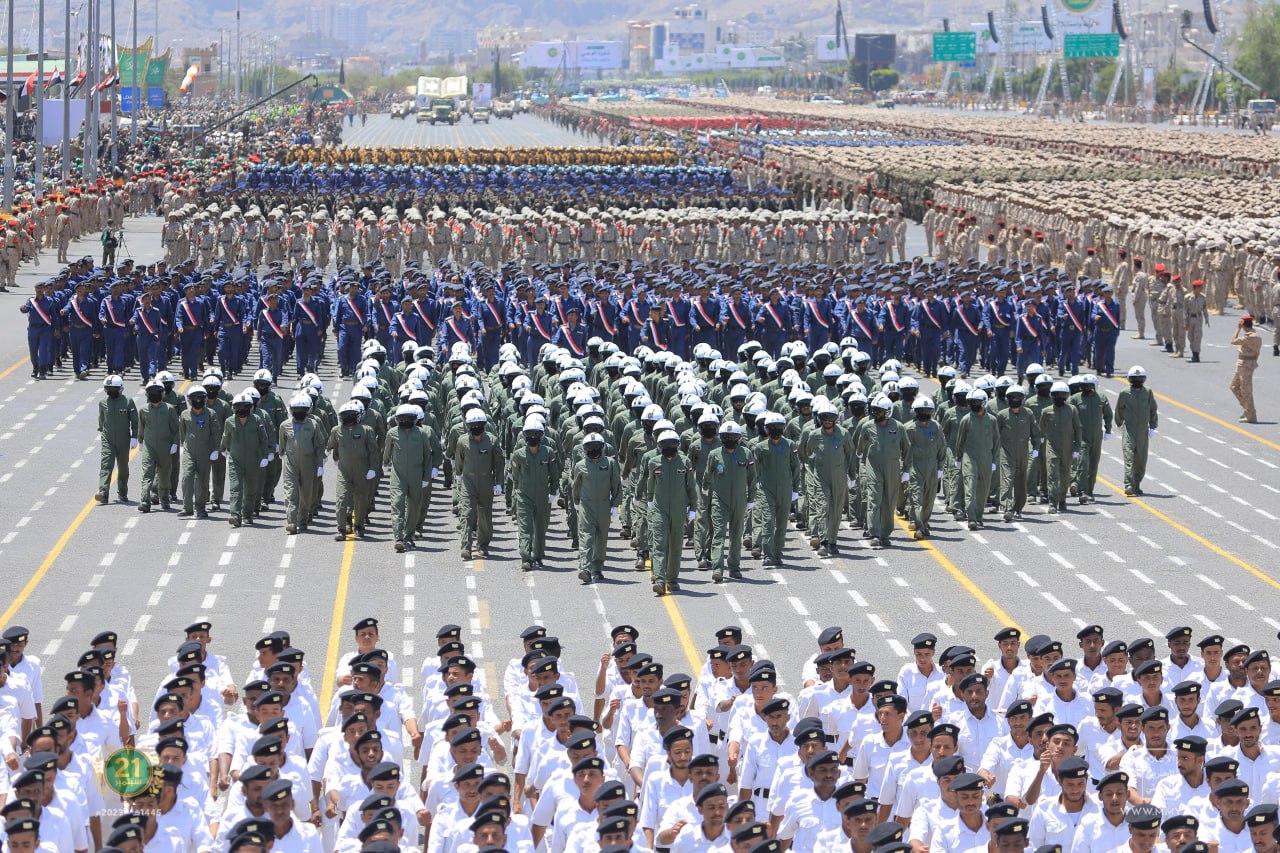
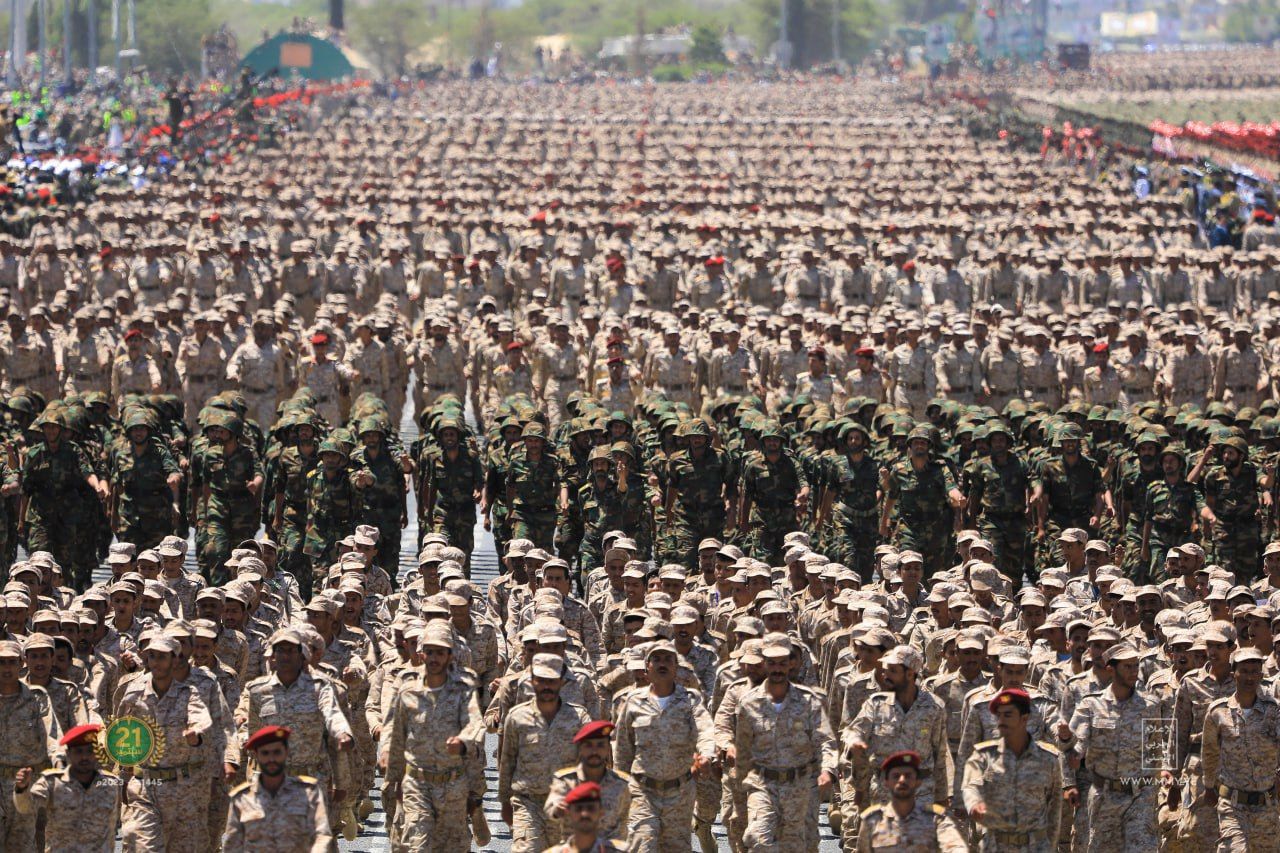
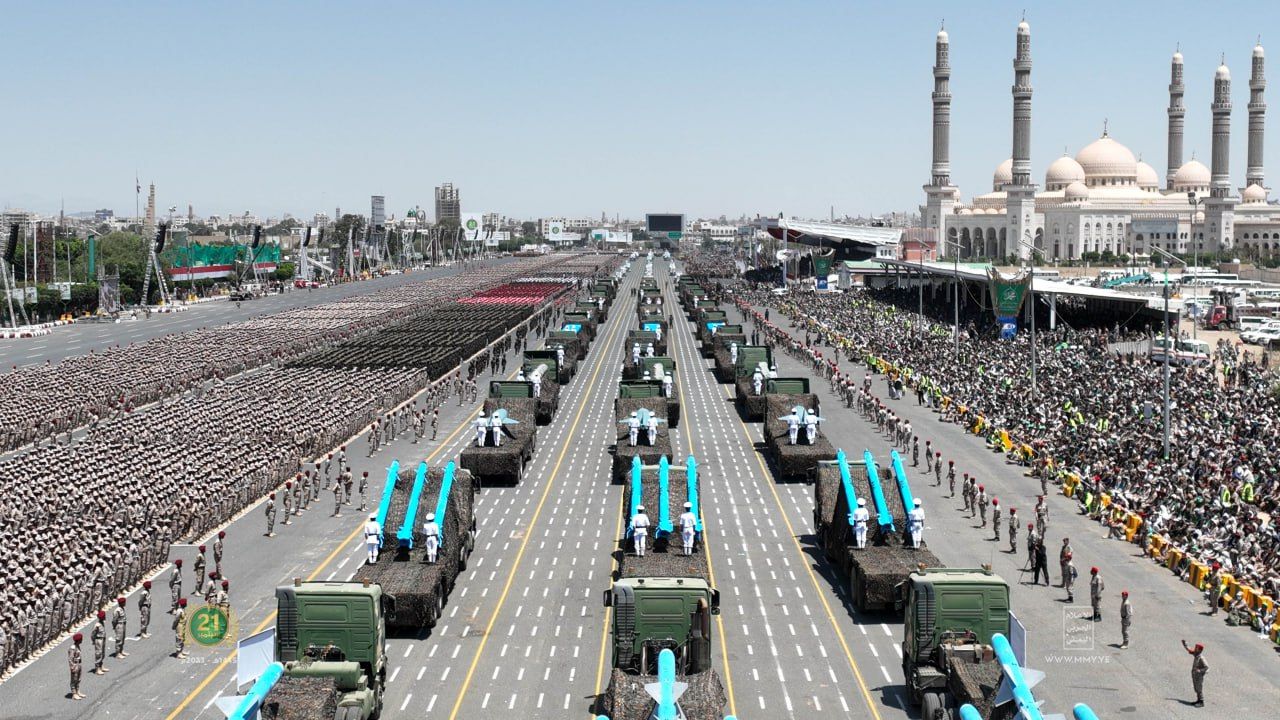
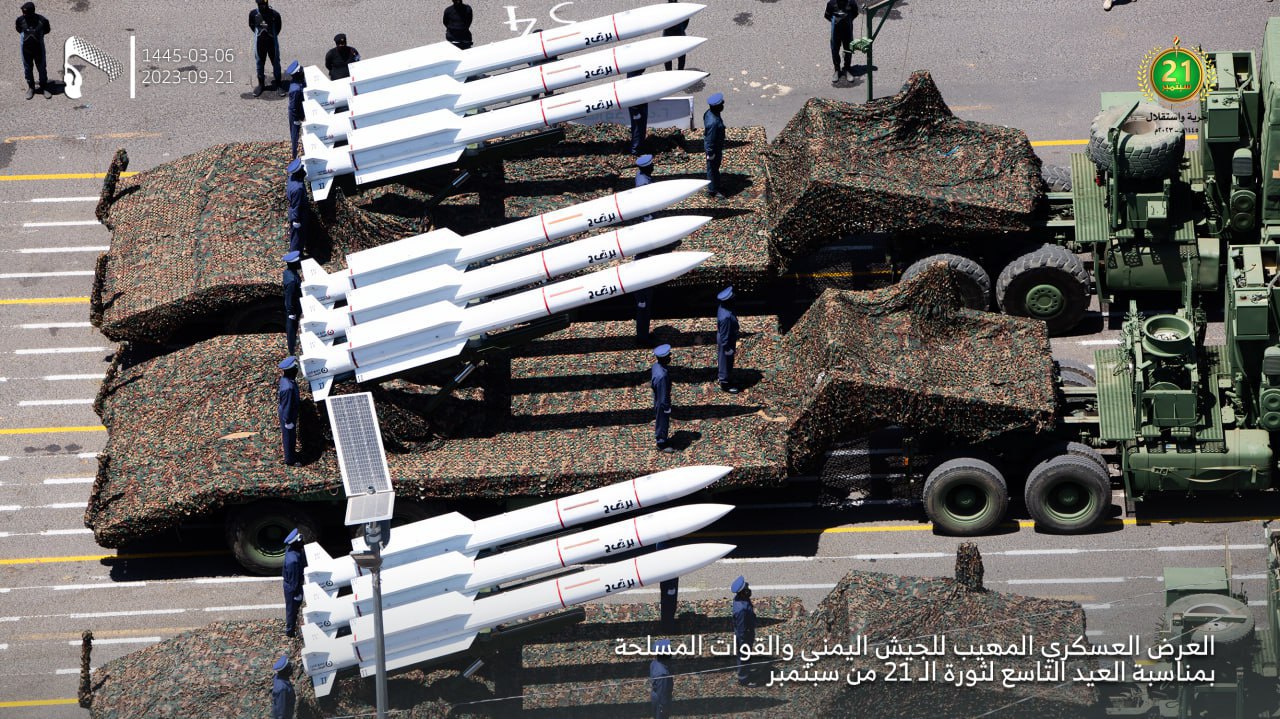
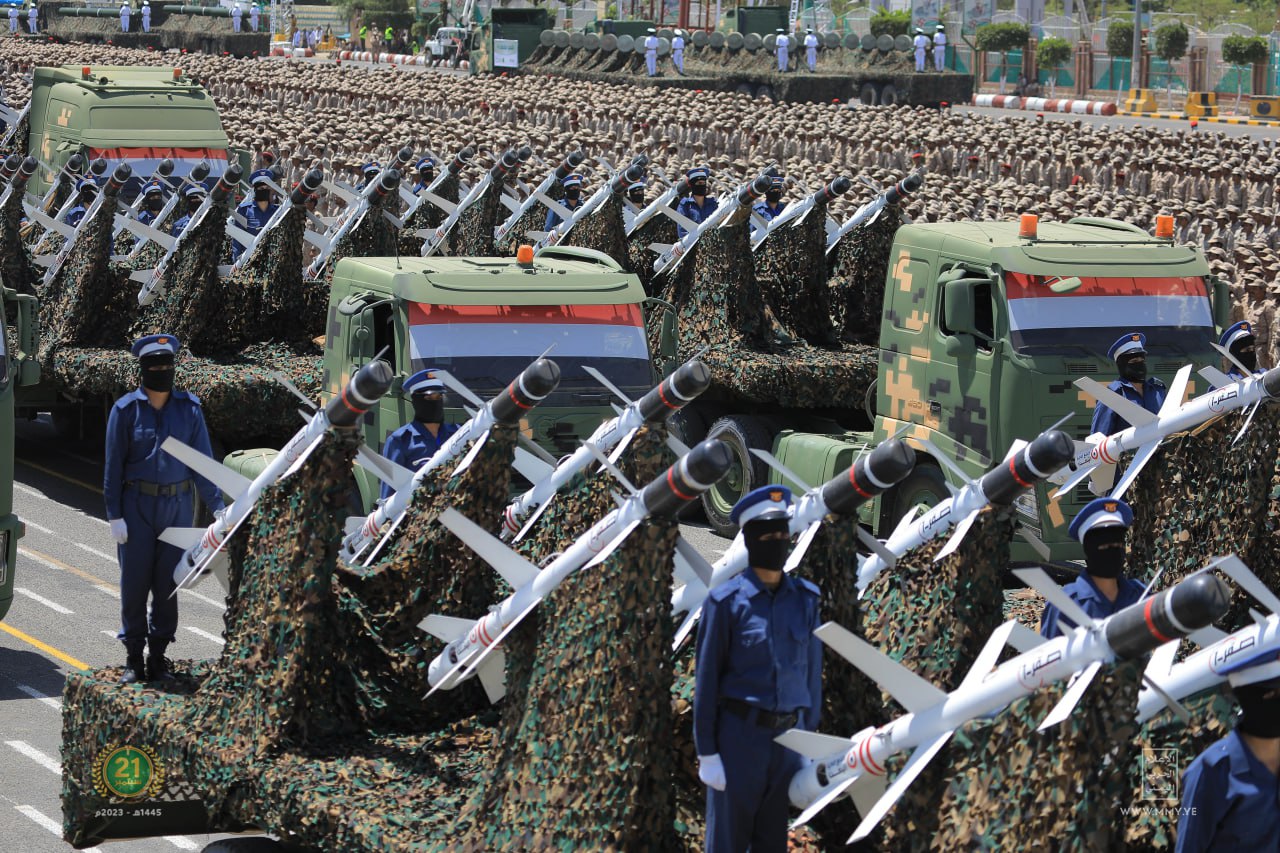
Images of the Yemeni army’s grand parade in Sana’a on the occasion of the 9th anniversary of the September 21 People’s Revolution
One interesting point about this year’s parade was the large presence of Hani armored vehicles which are actually updated versions of Al-Shabal 2 light vehicles belonging to Saudi-led coalition that Ansar Allah had seized in various battles. According to released images from the parade, Yemen’s army has managed to update 54 units of these vehicles.
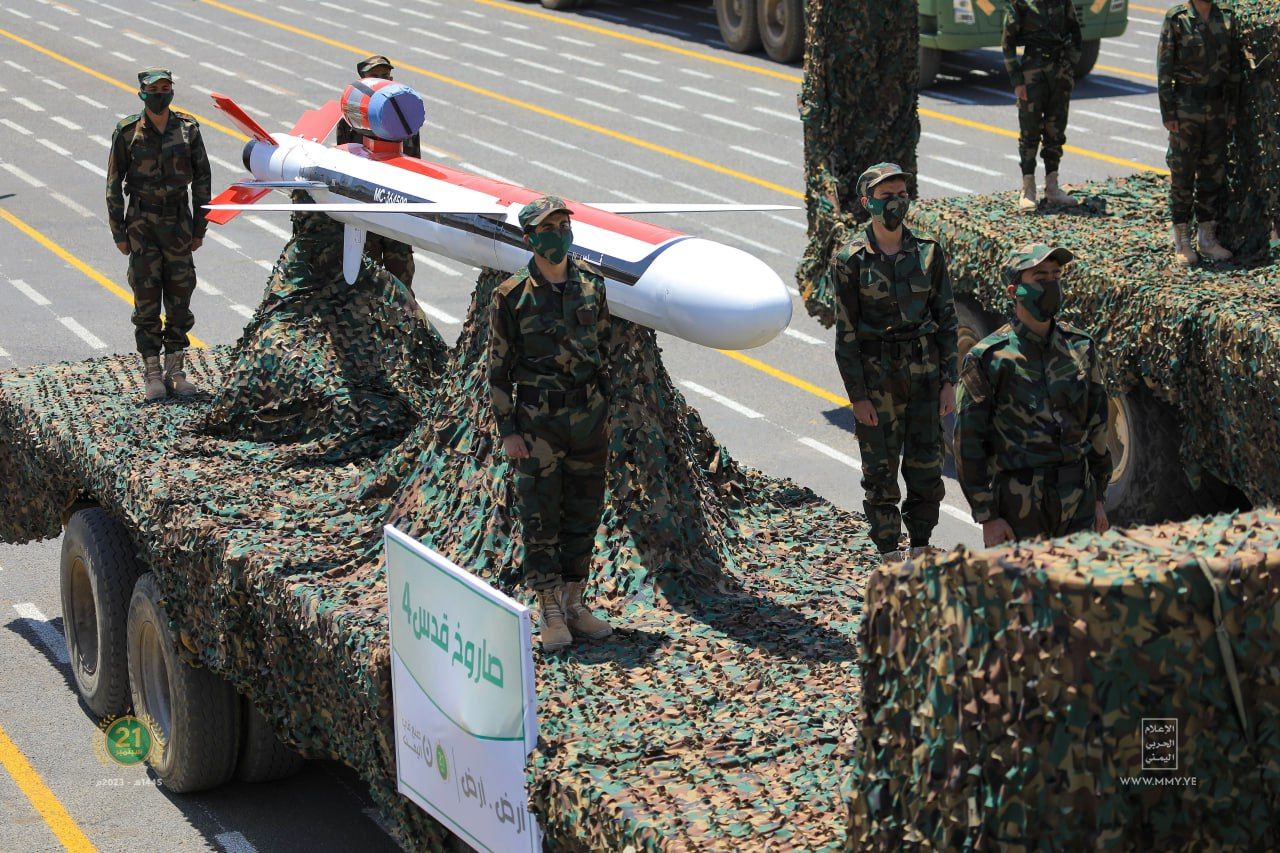
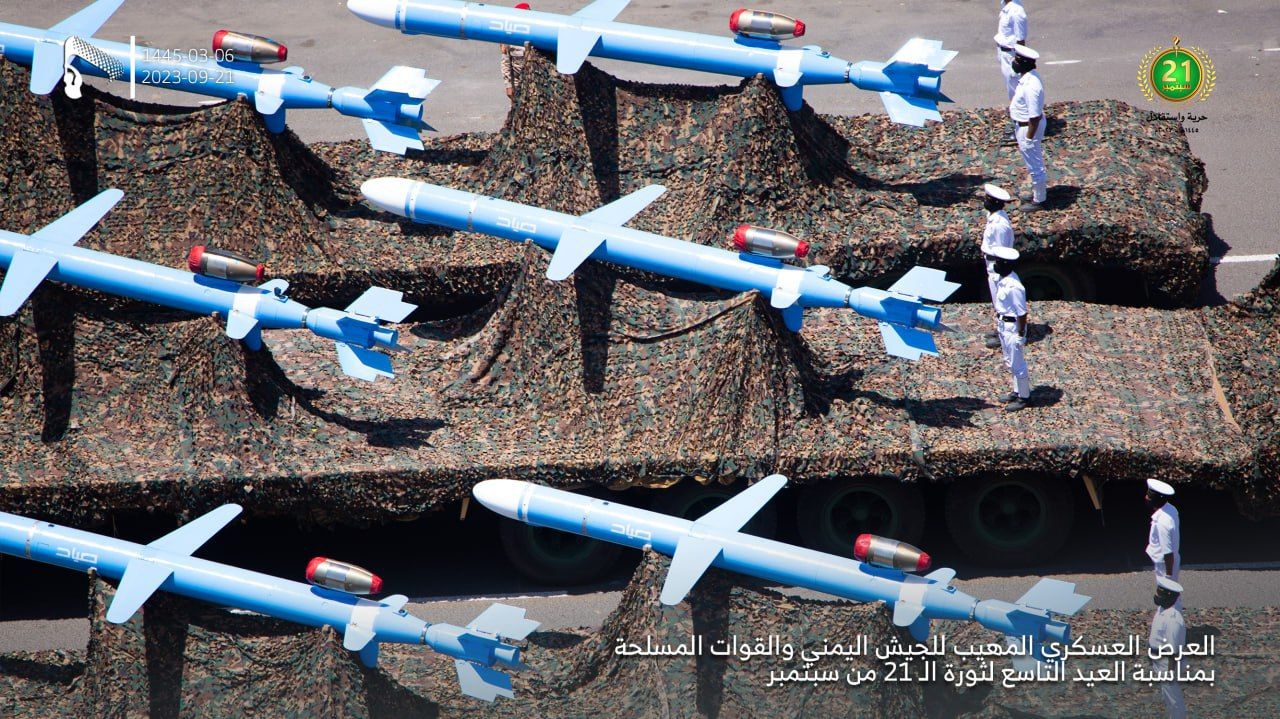
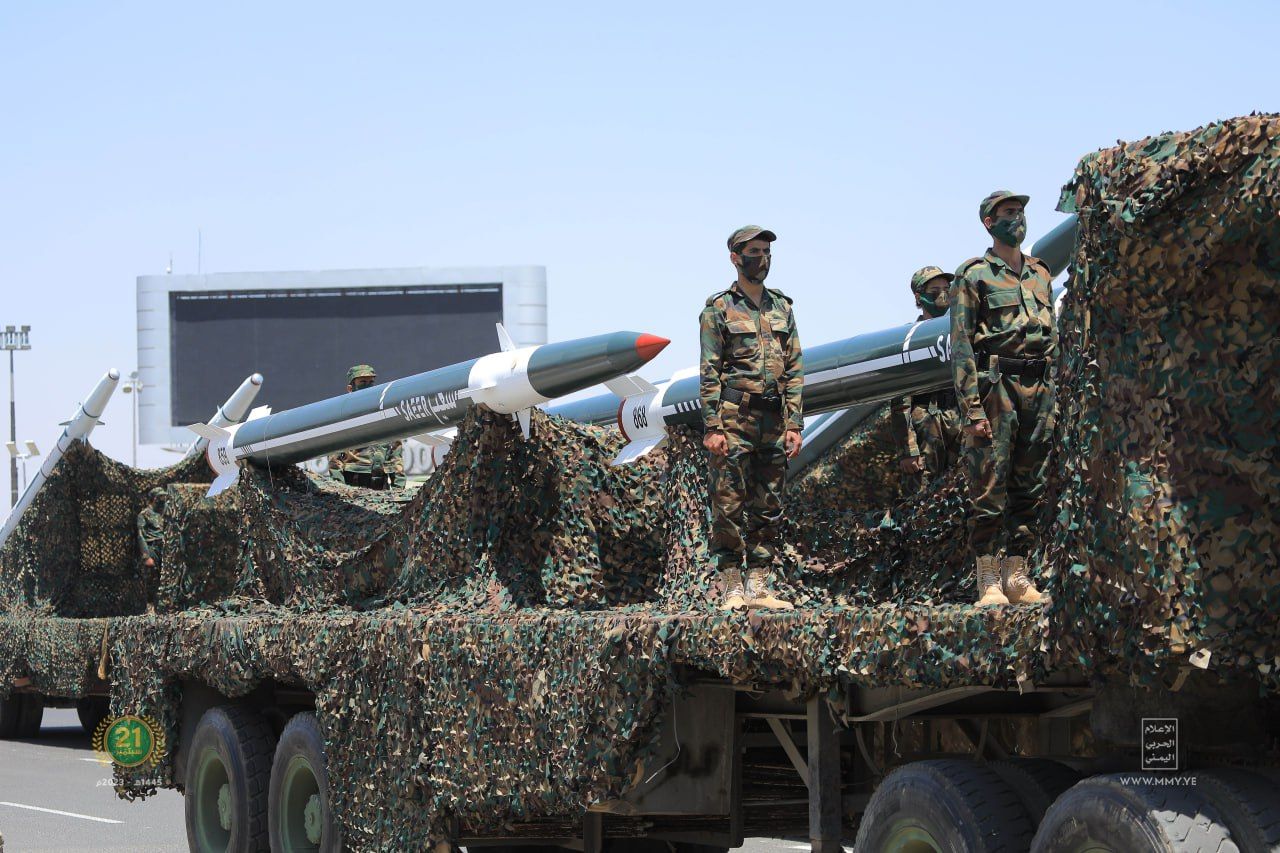
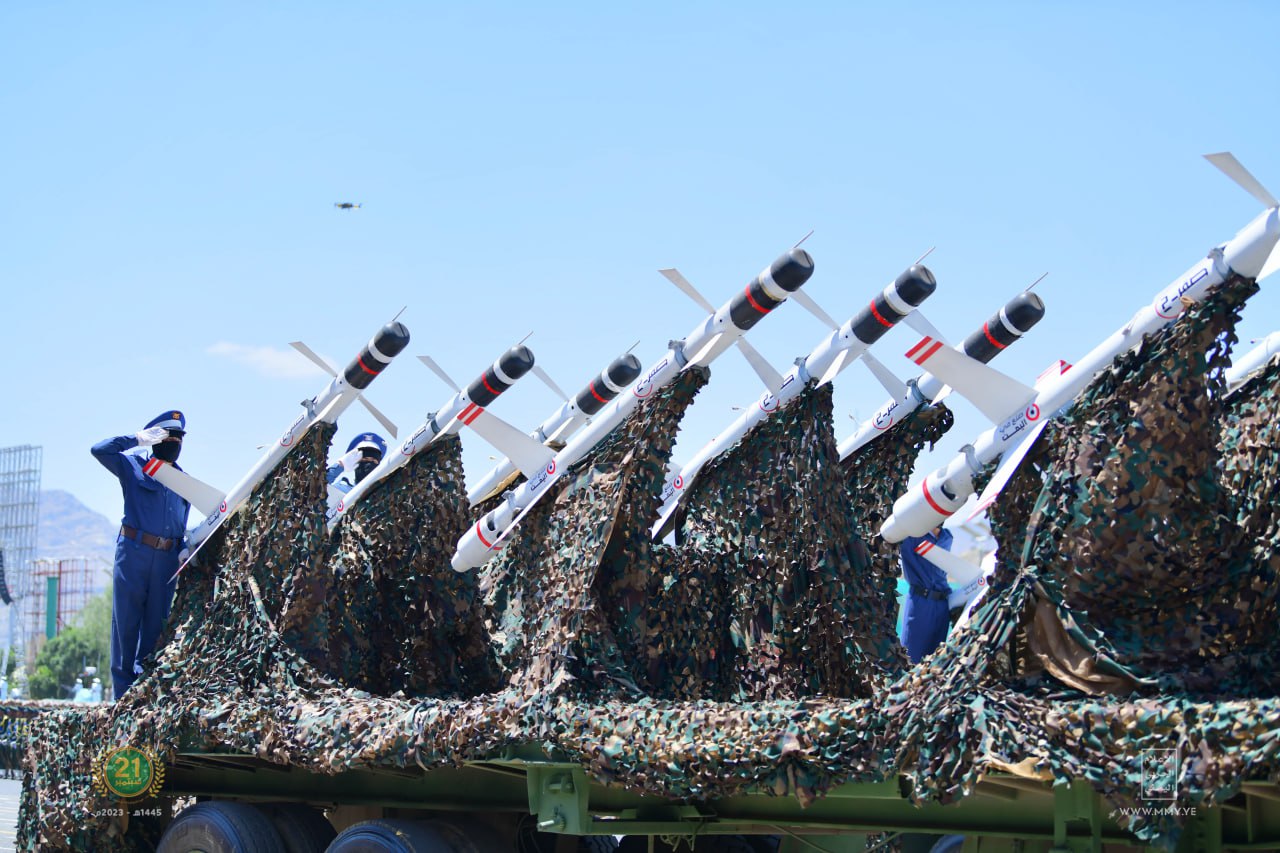
Images of the missiles of the Yemeni army in the grand parade on the occasion of the 9th anniversary of the September 21 Revolution
In this parade, various ballistic missiles were displayed by Yemen’s armed forces. These missiles were displayed in large numbers indicating functionality and high storage number for these missiles in Yemen’s armed forces organization. These ballistic missiles are very similar to some Iranian samples. For example, Karrar missile is similar to Fateh-110 missile; Aqil missile is alike Qiam missile; Tufan missile is similar to Qadr missile. Of course, differences can be seen as well and it cannot be said with 100 percent certainty that all these weapons and equipment have been directly transferred to Yemen.
Saqar 1 and 2 loitering munitions and Barq 2 surface-to-air missile
Among other equipment seen in the parade is an anti-aircraft missile similar to Taer-2B missile named Barq-2. Other anti-aircraft missiles were Saqar-1 and 2, which were recently displayed during Russian Defense Minister’s visit to Iran and they did not yet have a name in Iran’s armed forces collection; therefore, they are more known as Missile 358.
Sejjil anti-ship missile was introduced as the newest member of anti-ship class by Yemen’s armed forces. Anti-ship missiles Al-Mandab-1 & 2 were also displayed alongside Rubij anti-ship missile. The anti-ship Sejjil missile, which was unveiled at this military exercise, is also similar to Iran’s Qadir missile.
Badr-4 missile; Masjoor-2 underwater mine; Quds-4 cruise; anti-ship ballistic Tankil missile were among other equipment unveiled at this military exercise in the Yemeni capital on the anniversary of Ansar Allah’s take-over of the government.
Images of Waeid 1 and 2, Qasef 2k, Rased, Rajum and Khatef 2 dronesA summary of the parade of different units of the Yemeni armed forces in Sana’a
This shows that the claim of complete destruction of the Yemeni army’s air and missile weapons in the early years of the war was a bluff and Yemen has been successful in preserving some of its valuable arms.
It should be noted that during the reign of former president Ali Abdullah Saleh, the Yemeni army had about eleven F-5 fighter jets, including the training and assault type, some of which were destroyed or damaged after the Saudi-led coalition’s attack on Yemen.
Others were transferred to unknown locations by the Ansar Allah movement and were hidden so that the Saudi-led coalition could not identify their locations and destroy them, and today’s operational fighter jets in Yemen are related to those ones, which have remained untouched.
Flight of the Yemeni army fighter jet over the sky of Sana’aFlight of the Yemeni army fighter jet over the sky of Sana’a
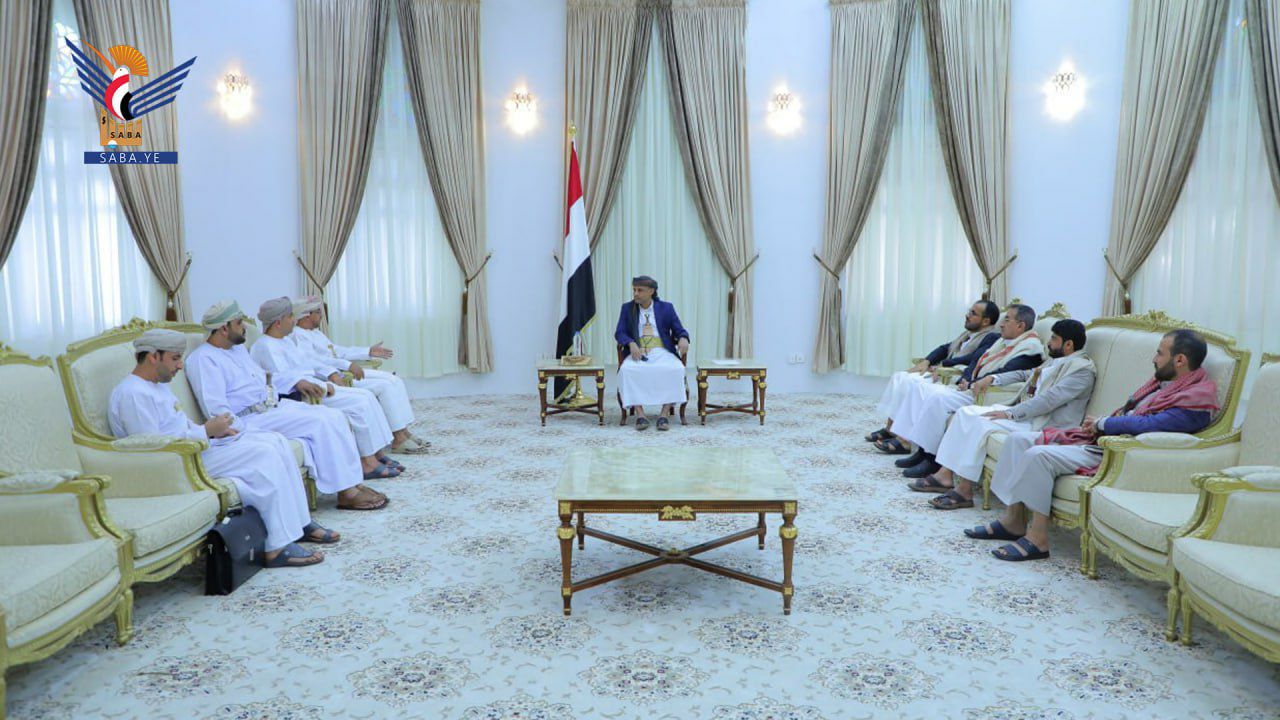
The Yemeni National Salvation Government’s negotiating team, led by Mohammed Abdulsalam, who is also the Ansar Allah movement’s spokesman, traveled to Riyadh, the capital of Saudi Arabia, after Omani representatives consulted officials of the Ansar Allah movement.
Following Oman’s liaison and talks during Mohammad bin Salman’s recent trip to Muscat, Omani representatives entered Sana’a on Friday, September 14. The meeting between the Omani delegation and Ansar Allah officials was held to convey Sultan Haitham bin Tariq’s message to Mahdi Al-Mashat, President of the Supreme Political Council of Yemen.
In general, the negotiation was welcomed by Ansar Allah leaders, and the Yemeni negotiating team, accompanied by Omani representatives, went to Riyadh, the capital of Saudi Arabia on Saturday.
According to Mohammed Abdulsalam’s statements, the priority of this round of negotiations is focused on lifting the siege, opening ports and airports, paying employees’ salaries from oil revenue, as well as prisoner swap.
Other issues such as the withdrawal of foreign forces and the reconstruction of war-torn country for achieving a comprehensive political solution have been raised but they have not yet been confirmed or denied by the other party.