Tag: Iraq

  • Three Killed In Turkiye’s Drone Strike On Sulaymaniyah, Iraq

    Three Killed In Turkiye’s Drone Strike On Sulaymaniyah, Iraq

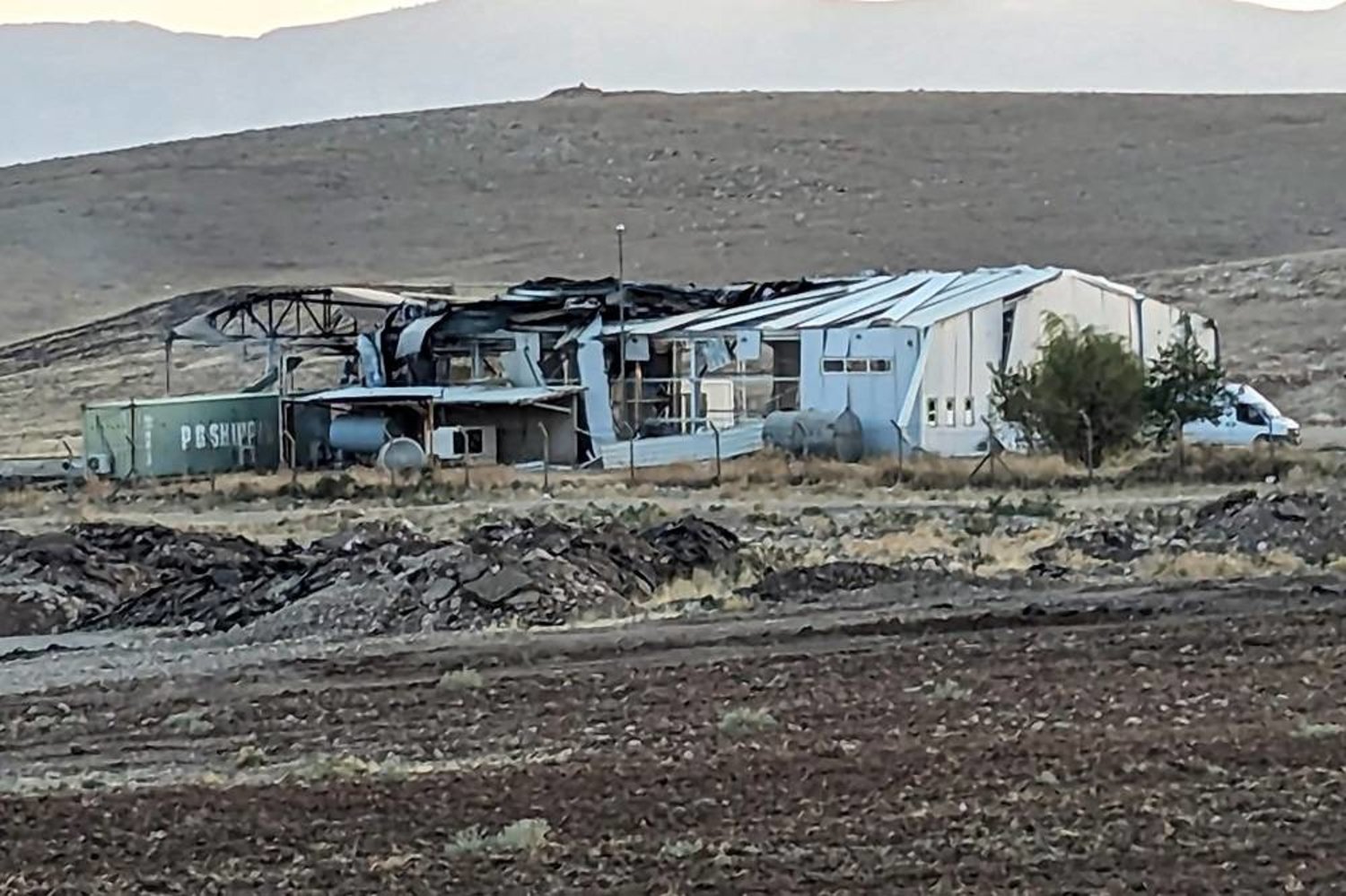
    On September 18, a Turkish drone targeted the Arbat airport in Sulaymaniyah city in the east of the Kurdistan Region of Iraq, during which at least three people were killed and three others were injured.

    The United Nations Assistance Mission for Iraq (UNAMI) condemned the attack on the Arbat airport in Sulaymaniyah and called for the resolution of security issues through dialogue.

    No individual or group has claimed responsibility for this attack so far, but spokesman for Commander-In-Chief of the Iraqi Armed Forces Major General Yahya Rasool announced that a drone entered Iraq’s air space from the Turkish border and bombed the Arbat airport in Sulaymaniyah of Iraq’s Kurdistan region at 17:00 on Monday.

    He went on to say that this drone attack is a violation of Iraq’s sovereignty and territorial integrity, which threatens peace and security in the region and the world; so, it is a violation of international laws and the United Nations Charter.

  • KDPI Evacuates Main Headquarters In Iraq

    KDPI Evacuates Main Headquarters In Iraq

    The informed source also claimed in an interview with Deutsche Welle that the KDPI left behind its main headquarters in the Koysinjaq town dubbed “Democratic Castle” after three decades of being stationed there.

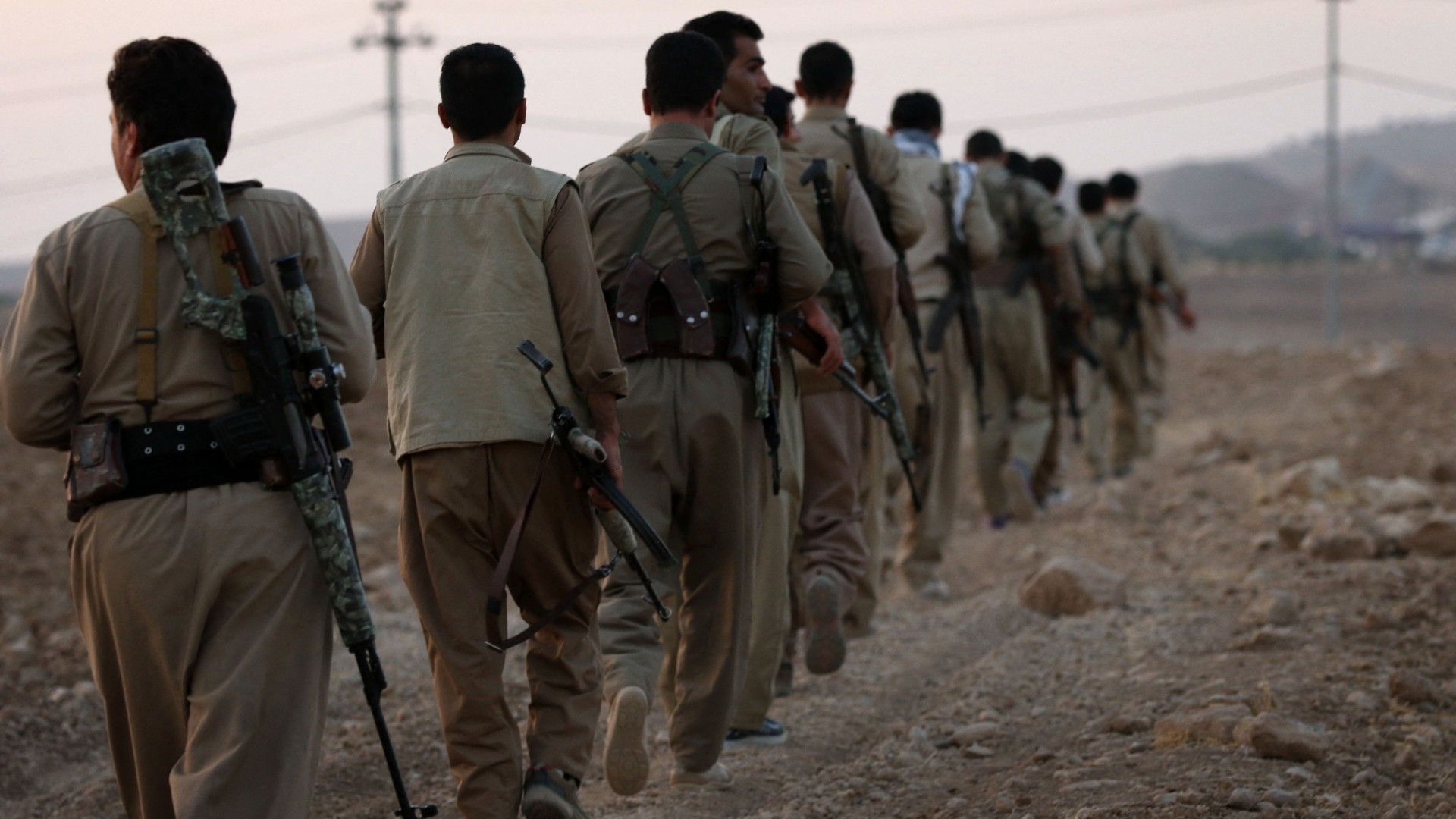
    It is said that Komala Kurdistan Party and the Komala of the Toilers of Kurdistan have also retreated from their positions in Iran-Iraq border areas.

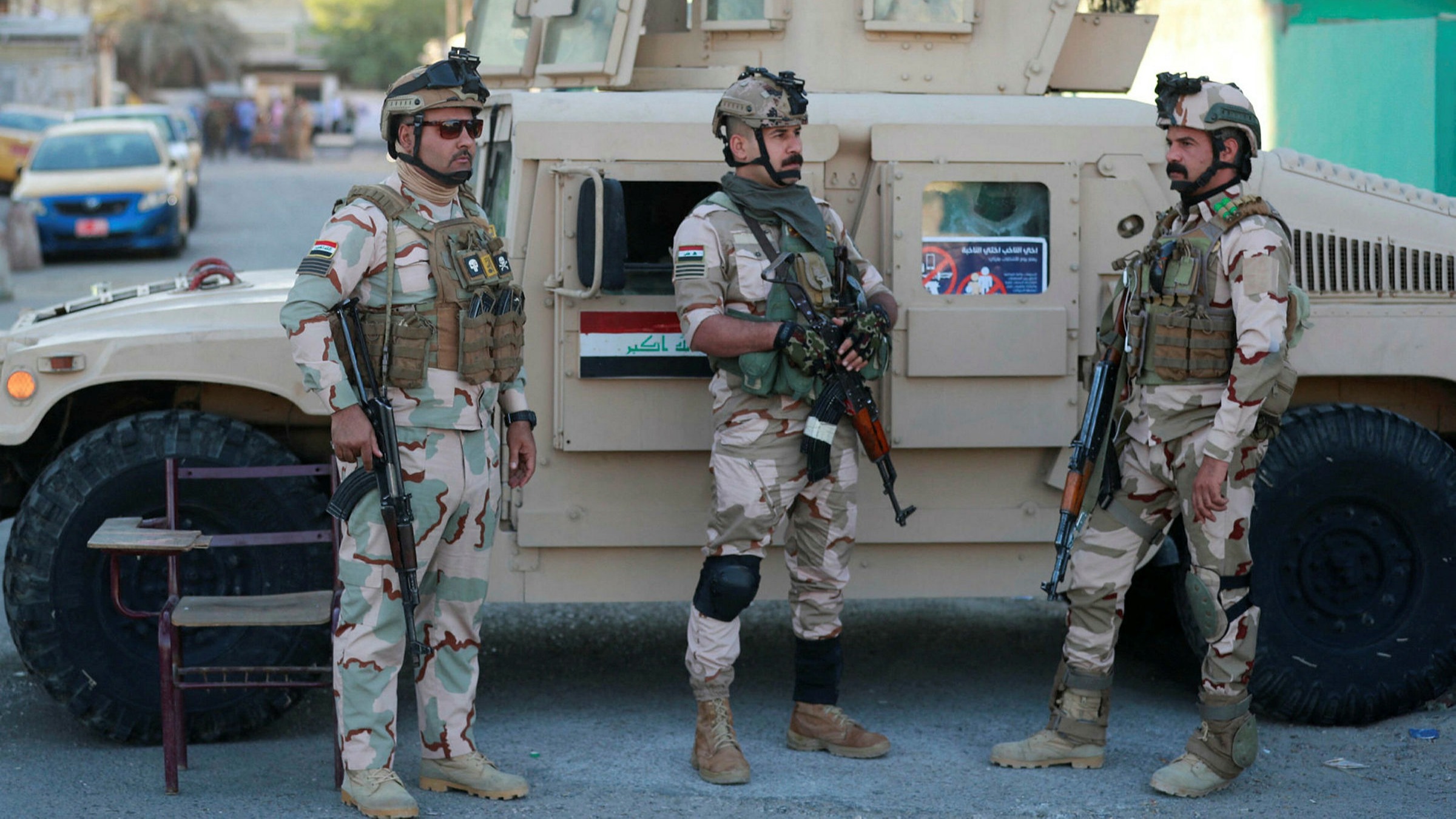
    Following the withdrawal of anti-Iran armed groups, Iraqi National Security Advisor Qasim al-Araji, heading a high-level security delegation traveled to Erbil on September 18 in a bid to follow up on the implementation of a security agreement between Tehran and Baghdad.

    This visit was carried out on the orders of Prime Minister and Commander-in-Chief of the Iraqi Armed Forces Mohammed Shia’ al-Sudani.

    Simultaneously, Iranian armed forces deployed armored, artillery, missile, drone, and helicopter units to the country’s northwestern borders.

    Read more: Iranian Defense Minister: Iran-Iraq Agreement On Expulsion Of Terrorists Not To Be Extended

    Less than 24 hours remain until the end of the deadline determined by Iran, in particular the Ground Forces of the Islamic Revolution Guards Corps’ (IRGC) ultimatum to disarm all terrorists in the Kurdistan Region of Iraq; if the Iraqi government fails to act according to the terms of the security agreement with Iran, the Iranian armed forces will initiate operations against anti-Iran armed groups stationed in the Kurdistan Region of Iraq.

  • Iranian Defense Minister: Iran-Iraq Agreement On Expulsion Of Terrorists Not To Be Extended

    Iranian Defense Minister: Iran-Iraq Agreement On Expulsion Of Terrorists Not To Be Extended

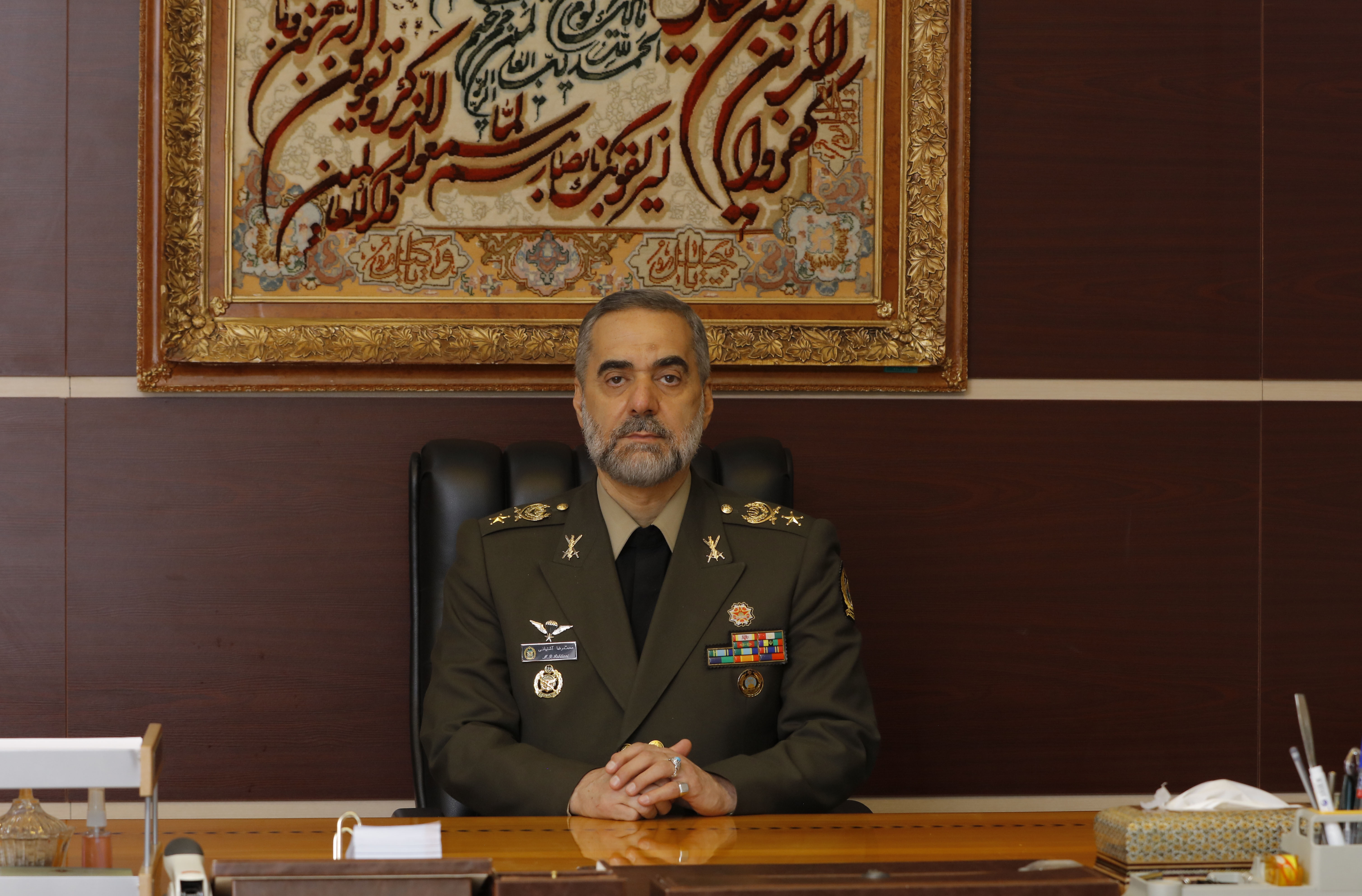
    On September 17, Brigadier General Mohammad-Reza Gharaei Ashtiani, Iran’s Minister of Defense and Armed Forces Logistics, referred to the agreement between Iran and Iraq to disarm and expel terrorists from the Kurdistan region, noting that the Islamic Republic will not extend the deadline, and that Tehran will act according to the agreement we made at due time.

    In an interview with Iran newspaper, Ashtiani pointed to the actions taken by Iraq in this respect, stating that some actions have been taken; we will evaluate in the last minute and make a decision based on the evaluation.

    The statements come as in recent days, armored units, artillery, missiles, drones, and helicopters of the Ground Forces of the Islamic Revolution Guards Corps (IRGC) have been deployed to the northwestern borders of the country.

    Earlier, Brigadier deputy commander for operations of the Islamic Revolution Guards Corps (IRGC) General Abbas Nilforoushan, emphasized that September 19 is the deadline for the Iraqi government to disarm terrorist groups in the Kurdistan region of Iraq.

    Read more: Deadline For Disarming Iraqi Terrorists Ends On September 19!

  • Iraqi Intelligence Service Neutralised Terror Group in Baghdad

    Iraqi Intelligence Service Neutralised Terror Group in Baghdad

    The National Intelligence Service of Iraq announced the destruction of a dangerous terrorist gang in Baghdad and the arrest of its members.

    The members of this team, who were elements of the ISIS terrorist group, intended to carry out suicide operations in Arbaeen processions, police centers, checkpoints and markets in Baghdad.

  • The Local Authorities Of Anbar Refuses To Accept The Anti-Iranian Armed Groups

    The Local Authorities Of Anbar Refuses To Accept The Anti-Iranian Armed Groups

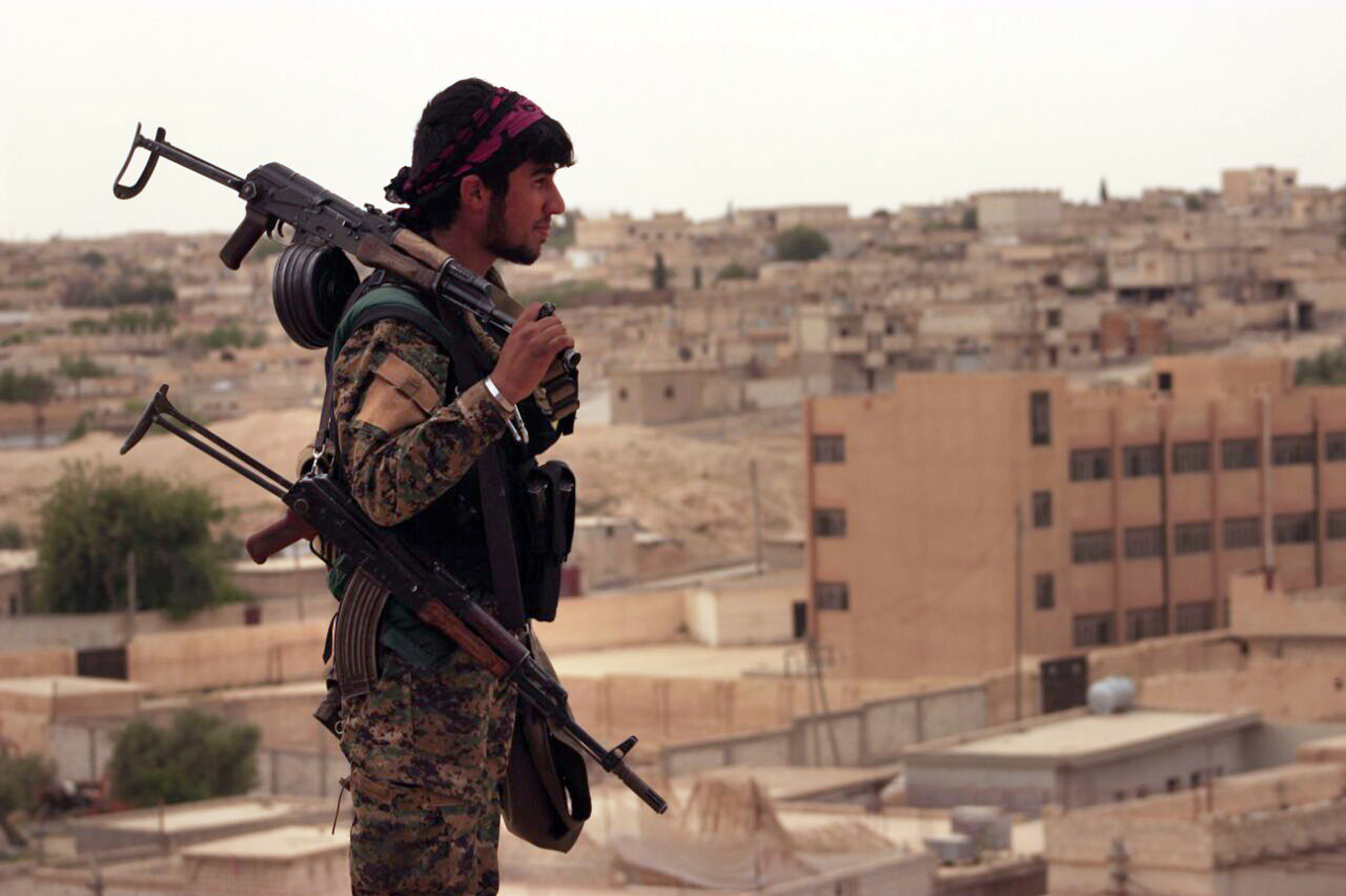
    While there are talks about the plan to transfer anti-Iranian terrorist groups to the far west of Iraq in Anbar province, the representatives and heads of tribes and commanders of Hashd al-Shaabi (PMU) in this province emphasized their opposition to this plan.

    The representatives, heads of tribes and commanders of the Popular Mobilization Organization in Anbar province of Iraq emphasized that this province is not ready to accept a new problem and the transfer of anti-Iran armed groups to this province.

    Abdul Wahab Al-Bilawi, a member of the Anbar Tribal Sheik Council, also stated that such a plan is completely rejected and absolutely unacceptable and added: “We do not want the province to be involved in international conflicts, while these militants cause security problems in the province.”

    These words were mentioned while the Iraqi Foreign Minister, Fuad Hussein, stated yesterday before his visit to Iran, that the Iraqi government has started the process of transferring anti-Iranian armed groups from areas close to Iran’s borders to camps far from the border as part of the security agreement between Tehran and Iran.

    Read more: Deadline For Disarming Iraqi Terrorists Ends On September 19!

    It is worth mentioning that the Iran’s deadline for the Iraqi government to disarm terrorist groups in the Kurdistan region ends on September 19, 2023.

    Recently, the deputy commander of the IRGC said in an interview with an Iranian media outlet that “we [Iran] expect from our brothers in the Kurdistan region to show brotherliness, because providing terrorists with safe haven in that region, which has become a source of operations against our country, is not consistent with brotherliness or good neighborliness.”

    In this regard, Iraqi Foreign Minister Fuad Hussein arrived in Tehran on September 13 and met and discussed with Hossein Amirabdollahian, Minister of Foreign Affairs of Iran. Fuad Hussein emphasized that the central government of Iraq has fully committed to the Iran-Iraq security agreement and the border security program and the withdrawal of terrorists from the border areas will be carried out by September 15.

    Read more: Are Iran’s armed forces on the brink of a new round of attacks on terrorist groups in Iraqi Kurdistan region?

  • Deadline For Disarming Iraqi Terrorists Ends On September 19!

    Deadline For Disarming Iraqi Terrorists Ends On September 19!

    The deputy commander of the IRGC said in an interview with an Iranian media outlet that we expect from our brothers in the Kurdistan region to show brotherliness, because providing terrorists with safe haven in that region, which has become a source of operations against our country, is not consistent with brotherliness or good neighborliness.

    After uninterrupted negotiations, we finally signed an agreement with the central government in Baghdad as well as the Kurdistan region, and the deadline of the accord to become operational is on September 19 in terms of scheduling and agreed-upon provisions, he argued.

    Read more: Iraqi, Iranian Top Security Advisors Meet In Tehran

    The brigadier general went on to say that we are committed to all the provisions of the agreement, not one word less or one word more; thus, we expect the other party to also abide by the agreement in the same way as the Islamic Republic of Iran has fulfilled its obligations. Otherwise, the situation will come back to its previous state, and we will be forced to protect the interests of the Iranian people, he warned.

    It should be noted that some time ago, Chief of Staff of the Iranian Armed Forces Major General Mohammad Hossein Bagheri stated at a meeting with commanders of the Ground Forces of the Islamic Revolution Guards Corps that the Iraqi government has time up to September in order to eradicate separatist groups in the Kurdistan region of the Arab country.

    Prime Minister of Iraq Mohammed Shia’ al-Sudani also emphasized the seriousness of his government to implement the provisions of the Tehran-Baghdad security agreement completely. He made the remark in a meeting with a delegation of senior managers from Iranian media outlets yesterday.

    The Iraqi premier said that for various reasons, we as the Iraqi government feel obligated to address Tehran’s security concerns regarding terrorist activities, which are being committed from the Kurdistan region in Iraq. To this end, we have spent over $200 million on this issue and deployed more than 3,000 National Army forces along Iran’s borders and throughout the region, he noted.

    Read more: Are Iran’s armed forces on the brink of a new round of attacks on terrorist groups in Iraqi Kurdistan region?

    In recent months, senior commanders of the Iranian armed forces have warned the Iraqi government and officials in the Kurdistan region of Iraq about the illegal and terrorist movements of certain outlawed groups.

    Given the continued presence of anti-Iran armed groups in the Kurdistan region of Iraq as well as the Iraqi sides’ failure to make proper decisions and implement practical plans to expel or disarm terrorist groups from Iraq’s border areas, the Islamic Republic of reserves its rights to resort to all available capacities to establish security along its western borders after the end of the September 19 deadline.

    Map of the distribution of terrorist groups in the western borders of Iran – click to view in full size

    Read more:
    Iranian missiles pounds terrorist positions in Kurdistan region!
    Iran missile and drone attacks on terrorist groups in Iraq’s Kurdistan + Video

  • The Kurdish Barrier To The Silk Road

    The Kurdish Barrier To The Silk Road

    Two years ago, Iraq and Turkey were on the verge of war, but now the parties are uniting against the Barzani regime in self-proclaimed Kurdistan.

    Against the background of the visit of the Turkish delegation to Baghdad led by Hakan Fidan, an article about Iraqi-Turkish relations was published on the American Foreign Policy website, where the author pointed out that the Barzani dictatorship would suffer the most from the dispute over illegal oil supplies from Iraq to Turkey.

    The finale of the dispute was the ruling of the Paris Arbitration Court, which sided with Iraq and called on the Turks to pay $ 1.5 billion in compensation for allowing the transshipment of oil from Kurdistan to ships in Ceyhan without the permission of Baghdad. In response, Turkey blocked oil supplies from the “Kurdistan Regional Government” (KRG) to the port of Ceyhan, which caused a shock in the oil sector. The American edition notes that – “The immediate cessation of exports by Turkey led to an increase in world oil prices above $ 70 per barrel. Moreover, oil export revenues account for about 80% of the KRG’s annual budget, putting the entire administration at risk.” The key point in the article is “The financial consequences – a large budget deficit in both the KRG and Baghdad – can lead to catastrophic instability in the region,” this fragment can be taken as a conclusion.

    The sudden activity of Turkish diplomacy in relation to Iraq, Syria and Egypt should be considered in the context of the formation of the Chinese Silk Road project, where Ankara plays a key role. It is no coincidence that it was in the year of the start of construction (2010) that China and Turkey announced strategic cooperation. After the wild turbulence in the face of political chaos in almost every country of the Ummah and which has become a kind of “normality” for the Middle East has relatively subsided, China’s “agents” launched counter-offensives to implement the long-standing plans of the Celestial Empire and its allies.

    The war unleashed by the Kremlin against Ukraine could not interfere with China’s plans, on the contrary, despite the problems of the European “strategic partner” Of course, these events only accelerated the process of establishing the Silk Road within the borders of the Middle East (the Iran-Saudi thaw, the rapprochement of Iraq and Turkey, the restoration of diplomatic relations between Egypt and Iran). The next stage begins the elimination of those elements that are hostile to the “One Belt, One Road” project.

    Therefore, the visit of Hakan Fidan and his meetings with almost all the leading “pro-Iranian” Shiite politicians and two key figures from the Sunni camp, Halbousi and Khanjar, should be considered in the context of cooperation on a number of issues, where the Kurdish issue is an important detail. It is extremely important for the current authorities of Iraq and Turkey to isolate the Barzani regime by making it as obedient as possible, which implies complete subordination to official Baghdad.

    At the same time, it is important for the parties to eliminate threats from the PKK, since any manifestation of terrorist activity directed against key elements of the Silk Road is considered a threat. Here you can also add cooperation in relation to the remnants of takfiri and drug threats.

    It will not be difficult for Baghdad to rein in the Barzani regime, but a consensus is needed within the resistance factions regarding the PKK, because if, for example, Kataib Hezbollah allied with the “Workers’ Party” in Sinjar about a year ago, then Sheikh Khazali at a meeting with Hakan Fidan said that “Iraq refuses to use its territory as a launching pad for aggression against neighboring countries.” Of course, the Iraqi resistance factions will find a common position on cooperation with the PKK, especially since Iran came to the rescue in this matter, which again put forward claims to the official Baghdad on Iraq about the presence of terrorists in Kurdistan, which could trigger Kataib Hezbollah to reconsider the alliance with the PKK in Sinjar or suggest that the latter direct its alliance against it is the anti-Iranian elements, leaving aside the presence of the Turkish military.

    The process of building the Silk Road is in full swing and has already passed 50 percent abroad. Now the stage of eliminating the main enemies of the “belt one and one way” has begun. The first in line are small threats of a local nature, but eventually the final stage will occur with the death of the Zionist occupation.

    P.S. The results of cooperation between Iraq and Turkey were not long in coming.
  • End Of Curfew In Iraqi Governorate Of Kirkuk

    End Of Curfew In Iraqi Governorate Of Kirkuk

    Iraqi media outlets reported on September 3 that security forces were deployed; so, calm returned to Kirkuk Governorate.  

    According to these reports, the curfew that had been in place in this governorate since last night has now come to an end.

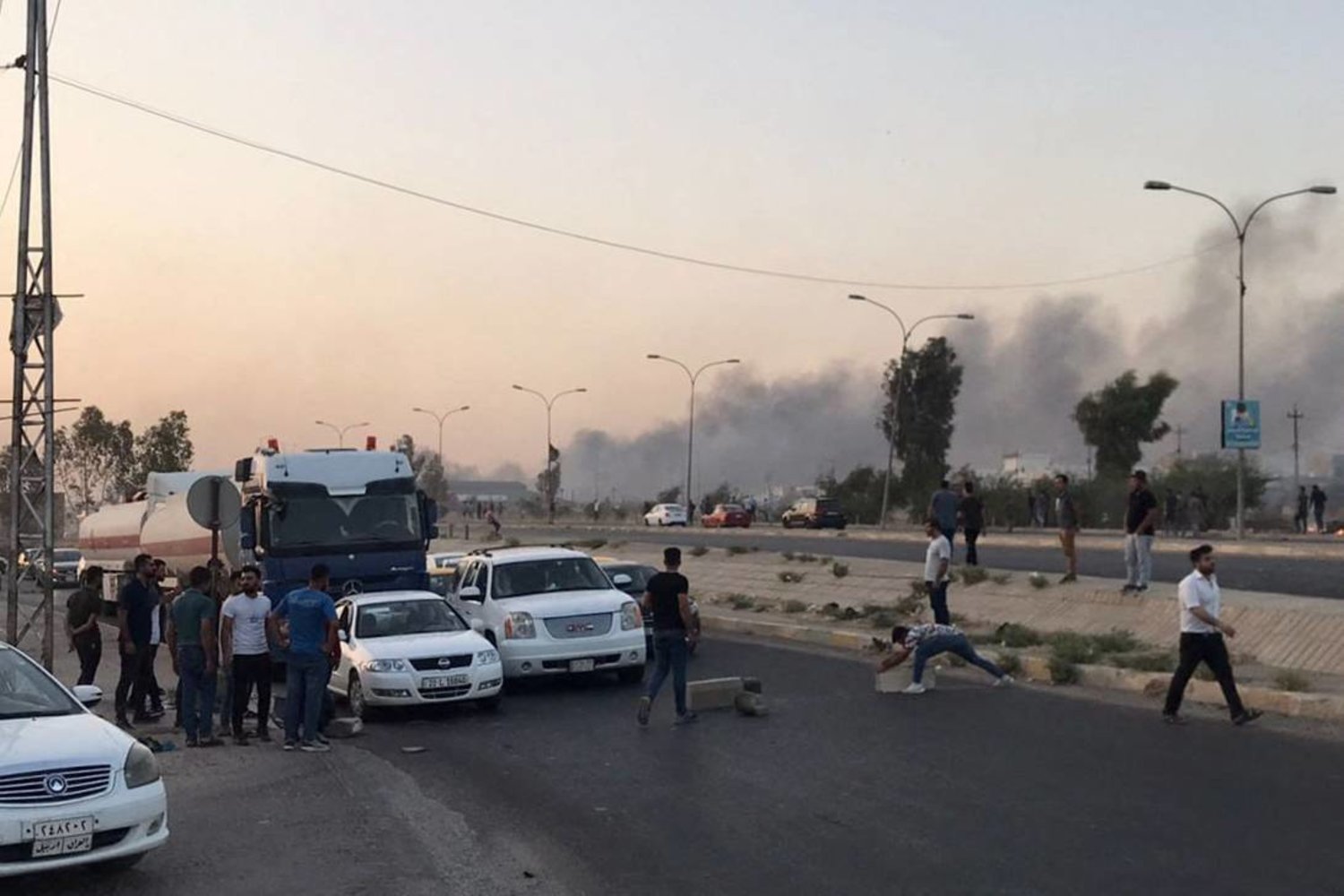
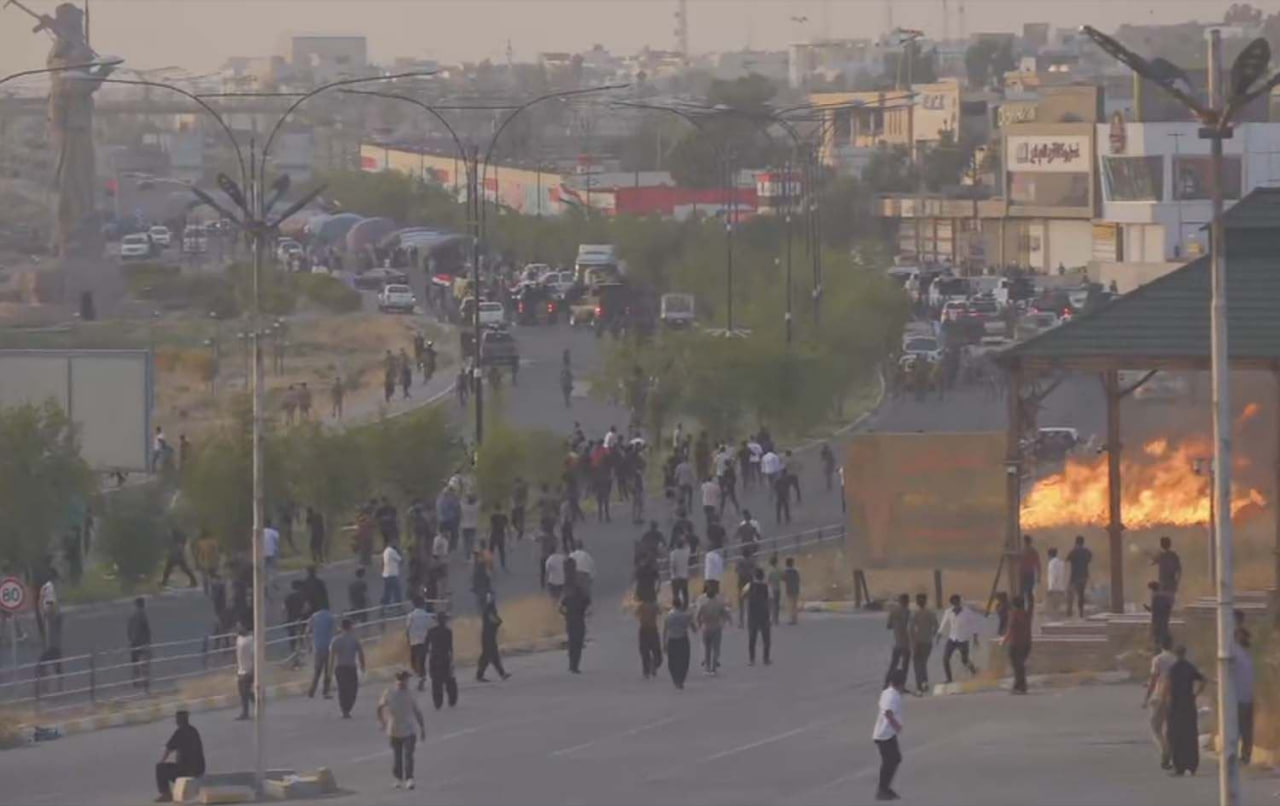
    It is worth mentioning that hundreds of Arab and Turkmen ethnic groups living in Kirkuk Governorate held protest rallies yesterday after orders were issued by Prime Minister of Iraq Mohammed Shia’ al-Sudani to evacuate the Joint Operations Command headquarters and hand it over to the leaders of the Kurdistan Democratic Party (KDP).  

    After a few hours, the early protest rally led to severe clashes in which one security officer was killed in these clashes. Moreover, four protesters were killed and 12 others were injured.

    After the fatal incidents, last night the prime minister and commander-in-chief of the Iraqi Armed Forces ordered the armed forces to impose a curfew in Kirkuk Governorate and start extensive security operations in areas witnessing unrest for thorough inspection in order to return tranquility to the region.

    Read more: Tension In Kirkuk; Iraqi PM Al-Sudani Announced Curfew

  • Tension In Kirkuk; Iraqi PM Al-Sudani Announced Curfew

    Tension In Kirkuk; Iraqi PM Al-Sudani Announced Curfew

    On September 2, following the issuance of orders by Mohammed Shia’ Al-Sudani on the evacuation of the Kirkuk Operations Command headquarters and its delivery to the leaders of the Kurdistan Democratic Party, hundreds of Arabs and Turkmens living in Kirkuk city came together to hold a protest rally.

    Protesters in Kirkuk were attacked by forces affiliated to the Kurdistan Democratic Party, and severe clashes took place in this city, which is the capital of the Kirkuk Governorate and located 238 kilometers north of Baghdad.

    After tensions escalated, security forces and police entered the scene to control the situation, but protesters clashed with security forces as well.

    According to Kirkuk Hospital, a security officer was killed in these clashes. Moreover, 4 people were killed and 12 others were injured.

    After these incidents, the Iraqi prime minister and commander-in-chief of the Iraqi Armed Forces ordered the military to impose a curfew in Kirkuk and kick off extensive security operations in areas witnessing unrest for precise inspection.

    On the other hand, Prime Minister of the Kurdistan Region of Iraq Masrour Barzani also emphasized in a statement that we strongly condemn the riotous actions in the city of Kirkuk that are contrary to democratic principles and peaceful coexistence.

    Head of the Kurdistan Democratic Party Masoud Barzani said that regarding the situation in Kirkuk, I must say that rioters have been preventing the opening of the headquarters of the Kurdistan Democratic Party in Kirkuk for a long period.

    It is worth mentioning that before its evacuation in 2017, the Kirkuk Operations Command headquarters belonged to the Kurdistan Democratic Party, but Iraqi forces took control of it after holding a referendum in Kurdistan.

    It is said that the Kirkuk Operations Command headquarters is a symbol of a bitter incident for residents of this area because after evacuating the headquarters by the Kurdistan Democratic Party in 2017, unidentified corpses were discovered buried in the sewage system of the headquarters.

  • Rocket Attack On Kormor Gas Field

    Rocket Attack On Kormor Gas Field

    The Khor Mor (Kormor) gas field is managed by the UAE company Dana Gas.

    It should be noted that a similar rocket attack on this base was repelled in August last year. The security forces of the Kurdistan Region discovered several rockets in the Qadir Karam area ready to fire at the Kormor gas field and prevented the attack.

    Before that, the gas field had been subjected to rocket attack by unknown groups on June 22, 24 and 25 of the same year.

  • Turkish Military Forces Killed In Northern Iraq

    Turkish Military Forces Killed In Northern Iraq

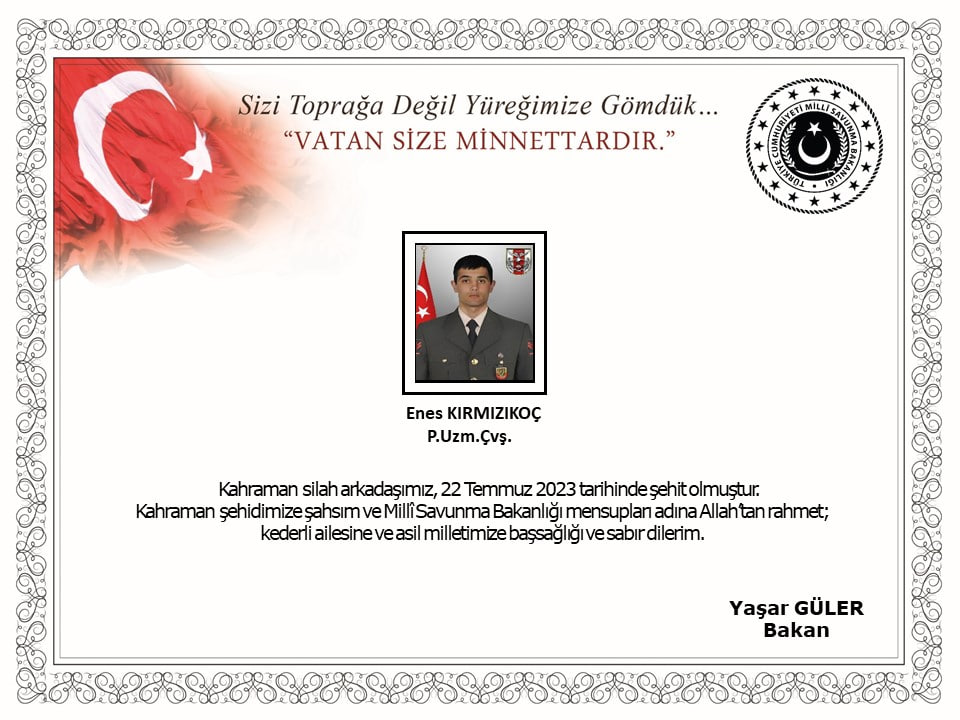
    ISWNews Analysis Group: In accordance with the Turkish Ministry of National Defense’s statement, a Turkish soldier was killed during the Operation Claw-Lock in northern Iraq.

    The new death toll brings the total number of Turkish military casualties in the Operation Claw-Lock , which began on November 20, 2022, to 86 deaths.

    The Operation Claw-Sword kicked off under the command of Hulusi Akar, who was the then Turkish Minister of Defense, in order to pursue Turkiye’s program to suppress the PKK militants in northern Iraq.

    It is worth mentioning that two weeks ago, Turkiye’s Ministry of National Defense announced the deaths of six more Turkish soldiers in the Operation Claw-Sword in northern Iraq on 9-10 August.

  • A Small US Airport At Northern Part Of Italian Embassy In Baghdad; How Could It Be!?

    A Small US Airport At Northern Part Of Italian Embassy In Baghdad; How Could It Be!?

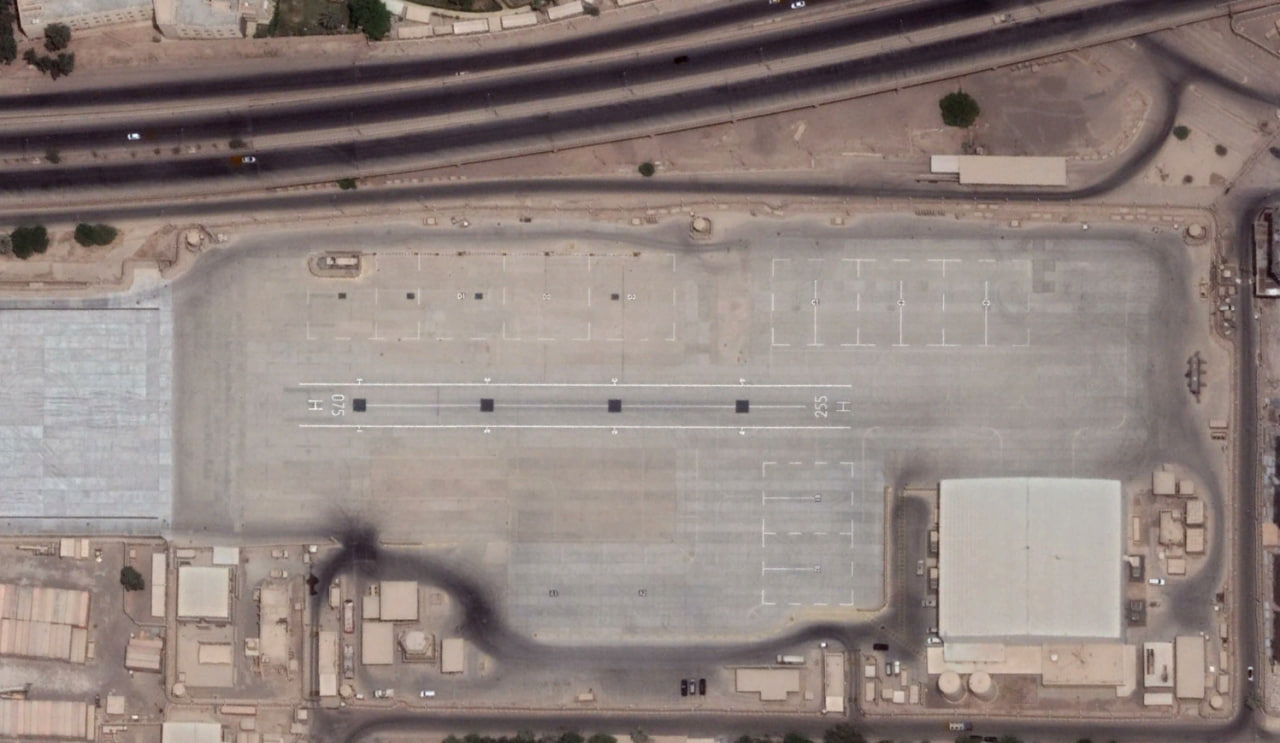
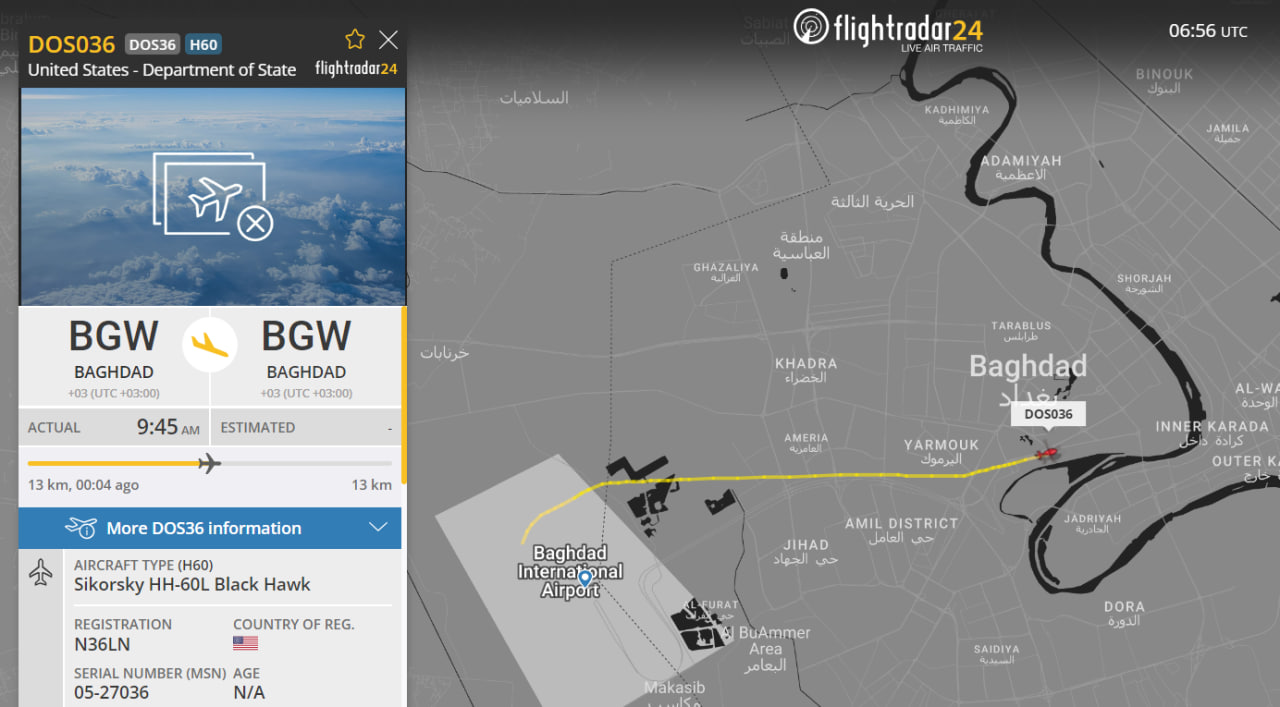
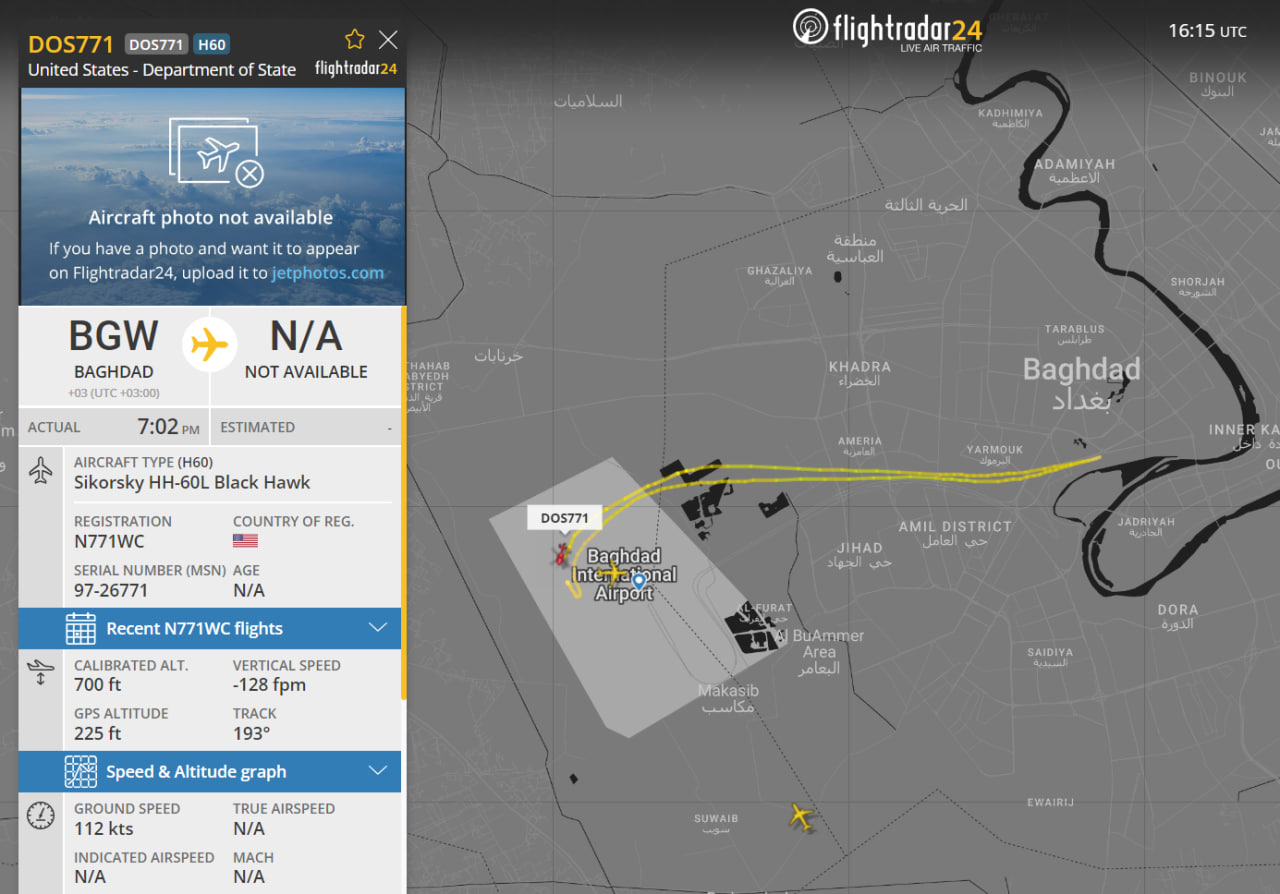
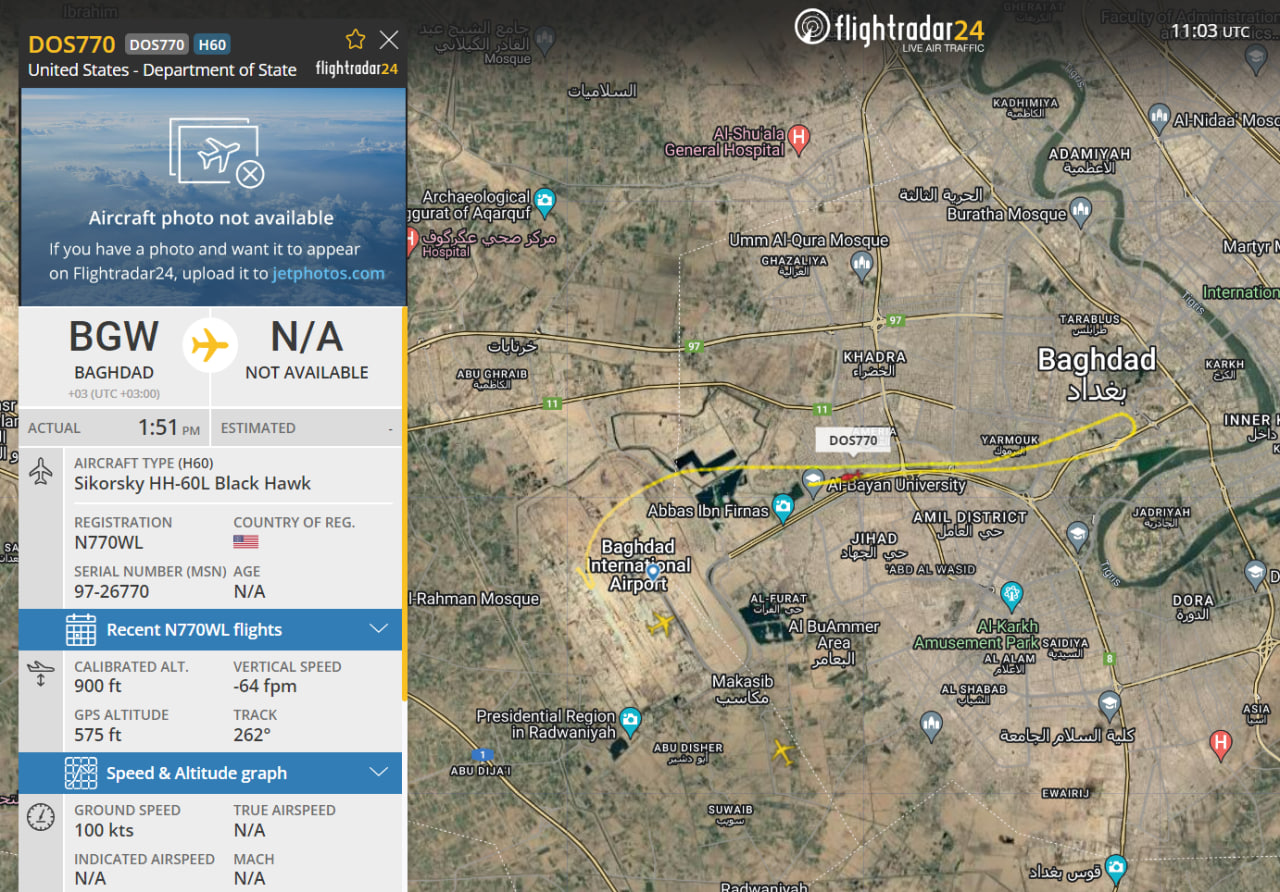
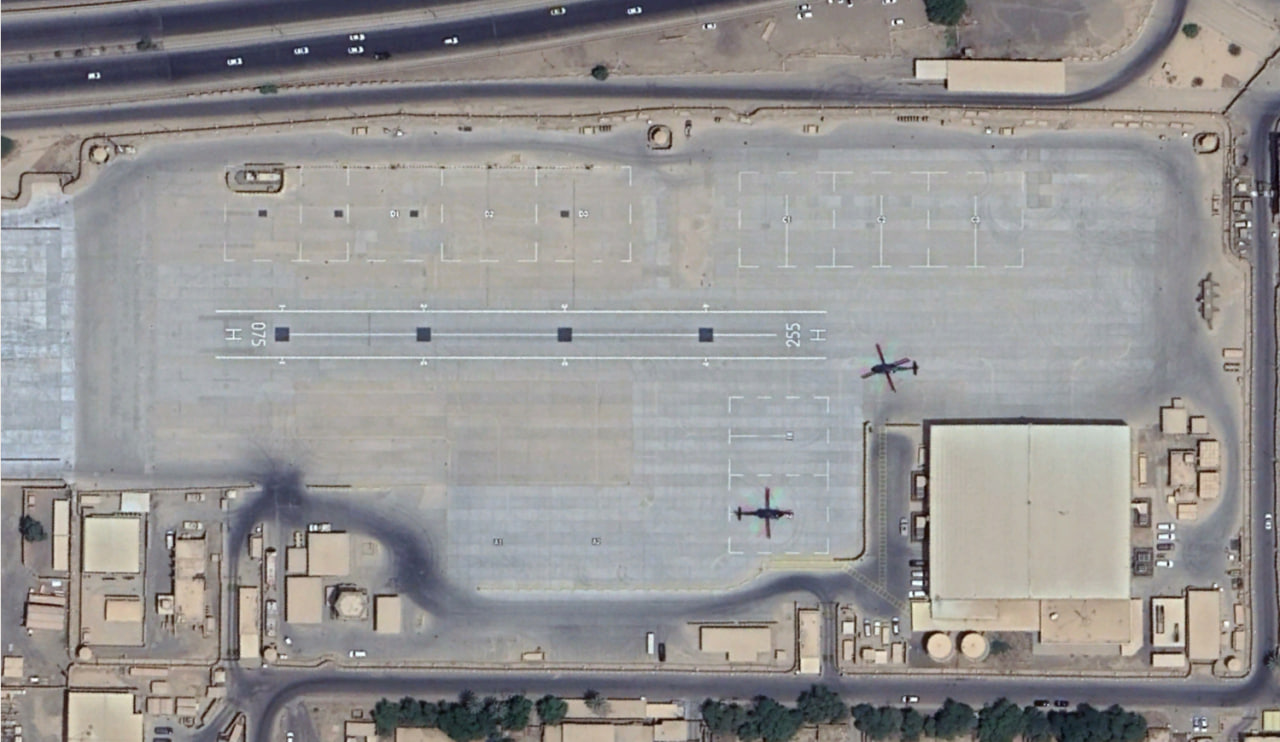
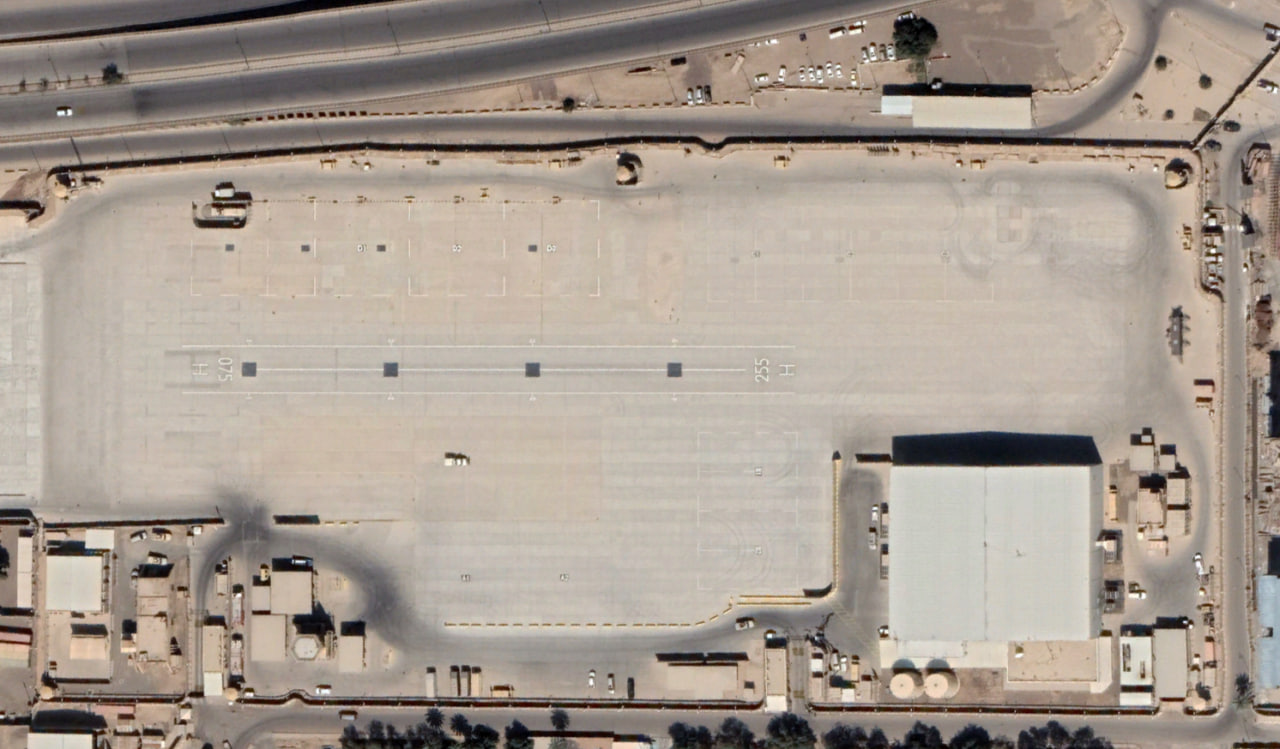
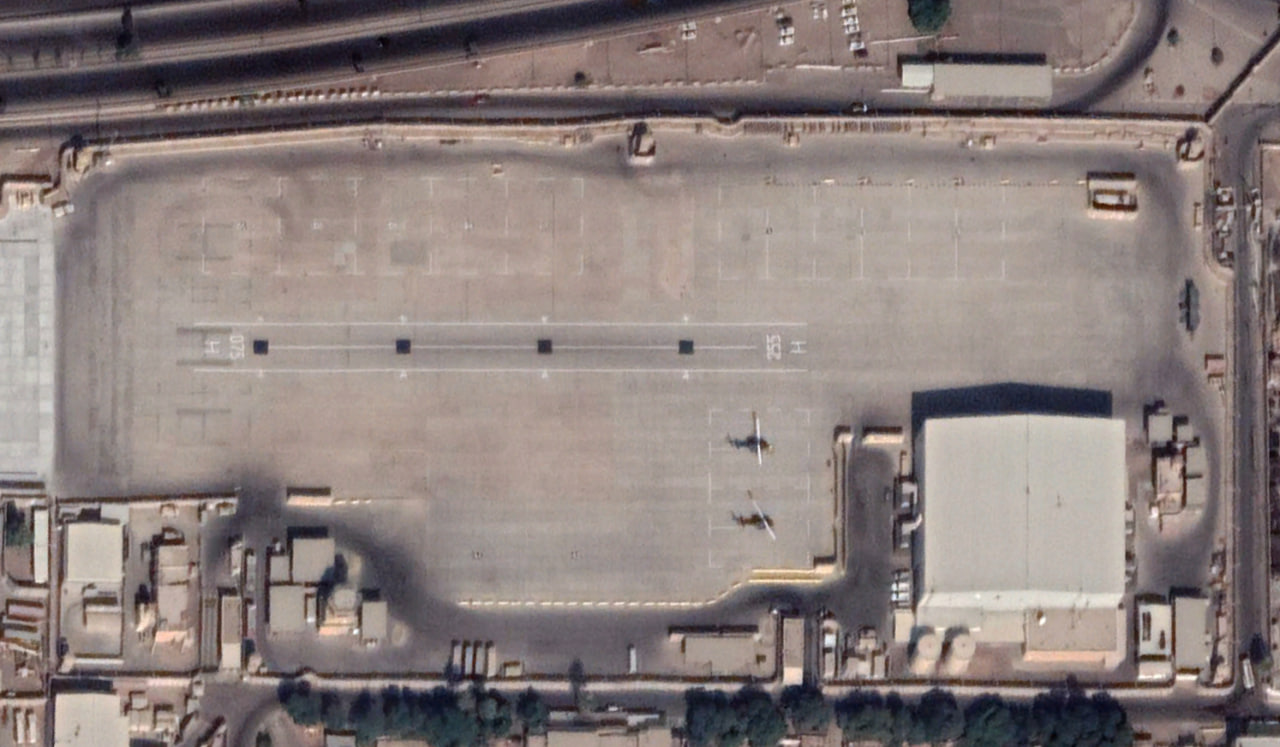
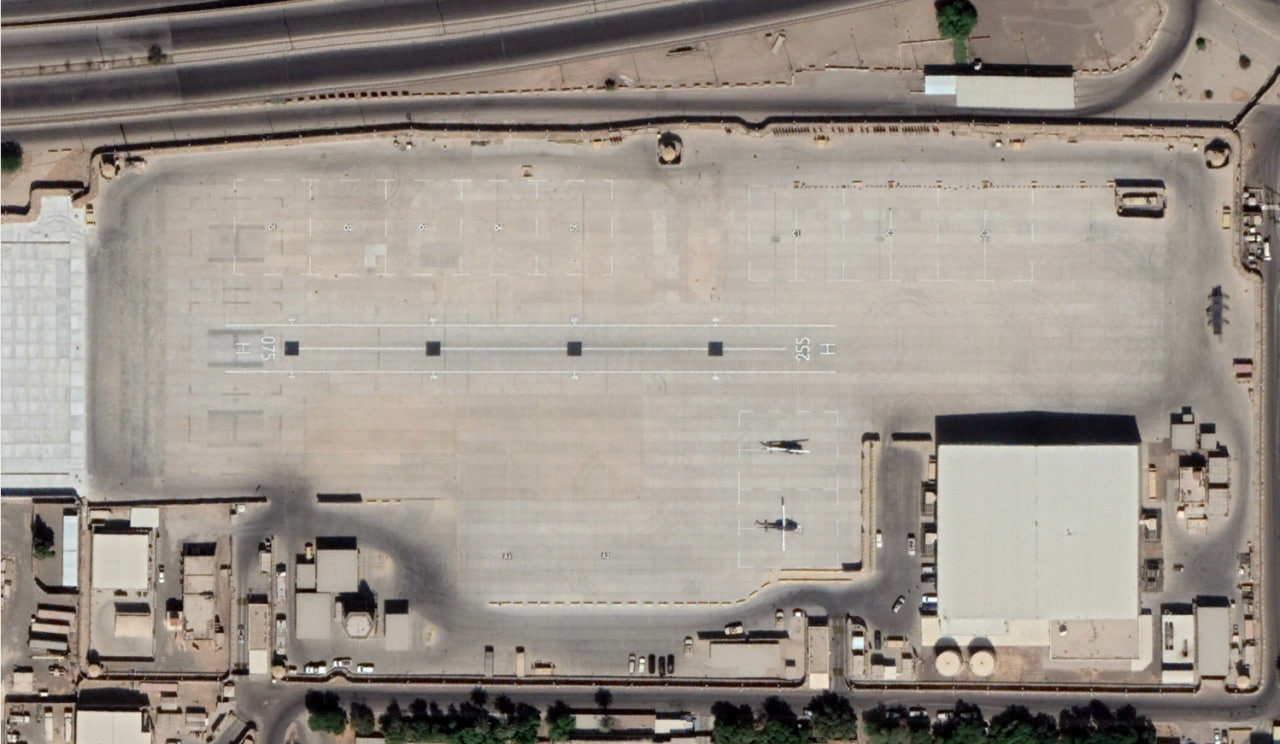
    The recent flights of the United States’ helicopters from the Baghdad Diplomatic Support Center or the US airbase at the Baghdad International Airport to the US embassy in Iraq as well as the helipad of US helicopters in the northern part of the Italian embassy in the capital city have been observed for some time in the skies of Baghdad. 

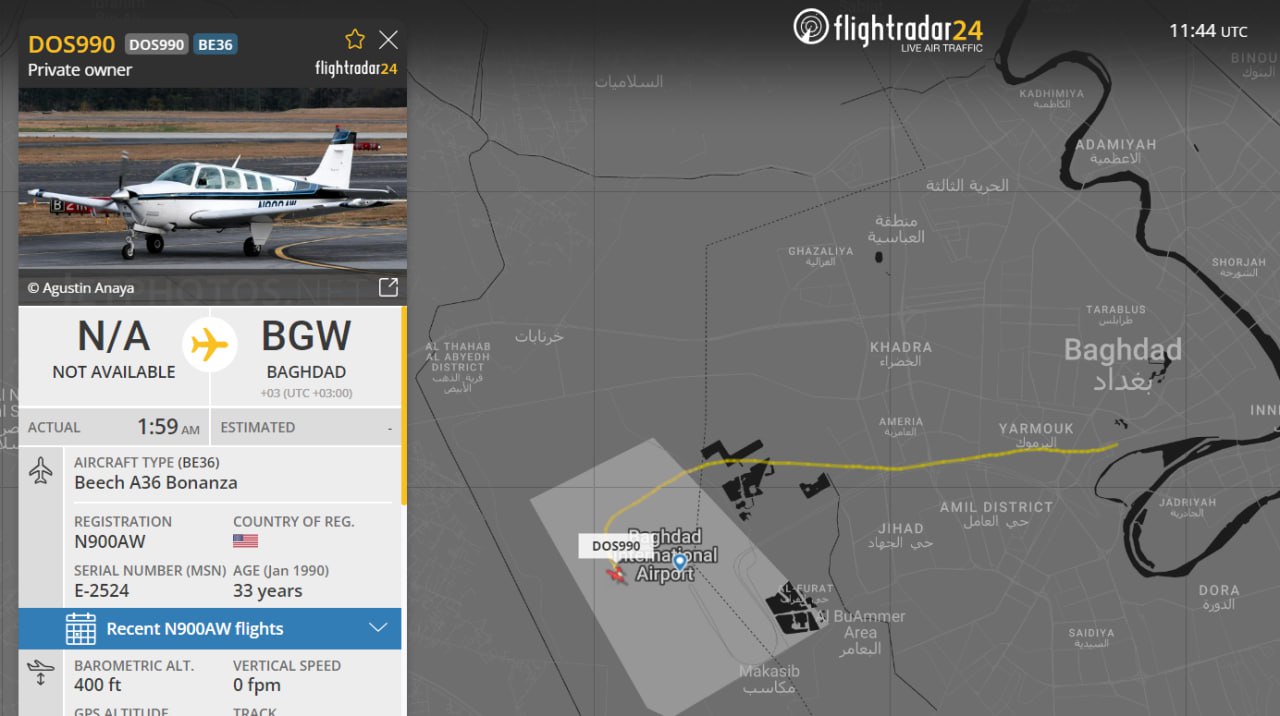
    The flight records of these helicopters show that in addition to various US helicopters, including Sikorsky UH-60M Black Hawk, the American landing strip in the northern part of the Italian embassy in Baghdad also hosts light aircraft such as Beech A36 Bonanza. In a way, it can be said that this embassy has turned into another small airport for the United States in the Iraqi capital.

    American Beech A36 Bonanza flight from this location to Baghdad airport

    According to IWN field sources, senior US officials and forces were transferred from the Baghdad airport to the US embassy by car in recent months, but this process has changed in recent weeks due to Americans’ fear of being assassinated, identified, and so on. And their transfer operations from the US embassy to the Baghdad International Airport and vice versa are now carried out using helicopters, and their car trips have decreased in comparison to the past.

    It is not yet clear why Americans have changed their method of transferring forces to the US embassy in Baghdad. In addition to the flights of the US helicopters inside their embassy and another helipad in the eastern part of the US embassy, the small American airport in the northern part of the Italian embassy is one of the main aerial routes for transporting people and equipment to/from Washington’s embassy and Baghdad airport.

    Satellite images at different times also show various US helicopters stationed at this location. So far, Iraqi government officials and resistance groups’ commanders have not reacted to these movements by the Americans.

    The continuation of these actions and the failure of American soldiers to leave Iraq have caused many people in this country to protest against the Iraqi authorities over the continuation of the United States’ military presence; on the contrary, Iraqi officials neglected the demands and even requested the North Atlantic Treaty Organization (NATO) to increase their military activities in the Arab country.

    However, in accordance with international law, no country is allowed to carry out military actions and reactions in the area of an embassy; so, it seems to be essential to answer the question of whether the US embassy in Baghdad is subject to diplomatic immunity as a result of such a situation or not.