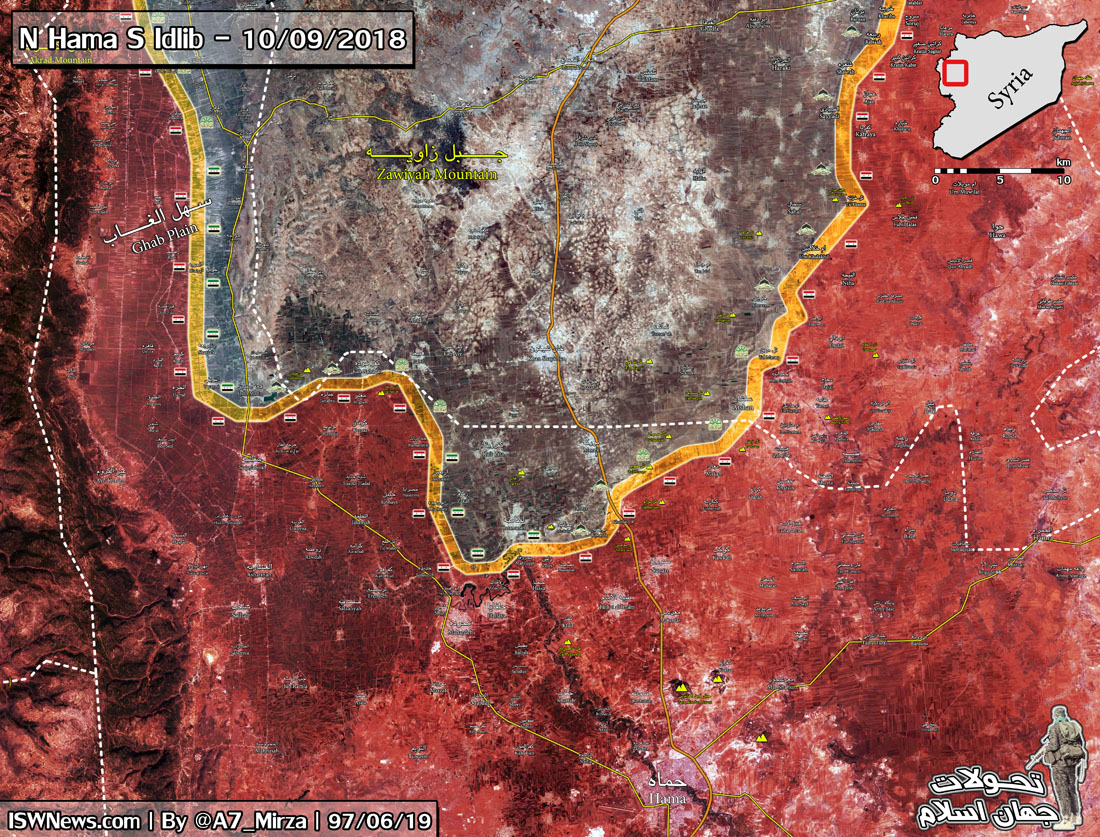
High Res Map(3mb): Download
Interactive map: Here

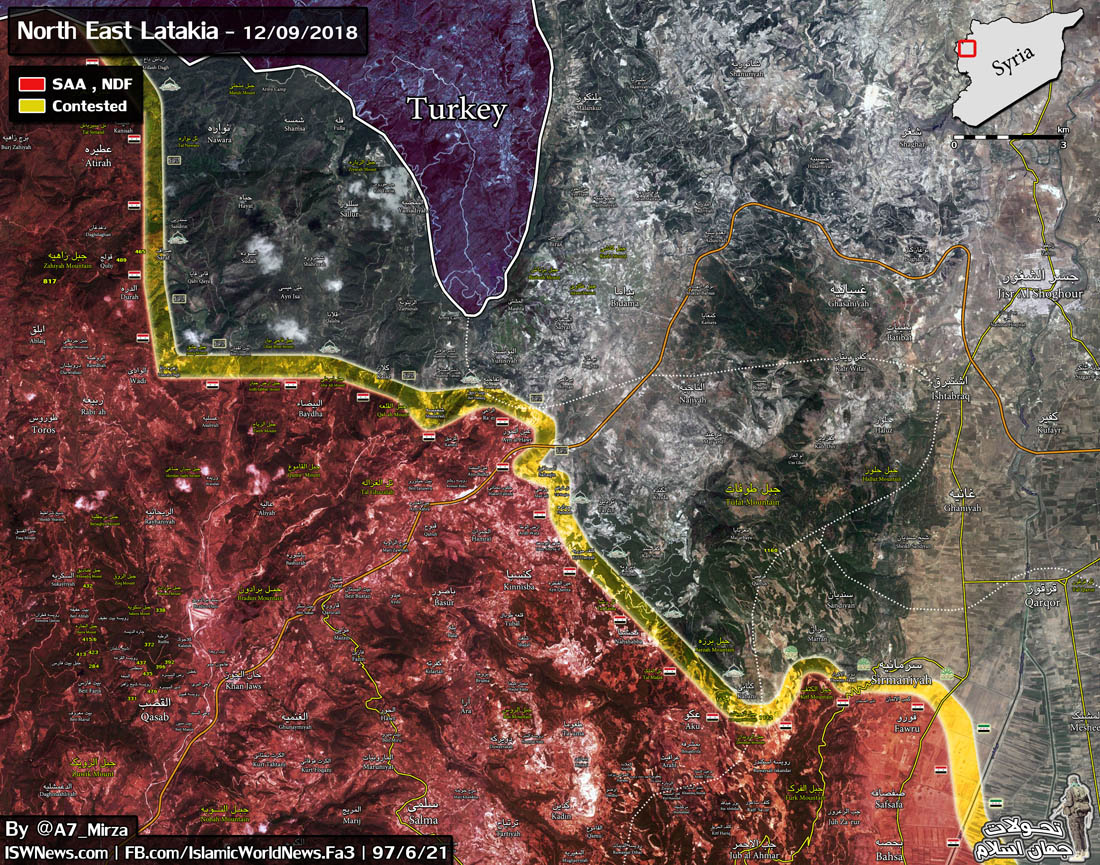
The Syrian Democratic Forces with liberation of Hajin and other important villages like Sha’fah and Susah which is the last ISIS stronghold in Syria, can announce the complete liberation of eastern Euphrates from ISIS terrorists, at least tactically…
It should be noted that ISIS using this areas as a base to attack the east and west of Euphrates.
During past months the SDF operation concentrated on southeast Hasaka and border areas and the Hajin pocket operation delayed many times.
Despite this, in mentioned period the SDF announced the start of Hajin operation many times but we did not saw any effective move by this forces against ISIS.
Right now most of clashes going on in eastern axis around the Baghuz area.
SDF announced the 4km advance in day1 & day2 in Baghuz axes in against ISIS.
In Kasarah axis the SDF succeeded to advance 6km.
Also heavy clashes continue in north of Hajin.
1. Al Hudaydah
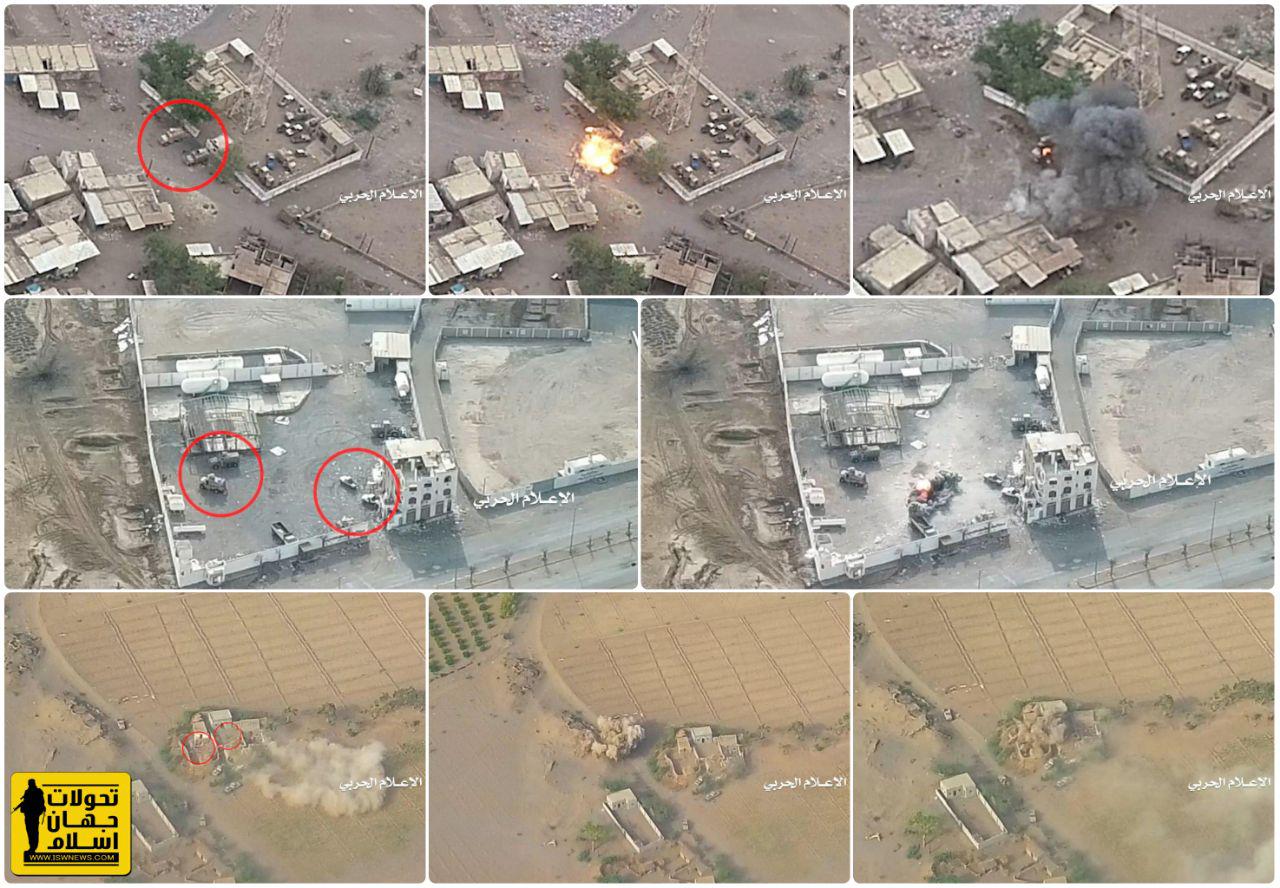
– According to Saudi Coalition spokesperson, Durayhimi is under complete siege but engagements are still continuing in south of it. AnsarAllah’s resistance in other axes of Durayhimi.
– The Coalition attack in southeast of al Hudaydah did not result in cutting axis Sanaa-al Hudaydah and engagements are still continuing in areas Mazra`ah, Matahin and Za’fran (south of the axis). Attacking al Hudaydah’s coast by vessels and fighters of the Coalition everyday.
– AnsarAllah’s attack to north and south of town Hays in south of al Hudaydah province resulting in casualties and loss in Saudi Coalition forces.
It is predicted that to retaliate the bombing of al Hudaydah, AnsarAllah will perform naval operation at coast of Red Sea. To reduce the pressure on eastern road of al Hudaydah, AnsarAllah will increase its attacks in engagements of north of Durayhimi and south of the axis.
If the axis is occupied, the first step is taken by the Coalition to occupy al Hudaydah and attacks to southern neighborhoods will start. AnsarAllah, like before, with sporadical attacks and blocking the coastal road and resistance in rural area, tries to reduce the Coalition power. But since the Coalition compensates the equipment, this strategy might not work effectively.
Operations such as attacking military vessels and tankers, missile attacks, using drones and etc. are more effective and AnsarAllah knows this fact; which is apparent from from recent evolutions of the war in Yemen.
2. Firing a missile Badr-1 to Dhahran in Asir province (south of Saudi Arabia).
Right now Daeimirdad has been reclaimed but Khamab is still occupied.
During the engagement between security forces and Taliban in five bases and governmental buildings in Daeimirdad, 25 security forces are martyred.
The city was reclaimed after reinforcement arrived.
City Khamab in Jozjan province fell after two days of engagement. According to local officials, if Army does not send reinforcement, town Aqcheh will fall as well.
Jozjan province at the border of Turkmenistan and Vardak province which is located in the south of Kabul are security barriers for the capital.
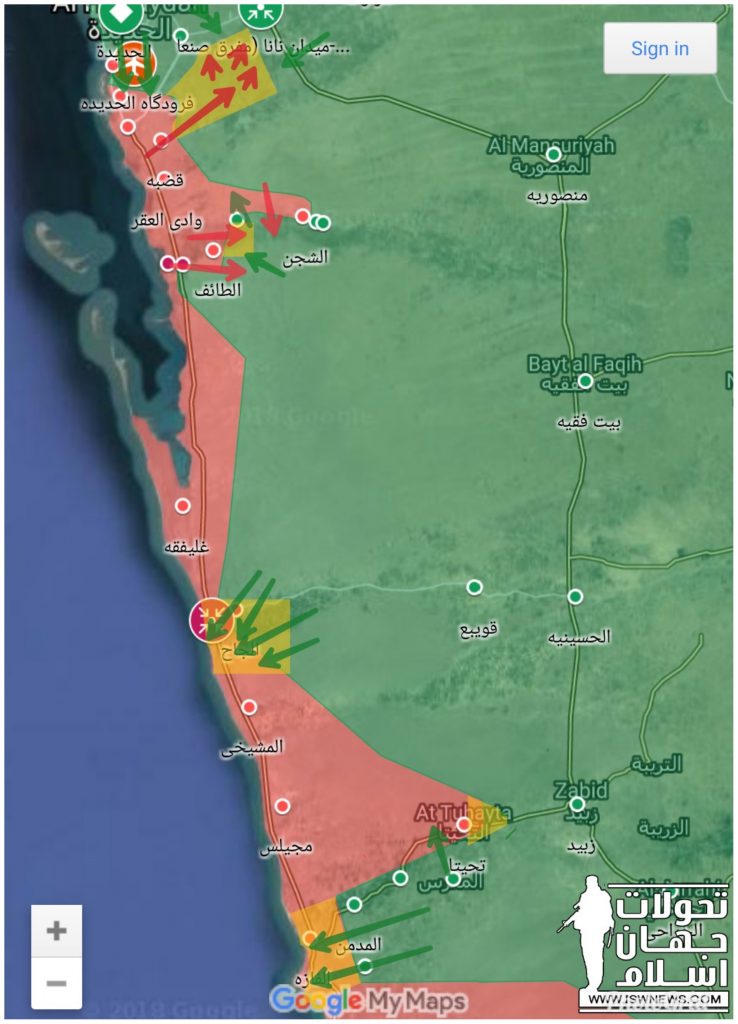
1- Hudaydah
Following the Saudi-led forces attack on southeastern part of Hudaydah, the Saudi medias claimed the occupation of al-Jaribah, Zaghfran, Abqar and blockade of Sanaa-Hudaudah road.
However, this road is still in Ansarallah(also known as Houthis) control and the clashes continue in mentioned areas.
Also clashes continue in southern front like north of Manzar and the vicinity of Jamal square.
Ansarallah attacks on south of Jah and reclaiming Jah al Asfal and Samsarah.
2- Baydha
Ansarallah attacks to gathering of al-Qaeda forces in Qifa region.
3- Jawf and Saada
Repelling the Saudi-led Coalition attacks on Dhahrah area in Khab and Shaf district by Ansarallah and popular committees.
The Coalition attacks in this axes continue from northeast of Saada(Kataf) and “Khab and Shaf” district(al-Ajasher deserts) and Maslub and al-Motun; Ansarallah resisting in this area by using the texture and geographical situation of the region.
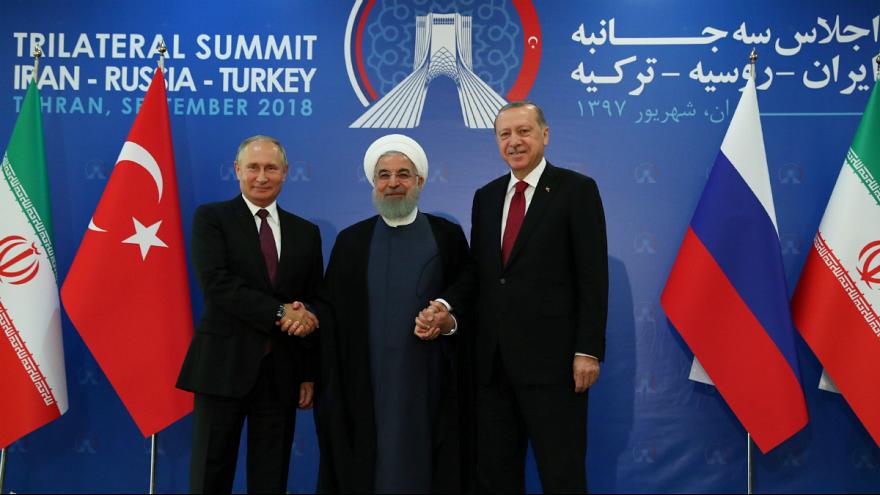
As previously mentioned, the summit of the three leaders of Iran, Turkey and Russia was held in Tehran, during which Iran’s President Hassan Rouhani, Russian President Vladimir Putin and Turkish President Recep Tayyip Erdogan discussed the important issues of Syria specially the Idlib situation.
After liberation of Southern Syria from various terrorist groups, northwest of Syria and Idlib province which is the last bastion of terrorists in Syrian soil, became as a main concern of Syrian government and the Resistance axis.
Regarding Syria’s territorial integrity and approaching the date of Syrian army operation in northwest Syria, in order to complete elimination of terrorism from Syria, the tensions and sensitivities on the province of Idlib are more than ever before.
In response to a reporter’s question regarding the province of Idlib, he said, “The purpose of the actions taken in Syria is to fight terrorism, to restore peace and the authority of the central government to the entire territory of Syria, and cleansing the Idlib region is one of the main steps in this regard.
The whole of Syria must be cleared from terrorists, however, due to the large number of civilians in Idlib, and the use of them as a human shield by terrorists, this matter is extremely sensitive.
The terrorists are hiding among the people and they are trying to carry on their terrorist activities in this way.
After solving the problem of Idlib, the final step is to solve the east Euphrates issue; the US’s illegal interventions have caused problems in this area and our demand is for the immediate withdrawal of American troops from Syria.”
The remarkable points of this meeting was the Turkey’s concern about Syrian military operations in the region of Idlib, which will create a new wave of displaced Syrians to Turkey.
In contrast, Vladimir Putin, referring to past efforts and assist for the return of the Syrian refugees, emphasized the importance of fighting against terrorism and clearing the region from the presence of terrorist groups.
From the morning of Saturday, the bombing of the terrorist positions in different areas of the contact lines entered a new phase and we saw an unprecedented increase in bombardments.
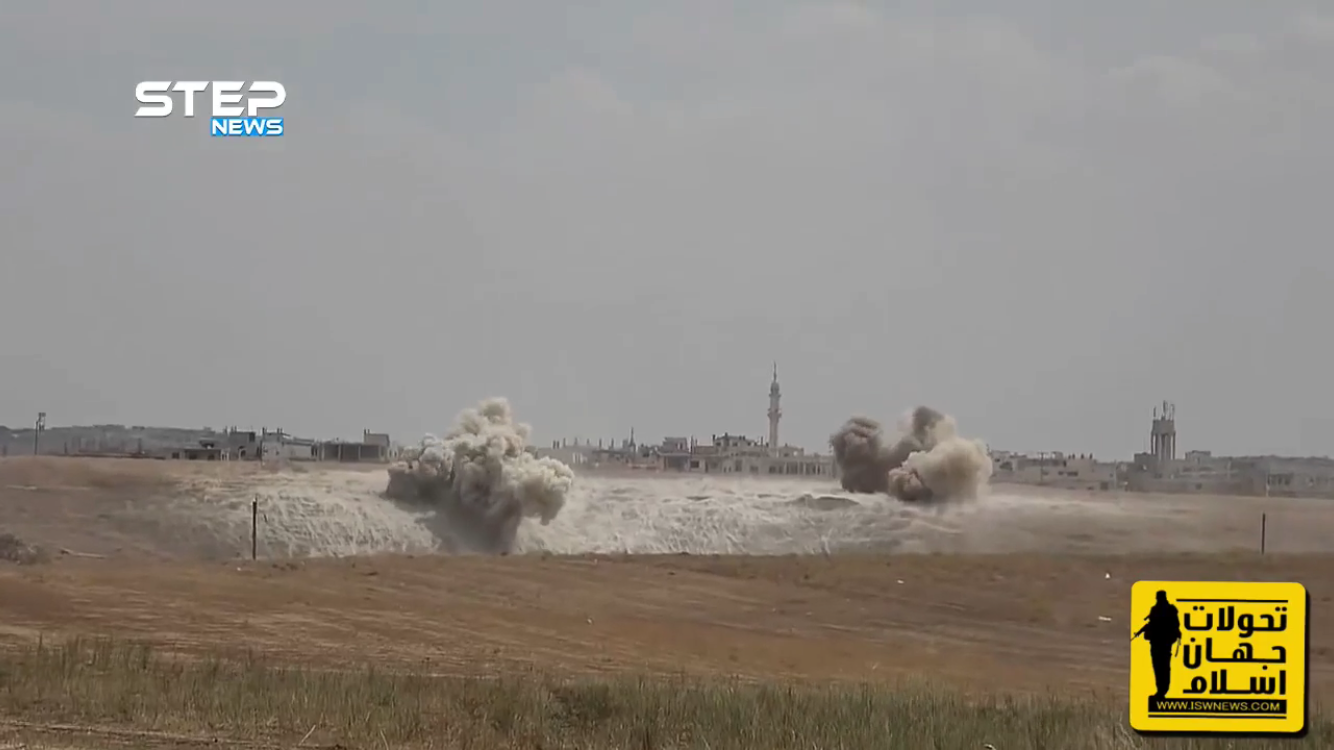
Since Saturday morning, the militants positions in northern Hama have been severely bombarded by artillery and fighter jets; Syrian media have described this as the beginning of the start of the major operation of the Syrian army in the area.
Whatever the outcome of the talks in Tehran, the beginning of military operations in the province of Idlib to clean up the terrorists will be an unstoppable and definitive issue.