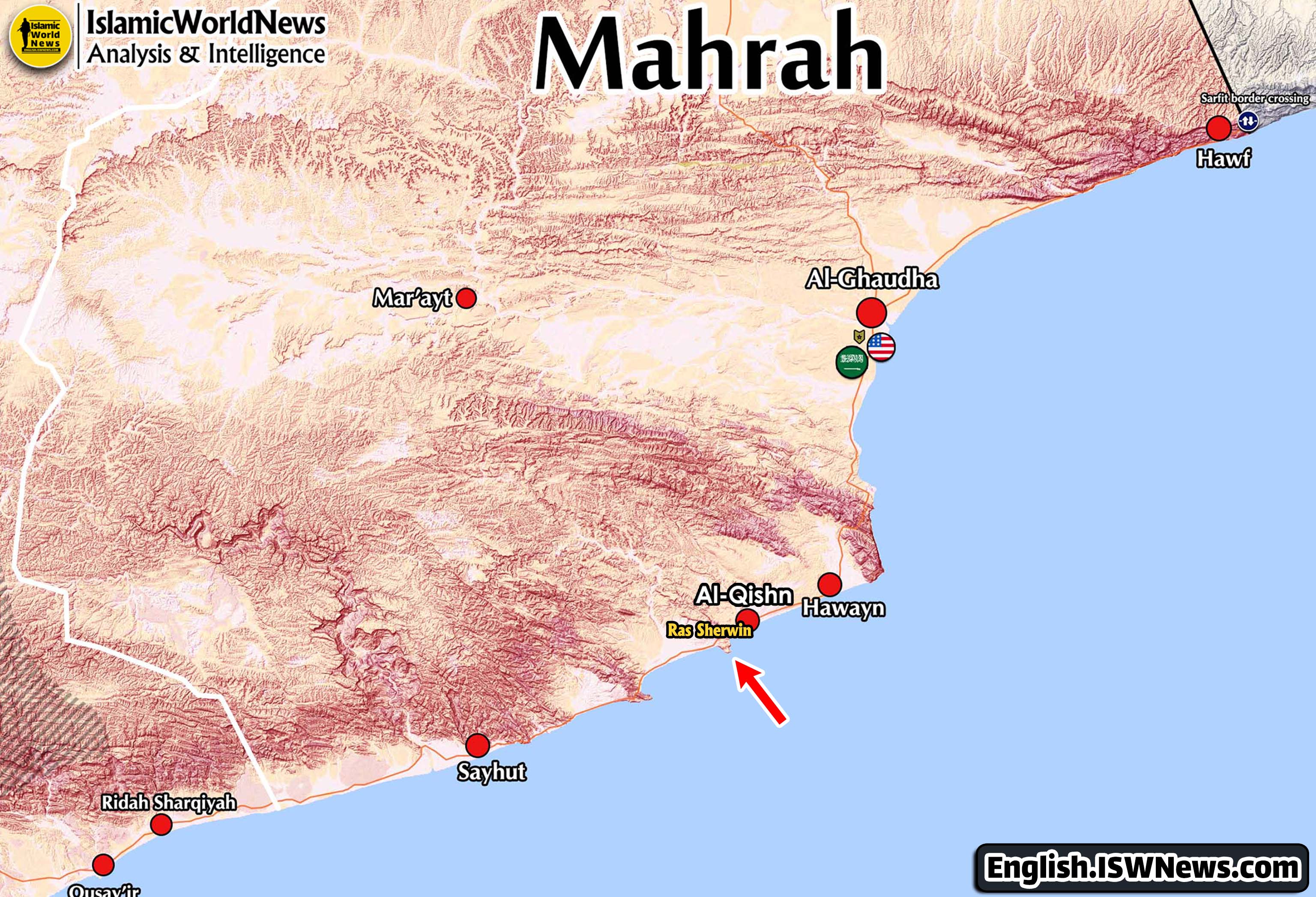
According to this contract, Ajham Company will get the privilege of exporting Yemeni minerals, including limestone, by building a port in the coastal area of Ras Sherwin, in return for paying one hundred million dollars to the resigned government. This port will include a one-kilometer-long multi-level coastal strip, a 300-meter-long pier and a 14-meter-long water inlet in the first phase.
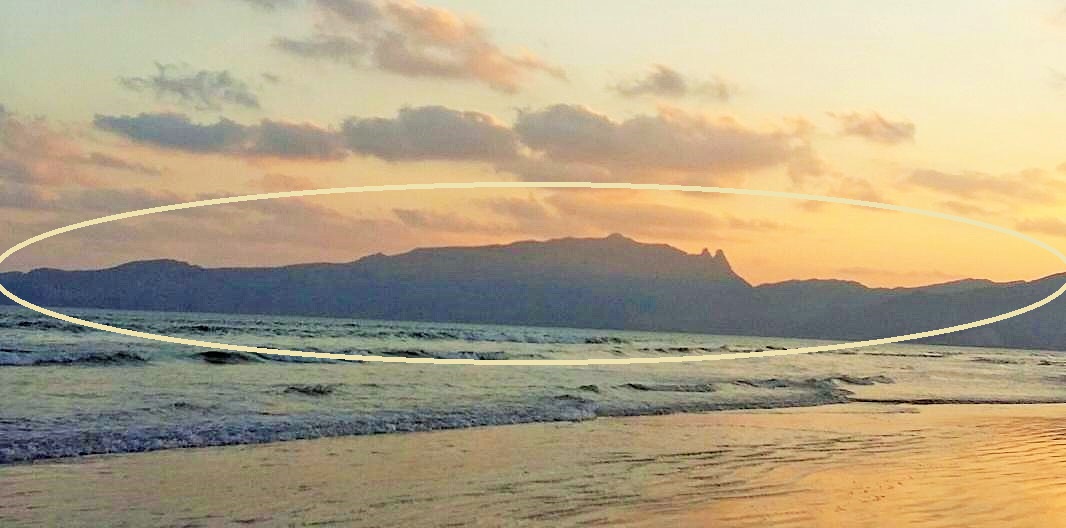
The name Ras Sherwin is derived from the Sherwin mountain range on the shores of al-Qishn administration. These heights are rich in rare minerals and its occupation by the UAE will most likely also disrupt the activities of Yemeni fishermen on the shores of Al-Mahra.
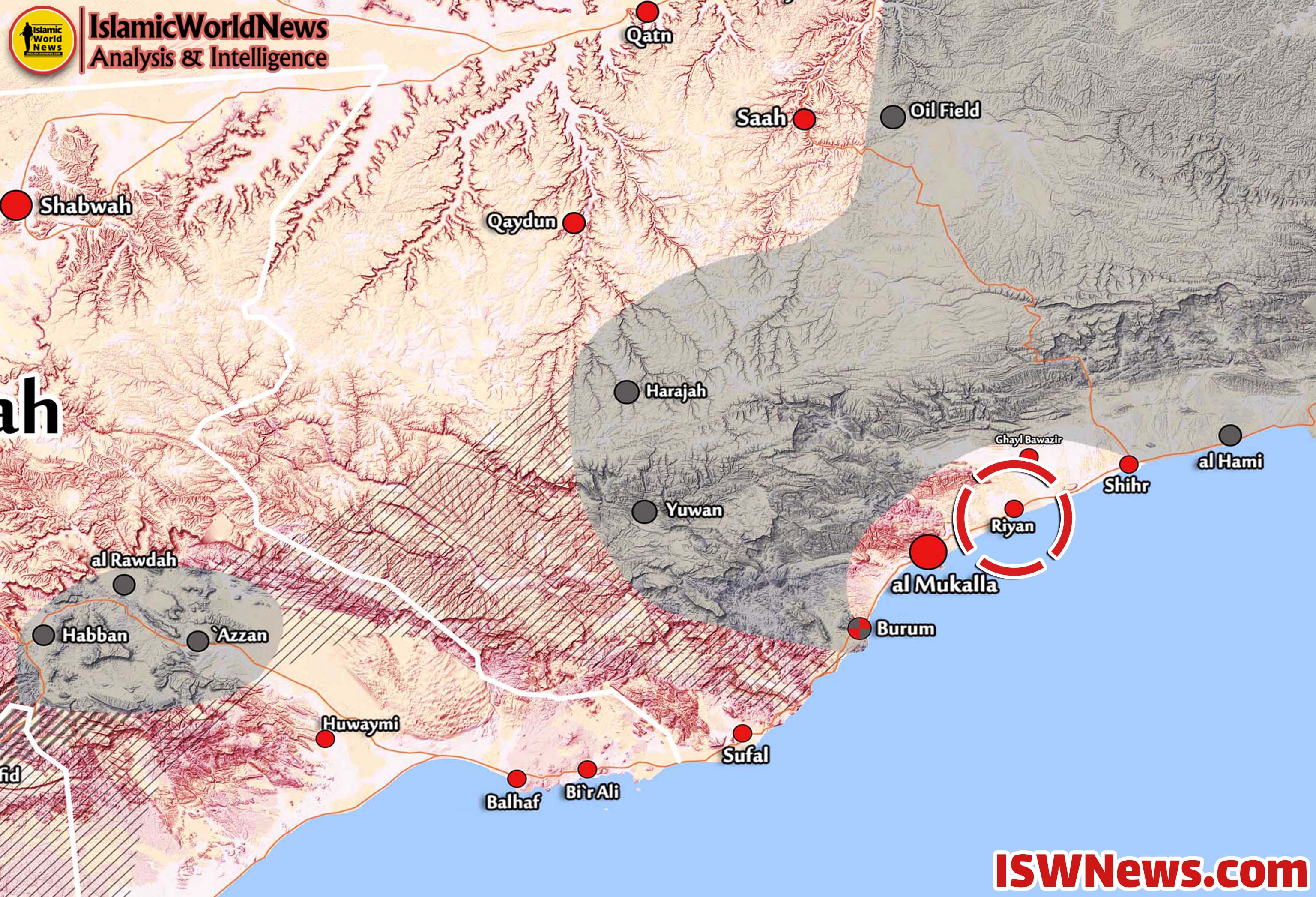
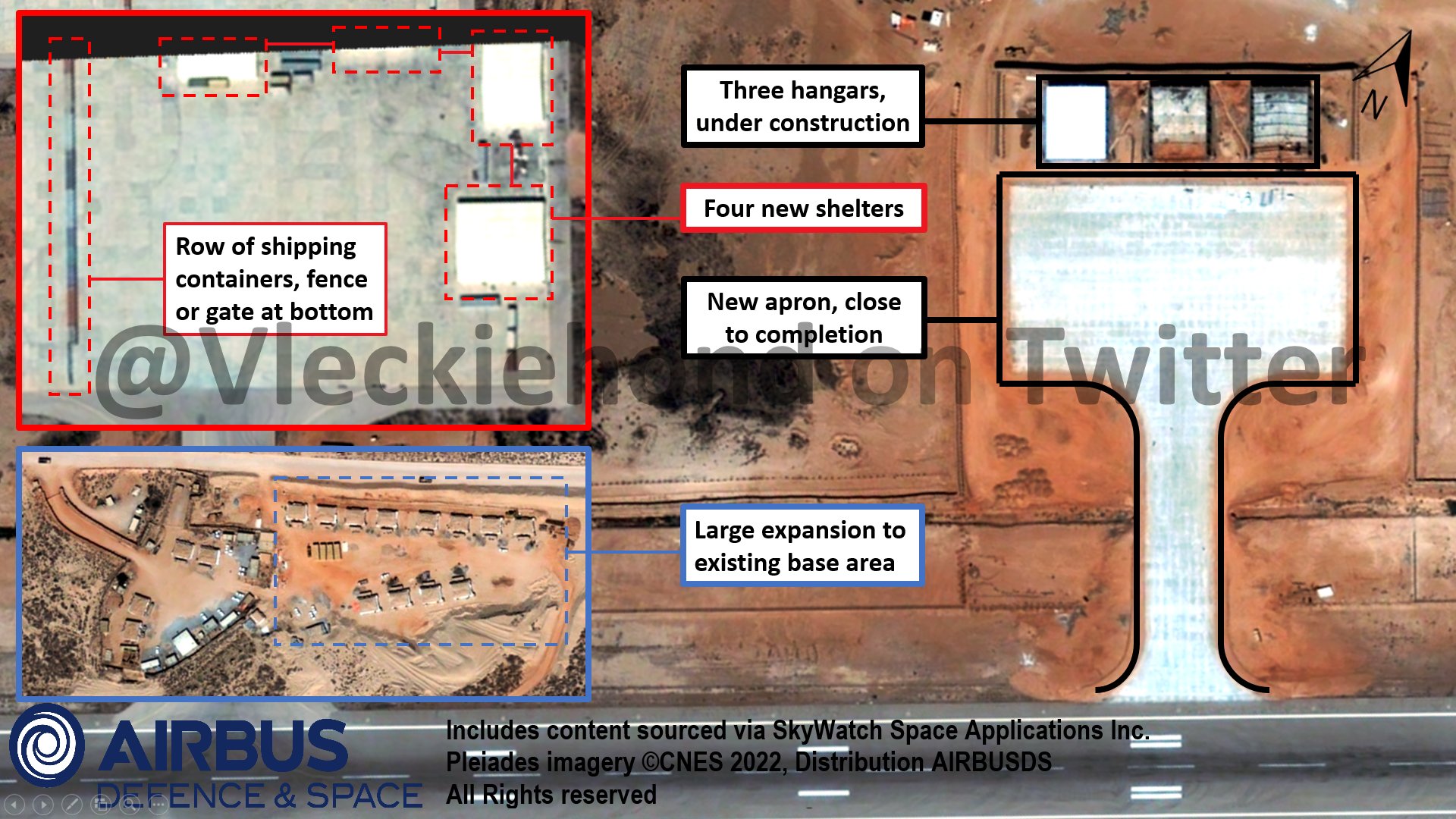
As it is evident from the satellite images of Al-Rayan airport, the UAE has increased its activities on the coasts of Hadhramaut province. The runway and buildings around the airport and Al-Rayan port have been fully developed in recent years, and various other projects are being built around the airport, which shows the UAE’s long-term plan for the coast of Hadhramaut.
A part of Al-Rهyan airport development plan shows the rebuilding of the runway and several hangars and buildings around this airport.
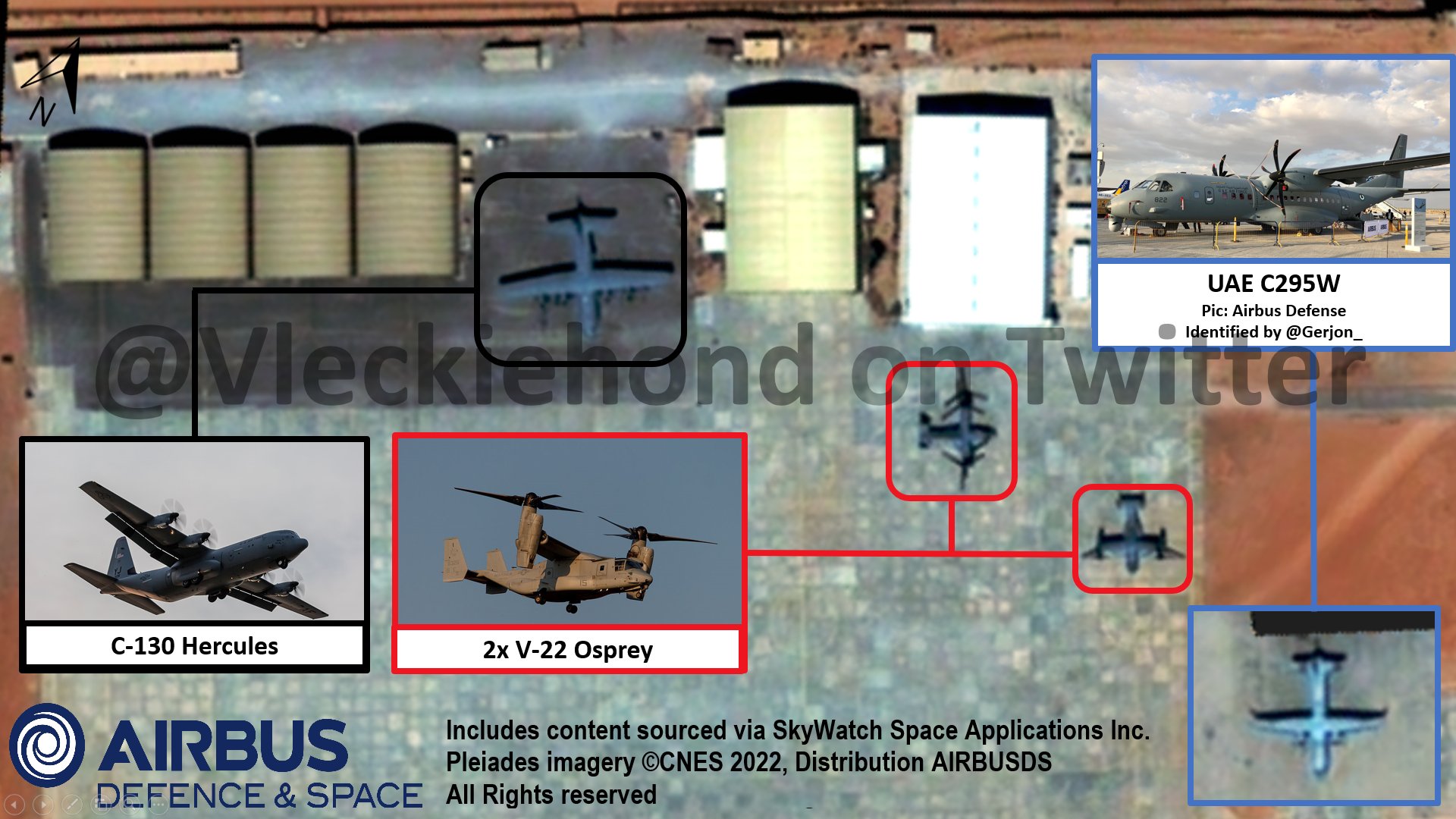
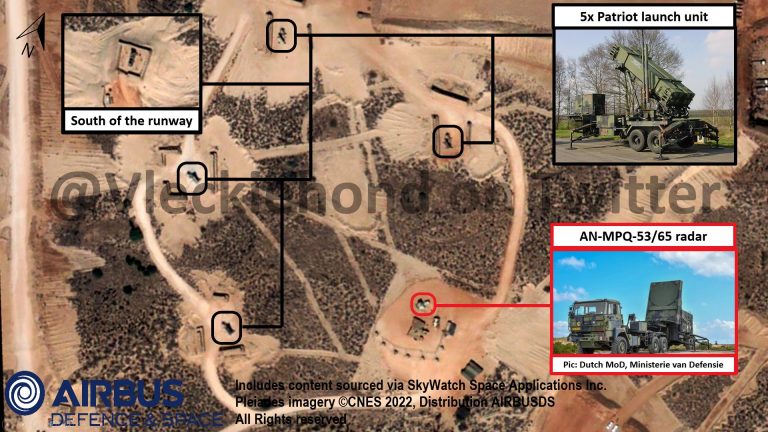
By examining the satellite images of the airport, or rather Al-Rayan military base, we see the the Patriot air defense systems deployed by the UAE in this base. This issue, along with the flight of military transport planes of the United Arab Emirates or the United States (C17 Globemaster, C295W, a C-130 Hercules and V-22 Osprey) to this airport, determines the participation of the US companies and the presence of their advisers in Al-Rayan. This is contrary to the UAE’s alleged plan to withdraw its military from Yemen in 2019 and is proof of their serious activity in exporting/looting Hadhramaut oil and gas in Shabwah province. Of course, at that time, Ansar Allah and the analytical media rejected the claim of the UAE’s withdrawal from Yemen by providing documentation and stated that their plan is a kind of purposeful military presence in Yemen.
Flights and deployment of UAE army planes at Al Riyan AirportDeployment of the Patriot Air Defense System around Al-Riyan Airport
The deployment of the Patriot air defense system is not a new issue in Yemen, and we have seen it before in Marib, Aden and several other places in Yemen. But the interesting thing is that the distance between al-Dhaba and al-Rayan base is less than 12 kilometers, and these systems did not show any activity in the recent Ansar Allah drone attack on al-Dhaba port!
In general, the coastal city of Al-Rayan has become a source for the export of petroleum products in Yemen, especially in Hadhramout province, and Ansar Allah cannot ignore this issue. Countering the looting of Yemen’s wealth is one of the main slogans of Ansar Allah leaders in their speeches, and with the end of the ceasefire announced by the United Nations, these points can be considered as new legitimate targets of Ansar Allah’s missile and drone attacks.
Following the visit of Mohammed bin Zayed Al Nahyan, the President of the United Arab Emirates to France on July 18, an agreement on the guaranteed supply of energy for Frnce was signed between Total and Abu Dhabi National Oil Company. Among the items of this agreement is the extraction of liquefied natural gas (LNG) from the facilities in Belhaf port on the southern coast of Yemen. According to local sources in Belhaf, the company has issued notices to its employees to return to work, but has not specified a date for resuming operations.
It should be noted that the Belhaf port gas facility in Shabwah province has the capacity to produce 6.7 million tons of liquefied gas, and 39% of its shares have been taken over by the French company Total.
With the start of clashes between the forces of the Saudi coalition around Belhaf, the activity of some parts of these facilities was stopped, but the UAE gained control of Belhaf by dividing the resources of the occupied areas of Yemen with Saudi Arabia and ended the conflicts at this vital point.
The relations between France and the UAE have made significant progress in the past years, especially in the military and energy fields. These relations have entered a new phase with the start of the Ukraine war and France has turned to the UAE to replace Russia’s energy sources.
After the occupation of the western coast of Yemen by the UAE in 2017, various types of military equipment and explosive ammunition were deployed in the bases of the UAE and the militias under its protection, including the Mocha base. As Ansar Allah increased its attacks on UAE bases in the western coast, the UAE moved its weapons depots to Mocha port and civilian areas, and as expected the UAE mercenaries refused to cooperate with the UN sanctions commission on inspecting Mocha port.
Over the past few days, a UN delegation has traveled to the Mocha region to assess the economic situation, as claimed by the UAE and Tariq Saleh, and to provide humanitarian assistance. The delegation stated that a visit to the historic port of Mocha to ensure the safety of Emirati weapons and military equipment is a necessity for the providing of humanitarian aid.
Omar Ali al-Shazli, governor of Mocha district in Taiz province, said the Stockholm agreement agreed to transfer of the control of three ports of al-Hudaydah province to the Yemeni Coast Guard, which is what the (Ansar Allah’s) army and popular committees have done so far. Al-Shazli noted that the UAE and its mercenaries’ refusal to cooperate with the UN delegation reflects the fact that they have turned the port of Mocha into a warehouse for the storage of explosives and chemicals, which has a negative impact on trade and commerce. The economic activities of the people have perished in Mocha. Al-Shazli also called on Yemeni traders across Yemen to counter the conversion of the port of Mocha into an explosives and chemical depot; Because the aggressor countries seek to harm Yemen and do not abide by the international agreements and laws that criminalize the conversion of ports into military bases.
According to the Stockholm Agreement, control of the ports on the west coast of Yemen should be handed over to the Yemeni Coast Guard, after which it is illegal to prevent food and trade from entering Yemeni ports. But the Saudi coalition continues to block ships carrying fuel and humanitarian aid from entering the port of al-Hudaydah, despite inspections at sea and obtaining the necessary permits from the United Nations.
Report by: Ziad Al-Hassani, correspondent of Al-Alam Network and ISWNews in western Yemen
Saudi coalition’s operations defeats in al Hudaydah, Sanaa, Saadah, etc. and failure in reaching the goals resulted in UAE decision on retreating Emirati forces from different fronts in Yemen. However UAE doesn’t consider it as a retreat but rather they say by training and replacing almost 90k troops from other countries (Yemeni, Sudanese, etc.), there is no need for Emirati forces.
In general it can be said that UAE is trying to reduce international pressure and reduce loss of Emirati troops by replacing them with Yemeni(Hizam al Amni) and Sudanese troops mainly.
Anyhow this retreat can have 4 main reasons:
1. UAE military defeat in different battles against Ansar Allah:
Saudi Coalition’s forces repelled from Ibb province borders and later Ansar Allah’s recent operation in north of Al Dhale and reclaiming western and northern districts of this province, in despite of several years of airraid and siege against Ansar Allah, showed the inefficiency of these expensive operations which seemed obvious to be successful by Saudi Coalition.
Troops led by UAE are usually located in south of Yemen, which have a lot of political issues, assassinations in Aden and Ansar Allah’s drone attacks.
UAE who bore the main ground battlefield, by opening this new front made UAE vulnerable against Ansar Allah’s missile and drone attacks and did not have the defense readiness against this style of Ansar Allah’s attacks. Also lack of troops, Sudan’s domestic issues and UAE’s interference in Libya, preoccupied Emirs of UAE that forced them to retreat.
Thus it is safe to say one reason for UAE to retreat is numerous defeats imposed by Ansar Allah.
2. Ansar Allah’s threats to attack UAE’s soil:
Ansar Allah’s success in developing drone and missile capabilities, extended Ansar Allah’s threats to reach UAE soil. Release of footages showing Ansar Allah’s drones attacks to Abu Dhabi airport, revealed the importance of these threats. Apparently the pressure of Ansar Allah’s threats to attack UAE is another reason for UAE’s retreat.
3. Internal conflicts of UAE:
The disputes between Emirs of UAE that sometimes are reflected in media are mainly about financial issues and to accuse each other of inability in leading the state. Some of the Emirs do not want to pay for the Yemen’s battle and call it a useless war.
Although the struggle for power is not serious but can be a reason UAE is retreating from Yemen.
4. Negotiation and reaching an agreement between UAE and Ansar Allah:
The main and of course strange reason proposed in some media and analysis is the negotiation and agreement between Ansar Allah and UAE; apparently due to recent words of Sheikh Naim Qassem , Deputy of General Secretary of Lebanon’s Hezbollah.
Regardless of political statements, no official sources from either side confirms such theory. Even in the case of a possible negotiation, the results cannot be the only reason of UAE’s retreat.
Negotiation is a deal, thus, what would UAE get in case of leaving battlefields and islands of Yemen?
Conclusion:
UAE’s retreat from Yemen has several obvious and non obvious reasons, which were mentioned here. Most of analyses showed Ansar Allah’s power decay in the wake of Ali Abdullah Saleh’s death but actually it is reversed by Ansar Allah’s leader’s plans and UAE’s retreat shows it.
UAE leaders have discerned that confronting Ansar Allah should be turned into a civil war. Thus their presence in the battle is an obstacle and expensive.
This retreat which has been broadcasted via some news and evacuating some islands and bases but it shows a sign of defeat anyways.
Ansar Allah and UAE negotiations, if exist at all, stabilizes Ansar Allah’s victories first and isolates Islah party with its Muslim Brotherhood tendencies under leadership of Mansour Hadi, who has no supporter other than Saudi. Therefore, it is not unexpected if Saudi requests a negotiation with Ansar Allah or evacuates Yemen.