
Israeli Intelligence Infiltration Plan in Yemen Using Ali Abdullah Saleh’s Son

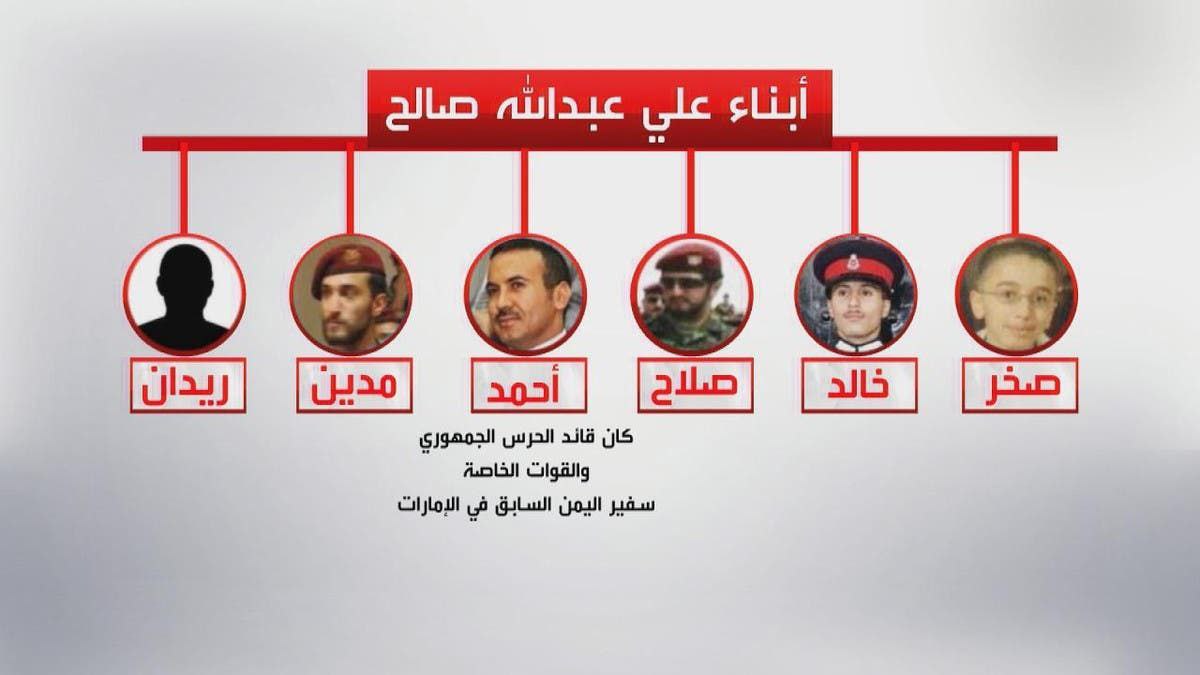
A security plan led by the United Arab Emirates and Saudi Arabia involves the Israeli Foreign Intelligence Service (Mossad) plans to exploit Ali Abdullah Saleh’s children and Popular Congress Party members in Sanaa. The objective is to diminish the political power of the Ansar Allah movement and recruit spy networks to execute assassination plots in Sanaa.
Recently, Arab media reported that Ansar Allah was at odds with its main political ally, the “Popular Congress Party,” and claimed that the party’s leaders were detained and their headquarters seized, allegedly due to connections with Ahmed Abdullah Saleh, the son of ex-Yemeni leader Ali Abdullah Saleh, now residing in the Emirates. These reports, however, were false, and the Yemeni Popular Congress Party denied the accusations circulated by Saudi and Emirati media that Ansar Allah intelligence agents had attacked its headquarters in Sanaa.
Salim Al-Mughlas, a member of the Ansar Allah political bureau, revealed that Saudi Arabia and the UAE recently attempted to incite Yemeni factions and trigger internal conflict in Sanaa, but this plan failed. He dismissed rumors in Arab media about the arrest of Popular Congress Party members, stating that these provocations aimed to target both the Popular Congress Party and the Ansar Allah movement.
The story indicates that the Ansar Allah intelligence service acted wisely by uncovering and preventing the sedition led by elements linked to the Popular Congress Party. It appears that Mossad is trying to involve Ahmed Abdullah Saleh in politics through Emirati agents and by attracting members of the Popular Congress Party based in Sanaa, aiming to create new security tensions. Meanwhile, alongside Tariq Saleh’s covert efforts to strengthen ties with the Islah Party in Taiz, local sources confirmed that Madin Abdullah Saleh, another son of former Yemeni leader Ali Abdullah Saleh, recently arrived in Marib. He traveled to Riyadh a few days earlier and was coordinated into Marib by the Saudis. These actions align with a tripartite plan involving Israel, the UAE, and Saudi Arabia to reintroduce Saleh’s children into Yemeni politics. During his visit, Madin likely met with Saudi-UAE coalition military leaders, including Sultan Al-Aradah, other Islah Party leaders, and Lieutenant General Sagheer bin Aziz, to discuss ongoing political and military developments.
The plan to bring Ali Abdullah Saleh’s children back is actually a security strategy orchestrated by the Israeli Mossad. It started by rewriting the story of Saleh’s death at the hands of Ansar Allah while he was fleeing Sanaa, and progressed through his eldest son Ahmed’s contact with members of the Popular Congress Party in Sanaa. Recently, this has become more evident with the movements of Tariq and Madin Saleh in southwestern Yemen and Marib. It is anticipated that Saleh’s sons will enter Yemen as part of a new group of mercenaries connected to the Saudi coalition. Their goal is to recruit members of the Popular Congress Party in Sanaa, as well as forces loyal to Tariq Saleh and supporters of Ali Abdullah Saleh, such as Lieutenant General Sagheer bin Aziz. This strategy aims to weaken the political influence of Ansar Allah’s allies.
At first glance, this plan might appear weak and naive, since the Popular Congress Party lacks significant power in Sanaa. Meanwhile, Ansar Allah, with its considerable political and social influence, could easily seize control of the entire organization of this party through a security operation. However, their separation will undermine Ansar Allah’s political standing in Yemen. Additionally, their subordinate elements could turn into a Mossad spy network in Sana’a and infiltrate the Yemeni government and armed forces. This would allow Israel to gather more intelligence and data on military and vital installations, as well as the headquarters of Ansar Allah leaders, commanders, and the Yemeni armed forces.
Overall, Ansar Allah must work harder than ever to maintain the unity of their internal front within the Sana’a government and prevent spies from infiltrating areas under their control. One method of infiltration involves reopening roads between cities held by Ansar Allah and the resigned government, which is being pushed by the UN. This move could allow spies easier access to Ansar Allah’s internal territories. Although Ansar Allah oversees and inspects these roads, Israeli field agents possess specialized training and resources to evade security checks, potentially infiltrating cities controlled by Ansar Allah.
About Author:
Comment