Author: Mirza

  • Hamas Delegation Meets With Iranian President, IRGC Cmdr.

    Hamas Delegation Meets With Iranian President, IRGC Cmdr.

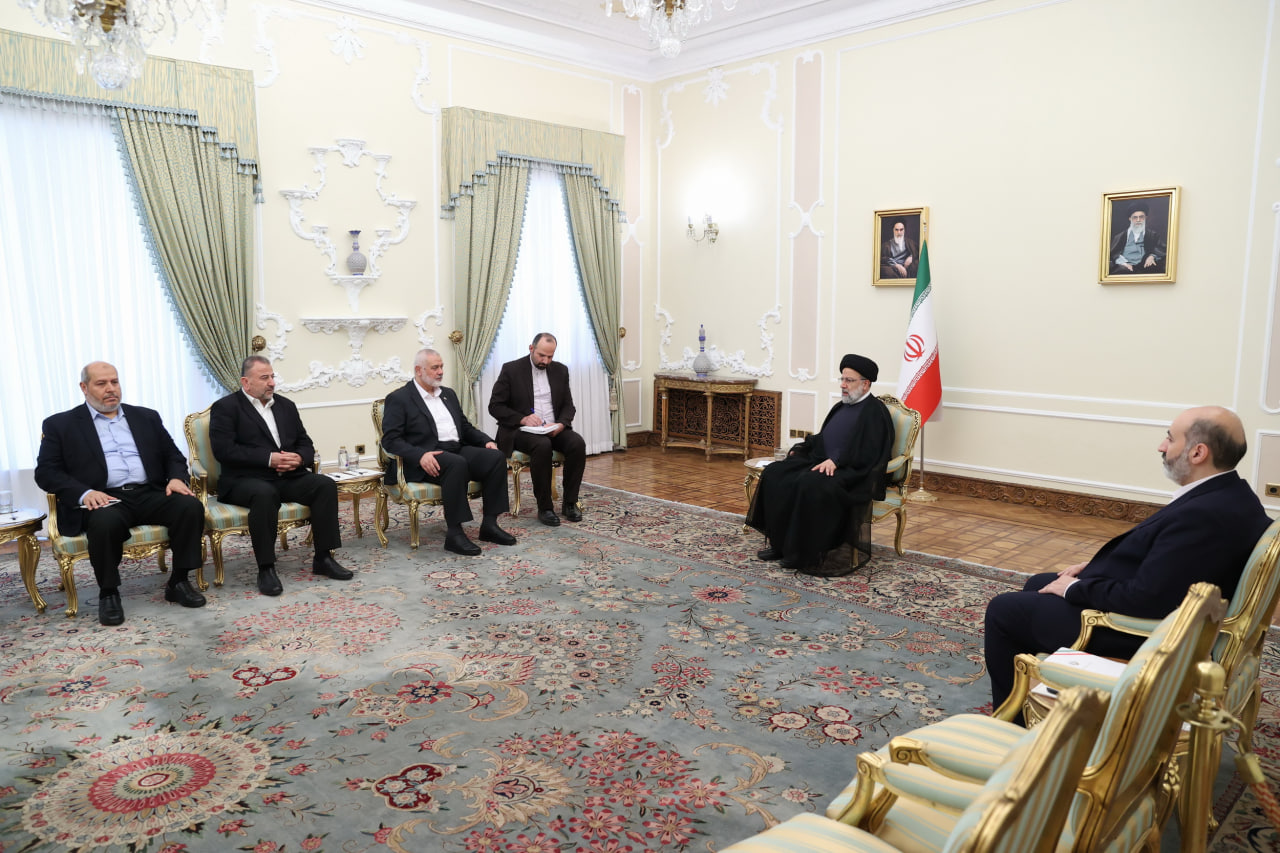
    ISWNews Analysis Group – President Raisi congratulated the recent successes of the Palestinian resistance front and emphasized that such victories demonstrate that the Islamic Resistance Movement has the upper hand in dealing with the Zionist regime.

    He also stated that all facts and figures on the ground show that at present, the resistance movement is stronger than ever before, and its enemies are weaker than ever.

    President Raisi underscored that the most important issue in the Islamic world is the freedom of al-Quds, and that any attempt to normalize relations with the Israeli regime is a betrayal of the Palestinian ideal and a stab in the back of the resistance movement.

    Head of Hamas’ Political Bureau also expressed his gratitude and that of the Palestinian people to the continuous support of the Islamic Republic of Iran for the ideal of liberation of al-Quds.

    He went on to say that today the resistance movement is expanding and strengthening not only in the Gaza Strip but also in the West Bank, 1948-occupied lands, and even among Palestinians and friends of Palestine, who are residing outside the territories.

    He reminded that Palestine has turned into a part of the unified and continuous resistance movement in the region, and that all resistance groups, including Palestinian jihadi groups and even other elements of the resistance movement, provided all their capabilities with groups present on the front line against the Israelis in recent battles.

    Haniyeh further noted that we hold constant meetings and coordination sessions among all groups, from Lebanon’s Hezbollah movement and the Islamic Jihad Movement in Palestine to Hamas and other Palestinian jihadi groups.

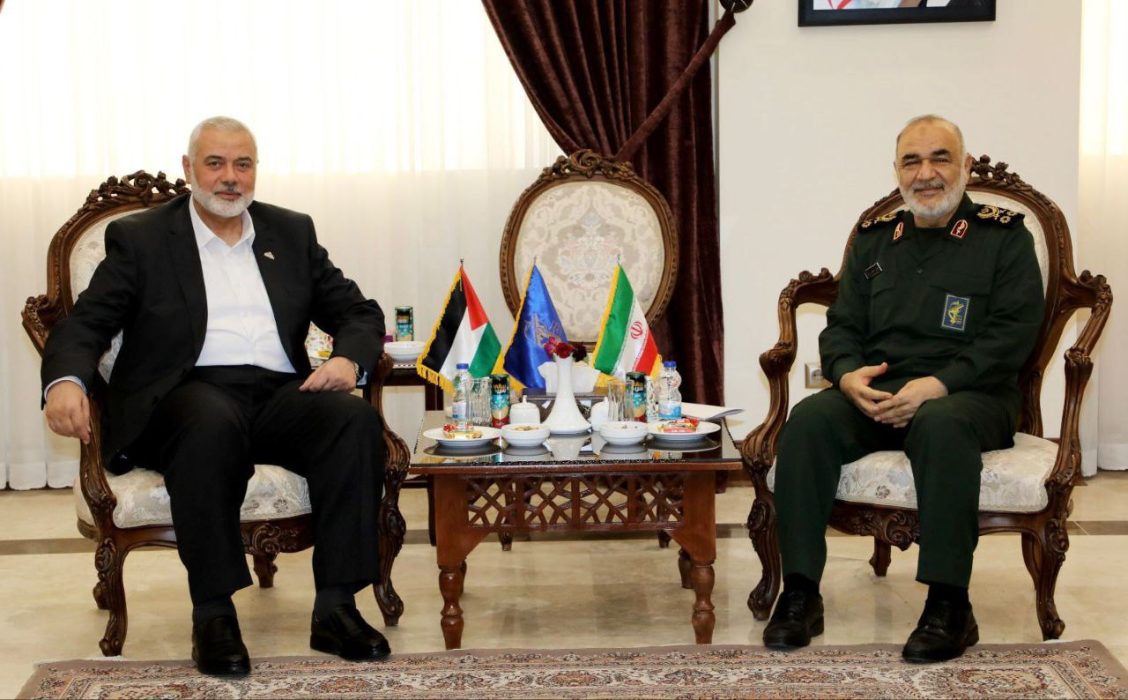
    In the following of the Hamas official’s visit to the Iranian capital Tehran, he held talks with Commander-in-Chief of the Islamic Revolution Guards Corps (IRGC) Hossein Salami.

    It should be noted that Haniyeh also met with representative of the Supreme Leader and Secretary of the National Security Council of Iran Ali Akbar Ahmadian on June 19, and the two sides discussed issues of mutual interests.

  • Pakistani Migrants Attack Villages In Northern Afghanistan (Video)

    Pakistani Migrants Attack Villages In Northern Afghanistan (Video)

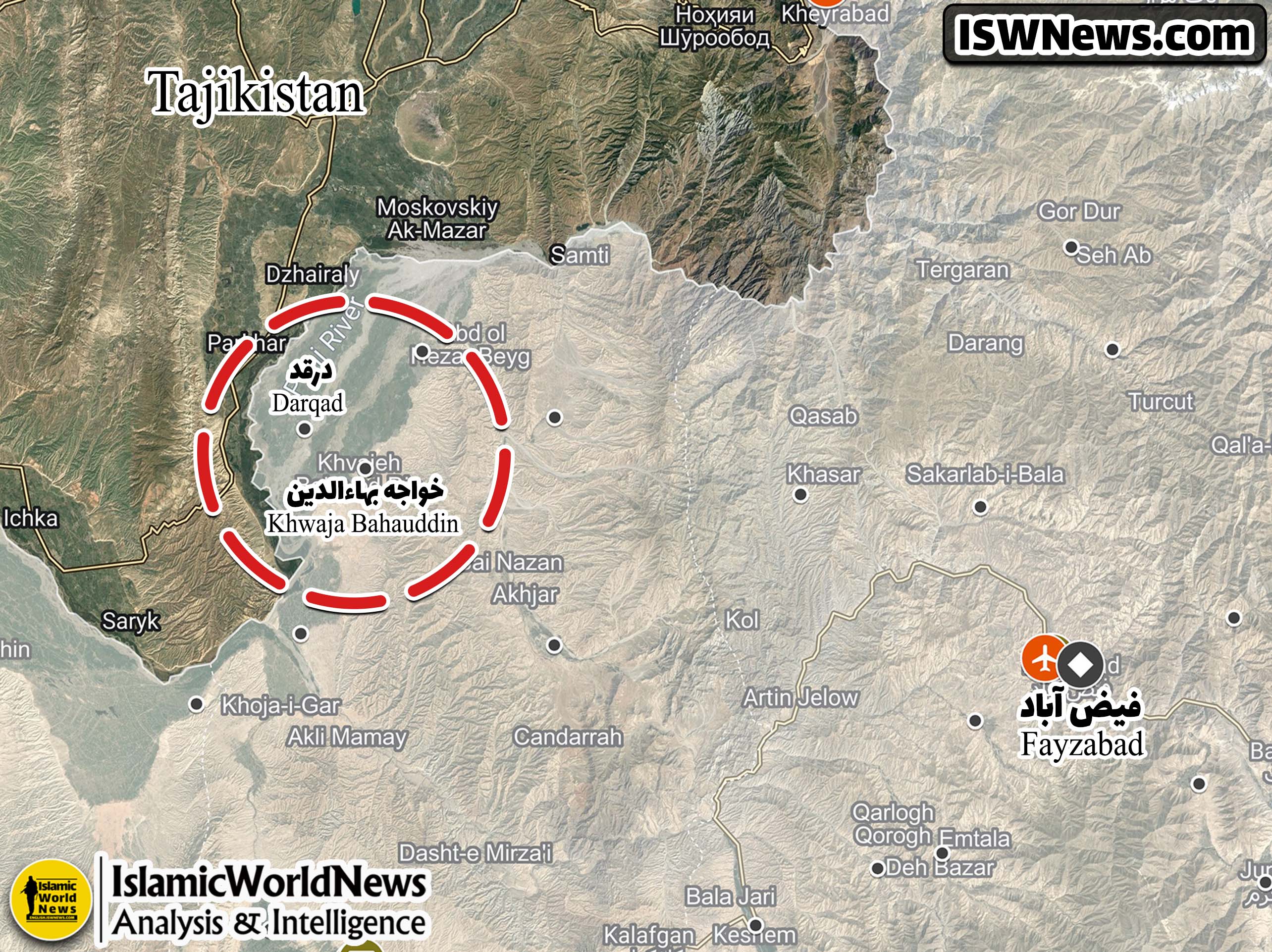
    ISWNews Analysis Group – As part of the plan to relocate Pakistani migrants to the northern regions of Afghanistan, hundreds of members of the Tehrik-e Taliban Pakistan (TTP) attacked Nawabad on June 20.

    The Pakistani migrants, known as Kochis, seized some of the villagers’ houses and lands after confronting with the locals, and then, the invaders displaced many of the residents.

    The residents of Nawabad are all Uzbeks ethnic group and have criticized the Taliban’s policy of relocating Kochis to northern Afghanistan, when they made interviews with local media, expressing their disgust with the migrants.

    The seizure of houses and lands belonging to native people in the northern regions of Afghanistan by the Pakistani migrants with the support of the Taliban is causing a rift between the Pashtun and non-Pashtun members of the group on one hand and forcing the opponents to join anti-Taliban groups such as the ISIS on the other hand.

    This issue will push Afghanistan further towards internal conflicts and division in the near future and it will turn the northern regions of Afghanistan as well as other countries in the Middle East into appropriate lands for terrorist attacks.

    Clash between the people of Nawabad village (Uzbeks) and the members of Tehreek-e-Taliban Pakistan
    Clash between the people of Nawabad village (Uzbeks) and the members of Tehreek-e-Taliban Pakistan
  • Anti-Israel Operation In West Bank Leaves Four Israeli Dead

    Anti-Israel Operation In West Bank Leaves Four Israeli Dead

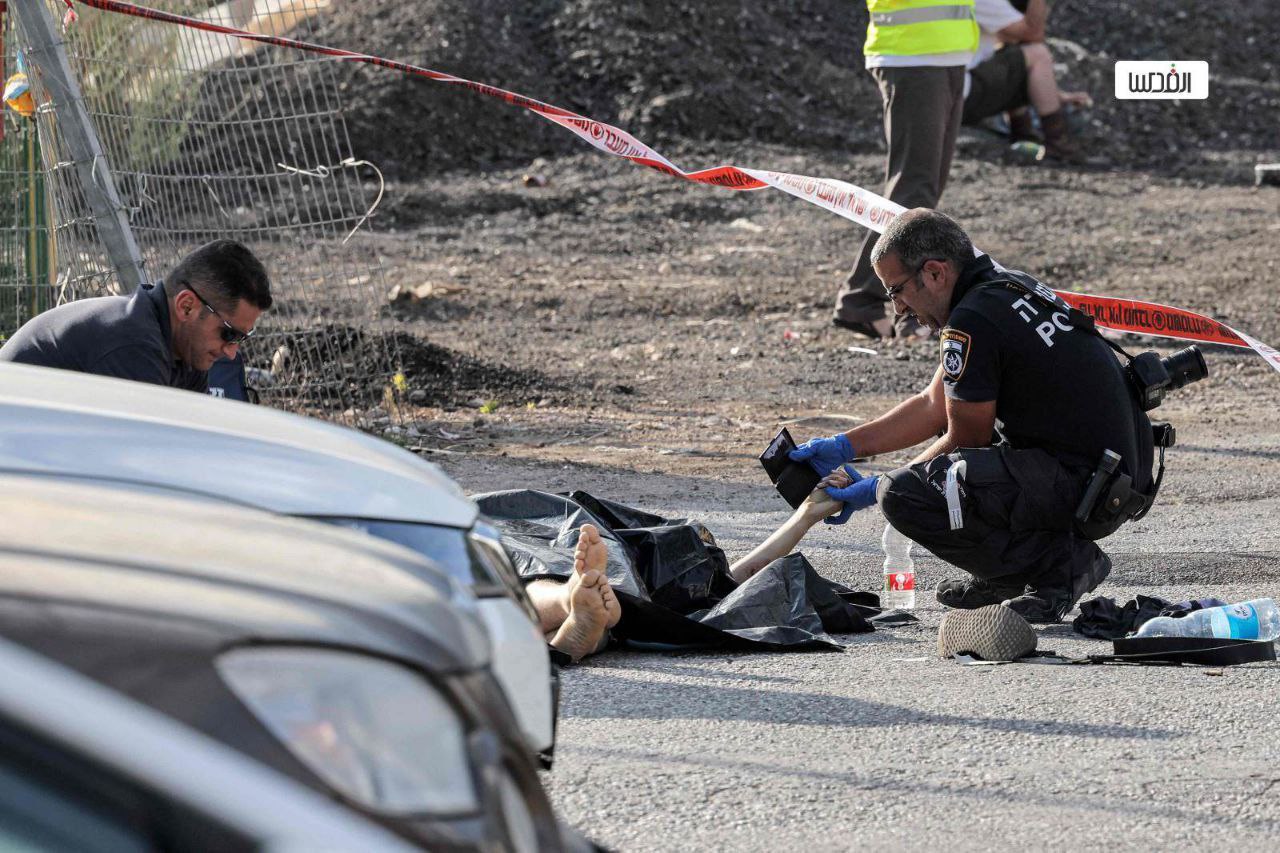
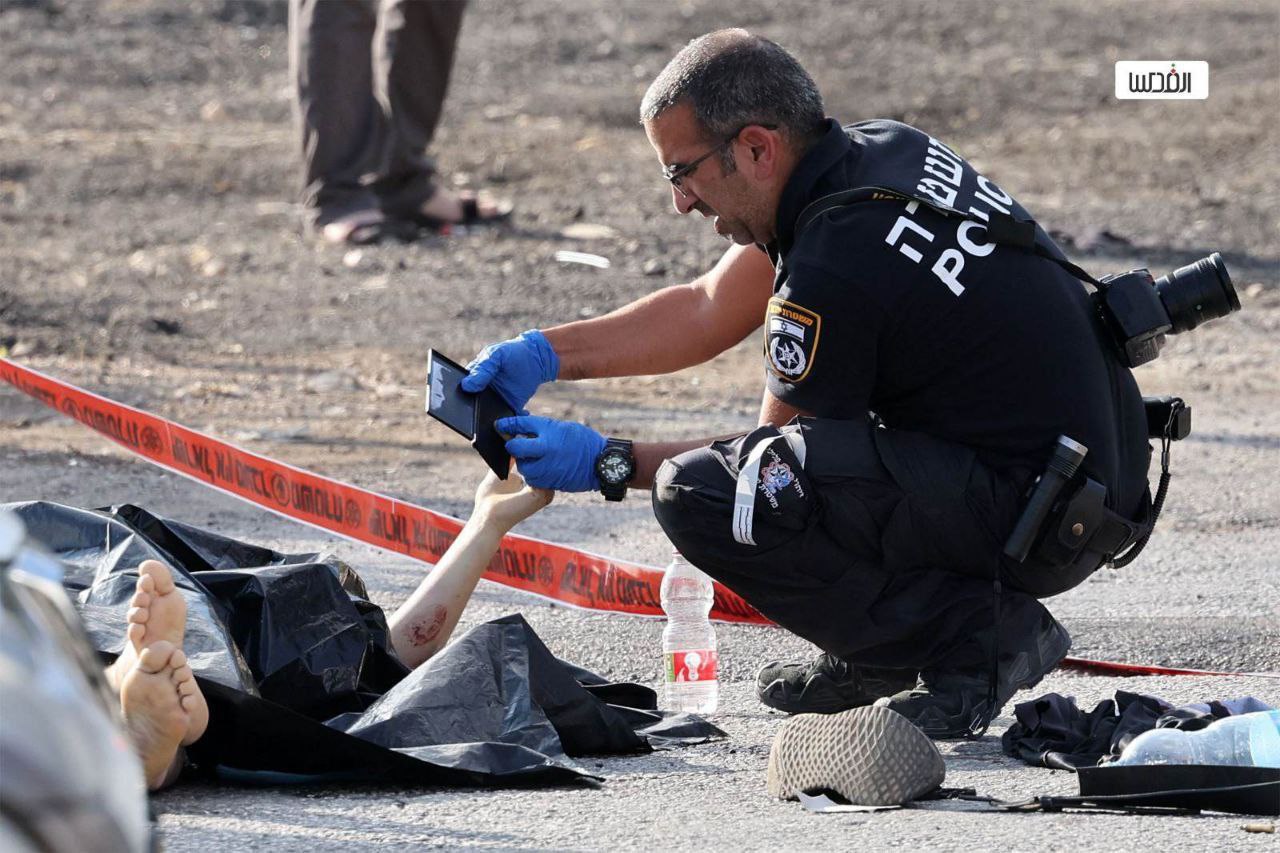
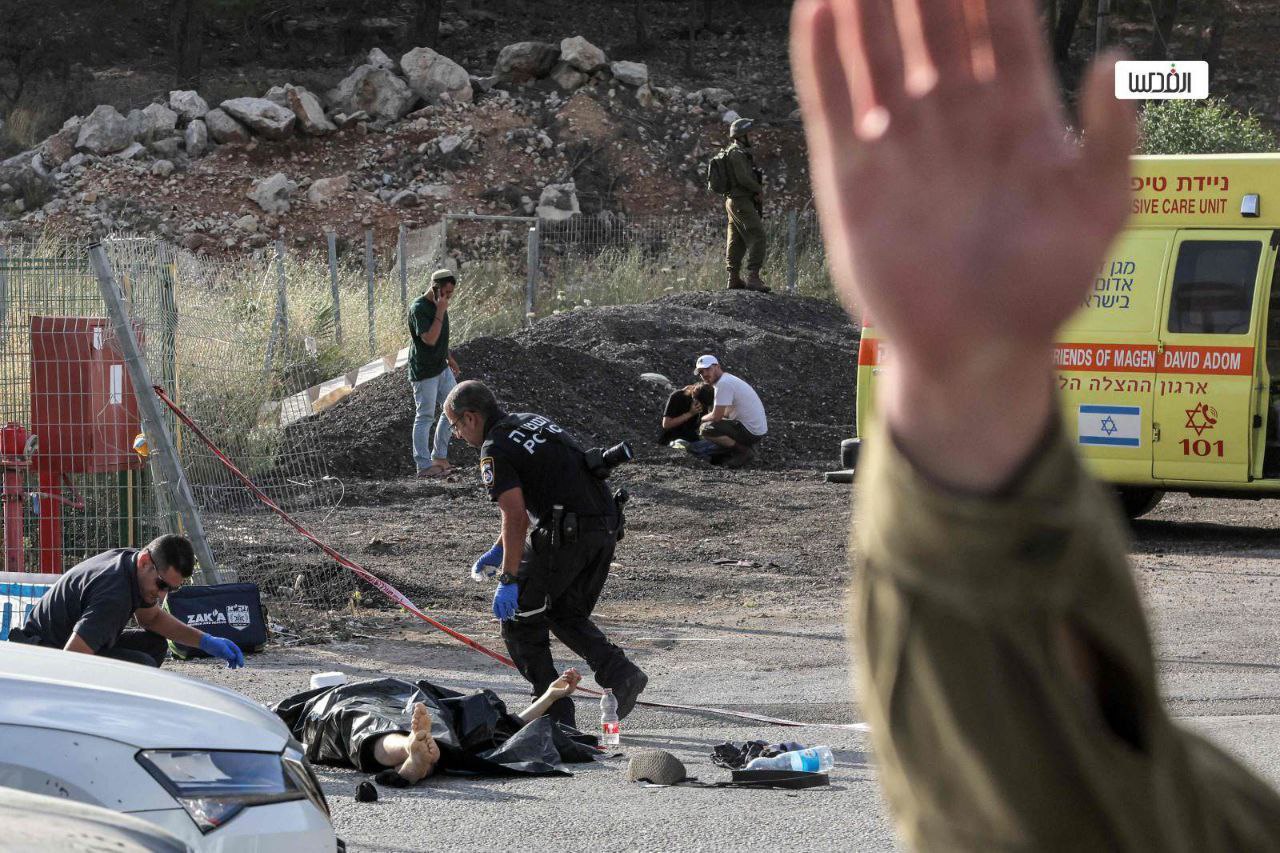
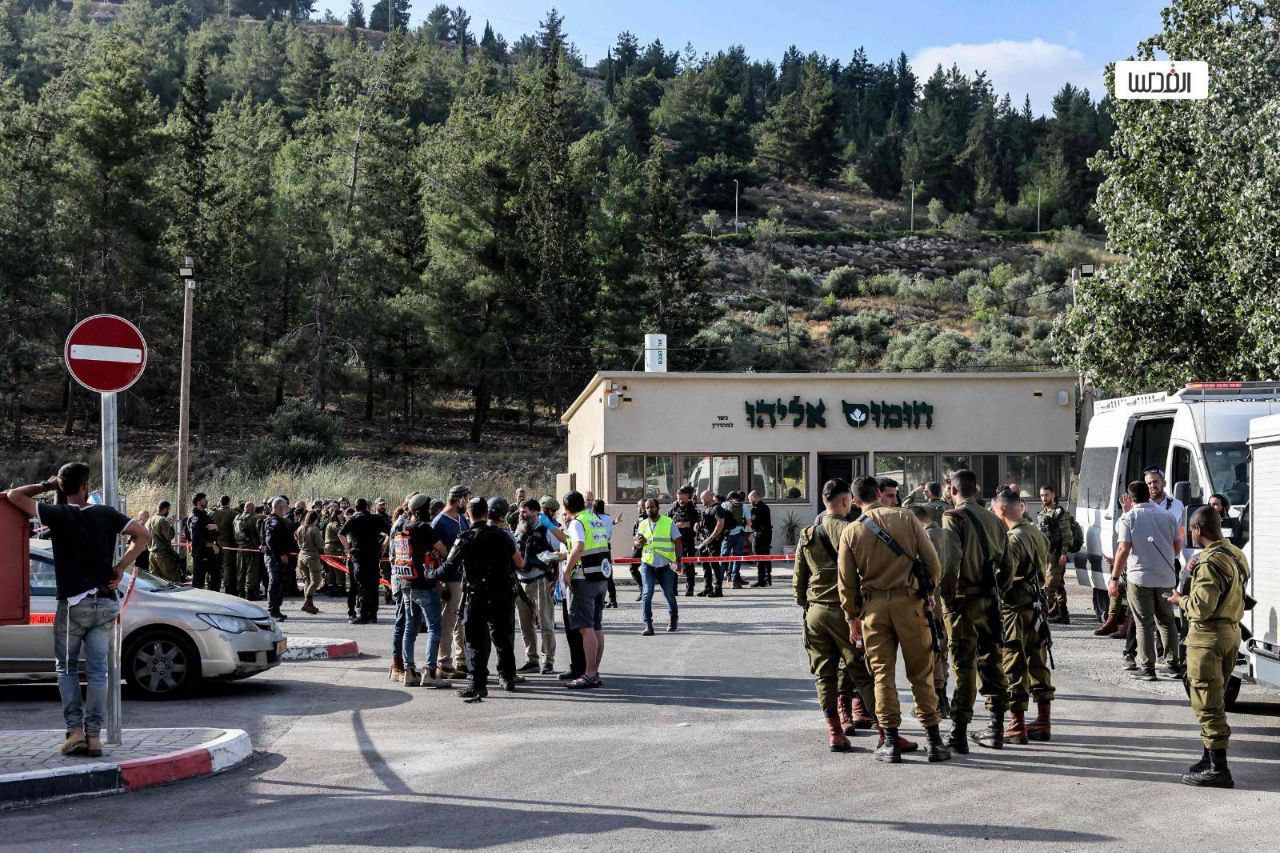
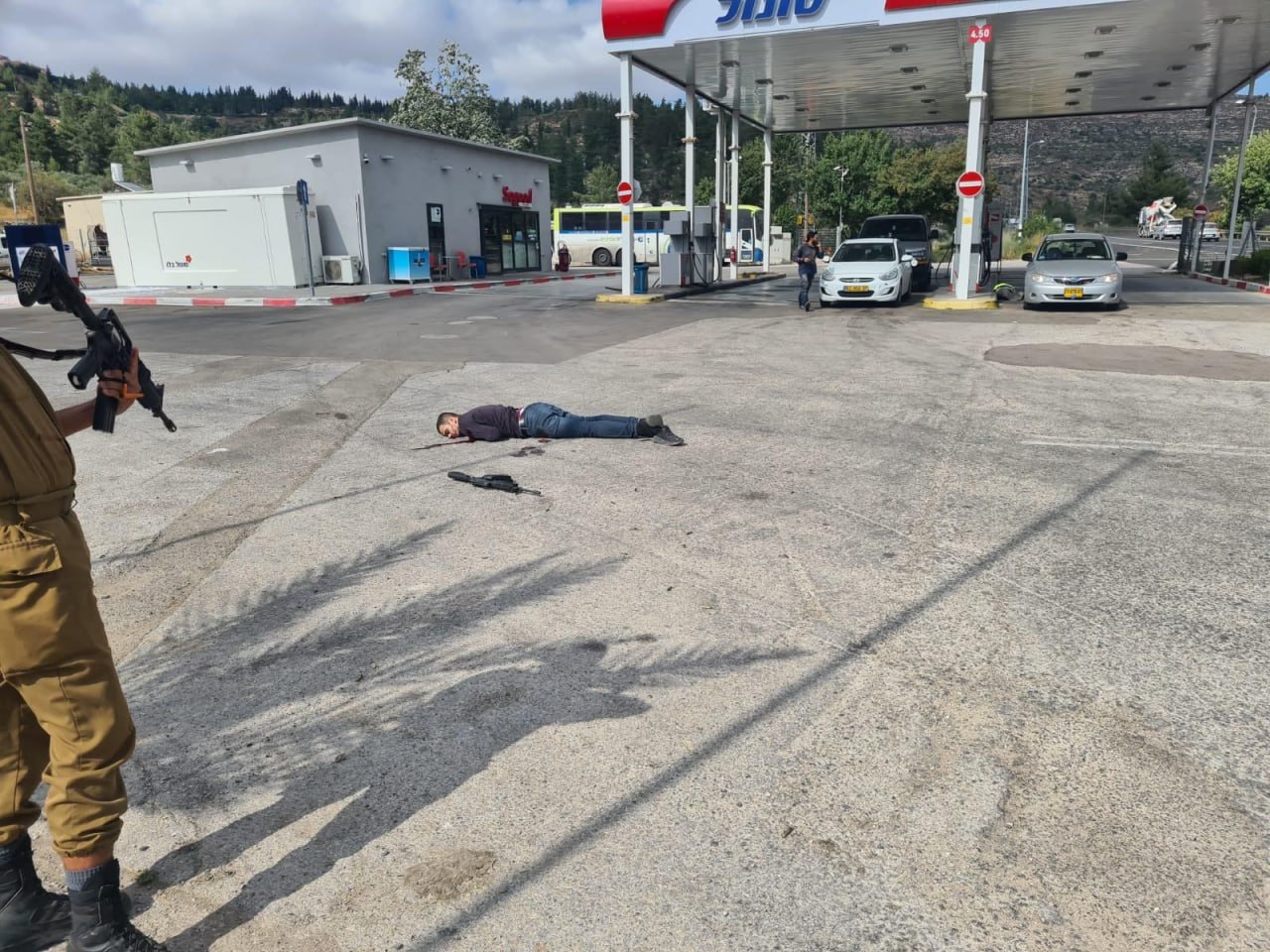
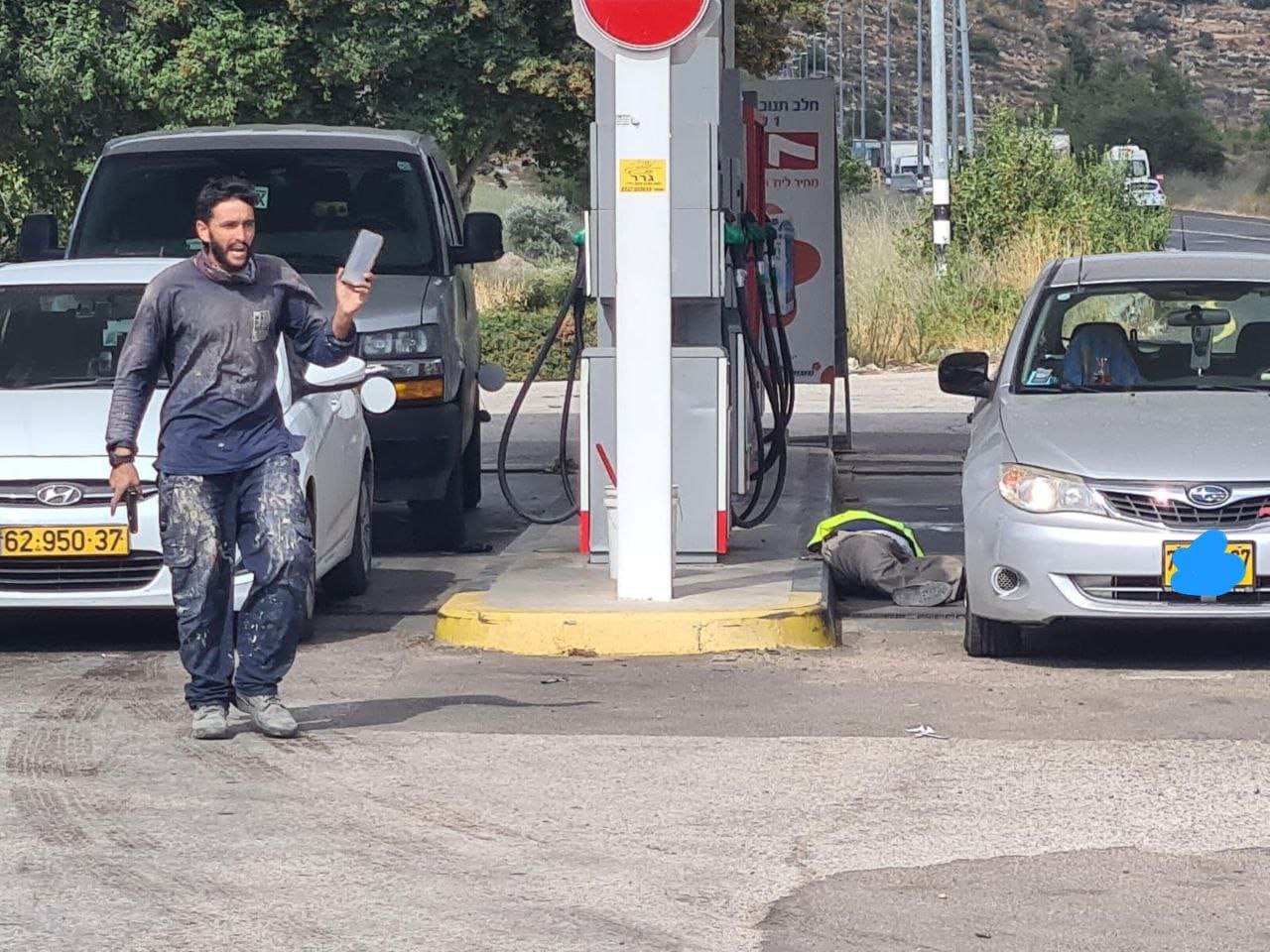
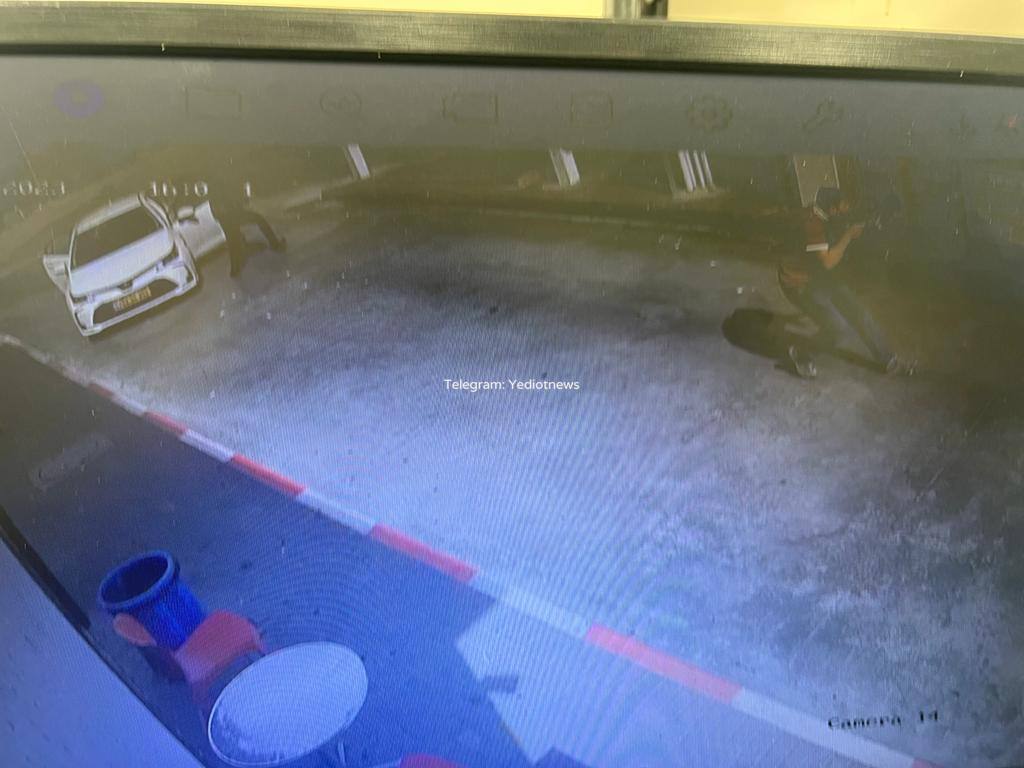
    ISWNews Analysis Group – On June 20, three Palestinian young men targeted a group of Israeli settlers in the Eli settlement, which is located between Nablus and Ramallah in the West Bank.

    As a result of the operation, at least four Israeli were killed and three others were severely injured. All Israelis, who were killed in the shooting operation by the Palestinian youths, were shot in the head.

    Some Hebrew news sources quoted the Israeli army as saying that an organized military group carried out the Tuesday shooting operation in the Eli settlement.

    It is said that the Prime Minister of Israel Benjamin Netanyahu is scheduled to hold a security meeting with certain Israeli security and military officials after Tuesday operation in the Eli settlement.

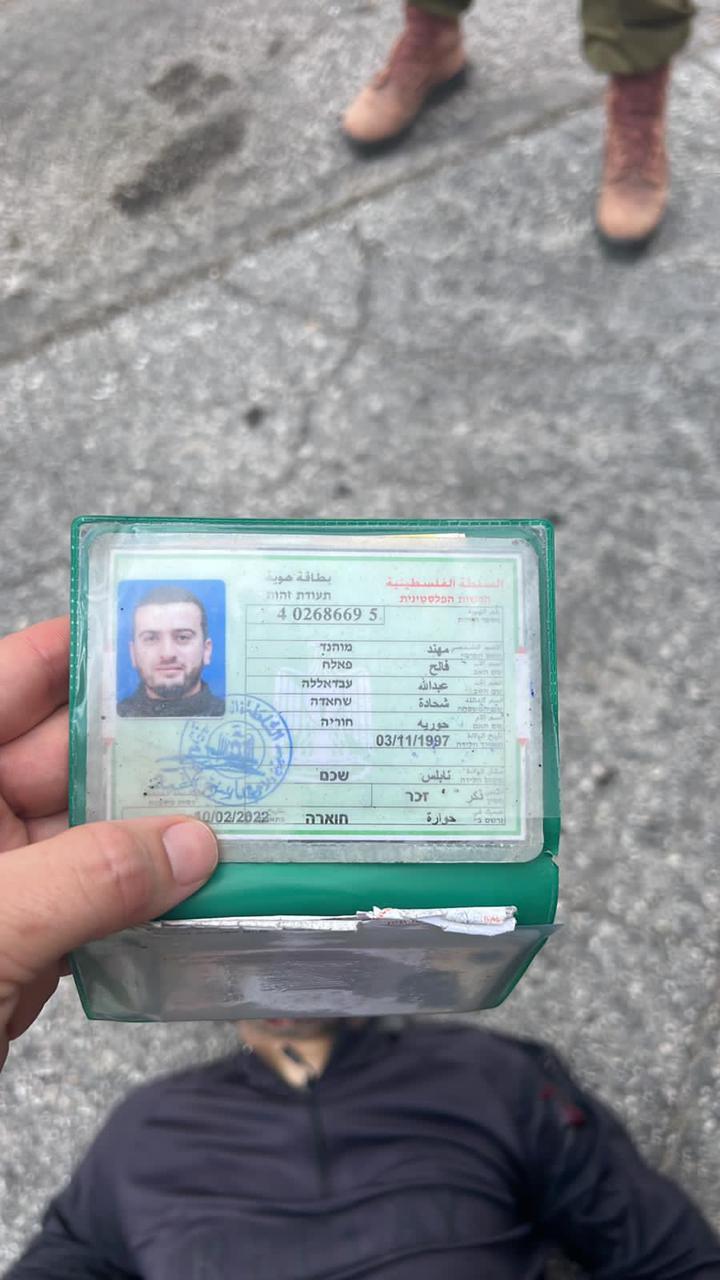
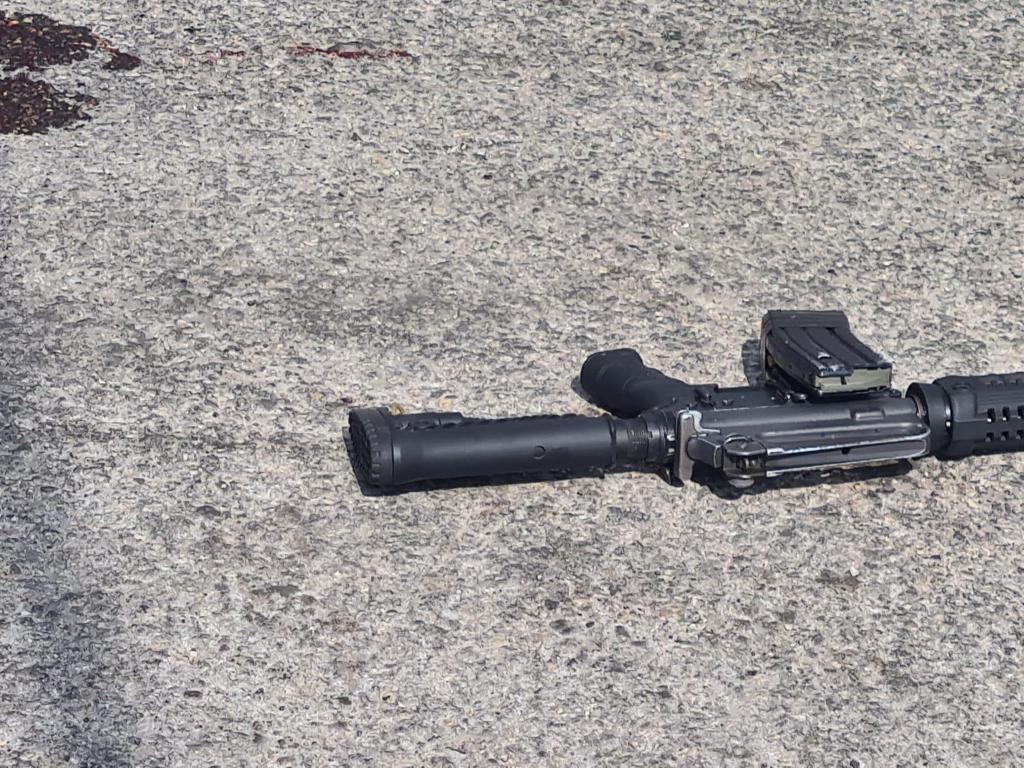
    Hours after the event, some Israeli media reported that two people of the group who operated the operation named Khaled Mustafa Sabah and Mahand Falah Shahada were killed by special forces of the Israeli army after several hours of pursuit-evasion in the city of Tubas in the northeastern West Bank.

    To address the issue, one of the leaders of the Islamic Resistance Movement Hamas announced in an interview with Al Jazeera TV network that the operators of the shooting incident near the Eli settlement, who both lost their lives in an armed conflict with Israeli forces, were members of the Ezzeddin al-Qassam Brigades, the military wing of Hamas.

    It should be noted that the Tuesday operation against Israeli forces in the West Bank took place one day after the invasion of Israeli soldiers into Jenin city in the northern West Bank, which led to the martyrdom of five Palestinians and the injury of 66 others. One of the leaders of the Hamas movement stated that the Eli operation was a response to Monday crime by the Israelis in Jenin.

    The moment Mohanad Faleh Youssef Shehadeh was shot dead by the Israeli occupation forces
  • Imran Khan’s Arrest Warrant Was Issued Again!

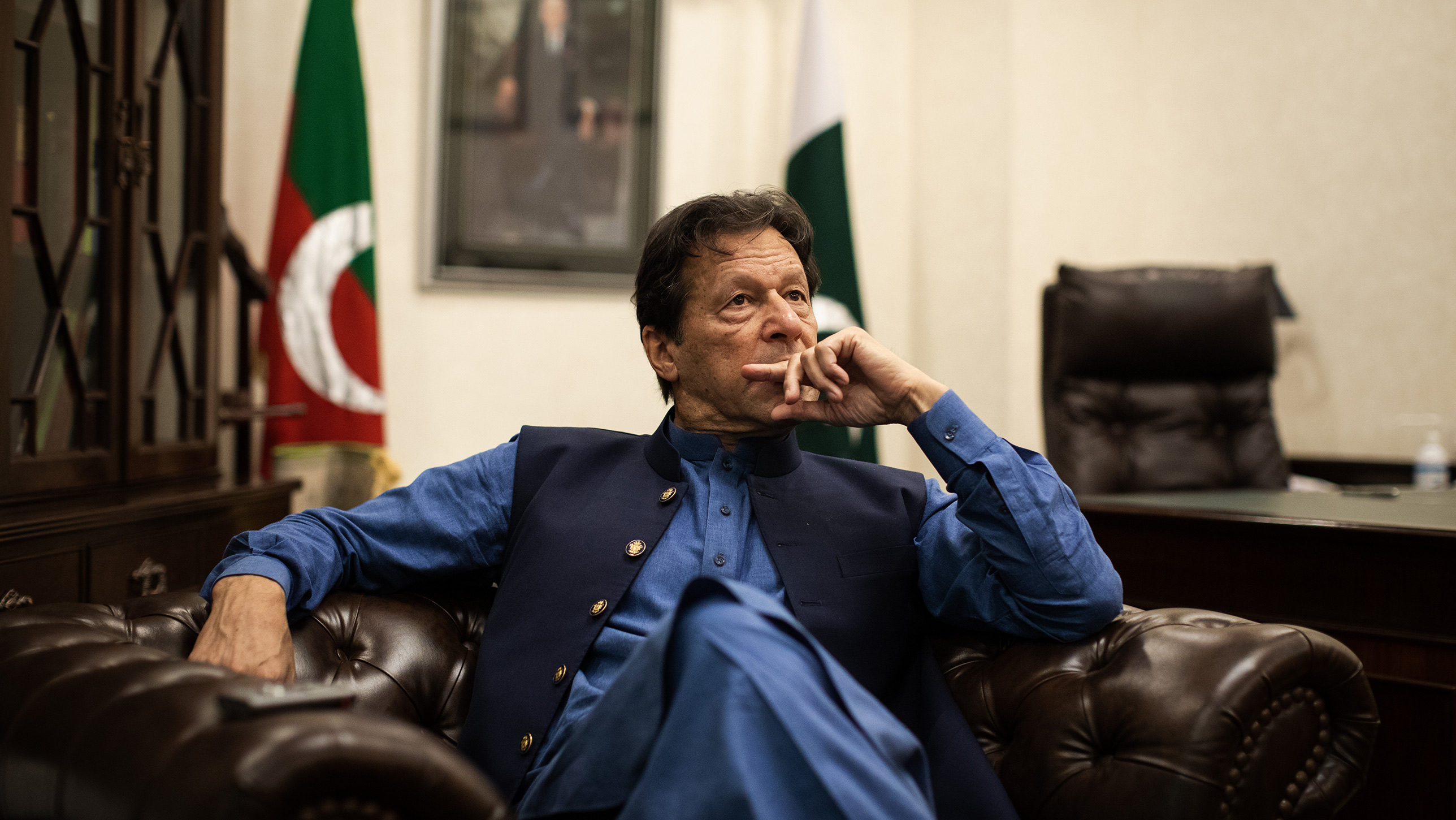
    Imran Khan’s Arrest Warrant Was Issued Again!

    According to Anti-Terrorism Court, the accused persons should be brought to court by the security forces to answer the case of riots by Tehreek-e-Insaf supporters.

  • Turkish Drone Attack On Syria Kill 3 SDF Members

    Turkish Drone Attack On Syria Kill 3 SDF Members

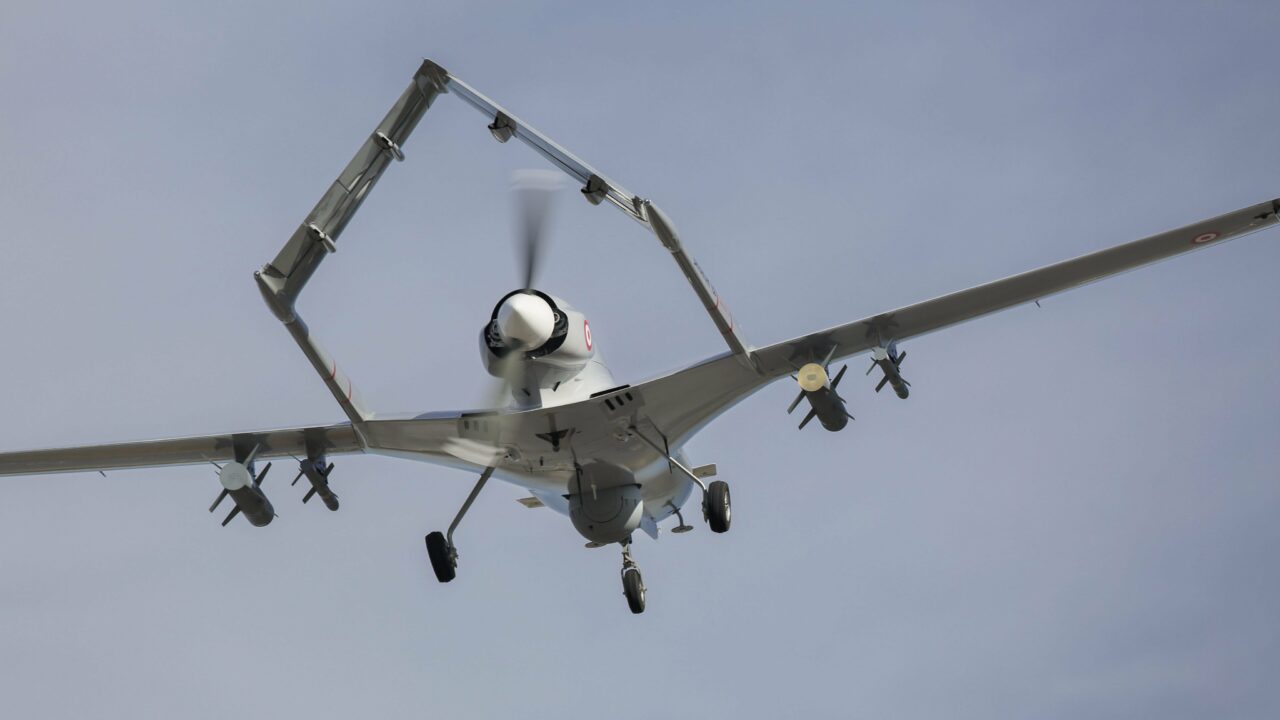
    ISWNews Analysis Group – On June 20, the Turkish drones targeted a vehicle belonging to the Syrian Democratic Forces (SDF) near the village of Tal Sha’ir in the suburbs of Qahtaniah in Hasakah province. As a result of this attack, three SDF members, including a field commander named “Yasri Darwish” and “Kabi Shamoun”, his deputy, were killed and another person was wounded. So far, no further details have been released in this regard.

    It is worth mentioning that during the last 10 days, the artillery and drone attacks of Turkish army and its militants have increased in the northern regions of Syria. As a result of these attacks, dozens of Syrian Democratic Forces, Syrian army and civilians were killed and wounded.

    Considering the rising trend of Turkish attacks on areas under the control of the Syrian Democratic Forces, it is likely that the SDF will organize retaliatory attack against Turkish army bases in Syria or Turkish territory; This type of attack, which is unprecedented, will result in the response of the Turkish armed forces and, as a result, will lead to a grater tensions in northern Syria.

    Click to view full size
  • The Internal Conflict Of Tareq Saleh’s Forces In Al-Khokha Town

    The Internal Conflict Of Tareq Saleh’s Forces In Al-Khokha Town

    This conflict started on June 18 due to the dismissal of Al-Alkami from the command of the support brigade of the joint forces by Tareq Saleh. Now, Al-Alakami is refusing to obey this order, and the armed men of the “Support Brigade”, who are mainly from Al-Sabiha tribes, supports him.

    One day after this incident, on the morning of June 19, the Support Brigade announced its separation from Tareq Saleh’s forces and took control of parts of Al-Khokha town, the Communications Building and Mocha road.
    Tareq Saleh has also issued an order to suppress these forces and his forces are being sent to Khokha. Also, the Al-Sabiha tribe has sent its armed men from the southern coast of Lahij province to help the Support Brigade in Al-Khokha, but due to the control of Tareq Saleh’s forces on the roads leading to Al-Khokha, it seems difficult and impossible for them to reach this town.

  • Opinion: The Terror Of Zionism Pushes The Palestinians To Create Their Own Hezbollah!

    Opinion: The Terror Of Zionism Pushes The Palestinians To Create Their Own Hezbollah!

    Against the backdrop of a week-long escalation of the conflict between Zionism and the Palestinian Islamic Jihad (PIJ), various criminal figures of the “temporary essence”* regularly sent death threats to Hamas leaders if they decided to help comrades from the Palestinian Jihad. Yahya Sinwar and Muhammad Deif were most often among the names. In the end, Hamas took a wait-and-see attitude and preferred to postpone the confrontation with the Zionists until the next episode, while the Palestinian Islamic Jihad stood alone, which further raised its authority in the eyes of the Palestinians of the blockaded Gaza Strip and refugee camps from Lebanon to Jordan.

    As for the Zionists themselves, today we see how the apartheid regime can no longer impose its will on the Palestinian resistance and does not even dare to intervene militarily, preferring to arrange terror against political and military figures of Palestinian organizations. The weakness of the essence is obvious, “Israel” avoids a direct collision with the Gaza Strip in every possible way and is content only with air superiority for the sake of one-time operations, losing millions of shekels.

    As for the threats to kill the leaders of the Palestinians themselves, we can safely be sure that such a scenario will not bring the desired result to Zionism. I will point out several scenarios in case the occupiers decide to kill members of the leadership of Hamas or the Palestinian Islamic Jihad.

    Scenario one – the murder of the leaders of Palestinian resistance organizations will pave the way for young, ambitious and often uncompromising figures to come to power. Actually, a typical internal reaction of an organization with a strong ideological flavor will occur. And in the best case, it is obvious that the new generation of leaders will not comply with most of the points of the so-called truce with the occupiers. In the worst case scenario for the Zionists, there will never be a truce again.

    The second scenario is a “soft military coup”. The assassination of politicians may pave the way for a situation in which the heads of the al-Qassam Brigades and the Al-Quds Brigades can take over the Gaza Strip. In this case, the temporary entity will actually have to deal with an army organized on the principle of partisanship. There has never been such a thing in the history of the Gaza Strip, as well as the fact that Zionism has not collided head-on with a super-large monolithic military structure. By the way, the Palestinians already have a prototype for such an association, for example, a “joint operational room”. Such a combination of circumstances will lead the Gaza Strip to reduce diplomacy with the outside world and the Palestinian side will limit itself to military and political ties with the Axis of Resistance, while Egypt will be forced to take responsibility for the economic well-being of the besieged enclave. Attempts by international institutions or traditional channels of communication with the Americans in the person of Qatar and Turkey to somehow influence the situation will be reduced to zero. The military wings of the main political forces of Palestine will have a short time to create a joint paramilitary formation, where the new brigade structures will have equal military capabilities and where there will definitely be no ambition inherent in politicians, which often interferes with the common cause.

    In this scenario, the parties will be forced to abandon covert economic cooperation, that is, workers from the Gaza Strip will no longer be able to work in the occupied territories. Responsibility for the economic situation in the Gaza Strip will fall on Egypt, which will be forced to ease the blockade. It is important to understand here that Zionism’s efforts to put economic pressure on the Palestinians will be doomed to failure because of the existence of international institutions, UNRWA, China, the Democratic Party of the USA, the EU, which are absolutely not interested in the deterioration of the situation in the Gaza Strip.

    The third scenario is “Palestinian Hezbollah”. If Zionism carries out its threats and a number of leaders of Hamas and the Palestinian Jihad suffer martyrdom, then the development of events may acquire an incredible scenario in which the leading Islamic resistance organizations will create an analogue of the Lebanese Hezbollah. Such a development of events will be a local reaction not only to the blatant terror of the occupiers, but also as fatigue from the rivalry between Hamas and the Palestinian Jihad. By and large, the Palestinians will have no choice and the creation of a single, common revolutionary organization with an Islamic ideology will be the only right solution for the liberation of all of Palestine. All the components for the creation of the “Palestinian Hezbollah” already exist, the Palestinians have authoritative religious figures (for example, the councils of scientists in Lebanon), impressive popular support for Hamas and the PIJ in all refugee camps and a powerful military potential. Moreover, the Sunni factor of the Palestinians will influence the fact that, for example, the branches of the Ikhwans and moderate Salafis in Jordan, Lebanon and Iraq will have to support the new Palestinian organization. Given the fact that the “Palestinian Hezbollah” in its majority will have the base of Hamas, which in turn adheres to the ideology of the Muslim Brotherhood movement, it is obvious that the new Palestinian organization will not have any problems in connection with the Ikhwans from a number of Arab countries. Moreover, unlike, for example, the current leadership of Hamas, the Hezbollah of Palestine will throw off the shackles of regional diplomacy and will easily be able to exert a “revolutionary impact” on the West Bank of Jordan and the Palestinian camps in the aforementioned Jordan, where Palestinians make up 80 percent of the country’s population. Such a scenario would mean the first success from the policy of “exporting the Islamic revolution” to the intra-Palestinian arena.

    The “Palestinian Hezbollah” will become something like a symbiosis between the ideology of the Ikhwans and the idea of an Islamic Revolution from Iran, in the event of the emergence of such an organization, it is safe to say that the Palestinians will become a regional factor for the first time in the history of the Ummah, which will significantly multiply the process of liberation of the holy al-Quds.

    Many politicians of the Zionist colony have repeatedly pointed out their fears about the appearance of an analogue of Hezbollah in the Gaza Strip, it seems that their fears are not in vain. But what is more strange is the efforts of some careerists from among politicians, the military, representatives of the special services, who know perfectly well that any kind of terror against the Palestinian resistance can only lead to military opposition, but now a similar response from the Palestinians can affect the political direction, which will bring the main fear of Zionism closer.

    * – one of the names of the Zionist colony.
  • Southern Transitional Council Warns Presidential Leadership Council Of Resigned Government Of Yemen

    Southern Transitional Council Warns Presidential Leadership Council Of Resigned Government Of Yemen

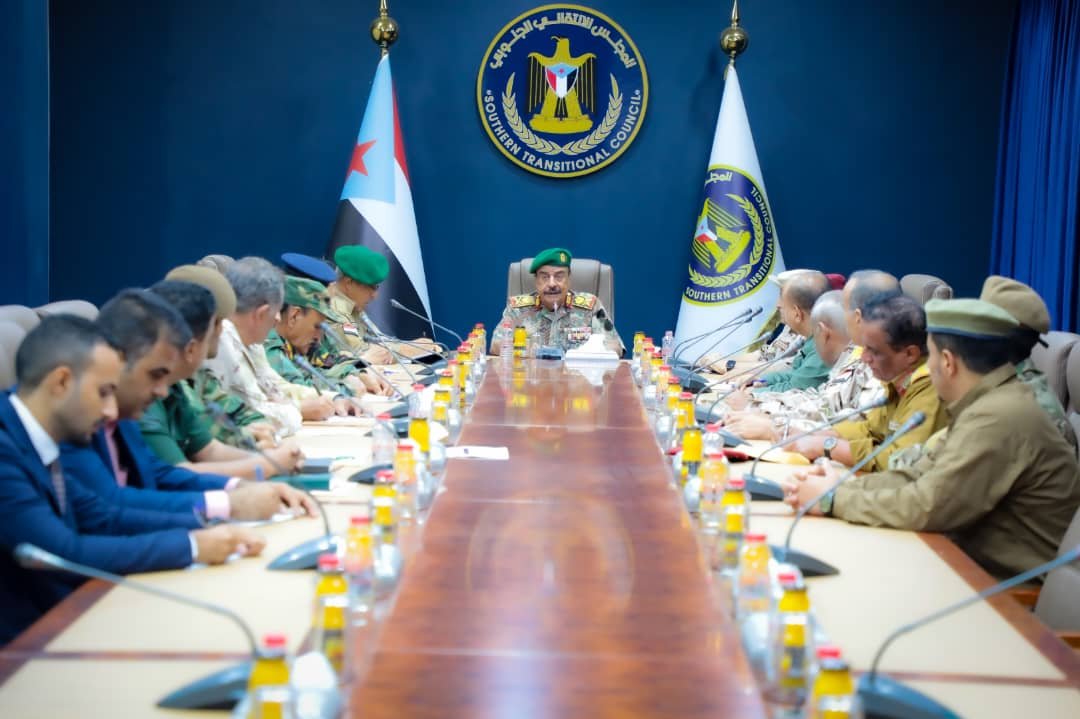
    The senior military and security members of the Southern Transitional Council held an important meeting on June 15 with the Vice President of the Chairman of the Southern National Assembly Major General Ahmed Saeed bin Brik at its headquarters in Aden.

    They discussed recent developments in Yemen and talked about the escalation of the crisis in Aden.

    Bin Brik said that the political process is facing instability and there is not any prospect for continuation of the farce process in Aden.

    He also candidly declared that the Southern Transitional Council will do everything possible to exit from the Presidential Leadership Council and the appointed government of Maeen Abdulmalik Saeed.

    Bin Brik went on to say that the Presidential Leadership Council and the appointed government have failed to improve the economic situation and that they are on the verge of collapse.
    At the end of his remarks, the deputy head of the Southern Transitional Council emphasized that the STC forces will fight hard for their existence and that they will not retreat at any cost.
    The Southern Transitional Council asked all its military and security units to maintain full readiness and vigilance to confront any possible plans by the resigned government.
    In response to the threat, commander-in-chief of the armed forces of the resigned government Major General Saghir bin Aziz visited the Al-Rawik base in the north of Marib city and he also met with the second guard unit of the Presidency Council.

    He emphasized his support for the Presidential Leadership Council of the resigned government of Yemen.
    The announcement of the existence of the Southern Transitional Council comes as developments in occupied areas of Yemen, especially in Aden, show that they are on the verge of a popular uprising against the appointed government of Abdul-Malik and the Presidential Leadership Council of the resigned government of the Arab country.

    The economic revenues of the resigned government have sharply declined due to Ansar Allah movement’s efforts to hinder the illegal oil and gas exports, and the Saudi-led coalition’s financial support is only used for military competition between various factions, with no benefits for the people of the conflict zones.

  • Israel Does Not Supply Arms To Ukraine To Avoid Iran’s Access To Those Weapons: Netanyahu

    Israel Does Not Supply Arms To Ukraine To Avoid Iran’s Access To Those Weapons: Netanyahu

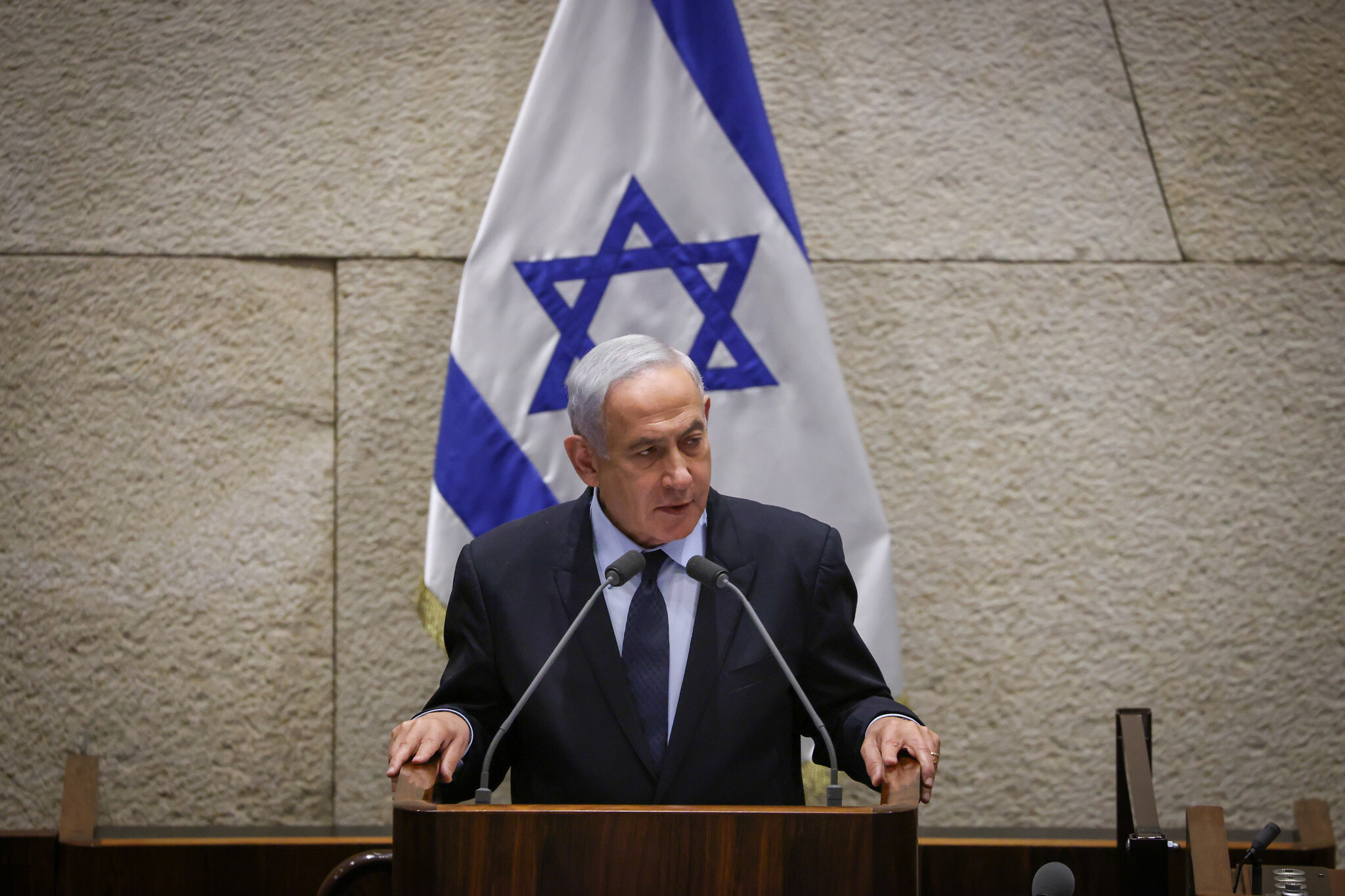
    Benjamin Netanyahu, the Zionist regime’s Prime Minister, criticized Iran and Russia’s relationship and stated that the reason for not sending weapons to Ukraine was the concern about Iran’s access to that technology.

    According to a special report by news.walla.co.il, Netanyahu expressed his concerns about the expansion of military relations between Iran and Russia during a meeting with members of the Knesset on Tuesday (June 13).

    Netanyahu claimed that he had frank and honest talks with Russian officials and told them that Tel Aviv was concerned about the exchange of advanced technologies between Tehran and Moscow.

    The regime’s Prime Minister told Knesset representatives in a closed-door meeting on Tuesday that he did not know what Russia was using to pay for the military aid it received from Iran.

    Israel does not provide air defense systems to Ukraine because it is concerned that this technology will fall into the hands of Russia and then be transferred to Iran.

    In February 2023, after the prime minister of Israel announced that he was considering sending military aid to Kiev and he wanted to mediate in this conflict, Russia warned Israel against sending any weapons to Ukraine.

    However, images released from the battlefield between Russia and Ukraine show that some Israeli equipment and weapons, including fire-and-forget anti-tank guided missiles like Spike as well as Gaia Amir MRAP, reached Ukrainian military forces.

    Read more: Israeli Spike Anti-Tank Missiles In Ukraine!

  • US, Israeli Ministers Meet In Brussels

    US, Israeli Ministers Meet In Brussels

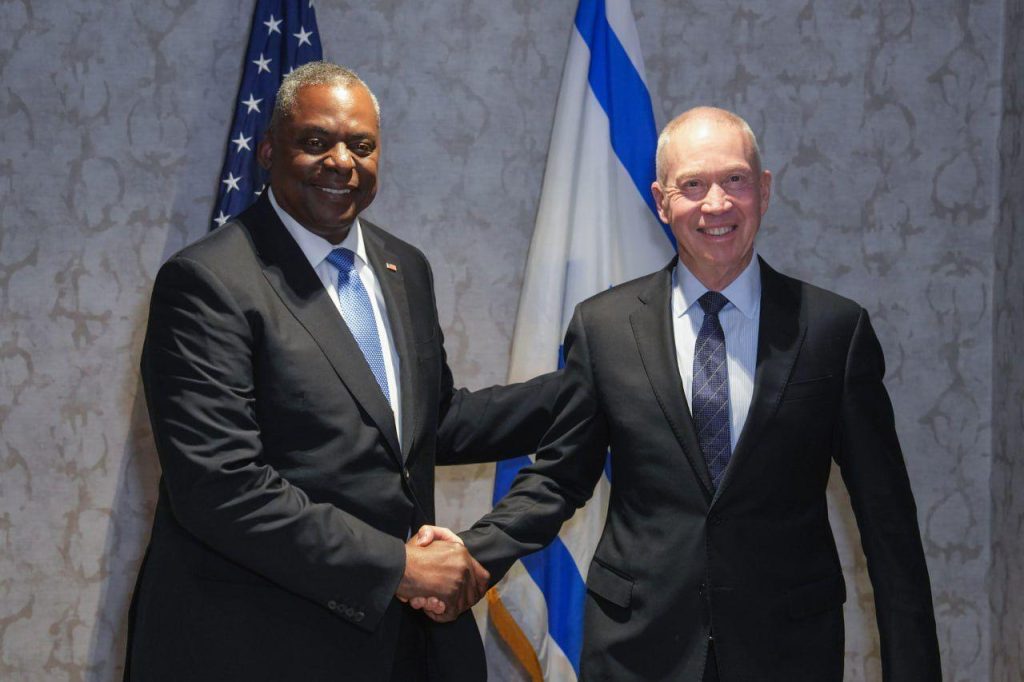
    US Secretary of Defense Lloyd Austin met with Israeli Minister of War Yauv Galant on June 15. Galant previously said that he expected to meet with Austin and discuss Iran.

    In the meeting, Galant expressed that Iran is simulating an attack on Israel through its proxy forces in Syria, Lebanon, Gaza, and the Persian Gulf.

    According to Hebrew-language media reports, the two sides agreed to continue their cooperation in countering a wide range of threats from Iran, including its nuclear program and destabilizing regional activities, proliferation of drones, and provision of lethal aid to the Middle East and Russia.

    The statements come as the Zionist regime is considered the only nuclear-armed country in West Asia, but it tries to accuse the Islamic Republic of Iran of seeking to acquire such weapons.

    Nevertheless, the Iranian officials strongly deny those allegations and Imam Ali Khamenei, the Supreme Leader of the Islamic Revolution of Iran, has also emphasized that the use of atomic bombs is totally forbidden and unlawful on the basis of Islamic tenets.

  • Armenian, Azerbaijani Border Guards Wounded In Exchange Of Fire At Karabakh Corridor (Video)

    Armenian, Azerbaijani Border Guards Wounded In Exchange Of Fire At Karabakh Corridor (Video)

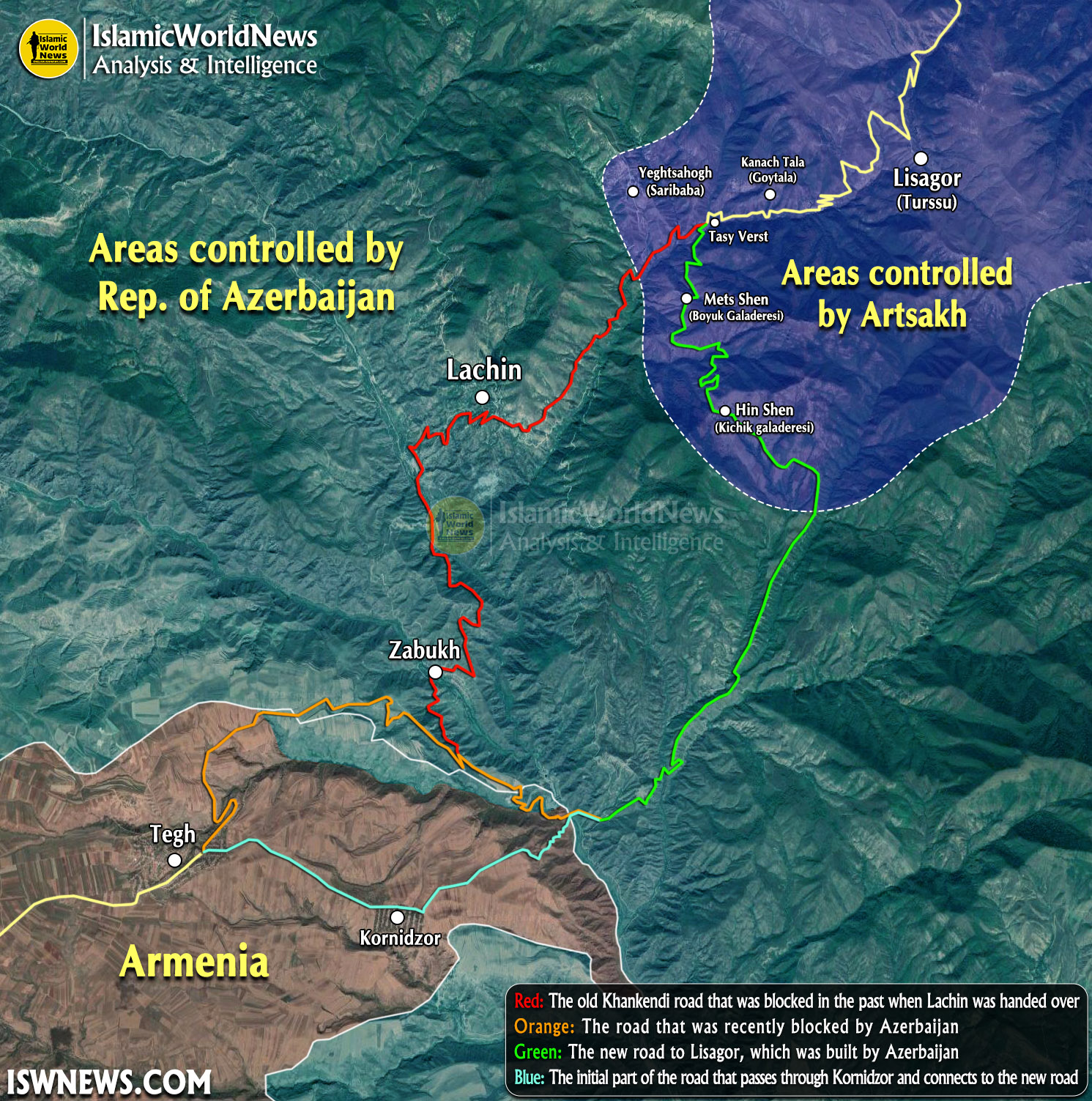
    In a statement, Armenia’s National Security Service said that a group of Azerbaijani border guards had attempted to cross a bridge over the Hakari river, which marks the internationally-recognized border between the two countries, and hoist a flag on Armenian territory. The service added that the attempt had been thwarted.

    The bridge lies at the start of the Lachin corridor, the last remaining route linking Armenia with Nagorno-Karabakh, which is mainly inhabited by ethnic Armenians. The key corridor is policed by Russian peacekeepers.

    Footage that surfaced online showed Azerbaijani border guards coming under fire while attempting to hoist their flag. The border guards were accompanied by a number of Russian peacekeepers.

    After the Armenian attack, Azerbaijan closed the Lachin corridor, preventing Armenians from leaving or entering Nagorno-Karabakh.

    TASS cited Azerbaijan’s border service as saying one of its guards was wounded in the attack. Later, the Russian news agency quoted the Armenian border service as saying that one of its guards had been wounded during Azerbaijani shelling of a village close to the bridge.

    The Lachin corridor has been blocked to most traffic since December, after Azerbaijani civilians identifying themselves as environmental activists began a blockade.

    Tension remained high between Armenia and Azerbaijan after the Nagorno-Karabakh war of 2020. The deployment of Russian peacekeepers helped prevent any further escalation. However, the two countries are yet to reach a settlement and end the conflict.

    Source: SouthFront

  • Turkish Strikes Kill, Wound Dozens Of Syrian Soldiers, SDF Fighters & Civilians In Aleppo (Video)

    Turkish Strikes Kill, Wound Dozens Of Syrian Soldiers, SDF Fighters & Civilians In Aleppo (Video)

    The escalation began on June 11, when a Turkish drone strike killed three fighters of the People’s Protection Units (YPG), the core faction of the SDF, and wounded two others in the northern Aleppo countryside. The faction responded a few hours after the strike with a rocket attack that targeted the Jibreen base area in the Turkish-occupied part of the northern Aleppo countryside as well as the Oncupinar region in southern Turkey.

    In the following days, the SDF-linked Hawar News Agency reported 14 Turkish drone strikes and dozens of artillery strikes that targeted the outskirts of the towns of Manbij and Tell Rifaat as well as the southern part of the Afrin area in the northern Aleppo countryside.

    The retaliatory Turkish strikes hit residential areas, positions of the SDF as well as posts of the Syrian Arab Army (SAA), which is present in the Kurdish-held part of the northern Aleppo countryside to prevent the Turkish military and its proxies from launching any new ground operations.

    The news agency said that by June 15, the strikes had claimed the lives of a total of 21 people, including three fighters of the YPG, eight others from the Manbij Military Council (MMC), an Arab faction of the SDF, as well as nine Syrian soldiers and a civilian.

    The strikes also wounded two fighters of the YPG, three from the MMC, six soldiers and at least nine civilians, including two children.

    Meanwhile, the Syrian Observatory for Human Rights (SOHR), a London-based pro-opposition monitoring group, reported seven Turkish drone strikes between June 14 and 15. The group said that the strikes killed five Syrian soldiers, six fighters from the MMC and four commanders of the SDF.

    The Turkish Ministry of National Defense released footage of the retaliatory strikes on June 15 and claimed that 57 “terrorists” were neutralized. The ministry refers to the fighters of the SDF and its affiliates as “terrorists” and usually uses the term “neutralized” to indicate that the personnel in question were either killed or wounded.

    From its side, the Syrian Ministry of Defense has not commented yet on the reports of casualties among its personnel in recent Turkish strikes.

    It’s worth noting that on June 12, a Russian service member was killed and several others were wounded when a patrol of the Russian Military Police was hit between the towns of Herbel and Um Hawsh in the northern Aleppo countryside. The SOHR said that the patrol was shelled by the Turkish military. However, Russian sources said that it was targeted with a roadside bomb.

    The escalation in the northern Aleppo countryside came as senior diplomats from Russia, Turkey, Iran and Syria are preparing to meet in Astana next week to discuss the normalization process between Ankara and Damascus.

    Source: SouthFront