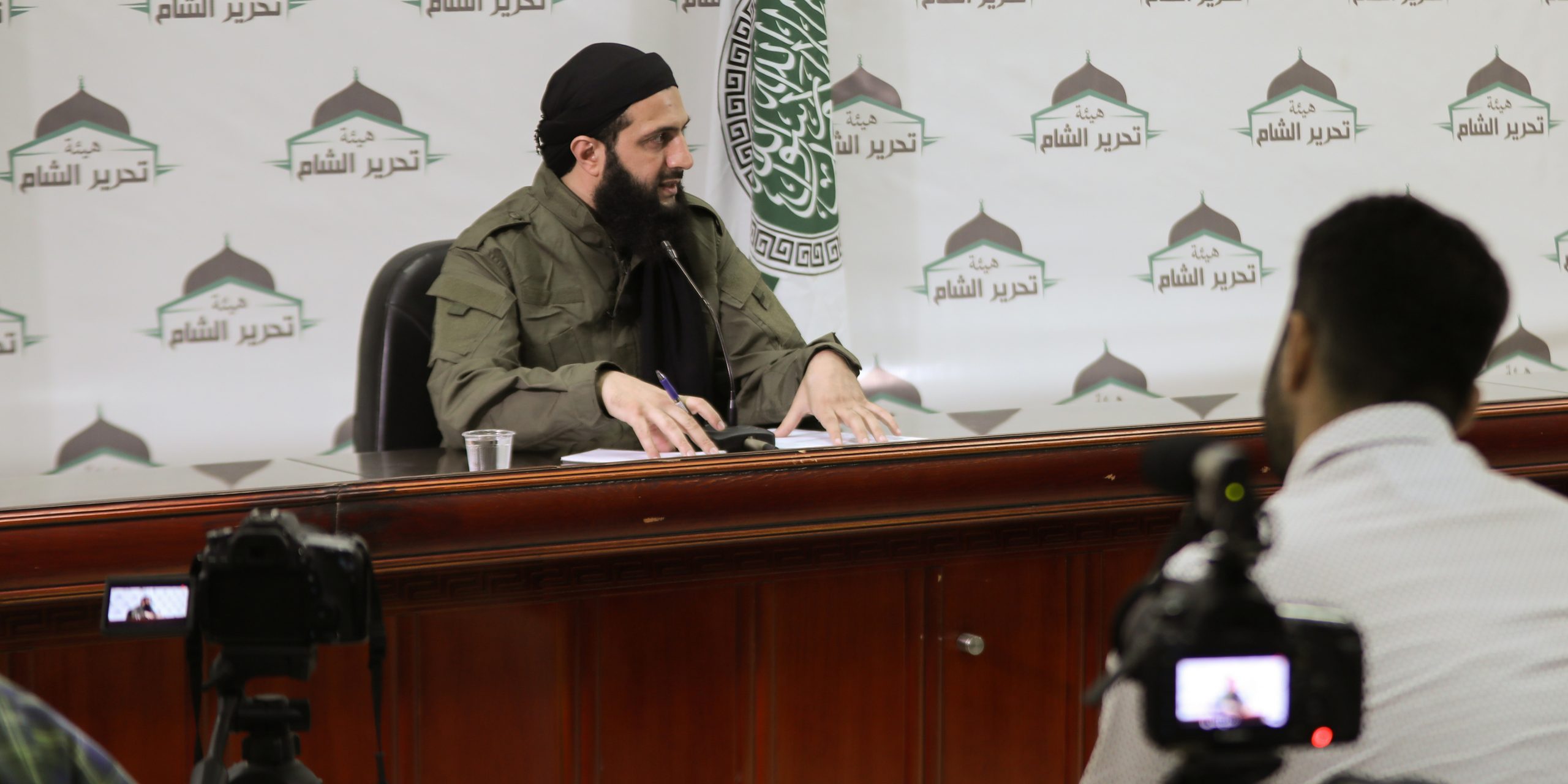
Some political analysts and military experts, who read Abu Mohammad al-Julani’s recent speech, said that the speech is a declaration of existence, and attributed the words to his weak position on the ground.
On May 27, Al-Julani address Aleppo refugees at a conference in Idlib that Aleppo is the gate of Damascus and it will be focused on in one or two years.
A month earlier, al-Julani also addressed Idlib tribal leaders that Hay’at Tahrir al-Sham is not weak and has the power to change the war equation.
The comments of the commander come at a time of serious military and political developments in Syria, including the normalization of Arab states’ relations with Syria, as well as Russia’s ongoing efforts to mediate the normalization of relations between Damascus and Ankara.
Since early June, northwestern Syria has witnessed an escalation of military clashes between Hay’at Tahrir al-Sham and the Syrian army. In the shadow of the confrontations, Russian fighter jets intensified airstrikes against Hay’at Tahrir al-Sham’s positions.
Syrian military expert Brigadier General Ahmad Al-Rahal believes that whatever Al-Julani said about Aleppo is an attempt to divert public opinion.
There is confirmed information about Al-Julani’s meetings and coordination with Director of the National Security Bureau of Syria Ali Mamlouk, Head of Syria’s general intelligence directorate Hossam Louka and Russian military intelligence agents, the expert said, adding that the commander is also not unaware of Russia and Turkiye’s understandings.
He also noted that Al-Julani has realized that the roadmaps changed and it is possible that some areas of Idlib and Aleppo, along with border crossings, will be handed over to the Syrian government based on previous coordination and agreements to remove Al-Julani from the region.
Al-Julani wants to introduce himself as the godfather of the region and behaves as if he is the decision-maker and can control and manage the coordination steering wheel in all these areas, he said.
Al-Rahal added that the changes are in the hands of Russia and Turkiye, and Al-Julani cannot take unilateral action; and that he knows the moment he starts a battle against Russia, it will be his end.
Hossam Al-Baram, a Syrian analyst, opines that Al-Julani’s purpose and Turkey’s messages on Aleppo are clear, which is to find a safe environment for the return of Syrian refugees to areas under their control as well as to expand their territory in new areas, and turn them into an economic hub that helps them put pressure on the Syrian government and maintain their position in talks with Damascus.
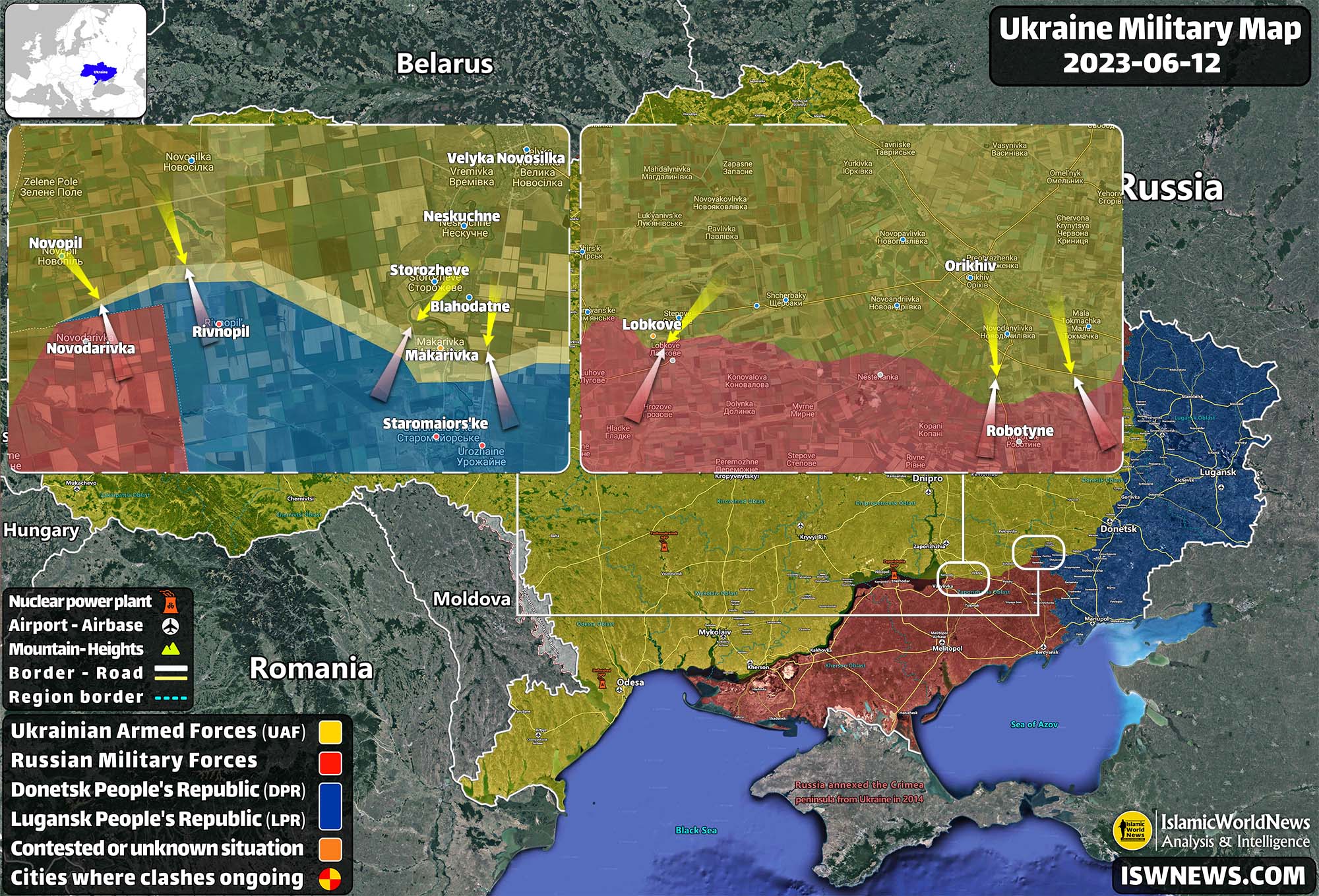
Donetsk Front: As a result of the Ukrainian Armed Forces’ counter-attack on the southern fronts, the Russian armed forces were forced to retreat from several villages on the southern outskirts of Velyka Novosilka settlement. According to field sources, the villages of Neskuchne, Storozheve and Blahodatne have been captured by Ukrainian forces and fighting is currently underway in Makarivka village.
In the axis of Rivnopil and Novodarivka villages, Ukrainian attacks were also repelled by the Russian forces. The main reason for the failure of Ukrainian attacks in these areas was the creation of minefields and the success of Russian artillery attacks in targeting Ukrainian armored vehicles.
The main goal of the Ukrainian Armed Forces in starting an attack on this front is not clear and it seems that this raid was complementary to the main direction of operations at another point and was carried out with the aim of putting pressure on the Russians.
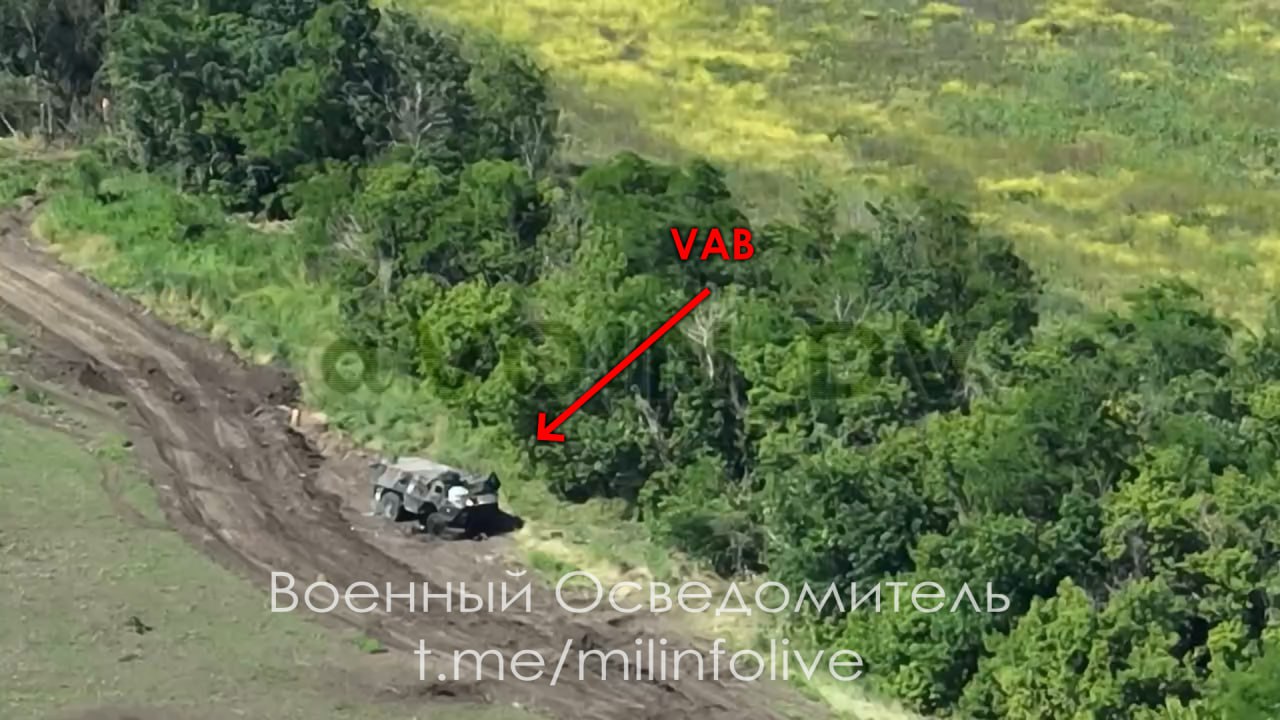
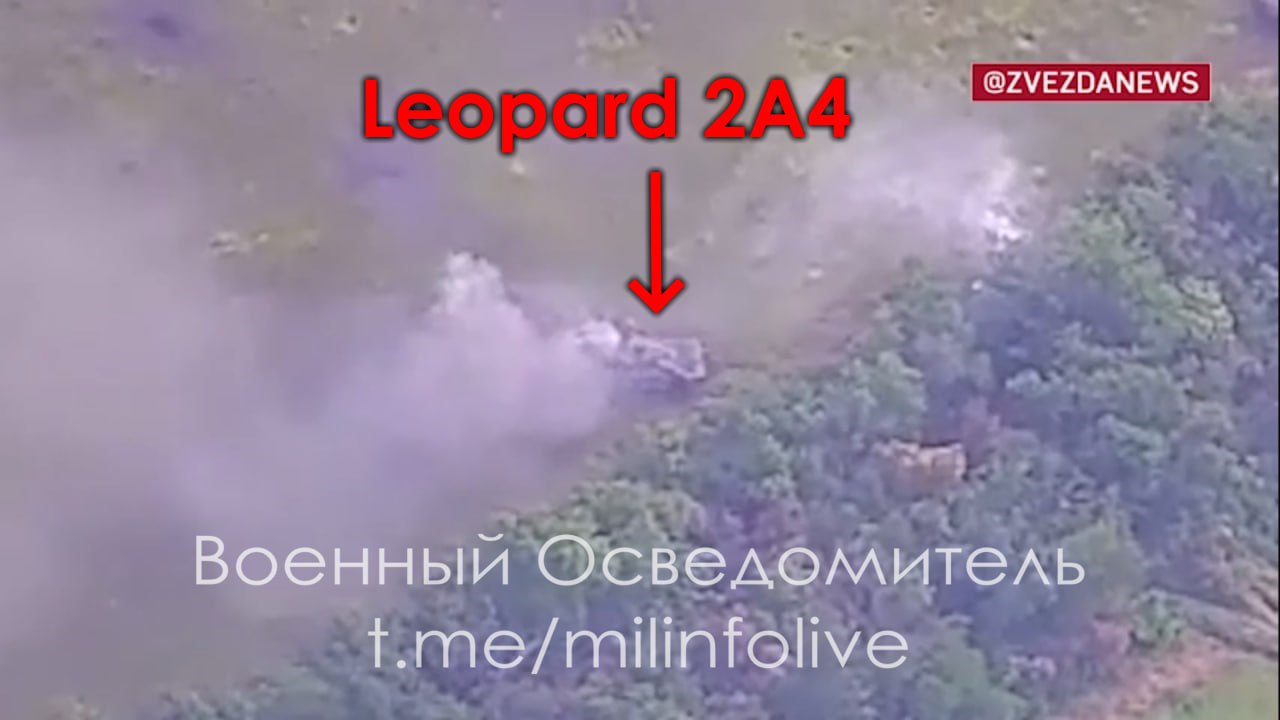
Zaporozhye Front: On June 8, the Ukrainian Armed Forces launched heavy attacks against the Russian army from the south of Orikhiv, Stepove, and several other areas. However, most of the strikes were repelled by the Russian armed forces. In this regard, numerous videos have been published showing the destruction of Leopard 2 tanks and armored vehicles donated by Western countries to Ukraine.
At present, the Russian military forces have been successful to repel all attacks by the Ukrainians on the mentioned axis and merely the Lubkuk area is still in dispute.
Kherson Front: After the destruction of the Nova Kakhovka Dam on June 6, most of the villages and towns near the Dnieper River were flooded. The move led to numerous speculations about a Ukrainian counter-attack to destroy Russian defense lines in the eastern regions of the Dnieper River and also about Russia’s attempt to turn the Ukrainians’ attack into a failure. The nature of such an action has not yet been determined and all these possibilities are noteworthy in accordance with the reasonings.
Currently, clashes on the Kherson front have been limited to exchanges of airstrikes and artillery fire. However, the extent of Ukrainian fire against Russian defensive positions intensified in recent days and it is likely that it increases further with the gradual decrease of water in that area.
Rafael Grossi, Director-General of the International Atomic Energy Agency (IAEA), announced on June 12 that he intends to visit the Zaporozhye nuclear power plant after holding a meeting with Ukrainian President Volodymyr Zelensky with the aim of assessing the situation of the power plant.
Grossi previously said in an interview with some media outlets about the destruction of the Kakhovka Dam that the Zaporozhye nuclear facilities, which is Europe’s largest nuclear power plant, rely on the Kakhovka Dam reservoir to cool its six reactors and this issue has become a serious problem following the recent decrease in water level of the dam. Given this condition, it is likely that the operation of the Zaporozhye nuclear power plant will face restrictions or complete shutdown.
Despite declarations by Ukrainian media outlets and officials on the start of large-scale operations by the Ukrainian Armed Forces to retake areas under the control of the Russian military forces, it seems that Ukraine’s main attack has not yet begun and we would witness more intense fighting in the coming months.
The Ukrainian intelligence agency has recently warned that Russia intends to release 200 tons of ammonia gas into Ukraine using a Crimean Titan chemical plant!
If this act is carried out like the destruction of Kakhovka Dam (regardless of who is responsible), it will have a significant impact on Ukraine’s clashes and we will enter a new phase of recent wars that happened in the world.
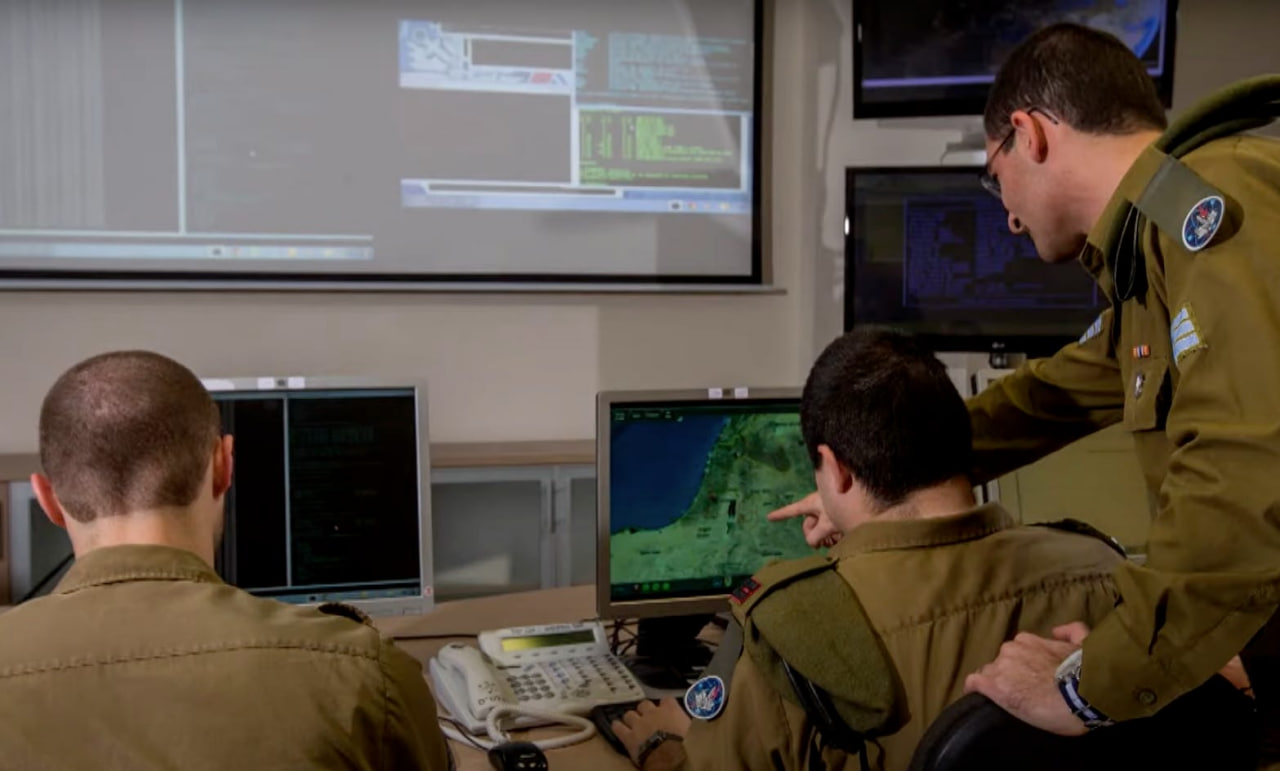
According to the report by the Hebrew newspaper Yedioth Ahronoth, the new unit is the result of an updated plan prepared by the Israeli army and its air force to attack Iran’s nuclear facilities and other sensitive centers.
Yedioth Ahronoth, quoting officers from this new unit, wrote that the plan is a fundamental change in thinking and planning, and that the army has been forced to do so because a war with Iran will not be similar to a war with Hezbollah or operations against the Palestinian resistance groups such as Hamas and the Islamic Jihad movements in the Gaza Strip.
The unidentified officers said that the commander of the Unit 54 and other forces analyze information from different parts of the Islamic Revolution Guards Corps (IRGC) on a daily basis, and they examine the military and training methods of the IRGC.
It has been said that there are thousands of military targets throughout Iran that Israel can attack, but Lieutenant Y, one of the members of Israel’s new unit, has been entitled to identify the most important targets inside Iran.
Generally said, the task of the unit is to collect information about the Islamic Revolution Guards Corps. The Unit 54 has 30 personnel, one-third of whom are officers, and it is being commanded by an intelligence major with the abbreviation “D”.
Another member of the unit told Yedioth Ahronoth newspaper that we analyze all parts of the Islamic Revolution Guards Corps (not merely the IRGC Quds Force). Iran is a large country in terms of land. What we collect and discuss has a direct impact on the ability of the Israeli army and is based on a plan, which has been drawing for years by Israel Defense Forces General Staff to turn into the basis of the military power of the Israeli army in the coming years.
The officer also stated that every day we collect more targets based on different rankings and learn the best way to hit them, we have doubled our target bank regardless of Iran’s nuclear facilities. This is different from the wars we have had in recent years, because the comprehensive military confrontation is a different story.
Yedioth Ahronoth concluded that the Unit 54, along with representatives from other intelligence units such as 8200 and 9900 as well as a little support from the United States, prepared a war intelligence plan that no one imagines it will occur.
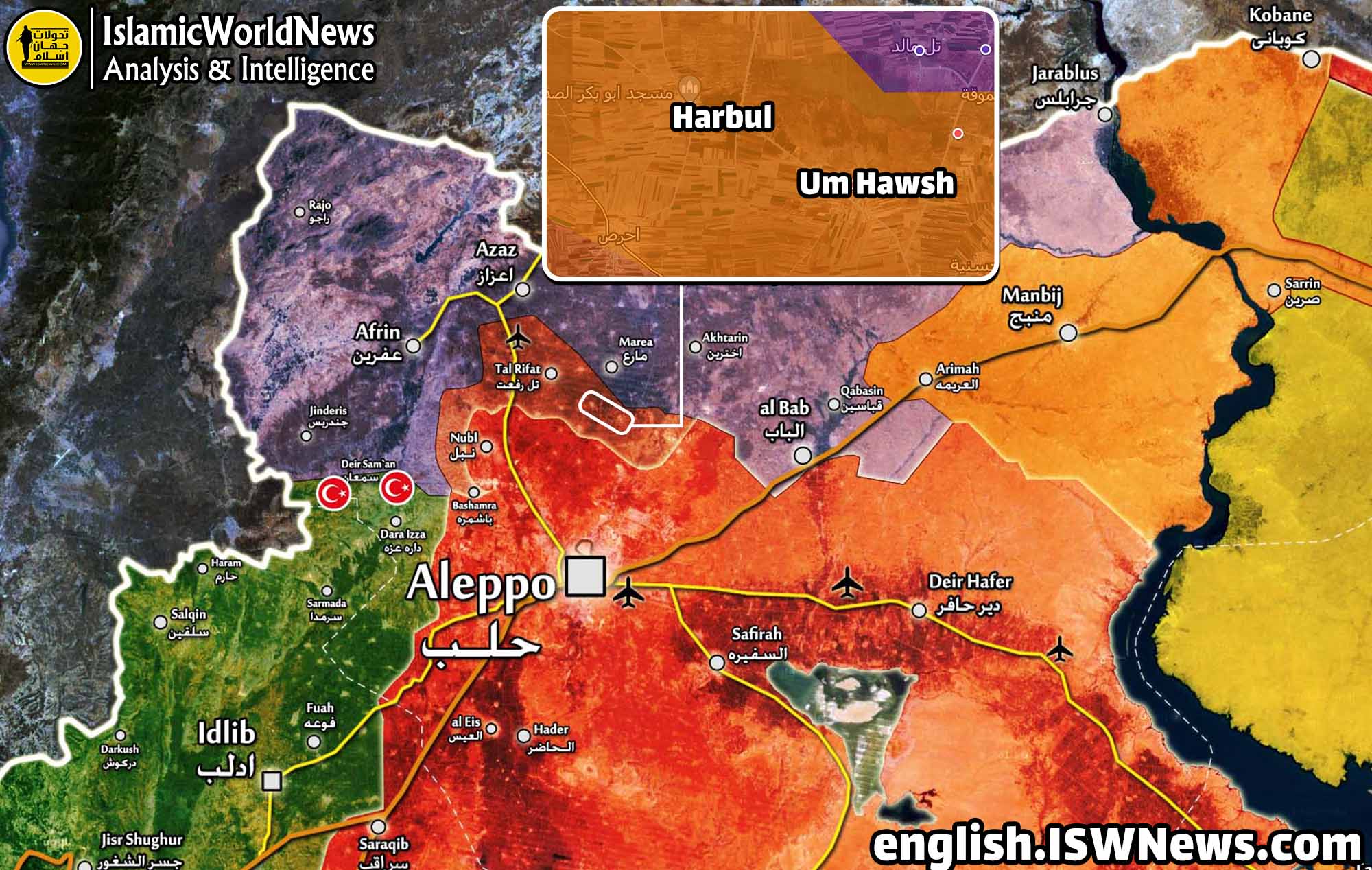
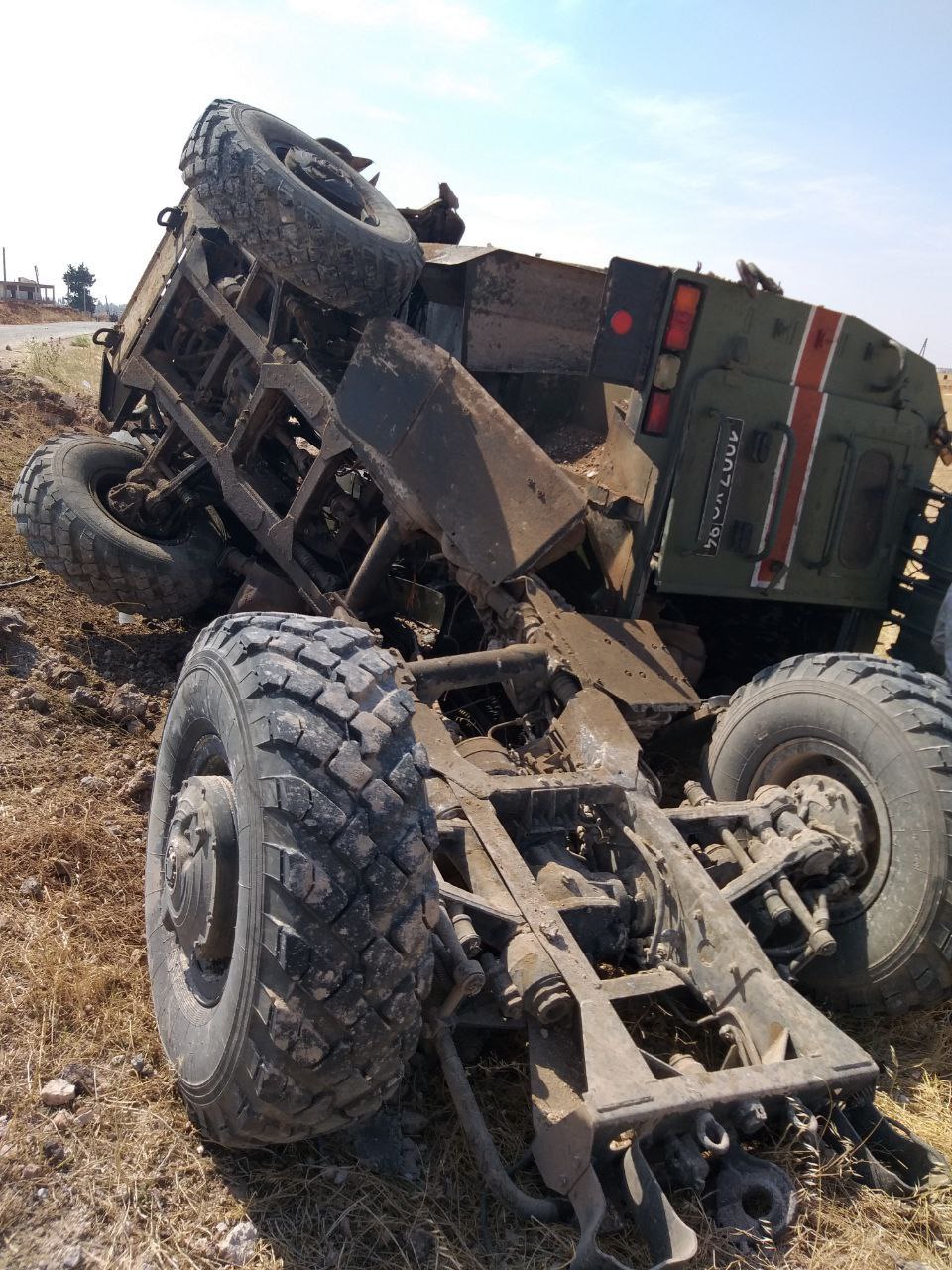
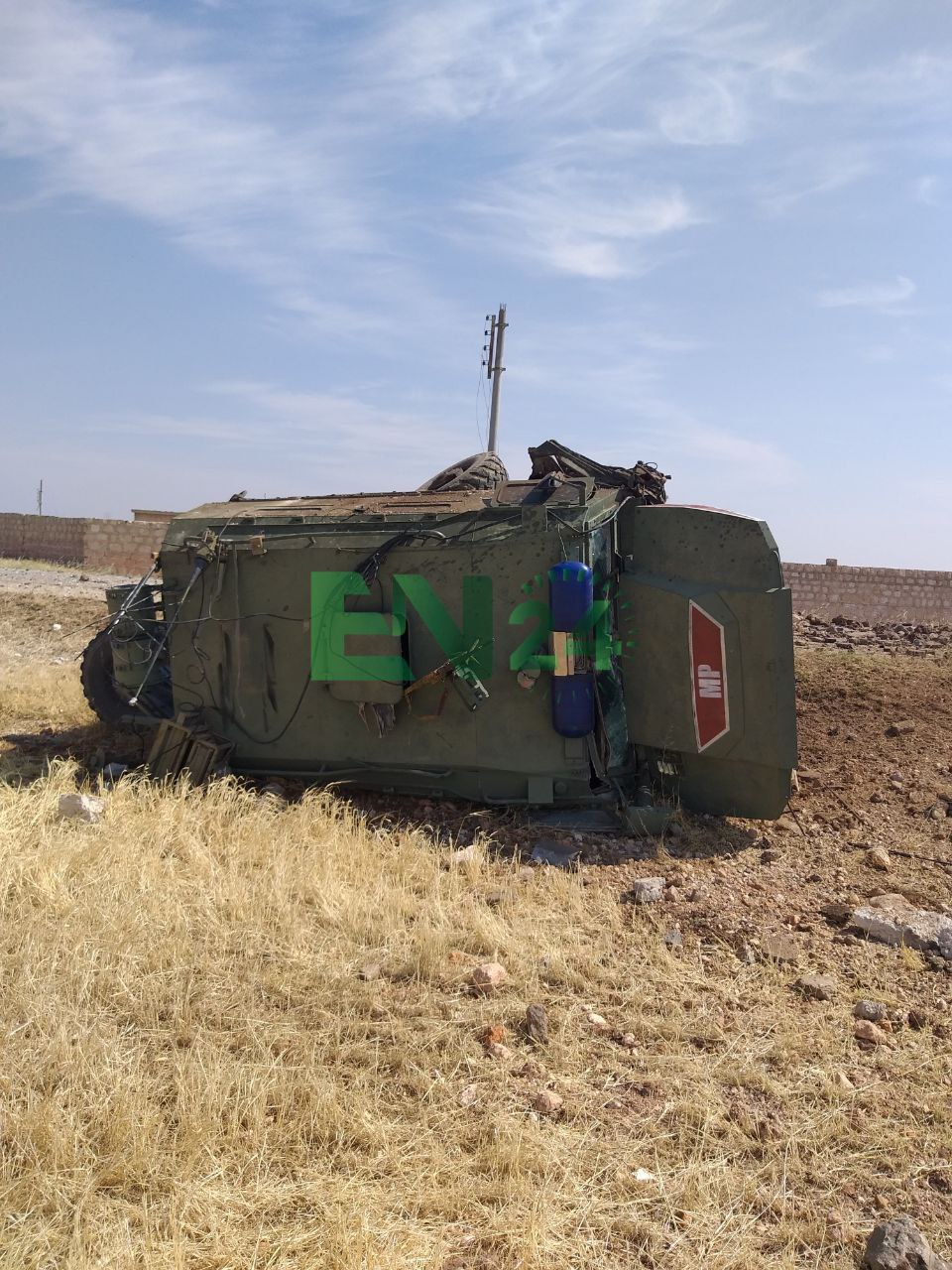
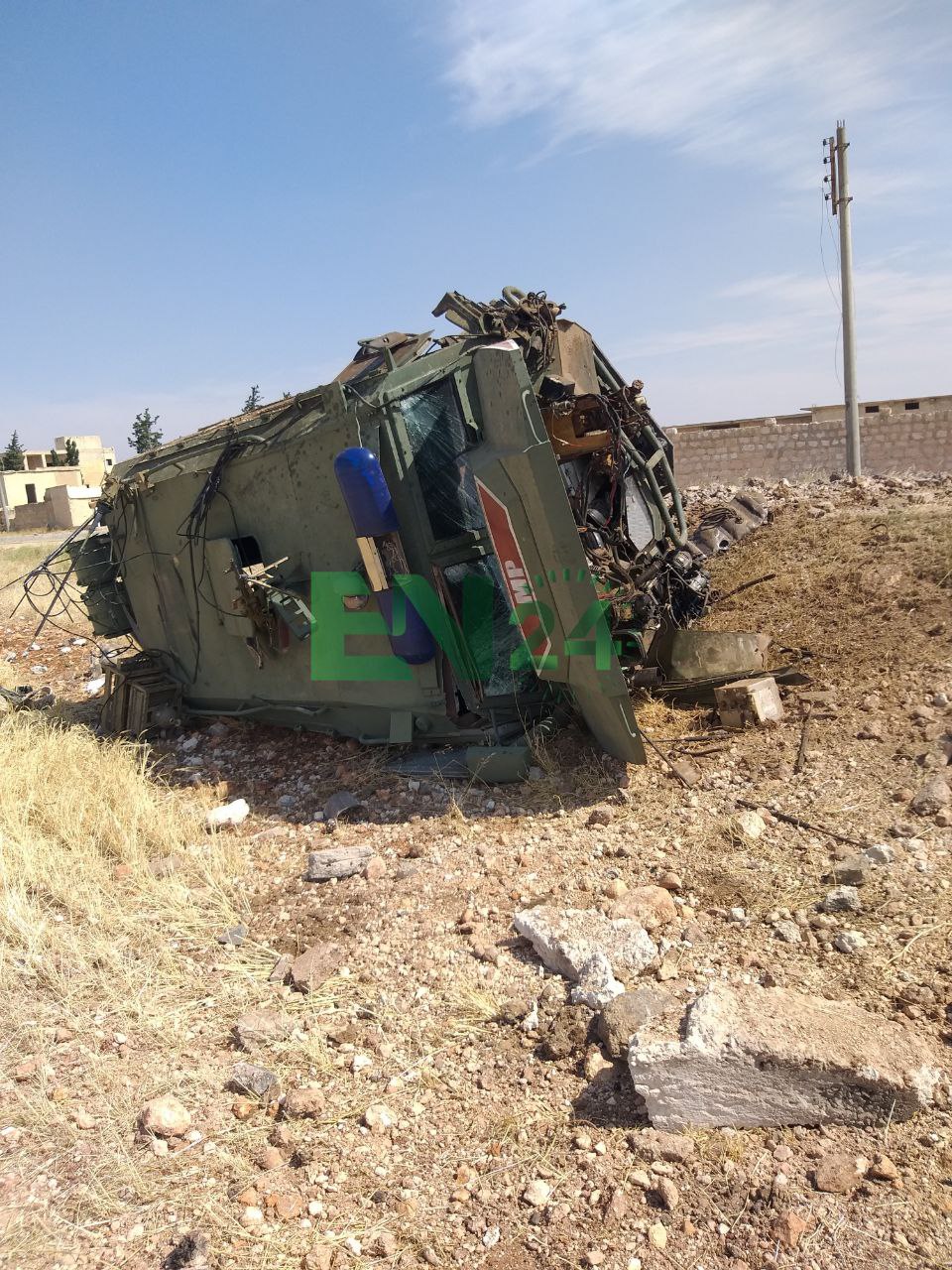
On June 12, Turkish drones targeted a vehicle belonging to the Russian military police on the Harbul-Um Al Housh road near Tal Rifat city in Aleppo province.
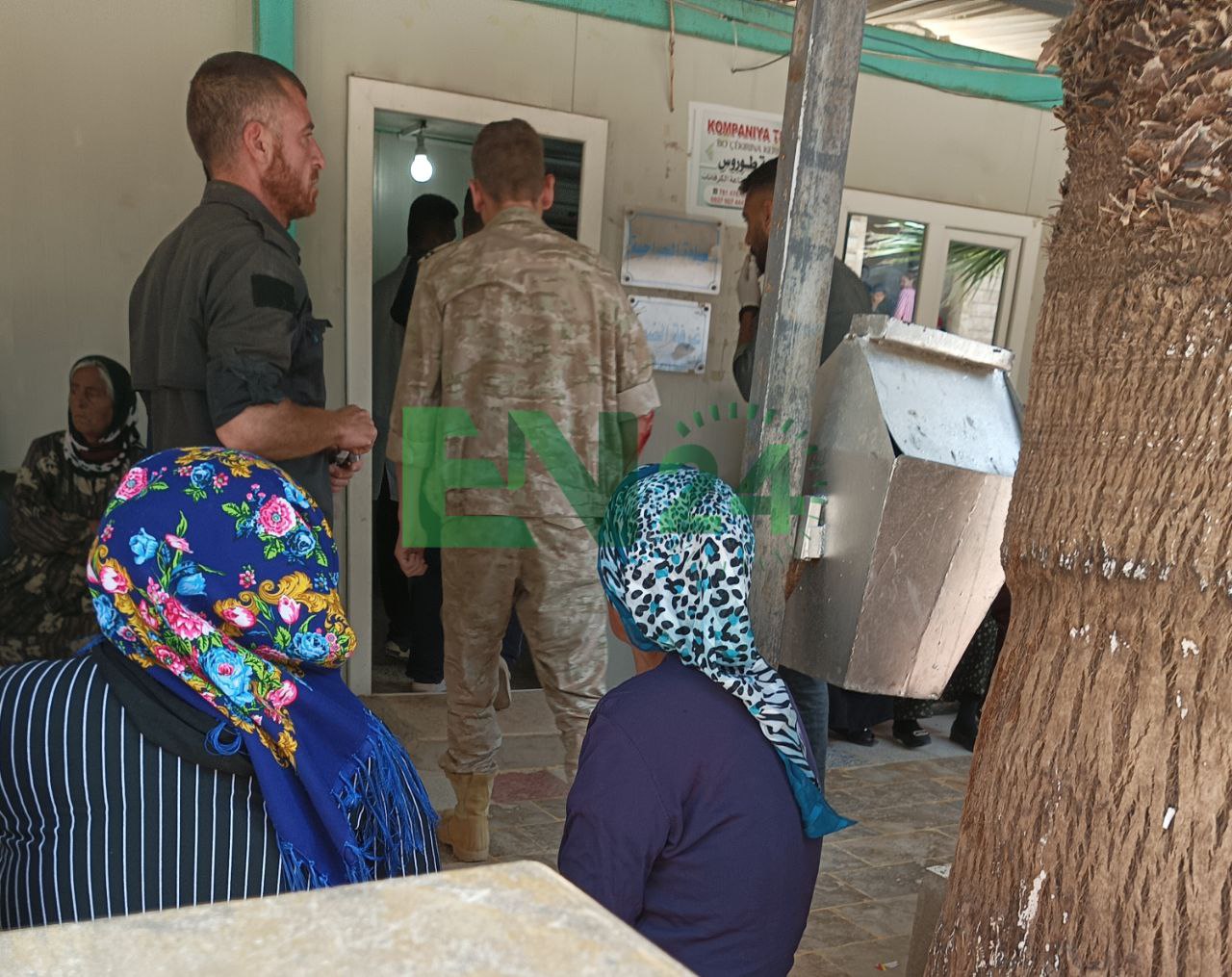
According to local sources, at least one Russian soldier was killed and several others were injured.
The city of Tal Rifat and other villages and areas around it, which are also known as Shahba region, witness almost daily artillery and drone attacks by the Turkish army and its militants.
It is worth noting that on June 10, Turkish drones targeted a vehicle belonging to the Syrian Democratic Forces (SDF) near the village of Maarata near the city of Tal Rifat. During this attack, three SDF members were killed.
Video from the scene of the accidentRussian helicopters flying over the accident site and its surrounding areasRussian helicopters fly over the city of al-Bab in Aleppo province
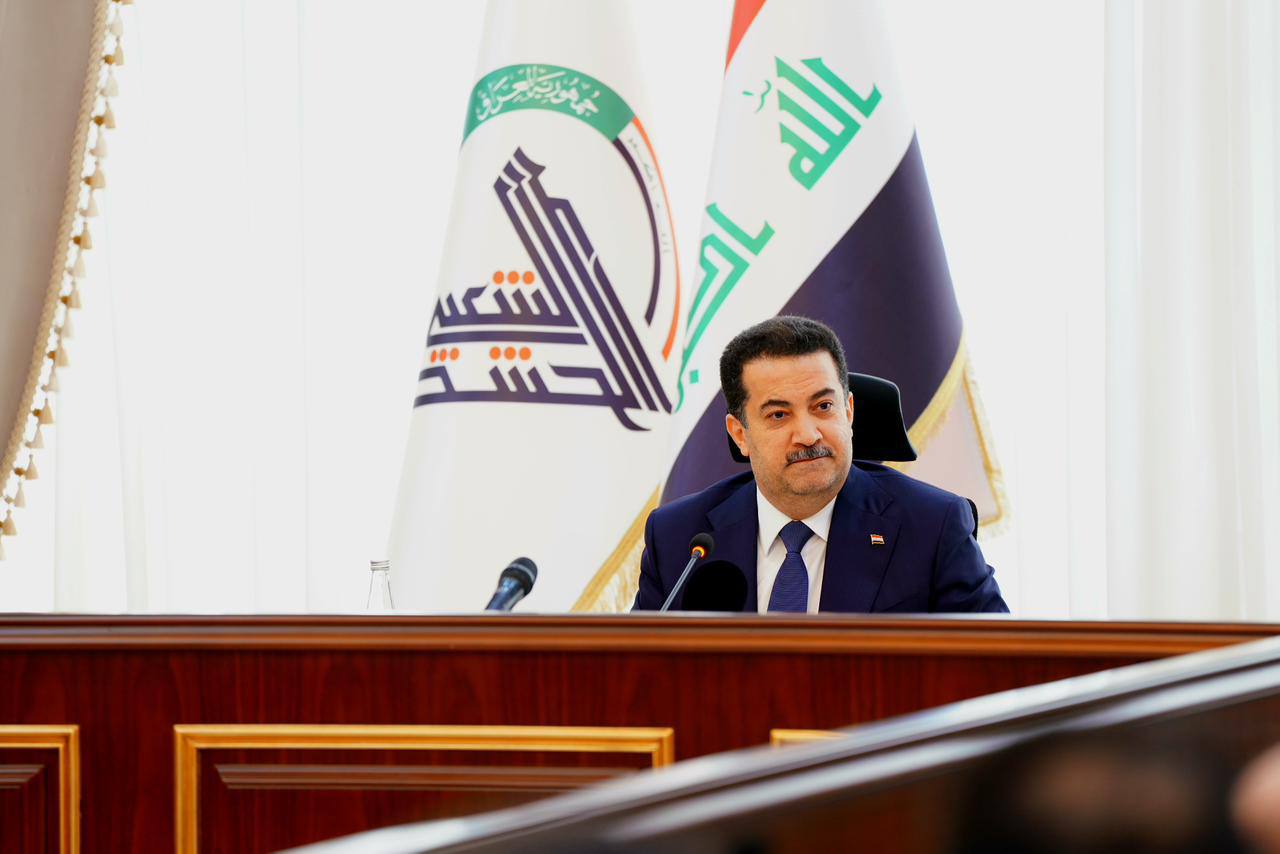
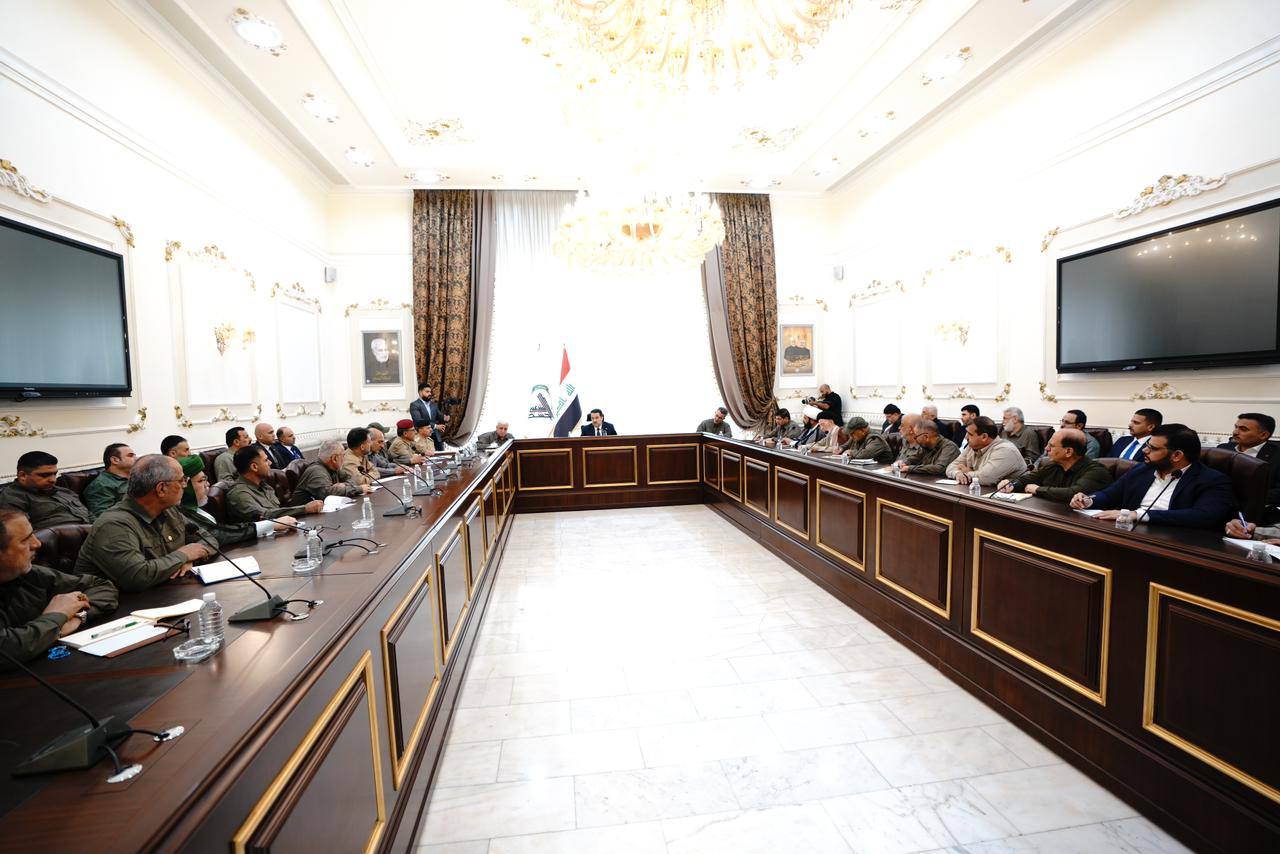
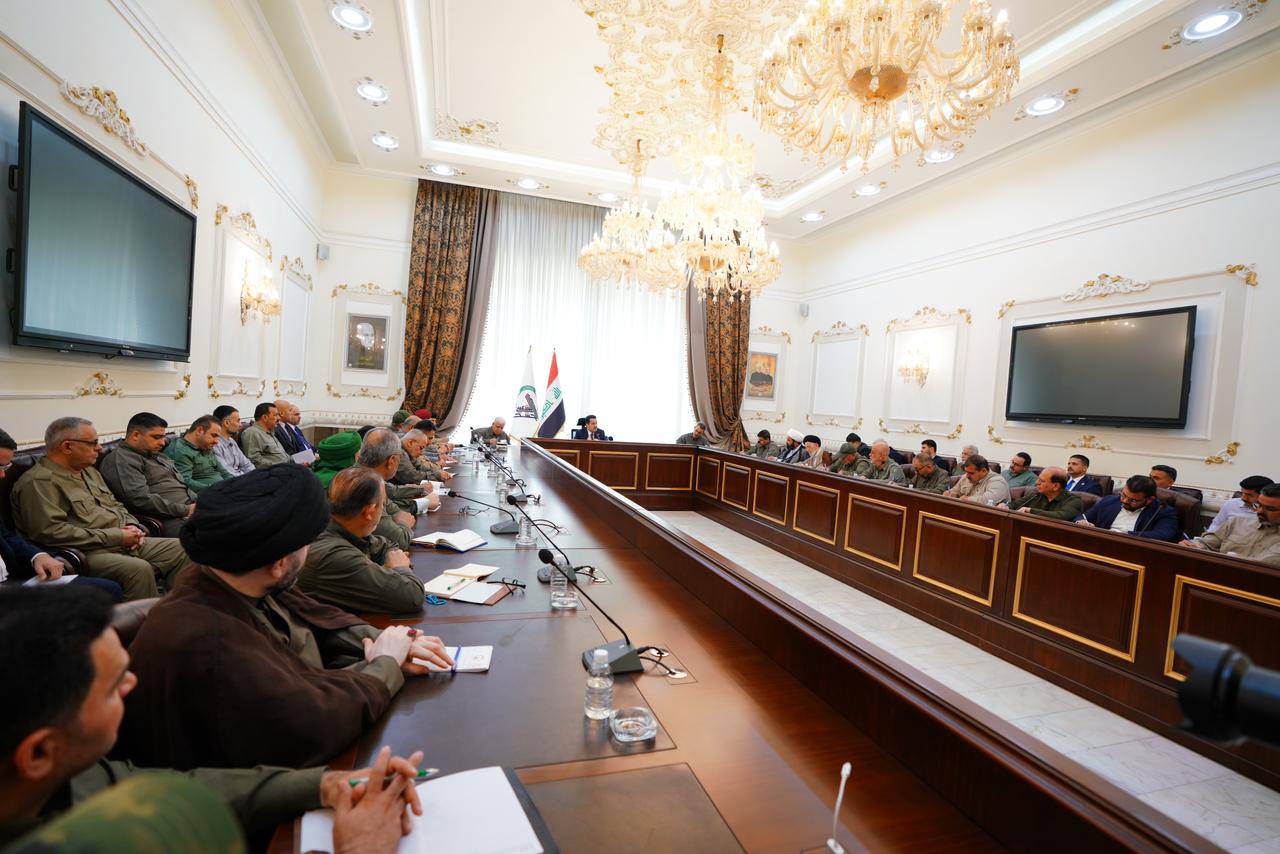
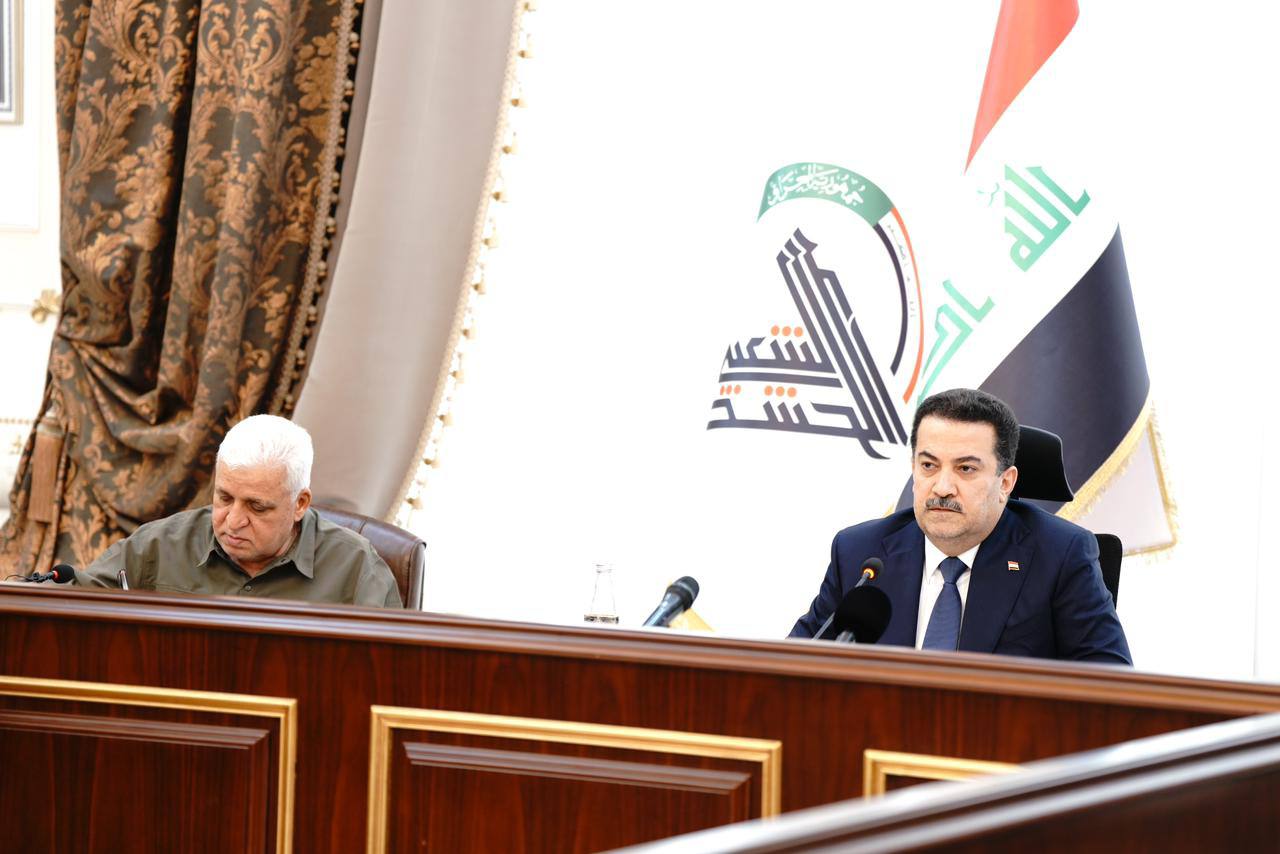
Al-Sudani congratulated the members of the organization on the occasion of the ninth anniversary of the establishment of the PMU, and recalled their heroic epics, which were recorded along with their great sacrifices in the fight against terrorism.
The prime minister also emphasized that a decree by the highest Shia cleric Ayatollah Ali Sistani, thwarted enemy’s plots and reversed equations on the ground, which resulted in the formation of the national force that neutralized terrorist conspiracies.
Al-Sudani went on to say that this move was the root cause of the triumph achieved against the ISIS terrorist group and also a new beginning for Iraq and its people towards unity and prosperity as well as a message of peace from the Iraqi nationals to all walks of life.
The Iraqi premier underlined that the fight against terrorism following a wave of extremist plots that targeted Iraq’s social structure could unite the people of the country.
He further stated that the decree of jihad was adorned with the blood of Iraqi martyrs and injured fighters and ended with the expulsion of Takfiri extremist groups.
To commemorate the occasion, we must remember the martyrs and commanders who made all-out efforts to achieve victory in the fight against terrorism, as well as their great sacrifices in defending their country and its democratic system.
The commander-in-chief of the Iraqi Armed Forces praised the Popular Mobilization Units, which turned into a fundamental pillar in Iraq’s security and military structure, and emphasized that the Iraqi government is working to pass a military retirement law, which would guarantee the rights of all security forces, including members of the Popular Mobilization Units.
Facts and figures on the ground show that the Russian Aerospace Forces have not been able to fully control the sky over Ukraine since the beginning of the war, and the Ukrainian army has used defense systems such as S-300 to counter operations deep inside Ukraine by Russian helicopters.
In the past fifteen months, Ukraine received a set of the most advanced missile systems and Western-made defense systems.
However, the Russian army succeeded in utilizing glide bombs. Such bombs, with their programming modules and low-altitude flight capability, accurately hit targets at distances of 40 to 60 kilometers. The glide bomb paves the way for targeting without firing expensive cruise missiles or dispatching aircraft into areas covered by air defense systems.
However, the S-300 systems will still pose a serious threat to Russian aircraft. The Russians say there is a solution to this problem to control Ukraine’s sky.
The solution is to use bomber drones instead of fighter jets and helicopters. Some Russian media outlets believe that instead of using Sukhoi S-70 Okhotnik-B drones, the Russian army should use similar Iranian UAVs.
According to Top War, we talk about the offensive and reconnaissance drones of the Saegheh type, which were reverse-engineered and produced in Iran based on the basis of the technology of the US RQ-170.
Iran designed, produced and carefully studied several multi-purpose drones using US stealth drone technology. The difference between Shahed 141 and Shahed161 drones is that Shahed 161 uses a jet engine and Shahed 141 uses a piston engine as a propellant.
Shahed 141 drone has a speed of 275 kilometers per hour and its weight during flight reaches 175 kilograms and it can fly up to an altitude of 20,000 feet.
It has the ability to fire two smart “Sadid” bombs with the weight of 34 kilograms. Sadid is a guided anti-armor and air-based missile. And Russians are very interested in it; some Russian military analysts suggested purchase of Sadid-1 and Sadid 345 missiles from Iran!
Sadid 345 is vital for Russia, because the bomb is very suitable for striking enemy radar equipment or artillery personnel. The bomb has three types of guidance, one of which is televised guidance, which has the least accuracy and its error is about 5 meters.
The Russian media argued that by using such drones, it is possible to penetrate deep into enemy defense lines (without endangering the lives of pilots of fighter jets) and easily hit predetermined targets. Also, unlike Geranium-2 (Shahed 136) UAVs, such drones are reusable. The use of composite materials in the construction of the drones has reduced their radar reflection.
In recent months, Western military and intelligence officials announced that the Russian army used more than 400 Iranian-made offensive drones in attacks on urban infrastructure in Ukraine; but, Spokesman for Iran’s Foreign Ministry Nasser Kanani stated that Tehran repeatedly responded to baseless allegations by Ukrainian officials regarding the alleged transferring of drones to Russia and once again it is emphasized that Iran has not exported any military equipment to any party for the usage in the Ukraine war.
There have not been released any documents or evidence regarding Russia’s use of Iranian bomber drones in the Ukraine war so far, but it seems that if the war continues, we will witness the entry of various Iranian weapons, especially Shahed 141 and Shahed 161 drones into the battlefield.
However, war zones are one of the main places to test arms and ammunition and Iran is not an exception in this regard; so, it is expected to take advantage of the opportunity.
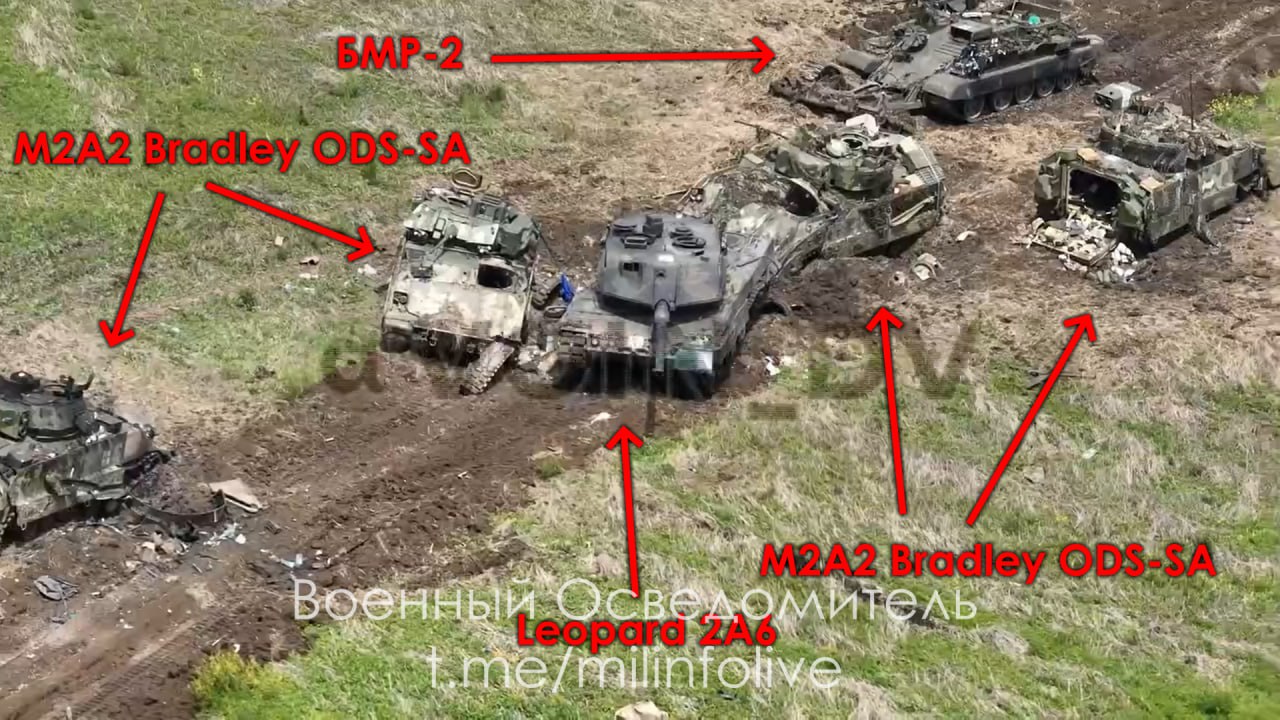
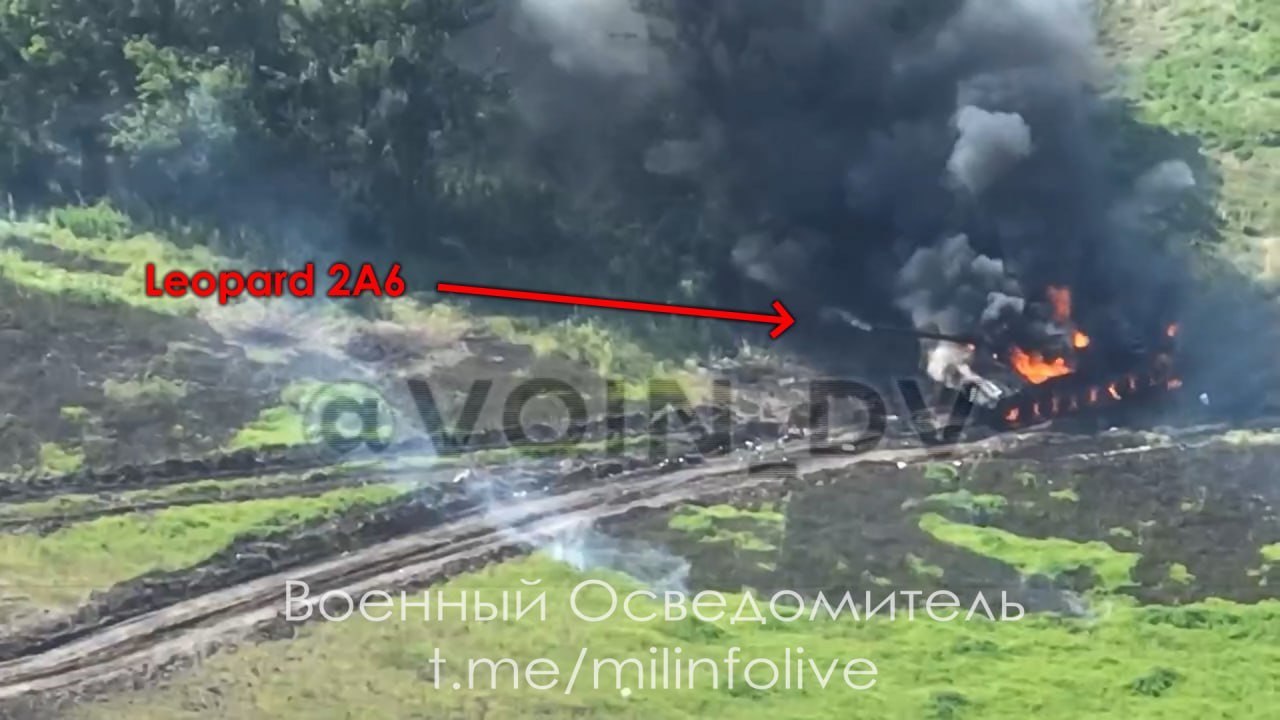
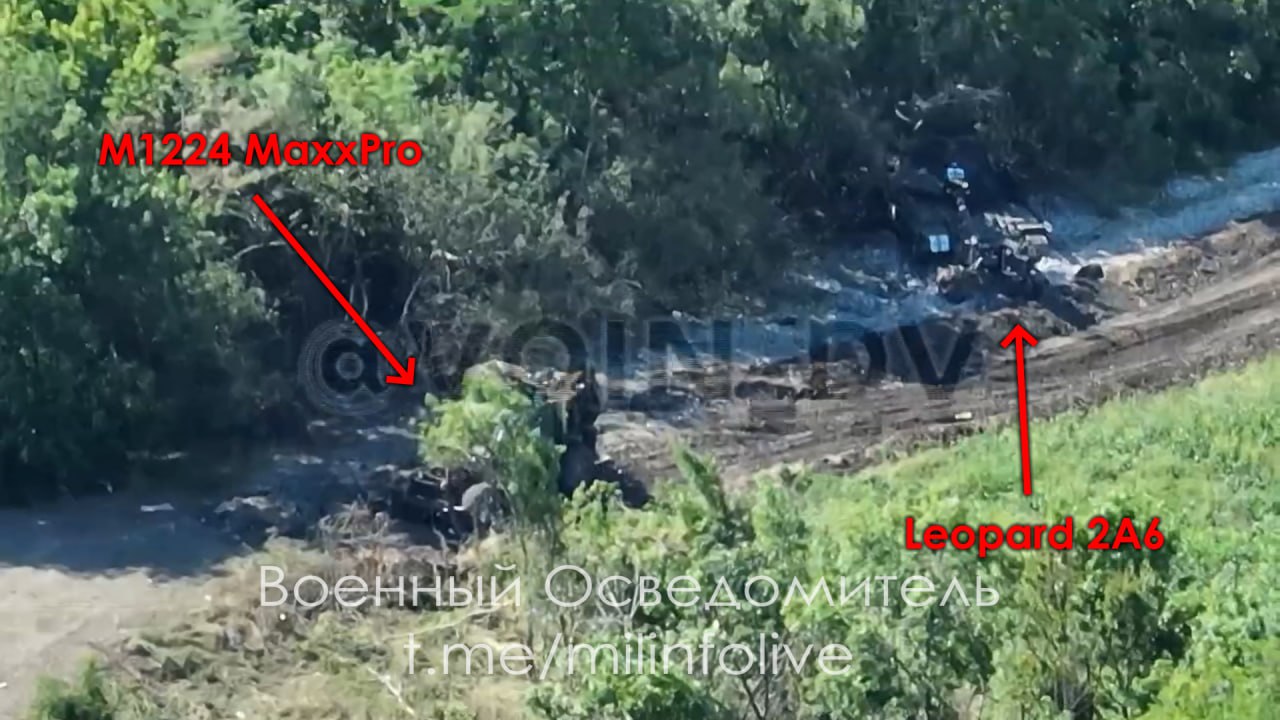
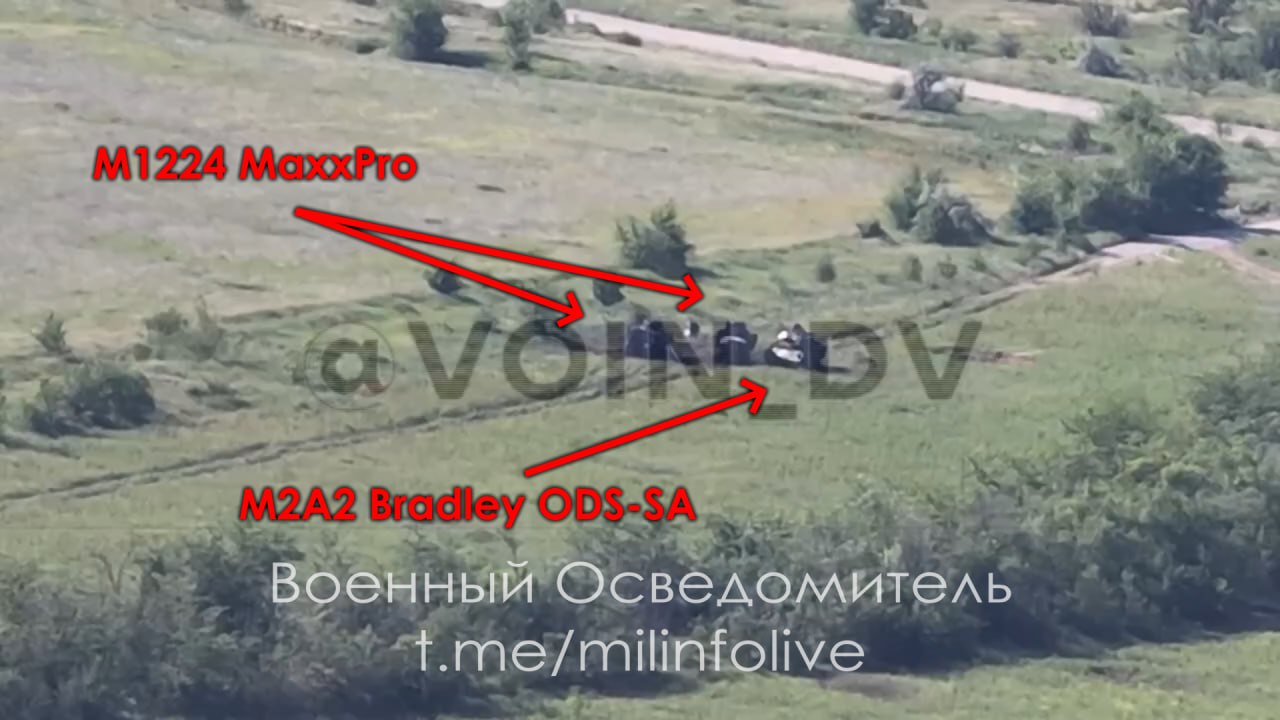
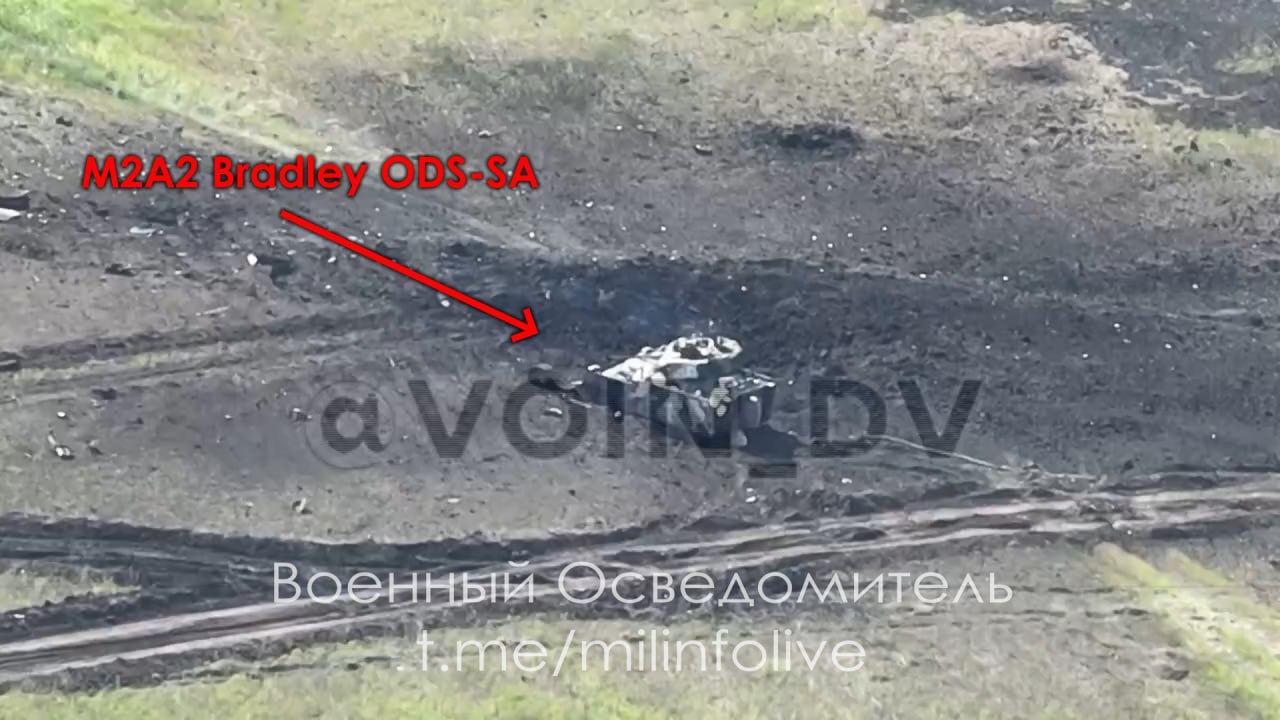
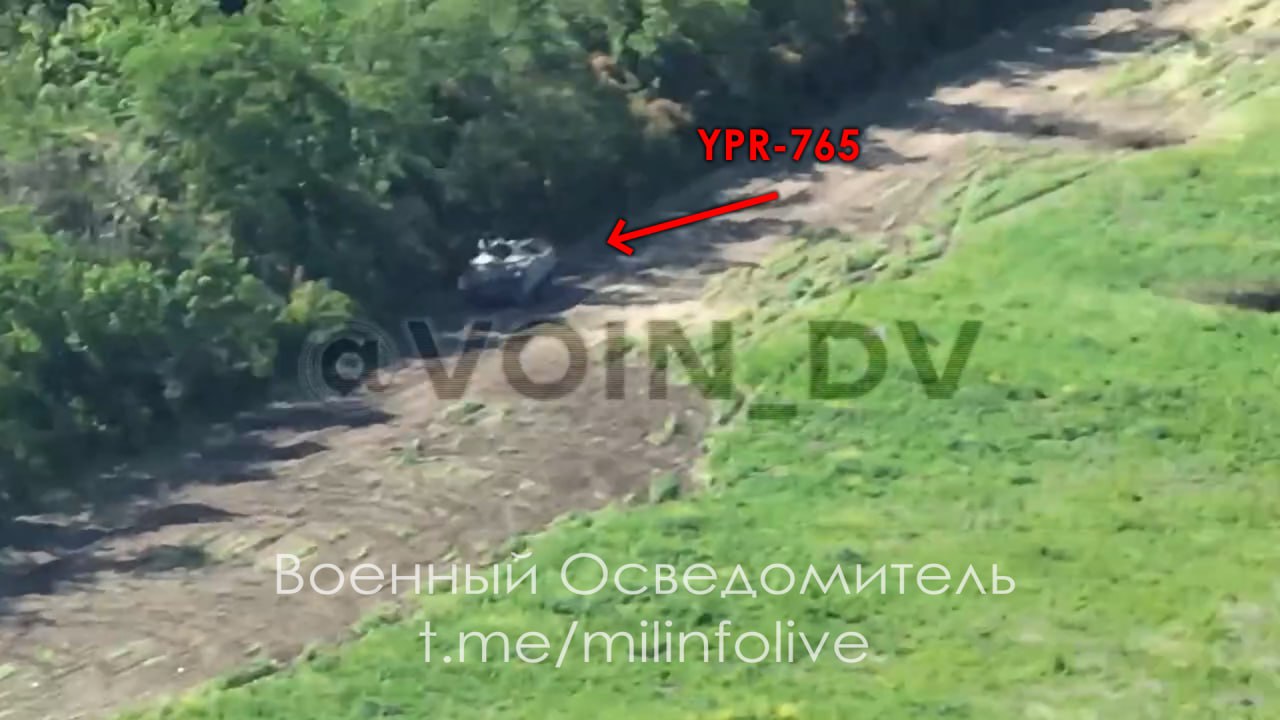
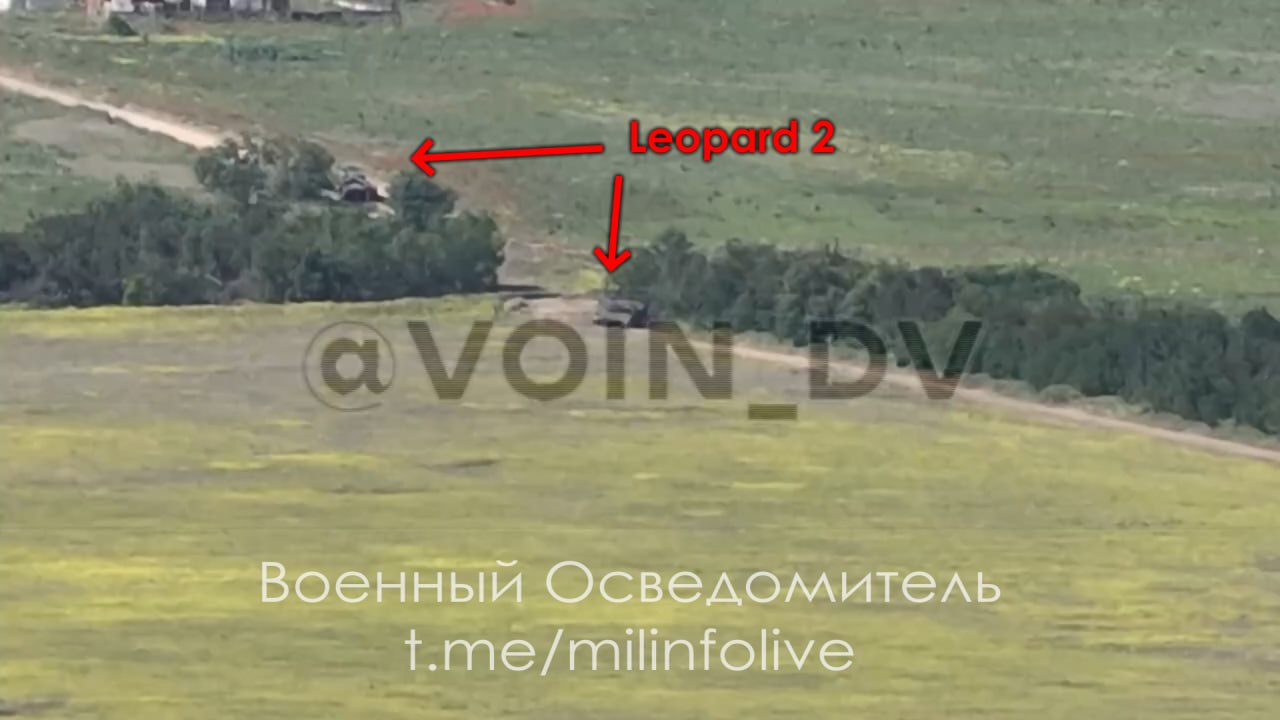
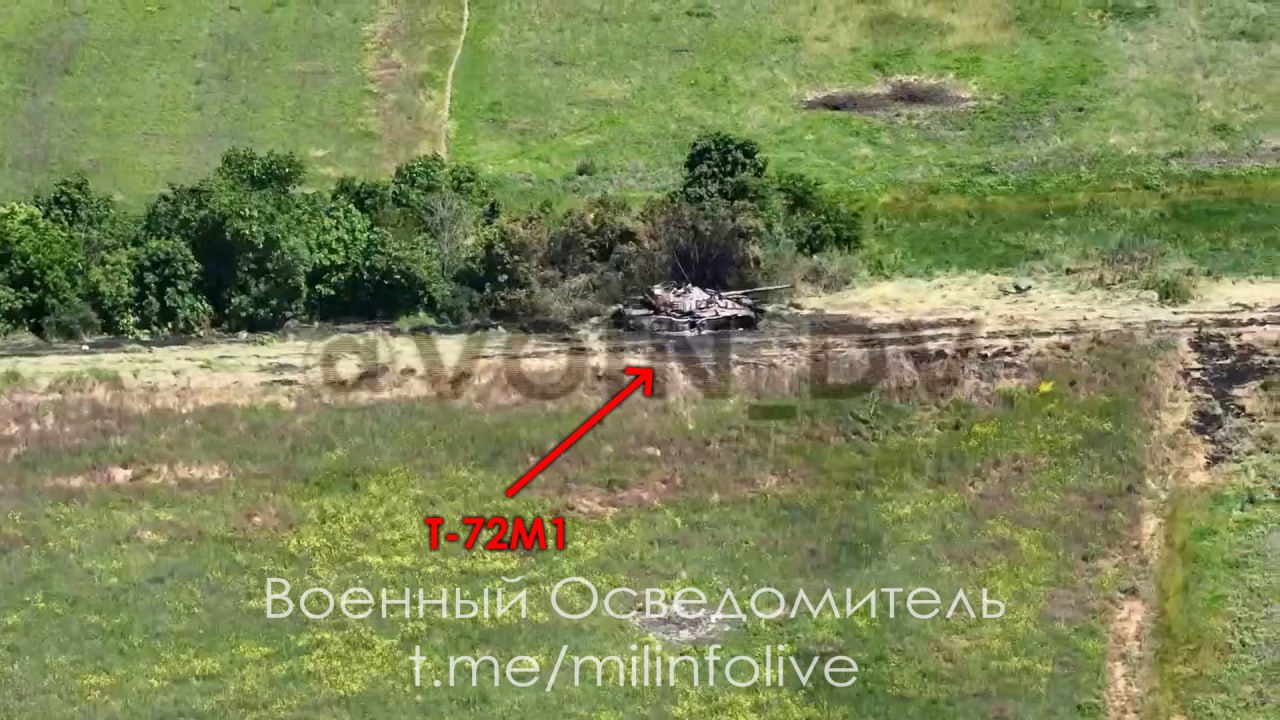
The video shows two German-made Leopard 2A6 main battle tanks and five American-made M2A2 ODS infantry fighting vehicles (IFVs) which were destroyed or heavily damaged during the failed offensive. Several other vehicles, including additional Leopard 2 tanks, American-made MaxxPro mine-resistant ambush-protected vehicles and Soviet-made BMR-2 mine-clearing vehicles, were abandoned by Kiev forces.
The AFU were initially slowed down by anti-tank landmines and dragon’s teeth anti-tank obstacles, and later reneged with artillery fire and airstrikes. Attack helicopters and tank hunters also played a key role in repelling the attack, according to the available information.
Leopard 2 and several other tanks and armoured vehicles were destroyed by Russian Army
Russian Minister of Defense General Sergey Shoigu said in a statement that up to 1,500 troops and 150 pieces of armor from the 47th mechanized brigade took part in the ill-fated attack. Kiev forces lost a total of 30 tanks, 11 IFVs and up to 350 personnel while attempting to advance, the minister revealed in his statement.
The German Leopard-2 tanks hit by a Russian Lancet drone
The fact that advanced NATO equipment recently supplied by the West, like the Leopard 2 tanks and Bradley IFVs, took part in the attack proves that this was not just a “shaping” or “probing” operation, as claimed by the Ukrainian and Western media. Kiev forces were clearly attempting to hold ground and failed in doing so.
Ukraine was promised around 90 Leopard 2 tanks and more than 100 Bradley IFVs by NATO states in recent months. Most of these equipment were delivered before the beginning of the so-called spring counteroffensive on June 4. It should be noted that the plan was based on the fact that the Ukrainian army, having at least 300 tanks, can challenge Russia’s superiority in ground battles and take the eastern and southern lands of Ukraine out of Russian control by carrying out several counterattacks.
Russian Kamov 52 helicopter attacks on Ukrainian Leopard 2 tank and the Bradley armored vehicle
The humiliating defeat of Kiev forces near Orikhiv confirms that these weapons, which were promoted as Wunderwaffe by the mainstream media, can’t change the balance of power in the battlefield.
The destruction of new equipment donated by Westerners to Ukraine in this conflict dealt a heavy blow to the West’s propaganda in recent months. The Western media has been claiming for months that the new German tanks and armored vehicles sent to the Ukrainian army will change the balance of power in their favor! But the dominance of the Russian army on the southern fronts and their countless equipment has kept their superiority in the region.
Pictures of Ukrainian army equipment on the Zaporizhzhia front that has been destroyed or abandoned
According to Turkish MOD, these two soldiers were wounded due to the explosion of an explosive device in northern Iraq and and succumbed to their injuries.
In this way, the number of casualties of the Turkish army in the “Operation Claw-Lock” increased to 74.
It should be noted that the last Turkish casualties in Operation Claw-Lock dates back to May 12. Turkiye’s Ministry of National Defense stated on May 12 that a Turkish military personnel was killed during the “Operation Claw-Lock” in northern Iraq.
On June 10, Turkish drones targeted a vehicle belonging to the Syrian Democratic Forces (SDF) near the village of Maarata near the city of Tal Rifat located in the province of Aleppo, Syria, during which several SDF members were killed and wounded.
After the attack, the media close to the Syrian Democratic Forces (SDF) announced “At 16:45 (Saturday) local time, the drones of the Turkish army targeted an area five kilometers north of the city of Aleppo, during which three of Syrian Democratic Forces were killed and two others were wounded.“
It is worth mentioning that on May 19, Turkish drones targeted a joint headquarters of the Syrian army and the SDF in the village of Majra Wustani in the north of Manbij in Aleppo province. During this attack, four Syrian soldiers were killed and several others were injured.
Most ballistic missiles have the ability to reach speeds higher than 5 Mach, but they are not considered hypersonic because they follow a ballistic path and have bullet-like movement. In general, it is easy for air defense systems to detect a ballistic trajectory at any speed. But maneuvering in the final phase is an important characteristic that creates a fundamental difference in missile classification. A hypersonic ballistic missile is a ballistic missile that has the ability to maneuver before hitting its target while maintaining a speed of more than 5 Mach.
For example, the Khorramshahr missile has a speed of near 16 Mach in the intermediate phase outside the atmosphere and a speed of near 8 Mach when entering the atmosphere, but it lands directly on the target like a bullet, so it is just a ballistic missile.
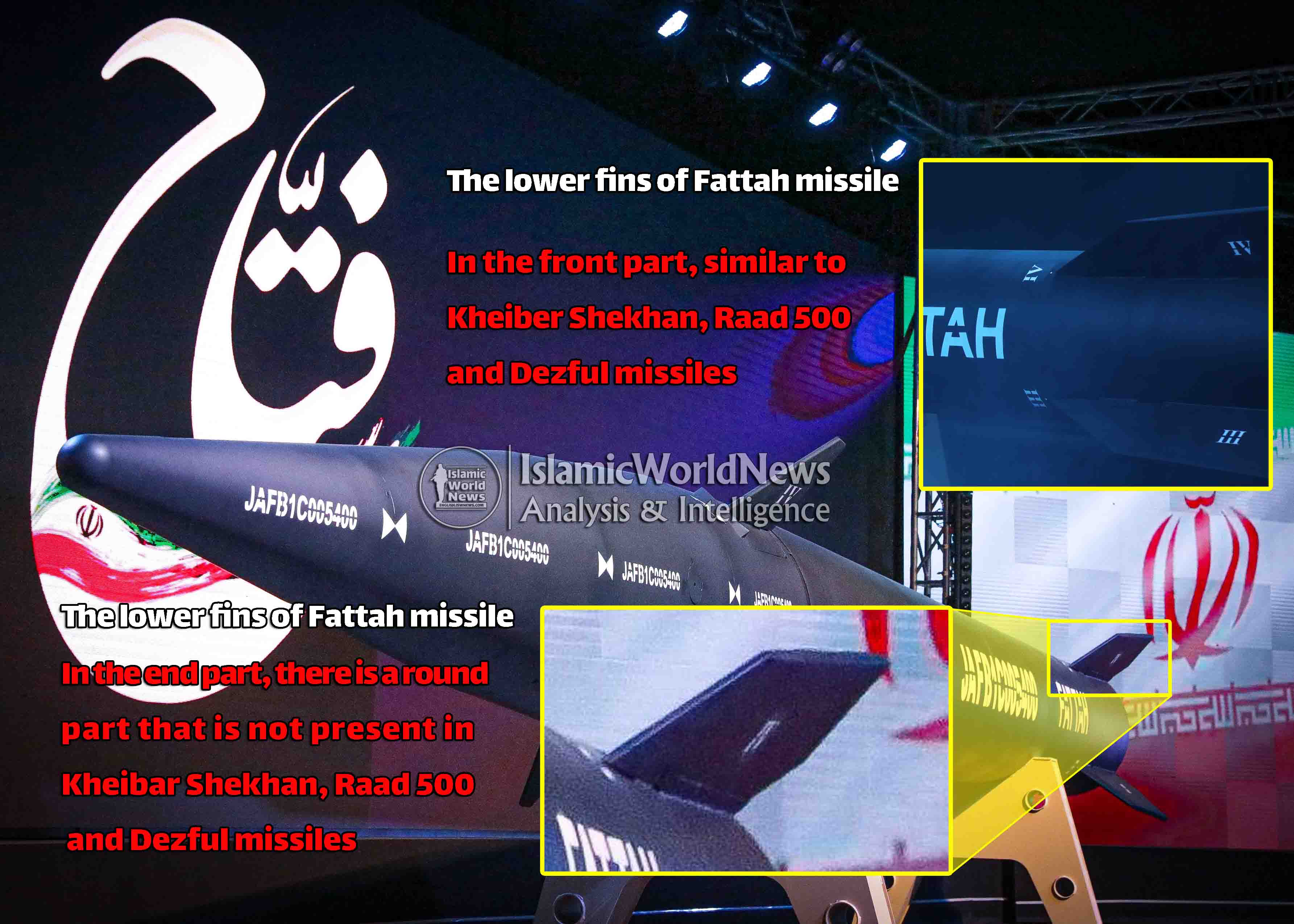
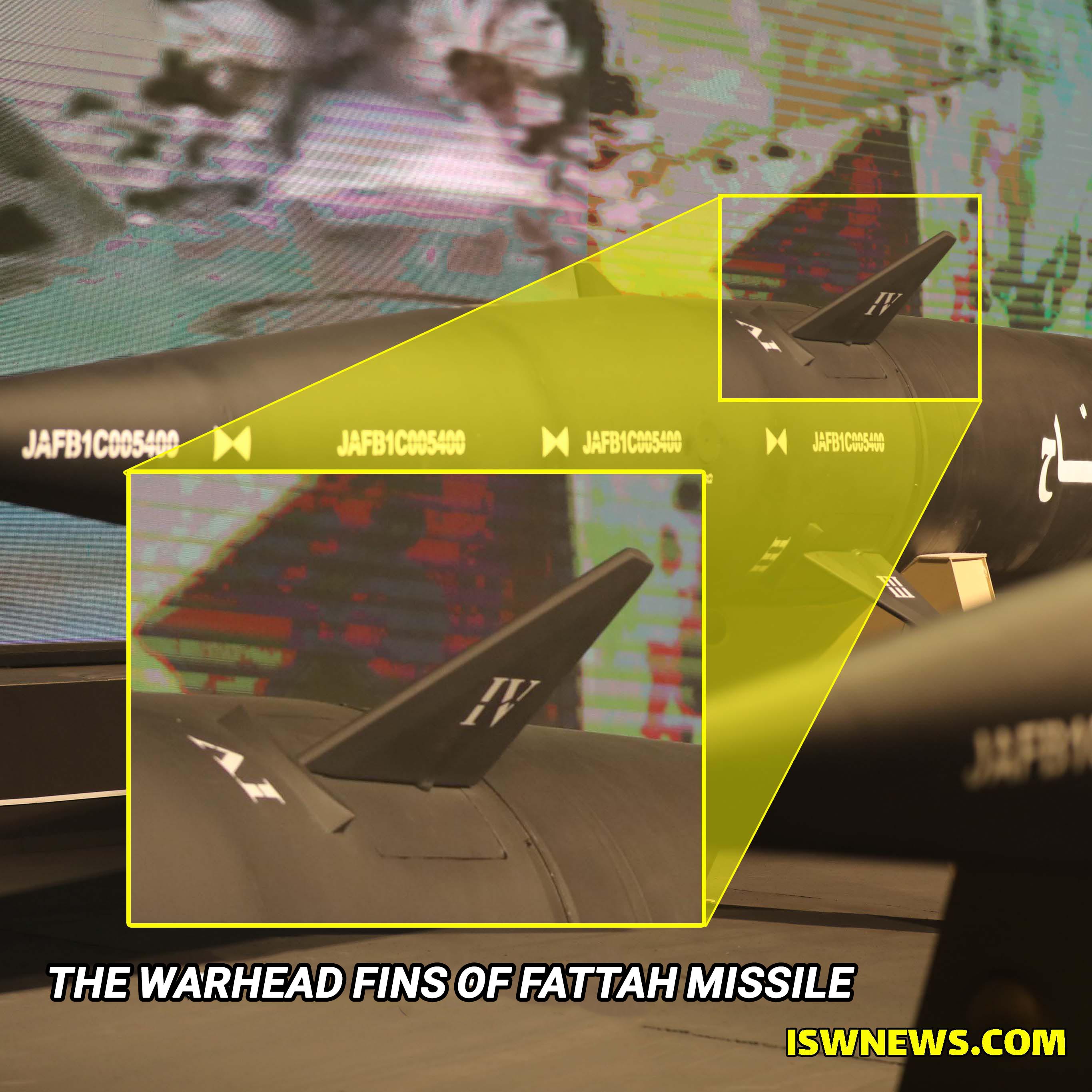
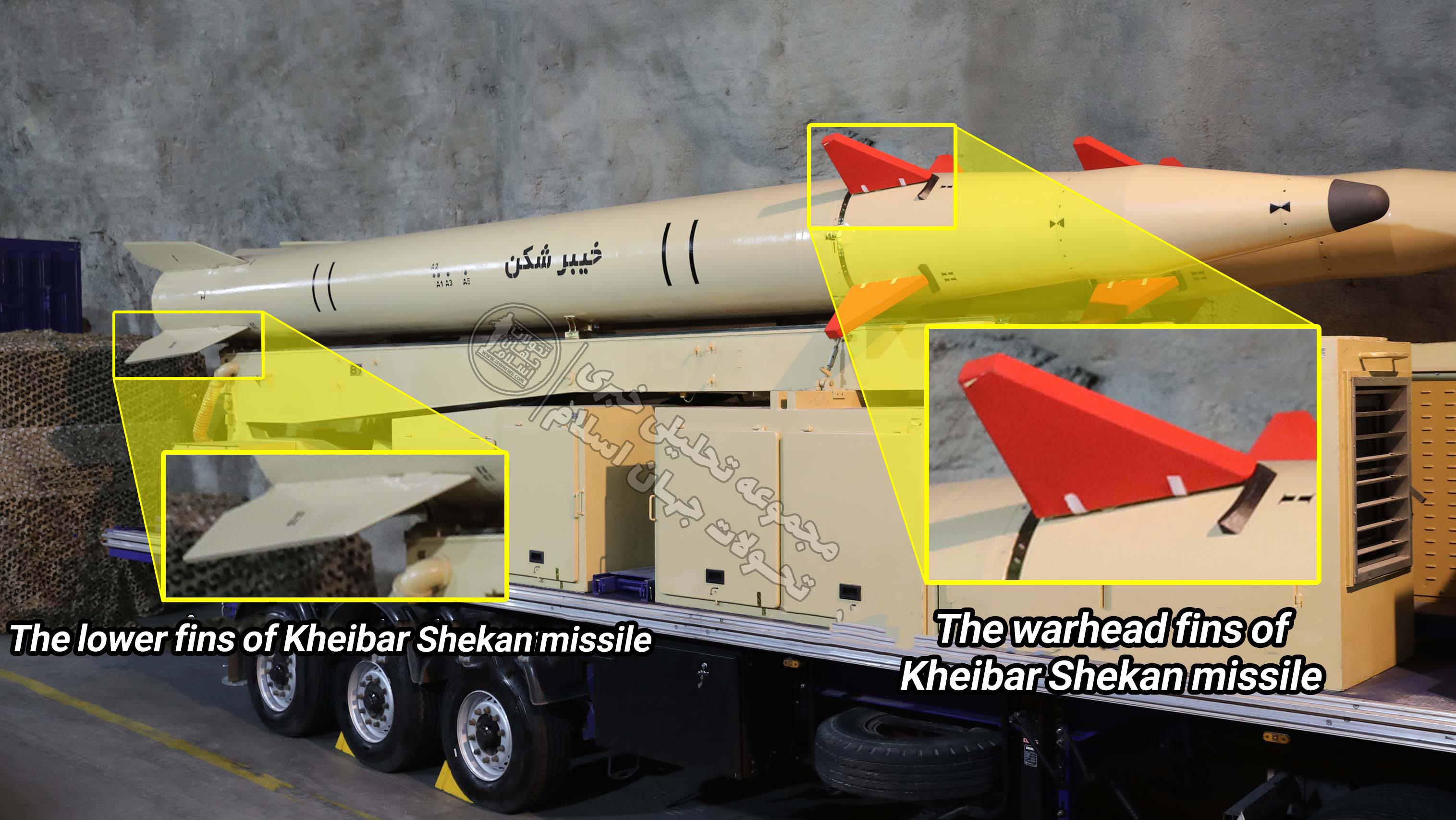
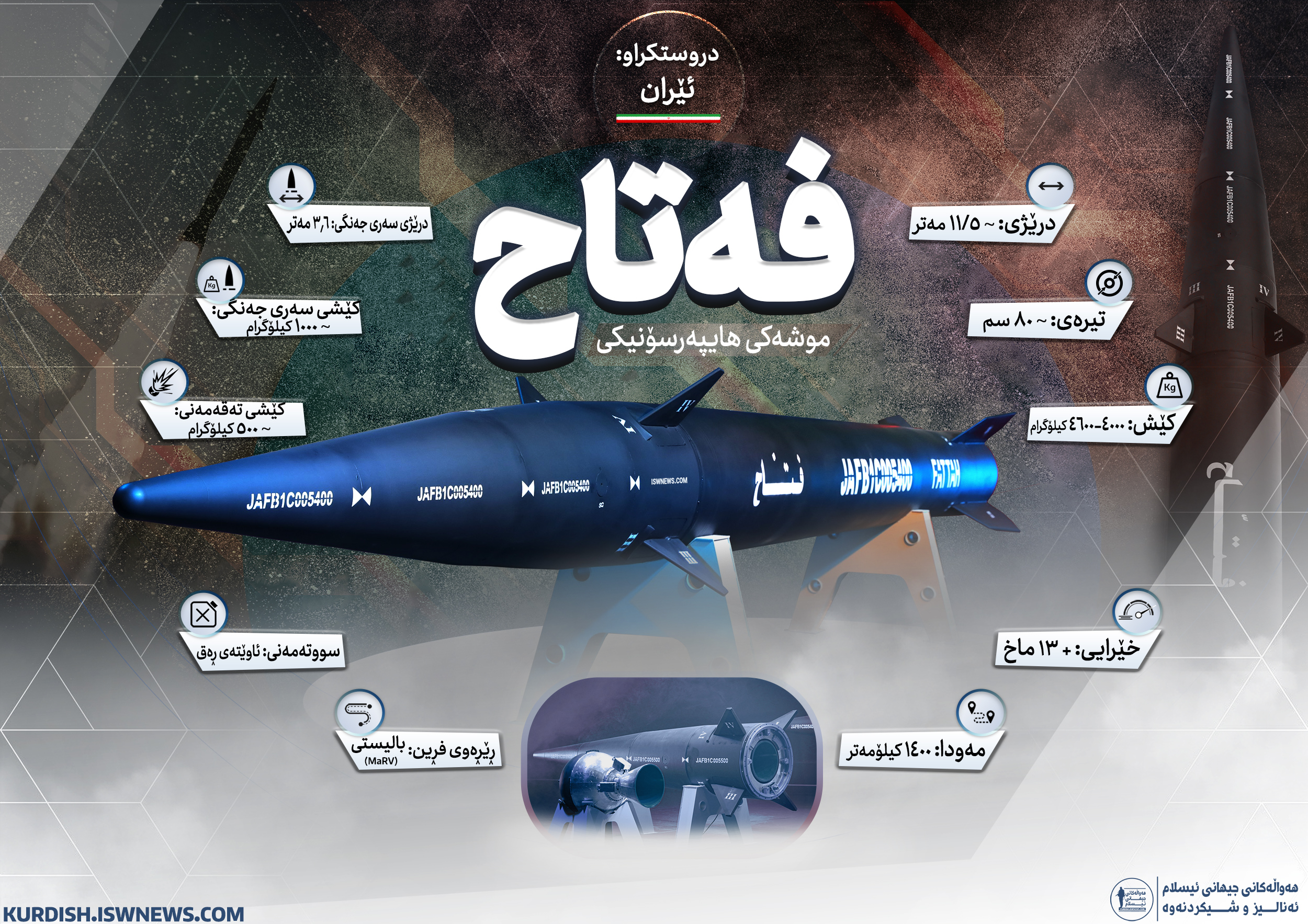
A review of the Fattah missile shows that this missile has a lot of similarity to the Kheibar Shekan missile in appearance. The tail fins and warhead have a lot of similarity to each other. The similarity is such that even the front ramp of the warhead control fins is the same. Therefore, it is assumed that the diameter of the Fattah and Kheibar Shekan missiles are also the same.
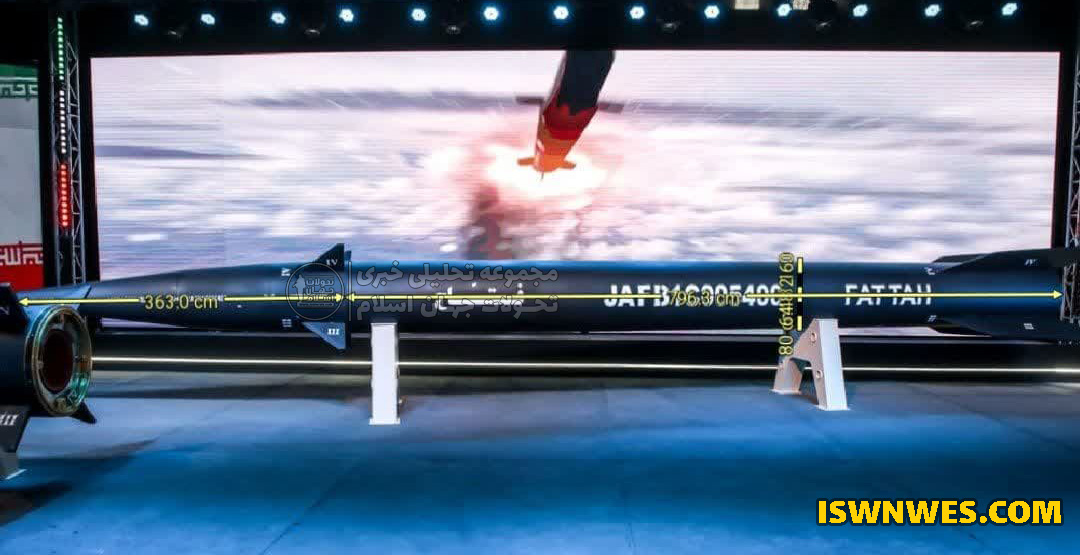
Given the great similarity between the two missiles and also the software reviews that were done, it can be assumed that the two missiles have the same diameter, equal to 80 centimeters. Also, considering that the length of the warhead has been announced as 3.6 meters, with a software review of the missile, the total length of the missile can be considered as 11.5 meters.
Estimation of the length of the Fattah missile
Another similarity between these two missiles is their range. In addition to the visual similarity of the Kheibar Shekan and Fattah missiles, the range of these two missiles is also similar to each other. The Kheibar Shekan has a range of 1450 kilometers and Fattah has a range of 1400 kilometers.
The missile body, along with the end fins and the fins on the cap, is entirely composite (carbon fiber). The body color is also of the radar wave absorbing type, which helps increase missile stealth. The use of warhead fins is when the missile comes down from an altitude of 30 kilometers and enters the atmosphere. Because at higher altitudes it has no effect on warhead maneuvering. This is useful for maneuvering near the target.
The warhead fins of Fattah missile
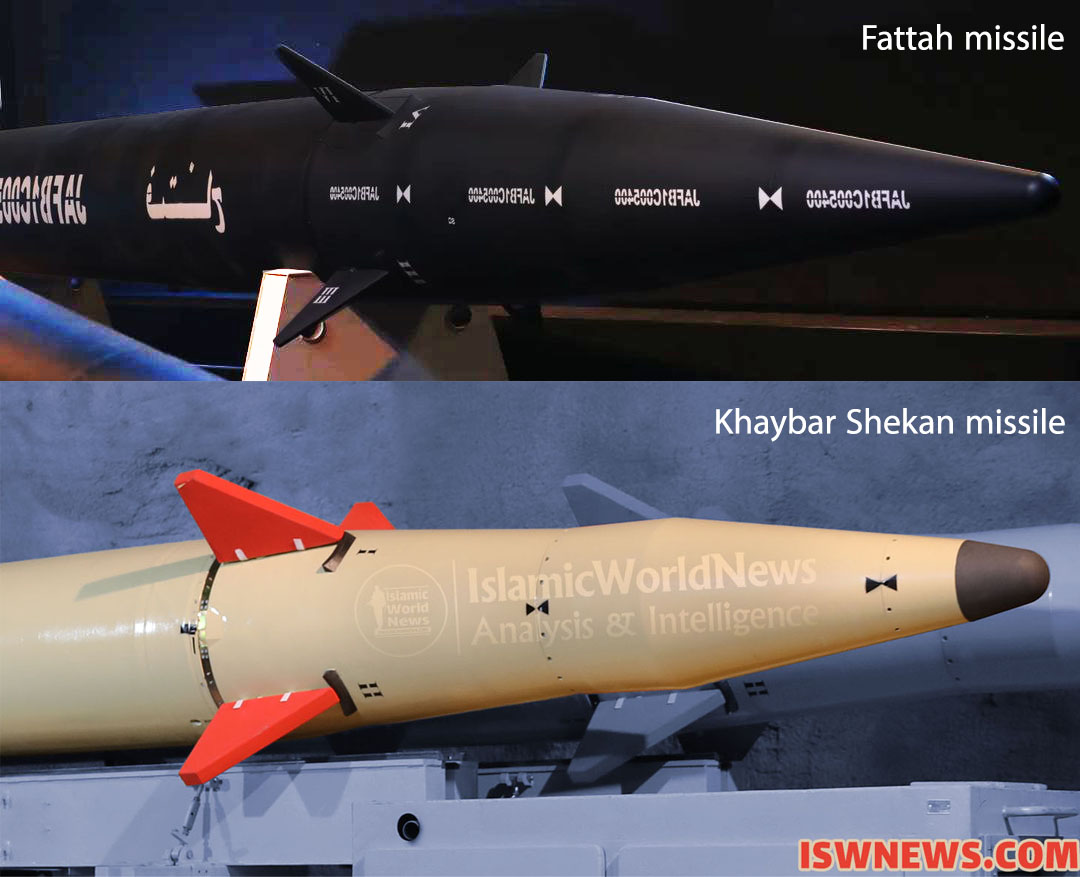
As it is clear, the aerodynamic shape of the Fattah and Kheibar Shekan warheads are the same, but due to the addition of an engine and fuel in the final section, it has been tried to maintain the aerodynamics of the warhead and reduce drag by making the missile tip longer.
Comparison of warheads of Fattah and Kheibar Shekan missiles
As mentioned, the warhead has propulsion with the ability of change thrust vector, and the presence of this engine allows the warhead to maintain its speed at a speed of more than Mach 5 when maneuvering near the target. When the warhead enters the atmosphere, its speed is greatly reduced due to the strong air resistance, and by performing heavy maneuvers with the help of its fins, its speed is reduced again; But with the warhead engine, it is possible to increase the speed to more than Mach 5. Also, with the thrust vector nozzle, it is possible to perform heavier maneuvers. It should be noted that this engine can be turned on when the warhead is separated from the missile, which increases the flight height of the warhead and greatly increases its range.
Fattah warhead engine with thrust vector nozzle
The next issue is how the Fattah missile works and whether it is hypersonic or not. This missile has a warhead with the ability to change thrust vector, which allows it to maneuver from the time the warhead separates from the body at an altitude of 300 kilometers above the ground. So after separating from the body, the Fattah missile’s warhead maneuvers with a low or depressed trajectory to escape anti-ballistic missile systems and changes or adjusts its path several times during flight. It should be noted that Fattah does not need much maneuvering outside the atmosphere; in addition to performing regular maneuvers to adjust its path, this missile has the ability to change its ballistic path shape. The next point is the ability to maneuver from a distance of 100 kilometers before hitting the target, which also puts it in the category of MaRV ballistic missiles.
So, Fattah follows a non-ballistic path both outside the atmosphere and when it is in Earth’s atmosphere and near its target. However, it should be noted that the mentioned capabilities alone do not make Fattah hypersonic. What puts the Fattah missile in the category of hypersonic ballistic missiles is that in addition to the mentioned capabilities, the missile’s speed at the moment of impact on the target is also higher than 5 Mach. This has been made possible by keeping the engine on for 50 seconds at different stages of flight to maintain warhead speed. As a result, by combining all of these features, we can consider Fattah as a hypersonic ballistic missile.
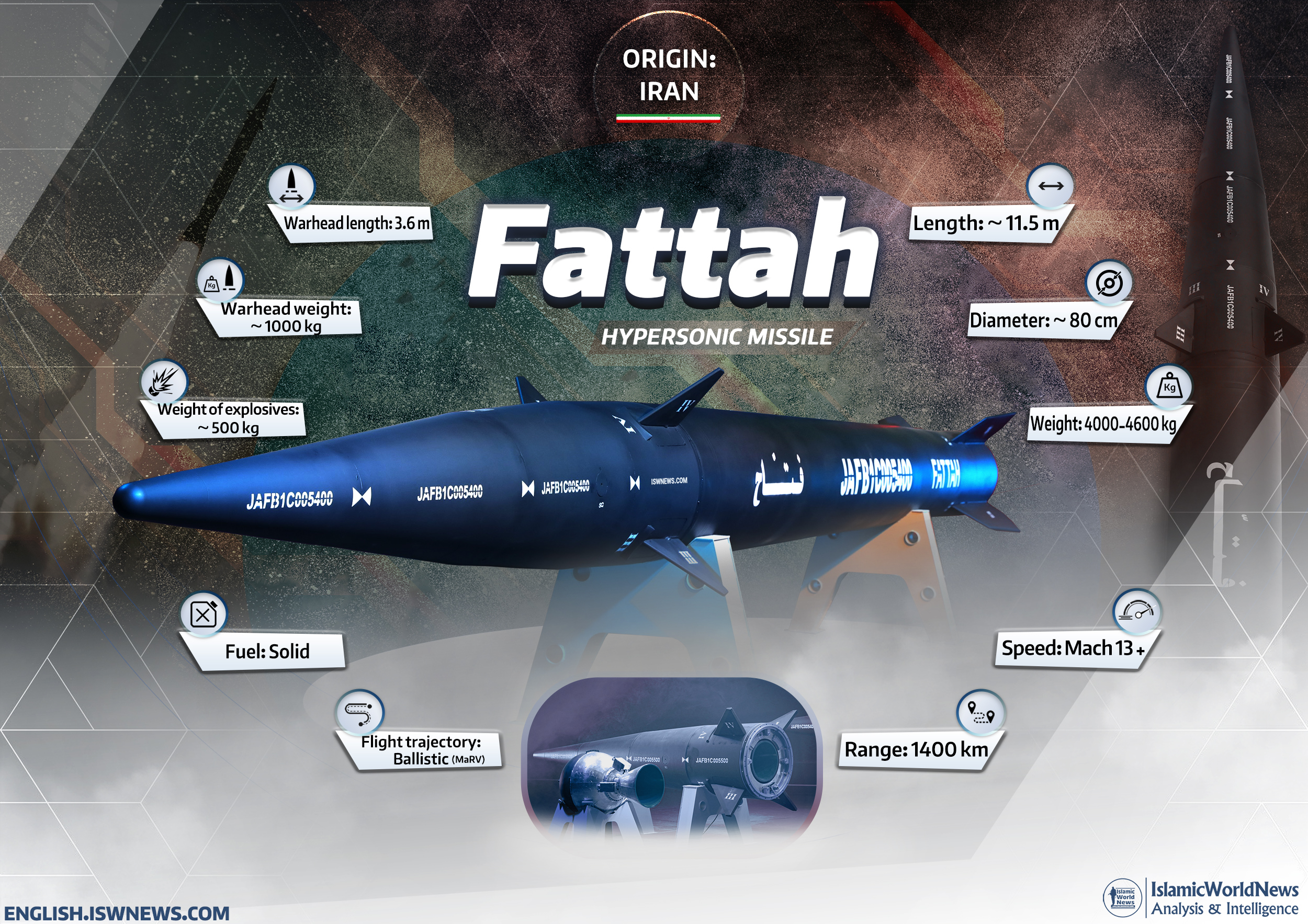
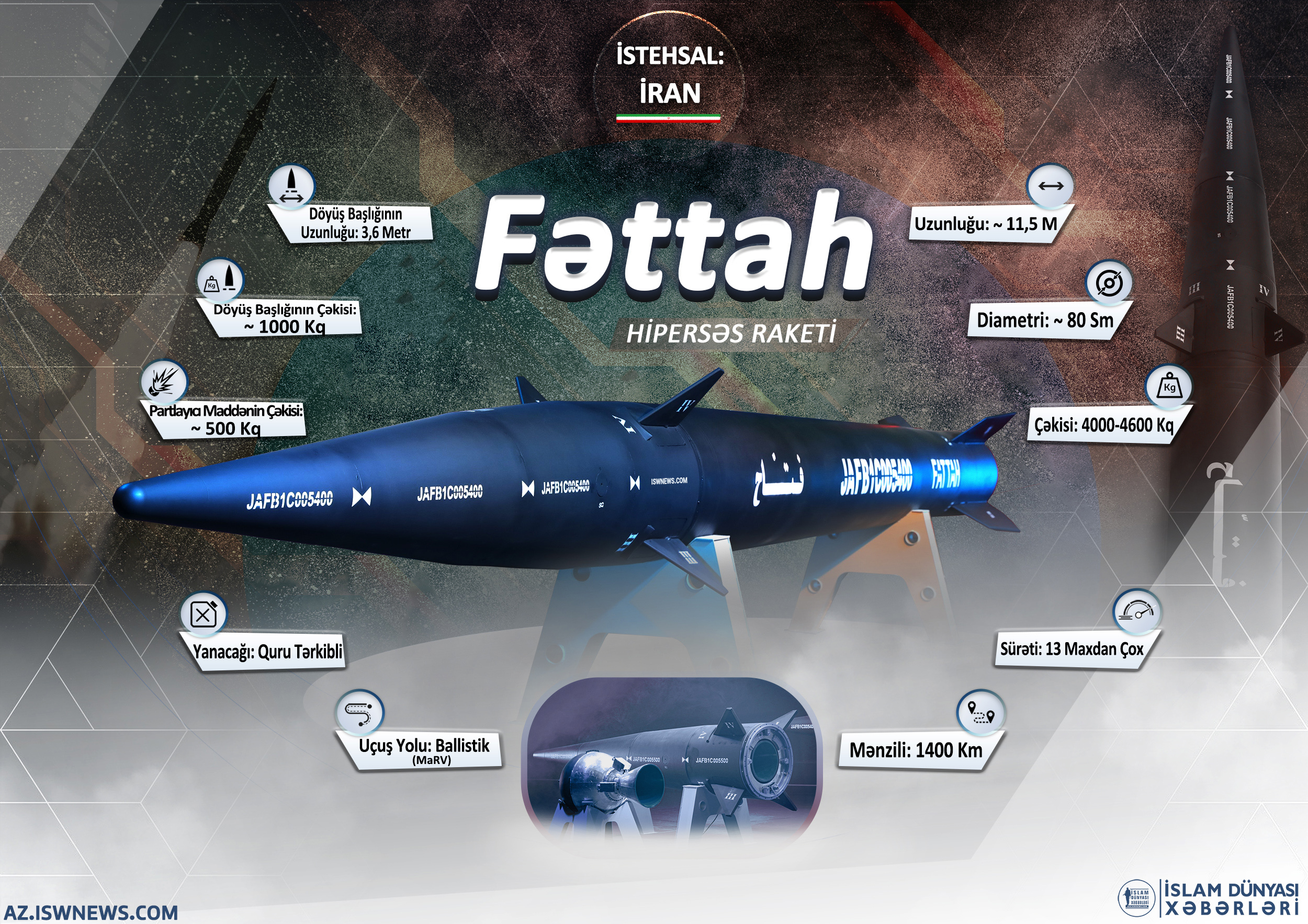
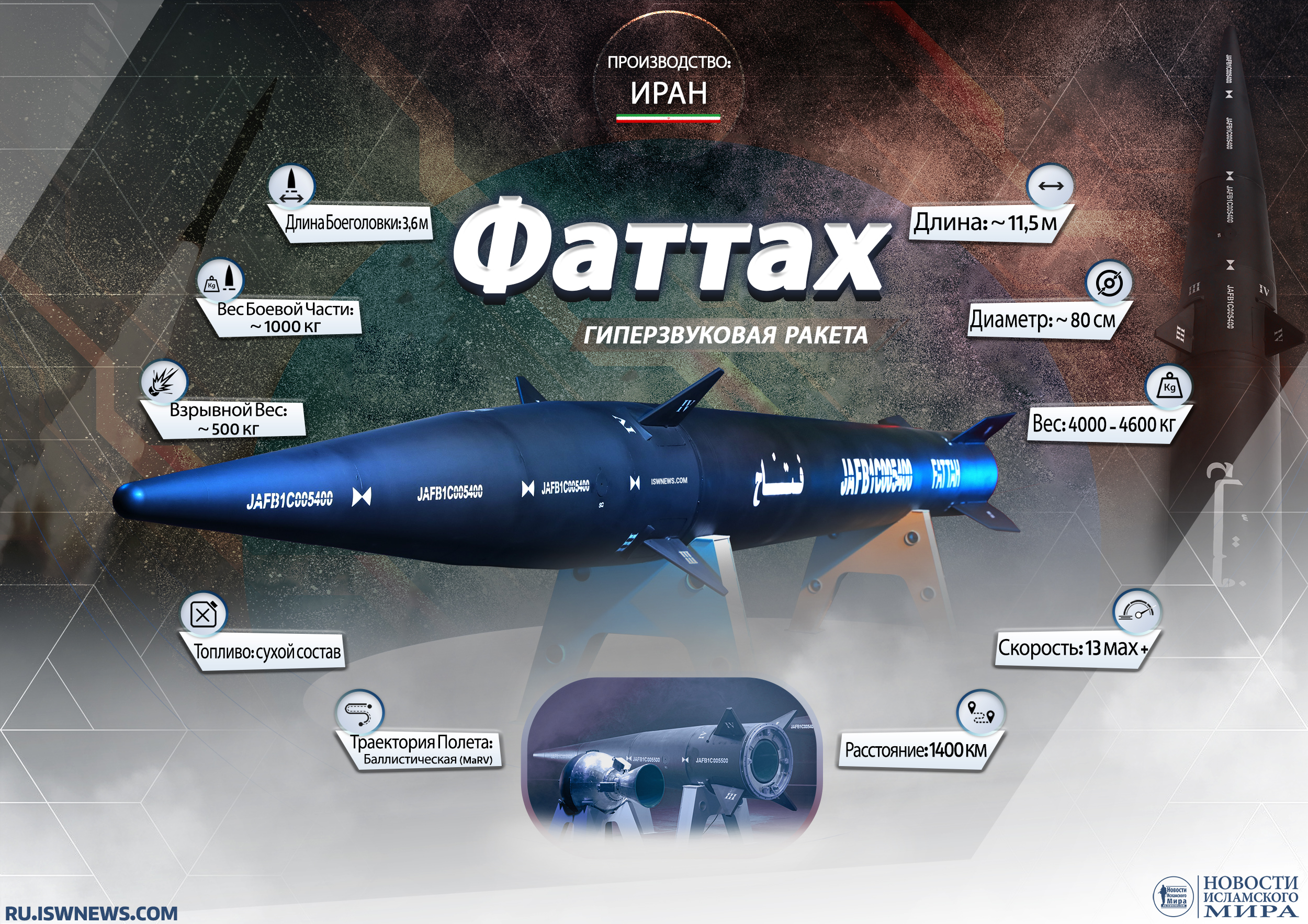
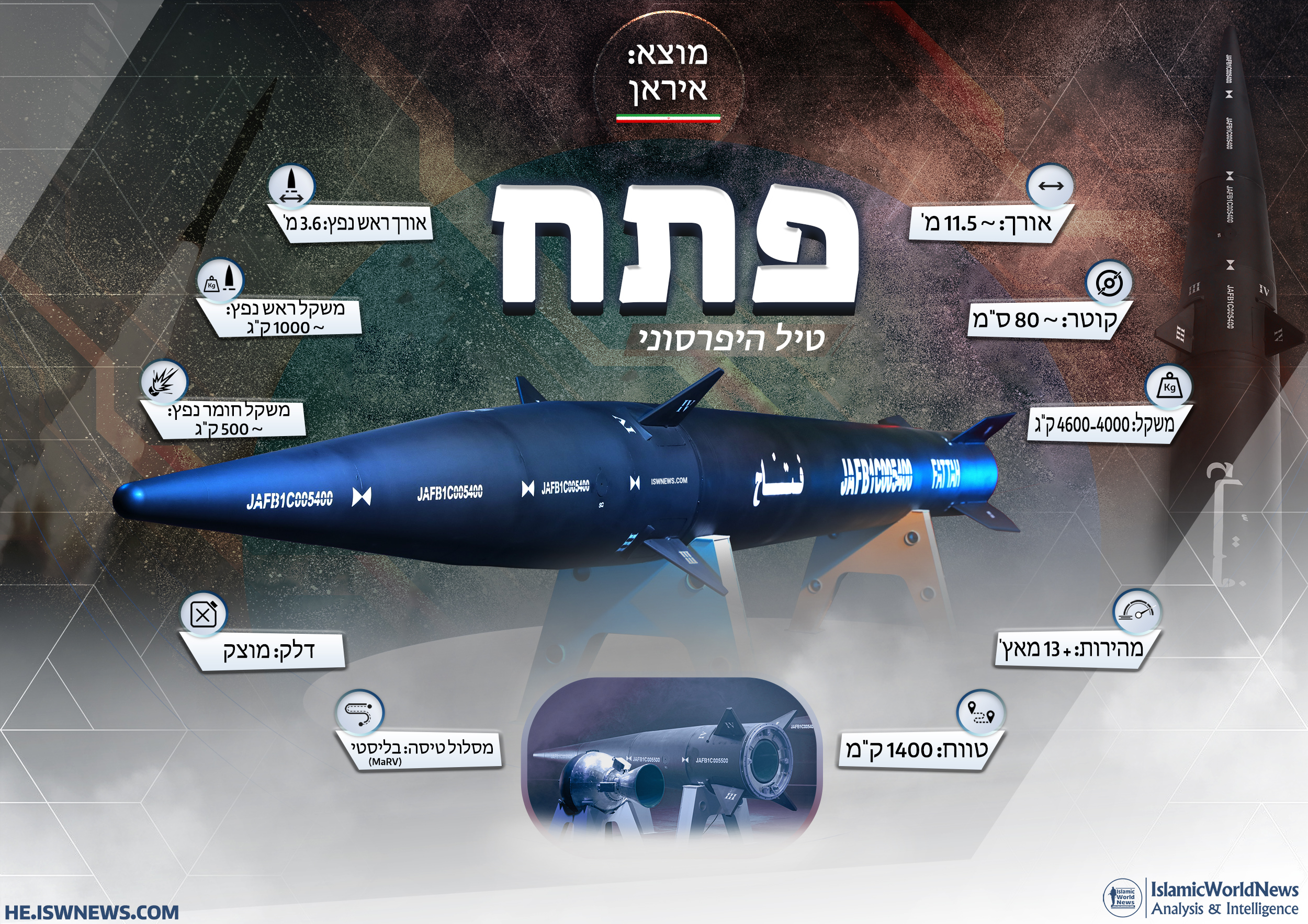
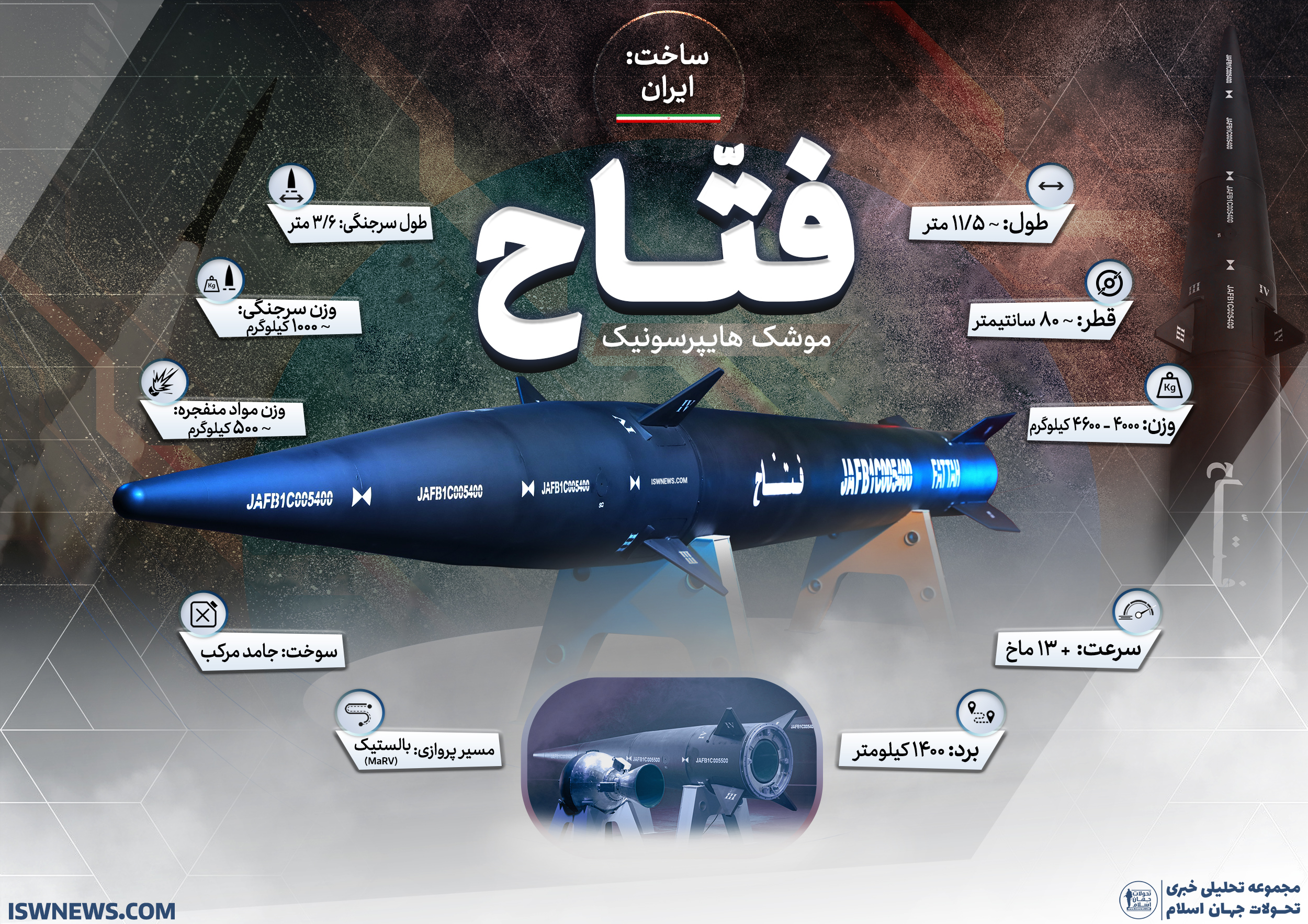
Fattah missile specifications: Length: ~ 11.5 meters Diameter: ~ 80 cm Weight: 4000 to 4600 kg Warhead length: 3.6 meters Warhead weight: ~ 1000 kg Weight of explosives: ~ 500 kg Speed: more than Mach 13 Range: 1400 km (increasable) Fuel: solid compound Flight trajectories: ballistic (maneuverability from the mid-phase) Origin: Iran
Fattah hypersonic missile – click to view full size
“Fattah hypersonic ballistic missile” posters collection in Persian, Russian, Arabic, Azeri, Kurdish and Hebrew:
On Tuesday night (June 6), the British Foreign, Commonwealth & Development Office announced the firing of Richard Oppenheim and the appointment of Abda Sharif as the new British ambassador to Yemen.
The new ambassador will officially initiate his duties in September and Oppenheim will return to London to take another responsibility.
Abda Sharif is originally from Pakistan and is a Shia Muslim. She previously served as head of the Iraq and Arabian Peninsula Department in the Middle East and North Africa Directorate of the Foreign, Commonwealth & Development Office.
On her Twitter page, he expressed her happiness because of being appointed as the British ambassador to Yemen, saying: “Delighted to be the next UK Ambassador to #Yemen. Look forward to returning to the Middle East, and to working with the excellent @UKinYemen.”
The change of British ambassador to Yemen indicates London’s efforts to play a new role in Yemen’s developments. In 2014, Britain closed its embassy in Sana’a and transferred its staff to Riyadh, the capital of Saudi Arabia.
However, with the formation of the resigned government of Yemen, the UK moved their embassy to Aden and pursued their policies in Yemen.
Following the consolidation of Ansar Allah movement’s power in Yemen, various European countries have changed their approach and are also seeking to establish relations with Ansar Allah movement.
The developments did not match Richard Oppenheim’s stances and methods of work, who was implementing Britain’s separatist and colonial policies in Yemen, and following the UK’s change of approach, it was expected that the envoy would be removed from the embassy as soon as possible.
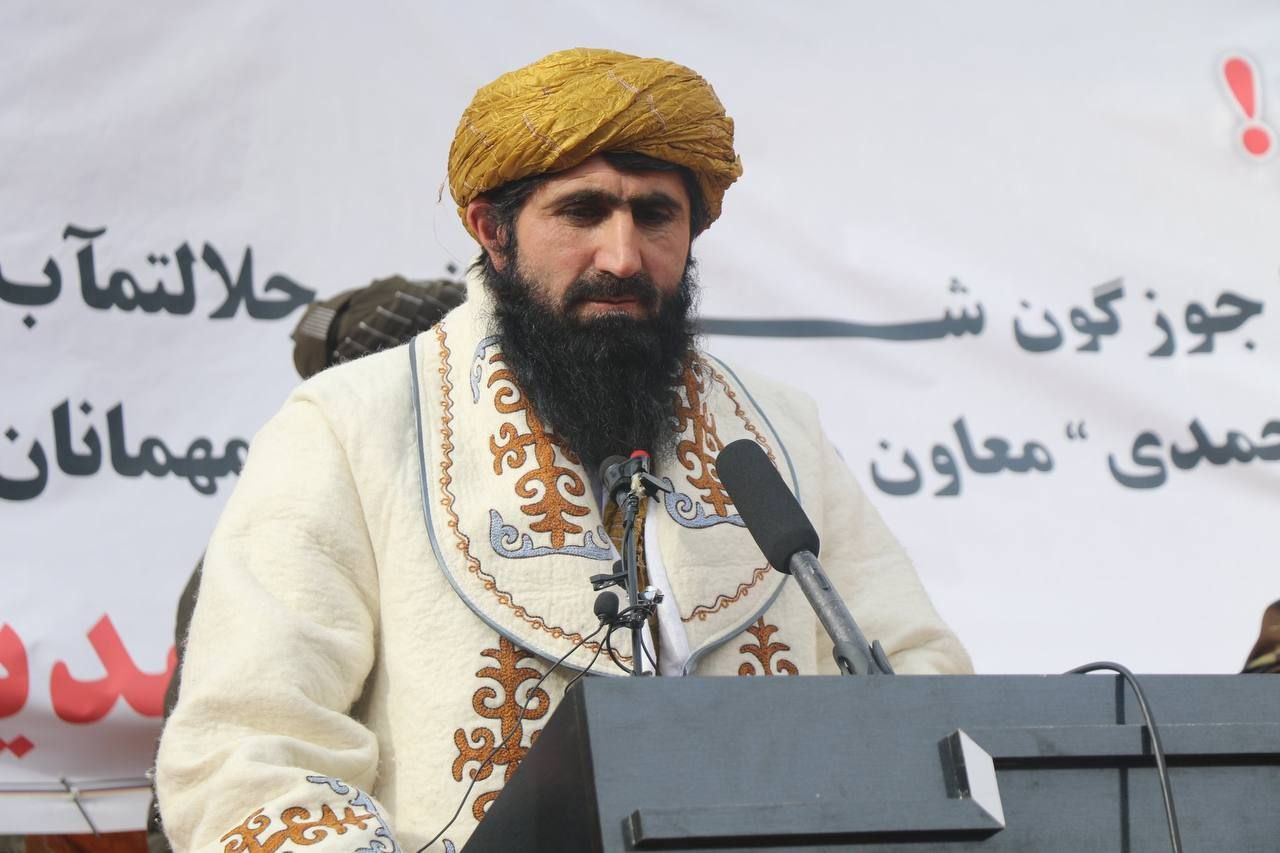
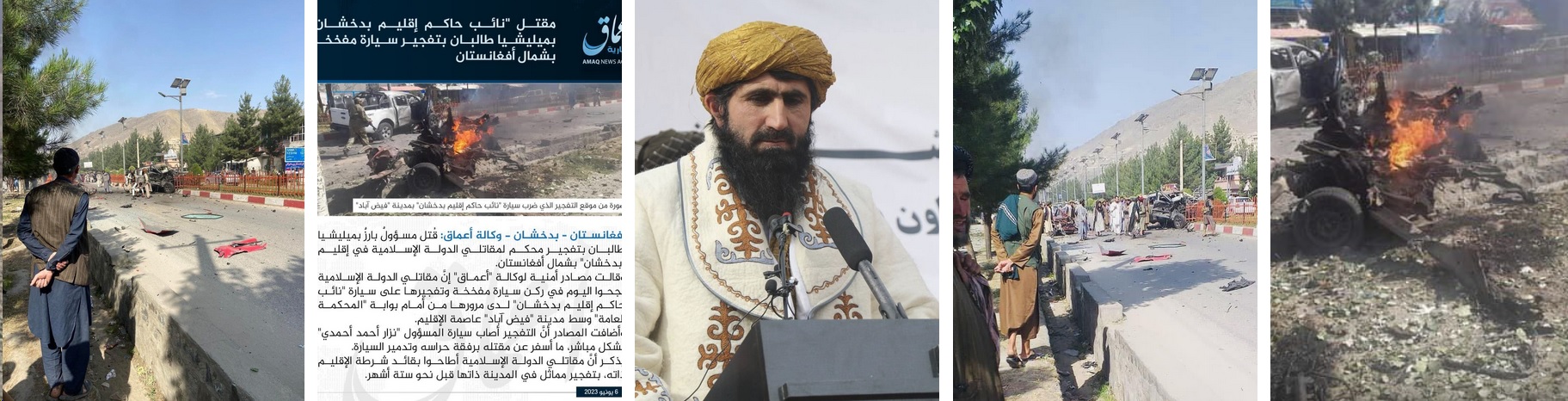
On Tuesday (June 6), a convoy carrying local Taliban officials in Badakhshan province in Faizabad town, the center of Badakhshan province, was targeted by the ISIS terrorist group.
The attack was carried out via explosion of a bomb-laden vehicle at the Dadsetani intersection, which ended up in the killing of eight Taliban officials, including deputy governor of the Taliban in Badakhshan province Molavi Nisar Ahmad Ahmadi. The ISIS terrorist group took responsibility for the attack hours after it was carried out by issuing a statement.
Pictures of Molavi Nisar Ahmad Ahmadi, deputy governor of the Taliban in Badakhshan and the place of his assassination
Two days after the attack, another terrorist attacked the funeral ceremony of Molavi Nisar Ahmad Ahmadi at the Nabawi Mosque in Faizabad town and blew himself up among the people present in the mosque.
The explosion also led to the killing of at least 16 Taliban forces and injuring more than 50 others.
It should be noted that dozens of middle-ranking members and local officials of the Taliban group attended the funeral ceremony of deputy governor of the Taliban in Badakhshan province Molvi Nisar Ahmad Ahmadi at the Nabawi Grand Mosque in Faizabad town, who were targeted by a suicide bomber.
Among those present at the funeral ceremony were Minister of Economy of the Taliban caretaker government Qari Din Mohammad Hanif, former security commander of the Taliban in Baghlan province Molvi Safiullah Samim and prayer Imam of Nabawi Grand Mosque Qari Ehsanullah.
It is worth mentioning that the names of Molvi Safiullah and Qari Ehsanullah have been mentioned among those killed in the terrorist attack.