Author: Mirza

  • Zionist Regime Experiencing Weak, Reactionary Position: Imam Khamenei

    Zionist Regime Experiencing Weak, Reactionary Position: Imam Khamenei

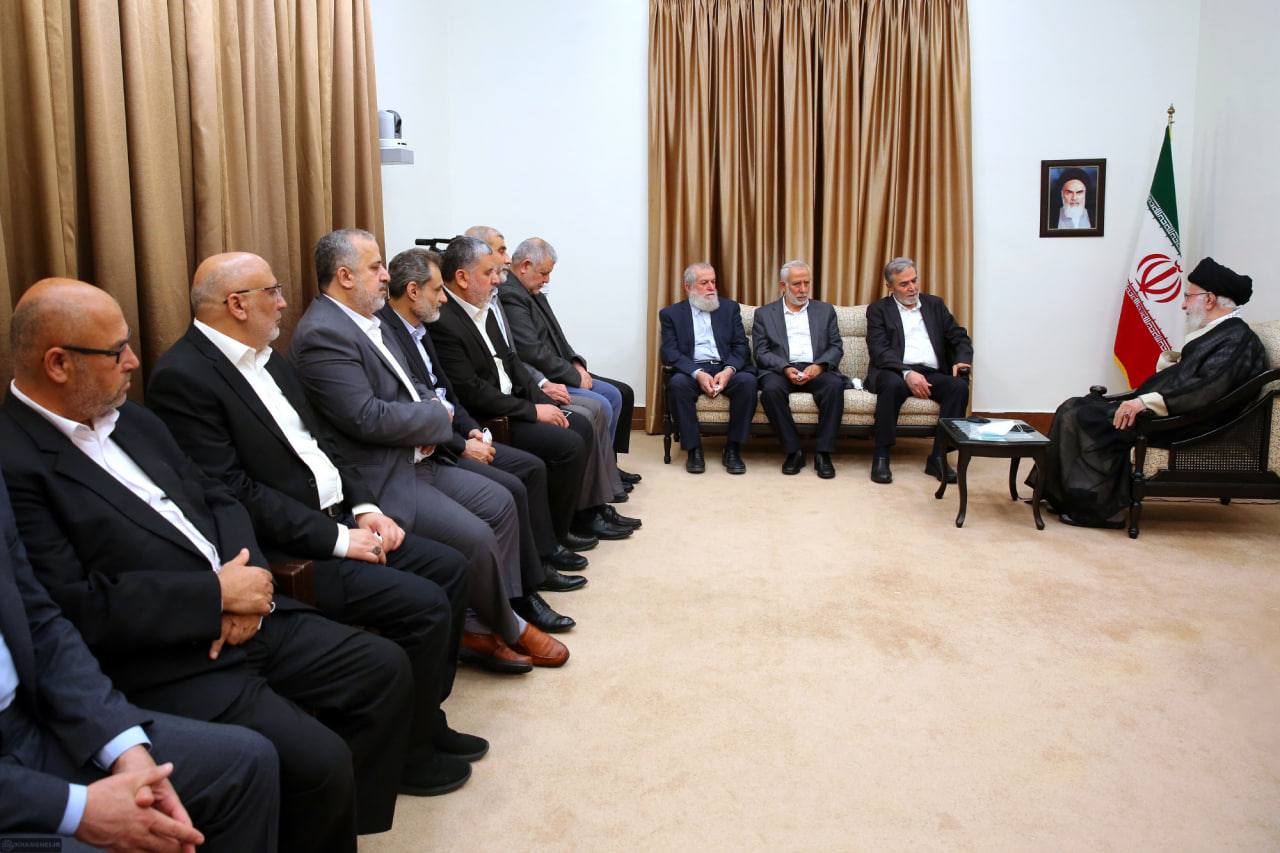
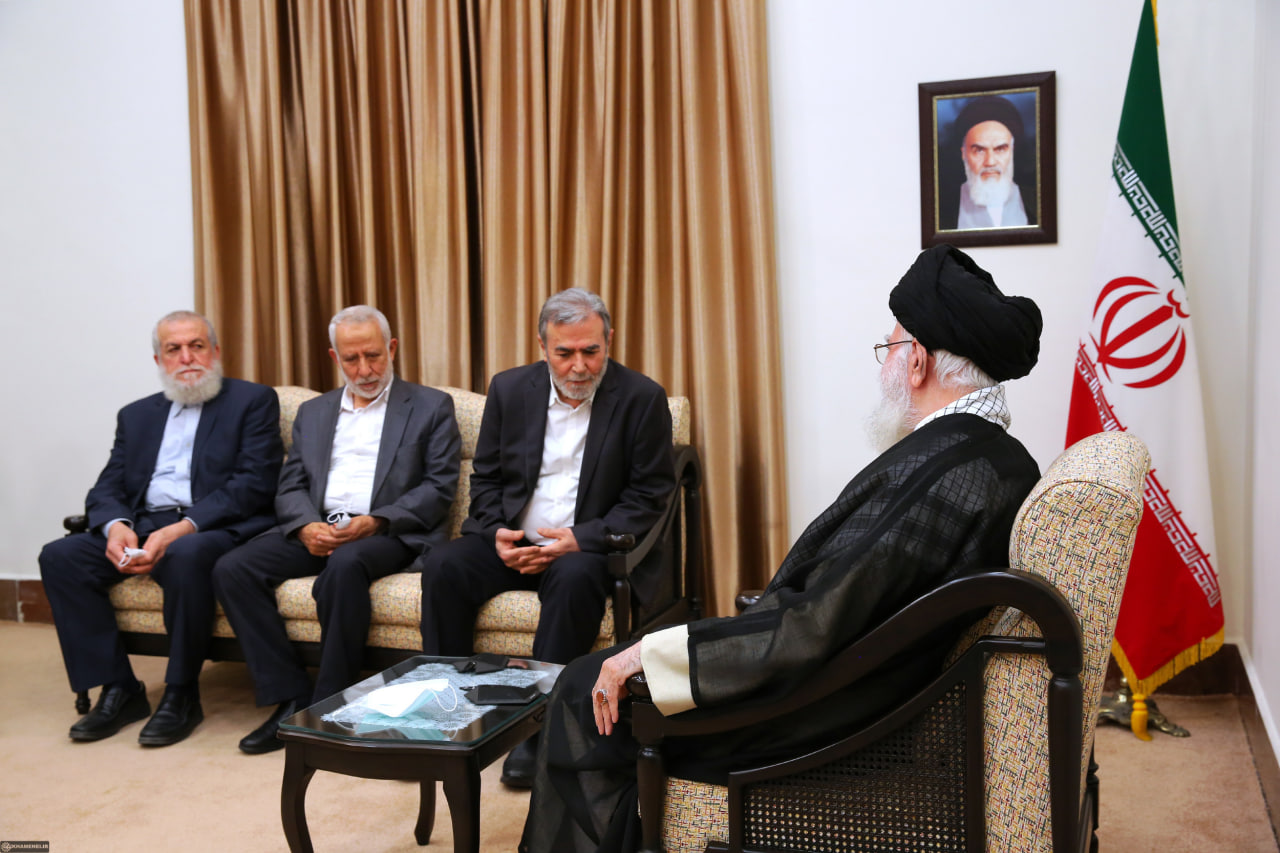
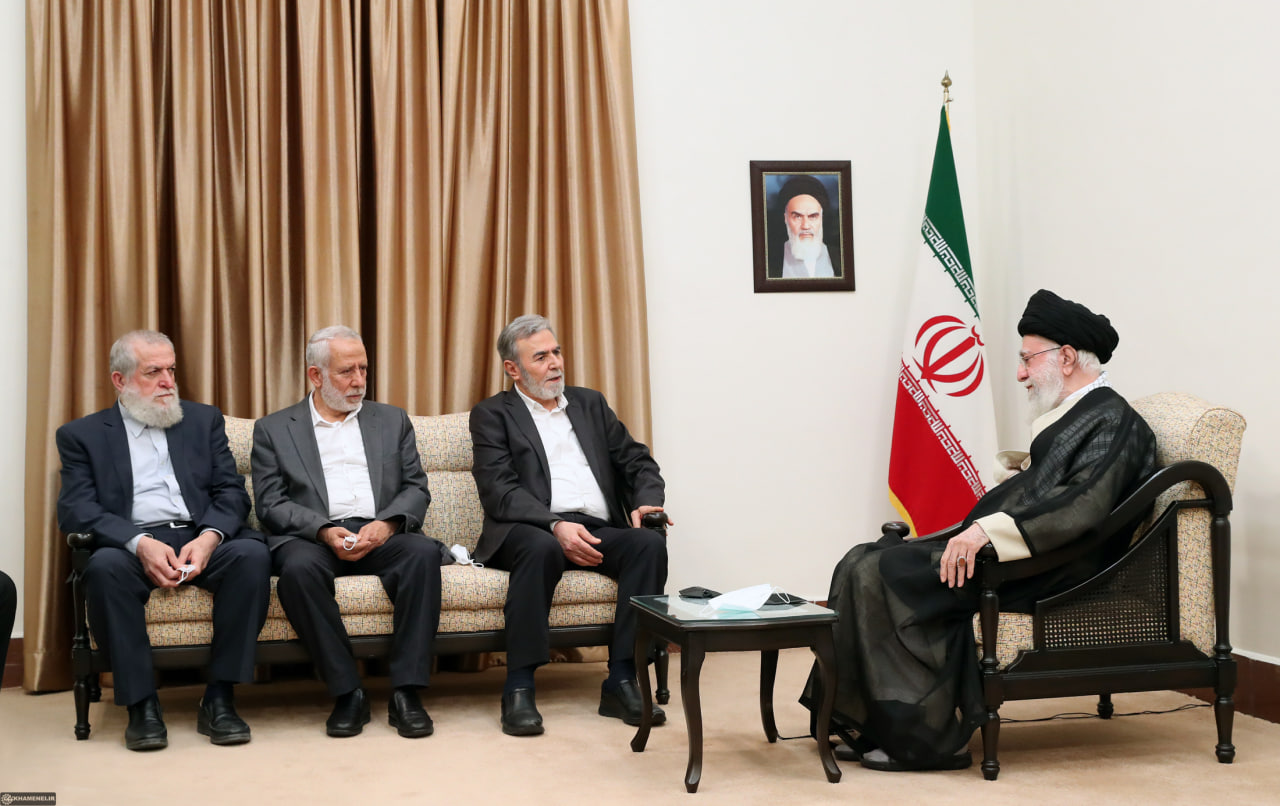
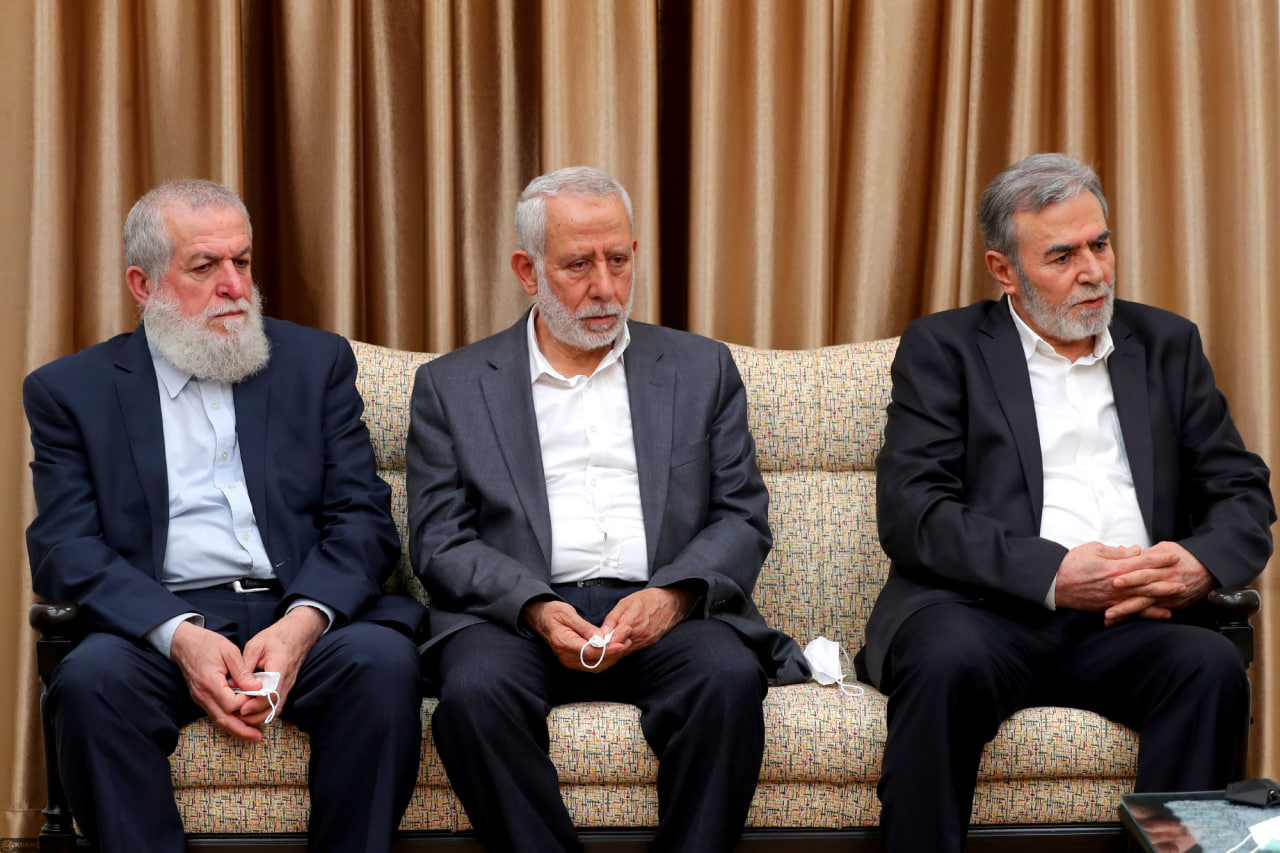
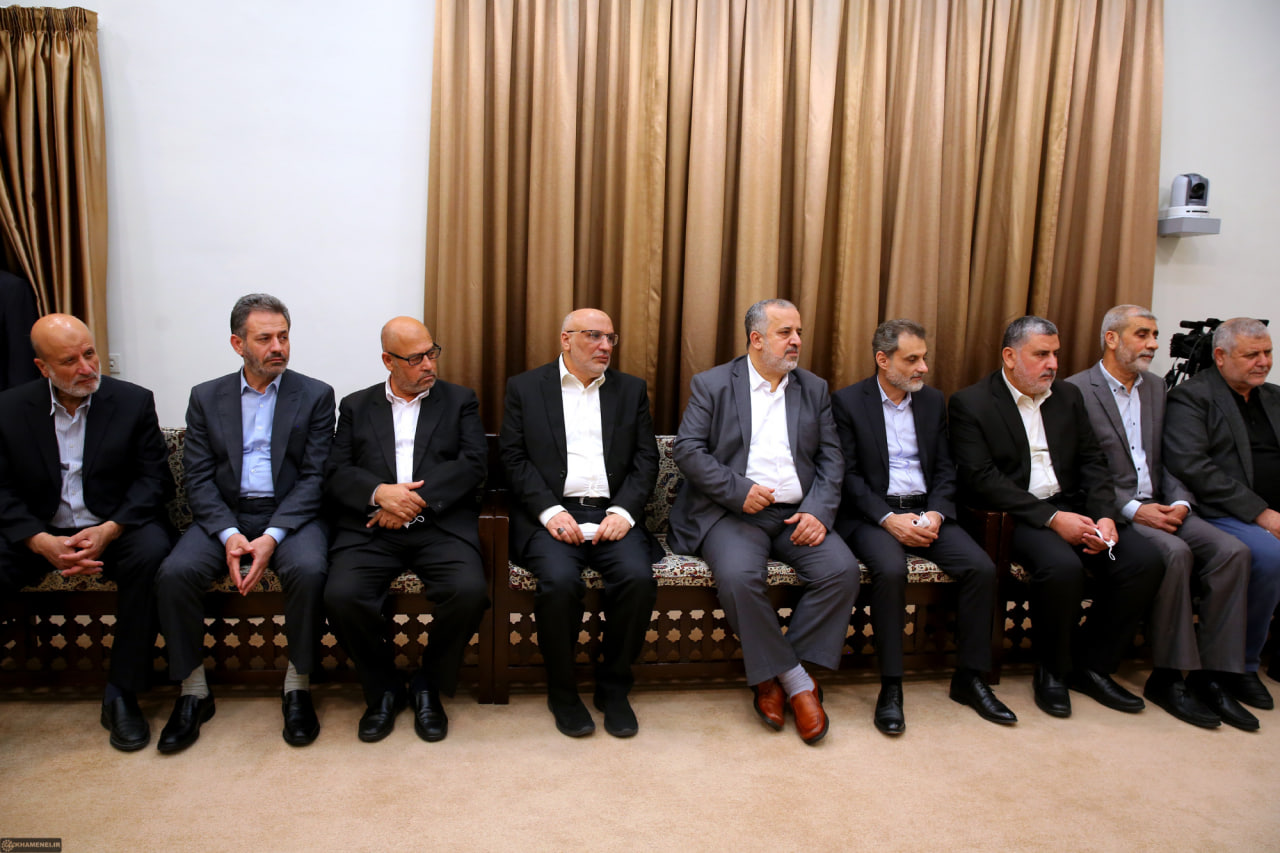
    Ziad al-Nakhalah, Secretary-General of the Islamic Jihad Movement of Palestine, met and held talks with Imam Khamenei, the Supreme Leader of the Islamic Revolution, in the Palestinian official’s visit to Iran on June 14.

    While congratulating the Islamic Jihad’s recent victory in the Israeli-imposed war on the Gaza Strip, the Supreme Leader emphasized that today’s conditions of the Zionist regime is much more different from seventy years ago.

    The Leader noted that the Zionist enemy is now in a passive and reactionary position, and this condition indicates that the Palestinian resistance movements and the Islamic Jihad have recognized the correct path and they are going ahead tactfully. 

    The Supreme Leader further emphasized that without sacrificing oneself, it will not be possible to achieve significant objectives, adding that today, thanks to God, the power and credibility of the Palestinian resistance groups, including the Islamic Jihad, have increased day by day, and that the recent defeat of the Zionist regime in the 5-day war confirms the fact. 

    Imam Khamenei also mentioned that the Islamic Jihad Movement in Palestine showed good performance in the recent conflict in the Gaza strip, and now the conditions have changed concerning the Zionist regime in comparison to seventy years ago; so, the leaders of the Zionist regime are rightful in terms of being concerned about not experiencing the 80th anniversary of the regime. 

    Read more: Secretary General Of Islamic Jihad Declares The End Of Fighting In Gaza

    The Supreme Leader also praised the Islamic Jihad and other Palestinian resistance groups, saying that they have found the key to the fight against the Zionist regime. The growing power of the Palestinian resistance groups in the West Bank is the key to bringing the Zionist enemy to its knees, the Leader of the Islamic Revolution mentioned, noting that this path must continue. 

    Al-Nakhaleh, for his part, expressed gratitude to the Islamic Republic of Iran for its steady support for the Palestinian people and their struggles during the meeting in capital Tehran.

    The Palestinian official also provided the Supreme Leader with a report on recent developments in the occupied territories of Palestine, particularly the defeat of the Zionist regime in the 5-day war in the Gaza Strip as well as the circumstances of the Palestinian resistance groups in the West Bank, including the superiority of the Palestinians in the face of the Zionist regime.

    The Secretary-General of the Islamic Jihad Movement of Palestine said that the Islamic Jihad emerged successful from the recent Gaza war, and we hope to witness the final victory and liberation of al-Quds as soon as possible.
  • Taliban Is Changing Demographic Structure Of Northern Afghanistan!

    Taliban Is Changing Demographic Structure Of Northern Afghanistan!

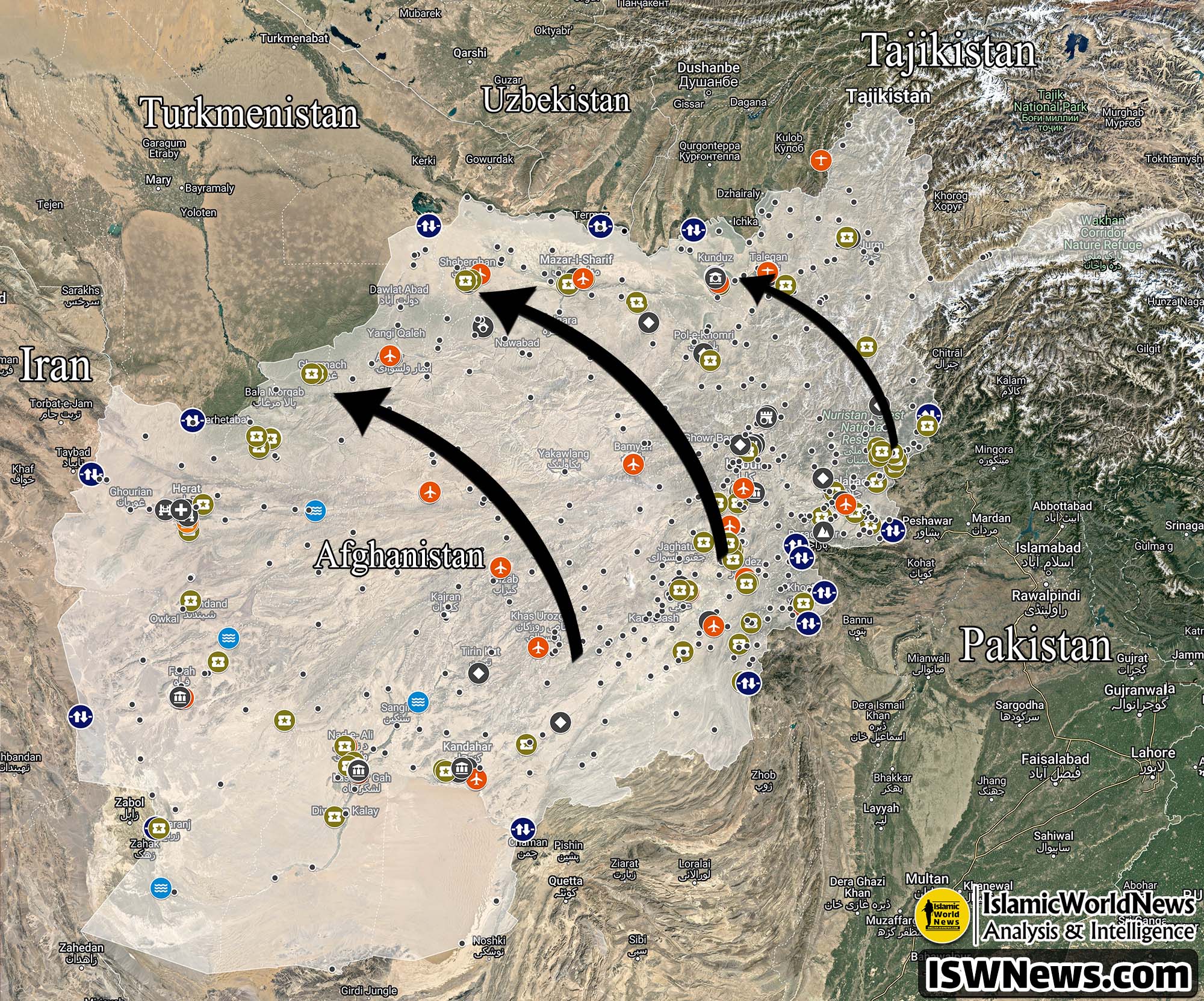
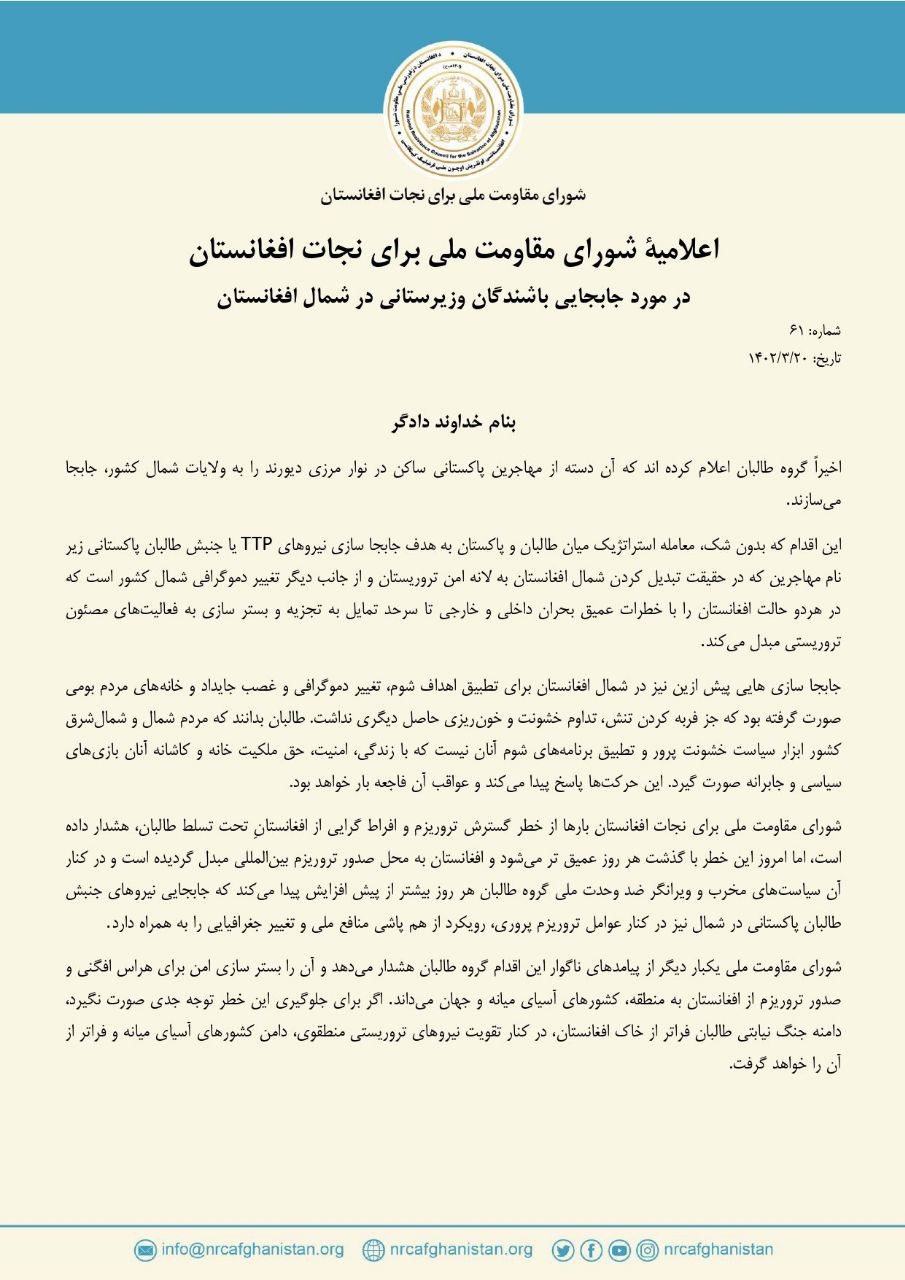
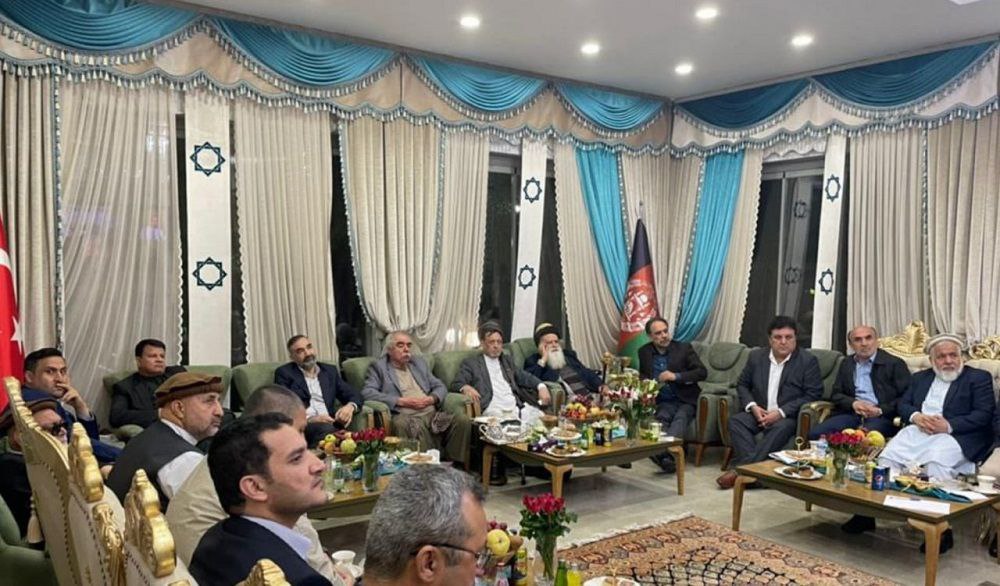
    On June 13, the National Resistance Council for the Salvation of Afghanistan, comprising of political figures and officials of the previous government, in a meeting in Istanbul, Turkiye issued a serious warning about the relocation of thousands of Tehreek-e-Taliban Pakistan (TTP) militants and their families by the Taliban caretaker government to the northern provinces of Afghanistan.

    The council said that undoubtedly this move is a strategic deal between the Taliban caretaker government and the Pakistani government, aimed at transferring militants of the TTP group under the title of “settlement of migrants” in northern Afghanistan, and it is nothing but turning the northern region of Afghanistan into a safe haven for terrorists and changing the demographic structure of that area.

    The National Resistance Council for the Salvation of Afghanistan described the actions made by the Taliban caretaker government as a dangerous move that will cause the disintegration and disastrous consequences in the war-torn country.

    They have also called for preventing the strengthening of terrorism and waging proxy wars on countries in the Central Asia region.

    Earlier, Spokesman for Ahmad Massoud’s National Resistance Front Ali Meysam Nazari referred to the issue and announced his organization’s resistance to the transfer of Pakistani immigrants.

    In addition, the United Nations Security Council Sanctions Committee Analysis and Monitoring Team in its recent report pointed out to the Taliban’s return to the authoritarian Pashtun-centric policies of the 1990s and the group’s deep ties with terrorist groups such as al-Qaeda, the Islamic Movement of Uzbekistan, the East Turkestan Islamic Movement (ETIM), Jamaat Ansarullah of Tajikistan and Tehreek-e-Taliban Pakistan.

    Such claims are made while Spokesman for the Taliban caretaker government Zabihullah Mujahid, in an interview with Afghanistan media outlets, confirmed the news reports referring to the transfer of Pakistani immigrants to northern Afghanistan.

    Apparently, the transfer is carried out at the request of Islamabad and under the support and role of Minister of Interior and leader of the Haqqani network Sirajuddin Haqqani; so, his first trip to northern Afghanistan can be considered in line with the implementation of such a controversial plan.

    The transfer of Pakistani immigrants to northern Afghanistan will reduce terrorist threats against Pakistan and increase threats against certain countries in the Central Asia region.

    The issue will have irreparable consequences for the demographic, racial and religious composition of the northern areas, which will also have long-term effects on other countries in the region, especially on Iran and Russia.

  • The US Drones Get Involved In Conflict Between Al-Qaeda, Southern Transitional Council In Shabwah Governorate 

    The US Drones Get Involved In Conflict Between Al-Qaeda, Southern Transitional Council In Shabwah Governorate 

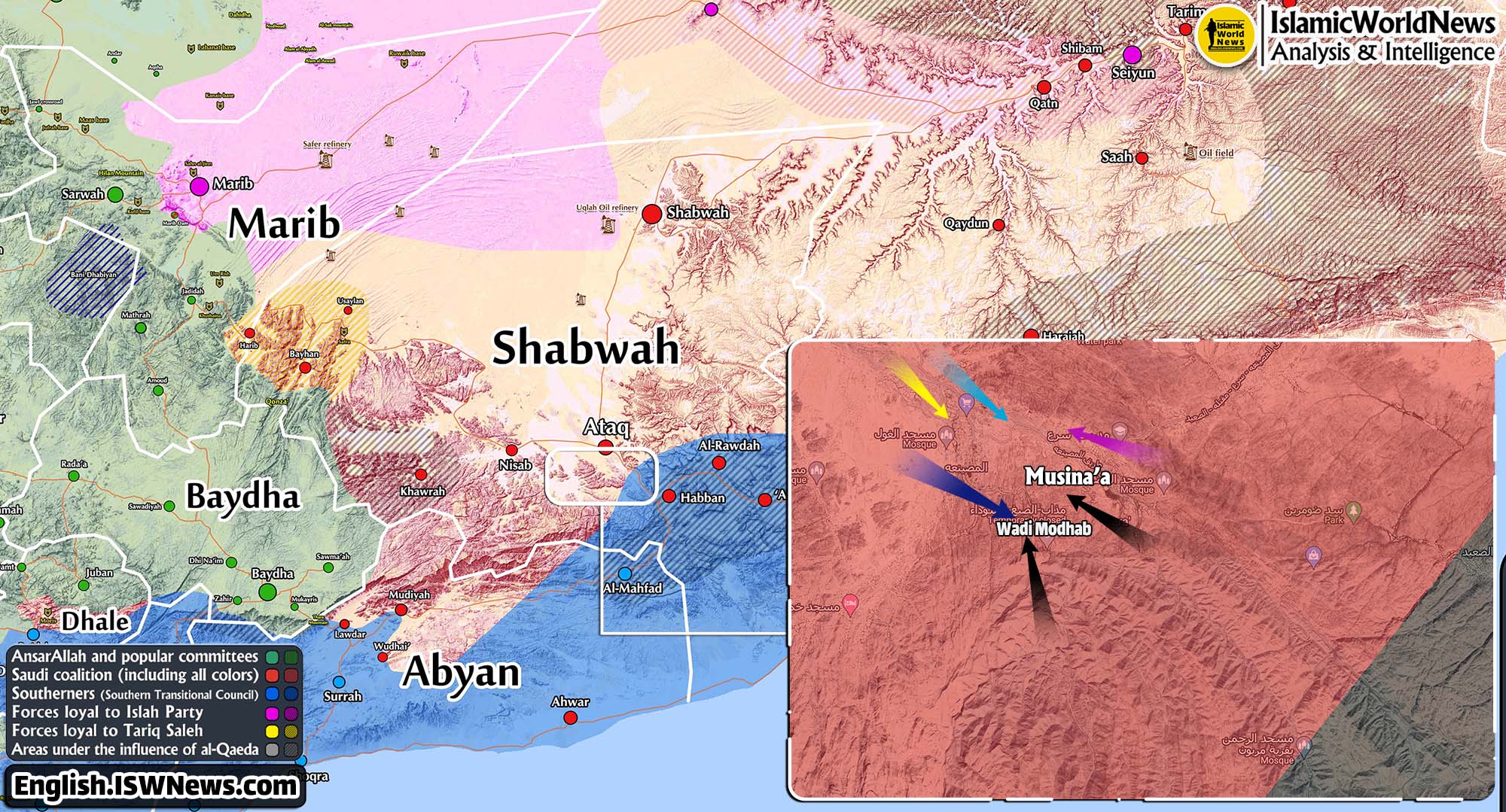
    Following the increase of activities of Yemeni Congregation for Reform (Al-Islah Party) militants in Shabwah Governorate, as well as the recent attacks by Al-Qaeda terrorists on the Al-Mosina’a district, the US drones attacked the positions of Al-Qaeda terrorists in the Wadi Madhab area early morning on June 15.

    In addition to targeting Al-Qaeda group’s position, the US drone attack is considered their first step in supporting the Shabwa Defense Forces and the Southern Transitional Council (STC). 

    Al-Qaeda terrorists carried out at least five strikes on the positions of the Shabwa Defense Forces and the Southern Transitional Council militants in the Al-Mosina’a town over the past three days, leading to the deaths of several Shabwa Defense Forces personnel, including their commander in Al-Mosina’a Salim Hirsi Al-Tawsali.

    According to images released by Al-Qaeda-affiliated media outlets, terrorists of the group used drones or quad-copters in their attacks on the positions of Shabwa Defense Forces, but the quality and aftermath of the strike has not been determined so far. 

    The widespread assault by Al-Qaeda on the Al-Mosina’a town is another development in their ongoing conflicts with the Southern Transitional Council forces in Shabwa, Abyan, and other governorates.

    The killing of Abdullah Al-Bani, who was a prominent member and supporter of the Al-Islah Party, prompted the group to take revenge of the Shabwa Defense Forces and start attacking Al-Mosina’a town.

    However, the United States’ support for the Southern Transitional Council has made the situation more complicated, which would strengthen the position of the Southerner Transitional Council militants in Shabwa Governorate.

    The issue will also affect the potential attacks by Al-Islah Party militants, who enjoy the support of Saudi Arabia from the northern axis of the city of Ataq in the center of Shabwa Governorate.

    Read more: Al-Islah Party, Southern Transitional Council Clash In Yemen’s Al-Mosina’a

    Click to view full size
  • Russian Failed Strike On Ukrainian Radar; Has Russia Access To Producing Russian Version Of Shahed-136?

    Russian Failed Strike On Ukrainian Radar; Has Russia Access To Producing Russian Version Of Shahed-136?

    This video shows the failed attack on the Ukrainian Surveillance Radar 36D6 19Zh6 (Tin Shield) with the use of Iranian-made Geran-2 (Shahed-136) kamikaze UAVs.

    In the first section of that video, the Ukrainian Armed Forces shoot at a suicide drone that hits the ground because of insufficient accuracy for unknown reasons. In the second section of the video, the second suicide drone enters and it is targeted by the Ukrainian missile system, but the missile goes astray, and the drone passes through it.

    Finally, this drone also hits the ground near the Ukrainian radar location with insufficient accuracy.  The reason for this mishap may be the decrease in the accuracy of the guidance system due to using a Russian satellite navigation system operating as part of a radio navigation-satellite service dubbed GLONASS instead of using GPS, or a decrease in the quality of the components used in Russian suicide drones, and or damage to the drone due to bullet strikes.

    It is said that Russian suicide drones, including Shahed drones, use the GLONASS satellite navigation system instead of GPS, and this is the main reason for their declined accuracy in hitting targets.

    Based on the facts and figures, it can be said that the Russians have produced the Russia-made version of the Shahed 136 drone and they are using it extensively in the war in Ukraine. 

    The second issue is that in addition to back-end operations, the Russians also use Shahed 136 suicide drones at the front line, which is another reason for the widespread assembling of the drone or high stocks of the assembled UAVs in Russia.

     It is likely that the Russians have succeeded in procuring components of the suicide drone from Iran and China, or setting up their own assembly line in their own country.

     It is worth mentioning that the Iran-made Shahed 136 drones, apart from the form of wings, do not disintegrate when hit by bullets and sometimes anti-aircraft missiles due to their low radar cross-section level and the special type of used carbon fiber in their fuselage, and the drones can continue their flights towards the target.

    The unsuccessful attack of Russian drones on the Ukrainian 36D6 radar
  • Iraq’s Popular Mobilization Units Obtain Iran-Made Mohajer-6 UAV (Video)

    Iraq’s Popular Mobilization Units Obtain Iran-Made Mohajer-6 UAV (Video)

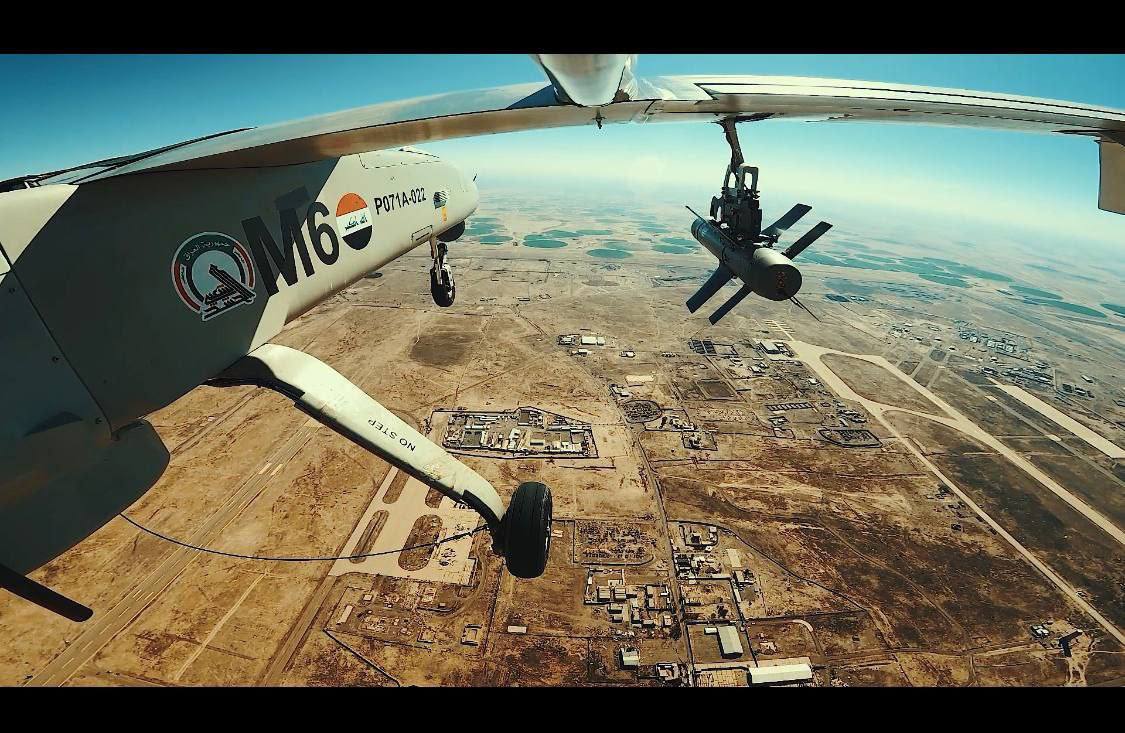
    On June 14, the Iraqi Popular Mobilization Units announced the participation of the “M6” UAV in one of their military exercises in a video footage.

    It is said that the drone is the export version of the Iranian “Mohajer-6” drone, but transformations have been made to the Iran-made UAV by the specialized forces of the Popular Mobilization Units in the Arab country.

     In that video, which was released by the Popular Mobilization Units, the “Mohajer-6” drone precisely destroys two of its targets with the usage of two Qaem-5 bombs during a training mission.

    Its high accuracy in the targeting mission and the easy guided performance of the drone are clearly visible in the released video. 

    Read more: Military Knowledge: Mohajer-6 Reconnaissance Combat Drone

    Earlier in 2021, Mohajer-6 drone along with other Iranian military equipment such as the Toofan MRAP armored vehicle, Jeep Safir, Chamroosh drone and Ra’ad rocket launcher were displayed in a parade, which was held by the Popular Mobilization Units forces at the Abu Montazar Al-Mohammadi Camp (previously known as MKO terrorists’ Ashraf Camp) in Diyala province, Iraq. 

    The Mohajer-6 Combat Surveillance Drone is a medium-class UAV, which has been built by the Ministry of Defense of the Islamic Republic of Iran. The drone was officially unveiled in March 2017 during an inspection by the then President of Iran Hassan Rouhani of the exhibition of the achievements of the Ministry of Defense.

    The Mohajer-6 drone can be considered as the most successful Iran-made exported drone. The UAV has been exported to Iraq (Popular Mobilization Units) and Ethiopia. 

    It seems that the Popular Mobilization Units with the help of Iranian specialists have achieved the capacity and capability to control and employ drones, as well as make changes to the drones.

    In recent years, the Popular Mobilization Units planned to strengthen their air force units, because Martyr Abu Mahdi al-Mohandes had emphasized the need for setting up an air force unit in the organization.

    The video published by Hashd al-Shaabi about the use of Mohajer-6 drone
  • Infographic: Taliban Border Clashes With Neighboring States Of Afghanistan

    Infographic: Taliban Border Clashes With Neighboring States Of Afghanistan

    The main root cause of the Taliban’s border clashes with Afghanistan’s neighbors is that the Taliban militants possess insufficient know-how regarding international border laws and regulations. More importantly, the Taliban rulers do not make any effort to prevent tensions with their neighbor states!

    Afghanistan is a landlocked country, which does not have any access to free waters. And the prelude to the establishment of stability and security in such a region is cooperation with neighboring states in order to create appropriate condition for economic and political growth along with issues such as security and stability.

    Unfortunately, following five decades of conflict and bloodshed in Afghanistan, the country is still involved in ethnic clashes as well as pursuit of self-interest by powerful individuals and one-dimensional governments. Hence, it can be predicted that the war-torn country has not yet entered a period of stability; so, the second Taliban regime is expected to end up in the fate of previous Afghan governments if it continue the past trend.

    The Taliban militants’ border clashes created an environment of insecurity, which extended smuggling and strengthened terrorist groups’ activities in Afghanistan’s border lines more than ever, and this trend is expected to accelerate the Taliban’s downfall. In such circumstances, coordination and the way that Afghanistan’s neighboring states face the Taliban rulers, would play a significant role…

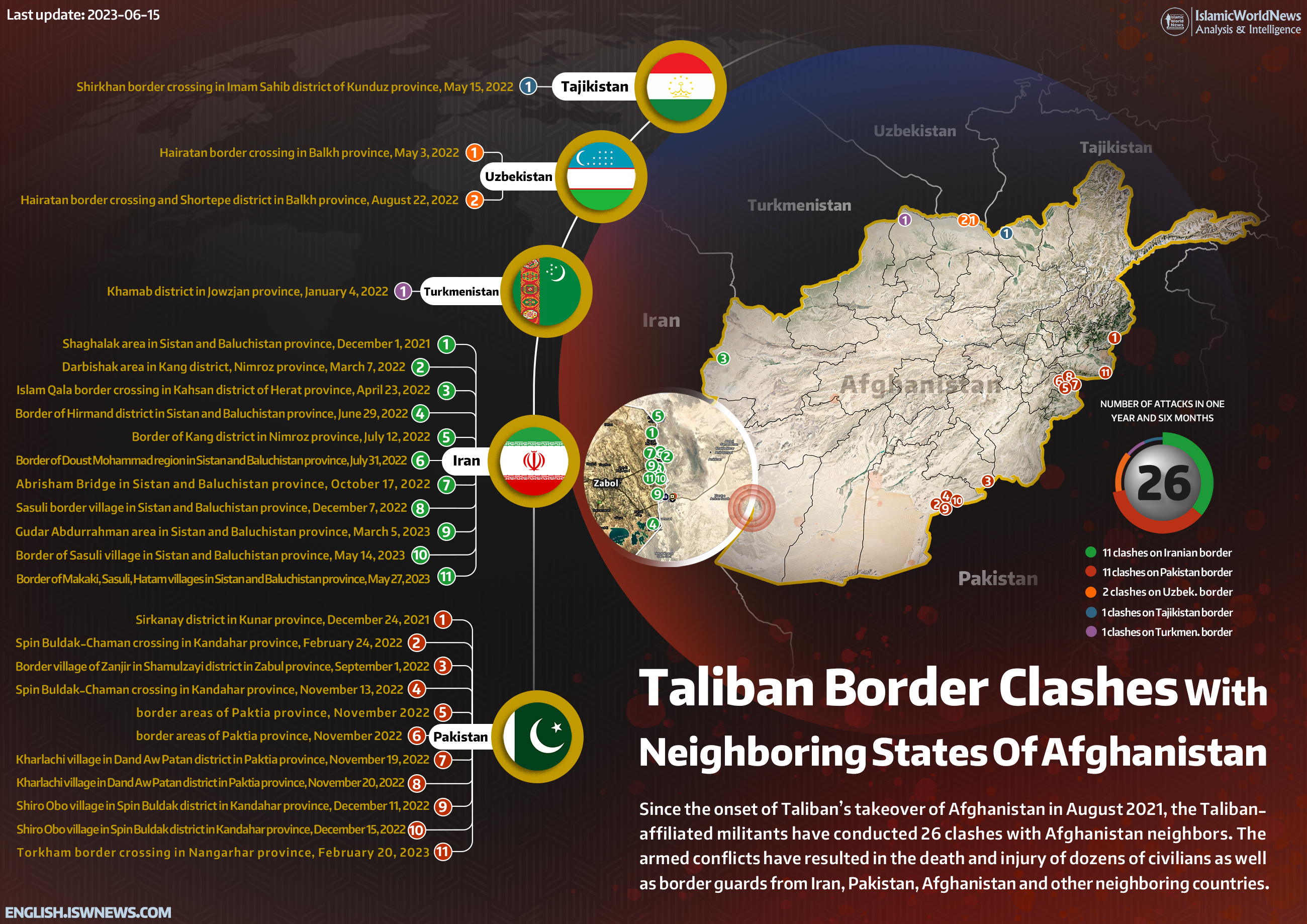
    The Taliban militants embarked on at least 26 border clashes with Afghanistan’s neighboring states since their takeover of the war-stricken country in 2021. Of the total number of border clashes, some 11 cases occurred on the border with Iran, 11 others on joint border with Pakistan, two conflicts on the border with Tajikistan, two others on joint borderline with Uzbekistan and the last one on the border with Turkmenistan.

    The details of these conflicts are as follows:

    1- Conflict with Iran, Shaghalak area in Hirmand district in Sistan and Baluchistan province, December 1, 2021

    2- Conflict with Pakistan, Sirkanay district in Kunar province, December 24, 2021

    3- Conflict with Turkmenistan, Khamab district in Jowzjan province, January 4, 2022

    4- Conflict with Pakistan, Spin Buldak-Chaman border crossing in Kandahar province, February 24, 2022

    5- Clash with Iran, Darbishak area in Kang district, Nimroz province, March 7, 2022

    6- Conflict with Iran, Islam Qala border crossing in Kahsan district of Herat province, April 23, 2022

    7- Conflict with Uzbekistan, Hairatan border crossing in Balkh province, May 3, 2022

    8- Conflict with Tajikistan, Shirkhan border crossing in Imam Sahib district of Kunduz province, May 15, 2022

    9- Conflict with Iran, the border of Hirmand district in the north of Sistan and Baluchistan province, June 29, 2022

    10- Conflict with Iran, the border of Kang district in Nimroz province, July 12, 2022

    11- Conflict with Iran, the border of Doust Mohammad region located in Hirmand district in Sistan and Baluchistan province, July 31, 2022

    12- Clash with Uzbekistan, Hairatan border crossing and Shortepe district in Balkh province, August 22, 2022

    13- Conflict with Pakistan, border village of Zanjir in Shamulzayi district in Zabul province, September 1, 2022

    14- Conflict with Iran, the Abrisham Bridge in Sistan and Baluchistan province, October 17, 2022

    15- Conflict with Pakistan, Spin Buldak-Chaman border crossing in Kandahar province, November 13, 2022

    16- Conflict with Pakistan, border areas of Paktia province, November 2022

    17- Conflict with Pakistan, border areas of Paktia province, November 2022

    18- Conflict with Pakistan, Kharlachi border village located in Dand Aw Patan district in Paktia province, November 19, 2022

    19- Conflict with Pakistan, Kharlachi border village located in Dand Aw Patan district in Paktia province, November 20, 2022

    20- Conflict with Iran, Sasuli border village in Sistan and Baluchistan province, December 7, 2022

    21- Conflict with Pakistan, Shiro Obo village in Spin Buldak district in Kandahar province, December 11, 2022

    22- Conflict with Pakistan, Shiro Obo village in Spin Buldak district in Kandahar province, December 15, 2022

    23- Clash with Pakistan, Torkham border crossing in Nangarhar province, February 20, 2023

    24- Clash with Iran, Gudar Abdurrahman area near Milak border crossing in Sistan and Baluchistan province, March 5, 2023

    25- Conflict with Iran, the border of Sasuli village in Sistan and Baluchistan province, May 14, 2023

    26- Conflict with Iran, the border of Makaki, Sasuli and Hatam villages in Sistan and Baluchistan province, May 27, 2023

    Click to view full size
  • Ukrainian Army Captured New Villages In Zaporizhzhia (Map)

    Ukrainian Army Captured New Villages In Zaporizhzhia (Map)

    After a few days have passed since the beginning of the Ukrainian army operation in the southern regions of Ukraine, heavy clashes are ongoing to crush the defense line of the Russian army in the axis of Zaporizhzhia and Donetsk. In the latest changes of this axis, the Ukrainian forces managed to control the villages of Novodarivka and Levadne in the Zaporizhzhia oblast and focused their attacks on the village of Rivnopil.

    On the southern front of Velyka Novosilka, the Russians counterattacks led to the retreat of the Ukrainian army from the village of Makarivka, and the conflict continues in this settlement.

    It is said that the Russians blew up the Mokri-Yala river dam to prevent the advance of the Ukrainian forces. Ukrainian forces in these areas are under heavy artillery attacks by the Russian army. Russians are trying with all their might to prevent Ukrainian advances.

    Map: The latest state of conflict between Russian and Ukrainian forces on the southern front Zaporizhzhia / Yellow: Ukrainian army, Red and Blue: Russian army, DPR forces
  • Israeli Regime Airstrike On Damascus (Video)

    Israeli Regime Airstrike On Damascus (Video)

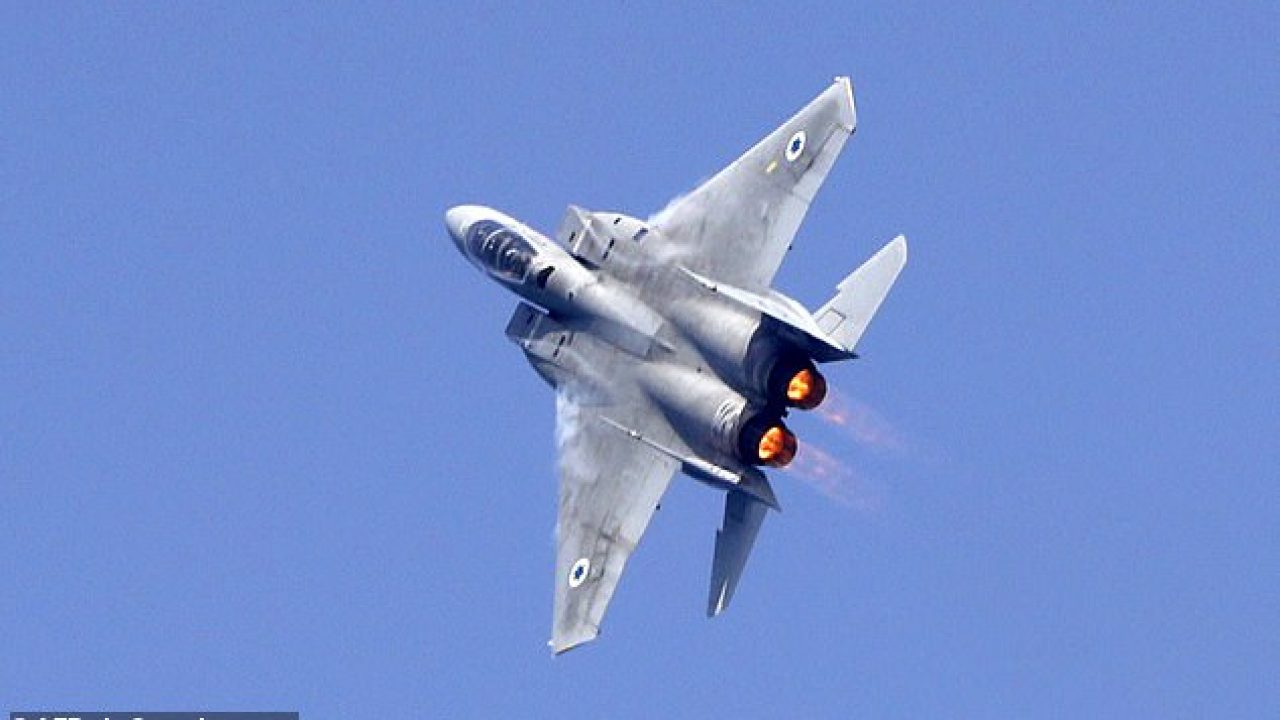
    According to a Syrian military source, “At around 01:05 (local time) on Wednesday, the Zionist enemy attacked targets in the suburbs of Damascus with several missiles from the occupied Golan and the air defense systems shot down most of the missiles. This attack resulted in the wounding of a Syrian soldier and material damages.“

    More details in this regard have not been published, but it is said that one of the positions of the Syrian army near the “Al-Kiswah” area has been targeted by Israeli fighter jets.

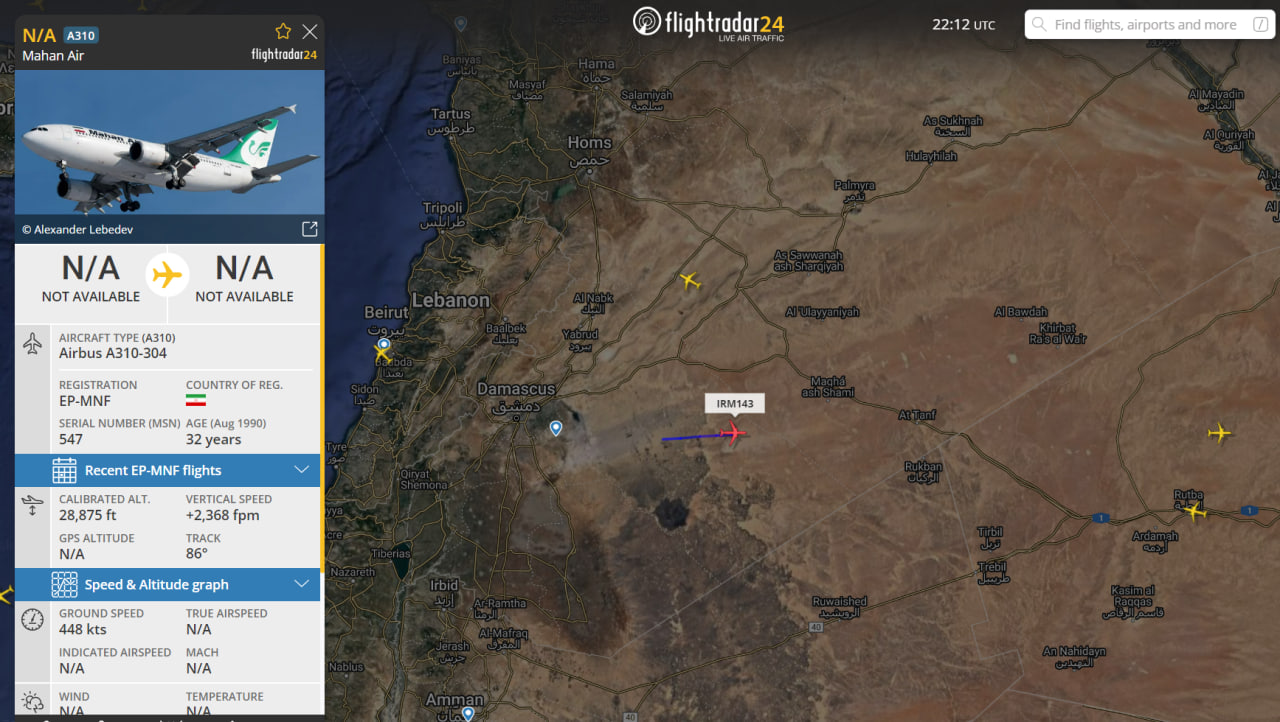
    According to IWN‘s research, the air attack on the outskirts of Damascus took place only a few minutes after the Iranian Mahan Air Airbus A310-304 plane took off from the Damascus airport.

    Flight and return of Mahan Air to Iran

    It is worth mentioning that on May 28, Israeli regime fighter jets attacked targets in the suburbs of Damascus by firing several missiles from the occupied Golan. This attack caused material damage.

    Read more: Israeli Regime Air Force Pounds Syrian Capital

    The interception of missiles by the SAA air defense systems
    Israeli regime strike on targets in the suburbs of Damascus
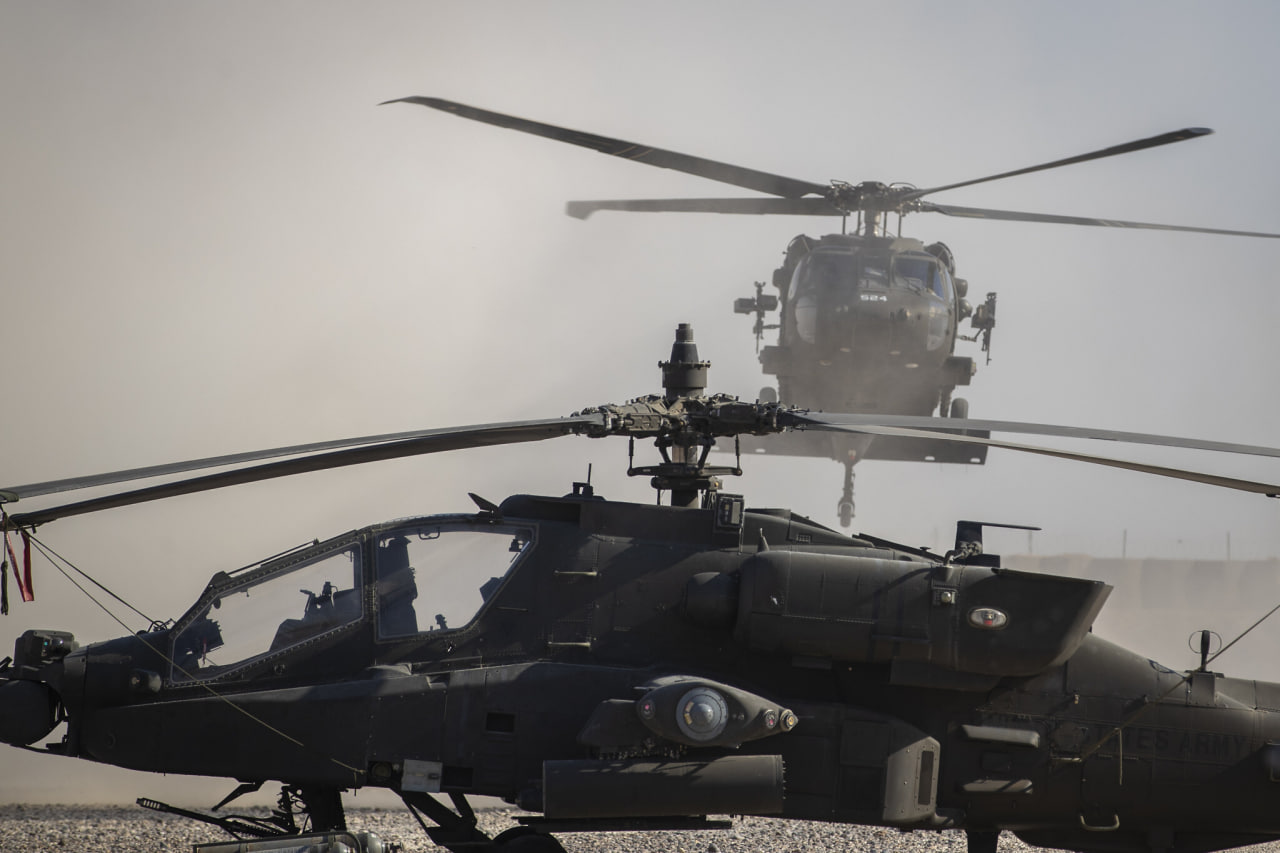
  • 22 US Servicemen Injured In Helicopter Crash In Syria

    22 US Servicemen Injured In Helicopter Crash In Syria

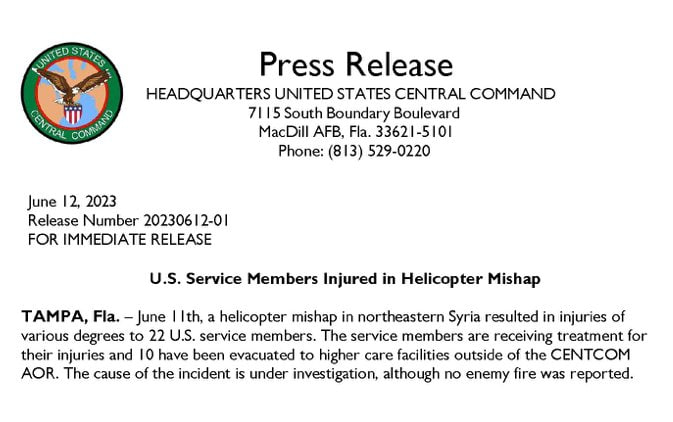
    According to the statement, the wounded military forces received medical treatment and 10 out of the injured servicemen were transferred to medical centers and special care units outside the region.

    According to the CENTCOM, the reason behind the incident is still under investigation.

    There have not been issued any further details on the crash incident. It is worth mentioning that from time to time, the eastern and northeastern regions of Syria witness joint operations by the US military and the so-called Syrian Democratic Forces (SDF) under the pretext of fighting terrorist groups.

    Although, the United States military and the SDF forces managed to arrest some of the elements and field commanders of the ISIS terrorist group during joint operations in recent years, terrorist activities and the movements of the ISIS elements continue to happen in the regions.

    The US CENTCOM statement
  • Russia Conducts New Round Of Missile, Drone Strikes On Ukrainian Cities

    Russia Conducts New Round Of Missile, Drone Strikes On Ukrainian Cities

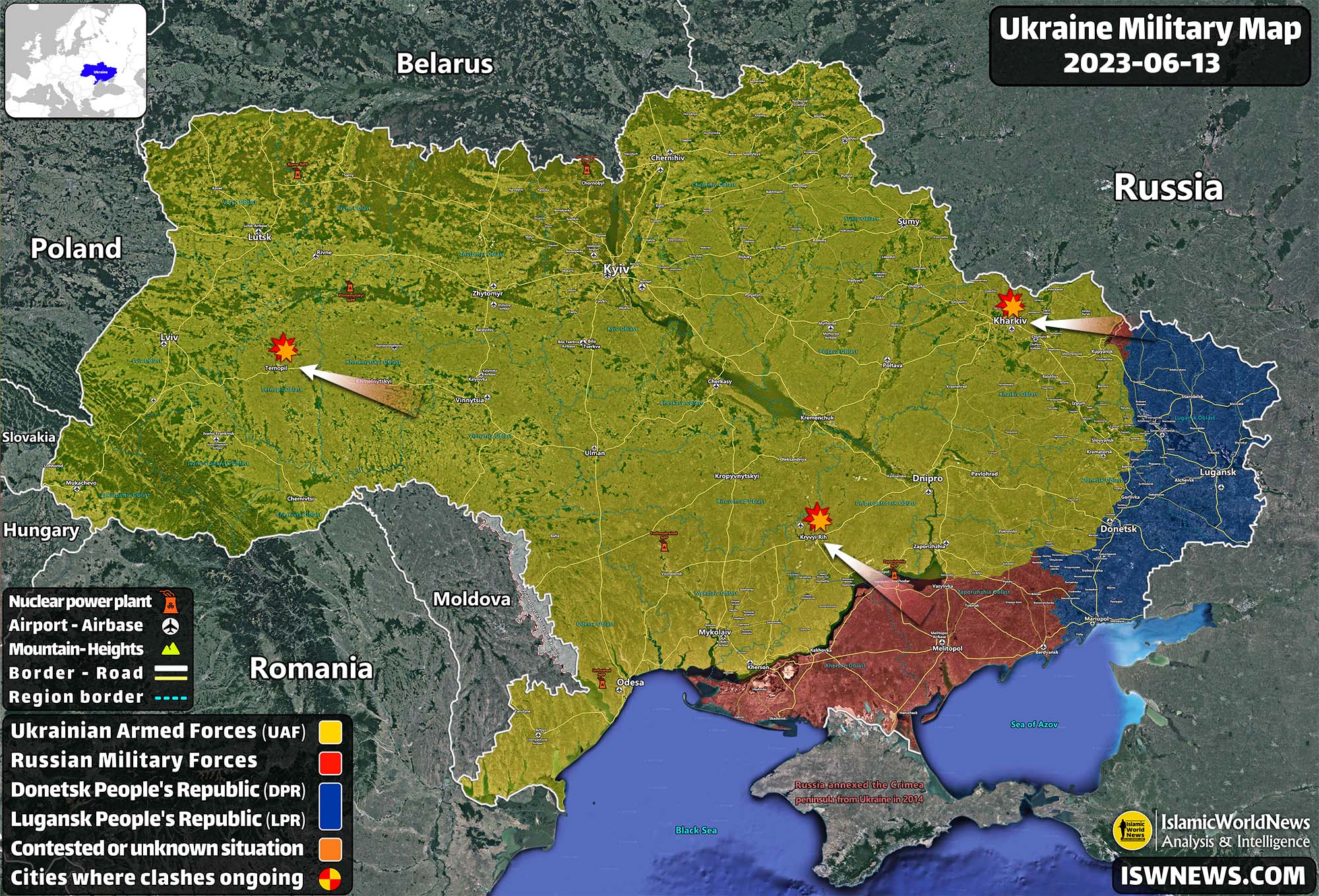
    According to the Rocket Forces and Artillery of the Ukrainian Ground Forces, the Russian army utilized eight strategic Tu-95 bombers to fire 14 Kh-101 and Kh-55 cruise missiles from the Caspian Sea region to the southern cities of Ukraine.

    The Russians also sent four Shahed-136 or Shahed-131 suicide drones to pound positions of the Ukrainian forces. The Ukrainian air defense claimed that they succeeded in shooting down one of these drones as well as 10 cruise missiles.

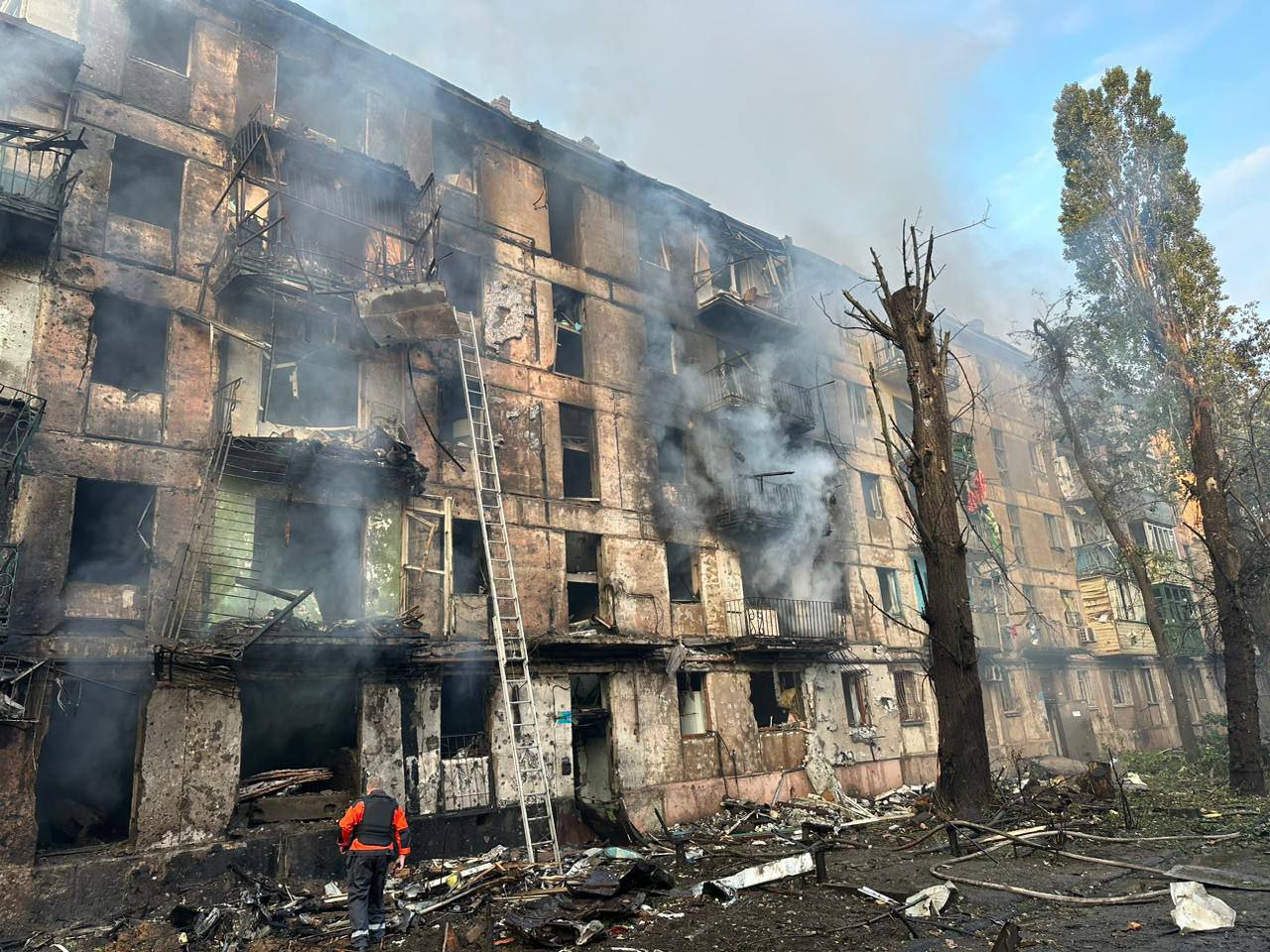
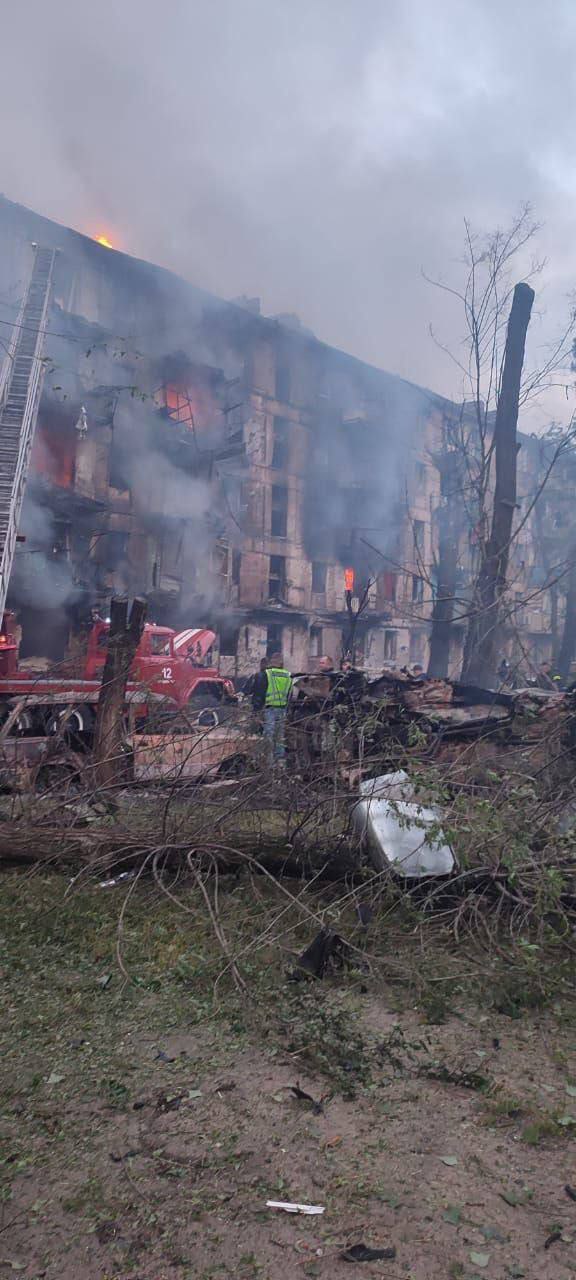
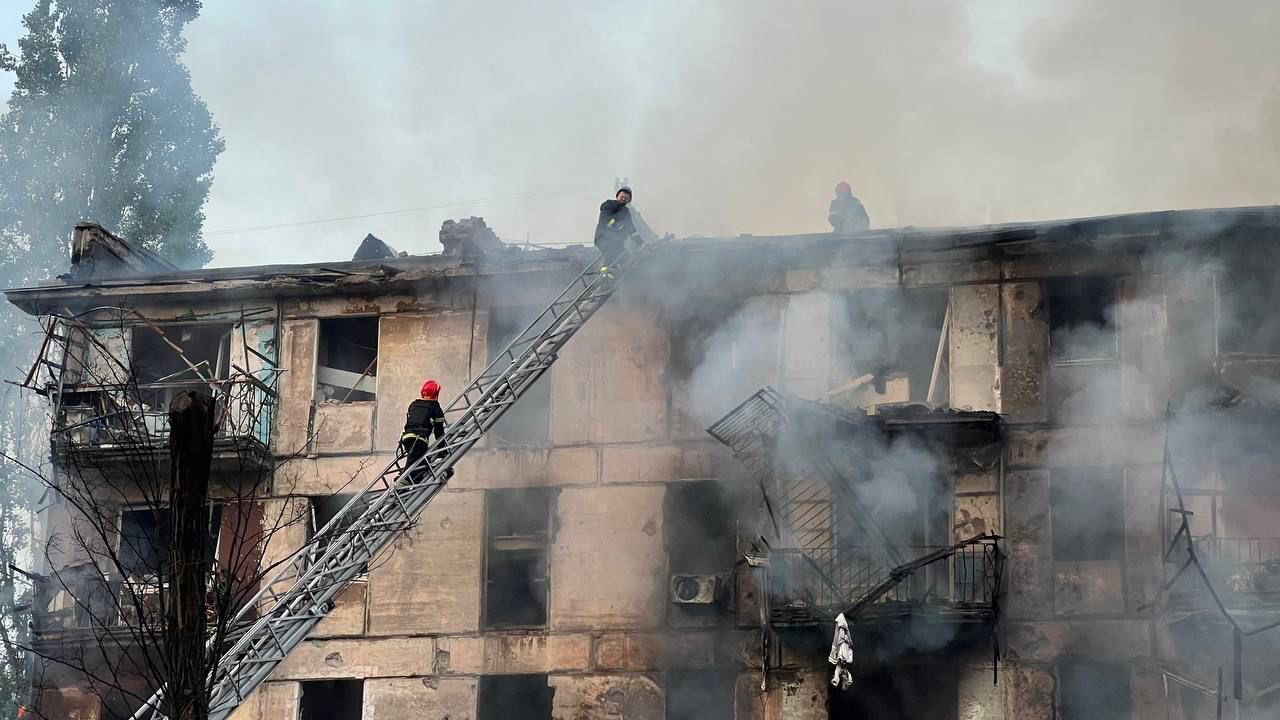
    Regardless of the report, as a result of devastations occurred by a Russian cruise missile hitting the city of Kryvyi Rih some six people were killed and 25 were wounded. Moreover, local sources have also released videos of flights of the drones as well as several explosions in Kharkiv.

    The moment Russian suicide drone hit in the city of Kharkiv
  • Israeli Spike Anti-Tank Missiles In Ukraine!

    Israeli Spike Anti-Tank Missiles In Ukraine!

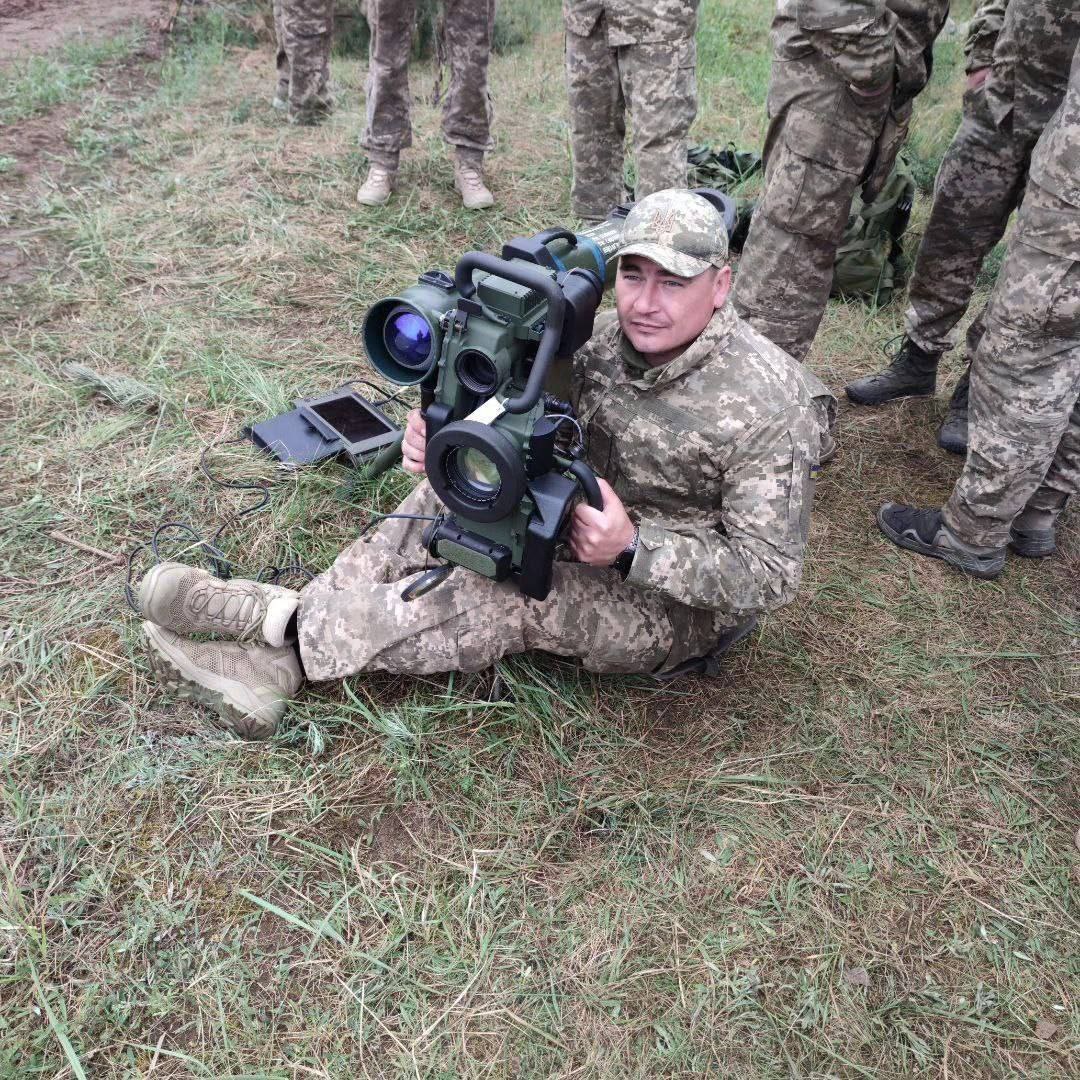
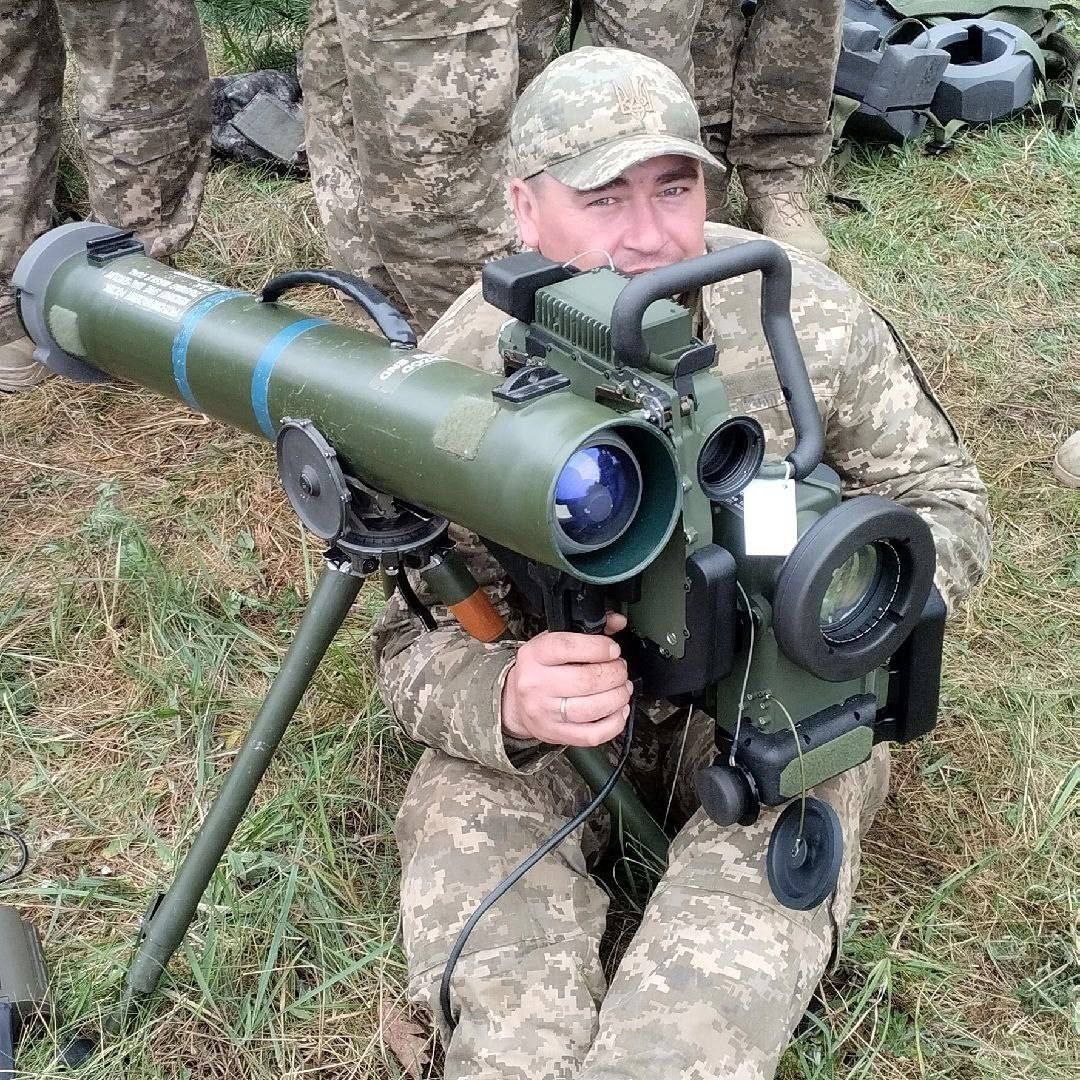
    Israel may have approved the supply of Spike anti-tank guided missiles (ATGMs) manufactured aboard to Kiev forces, according to photos that surfaced online on June 9.

    The photos show Ukrainian service members with a Spike LR ATGM. Observers speculated that the photos were taken in a training ground in Poland. The system seen in the photo was reportedly a Polish copy produced under license from Israel’s Rafael Advanced Defense Systems.

    The Spike LR missile, which is guided by imaging infrared, has a range of four kilometers and is armed with a tandem high-explosive anti-tank warhead.

    Spike anti-armor missile and Ukrainian military

    Poland, a key military backer of the Kiev regime, ordered 2,675 Spike-LR missiles with 264 launchers from Israel in 2003 in a deal worth $425 million with deliveries completed by 2013. A follow-up order of an additional 800 Spike-LR missiles for use on Rosomak infantry fighting vehicles, in a deal including local production in Poland, was placed in 2015 with deliveries between 2019 and 2022.

    The new photos indicate that Kiev forces are at least being trained on Spike LR ATGMs. It is still unclear if the systems will indeed be supplied, or if the decision to do so was taken with the approval of Israel.

    The Spike LR offers nothing new from other ATGMs already supplied to Kiev forces, like the American-made FGM-148 Javelin and the French-made Akeron MP.

    If Israel has indeed taken the decision to deliver lethal weapons to Ukraine, directly or indirectly, Russia could respond by arming Syria with advanced weapons, stepping up military cooperation with Iran or even by shipping Western weapons captured from Kiev forces to Hezbollah in Lebanon and the Hamas Movement in the Gaza Strip.

    Source: SouthFront

  • Al-Islah Party, Southern Transitional Council Clash In Yemen’s Al-Mosina’a

    Al-Islah Party, Southern Transitional Council Clash In Yemen’s Al-Mosina’a

    As a result of the attack by al-Islah Party militants on the Southern Transitional Council at the Al-Qana’a checkpoint located in the Al-Mosina’a town of Al-Said district, two STC militants were killed and three others were injured.

    According to local sources, the raid was carried out by al-Islah Party militants and resulted in the killing of one of its own militants and the injury of two others. As a result of the confrontation, three military vehicles and an arms depot at the Al-Qana’ah military checkpoint were also demolished.

    The strike by al-Islah Party militants on STC positions in Al-Masna’a took place after one of al-Islah Party field commanders named Abdullah Al-Bani was killed in an ambush by the Shabwa Defense Forces, which is affiliated to the United Arab Emirates (UAE) in Bayhan town in western Yemen; thus, its militants vowed to take revenge on Southern Transitional Council forces.

    It is worth mentioning that the Shabwa Defense Forces and the Southern Transitional Council are under the protection of the United Arab Emirates, and the al-Islah Party is under the protection of Saudi Arabia.

    The power struggle and tension between these armed groups were intensified after the UAE-backed militants took control of Ataq city, capital of Shabwah Governorate, as well as most regions of the governorate in July 2022.

    Click to view full size