Author: Mirza

  • Where Is the Yemen War Heading? Part 4

    Where Is the Yemen War Heading? Part 4

    As mentioned earlier, regional conflicts at this point of time are divided into military and mostly political, and in the case of Yemen, after Josef Biden took the office, the field of politics has become more important. In recent months, the United States and Saudi Arabia have railed the war in a way that diverts their goals from the military to the political arena, so that they can be achieved politically.
    Because during the 6 years of war, the Saudi coalition, in addition to not being able to defeat the resistance movement in Yemen, has also suffered several heavy defeats, such as Ansar Allah operations in Al-Jawf, Saadah, Marib and Al-Dhale, etc. In this regard, at the beginning of a new round of talks in Yemen, “Mohammad Abdulsalam” spokesman and head of the Ansar Allah negotiator team also noted that “What the enemy has not achieved on the battlefield will not achieve on the negotiation table.”

    But achieving this goal is very difficult because the United States and Saudi Arabia have entered the field with a well-coordinated plan that can be described as follows:

    1- Pulses of negotiation and proposing the theory of end of war.
    2- Outward differences between US and Saudi politicians, but inward coordination and preparation of a joint program.
    3- MSM attacks on the strengths of the resistance and hiding the weaknesses of the Saudi coalition.
    For example, you can see CNN’s special report on the fighting in Marib, how the widespread presence of al-Qaeda and ISIS terrorist groups under the command of the coalition is covered up, and on the other hand, the Ansar Allah attacks are falsely pictured as the attacks on civilians and on refugee camps! Or how the Saudi coalition numerous airstrikes are not covered, but in contrast, Ansar Allah missile and drone strikes are highlighted.

    For those who know the process from the rise of al-Qaeda to the US and NATO invasion of Afghanistan and Iraq, and the rise of ISIS to the occupation of Syria and Iraq; The developments in the region in recent months, from the escalation of Israel conflict with Iran to the war Marib, are also very important.
    However, the coincidence of the Yemeni meeting and talks with the recent meetings of Iranian and Saudi officials in Iraq has brought the equations to a new level in the region, and new dimensions are emerging.

    These dimensions can be summarized as follows:

    1- Bringing the issue of Yemen to the Security Council:
    In recent months, the United States and the Saudi coalition have made several proposals including peace plans, an end to the war, etc. in Yemen, which Ansar‌ Allah has rejected each time because it does not include removing the siege, the lack of a real ceasefire plan, as well as a political solution to Yemen’s problems.
    Have they not heard Ansar Allah’s clear demands for a way to end the war in Yemen? Or do they not know the solution to the end of the war? They certainly know; But why do they propose an incomplete plan and conditions that contradict the red line of Ansar Allah?
    Because portraying Ansar Allah as belligerent, inflexible and a factor in the continuation of the Yemeni war is on the agenda. They want to show the issue of the Yemeni war without a solution, and take it to the Security Council and confront the resistance with the Security Council resolution and increase the international pressure to achieve their illegitimate goals.

    2- What is the Security Council resolution?
    On April 14, 2015, the UN Security Council adopted a resolution on Yemen imposing arms embargoes on the parties to the Yemeni war, as well as banning Ansar Allah leader and Ahmed Abdullah Saleh, the eldest son of Ali Abdullah Saleh. According to the resolution, the Security Council approved the inspection of ships bound for Yemen, recognizing Mansour Hadi as Yemeni president, and calling for Ansar Allah to withdraw from Sanaa and other Yemeni cities.

    However, the implementation of this resolution has been hampered for various reasons, and now the United States and Saudi Arabia intend to complete their shortcomings by removing this resolution and issuing a new one, and to confront the resistance in Yemen with an international consensus.
    The cessation of hostilities without full ceasefire, the complete removing of the siege of Yemen and the failure to specify a political roadmap are among the reasons that led to the rejection of the plans of the United Nations, the United States and Saudi Arabia by Ansar Allah.
    The United States has recently acknowledged Ansar Allah’s superiority in Yemeni social and political power, but this is in order to persuade the rescue government to form an interim government, and what has already been tried and tested in Afghanistan, Libya, etc., to be implemented in Yemen as well.
    Therefore, the issuance of a new resolution on Yemen, without considering the issues of removing the siege, a complete cessation of hostilities and a clear political roadmap, will only make Ansar Allah, who is now the winner of the war to a definite loser of the war!

    3- The latest situation of the Yemeni war:
    Currently, Ansar Allah has succeeded in breaking the first line of defense of the Saudi coalition in the west of the city of Marib and is stationed in the areas of Tala’at al-Hamra, Idat al-Raa and Wadi Nakhla, which are about 10 km away from the city of Marib.
    Considering the developments in the Marib province, it can be said that Ansar Allah is using the Marib operation as a pressure lever to gain points in removing the siege of Yemen, and they are not in a hurry to go through the process, despite sufficient power and opportunities. In fact, the deployment of al-Qaeda and ISIS terrorist groups and heavy coalition airstrikes on Marib is not an obstacle for Ansar Allah. And the elimination of terrorists in previous Ansar Allah operations, such as operations in Al-Jawf, Saadah, western and southern districts of Marib province, etc., has been done easily. And that some local media and some analysts say that Ansar Allah have difficulty or is not able to liberate Marib, is a false analysis.
    Ansar Allah needs the activation of other southern and northern fronts of the city to liberate Marib, and the reason is not Mansour Hadi’s campaign from Shabwa, Abyan and ‌all other provinces to Marib or calling on al-Qaeda and ISIS militants to fight Ansar Allah; Rather, it is the Saudi coalition’s defensive wall to the west of the city, with a collection of terrains, barbed wires, a minefields, and explosive traps, etc., which created by the engineering units of the coalition. It’s interesting to know that this clever action was built on three lines with the help of American and Israeli advisers.

    The opening of the battlefield in other areas is also ruled out until the negotiation channels are established in Oman and Iraq. Of course, this is not certain, because the southerners have recently had important movements in Abyan, Aden and southern Al-Hudaydah, and their confrontation with the forces of Mansour Hadi and Ansar Allah is not unlikely.
  • Video: Gaza reconnaissance combat drone

    Video: Gaza reconnaissance combat drone

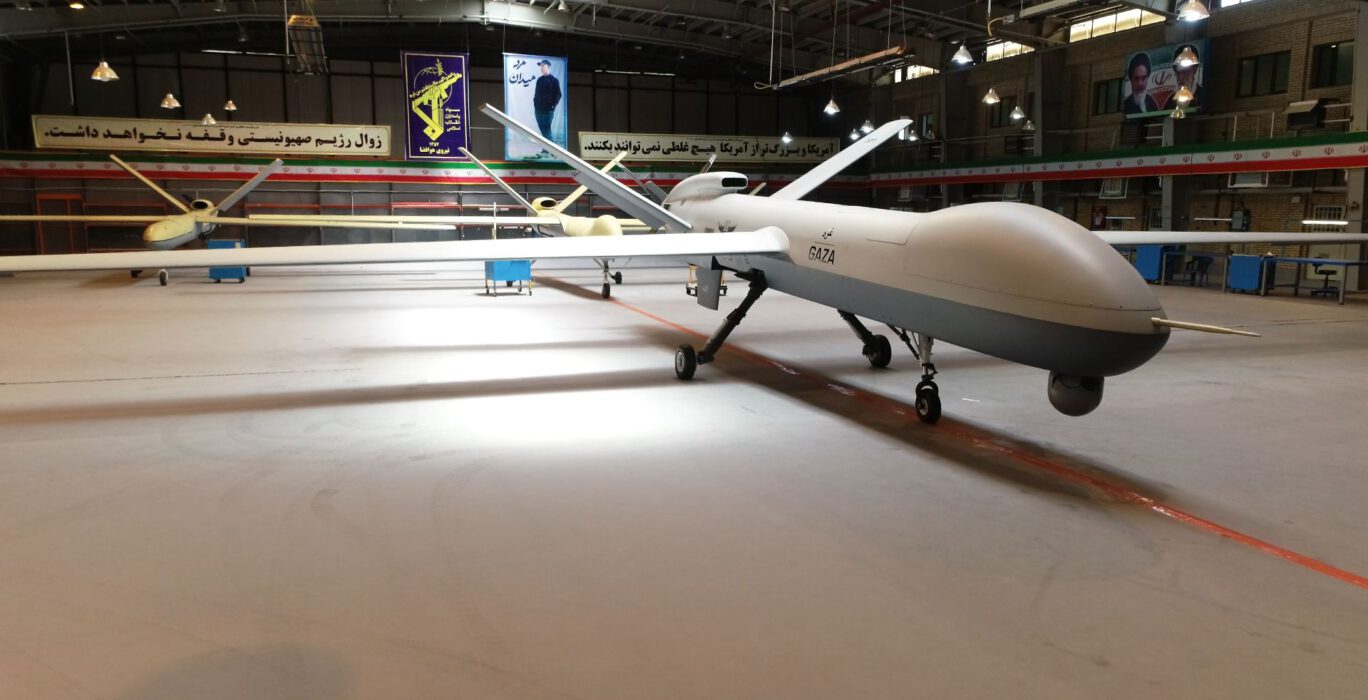
    According to the published images, it seems that the Gaza drone uses the Rotary Bomb Launcher mechanism under its fuselage, which can carry up to 5 bombs. This is the first Iranian drone to use this mechanism. 8 bombs are also installed under the wings and in total this drone is capable of carrying 13 bombs.

  • Ansar Allah shot down another Saudi drone!

    Ansar Allah shot down another Saudi drone!

    The CH-4 drone is made in China and is similar to the American MQ-9 drone, capable of carrying 250 kg bombs and flying for up to 40 hours and a range of up to 5,000 km.

    This is the seventh drone to be shot down by Ansar Allah during the Yemeni war.

  • Numerous attacks by the Iraqi resistance against American convoys!

    Numerous attacks by the Iraqi resistance against American convoys!

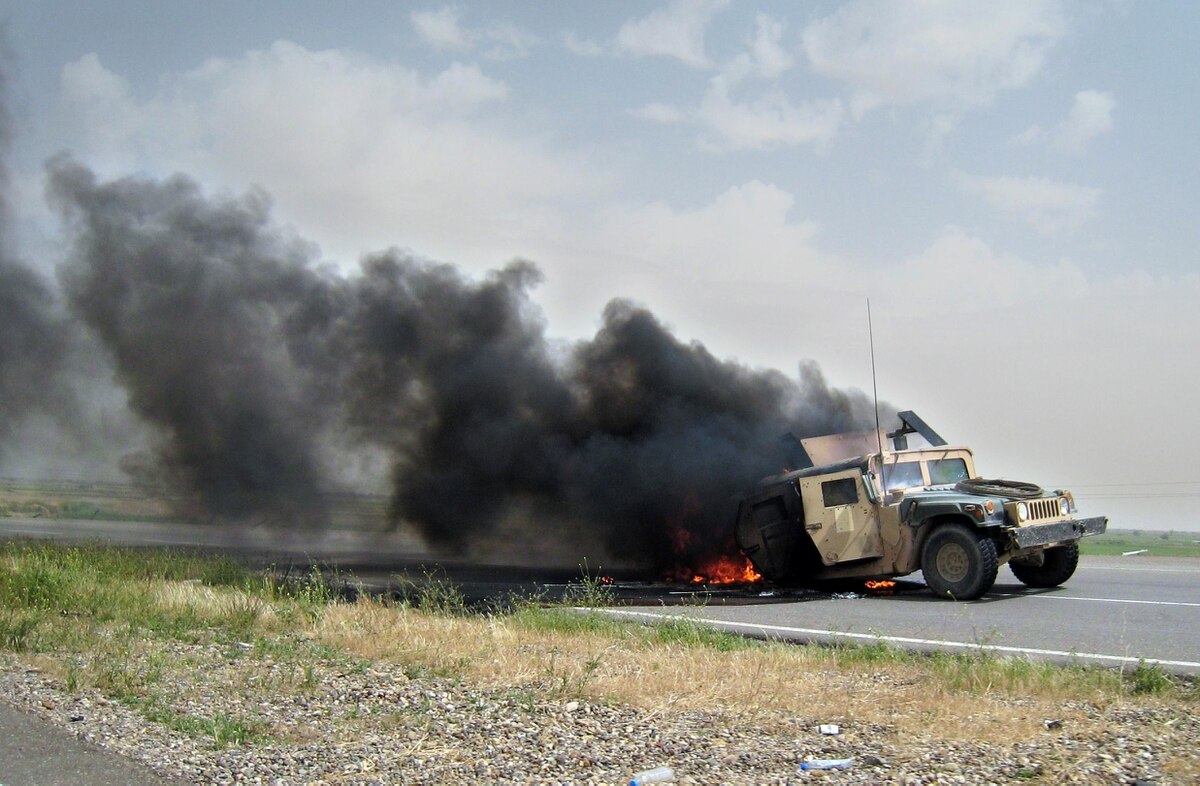
    These convoys have been targeted by roadside bombs in Nasiriyah, Samawah, Diwaniyah and Hilla.

    A new round of attacks by Iraqi resistance groups against US interests on Iraqi soil appears to have begun. Attacks on American convoys have dropped dramatically in the past two weeks.

  • Latest Updates on Yemen, 22 May 2021

    Latest Updates on Yemen, 22 May 2021

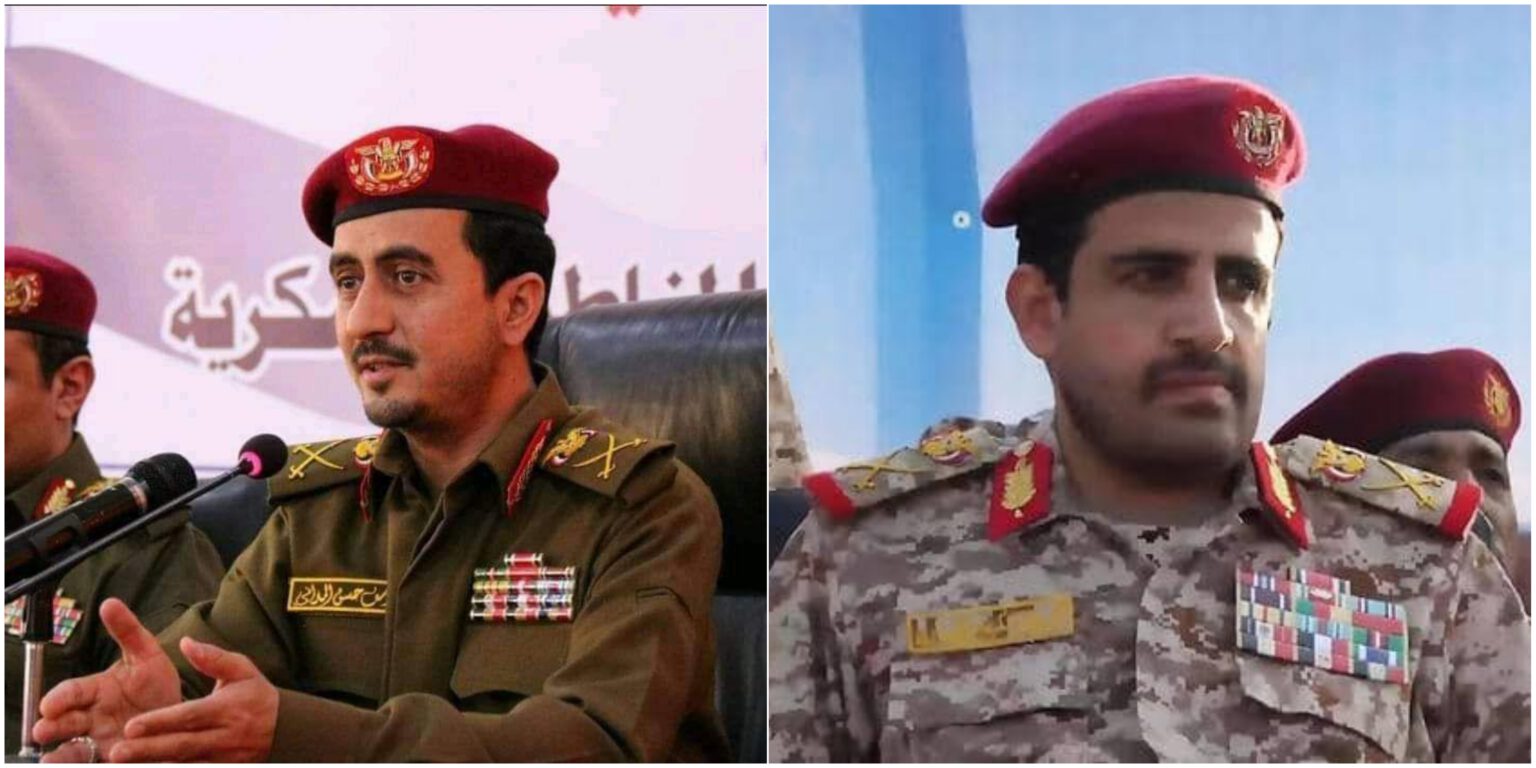
    1- The U.S. Department of the Treasury sanctioned “Mohammad Abdul Karim Al-Ghamari” and “Yousef Al-Madani” for commanding Ansar Alah’s operation in Marib.
    Major General Al-Ghamari (right) is the Commander-in-Chief of the Yemeni Army, and Major General Al-Madani (left) is the brother of Martyr Taha Al-Madani, and commands the Yemeni Army’s Fifth Military District.

    2- Marib:
    – Ansar Allah repelled Saudi coalition attacks on Dash al-Haqan.
    – Unknown gunmen assassinated Nasser Saeed Lakra’, a field commander of the al-Qaeda terrorist group in the city of Marib.

    3- Saudi coalition airstrikes:
    In the past 48 hours, Saudi coalition warplanes bombed Sarwah 27 times, Madghal 13 times in Marib province and 2 times Haradh in Hajjah province.

    4- Al-Hudaydah:
    The Saudi-led forces violated the ceasefire regime 236 times in the past 48 hours.

    5- Saadah:
    Three Yemeni civilians were martyred as a result of the Saudi coalition strikes on Wadi Liya area in the Zaher district.

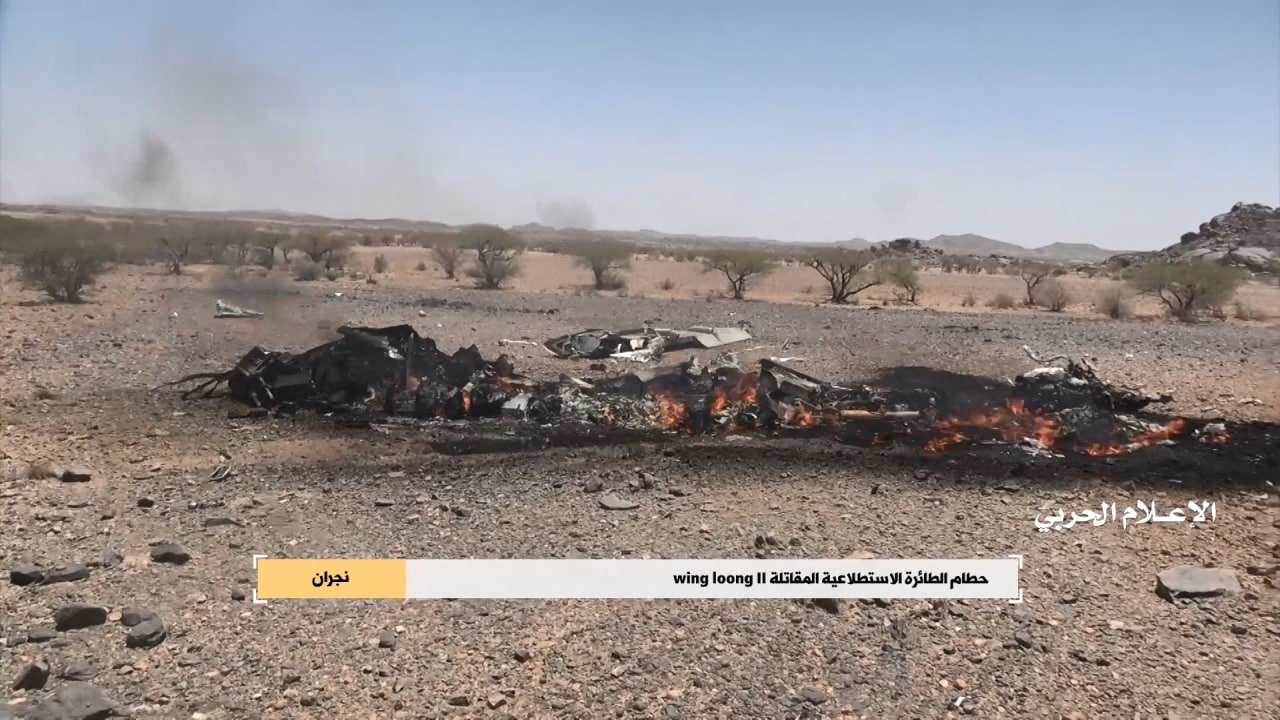
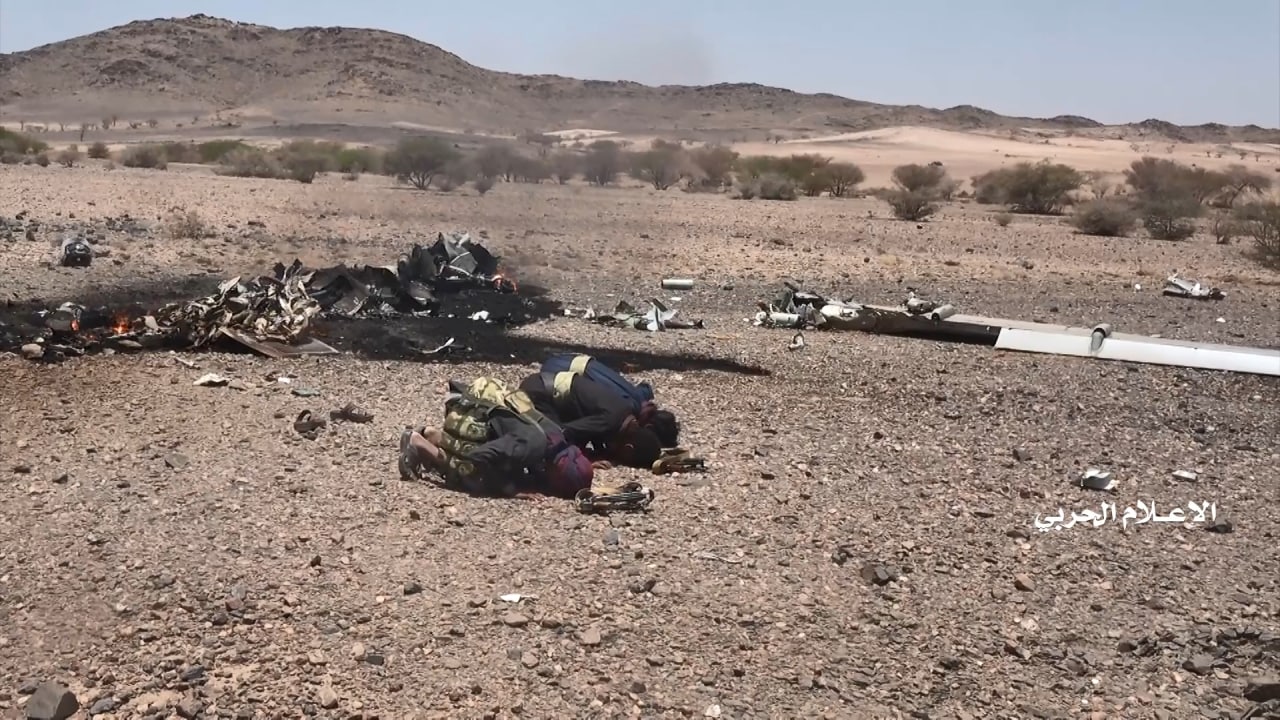
  • Video: Ansar Allah destroys the third advanced drone of the Saudi coalition

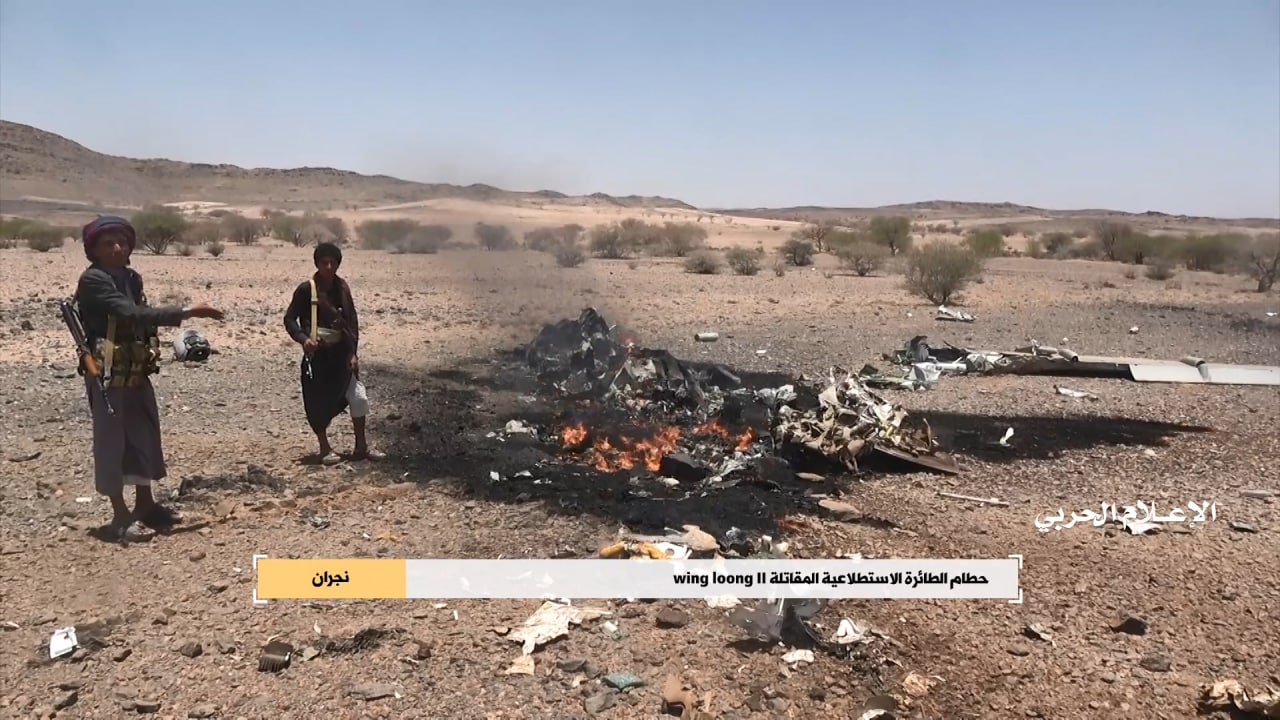
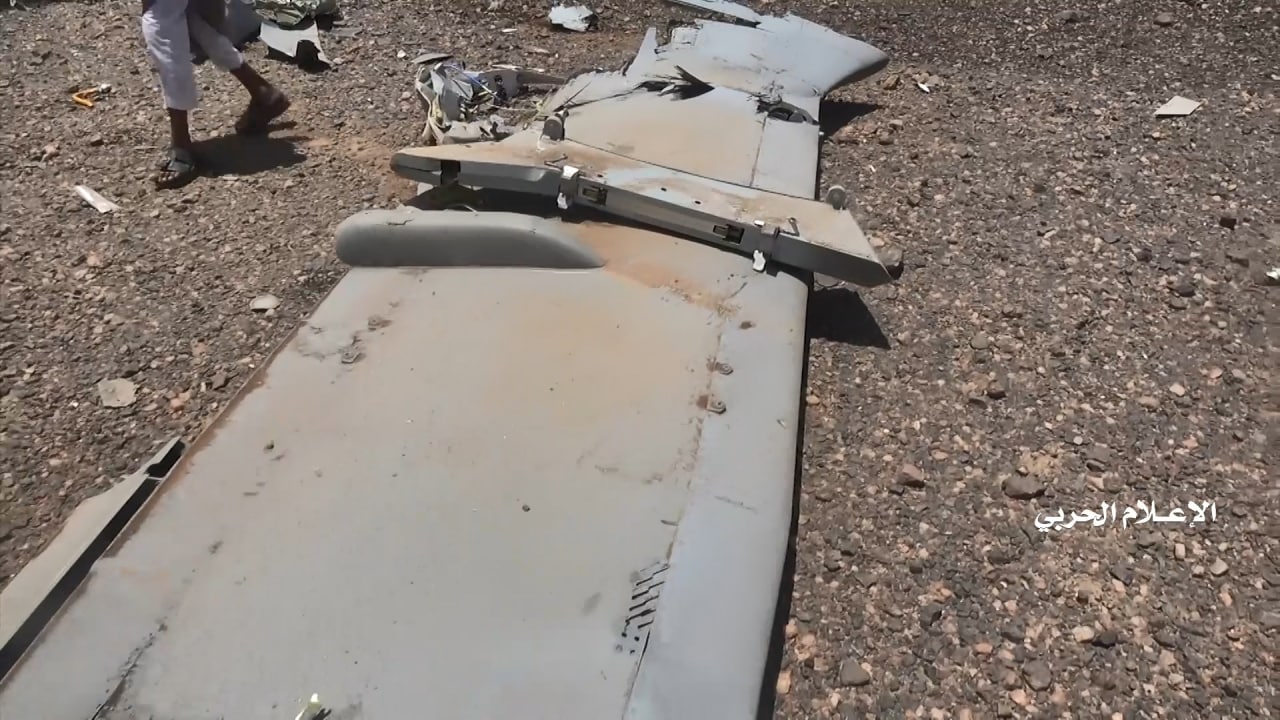
    Video: Ansar Allah destroys the third advanced drone of the Saudi coalition

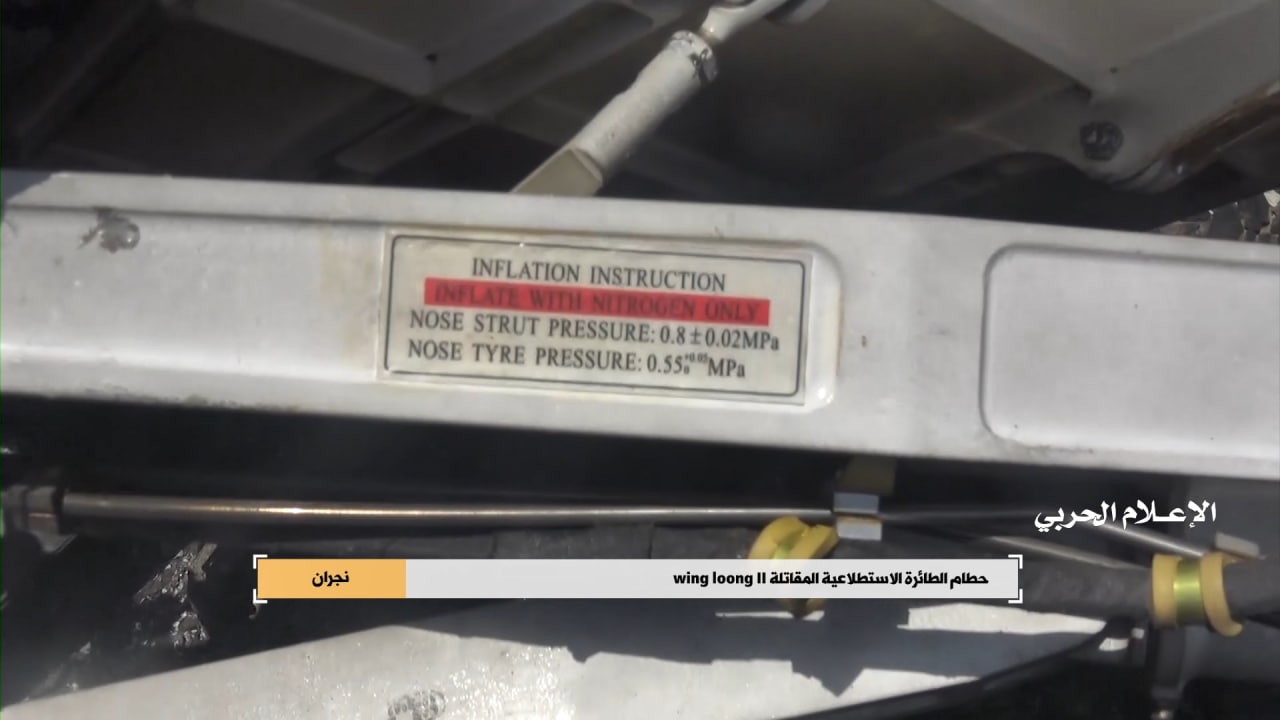
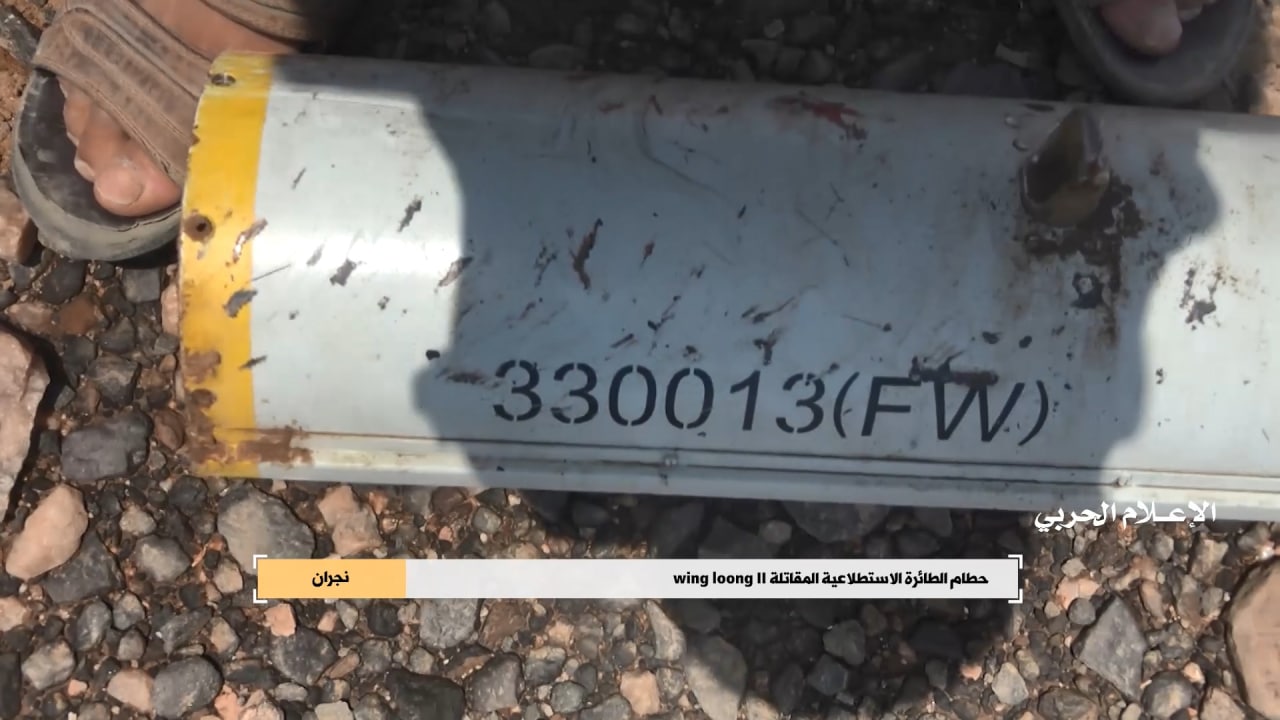
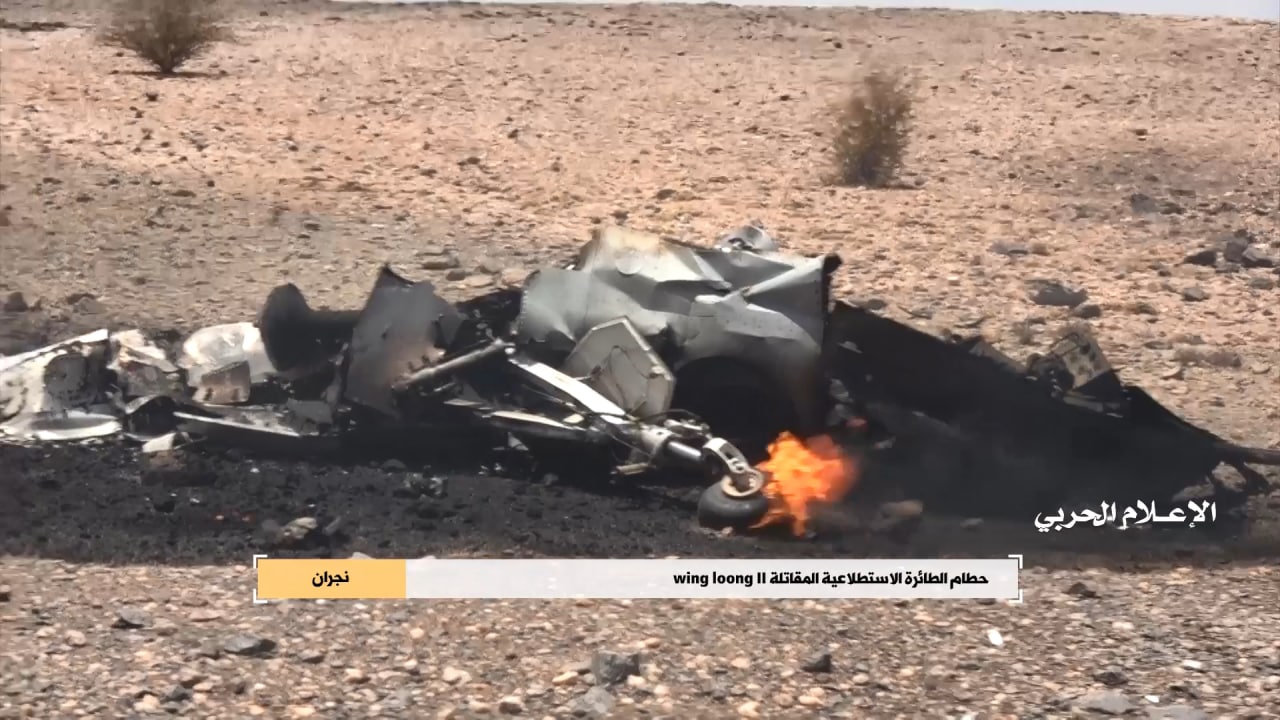
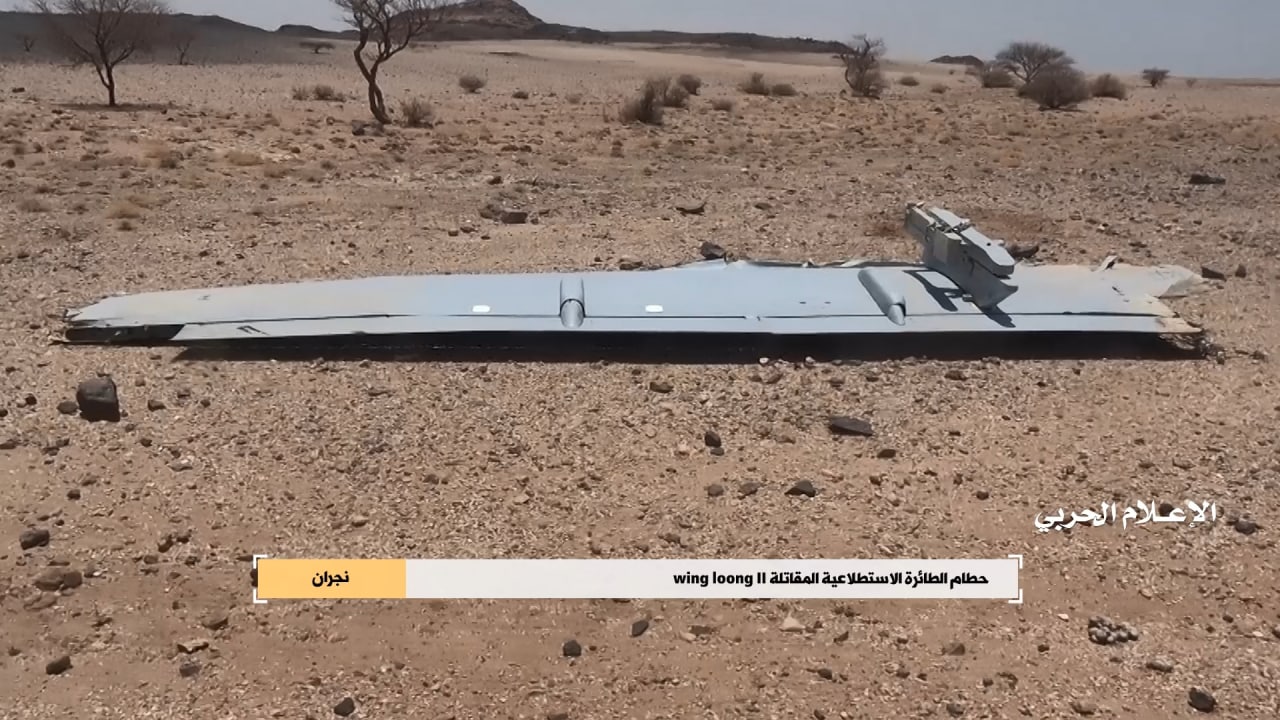
    On February 2017, Saudi Arabia purchased 50 Wing Loong 2 drones from China and until March 16, 2021, about 36 drones delivered to Saudi Arabia.

    This is the third aircraft of this type which is shot down by Ansar Allah during the Yemeni war.

  • Withdrawal of Georgian troops from Afghanistan

    Withdrawal of Georgian troops from Afghanistan

    Georgia has begun withdrawing troops from Afghanistan following the end of NATO military operations in Afghanistan, and this process has recently been completed.
    The Georgian troops were under the German command and stationed at the Camp Marmal east of Mazar-e-Sharif, numbering about 100 people. It is noteworthy that the forces of other countries are still present in this base.

    Georgia has had about 871 troops in Afghanistan in recent years, stationed at the Bagram base in Parwan province and the Camp Marmal in Balkh province, whose mission is to train, advise and assist Afghan security forces.
    According to the Georgian Ministry of Defense, 32 Georgian servicemen have been killed in the war in Afghanistan since 2004.

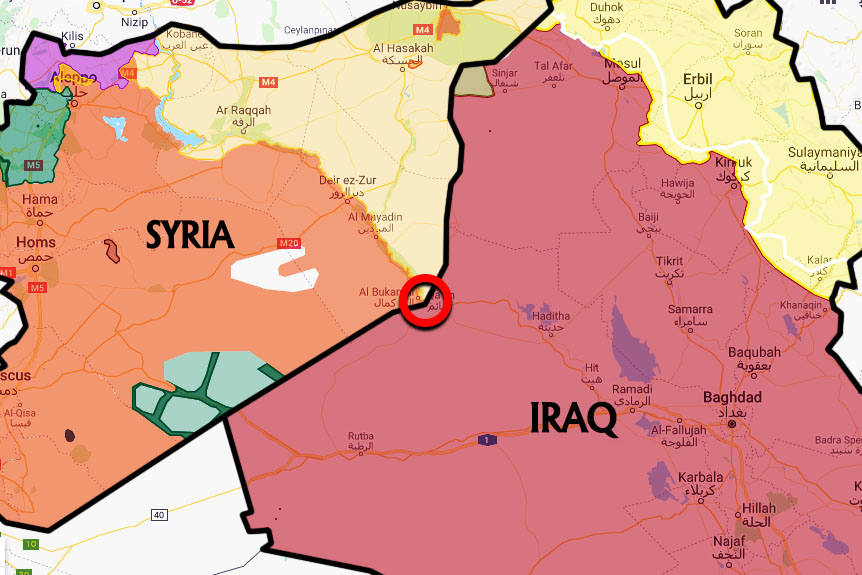
  • Explosion in the border area of Iraq and Syria

    Explosion in the border area of Iraq and Syria

    According to local sources, a Toyota vehicle was bombed in the Al-Qaim border area, and at the same time, American warplanes flew over these areas, which increases the possibility that the attack was carried out by the Americans. However, it is not yet clear whether the attack was carried out by which party.

  • Demonstrations in Faryab and the federal government in northwestern Afghanistan!

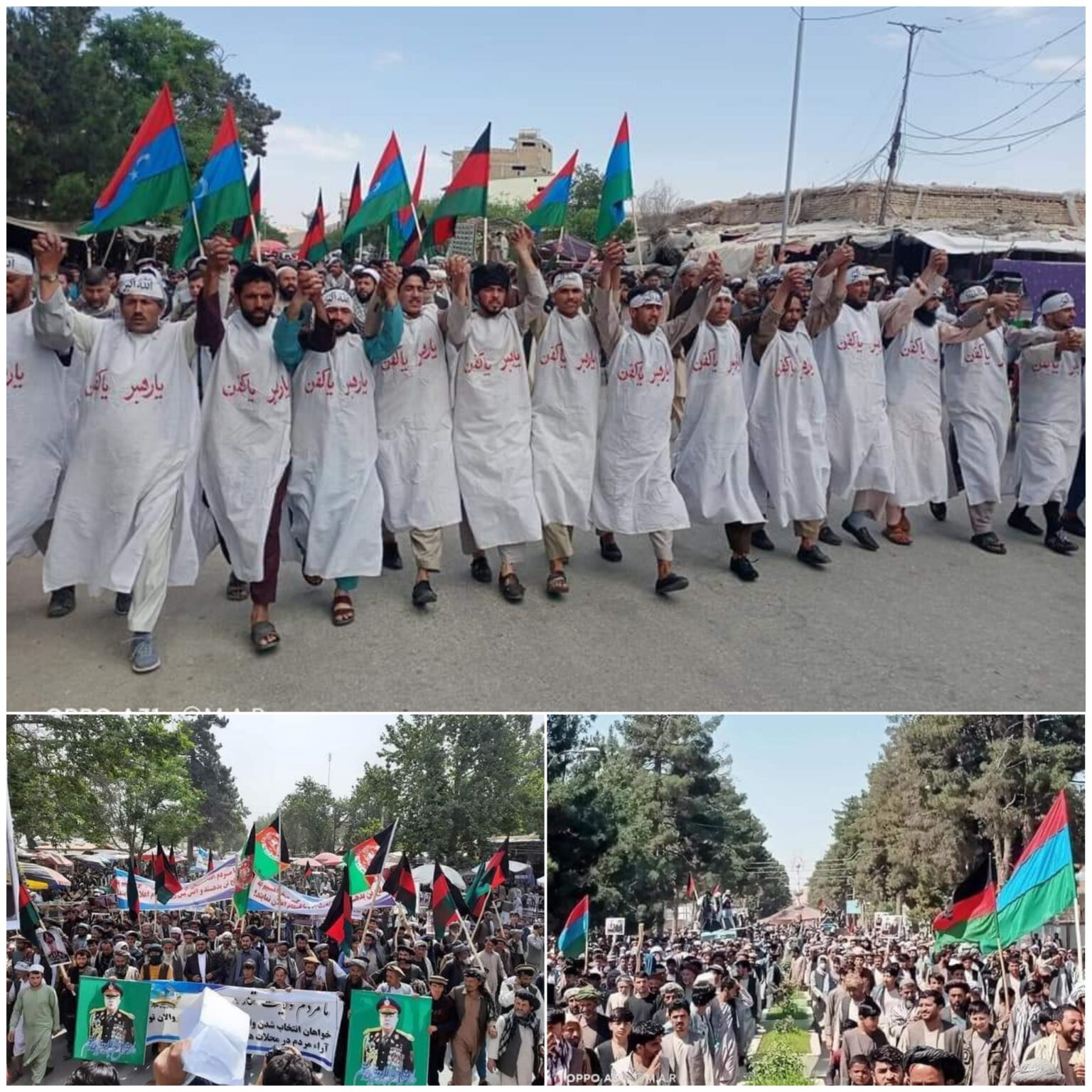
    Demonstrations in Faryab and the federal government in northwestern Afghanistan!

    Following the removal of Naqibullah Fayeq and the appointment of Mohammad Daud Laghmani as governor of Faryab by Ashraf Ghani, General Abdul Rashid Dostum has called on the people and members of parliament to oppose the decision. Following this call, the people and militants affiliated with General Dostum held large rallies in the city of Maimanah and announced that they would not allow Laghmani to enter Faryab province and they will also declare autonomy in Faryab and other areas under their control if their demands are not heeded.

    According to General Dostum, who leads the National Islamic Movement of Afghanistan and somehow is the leader of Afghanistan’s Uzbek and Turkmen ethnic groups, Ashraf Ghani should consult with him and his representatives regarding the appointment of the governor, otherwise his decisions are an insult to the people and unacceptable.

    In this regard, Dostum has recently proposed General “Morad Ali Morad” as the new governor of Faryab, which has not yet received a response from the government of Ashraf Ghani.

    This tension can be considered the beginning of a cold war between Ashraf Ghani and the leaders of the Uzbek and Turkmen tribes of Afghanistan, and after the suppression of the Hazara commanders, now it is the turn of the Uzbeks and Turkmen.

  • Afghanistan: Taliban Captured the Jalriz District + Images

    Afghanistan: Taliban Captured the Jalriz District + Images

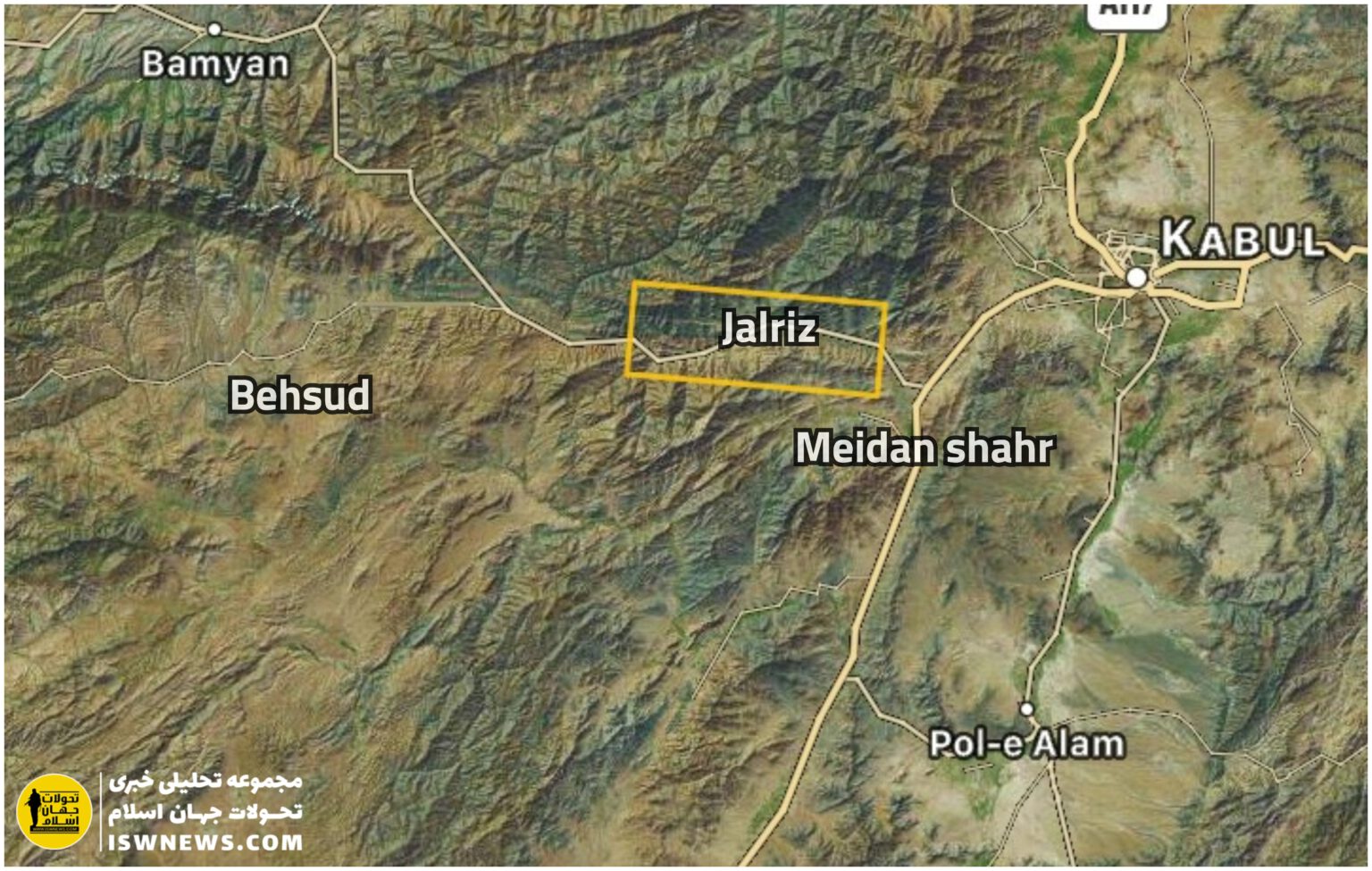
    Clashes in Jalriz district have intensified since March 27, following the insecurity of the Maidan Shahr-Behsud road by the Taliban, and after that, the army operation in this district intensified on March 30.

    The Taliban operation finally ended without result on April 1, until Taliban attacks intensified in recent days And army checkpoints in the Jalriz city fell, and Dareh Sanglakh, the army’s last stronghold in Jalriz, fell to the Taliban on May 20. The continuous Taliban attacks in Jalriz led to a complete retreat and the surrender of the army to the Taliban.

    An unknown number of people were killed and wounded and more than 37 were captured after the fall of the last army positions in Jalriz. Also, 14 military vehicles, 6 tanks and 3 vehicles were looted by the Taliban.

    The fall of Jalriz by the Taliban is sounding the alarm in the districts of Maidan Shahr (the capital of Maidan Wardak province), Daimirdad, Hesa Awal Behsud And given the presence of Kochis (Kochi tribes allied with the Taliban) in the ranks of the Taliban, this danger will be more on the Shiites and the Hazara people in the these areas.

    Earlier, the popular mobilization forces under Abdul Ghani Alipour stopped the Taliban around Behsud and prevented the transfer of clashes to other areas, including Bamyan province, but now with the removal of the Alipour forces by government forces under Ashraf Ghani, the danger of falling these areas is felt more than ever.

    Taliban forces in one of Army checkpoints in Jalriz which was fall yesterday
  • Video: Hamas and Palestinian Islamic Jihad thanked Iran and the axis of resistance

    Video: Hamas and Palestinian Islamic Jihad thanked Iran and the axis of resistance

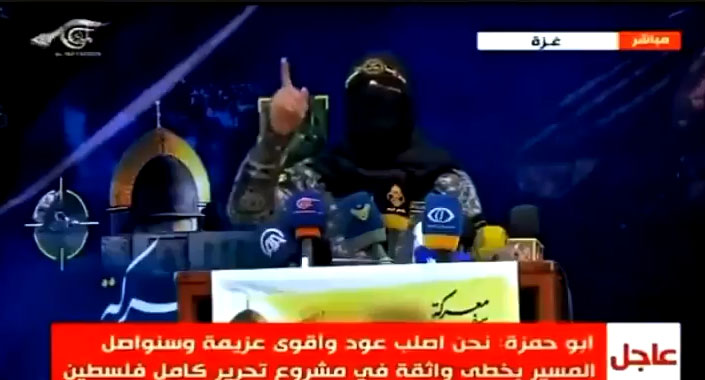
    Abu Hamza, spokesman for the Saraya Al-Quds Forces: “We are very grateful for the important role of the Islamic Republic of Iran and all the forces of the resistance who supported us with weapons, equipment and information and were a real supporter in strengthening the material and technical capabilities of the resistance. And I tell them that you are our partner in victory and, God willing, we will soon enter Al-Aqsa Mosque together victoriously.”

    Also Ismail Haniyeh, head of the political bureau of Hamas, in his speech today on the occasion of the victory of the Palestinian resistance in the 11-day war, praised and thanked the Islamic Republic of Iran, which helped the Palestinian resistance with property and weapons.

  • Iran’s IRGC unveils new reconnaissance combat drone ‘Gaza’ + Images and video

    Iran’s IRGC unveils new reconnaissance combat drone ‘Gaza’ + Images and video

    In this ceremony, which was held in the presence of Major General “Hossein Salami”, Commander of the Islamic Revolutionary Guard Corps and General “Amir Ali Hajizadeh”, Commander of the IRGC Aerospace Force, “Gaza” reconnaissance combat drone, “9 Dey” missile and “Quds” radar system Unveiled.

    Regarding the name of the Gaza drone, Major General Salami said, “We named this drone Gaza so that, God willing, it will be an eternal honor for those in Gaza who are resisting the Zionist aggression today.”

    The Gaza drone, capable of carrying 13 bombs and 500 kilograms of equipment, as well as 35 hours of flight up to a radius of 2,000 kilometers, is capable of carrying out various combat and intelligence operations. The drone is also used in forest surveillance operations and natural disaster relief.

    The defense system equipped with 9-Dey missile also has the ability to engage and destroy a variety of threats at close range, including cruise missiles and drones.

    The Quds radar system is also capable of detecting low-altitude targets such as cruise missiles, helicopters and drones. This system has high agility and fast deployment and relocation in the required location is another feature of this system.