– Demonstrations in areas under the control of the Iraqi Kurdistan region in protest of the poor economic and living conditions.
The region is in a very bad economic situation, so that now, in the eighth month, the local government has not paid the salaries of its employees and armed forces for 5 months this year.
Barzani party officials in Erbil and Dohuk provinces prevented people gatherings by bringing the anti-insurgency forces, while demonstrations took place in PUK-controlled areas.
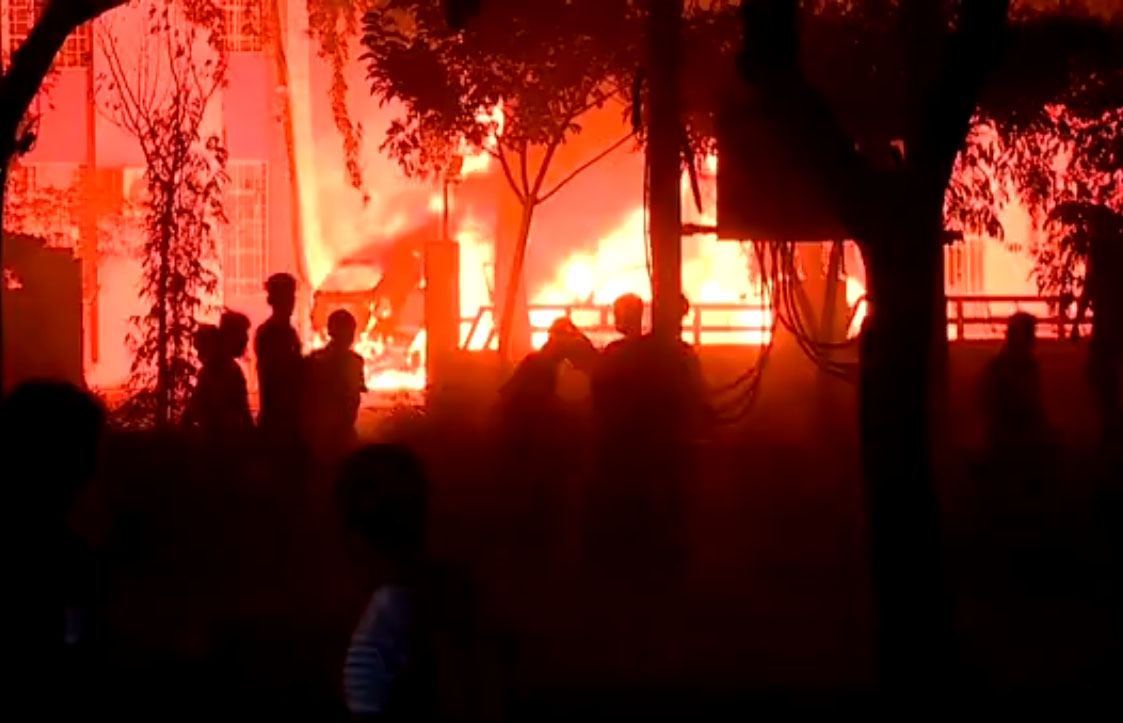
Reports from Kalar town indicate that the town municipality was set on fire by protesters. The sound of gunfire was also heard in the area. (Image)
– Discovery and seizure of significant quantities of explosives belonging to ISIS in Anbar province by Hashad al-Shaabi (PMU).
– Hashad al-Shaabi (PMU) killed 3 ISIS elements in the east of Tikrit.
– A motorcycle bomb exploded in Al-Habubi Square in Nasiriyah.
According to some sources, three people were injured in the blast.
– Sources close to Barzani’s party reported the arrest of a gang of ISIS in the city of Erbil, the capital of the Iraqi Kurdish region.
Erbil province is under the control of Peshmerga militants affiliated with Barzani’s party.
– A Turkish military vehicle exploded in the Bradost area of Erbil province in northern Iraq.
According to unofficial sources, a number of Turkish soldiers were killed and wounded in the blast. PKK claimed responsibility for the blast.
– The martyrdom of Colonel Hisham Mohammad, Commander of Special Operations of Counter-Terrorism Forces in Salahuddin Province.
– The Turkish Ministry of Defense announced that 5 members of the PKK were killed during the Turkish operation in northern Iraq.
– Turkish warplanes continue to bomb northern Iraq, killing and wounding several civilians in the past few days.
– By order of Iraqi Prime Minister al-Kadhimi, four joint operations center for Iraqi and Peshmerga forces were established in the Khanaqin area of Diyala, the Chiman in Kirkuk, the Makhmour in Ninawa, and the Kasik in western Nineveh.
The purpose of establishing these centers is to coordinate and fill the existing areas between the joint Iraqi forces and the Peshmerga to counter ISIS movements in these areas.
– Some sources: US forces installed the Patriot system in all directions of the Ain al-Assad air base in the western part of Anbar province.
– Iraqi Prime Minister Al-Kadhimi met with the Speaker of the US House of Representatives and had a telephone conversation with the Republican leader in the US Senate.
– Al-Kadhimi: US troops will leave Iraq in three years.
Qais al-Khazali, secretary general of Asaeb Ahl al-Haq, in response to al-Kadhimi: It is illegal for US troops to remain in Iraq for another three years.
– News sources: Attack on the military convoy of American terrorists in Ghazaliyah, west of Baghdad.
Author: Mirza
-
Latest Updates on Iraq, 22 August 2020
-
Al-Taji base was handed over to Iraqi forces
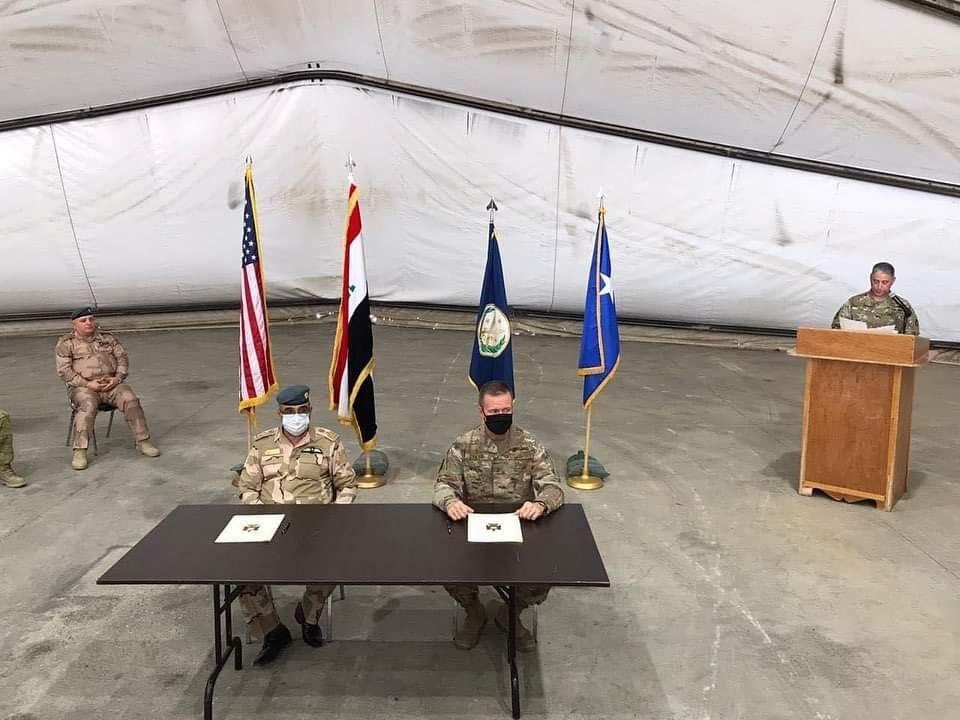
The International Coalition issued a statement on Sunday stating that it had handed over $ 347 million worth of Al-Taji training sites to the Iraqi forces.
It’s worth mentioning that in the ceremony, Al-Alam, Nujaba and Al-Ahd news agencies prevented from entering the Taji base.
The withdrawal of US troops from Iraqi military bases has begun in recent months, with at least eight US-occupied coalition bases being handed over to Iraqi forces. -
Ansar Allah heavy attack to Maas base in Marib province
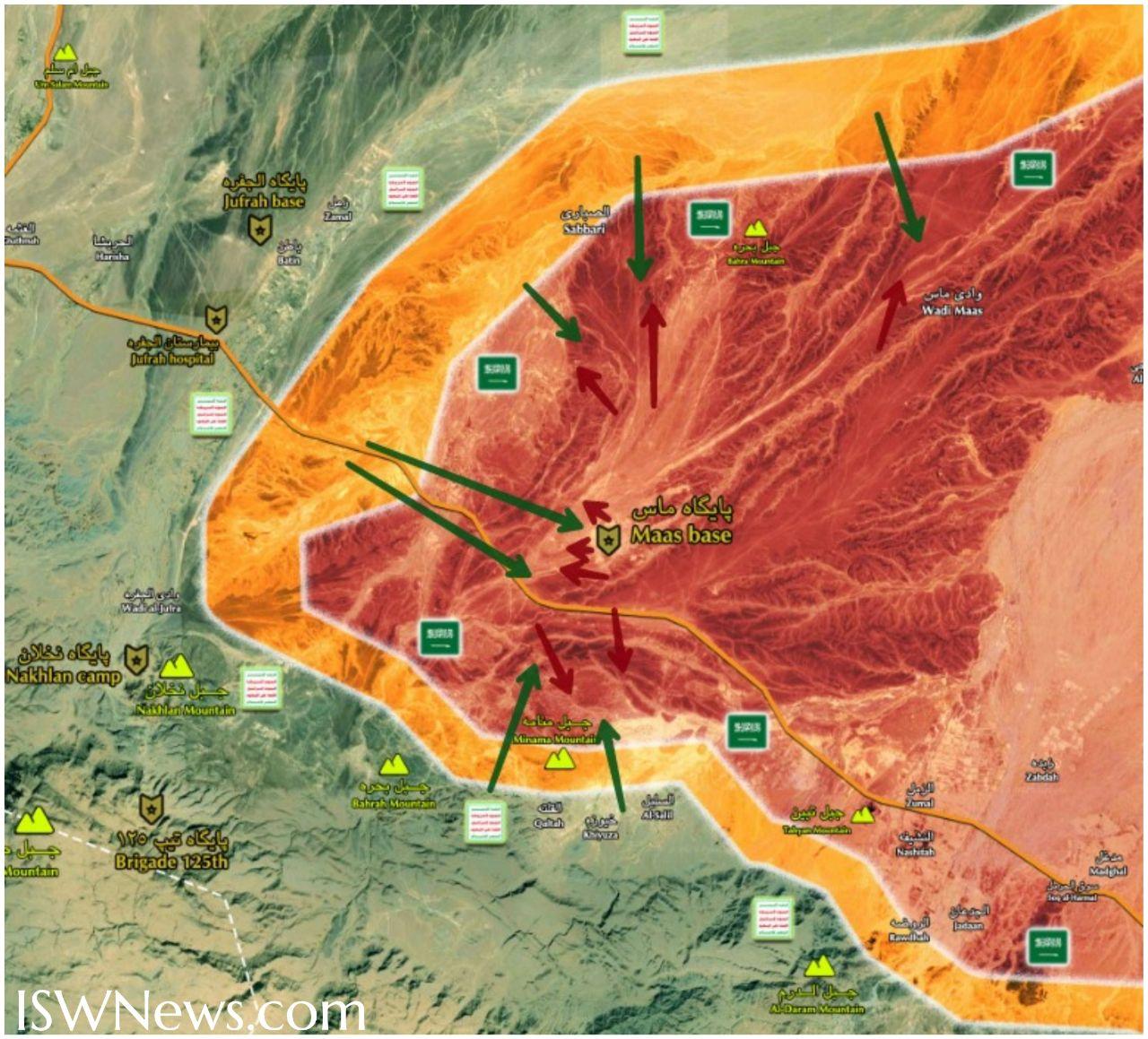
According to our local sources, this attack is from several axes and Saudi-led coalition positions in northwest of Marib are under attack by Ansar Allah drone and missiles.
In following year Ansar Allah launched two large attacks on April 2 and June 16 to Maas base which did not result in full liberation of the base due to Ansar Allah strategic plans. Ansar Allah goals in attacks of several months in west Marib are: 1. Draining Saudi coalition strength and 2. Imposing heavy damages to Saudi coalition.
Maas base is the HQ of coalition in west of Marib province, the most important base and military point in the area. Its liberation is the key to further advances in Marib and beyond. -
Ceasefire in Libya Again!
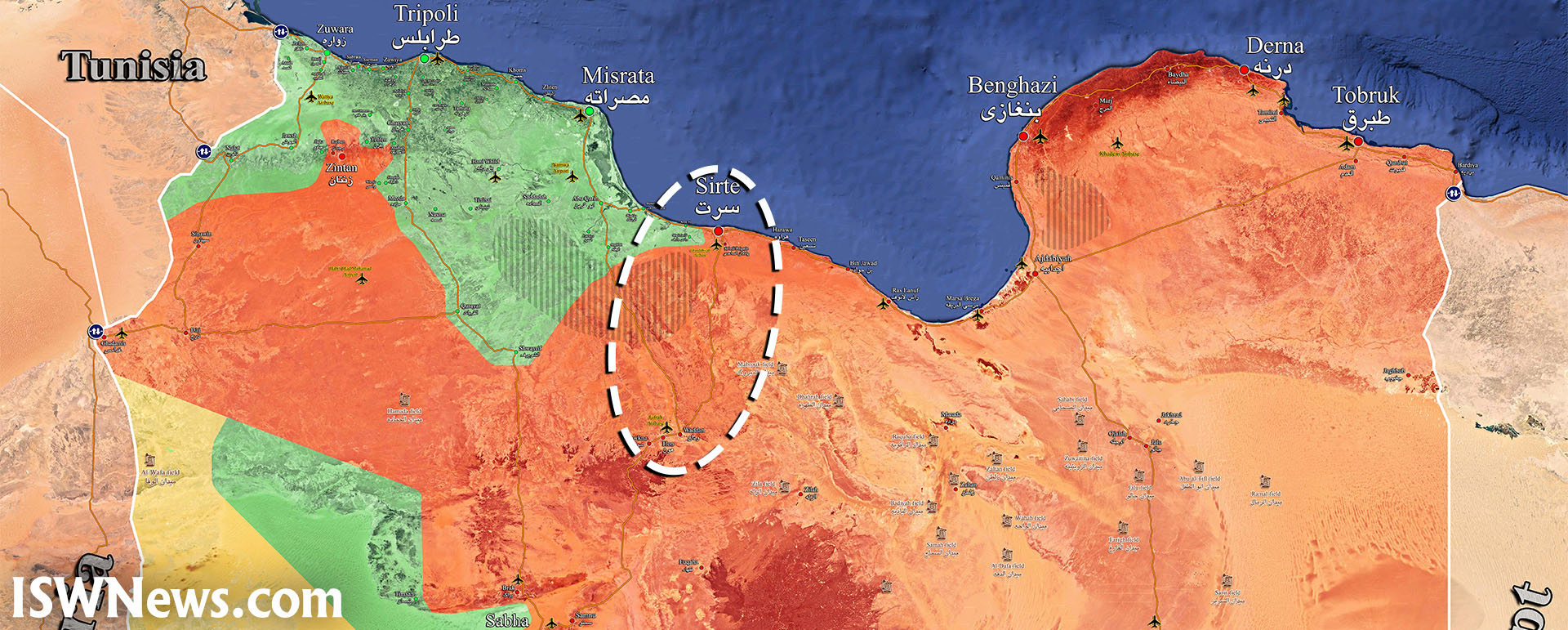
According to separate statements by Fayez al-Sarraj, head of Government of National Accord (GNA) located in west of Libya, and Aguila Saleh Issa, president of House of Representatives (HoR) located in east of Libya, they stress demanding ceasefire, readiness to hold the presidential and parliament election in March 2021 and, resuming negotiation regarding extracting oil and its income and removing weapons from cities Sirte and Jufrah. In case of ceasefire, Sirte city will be temporary HQ of Libya presidential council.
UN and European and other countries welcomed the agreement and emphasized on foreign forces to leave Libya.
GNA and LNA conflicts intensified after general Haftar operation in south of Tripoli and northeast of Libya but GNA under full support of Turkey could defeat the operation and reclaimed northwest of Libya again. The conflict sides in Libya tried agreement sever times but everytime it failed due to interference of foreign countries.
-

Details of Ansar Allah operation against ISIS and Al-Qaeda terrorists in northwest of Baydha
Brigadier General Yahya al-Sari’ said during the conference:
“- Our operation targeted the most important and dangerous Takfiri terrorists who were following coalition of enemies. Enemy states provided the Takfiris in north of Baydha financial support, medical and military equipment, and aerial support.
We have documents and evidences that show Al-Qaeda and ISIS helped mercenaries (Mansour Hadi resigned government and southern forces).
In this operation, which took a week, enemy warplanes launched several tens of airstrikes against our forces.
– In this operation 1,000 km2 land was liberated from ISIS and Al-Qaeda occupation and 14 bases of enemy, from which eight was under control of Al Qaeda and six under occupation of ISIS were liberated.
– More than 250 terrorists with foreign citizenship killer, injured or captured. There are five high rank commander and security agents of ISIS among the killed ones.– Our evidences show the relationship and collaboration between terrorists with Saudis and foreign countries to operate against us.
USA, Saudi Arabia and UAE are the biggest supporters of terrorists.
– We comfort the families victim of ISIS and Al-Qaeda that we blow the terrorists severely and revenged the martyrs. We appreciate the important role of elders and tribes of Baydha province, specially Wald al-Rabi’ and Quraishiyah districts.
Al-Baydha showed its pledge to national interest, freedom and independence of Yemen by its loyal men and free youth. It will be recorded in our history.”
According to our local sources, Ansar Allah intelligence was collecting information on terrorist groups ISIS and Al-Qaeda since 2018. Al-Qaeda and ISIS with help of Saudi officers and recruiting members from Pakistan and other countries tried to occupy Baydha province from four axes:
1. Nate’ and Nu’man districts,
2. Quraishiyah and Wald al-Rabi’ districts,
3. Mukayris and south of Baydha under the command of of Salih al-Shajiri,
4. South of Marib and Radman district under the command of Yaser al-Awadhi;
which defeated by Ansar Allah and and popular committees forces.The images showing the first report by Ansar Allah media of the operation against Al-Qaeda and ISIS in Qifah area, northwest of Baydha province that proves Saudi Arabia and USA support for terrorism.

-
Latest Updates on Iraq, 21 August 2020
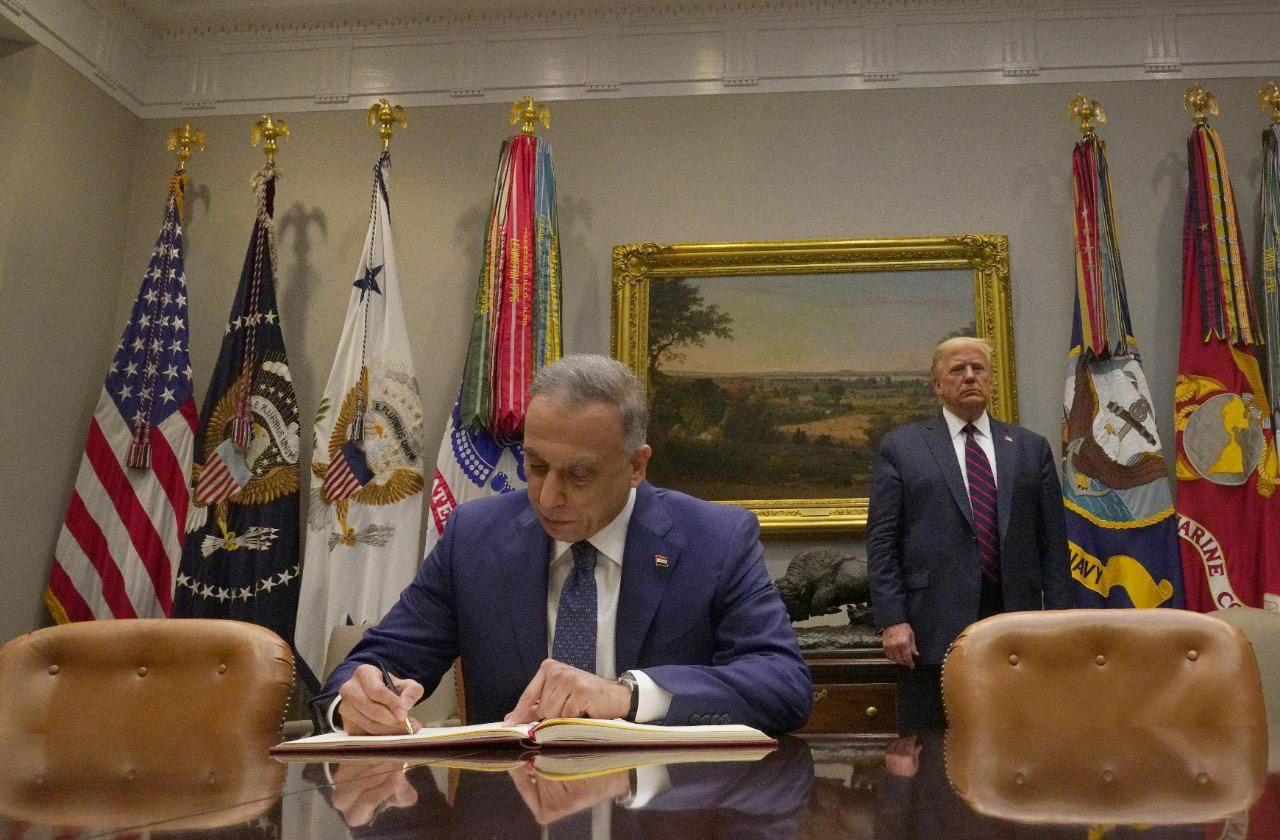
– Extension of the Iraqi Prime Minister’s visit to the United States.
The extension was requested by some members of the US Congress.
Mr Al Kadhimi arrived in the US capital on Wednesday and was scheduled to meet President Donald Trump on Thursday to discuss security, economic and cultural ties between Washington and Baghdad.
Five US companies, including Chevron, have signed $ 8 billion energy deals with the Iraqi government.
– The downing of several Turkish military reconnaissance drones in the “Shiladze” area in the northern Iraqi province of Dohuk. Local sources put the number of drones at five.
– Execution of clearing operations in parts of al-Tharthar area and surrounding areas in Anbar province by Hashad al-Shaabi and the Iraqi army.
– The martyrdom of two members of Hashad al-Shaabi (PMU) forces in the north of Babil province due to a roadside bomb explosion.
– ISIS attacked the shrine of Ibrahim bin Malik in Salah al-Din province. The attack was repelled it by PMU forces and the Iraqi army.
– An explosion occurred in the city of Al-Dujail in southern Samarra, killing and injuring several people.
– Protests and demonstrations on the Zakho International Road near the Ibrahim Khalil border crossing to prevent Turkish troops from entering Iraqi territory.
The protests closed the road. With the arrival of the security forces of the Kurdistan Region affiliated to Barzani’s party, leads to shooting and violence.
– Assassination of a civil activist named “Roham Yaqub” along with three other people in Basra.
This is the first time a “woman” has been assassinated by unknown individuals in Basra. Rumors about Roham Yaqub caused a lot of sensitivities and speculations in Iraq. While al-Kadhimi is in his visit to the United States, he ousted Basra police chief and several other security officials from the United States.Roham Yaqub
– Iraqi resistance groups issued a statement warning al-Kadhimi!
Iraqi resistance groups have threatened that they will increase pressure and actions against the occupiers and will target all US interests in Iraq if no agreement is reached on the withdrawal of US troops during Mustafa al-Kadhimi’s visit to Washington.
– Joint statement by al-Kadhimi and Trump: “Together, the United States-led Global Coalition to Defeat ISIS and the Iraqi Security Forces destroyed the ISIS physical caliphate, and we continue to work in close coordination to ensure that ISIS is rendered incapable of posing a threat to Iraq and every other nation. We reaffirm our commitment to long-term security cooperation to build Iraq’s military capability and address threats to our shared interests.”
– Attack on the logistical convoy of US terrorists near Baghdad with a roadside bomb.
– Demonstrations in Basra and the burning of the Iraqi parliament office in the city.
– According to some Iraqi sources, next week the King of Jordan, the President of Egypt and the Prime Minister of Iraq will hold a meeting in the Jordanian capital on regional developments. -
Latest Updates on Yemen, 21 August 2020
1- “Sayyid Abdul Malik Badreddin Al-Houthi” Leader of Ansar Allah:
” – The relationship between the UAE and the Zionist regime is nothing new, and in this alliance they are participating with the Saudis and Bahrain and the Sudanese military.
– Some ISIS and al-Qaeda leaders were killed in recent military operations. In al-Baydha, American planes and bombs came to the aid of ISIS and al-Qaeda.
2- Marib:
– Abu al-Walid al-Adni, the leader of ISIS in so-called “Wilayat Qifah” in the Qifah district was killed by Ansar Allah.
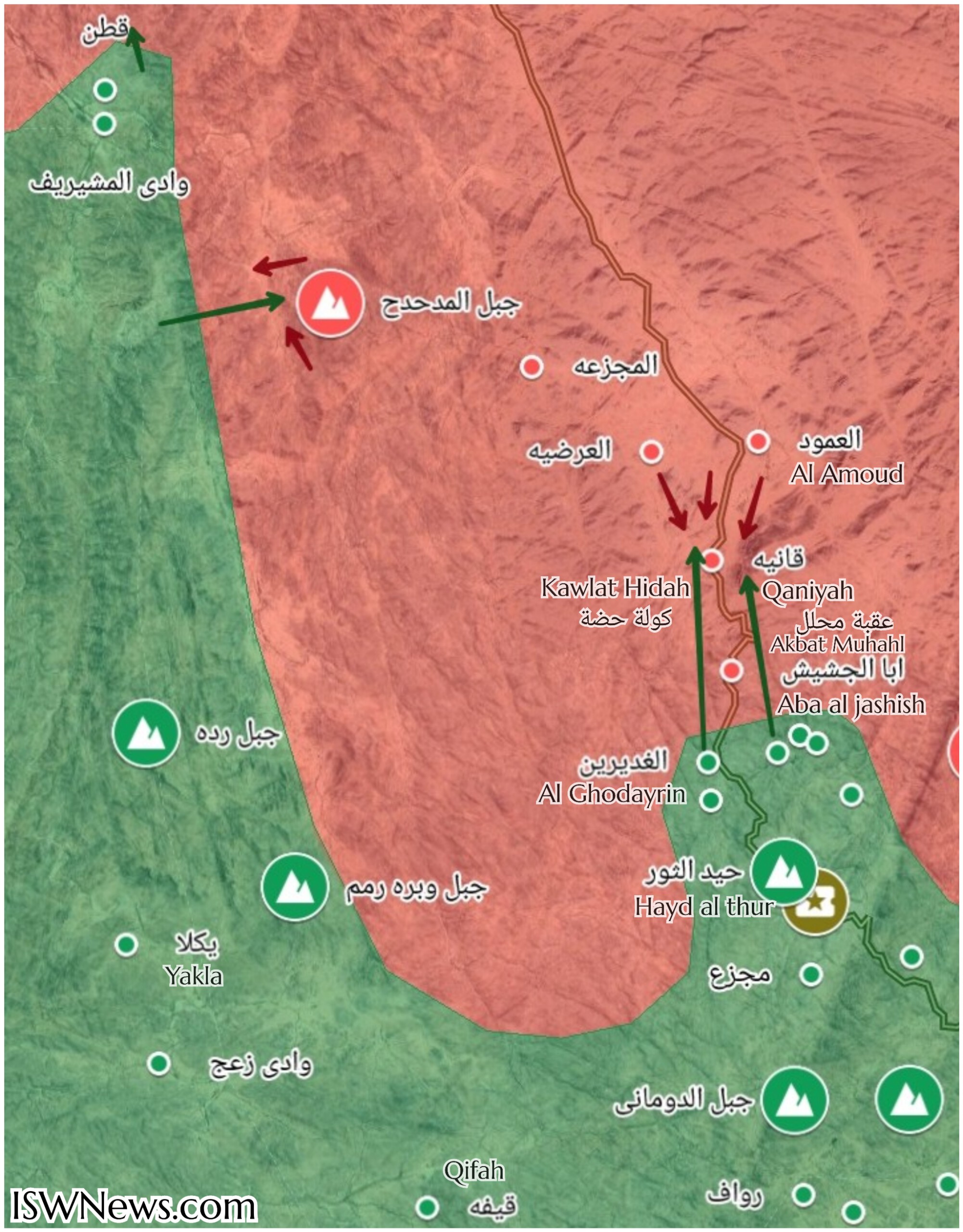
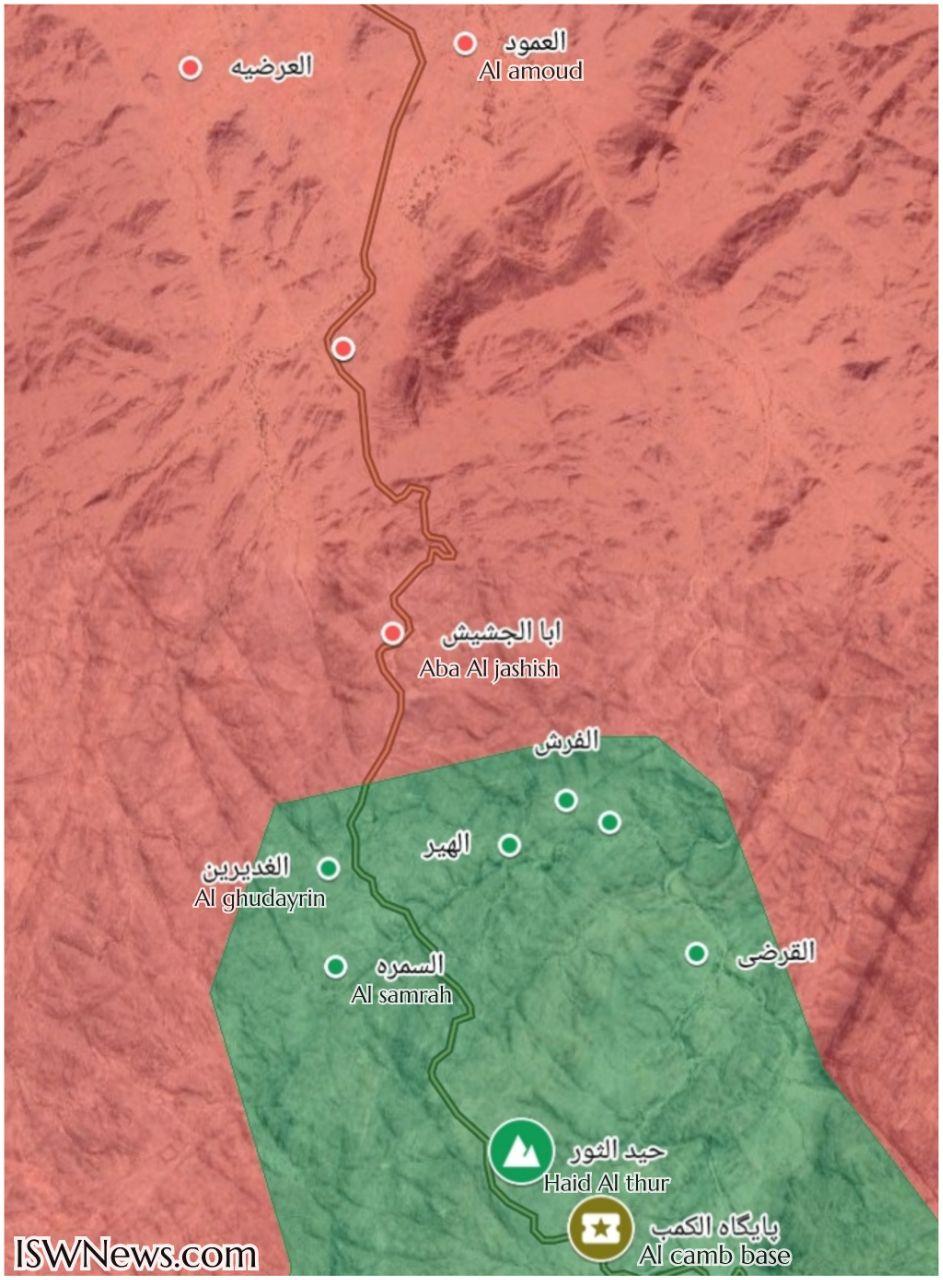
– Ansar Allah liberated the areas of Aqaba Mahlal, Aba al-Jashish and Koleh Hazah from the control of the Saudi coalition. Currently, the conflict continues in Murad Mountain and Al-Ghabib.
– Saudi-led coalition warplanes bombed Sarwah 15 times and Majzar 6 times.
3- Mohammad Al-Bukhaiti announced the return of “Ali Majrash”, the colonel of the Sixth Brigade of Mansour Hadi’s forces, and “Ali Al-Jama’i”, the commander of the security battalion, along with 12 other members of Mansour Hadi’s forces.
4- Al-Hudaydah:
Saudi-led coalition forces have violated ceasefire regime 102 times in the province in the past 24 hours.
5- Al-Jawf:
– Continuation of Ansar Allah attacks towards Al-Rayan and Al-Ruwaik.
– Saudi-led coalition warplanes bombed Khab and Al-Shaaf district 11 times and the Al-Hazm district 2 times. -
Azerbaijan on the break line!
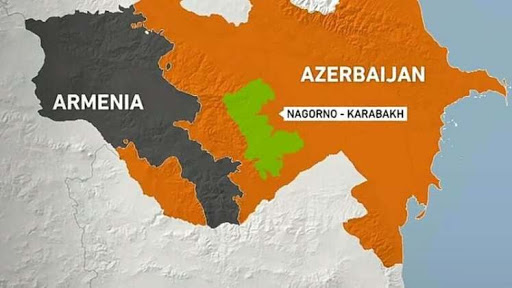
Heydar Alireza oglu Aliyev, the third President of Azerbaijan, took office on October 3, 1993, to end the military defeat of the country against the Armenian army and Artsakh militias in the Nagorno-Karabakh war. The presence of Iranian advisers and Afghan fighters (Gulbuddin Hekmatyar’s Islamic Movement Party), Chechens, Kyrgyz and Uzbeks in the battles of this war was the result of his foresight to draw the other side to balance the battlefield. With the presence of these forces, the battles were stabilized in favor of the Azeri side and little progress was made on the battlefield of Karabakh. The number of troops trained for combat in the mountains and rugged terrain was even higher than before.
By changing the military situation, Azerbaijan was maneuvering on political options and trying to combine military and political victories. It is safe to say that the second half of 1994 was a miserable year for Haidar Aliyev, and that all his aspirations to draw new ground for battle were fading.
This time the new tactics of the Armenian army and guerrillas in the war were unveiled. The large-scale offensive, accompanied by armored attacks, heavy artillery fire, and heavy artillery attack and attacking to main supply roads created new conditions in the war.
The city of Aghdam fell with the same tactic and the Armenian forces reached the plains of Azerbaijan from the mountains and there was no significant obstacle in front of them to be able to stop their advance.
Wrong assessment of the Armenian advance into the interior of Azerbaijan led to the concentration of forces and equipment on the middle front of the battle to prevent them from continuing to advance in the central regions of the country. But the Armenian forces moved the war to the other side.The regiment of Armenian forces poured from the Agdam front to the south of Nagorno-Karabakh and the Rayons bordering Azerbaijan with Iran. About 10 months after the noisy election of Heydar Aliyev, this time it was the turn of Gabriel’s and Fuzuli defenders to test themselves against the attack of about 10,000 Armenian troops and about 5,000 Armenian guerrillas (Artsakh). The invading forces were supported by artillery fire and armored forces (tanks and personnel carriers), and their large presence led to a bloody battle. The battles in the forested areas and surrounding hills soon reached the town of Fuzuli, and between August 16 and 23, 1994, most of the Fuzuli district fell to Armenian forces and were occupied. Rayon Jabrayil suffered the same fate and in a short time Azerbaijan lost the rhyme on the battlefield. Air support only delayed the withdrawal of Azeri troops and guerrillas.
The advance of the Armenians was so rapid that the Azeri forces chose the option of delayed and retreating operations. About 20,000 civilians lost their homes and fled to the Iranian border and the Aras River. Of course, these people were the last ones who were willing to evacuate their homes due to the fall of the defensive positions. Military and paramilitary forces were also behind them, and Iranian territory was the only place they could take refuge. Governor of Fuzuli also came to Iran with these refugees. Horadiz-Mil Moghan Dam (joint dam) on Aras acted as a bridge to cross. In addition, trucks, small boats, horses, and mules transferred people through Aras into Iranian territory. After a while, the Horadiz dam was under siege and occupied by the joint forces of Armenia and Artsakh. But there were still other Azeris behind the border.
During all this time, the artillery fire of the Army of the Islamic Republic of Iran played an important role in evacuating the remaining civilians and the military so that they could cross the Aras River with BTR trucks, tanks, and military and civilian vehicles. Of course, news about the construction of floating bridges by army and IRGC engineering units on Aras was published unofficially. There are rumors about the martyrdom of Iranian Revolutionary Guards and Afghan Mujahideen in this battle, which has not been confirmed yet, and only the inscriptions of a few gravestones of the victims of the Nagorno-Karabakh war in Kheradlan (a city near Baku) show this fact.
After capturing northern Aras, Armenian forces attempted to blow up the Horadiz-Mil Moghan dam, which was opposed by Iran and the threat from the Iranian side caused them to withdraw from this action.
Relief aid from the Red Crescent and the Iranian Relief Committee in East Azerbaijan Province (according to the country’s divisions at the time) was sent to Azerbaijani refugees on Iranian soil. Rescue teams provided temporary shelter for the wounded by setting up tents and setting up a camp.Ambulances also transported the seriously injured to Ardabil and Tabriz hospitals. Azerbaijani President Heydar Aliyev upon entering Iran and visiting the refugee camp, blamed the Fuzuli governor and his military and paramilitary commanders for the defeat and called for the removal of incompetent personnel.
Azerbaijani military and paramilitary forces due to the dire situation on the battlefield, in the shortest time transferred to Azerbaijan with all their weapons via the corridor provided by Iran in the Bile Savar border crossing to prevent the advance of Armenian forces to the east (Imishli and Saatli Rayons). Dozens of Iranian trucks were also tasked with transporting refugees back.
The remarkable point in this battle and defeat was the loss of the communication line of Zangilan road and its only communication route was supplied from Iran and a population of 60,000 people was besieged.
Under these circumstances, Aliyev’s government was still needed Iran’s helpa. Of course, Azerbaijan planned an operation to retake the lost areas north of Aras, which was given the green light by Iran. Azeri planes entered the occupied territories from Iranian airspace and heavily bombed the area around Horadiz.
Even Iranian artillery units assisted Azerbaijan in the military operation against Armenian forces, and surveillance from the Iranian side caused heavy casualties to the Armenians. Joint Armenian forces withdrew from a significant part of Rayon Fuzuli, but the towns of Jebrayili and Fuzuli and the line of contact with Zangilan remained in their hands.Shortly afterwards, Zangilan fell and the process of displacing refugees to the Iranian border was repeated. Of course, the President of Azerbaijan later expelled the Iranian advisers who were training his country’s forces from Azerbaijan so that religious beliefs would not be formed among the armed forces of this country.
Heydar Aliyev’s political project led to a political defeat and a forced ceasefire after the Minsk summit. After the end of the war, his government turned to the economic strengthening of Azerbaijan, the extraction of oil and gas from the Caspian Sea and the distortion of the history of the Nagorno-Karabakh war, to the point that the recapture of the occupied territories of Fuzuli was only the result of efforts by the Azerbaijani armed forces. But most people in this country never forget about Iran’s humanitarian aid and military help to Azerbaijanis. -
The Syrian resistance group rocket attack on American forces in Deir Ezzor
“The Popular Resistance of the Eastern Region” group claimed responsibility for the attack, saying it was in response to an attack by US forces on a Syrian military post south of Qamishli.
The Popular Resistance group was formed two years ago with the aim of fighting the American occupying forces and the Syrian Democratic Forces. The group has claimed responsibility for a number of attacks on U.S. troops since its formation. -
Latest Updates on Yemen, 20 August 2020
1- Marib:
– Ansar Allah succeeded in liberating Al-Ghadirin and Al-Samara areas in the south of Al-Abdiya town. Ansar Allah attacks on Aba al-Jashish are currently ongoing.
– Ansar Allah artillery bombed the Mass base in the western part of Marib province.
2- Al-Hudaydah:
Saudi-led coalition forces have violated ceasefire 207 times in the past 48 hours.
3- Saudi-led coalition air strikes:
In the last 48 hours, the Saudi-led coalition warplanes have bombed Sarwah 28 times, Majzar 1 time, Khanjar base 2 times, Labanat base 2 times, Rashaha 3 times and Walad Rabi’ 1 time.


