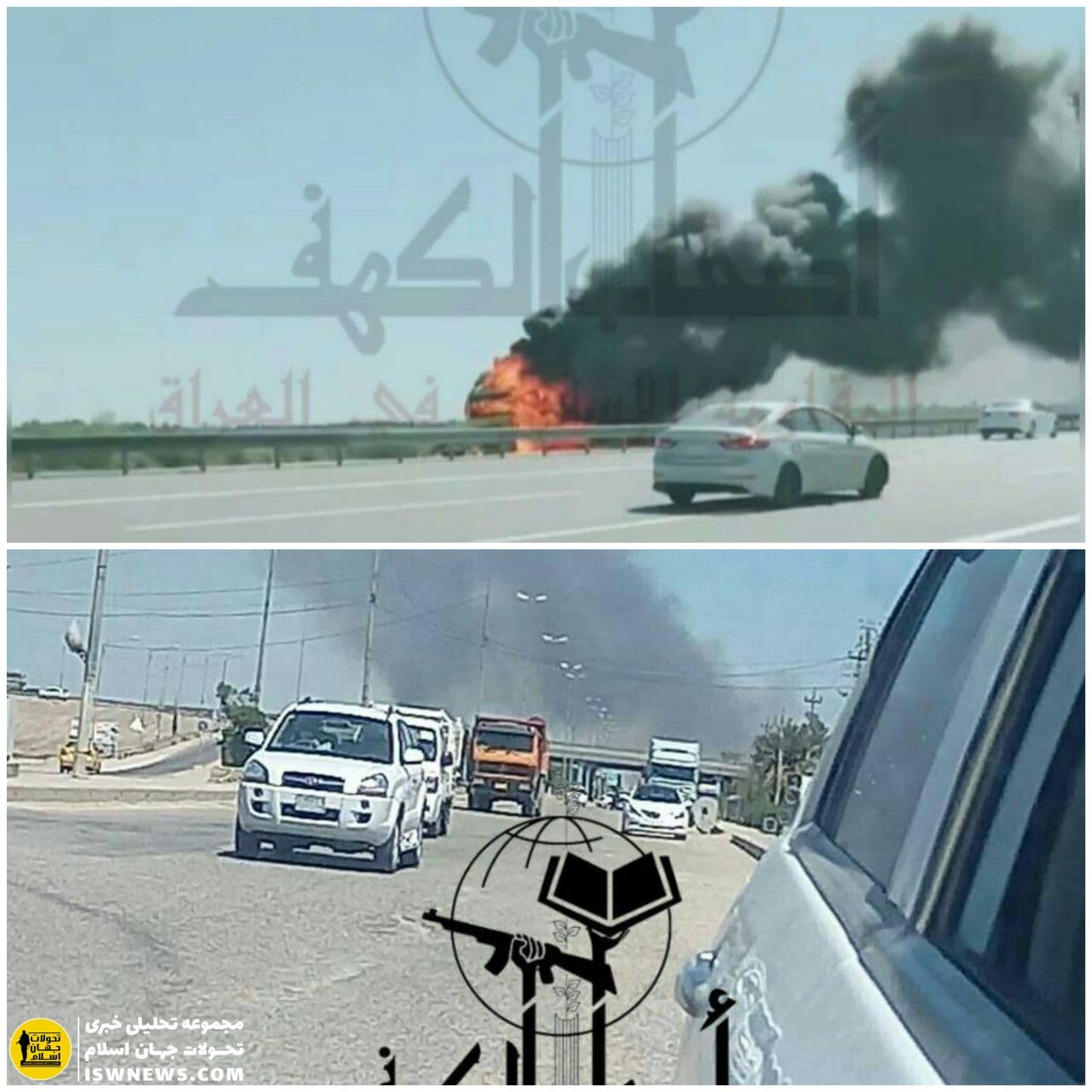
The Ashab al-Kahf resistance group claimed responsibility for the attack.
According to data obtained by ISWNews, this is the 137th attack by Iraqi resistance groups on US logistical convoys since March 21. Of these, 31 attacks were carried out in Babel province and 31 attacks were carried out in Muthanna province.
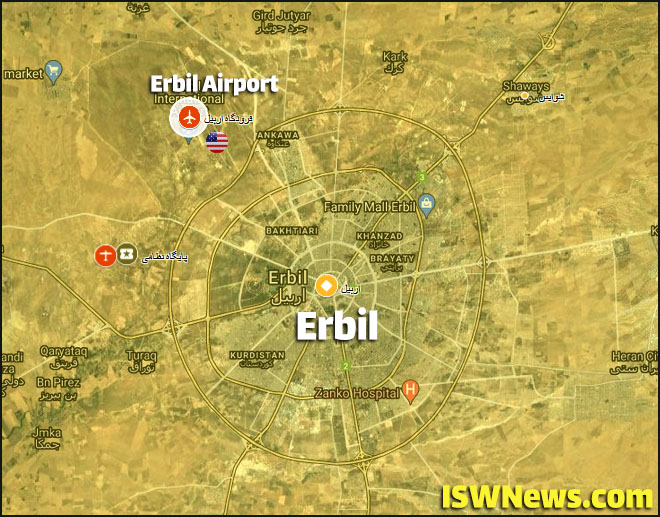
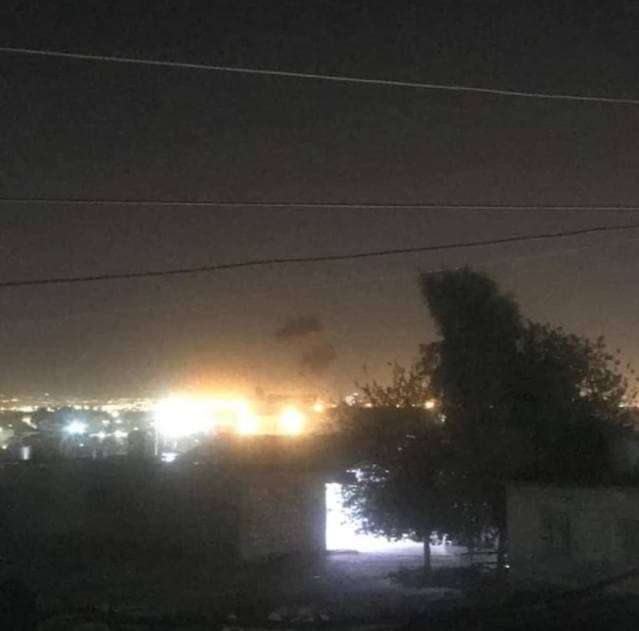
According to preliminary information, at least three suicide drones have been used to target US military positions at Erbil Airport, and C-RAM defense systems have been activated to counter the attacks.
According to the published images, smoke is visible from inside US sector in Erbil Airport.
Also in similar attacks on July 6 and April 15, US positions at Erbil Airport were targeted by drones.
The drone strike on US positions and interests on Iraqi soil which has implemented in the recent months, is a new method of attacks by Iraqi groups against the US occupiers that has deeply upset US officials and, according to the US itself, these attacks have greatly affected US intelligence and military dominance in Iraq.
The US OIR Spokesman Col. Wayne Marotto confirmed the attack stating “at approx. 23:43 hrs (local time) US positions at Erbil Airport were attacked by 2 drones. One drone impacted inside perimeter and another drone was impacted outside perimeter.”
Aftermath of drone attack on US base at Erbil AirportErbil Airport
According to initial reports, Israeli warplanes targeted the Palestinian resistance bases in al-Qadesiyah and al-Quds, west of Khan Yunis. The Palestinian resistance air defenses have also opened fire on Israeli warplanes.
The attack was carried out in response to the sending of incendiary balloons from Gaza to the occupied territories, according to the Hebrew media outlets.
The moment of targeting the “Al-Qadesiyah” base belonging to al-Qassam Brigades, the military branch of the Hamas movement, west of Khan Yunis.
The Ashab al-Kahf resistance group claimed responsibility for the attack.
According to data obtained by ISWNews, this is the 136th attack by Iraqi resistance groups on US logistical convoys since March 21. Of these, 36 attacks were carried out in Babel province.
The Ashab al-Kahf resistance group claimed responsibility for the attacks.
According to data obtained by ISWNews, this is the 135th attacks by Iraqi resistance groups on US logistical convoys since March 21. Of these, 30 attacks were carried out in Qadesiyah province and 35 attacks were carried out in Babel province.
According to a Syrian military source, at around 01:26 local time, Israeli warplanes fired several missiles at Damascus from Lebanese skies, southeast of Beirut. Syrian air defense systems intercepted and destroyed most of the missiles, and a number of missiles hit areas around the city of Damascus.
Some Israeli sources reported the sound of an explosion in Tel Aviv’s Gush Dan. The explosion sound reportedly was because of a Syrian air defense missile crashed in the area.
According to deputy head of Russian reconciliation center in Syria, at around 1:30 a.m. on September 2, four Israeli F-15 fighter jets fired 24 missiles at targets on Syrian soil, using Lebanese airspace, of which 21 of the 24 missiles fired were destroyed by Buk-M2E and Pantsir-S1 systems.
According to data obtained by ISWNews, this is the 132nd attack by Iraqi resistance groups on US logistical convoys since March 21. Of these, 29 attacks were carried out in Diwaniyah province.
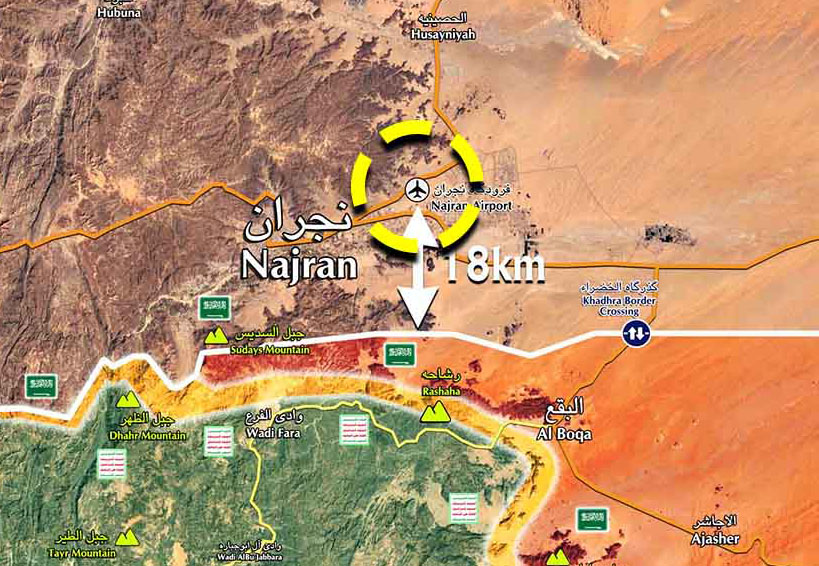
The Saudi coalition claims to have shot down the missile in the skies of Najran.
This is Ansar Allah’s seventh airstrike on Saudi coalition positions in the past two days. Ansar Allah’s aim in such attacks seems to be to increase threats against Saudi Arabia. The implementation of large-scale deterrence operations against the Saudi coalition is not currently considered by the leaders and commanders of Ansar Allah movement.
Based on data collected by ISWNews, this is the 122nd attack by Iraqi resistance groups on US logistical convoys since March 21. Of these, 11 attacks have taken place in Salah al-Din province.