Khalilzad’s Return to Kabul: Taliban–U.S. Relations Enter a “New Phase”
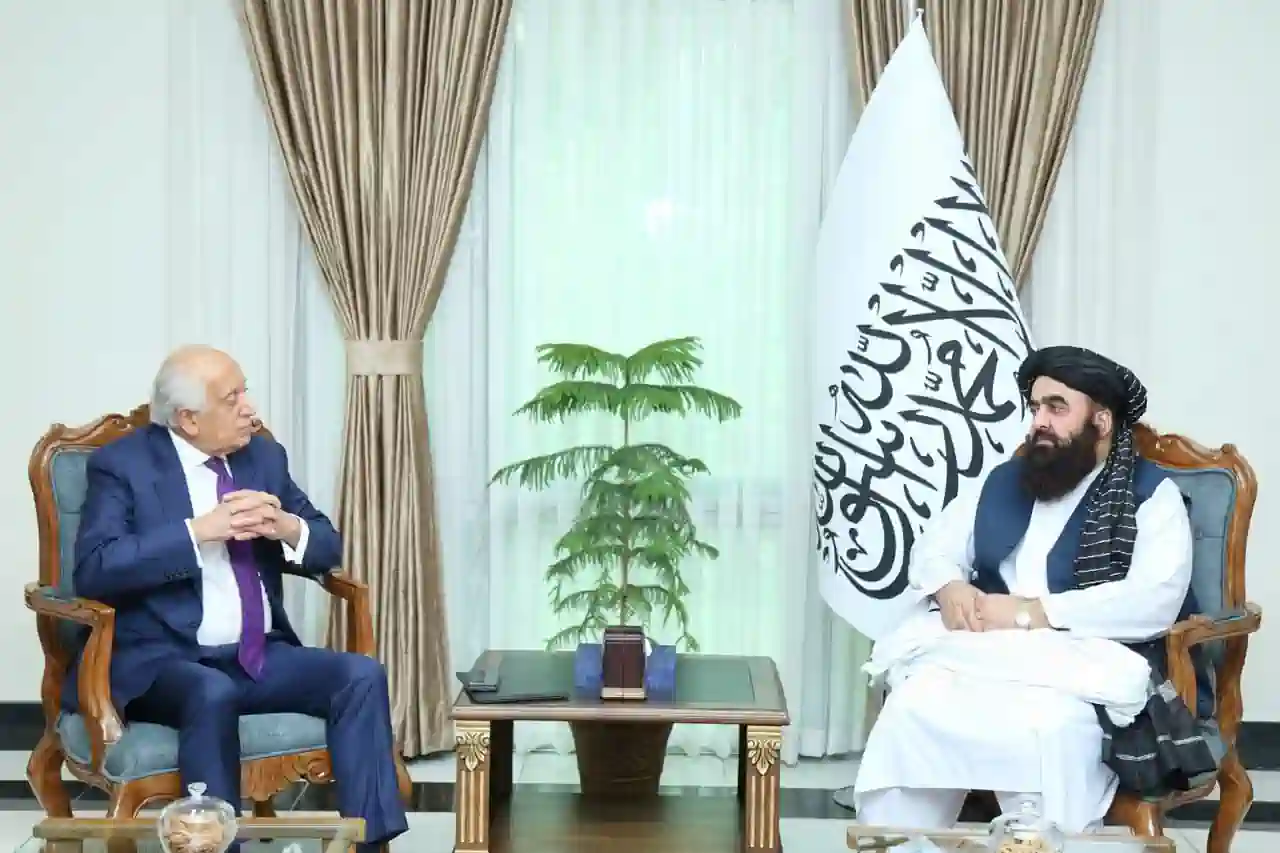
Zalmay Khalilzad, former U.S. envoy for Afghan peace, has arrived in Kabul on a new visit and met with Amir Khan Muttaqi, the Taliban’s foreign minister.
The National Resistance Front of Afghanistan has claimed responsibility for the recent explosion in Darah district of Panjshir province, asserting that 17 Taliban members—including the commander of a special forces base—were killed and five others wounded.
The U.S. Special Inspector General for Afghanistan Reconstruction (SIGAR) has reported that during America’s 20‑year presence in Afghanistan, more than $148 billion was spent. According to the report, about 60% of this budget went to security programs, including the purchase of military equipment, vehicles, aircraft, and training for Afghanistan’s former security forces.
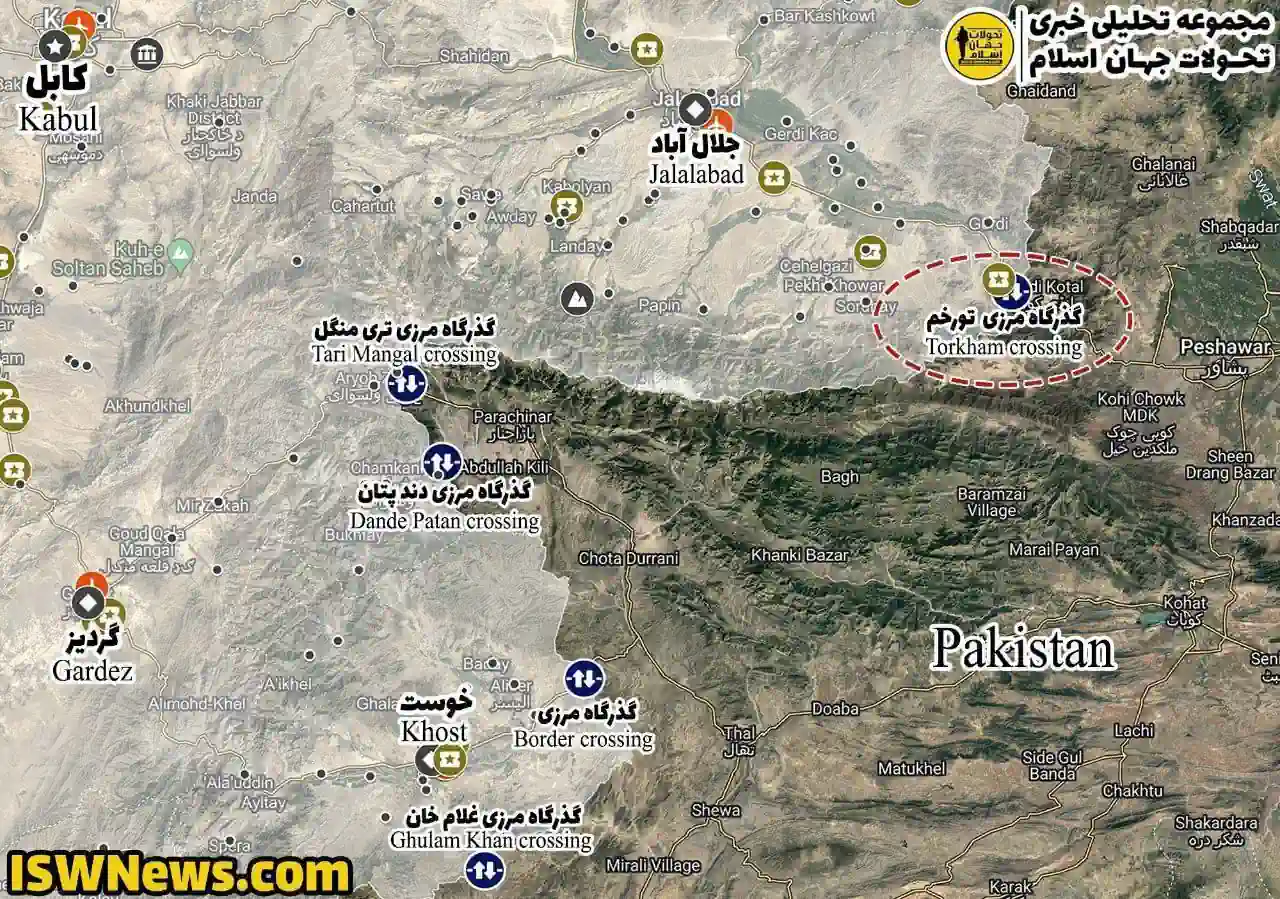
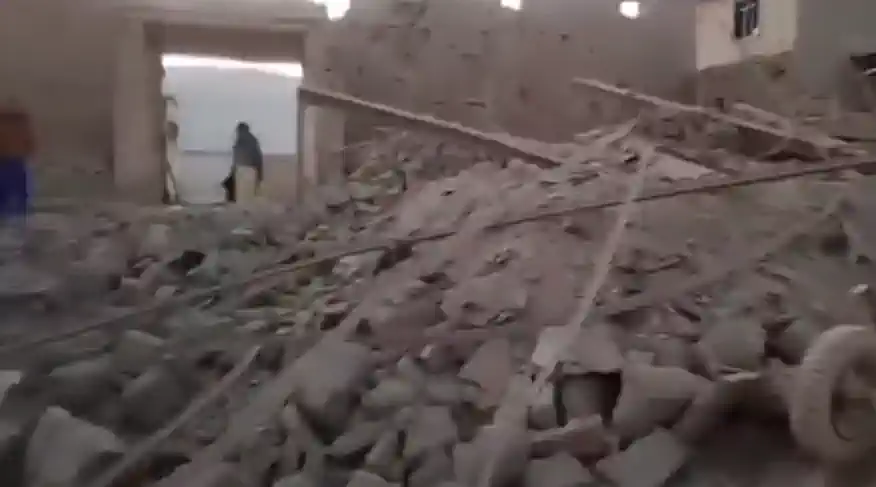
According to local reports, last night areas in the provinces of Khost, Paktika, and Kunar were targeted by airstrikes. In Khost, an attack on a residential home killed nine children and one woman.
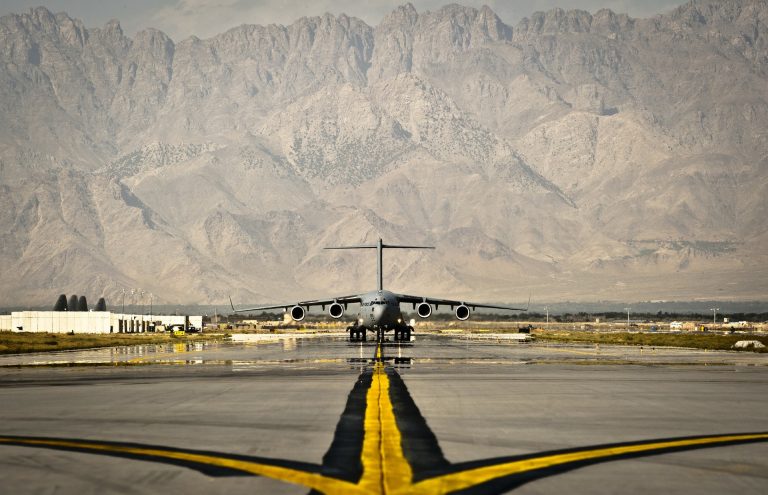
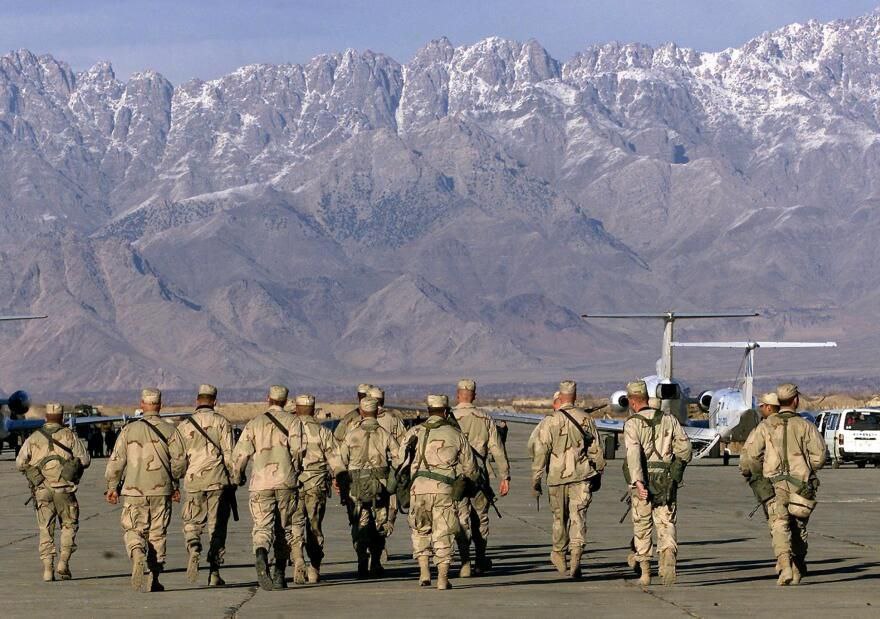
This article explores the U.S. military and security doctrine in West Asia, focusing on the strategic significance of bases like Bagram in Afghanistan. The United States aims to reduce its large-scale military presence and instead rely on air power and special operations forces to achieve its objectives, particularly near the borders of Iran, Russia, and China. Afghanistan, with the Bagram Air Base, offers a key position for rapid and sustained access to these frontier zones. The analysis also examines close U.S.–Israeli cooperation and the “flat terrain” strategy, which emphasizes air dominance and the elimination of defensive obstacles in the region. Ultimately, these strategies are designed to secure military superiority in West Asia and influence global economic and political corridors.

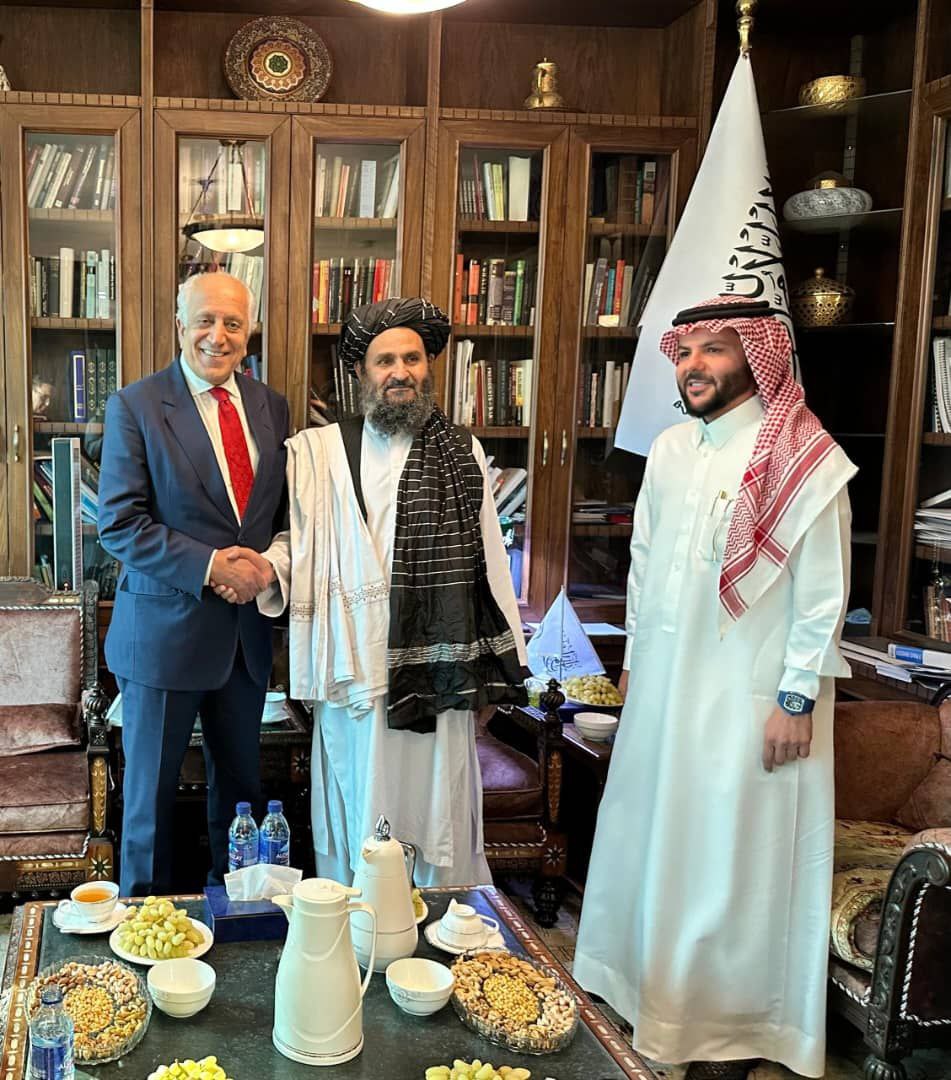
Mullah Abdul Ghani Baradar Akhund, Deputy Prime Minister for Economic Affairs of the Taliban, held a high-level meeting yesterday with Shaher Al-Taqi, CEO of Saudi Arabia’s Delta International, and Zalmay Khalilzad, former U.S. Special Representative for Afghanistan.
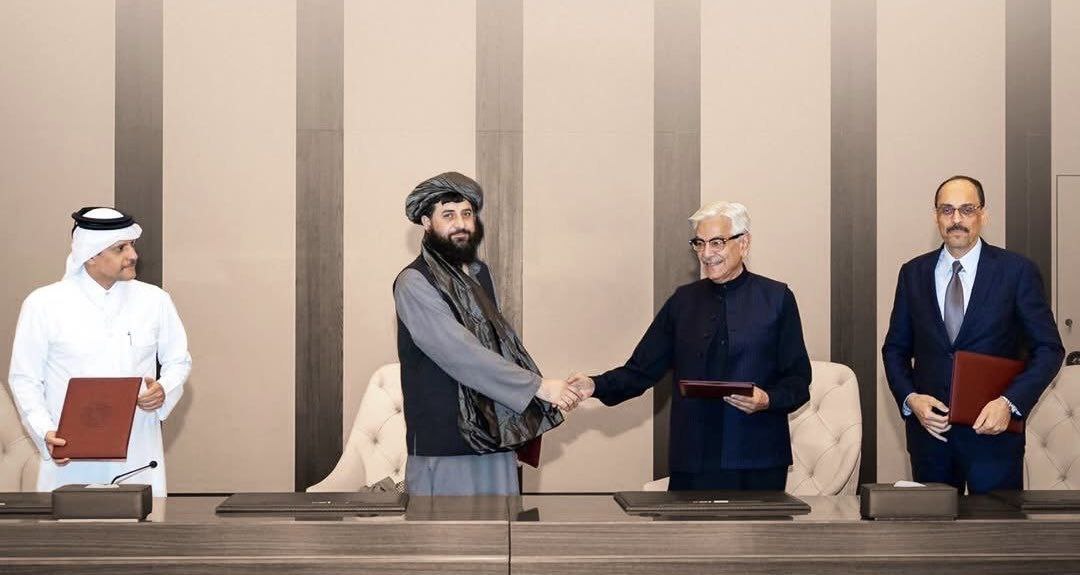
Following a round of negotiations in Doha, the defense ministers of the Taliban government and Pakistan reached an immediate ceasefire agreement.
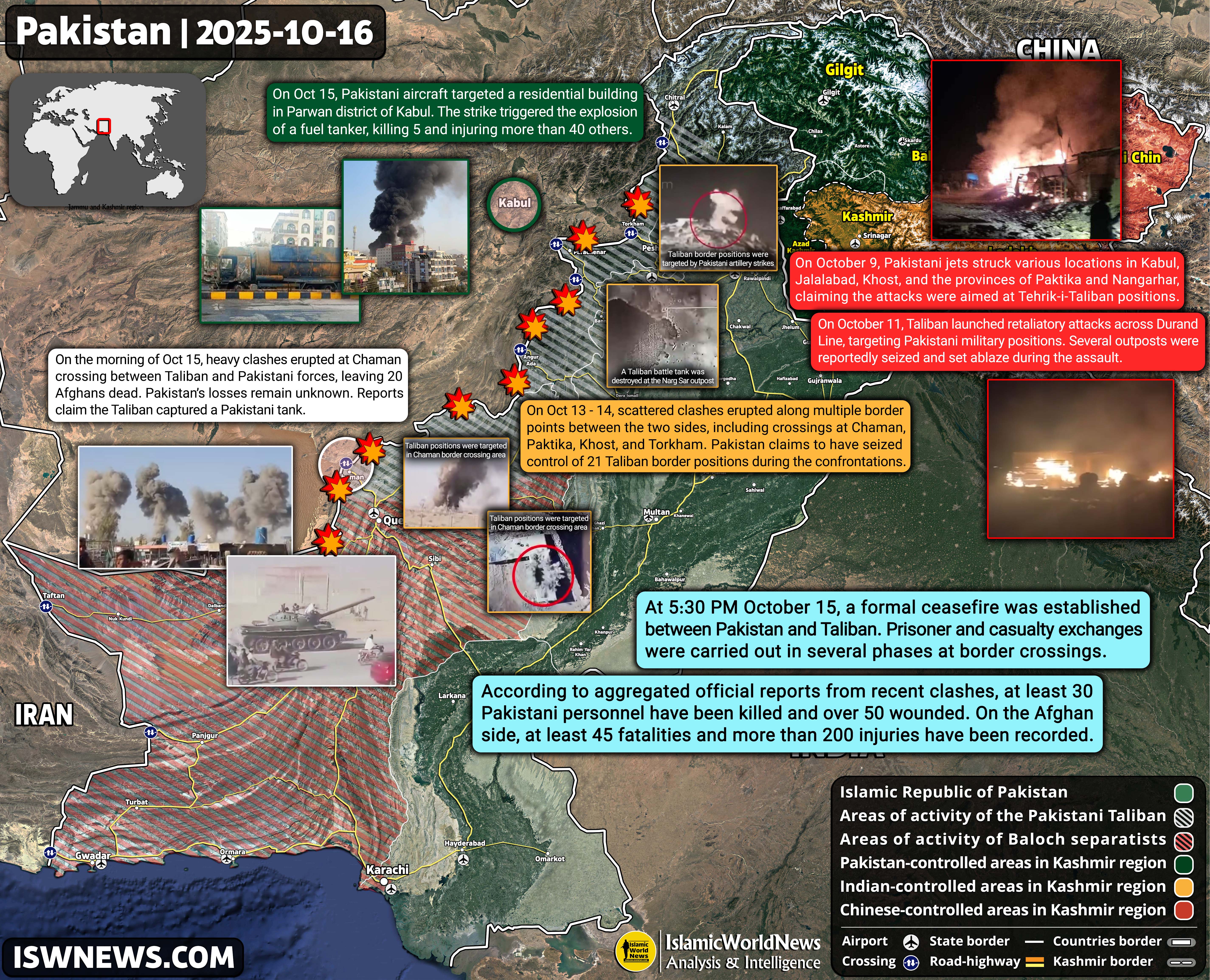
Border clashes between the Pakistani military and Afghan Taliban fighters erupted on October 9, beginning with Pakistani airstrikes on Kabul and later extending to eastern Afghan cities. The fighting was concentrated along the Durand Line, particularly at border crossings and military outposts. Pakistan conducted two air raids on Kabul and several strikes on the border town of Spin Boldak.
Hostilities between both sides have paused, and diplomatic contacts have been established between Pakistan’s envoy in Kabul and Taliban officials.
In retaliation for recent Pakistani airstrikes on Kabul and eastern Afghanistan, Taliban fighters have launched cross-border attacks on Pakistani military outposts. These assaults began a few hours ago from the Afghan provinces of Kunar, Nangarhar, Khost, Paktia, Paktika, and Kandahar.
According to a report by Russia’s Nezavisimaya Gazeta, citing unnamed sources, the U.S. military is allegedly preparing to retake Bagram Air Base in Afghanistan. The operation could involve tens of thousands of troops and may extend to surrounding provinces, including Kabul.
The Taliban responded to an airstrike by Pakistani fighter jets in Paktika province by attacking Pakistani border areas and border guard checkpoints.