Category: Russia

  • Russia Defense Ministry Addresses Wagner Mercenaries: You Are Deceived By Prigozhin!

    Russia Defense Ministry Addresses Wagner Mercenaries: You Are Deceived By Prigozhin!

    The Ministry of Defense wrote in a message: You have been deceived by Prigozhin’s criminal adventure and took part in an armed rebellion. Members of the Wagner group have requested for assistance, which guarantees their return to their permanent deployment points. We have helped to ensure the return of some of the Wagner forces to their deployment points and will guarantee the security of everyone. Be careful and stay in touch with the representatives of the Russian Ministry of Defense or law enforcement agencies as soon as possible.

    Meanwhile, the municipalities of Moscow and Rostov-on-Don have canceled public activities and asked people to carry out their activities in line with anti-terrorism operations.

    Furthermore, Press Secretary of the President of the Russian Federation Dmitry Peskov also informed of the imminent speech by President of Russia Vladimir Putin.

  • Putin Orders Russia Army To Confront Wagner Mercenaries

    Putin Orders Russia Army To Confront Wagner Mercenaries

    ISWNews Analysis Group – Vladimir Putin made the remarks in a televised speech about recent developments in Russia and the Wagner mercenaries’ rebellion, calling for the resolution of differences.

    The president also referred to the West’s military and intelligence warfare against his country, saying that Russia is fighting hard for its future, all Western military and intelligence apparatus is against Russia.

    “Now, our people’s fate is being determined and the unity of all forces is necessary, we must put aside any conflict,” Putin said.

    He described Wagner fighters, who fight in special operations (Ukraine War), as heroes, and considered those who organized the rebellion as traitors to the name and reputation of the mercenary group.

    Putin also threatened that anyone, who deliberately engages in treason, demonizing and preparing for an armed uprising, will be subject to inevitable punishment and that in this regard, the Russian armed forces have received the necessary orders to confront those who organized an armed rebellion.

    The Russian president emphasized that he would not allow a repeat of creating a rift in Russia and as a Russian citizen would do anything to defend the country and take decisive actions, including in respect of the situation in the southern city of Rostov-on-Don.

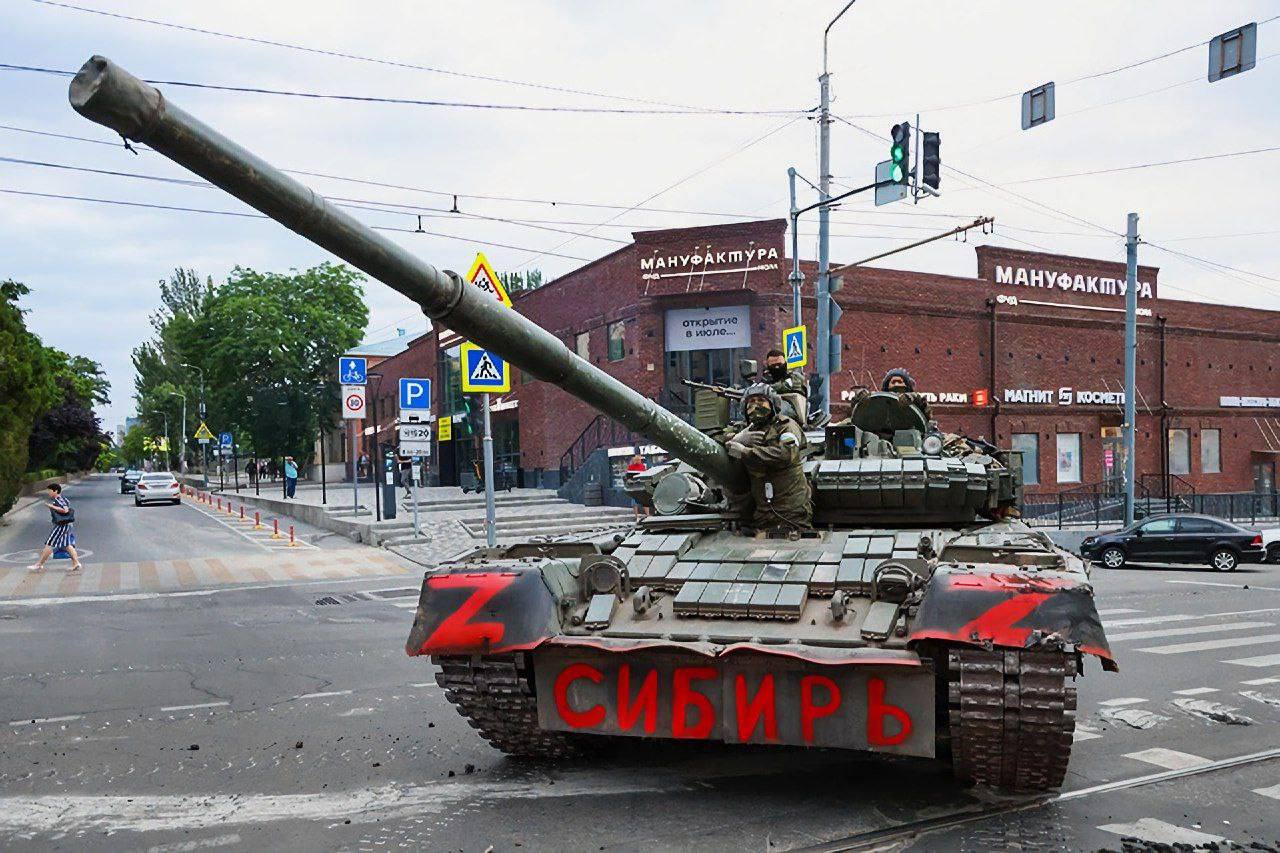
  • Wagner Mercenaries Enter Rostov; Coup Happening In Russia! (Image)

    Wagner Mercenaries Enter Rostov; Coup Happening In Russia! (Image)

    ISWNews Analysis Group – The Wagner mercenaries threatened to move towards capital Moscow if the Russian Defense Minister Sergei Shoigu and Chief of the General Staff Valery Vasilyevich Gerasimov are not being handed over to the group.

    On June 23, the commander of the Wagner Group Prigozhin claimed that the Russian army had attacked their positions in Ukraine and killed a large number of their troops. He had promised to take revenge on them for these crimes.

    Prigozhin had previously stated that the Defense Ministry officials were deceiving Russian President Putin with reports that did not reflect the actual situation on the ground. He had called the war in Ukraine an act of Sergei Shoigu’s ambitions and provocation by power lobbies in Russia.

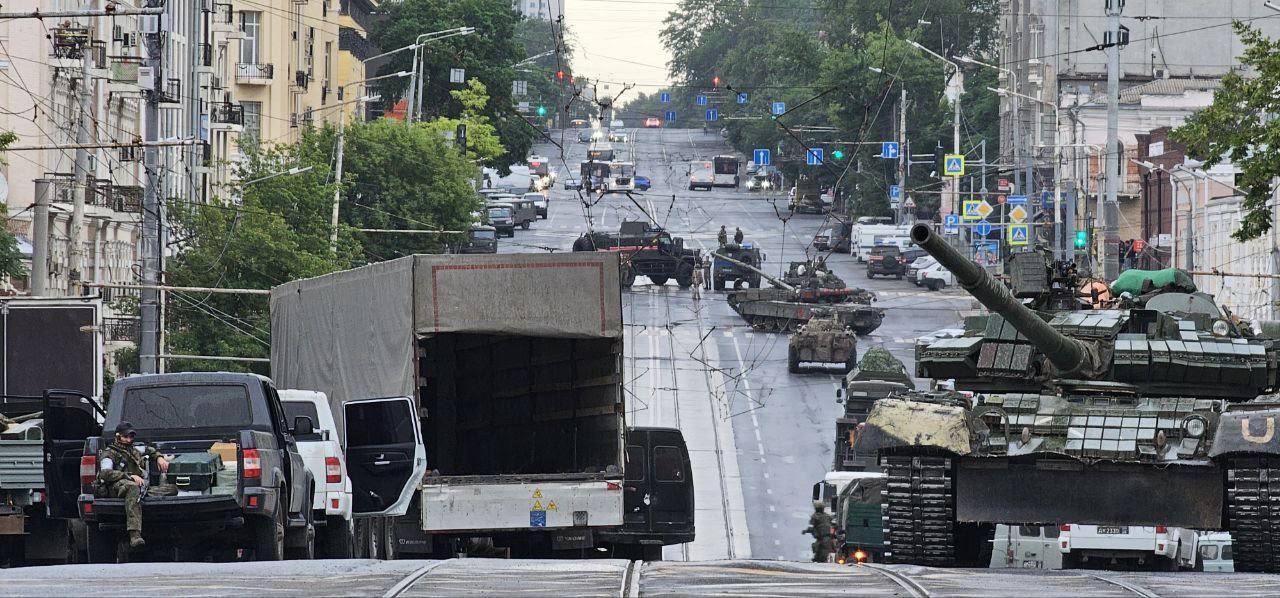
    Shortly after the controversial statements, Wagner mercenaries took action to seize control of the Russian cities and essentially they started a coup in the country.

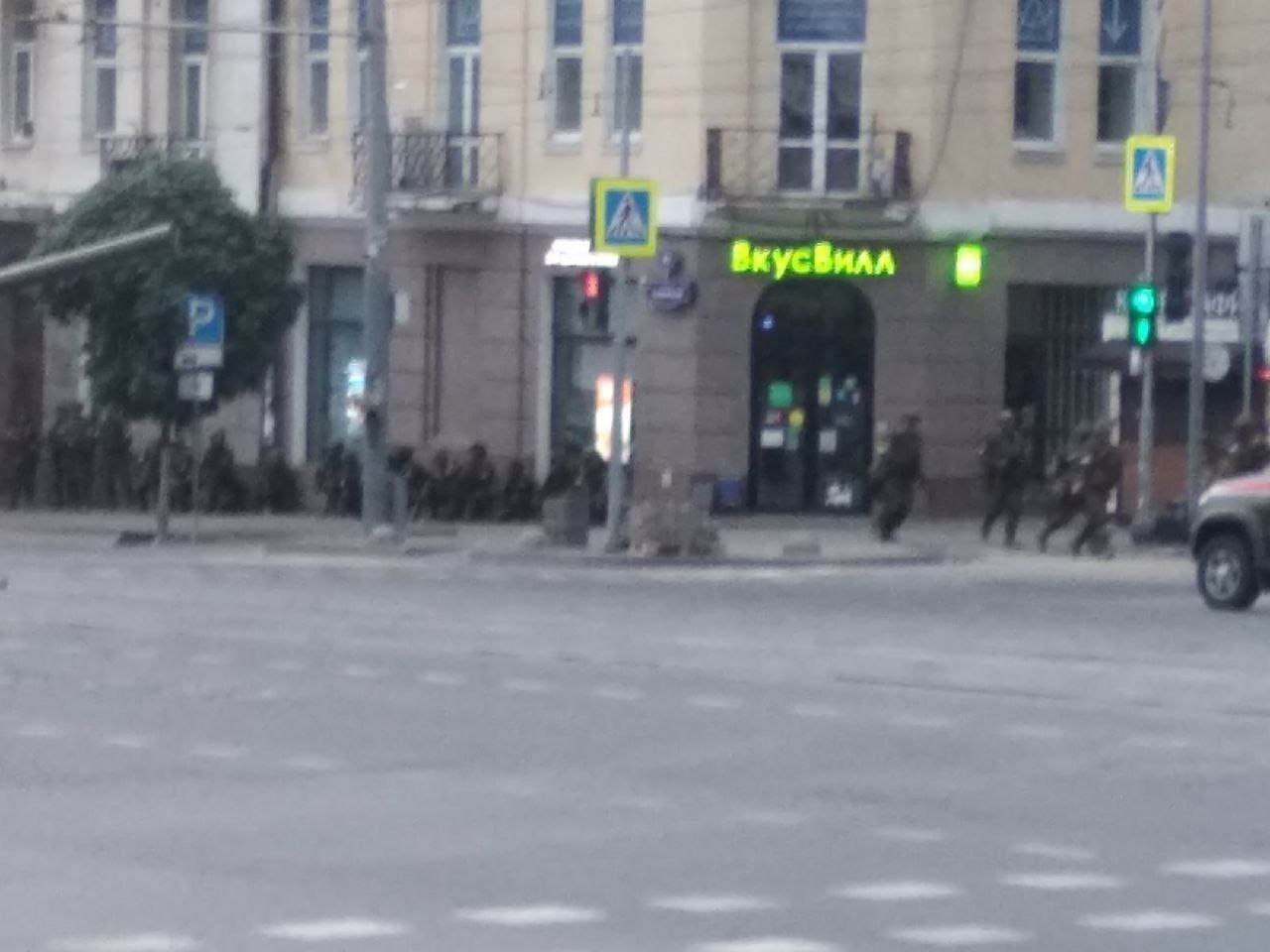
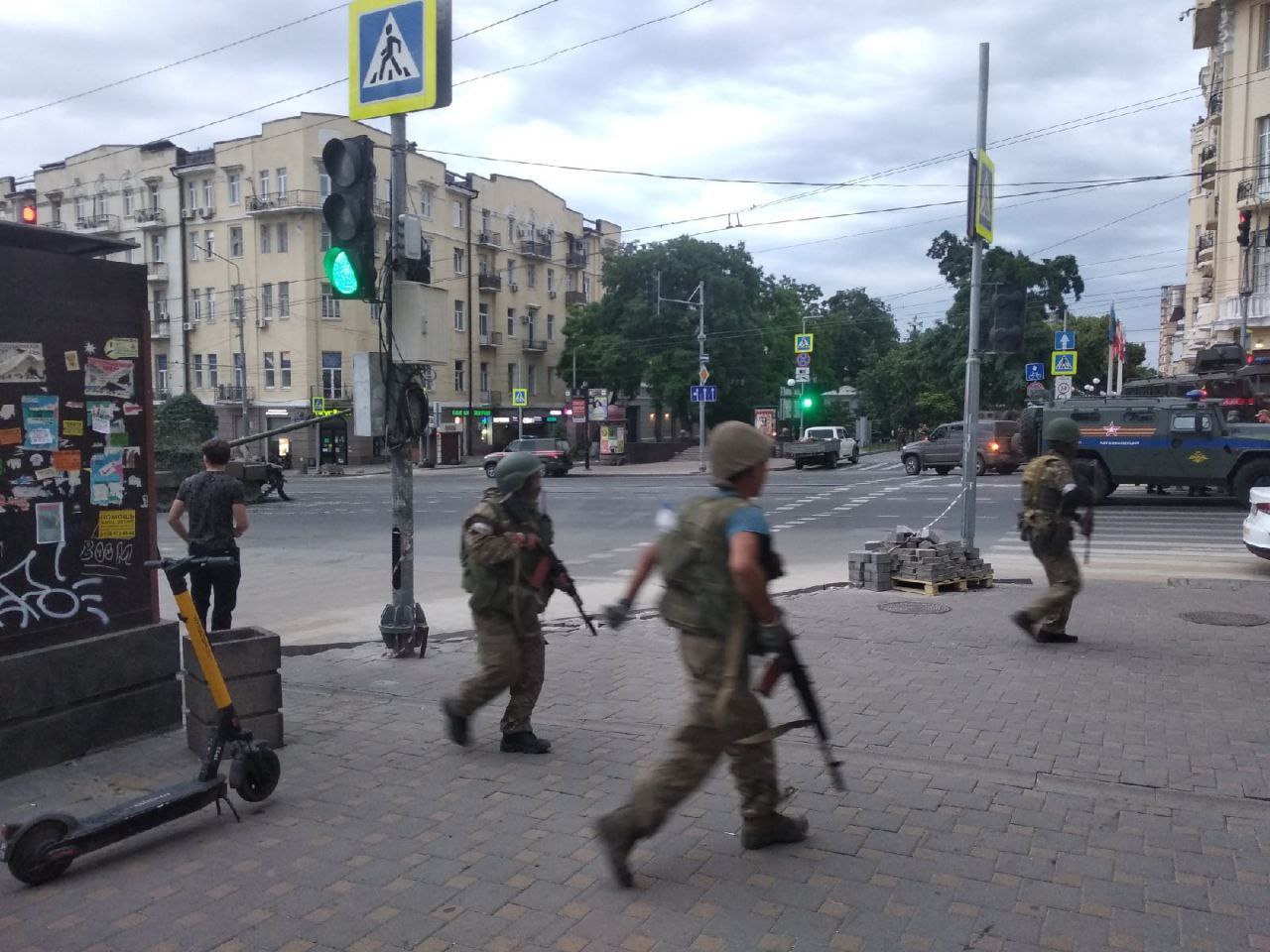
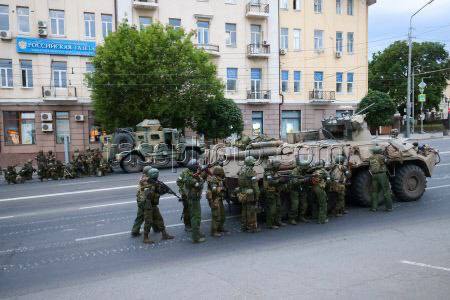
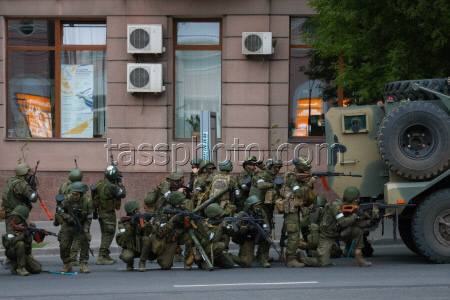
    The images and videos below are related to the entry of Wagner mercenaries into the city of Rostov-on-Don in southern Russia and no armed conflict has taken place between Wagner forces and the Russian army in the city so far. There are also images of Wagner mercenaries entering the city of Pavlovsk in the Voronezh County.

    The arrival of Wagner forces in the city of Rostov

    It seems that Prigozhin does not mind confronting the Russian army to achieve his objectives. The mediation and call for peace by Commander of the Aerospace Forces General Sergey Vladimirovich Surovikin has not received any response so far, and if Prigozhin continues the moves, it is possible that the Wagner group dissolves and he could be arrested.

    After entering the command center of the Russian army in the city of Rostov, Yevgeny Prigozhin said, if the Defense Minister (Sergei Shoigu) and the Chief of General Staff (Valery Vasilyevich Gerasimov) are not being handed over to us, we will take control of Rostov and move towards Moscow, and that when Gerasimov realized that we were approaching the command center, he fled from there.

    Our forces have taken control of the southern command center and military facilities in Rostov, including the airport, Prigozhin said, adding that we took control of the airport so that fighter jets would not bomb us, but instead carry out their mission in Ukraine. Furthermore, he noted that the command center is working normally and it faces no obstacle to perform its obligations.

    It has been also claimed that Prigozhin met with the Deputy Defense Minister and Deputy Commander of Operations at the General Staff Headquarters in Rostov-on-Don.

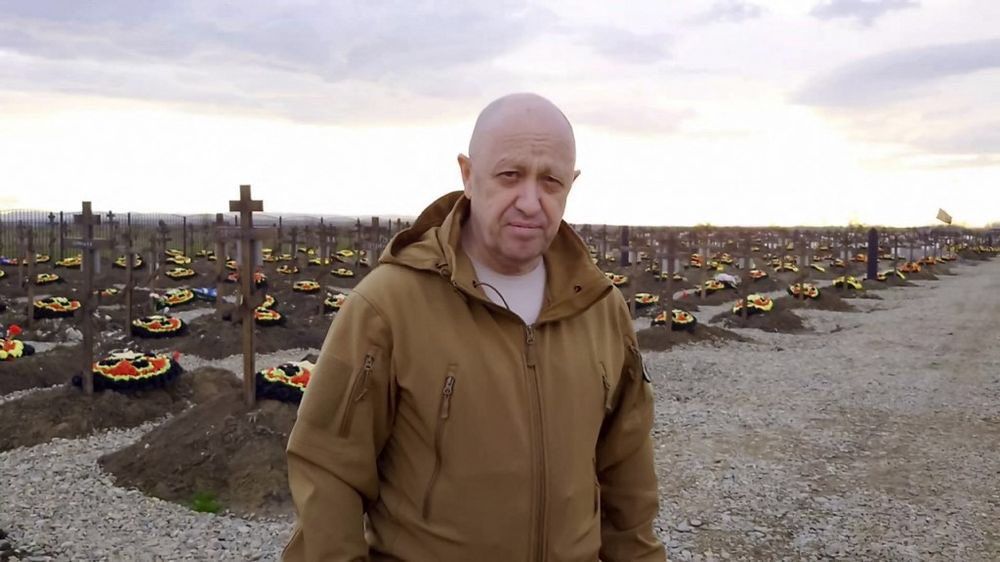
    Yevgeny Prigozhin, head Wagner PMC
  • Russian Failed Strike On Ukrainian Radar; Has Russia Access To Producing Russian Version Of Shahed-136?

    Russian Failed Strike On Ukrainian Radar; Has Russia Access To Producing Russian Version Of Shahed-136?

    This video shows the failed attack on the Ukrainian Surveillance Radar 36D6 19Zh6 (Tin Shield) with the use of Iranian-made Geran-2 (Shahed-136) kamikaze UAVs.

    In the first section of that video, the Ukrainian Armed Forces shoot at a suicide drone that hits the ground because of insufficient accuracy for unknown reasons. In the second section of the video, the second suicide drone enters and it is targeted by the Ukrainian missile system, but the missile goes astray, and the drone passes through it.

    Finally, this drone also hits the ground near the Ukrainian radar location with insufficient accuracy.  The reason for this mishap may be the decrease in the accuracy of the guidance system due to using a Russian satellite navigation system operating as part of a radio navigation-satellite service dubbed GLONASS instead of using GPS, or a decrease in the quality of the components used in Russian suicide drones, and or damage to the drone due to bullet strikes.

    It is said that Russian suicide drones, including Shahed drones, use the GLONASS satellite navigation system instead of GPS, and this is the main reason for their declined accuracy in hitting targets.

    Based on the facts and figures, it can be said that the Russians have produced the Russia-made version of the Shahed 136 drone and they are using it extensively in the war in Ukraine. 

    The second issue is that in addition to back-end operations, the Russians also use Shahed 136 suicide drones at the front line, which is another reason for the widespread assembling of the drone or high stocks of the assembled UAVs in Russia.

     It is likely that the Russians have succeeded in procuring components of the suicide drone from Iran and China, or setting up their own assembly line in their own country.

     It is worth mentioning that the Iran-made Shahed 136 drones, apart from the form of wings, do not disintegrate when hit by bullets and sometimes anti-aircraft missiles due to their low radar cross-section level and the special type of used carbon fiber in their fuselage, and the drones can continue their flights towards the target.

    The unsuccessful attack of Russian drones on the Ukrainian 36D6 radar
  • Ukrainian Army Captured New Villages In Zaporizhzhia (Map)

    Ukrainian Army Captured New Villages In Zaporizhzhia (Map)

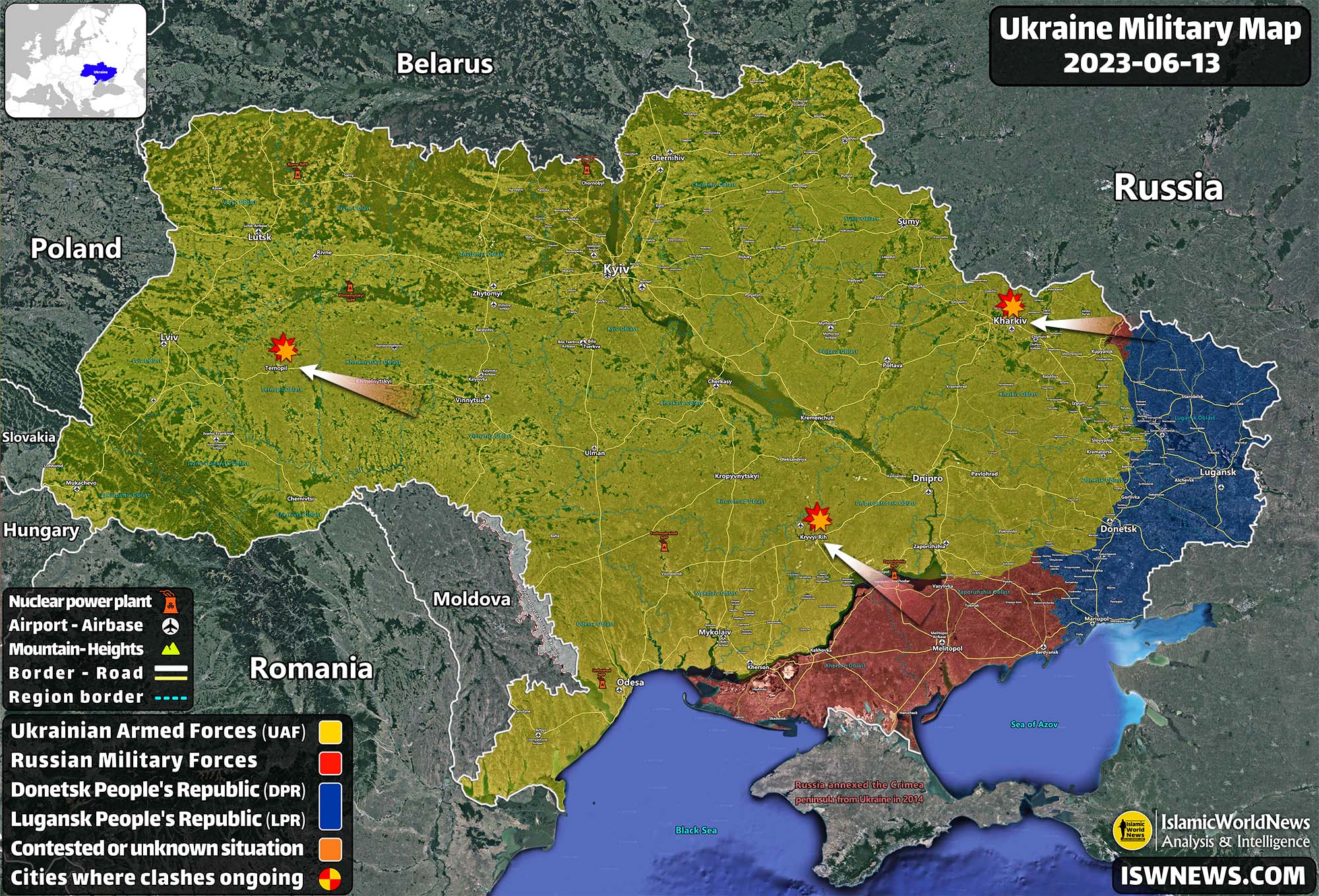
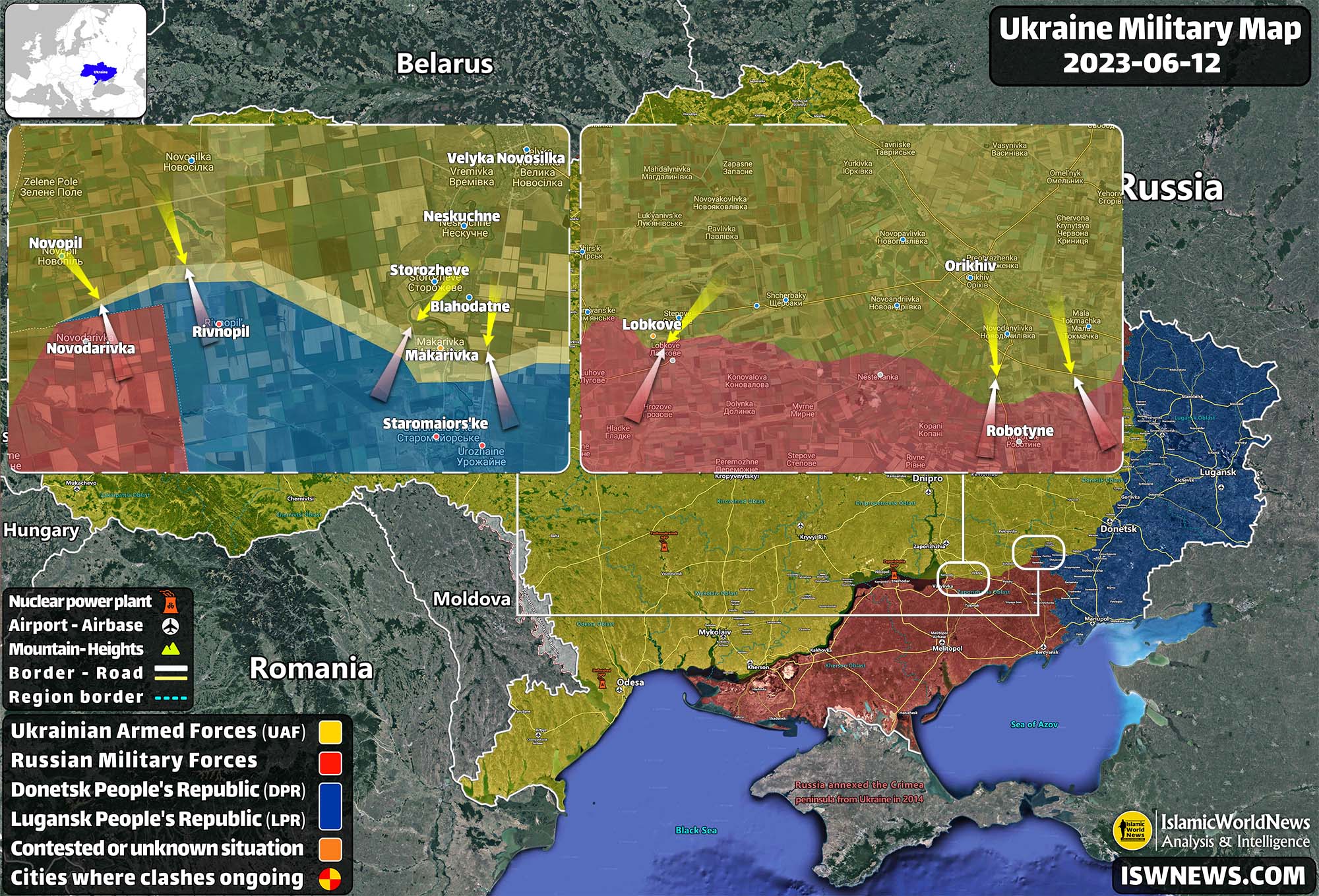
    After a few days have passed since the beginning of the Ukrainian army operation in the southern regions of Ukraine, heavy clashes are ongoing to crush the defense line of the Russian army in the axis of Zaporizhzhia and Donetsk. In the latest changes of this axis, the Ukrainian forces managed to control the villages of Novodarivka and Levadne in the Zaporizhzhia oblast and focused their attacks on the village of Rivnopil.

    On the southern front of Velyka Novosilka, the Russians counterattacks led to the retreat of the Ukrainian army from the village of Makarivka, and the conflict continues in this settlement.

    It is said that the Russians blew up the Mokri-Yala river dam to prevent the advance of the Ukrainian forces. Ukrainian forces in these areas are under heavy artillery attacks by the Russian army. Russians are trying with all their might to prevent Ukrainian advances.

    Map: The latest state of conflict between Russian and Ukrainian forces on the southern front Zaporizhzhia / Yellow: Ukrainian army, Red and Blue: Russian army, DPR forces
  • Russia Conducts New Round Of Missile, Drone Strikes On Ukrainian Cities

    Russia Conducts New Round Of Missile, Drone Strikes On Ukrainian Cities

    According to the Rocket Forces and Artillery of the Ukrainian Ground Forces, the Russian army utilized eight strategic Tu-95 bombers to fire 14 Kh-101 and Kh-55 cruise missiles from the Caspian Sea region to the southern cities of Ukraine.

    The Russians also sent four Shahed-136 or Shahed-131 suicide drones to pound positions of the Ukrainian forces. The Ukrainian air defense claimed that they succeeded in shooting down one of these drones as well as 10 cruise missiles.

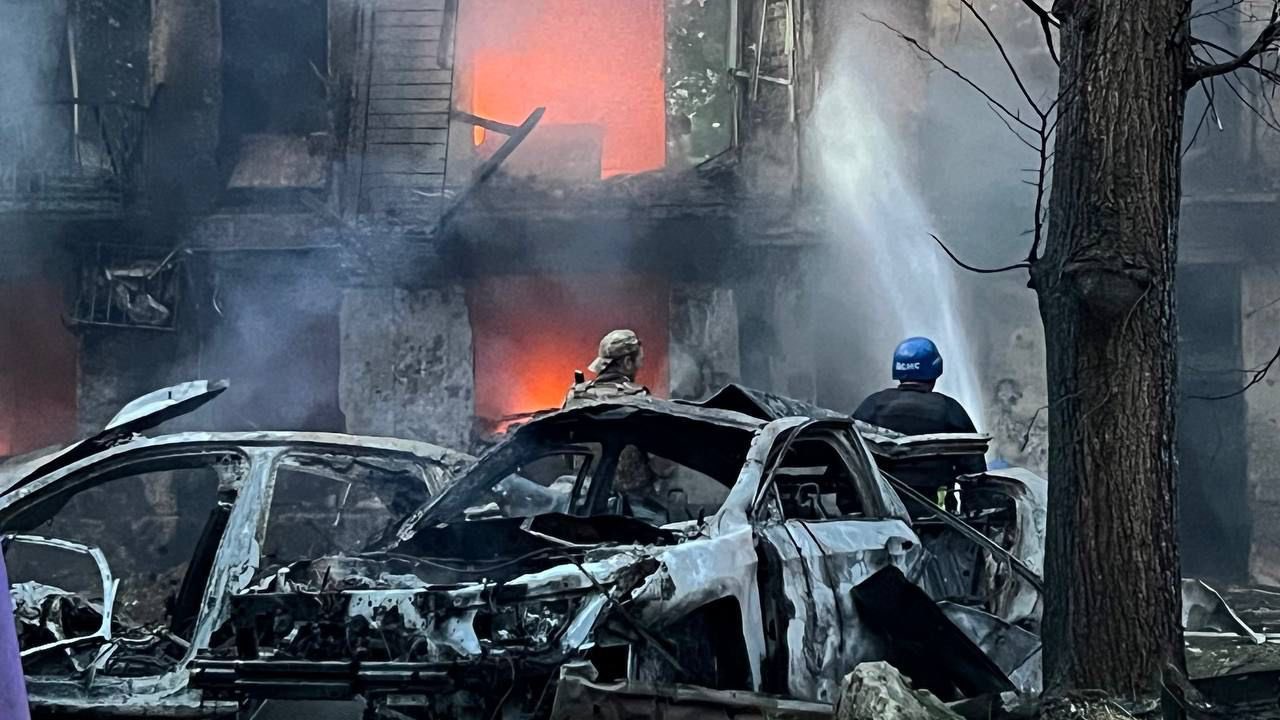
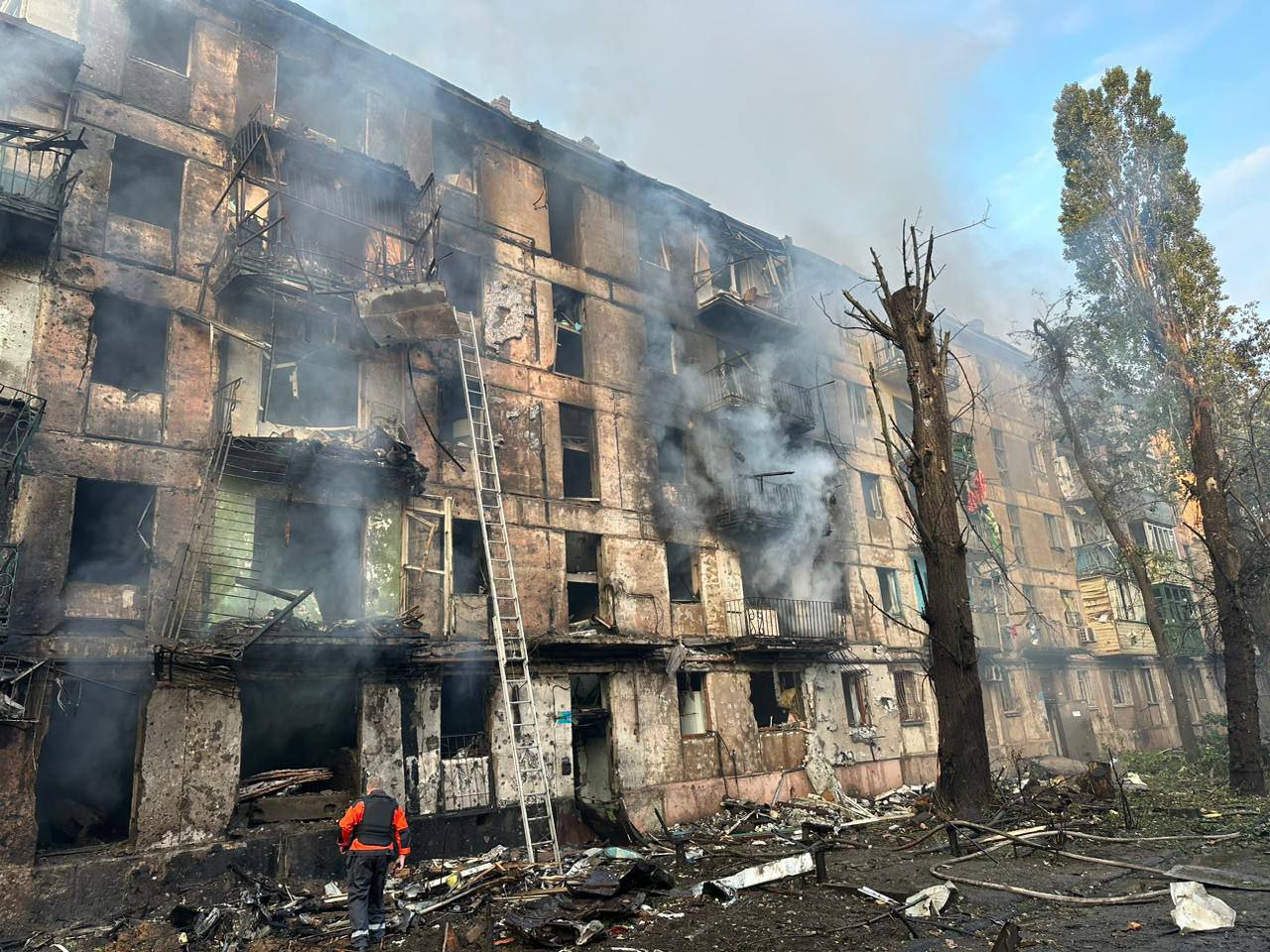
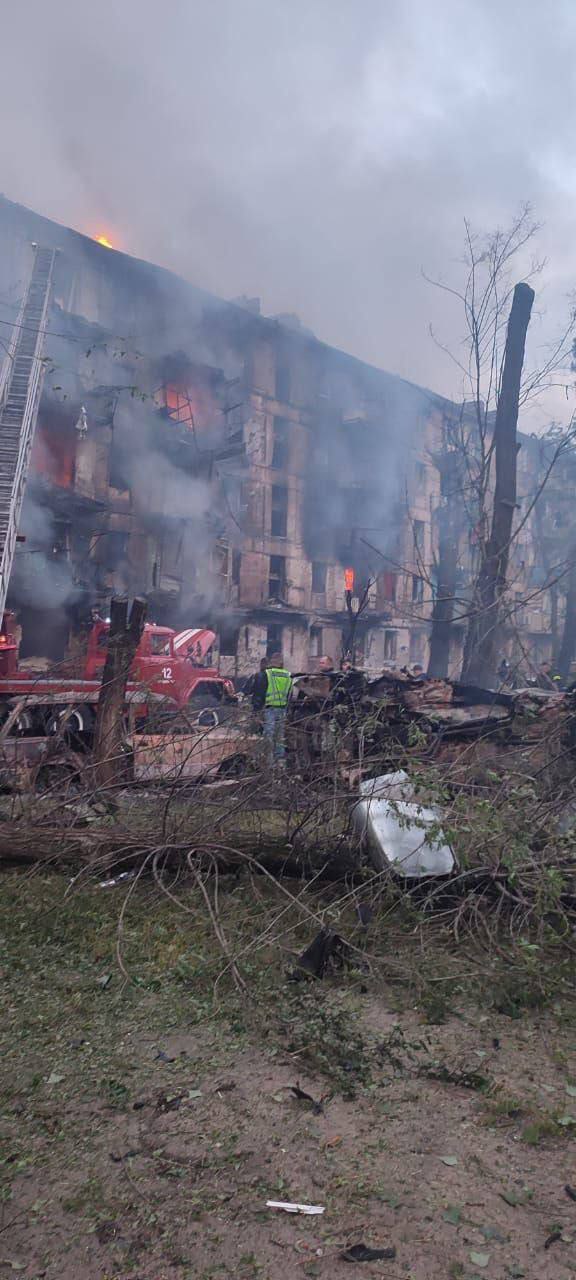
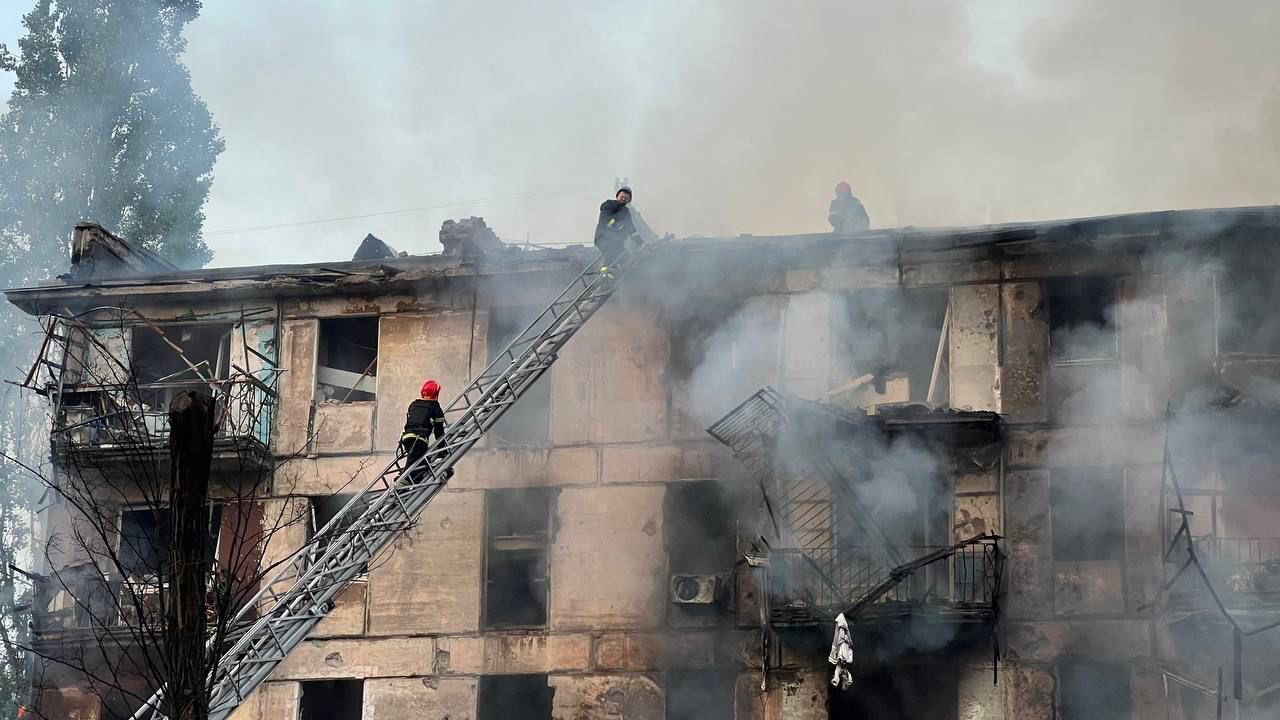
    Regardless of the report, as a result of devastations occurred by a Russian cruise missile hitting the city of Kryvyi Rih some six people were killed and 25 were wounded. Moreover, local sources have also released videos of flights of the drones as well as several explosions in Kharkiv.

    The moment Russian suicide drone hit in the city of Kharkiv
  • Initiation Of Ukraine Offensive In Southern Front; Will A Russian Chemical Attack Occur?

    Initiation Of Ukraine Offensive In Southern Front; Will A Russian Chemical Attack Occur?

    Donetsk Front:
    As a result of the Ukrainian Armed Forces’ counter-attack on the southern fronts, the Russian armed forces were forced to retreat from several villages on the southern outskirts of Velyka Novosilka settlement. According to field sources, the villages of Neskuchne, Storozheve and Blahodatne have been captured by Ukrainian forces and fighting is currently underway in Makarivka village.

    In the axis of Rivnopil and Novodarivka villages, Ukrainian attacks were also repelled by the Russian forces. The main reason for the failure of Ukrainian attacks in these areas was the creation of minefields and the success of Russian artillery attacks in targeting Ukrainian armored vehicles.

    The main goal of the Ukrainian Armed Forces in starting an attack on this front is not clear and it seems that this raid was complementary to the main direction of operations at another point and was carried out with the aim of putting pressure on the Russians.

    Zaporozhye Front:
    On June 8, the Ukrainian Armed Forces launched heavy attacks against the Russian army from the south of Orikhiv, Stepove, and several other areas. However, most of the strikes were repelled by the Russian armed forces. In this regard, numerous videos have been published showing the destruction of Leopard 2 tanks and armored vehicles donated by Western countries to Ukraine.

    At present, the Russian military forces have been successful to repel all attacks by the Ukrainians on the mentioned axis and merely the Lubkuk area is still in dispute.

    Read more: Russian Army Slaughter Leopard 2 Tanks, Bradley IFVs In Zaporozhye Region (Video)

    Kherson Front:
    After the destruction of the Nova Kakhovka Dam on June 6, most of the villages and towns near the Dnieper River were flooded. The move led to numerous speculations about a Ukrainian counter-attack to destroy Russian defense lines in the eastern regions of the Dnieper River and also about Russia’s attempt to turn the Ukrainians’ attack into a failure.  The nature of such an action has not yet been determined and all these possibilities are noteworthy in accordance with the reasonings.

    Currently, clashes on the Kherson front have been limited to exchanges of airstrikes and artillery fire. However, the extent of Ukrainian fire against Russian defensive positions intensified in recent days and it is likely that it increases further with the gradual decrease of water in that area.

    Rafael Grossi, Director-General of the International Atomic Energy Agency (IAEA), announced on June 12 that he intends to visit the Zaporozhye nuclear power plant after holding a meeting with Ukrainian President Volodymyr Zelensky with the aim of assessing the situation of the power plant.

    Grossi previously said in an interview with some media outlets about the destruction of the Kakhovka Dam that the Zaporozhye nuclear facilities, which is Europe’s largest nuclear power plant, rely on the Kakhovka Dam reservoir to cool its six reactors and this issue has become a serious problem following the recent decrease in water level of the dam. Given this condition, it is likely that the operation of the Zaporozhye nuclear power plant will face restrictions or complete shutdown.

    Despite declarations by Ukrainian media outlets and officials on the start of large-scale operations by the Ukrainian Armed Forces to retake areas under the control of the Russian military forces, it seems that Ukraine’s main attack has not yet begun and we would witness more intense fighting in the coming months.

    The Ukrainian intelligence agency has recently warned that Russia intends to release 200 tons of ammonia gas into Ukraine using a Crimean Titan chemical plant!

    If this act is carried out like the destruction of Kakhovka Dam (regardless of who is responsible), it will have a significant impact on Ukraine’s clashes and we will enter a new phase of recent wars that happened in the world.

    Click to view full size
  • Turkish Drone Attack Kills Russian Serviceman In Syria (Video)

    Turkish Drone Attack Kills Russian Serviceman In Syria (Video)

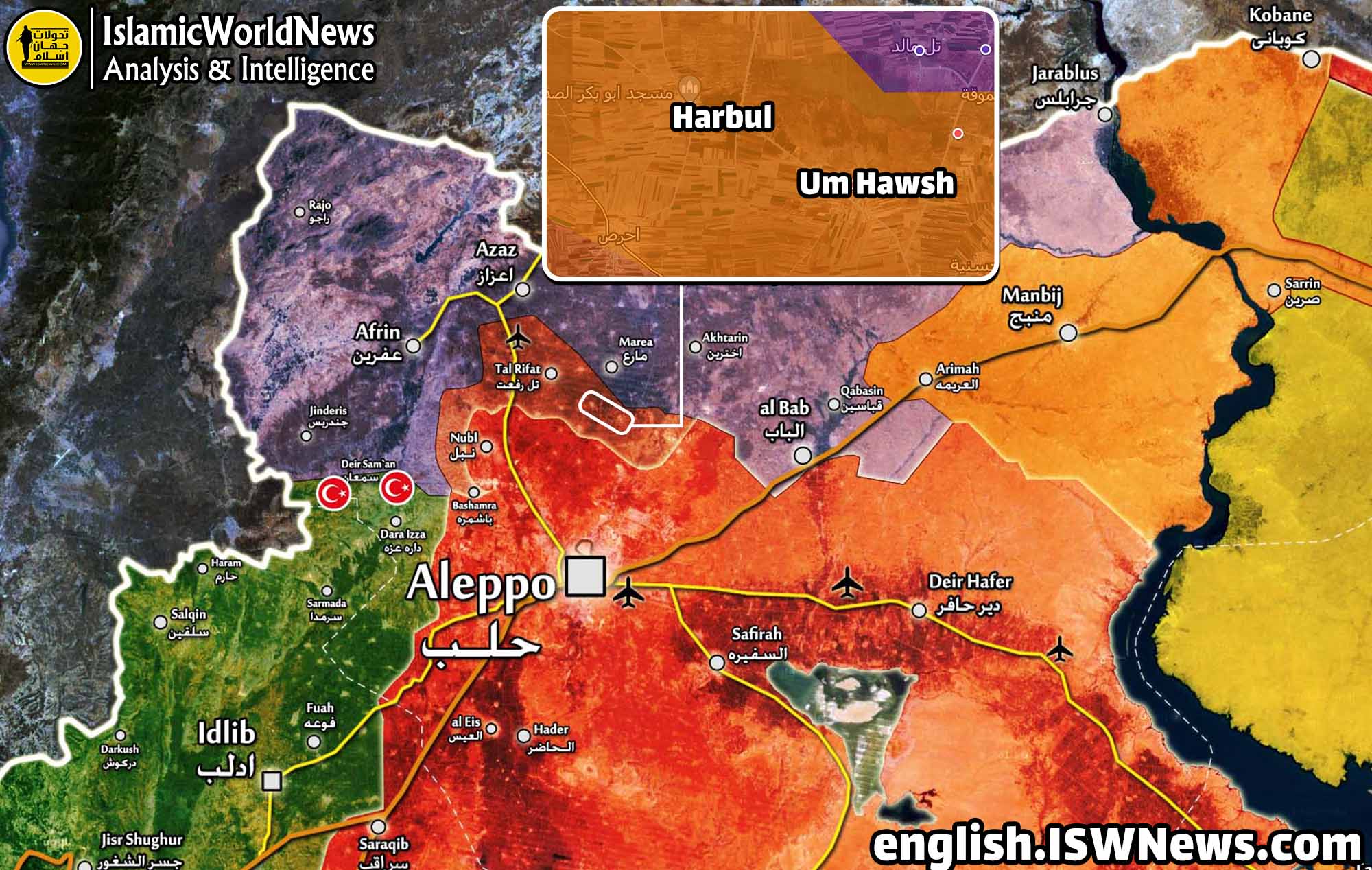
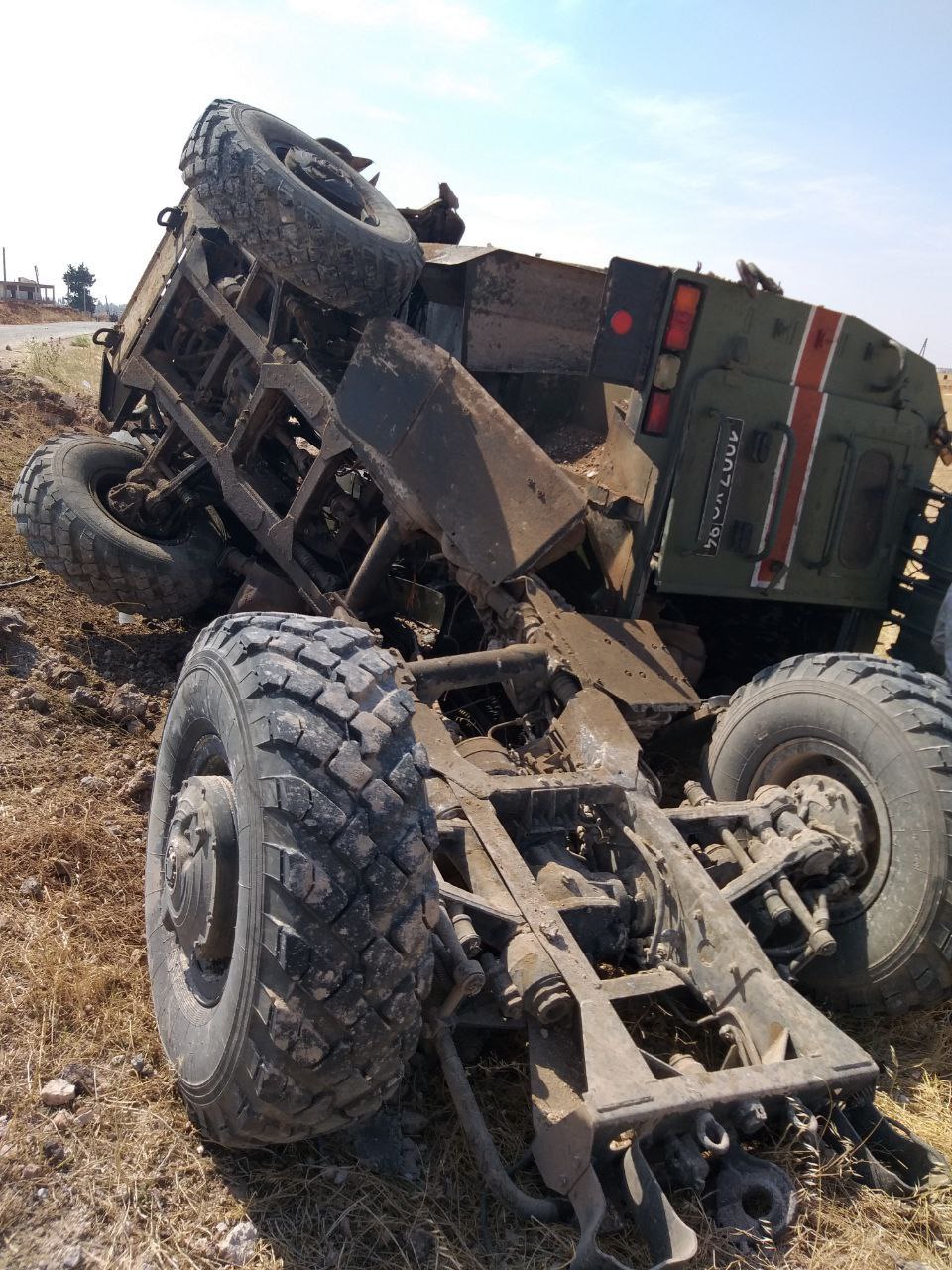
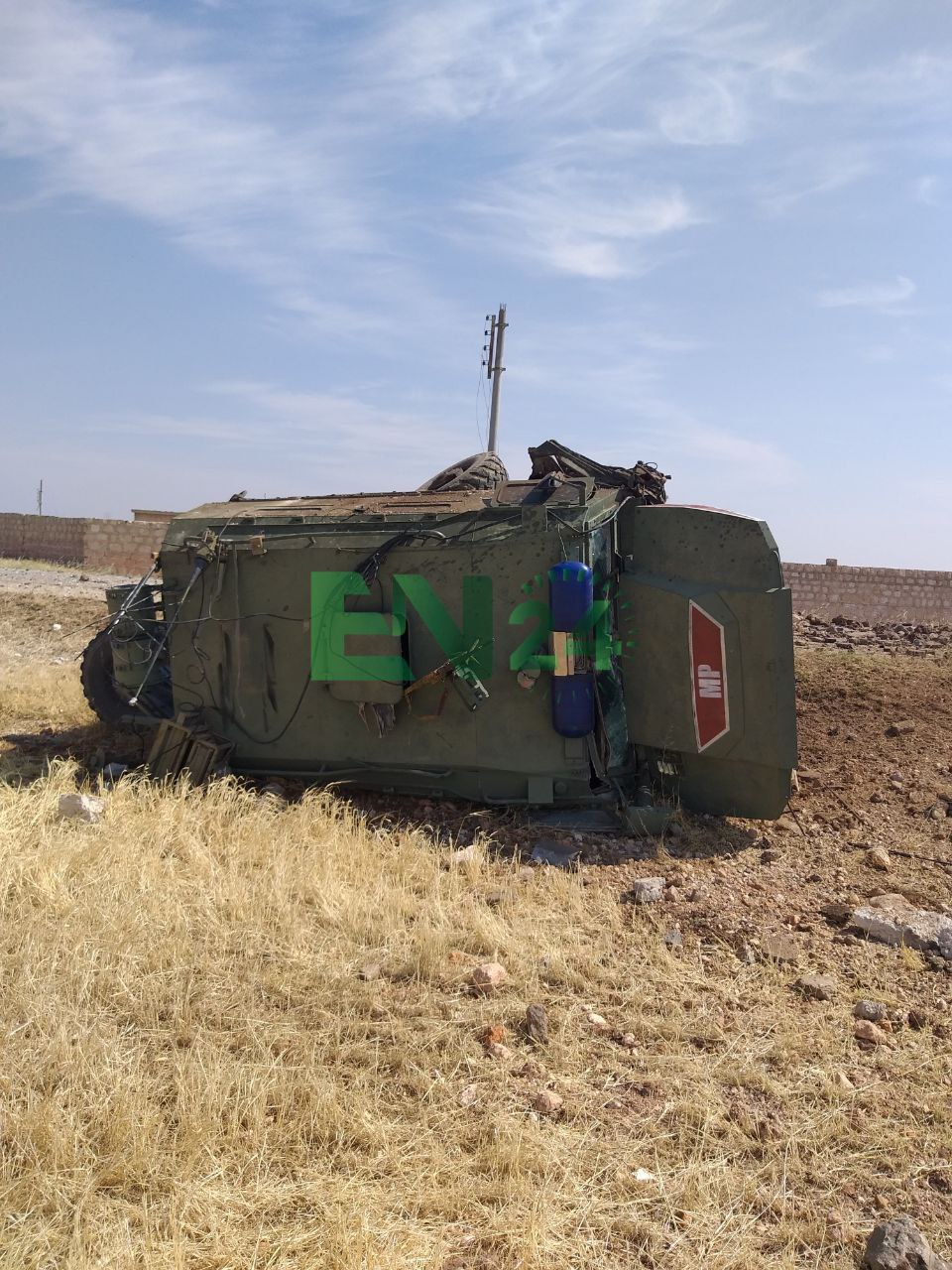
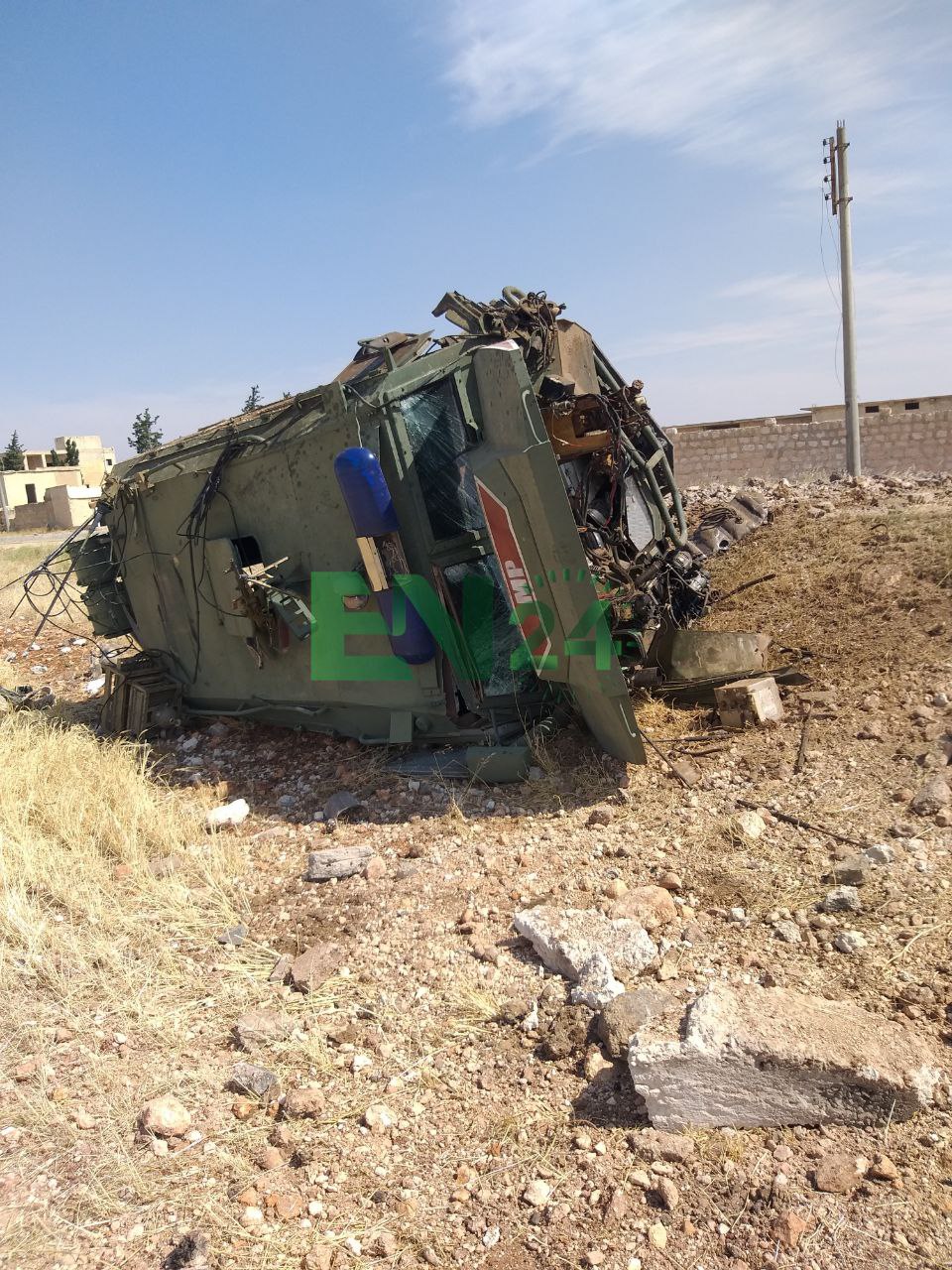
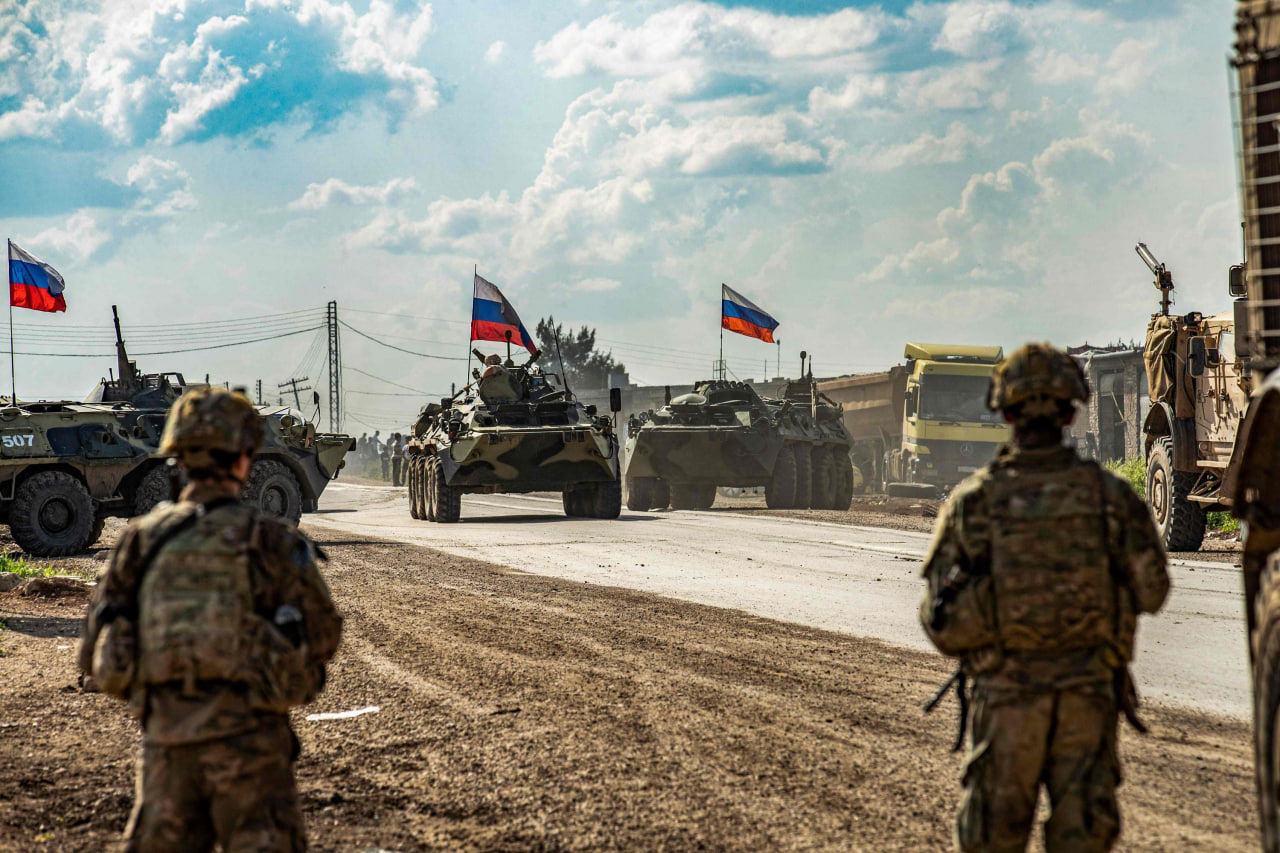
    On June 12, Turkish drones targeted a vehicle belonging to the Russian military police on the Harbul-Um Al Housh road near Tal Rifat city in Aleppo province.

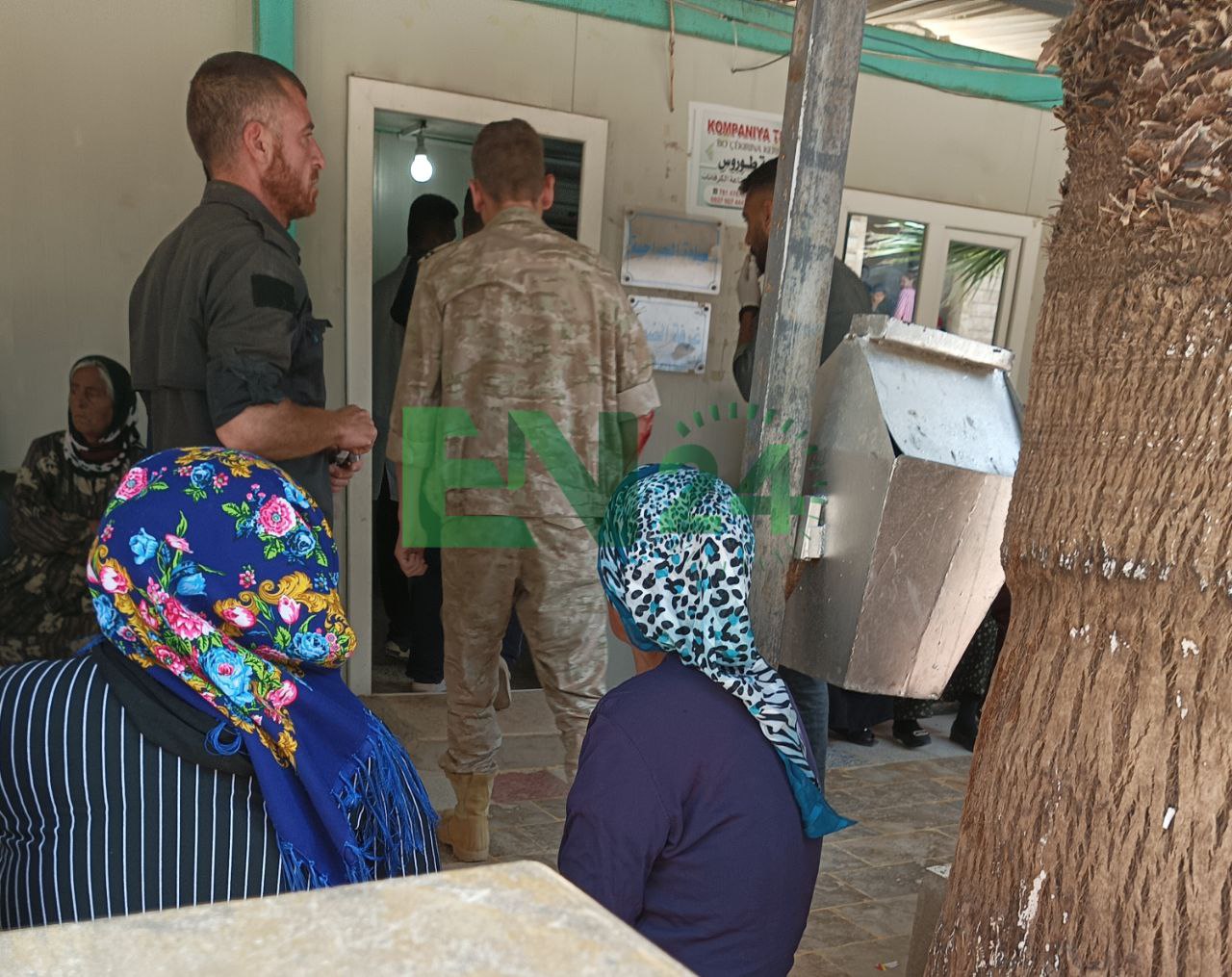
    According to local sources, at least one Russian soldier was killed and several others were injured.

    The city of Tal Rifat and other villages and areas around it, which are also known as Shahba region, witness almost daily artillery and drone attacks by the Turkish army and its militants.

    It is worth noting that on June 10, Turkish drones targeted a vehicle belonging to the Syrian Democratic Forces (SDF) near the village of Maarata near the city of Tal Rifat. During this attack, three SDF members were killed.

    Read more: Three SDF Members Killed By Turkish Strike On Northern Aleppo

    Video from the scene of the accident
    Russian helicopters flying over the accident site and its surrounding areas
    Russian helicopters fly over the city of al-Bab in Aleppo province
  • Russia Requires Iran Version Of RQ-170 To Demolish Ukraine Air Defense Systems: Russian Media

    Russia Requires Iran Version Of RQ-170 To Demolish Ukraine Air Defense Systems: Russian Media

    Facts and figures on the ground show that the Russian Aerospace Forces have not been able to fully control the sky over Ukraine since the beginning of the war, and the Ukrainian army has used defense systems such as S-300 to counter operations deep inside Ukraine by Russian helicopters.

    In the past fifteen months, Ukraine received a set of the most advanced missile systems and Western-made defense systems.

    However, the Russian army succeeded in utilizing glide bombs. Such bombs, with their programming modules and low-altitude flight capability, accurately hit targets at distances of 40 to 60 kilometers. The glide bomb paves the way for targeting without firing expensive cruise missiles or dispatching aircraft into areas covered by air defense systems.

    However, the S-300 systems will still pose a serious threat to Russian aircraft. The Russians say there is a solution to this problem to control Ukraine’s sky.

    The solution is to use bomber drones instead of fighter jets and helicopters. Some Russian media outlets believe that instead of using Sukhoi S-70 Okhotnik-B drones, the Russian army should use similar Iranian UAVs.

    According to Top War, we talk about the offensive and reconnaissance drones of the Saegheh type, which were reverse-engineered and produced in Iran based on the basis of the technology of the US RQ-170.

    Iran designed, produced and carefully studied several multi-purpose drones using US stealth drone technology. The difference between Shahed 141 and Shahed161 drones is that Shahed 161 uses a jet engine and Shahed 141 uses a piston engine as a propellant.

    Shahed 141 drone has a speed of 275 kilometers per hour and its weight during flight reaches 175 kilograms and it can fly up to an altitude of 20,000 feet.

    It has the ability to fire two smart “Sadid” bombs with the weight of 34 kilograms. Sadid is a guided anti-armor and air-based missile. And Russians are very interested in it; some Russian military analysts suggested purchase of Sadid-1 and Sadid 345 missiles from Iran!

    Read more: Military Knowledge: Sadid Smart Bombs and Missiles

    Sadid 345 is vital for Russia, because the bomb is very suitable for striking enemy radar equipment or artillery personnel. The bomb has three types of guidance, one of which is televised guidance, which has the least accuracy and its error is about 5 meters.

    The Russian media argued that by using such drones, it is possible to penetrate deep into enemy defense lines (without endangering the lives of pilots of fighter jets) and easily hit predetermined targets. Also, unlike Geranium-2 (Shahed 136) UAVs, such drones are reusable. The use of composite materials in the construction of the drones has reduced their radar reflection.

    In recent months, Western military and intelligence officials announced that the Russian army used more than 400 Iranian-made offensive drones in attacks on urban infrastructure in Ukraine; but, Spokesman for Iran’s Foreign Ministry Nasser Kanani stated that Tehran repeatedly responded to baseless allegations by Ukrainian officials regarding the alleged transferring of drones to Russia and once again it is emphasized that Iran has not exported any military equipment to any party for the usage in the Ukraine war.

    There have not been released any documents or evidence regarding Russia’s use of Iranian bomber drones in the Ukraine war so far, but it seems that if the war continues, we will witness the entry of various Iranian weapons, especially Shahed 141 and Shahed 161 drones into the battlefield.

    However, war zones are one of the main places to test arms and ammunition and Iran is not an exception in this regard; so, it is expected to take advantage of the opportunity.
  • Russian Army Slaughter Leopard 2 Tanks, Bradley IFVs In Zaporozhye Region (Video)

    Russian Army Slaughter Leopard 2 Tanks, Bradley IFVs In Zaporozhye Region (Video)

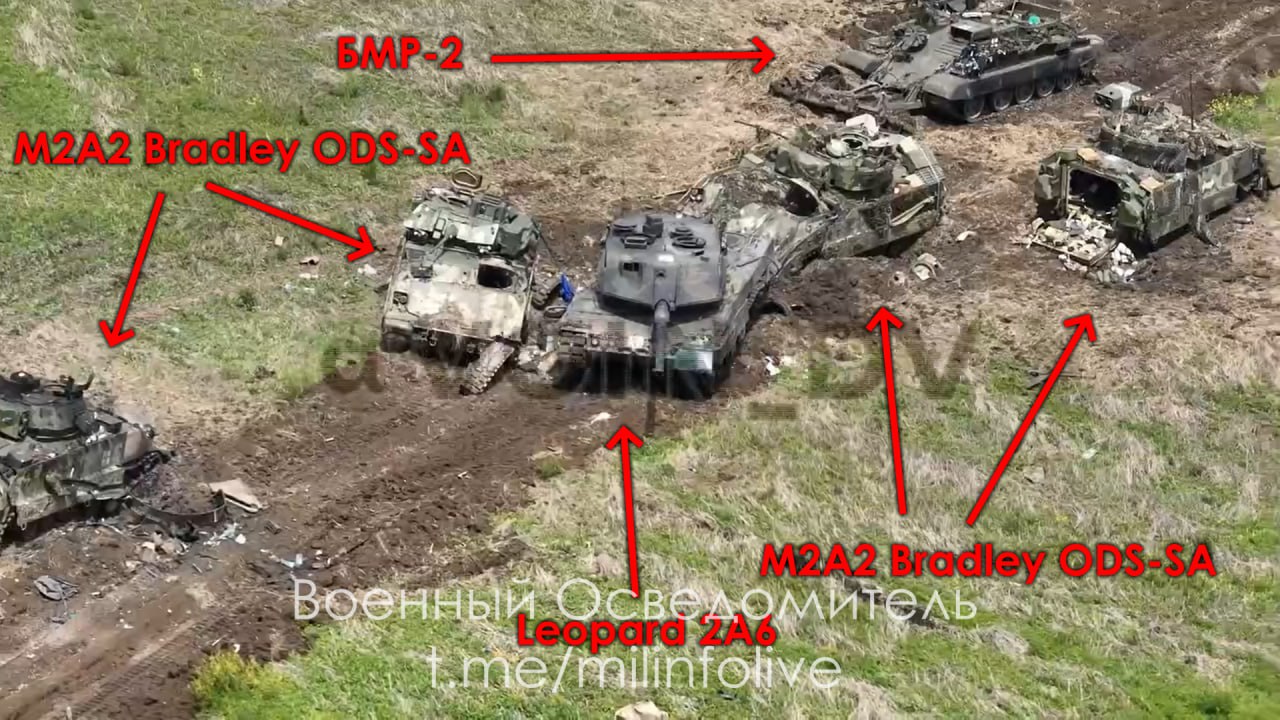
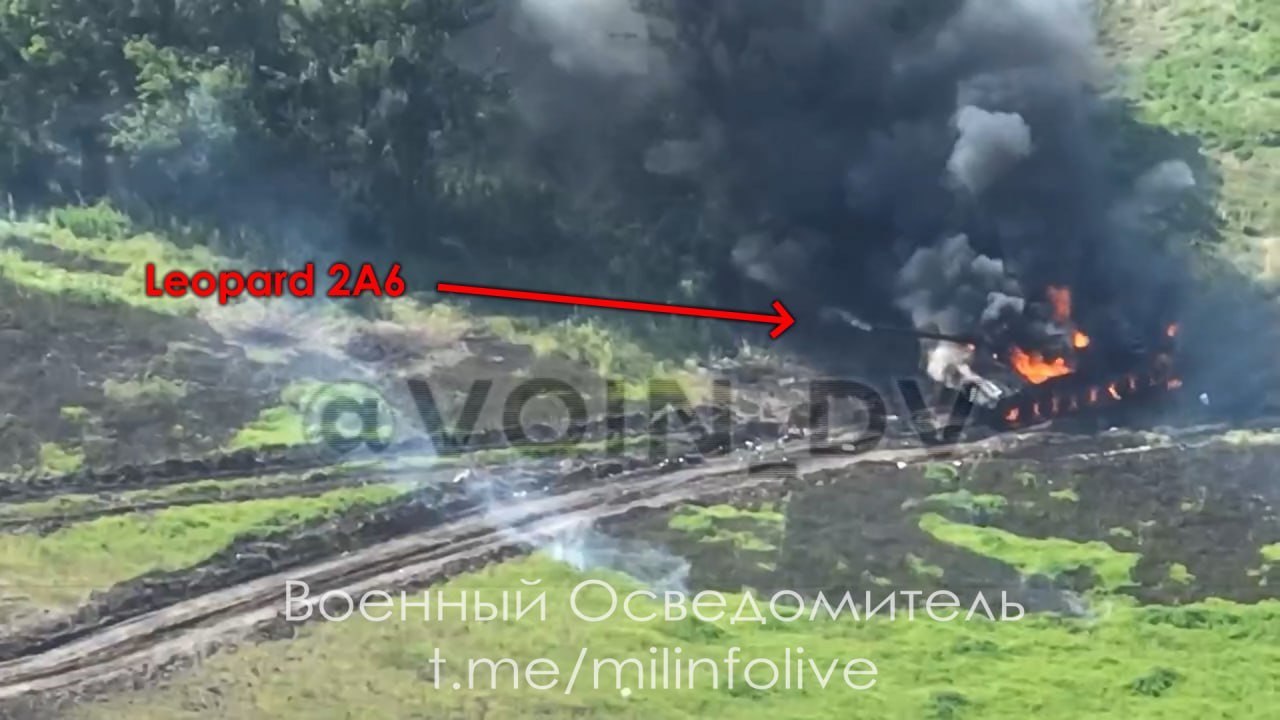
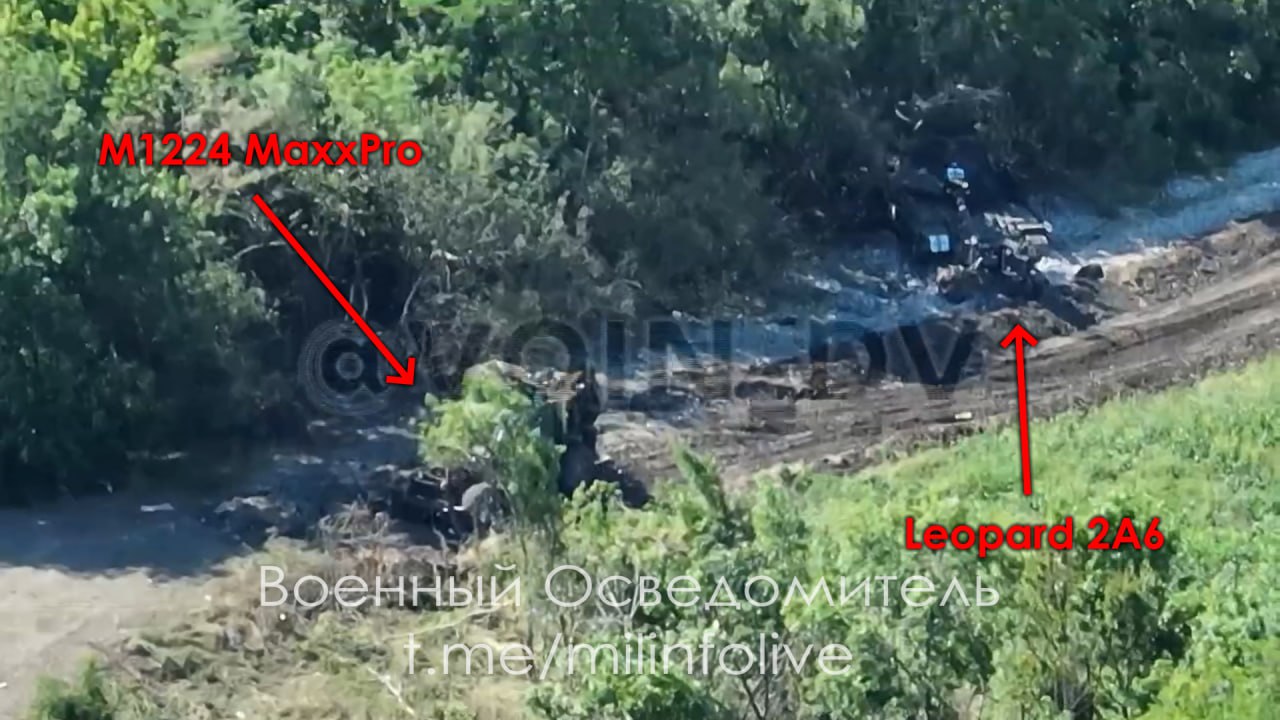
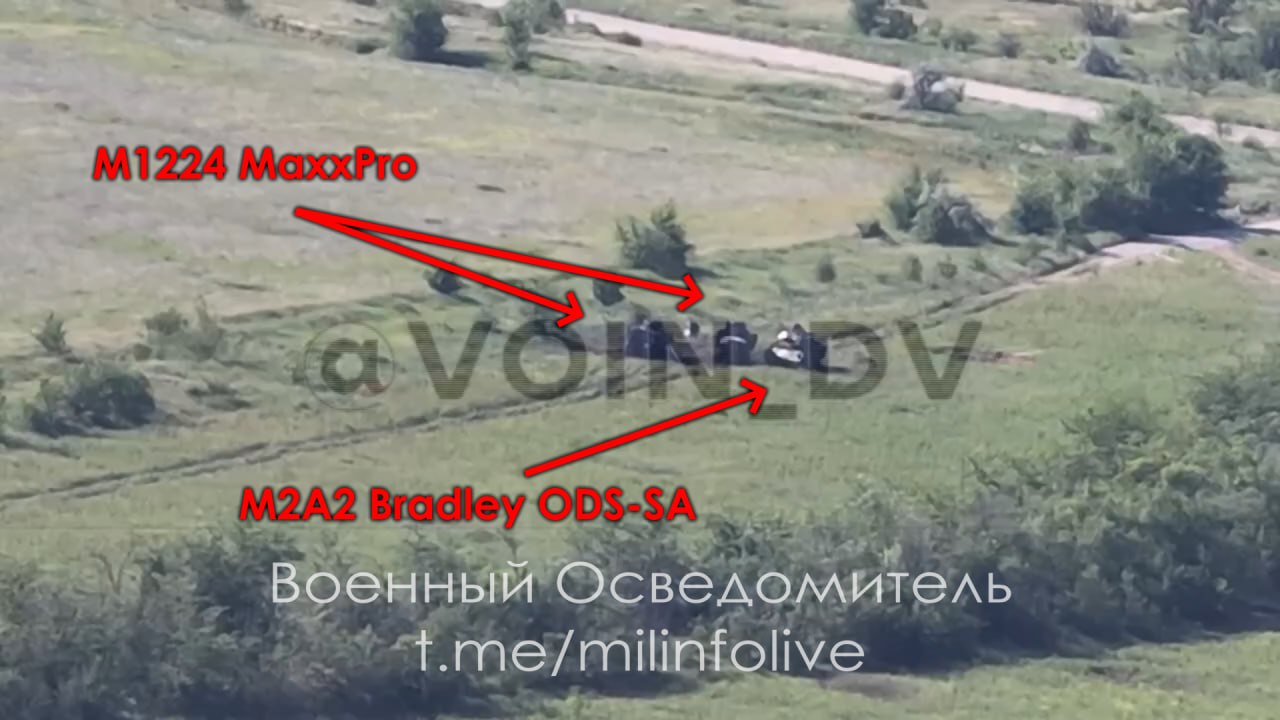
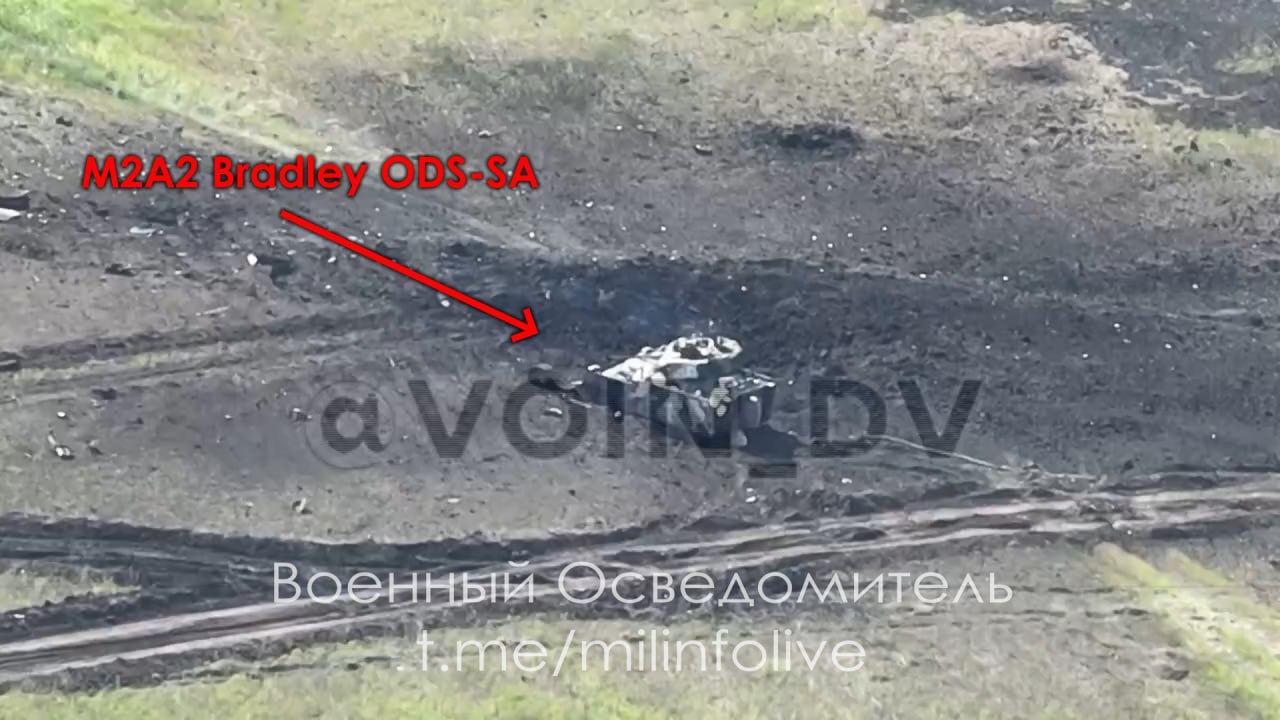
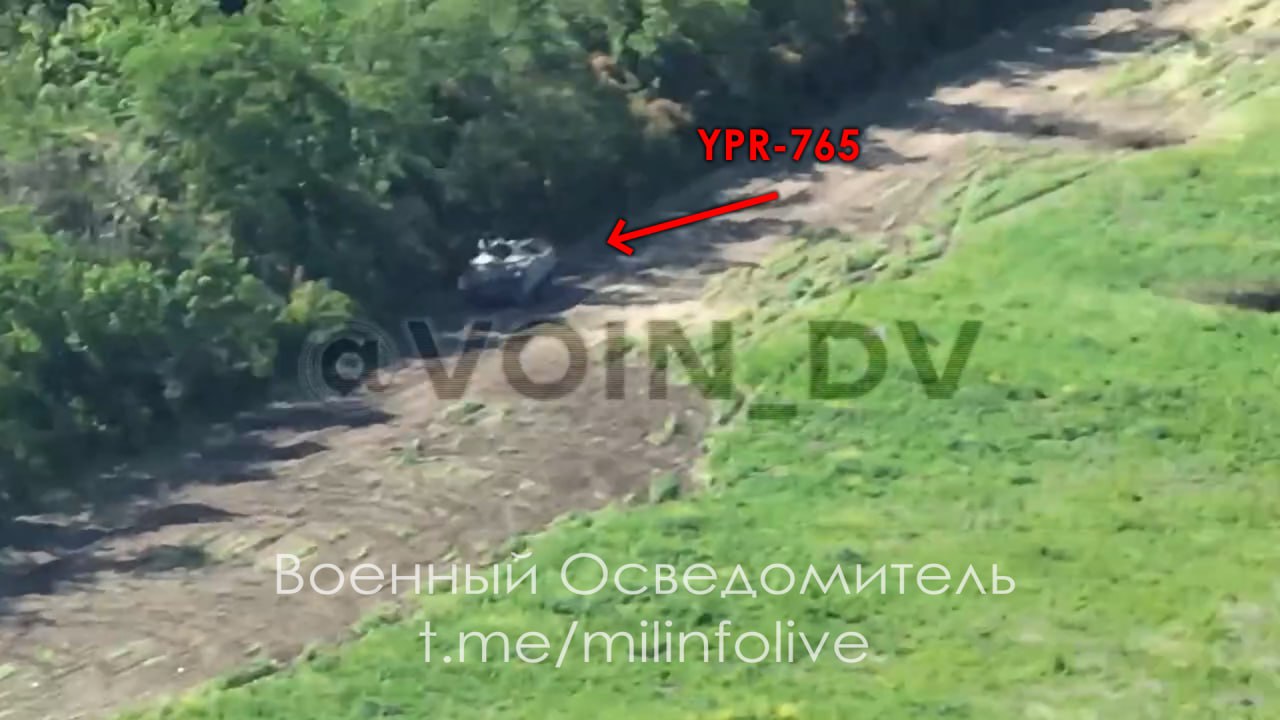
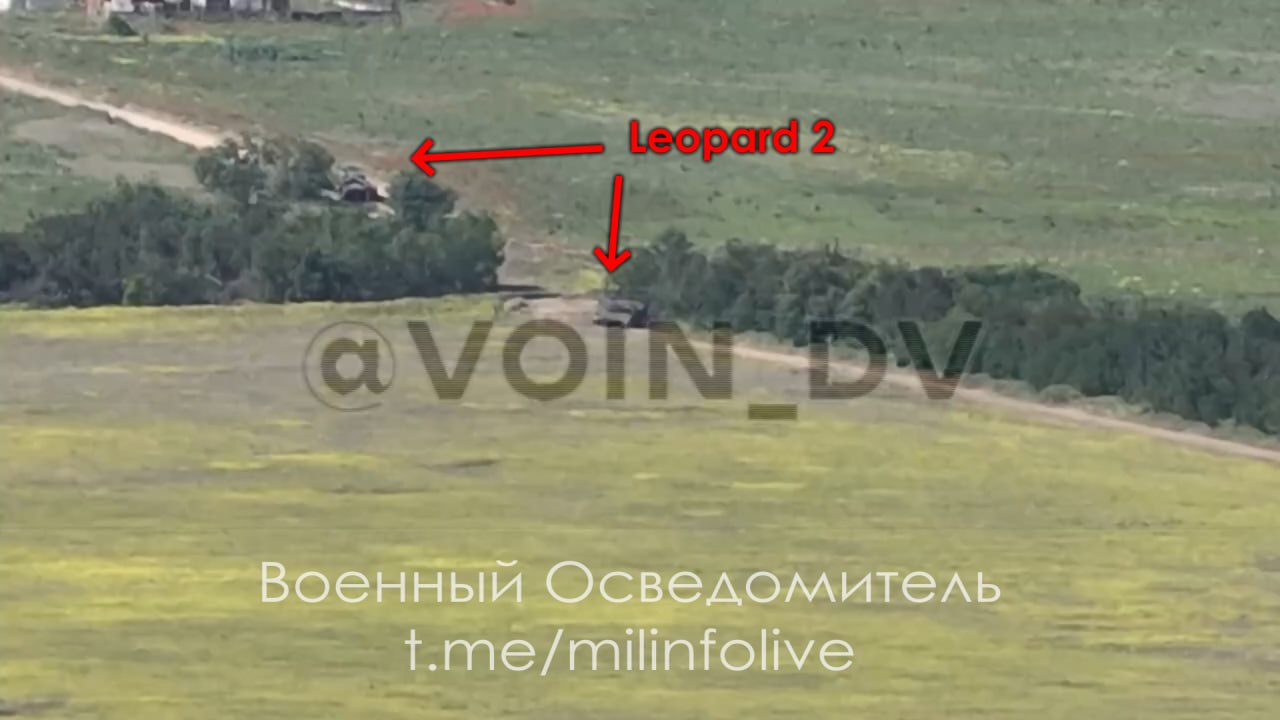
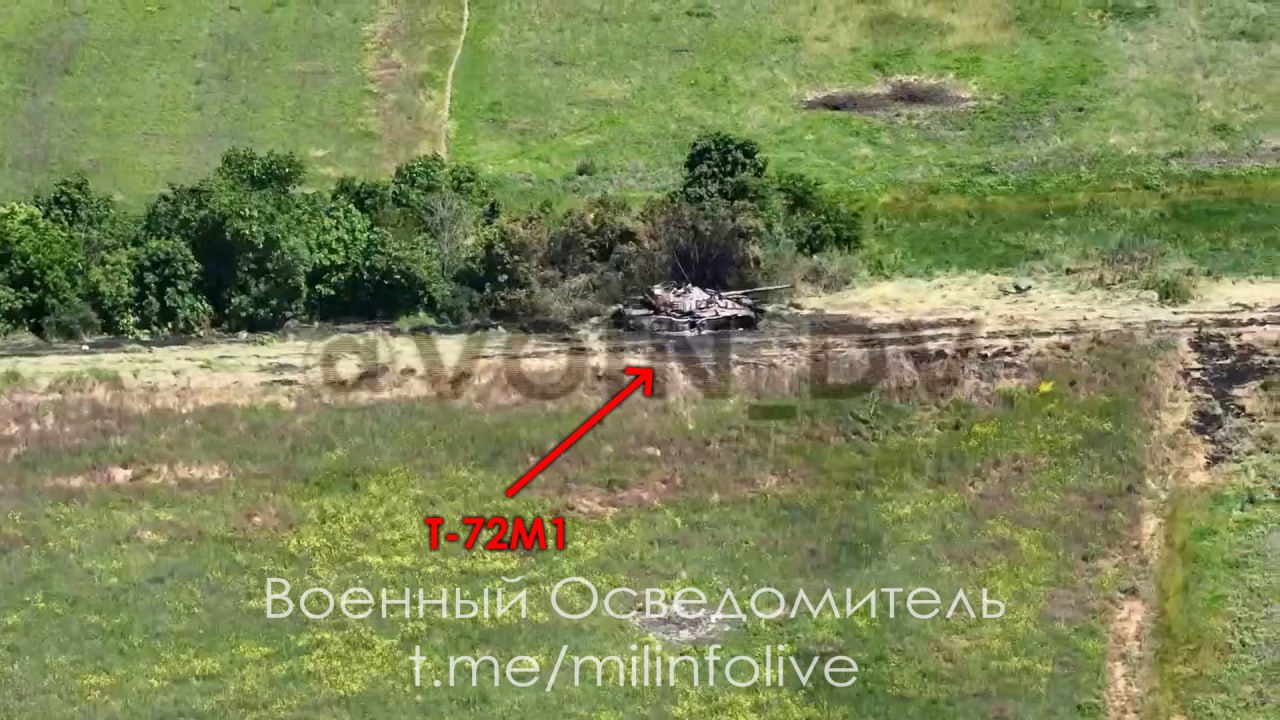
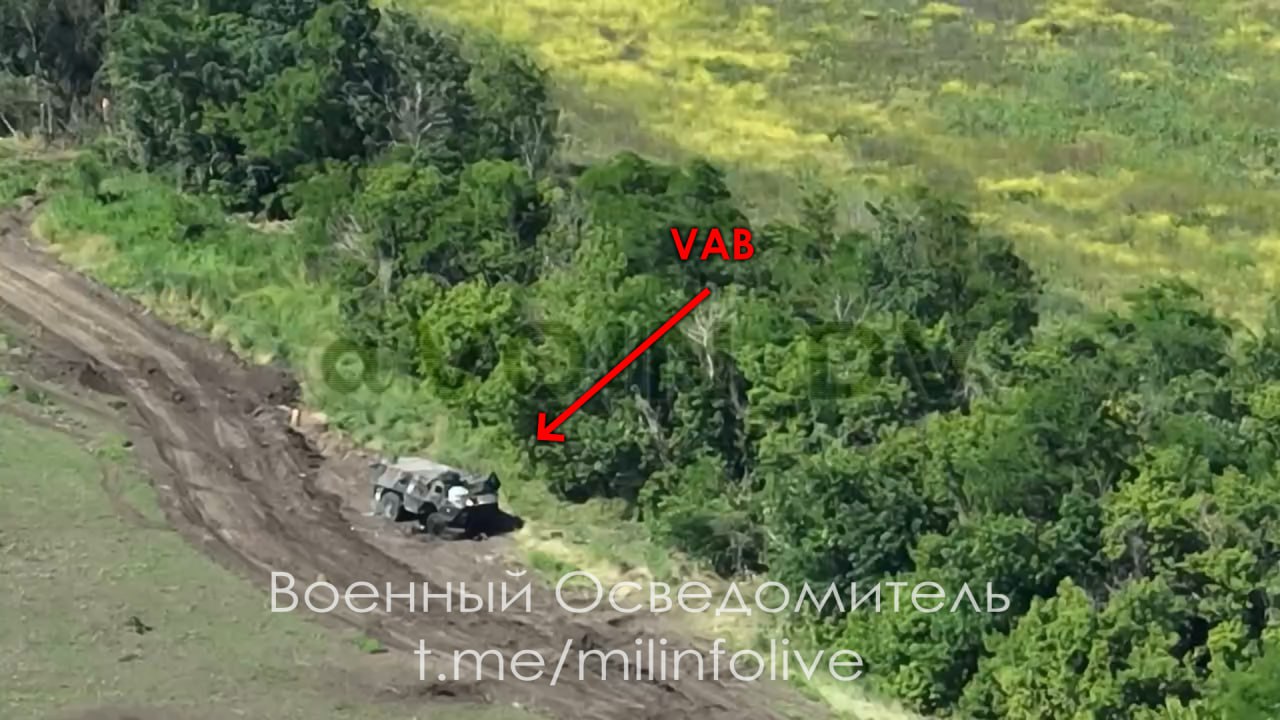
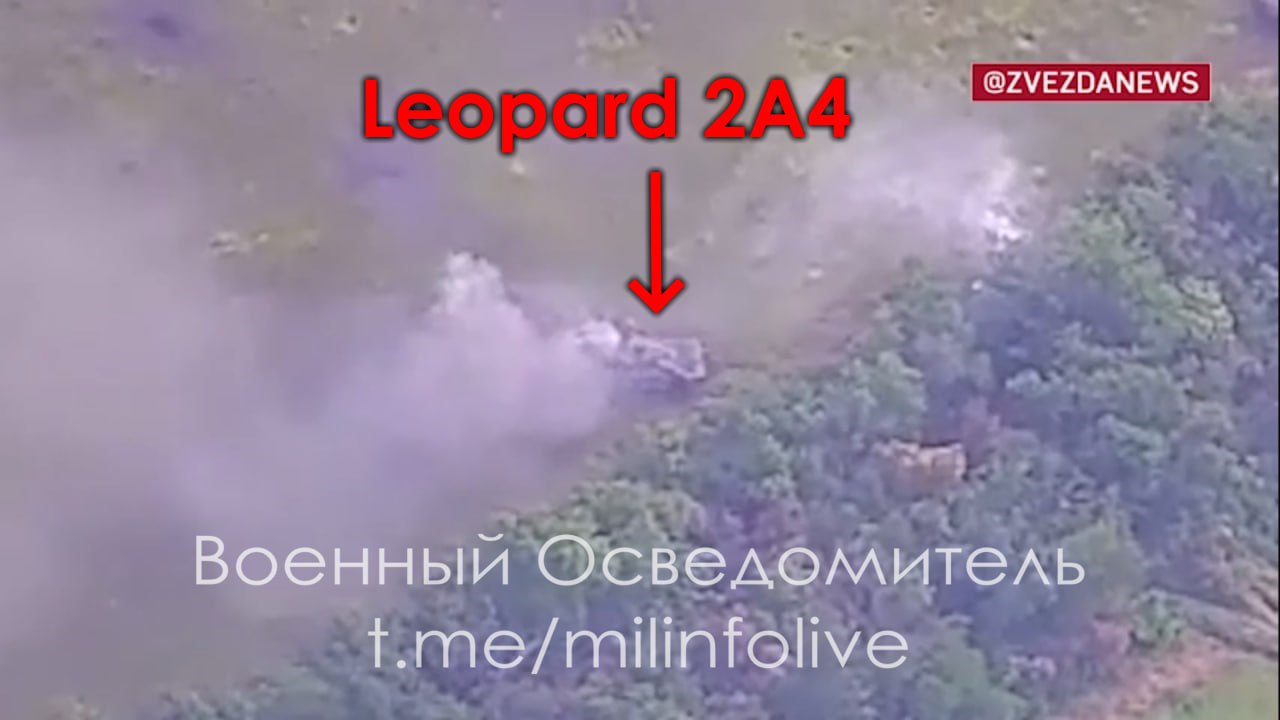
    The video shows two German-made Leopard 2A6 main battle tanks and five American-made M2A2 ODS infantry fighting vehicles (IFVs) which were destroyed or heavily damaged during the failed offensive. Several other vehicles, including additional Leopard 2 tanks, American-made MaxxPro mine-resistant ambush-protected vehicles and Soviet-made BMR-2 mine-clearing vehicles, were abandoned by Kiev forces.
    Read more: Military Knowledge: Leopard 2

    The AFU were initially slowed down by anti-tank landmines and dragon’s teeth anti-tank obstacles, and later reneged with artillery fire and airstrikes. Attack helicopters and tank hunters also played a key role in repelling the attack, according to the available information.

    Leopard 2 and several other tanks and armoured vehicles were destroyed by Russian Army

    Russian Minister of Defense General Sergey Shoigu said in a statement that up to 1,500 troops and 150 pieces of armor from the 47th mechanized brigade took part in the ill-fated attack. Kiev forces lost a total of 30 tanks, 11 IFVs and up to 350 personnel while attempting to advance, the minister revealed in his statement.

    The German Leopard-2 tanks hit by a Russian Lancet drone

    The fact that advanced NATO equipment recently supplied by the West, like the Leopard 2 tanks and Bradley IFVs, took part in the attack proves that this was not just a “shaping” or “probing” operation, as claimed by the Ukrainian and Western media. Kiev forces were clearly attempting to hold ground and failed in doing so.

    Ukraine was promised around 90 Leopard 2 tanks and more than 100 Bradley IFVs by NATO states  in recent months. Most of these equipment were delivered before the beginning of the so-called spring counteroffensive on June 4.
    It should be noted that the plan was based on the fact that the Ukrainian army, having at least 300 tanks, can challenge Russia’s superiority in ground battles and take the eastern and southern lands of Ukraine out of Russian control by carrying out several counterattacks.

    Russian Kamov 52 helicopter attacks on Ukrainian Leopard 2 tank and the Bradley armored vehicle

    The humiliating defeat of Kiev forces near Orikhiv confirms that these weapons, which were promoted as Wunderwaffe by the mainstream media, can’t change the balance of power in the battlefield.

    The destruction of new equipment donated by Westerners to Ukraine in this conflict dealt a heavy blow to the West’s propaganda in recent months. The Western media has been claiming for months that the new German tanks and armored vehicles sent to the Ukrainian army will change the balance of power in their favor! But the dominance of the Russian army on the southern fronts and their countless equipment has kept their superiority in the region.

    Source: SouthFront

  • Russian, Syrian Forces Carry Out Joint Operation In Homs

    Russian, Syrian Forces Carry Out Joint Operation In Homs

    Oleg Zhuravlev, Deputy Director of the Russian Reconciliation Center in Syria, said during a press conference on June 7 that Syrian and Russian military forces conducted identification and cleansing operations against terrorists in Homs province.

    According to Zhuravlev’s statements, as a result of the joint operation between Syrian army units and Russian military personnel, at least 20 terrorists were killed, as much as nine weapons and ammunition depots were destroyed, and 30 terrorist hideouts were demolished.

    Russian media reports indicate that this joint identification and cleansing operation by Russian and Syrian forces took place in the north and northeast of Homs province.

    It is worth noting that over the past six years, despite ongoing operations by the Syrian army, the Syrian Desert and various parts of Homs province have experienced daily attacks by ISIS terrorists against civilians, facilities and military headquarters.

    Furthermore, hundreds of Syrian army forces and allies have been martyred during cleansing operations in the Syrian Desert. However, hidden ISIS cells remain present in these areas and continue to impact the security of some Syrian regions with their terrorist actions.

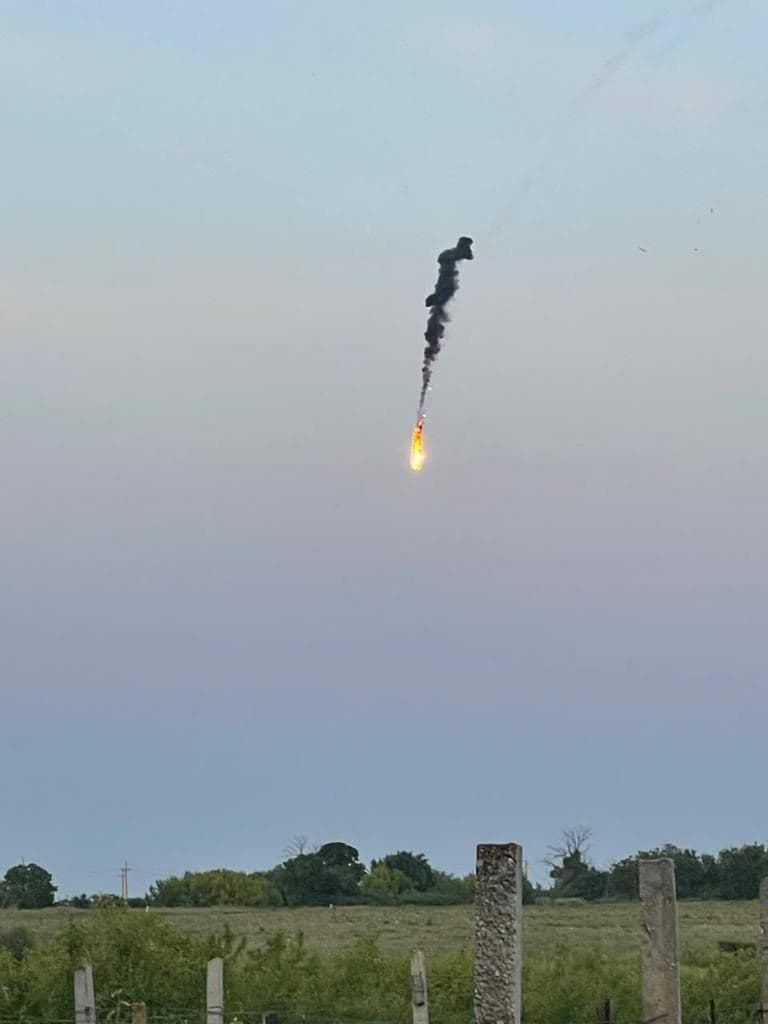
  • Second Mohajer-6 Drone Downed By Friendly Fire! (Image)

    Second Mohajer-6 Drone Downed By Friendly Fire! (Image)

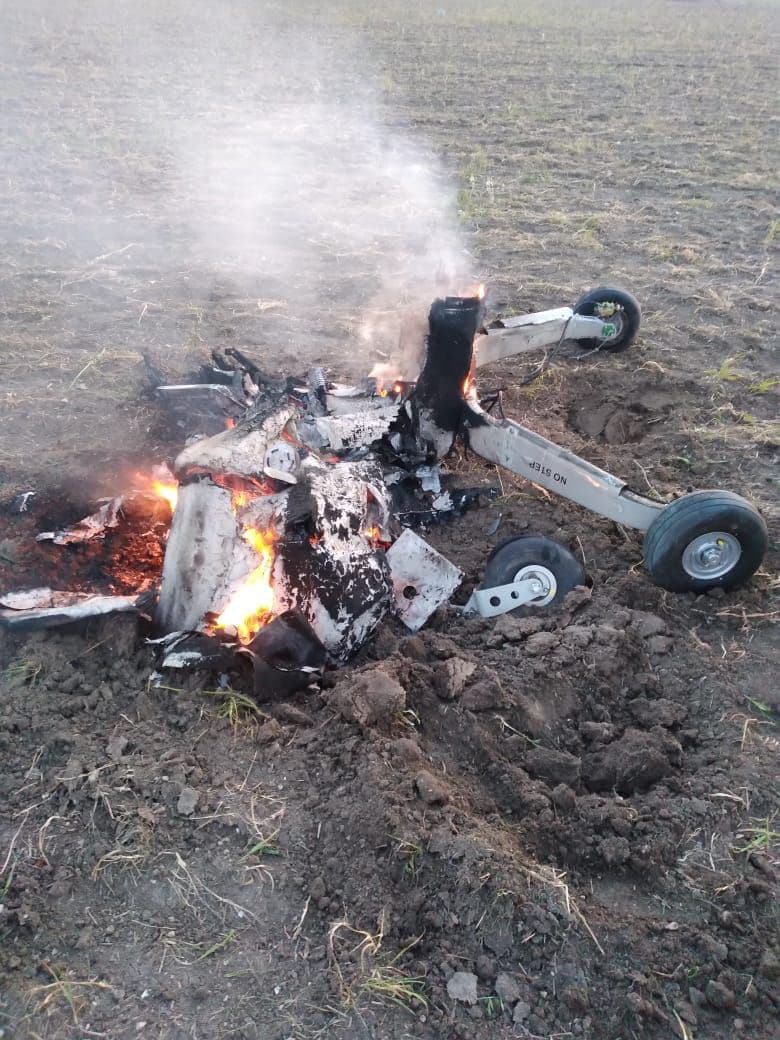
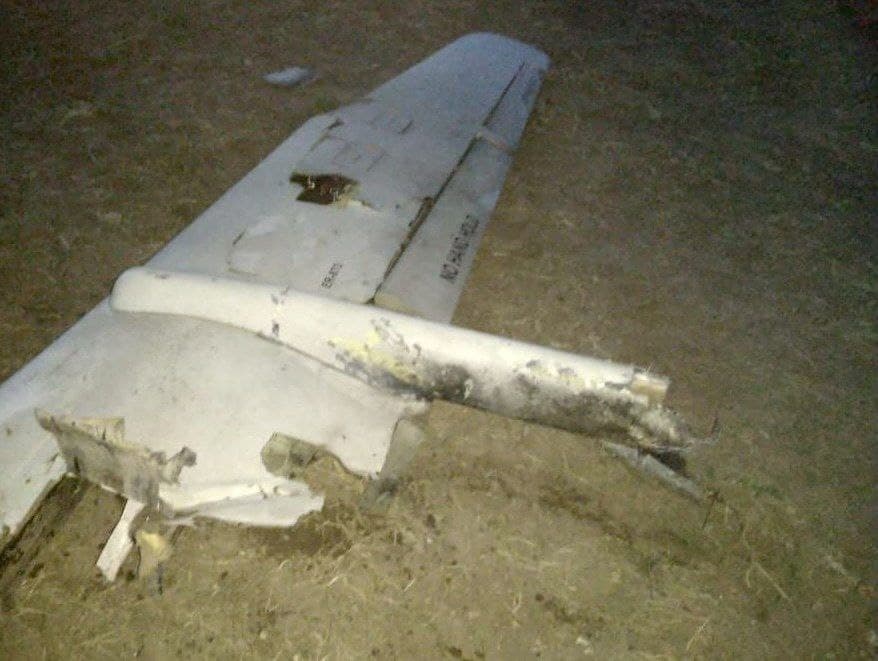
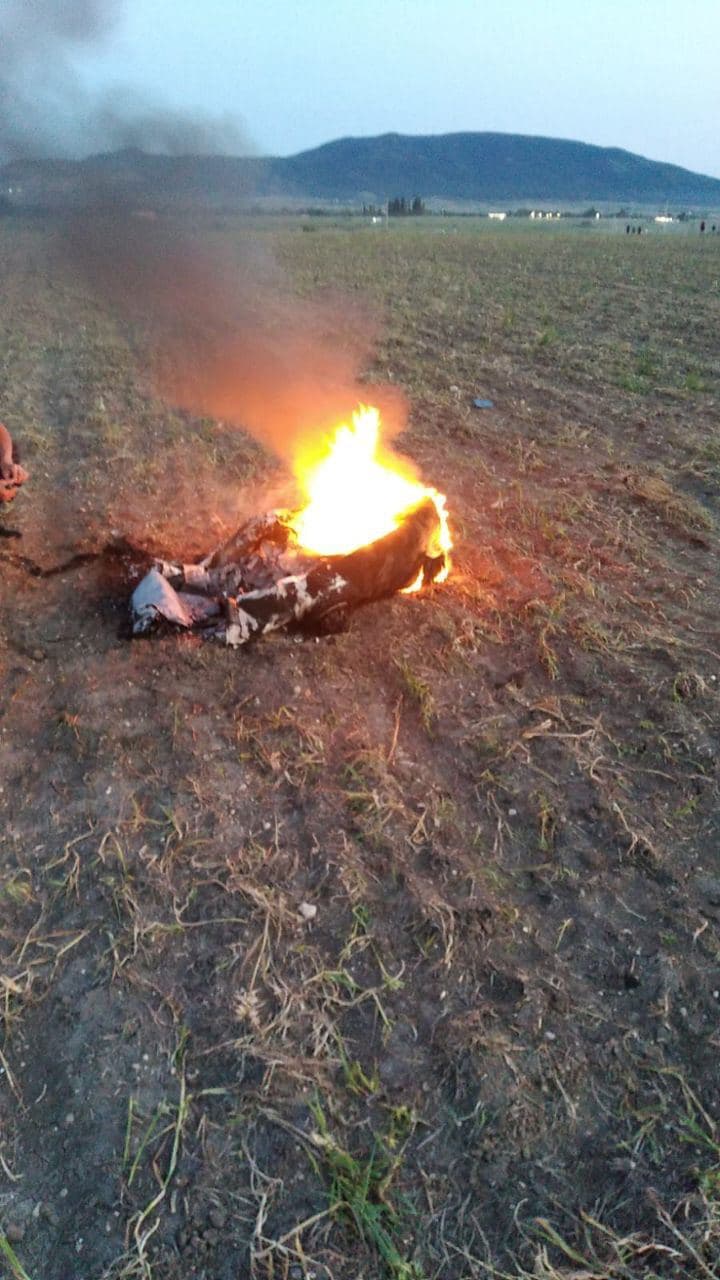
    At first, local sources in the Crimean peninsula said that the Russian air defense systems shot down an unknown drone in the eastern regions of Crimea on the evening of June 6. A little later, with the release of images of the wreckage of the targeted drone, it was revealed that this drone is of the Mohajar-6 type. Also, in another image, the wreckage of the drone can be seen burning, which rejects the idea that it fell due to a technical defect. Therefore, it is most likely that it was targeted by the Russian air defense and by mistake.

    Read more: Military Knowledge: Mohajer-6 Reconnaissance Combat Drone

    This is the second Mohajer-6 drone to be shot down during the war in Ukraine. Previously, in 23 September 2022, a Mohajer-6 crashed in the Black Sea near the coast of Odesa, which confirmed the claim of selling Iranian UAVs to Russia.

    Mohajer-6 is a medium-class multirole drone and Iran’s most successful export drone. So far, Iran exported this drone to countries like Iraq (Hashd al-Shaabi), Ethiopia, Venezuela and Russia.