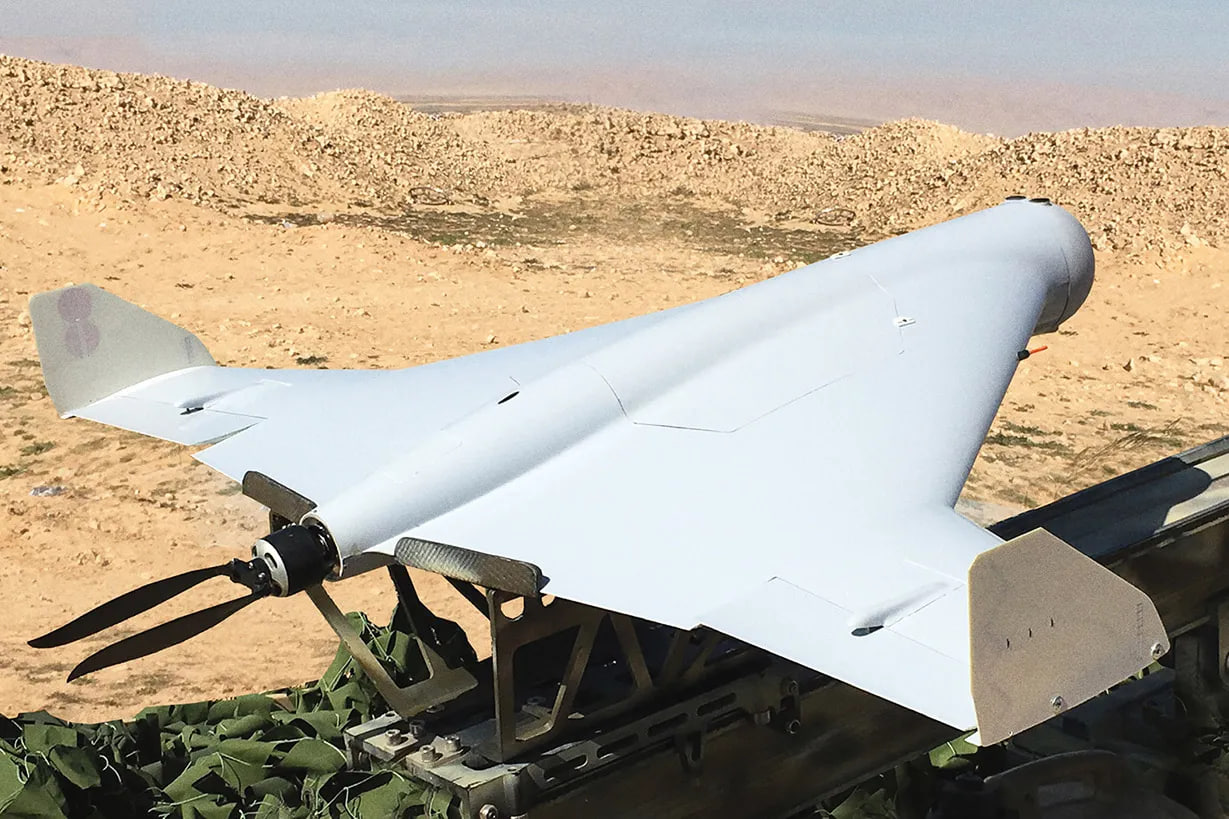
Following the onset of Russia-Ukraine war, orders for assault drones have remarkably increased. The Ministry of Defense of Russia is the main customer of the assault drones manufactured by the Kalashnikov Group. Thus, the production of the kamikaze drones “KUB-BLA” mounted in recent weeks, and the issue is one of the major priorities of the Kalashnikov Group.
KUB-BLA kamikaze drone was unveiled in the International Defence Exhibition & Conference (IDEX 2019) in Dubai, the UAE. The KUB-BLA drone’s speed is between 80 to 130 kilometers per hour and it can fly 30 minutes. The drone can carry three kilograms of explosive materials.
According to the group’s program to mount its production, it is probable that the company would put on agenda the increase of manufacturing Lancet drones, because they have been applied by the Russian forces in the war against Ukraine.
It is notable that both KUB-BLA and Lancet drones were manufactured by the Russian company named ZALA Aero affiliated to the Kalashnikov Group.
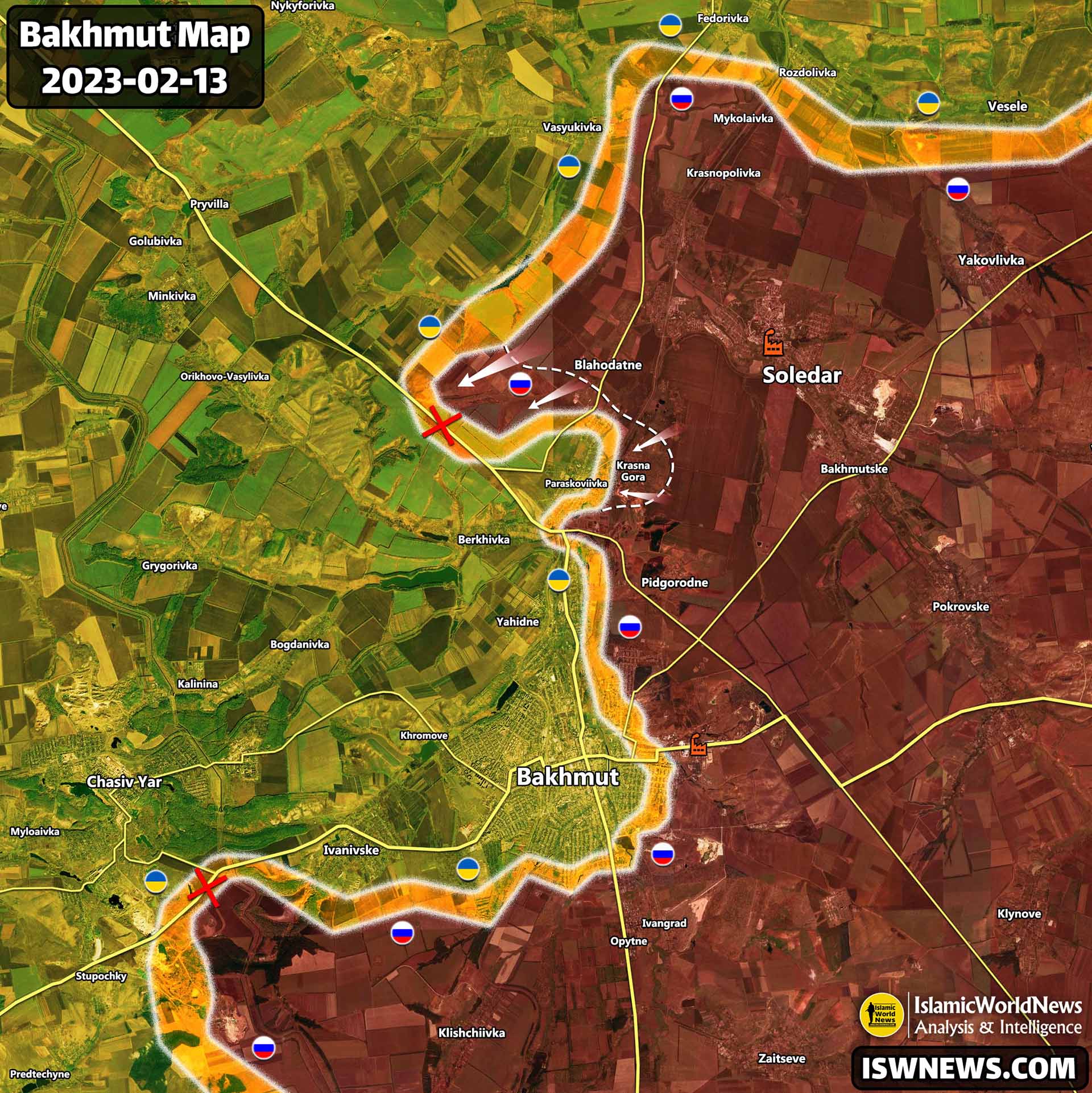
On 18th of February, the Russian army captured the village of Paraskoviivka after several days of heavy fighting. The capture of the village of Paraskoviivka was not far from expected due to the increase of the Russian artillery fire and the semi siege imposed on this village in recent days.
With the domination of the Russians over this village, the Slavyansk-Bakhmut road was completely cut off.
After establishing their positions in the village of Paraskoviivka, the Russian military will probably advance to the area of Berkhivka, located in north of the city of Bakhmut, with the aim of completing the siege of this city.
It is worth mentioning that during the last few days, fierce battles between the Russian army forces and the Ukrainian soldiers were going on in the village of Paraskoviivka. The capture of this village is very important to complete the siege operation of Bakhmut city, and will increases the dominance Russian military over the logistics lines of the Ukrainian forces in the northern suburbs of Bakhmut city.
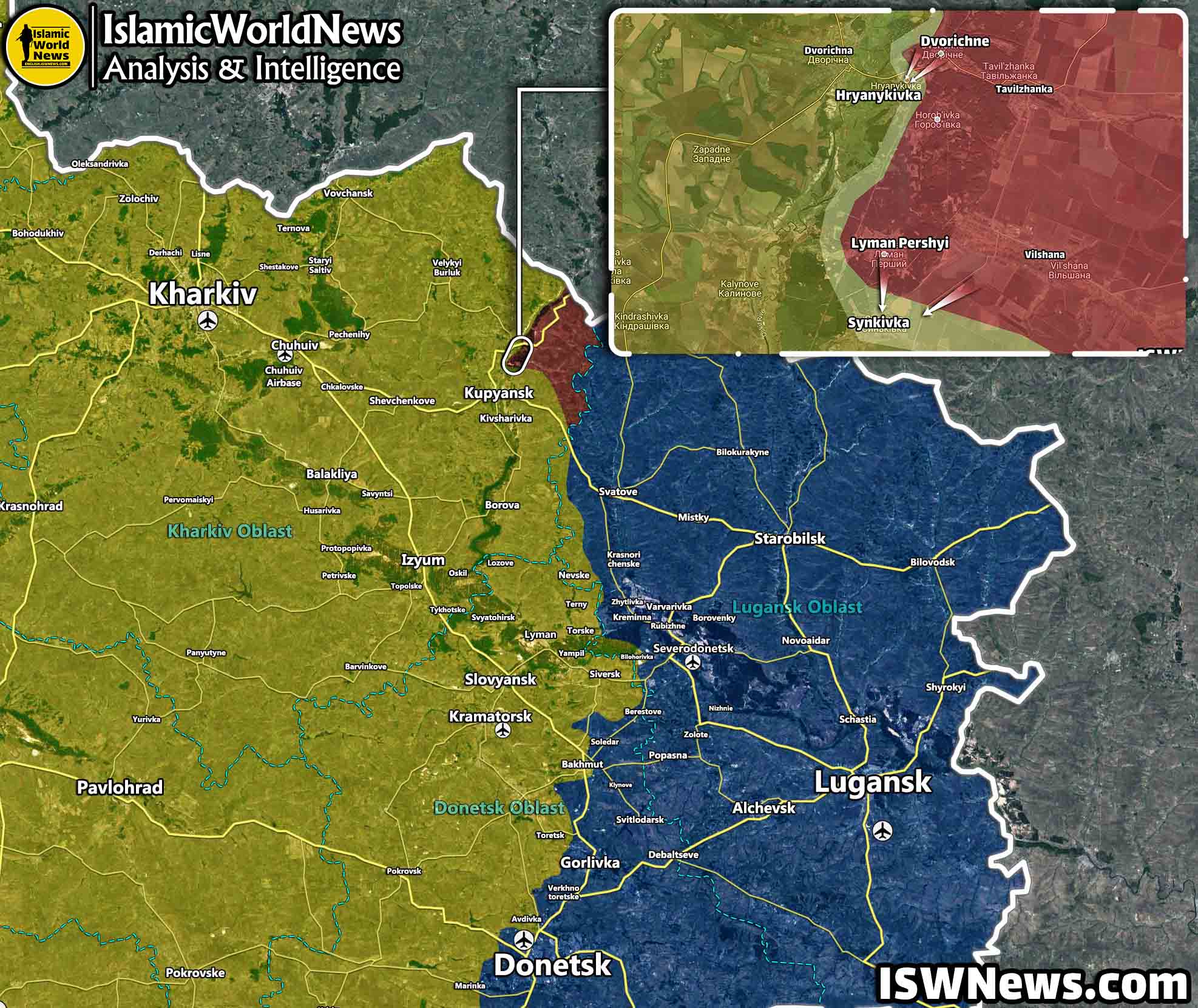
The confrontation between the Russian military forces and the Ukrainian troops keeps on in the northern and southern fronts of Kupyansk in Kharkiv Oblast, and the Russian forces continue to advance in those fronts gradually.
The Russian military forces have recently managed to enter the Gryanykivka residential area after they could stabilize their positions in Dvorichne; although, the two sides continue fierce battles in that region.
Additionally, the clashes and artillery fights kicked off in south of Lyman Pershyi for the seizure of Synkivka village. There were some reports last week, claiming that the Russian soldiers entered the Synkivka village, which were not authentic. The scale of Russian artillery fire on the Synkivka village has amplified significantly since last week, and it seems to be probable that the Russian army is going to start a ground offensive to capture the region soon.
Simultaneous with the operations and advances on the Synkivka and Dvorichne fronts, the Russian army intends to put pressure on the Ukrainian military in the north of Kupyansk in order to deter the Ukrainian army’s logistics focus from other fronts to the Kupyansk axis.
It is noteworthy that following five months of inactivity in the northern fronts of Luhansk and southern Kharkiv, the Russian army has started regaining the upper-hand in some areas of these axes. Earlier, the Russian army had entirely retreated from the northern and northeastern regions of Kharkiv oblast in September 2022. As a result of that retreatment by the Russian forces, approximately 8,800 square kilometers of Kharkiv province, which were under the control of the Russian troops at that time, were handed over to the Ukrainian military.
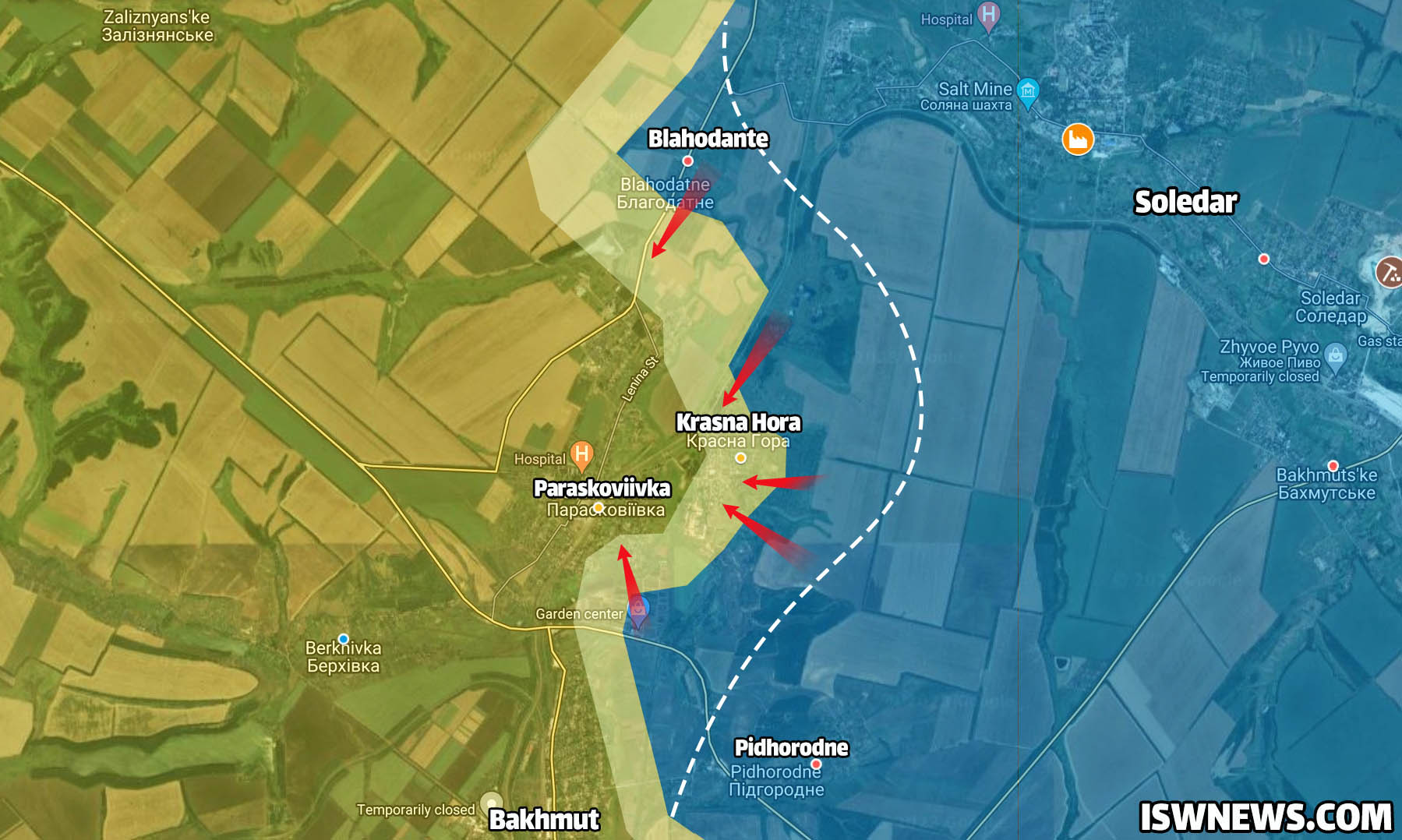
On February 12, the forces of the Russian army seized the Krasna Gora village; so, the Ukrainian troops were forced to retreat from the region as a result of the escalation of the confrontation. At present, the confrontation lingers in the outskirts of the Paraskoviivka village in the western districts of Krasna Gora.
Concurrent with the advances in that front, the Russian military forces also succeeded in advancing in the western parts of the Blahodatne village; so, they could cut off the northern road to Bakhmut city, and the Paraskoviivka village is now under a situation, which similar to a siege. Presently, the circumstance of the Ukrainian troops in the Paraskoviivka village is totally instable, and as a result of the extent of artillery fire as well as the advances of the Russian military forces, it is expected that the fall of that region to the hands of Russian forces will happen in the coming days.
Hence, given the situation on the ground in northern front of Bakhmut city, the Paraskoviivka village was targeted by the Russian forces in the first step, and after besieging that region, the Russians are expected to advance to the Berkhivka countryside in the west of the northern road to Bakhmut city in order to finalize the siege of the city.
It is noteworthy that the western road to the Bakhmut city was cut off by the Russian armed forces last week as well, and as a result of the current situation, which led to the cut off of the northern road, it is expected that Bakhmut city would come under siege in practice.
It should be mentioned that confrontations in other fronts inside the Bakhmut city is underway, and there is not any significant change in the field map of this front.
The combat between the Russian and Ukrainian forces to seize or defend Bakhmut city has turned into one of the deadliest encounters in the war in Ukraine concerning the loss of manpower and military equipment. Despite the fact that some Western experts advised the Ukrainians to pull out from the Bakhmut city, the Ukrainian troops insist on protecting the city and they make all-out efforts and dispatch military forces to this region in a bid to avoid losing the city.
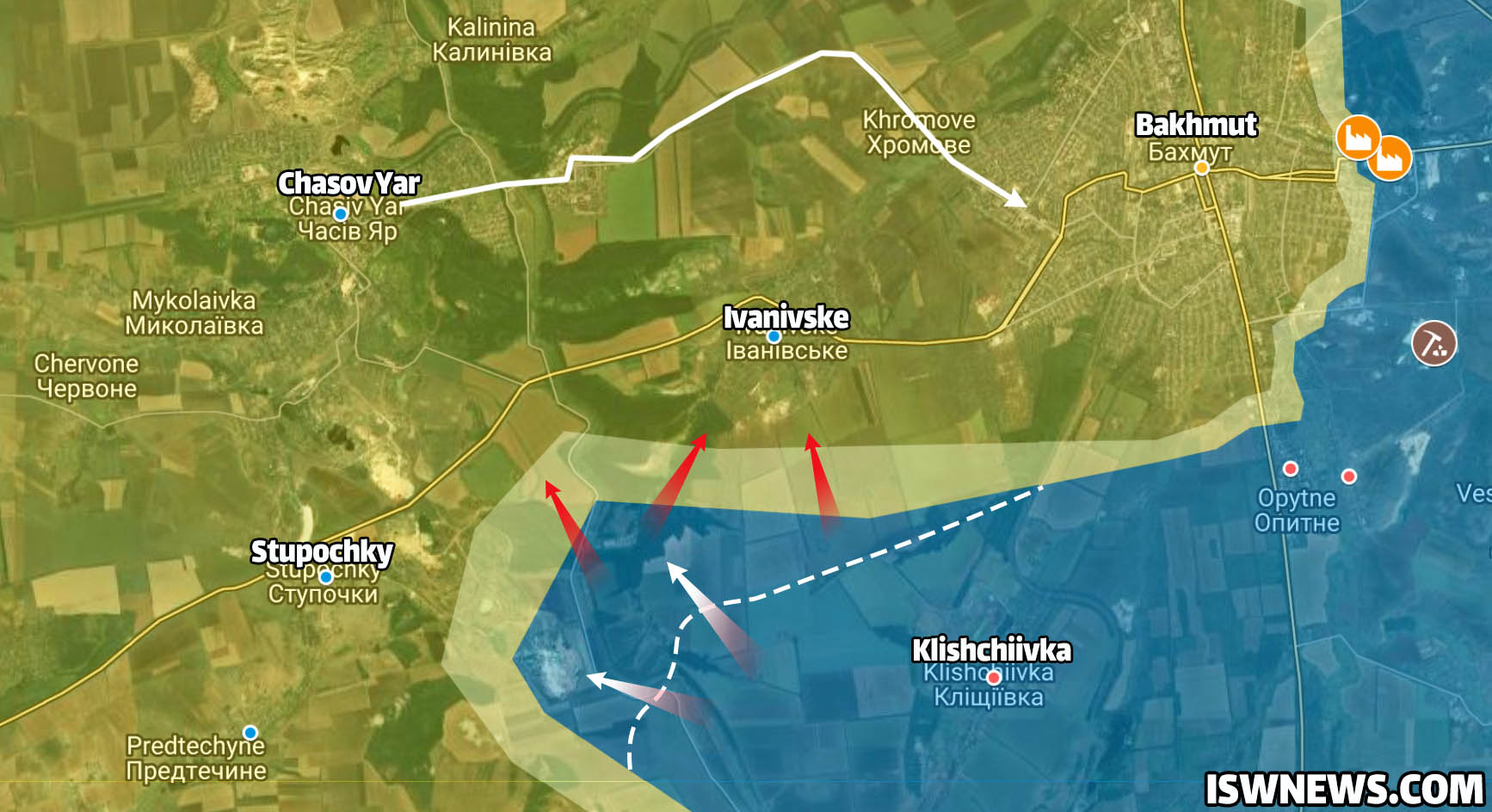
Clashes continue in all axes of Bakhmut between the Russian and Ukrainian armies. In the city of Bakhmut, Russian army forces have entered the Miasokombinat district in the north of this city and have taken control of almost half of this area. Clashes continue inside the village of Krasna Gora on the northeastern outskirts of Bakhmut. Also, Russian forces have advanced to the northwest of Blahodatne and are trying to physically block the northern road of Bakhmut city. In the southern and southwestern suburbs of Bakhmut, clashes continue at the southern entrance of the city and near the city’s cemetery. Also, the conflicts have reached the southern outskirts of Ivanivske, and Russian army forces are trying to physically cut off the western road of Bakhmut city by advancing on this axis.
In the northern axis of Luhansk, Russian army forces have succeeded in capturing a number of heights in north of Dibrova. There are also news about the advance of Russian forces in Synkivka area and the capture of this village near Kupyansk, which cannot be confirmed. Scattered clashes continue along all frontlines of Luhansk oblast.
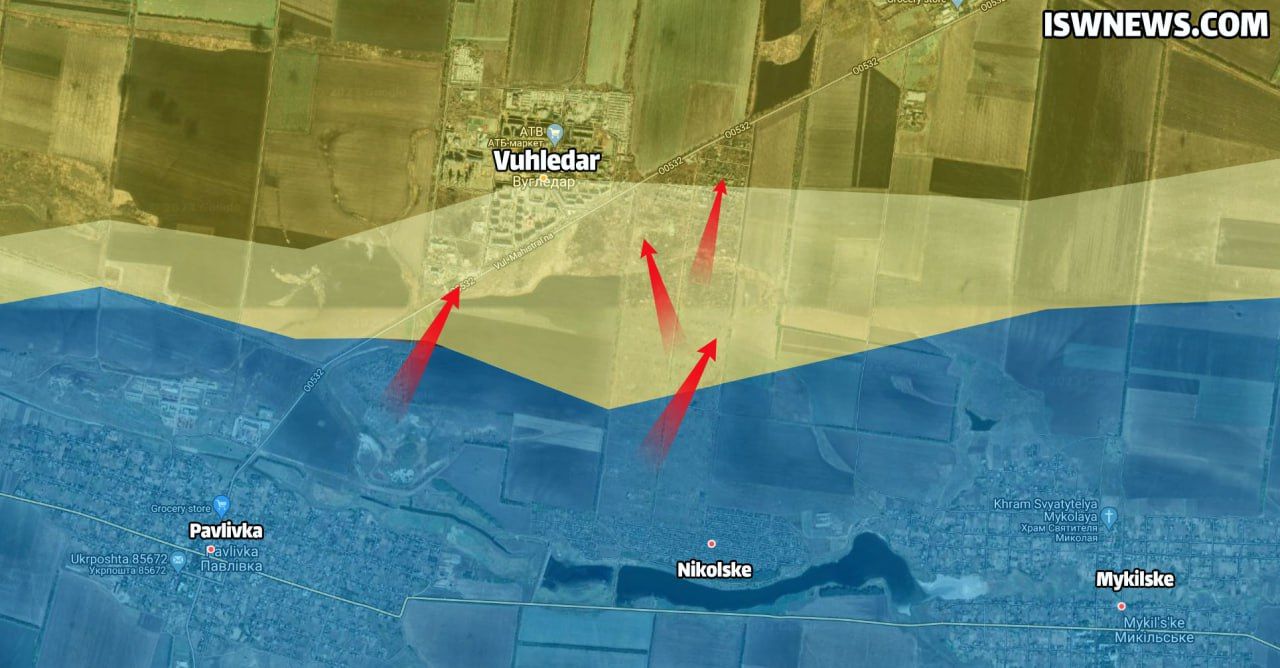
On the southern axis of Donetsk, clashes continue in Marinka between Russian and Ukrainian forces. In the latest Russian advances in this axis, a number of buildings in the south of this village have been captured by Russia. Mariinka has practically become a ruin due to the intensity of the conflicts. No special progress has been made in Ugledar, and ground attacks by Russian forces on this village have been repelled, and most of the attacks are in the form of artillery attacks.
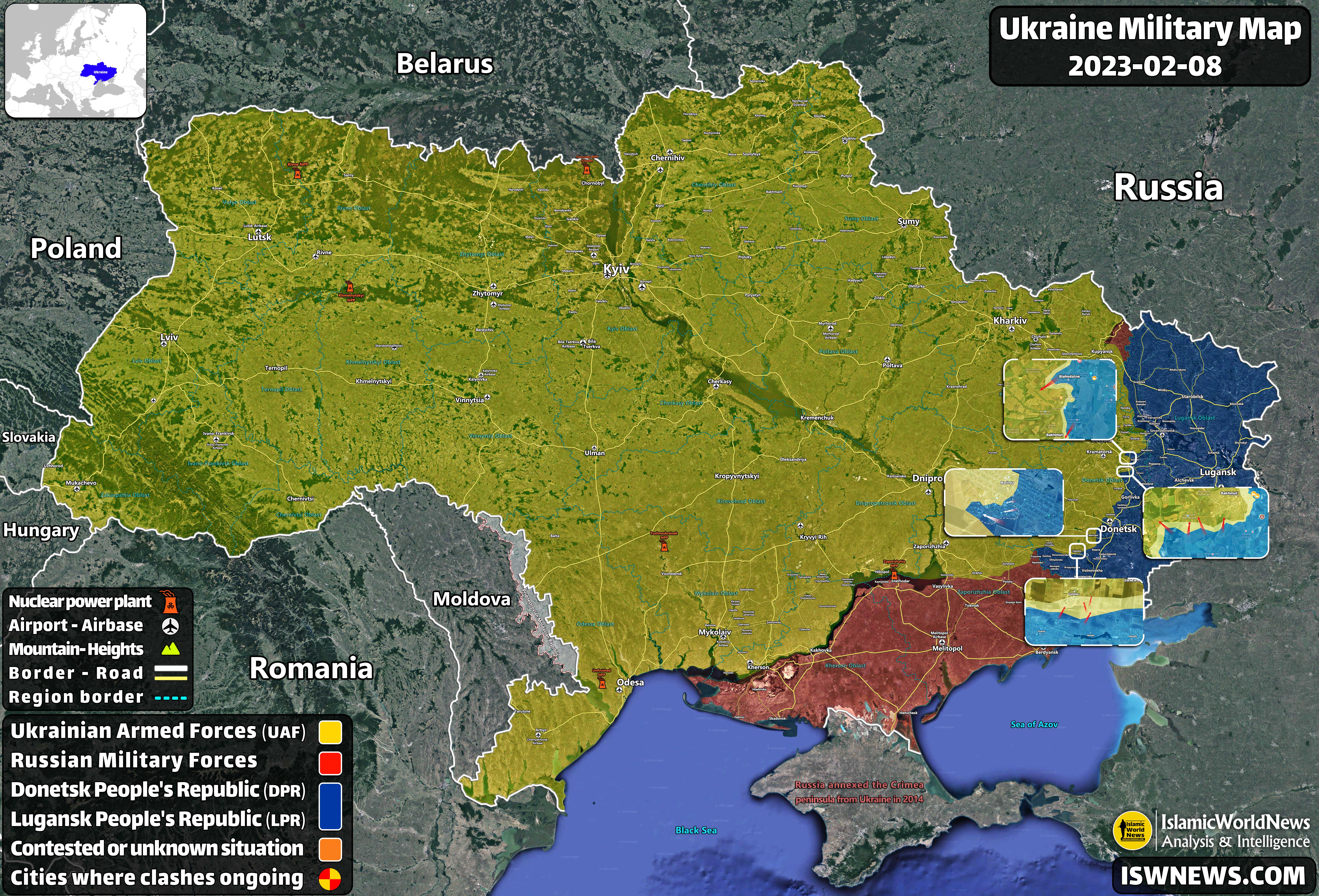
In the Zaporizhzhia and Kherson axes, in the south of Ukraine, no specific changes have been made in frontlines, and the clashes continue in the form of exchange of artillery fire between the parties.
The most military confrontations in Ukraine are now concentrated in the front-line city of Bakhmut in eastern part of the war-stricken country. The Russian military forces are finalizing the siege of the Ukrainian city by keeping on advancements in the northern, eastern and southern fronts of Bakhmut.
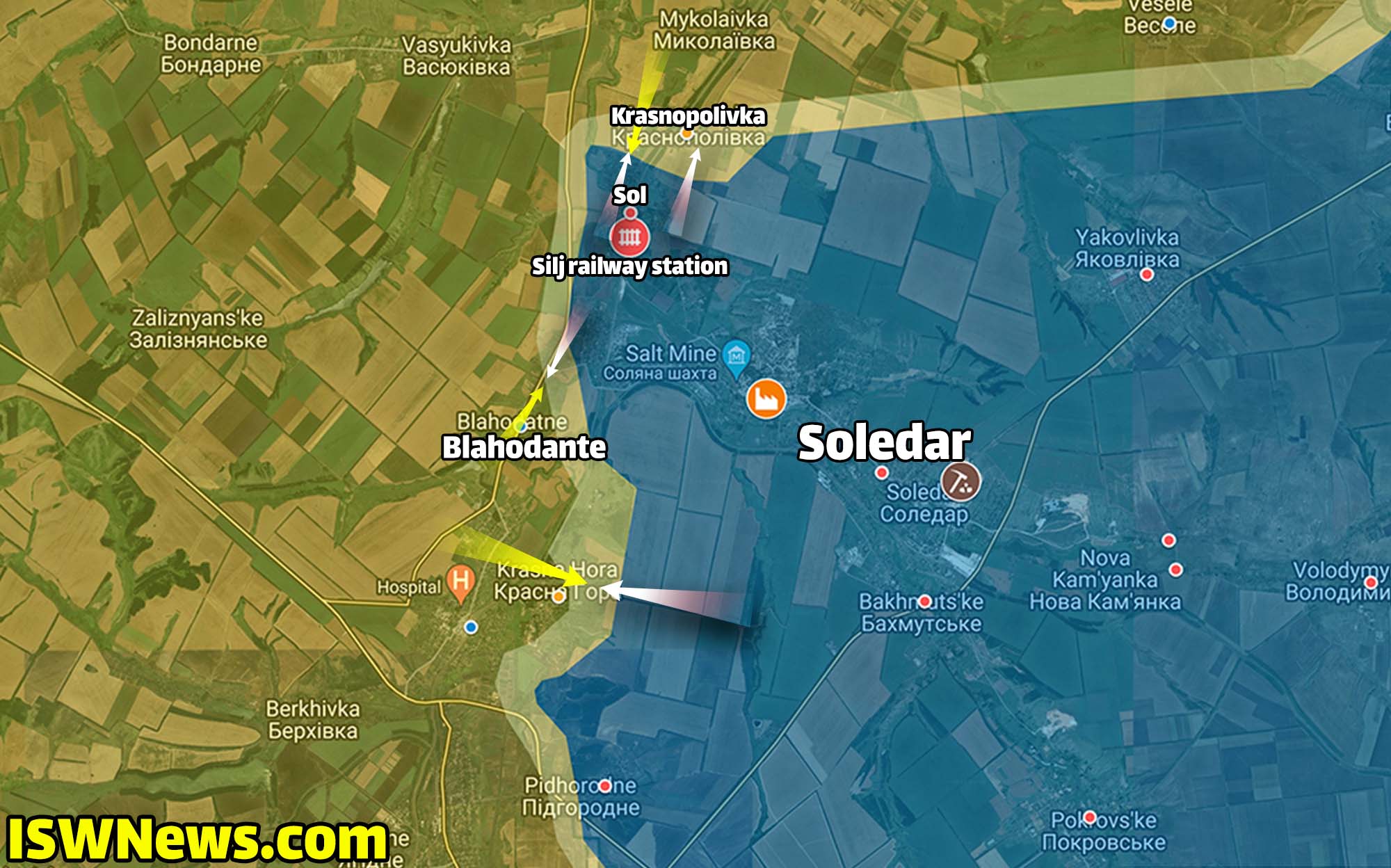
The Russians continue military advancements in the northern Bakhmut battle field, following the seizure of other regions, including the town of Soledar, Sol, Krasnopolivka village, Pidhorodne and Blahodatne village along the Bakhmut-Siversk road, and the Russian military forces seized the village of Sakko i Vantsetti in the north of the road, and the confrontations in the southern areas extended into Krasna Hora and Paraskoviivka regions. The seizure of Krasna Hora and Paraskoviivka regions would be Russians last step to surround Bakhmut from the northern front.
Military situation in the northern front of Bakhmut
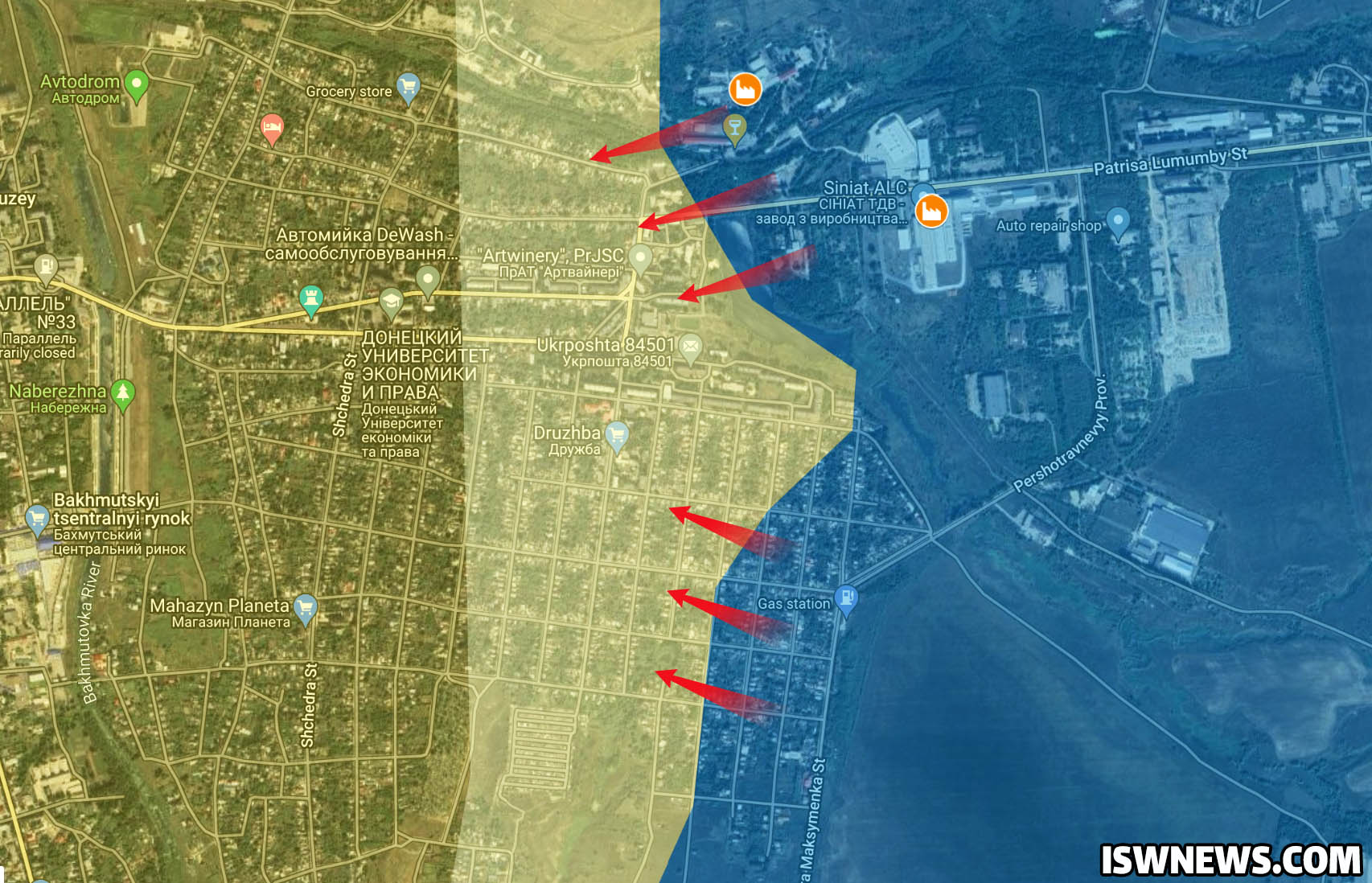
In the eastern front of Bakhmut, the fighting continues and the Russian military forces succeeded in making some minor advances in this region. The confrontations continue in the eastern front of the Ukrainian city in vicinity of a meat factory as well as Zabakhmutivka neighborhood.
Clashes in the eastern areas of the city around the meat factory and Zabakhmutivka neighborhood
On the southern front of the Bakhmut city, Russian forces could advance toward the north of Klishchiivka district, and the clashes reached in vicinity of Ivanivske at the western entrance of the besieged city of Bakhmut. Furthermore, as a result of the advancement in the mentioned region, the Russian army took the control of the heights overlooking the Kostyantynivka-Ivanivske-Bakhmut road. Hence, the Russian military forces have fire superiority over the Kostyantynivka-Ivanivske-Bakhmut road, and the Ukrainian army’s logistics route from the western areas to the city of Bakhmut has been blocked; so, the only remaining path is the road from Chasiv Yar town.
The Russian army advances on the southern axis of Bakhmut and fire control on the western route of Bakhmut
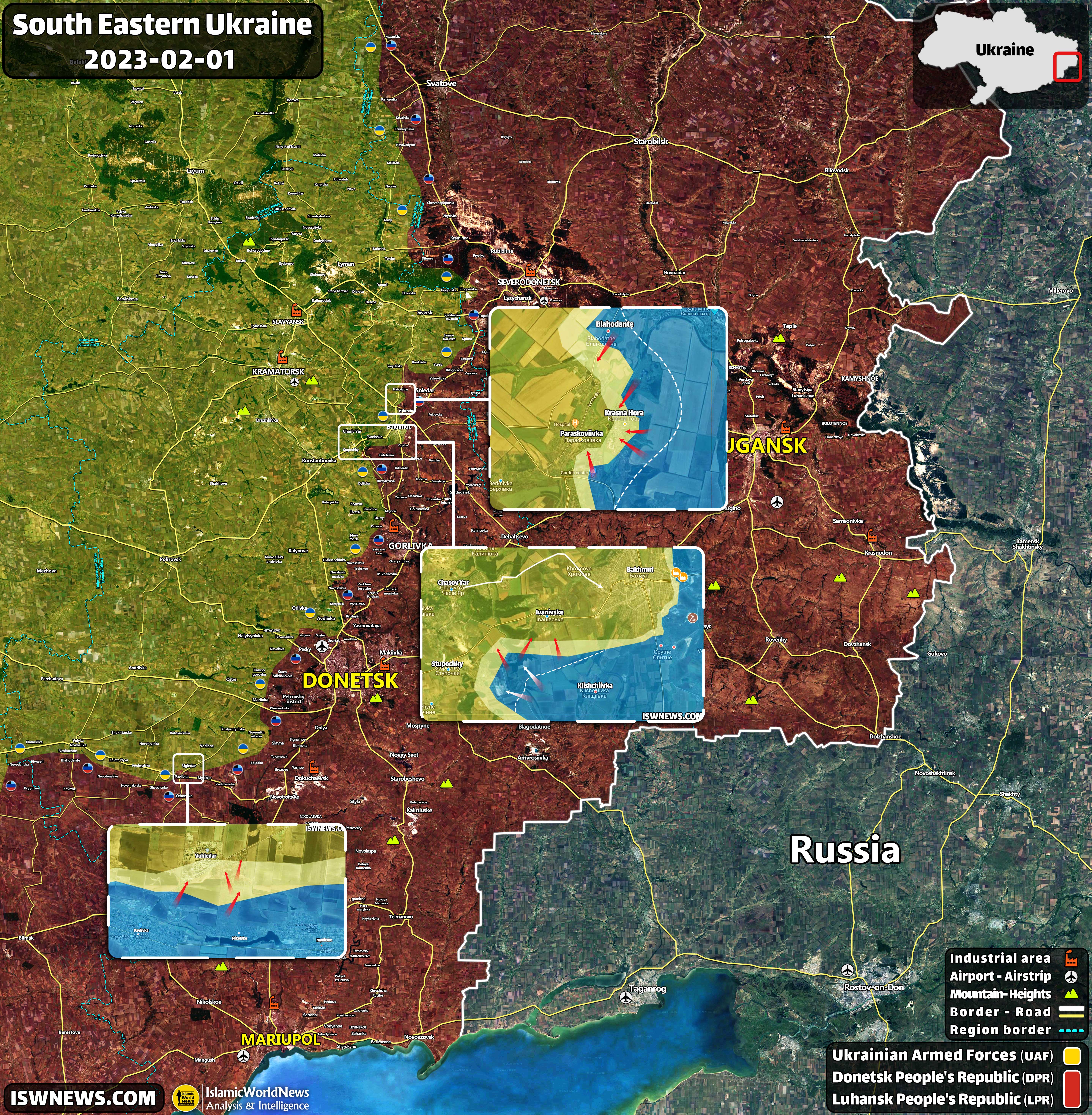
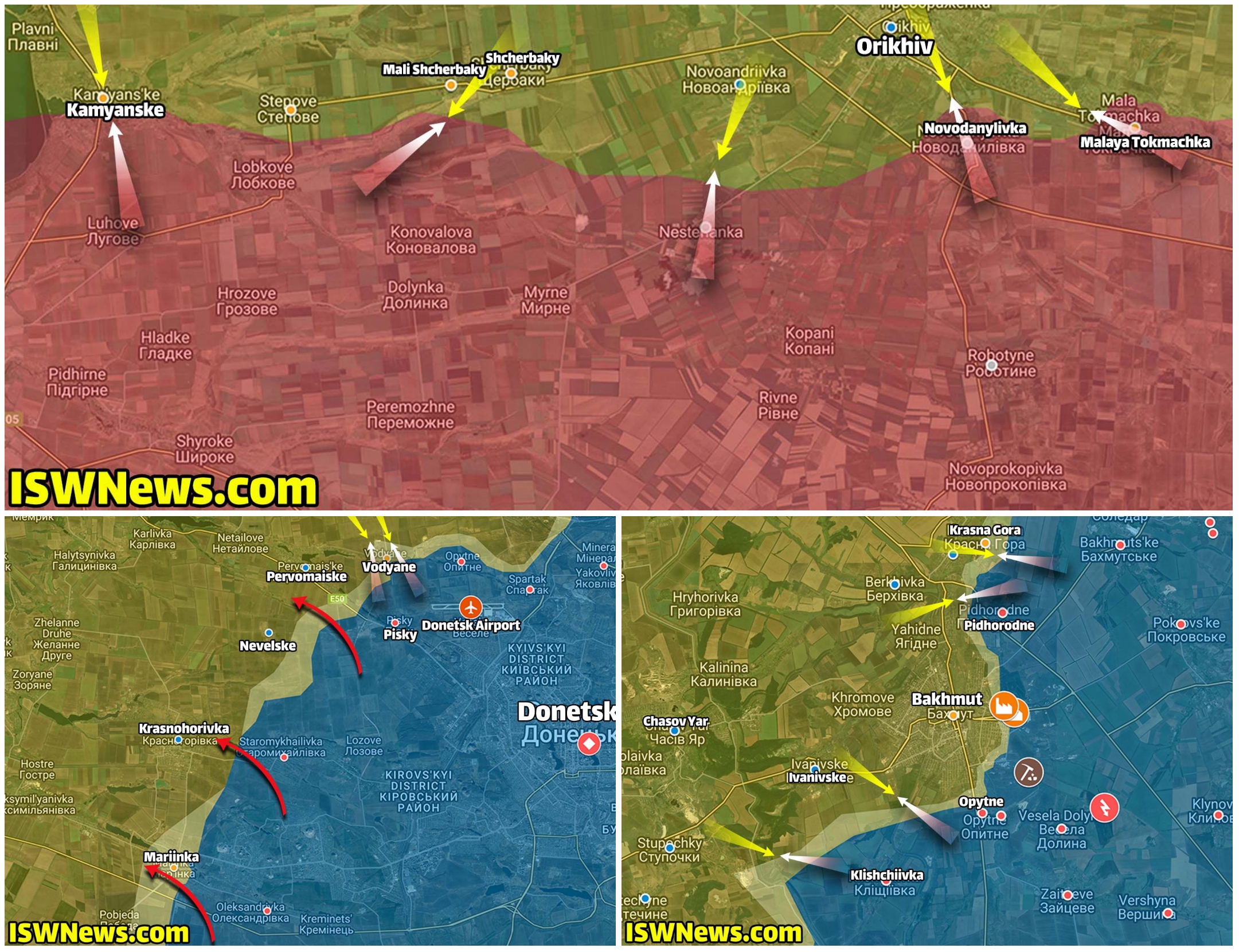
In the Lyman battle field and the north of Luhansk Oblast, the military advancements by both sides have actually frozen in several battle axes of the front along the road of Kreminna in the south to Kupyansk in the north, and they have not succeeded in advancing in this front for some weeks and they continue the most clashes in the form of exchanging artillery fires. The focal point of the clashes in the front is the Svatove city on the Krasna river, and if the city is seized by the Ukrainian army, Russia’s defense lines on the eastern front would be wrecked. Thus, the Russian army makes all-out efforts to defend the frontlines of the battle axis strongly. The major conflict lines of the front are marked by arrows.
The military situation in the Lyman front and the north of Luhansk Oblast
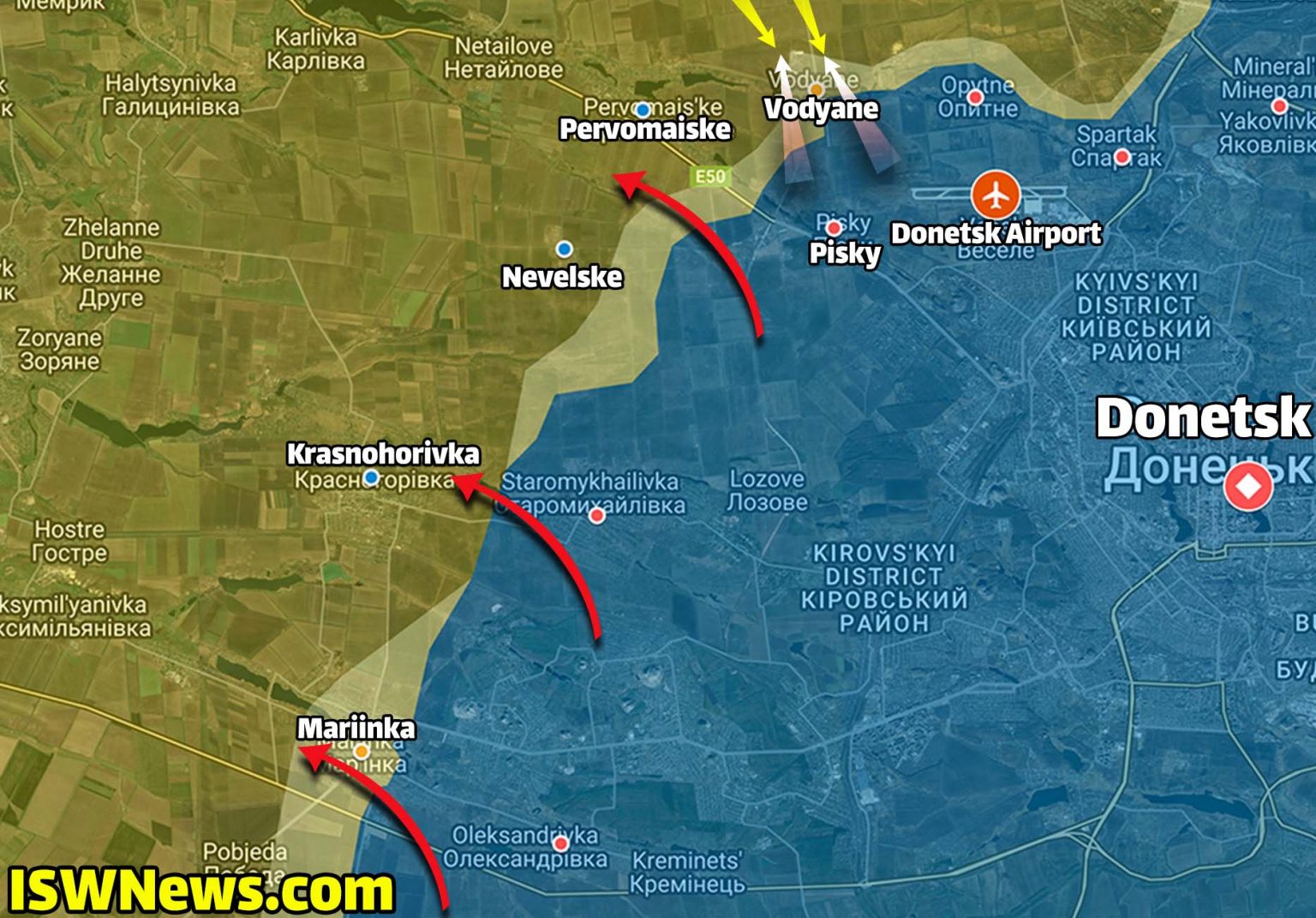
In Donetsk’s battle field and its suburbs, the Russian military forces managed to seize the Vodyane district in the north of the city during their latest advancements in the battle axis. The Russian and Ukrainian armies continue sporadic clashes in vicinity of Avdiivka in the north of Donetsk, as well as Pervomaiske, Krasnohorivka and Mariinka districts in the west of the Ukrainian city. In the Vuhledar battle field, the confrontations between the warring sides continue, but the Russian military forces have not succeeded in fully capturing the region so far.
View on the online map
Military situation in Ugledar axis
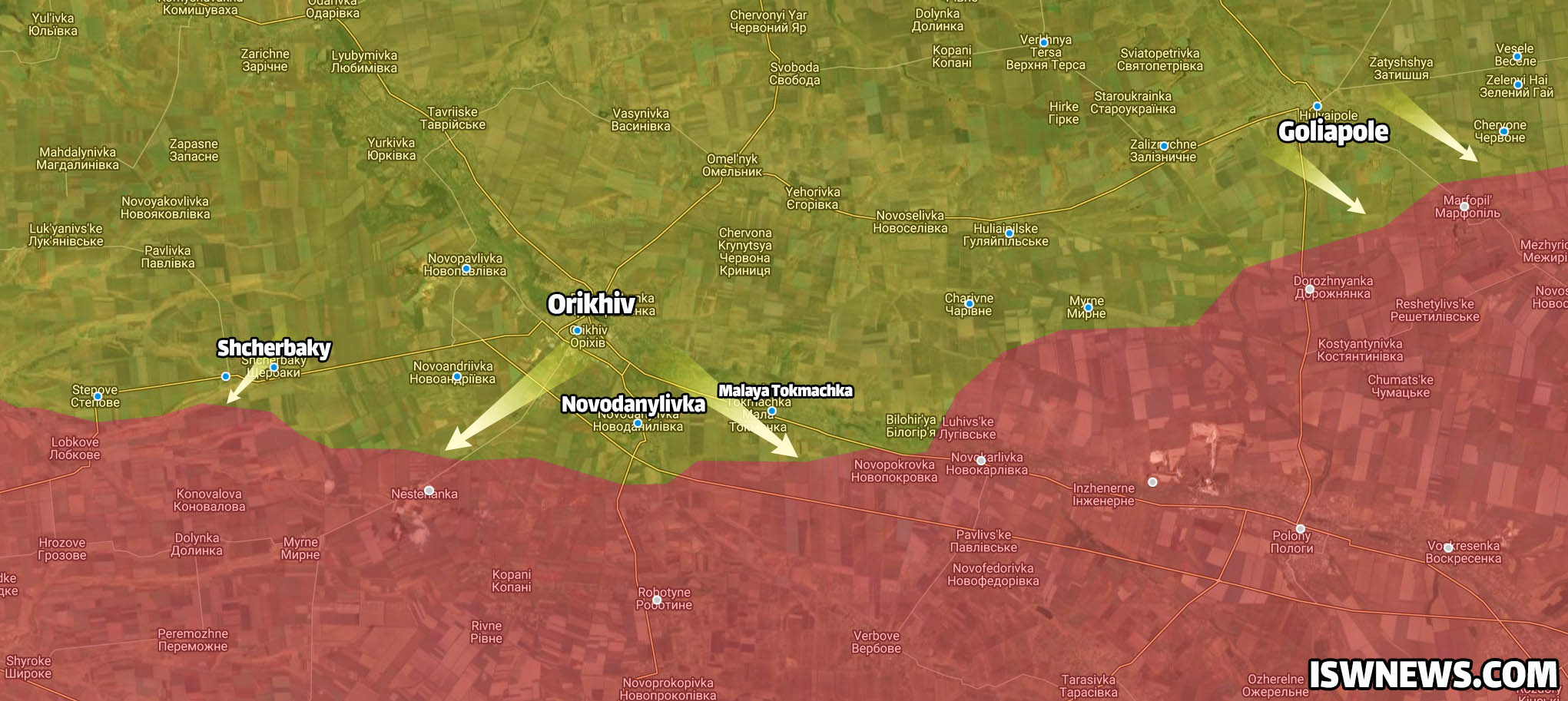
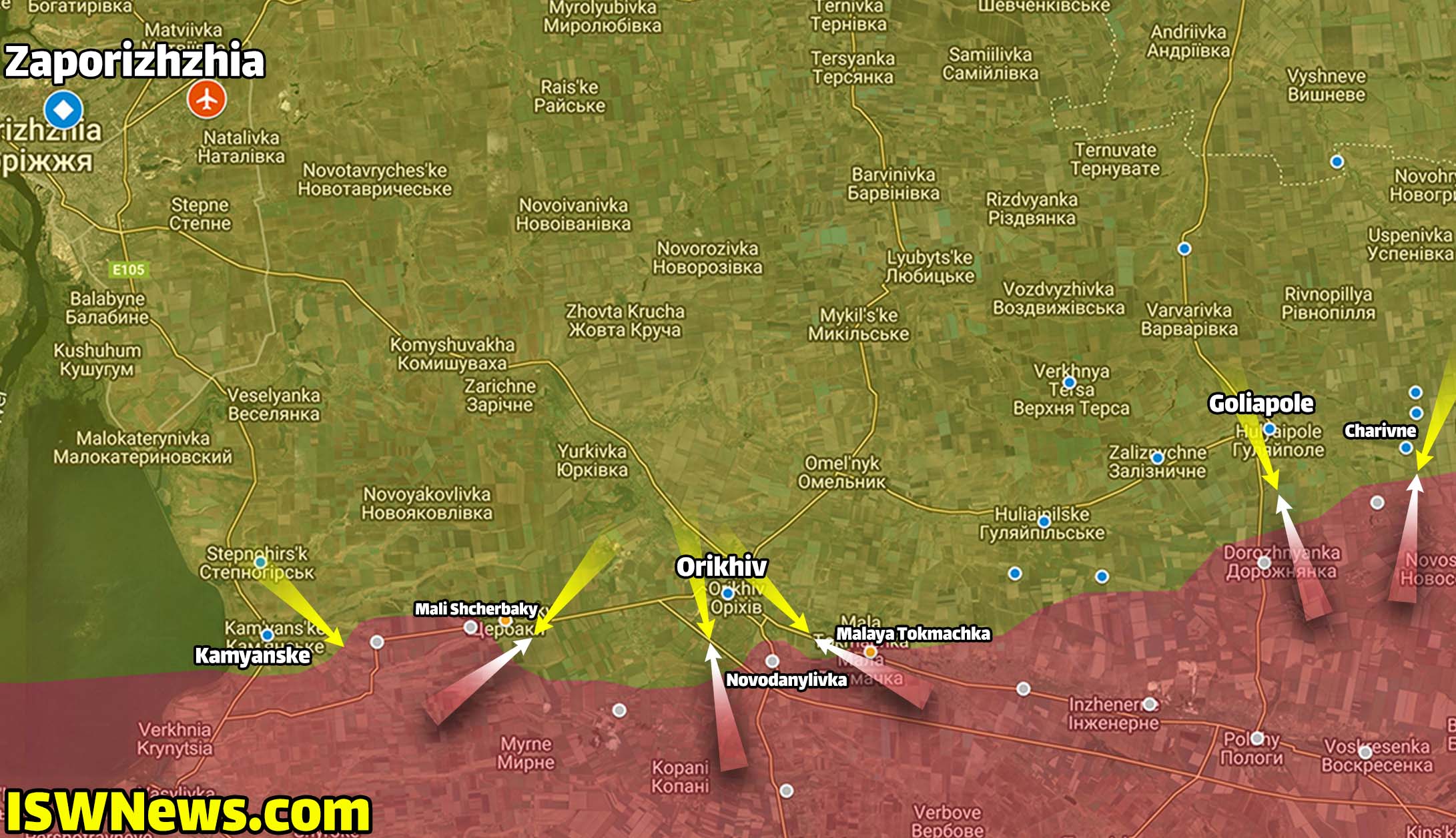
In the Zaporizhzhia battle field, it seems that the last week’s massive Russian attackson the Orikhiv and Golyapol axes came to an end, and the Ukrainian military forces have almost completely foiled all Russian strikes.
In the Kherson battle field, the contact lines of the warring sides have been maintained along the Dnipro River and the most of the confrontations are largely in the form of exchanging artillery fires. In the last outstanding military operation in this battle field, the Ukrainian forces struggled to move troops by the use of aircraft in south of the city of Kherson, in the Ostriv area in the eastern bank of the Dnipro River, but the operation was thwarted as a result of the Russian forces’ vigilance.
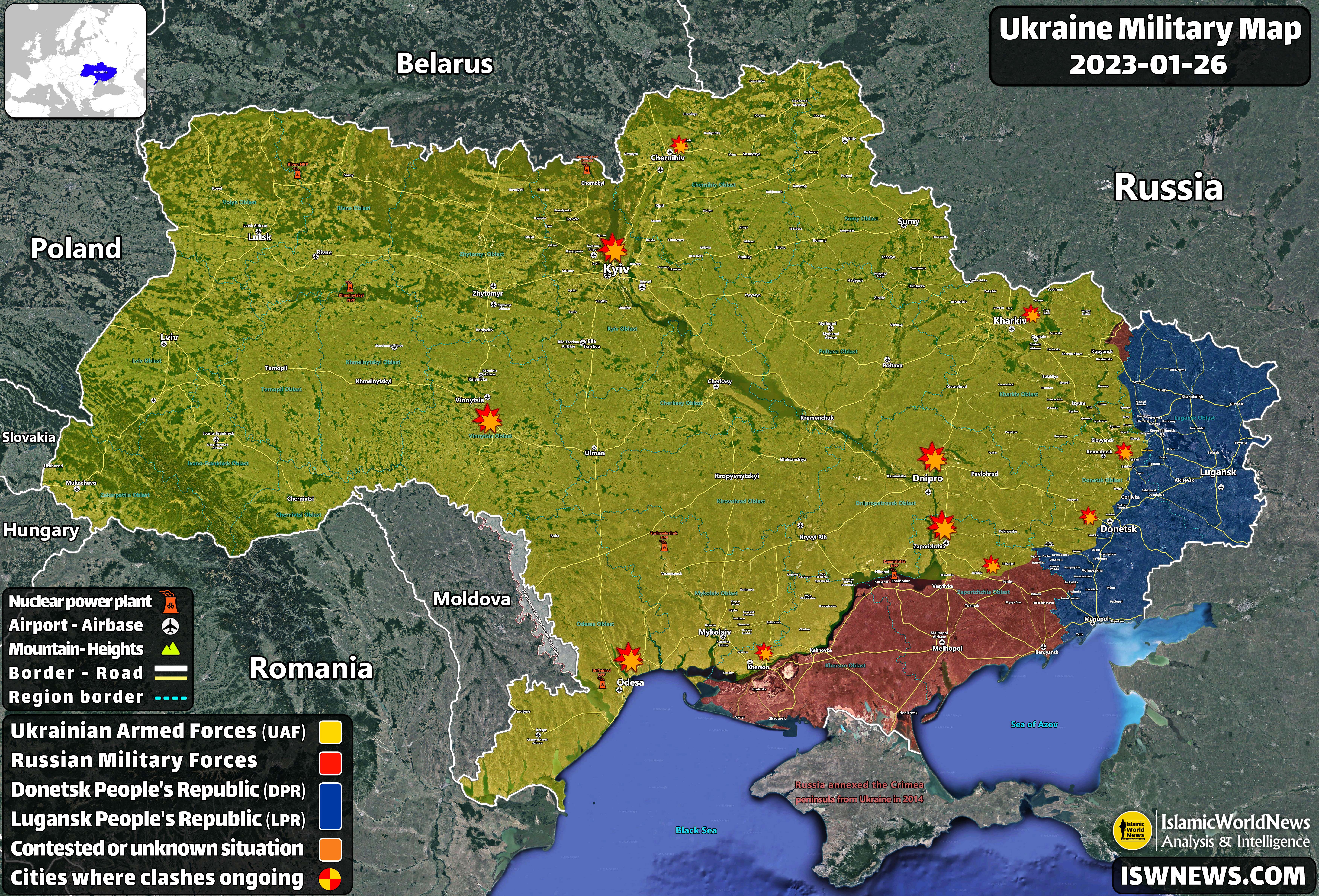
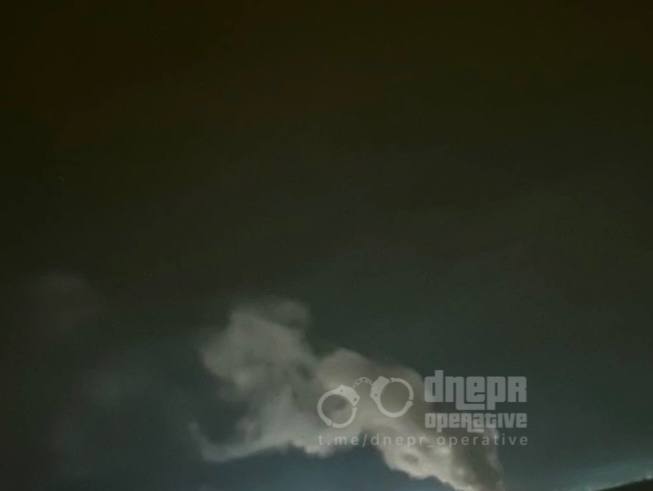
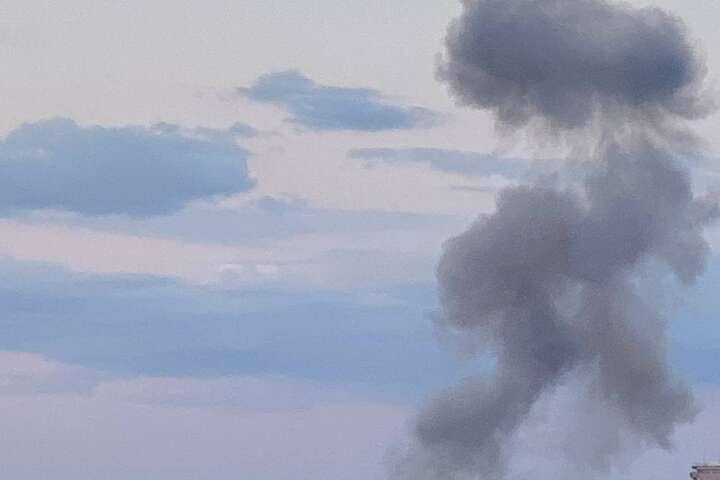
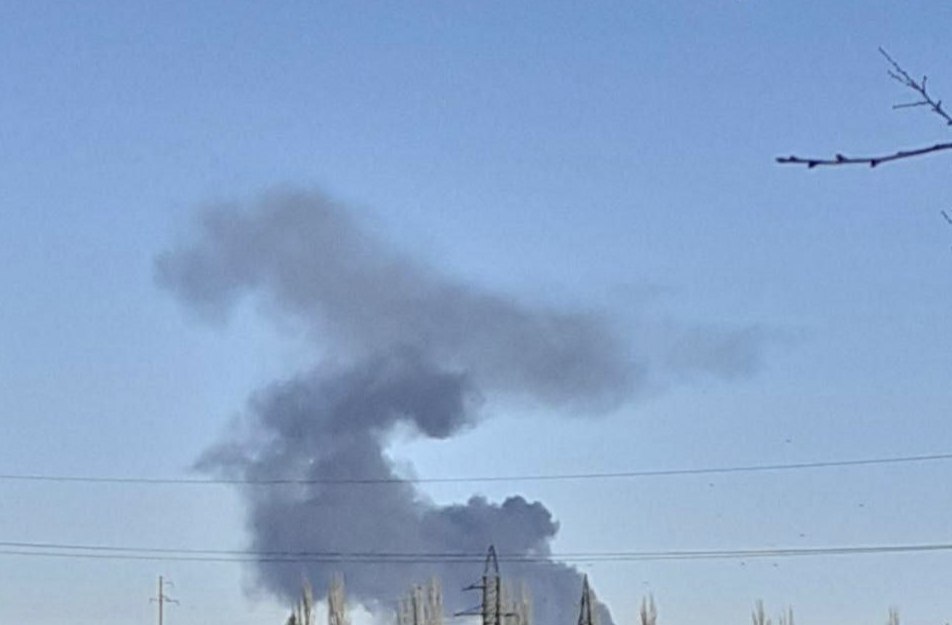
Last night, on January 25, the Russian army using several Shahed-136 suicide drones attacked several targets including an industrial center in Dnipropetrovsk and Odesa oblasts. The flight of Shahed-136 suicide drones has also been observed over the sky of Zaporizhzhia, Kherson and Mykolaiv oblasts, but so far no report or picture of the attack in these areas has been published.
Simultaneously with these attacks, the Russian army’s artillery also bombarded the positions of the Ukrainian forces in Chernihiv, Kharkiv, Donetsk and Zaporizhzhia.
As usual, the Ukrainian army, by presenting unrealistic statistics claims that their air defense systems has shot down 24 Shahed-136 suicide drones in different areas of Ukraine.
Following the drone and rocket attacks, this morning on January 26, the Ukrainian media reported the flights of Russian Tu-22 and 95 strategic bombers in eastern regions of Ukraine. Shortly after, air alert was issued in different regions of Ukraine and the Russian missile attacks began.
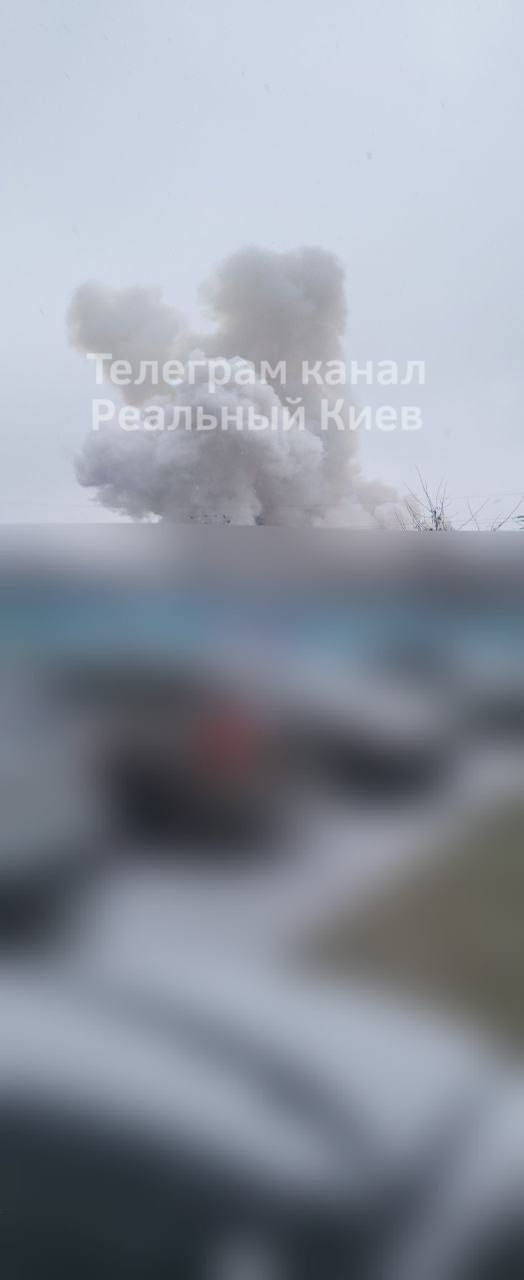
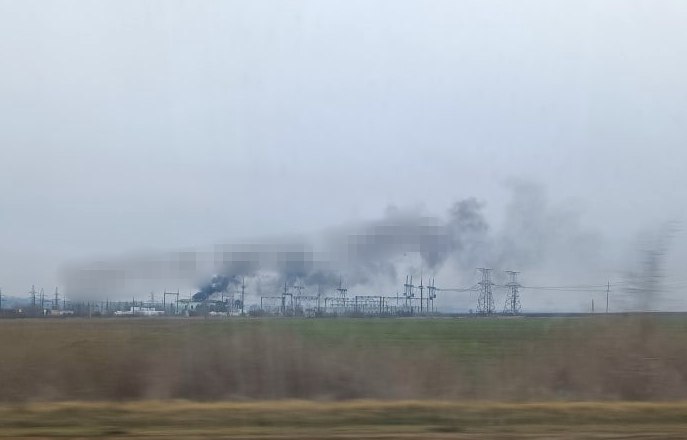
In these wave of attacks, Russian bombers using dozens of cruise missiles attacked various targets including a power plant in the city of Kyiv, an electric substation near Svatove and other targets in the cities of Odesa and Vinnytsia.
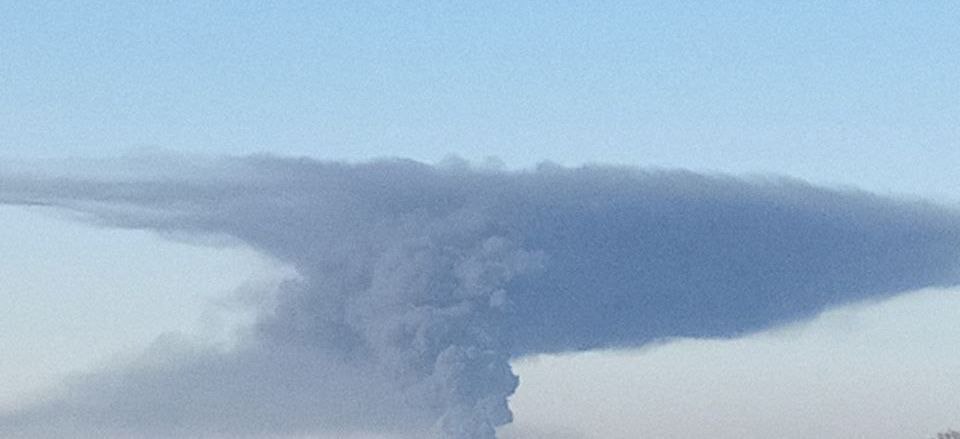
Click to view full sizeShahed-136 drone hit in DnipropetrovskShahed-136 drone hit in DnipropetrovskShahed-136 drone hit in DnipropetrovskShahed-136 drone hit in DnipropetrovskShahed-136 drone hit in DnipropetrovskImages attributed to Shahed-136 suicide drone strikes in DnipropetrovskRussian missiles hit the city of KyivRussian missiles hit the city of OdesaRussian missiles hit the city of Zaporizhzhia
Following the seizure of Krasnopolivka in northern Sol, the Russian armed forces focused their assaults on the areas in Rozdolivka and Mykolaivka along the Siversk road.
The heavily clashes continue from place to place in Blahodatne and Krasna Gora, and the Ukrainian military forces are attempting to repel the Russian strikes by carrying out artillery attacks and dispatching large armored vehicles in southern Soledar region.
The Russians have intensified their air strikes on the eastern and southern fronts of Bakhmut city. Seemingly, the Russian forces plan to advance in the north and west areas of Klishchiivka in a bid to tighten the siege of Bakhmut from the southern front. Moreover, there are some news stories claiming that the Russians embarked attacks on Ivanivske region. It is worth mentioning that the Russians’ success in capturing Ivanivske would block Bakhmut’s western road.
According to the Russian media outlets, the Russian army forces succeeded in seizing the northern heights of Vodyane in the northern outskirts of Donetsk city following a heavy battle between the Russian and Ukrainian forces.
The sporadic clashes between Russian and Ukrainian forces continue in Mariinka, Krasnohorivka, Nevelske and Pervomaiske in the western Donetsk as well. The Ukrainian forces are showing good resistance in Mariinka.
Eventually, the Russian forces entered the southern half of the strategic village of Kamyanske on the bank of the Dnipro River. The severity of the Russians’ strikes in other fronts of Zaporizhzhia frontlines forced the Ukrainian forces to pull out from the northern half of the Kamyanske village.
Certain Russian media outlets alleged that the Russian military forces entered the northern half of Kamyanske and succeeded in completely capturing the village; however, the news reports from the battle field show that the northern districts of Kamyanske village have not been entirely cleared so far.
The Ukrainian armed forces succeeded in repelling the Russians’ raids on the southern front of Orikhiv and maintaining the Novodanylivka-Shcherbaky war zone. Ukraine keeps on artillery strikes on the rearmost of Russian military forces in that front, which led to a decline in Russians’ ability to go ahead with their strikes.
The clashes go on in the eastern and southern regions of Goliapole, and no changes took place in the battle grounds as well as areas under the control of each side.
The circumstances in the various fronts of Kupyansk, Svatove and Kreminna in the north of Luhansk Oblast remained untapped for a long period. The major attacker in that front is the Ukrainian army. The Ukrainian forces have tried in several occasions to break the Russian front in this war zone, but the Ukrainians failed each time. The hub of the front is the town of Svatove, and if the town is taken by Ukrainians, Russia’s defense lines on the eastern front will be dismantled. Thus, the Russian army sturdily defends the lines of this front. The most important conflict lines of the front have been marked with arrows.
Click to view full size
Border regions of Russia:
After the Ukrainian military forces’ artillery strikes on the village of Volfyne in the Kursk oblast in western Russia, the power networks in the region were damaged, which caused power outages in several villages of the province. Correspondingly, the Russian army’s air defense shot down a Tochka-U missile of the Ukrainian army over Kazinka village in border province of Belgorod.
The Russian armed forces have intensified attacks on the fronts in Zaporizhzhia since January 20 And according to the latest information has managed to advance in several points. The conflicts on this front are concentrated in the two main axes of Goliapole and Orikhiv.
In the Orikhiv axis, conflicts are going on in all the eastern, western and southern axes of the Orikhiv town. According to the latest information, the village of Mali Shcherbaky in west of Orikhiv has been captured by Russia and the conflicts have been transferred to the adjacent village named Shcherbaky. Also, the Russian army claims to occupy the regions of Novodanylivka and Malaya Tokmachka in south and southeast of Orikhiv.
In the Goliapole axis, artillery attacks on the Goliapole front have been stepped up. Most of the clashes are directed to east of Goliapole and the villages of Chervone and Malynivka. The Russian army claims to have captured a strategic hill near Malynivka.
According to the local officials in Zaporizhzhia province, the Russian army has significantly amplified the intensity of the air and artillery strikes on the Zaporozhye front, and the Russians carried out 224 air and artillery attacks on the conflict zones with the Ukrainian army merely over the last 24 hours.
If the Russian army succeeds in capturing Orikhiv and Goliapole counties, the front line of the Ukrainian army in defending the city of Zaporizhzhia will collapse.
It is worth mentioning that after the retreat of the Russian army from the west bank of the Dnieper river, this axis (Zaporizhzhia) is one of the most important axes active in the southern front of Ukraine. In the past few months, the western media reported on the preparation and equipping of the Ukrainian army to carry out a major operation in this axis with the aim of recapturing the southern regions of Zaporizhzhia and Kherson oblasts in southern Ukraine. Considering the fragile situation of the Bakhmut front and the possibility of the defeat of the Ukrainian army, and the recent statements of Western officials and their advice to Ukraine to carry out military operations in other more important and sensitive fronts (such as Zaporizhzhia), it seems that the Russian army knowing about this issue and the possibility of the start of Ukrainian operations in this axis, has somehow preempted and by advancing in this axis, it intends to neutralize the plans of the Ukrainian army and NATO.
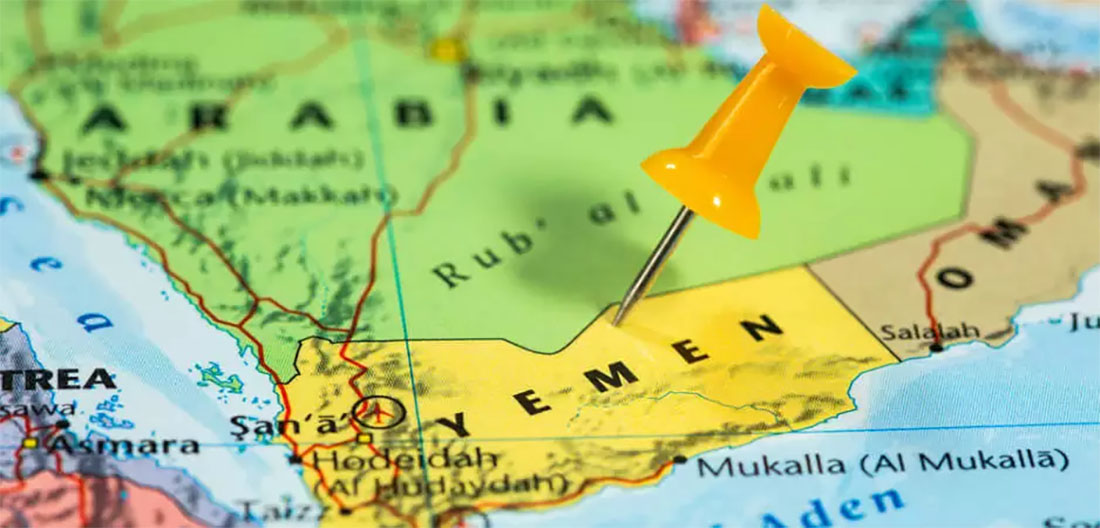
Representatives of the Russian government travel to Sana’a to meet and confer with Ansar Allah authorities, according to local sources.
Following an Ansar Allah delegation’s recent visit to the capital of Russia, Moscow, a Russian delegation started a travel to Sana’a to meet and hold talk with Ansar Allah officials.
In line with the report, the Russian delegation has entered the Yemeni capital to speak about coordinating bilateral relations following the recent visit of UN special envoy for Yemen Hans Grundberg.
In accordance with this issue, Spokesman and one of the commanders of the Southern Resistance Group affiliated to Islah Party Adel al-Hasani said:
“A high-ranking Russian delegation has arrived in Sana’a, and that prior to the event a delegation from Sana’a visited Moscow. There is not any new incident here. The world collaborates with a unified force, which is Ansar Allah, while the Presidential Leadership Council (the presidential council of the resigned government) still continues to hold camera-based meetings. The facts and figures are apparent, even though some people do not like them.”
Dmitry Polyansky, the first Deputy Permanent Representative of Russia to the United Nations, in the recent meeting of the United Nations Security Council, criticized the United States, France and the United Kingdom for looting Yemen’s oil and gas resources, describing them as opportunists and calling for an end to the war and blockade of Yemen through dialogue.
The Russian-led forces captured Sol (Sil) village and Sil railway station located in north of Soledar town. With the advance, the Bakhmut-Siversk road was completely cut off and the logistics route of the Ukrainian army was also blocked. It is important to note that this railway station was considered an important transportation center, And control over it, eliminated the possibility of a direct logistic connection between the towns of Bakhmut and Siversk, the two main points of Ukrainian defense line in the north of Donetsk oblast.
The Russian operation in this axis continues along the Bakhmut-Siversk road. The village of Krasnopolivka in the north of Sol and Blahodante in the south are the next targets of the Russian forces. Heavy clashes between the Ukrainian and Russian armies continue in the mentioned areas.
Also, clashes continue north of Pidhorodne in Krasna Gora and near Paraskoviivka. The capture of these two areas enhances the process of besieging the city of Bakhmut from the north.
In its first large-scale attack in 2023, the Russian army, using submarines based in the Black Sea as well as Tupolev 22 and Tupolev 95 strategic bombers, launched dozens of cruise missiles towards Ukrainian energy and industrial facilities and infrastructure in the cities of Kyiv, Odesa, Mykolaiv, Zaporizhzhia, Kharkiv, Dnipro, Vinnytsia, Ivano-Frankivsk, Kryvyi Rih and Lvivs.
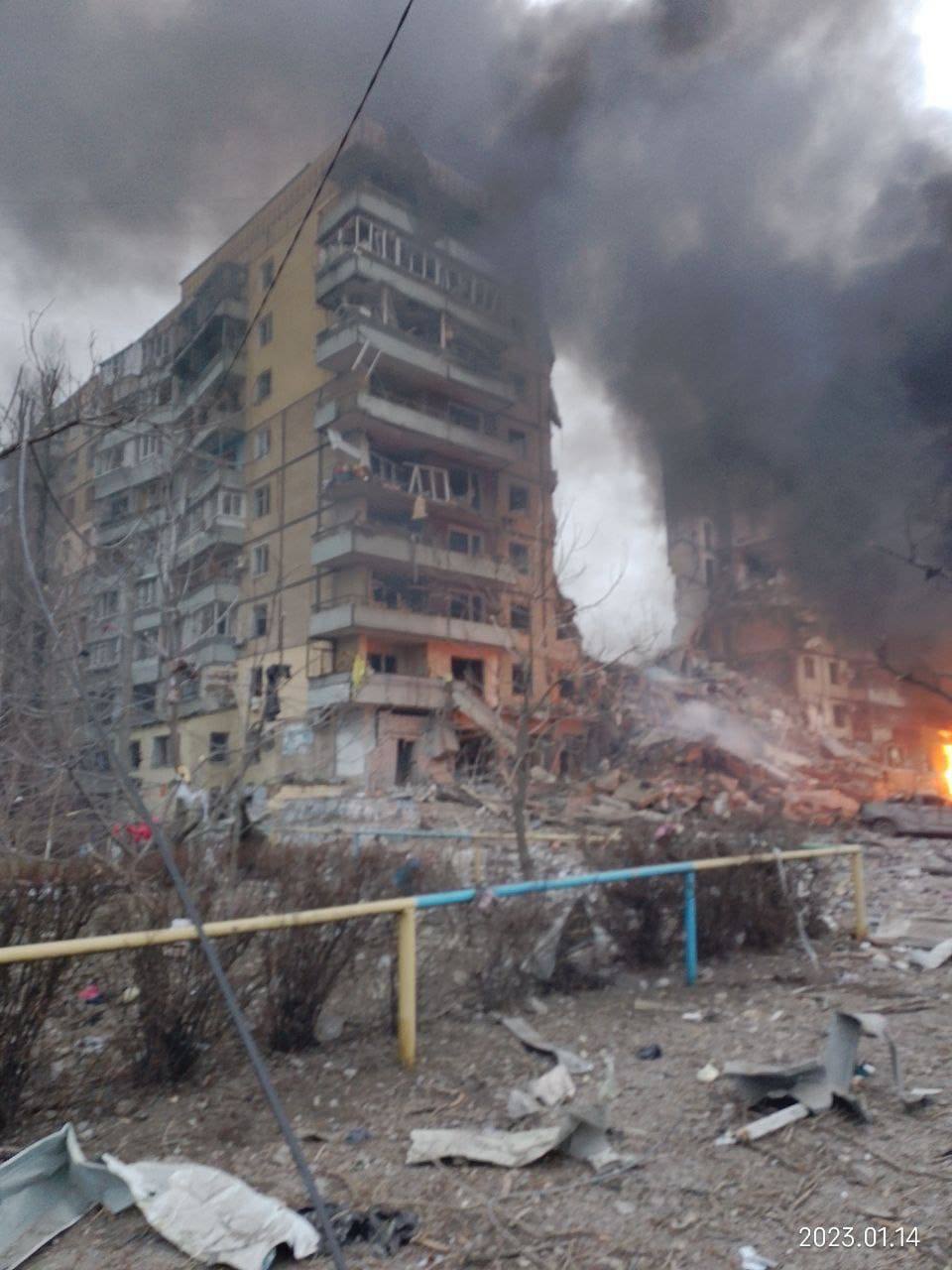
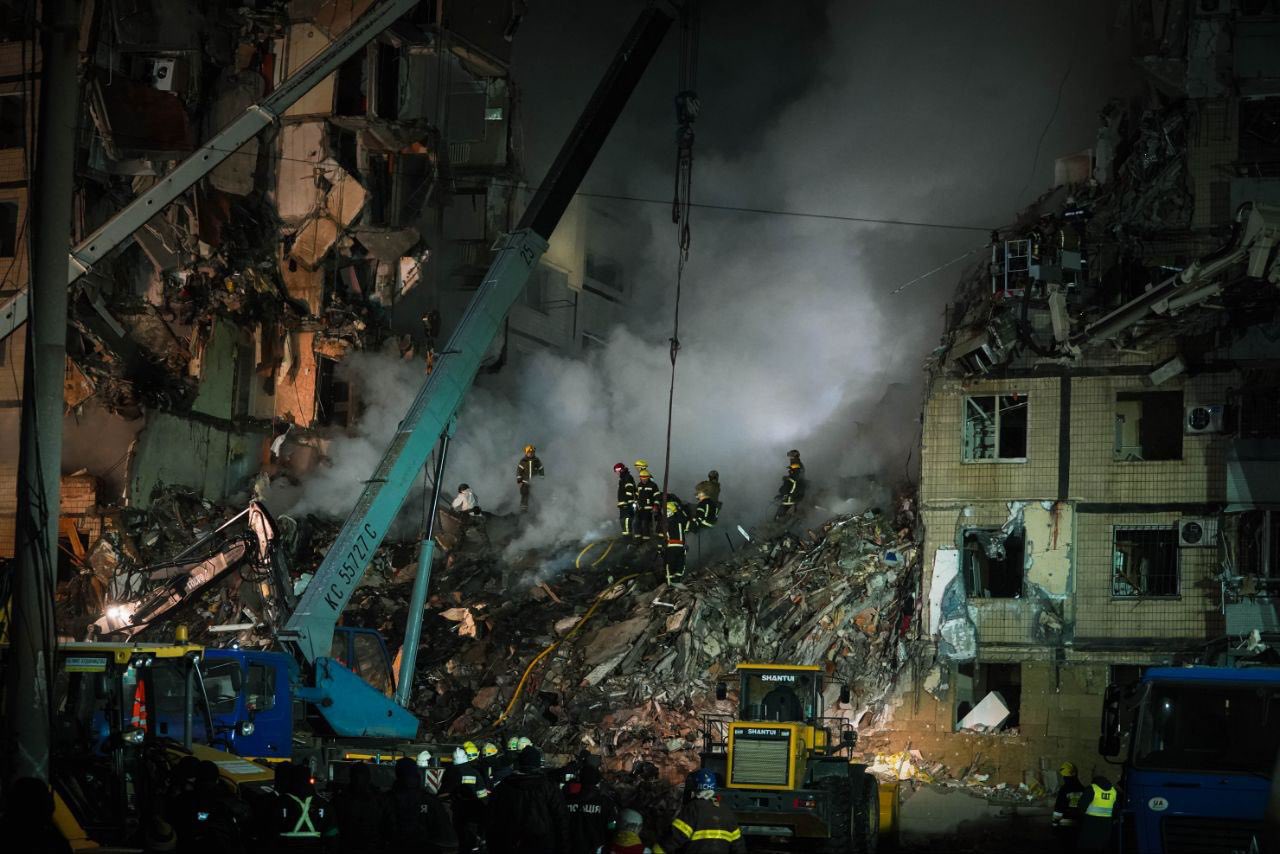
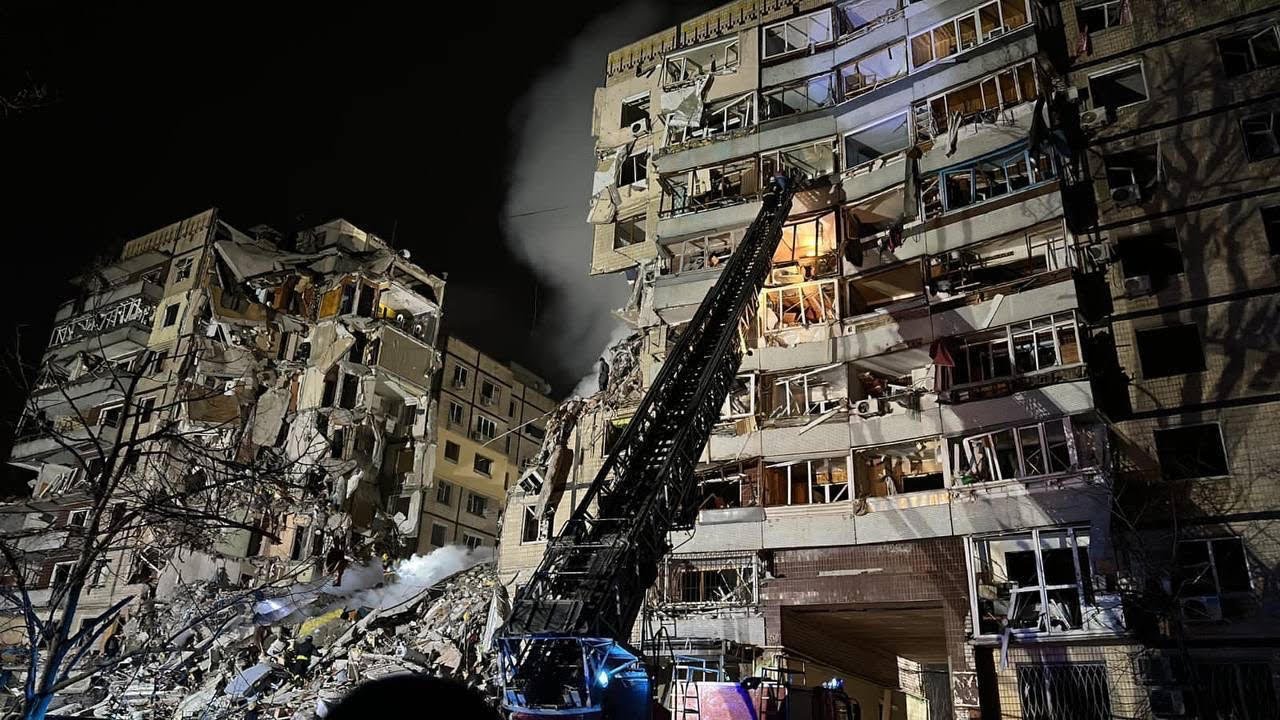
According to information published by the Ukrainian media, Russian missiles hit energy facilities, two power distribution stations and an industrial plant in the city of Kharkiv, one industrial plant in Zaporizhzhia, unspecified locations in the Odesa region, a residential building in Dnipropetrovsk, energy facilities in the cities of Ivano-Frankivsk, Lviv, Vinnytsia and Mykolaiv.
Also, explosions were heard in other cities of Ukraine, such as Sumy, Poltava, Zhytomyr and Ternopil, which according to Ukrainian media, were related to the confrontation of the Ukrainian air defense systems with Russian cruise missiles.
It’s noteworthy that, in addition to these attacks, the Russian army attacked the city of Kyiv on the morning of January 14 with one or more ballistic missiles, which led to several explosions and power outages in the city. This is the first time that the Russian army has used ballistic missiles to attack the capital of Ukraine. Despite various speculations, this attack could have been carried out to identify the location of the Ukrainian air defense systems in the area.
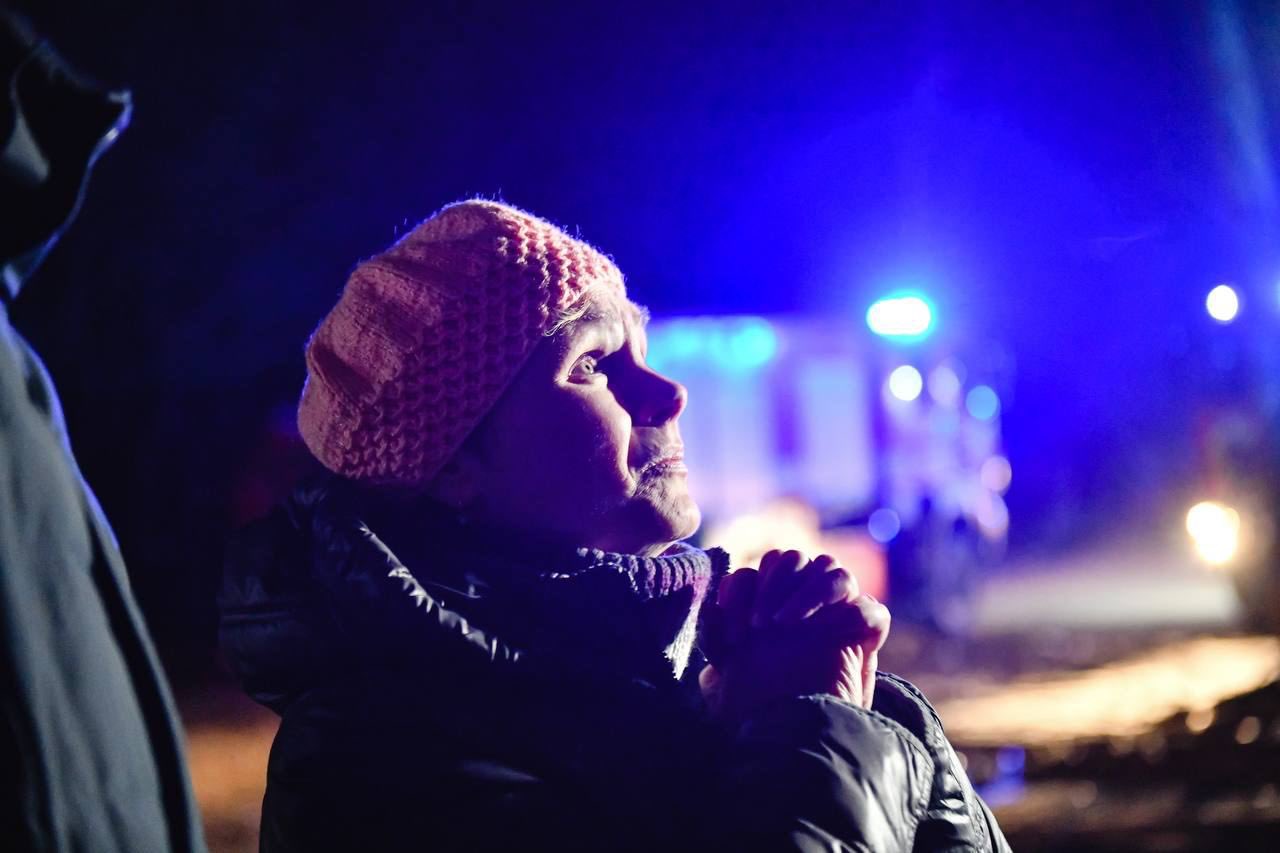
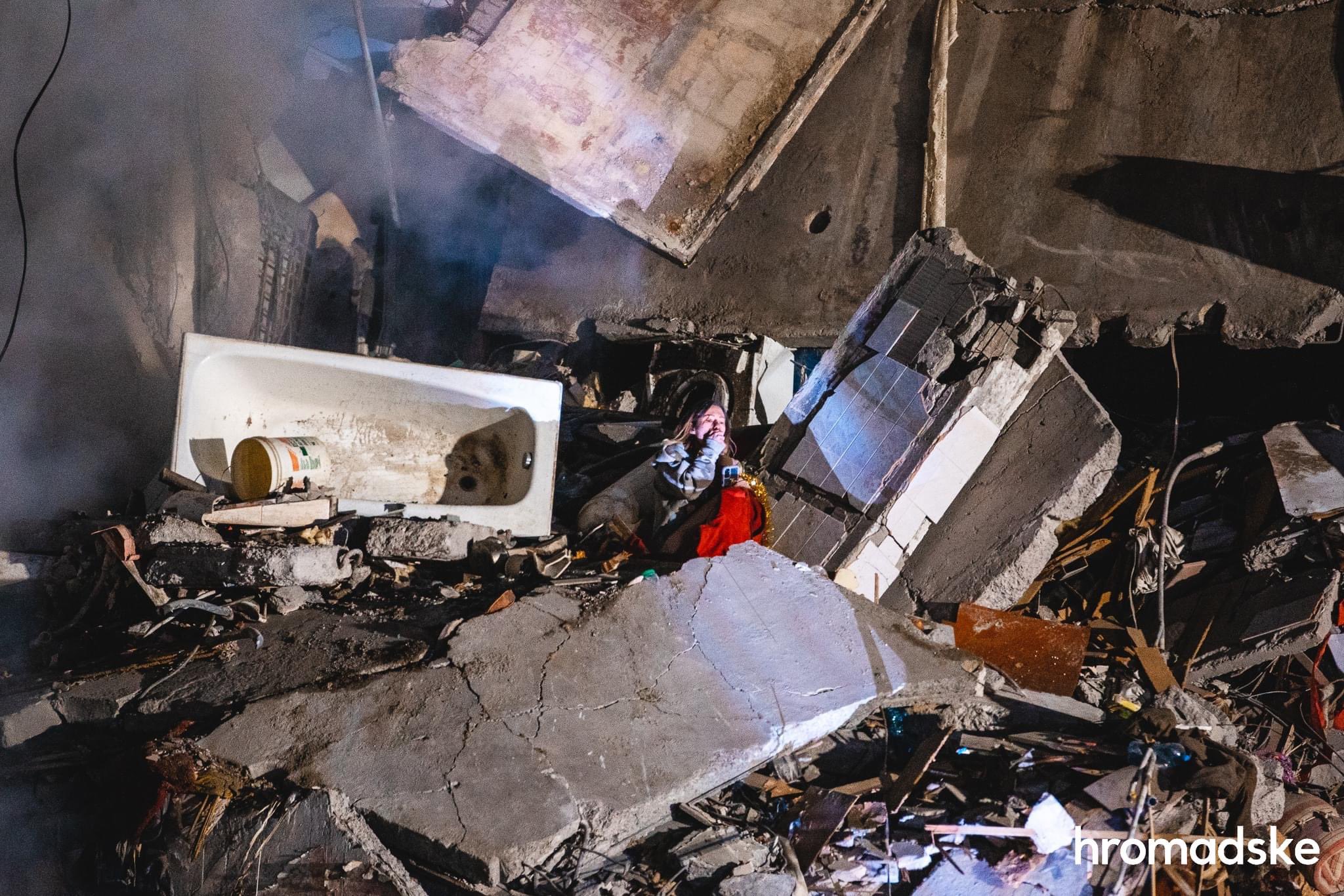
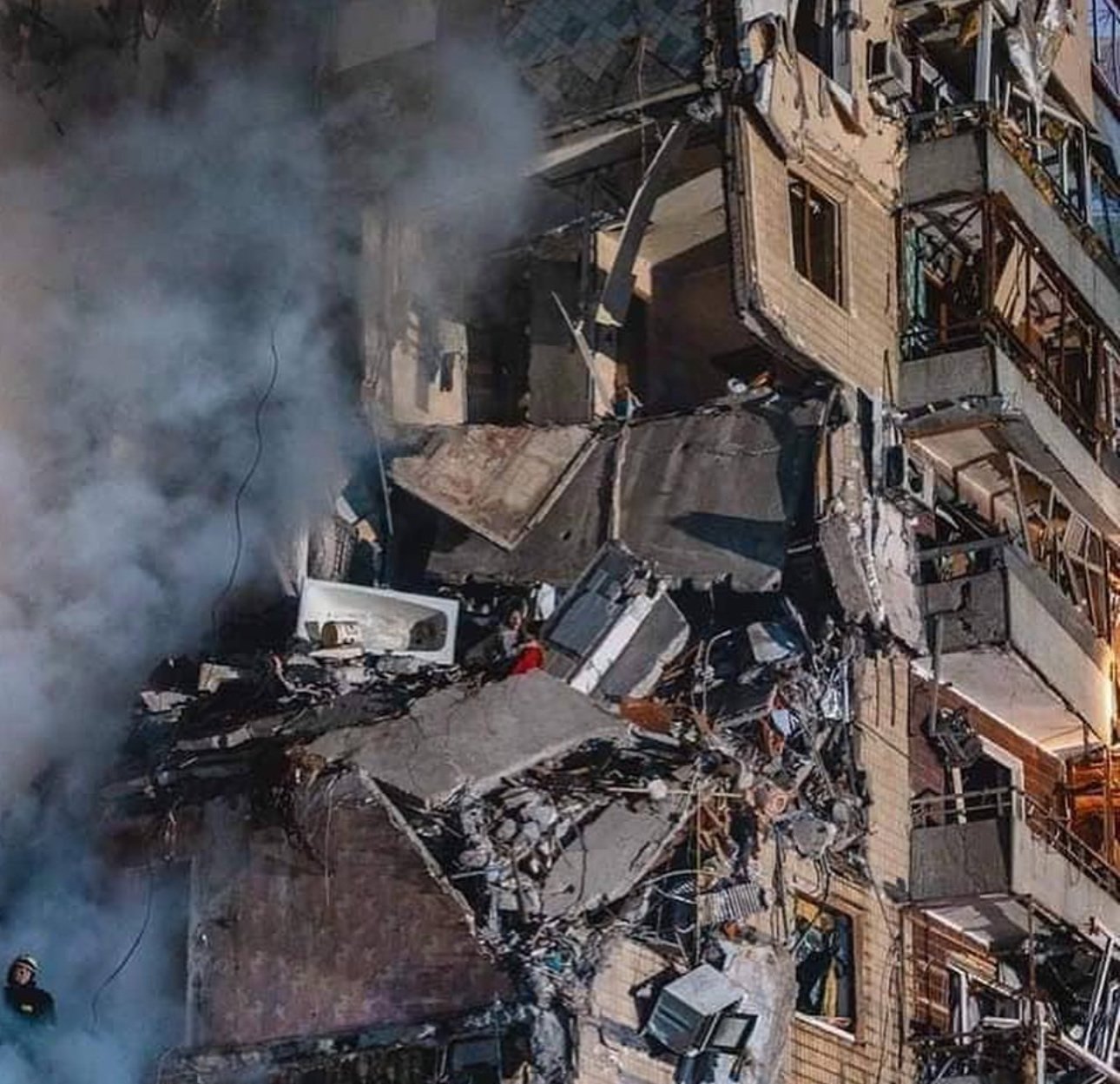
Russian cruise missile flying in the sky of Kherson cityOne of the cruise missiles of the Russian army hit the central railway station of the city of Kyiv, leading to the fire of the locomotives of a train.The fire caused by Russian missiles in the thermal power plant of Kyiv. It is said that this fire caused the burning of one of the turbines in this sector.Published images of Russian missiles hitting Ukrainian positions in the city of Dnipropetrovsk.The wreckage of the Ukrainian S-300 missile defense system fell on the territory of MoldovaRussian ballistic missile attack on the city of Kyiv in the morning of January 14Russian ballistic missile attack on the city of Kyiv in the morning of January 14As a result of one of the cruise missiles of the Russian army hitting a building in the city of Dnipropetrovsk, on the morning of January 25, at least 20 people were killed and more than 73 people were injured. Also, 38 people were rescued from the rubble of this building.Click to view full size