Category: Iran

  • Israeli Minister: Iran Building Airport In Southern Lebanon!

    Israeli Minister: Iran Building Airport In Southern Lebanon!

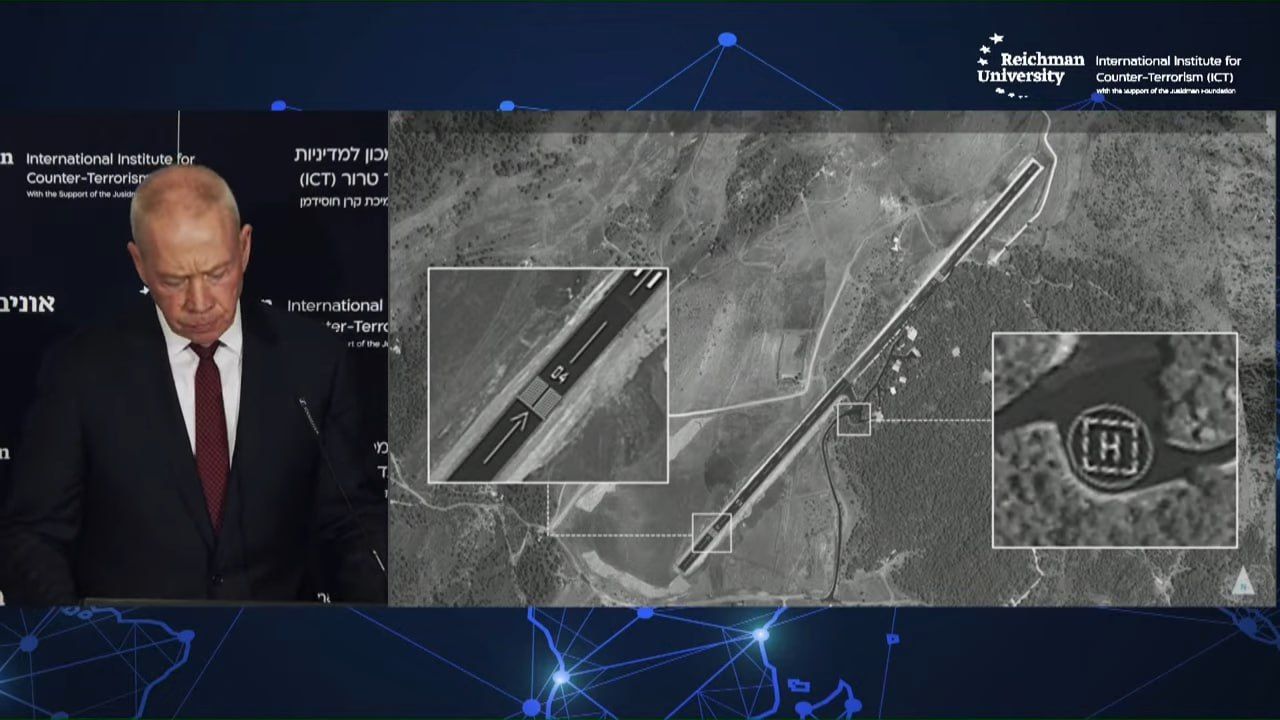
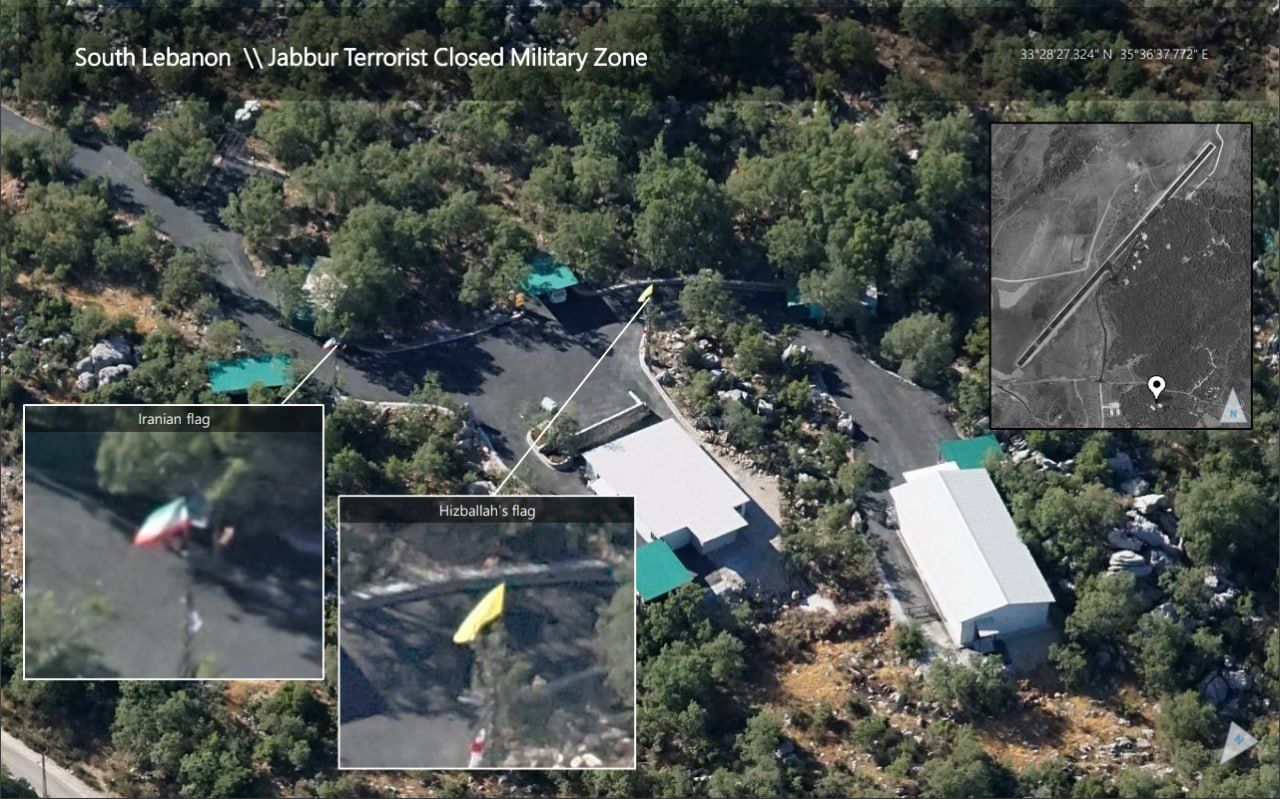
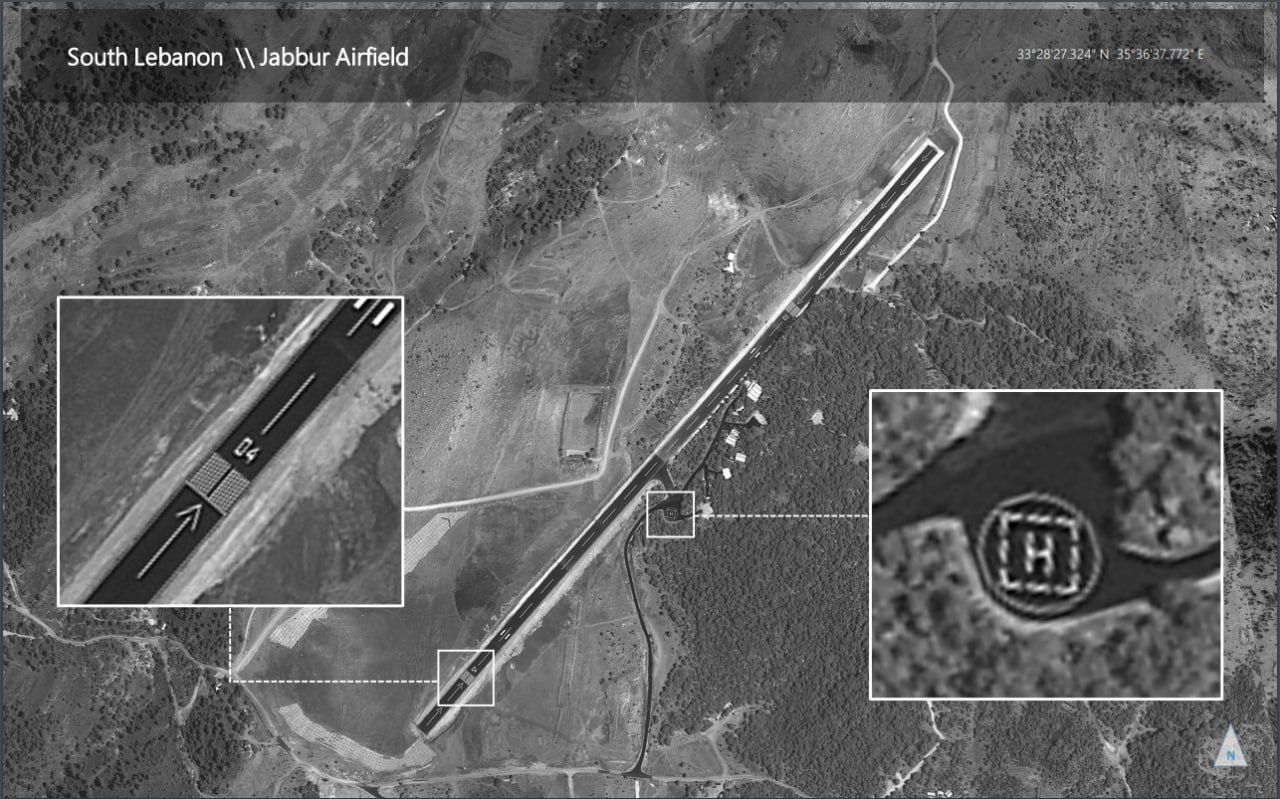
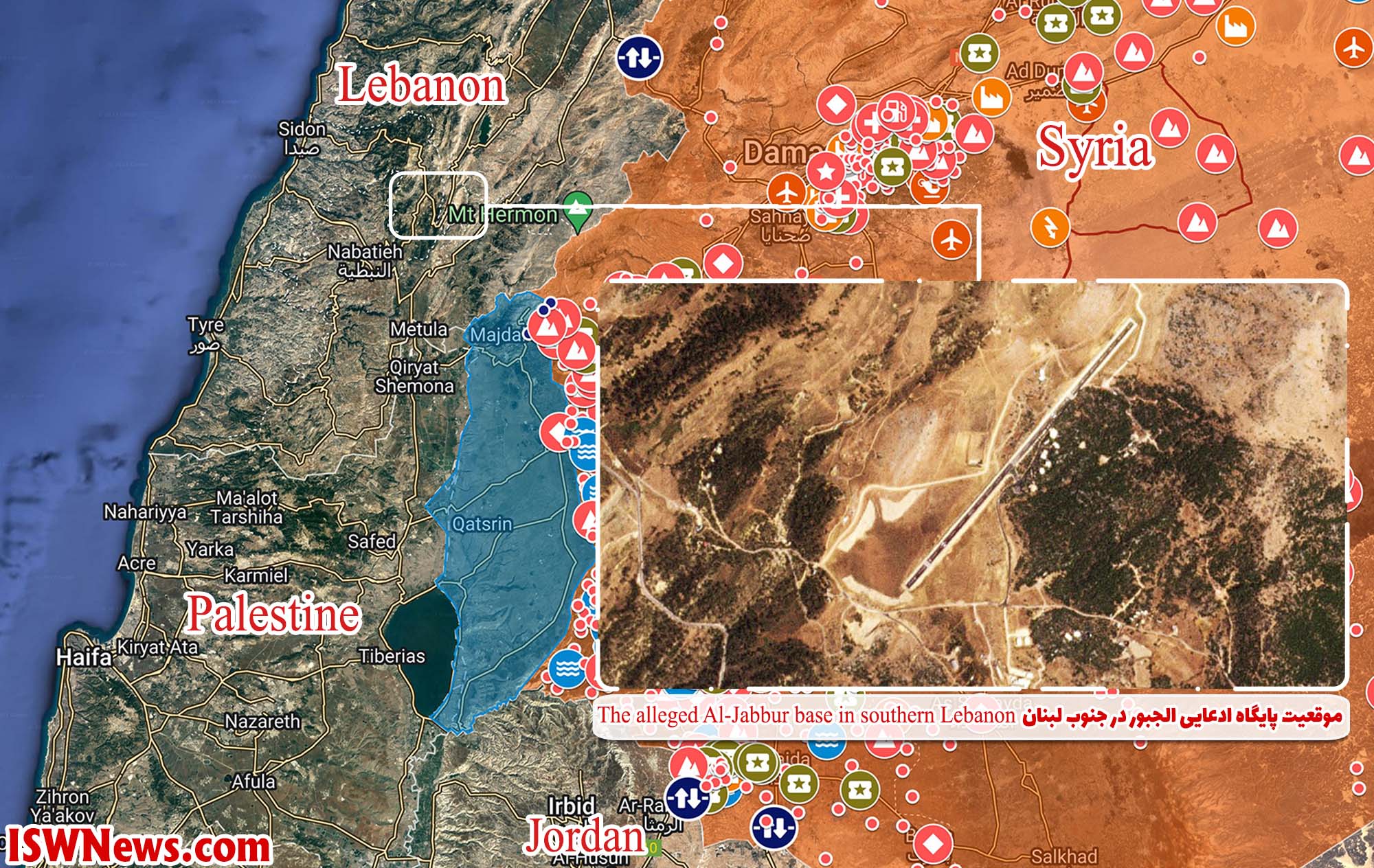
    Yoav Galant, the Israeli regime’s defense minister, claimed at a counter-terrorism policy conference at Reichman University that Iran is building an airport in southern Lebanon, 20 kilometers away from the border of occupied Palestinian territories.

    He went on to say that Iran has created an airport in southern Lebanon for attacking Israel.

    If we reach the stage of conflict, there is no doubt that we will use our destructive power, and Hezbollah and Lebanon will pay a painful and heavy price, the minister added.

    The Israeli minister claimed that Iran is now the biggest threat to the Israeli regime, regional stability, and global order, and that the Islamic Republic is strongly seeking to achieve military nuclear power and it is closer than ever to this goal.

    In the midst of the developments in the Middle East, Iran is gaining geographical and ideological dominance over the region, he acknowledged.

    Iran’s goal is to create a destructive war against Israel while simultaneously striving to acquire nuclear weapons, he alleged, saying that these efforts are detrimental to all neighboring countries.

    These remarks come on September 10 as David Barnea, the head of the Mossad intelligence agency, threatened Iranian officials at a conference at Reichman University with assassination.

  • Deadline For Disarming Iraqi Terrorists Ends On September 19!

    Deadline For Disarming Iraqi Terrorists Ends On September 19!

    The deputy commander of the IRGC said in an interview with an Iranian media outlet that we expect from our brothers in the Kurdistan region to show brotherliness, because providing terrorists with safe haven in that region, which has become a source of operations against our country, is not consistent with brotherliness or good neighborliness.

    After uninterrupted negotiations, we finally signed an agreement with the central government in Baghdad as well as the Kurdistan region, and the deadline of the accord to become operational is on September 19 in terms of scheduling and agreed-upon provisions, he argued.

    Read more: Iraqi, Iranian Top Security Advisors Meet In Tehran

    The brigadier general went on to say that we are committed to all the provisions of the agreement, not one word less or one word more; thus, we expect the other party to also abide by the agreement in the same way as the Islamic Republic of Iran has fulfilled its obligations. Otherwise, the situation will come back to its previous state, and we will be forced to protect the interests of the Iranian people, he warned.

    It should be noted that some time ago, Chief of Staff of the Iranian Armed Forces Major General Mohammad Hossein Bagheri stated at a meeting with commanders of the Ground Forces of the Islamic Revolution Guards Corps that the Iraqi government has time up to September in order to eradicate separatist groups in the Kurdistan region of the Arab country.

    Prime Minister of Iraq Mohammed Shia’ al-Sudani also emphasized the seriousness of his government to implement the provisions of the Tehran-Baghdad security agreement completely. He made the remark in a meeting with a delegation of senior managers from Iranian media outlets yesterday.

    The Iraqi premier said that for various reasons, we as the Iraqi government feel obligated to address Tehran’s security concerns regarding terrorist activities, which are being committed from the Kurdistan region in Iraq. To this end, we have spent over $200 million on this issue and deployed more than 3,000 National Army forces along Iran’s borders and throughout the region, he noted.

    Read more: Are Iran’s armed forces on the brink of a new round of attacks on terrorist groups in Iraqi Kurdistan region?

    In recent months, senior commanders of the Iranian armed forces have warned the Iraqi government and officials in the Kurdistan region of Iraq about the illegal and terrorist movements of certain outlawed groups.

    Given the continued presence of anti-Iran armed groups in the Kurdistan region of Iraq as well as the Iraqi sides’ failure to make proper decisions and implement practical plans to expel or disarm terrorist groups from Iraq’s border areas, the Islamic Republic of reserves its rights to resort to all available capacities to establish security along its western borders after the end of the September 19 deadline.

    Map of the distribution of terrorist groups in the western borders of Iran – click to view in full size

    Read more:
    Iranian missiles pounds terrorist positions in Kurdistan region!
    Iran missile and drone attacks on terrorist groups in Iraq’s Kurdistan + Video

  • Iran-Made Ababil Drone Flies Over Militants’ Positions In Idlib

    Iran-Made Ababil Drone Flies Over Militants’ Positions In Idlib

    Media outlets close to the militants released a video on September 5, showing the surveillance flight of an Iran-made Ababil-3 drone in the southern frontlines of the Idlib Governorate.

    According to the claims made by the militants, this drone flew over various areas of Al-Fatira, Kansafra, Kafr al-Uwayd, and Safuhen.

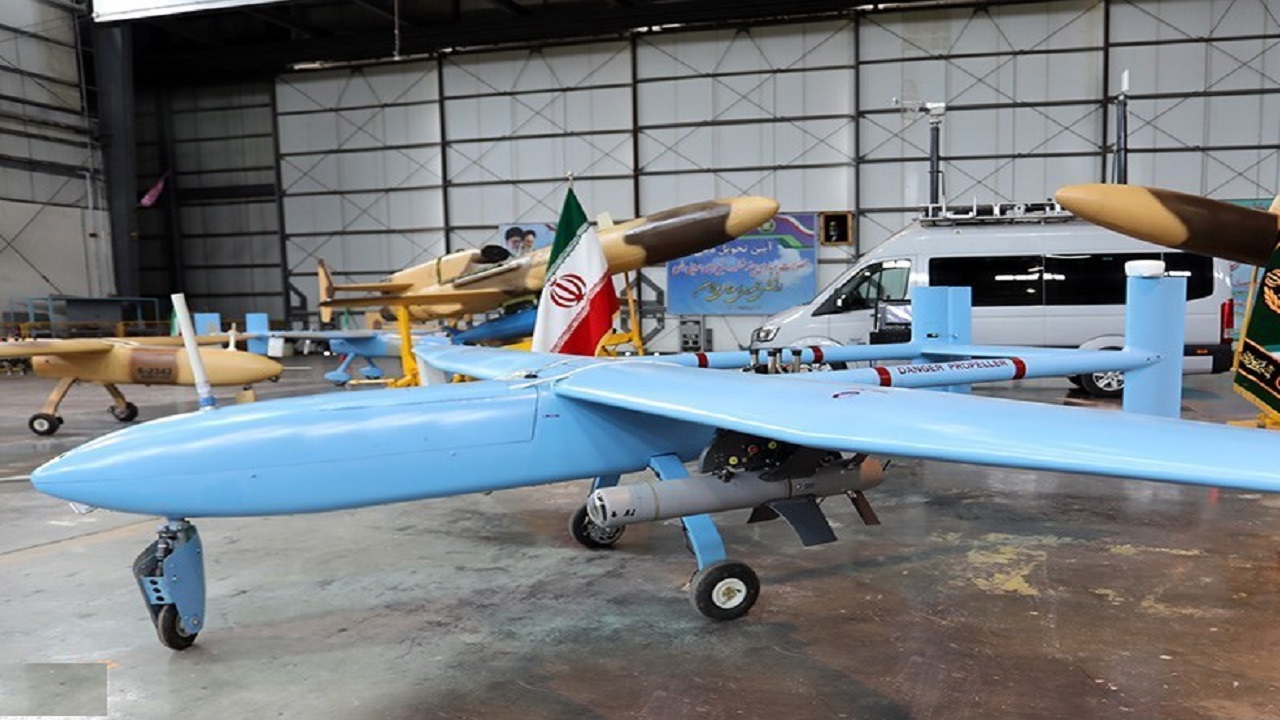
    Ababil-3 drone image published by the militants

    It appears that the Syrian armed forces employed this drone, because the Ababil-3 drone has been frequently used in recent years by the Syrian army to identify terrorist groups’ positions, guide artillery fire, and assist Russian helicopters in precise bombardment of militants’ headquarters in the Arab country.

    Read more: Military Knowledge: “Ababil 3” Surveillance and Reconnaissance Drone

    Ababil-3 drones have conducted tens of thousands of flight hours for the Syrian army to monitor and detect terrorist groups in various axes, including Hama, Idlib, and northern Latakia, since the peak of the Syrian civil war. And it is said that the Syrian army is largely satisfied with the performance of the Ababil-3 drone.

    It should be noted that the Ababil-3 drone appeared during the Great Prophet 5 military exercise of the Islamic Revolution Guards Corps (IRGC) in 2010 for the first time.

    The range of the Ababil-3 drone is 250 kilometers, and its flight endurance is 8 hours. The maximum flight altitude of the Ababil-3 drone is reported to be 16404.2 feet (5,000 meters), and its maximum speed is also stated as 200 kilometers per hour.

  • Yak-130 Aircraft Entered Iran

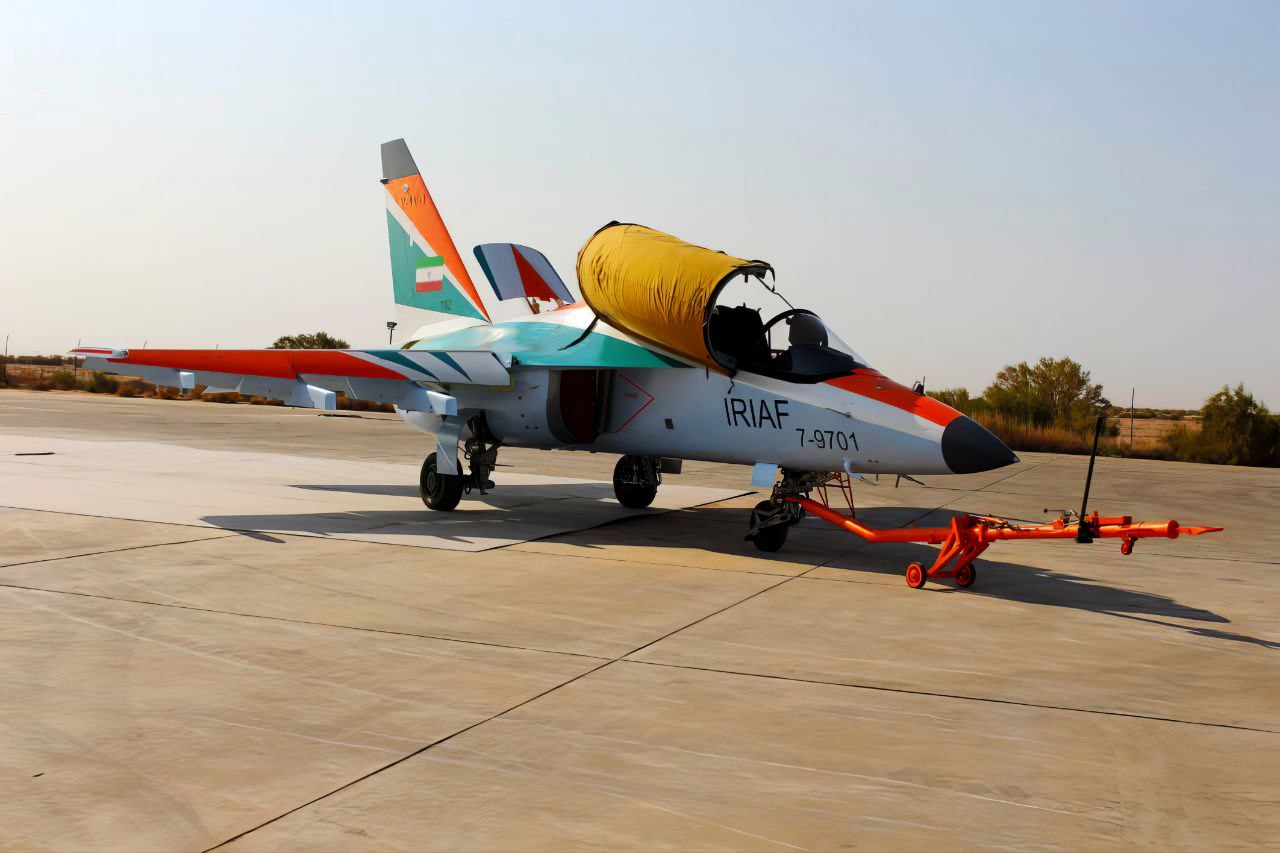
    Yak-130 Aircraft Entered Iran

    These trainer fighters have been imported from Russia since last month and will be used to train pilots who are going to fly new generation fighters (probably Sukhoi 35 and Sukhoi 30) of the Iranian Air Force.

    In addition to general training and combat capabilities, the Yak-130 has the ability to simulate the training characteristics of various fighter jets, including the 4th generation and the 5th generation, such as the Sukhoi 57.

  • Iranian Defense Official Provides New Details On Failed Israeli Sabotage Plot

    Iranian Defense Official Provides New Details On Failed Israeli Sabotage Plot

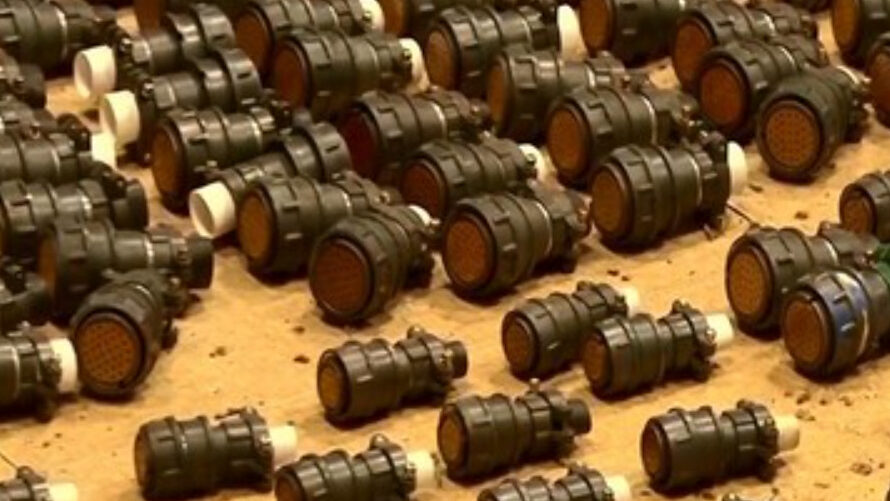
    Speaking in a live interview with the Islamic Republic of Iran News Network (IRINN), Deputy Defense Minister Brigadier General Reza Talaei-Nik said that the plot was uncovered as result of a “multi-year intelligence operation.”

    “Nine years ago, our colleagues were working on one of the networks of the enemy … when they found that the Zionist regime’s Mossad was focusing on some subjects in the defense industry including the connector,” the Mehr News Agency quoted the spokesman as saying during the interview.

    As a part of the foiled plot, Mossad agents wanted to supply faulty military-grade connectors to the Iranian defense industry.

    “Our intelligence forces detected the connectors before they entered the missile system,” Talaei-Nik said.

    The spokesman also noted that the experts of the ministry of defense managed to detach the faulty section from the connectors and rebuild and use them again.

    The connectors were redesigned by the Mossad to cause an explosion within a determined period of time, Talaei-Nik revealed.

    “The enemy did not understand that we had detected [their plot] which means that they wanted to surprise us with an operation on defense systems but they were taken by surprise,” the spokesman added.

    Talaei-Nik noted that the plot would have caused the loss of $19 million of military equipment if it had succeeded as planned.

    The spokesman also stressed that Iran will not hesitate to take serious legal actions against the countries that have collaborated with the Mossad in the plot.

    The whole plot began to fall apart when a trader became suspicious after he noticed that foreign suppliers of the connectors were closely monitoring Iran’s domestic market and the distributors of the parts, said Talaei-Nik, adding that the individual notified officials in the Intelligence Organization of the Defense Ministry.

    The spokesman went on to say that the Iranian intelligence officials, who had already been tipped off, utilized the information to identify the rest of the Mossad network.

    The intelligence department of the Iranian Defense Ministry and the logistics branch of the armed forces were the first to announce the failed Mossad sabotage plot. Israel has not commented on the Iranian allegation, so far.

    The Israeli intelligence orchestrated several attacks against Iranian infrastructure, defense industrial complex and nuclear facilities over the years. The attacks included cyber sabotage, assassinations of key officials and scientists as well as bombings, some of which were carried out with bombs. Iran usually responds by launching its own covert operations against Israeli targets.

    Originally posted on SouthFront
  • Iranian Foreign Minister’s Visit To Syria

    Iranian Foreign Minister’s Visit To Syria

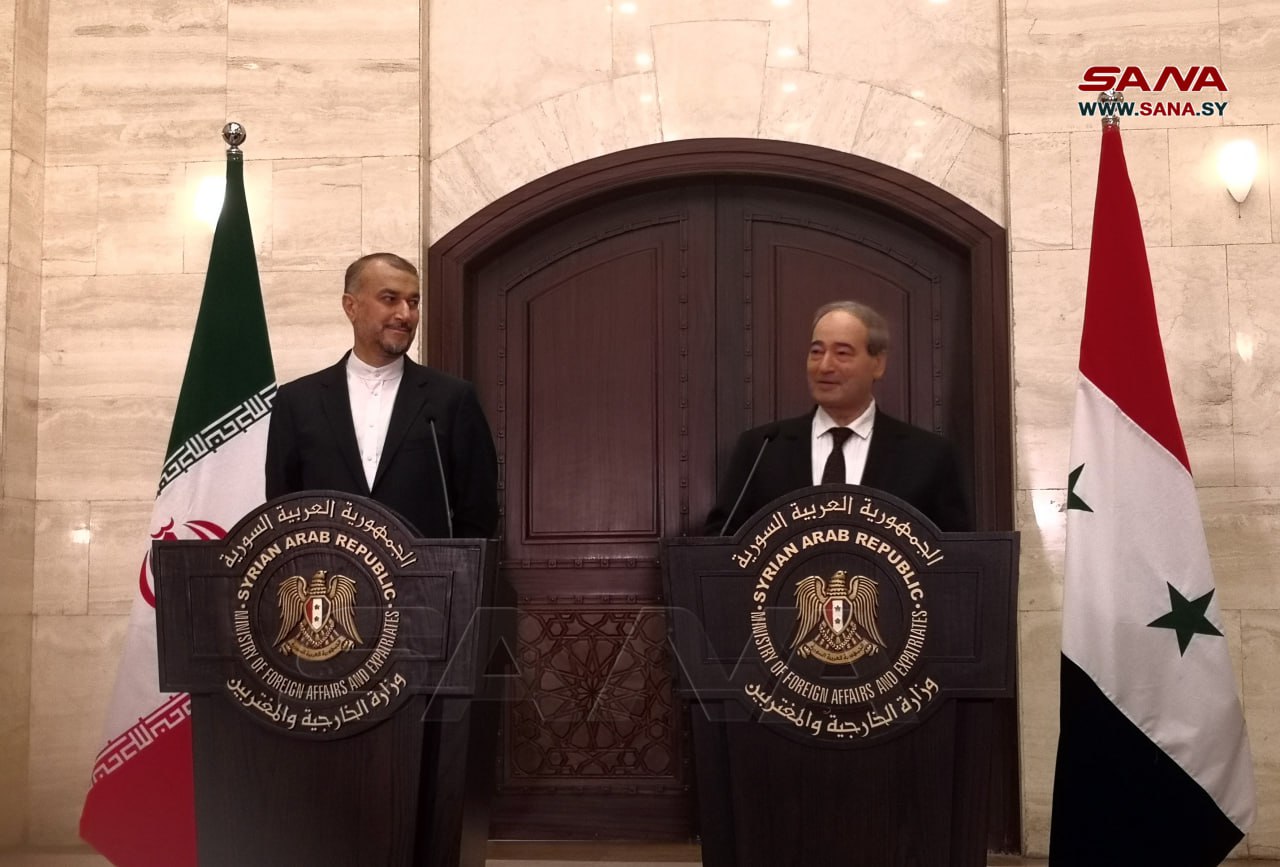
    Hossein Amir-Abdollahian, Minister of Foreign Affairs of the Islamic Republic of Iran, met and discussed with Prime Minister Hossein Arnous and Faisal Mekdad, Foreign Minister of this country, during a trip to the capital of Syria on August 30.

    At the beginning of the meeting with the Syrian Prime Minister, Amir-Abdollahian conveyed the greetings and respect of Mohammad Mokhber, the first vice president of Iran, to the Syrian Prime Minister. And invited Faisal al-Maqdad to travel to Tehran and hold the 15th meeting of the High Commission of the two countries.

    Amir-Abdollahian called Syria a friend, brother and ally of Iran and Iran a friend of Syria’s difficult times and emphasized the need to strengthen brotherly ties between the two countries.

    In this meeting, the Syrian Prime Minister pointed out that the government and people of Syria appreciate Iran’s support to Syria and said:

    The relations between the two countries are deep-rooted, friendly and brotherly, and we are proud of these relations. Syria won after 12 years of pressure and war, and now the enemies of the Syrian nation are trying to continue to put pressure on the government and the Syrian nation by imposing sanctions and economic pressure on Syria.

    After this meeting, the Iranian Foreign Minister met with his Syrian counterpart and in a joint press conference with Al-Mekdad stated:

    Regarding the movements of terrorist groups and the efforts of the Americans to organize terrorists and the continuation of their occupying presence in Syria under the pretext of fighting ISIS, We advise the American soldiers to return home and we advise the American authorities to leave the region to the people of the region.

    He added:

    The security of Syria and the security of the region is our serious and common concern. We continue our strong support to the Syrian leadership, army, government and nation in order to achieve a safe, stable and developed region. We believe that friendly and brotherly relations between Syria and Turkey are in the interest of both countries and the region. We emphasize on respecting the sovereignty and territorial integrity of countries, including Syria and Turkey. Iran will continue its efforts to resolve misunderstandings between Turkey and Syria and to establish peace and security on the common border between Syria and Turkey.

    It should be noted that Nasser Kanani, Spokesperson of the Ministry of Foreign Affairs, Mehdi Shushtri, Assistant Minister and Director General of West Asia and North Africa, Mohammad Sadiq Fazli, Advisor to the Minister and Ministerial Director General of the Ministry of Foreign Affairs, and Ali Asghar Khaji, Senior Advisor to the Minister of Foreign Affairs on Special Political Affairs, accompanied Iran’s foreign minister in this trip.

  • Russian And Iranian Ground Forces Boosts Military Cooperation

    Russian And Iranian Ground Forces Boosts Military Cooperation

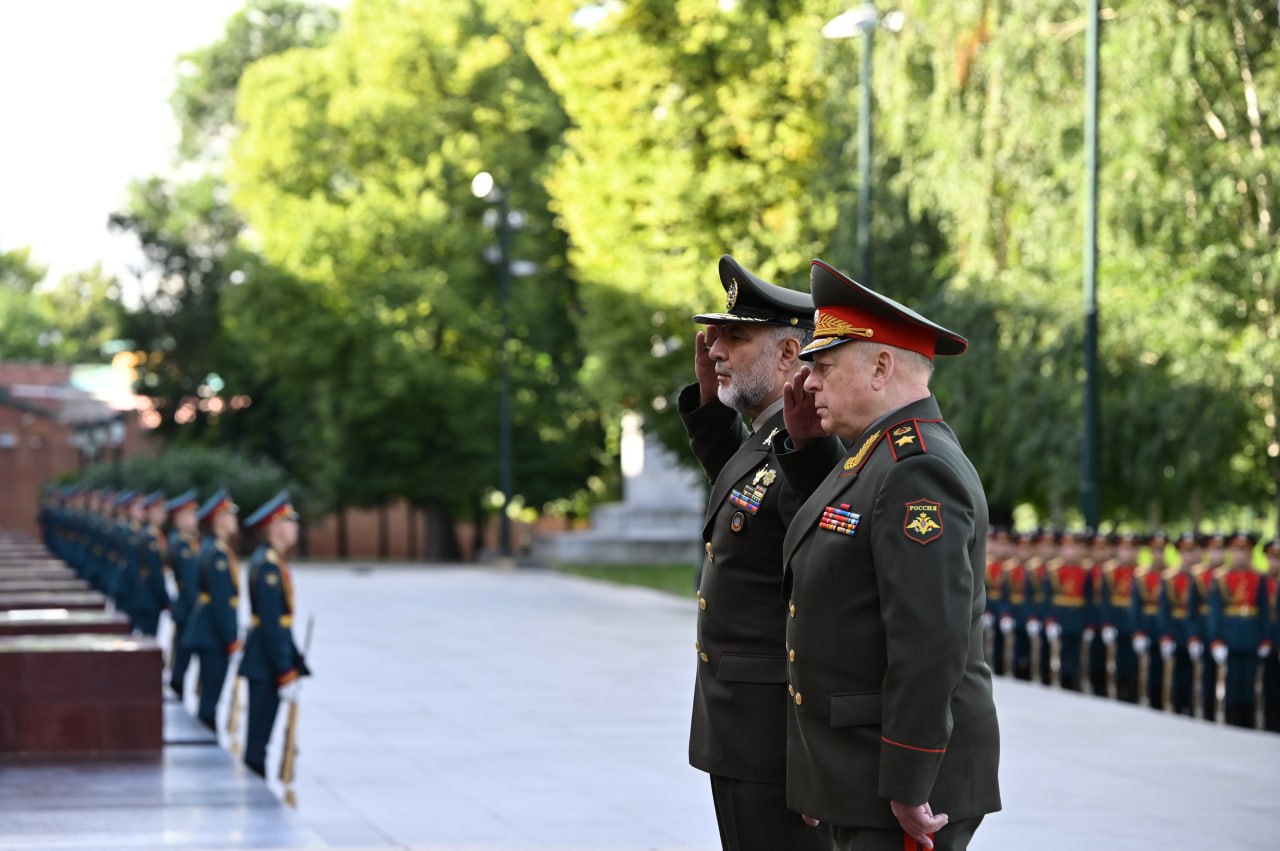
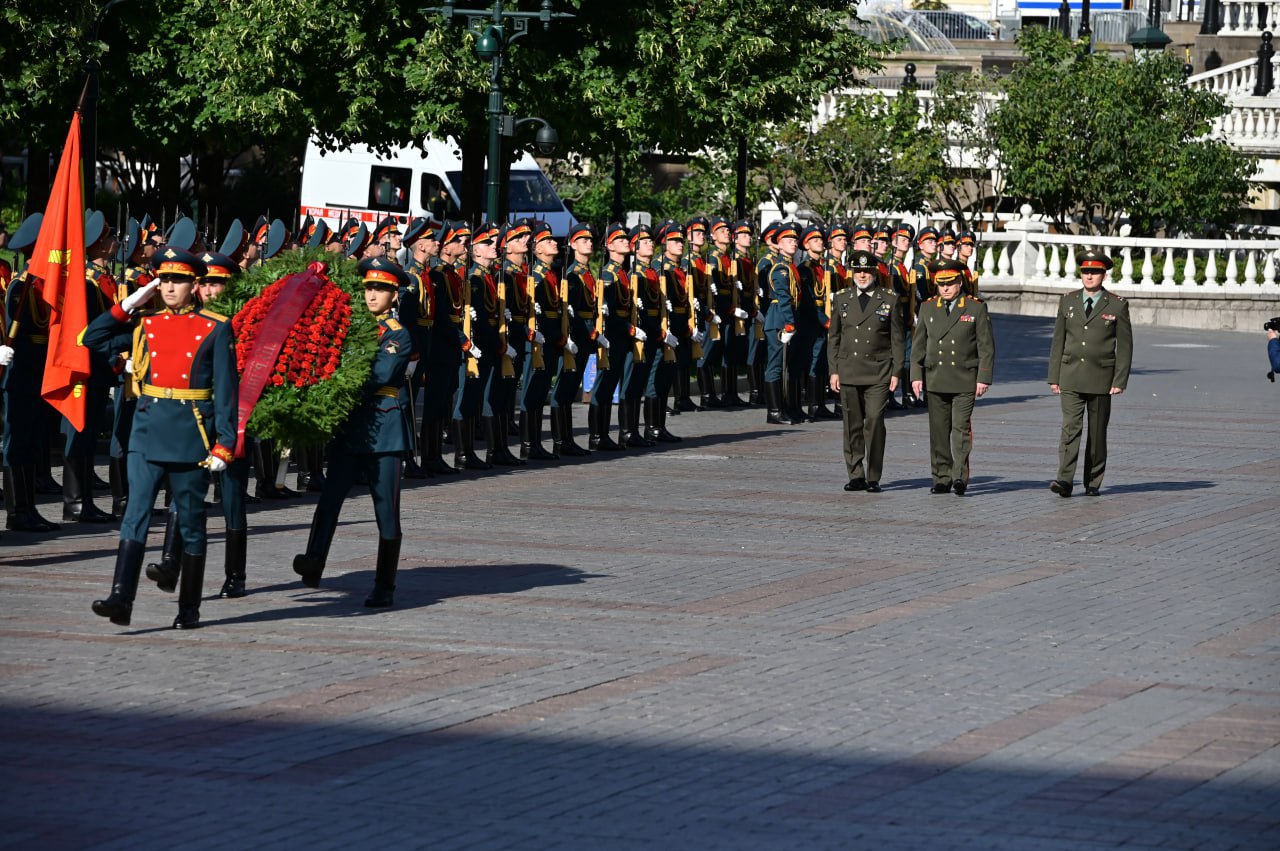
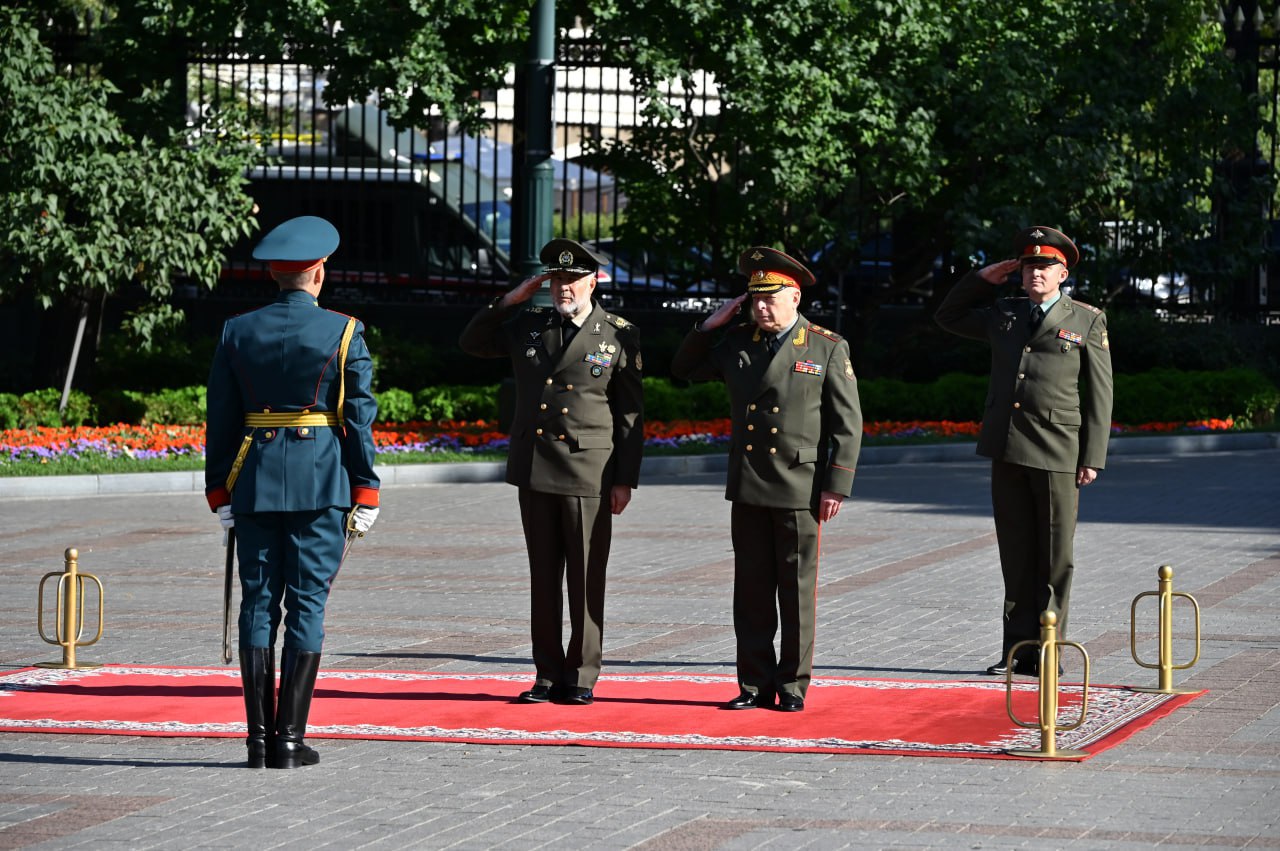
    At the beginning of the delegation’s work, wreaths and flowers were laid at the Tomb of the Unknown Soldier in Alexander Garden.

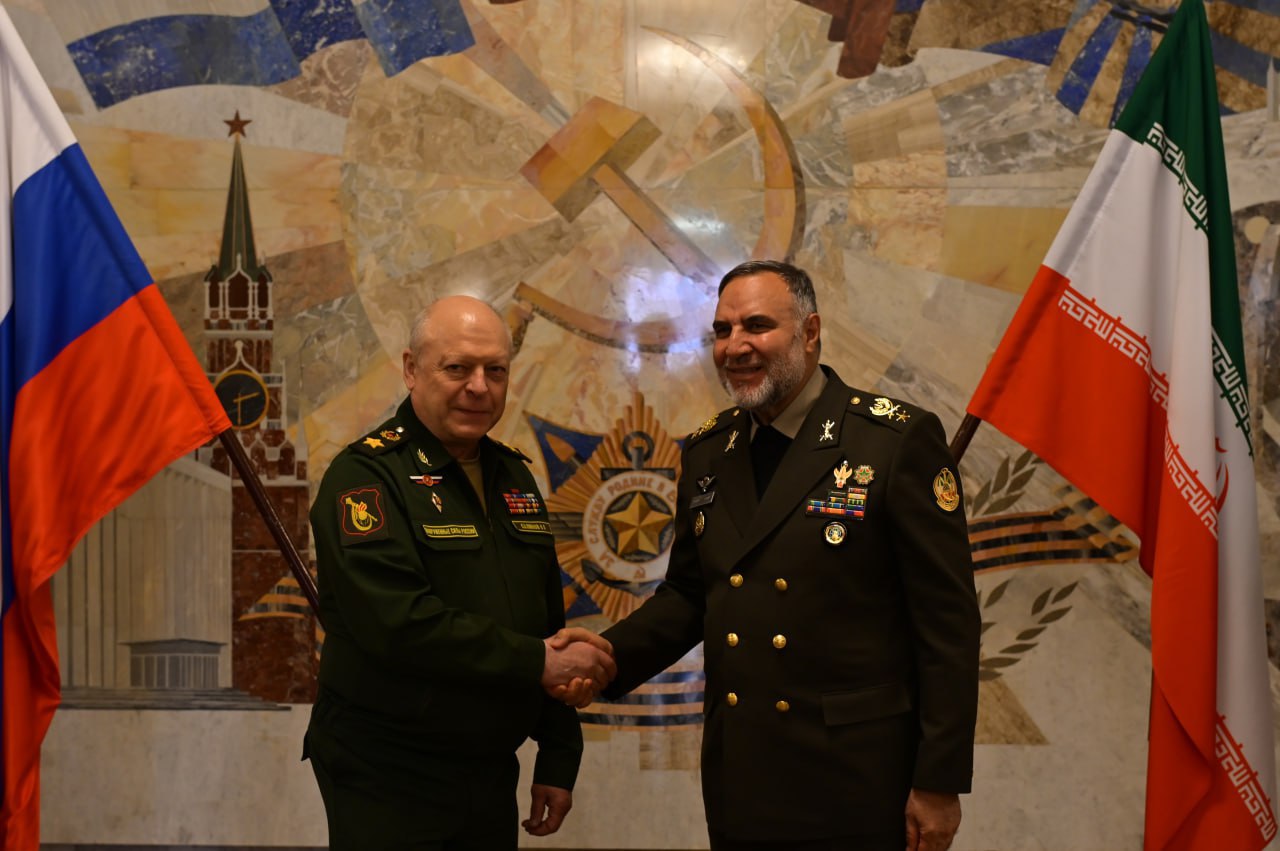
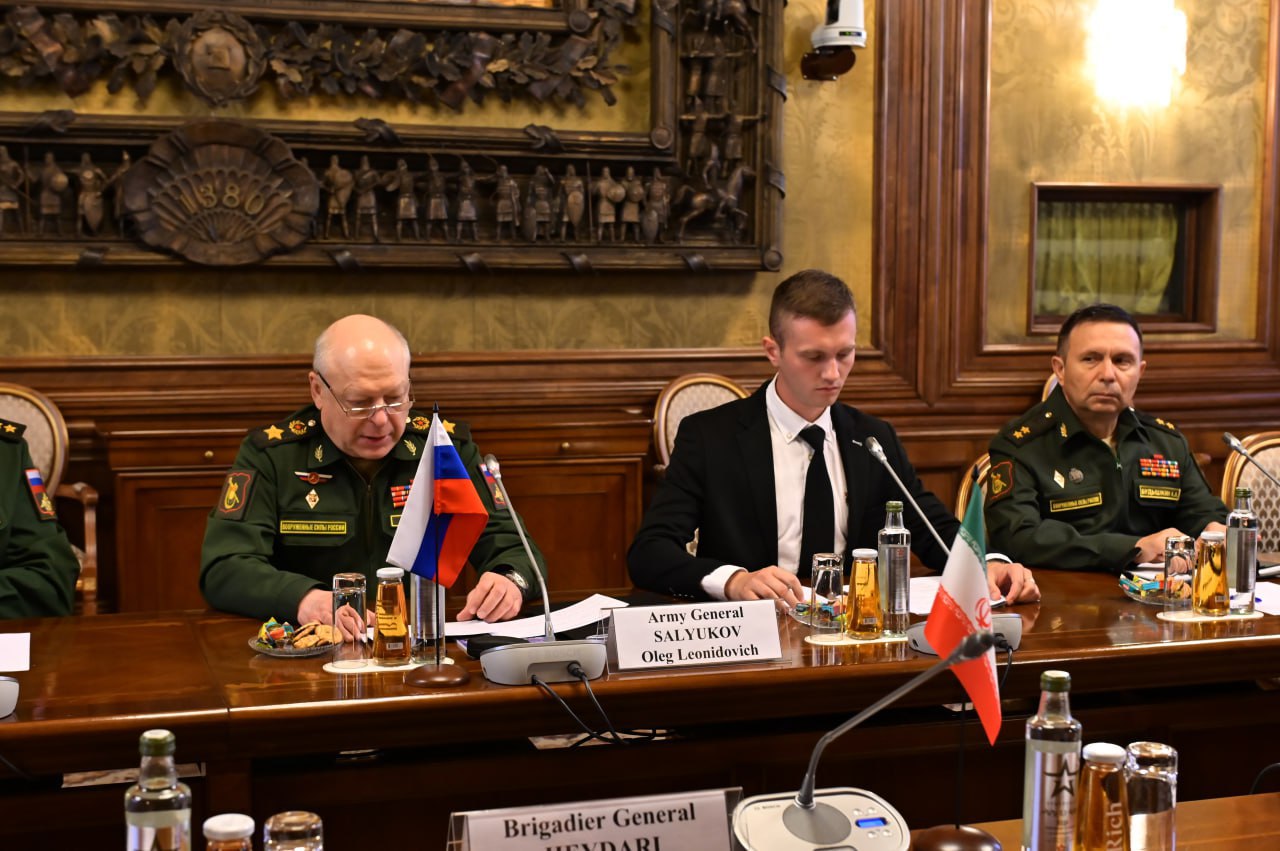
    The official part of the bilateral talks took place at the Command of Land Forces, where the Iranian military delegation met with Oleg Salyukov, the commander-in-chief of the Russian ground forces. Sides discussed issues of military cooperation and interaction aimed at implementing projects, the goals of which were improvement of the combat readiness of the armed forces of both countries.

    “Iran is considered by the Russian Federation as one of the key states in the Middle East and Iran is Russia’s strategic partner, and constant intensive political dialogue is a characteristic feature of the current stage of our partnership,”‘ stressed Commander-in-Chief of the Russian Armed Forces Land Forces General Oleg Salyukov.

    The parties reached agreements on further enhancing cooperation between the land forces in various fields. Also, during this trip, the Iranian delegation is going to visit the military training institutes of the Russian Ground Force and defense industry companies.

    During the visit, the delegation is to visit military educational institutions of Russian Land Forces and defence industry enterprises.

    Source: Russian MOD

  • Iran’s IRGC Says Its Naval Branch Forced U.S. Warship To Back Down (Video)

    Iran’s IRGC Says Its Naval Branch Forced U.S. Warship To Back Down (Video)

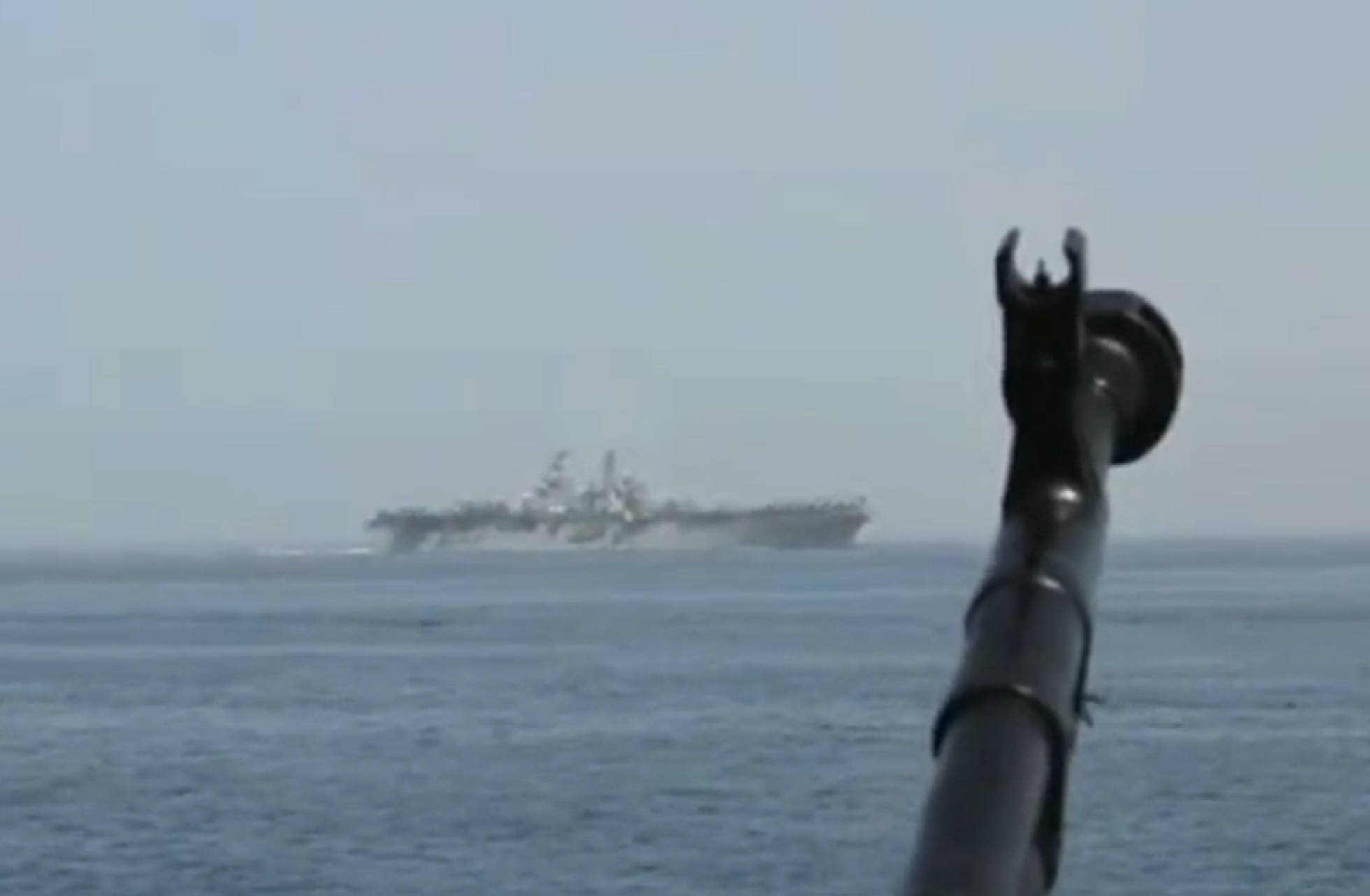
    IRGC Navy Chief Rear Admiral Ali Reza Tangsiri said U.S. helicopters were forced to land on the back deck of the ship shortly after taking off, following the arrival of speed boats deployed by the Zolfaqar flotilla present near the scene.

    In the footage, Iranian speed boats can be seen monitoring and chasing the American ship, which was identified as USS Bataan.

    This was the first time U.S. naval forces infiltrated into the Gulf waters in around two years, Tangsiri pointed out, adding that the standoff took place on August 17.

    Tangsiri stressed that security in the Gulf can be maintained by neighboring countries without the presence of any foreign forces.

    The standoff came amid rising tensions between Iran and the U.S. Navy in the Persian Gulf. In July, the Pentagon deployed F-35 and F-16 fighter jets, along with several warships and additional marines to the Middle East, in order to deter Iranian naval forces who seized two tankers in the gulf earlier this year. The IRGC responded by holding a series of naval drills earlier this month.

    Originally published in SouthFront

  • Iran, Saudi FMs Meet In Riyadh; President Raisi To Visit Saudi Arabia

    Iran, Saudi FMs Meet In Riyadh; President Raisi To Visit Saudi Arabia

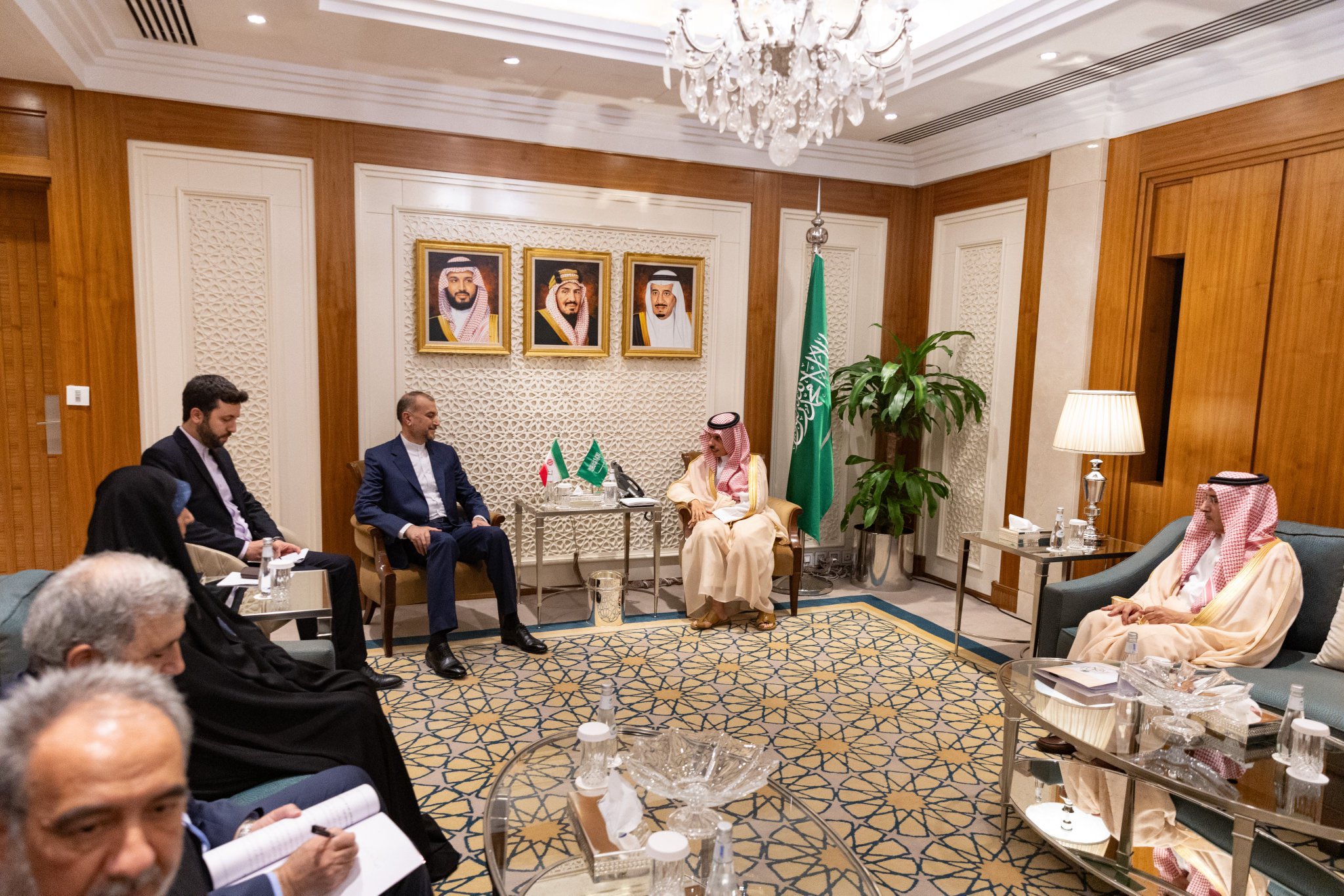
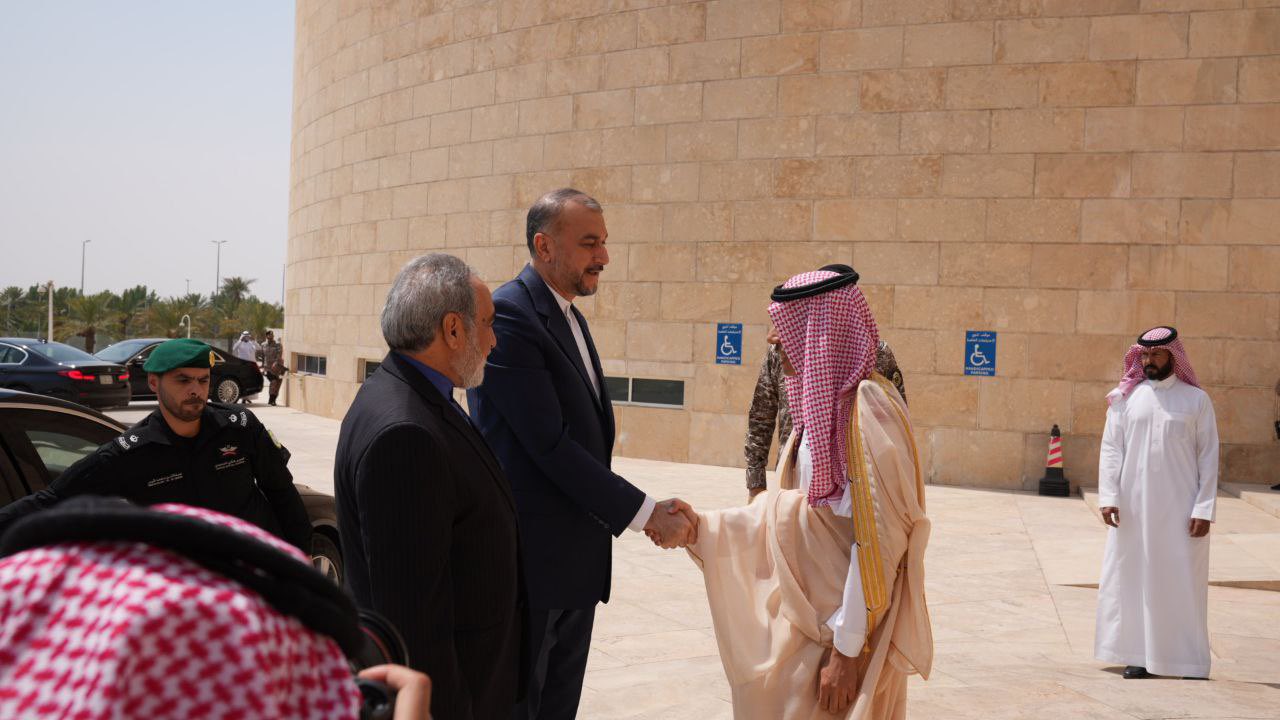
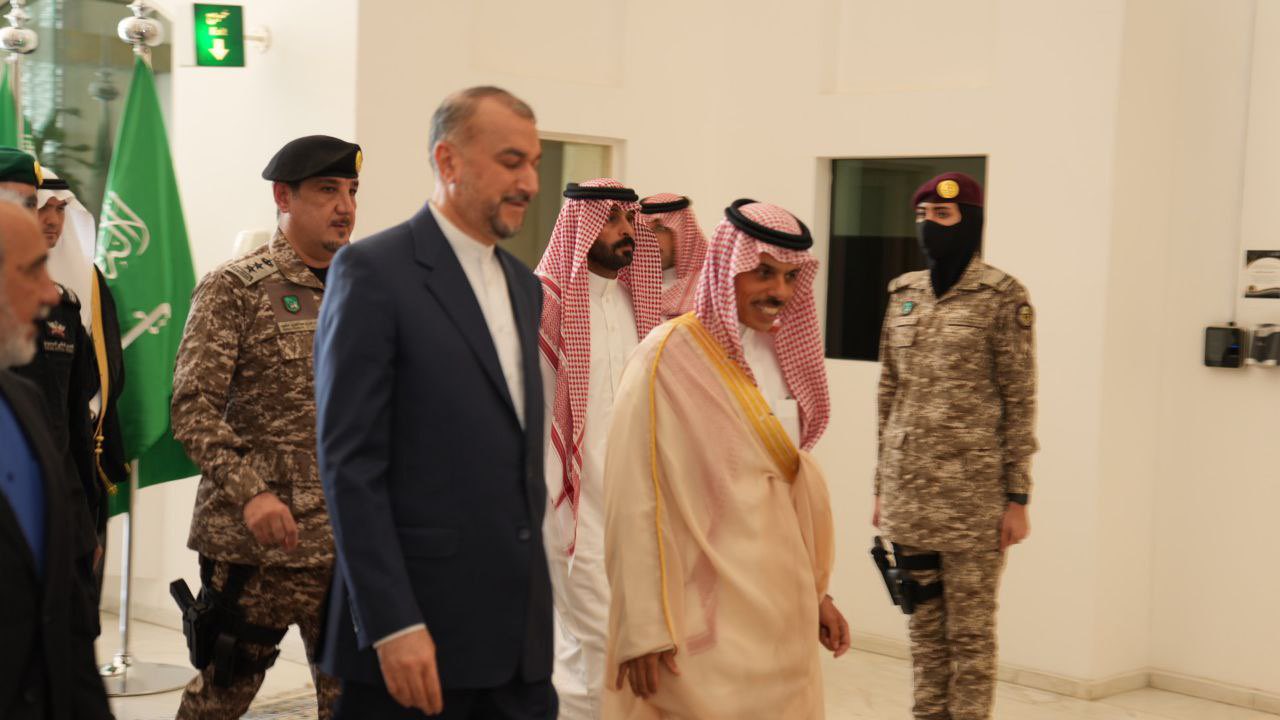
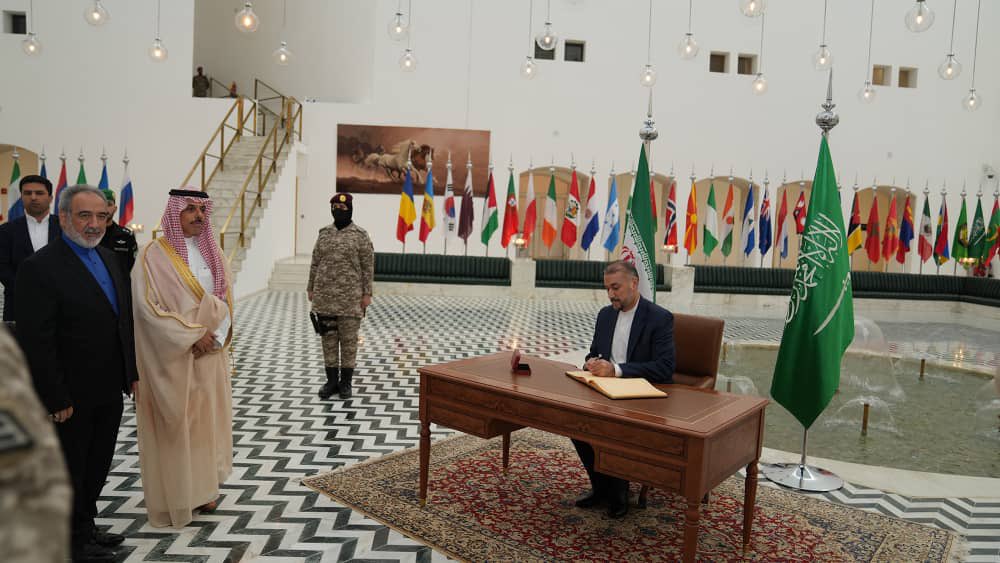
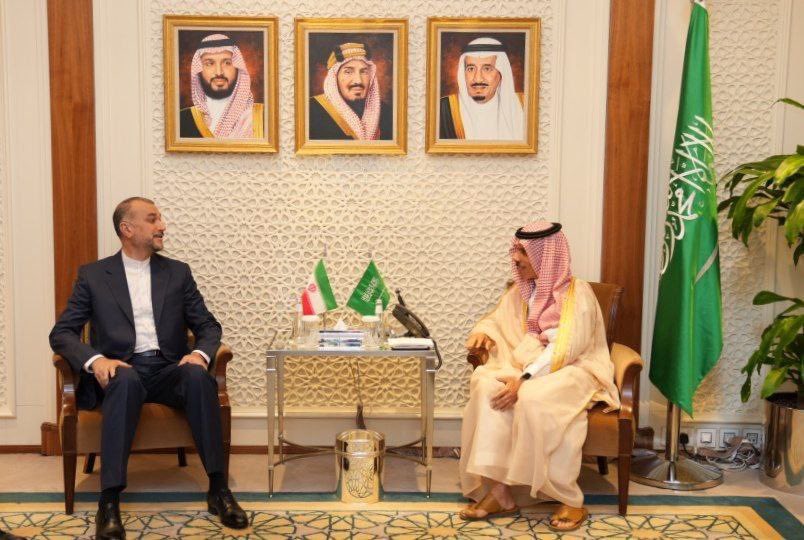
    ISWNews Analysis Group – During the meeting, the Saudi foreign minister expressed Saudi Arabia’s serious intention to pave the way for signing an agreement between the two nations and follow up previous agreements in the fields of security and economy.

    Given the development of bilateral relations and the strengthening of regional stability, the representatives of the two countries have begun their work, and the start of the ambassadors’ work will be towards establishing new relations between the two countries, bin Farhan argued.

    Amirabdollahian, for his part, announced Iran’s intention to execute existing agreements between the two states in the economic, commercial and security fields.
    The top Iranian diplomat also said that Tehran has established important relationships with Saudi Arabia and other Arab countries in the West Asia region, including Iraq, Kuwait, Qatar and the United Arab Emirates, and that the Islamic Republic believes regional security and development are in the interest of all regional nations.

    The Iranian FM further referred to the fact that Saudi King Salman bin Abdulaziz Al Saud has officially invited Iranian President Ebrahim Raisi to visit the kingdom, and that Raisi’s trip to Saudi Arabia will take place at an appropriate time.

    Preparations for negotiations aimed at reconstructing relations between Iran and Saudi Arabia kicked off last year and the talks were finalized with an agreement between representatives of the two countries in Beijing, China, on March 6, 2023, and a trilateral statement was also signed to restore relationship between the two neighboring nations.
    As a result of the resumption of diplomatic relations between Iran and Saudi Arabia, peace negotiations in Yemen also resumed and negotiations between the Ansar Allah movement and the Saudis continued with Oman’s mediation.

    However, Yemen is one of the regional disputes between Iran and Saudi Arabia, and the two countries have also differences over other issues such as Iran’s nuclear capability, the dispute over the three Iranian islands (Abu Musa, Greater and Lesser Tunbs), joint gas fields in the Persian Gulf, regional security issues, Saudi support for opposition media outlets, Arab countries’ relations with the Zionist regime, as well as the United States’ military presence in the West Asia region. It seems that the two countries are determined to solve these problems!

  • Terrorist Attack On Shah Cheragh, At Least 2 Martyred And 7 Wounded (Video)

    Terrorist Attack On Shah Cheragh, At Least 2 Martyred And 7 Wounded (Video)

    This attack was carried out around 19:00 local time. According to the available information, a terrorist was trying to enter the shrine through the Bab al-Mahdi section, and after the initial shooting and encountering the security forces, he started shooting fully automatic, which resulted in the injury of several people. Finally, this terrorist arrested by the security forces present at the place before he can complete his operation.

    The terrorist was also accompanied by another terrorist who is on the run and the security forces are chasing him.

    The moment the terrorist enters the area
    The moment the terrorist was arrested by the security forces

    There are contradictory statistics regarding the number of martyrs and wounded. Some sources have announced the number of martyrs as two. Also, according to the condition of the wounded, it is possible to increase the number of martyrs.

    This is not the first time that Shah Cheragh shrine has been attacked. October 26, 2022, 13 people were martyred and 25 were injured by the ISIS terrorist attack on the Shah Cheragh shrine.

    Read more: Terrorist attack on a holy shrine in Shiraz kill 13 + Video

  • Iran Claims It Developed Supersonic Cruise Missile

    Iran Claims It Developed Supersonic Cruise Missile

    The state-run news agency report went on to reveal that Iran has already built such a supersonic cruise missile and it is currently being tested.

    “This missile, which is a new generation of Iranian-made cruise missiles, is currently undergoing its tests and will be a new chapter in Iran’s defense power,” the agency said.

    The new missile uses a ramjet engine unlike Iran’s older cruise missiles that are powered by turbojet engines, the agency added.

    A ramjet is a form of airbreathing jet engine that uses the forward motion of the engine to take in air for combustion that produces jet thrust. Ramjets work most efficiently at supersonic speeds around Mach 3 and can operate up to speeds of Mach 6.

    Supersonic cruise missiles are some of the hardest aerial targets to detect and intercept due to their high speed and low flight altitude.

    The employment of ramjet engines in anti-ship cruise missiles and the development of supersonic cruise missiles will greatly enhance Iran’s military capabilities.

    The Iranian announcement comes amid rising tensions with the United States in the Persian Gulf and following naval drills by the Islamic Revolutionary Guard Corps that witnessed the unveiling of new vessels equipped with 600-kilometer range anti-ship cruise missiles.

    Source: SouthFront