Category: Iran

  • Ali Akbar Ahmadian Appointed As Secretary of Iran’s National Security Council

    Ali Akbar Ahmadian Appointed As Secretary of Iran’s National Security Council

    Brigadier General Ali-Akbar Ahmadian was appointed as a member of the Supreme National Security Council by Imam Seyyed Ali Khamenei, and then President Raisi appointed Ahmadian to this position in another decree while appreciating the efforts made by Shamkhani for his decade-long tenure as the secretary of the Supreme National Security Council.

    Ahmadian (born in 1961) was appointed as the deputy commander of the Islamic Revolution Guards Corps (IRGC) Navy during Shamkhani’s tenure following the end of the Iraqi-imposed war and devoted himself to hypothesizing the great maritime experiences of the Iranian armed forces during the Sacred Defense, especially their confrontation against the aggressive US fleet in the Persian Gulf. Ahmadian was one of the main architects of the new and innovative naval forces of the IRGC, which was based on revolutionary ideas, and he was also one of the first theorists in the arena of the asymmetric defense in Iran.

    The new secretary of the Supreme National Security Council was appointed as the Chief of Staff of the IRGC by Ayatollah Khamenei in 1997. During his tenure as the IRGC Chief of Staff, Ahmadian proposed an organizational transformation plan to be implemented by the IRGC and after the approval of the proposal by the Commander-in-Chief of the Armed Forces Imam Khamenei, he paved the way for the implementation of the plan and paid great heed to the project.

    Ahmadian possesses a PhD in dentistry and is a graduate of strategic management from the Supreme National Defense University of Iran. He has been the head of the IRGC’s Strategic Center for 16 years since 2007 and is known as one of the most prominent figures in the country concerning national security issues.

    The information, which has been not publicized as much of Ahmadian’s non-military background, is his strategic understanding of Iran’s political, economic and social issues. He was also one of the five new members that Imam Khamenei added to the arrangement of the Expediency Discernment Council of Iran on September 20, 2022.

    It seems that following the appointment of Brigadier General Ahmadian as the new secretary of the Supreme National Security Council, Iran will witness the redesigning and upgrading of the SNSC; so, some strategies will develop on the basis of Iran’s requirements about playing a role in the new world order and the implementation of Iran’s seventh development plan.
    Ali-Akbar Ahmadian Appointed As Secretary of SNSC In Iran

    In a decree, Iran’s President Ebrahim Raisi appointed Brigadier General Ali-Akbar Ahmadian as the Secretary of the Supreme National Security Council, while appreciating Rear Admiral Ali Shmakhani’s services as the outgoing SNSC secretary.

    Brigadier General Ali-Akbar Ahmadian was appointed as a member of the Supreme National Security Council by Imam Seyyed Ali Khamenei, and then President Raisi appointed Ahmadian to this position in another decree while appreciating the efforts made by Shamkhani for his decade-long tenure as the secretary of the Supreme National Security Council.

    Ahmadian (born in 1961) was appointed as the deputy commander of the Islamic Revolution Guards Corps (IRGC) Navy during Shamkhani’s tenure following the end of the Iraqi-imposed war and devoted himself to hypothesizing the great maritime experiences of the Iranian armed forces during the Sacred Defense, especially their confrontation against the aggressive US fleet in the Persian Gulf. Ahmadian was one of the main architects of the new and innovative naval forces of the IRGC, which was based on revolutionary ideas, and he was also one of the first theorists in the arena of the asymmetric defense in Iran.

    The new secretary of the Supreme National Security Council was appointed as the Chief of Staff of the IRGC by Ayatollah Khamenei in 1997. During his tenure as the IRGC Chief of Staff, Ahmadian proposed an organizational transformation plan to be implemented by the IRGC and after the approval of the proposal by the Commander-in-Chief of the Armed Forces Imam Khamenei, he paved the way for the implementation of the plan and paid great heed to the project.

    Ahmadian possesses a PhD in dentistry and is a graduate of strategic management from the Supreme National Defense University of Iran. He has been the head of the IRGC’s Strategic Center for 16 years since 2007 and is known as one of the most prominent figures in the country concerning national security issues.

    The information, which has been not publicized as much of Ahmadian’s non-military background, is his strategic understanding of Iran’s political, economic and social issues. He was also one of the five new members that Imam Khamenei added to the arrangement of the Expediency Discernment Council of Iran on September 20, 2022.

    It seems that following the appointment of Brigadier General Ahmadian as the new secretary of the Supreme National Security Council, Iran will witness the redesigning and upgrading of the SNSC; so, some strategies will develop on the basis of Iran’s requirements about playing a role in the new world order and the implementation of Iran’s seventh development plan.
  • Five Iranian Border Guards Killed In A Terrorist Attack Near Pakistan Border

    Five Iranian Border Guards Killed In A Terrorist Attack Near Pakistan Border

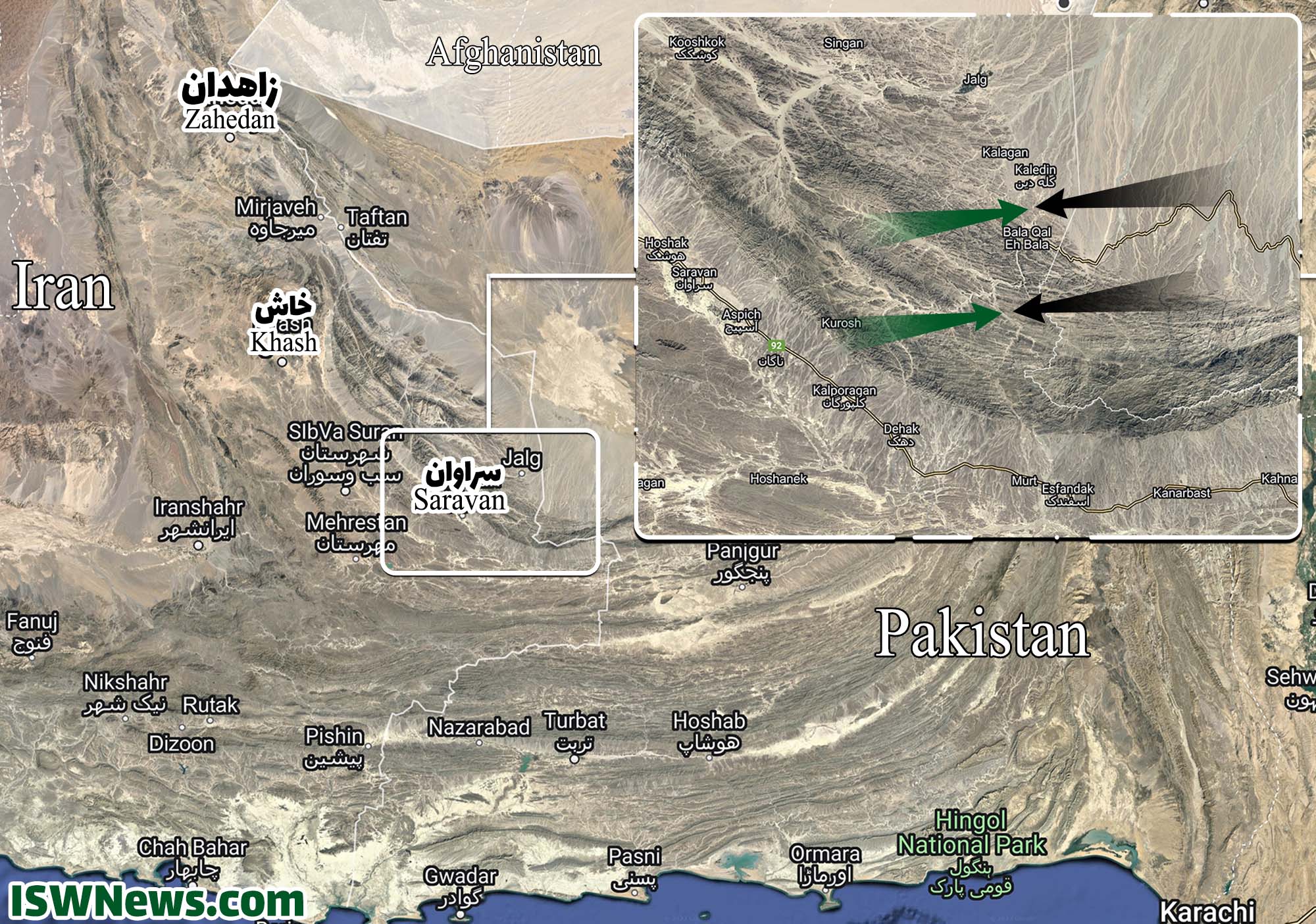
    According to local authorities, this attack was carried out by the Jaish ul-Adl terrorist group, and terrorists fled into Pakistan after the attack. The media affiliated to this group have not published any announcement about this.

    The Deputy Commander of the Iranian Police Force and the Commander of the Border Guard Forces visited the area to investigate the incident.

    According to a statement by Mehdi Shamsabadi, the prosecutor of Sistan and Baluchistan province, judicial orders have been issued to arrest the perpetrators of this terrorist attack.

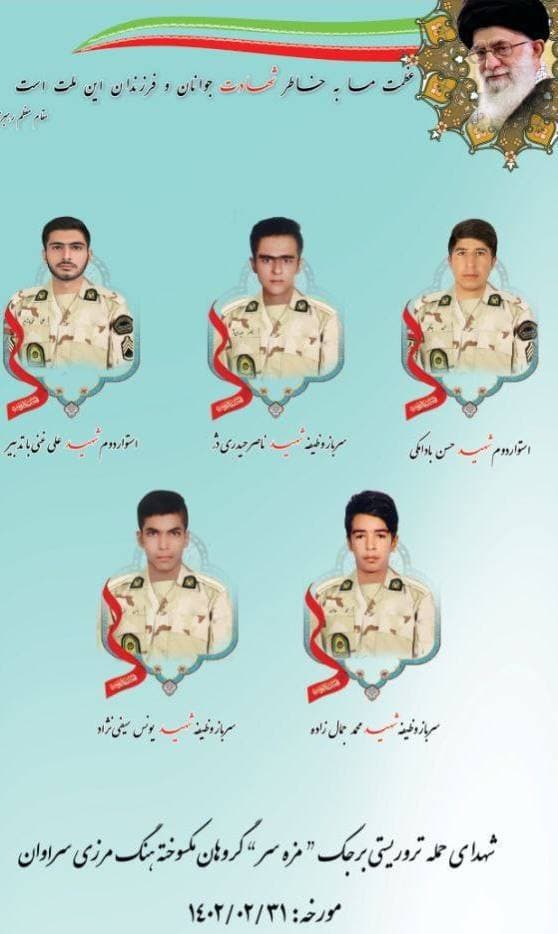
    The names of the martyrs are “1st Sergeant Hossein Badamaki, 1st Sergeant Ali Ghani Ba Tadbir, conscript Mohammad Jamalzadeh, conscript Younes Seifinejad and conscript Nasser Heydari.” Also, one of the wounded in this attack, named 1st Sergeant Reza Borji, came back to life with the efforts of medical staff and CPR operations.

    Martyrs of the terrorist attack on Mak Sokhte checkpoint in Saravan district

    In recent years, Sistan and Baluchistan has experienced several rounds of clashes between Iran’s security forces and terrorist groups and drug traffickers.

    This attack took place while not long ago, on April 30, Alireza Shahraki, the head of the intelligence police of Saravan district, and also on May 14, Gurban Ali Piri, the commander of the Susoli garrison of Zabul border regiment, were also martyred by terrorist groups and drug trafficking gangs.

    The recent developments clearly show the increase of activities of terrorist groups and drug trafficking gangs in Sistan and Baluchistan province.

    It should be noted that this deadly attack occurred in the midst of improving relations between Iran and Pakistan. Last week, Iranian President Ebrahim Raisi and Pakistani Prime Minister Shehbaz Sharif inaugurated a border bazaar and a power transmission line that supplies electricity to some remote areas of Pakistan from Iran.
    Obviously, the terrorist operations against the security forces and border guard forces of Iran in Sistan and Baluchistan province is carried out with the aim of making the southeastern regions insecure. In recent years, the insecurity of the mentioned areas has been at the top of the plans of Western and Israeli intelligence organizations.

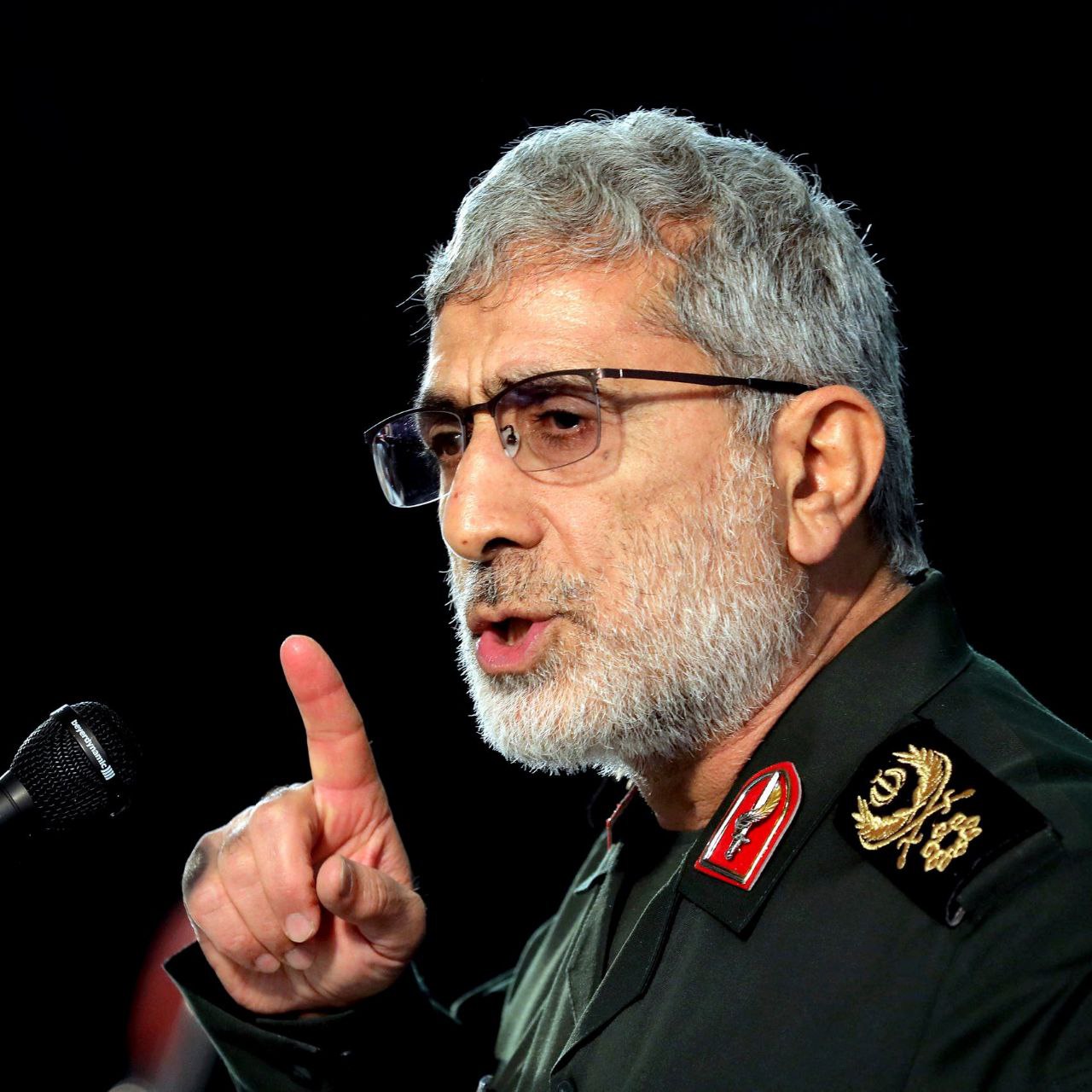
  • Iran To Keep On Supporting Palestinian Resistance: IRGC Cmdr.

    Iran To Keep On Supporting Palestinian Resistance: IRGC Cmdr.

    He underlined the support for the Palestinian resistance groups in a message on May 14, noting that the fighters in al-Quds and throughout Palestinian territories have proved that the dawn of victory is approaching.

    The commander also praised the families of the Palestinian martyrs, saying that these people take the responsibility of defending al-Quds and sanctities.

    According to the Iranian commander, the commanders of the joint operation chamber have shown a new epic in the face of the Zionist regime and proved once more that they can break the myth of strength of the foes.

    The victories are parts of a stable step towards the final triumph, he said, adding that Iran will continue backing the Palestinian people and resistance groups to see the uprooting of the Zionist regime in the Palestinian land.

    Qaani expressed gratitude to the fighters of Lebanon’s Hezbollah movement as well as all resistance groups, who stand against the Zionist enemies.

    The new round of clashes between Palestinians and Israelis last for five days. The Israeli aggression left 33 Palestinians martyred and 147 others wounded. The Palestinians’ retaliatory rockets left one Israeli killed and 77 others injured.

    Read more: Secretary General Of Islamic Jihad Declares The End Of Fighting In Gaza

  • Turkish And Syrian FMs Meet For The First Time After 12 Years

    Turkish And Syrian FMs Meet For The First Time After 12 Years

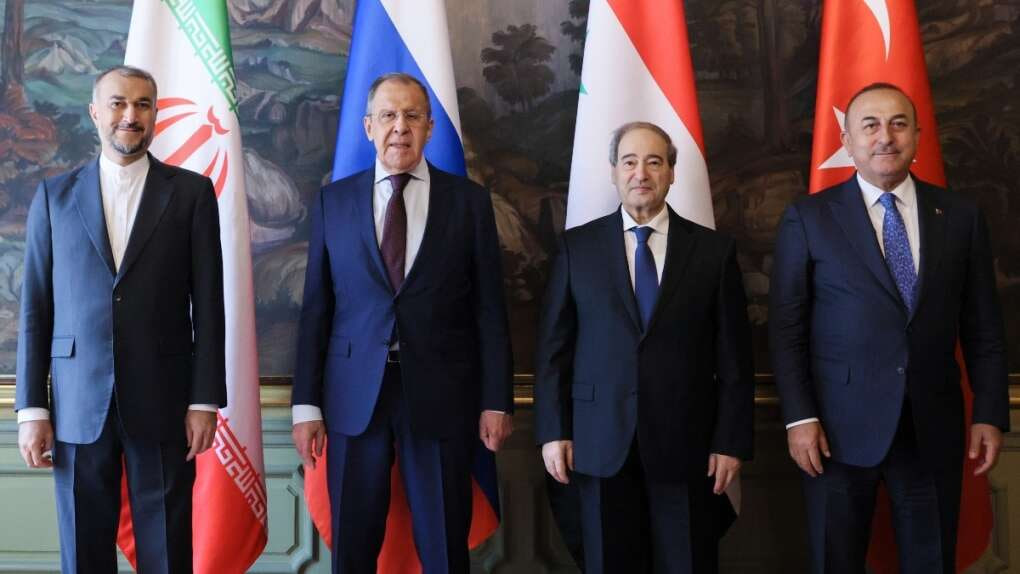
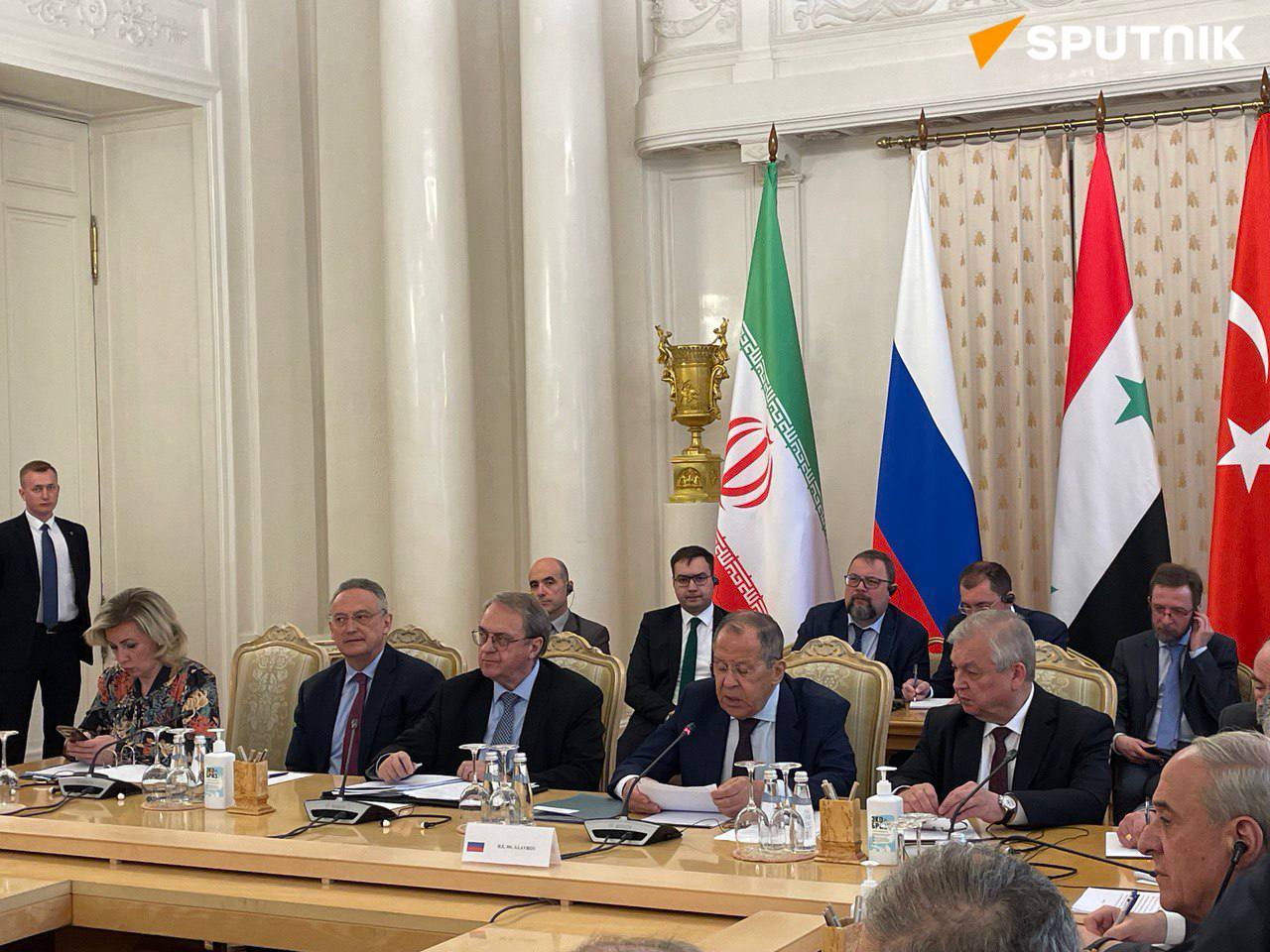
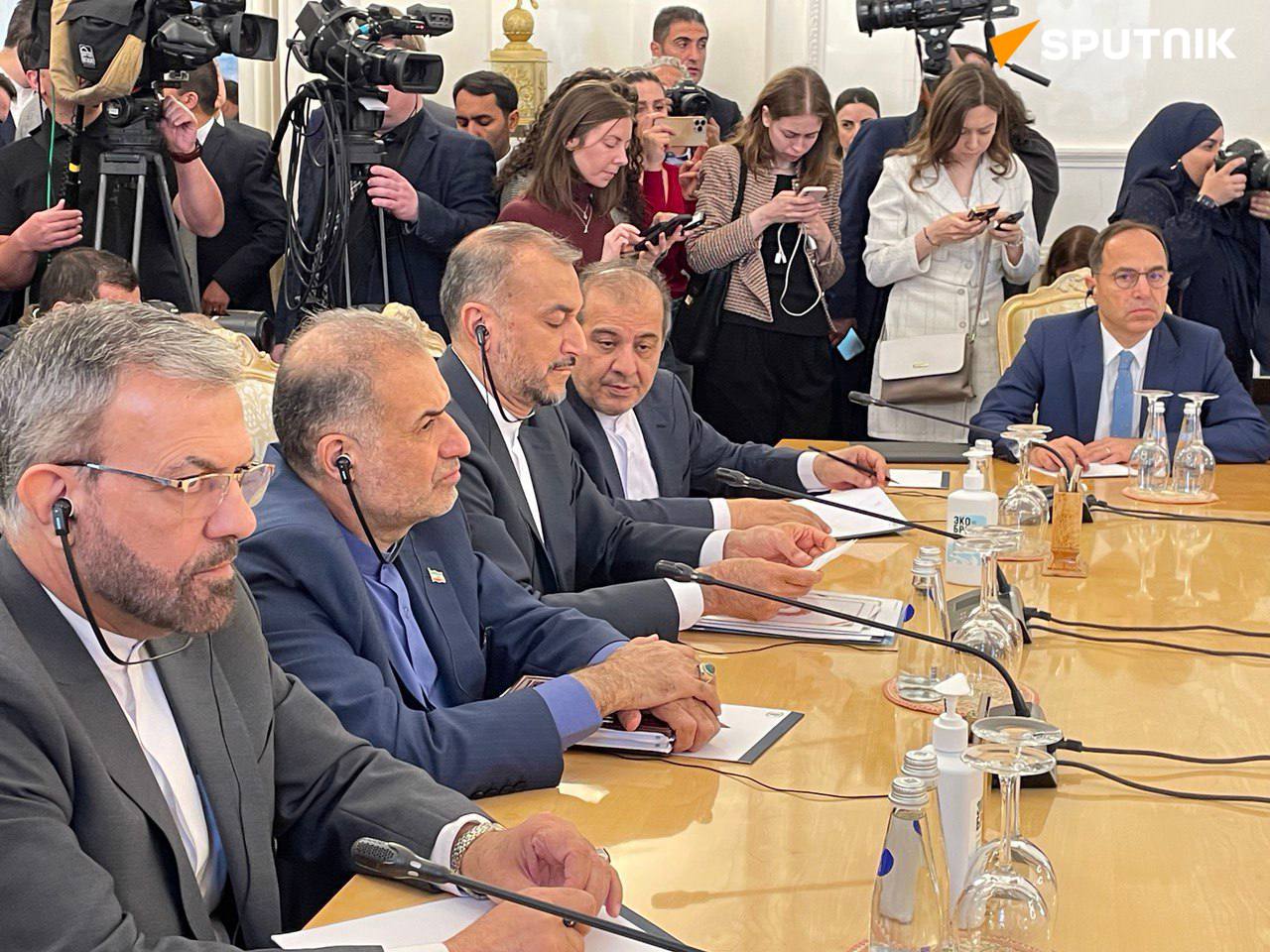
    A quadrilateral meeting of the foreign ministers of Iran, Russia, Turkey and Syria was held in Moscow on May 10 with the aim of reviewing the developments in Syria and resolving the differences between Ankara and Damascus. One of the important achievements of this meeting was the meeting between the foreign ministers of Turkey and Syria for the first time after 12 years since the start of conflicts in Syria.

    At the beginning of this meeting, Russian Foreign Minister Sergey Lavrov described the meeting of the foreign ministers of Turkey, Syria, Iran and Russia as important and said: “We have continuously moved to achieve this result. The process of normalizing relations between Turkey and Syria creates new opportunities for the Astana meeting to resolve the Syrian crisis. The beginning of the normalization process between Turkey and Syria has a positive effect on the situation in the region and the Middle East in general.”

    The Russian Foreign Minister further proposed the development of a road map within the framework of the process of normalizing relations between Ankara and Damascus and said: “The road map for the settlement of the Syrian case should be prepared for the next meeting of the foreign ministers of Turkey, Syria, Iran and Russia, and then to be presented to the presidents.”

    At the end of this meeting, a joint statement was issued by the four countries. In this statement, it is stated that according to the UN Security Council Resolution 2254 and the official statements in the Astana process, the participants reaffirmed their commitment to the territorial integrity of Syria, non-interference in internal affairs and the fight against all forms of terrorism, separatism and extremism. The participants also agreed that the deputy ministers of foreign affairs should undertake the task of designing a road map to advance relations between Turkey and Syria in coordination with the ministries of defense and intelligence chiefs of the four countries.

  • Iran Expels 4 Azerbaijani Diplomats

    Iran Expels 4 Azerbaijani Diplomats

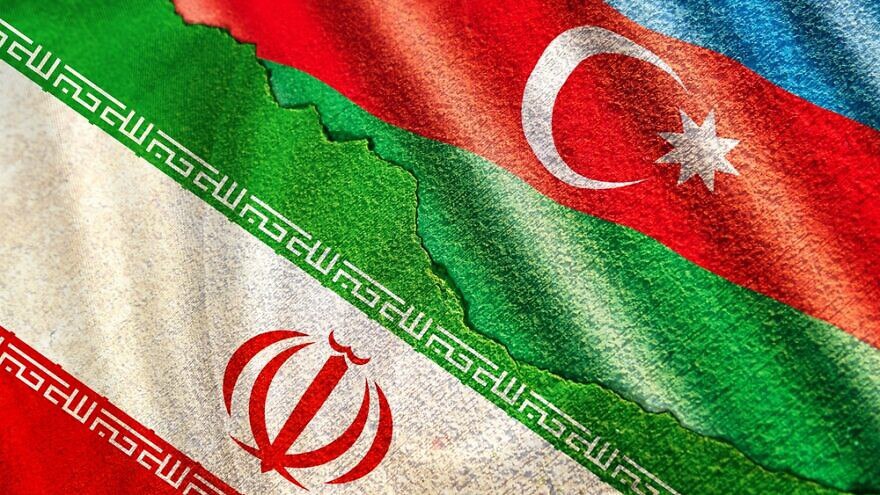
    Reacting to an unpleasant measure by the Azerbaijani government, when it expelled four Iranian diplomats on April 6, the Iranian administration also described two diplomats of the Azerbaijan Republic’s embassy in Tehran and two diplomats from its consulate general in Tabriz as persona non grata and called for their departure from Iran’s soil.

    It is worth mentioning that following the incident of an Iranian civilian based on the attacker’s personal and family motives raided the embassy of the Republic of Azerbaijan in Tehran on January 27, 2023, the government of Azerbaijani President Ilham Aliyev intensified the media warfare against the Islamic Republic and it resorted to widespread apprehensions of some Azerbaijani citizens on charges of collaborating and connecting the Islamic establishment.

    It is also notably that Baku’s biased moves towards Tehran did not conclude to the issues; so, Azerbaijan Republic expelled four Iranian diplomats over what Baku claimed “provocative actions.”

  • Iran Seizes Oil Tanker In Strait Of Hormuz (Video)

    Iran Seizes Oil Tanker In Strait Of Hormuz (Video)

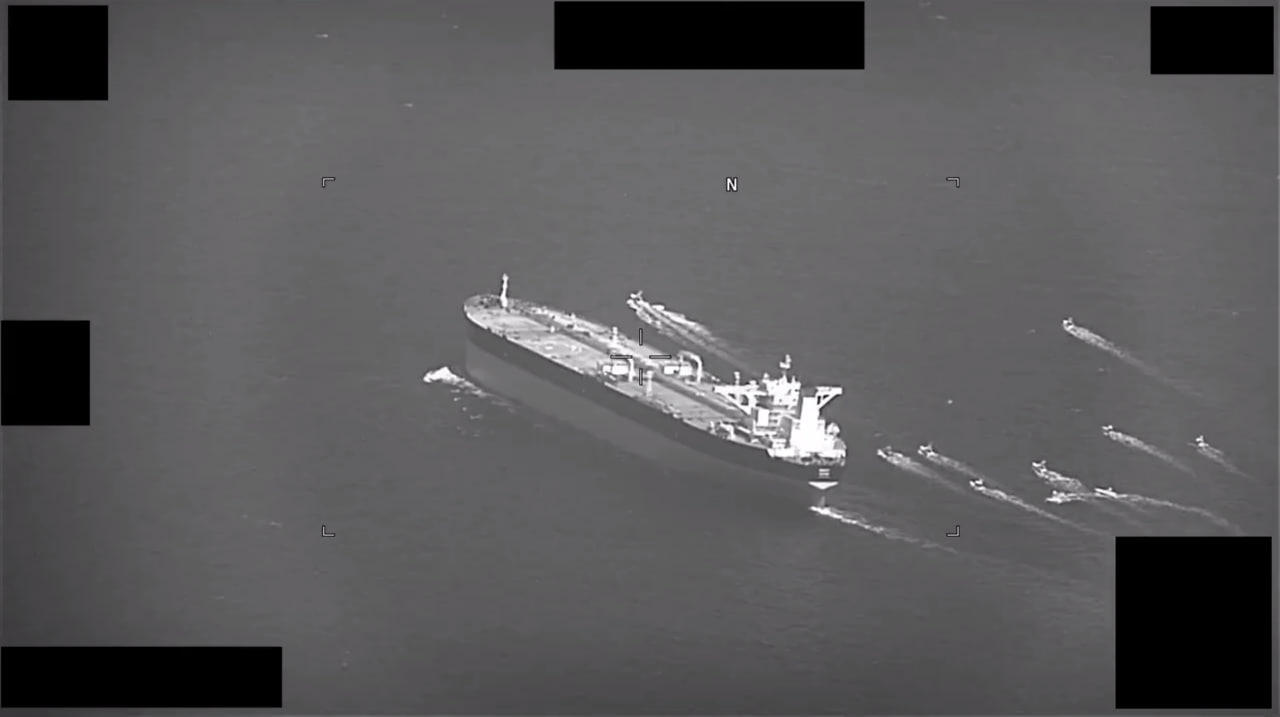
    According to the report, the oil tanker was passing through the Strait of Hormuz with the flag of Panama, when it was seized by the IRGC forces at 6:20 a.m. local time on Thursday.

    The commander of the US Navy’s Central Command reported that the oil tanker named “Niovi” had left the port of Dubai and was sailing towards Fujairah, another port in the United Arab Emirates (UAE).

    The IRGC naval forces approached the oil tanker by the use of speed boats in the middle of the Strait of Hormuz and forced the tanker to change course and move towards Iranian territorial waters off the coast of Bandar Abbas.

    The seizure of an oil tanker by the IRGC in the Strait of Hormuz

    Following the seizure of the oil tanker, the Tehran prosecutor confirmed that the ship had been seized by the IRGC naval forces after a plaintiff filed a lawsuit and the judicial official ordered a prosecution.

    It is worth mentioning that the Islamic Republic of Iran Army forces seized another vessel called “Advantage Sweet” after colliding with an Iranian boat that caused several Iranian crew members to go missing or get injured in the Sea of Oman on April 27.

    Read more: Iran Seized A US-Bound Oil Tanker In Gulf Of Oman (Video)

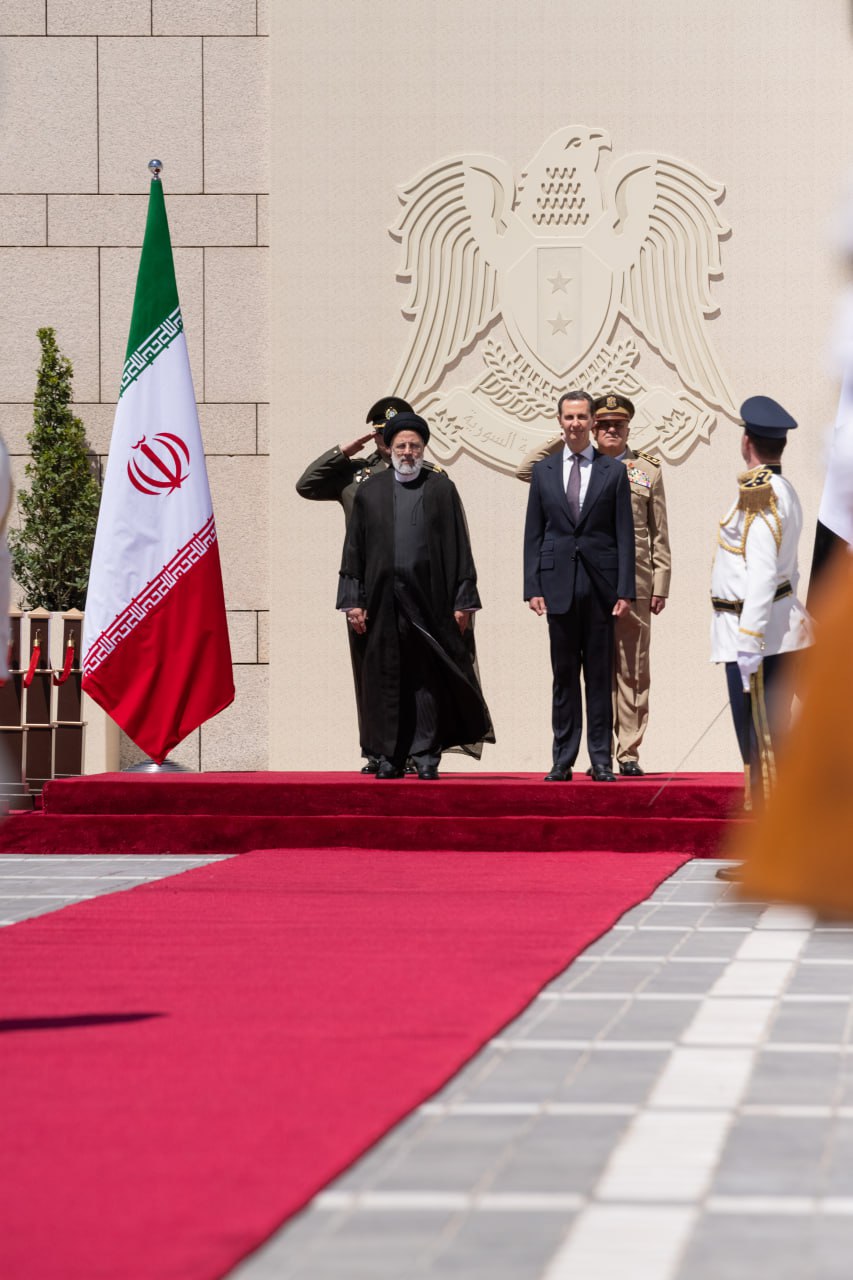
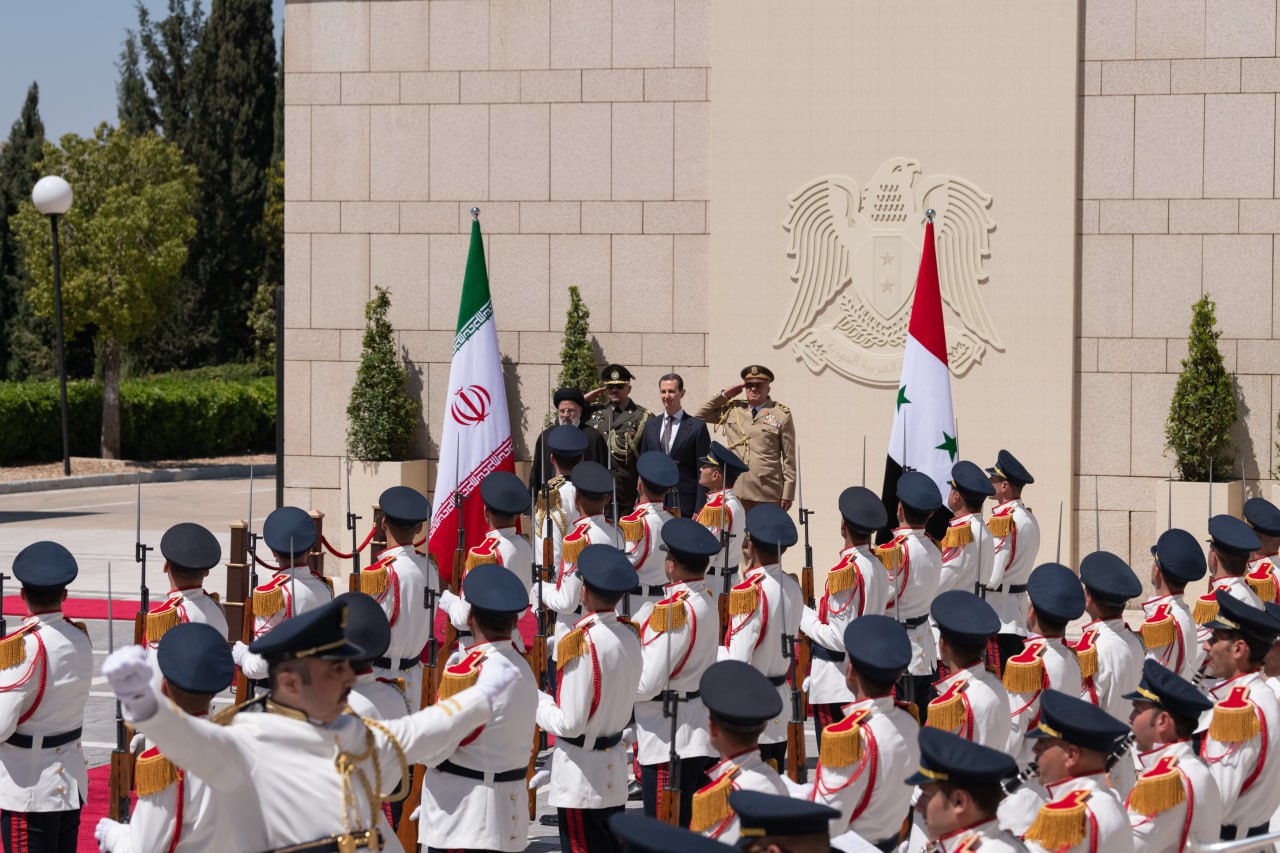
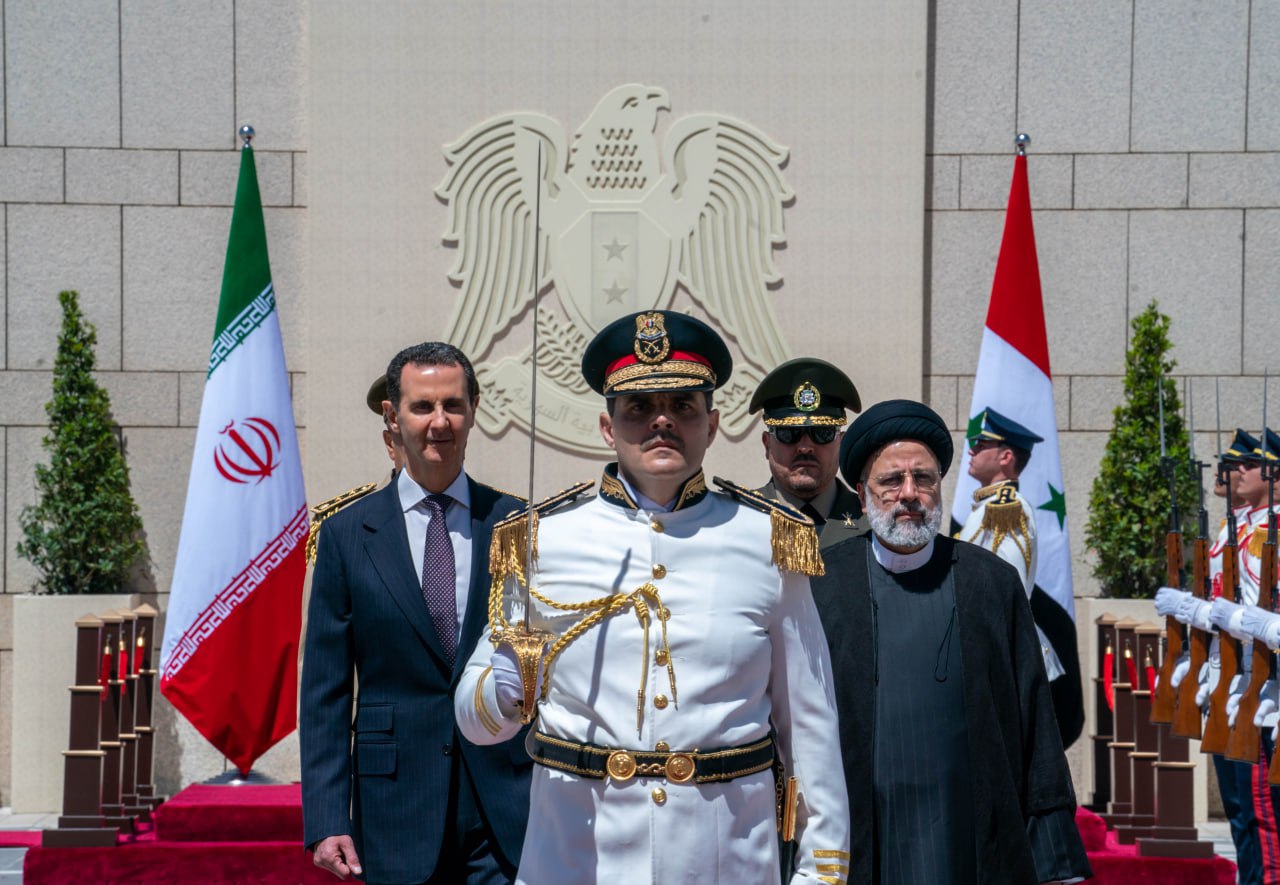
  • An Iranian President’s Visit To Syria After 13 Years!

    An Iranian President’s Visit To Syria After 13 Years!

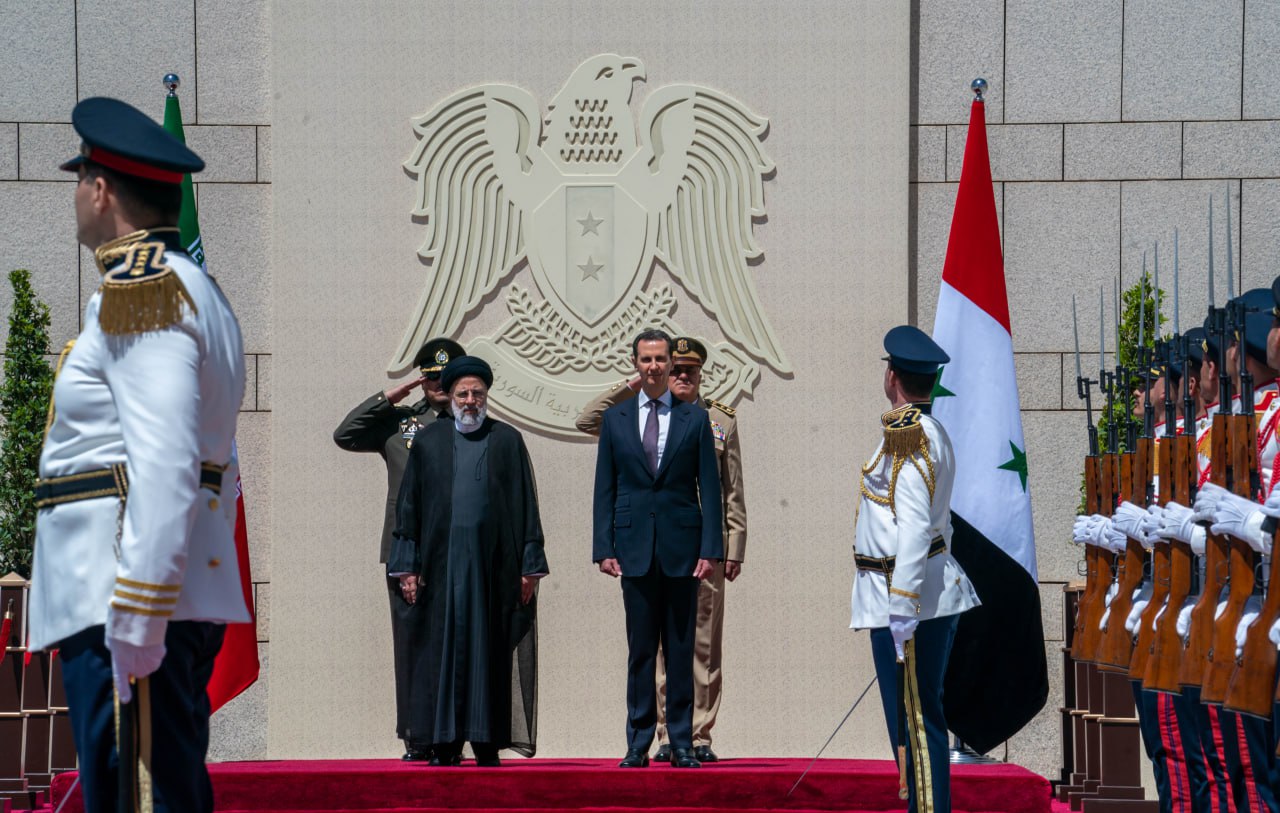
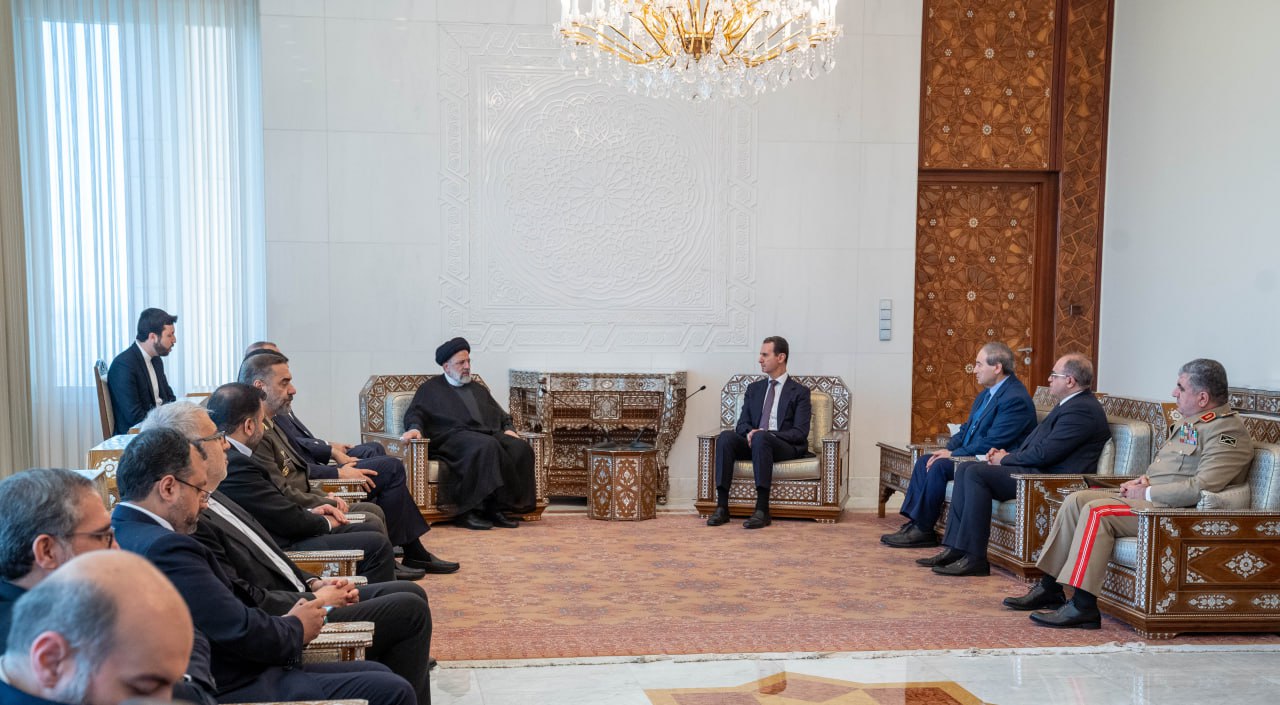
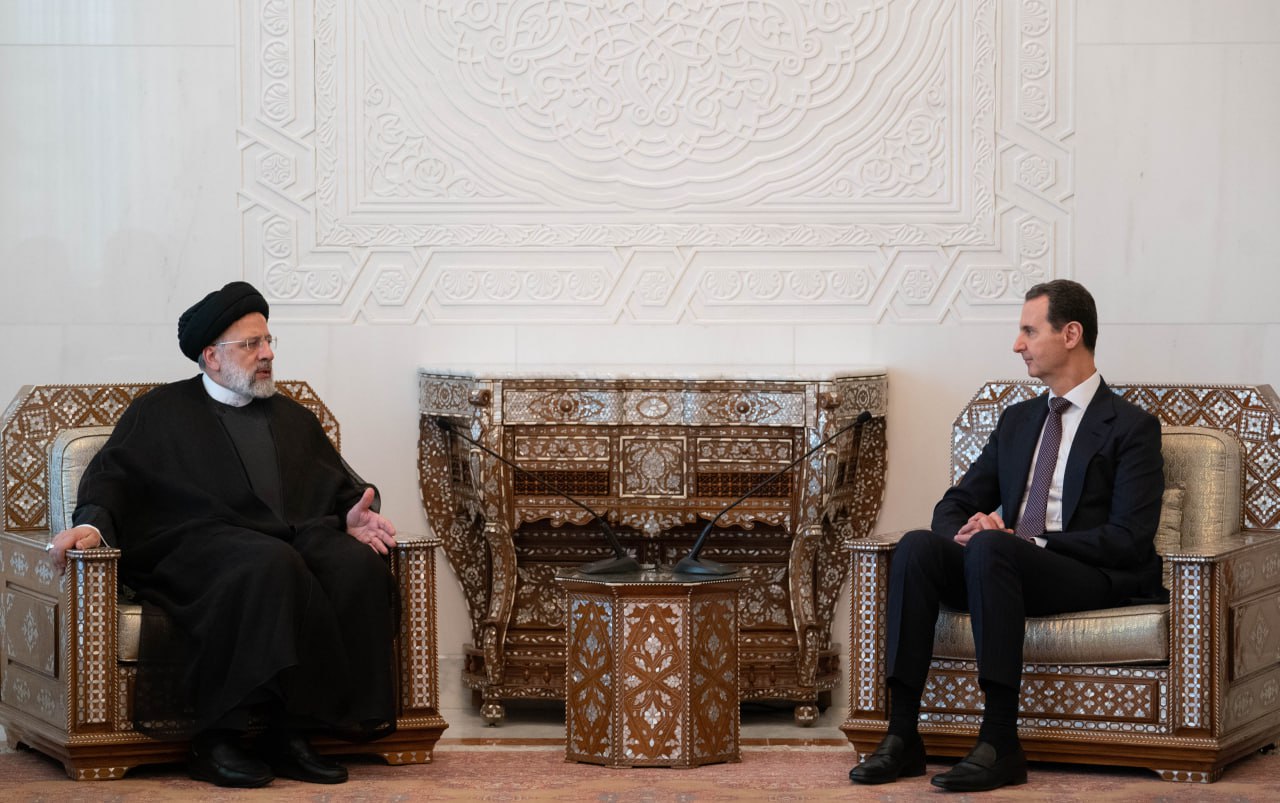
    During the meeting with President Raisi in Damascus, his Syrian counterpart said that Iran and Syria have rich and fruitful relationships full of good experiences; because during the difficult and challenging times, our relationship remained stable and steady despite the severe political and security storms that have plagued the West Asia region.

    The Iranian president, for his part, said that the Syrian government and people have overcome many difficulties and great challenges; thus, today we can say that you have overcome these problems and despite the threats and sanctions imposed on you, you have been able to succeed.

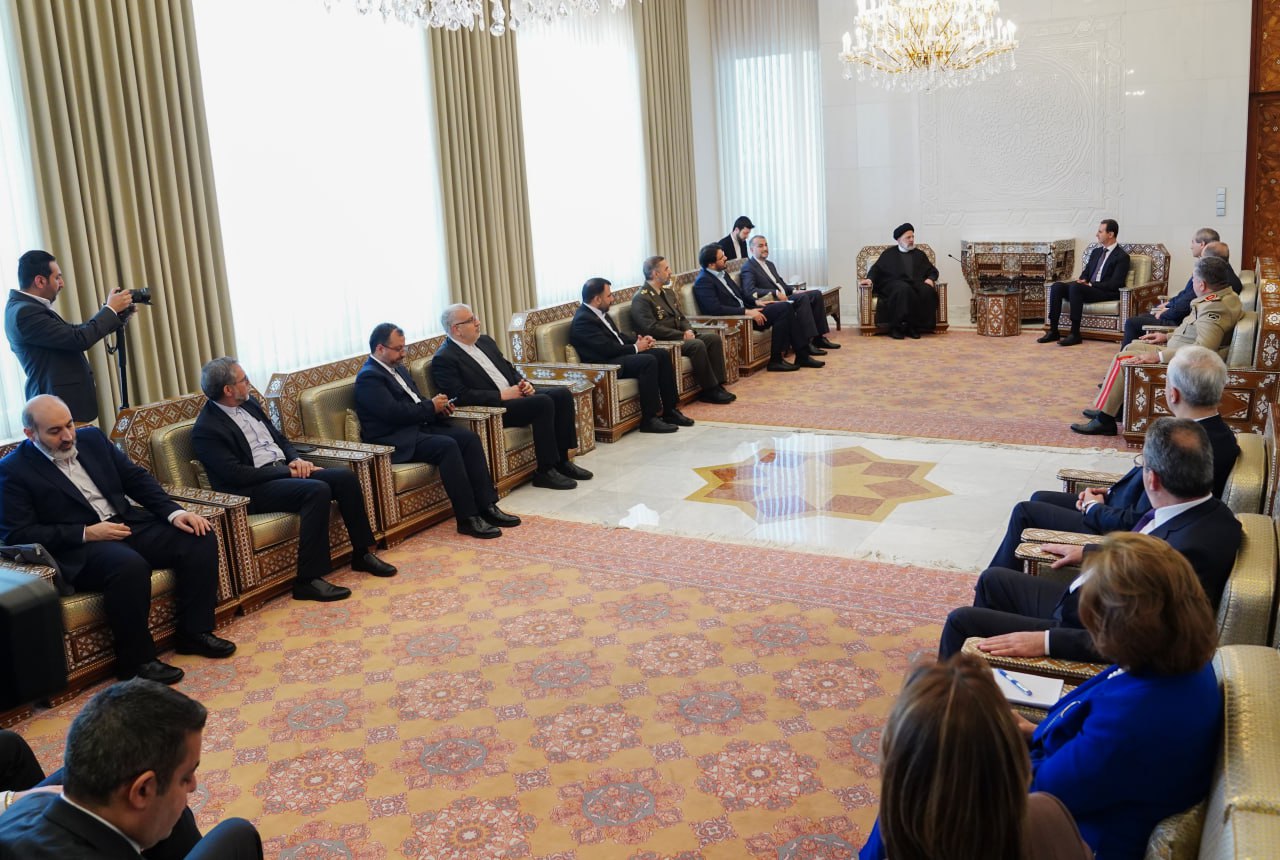
    Iran’s Foreign Minister Hossein Amirabdollahian, Defense Minister Amir Ashtiani, Minister of Petroleum Javad Oji, Minister of Roads and Urban Development Mehrdad Bazrpash, Minister of Information and Communications Technology Issa Zarepour, Member of Iranian Parliament’s National Security and Foreign Policy Commission Abbas Golroo and President’s Chief of Staff Gholam Hossein Esmaeili accompanied President Raisi in the trip to Damascus.

    It is worth mentioning that this is the first visit by an Iranian president to Syria since 2010. Raisi’s travel to Syria has been reflected in international media outlets significantly, to the extent that Hebrew-language media covered the news and described it as an achievement for the axis of resistance. They also noted that the achievement has its roots in Israel’s weakness and missed opportunities.

  • Iraqi President Visits Iran, Meets Supreme Leader

    Iraqi President Visits Iran, Meets Supreme Leader

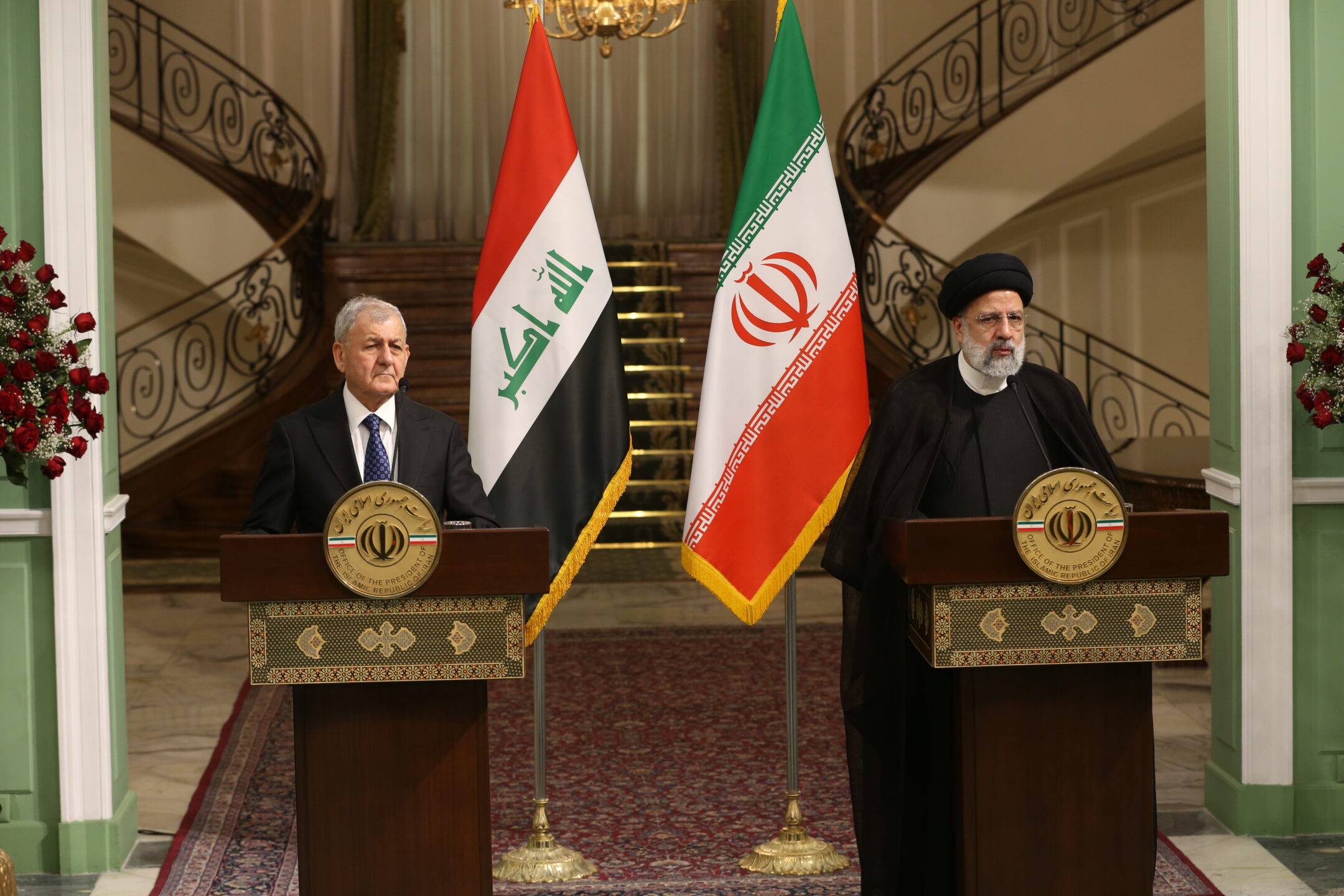
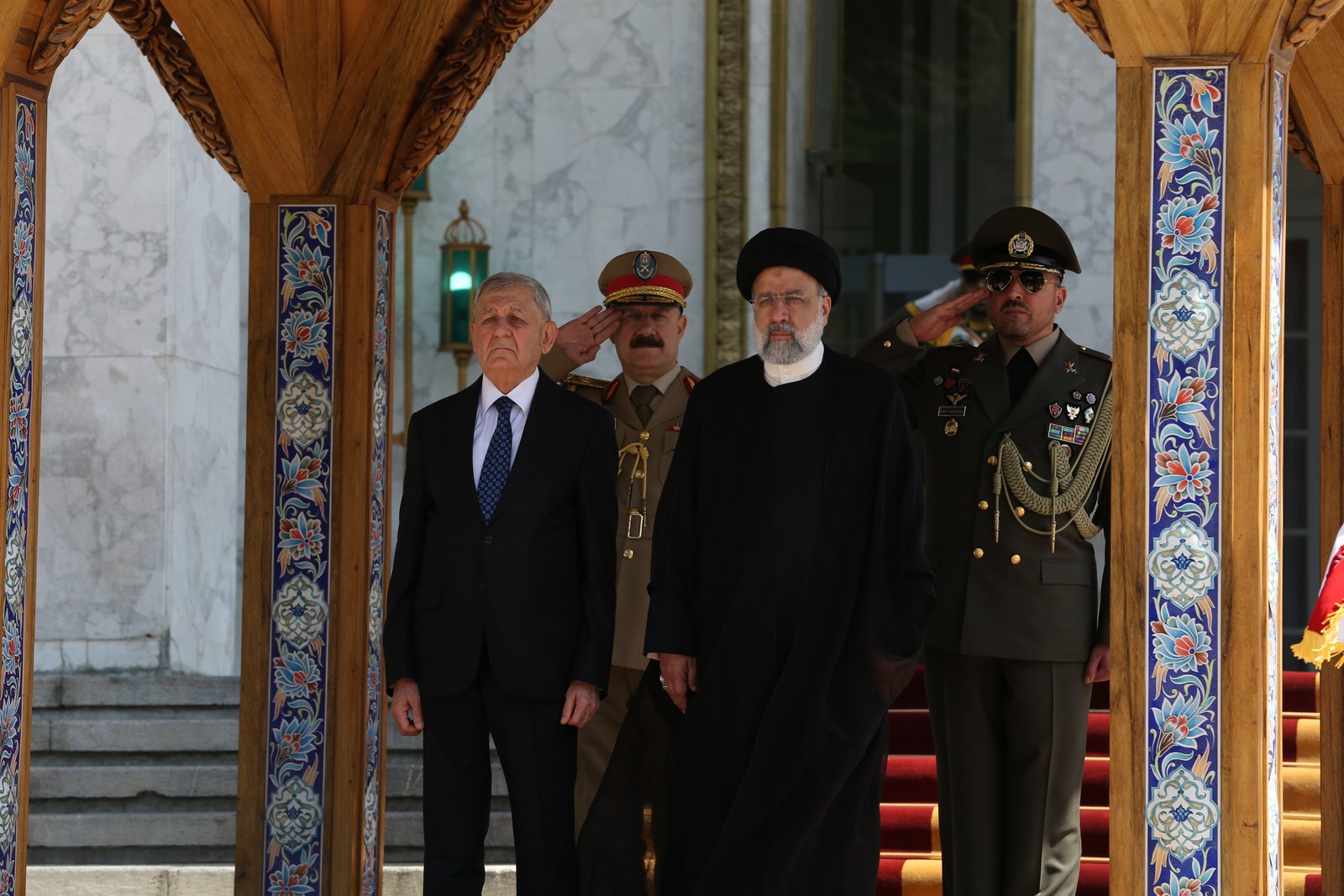
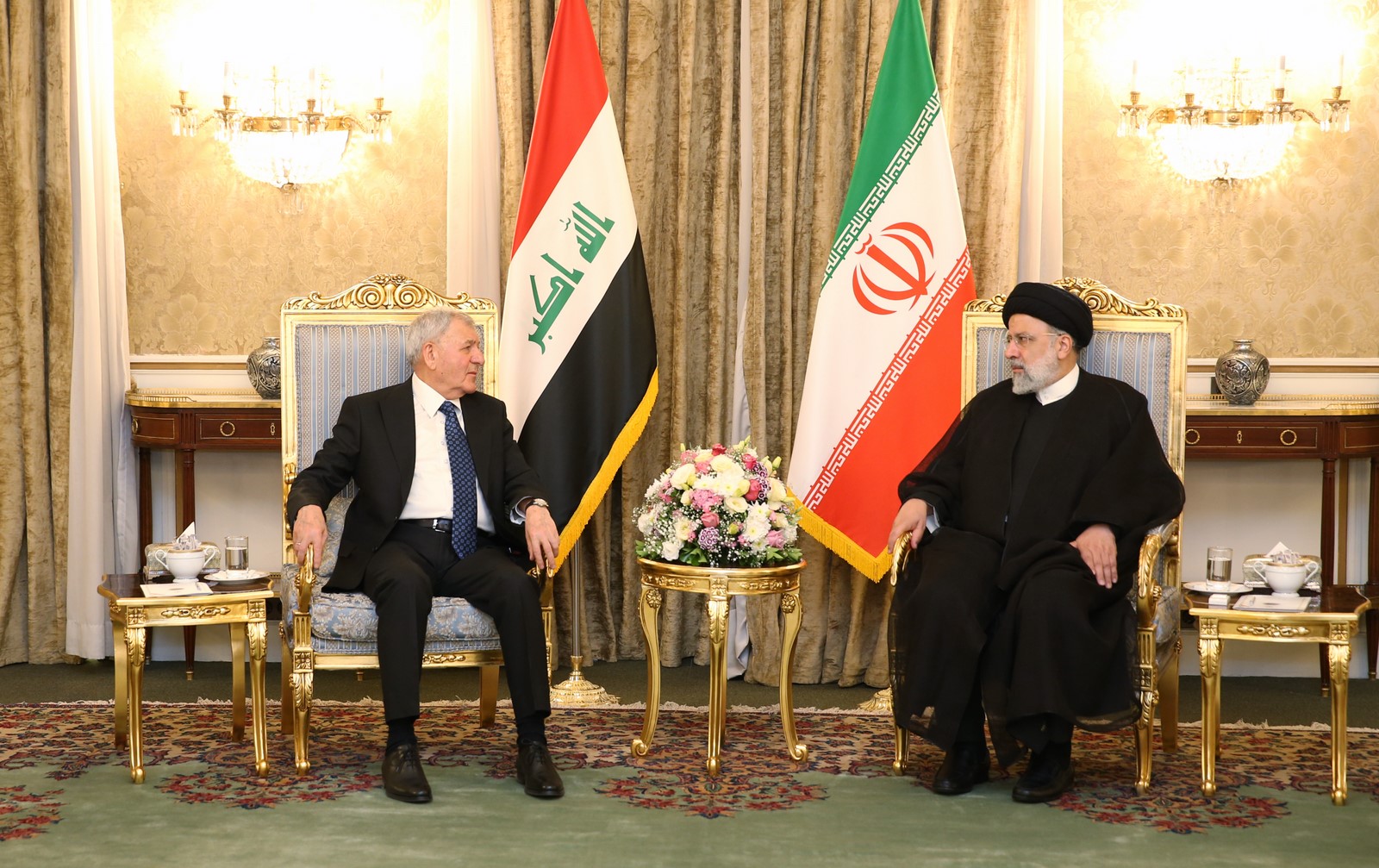
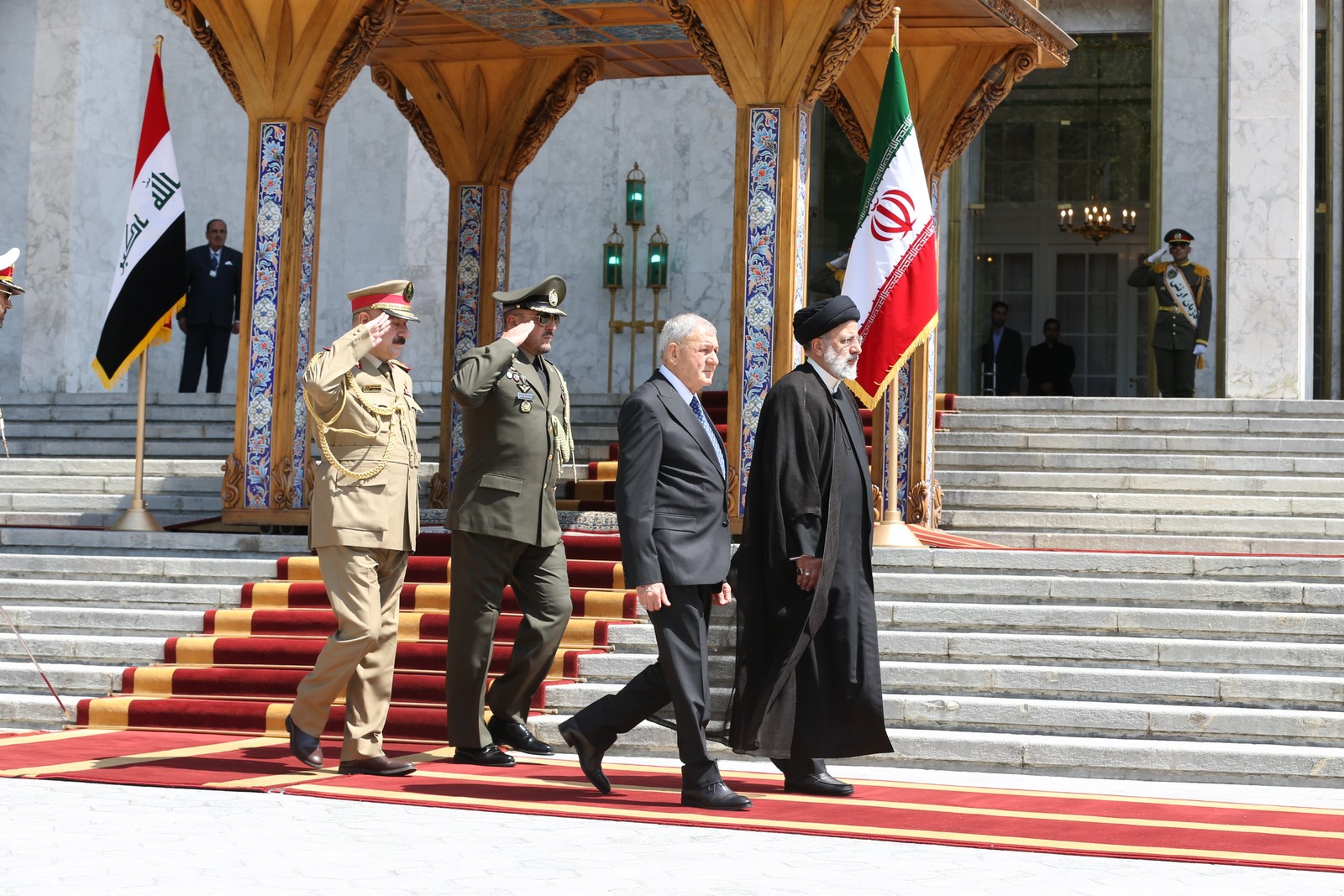
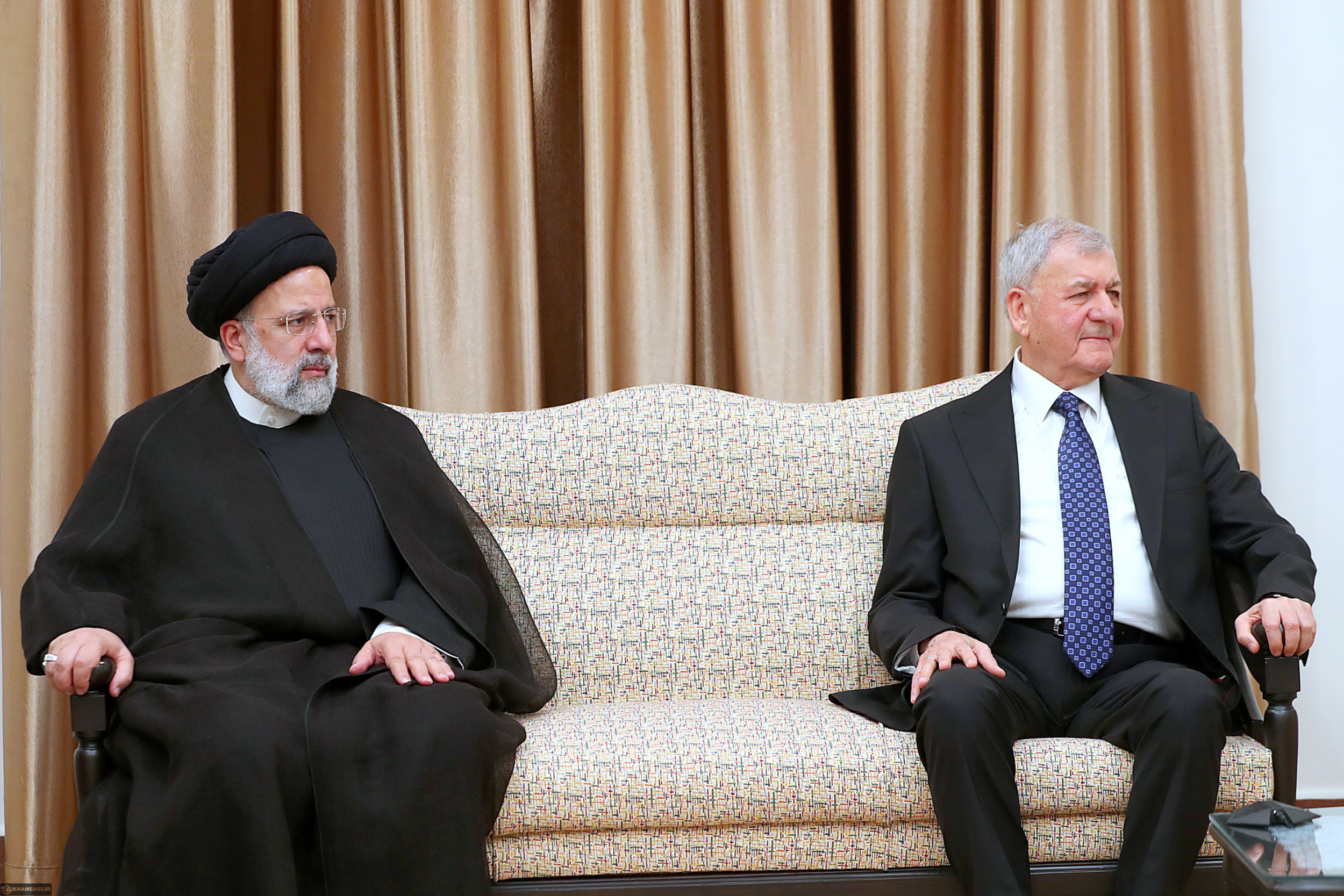
    In a joint press conference with his Iraqi counterpart, the Iranian President Ebrahim Raisi welcomed President Rashid, embracing the presence of an Iraqi high-ranking delegation in Tehran.

    President Raisi said: “Good negotiations have been held between the two sides and the discussions were on various issues. The two states have established a memorandum of understanding on security collaborations; so, the slightest insecurity in Iraq is considered Iran’s insecurity. The security of Iraq is of great importance for the Islamic Republic. The security MoU will help bolster security situation in the region.”

    Touching upon the military presence of the United States in the West Asia region, President Raisi said: “As much as we see negotiations among the regional countries useful, we do not view the presence of foreign military forces in the region as beneficial. We consider the American forces’ presence as disturbing to the security of this region.”

    In the press conference, the Iraqi president pointed to historical, geographic and ethnical commonalities between the two countries, adding that the relationship between the two nations is robust and unalterable. The ties between the two states will become stronger in the future as well. We should progress the relationship in all arenas and try to remove the obstacles to this end.

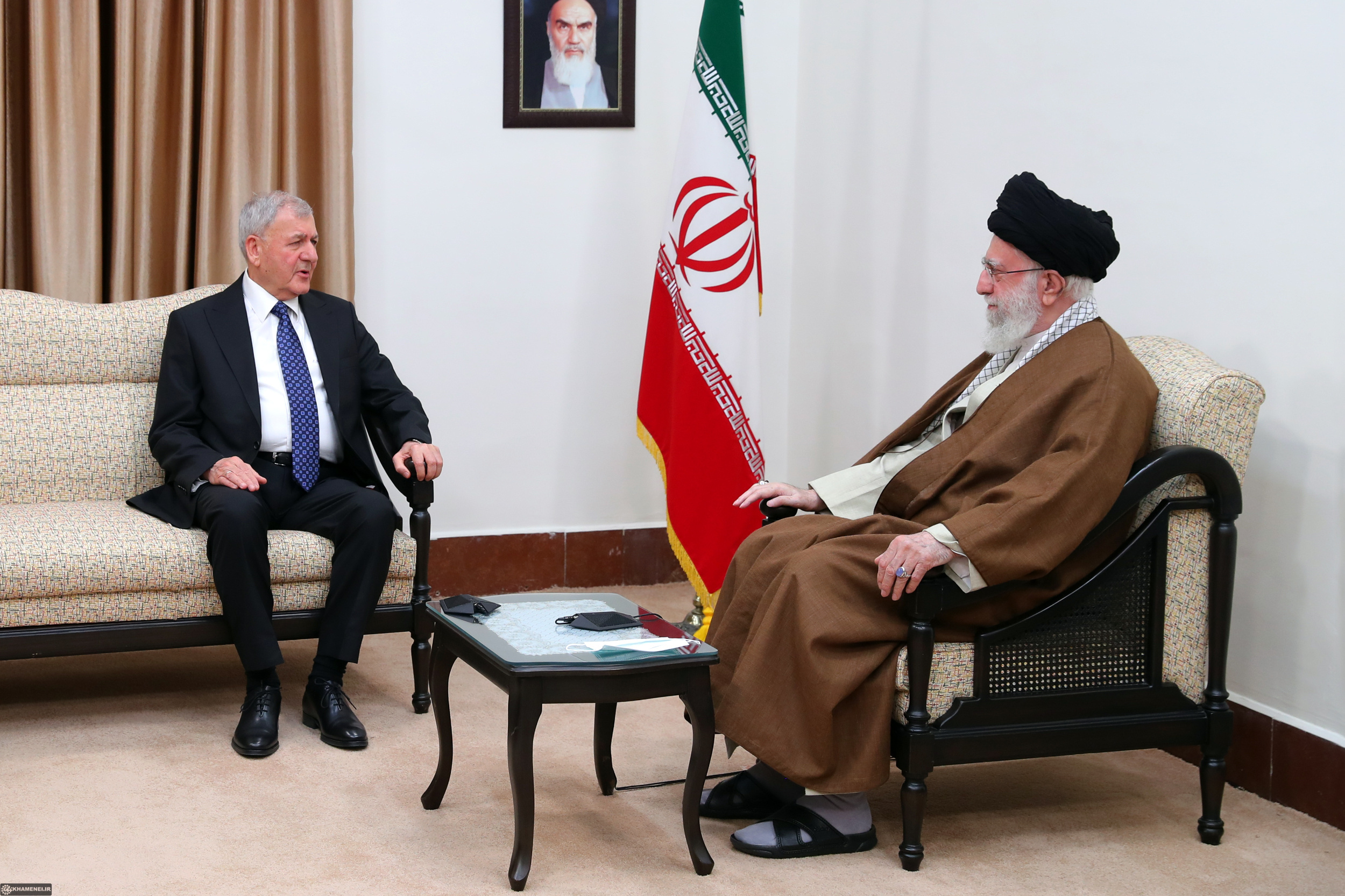
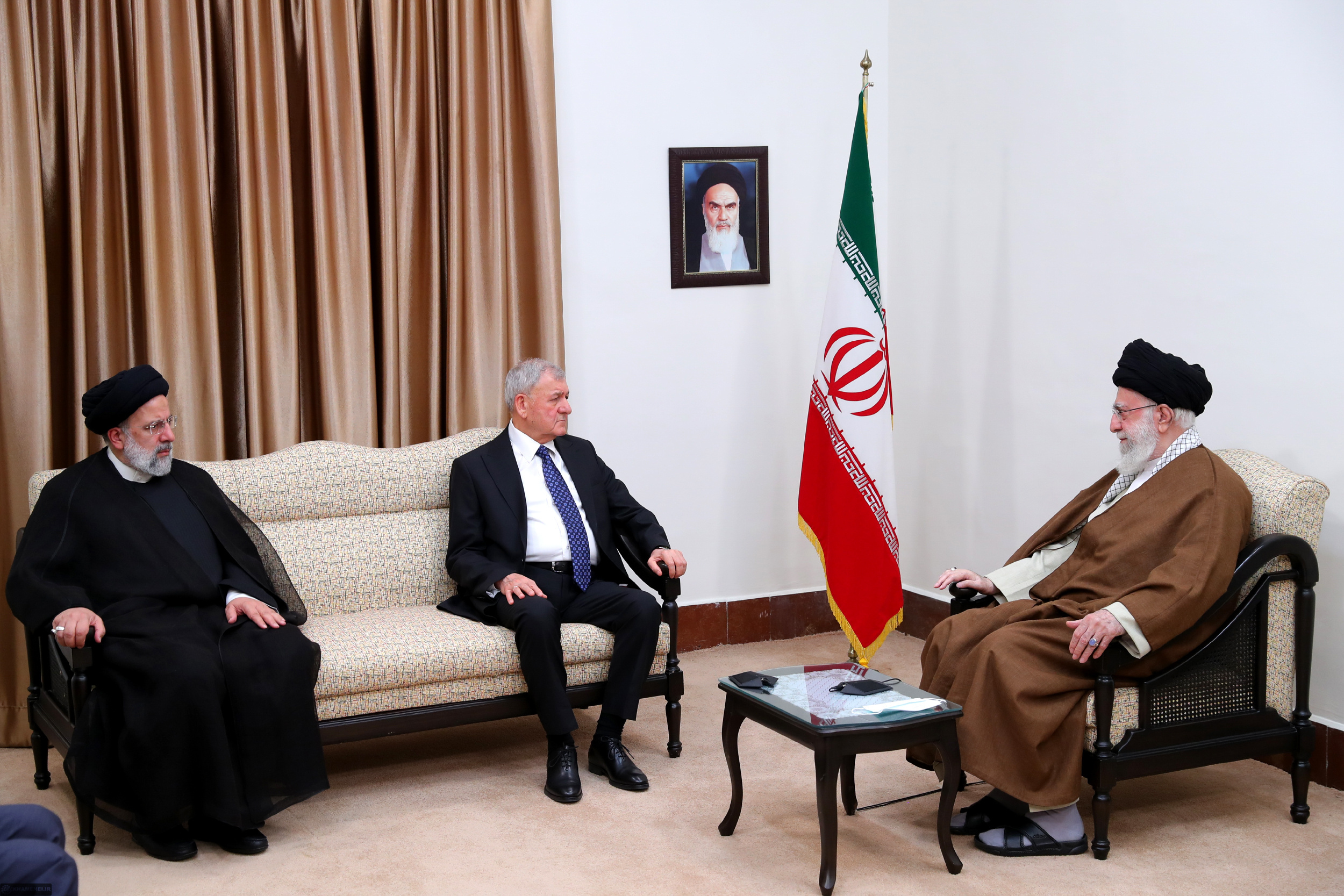
    After the press conference, the Iraqi chief executive held talks with Supreme Leader of the Islamic Revolution Imam Seyyed Ali Khamenei. In the meeting with the President of Iraq and his entourages, the Leader of the Islamic Revolution underscored that the progress, prosperity, independence and advancement of Iraq is of great importance for the Islamic Republic of Iran. The Supreme Leader also said that the expansion of mutual collaborations and the implementation of bilateral agreements would be beneficial for both countries.

    The Leader of the Islamic Revolution also stressed that the United States is not friend of Iraq, adding: The Americans are not friends with anyone and they are not even loyal to their European allies. Even the presence of a single American in Iraq is too much.

    Abdul Latif Rashid, for his part, expressed his great pleasure for meeting with the leader of the Islamic Revolution, saying: “Our relationship with the Islamic Republic of Iran is unremitting and sturdy, which includes different dimensions and arenas.”

    Touching on his meetings and negotiations with the Iranian authorities, President Rashid noted: “Iraq makes all-out efforts in a bid to deepen mutual ties with the Islamic Republic of Iran and paves the way for the implementation of certain remaining projects, which should be pursued by the two countries.”

    The Iraqi president further lauded the assistance and support made by the Iranian government and people in Iraq’s different times in particular in their combat against terrorism.

    It is also worth mentioning that the Iraqi president, who was elected as the head of government of the Arab nation in October of the last year, visited Tehran for the first time since his tenure with the aim of meeting and consulting with the authorities of the Islamic Republic of Iran.

    Read more: Abdul Latif Rashid elected as the new Iraq President

  • Iran Seized A US-Bound Oil Tanker In Gulf Of Oman (Video)

    Iran Seized A US-Bound Oil Tanker In Gulf Of Oman (Video)

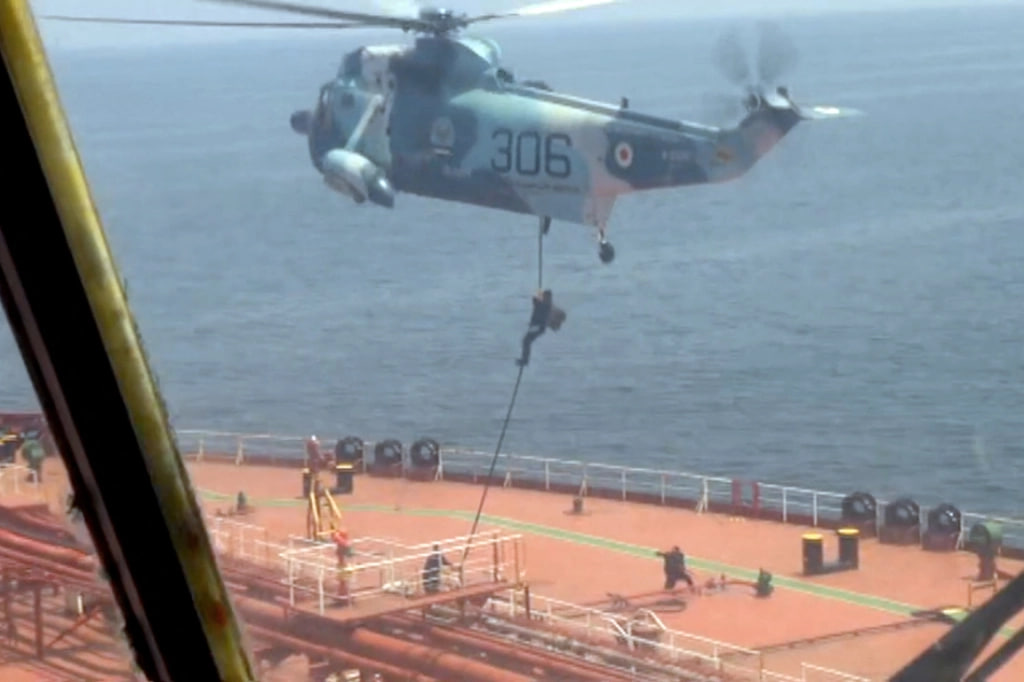
    On April 28, Iranian media aired video footage documenting the seizure of the Marshall Islands-flagged oil tanker Advantage Sweet. The footage showed masked Iranian navy commandos boarding the United States-bound tanker from a helicopter on April 27 as it was sailing in the Gulf of Oman. The seizure was first announced by the U.S. Naval Forces Central Command, which demanded Iran to immediately free the tanker.

    Tehran said that the tanker was seized after colliding with an Iranian fishing boat. However, reports that appeared later revealed that the tanker was captured in retaliation to the recent seizure of an Iranian oil shipment by the U.S.

    Iranian media aired video footage documenting the seizure of the Marshall Islands-flagged oil tanker Advantage Sweet

    Maritime security company Ambrey said that the U.S. seizure took place at least five days before Iran’s action in the Gulf of Oman. “Ambrey has assessed the seizure by the Iranian Navy to be in response to the U.S. action,” it said in an advisory to clients.

    “Both tankers were Suezmax-sized. Iran has previously responded tit-for-tat following seizures of Iranian oil cargo,” the company concluded.

    The sources familiar with the matter told the Reuters news agency that Washington took control of the oil shipment aboard the China-bound Marshall Islands tanker Suez Rajan after securing an earlier court order. The tanker’s last reported position was near southern Africa on April 22, ship tracking data showed.

    Iran seized tankers in retaliation for western countries targeting its oil shipments on several occasions in the past. In 2019, Iran seized two British-flagged tankers shortly after the UK impounded an Iranian vessel that had stopped at Gibraltar en route to Syria. Later in 2022, Iran also took two Greek-flagged vessels in the Strait of Hormuz after Greece had allowed the U.S. to seize an oil shipment from an Iranian tanker in Greek waters.

    The new seizures will further escalate tensions between the U.S. and Iran. The Persian Gulf remains one of the focal points of the years-long standoff between the two sides.

    Source: SouthFront

  • Iran Equips Army Fleet With over 200 Strategic Drones 

    Iran Equips Army Fleet With over 200 Strategic Drones 

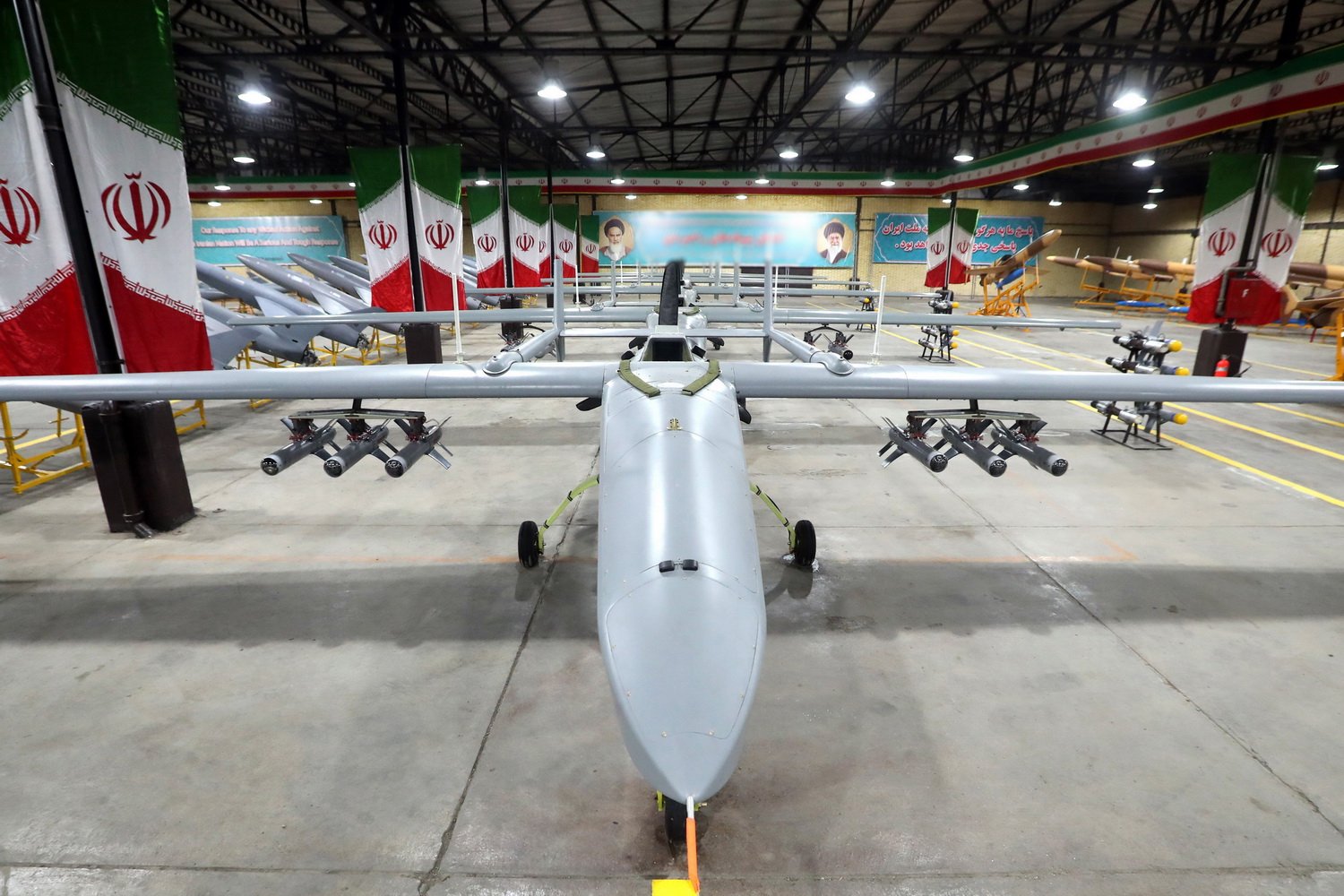
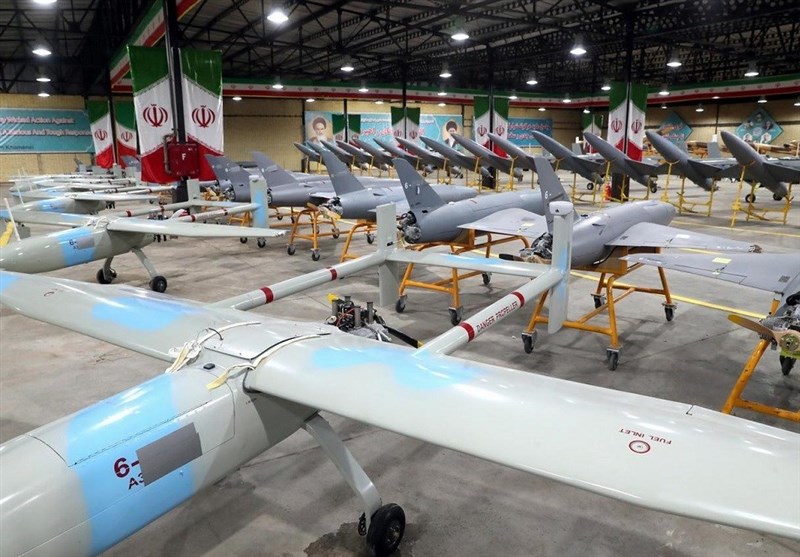
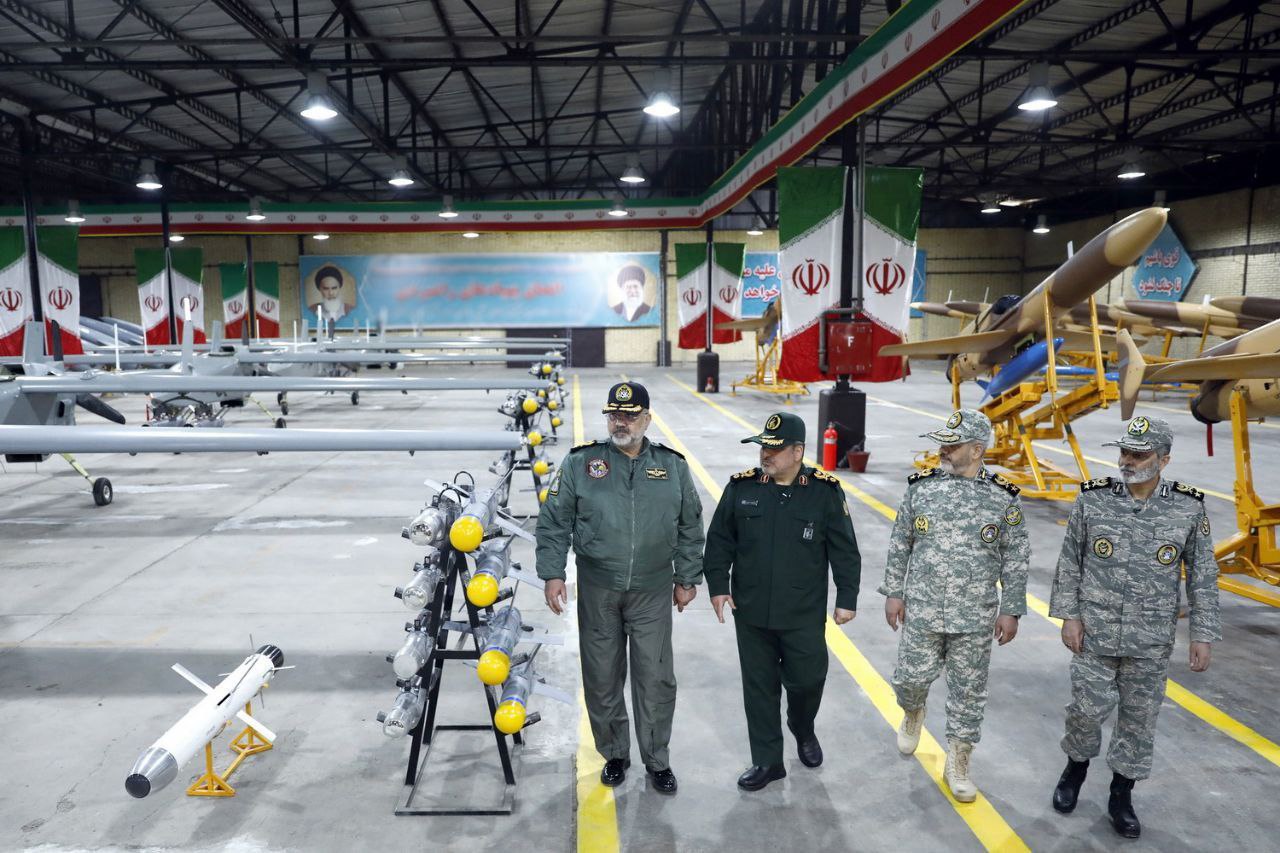
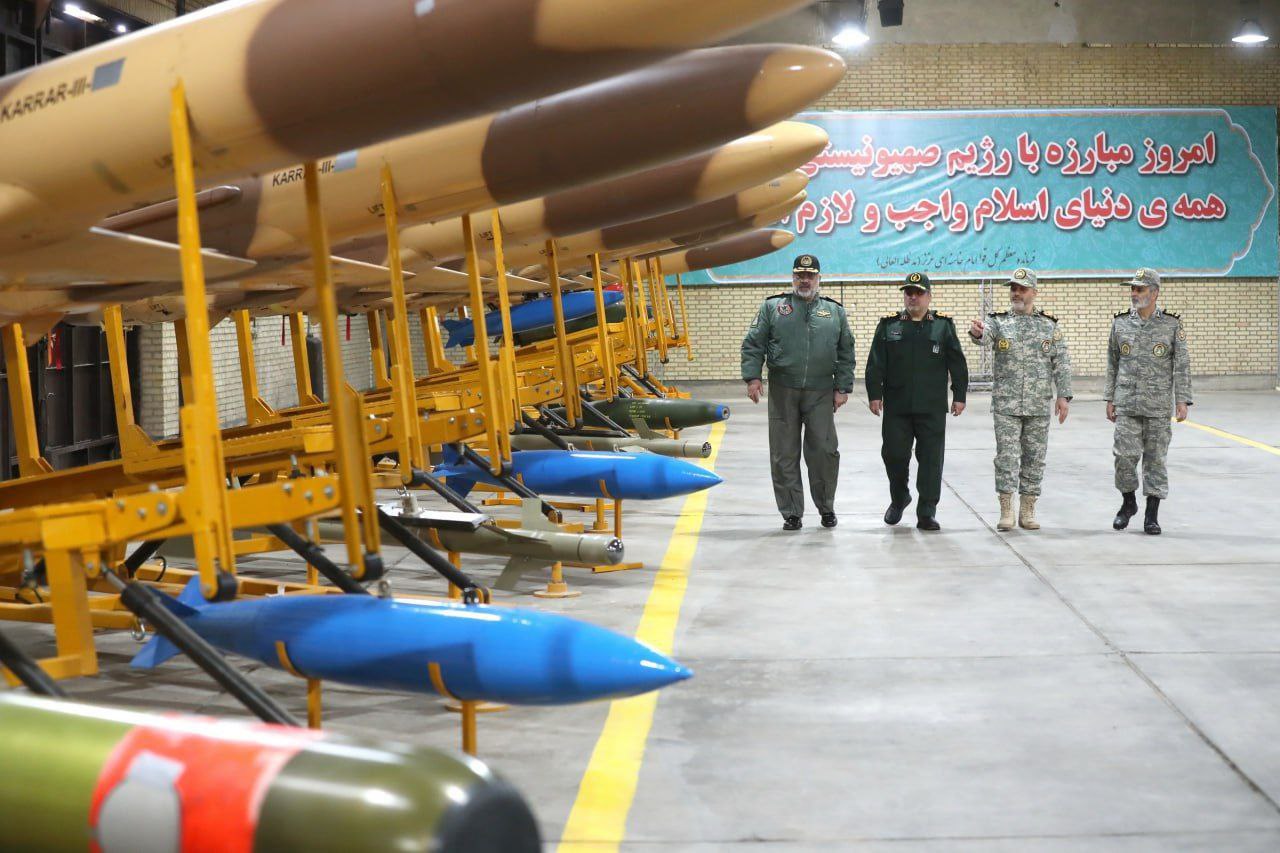
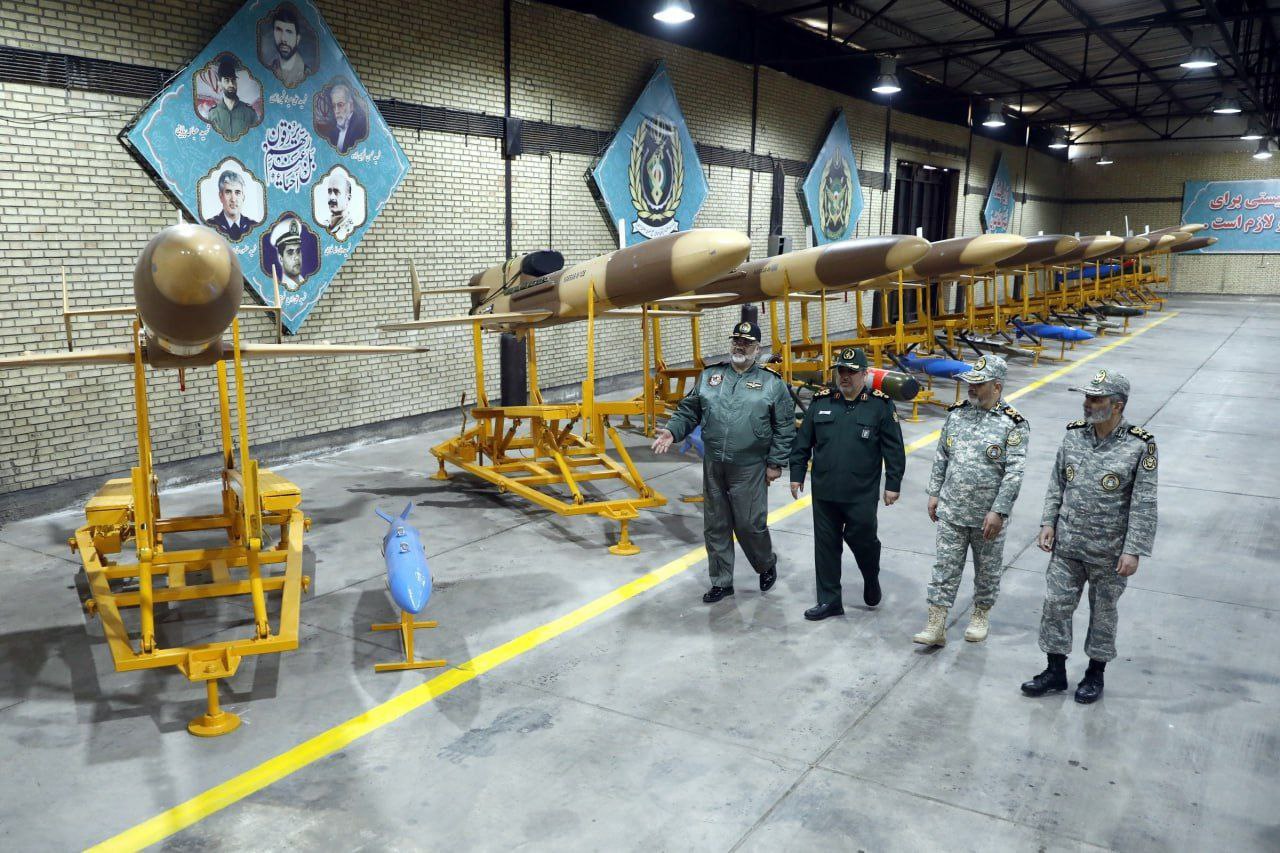
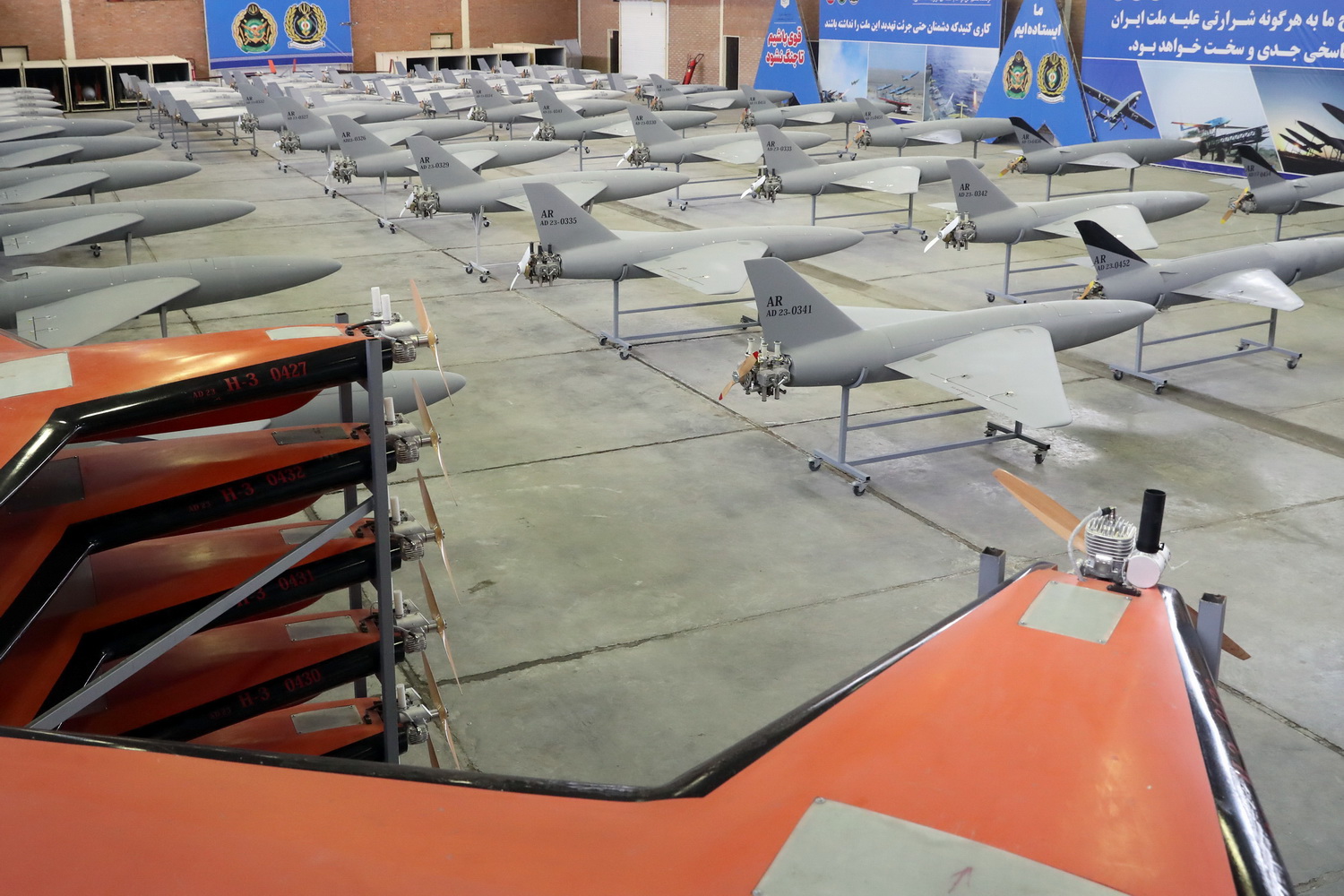
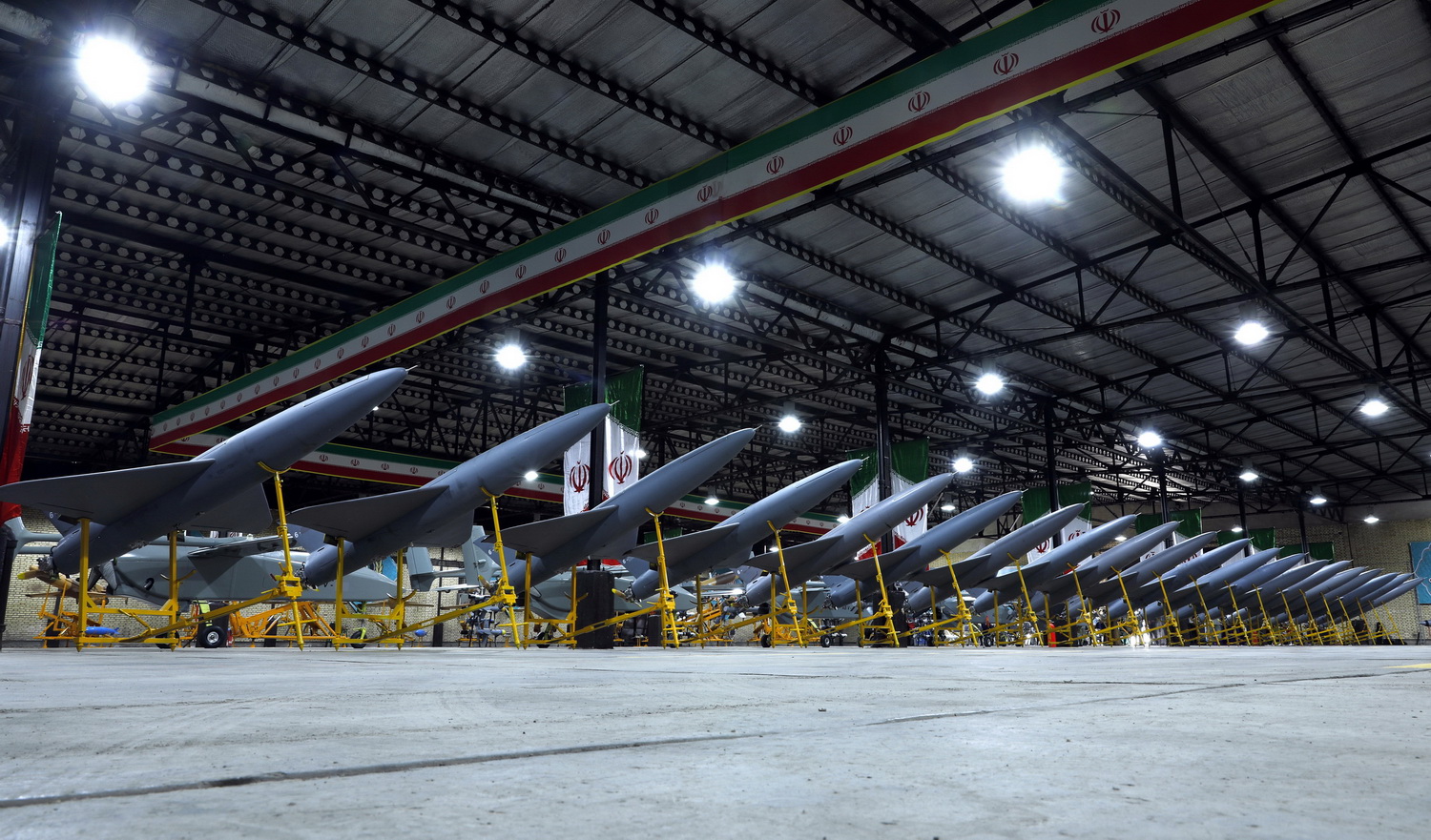
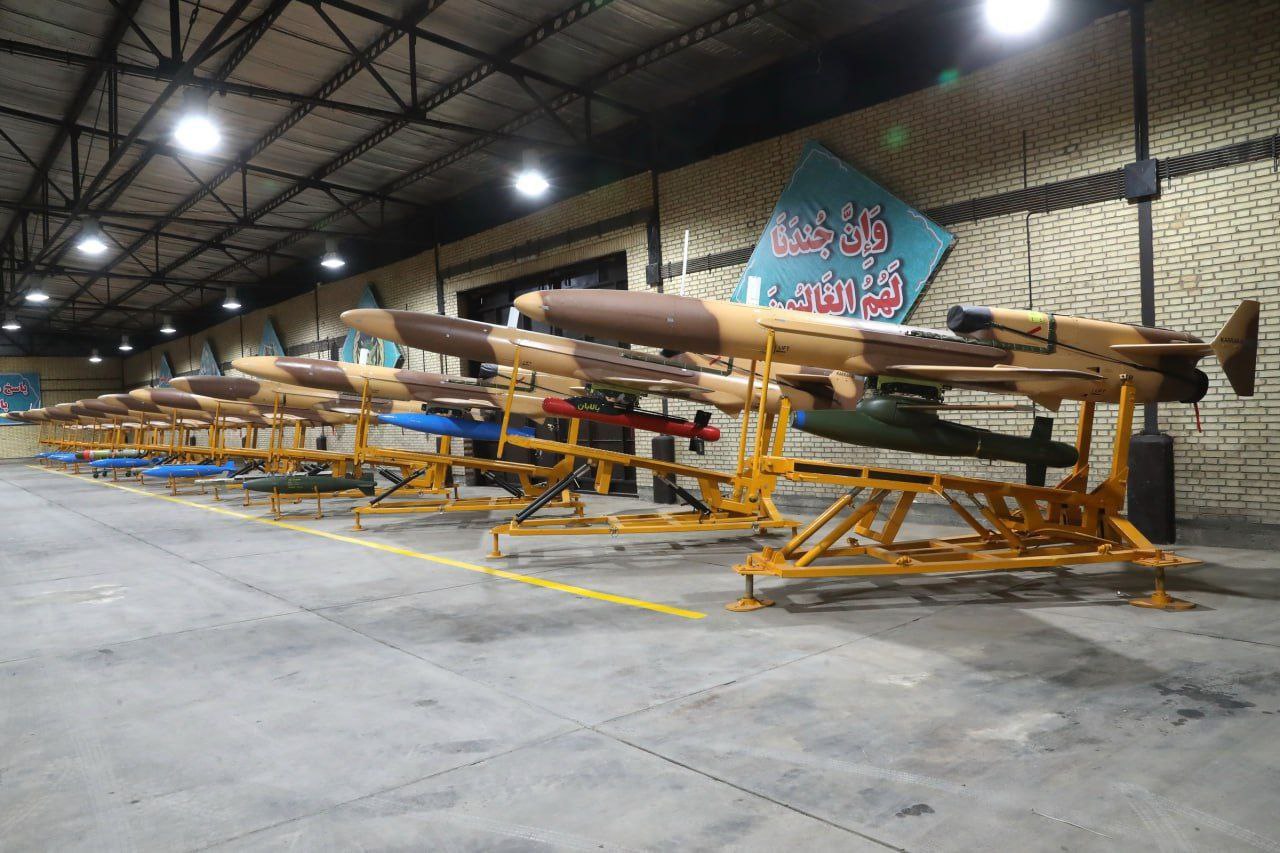
    In the Thursday ceremony, over 200 strategic long-range UAVs were handed over to the Islamic Republic of Iran Army in the presence of Commander-in-Chief of the Iranian Armed Forces Major General Abdorrahim Mousavi, Defense Minister Brigadier General Mohammad Reza Gharaei Ashtiani and Deputy of Chief of Staff for the Armed Forces of the Islamic Republic of Iran Aziz Nasirzadeh as well as a number of other military and administrative authorities.

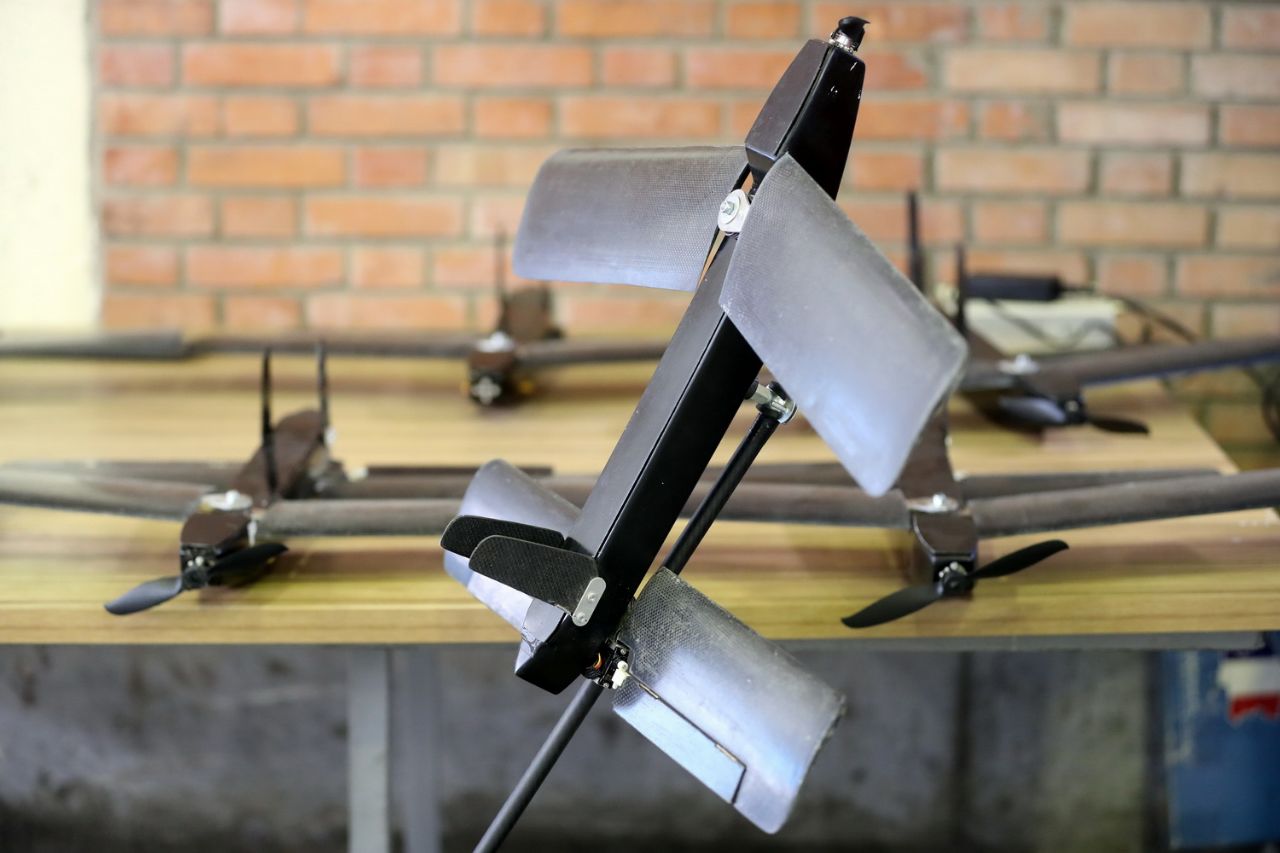
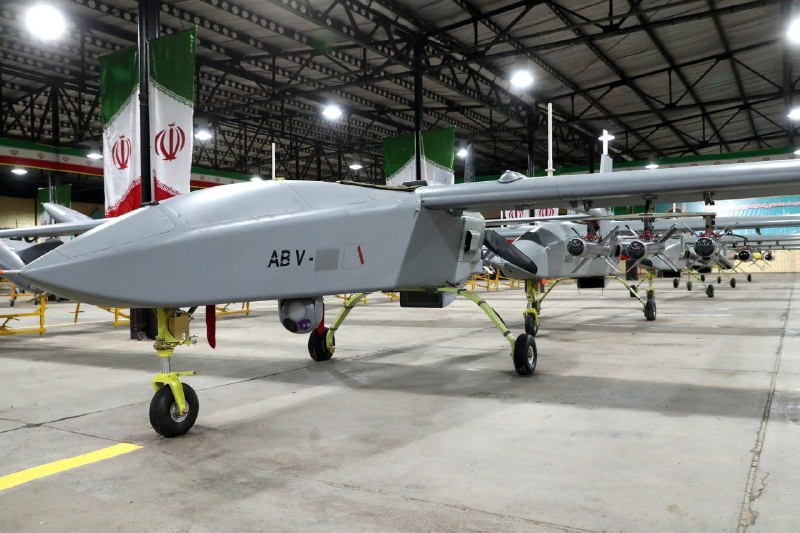
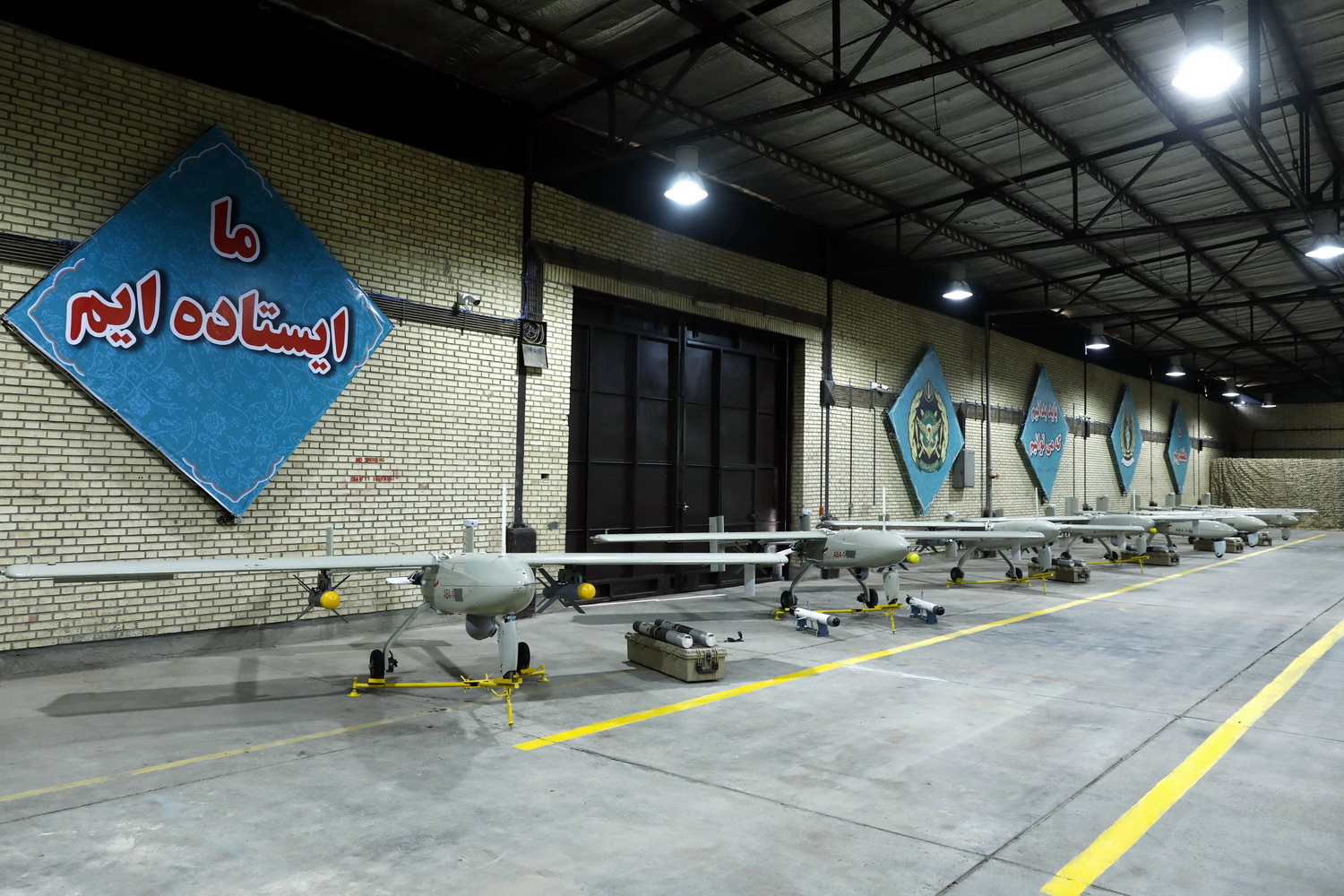
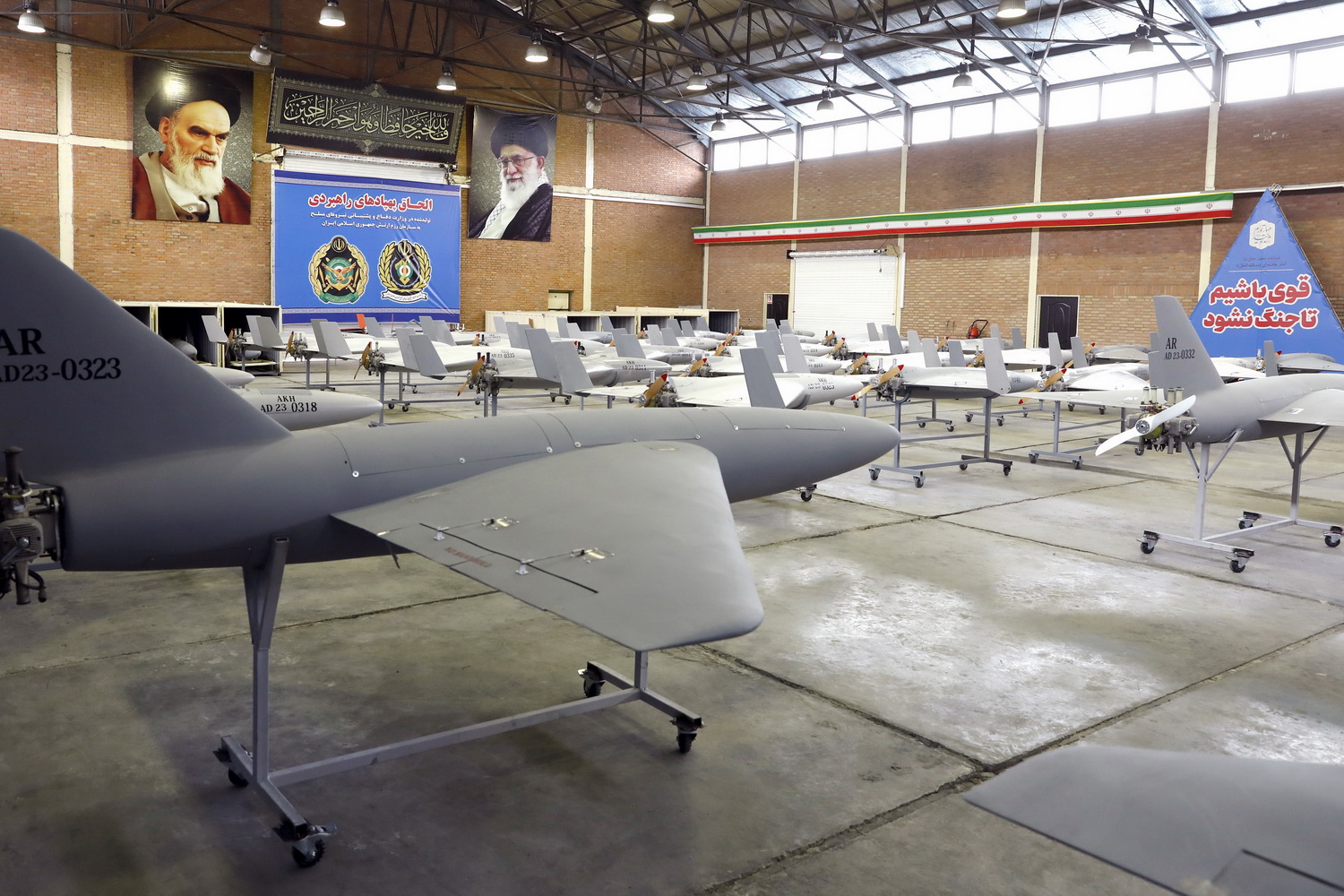
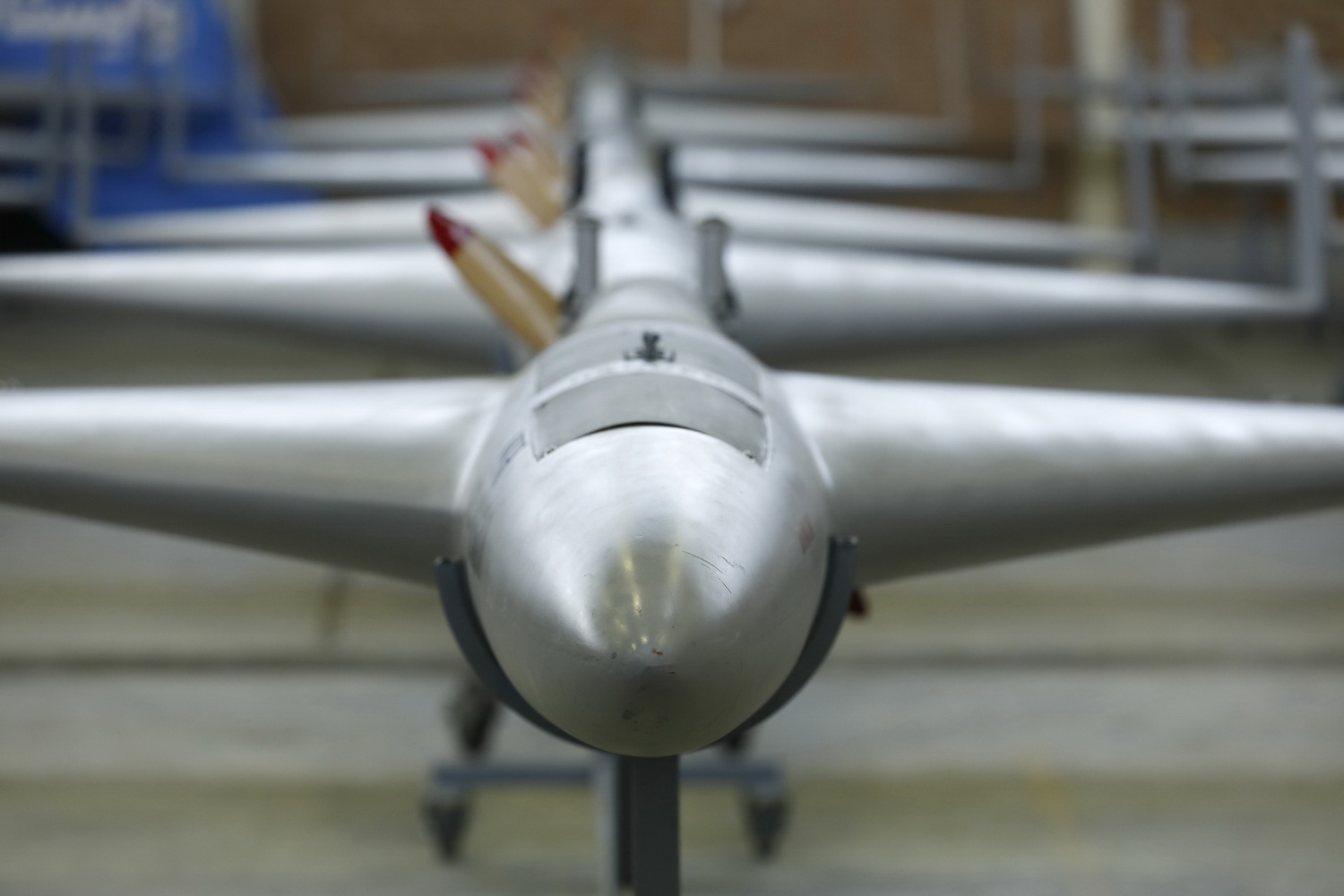
    Different types of strategic drones, including Ababil 4 and 5, Arash 2, jet powered UAV Karrar, Shahrivar 10th UAV, Akhgar, a drone similar to the IRGC’s Meraj 521, Homa along with sea-based drones and vertical flying UAVs, were added to the Iranian Army with the aim of pursuing different missions such as reconnaissance, obliteration, combat reconnaissance, radar evasion, interception airborne to confront portable and stationary targets. The new drones, added to the Army, enjoy Low Radar Cross Section (RCS or σ).

    Iran Equips Army Fleet With over 200 Strategic Drones 

    The drones have been designed and manufactured by the Ministry of Defence and Armed Forces Logistics in cooperation with the Islamic Republic of Iran Army. The UAVs have got modifications in propulsion, direction, control and navigation systems to be added to air-to-air and air-to-surface missiles, standoff and smart bombs, as well as electronic warfare systems; so, they are ready to carry out special missions with the use of features such as the stealth and range increase.

    A strategic agreement for the development and upgrade of drone capability and installed equipment on the UAVs were signed by Commander-in-Chief of the Iranian Armed Forces Major General Abdorrahim Mousavi and former Defense Minister Brigadier General Amir Hatami on May 17, 2021.

    In accordance to the agreement, the Ministry of Defence and Armed Forces Logistics was tasked to manufacture 1,000 drones and hand over them to the Islamic Republic of Iran Army in line with upgrading the combat power and destruction might of the drone fleet of the Army.

    Ababil-4 and Arash-2 drones
    A loitering drone similar to the IRGC’s Meraj-521

    Read more: Military Knowledge: Meraj-521 Loitering Munition

    Read more:
    Military Knowledge: Ababil-5, Iran’s Newest Drone Achievement
    Military Knowledge: Mohajer-6 Reconnaissance Combat Drone
    Military Knowledge: Qaem Smart Bombs

    Read more: Military Knowledge: Arash-2 suicide drone; World’s longest-range suicide drone!