Category: West Asia

  • What is the story of the deployment of Turkish troops at Kabul Airport?

    What is the story of the deployment of Turkish troops at Kabul Airport?

    According to Turkish Defense Minister Hulusi Akar, the airport has been under Turkish military control for the past six years, and the main topic of recent US-Turkish talks on Afghanistan is their continued presence at Kabul Airport.

    The United States recognizes the importance of Kabul Airport in maintaining the activities of foreign embassies, including its own. Turkish troops will also be deployed to secure the routes between these areas and the area around the airport.
    Details and the number of Turkish troops have not been released, but some US officials stated that Defense Ministry officials have requested that 600 to 1,000 Turkish troops be stationed at Kabul Airport. It is also said that the provisions of this issue have been discussed and finalized with Turkey and the Government of Afghanistan and will be implemented in the coming weeks.

    The Afghan government has also welcomed the deployment of Turkish troops at Kabul Airport, but the Taliban have called the presence of foreign troops, including Turkey, unacceptable.

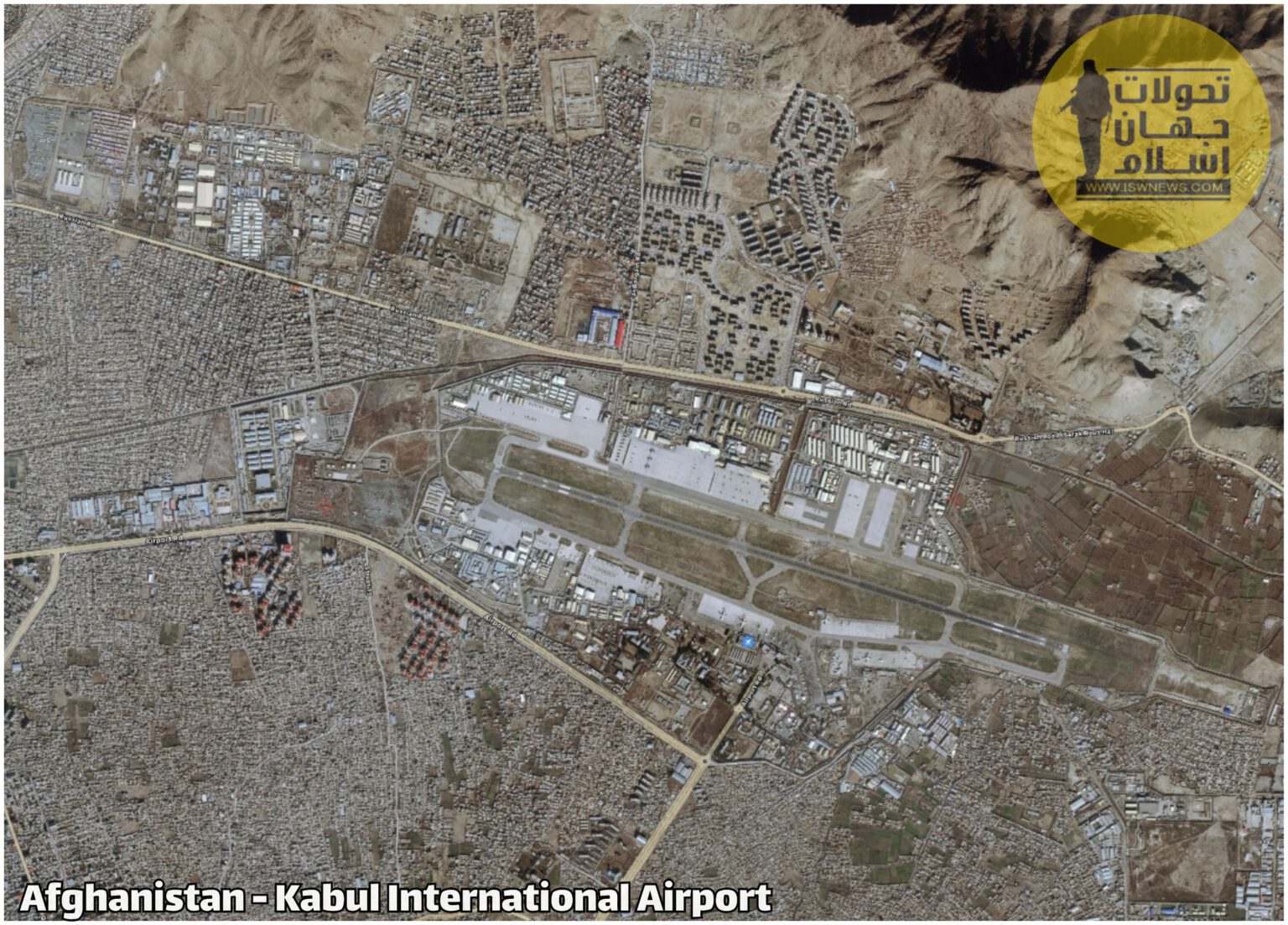
    Kabul Airport is a well-equipped air base that, in addition to being able to accommodate more than 100 aircraft, has a large set of US and NATO military and intelligence bases. The airport was built by the Soviets in 1960 and has been developed by the United States over the last twenty years with funding from Japan and NATO.
    Kabul Airport is the last stronghold of foreign troops in Afghanistan, and the increase in Turkish troops there is a cover to protect US intelligence and security interests in Afghanistan.
  • Iraq: Three IED attacks on US convoys

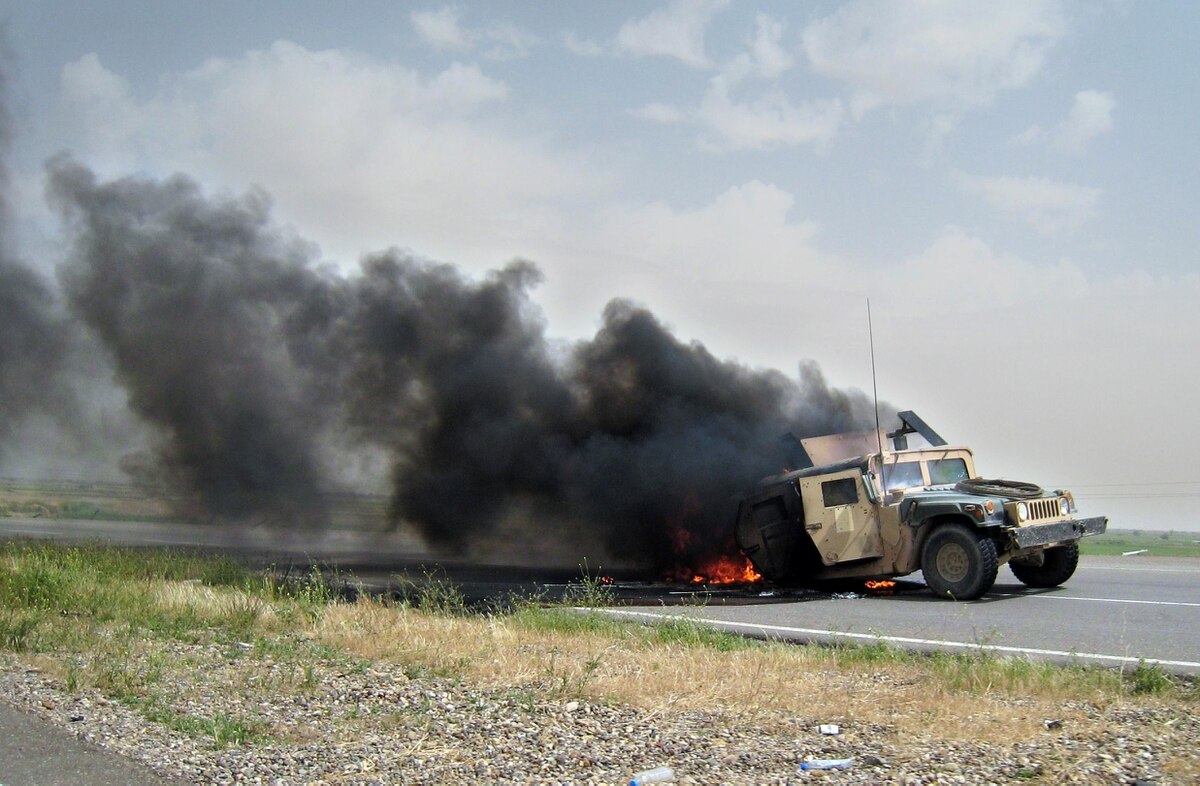
    Iraq: Three IED attacks on US convoys

    Two logistical convoys were attacked in Babil area and another convoy was attacked in the Diwaniyah area.

    Yesterday also a US logistical convoy was attacked by the Saraya Oliya al-Dam resistance group near the Jarishan crossing on the Iraqi-Kuwaiti border in Basra province.

    It should be noted that attacks on American convoys have increased in Iraq in recent days.

  • Another rocket attack on US base in Syria

    According to preliminary information, ten rockets hit the base.

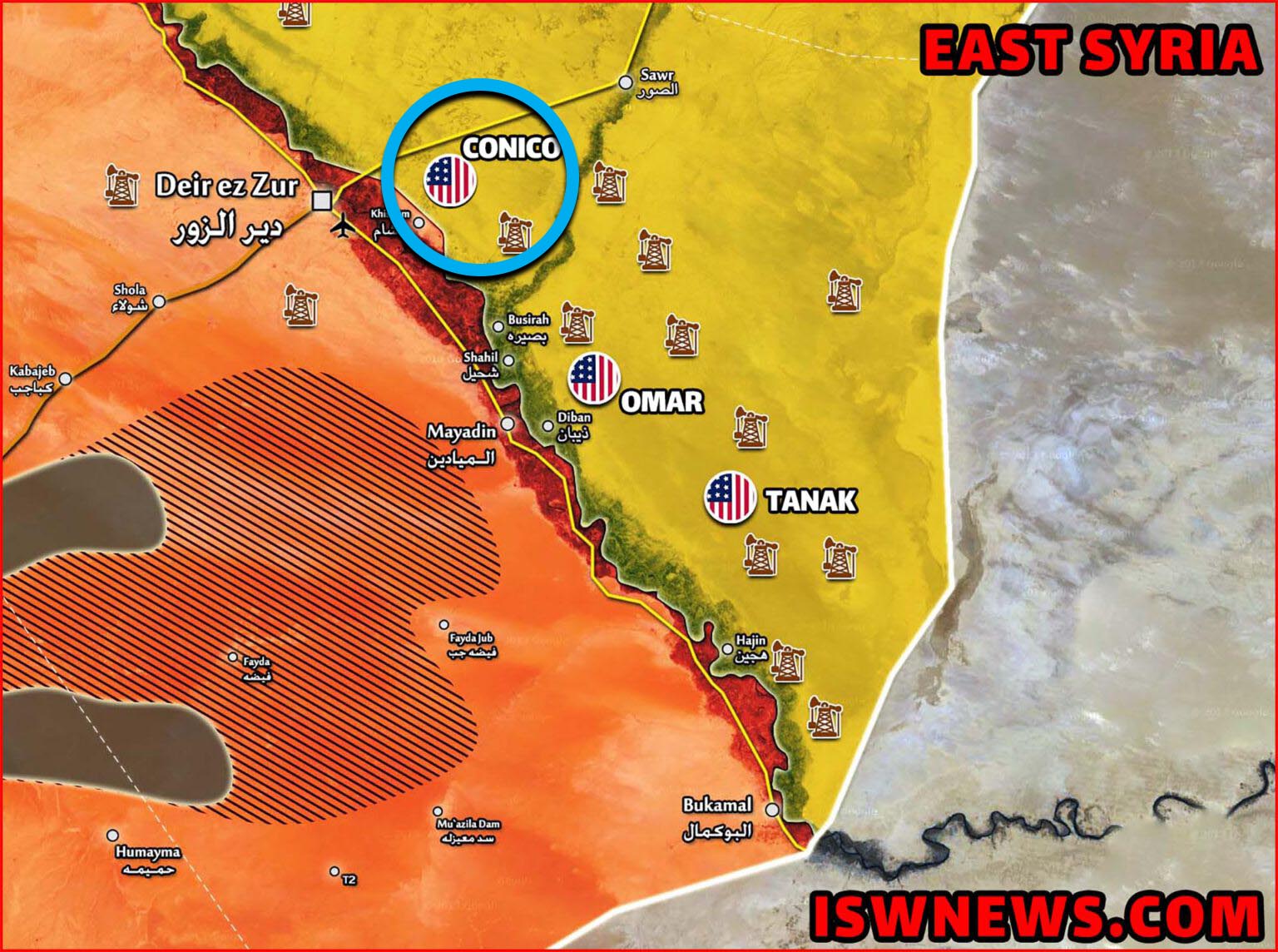
    This morning, the US military base at the Conoco gas facility was targeted by four rockets.

  • Syria: Rocket attacks on US base at Conoco gas field

    Syria: Rocket attacks on US base at Conoco gas field

    According to initial reports, four rockets hit the base, causing a fire.

    So far, Col. Wayne Marotto, a spokesman for the U.S. coalition in the region, has not responded to the news, but a Pentagon official confirmed the attack on the U.S. base in Deir Ezzor, saying no casualties were reported.

    On July 4, at least two rockets hit the Conoco gas field, but Wayne Marotto denied the attacks on the US base at the area! This is while SDF media and local sources confirmed the attack on Conoco.

  • Iranian oil shipment en route to Syria

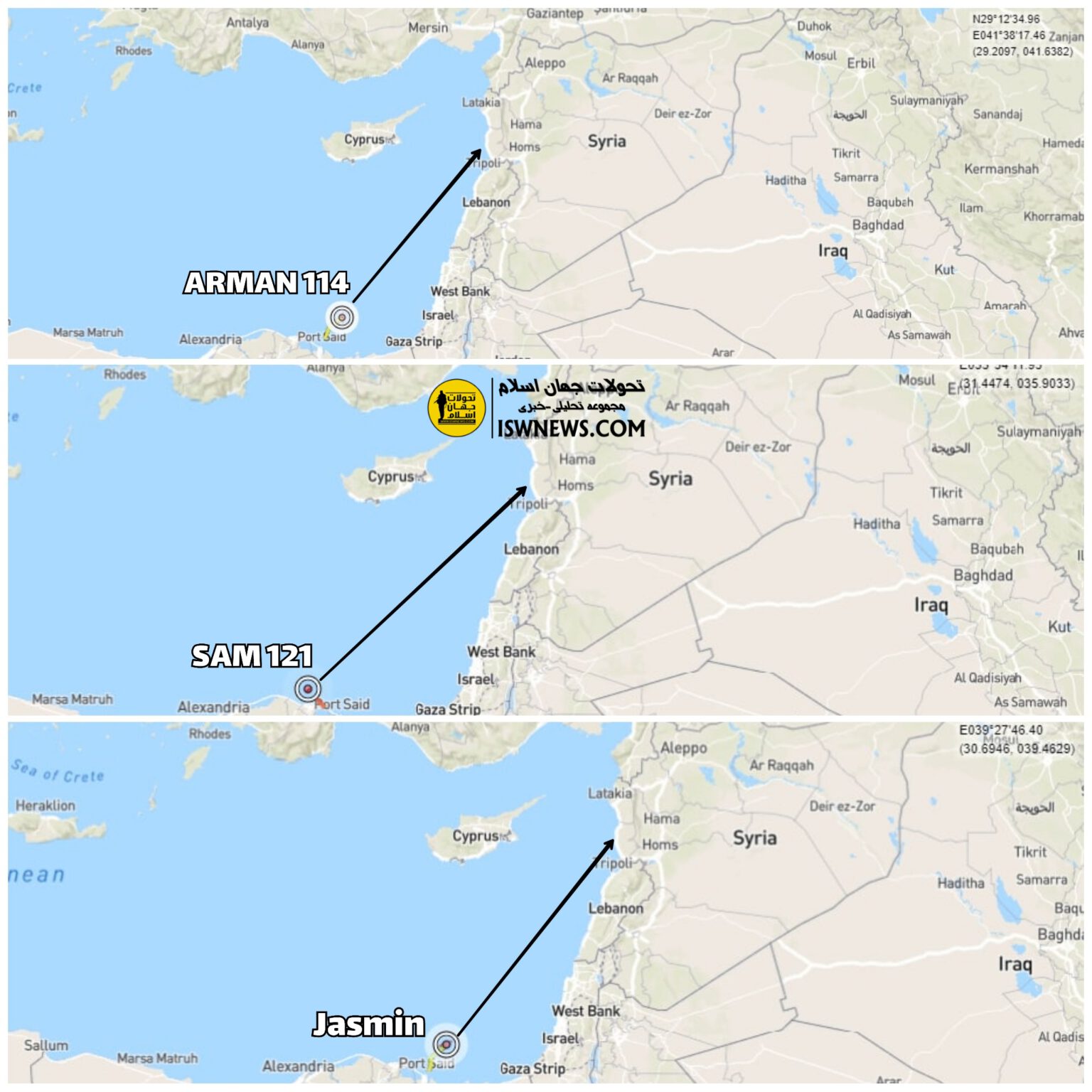
    Iranian oil shipment en route to Syria

    Some media outlets have reported that the tankers were destined for Lebanon and the Jasmine is carrying Mazut (used in power plants and similar applications). Due to the fact that the Jasmine ship can carry oil and Mazut at the same time due to its two tanks, but the evidence shows that this ship, along with the other two ships, only carries crude oil for use in Syrian refineries And at the moment, the possibility of Iranian ships mooring off the coast of Lebanon is ruled out.

    Meanwhile, the Arman 114 tanker, formerly known as Adrian Darya 1, and the Jasmine tanker have been sanctioned by the United States for transferring oil cargo and participating in Iran’s oil sales cycle.

    In April of this year, Arman 114, Sam 121, along with two tankers ‘Daran’ and ‘Romina’, which were carrying oil cargo of the Islamic Republic of Iran, docked off the coast of Syria.

    Syria’s oil production before the crisis and armed conflict was 350,000 barrels per day, which has dropped to 25,000 barrels per day due to the war and widespread insecurity and the occupation of oil-rich areas by terrorists and SDF militants. Currently, the largest sources of oil extraction in Syria are controlled by the Syrian Democratic Forces (SDF) with the support of the US coalition.
    Buying oil shipments from Iran will largely solve the problem of the Syrian transportation system and other fuel needs of this country.

    It is worth mentioning that due to the unjust US sanctions against Syria, various crises have occurred in this country at different times, and due to the lack of fuel, the people of this country are facing many difficulties to meet their needs.
    The Islamic Republic of Iran, in spite of US sanctions against the Syrian oil industry, has repeatedly rushed to the aid of the Syrian people by sending oil tankers and oil cargoes, and by selling oil to this country, it has brought it out of the crisis.

  • Map: Latest military situation in the south of al-Baydha province, 9 July 2021

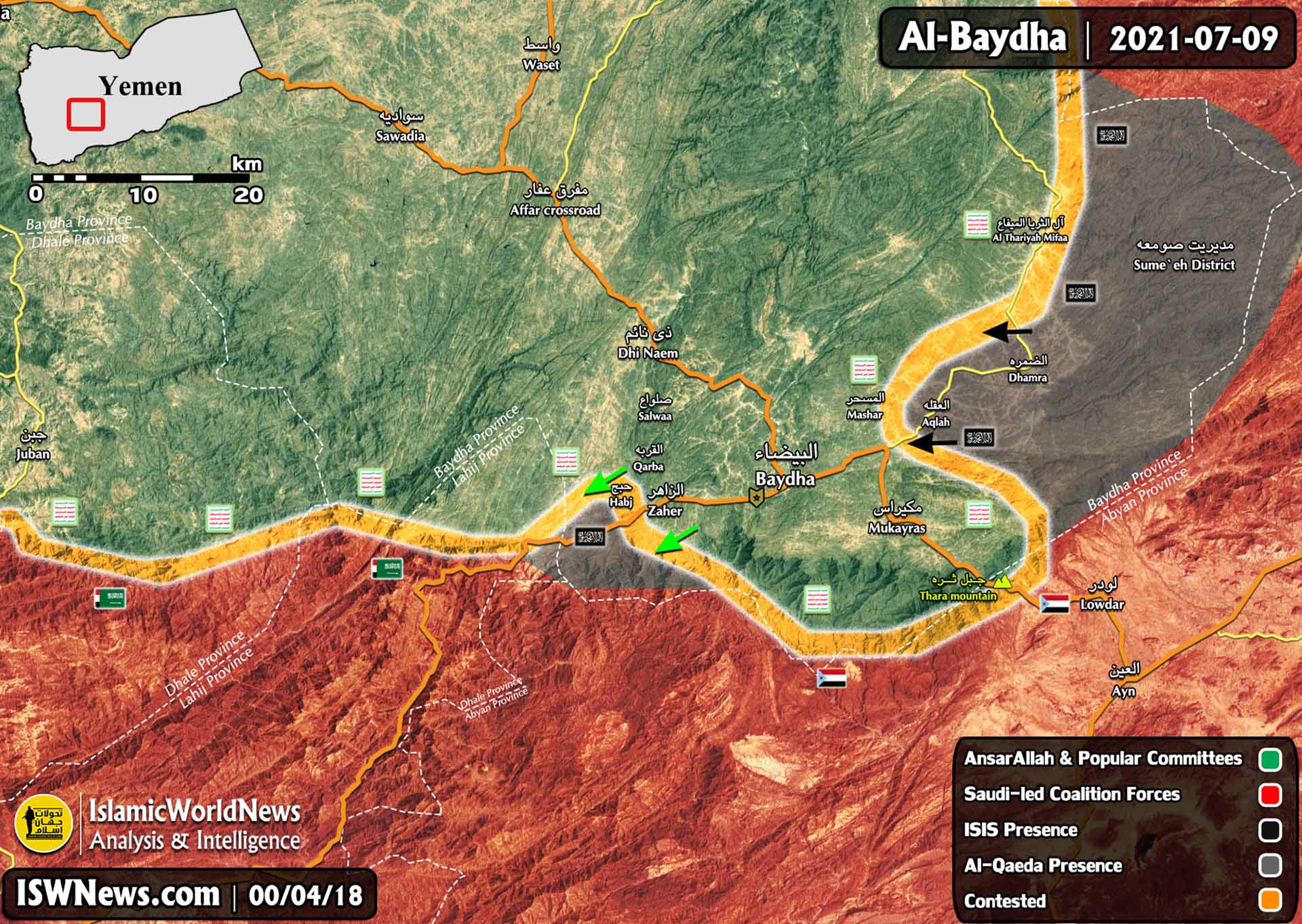
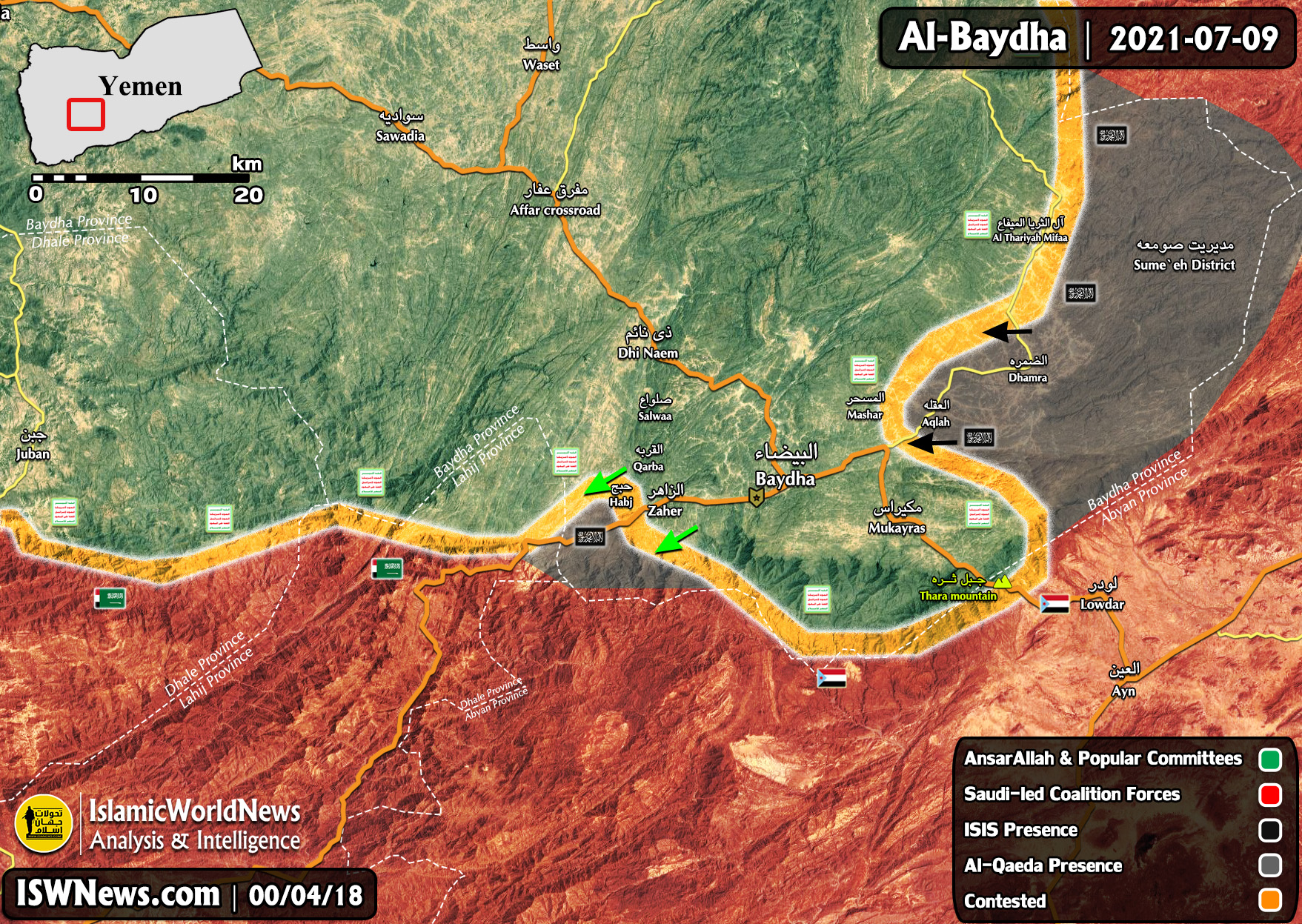
    Map: Latest military situation in the south of al-Baydha province, 9 July 2021

    As mentioned in previous articles; according to the agreement of the tribal elders of this area, the Al-Zaher district center was to stay away from the clashes in order to prevent civilian casualties and damage to residential areas. However, al-Qaeda and Mansour Hadi militants did not recognize the agreement of the tribal elders and entered the town and launched a new operation to capture al-Baydha province.

    However, a few days after the clashes, Ansar Allah forces surprised al-Qaeda and the Saudi coalition terrorists and liberated the town of Al-Zaher and a number of surrounding areas. Until yesterday, however, pro-Saudi media reported on the advance of coalition forces towards Dhi Na’im and the capture of Salwa’ in northern Al-Zaher which were not true.

    Currently, clashes continue around the Habaj area. Also in the southeastern axis of al-Baydha province and on the al-Sawma’ah district front, al-Qaeda militants made little progress in the early days of the battle. However, these advances have stopped and Ansar Allah counter-attacks have begun to repel al-Qaeda terrorists on this axis.

    Click to see the full size map
    Map description:
    Gray = Al-Qaeda
    Red = Saudi Coalition
    Green = Ansar Allah
    Yellow = Disputed

  • Explosion in Dubai off the coast of the UAE + video

    UAE state media have reported the fire as a result of a container explosion on a ship off the coast of Jebel Ali port. No casualties were reported so far and the extent of the damage is currently unknown.

    Some analysts believe that the incident is a warning to Saudi Arabia to the UAE over their differences over oil issues, as well as their support for southern Yemen. However, given Saudi Arabia’s record in dealing with such issues, as well as the fact that the exact details of the explosion are not known, the judgment about the cause of the explosion is currently speculative and not analytically correct.

  • Rocket attack on US embassy in Baghdad

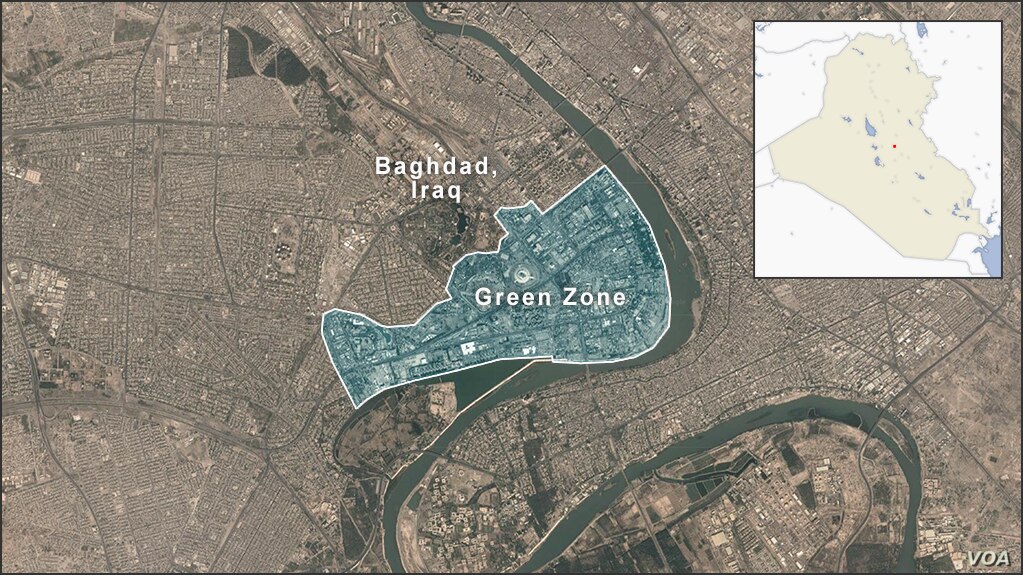
    Rocket attack on US embassy in Baghdad

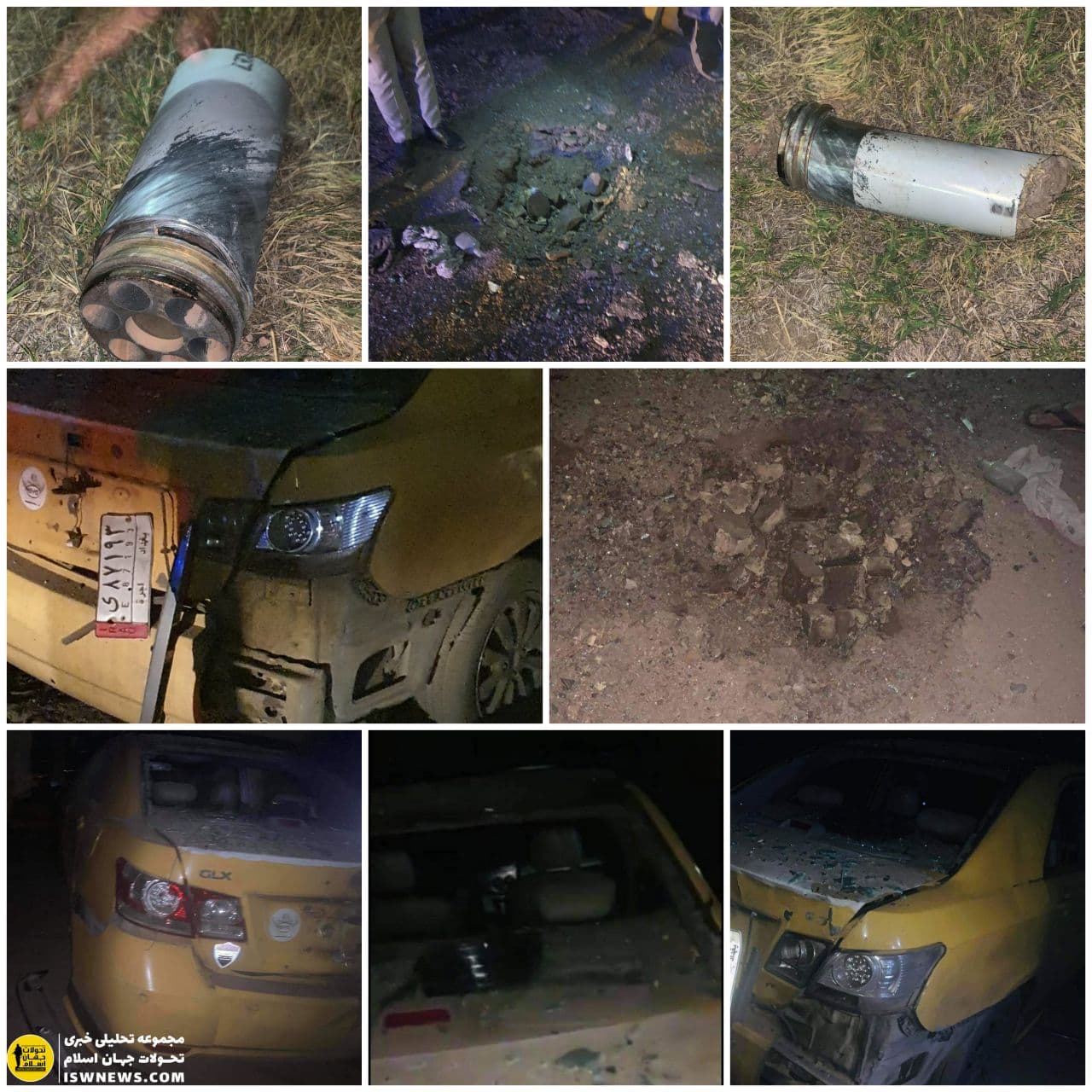
    According to local sources, the Tawhid base at the US Embassy in Baghdad’s Green Zone was targeted with at least three rockets at around 02:00 local time. So far, no information is available on the extent of the damage to this base. However, due to the activity of C-RAM defense systems in this area, a civilian vehicle was damaged.

    The intensification of the Iraqi groups attacks on the positions of the US occupiers in this country follows the attack of the US warplanes on the resistance positions in Iraq and Syria on the morning of the 28th of June. Since then, US logistical convoys, the US base at Erbil Airport, Ain Al Asad Airbase and the US Embassy in Baghdad have been targeted by the Iraqi resistance, and tensions are likely to rise.

    Damage caused by the activity of US C-RAM systems
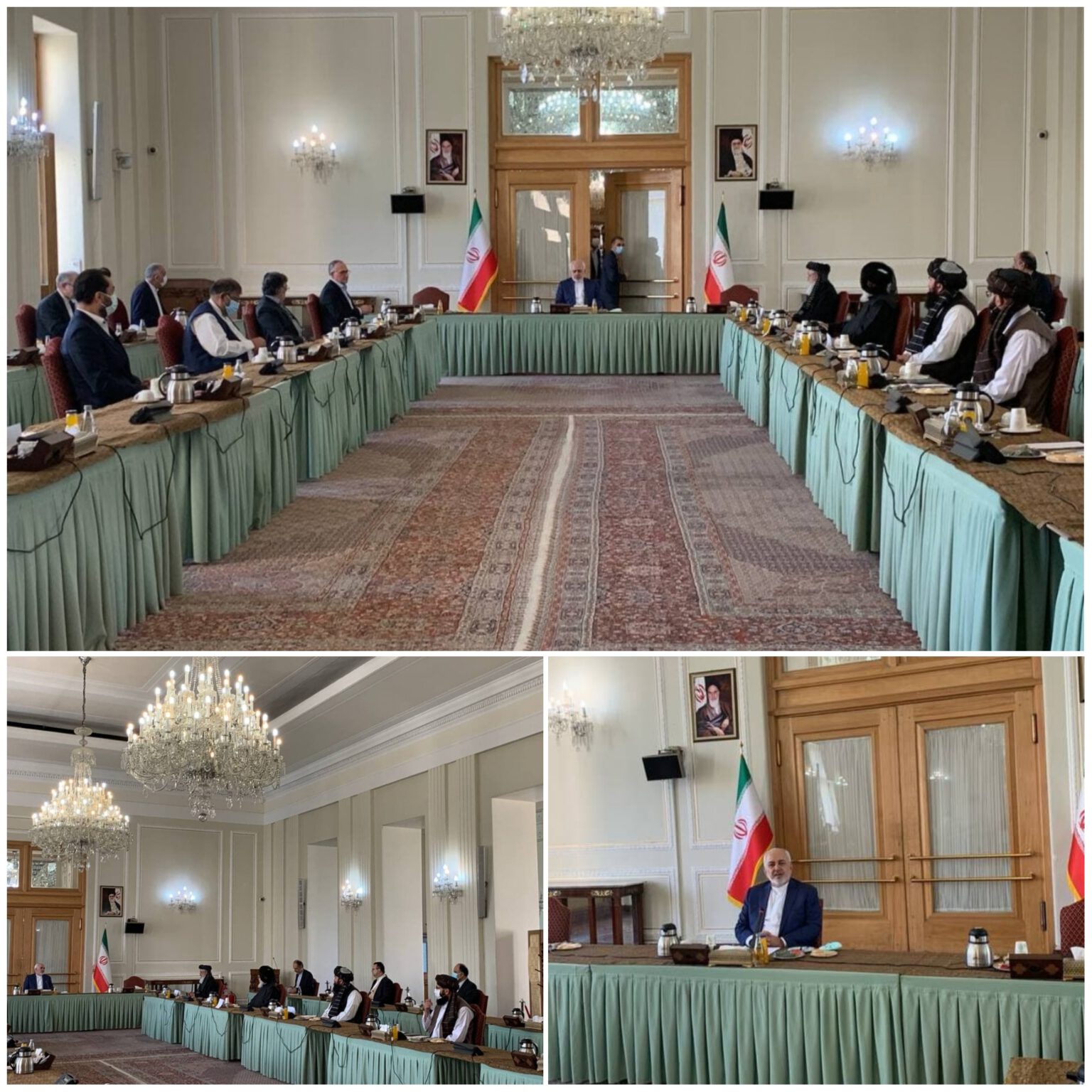
  • The meeting of representatives of the Afghan government and the Taliban hosted by Iran

    The meeting of representatives of the Afghan government and the Taliban hosted by Iran

    At the meeting, which began with a speech by Iranian Foreign Minister Mohammad Javad Zarif, representatives of the Afghan government and the Taliban movement discussed refugee issues and recent developments in Afghanistan.
    The meeting is attended by four Afghan delegations, including the Cultural Commission of the Afghan Parliament, the Taliban High Political Council, the Republican Political High Council, and the High Council for the Identification of Citizens.

    This meeting is important in two ways:
    1- The composition of the political delegation of the government consists of different ethnic groups in Afghanistan, which shows the attention and desire of the Afghan currents to achieve peace.
    2- The presence of the Taliban delegation in the talks with the government and various currents in Afghanistan, which after the stalemate in the talks in Qatar, also responded negatively to the Turkish meeting and Erdogan’s invitation.

    Footnote: The start of this meeting is a good step for Iran to mediate in the Afghan civil war, and active Iranian diplomacy can solve the country’s complex problems. Undoubtedly, the continuation of the war in Afghanistan has many negative consequences for Iran, and peace in this country has far wider benefits than those mentioned in our previous articles.