Category: Palestine

  • Israeli Regime Kills 3 Palestinian youths in the West Bank

    Israeli Regime Kills 3 Palestinian youths in the West Bank

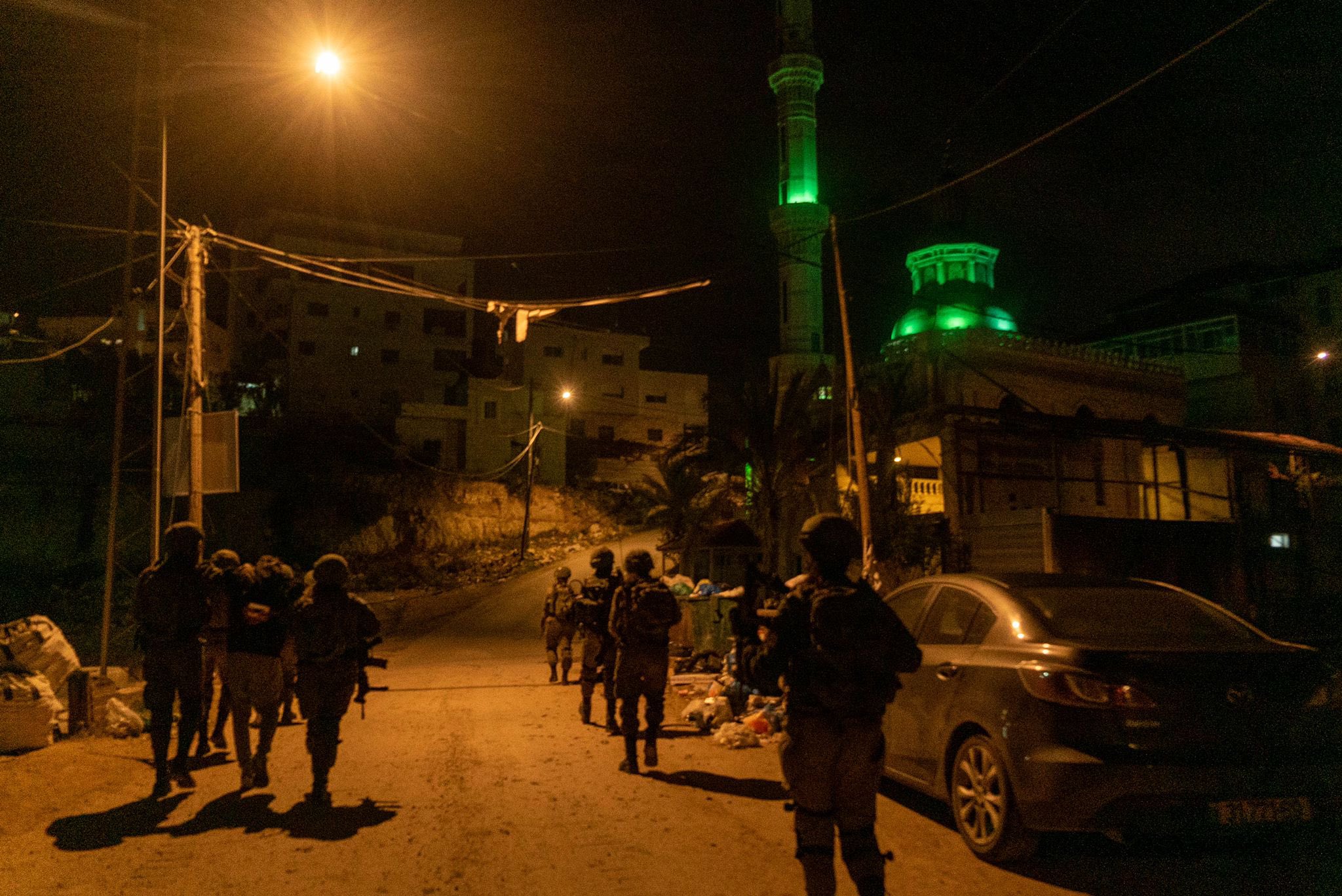
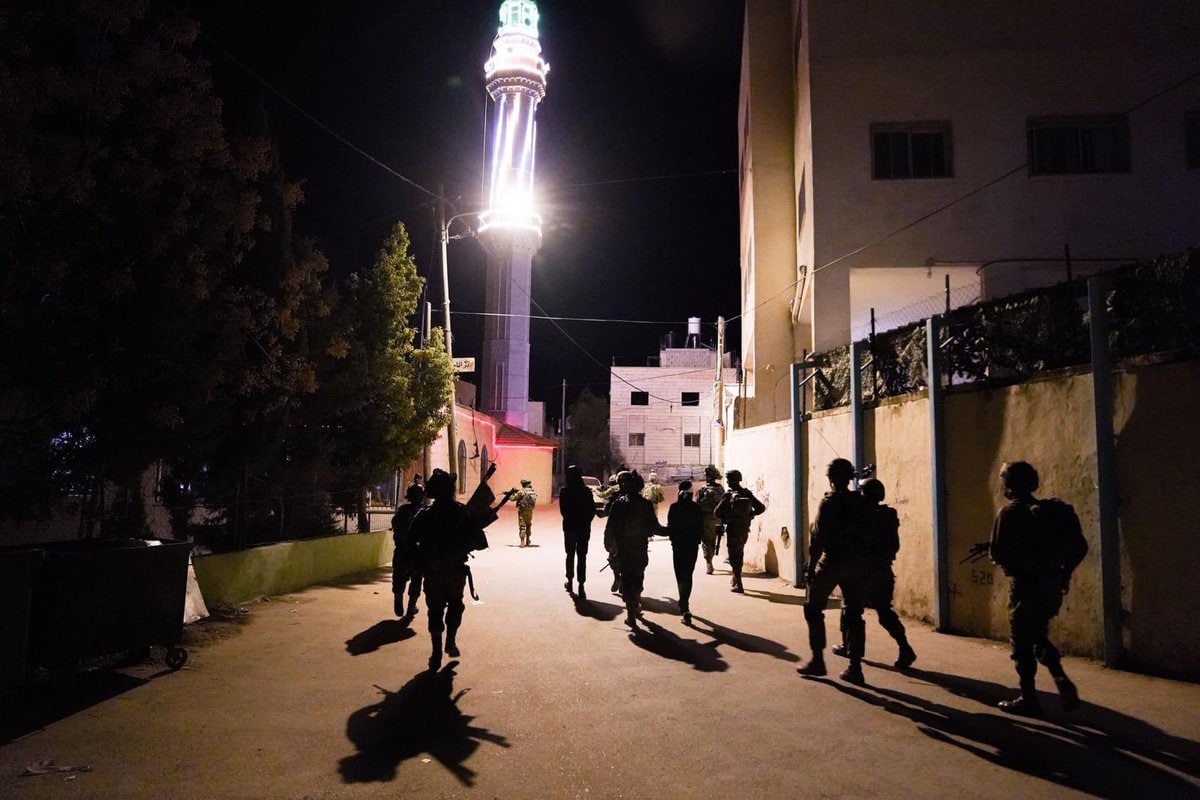
    Early hours on Saturday, Yazan al-Jaabari,19, succumbed to the wounds he sustained on January 2, when the Zionist troops stormed in village of Kafr Dan in west of Jenin.

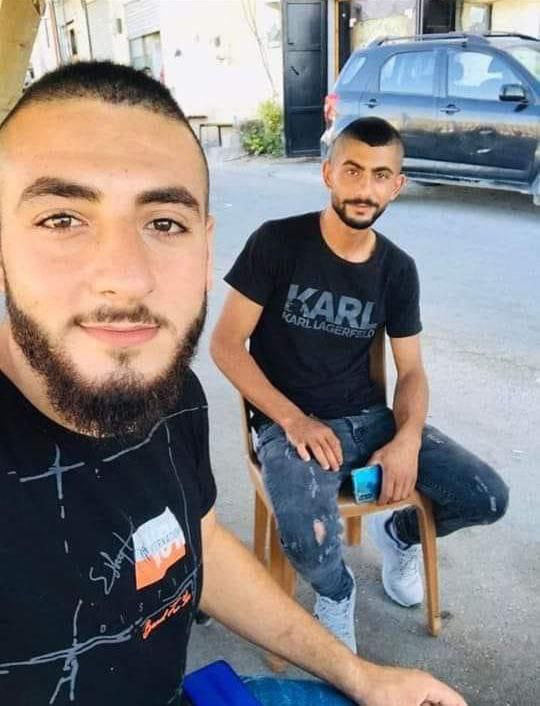
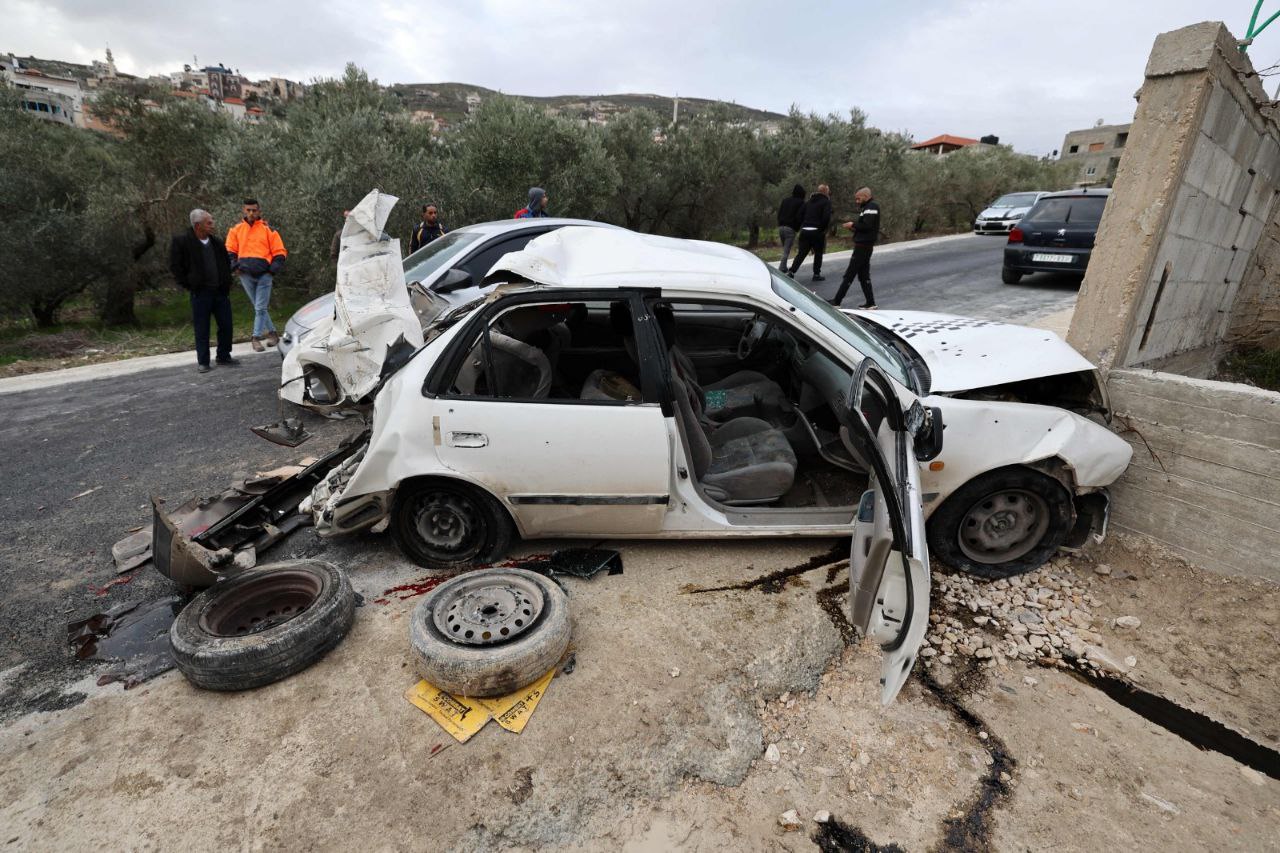
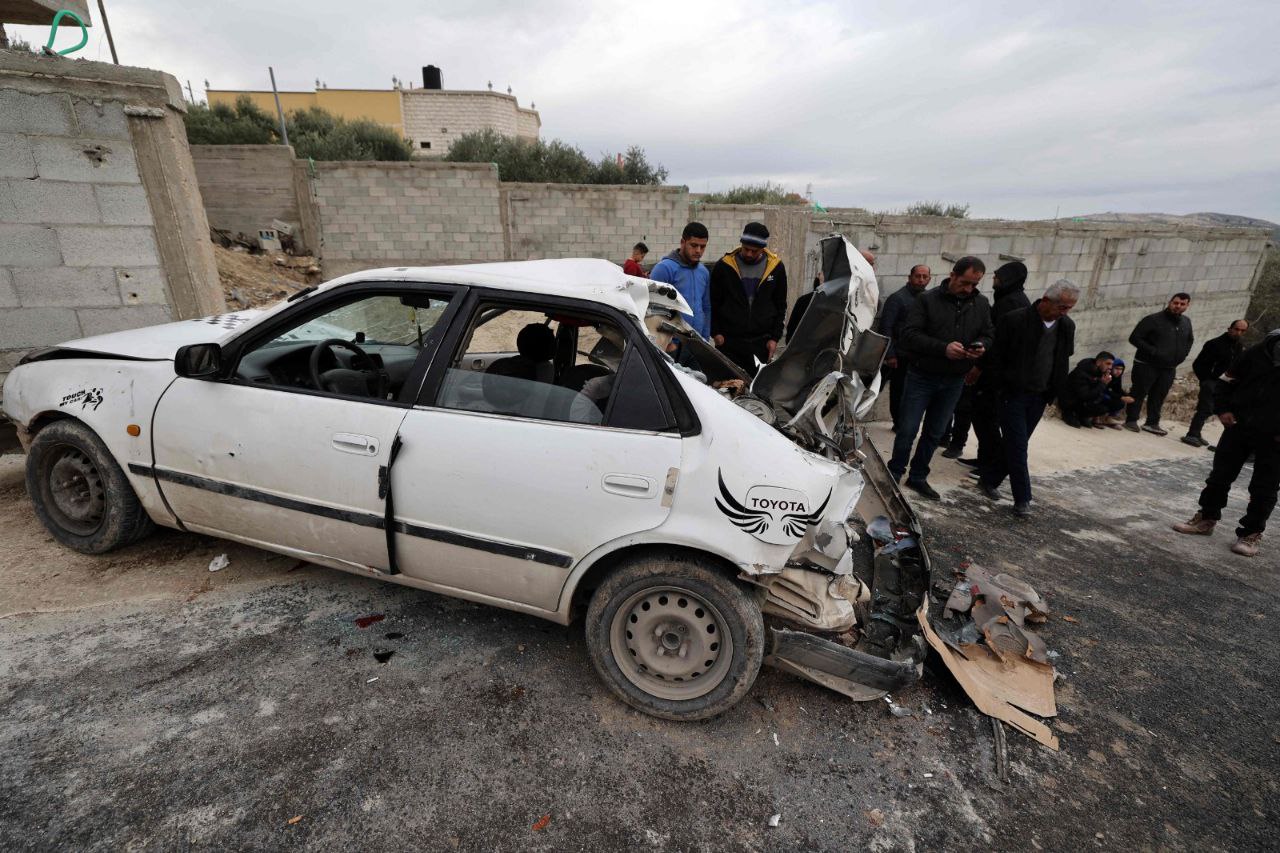
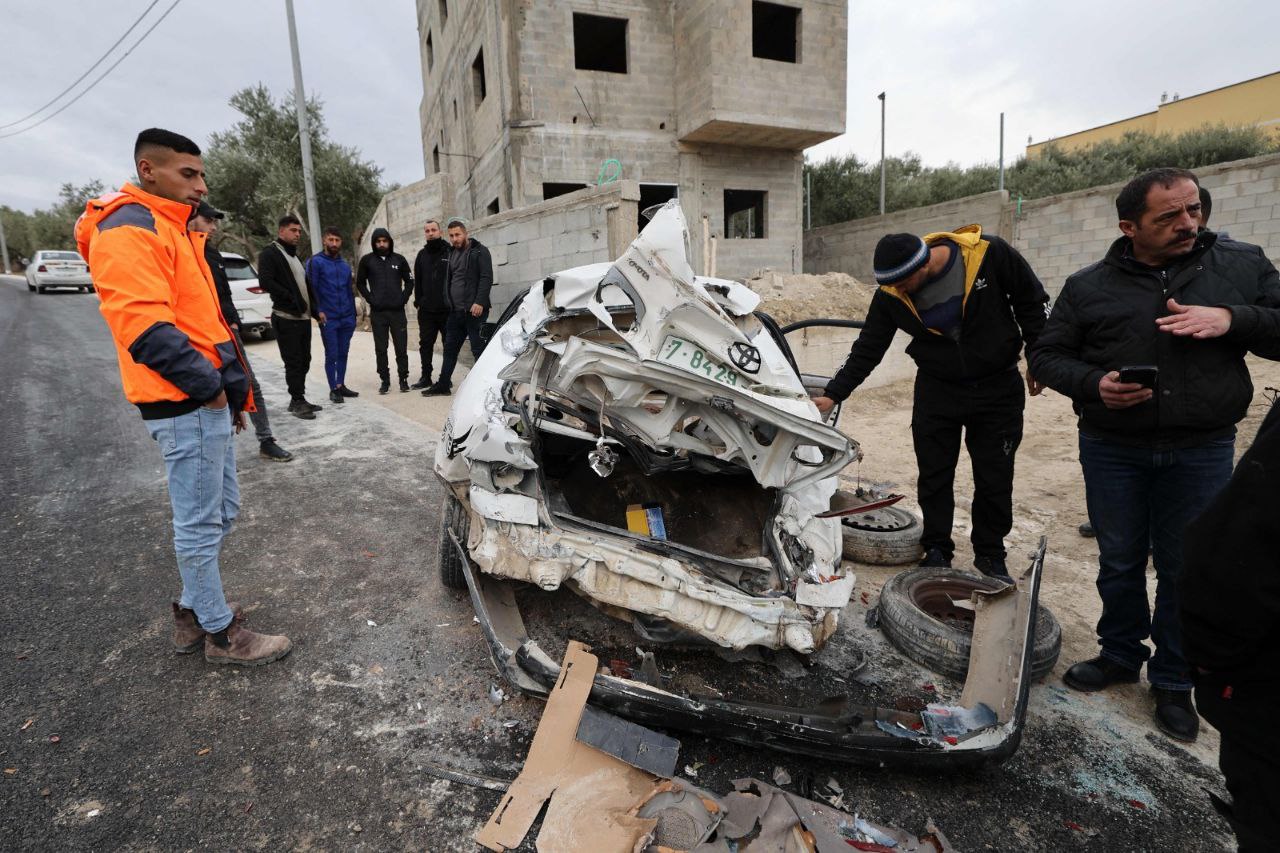
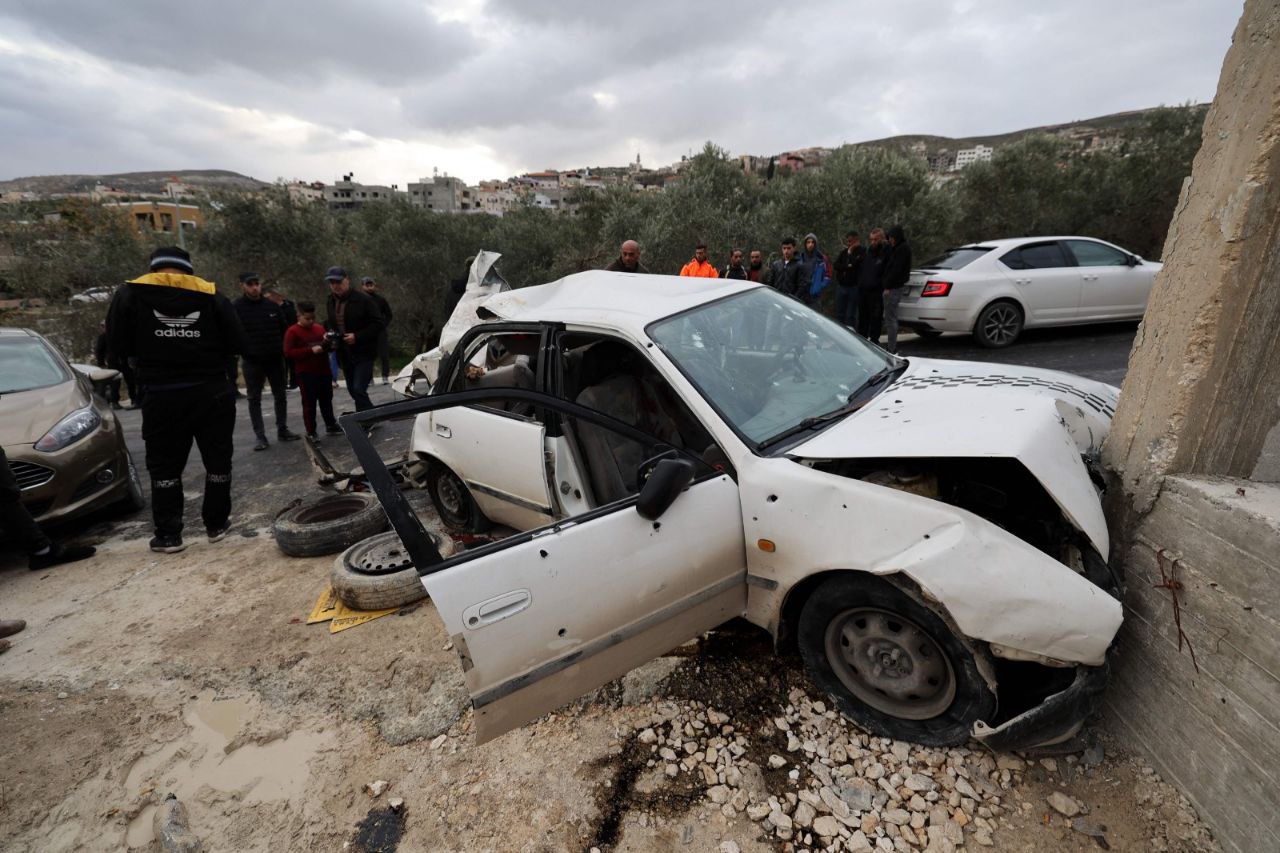
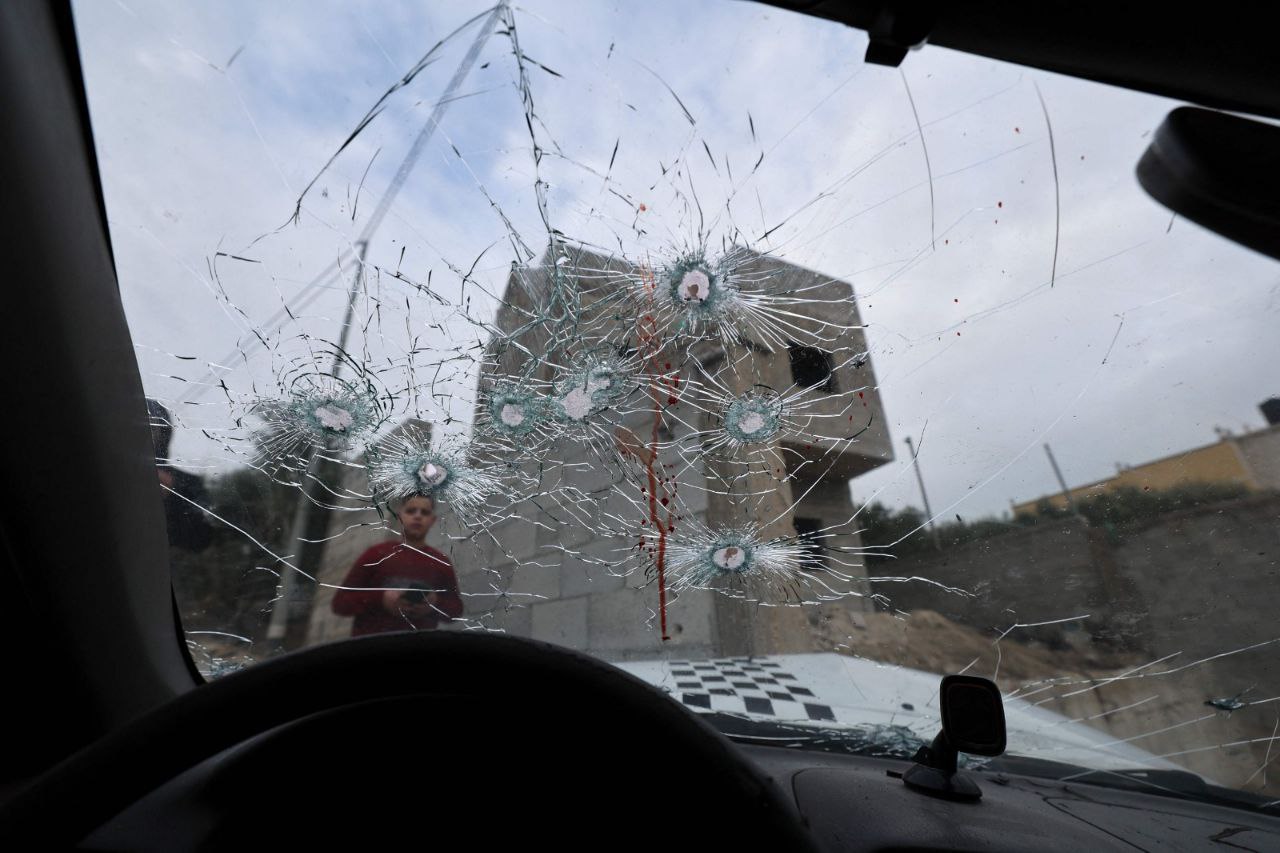
    A few hours after al-Jaabari’s martyrdom two other young Palestinians named Ezzeddin Hammareh, 24, and Amjad Khalilieh, 23, have been targeted by the special forces of the Israeli army and martyred, while they were driving a car in Jaba’ village, southern Jenin. Therefore, the number of Palestinian martyrs from the beginning of the New Year increased to 12.

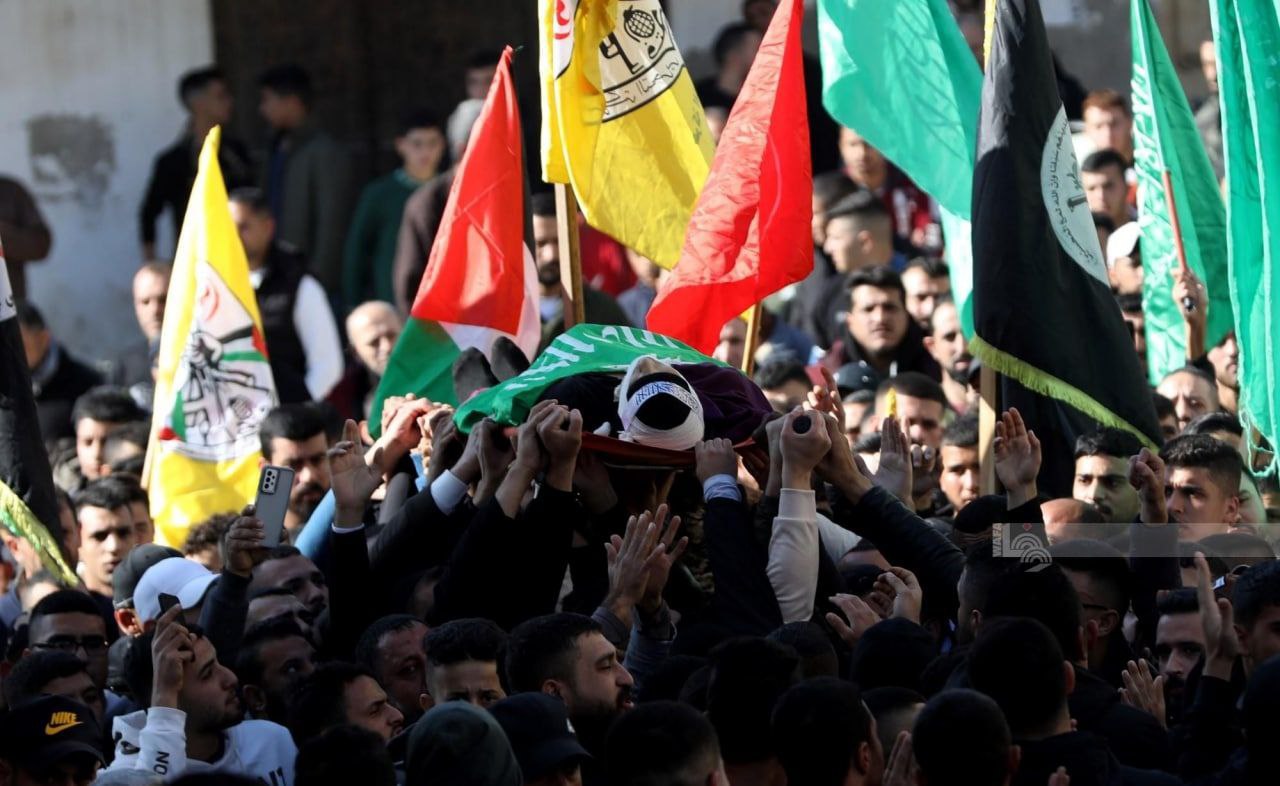
    According to local sources, public mourning and general strike have been declared in Jenin city following the martyrdom of the three Palestinian youths.

    It is worth mentioning that four other Palestinians were martyred in recent days during the raids by the Israeli military forces in the West Bank.

    Yazan al-Jaabari

    Read more: West Bank In The Past Week

  • Latest Updates On West Bank, 10 January 2023

    Latest Updates On West Bank, 10 January 2023

    According to Palestinian sources, the most important operations by the Palestinians include three shootings, destruction of cars belonging to the Zionist settlers, as well as clashes in 10 points such as al-Quds, Ramallah, Tubas, Qalqilya, Jenin, Beit Lahm and al-Khalil.

    The Palestinian fighters targeted Israeli military forces in al-Zababdeh town, Jenin. The Israeli troops were also targeted in Aqqaba town, Tubas, and Karmei Tzur town, al-Khalil. There has not been reported any details of the tolls of the attacks so far.

    The security forces of the Israeli regime nabbed 16 Palestinians on charges such as carrying and keeping weapons, as well as attempting to conduct anti-Israeli operation in West Bank within the last 24 hours.

    Read more:
    Palestine: West Bank In The Past Week
    Latest updates on the West Bank, December 12, 2022

  • Palestine: West Bank In The Past Week

    Palestine: West Bank In The Past Week

    Last week, the West Bank was full of conflicts, like most days, weeks and months of this year. According to statistics, 5 Palestinians were martyred last week and 302 operations against the Israeli regime were recorded.

    Out of these 302 operations, 38 shooting operations, one car chase, 25 explosives and Molotov cocktails have been carried out. Also, 81 stone-throwing operations, 15 confrontations, 129 clashes, and 8 destruction of vehicles and military equipment were recorded.

    The Palestinian martyrs in the last week are:
    Martyr brothers Mohammad and Mohanad Youssef Matir from the Qalandia refugee camp in Quds, who were run over by a Zionist last Saturday in the south of Nablus and were martyred.

    Martyrs Mohammad and Mohanad Yusuf Matir

    Martyr Tamer Azmi Nashrati, 23 years old, from the Jenin refugee camp, who was martyred in the clashes on Monday in this camp. Martyr Tamer was one of the members of Katibat Jenin, which is a part of Saraya al-Quds collection.

    Martyr Tamer Azmi Nashrati

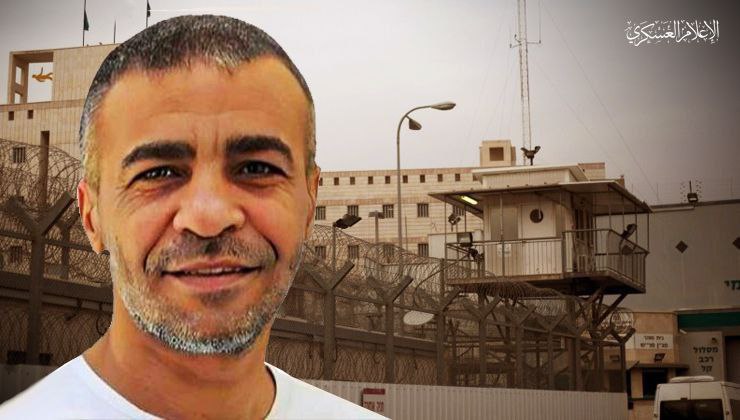
    On Tuesday of last week, 50-year-old Naser Abu Hamid, who was suffering from cancer, was martyred due to the deliberate inaction of the prison officials and not allowing treatment in the prisons of the Israeli regime.

    Martyr Naser Abu Hamid

    Also, the Israeli Minister of Defence announced that he refuses to hand over the body of the martyr due to security issues. Israeli Defense Minister Benny Gantz ruled on Wednesday that his government will withhold the body of Palestinian prisoner Nasser Abu Hamid.

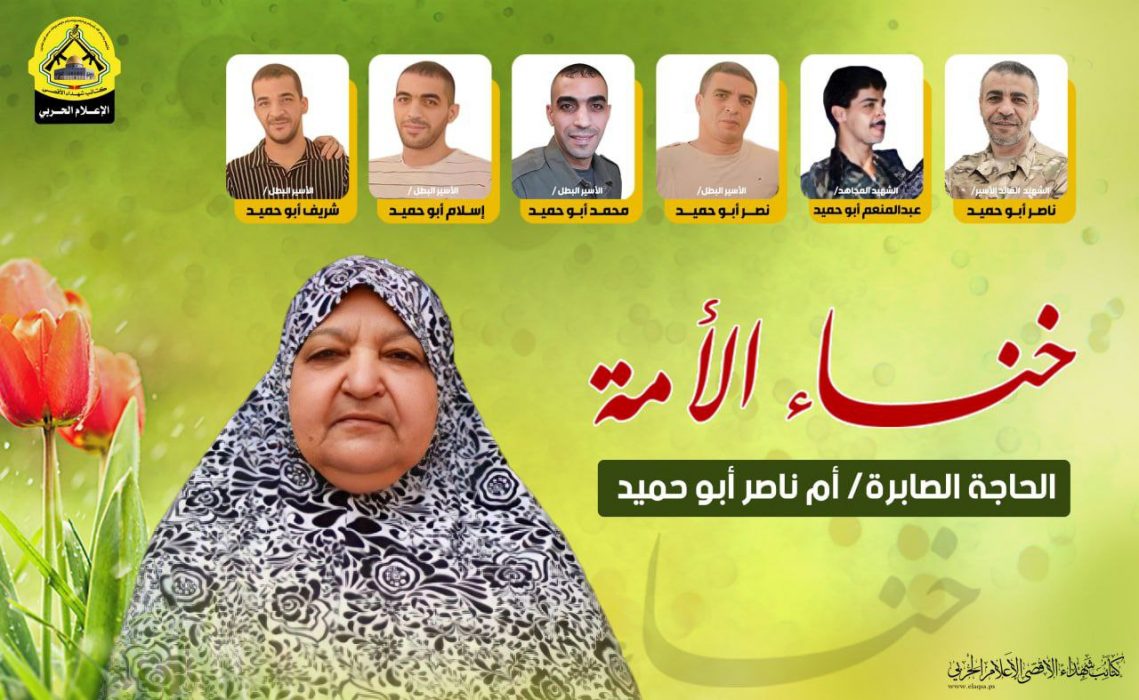
    Naser Abu Hamid was from the Amari camp near Ramallah and was a member of al-Aqsa Martyrs’ Brigades, who was sentenced to 7 life sentences and 50 years in prison. But he was not the only member of Abu Hamid’s family who was in Israeli captivity. Apart from Nasser, the mother of this family has five other children, one of whom is a martyr and the rest are all sentenced to life imprisonment.

    Naser Abu Hamid’s mother

    1) Abdul Mon’em: Martyred
    2) Nasr: 5 times life imprisonment
    3) Sharif: 4 times life imprisonment
    4) Muhammad: 2 life imprisonment
    5) Islam: Life imprisonment

    And at dawn on Thursday, 23-year-old Ahmad Atef Daraghmeh was shot dead by the Israeli regime during a raid on the city of Nablus. Daraghmeh was from the nearby town of Tubas and was a football player for the town’s local team. It was unclear whether he was taking part in the clashes.

    Ahmad Atef Daraghmeh
  • Latest updates on the West Bank, December 12, 2022

    Latest updates on the West Bank, December 12, 2022

    On December 11, The Israeli militants raided the Barqin town, located in the west of Jenin and arrested two Palestinian brothers named ” Tariq ” and “Nabil Abu Shadouf “.

    Tariq and Nabil Abu Shadouf

    A few hours later, a large number of special forces of the Israeli regime raided the east of Jenin and following the arrest of a Palestinian youth named Thaer Abu Amsha, began a violent armed conflict with the Palestinian Resistance forces.

    During the exchange of fire, a 16-year-old Palestinian girl named ” Jana Majdi Assam Zakarnah ” was shot dead by Israeli soldiers and three others were seriously injured.

    It is worth mentioning that the armed conflicts between the Palestinian Resistance groups and the Israeli forces have increased significantly compared to the recent months. By publishing a report in this regard, the Hebrew-language newspaper Yedioth Ahronoth announced the unprecedented increase in shooting operations in the West Bank and announced that since the beginning of this year, there have been about 300 shootings in the West Bank, during which 31 Israeli forces were killed.

  • Opinion: Symbolic steps marking the liberation of the holy al-Quds

    Opinion: Symbolic steps marking the liberation of the holy al-Quds

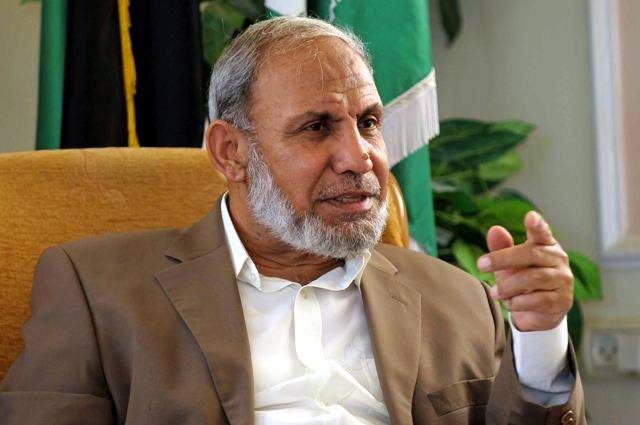
    It all started with the visit of Khalil al-Haya to Damascus, where the parties discussed the resumption of relations. Prominent Hamas figure Mahmoud Zahhar stressed that “Hamas has returned to Syria to realize a common goal – to end Zionism”. Then, in the capital of Jordan, activists of the Islamic Action Front held a pro-Palestinian rally, where party leaders demanded that the king open a branch of Hamas in Jordan. At this event, Sheikh Trad al-Fayez said that “the liberation of Palestine will begin from the territory of Transjordan.” Finally, a meeting was held in Iraq between the head of the Quds Forces (IRGC), Ismail Kaani and the Mufti of Iraq, Mahdi al-Sumadai.

    Iraq and Syria have long been part of the regional anti-Zionist resistance. The IRGC and Hezbollah bases plus their Palestinian and Iraqi proxies are located in Syria. In Iraq, everything is ready to create a “revolutionary front” for the liberation of the holy al-Quds. Despite the intra-Shiite differences, the parties are similar in the need to create “special military forces for the battles for Palestine.” The Sunni region of the country also has authoritative figures for the liberation campaign for al-Quds, which was shown by the visit of Ismail Kaani. The Sunni environment of Iraq is on the verge of major changes, which are closely related to the dynamics of the Palestinian resistance. Among the followers of the Ahlu-Sunnah of Iraq, there is a sufficient number of pro-Palestinian figures, organizations and parties who jointly acted against the American occupation, the fight against ISIS, and then took a common position on the self-proclaimed referendum of the Barzani regime in Kurdistan. Now it’s the turn to fight the Zionists.

    Based on the recent rally in Amman, we can say that Jordan is ready to make a revolutionary U-turn towards Palestine. It is worth recalling that the Islamic Action Front is a great friend of Hamas, so any activity of the Jordanian “Muslim-Brotherhood” adds advantages to the leading Palestinian party.

    The Lion’s Den uprising initiated a major shift in the regional situation, now the King of Jordan is forced to go out of his way to prevent the radicalization of the Jordanian public, and at the same time support the efforts of the Palestinian Authority to curb the growth of revolutionary sentiments in the West Bank. The king is assisted in this by the leader of the Egyptian junta, Sisi. These efforts are doomed to failure, because now the principle of “local concentration” is operating inside the Axis of Resistance. While the Zionists are trying to suppress resistance in the West Bank, the Islamic Resistance in Syria is destroying the remnants of insurgency in the south of the country, and the Iraqis are expanding their presence on the border with Jordan right under the noses of the American-British occupiers.

    Palestinian Reports mentioned that the Zionist force that stormed Jenin this morning had lost military maps while raiding the area
  • Latest Updates on Military Conflicts in the West Bank

    Latest Updates on Military Conflicts in the West Bank

    On December 5th, following the attack of the Israeli soldiers on Al-Hadaf neighborhood in Jenin, a violent armed conflict took place between them and the Palestinian resistance forces.

    A video of the conflict between the Palestinian resistance forces and the Israeli soldiers in Jenin (1)
    A video of the conflict between the Palestinian resistance forces and the Israeli soldiers in Jenin (2)

    At the same time as this conflict, the soldiers of the Zionist regime captured Yahya Al-Saadi, the son of Sheikh Bassam Al-Saadi, one of the leaders of the Palestinian Islamic Jihad movement in the Jenin camp. Following this event, they completely retreated from the Jenin camp.

    In addition to Jenin, Israeli soldiers also attacked Dahishah camp located in the West Bank, during which a Palestinian youth named “Omar Mana” was martyred and six people were injured.

    Picture of Martyr Omar Mana

    It is worth mentioning that in addition to the mentioned operations, during a series of security operations in the last 24 hours, Israeli regime forces arrested at least 14 Palestinians on charges of attempting anti-Israeli operations in the West Bank.

  • Israeli regime airstrikes on the Gaza Strip + Video

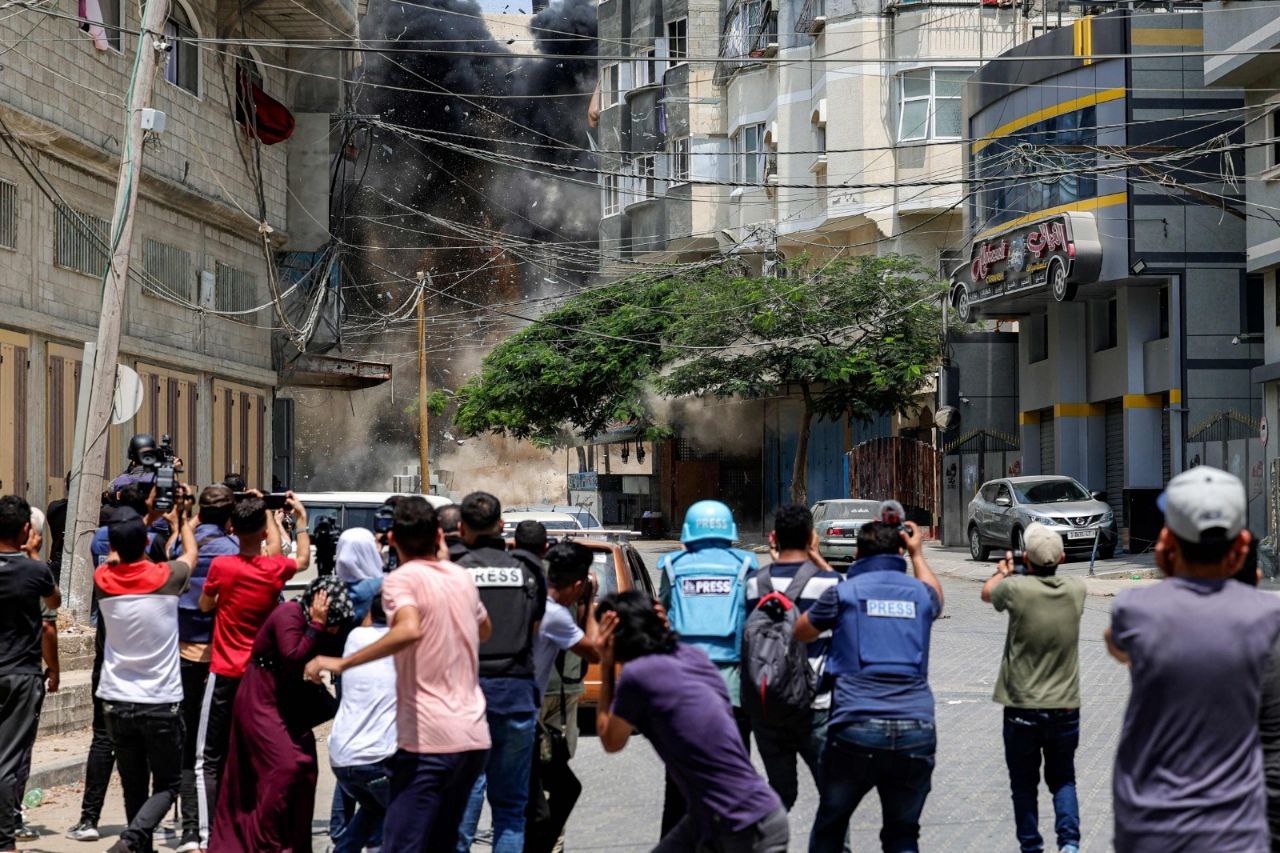
    Israeli regime airstrikes on the Gaza Strip + Video

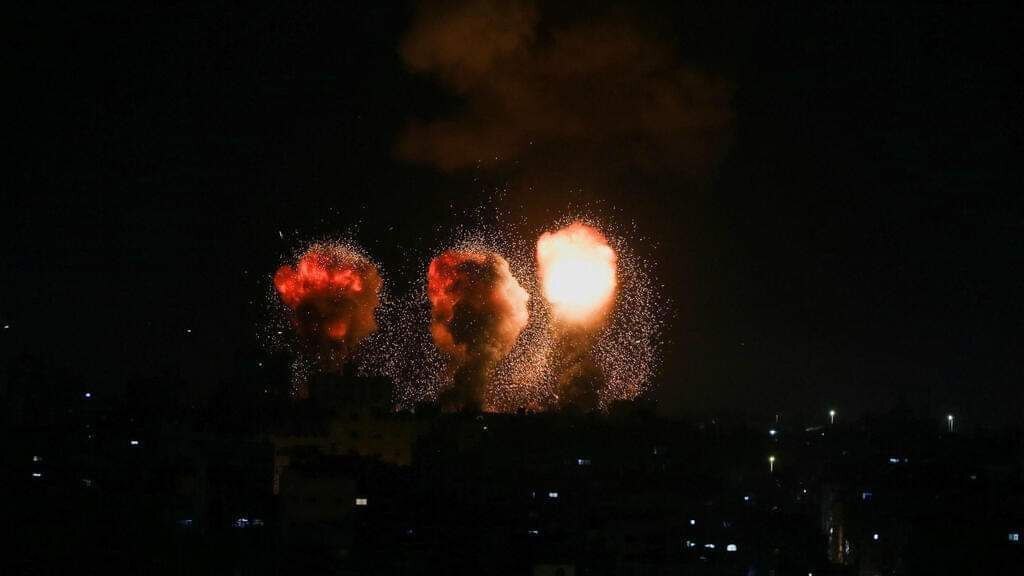
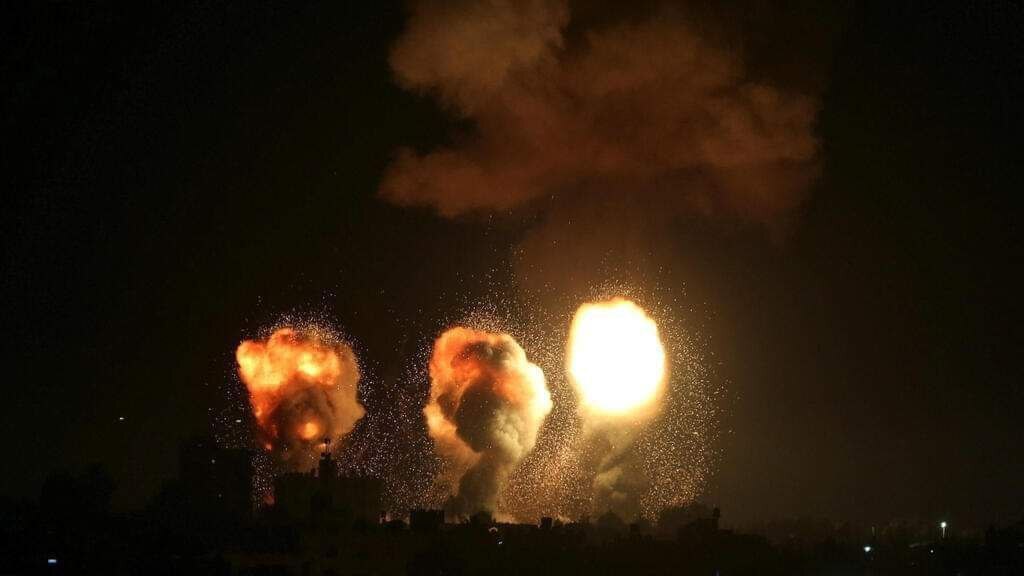
    After last night’s rocket attack by the Palestinian resistance on the Zionist settlement in Nahal Oz, the Israeli army decided to retaliate and targeted several positions in the Gaza Strip.

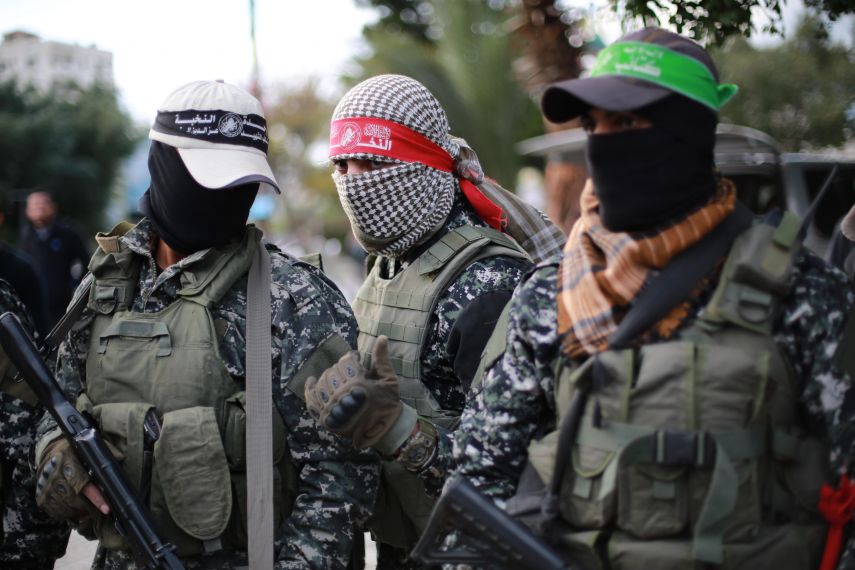
    The fighter jets of the Israeli regime struck the Qadisiyah base belonging to al-Qassam Brigades, the military branch of the Hamas movement in west of Khan Yunis, an agricultural land in east of the Rafah crossing and an observation tower belonging to the Palestinian resistance in east of Khan Yunis with several missile. The initial reports indicates that there were no casualties in these attacks.

    After these attacks, al-Qassam Brigades issued a statement and announced:

    “The resistance air defense has confronted Israeli fighter jets during the early morning attacks on the Gaza Strip and opened fire on them.”

    According to the published videos, it seems that the Palestinian resistance forces have used SAM-7 to repulse the Israeli fighter jets on the Gaza Strip. This is the fourth time that the Palestinian resistance has used this weapon to target Israeli aircraft. Previously, on January 2, April 19 and April 21, the Palestinian resistance used SAM-7 to confront the Zionist regime’s helicopters and fighter jets in the sky of the Gaza Strip.

    Palestinian resistance groups firing surface-to-air missiles at Israeli fighter jets in the sky of Gaza

    According to the Israel TV channel 12, the Israeli army bombed another Hamas base in response to the direct firing of SAM-7 at Israeli fighter jets in the Gaza Strip. According to the statement, a Hamas rocket production center, a tunnel and a military base belonging to the Palestinian resistance were targeted.

    It is worth mentioning that some Hebrew media have identified Saraya Al-Quds, the military wing of the Islamic Jihad movement, as responsible for firing rockets from the Gaza Strip towards the occupied territories. They believe that Saraya al-Quds has done this action in response to the martyrdom of two resistance commanders in Jenin by the Israeli military.

    The video published by the Israeli army regarding the air strike this morning in the south of the Gaza Strip
  • Why did a Syrian newspaper criticize Hamas?

    Why did a Syrian newspaper criticize Hamas?

    Immediately after the battle of the “unity of squares”, the Syrian newspaper Al-Watan published an article titled “Hamas betrayed the resistance and responded to aggression with statements.” In the context of Hassan Nasr-Allah’s recent statements about the inevitable reconciliation between Hamas and Assad, the Syrians decided to criticize the leading Palestinian party. Why? Does official Damascus really consider Hamas inclined to “compromise with the enemy” or does it still not trust them as an Islamic organization? My opinion is that it’s not about Hamas, it’s just that we are witnessing a battle of projects within the Axis of Resistance.

    It is extremely important for the Iranians and Hezbollah that Hamas not only return its headquarters to Syria, but also establish itself firmly in this Arab republic. Thus, this will make it possible to realize the IRGC’s long-standing idea of creating a million-strong Palestinian army with an Islamic ideology. Hamas is the leading party and from the point of view of certain circles in Iran, it is they who can lead hundreds of thousands of Palestinian refugees from Lebanon, Syria and Jordan to the final battles for the holy al-Quds.

    In contrast to this idea, the old functionaries of the BAATH of Syria act, who believe that Zionism should be fought within the framework of “international law”, and the Palestinians should resist purely on “their territories”. Therefore, officials of the era of Hafiz Assad believe that the presence of not only Hamas, even the Iranians and Hezbollah is “harmful” for Syria. But not all representatives of the establishment share the opinion of the “old people” about the departure of the Iranians. Some of the military and military intelligence representatives close to Bashar believe that a war with Zionism is inevitable and the Palestinians will be allowed to use the territory of Syria to fight the enemy, but it is important to strengthen the Palestinian Jihad as opposed to Hamas. This approach is dictated by the opinion of officials from political intelligence, where they believe that the repeated presence of Hamas in Syria and their obvious success in the “liberation campaign” against al-Quds will become an “infectious example” for Muslim activists who are ready now in alliance with the Iranians to create a number of Islamic parties for subsequent “enlightenment” Syria. Why is the political intelligence of the Syrian Arab Republic afraid of Hamas, and not the Palestinian Jihad? Since Hamas is a political party, and the PIJ is more of a military organization. In the current situation, it is the Hamas model that will be more attractive to Syrians.

    The Baathists feel that every day brings the end of the epic with Hamas closer, so provocateurs focused on the above-mentioned political circles are trying to delay the Iranian plan to reconcile Assad with Hamas as much as possible.

    P.S. I would like to add that projects with Hamas or Palestinian Jihad at the forefront are designated in the context of the idea of involving the Palestinians as a key force of the Axis of Resistance. This is one of the many projects of the Quds force, which is not limited to the names of Palestinian parties or organizations. There are many other projects where, for example, the Iraqis or Hezbollah will play the main role in the liberation, but in any case, the Palestinian factor will be at the forefront of the struggle for the holy land of Islam.

  • Hamas is returning to Syria!

    Hamas is returning to Syria!

    After reports of Hamas’ readiness to return to Syria, a number of experts from opposite sides (supporters of “against” the Hamas decision to return) expressed their opinion. Their first argument is based on the opinion that “the dictatorship of Syria is an outcast and they say any alliance with an isolated country will harm the Palestinians.”

    It should be recalled here that Hamas itself has been under blockade and isolation since winning the elections in Gaza, the organization’s offices in Doha or Beirut do not cancel the fact that with the exception of Iran and Syria (!! Assad never questioned the victory of Hamas in the elections) no one else recognized the power of the Islamic Resistance Movement in the liberated area of occupied Palestine. Therefore, the blocking of Syria by some neighbors is not a serious argument, since Syria is part of the Axis of Resistance alliance, which makes it at least an important component in the region due to the growing influence of this political union.

    The proof of this thesis is the fact that after the failure of the plot against the official Damascus, Saudi Arabia and the UAE took a number of measures to “restore relations” in order to break the ties of the alliance of Syria with Iran.

    Further, the enemy experts in their arguments point to the “disappointment” of the leading Palestinian movement in relation to Assad’s main opponents in the Arab world. This implies all the famous incidents, from the process of “normalization” of Arab dictatorships, to the inability of “political Islam” to form a real anti-Zionist regional force. One can agree with these arguments, but not one hundred percent, since, for example, relations with Zionism in all key countries of the anti-Assad camp have long been at a high level.

    The nuance with the “official recognition of the temporary essence” is a banal bureaucratic procedure that does not carry much importance. As for the “political Islam” project, firstly, this term is used in relation to pro-Turkish and pro–Qatar Ikhwans in a number of countries, and secondly, these elements, led by Qatar, were not going to build an anti-Zionist alliance with Hamas at the head of the corner. On the contrary, they advocated the creation of “two states”, the old dream of the White House Democrats. To this day, the small Emirate continues to actively dissuade Hamas from armed resistance and calls for disarming the Al-Qassam Brigade, in return promising to build a “port” and influence the Zionists through the United States so that they “stop” bombing Gaza. And there were lobbyists among Hamas for such conditions, for example Khaled Mishaal. However, realizing the true intentions of Qatar and Turkey in time, the military command of the al-Qassam Brigade rejected Doha’s plans and, through internal elections, removed Mishaal from key Hamas posts. Therefore, taking into account all the facts and arguments, can we say that “Qatari and Turkish political Islam” wanted to liberate Palestine? Of course not.

    However, among a number of oppositional opinions, a sober thought nevertheless slipped through. An unnamed source claims that “the Assad regime cannot provide any protection or guarantees to Hamas or others in Syria, since Israel daily penetrates into Syrian airspace and bombs any base, airport or barracks it wants, and Hamas will not be able to strike back, because Assad guarantees them only political support and logistics support. Damascus will proceed from past views, according to which military assistance to the Palestinian Movement in the form of opening a second front will be ignored.” To be realistic, it is difficult to ignore the regular failures of the Syrian air defenses and the reluctance to modernize their systems, as well as the fact that the BAATH does not allow the Iranians to build their air defenses. But that’s another story.

    Personally, I think that factionalism within Hamas played a role in the issue of relations with Syria, that is, the victory in the internal elections of those politicians who had their own project and who were able to convince the majority of the Hamas electorate of their effectiveness. The project was to restore membership in the Axis of Resistance and comprehensively develop strategic relations with alliance members.

    The revival of the former status within the alliance built by the IRGC does not prevent the leading Palestinian Movement from remaining faithful to its ideology of “Brotherhood”. Therefore, it is absolutely not true to say that the new charter of Hamas is the reason for the revision of external alliances. The spiritual fathers of Hamas are still supporters of the Muslim Brotherhood, so critics of the organization should ask themselves the question “what are the types of ikhwans?”

    It is worth recalling that this movement has never been homogeneous. Different directions concerned the Brotherhood in countries such as Egypt, Iraq, Yemen, Libya, Lebanon, Jordan and even Palestine, there were many reasons, but the main split was observed in a different view of the events in Iran in 1979. As for the factionalism of Hamas, it is important to understand what we mean by the term the current “Palestinian Muslim Brotherhood”, a community of politicians with neoliberal views, what do they have in common with the pro-Western Justice and Development Party in Turkey and the “soft” autocrats from Qatar? Or the true followers of Hassan al-Banna, Kamal Sharif and Sayyid Qutb? Therefore, if we look at the current leadership of Hamas, we will see there all the same local ikhwans who, in their views, are close to the legendary founders of the Brotherhood.

    And today, what is called a “charter change”, which allegedly served as the main incentive to revise Hamas’ external alliances and thereby opened the way to Syria, is the merit of the “pro-Iranian faction”, and not a “change” in ideology. Let me remind Yahya Sinwar in 2017, when at a meeting with journalists, the head of Hamas in the Gaza Strip said that “there has been a breakthrough in the Syrian crisis,” and “this will give an opportunity to improve relations between Hamas and the regime.”

    Hamas is evolving, but it is not revolutionizing, but it is too early to draw conclusions, the struggle for Palestine continues and the leading Islamic Movements are gaining experience. Still, even the enemies admit that in recent years Hamas has greatly increased in personal diplomacy, which certainly played to the benefit of the Palestinian people.


  • 44 martyrs and 360 wounded; The result of Israel’s attack on Gaza

    44 martyrs and 360 wounded; The result of Israel’s attack on Gaza

    On August 5, the Zionist army announced the beginning of an operation called “Breaking Dawn” against the Palestinian Islamic Jihad movement in the Gaza Strip. From the beginning of this operation until its official end and the implementation of the ceasefire agreement, 44 Palestinians were martyred and 360 others were wounded, the details of which are as follows:

    – Saraya al-Quds, the military branch of the Islamic Jihad movement, reported the martyrdom of 12 members of its groups, and Kataib al-Qassam, the military branch of the Hamas movement, reported the martyrdom of one of its members. Thus, 13 of the martyrs of the recent Israeli attacks on Gaza were soldiers.
    – Also, 31 civilians including 15 children and 4 women were martyred and 360 others were injured.

    Due to the physical condition of some of the injured, there is a possibility of increasing casualties.

    Names of Palestinian martyrs:

    1- Emad Abd al-Rahim Shaleh, 50 years old, Gaza
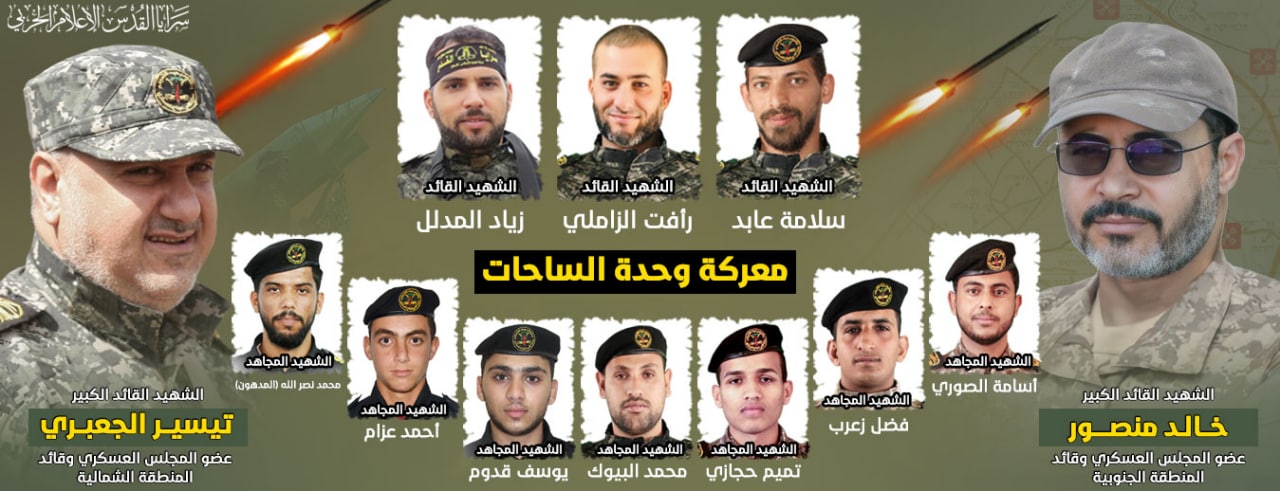
    2- Youssef Salman Qadoum, 24 years old, Gaza (Saraya al-Quds)
    3- Taysir Mahmoud Al-Jabari, 50 years old, Gaza (one of the commanders of Saraya al-Quds)
    4- Salama Mohareb Abid, 41 years old, Gaza (Saraya al-Quds)
    5- Alaa Abdullah Qadoum, 5 years old, Gaza
    6- Duniana Adnan Atiyeh al-Amour, 22 years old, Gaza
    7- Mohammad Ahmed Abdul Fattah Al-Madhoun, 26 years old, Alandi Towers (Saraya al-Quds)
    8- Fazl Mustafa Zorab, 30 years old, Khan Yunis (Saraya al-Quds)
    9- Mohammad Hasan al-Bayuk, 35 years old, Khan Yunis (Saraya al-Quds)
    10- Ahmad Mazen Azzam, 25 years old, Gaza (Saraya al-Quds)
    11- Tamim Ghassan Abdallah Hejazi, 23 years old, al-Zaneh district (Saraya al-Quds)
    12- Osama Abdurrahman al-Souri, 27 years old, Bani Suheila settlement (Saraya al-Quds)
    13- Hassan Mohammad Mansour, 26 years old, Jabalia camp
    14- Naameh Mohammad Abu Qaida, 62 years old, Jabalia camp
    15- Nooruddin Ali al-Zabidi, 19 years old, Jabalia camp
    16- Hazem Mohammad Salem, 12 years old, Jabalia camp
    17- Ahmad Mohammad Al-Nairb, 13 years old, Jabalia camp
    18- Momin Mohammad Al-Nairb, 4 years old, Jabalia camp
    19- Khalil Iyad Abu Hamadeh, 19 years old, Jabalia camp
    20- Ahmad Walid al-Fram, 18 years old, Jabalia camp
    21- 50-year-old Misbah Misbah al-Khatib, Jabalia camp
    22- 19-year-old Mohammad Mohammad Ibrahim Zakout, Jabalia camp
    23- Ziad Ahmad al-Mudalal, 36 years old, Rafah (Saraya al-Quds)
    24- Mohammad Iyad Hassoune, 14 years old, Rafah
    25- Ismail Abdulhamid Mohammad Salameh, 30 years old, Rafah
    26- Hana Ismail Ali Salameh, 51 years old, Rafah
    27- Rafat Saleh Ibrahim Zamili, 45 years old, Rafah (Saraya al-Quds)
    28- Khalid Saeed Mansour, 47 years old, Rafah (one of the commanders of Saraya al-Quds)
    29- Alaa Saleh Al Tahrawi, 30 years old, Rafah
    30- Ahmad Mohammad Afane, 31 years old, Jabalia camp
    31- Zia Zuhair al-Barai, 30 years old, Jabalia camp
    32- Jamil Ehab Najm, 15 years old, Jabalia camp
    33- Jamil Najm Najm, 6 years old, Jabalia camp
    34- Nazmi Fayez Abu Karsh, 16 years old, Jabalia camp
    35- Hamed Haider Najm, 17 years old, Jabalia camp
    36- Mohammad Salah Najm, 17 years old, Jabalia camp
    37- Mohammad Yaser Nimr al-Nabahin, 13 years old, Al Brij camp
    38- Ahmad Yaser Nimr al-Nabahin, 8 years old, Al Brij camp
    39- Dalia Yaser Nimr al-Nabahin, 13 years old, Al Brij camp
    40- Yasir Nimr Mahmoud al-Nabahin, 45 years old, al-Brij camp (Kataib al-Qassam)
    41- Khaled Ayman Yassin, 27 years old, Zaytoun neighborhood
    42- Shadi Imad Nimr Kaheil, 27 years old, Zaytoun neighborhood
    43- Abd al-Rahman Juma al-Salek, 19 years old, Shojaiye neighborhood
    44- Unknown

    Read more: Ceasefire in Gaza; The end of the four-day war!

  • Ceasefire in Gaza; The end of the four-day war!

    Ceasefire in Gaza; The end of the four-day war!

    On August 7, one of the senior officials of the Egyptian intelligence agency arrived in Gaza to consult with the commanders of Saraya al-Quds, the military wing of the Palestinian Islamic Jihad movement, regarding the ceasefire agreement. Hours later, local sources reported that the ceasefire agreement in Gaza will officially begin at 23:30 Palestinian time.

    The exchange of fire between the parties continued until a few minutes before the implementation of the agreement, but finally the agreement was implemented at the appointed time. It is said that the release of Sheikh Bassam al-Saadi, a leader of the Islamic Jihad, and Khalil Awadeh, the reopening of all crossings of the Gaza Strip, the resumption of fuel supply to Gaza from Monday, and the easing of the blockade of Gaza are among the provisions of this agreement.

    In this regard, Ziyad Al-Nakhlah, Secretary General of the Palestinian Islamic Jihad Movement, after the announcement of the ceasefire in the Gaza Strip, stated during a press conference in Tehran that the Zionist enemy was under pressure from the resistance and we will force this regime to release the prisoners Khalil Awadeh and Sheikh Bassam Al-Saadi and the occupying enemy could not impose any conditions on us.

    Al-Nakhlah warned that if the enemy does not adhere to these conditions, we will consider the agreement as invalid and resume the battle with the enemy.

    It is worth noting that after the arrest of Sheikh Bassam al-Saadi, one of the leaders of the Islamic Jihad movement in the West Bank, tensions between this movement and the Zionist regime increased, and finally, on August 5, the Zionist regime attacked the Gaza Strip and assassinated one of the senior commanders of Saraya al-Quds and clashes continued until late August 7.

    During four days of fighting with the Palestinian resistance, the Zionist regime martyred two of its senior commanders and several members of the military wing of the Islamic Jihad movement, Saraya al-Quds, in targeted airstrikes. This shows that Israel entered the war with the Palestinians with a pre-determined plan, and in fact, after the goals of this regime were achieved, it quickly accepted the ceasefire with a little pressure from the Palestinian Islamic resistance.

  • Opinion: Hamas Surrounds the Zionists!

    Opinion: Hamas Surrounds the Zionists!

    Representatives of the IRGC and Hezbollah regularly warned that military and political surprises await Zionism in future battles, it seems that the outlines of one of these surprises can be found already now.

    The beginning of the year marked new opportunities for Hamas, for example, it is no longer a secret that the leading Palestinian movement, with the approval of Hezbollah, has military bases in southern Lebanon. Given the strong presence of Lebanon in the Palestinian refugee camps and the constant development of relations with Iran, it was clear that the military presence of Hamas in Lebanon was a matter of time. But what was the surprise of the enemy when a representative of the Brigade al-Qassam was found in Jordan.

    So, according to the Lebanese media, at the end of May, terrorists from the Mossad and the CIA killed the commander of the military wing of Hamas, who, according to the media, arrived in Jordan. Given the fact that the King of Jordan is an ally of Zionism and therefore a hostile person towards the Palestinian resistance, one can guess that the visit of the commander of the Brigade al-Qassam was secret.
    One can only guess what the purpose of the visit was, in my opinion, Hamas is trying to influence the Palestinian refugee camps in Jordan. It is obvious that Abdullah’s autocracy is facing an inevitable end, so the Palestinian camps should prepare for chaos and, most importantly, confrontation with the Zionist regime, which cannot allow the collapse of the Jordanian regime.

    The presence of Hamas and other resistance factions among Jordan’s millions of Palestinians will create conditions for the development of military infrastructure, which will undoubtedly bring the final defeat of the Zionist colony closer.

    So, we see how Hamas surrounds the Zionist occupier. The presence of Hamas in Lebanon, rumors about the commanders of the Brigade al-Qassam in Jordan, for the full picture, it remains to resume the work of the Hamas office in Syria.

    With regard to Damascus, there is an important point, despite the lack of progress between the parties in the field of diplomacy, the facts indicate that military cooperation is in full swing. For example, the special services of Jordan claim that weapons are being smuggled from Syria to the West Bank of Jordan. This is really the case, the chain of actions of the actors looks something like this. IRGC proxies in Syria, with the support of Syrian intelligence, are carrying out covert arms supply operations through Jordan to the Palestinian Islamic Jihad camp in Jenin, Al-Aqsa Martyrs Brigade and Hamas cells in other West Bank cities. The support of small arms and light weapons is only the beginning of direct support for the Palestinian resistance from Syria. It is expected that Hamas, with the support of the IRGC, will deploy its own forces in the Palestinian refugee camps of Syria. Mahmoud Zahhar spoke about this back in 2015.

    Today we can state that several reasons prompted Hamas to dare a “revolutionary breakthrough” in the struggle for Palestine.
    1 – The victory of the supporters of the “Islamic Revolution” in the internal elections of Hamas blocked the efforts of pro-Bulgarian and pro-Turkish politicians to withdraw from the pro-Iranian alliance and returned Hamas to the status of the main striking force of the Axis of Resistance.
    2 – The elimination of differences on the Syrian and Yemeni issues marked a new level in cooperation between Hamas and Iran. The relative “cooling” was followed by a thaw, which became a prologue for the expansion of strategic relations.
    3 – The murder of the legendary General Soleimani forced all the key anti-Zionist forces in the region to accelerate the process of preparing for a series of final battles to the victorious end.