Saudi coalition’s operations defeats in al Hudaydah, Sanaa, Saadah, etc. and failure in reaching the goals resulted in UAE decision on retreating Emirati forces from different fronts in Yemen. However UAE doesn’t consider it as a retreat but rather they say by training and replacing almost 90k troops from other countries (Yemeni, Sudanese, etc.), there is no need for Emirati forces.
In general it can be said that UAE is trying to reduce international pressure and reduce loss of Emirati troops by replacing them with Yemeni(Hizam al Amni) and Sudanese troops mainly.
Anyhow this retreat can have 4 main reasons:
1. UAE military defeat in different battles against Ansar Allah:
Saudi Coalition’s forces repelled from Ibb province borders and later Ansar Allah’s recent operation in north of Al Dhale and reclaiming western and northern districts of this province, in despite of several years of airraid and siege against Ansar Allah, showed the inefficiency of these expensive operations which seemed obvious to be successful by Saudi Coalition.
Troops led by UAE are usually located in south of Yemen, which have a lot of political issues, assassinations in Aden and Ansar Allah’s drone attacks.
UAE who bore the main ground battlefield, by opening this new front made UAE vulnerable against Ansar Allah’s missile and drone attacks and did not have the defense readiness against this style of Ansar Allah’s attacks. Also lack of troops, Sudan’s domestic issues and UAE’s interference in Libya, preoccupied Emirs of UAE that forced them to retreat.
Thus it is safe to say one reason for UAE to retreat is numerous defeats imposed by Ansar Allah.
2. Ansar Allah’s threats to attack UAE’s soil:
Ansar Allah’s success in developing drone and missile capabilities, extended Ansar Allah’s threats to reach UAE soil. Release of footages showing Ansar Allah’s drones attacks to Abu Dhabi airport, revealed the importance of these threats. Apparently the pressure of Ansar Allah’s threats to attack UAE is another reason for UAE’s retreat.
3. Internal conflicts of UAE:
The disputes between Emirs of UAE that sometimes are reflected in media are mainly about financial issues and to accuse each other of inability in leading the state. Some of the Emirs do not want to pay for the Yemen’s battle and call it a useless war.
Although the struggle for power is not serious but can be a reason UAE is retreating from Yemen.
4. Negotiation and reaching an agreement between UAE and Ansar Allah:
The main and of course strange reason proposed in some media and analysis is the negotiation and agreement between Ansar Allah and UAE; apparently due to recent words of Sheikh Naim Qassem , Deputy of General Secretary of Lebanon’s Hezbollah.
Regardless of political statements, no official sources from either side confirms such theory. Even in the case of a possible negotiation, the results cannot be the only reason of UAE’s retreat.
Negotiation is a deal, thus, what would UAE get in case of leaving battlefields and islands of Yemen?
Conclusion:
UAE’s retreat from Yemen has several obvious and non obvious reasons, which were mentioned here. Most of analyses showed Ansar Allah’s power decay in the wake of Ali Abdullah Saleh’s death but actually it is reversed by Ansar Allah’s leader’s plans and UAE’s retreat shows it.
UAE leaders have discerned that confronting Ansar Allah should be turned into a civil war. Thus their presence in the battle is an obstacle and expensive.
This retreat which has been broadcasted via some news and evacuating some islands and bases but it shows a sign of defeat anyways.
Ansar Allah and UAE negotiations, if exist at all, stabilizes Ansar Allah’s victories first and isolates Islah party with its Muslim Brotherhood tendencies under leadership of Mansour Hadi, who has no supporter other than Saudi. Therefore, it is not unexpected if Saudi requests a negotiation with Ansar Allah or evacuates Yemen.
Category: UAE
-

Investigating Aspects and Reasons Behind UAE Withdrawal From Yemen War
-
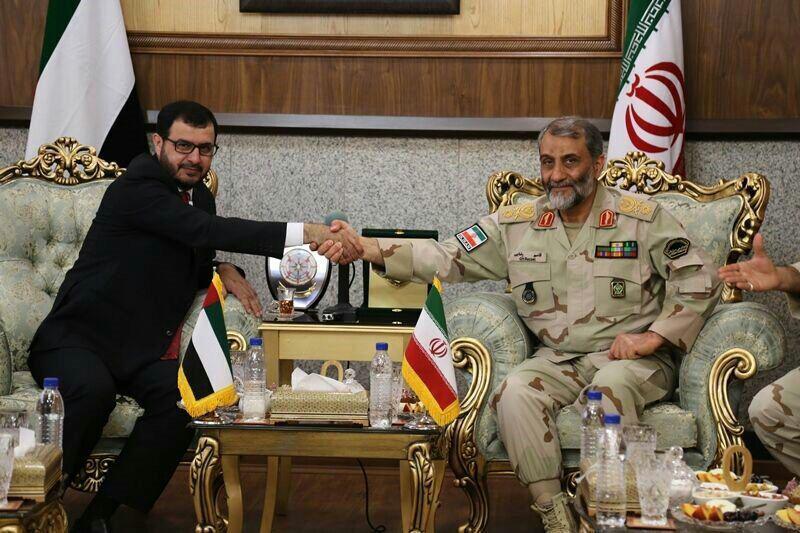
UAE Positive Message to Iran
Considering the leave of UAE troops from Yemeni fronts and incipient of negotiation with Iran we see a change in UAE foreign policy direction and we should wait and see if this change results in negotiations about Yemen or not.

-
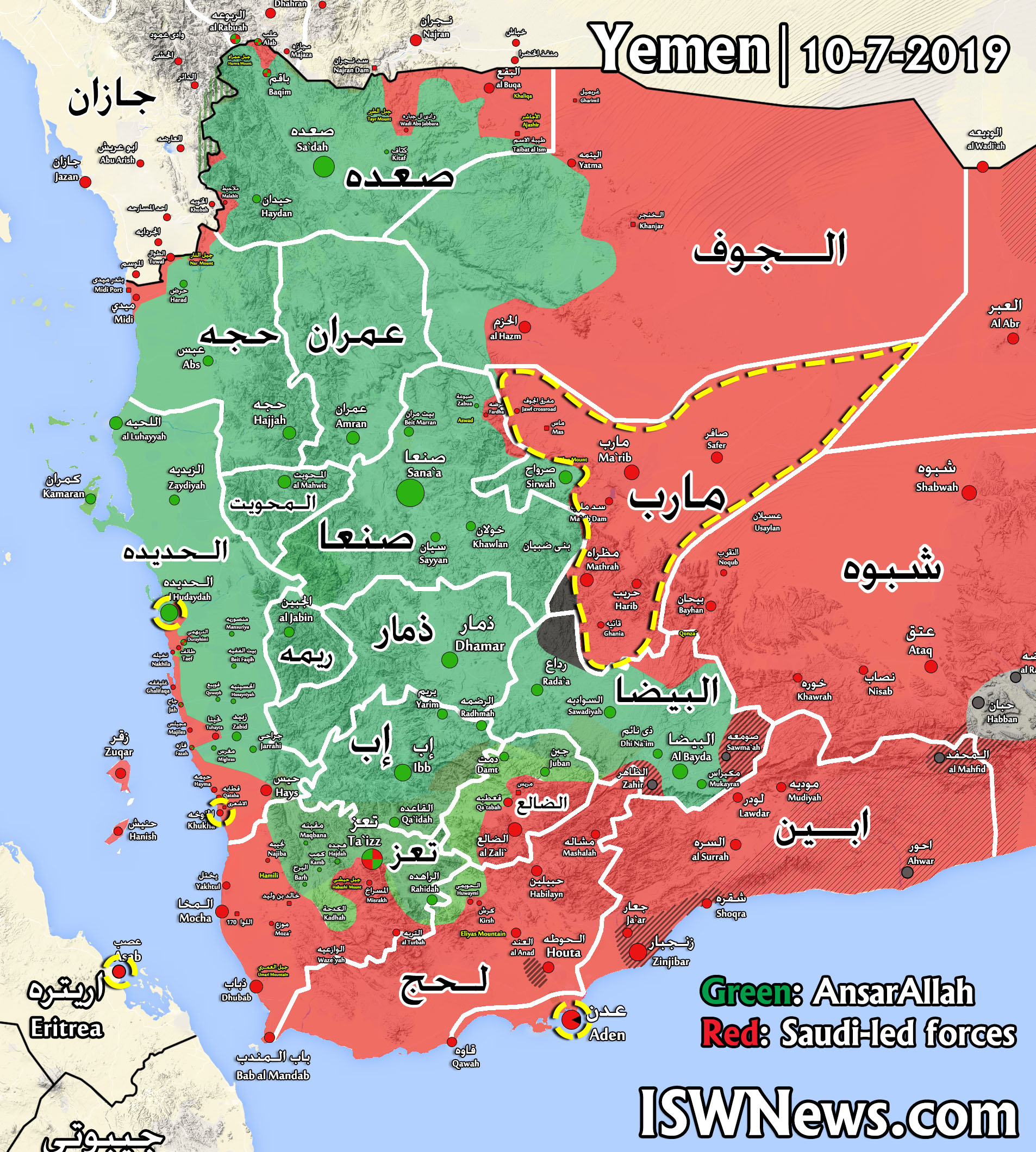
UAE Forces Retreat From Yemen; From Rumor to Truth
Unofficial announcement of retreat can have two reasons: 1. Preparing for any new change in the region. 2. Differences between its ally, Saudi Arabia.
According to a Emirati official interviewing France-Presse and Reuters, UAE is trying to show its presence in Yemen has changed courses. Plans “redistributing forces” and “strategic retreats” indicating that decision makers in Abu Dhabi confirmed previous news regarding UAE military presence in Yemen.
We can categorize Emiratis retreat into partial and full in some regions and replaced with Saudi forces.
Khukhah base is evacuated entirely and in south of al Hudaydah town many troops left in despite of UAE commanding the battle. They even evacuated Asab base in Eritrea.
In despite the great importance of these evolutions, Ansar Allah and allies have not reacted yet. According to a source of Ansar Allah in Al Akhbar paper, leader of the movement has issued a command that no one in Ansar Allah is allowed to comment on UAE retreat for now. He mentioned Ansar Allah is completely skeptic toward UAE’s moves whatsoever and added: We don’t reject the possibility that UAE is doing these partial retreats to lower the aftermath of their invasion to Yemen but not to entirely retreat from Yemen. He rejected Ansar Allah collaborating with UAE on the retreats and they only talked with Americans about it.
We can analyze UAE plan of retreat in three possibilities:
1. Retreating from two main fronts, Marib and al Hudaydah, which are crucial in sieging Sanaa. UAE had left Marib completely and its troops have reduced substantially in al Hudaydah.
2. 75% of the officers left Asab base in Eritrea. Asab base is UAE’s base of logistic and security affairs specially for the western front.
3. Reducing number of troops in south of Yemen specially in Aden, which was under UAE’s main influence. UAE is still supporting its allies something like 90 thousand troops according to UAE.
But what is UAE looking for?
Several reasons can be counted for this abrupt retreat.
A) Emirates is fearful of evolutions in the region, specially the possible confrontation between Iran and USA, since it cannot bear the consequences of such war. However experts reject the possibility of Iran-USA confrontation until war in Yemen is over.
Today no one can deny the relation between Washington canceling oil exemptions with recent advanced weapons such as drones and cruise missiles Yemenis unveiled and used recently against crucial infrastructures of invading countries. Abu Dhabi perceives these points and knows the fractions of war if reaches its oil industry, airports, harbors and ships are out of their chiefs’ tolerance. Yemenis attacking Saudi oil infrastructure is a serious warning.
B) UAE does not want to continue the war with Yemenis in the current situation and a lot of differences with Saudi.
UAE had the intention to have influence, occupy islands and coasts of Yemen and to fight Muslim Brotherhoods not to fight for survival. They never wanted a long war and focusing on al Hudaydah was more like a solution for UAE to leave Yemen with a small victory.
A while ago, Al Akhbar newspaper released Jordan’s ambassador in Saudi that the UAE’s ambassador in Riyadh is worried about Saudi behavior in Yemen. Shakhbut bin Nahyan, Emirati ambassador in Saudi in a meeting with Jordan’s ambassador mentioned they want to leave Yemen’s war under any circumstances.This is not only Abu Dhabi’s problem, other Emirs of UAE such as Mohammad bin Rashid, Emir of Dubai condemned UAE’s policies in the region and Yemen severely and stated will declare independence from Abu Dhabi if they still be in Yemen.
In conclusion, Emirates is trying to reduce the consequences of any possible war in the region for itself by these retreats, however it does not reduce its influences in south and supporting 90 thousand militants. This can be seduced from UAE FM visiting Russia after USA drone was shot down over Persian Gulf. Abdullah bin Zayed asked Russian officials to mediate between them and Iran and relay the message that Abu Dhabi does not support any war against Iran. Click to see the full size map
-
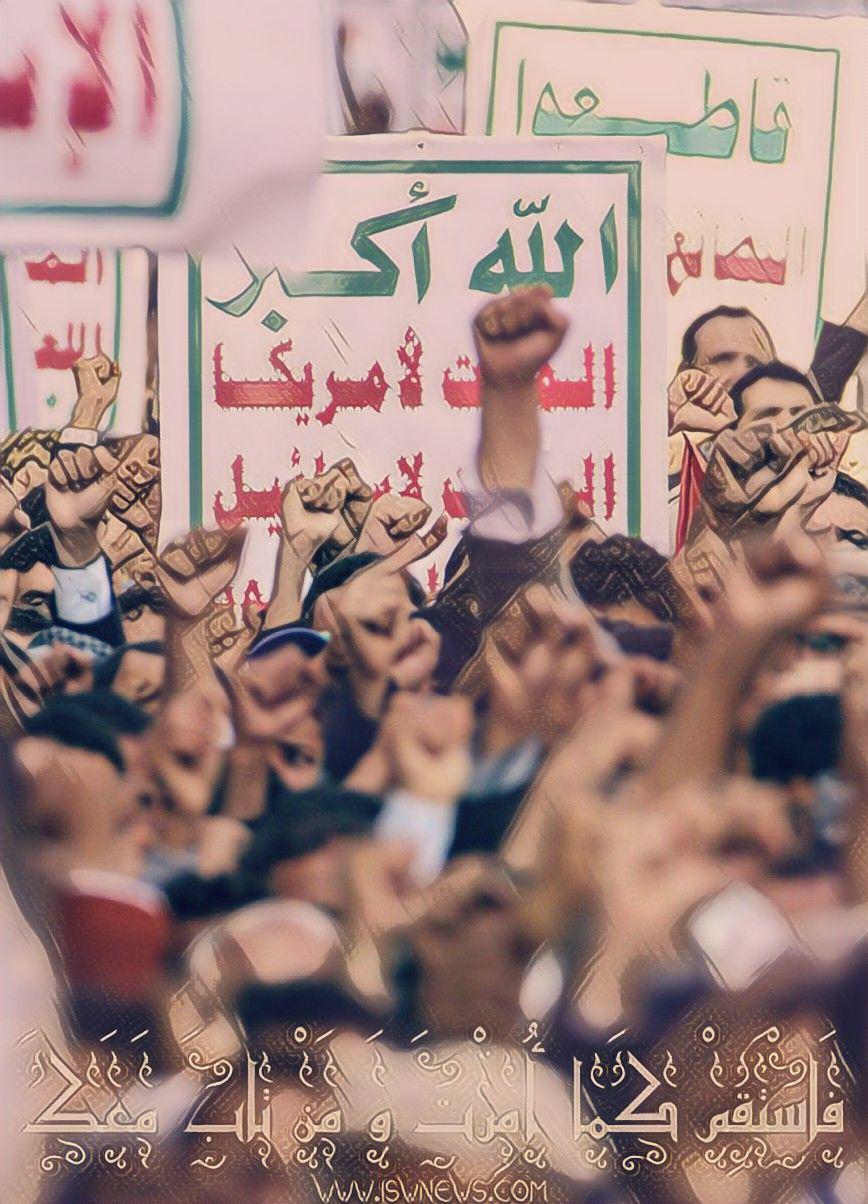
UAE Forces Retreats From Marib, Yemen
This retreat took place without informing Mansour Hadi, when the confrontation between Marib tribes and Saudi Coalition forces have increased recently. In recent engagement, 6 militants of Al Amir tribe and 3 Saudi Coalition forces were killed.
UAE retreating from front lines confronting Ansar Allah resulted in weakened and alone Saudi Arabia and also start of direct negotiations between Saudis and Ansar Allah.
UAE retreated from 80% of its positions in al Hudaydah after their defeat in al Hudaydah, in Dhale’ after Ansar Allah’s operation from fronts Haqab, Damt, Hisha and Azariq. Now they completely retreating from Marib province.
In addition, there are changes coming in ruling Shabwah and Aden, whose details are not clear now and we should wait and see if UAE-Saudi differences is the reason UAE retreated or its defeats from Ansar Allah… -

Investigating Tankers Explosion in Fujairah Port, Emirates
Sky News broadcasted a special program about it and contacted specialists from Washington and Manama to investigate the incident and drew some conclusions:
1. No drone or missile was observed in Emirates’ sky thus the operation was done by ground elements.
2. This was an attack by Iran or Houthis (AnsarAllah).
3. The method of the attack is similar to the methods used by Iran’s forces (for example Quds Corp).Since no group or country took responsibility for it we can draw following conclusions:
1. Independence of the incident details, it is a clear message to Emirates; do not rely on your oil export harbors, specifically in the war time!
Oil customers in the world should know that in the war time and Iran’s limited export, they cannot procure their needs from Emirates or others and supporters of Iran’s enemies are not safe.
2. Independent of who did the attacks, fear to report it or talk about details or even deny the news, show how brittle is Emirates security and economy which heavily depend on foreigners and oil money. This might result in escape of investment from Emirates.
Fujairah pipeline brings 3/4 of the Emirates crude oil from Persian Gulf to Oman Sea detouring the Strait of Hormuz; is a huge oil reservoir.
3. The scope of war with Iran is not limited to US huge battleships units, strategic bombers in Qatar or Israeli F-35s. The scope can reach Fujairah, Jizan, Golan and many other locations in the region. In another words, one hit ten receive.
4. This incident shows that oil and economical war with Iran is not as easy as some tweets as Trump thinks. It shows even a simple incident is enough to disturb oil market of the world and influence the price, too.We are waiting for more details as Emirates media said they are investigating more.
Image: The wreckage of UAE HSV-2 Swift, after it was attacked by C-802 missile near Bab-el-Mandeb in Yemen; 1 October 2016.
-

Investigating UAE’ Foreign Policy
First part: Africa
Strengthen strategic foreign influence, as Emirates call it, interfere in many Asian and African countries affairs. Its goals being beyond just Emirates’ position, are in the interest of western exploiting countries such as UK.
Controlling Aden Gulf and countries adjacent to it, confronting Islamic Resistance, controlling the situation in African countries and securing Europe’s energy are the main tasks Emirates should do on behalf of Britain.Emirates sees the Resistance Axis (Iran, AnsarAllah, Hezbollah) and Turkey-Qatar Coalition on one hand and Saudi-Bahrain- Egypt-Kuwait axis on the other hand as regional rivals.
– Somalia:
To control Aden Gulf, Emirates infiltrated in self-governed area of Somaliland, north of Somalia and erected a military base in Barbara harbor according to request of the local parliament and it is said by paying high stakes bought the exploitation right of the harbor for 30 years.
Somaliland during Somalia civil war in 1991 claimed independence and no country acknowledged that and is considered as a self-governed land. By donating privileges to countries like UAE, they try to get independence.
– Eritrea and Ethiopia:
To infiltrate in the Horn of Africa and also to help assaulting Yemen, Emirates started building a military coastal base in 2015 in Asab harbor, south of Eritrea at the border with Djibouti and Strait of Bab al Mandeb.
This harbor has benefits for three sides, UAE, Eritrea and Ethiopia. Emirates intensifies its presence in Africa and Yemen providing agriculture and food, Eritrea benefits financially and Ethiopia has access to sea.
– Libya:
Emirates is supporting General Gaddafi and opposed Haftar government (supported by UN and Qatar) widely, after fall of Qaddafi. Libya National Army under command of General Haftar and supported by Emirates could claim vast lands in west, east and center of Libya with several operations.
Emirates not only pays all the costs and provides all the equipment for General Haftar but also deployed 12 fighter jets (6 Mirages and 6 F-16s whose pilots and technicians are mainly European) to eastern airbases of Libya to support the operations.It is said recently that this movement is trying to candidate Saif al-Islam Gaddafi for presidential election.
– Egypt:
After Abdel Fattah el-Sisi took the power from Muslim Brotherhood in Egypt, to confront Turkey-Qatar axis, el-Sisi submitted to Saudi-Emirates axis. Therefore Egypt is a main player in Saudi Coalition and signed numerous contracts with Saudi and UAE.Second Part: Asia
– Yemen:
After accompanying Saudi Coalition in attacking Yemen widely, Emirates follows two policies; to form groups separated from Saudi Coalition and to control southern harbors and islands. Groups adherent to Emirates have formed under the names “Hizam al Amni” and “Quwat an Nukhbah” in southern and eastern parts of Yemen.
UAE’ approach to war in Yemen is first to confront AnsarAllah and then to confront Mansoor Hadi’s forces.Although Emirates apparently supports Mansoor Hadi in confrontation with AnsarAllah but in reality they have deep differences with Muslim Brotherhood and Mansoor Hadi’s idealogy and are continuously looking for positions in parliament or government.
Engagements in different cities such as Taiz, Shabwah and Aden are evidences for it.
After repelling Ali Abdullah Saleh intrigue by AnsarAllah, Emirates is trying to attract his family and movement and trying to have a role beside AnsarAllah and Saudi in Yemen’s political field.
During the last year, Emirates occupied Socotra islands and repelled Mansoor Hadi’s troops out of there. It also is erecting a military base there and buying the lands from Yemeni owners. About Perim island and other islands, Emirates’ approach is same and trying to have cultural and military influence.Conclusions
As mentioned, Emirates expansion based on the resources and wealth out of the Persian Gulf, trying to stabilize its wealth by using other locations such as Aden Gulf countries and north of Africa. Also to confront Iran in western Asia, being Britain’s police of the region.Thus forming coalition with Saudi Arabia and its ambitious crown prince, participating in war against Yemen, investing in Aden Gulf, supporting Sisi and Haftar and etc. are all to serve in UK’s interests and if in future Emirates claim to confront Iran in future, it will not be surprising.
In addition, Emirates interference in civil wars of African countries and Afghanistan and also Pakistan’s financial dependence are among topics to be explained in future articles. -

Emirates; The Pirates’ Shore!
On 2nd December 1971, British under William Luce as head conducted negotiations with administration of Iran and established a country in Persian Gulf which was famous as home of pirates before.
Immigrant Wahhabis who settled in southern shores of Persian Gulf under due to weakness of central administrations of Iran (Zand, Qajar and Pahlavi dynasties) are now called United Arab Emirates which consists of seven Emirates of Abu Dhabi, Dubai, Sharjah, Ras Al Khaimah, Ajman, Fujairah and Umm Al Quwain.Emirates Sheikhs (chiefs) are proclaiming to rule over the three islands Greater and Lesser Tunbs and Abu Musa from the incipient and accusing Iran to be occupier and sometimes have supports from the region or around the globe.
But this proclaim considering Iran’s ruling over the aforementioned islands from old maps and documents, its mention in colonizers contracts with Qajar kings and etc., is not true which was rejected in UN Security Council as well.Authoritarianism and Corruption:
Emirates under support of Britain not only proclaiming of right to rule over the three islands but also supports Iran’s sanctions, assaulting Yemen, condemning Syria and Hezbollah, supporter of Saddam during Iran-Iraq war (Emirates, Saudi Arabia, Kuwait, Bahrain and Qatar donating 50 billion dollars, 1,500 missiles to Saddam and supporting US Navy in confronting Iran), supporter of ISIS financially and military, supporter of Taliban, supporter of General Haftar in Libya’s civil war (sending fighter aircrafts and military equipment), military presence in Afghanistan among others.Confronting Iran:
The reason behind having such a proclaim is not only limited to the rich oil resources of the islands but also to confront Iran’s rule over south of Persian Gulf and Strait of Hormuz, and since the only maritime route for tankers and large vessels is between Abu Musa and Tunbs islands due to depth of water.
To retaliate Iran’s threat over shutting Strait of Hormuz, Emirates started building a 370 km pipeline to transport Arabic countries’ oil from Abu Dhabi to east of Emirates in Fujairah area. This pipeline can transport up to three quarter of Emirates oil export.
They are building the world’s largest underground oil reservoir in Fujairah(eastern shore of Emirates on Gulf of Oman) with capacity of 42 million barrels of oil with help of South Korea.
Emirates also bought or rented oil reservoirs in India and Japan so if Iran’s threat takes place nothing happens to western masters’ oil import.These plans need huge amounts of time and money which are happening under western countries’ long negotiations with Iran and imposing sanction on it.
Thus, everytime Emirates repeats the proclaim over the islands, western countries’ from Obama’s to Trump’s administration to France’s Foreign Ministry and Arab rulers become excited and support the nonsense proclaims… -
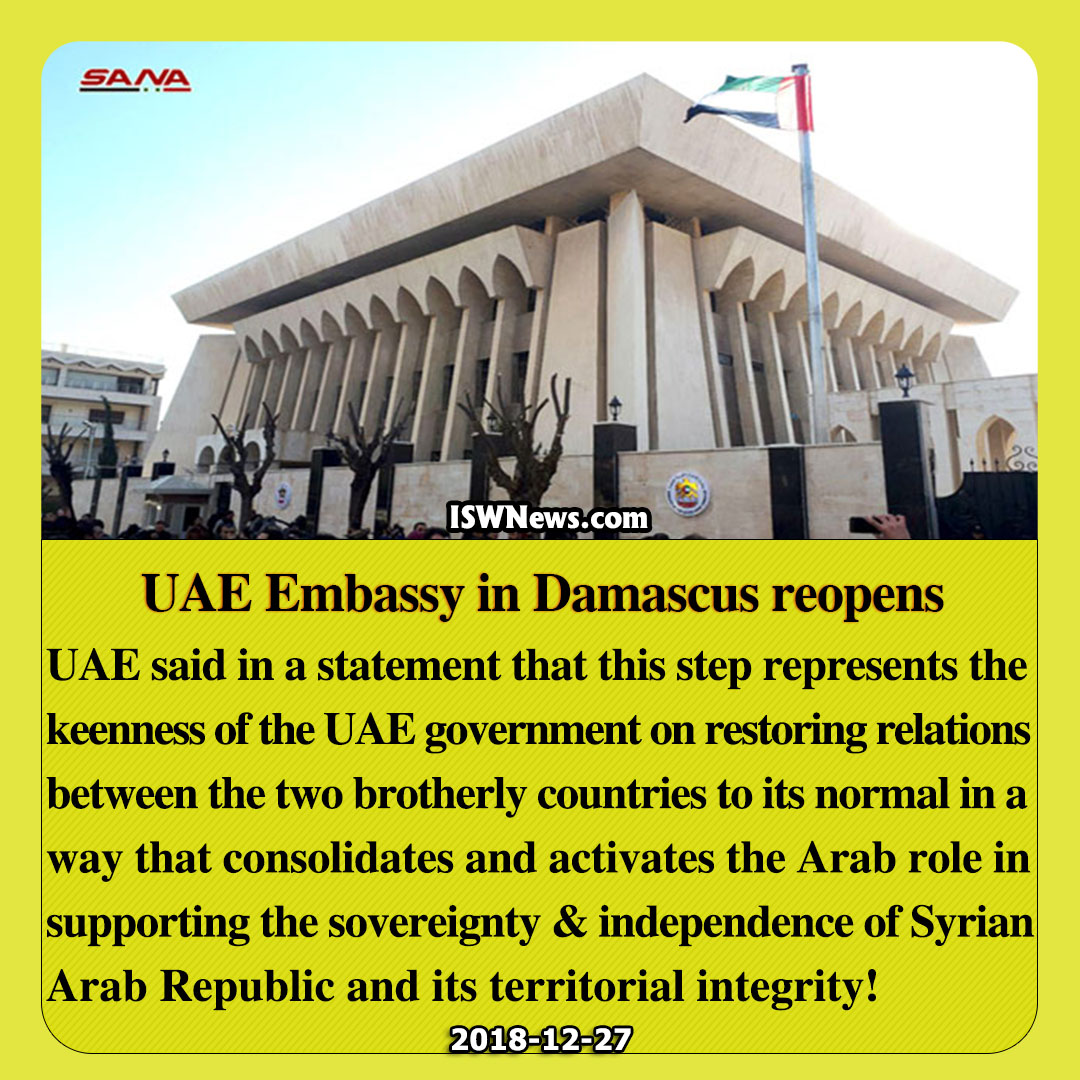
UAE Embassy in Damascus reopens
The United Arab Emirates is claiming brotherhood, while in the past its destructive role and its cooperation with the other Arab countries of the region for the destruction and devastation of Syria is so obvious.
-
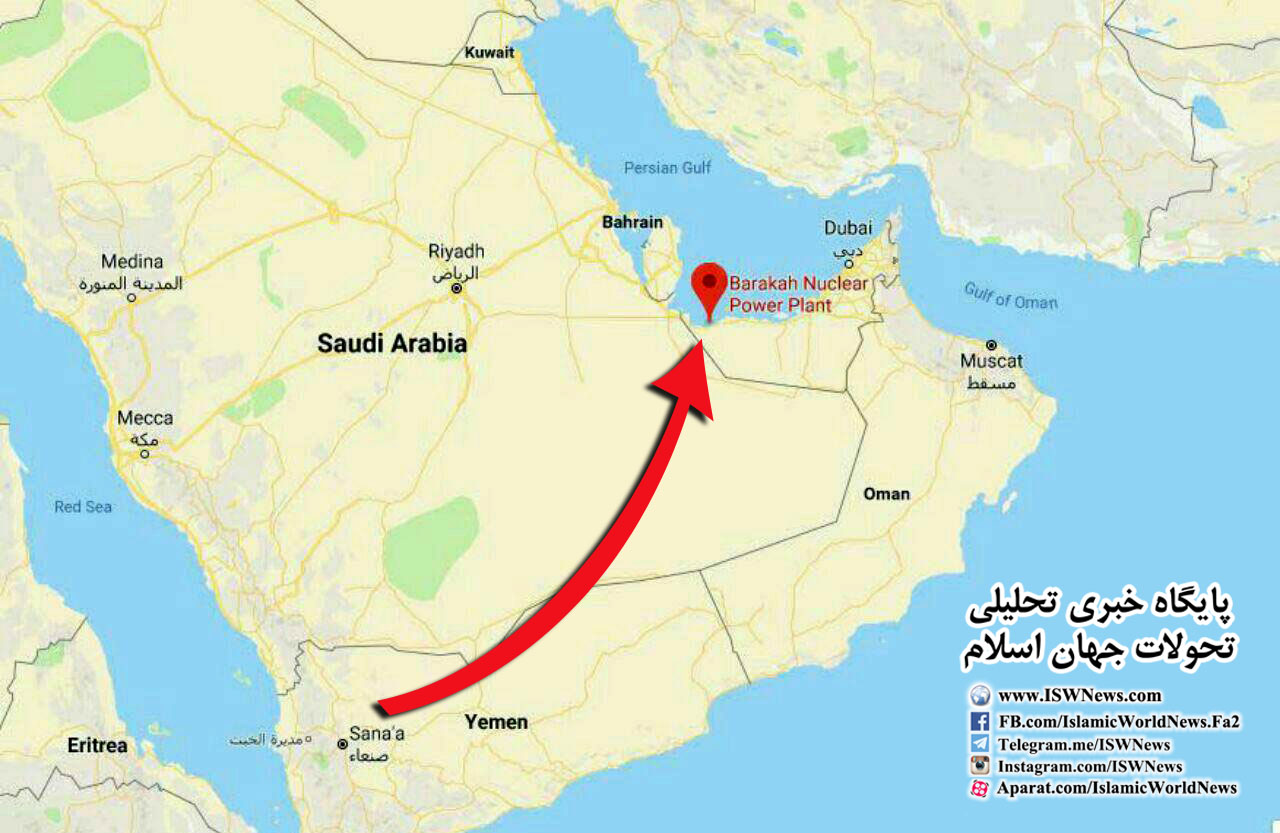
Yemen’s Houthi fighters launch missile attack at Abu Dhabi nuclear plant
“The missile force announces the launching of a winged cruise missile … towards the al-Barakah nuclear reactor in Abu Dhabi,” the Houthis’ al-Masirah news website reported on Sunday, without providing further details.
Yemeni media reported that the cruise missile had successfully hit the Barakah nuclear reactor in Abu Dhabi.
Yemeni forces regularly fire ballistic missiles at positions inside Saudi Arabia in retaliation for the Saudi-led war on Yemen.
Back in September, Houthi leader Abdul-Malik al-Houthi warned that the UAE is no longer a safe country as missiles manufactured by the Yemeni group can now hit anywhere in the Arab country.
The UAE has been a key ally of Saudi Arabia in its military campaign against Yemen, which has killed over 12,000 people since March 2015.
The Emirati air force has played a significant part in the aerial assaults against Yemen. In addition to deploying its own troops on Yemeni soil, Abu Dhabi has been training pro-Saudi militants fighting on the ground against the Yemeni army and its allied forces.
The country has also come under scrutiny for running secret prisons in Yemen, where hundreds of inmates suffer mistreatment and torture.
Saudi Arabia and its allies launched the war in a bid to crush the Houthis and reinstate the former Riyadh-friendly regime, but the kingdom has achieved neither of its goals.
The protracted Saudi war, which has been accompanied by a land, naval, and aerial blockade, has left over 17 million Yemenis in need of food and caused a cholera epidemic.