1- Saudi coalition air raids in the last 48 hours – 3 times Madghal district and once Jabal Murad district, Marib province. – 7 times Khab and Shaaf district, Al Jawf province. – 3 times Zaher district and once Kitaf district, Saadah province. – 6 times Haradh district and 2 times Hayran district, Hajjah province. – 3 times Qifah area, Baydha province.
2- Al Hudaydah Saudi-led coalition forces violated ceasefire in the province 313 times in the last 48 hours.
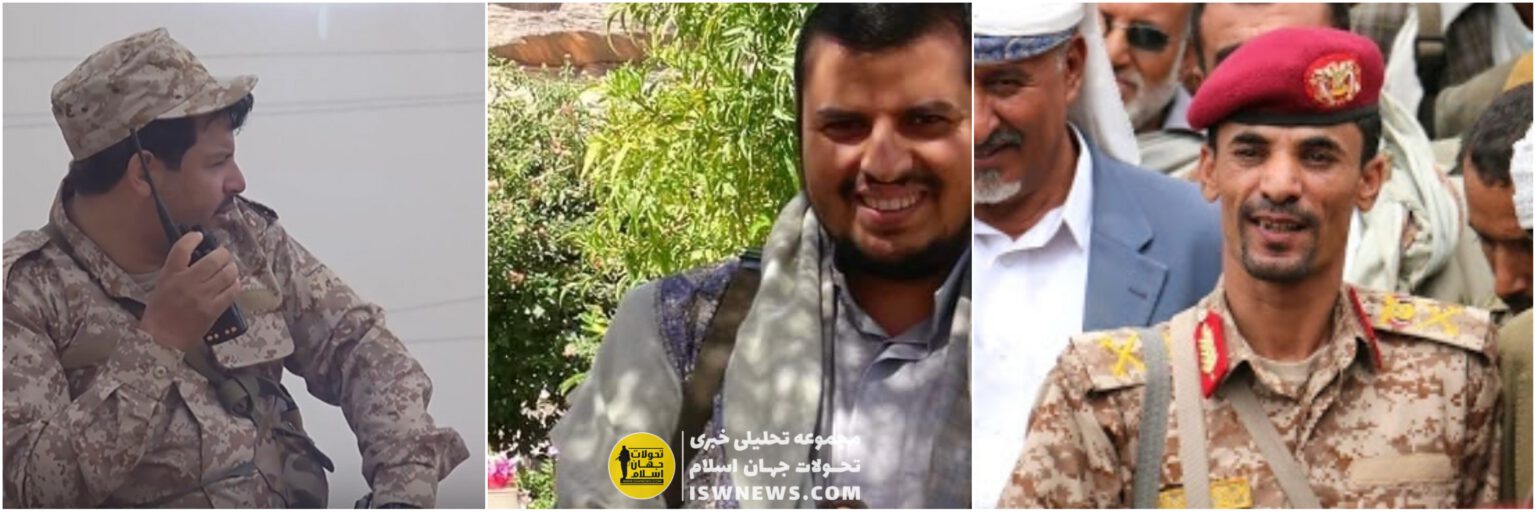
3- US Treasury put Ansar Allah movement in terrorist list. It also put Sayyed Abdul-Malik Badreddin al-Houthi, Leader of Ansar Allah, Abdullah Yahya al-Hakim, Head of the Intelligence Agency and Sayyed Abdul Khaliq Badreddin al-Houthi, Commander of the Central Military Zone of Ansar Allah in wanted terrorist list.
Probably the reason of sanctioning the leader and two great commanders of Ansar Allah is Ansar Allah’s recent achievements in operations ‘Fa’amkana Minhom’ and ‘Bonyan al-Marsus’ under their leadership and command. Abdullah Yahya al-Hakim aka Abu Ali, a main commander of Ansar Allah, who has experience commanding in Dammaj battle, Ali Abdullah Saleh intrigue in Sanaa, ‘Fa’amkana Minhom’ operation (liberation of west of Al Jawf province) and north of Baydha operation against ISIS and Al Qaeda terrorists groups. He could also convince the tribes of Rahbah in south of Marib to swear allegiance with Ansar Allah to push back Saudi coalition. Abdul Khaliq Badreddin al-Houthi, brother of Sayyed Abdul-Malik leader of Ansar Allah, is commander of central zone and had an important role in operation ‘Bonyan al-Marsus’ (liberation of Nihm district in Sanaa province and west of Marib province).
In previous years, Ansar Allah’s advance was stopped behind the gates of Marib, but after Operation “Fa’amkana Minhom” in al-Jawf Province and Ansar Allah Operation in the north of al-Baydha; The ground for the liberation operation in Marib province was again provided for Ansar Allah.
In the first article, we introduced the Saudi coalition military bases in the provinces of Marib and al-Jawf, which formed the defensive line of their positions, and the main focus of the coalition’s operations in the war was the “conquest of Sanaa.”
After the start of Ansar Allah operation in Marib province, which was preceded by two operations, “Fa’amkan Minhom” and the peration north al-Baydha against al-Qaeda and ISIS, Ansar Allah succeeded in liberating the districts of Majzar, Madghal, Maheliyah and Rahbah, and clashes continue in the districts of Raghwan, Sarwah, Jabal Murad, al-Abdiya, al-Jubah and Huraib.
Currently, Ansar Allah has almost broken the main defensive line of the Saudi coalition in Marib by capturing four Labanat base, al-Khanjar base (in al-Jawf province), al-Jufra base and Maas bases in the west of Marib province, and the precision missile and drone strikes on the bases of Sahn al-Jinn, Tadawin, the third military zone, al-Ruwaik, and… have led to the weakness of the coalition in supporting the front lines. Therefore, it can be said that the military power of the Saudi coalition in Marib province has been drained and the conflict between the two main sides of the Yemeni war, namely Ansar Allah and the resigned government of Mansour Hadi, in Marib province is nearing its final step.
Now, Ansar Allah must achieve the following in order to complete its victory in the west of Marib province:
1- Clearing the district of Raghwan: Negotiations with some tribes have been effective, but most of the tribes in the Raghwan area are resisting Ansar Allah, whose defeat is imminent.
2- Moving in direction of Kanayis base: The clearing of this base will also lead to the security of eastern parts of al-Jawf, and the coalition attacks on the Labanat base and the eastern villages of al-Hazm city will no longer be possible.
3- Moving in direction of al-Ruwaik base: This route will be militarily costly due to the desert climate, because it will put Ansar Allah’s equipment and forces within the reach of the coalition air force. Therefore, it does not seem that Ansar Allah will make the final attack on Marib from this route. However, this route is important for imposing a siege on Marib or controlling al-Safer oil resources.
4- Moving from the south of Marib: The Murad tribes are among the main and staunch supporters of the Yemeni Muslim Brotherhood and the resigned government of Mansour Hadi in Marib, who generally reside in the southern and central district of Marib province. Although it is difficult and time consuming for Ansar Allah to cross this route, but while reducing the Saudi coalition power on other fronts, it leads to the decrease of the coalition popularity among the people of Marib. The heights of Jabal Murad district, and the two bases of Rabish and al-Khashina are also among the important points of these areas, the clearing of which is considered as the control of the south of Marib province.
5- Moving from the western route: The main axis of entry into the city of Marib for Ansar Allah is the Sanaa-Marib road and the Sarwah-Marib road. Ansar Allah’s domination of the Marib Dam and its western heights could lead to the surrender of the city without conflict. In this regard, Ansar Allah must push back the Saudi-led coalition forces from the bases of Sahn al-Jinn, Tadawin and the third military zone.
As we have mentioned before, Ansar Allah does not seek to impose defeat on the Saudi coalition and push them back to control Marib, but seeks to consolidate the coalition’s defeat in the region, end Mansour Hadi’s belligerence, and reject their (Muslim Brotherhood) ideology for the model of governing Yemen. Nevertheless, Ansar Allah used to consider the Yemeni Muslim Brotherhood as one of the political factions and wanted to interact with them. However, this faction has not shown flexibility in its actions with Ansar Allah and even the southerners. Undoubtedly, Marib is their most important base, and with its liberation by Ansar Allah, the resigned government will face many problems in other areas under its control, which could eventually lead to the collapse of their current.
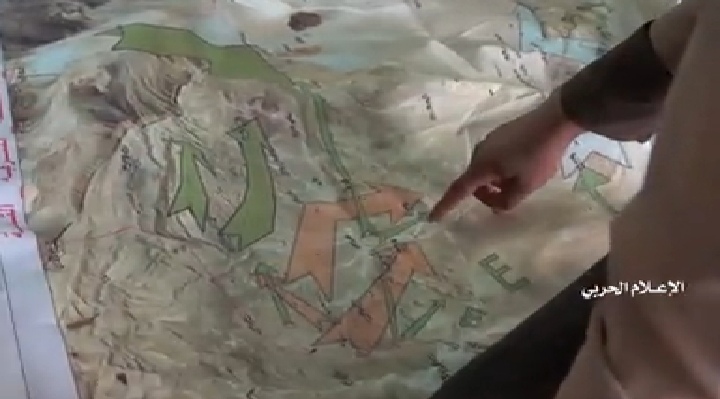
Click to see the full size map
YOUR SUPPORT IS CRITICAL TO KEEP ISWNews ALIVE!
I’d like to thank readers for their confidence and support. Thanks to your support we can continue to perform our duty on reporting the important events in the region. So If you like our contents, please don’t feel embarrassed to contribute and help our project, for as little as 1 Dollar. Your contribution, however small, will help ensure our project continuity. Thank you.
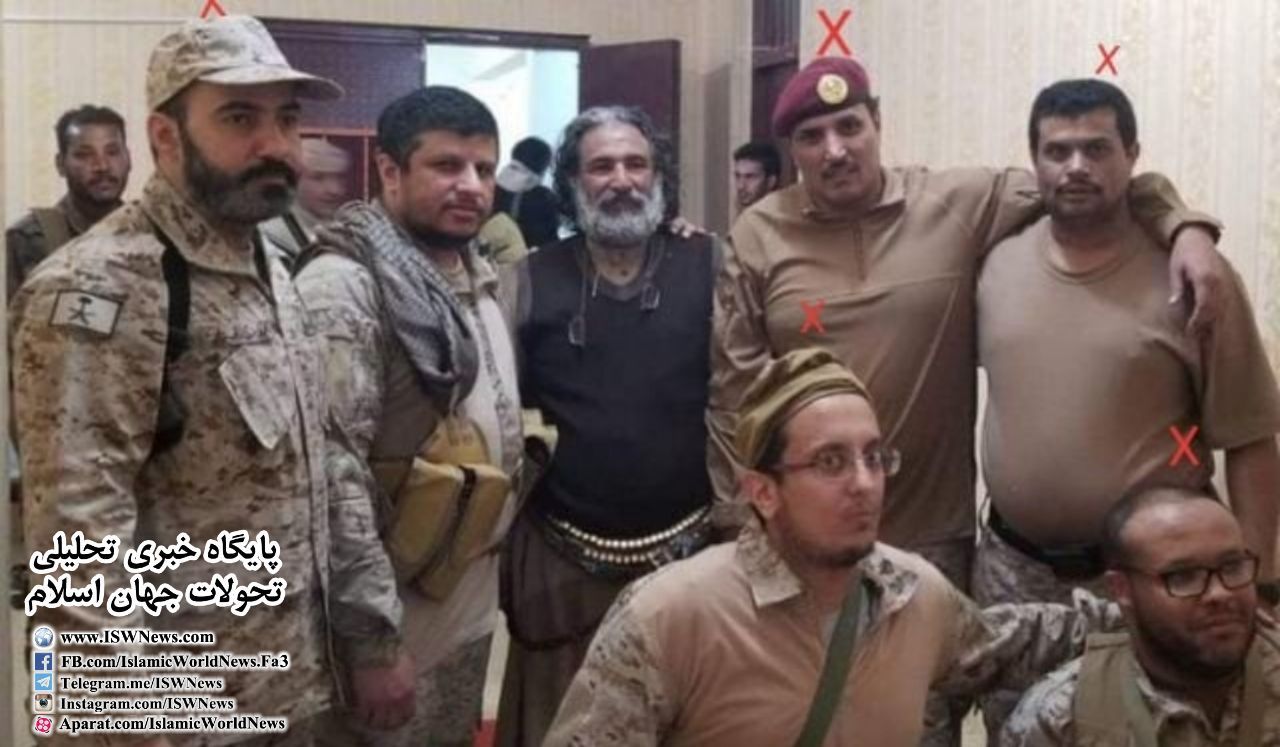
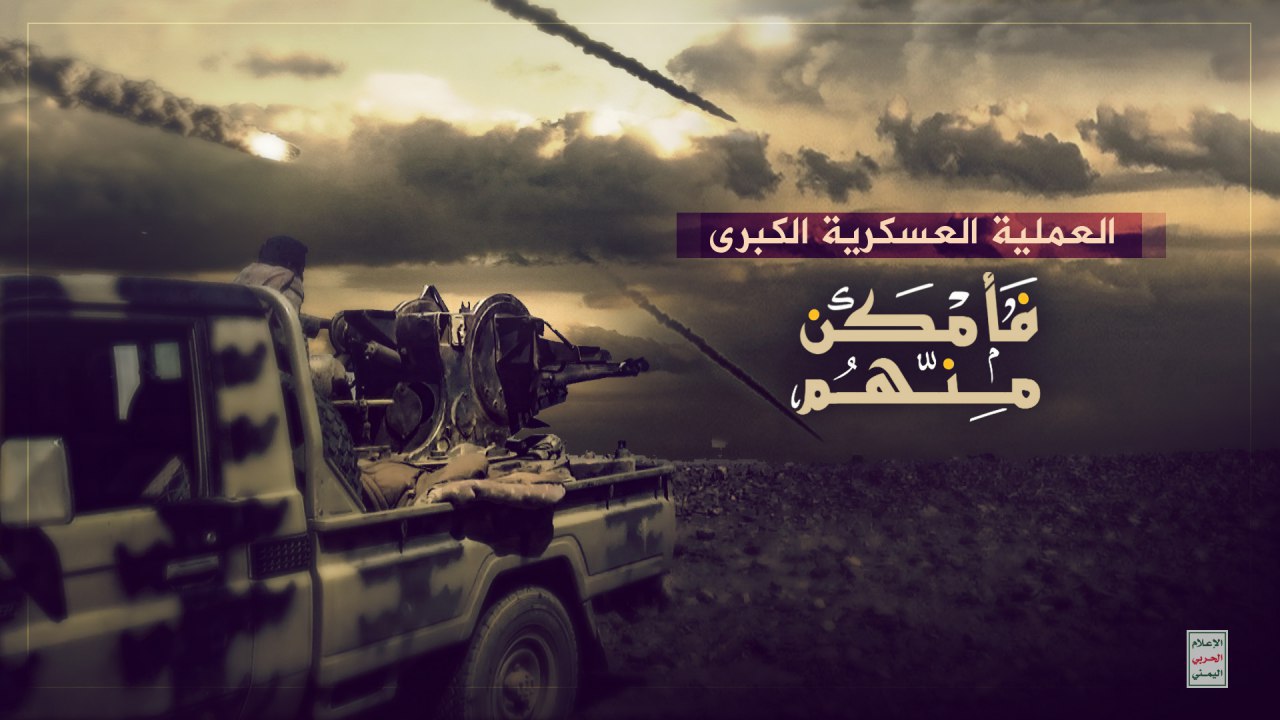
Ansar Allah’s blows to Mansour Hadi’s resigned government military system, which is mainly from Islah Party, were so hard in Faamkan Minhom operation that it is a long story. Ansar Allah had six missile and 54 drone attacks to Saudi coalition positions, that only one of their results is killing 13 commanders of Mansour Hadi.
In the picture, only 5 senior commanders of this party can be seen who were killed in Ansar Allah’s precision missile attack on February 29, 2020.
YOUR SUPPORT IS CRITICAL TO KEEP ISWNews ALIVE!
I’d like to thank readers for their confidence and support. Thanks to your support we can continue to perform our duty on reporting the important events in the region. So If you like our contents, please don’t feel embarrassed to contribute and help our project, for as little as 1 Dollar. Your contribution, however small, will help ensure our project continuity. Thank you.
In this operation, districts Ghayl, Maslub, Motun, Hazm, Khalaq and parts of Khab and Shaaf were liberated by Ansar Allah from Saudi-led coalition forces. According to ISWNews local sources, in this operation, more than 220 armored and military vehicles, 32 tanks and tens of rockets and cannons were seized by Ansar Allah.
According to this footage, is U.S. right about who does arm Ansar Allah? Iran’s forces or Saudi coalition with their running aways?!
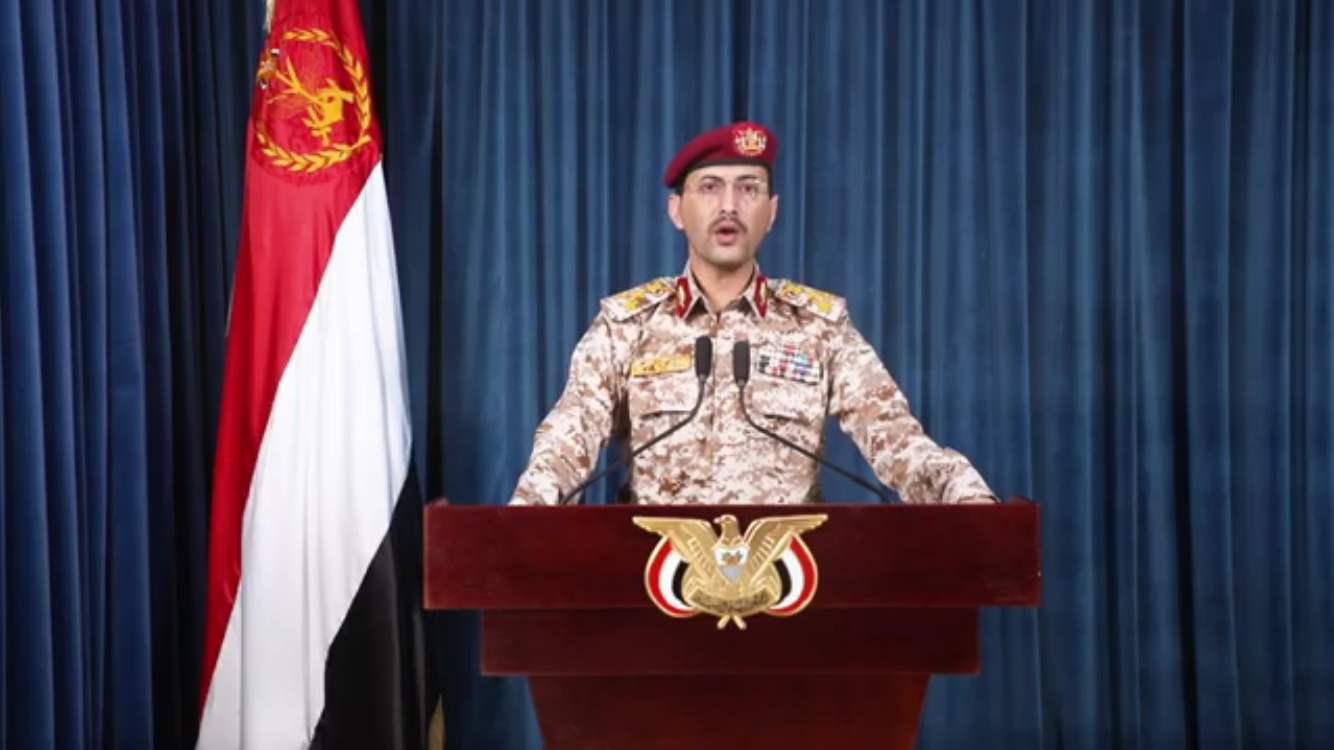
Brigadier Gen. Yahya al-Sari’, the Yemeni Armed Forces spokesman: – The operation for liberating of al-Jawf province, proved our power in imposing the new equations on the enemy. – Our continued victories are the result of the achieving of our forces to the points that our leader Sayyid Abdul-Malik Badreddin al-Houthi has mentioned. – The direction of operation was the southern axis of al-Jawf province, that districts of al-Hazm, al-Maslub, al-Ghayl, al-Khalq, al-Motun to Khab and Shaaf were liberated during it. – Enemy forces in this region named “sixth zone”, are consisted of six brigades and three battalions of Salafi mercenaries and armed groups. – During this operation, Saudi coalition warplanes performed more than 250 air strikes on al-Jawf. – Our missile force fired six missile of Nekal, Qasem and Badr to the coalition positions. – Also, 54 drone strike were done during this operation that 33 strikes targeted Saudis military and economic targets including their oil and gas establishments. – Air defense also succeeded to prevent from the attacks of enemy warplanes in 10 operations. – The role and participating of freedman and noble tribes in this operation is an honor. Their position is the rejection of mercenaries and traitors to the country. – During this operation, more than 1200 of mercenaries were killed, wounded and captured. – During the operation, we considered protection of ancient and historic sites and we will be committed to protecting them. – Our invitation from the Yemeni traitors and mercenaries for changing their shameful positions and moving to the homeland embrace, there is still.
– In “Fa’amkana Minhom” operation, all the districts except some areas in district Khaab and Shaaf and al-Hazm desert liberated. – “Fa’amkana Minhom” operation resulted in defeat of sixth military area with enemies brigades in it and hundreds of their troops killed, captured and injured. – Missile and drone forces performed more than 50 operations, some of which inside Saudi Arabia. – We stress the honorable role of al Jawf tribes in achieving this victory and continue to liberate our nation entirely.
Pictures of the city of al-Hazm (the capital of al-Jawf province) released by AnsarAllah during Operation Faamkan Minhom from the control of the Saudi coalition.