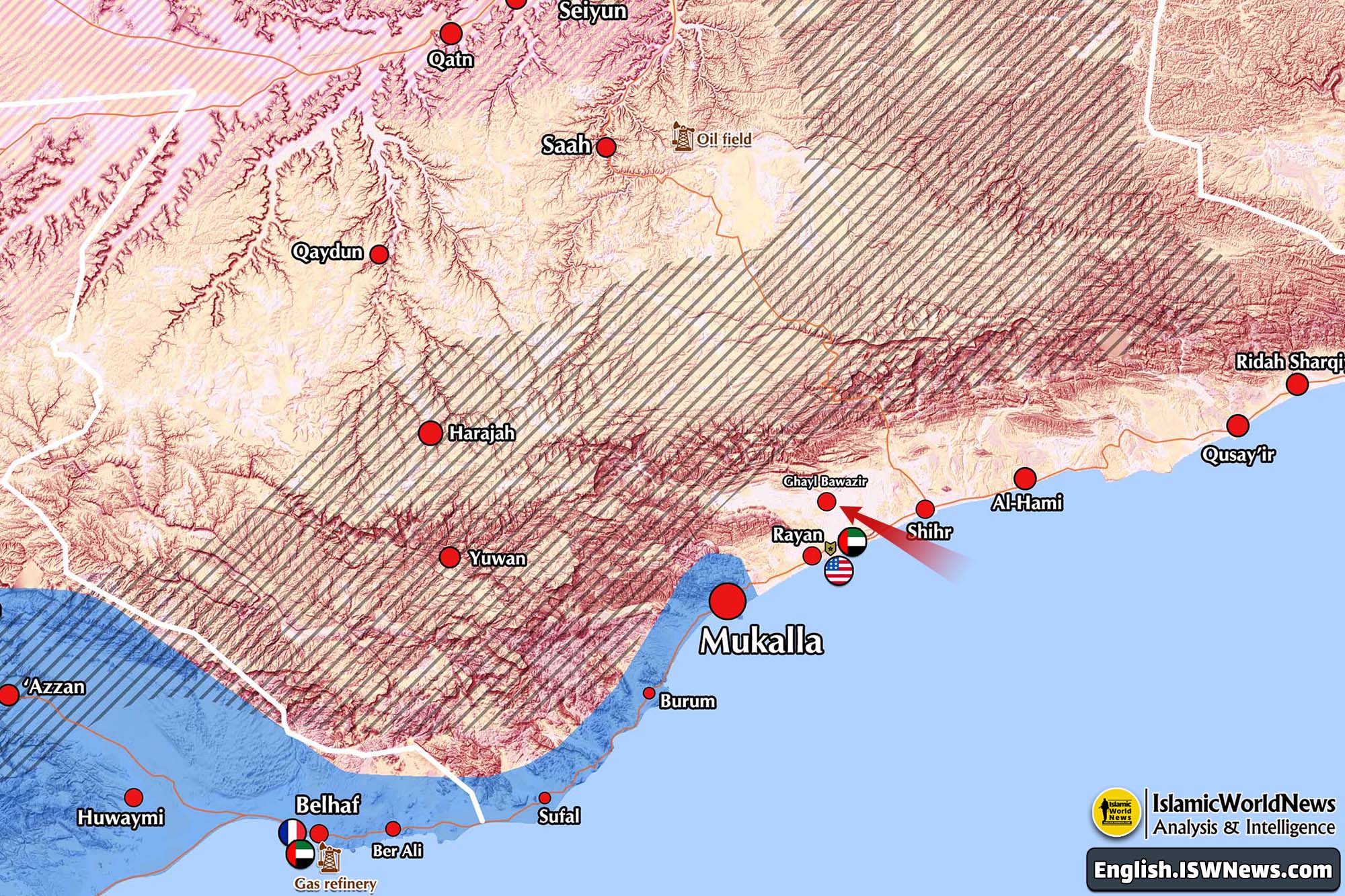
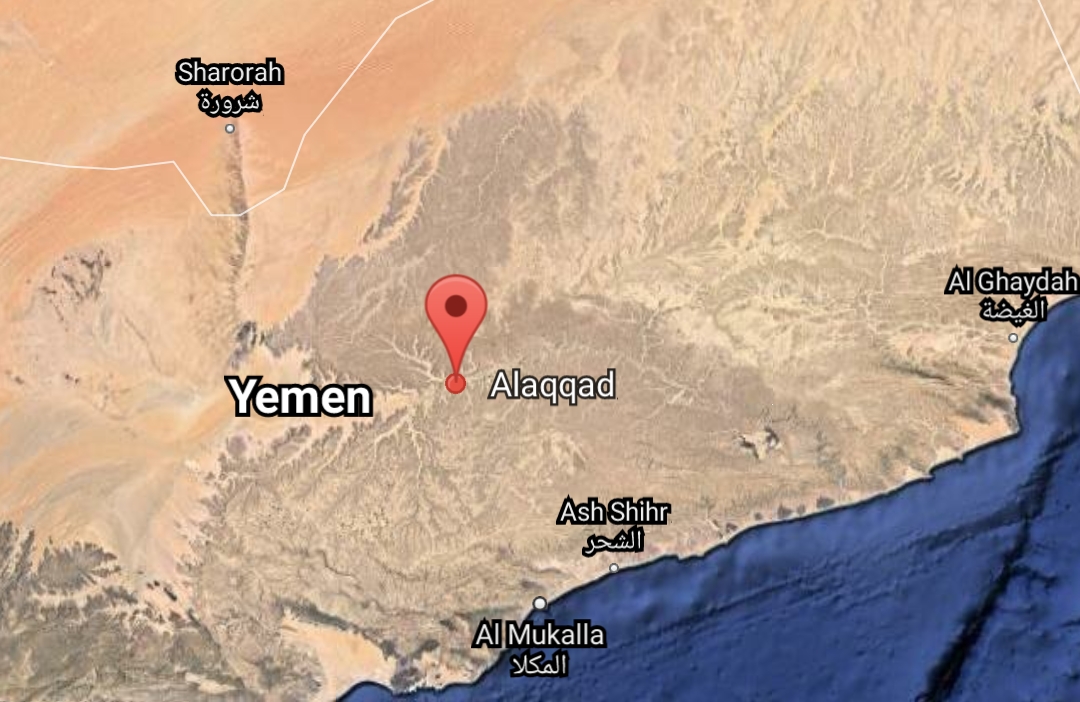
The British forces have entered the area with the support of the United Arab Emirates (UAE) forces and they intended to establish a military base in the Al-Sheen farms, but they faced opposition from the owners of the farms.
Since the beginning of the Yemen war, no accurate information or details have been released about the presence of British troops in the war-torn country.
It seems that Britain does not have a permanent and transparent military presence in Yemen; so, most of the British forces’ movements in Yemen have been temporary or concentrated in the form of Combined Task Force 153 in Yemen’s territorial waters.
British security and intelligence forces are also present at their temporary embassy in the city of Aden and they play an important role in security issues in southern regions of the Arab country.
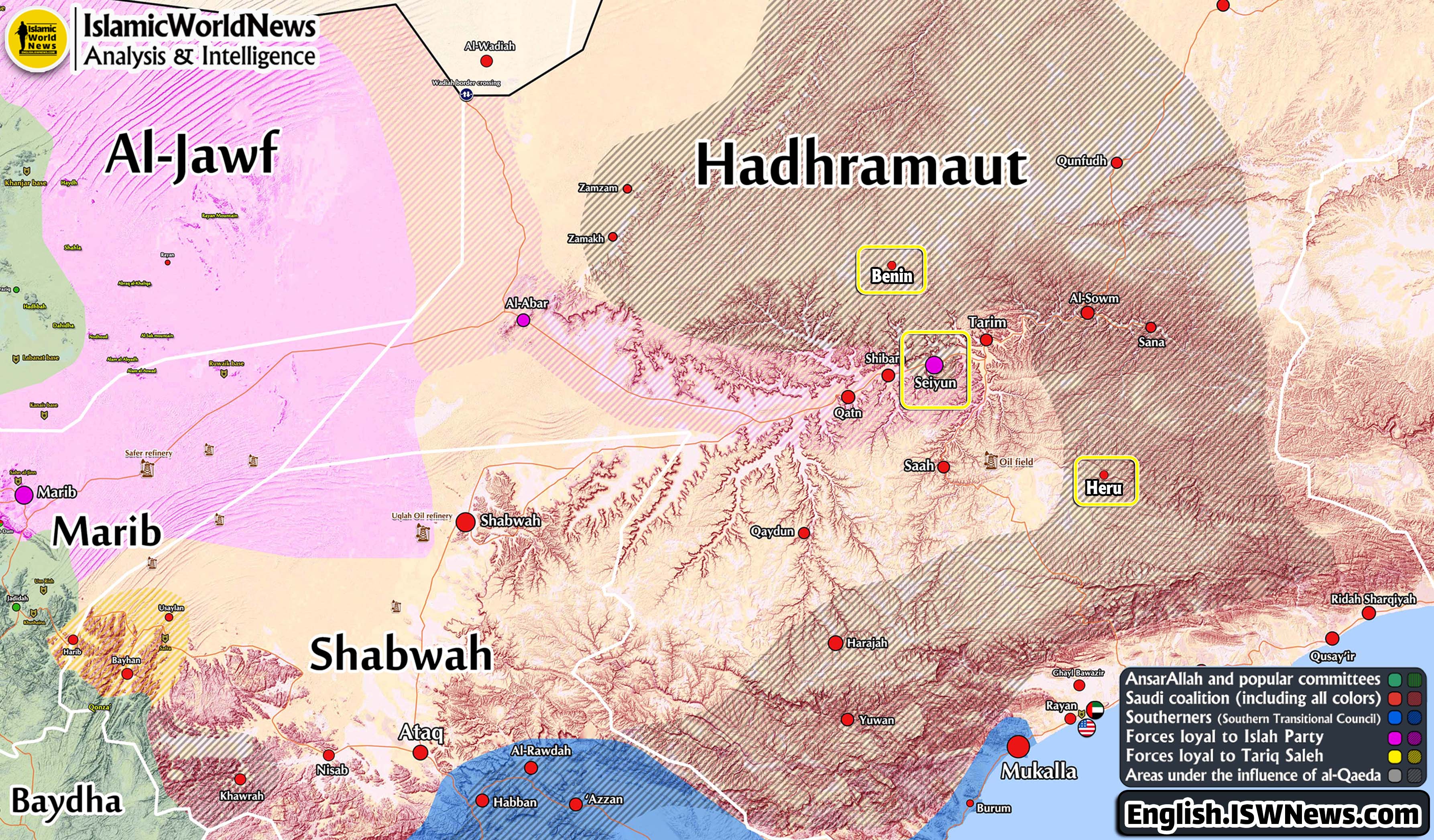
On February 19, the command center of the Saudi-led coalition ordered the deployment of Al-Dara al-Watan (Nation Shield) militants in the desert and Wadi Hadhramaut (Hadhramaut Valley).
The first phase of enacting the order comprises the evacuation of the Southern Transitional Council militants from the northern regions of Hadhramaut Governorate and the withdrawal of military posts in the districts of Banin, Haru and Jathmah in the suburbs of Seiyun city, and the second phase is the deployment of Al-Dara al-Watan militants in that region under the command and supervision of Saudi military advisers.
The aforementioned militants have been formed by the armed tribes of Hadhramaut under the name of the 5th Brigade of Al-Dara al-Watan, whose commander is called Isa Bamomen.
Saudi Arabia’s objectives of such a plan can be summarized in two sections: One, the eviction of the Southern Transitional Council militants from the Hadhramaut Governorate; and second, the control of the oil fields in that governorate; so, all of the goals would lead to the decrease of the military power of the Southern Transitional Council in that region.
Following the capture of the positions of the Islah Party in Abyan Governorate, the STC tried to conquer the Hadhramaut Governorate and also advance its plan to divide southern Yemen via deploying its militants in the Al-Mukalla city; then, it intended to move towards the cities and oil fields in the center and north of Hadhramaut Governorate without any coordination with other players in that region, but the moves were faced with the Islah Party’s resistance in Seiyun and the Saudi Arabia’s rejection in the southern areas.
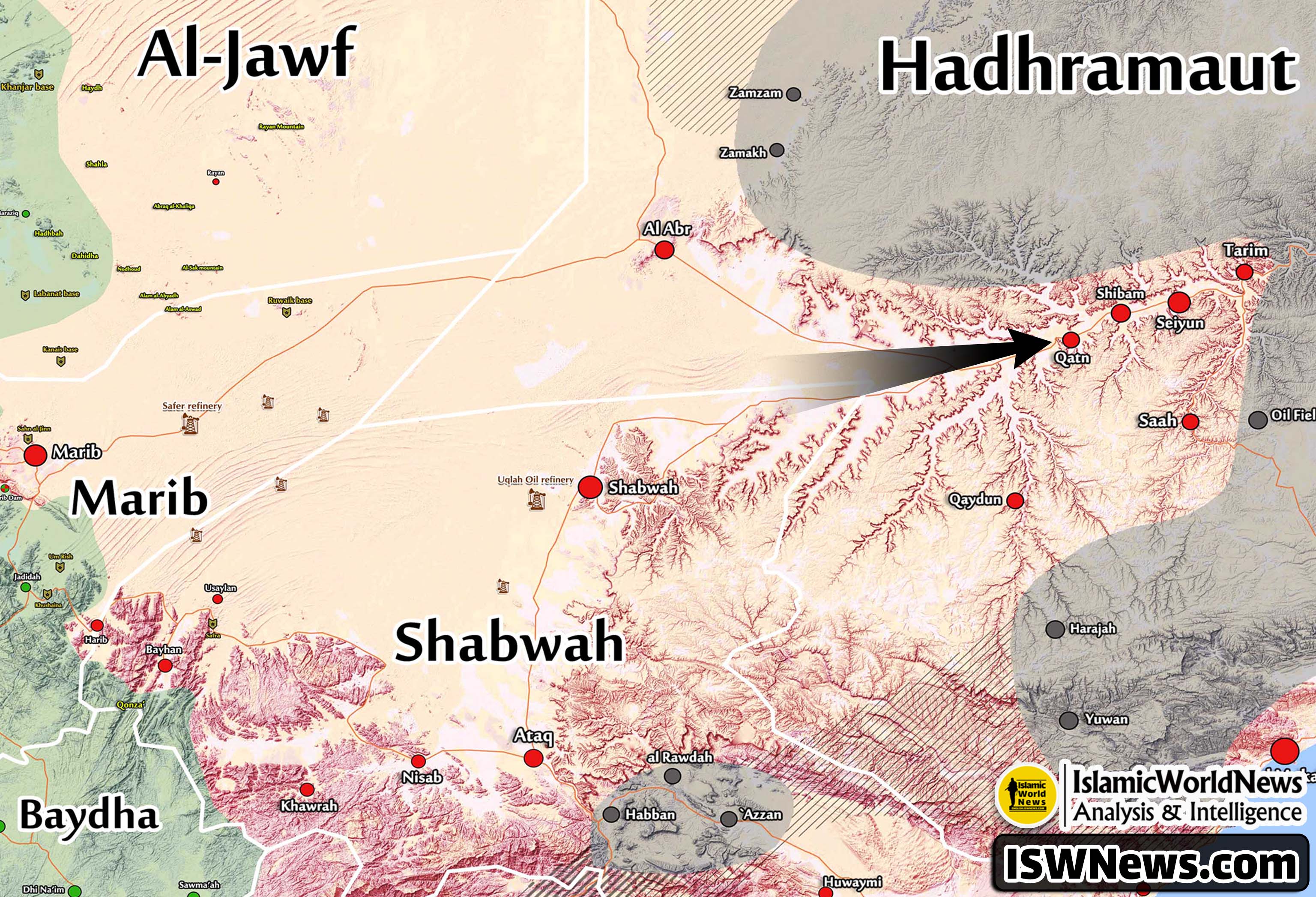
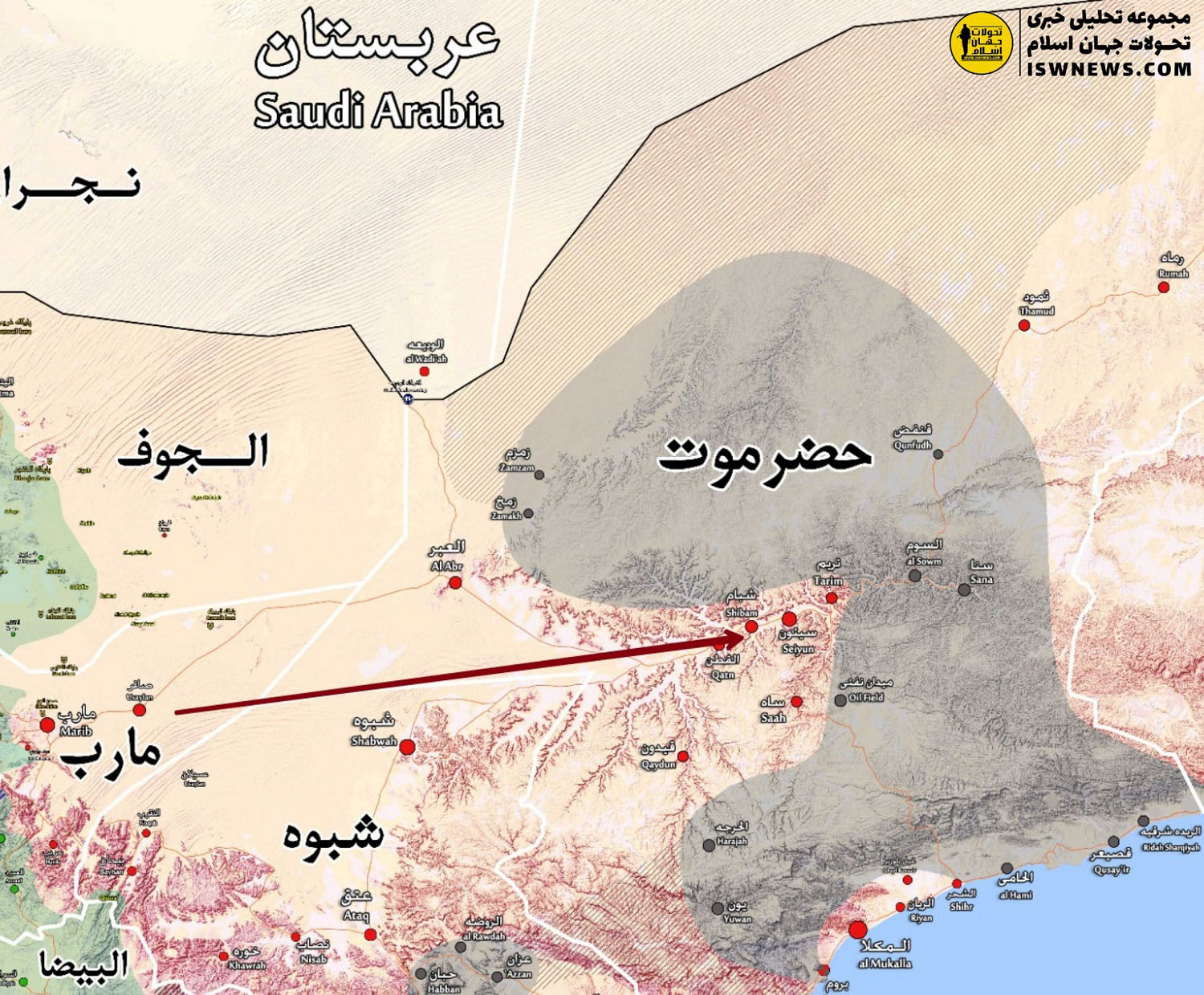
Local sources reported the large-scale deployment of Al-Qaeda terrorist militants in the city of Seiyun. According to this report, a large number of Al-Qaeda members have been transferred from the city of Marib to Wadi Al-Ain and Al-Qatn in order to strengthen the positions of the Reform Party (Islah Party) in Hadhramaut province.
It should be noted that in recent days, the armed forces of Al-Hadhramiyah and Al-Janoub Resistance brigades (affiliated to the UAE) issued a public warning to attack the positions of the armed forces of Al-Islah party in Seiyun.
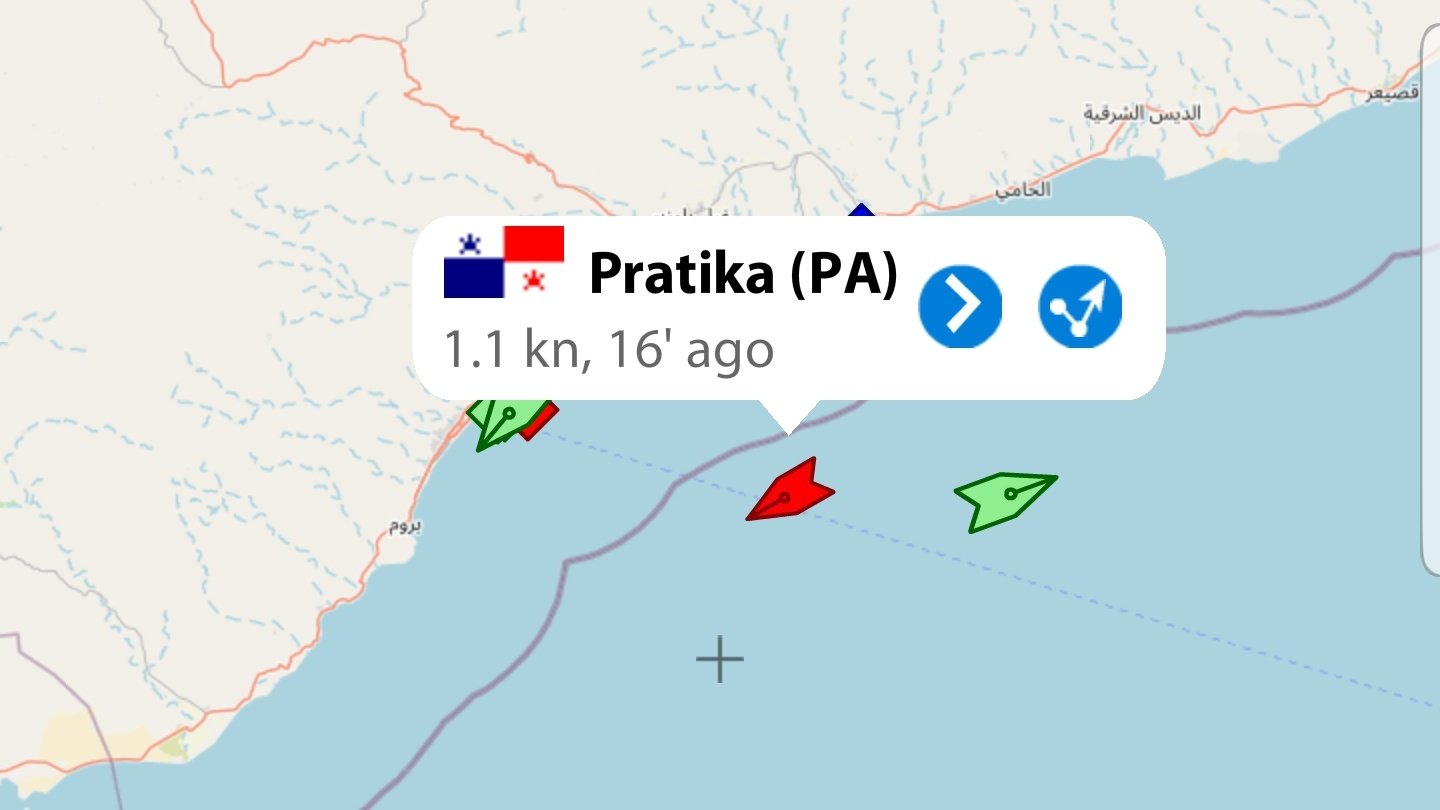
According to information published by local sources, Ansar Allah attacked Pratika oil tanker off the coast of al-Dhaba port with a drone at noon on November 21. The Panama-flagged Pratika oil tanker was intended to dock at the Al-Dabah port and transfer the Hadhramout oil towards the Suez Canal.
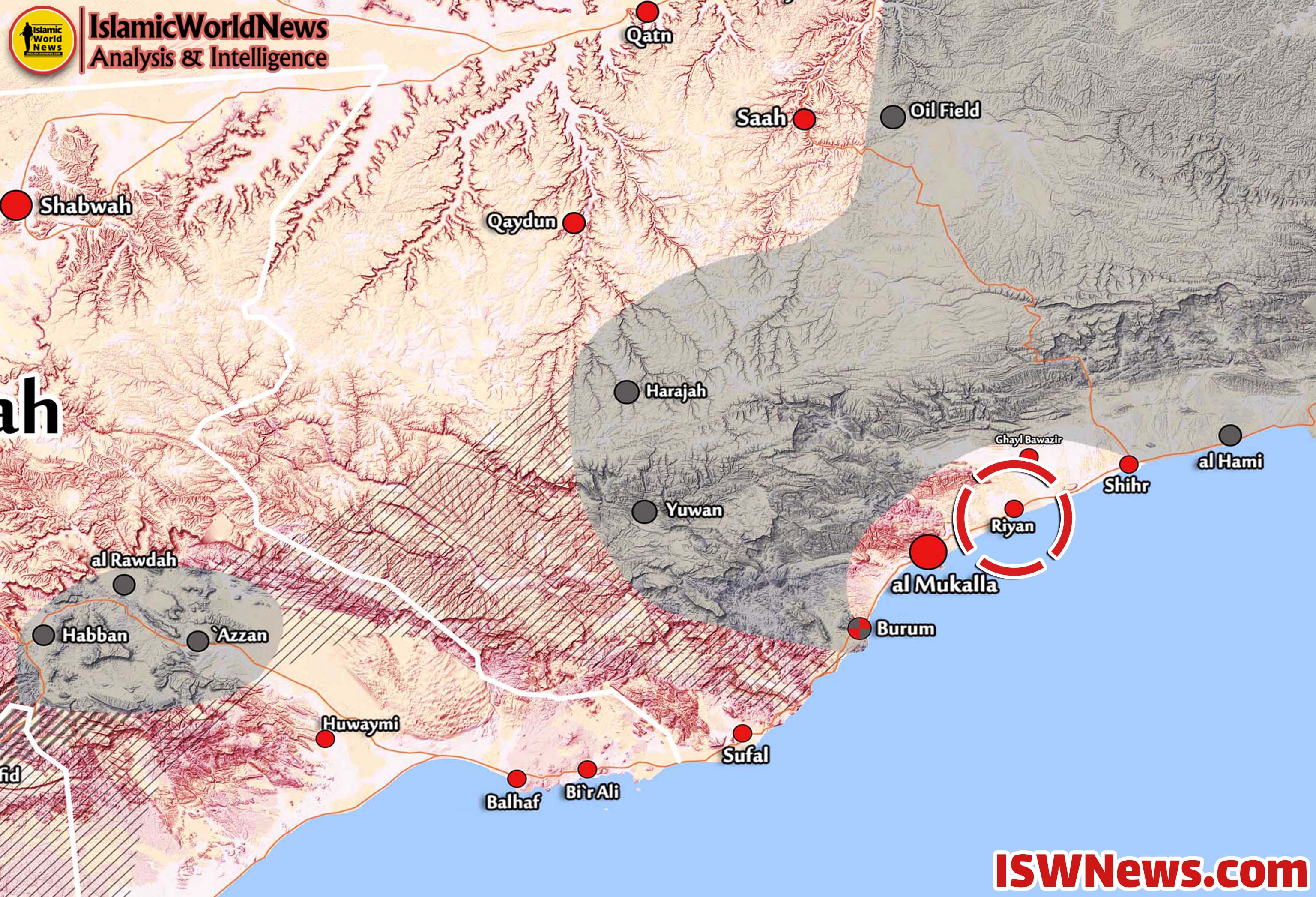
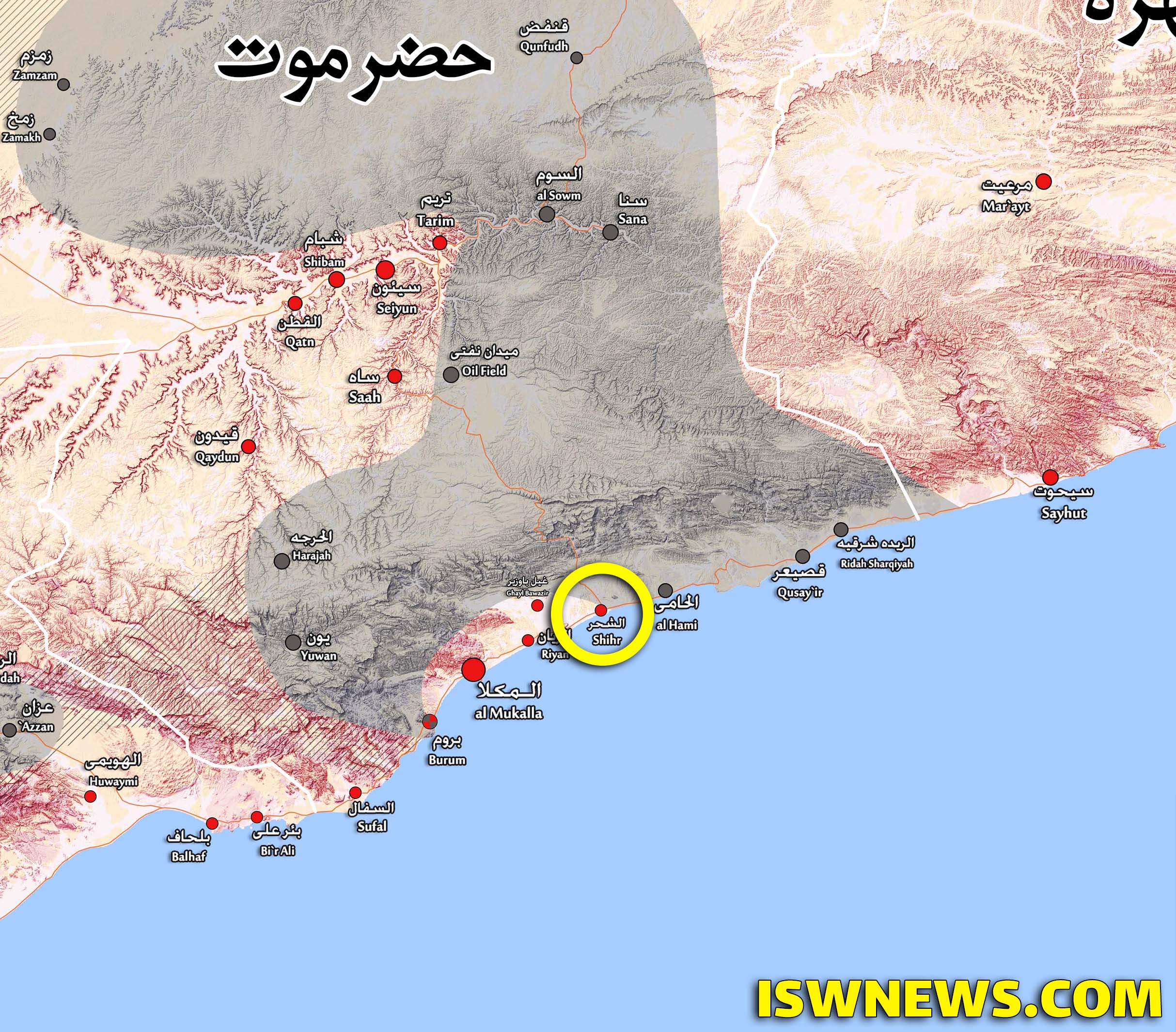
Al-Dhaba port is located near the UAE base in al-Rayan town and on the coast of Hadhramaut province, and in recent months it has become a place for exporting oil from the occupied areas of Yemen. This is the third warning of Ansar Allah against foreign oil tankers and the second attack on Al-Dhaba port. Ansar Allah previously attacked the oil tanker Nissos Kea on the shores of al-Dhaba port on October 22.
Brigadier General Yahya al-Sari’, the spokesman of the Yemeni armed forces, confirmed the Ansar Allah attack on the foreign oil tanker and wrote in a news statement:
“With the help of God and His success, the Yemeni armed forces forced an oil ship that was going to approach the port of Al-Dhaba in the south of the country to leave this area. This ship had the mission of looting a large amount of oil and refused to respond to the warnings of the armed forces. The enemy tried to carry out actions that the armed forces are not able to observe and deal with properly. The Yemeni armed forces continue to protect the national wealth so that its revenues serve the Yemenis and cover the salaries of all employees in all regions of Yemen.”
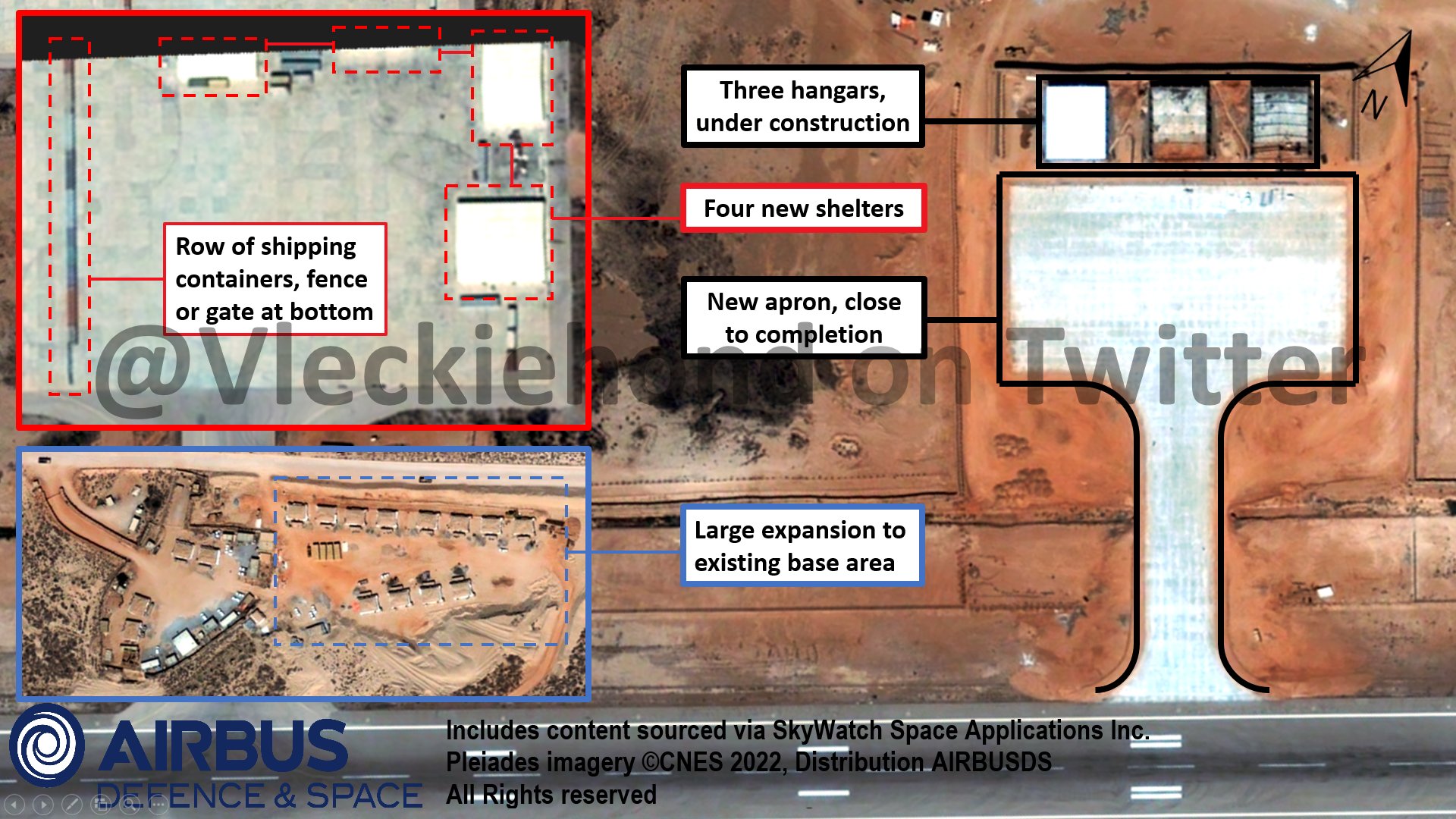
As it is evident from the satellite images of Al-Rayan airport, the UAE has increased its activities on the coasts of Hadhramaut province. The runway and buildings around the airport and Al-Rayan port have been fully developed in recent years, and various other projects are being built around the airport, which shows the UAE’s long-term plan for the coast of Hadhramaut.
A part of Al-Rهyan airport development plan shows the rebuilding of the runway and several hangars and buildings around this airport.
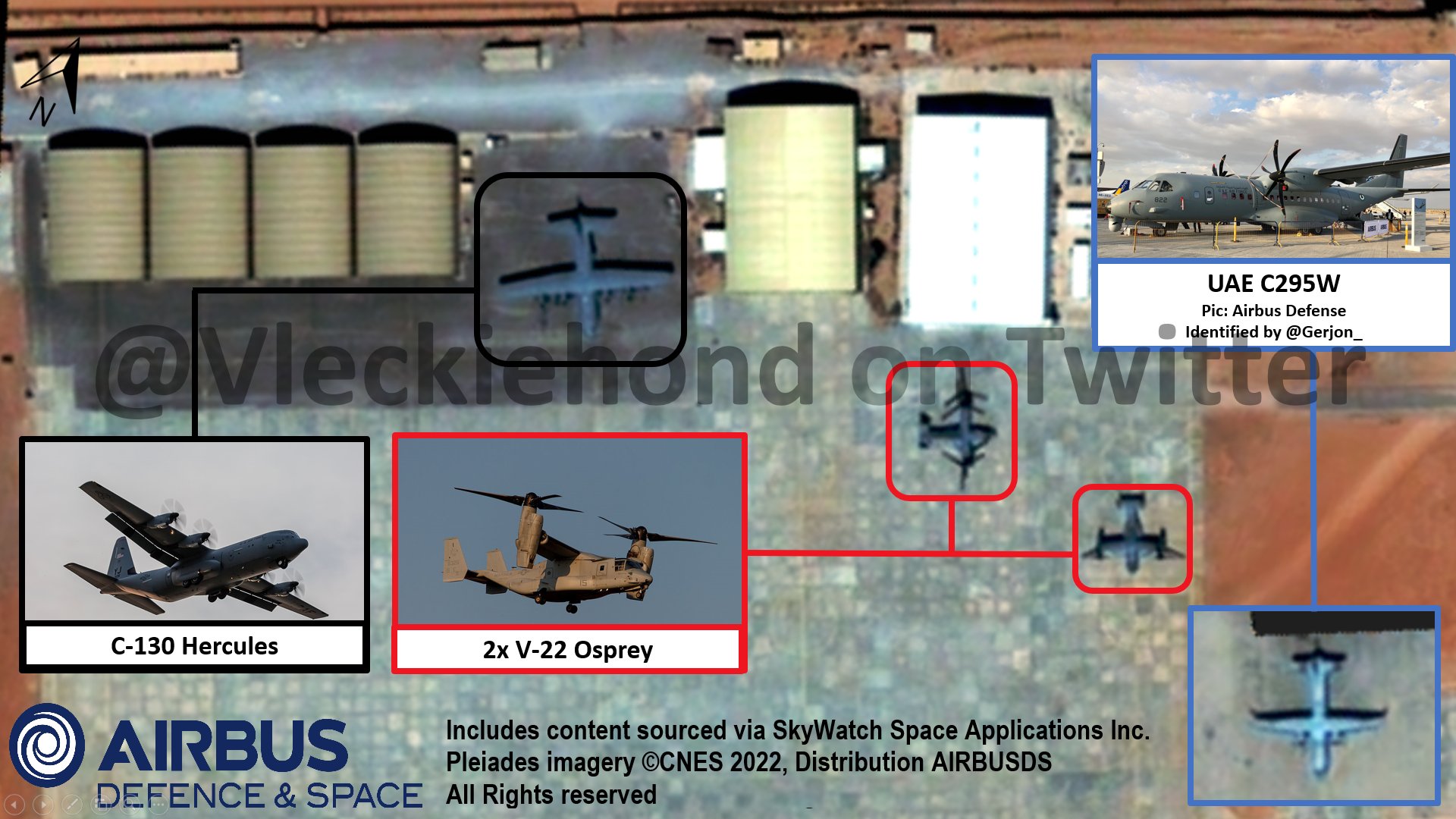
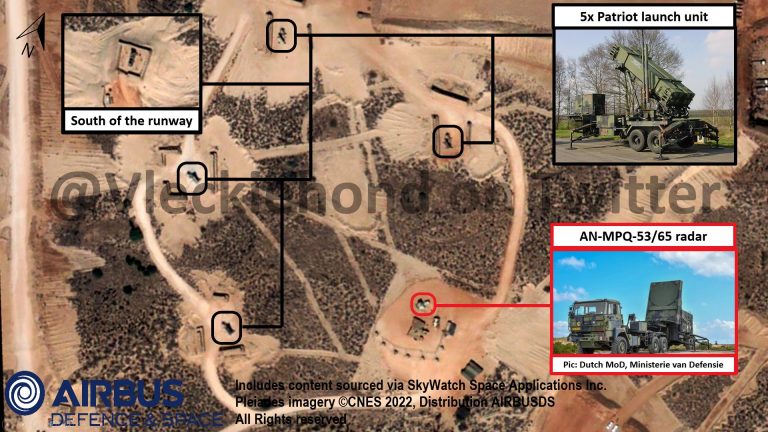
By examining the satellite images of the airport, or rather Al-Rayan military base, we see the the Patriot air defense systems deployed by the UAE in this base. This issue, along with the flight of military transport planes of the United Arab Emirates or the United States (C17 Globemaster, C295W, a C-130 Hercules and V-22 Osprey) to this airport, determines the participation of the US companies and the presence of their advisers in Al-Rayan. This is contrary to the UAE’s alleged plan to withdraw its military from Yemen in 2019 and is proof of their serious activity in exporting/looting Hadhramaut oil and gas in Shabwah province. Of course, at that time, Ansar Allah and the analytical media rejected the claim of the UAE’s withdrawal from Yemen by providing documentation and stated that their plan is a kind of purposeful military presence in Yemen.
Flights and deployment of UAE army planes at Al Riyan AirportDeployment of the Patriot Air Defense System around Al-Riyan Airport
The deployment of the Patriot air defense system is not a new issue in Yemen, and we have seen it before in Marib, Aden and several other places in Yemen. But the interesting thing is that the distance between al-Dhaba and al-Rayan base is less than 12 kilometers, and these systems did not show any activity in the recent Ansar Allah drone attack on al-Dhaba port!
In general, the coastal city of Al-Rayan has become a source for the export of petroleum products in Yemen, especially in Hadhramout province, and Ansar Allah cannot ignore this issue. Countering the looting of Yemen’s wealth is one of the main slogans of Ansar Allah leaders in their speeches, and with the end of the ceasefire announced by the United Nations, these points can be considered as new legitimate targets of Ansar Allah’s missile and drone attacks.
Undoubtedly, this drone attack by Ansar Allah is a warning to foreign companies and oil buyers in the occupied areas of Yemen, and it can be examined from two perspectives: 1- Warning to deployment of Israelis in the coastal town of Al-Riyan, that were sent to this area to loot the oil resources of Hadhramaut and Shabwa provinces. (More details) 2- Preventing the transfer of Yemeni oil by the Nissos Kea ship, which is a warning to foreign ships and companies.
According to the statements by Mabkhut Mubarak bin Ghadhi, the governor of the Saudi-backed government for the Hadramaut province, “this ship belongs to a Greek company, and the first drone explosion occurred between the ship and another vessel, and the second explosion occurred near the Greek ship. Also, the crew of the ship has not reported any casualties and damages from these explosions.”
The statement of Brigadier General Yahya al-Sari’, a spokesman for the Yemeni Armed Forces regarding the attack: “We made a simple warning to prevent the looting of crude oil from an oil ship from Al-Dhabah port in Hadhramaut province. This ship violated the decision issued by the Yemeni authorities to ban the transfer and export of oil derivatives, and we warned to prevent the continued looting of Yemen’s oil wealth and its non-allocation to the people. This warning message was done after the competent authorities warned the crew of the ship and informed them of this decision based on current Yemeni laws and international laws. The ship was handled with caution and we wanted to maintain its security and the security of Yemeni infrastructure. We will not hesitate to do our duty to stop and prevent any ship that intends to loot the wealth of the Yemeni people, and with God’s help, we can launch more operations and warnings to defend our great people and protect its wealth from looting. We again warn all companies to fully comply with the decisions of the government authorities in Sana’a and refrain from any participation in the looting of Yemen’s wealth.”
Location of the Marshall Islands-flagged Nissos Kea off the southern coast of Yemen. According to the local media, this ship has moved away from Al-Dhaba port after the explosions.
According to the statements of Adil al-Hasani, a spokesman and one of the commanders of the Southern Military Council, in recent days, the advisors of the Zionist regime have entered Al-Rayan Airport in the east of Al-Mukalla city, the capital of Hadhramout province, along with Emirati troops. In the past months, this airport turned into a military base with the support of the UAE and the participation of the Zionist regime and the United States.
He further added: “The Emiratis have forbidden the entry of any Yemeni, even to limited places, without coordination.”
It is worth noting that the UAE announces the reopening of Al-Rayan airport from time to time during the past years and closes it again for various reasons. This airport is used by Israeli and American advisers to supply and coordinate the transfer of fuel to the occupied areas of Yemen and for other purposes, and the people of Hadhramaut province and other southern regions of Yemen do not use this airport.
According to the Yemeni Rescue Government oil ministry, the Chinese tanker APOLYTARES entered the port of Al-Shihr on the coast of Hadhramaut province to load oil which was extracted from the Saudi coalition-occupied oilfields in the eastern provinces of Yemen.
This is the second time that Chinese tankers have entered the southern coast of Yemen to plunder crude oil. The APOLYTARES tanker also entered the port of Al-Shahar on April 10, transporting 2,375,090 barrels of oil worth $ 251 million to China.
On this account, the Chinese have so far looted about 5 million barrels of Yemeni oil through the mediation of the Saudis and the UAE and handed over the money at a low price to the resigned and illegal Yemeni government. According to the Yemeni Rescue Government oil ministry, this amount of money is enough to pay the salaries of all Yemeni employees for more than two months!
China’s support for Saudi Arabia and the UAE in the Yemeni war has not been limited to oil purchases, and the introduction of CH-4 and Wing Loong 1 and 2 reconnaissance and combat drones has been on the agenda in recent years.
According to media reports from the Saudi coalition in Marib, the collapse of the western and southern fronts of Marib has forced the Saudi coalition to move its headquarters from Marib to the city of Seiyun in Hadhramaut province.
Earlier, the Saudi coalition was preparing its new headquarters in the city of Ataq, the capital of Shabwah province to command operations in Yemen, but Ansar Allah’s advance in the districts of Beyhan, Usaylan, and Markha al-Olia, forced them to change their decision.
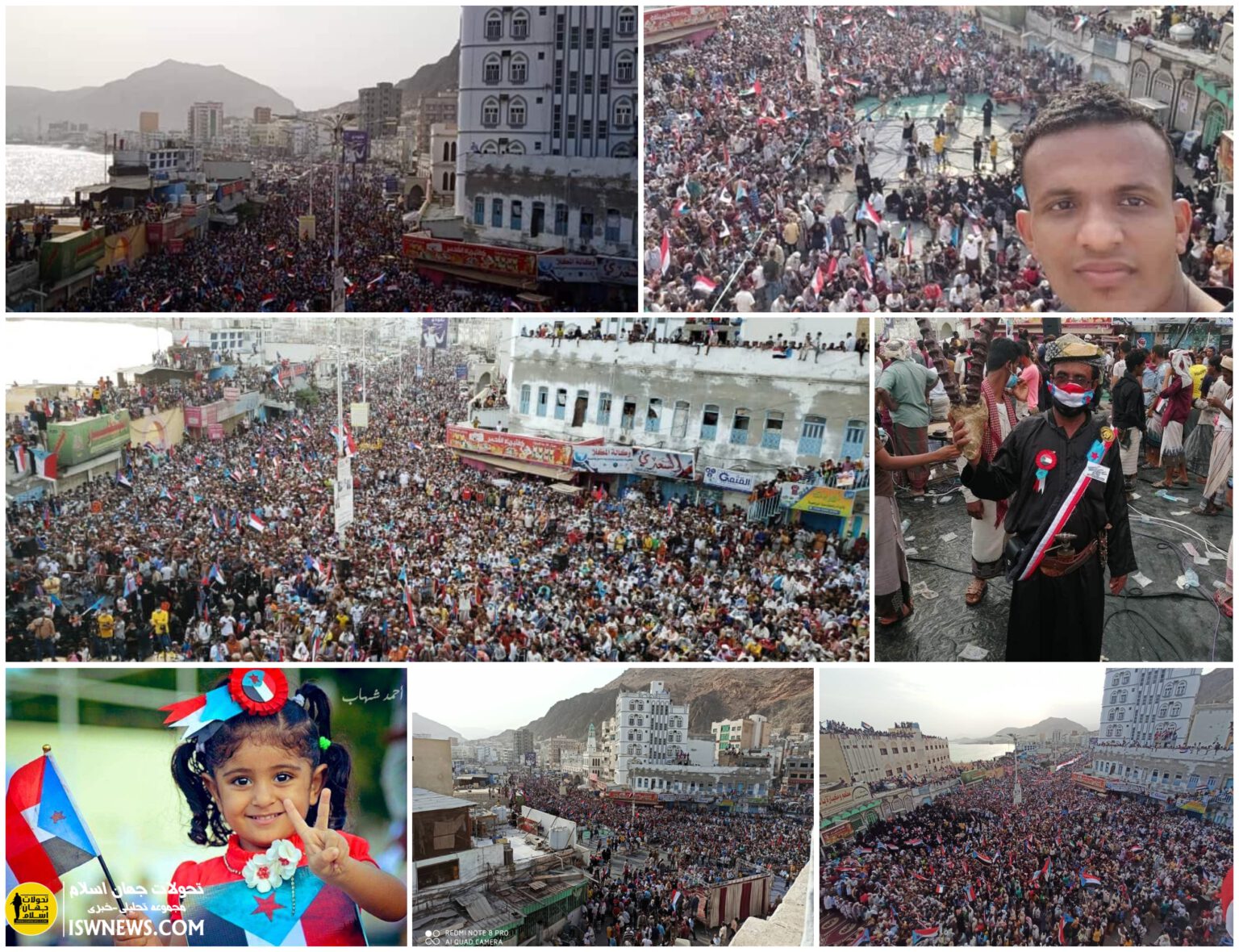
One of the interesting points in these demonstrations was bringing the symbol of Attar, which in ancient Yemen was the symbol of the goddess of the morning and evening star, and knowing it in these demonstrations has a separatist aspect.
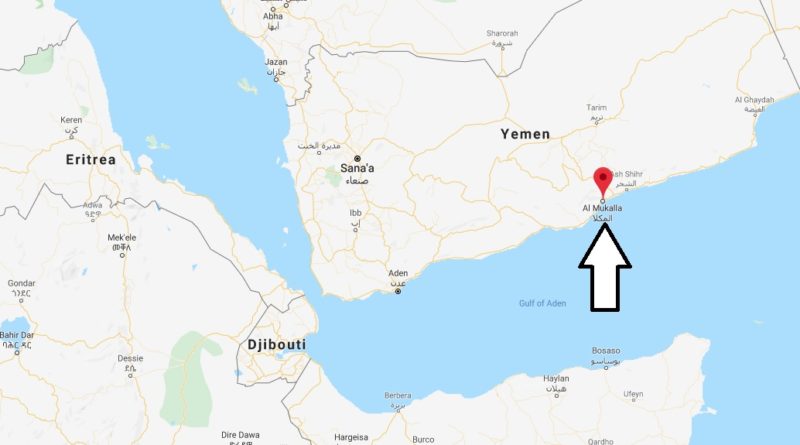
The coastal city of al-Mukalla is the capital of Hadhramaut province, located on the southeastern coast of Yemen and has long been an important and popular base for southern Yemen. Some analysts call al-Mukalla the most important city in Yemen after Sanaa and Aden.
UAE supports the movement “Southern Yemen’s government” and Saudi Arabia supports Is;ah party related to Muslim Brotherhoods and their representative, i.e., Mansour Hadi’s resigned government. In addition to Southerners, Emiratis formed battalions of “Hizam Al Amni”(security belt) and spread them throughout the south. Saudi Arabia also formed a separate army for Mansour Hadi which is present in northeast of Yemen (Marib and Hadhramaut) and parts of Taiz and Aden.
These two movements have deep discrepancies and Aden’s conflicts have been continuing like a cold war in recent years. Ansar Allah’s recent missile attack to Al Jala base and death of several Hizam Al Amni commanders and soldiers caused Emirates supported groups to condemn northern immigrants in Aden and accusing Mansour Hadi’s forces to reveal details of the base to Ansar Allah and by increasing the tension, Hani Bin Brik, deputy of Southern Transitional Council demanded protests against Islah party and occupying the presidential palace in Maashiq in a statement that lit up the engagements to the pinnacle.
Analyzing the situation:
Aden conflicts, no matter how long does it take, are still temporary and will end by UAE or Saudi mediation. But the effect of these discrepancies will erode the political position of ally of Saudi Coalition which is beneficial to Ansar Allah. Ansar Allah’s ace is the discrepancy and difference between these two movements in future.
The question now is when the situation will change and Ansar Allah advances?
Ansar Allah having the capital and repelling Saudi Coalition’s main operations in south of al Hudaydah, north of Saadah and east of Sanaa, is the first power in Yemen and whenever it decides to advance in any frontline, it can. But time and situation for stabilizing the victories and ending Yemen war have not come yet and Ansar Allah’s leaders know the situation better than anyone else.