Tag: ISWNews

  • Investigating ISIS Terrorist Activities and Threats in Western Asia – Second Half of October 2018

    Investigating ISIS Terrorist Activities and Threats in Western Asia – Second Half of October 2018

    These 224 attacks were announced by official ISIS media.

    Considering the broadness of the areas ISIS attacked, the most important in terms of security threats are as follows.


    Iraq:
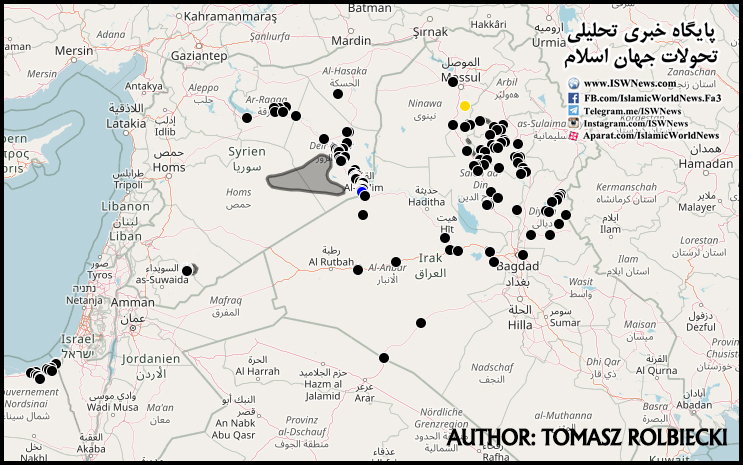
    Reported attacks happened in Karkuk, Salah ad Din and then Diyala provinces more than other regions in Iraq.

    Therefore, ISIS remainder cores in northern regions are still potential threats to Iraq security.

    Recently, numerous security operations by Iraqi forces performed against ISIS and the results either success or failure will be determined later.


    ISIS activities in northern Iraq


    Syria:
    An interesting fact about ISIS activities in Syria is that they are all in the east of Euphrates River or around it and no activities observed deep inside the government controlled areas.

    This implies that Syrian government did a better job to control the ISIS cores compared to Iraqi government.

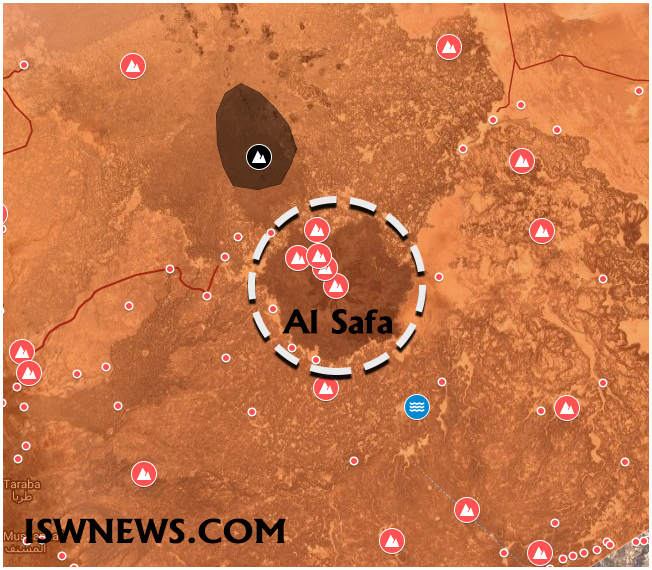
    The reports of ISIS attacks in Al Safa area are also about the battle with Syrian government which started from July.


    ISIS activities in Syria


    Reviewing the reports of ISIS attacks in Syria, they were mainly done in areas under control of SDF.
    It is noteworthy that a large number of these attacks are in Hajin area, which was passed back and forth between ISIS and SDF.

    It is predictable that SDF has a long way to completely secure the area and fight against ISIS cores; it is obvious from the depth of ISIS attacks inside SDF controlled areas. Sabotage attacks including bombs and terrorist attacks are becoming usual in SDF ruled areas.


    ISIS activities in eastern Syria


    Egypt:
    Northern Sinai governorate is the biggest security threats in Egypt and ISIS main activities are limited to Sinai peninsula.

    ISIS attacked 18 times against Egyptian forces in 16 days, which is considerable.

    An interesting fact is that all these attacks were against Egyptian troops and none of them were against Israeli troops, this is while Israeli-controlled lands have long borders with Sinai and ISIS has always announced their enmity against Israel!


    ISIS activities in Sinai peninsula


    Afghanistan:
    Last year ISIS activities increased by bomb and sabotage attacks against security forces of Afghanistan and also engaging with Taliban.
    Although it is reported that ISIS activities in north of Afghanistan are suppressed, however this terrorist group is active in east specially in Nangarhar and Kabul and this is a potential threat to capital of Afghanistan.
    In the period of 16 days, 11 attacks were reported.


    ISIS activities in eastern Afghanistan


    Other Areas:
    North of Baydah province in Yemen, Mogadishu in Somalia, Libya and northeastern border of Nigeria are some of the regions that observed ISIS attacks in the period of 16 days.

    ISIS cores in northeastern border of Nigeria, some parts of Libya and north of Baydha province in Yemen are rather active.


    Maps: Tomasz Rolbiecki
  • Map | Latest Military Situation North of Dhale Province; Damt Axis 19 November 2018

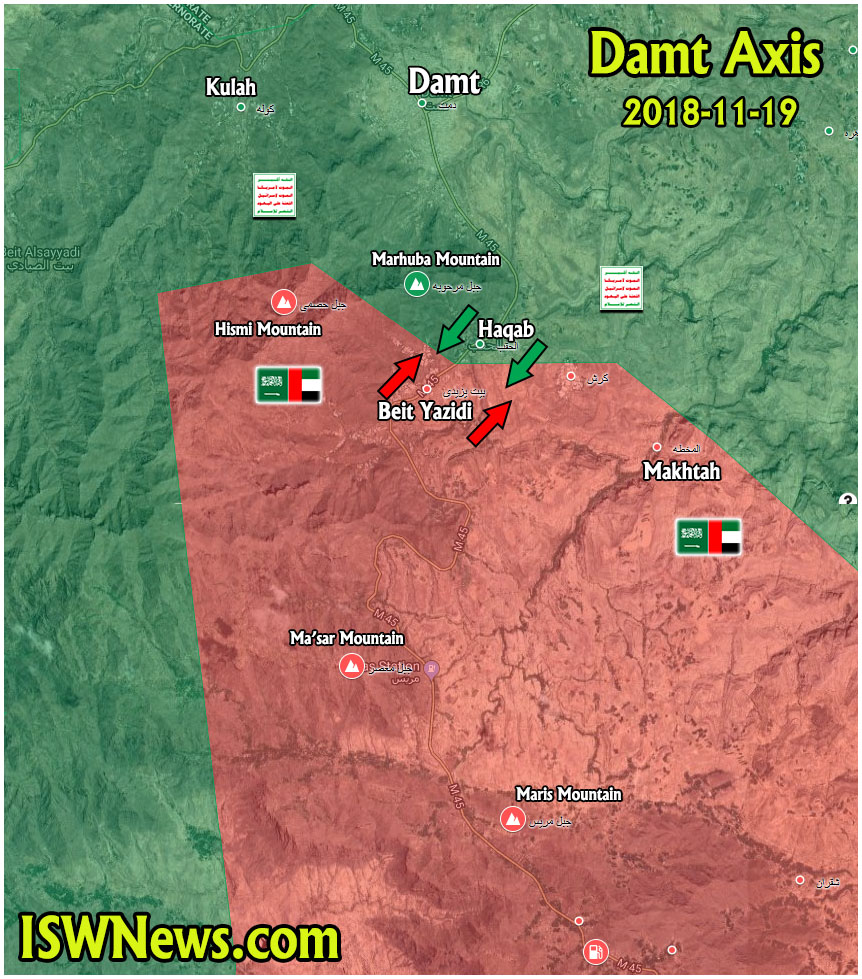
    Map | Latest Military Situation North of Dhale Province; Damt Axis 19 November 2018

    According to latest reliable information, the military situation in Damt axis is as below:

    Damt, Haqab village and Marhuba heights are under AnsarAllah’s control.

    Beit Yazidi, Hismi heights and Krash are under Saudi Coalition control. Some pro-Saudi media claimed that Haqab, Damt Qadimah(old) and Marhubah heights are under Coalition control but they did not publish any photo or clip for confirmation and this claims are not correct so far.


    Right now clashes going on in vicinity of Haqab and Beit Yazidi and AnsarAllah trying to recapture all southern areas of Damt district. On the other side Saudi Coalition trying to encircle the Damt from two direction by capturing Damt Qadima and eastern heights.


    Map
    Online Map

  • Latest Updates on Yemen 19 November 2018; Frontlines Situation

    Latest Updates on Yemen 19 November 2018; Frontlines Situation

    1. Al Hudaydah:
    – Engagements in all axes and frontlines in suburb have not changed.
    – AnsarAllah attacks to north of Manzar(south of al Hudaydah), west of Jabilah area, Mutaynah crossroad(suburb of Tuhayta) and southeast of Hays in the last two days.
    – Saudi Coalition preparing and transporting troops and equipment to start a new wave of attack to al Hudaydah.

    – In case that negotiations are fruitless, AnsarAllah can drain Coalition strength to complete the siege of al Hudaydah and attacking the city by phony attacks, cutting coastal road and drone surveillance – precision missile attack.


    AnsarAllah attacks Saudi led Coalition forces south of Hudaydah airport

    Transferring heavy equipment and sending Sudanese forces to al Hudaydah by Emirates


    2. Northeast of Sanaa:
    AnsarAllah operation in Nihm district and Yam heights against Coalition and Mansoor Hadi troops.


    3. Taiz:
    AnsarAllah operation against Coalition and Mansoor Hadi forces in Ber Basha area and Wazaeia; AnsarAllah reclaimed Araf mount near Wazaeia.


    4. Dhale’:
    – AnsarAllah forces took position in suburb of Haqab in south of Damt, cleared Naser heights and defended Coalition attacks to south of Damt so far.
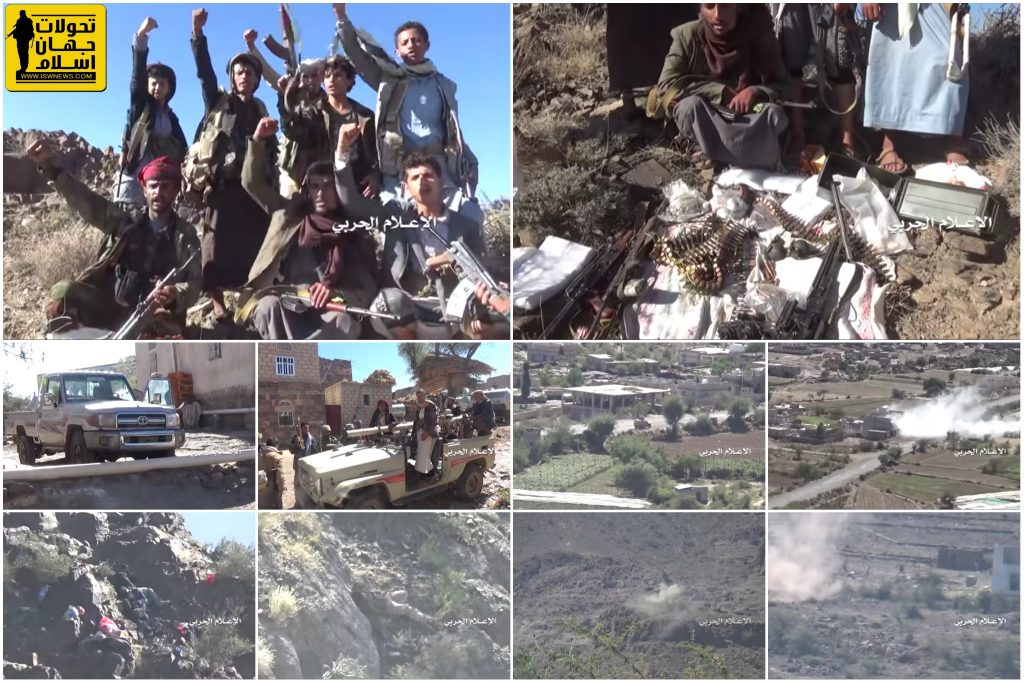
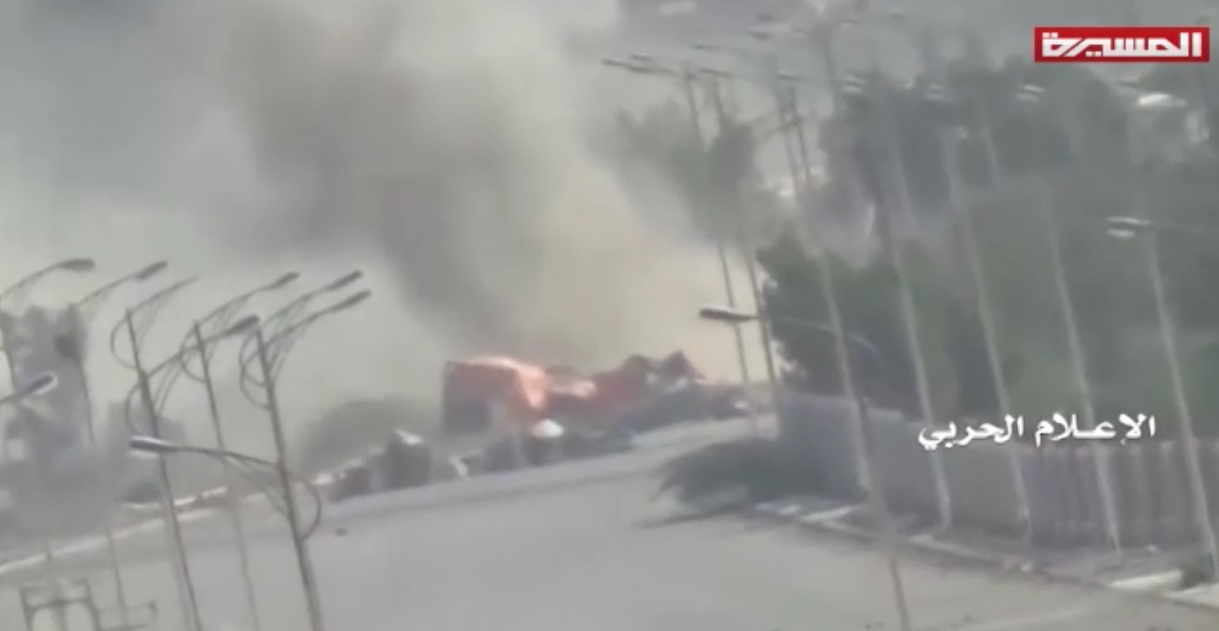
    – Heavy engagement in south of Damt ; AnsarAllah defending in the area (photos showing the engagements).


    5. Hajjah:
    – Heavy engagement in north of Ahem triangle and south and east of Majbariya to complete the siege of AnsarAllah in Haradh .
    – Coalition claimed to occupy Karas, Atnah and Aqawah and engagement in Qaem(south of Haradh).
    – Mahsam eastern bergs are good place for AnsarAllah resistance to prevent complete siege of Haradh.


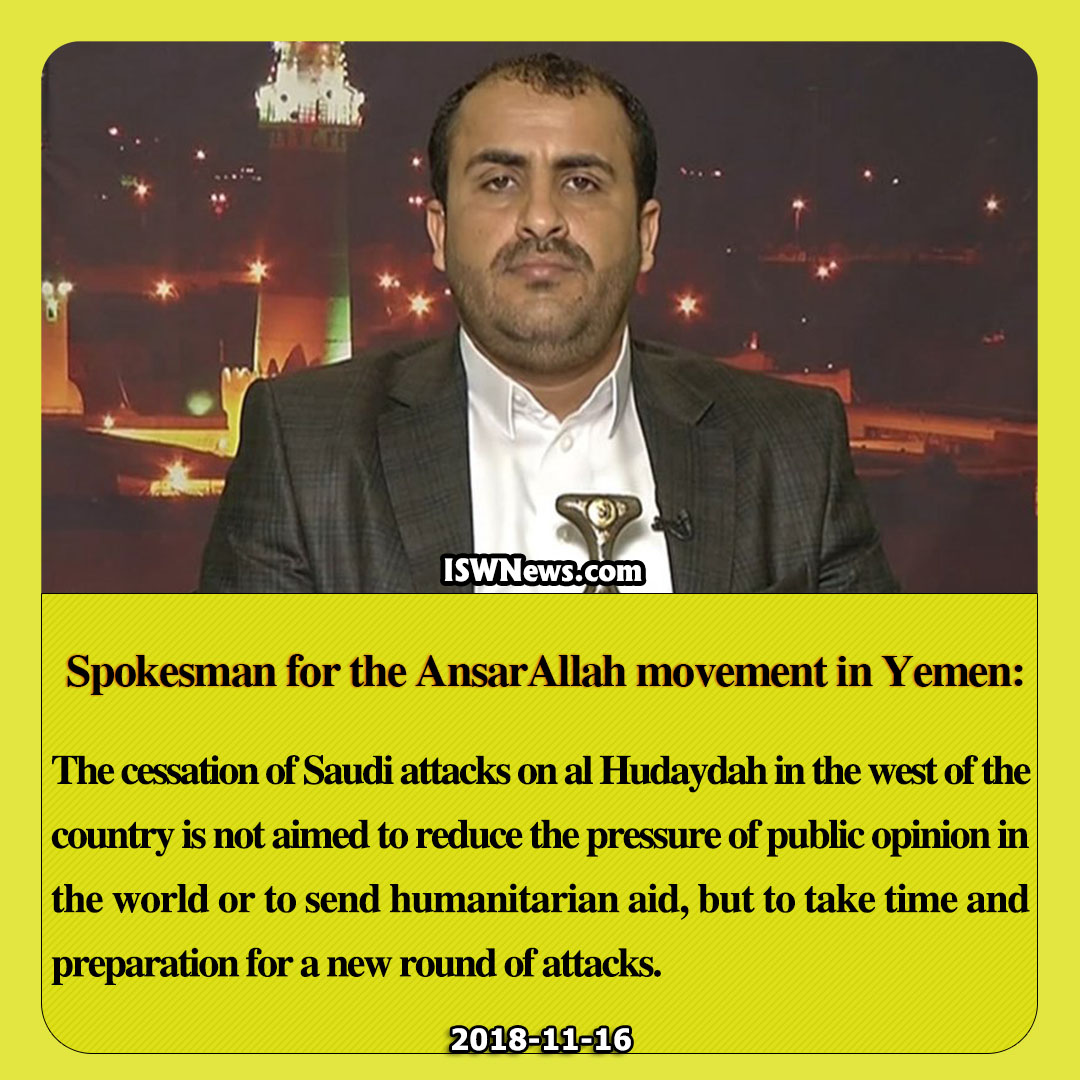
    6. Muhammed Ali Al Houthi head of Yemen Presidency Council in an statement:
    “We are ready to stop missile and drone attacks to take back the excuse of continuation of war and siege from enemy and show our sincere intention for peace.”

  • Decisive UN Resolution Vote Condemning Israel Occupying Golan Heights

    Decisive UN Resolution Vote Condemning Israel Occupying Golan Heights

    Most of Golan height in despite of resolution 350 is occupied by Israel.

    USA being angry with the result, not being able to submit lawful evidences, opposing the voting by “it is biased against Israel and Syrian government is not qualified”.


    While most of Golan inhabitants are Druze and emphasized on authority of Syrian government and declined Israel occupancy, some violent confrontation happened between them and Zionist forces.

  • Al Safa Volcanic Field in Southern Syria Liberated from ISIS + Video

    Al Safa Volcanic Field in Southern Syria Liberated from ISIS + Video

    In recent days, with more forces and heavy artillery heavy being deployed in this axis, and the presence of more Russian advisors, progress has intensified in Al Safa region.


    Yesterday, the tomb of Sheikh Hussein, located in the southern part of al-Shafa area, have liberated. Following the operation, with the advance of the Syrian army from the north and south axis this morning, the Syrian army arrived at the center of the al-Safa volcanic field, thus, the entire area cleared from ISIS.


    It is said that most of the ISIS forces have retreated last night and few of them remained in the area.

    Most likely, ISIS terrorists have retreated to the 55-kilometer Al-Tanf area which is under American surveillance, or some have escaped to the northern deserts.


  • Syria Interactive Map Updated | 17 U.S. Bases On Syrian Territory Added To Map

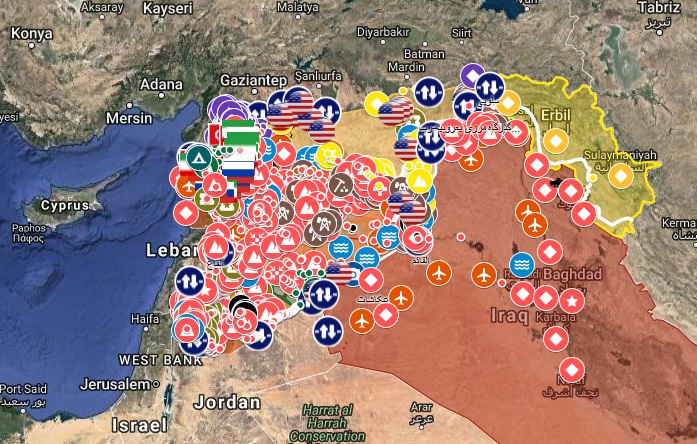
    Syria Interactive Map Updated | 17 U.S. Bases On Syrian Territory Added To Map

    Click on any of the names to view the locations of these bases:


    US Army Base – North Manbij

    US Army Base – Ayn Dadat

    US Army Base – Ushariyah

    US Air Base/Army Base – Sabt

    US Army Base – Kobani

    US Army Base – Kharab Hisaq

    US Army Base – Ayn Issa

    US Army Base – Tal Tamar

    US Air Base/Army Base – Qulayb Mountain

    US Air Base/Army Base – Tal Baydar

    US Air Base/Army Base – Rmeilan

    US Army Base – Shaddadi

    US Air Base/Army Base – Tabqa Airport

    US Army Base – Omar oilfields

    US Army Base – Tanak oilfields

    US Army Base – Tanaf

    US Army Base – Zaqaf

  • Answering Key Questions about Yemen War – Part One

    Answering Key Questions about Yemen War – Part One

    The imagination that AnsarAllah in western coast war has rattled and about to collapse is wrong, since the method and details of the tactics used by AnsarAllah, specially for general audience are not clear.
    (The reasons can be media lack of reporting, biased news from media of governments and etc. which are not our topic here.)
    Nonetheless understanding AnsarAllah’s tactics and goals in different fields and examining Yemen war form the beginning until now is the basis to understand evolutions in Yemen.


    Al Hudaydah battle which started seven months ago has reached the dead end right now which even made Americans intolerant and forced Saudi Coalition to insanely attack al Hudaydah from all aspects and putting political deadline on there hand.

    Saudi Coalition operation in al Hudaydah has ceased temporarily and it is rumored that AnsarAllah demanded international organizations to interfere.

    As Muhammed Ali Al Houthi said indeed there are negotiations but AnsarAllah will not retreat from their goals either for sure. The reason has roots in AnsarAllah establishment principles.


    1. How Yemen war started and AnsarAllah gained power.

    The Shiite-Sunni confrontation dates back to old times and 28 years ago when Ali Abdullah Saleh established Arabic Republic of Yemen and submitted northern lands to Saudi Arabia, Shias became angrier.

    Hussein Badreddin al-Houthi under the influence of Islamic revolution in Iran, started fighting against arrogance and Ali Abdullah Saleh and martyred in this way and his successors in six wars until 2010 and finally in a revolution in 2012 forced Ali Abdullah Saleh to resign from power.
    After his resignation, Mansoor Hadi in an agreement with AnsarAllah and from a no-rival election with the goal of peaceful power transition became the president of transitioning government.

    He first claim his goal to be fighting against terrorism (al Qaeda), however after a short period of time, started confronting AnsarAllah and put Southerners in power mainly and ignored the peace treaty contents and kept officials from previous government in power.

    AnsarAllah did not sit back; entered Sanaa and in a short time took over presidency palace and other governmental buildings in August 2014.

    After that they started some political negotiations between groups and in initial stages due to dissociative plans of Mansoor Hadi to form six different states in Yemen, they left the negotiations but after several months of disagreement and political victory of AnsarAllah, Mansoor Hadi reached to an agreement with AnsarAllah.

    But Mansoor Hadi and Khaled Bahah(president and prime minister) in a vague movement, resigned in parliament. Parliament declining it and AnsarAllah takes it as a treachery, the government was dismissed and a presidency council with a transition parliament were formed.

    Mansoor Hadi fled to Aden and considered his resignation under pressure of AnsarAllah and under support of Saudi Arabia started the confrontation with AnsarAllah.


    2. What are sides of confrontation in Yemen?

    AnsarAllah: whose military and political supporters are Iran, Hezbollah, Syria, Iraq and other Moghawemat groups in Saudi Arabia, Bahrain and etc.

    Side led by Mansoor Hadi: Islah party, Southerners movement, socialists, Naseris, Salafists and etc. with Southerners incline more to UAE and other groups led by Mansoor Hadi incline more toward Saudi Arabia.

    Al Qaeda, ISIS and subgroups: which had influence on other parts of Yemen but now are concentrated in center and east of Yemen.

    National Congress Party: which followed Ali Abdullah Saleh at first and in coalition with AnsarAllah and then after Ali Abdullah Saleh separation from AnsarAllah, it also divided into two branches. Followers of Saleh joined Saudi Coalition and the other joined AnsarAllah.


    3. What will happen if al Hudaydah falls?
    Possible scenarios are:
    – Continuation of war: engagements will continue in other areas such as Sa’adah, Sanaa, other coastal areas (toward primary targets) and other fronts such as Bayda, Jawf and Taiz (toward secondary targets).

    – Incipient of political negotiations: which is most likely to happen and its flow will be complicated as we have seen in Yemen before.

    However defeating AnsarAllah politically is not possible and agreement on peaceful transition of power under international organizations supervision is more plausible.


    If al Hudaydah survives, AnsarAllah by defeating the pricey seven months operation of Saudi Coalition will achieve a great victory which helps them to have a higher hand in political negotiations in future.


    To be continued …

  • Afghanistan Evolutions in the Last Week; 16 November 2018

    Afghanistan Evolutions in the Last Week; 16 November 2018

    1. Farah:
    Last Wednesday (14 November) Taliban attacked cities BalaBluk, Poshte Roud and Poshte Kouh.

    According to Farah provincial parliament members, due to the engagements more than 40 security forces were martyred and 60 others joined Taliban since there was not reinforcement.


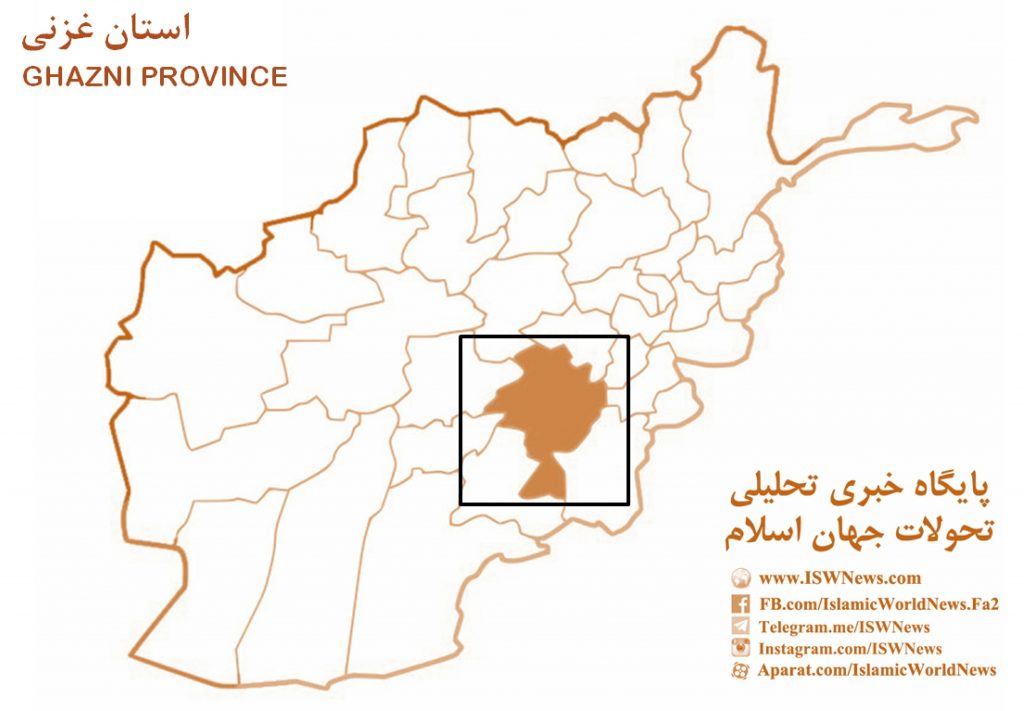
    2. Ghazni:
    Cities Jaghuri and Malestan are under control of Afghani security forces. Engagements at the border of Jaghuri and Gilan. Taliban forced people’s troops to retreat back and occupied Hotqol.


    3. Kabul:
    Due to engagement in Kabul university dormitory, one was killed and eight injured. Afghani Education Minister said it started from a line to receive bread and then became a fight between two groups of Hazarah and Pashtoon.