Three Americans Killed in Syria!
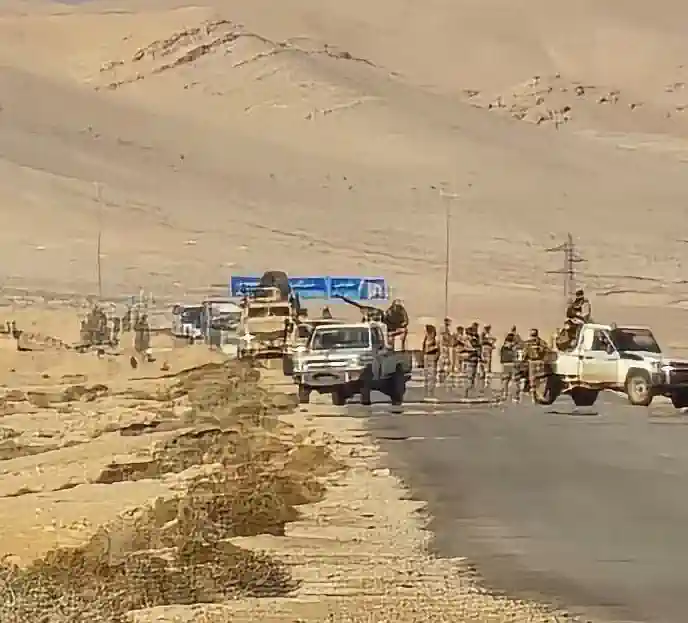
During yesterday’s attack on a joint U.S.–Syrian military convoy near Palmyra, two American soldiers and one American interpreter were killed, while several others—including Syrian personnel—were wounded.
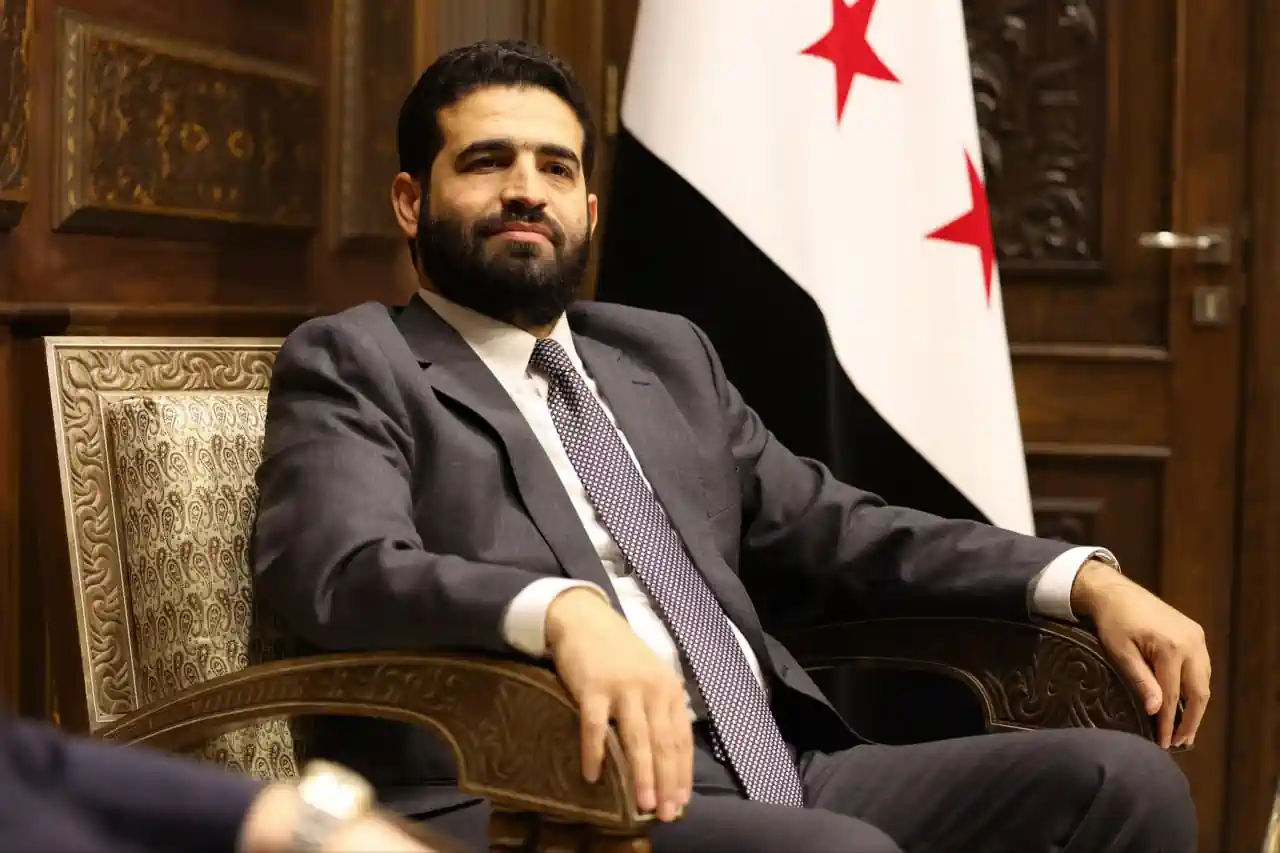
Anas Khattab, Syria’s Interior Minister, told Al Jazeera of significant advances made by security agencies following the fall of Bashar al‑Assad’s government.
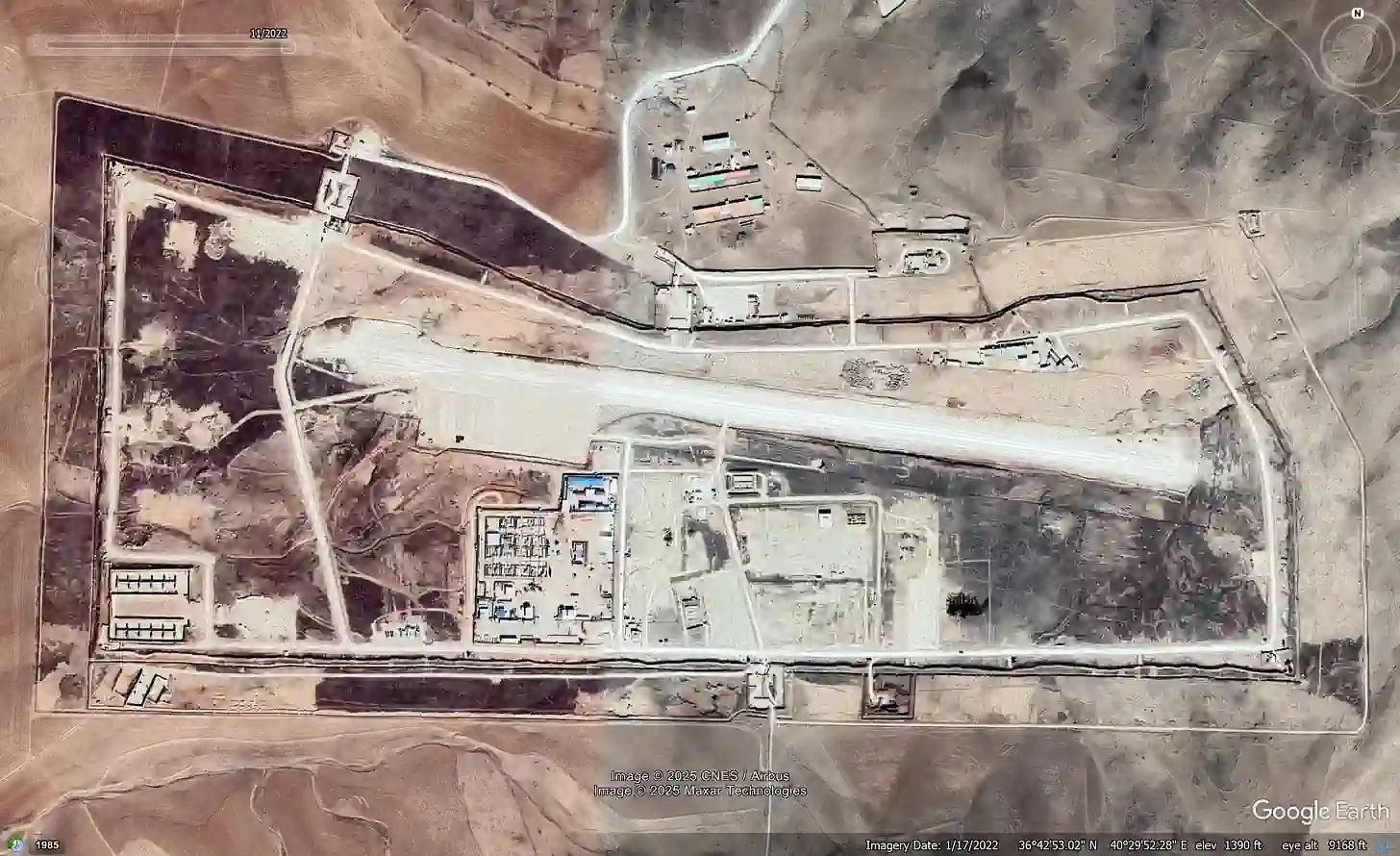
Following the fall of Bashar al-Assad, the U.S. military presence in Syria has undergone a series of strategic shifts—particularly after the Trump administration announced its intention to reduce troop levels. While some bases have witnessed withdrawals in recent months, closer examination reveals an opposite trend taking shape: a rapid expansion and intensification of operations at the Qasrak base on the outskirts of Hasakah. The pressing question is what these movements reveal about Washington’s strategy in northeastern Syria—and, more specifically, what is unfolding at Qasrek and other American installations in Deir ez-Zor?
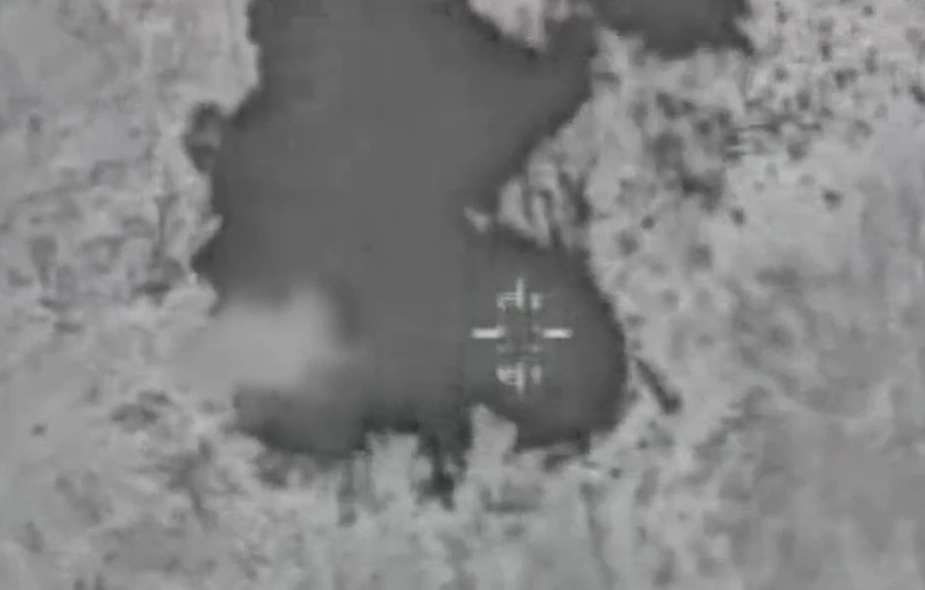
U.S. Central Command (CENTCOM) announced in a statement that, in cooperation with Syria’s Ministry of Interior, coalition forces destroyed 15 hideouts and weapons depots belonging to ISIS in the Rif province.
In the early hours of today, Israeli army forces stormed the Beit Jinn area in Rif Damascus province. The raid resulted in six Israeli soldiers being wounded and ten Syrians killed.
Elizabeth Tsurkov has released a new report alleging details about the structure of Druze armed groups in southern Syria, their ties to criminal networks, and the extent of Israeli support for them. She is the same controversial alleged Israeli operative who was abducted in Baghdad in March 2023 and remained in captivity until September 2025, before being released through mediation by the Iraqi prime minister.
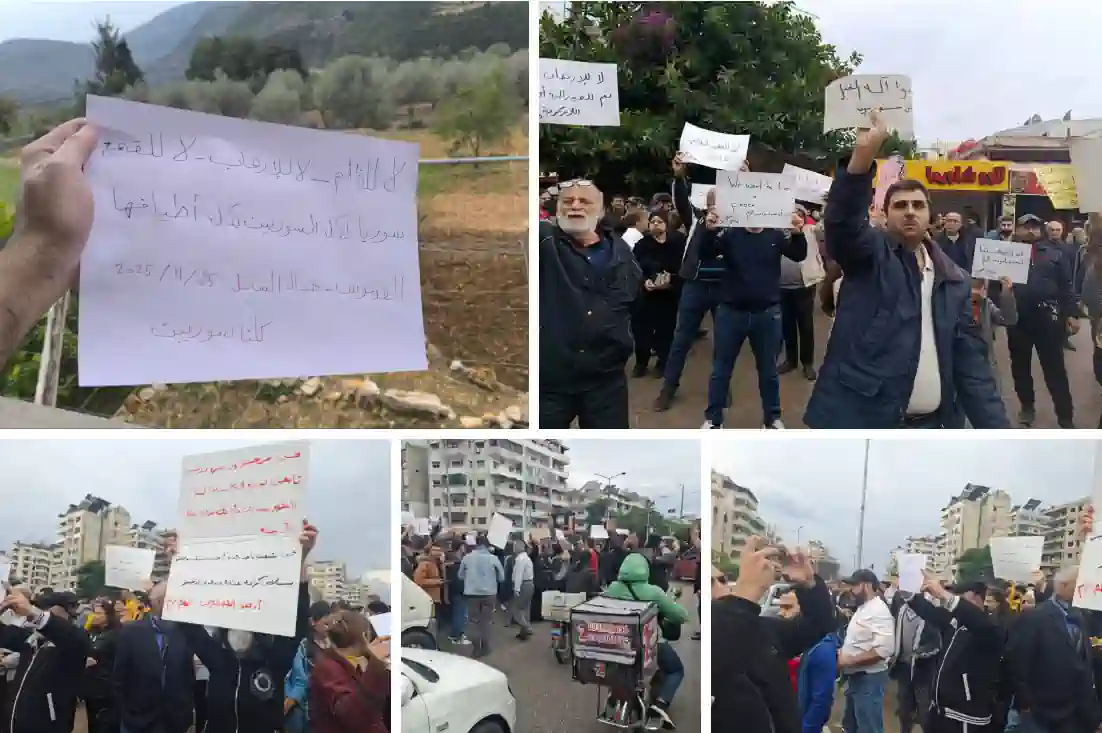
Responding to the call of Sheikh Ghazal Ghazal, head of the Alawite Islamic Council in Syria, Alawites took to the streets and main squares in coastal cities including Latakia, Tartus, Jableh, and Banias, as well as in several villages and towns in Homs and Hama provinces. The gatherings were held to denounce sectarian oppression and systematic rights violations by al-Jolani’s administration.
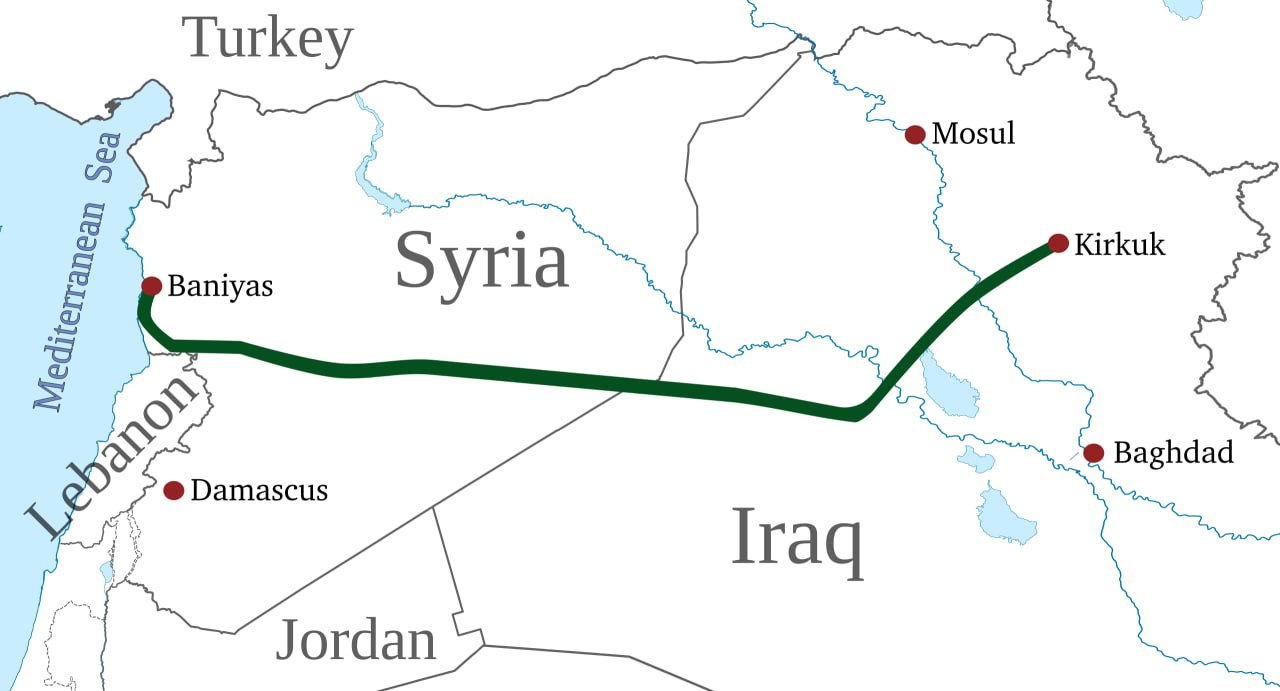
The second consignment of Saudi crude, estimated at around one million barrels, has reached Banyas port — an event seen as a significant marker in the trajectory of energy cooperation and political relations between Riyadh and Damascus.
On November 19, Israeli Prime Minister Benjamin Netanyahu, accompanied by senior commanders and officials, entered southern Syria in a clear violation of international law, visiting Israeli army bases. He was joined by Defense Minister Yisrael Katz, Chief of Staff Eyal Zamir, and Foreign Minister Gideon Sa’ar.
A report published by sources close to Julani’s administration reveals that more than 4,500 officers and personnel of Bashar al-Assad’s government have joined the ranks of the Syrian Democratic Forces (SDF).
A collective attempt by several detainees belonging to the terrorist group ISIS to escape from al-Sina’a Prison in Hasakah has failed. This facility, considered one of the most important detention centers for ISIS members in northeastern Syria, witnessed an operation that was quickly thwarted by the Syrian Democratic Forces (SDF) with air support from the U.S.-led coalition.
On the anniversary of Atatürk’s death—whom ISIS portrays as a symbol of serving Western powers—history is, in their view, replaying a similar scene.