Category: US

  • Two IED Attacks On US Assets In Baghdad

    Two IED Attacks On US Assets In Baghdad

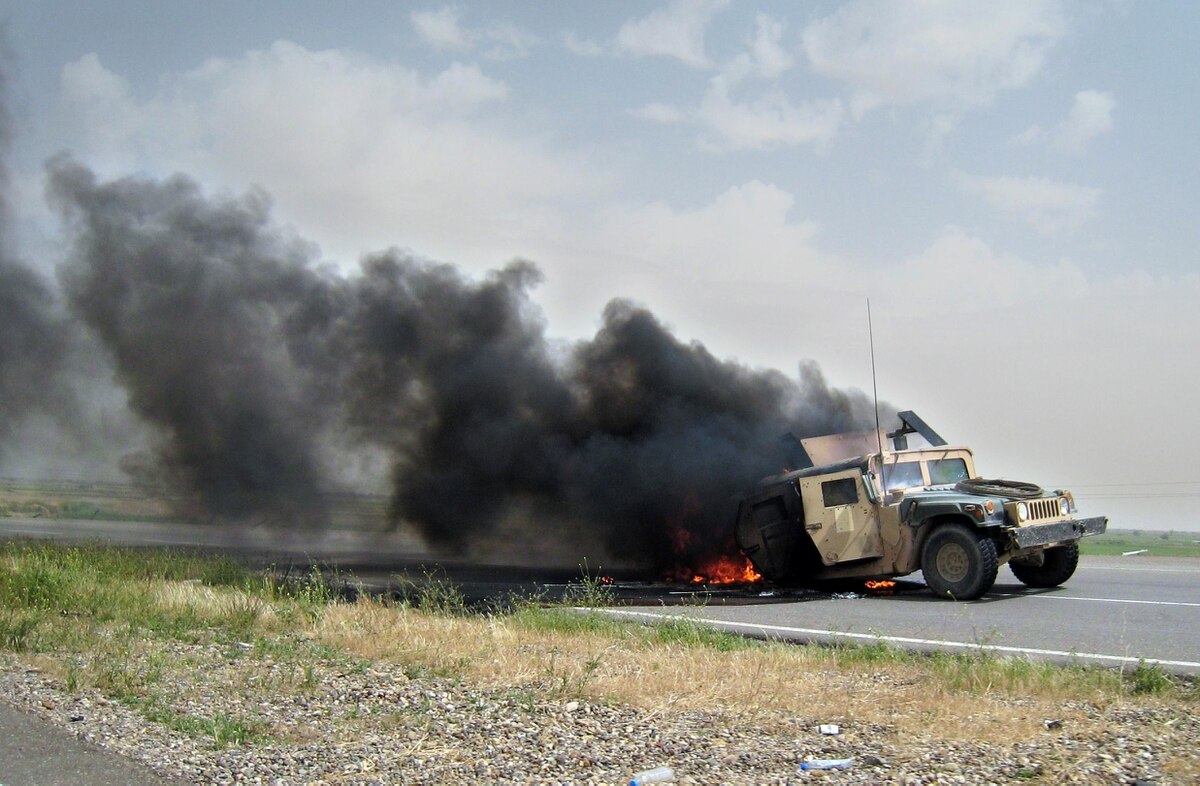
    Early on February 23th, at 02:00 local time, two US military logistical convoys were attacked by the “International Resistance” group in the Taramiyah area in north of Baghdad city.

    These attacks were the fifth and sixth attack on the US convoys in Iraq since the beginning of 2023.

    Earlier on February 6th, another US convoy was attacked by the “International Resistance Faction” group in the Muthanna province.

    Read more:
    Infographic: Iraqi Resistance Groups Operations Against the US in 2022
    Infographic: Iraqi Resistance Groups

  • Rocket Attack On US Base In Deir Ezzor

    Rocket Attack On US Base In Deir Ezzor

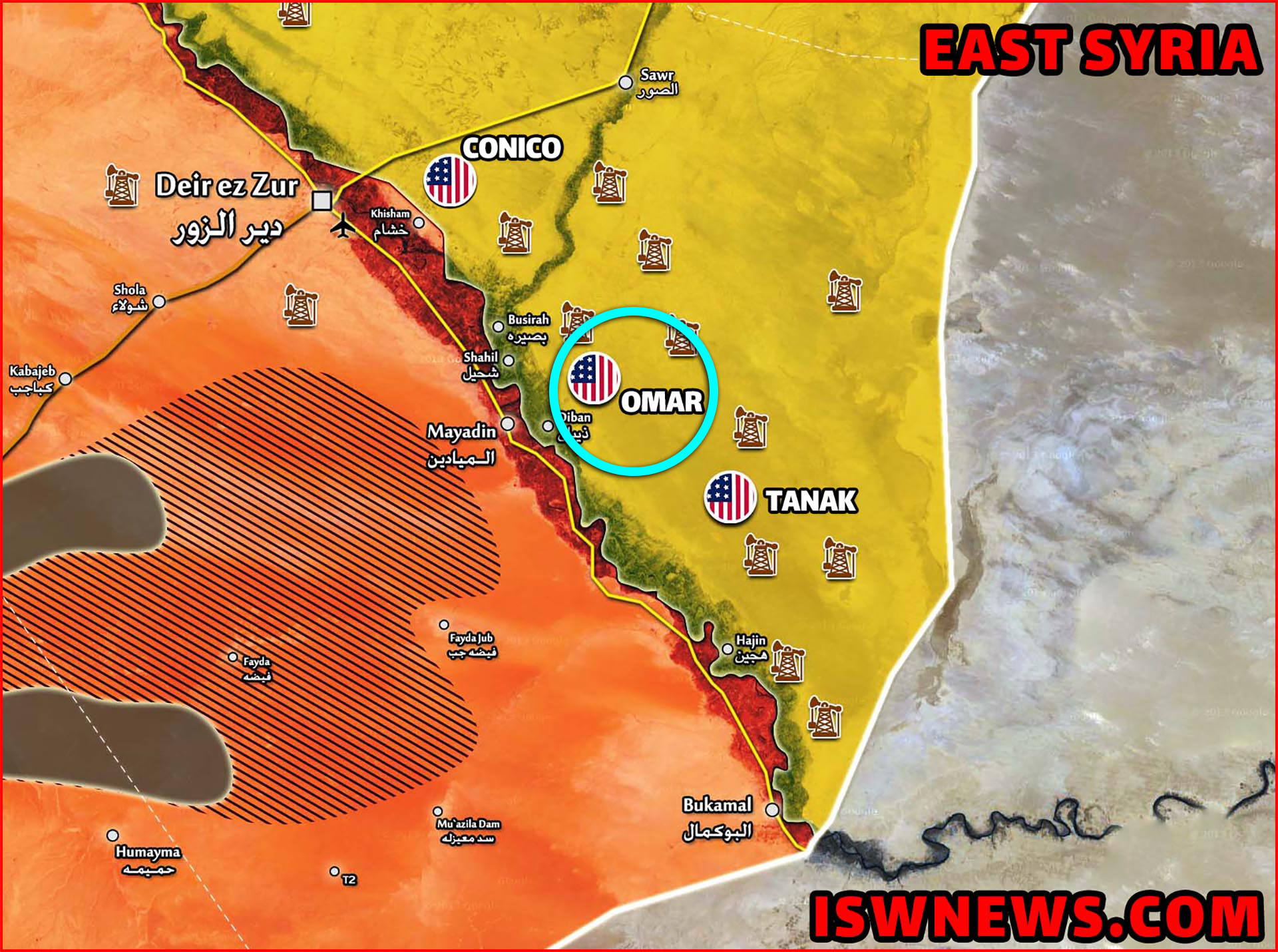
    On 18th of February, positions of the US coalition based in Al-Omar oil field were targeted by a rocket attack. So far, no group has claimed responsibility for this attack, but considering previous attacks, it is likely that this attack was carried out by resistance groups.

    This is the fourth attack on the positions of US forces in Syria in 2023.

    In this regard, the US terrorist headquarters in West Asia (CENTCOM) issued a statement confirming the rocket attack and announced: “At 20:28 (February 18) local time, two rockets hit the outskirts of Al-Omar oil field. This attack did not result in any casualties and the US forces are investigating this attack.”

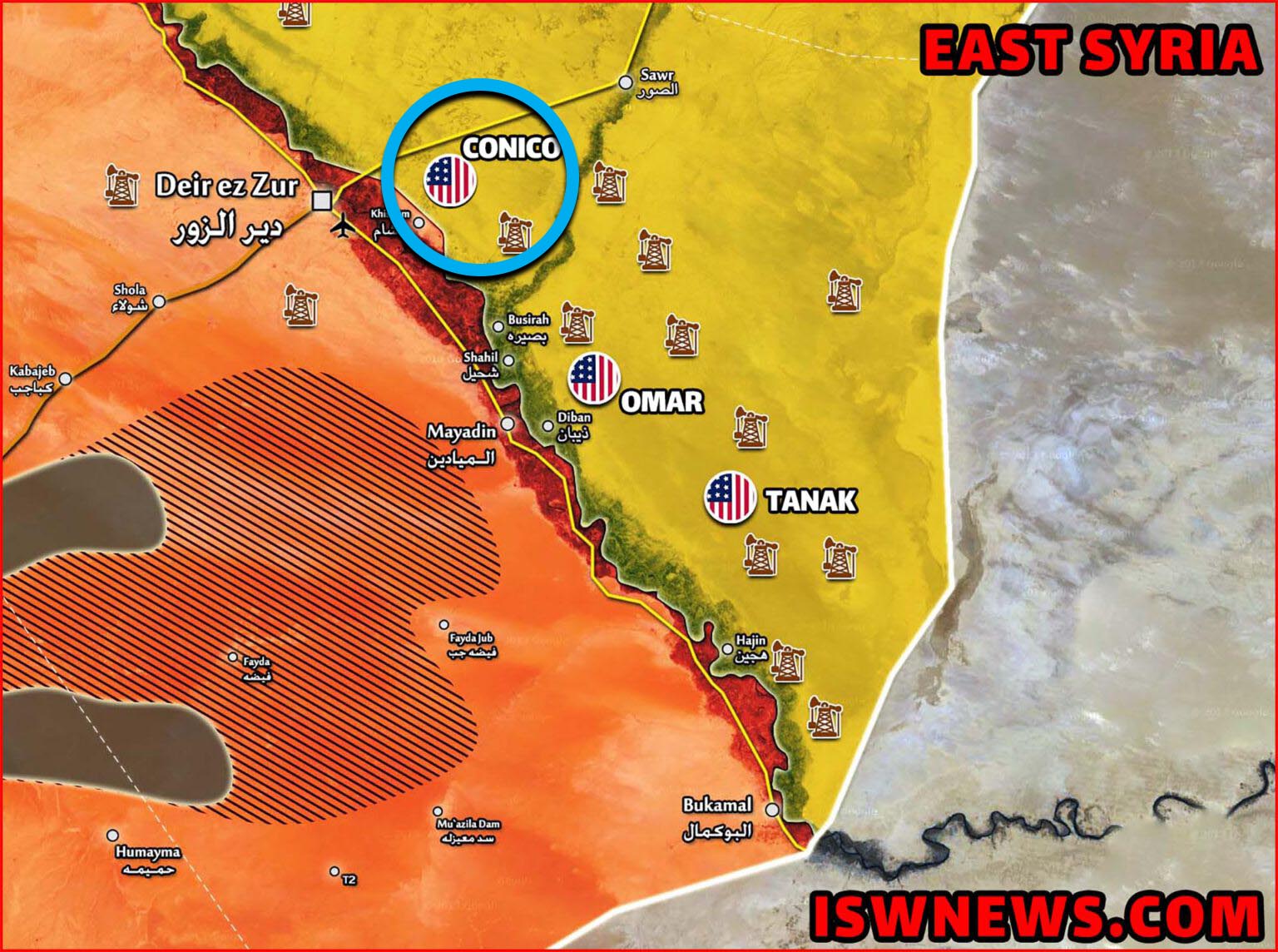
    This attack took place while a few days ago, the US CENTCOM published a statement claiming to have shot down a reconnaissance drone belonging to Iranian forces over the CONICO gas facility in Deir ez-Zor province.

    Read more: US Shoots Down Iranian Reconnaissance UAV In Deir Ezzor

    It is worth mentioning that on January 4 also the US positions in the Al-Omar oil field located in Deir Ezzor province in eastern Syria were attacked by rockets.

  • US Shoots Down Iranian Reconnaissance UAV In Deir Ezzor

    US Shoots Down Iranian Reconnaissance UAV In Deir Ezzor

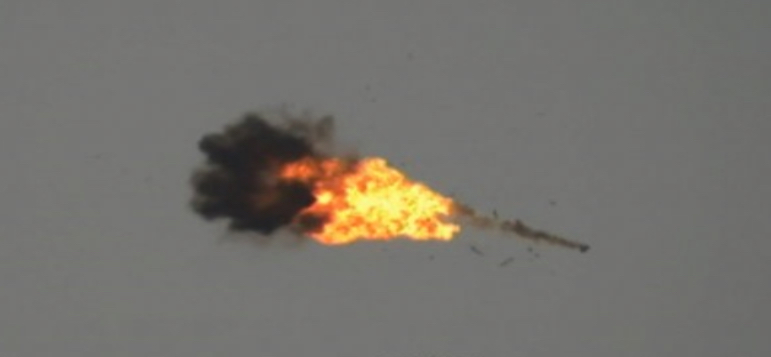
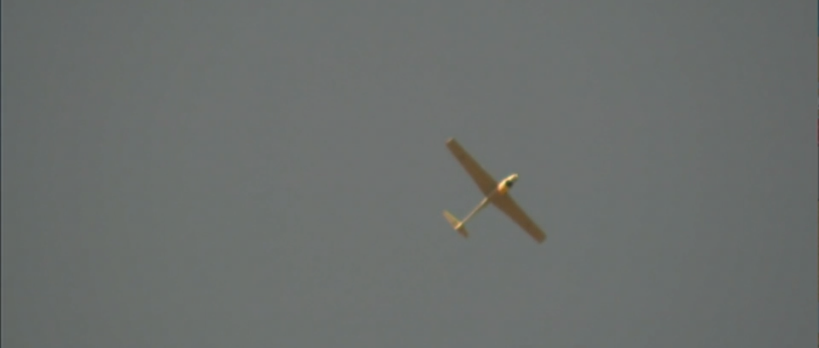
    The United States Terrorist Headquarters in West Asia (CENTCOM) issued a statement announcing that a reconnaissance drone belonging to Iranian forces was shot down over the American coalition base in the CONICO gas facility located in Deir Ezzor province.

    Centcom’s statement said: “At 2:30 p.m. on February 14, the US forces shot down an Iranian spy drone that was flying over the CONICO gas facility.”

    It is worth mentioning that the CONICO gas facility is located in the east of Deir Ezzor province and has been the target of rocket and drone attacks many times in the past months. Despite the joint operations of the US coalition and the Syrian Democratic Forces (SDF) around the American bases in Syria, the American coalition has so far failed to identify and counter these attacks.

    Read more: Rocket Attack On US Base In Syria For The Second Day In A Row!

    In addition to CONICO , a number of American coalition bases in Syria, including al-Omar, al-Tanf, al-Shaddadi and Rumaylan bases, were also targeted by drone and rocket attacks by resistance groups and unknown groups in recent months, during which several American soldiers were injured.

  • Dollar A Hostage In Washington’s Hands; Impact Of US Economic Hegemony On Iraq

    Dollar A Hostage In Washington’s Hands; Impact Of US Economic Hegemony On Iraq

    The ongoing fluctuations in the exchange rate of the US dollar against the Iraqi dinar cause difficulties for the political and social circumstances in the Arab state. Iraq is a West Asian country, which was capable of defeating the ISIS terrorist group as well as foreign-backed color revolutions; however, today the Islamic nation is experiencing social turbulence caused by the US-imposed economic sanctions. The US has inflicted harsh measures on the Iraqi banks under the excuse of hampering the smuggling of foreign currencies as well as money laundering. To this end, the United States Treasury Department has imposed rationing on Iraqis’ oil revenues, which are frozen in the US banks, which created a situation that ended up in the dropping of the Iraqi national currency from 1,460 dinars (the official rate) to 1,640 dinars at once. Of course, newly appointed Governor of Central Bank of Iraq Muhsen al-Allaq tries to manage the current crisis in a calculated manner and he relentlessly reminds the Iraqi people of the surge in the Central Bank’s dollar reserves, which are now said to reach over 100 billion dollars, as if the increase of the reserves is part of his own achievement!

    After Baghdad passed the Anti-money Laundering and Counter-terrorism Financing in 2018, the Financial Action Task Force (FATF) excluded the Arab country from the particular monitoring process also known as the international standard for the fight against money laundering and the financing of terrorism. Despite the fact that Iraq is not a member state of the FATF, the Iraqi government has carried out mechanisms to create an electronic platform linked to the international Society for Worldwide Interbank Financial Telecommunication (SWIFT) system, which is a Belgian cooperative society providing services related to the execution of financial transactions and payments between banks worldwide, in order to sell dollars. Some experts believe that the platform will be a long-term alternative and a legal window for dealing foreign currencies and it is more or less out of the control of the government in Baghdad.

    The recent crisis in Iraq kicked off following the imposition of sanctions by the US Treasury Department on three Iraqi banks belonging to an Iraqi tradesman called Ali Muhammad Ghulam Al-Ansari as well as some 16 other banks. The unexpected move caused a decline of around 40% in the sale of dollars by the Central Bank of Iraq, leading to a contraction in supply and a surge in demand for the dollars in the country, which resulted in an increase in the price of the dollar to over 1,550 Iraqi dinars.

    A high-ranking Iraqi official revealed that the Central Bank of Iraq and the US Treasury Department have held a series of meetings in the last quarter of 2022 in the Jordanian capital Amman to pave the way for further coordination between the Iraqi and American officials. One of the members of the finance commission of Iraq’s parliament elaborated that the US Treasury Department followed a special program to provide dollars to Baghdad regularly, which was once in every three months, when the Americans sent 2.5 billion dollars to Iraq by the use of five aircraft.

    Since 2018, the American financial authorities have initiated to provide the Iraqis with dollars, which have traceable serial numbers. In the mentioned meetings Amman, the US Treasury Department informed the Iraqi authorities that sums of the traceable dollars were detected in a number of states in the West Asia region. Therefore, Washington decided to decrease the amount of the dollar transfer to nearly half of the previous sum. It is notable that the traceable dollars, which have been transferred to the Arab country comprise the Iraqis’ assets, which have been blocked in the United States’ banks.

    A source close to the governor of the Central Bank of Iraq has acknowledged that the moves by the US are aimed at hindering the trafficking of dollars to regional countries such as Iran, Syria and Lebanon; so, the Central Bank of Iraq has in words ordered the Iraqi commercial banks to stop selling travelers from those three countries. The source has also mentioned that in accordance with the instructions of the United States, the transfer of dollars from Iraq to Lebanon is forbidden, even if tourists intend to transfer dollar to the neighboring country. It is worth mentioning that the Central Bank of Iraq has ordered the Iraqi banks to sell up to 5,000 dollars to travelers if and only if those who demand dollars accept to provide visas and plane tickets to prove their country of destination.

    Given the fact that the United States dominates the international monetary system, Washington possesses the capability to control all the assets of the Central Bank of Iraq by resorting to threats or sanctions; even though the assets are not deposited solely in the US banks. It is interesting that the Iraqi people’s oil revenues, which amounted to more than 90 billion dollars in 2022 because of the hike in oil prices in international markets, should remain in an account in the United States, while the move is against any economic, financial and even accounting codes! The assets belong to the Iraqi government and should be supervised by the Arab state’s ministry of finance; so, the Central Bank of Iraq is not in charge of decision-making on the assets. The move by the US Treasury Department gives Washington more authority to decide upon the turnover of currency in the Arab country.

    Today’s circumstances of Iraq obviously indicates that the dependence on the dollar system is detrimental for the monetary and economic policies of a state; in particular a country, which relies profoundly upon oil export revenues and its wealth suffers from a so-called single-product economy. It seems that the diversification of the fields of trade as well as accepting alternative currencies for a country like Iraq, which has a long history of political instability and economic woes, would be a more reasonable method than ever. 
  • The US Intervention In Civil Society Changes In Tajikistan

    The US Intervention In Civil Society Changes In Tajikistan

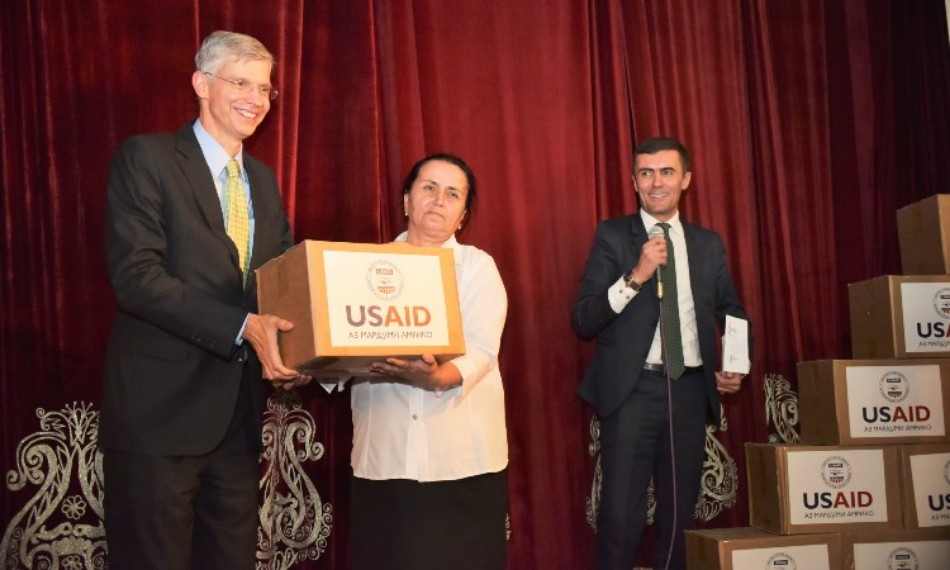
    USAID, together with the Parliament of the Republic of Tajikistan, presented the new Civil Code to representatives of relevant state bodies and civil society organizations. USAID’s interest was generated by the Code’s provisions related to land governance.(1)

    The new Civil Code of the Republic of Tajikistan was approved on December 24, 2022 and will become effective on July 1, 2023. It not only will determine the main directions, priorities, and tasks in the sphere of civil legislation, it sets forth provisions to regulate property and personal non-property relations, as well as the procedure for exercising intellectual and other property rights, corporate relations, contractual and other obligations. Specifically with respect to land governance, the new Code sets forth the rights and obligations of dekhkan farms and simplifies land registration procedures.

    The United States Agency for International Development (USAID) was set up in 1961 as a result of the integration with other US institutions engaged in developing the country’s international influence, and the USAID is now active in more than 100 states, including Jordan, Azerbaijan, Afghanistan (prior to 2021 takeover of Taliban of the war-stricken country) and Iraq. In accordance with the Iraqi authorities, the US agency played a key role in intensifying the unrest in Iraq in 2019.

    Even though, the US agency has played a role in Tajikistan for several years, its engagement in the policymaking process of the Central Asian country indicates the United States’ attempt to improve its influence and effectiveness in Tajikistan, because the American agency is tasked to maintain the political, security and economic interests of the US administration directly throughout the world.

    Hence, the United States Agency for International Development’s support for certain trends and civil developments in Tajikistan, which is one of the significant nations in Central Asia, indicates the United States’ attempt to transform Tajikistan’s social layers in line with the US’ interests, which can be considered as a warning for other competitors of the United States in the Central Asian region.

    1- USAID Supports the Tajik Parliament in the Presentation of the new Civil Code

  • IED Attack On US Logistical Convoy In Iraq

    IED Attack On US Logistical Convoy In Iraq

    On February 6th, at 21:30 local time, a US military logistical convoy was attacked by the “International Resistance” group in Samawah, in the Muthanna province. Earlier on January 26th, another US logistical convoy was attacked by the same group in the Baghdad’s Yousufiya area.

    Read more: IED Attack On US Logistical Convoy In Iraq

    It is worth mentioning that this attack was the fourth attack on American convoys in Iraq since the beginning of 2023.

    Last year, in 2022, Iraqi resistance groups carried out 102 IED, drone and rocket attacks against positions, logistical and military convoys of the American occupiers in Iraq.

    Read more:
    Infographic: Iraqi Resistance Groups Operations Against the US in 2022
    Infographic: Iraqi Resistance Groups

  • IED Attack On US Logistical Convoy In Iraq

    IED Attack On US Logistical Convoy In Iraq

    This is the third time in the last two weeks that US logistics convoys have been targeted by resistance groups in Iraq. This morning at 00:50 local time, a military logistical convoy belonging to the American occupiers was attacked by the “International Resistance Faction” group in the Yusufiya area of Baghdad.

    This attack was the third attack on American convoys in Iraq since the beginning of 2023. Earlier, on January 19, a US logistical convoy was attacked in Al-Taji area, north of Baghdad.

    Read more: Attack On A US logistical Convoy In Baghdad

    This attack took place while on January 24, Qassem al-Araji, Iraq’s national security advisor, in a meeting with General Stuart Munsch, commander of NATO joint forces, emphasized that the Iraqi government is serious about strengthening relations with NATO in order to develop the skills and capabilities of its security forces!

    These words, together with the statements of other senior Iraqi officials, including the Prime Minister of this country, Mohammed Shia al-Sudani, show that despite the demands and warnings of the resistance groups, the Iraqi authorities have no desire to expel foreign military forces from Iraq. Therefore, it seems that the expulsion of Americans through political methods is not possible; And the military solution is the only way for the resistance groups to expel the US from Iraq and maintain the security and stability of the country.

    It is noteworthy that in 2022, Iraqi resistance groups carried out 102 IED, drone and rocket attacks against positions, logistical and military convoys of the American occupiers in Iraq.

    Read more:
    Infographic: Iraqi Resistance Groups Operations Against the US in 2022
    Infographic: Iraqi Resistance Groups

  • US And Israel Launch Large-scale Military Exercise In West Asia

    US And Israel Launch Large-scale Military Exercise In West Asia

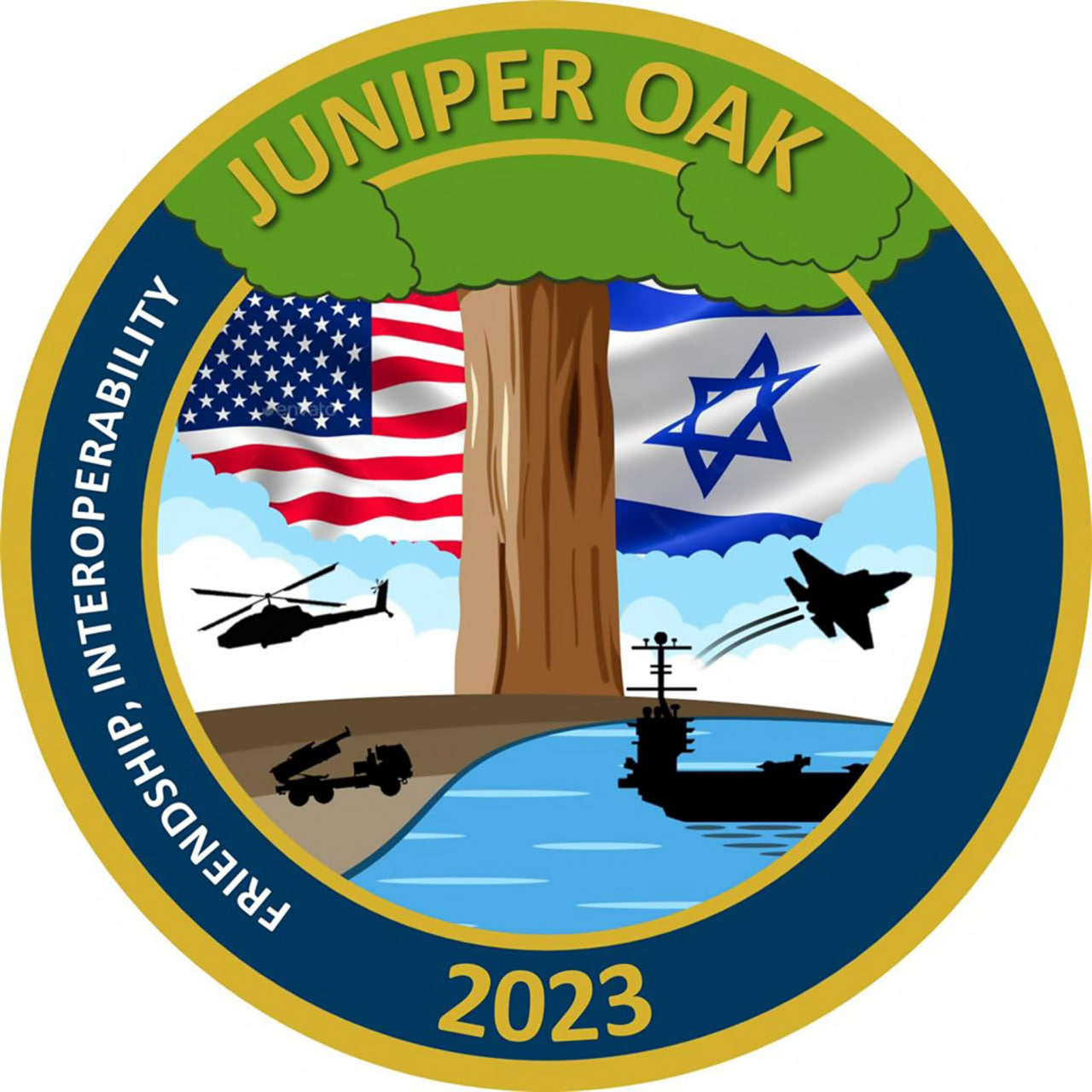
    The terrorist headquarters of the US in West Asia – United States Central Command (USCENTCOM or CENTCOM) – issued a statement to announce the beginning of the naval, land and air drills of the American and Israeli military forces in the occupied territories of Palestine and the Eastern Mediterranean codenamed “Juniper Oak” aimed at increasing the readiness of the military forces of both sides as well as enhancing regional stability and security.

    The drills are scheduled to continue until January 27. The joint military exercise is being held with the participation of 6,400 US troops, 1100 Israeli soldiers, more than 140 fighter jets (100 US aircraft, including four B-52 strategic bombers, two MQ-9 Reaper drones and 42 Israeli aircraft), 12 marine units, missile systems and US’s aircraft carrier George HW Bush.

    According to the Israeli regime army, the US and Israeli air forces will practice different scenarios to cooperate and participate in applying various sorts of fighter jets, transport planes and drones. The drills are planned to gauge the joint preparedness of the Israeli and the US forces as well as expand operational ties between the two armies.

    Simultaneous with the onset of the drills, the US TV channel CNBC quoted an American military commander as saying that the objective of the drills is to tell foes like Iran that the Russian attack on Ukraine, and Beijing’s threats on accumulating a large military force, would not distract the United States.

    The drills started in a situation that the tensions between Washington and Tehran mounted severely in recent weeks because of the Joe Biden administration’s support for the recent unrest in Iran as well as the imposition of new sanctions on Iranian individuals, firms and entities. Moreover, after new Israeli Prime Minister Benjamin Netanyahu took office, the firebrand Zionist official claimed that he would foil what he said is Iran’s attempt to attain nuclear weapons through taking strict stances against the Islamic Republic.

  • Syria: US-led Coalition Training SDF Militants In Al-Hasakah

    Syria: US-led Coalition Training SDF Militants In Al-Hasakah

    The Al-Shaddadi strategic base, which is located near the Al-Jabsa oil fields in the southern outskirts of Al-Hasakah Governorate, is considered one of the most vital weaponry and fuel depots of the US-led coalition.

    Read more: The United States is increasing its military infrastructure in Syria

    Within recent weeks and following Turkiye’s threats to initiate ground military operations in northern areas of Syria, the number of joint drills by the US-led coalition and the SDF militants has significantly amplified. The training of the SDF militants is carried out by the US-led coalition trainers, who focus on Tactics of urban warfare as well as the usage of anti-tank arms, including the TOW guided missiles.

    It is noteworthy to mention that the military drills are the second joint exercises between the US-led coalition and the SDF militants in Al-Haskah Governorate in the past week. The US-led coalition and the Syrian Democratic Forces held another joint military exercise in the neighborhood of “Ghuwairan” in the south of the capital city of Hasakah in the Al-Hasakah Governorate a few days ago.

  • Syria: Drone Attack On US Base At Al-Tanf Region

    Syria: Drone Attack On US Base At Al-Tanf Region

    Jaysh Suriya al-Hurra (Syrian Free Army) militants AKA Maghaweir al-Thowra, have a common base with the American occupying forces in the Tanf region. As a result of this attack, two Jaysh al-Hurra militants were injured.

    In this regard, the US terrorist headquarters in West Asia (CENTCOM) issued a statement confirming the drone attack on Al-Tanf base and announced:

    “This morning, three one-way attack drones attacked the At Tanf Garrison in Syria. Two of the drones were shot down by Coalition Forces while one struck the compound, injuring two members of the Syrian Free Army partner force who received medical treatment. No US forces were injured.”

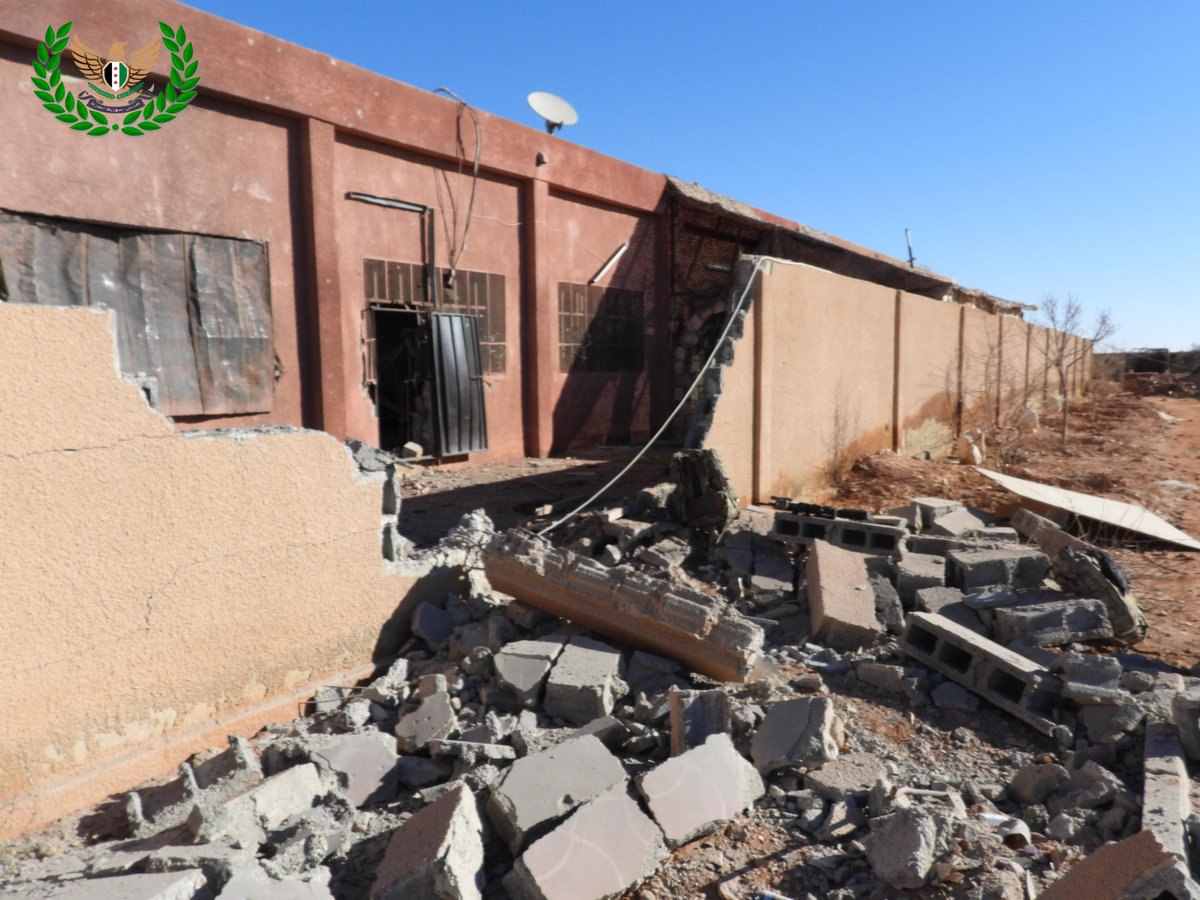
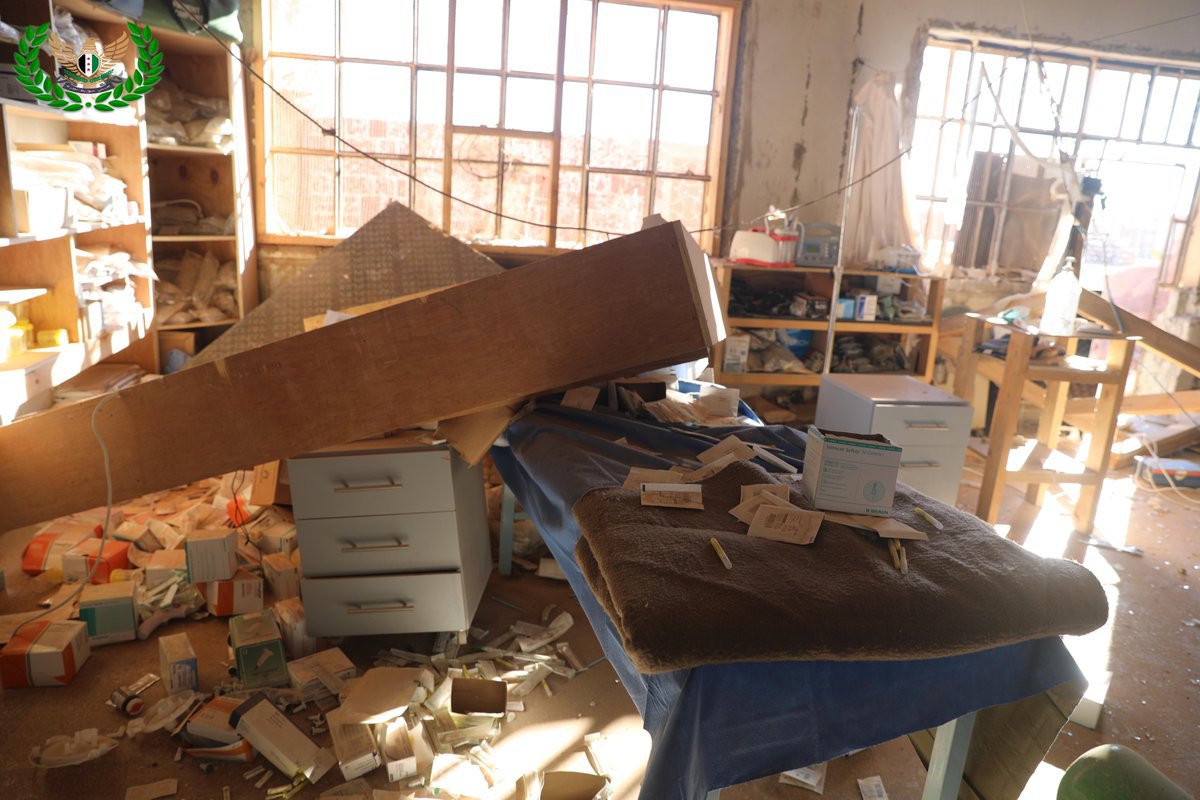
    Jaysh al-Hurra militants also published pictures and claimed that a medical center in Al-Tanf base was targeted and serious damage was done to it.

    So far, no group has claimed responsibility for this attack, but considering the history of attacks by the resistance forces on the positions of the American coalition and the Maghaweir al-Thowra militants in al-Tanf region, it is possible that this attack was also carried out by resistance groups.

    It is worth mentioning that on the 15th of August, positions of the US forces and its militants in Al-Tanf base were targeted with a drone attack by the Iraqi “International Resistance Faction” group. The al-Tanf region in the southeast of Syria has been occupied by American forces for years, and the Syrian army and resistance forces are not allowed to approach the 55-kilometer radius of this area.

    Read more: Iraqi groups drone attack on US Tanf base

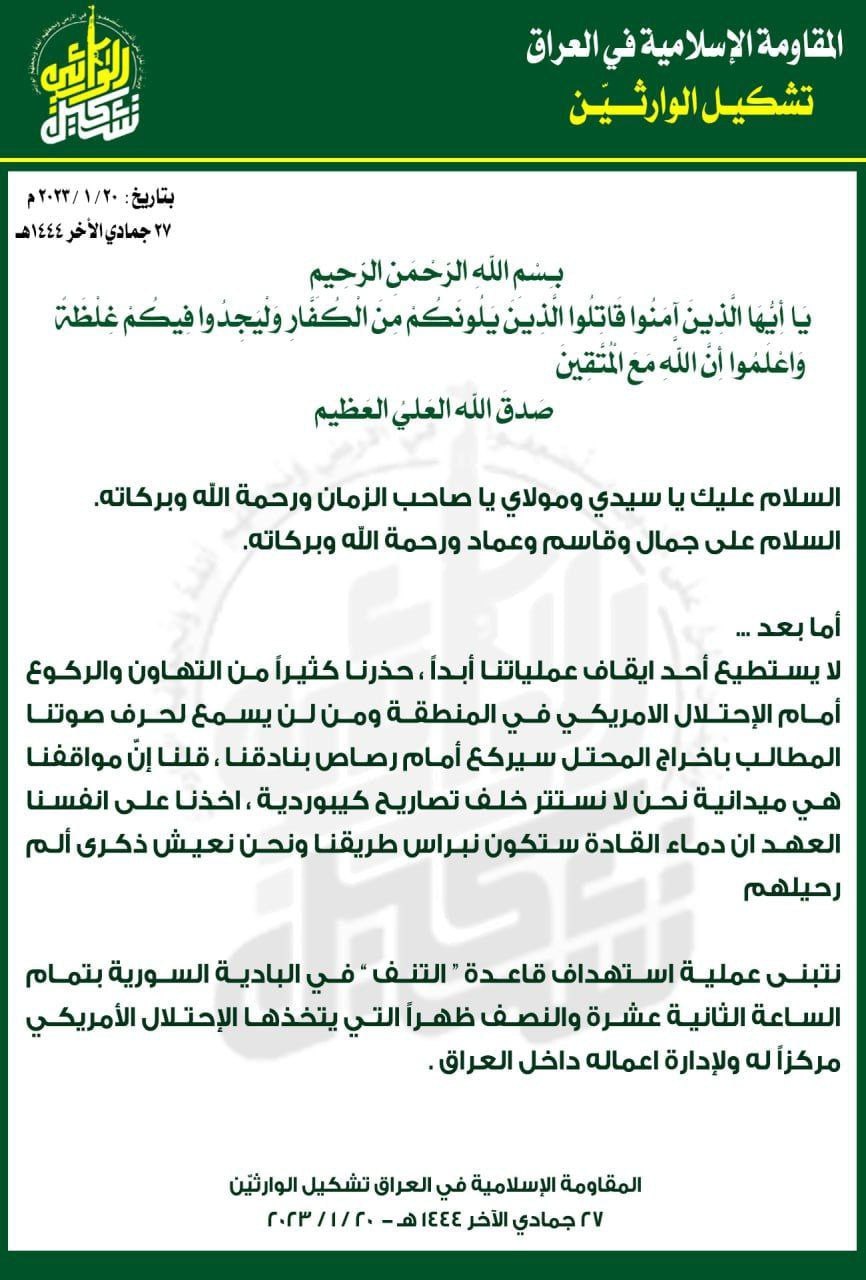
    P.S. On January 21, the Iraqi resistance group “Tashkil al-Warithinn” published a statement and claimed responsibility for the drone attack on the US base in al-Tanf area.

  • Attack On A US logistical Convoy In Baghdad

    Attack On A US logistical Convoy In Baghdad

    According to local sources, the attack was carried out at around 1 a.m. local time. So far, no information has been released about the amount of damage caused by this attack. This attack was the second attack on American convoys in Iraq since the beginning of 2023. Earlier, on January 12, a US logistical convoy was attacked in Al-Taji area, north of Baghdad.

    Read more: The First IED Attack On US Convoy In Iraq In New Year!

    This attack took place while a few days ago, “Mohammed Shia al-Sudani”, the Prime Minister and Commander-in-Chief of the Iraqi Armed Forces, in an interview with the “Wall Street Journal” stated that foreign forces are still needed and defended the presence of American forces in Iraq and did not set a timetable for their withdrawal.

    It seems that if Iraqi officials and senior officials do not seriously pursue the issue of the expelling of foreign troops, especially American troops, the resistance groups will increase their attacks against American military positions and convoys in Iraq.

    It is noteworthy that in 2022, Iraqi resistance groups carried out 102 IED, drone and rocket attacks against positions, logistical and military convoys of the American occupiers in Iraq.

    Read more:
    Infographic: Iraqi Resistance Groups Operations Against the US in 2022
    Infographic: Iraqi Resistance Groups

  • Sending American Ammunition Stored In Occupied Palestine To Ukraine

    Sending American Ammunition Stored In Occupied Palestine To Ukraine

    The Russia-Ukraine conflict turned into a war of attrition and an artillery duel, in which the two sides fire thousands of shots per day and night. Hence, the ammunition of the Ukrainian army significantly reduced to the level that the armed forces utilize Soviet-era weaponries and they chiefly turned to the usage of artillery and ammunition donated by the United States and other Western allies.

    In accordance with certain military experts, the artillery is the backbone of the Russian and Ukrainian firepower in the ground battle, and to some extent the outcome of the conflict between the two sides depends upon the artillery might and the quantity of munitions. In such a situation that the United States’ weaponry stockpile significantly reduced because of the shipment of arms to Ukraine, and the US arms manufacturers have not thus far attuned to the pace of the Russia-Ukraine military conflict, the Pentagon sees another option to send artillery ammunition to Ukraine in order to fill the existing gap.

    The Western media outlets reported that following Kyiv’s constant requests from the Tel Aviv regime to dispatch military aid to help the Ukrainians in their confrontation with the Russian army, the United States succeeded in persuading the Zionist interim regime in this respect.

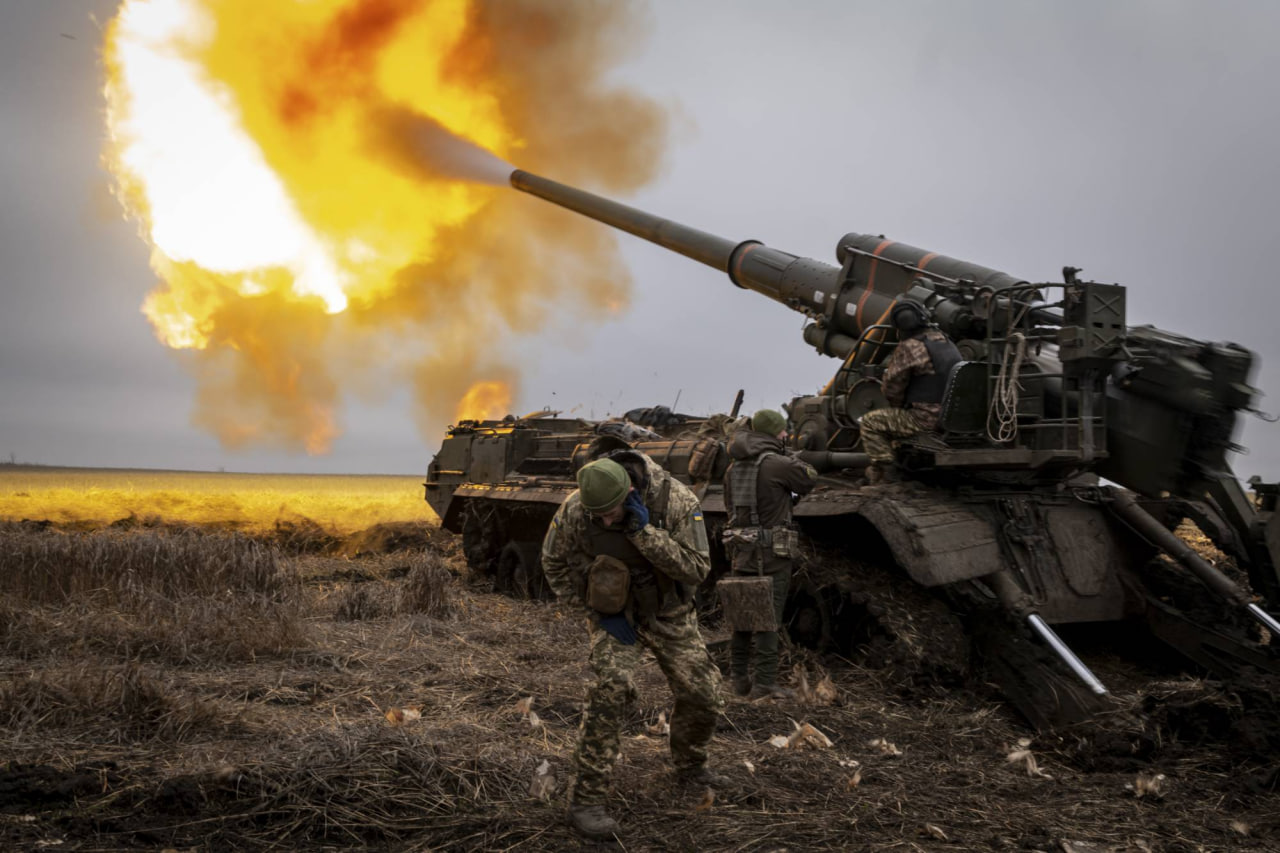
    According to New York Times, Washington and Tel Aviv reached an agreement to ship 155 mm artillery shells to Ukraine, which have been stored in Pentagon arsenals in the occupied territories of Palestine. The agreement consists of the shipment of 300k artillery shells to Ukraine, half of the amount was transferred to Europe and is expected to be sent to the Ukrainian army through Poland.

    It is worth noting that the former Tel Aviv cabinet had opposed sending these ammunitions from American warehouses to Ukraine due to the fear of Russia’s possible reaction, but after the official request of US Secretary of Defense Lloyd Austin from the Zionist regime, former Prime Minister Yair Lapid agreed with the request of the Americans.