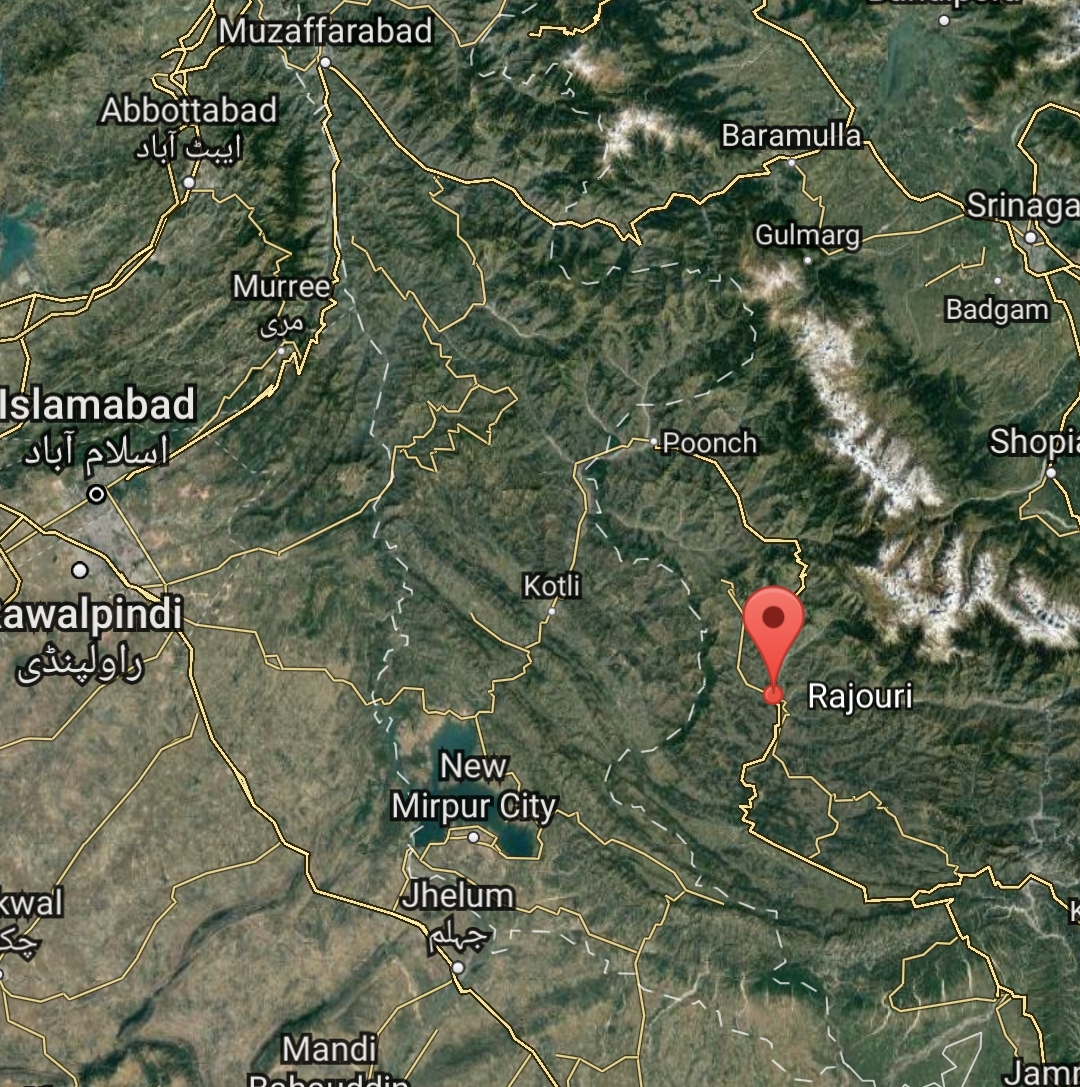
On May 6, the Indian army, after receiving the information from the location of Riyadh Naiko the commander of Mujahedin party of Kashmir, started the joint operation for his assassination, in coordination with the Indian police.
According to these information, Naiko with several of his companions had traveled to Beig Poura village(located in Pulwama region in south of Kashmir for visiting his family; and the region was surrounded by Indian militaries and finally, after a heavy clash, Naiko and his companions were killed by Indian militaries.
Riyadh Naiko was a young teacher that became popular among the people of Kashmir, due to his Resistance thinking and social activity, and in 2017 became the Mujahedin party commander. He opposed with Zaker Musa(from the former commanders of Mujahedin party and leader of Ansar al-Ghazwa al-Hend group) request about joining to al-Qaeda, and showed the world a moderate face of the Mujahedin party.
In his speeches, he described his ideology as peace and justice, and the aim of the struggles as the liberation of Kashmir from the India occupation.
Now, the situation in Kashmir is inflamed with the killing of Riyadh Naiko, and several people have died and more than 30 have been wounded, during people protests.
The Indian military has also suspended internet and mobile lines, and the media has claimed the dispatching 25,000 Hindu troops to Kashmir.
The Mujahedin party has announced the person named Qazi Haidar, as Naiko successor.
The main difference between Kashmir and the Indian government is that the people of Kashmir want returning of the autonomy of their region, and the Indian government rejects this.
This difference has been accompanied so far, with intense control and the military rule atmosphere, and there are two perspectives for it:
1. Negotiation and reaching to a political solution, that seems so difficult, because of the current Indian government and its anti-Islamic policies until the next government arrival.
2. The war and military clashes, that due to the various militant groups existence in Kashmir and severe repression of the people by the Hindus, is likely to be long-term.
The Mujahedin party is one of the most greatest militant groups in Kashmir that are fighting for independence of this region against the Indian government. The Mujahedin party was formed in September 1988 by Muhammad Ahsan Daar and its headquartered is in Muzaffarabad, in free Kashmir.
India, US and the European Union consider this group as a terrorist group, and Pakistan and Turkey have close relations with this group.
Although the Mujahedin party announces the peace and justice as its goal, but in the current situation, rejects the negotiation and considers the fighting as the only way for ending India occupation in Kashmir.
Category: India
-

Kashmir and the Mujahedin Party
-

Indian Warplanes Downed Near the Pakistani Border
The cause of the crash of this aircraft is unknown and the local sources said that it was for technical problem. The pilot managed to eject successfully and survived the incident.
-
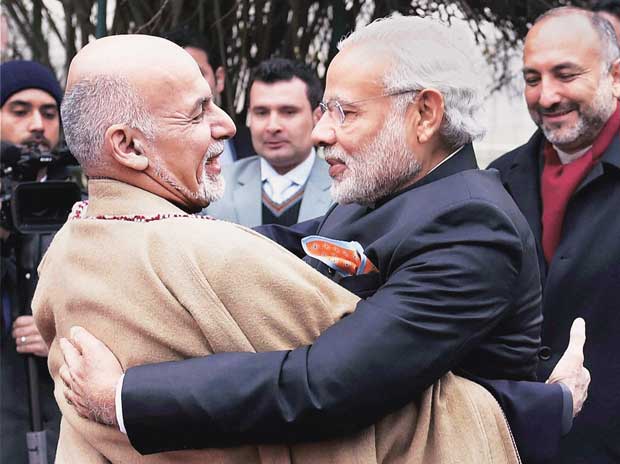
Opinion: How is the relation between Afghanistan and India?
In recent week Subrahmanyam Jaishankar, India’s FM, after meeting with Zalmay Khalilzad and American and Russian FMs talked with Mohammad Hanif Atmar (who was assigned as Afghanistan FM recently by Ashraf Ghani) regarding the bilateral relation and development of Afghanistan.
It is said that the topics covered in these meetings include USA-Taliban peace agreement, Afghan-Afghan talks and the future of India’s projects in Afghanistan.
India has invested extensively in Afghanistan in recent years, and considering Taliban’s growing power, India is concerned about its projects. India has increased its ties with Afghanistan through Iran and aerial transportation and in return pressed its old enemy, i.e., Pakistan through Afghanistan’s stance.
India considers Ashraf Ghani its old partner and considers Afghanistan a potential threat due to Taliban’s ties with Sipah-e-Sahaba and Lashkar-e-Taiba. In recent years Taliban supported attacks on Indian army by these groups, which concerns India.
Therefore, we can decode Taliban’s spokesperson words on showing interest to have relations with India. He even talked about passing a bill to condemn foreign terrorist groups.
Has Taliban revised their policies? What is India’s reaction? What is Pakistan reaction, as the main supporter of Taliban to all these? What is the effect on relations with Iran?
These are questions to be answered soon. -
Roots of violence against Muslim Indians
One of weak and strong point of Islamic communities and countries is their diverse races and religions. In India in addition to different races, there are several believes and religions. Muslim Indians with population of 200 million constitute 15% of India’s population and have suffered from discrimination severely in recent years.
After the new citizenship bill passed by reigning party “Bharatiya Janata Party”, receiving Indian citizenship became harder for Muslims and almost Muslims became second degree citizens in India.
According to this law, that Hindus were pursuing for 60 years, followers of religions such as Hinduism, Buddhism, Sikhs, etc. except Islam in neighboring countries can easily get Indian citizenship.
Current administration of Narendra Modi, inclines toward Hindutva (Hindu nationalists) and considers Hindus as the owners of the country and believes Muslims and other religious minorities should be second degree citizens.
But the law and parliament were hindering this believe and now after this resolution, the discrimination became easier and Hindus have more power in India.
After independence of India and separation of Pakistan and Bangladesh, Muslims role diminished in Indian government which does not match their population fraction compared to other minorities.
The racism is not limited to this administration only and it is part of a big plan to reject Muslims in India.
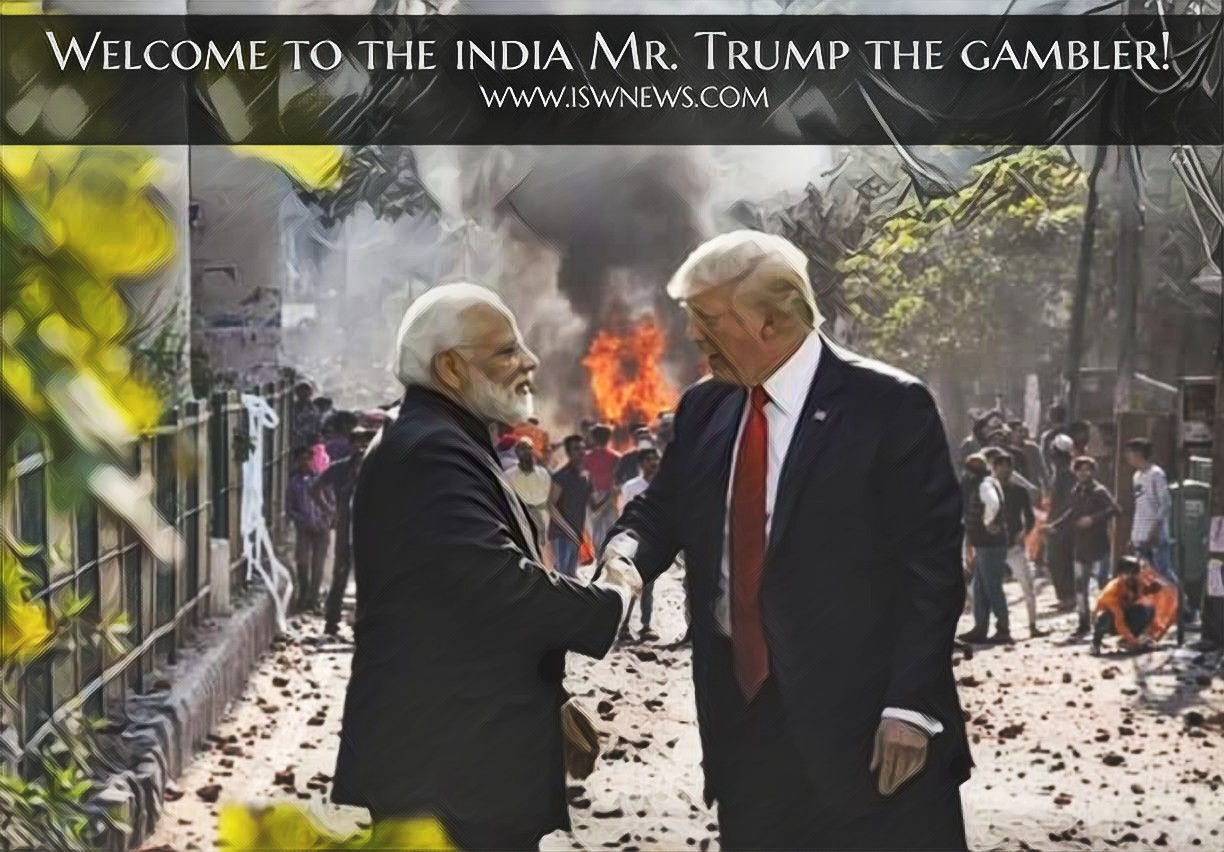
Trump’s trip to India and expressing anti-Muslim stances among thousands of Hindus (addressing fighting Islamic terrorism and endorsing separation of Muslims from India), Muslims became angrier and dogmatic Hindus became more decisive for violence against them.
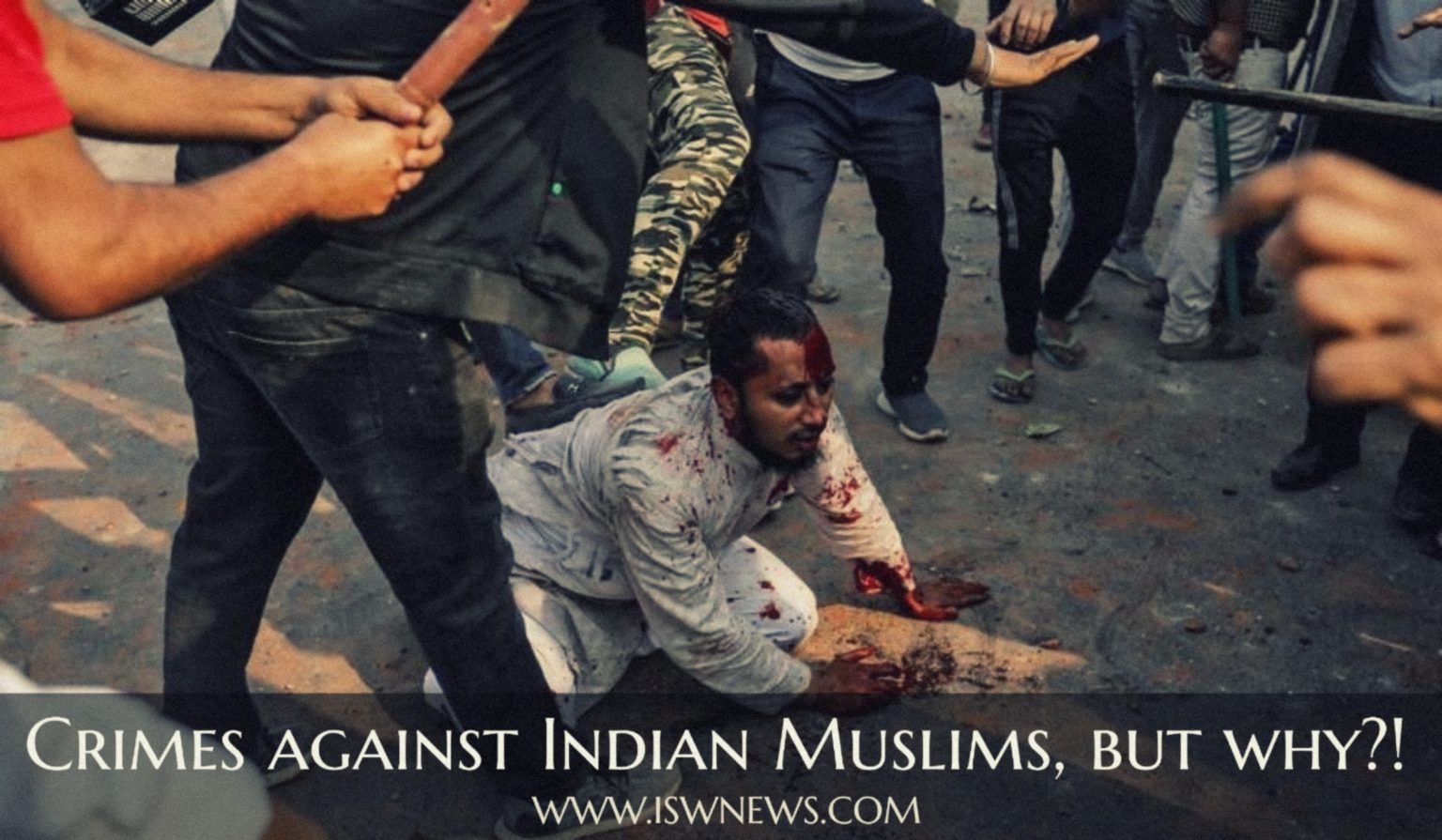
Following Muslims protests and bigot Hindus attacks to Muslims and their neighborhoods, more than 50 Muslims martyred and hundreds injured. Fanatic Hindus who are called Hindutva, along with the government and police committed all sorts of crimes against Muslims.
Among Hindus, there were organized gangs of scoundrels who are supported by Bharatiya Janata Party and pretended that people are against the protests and accept the new law. Their organization is called Rashtriya Swayamsevak, or National Patriotism Organization, that is said to have six million members with far right and racist idealogies.
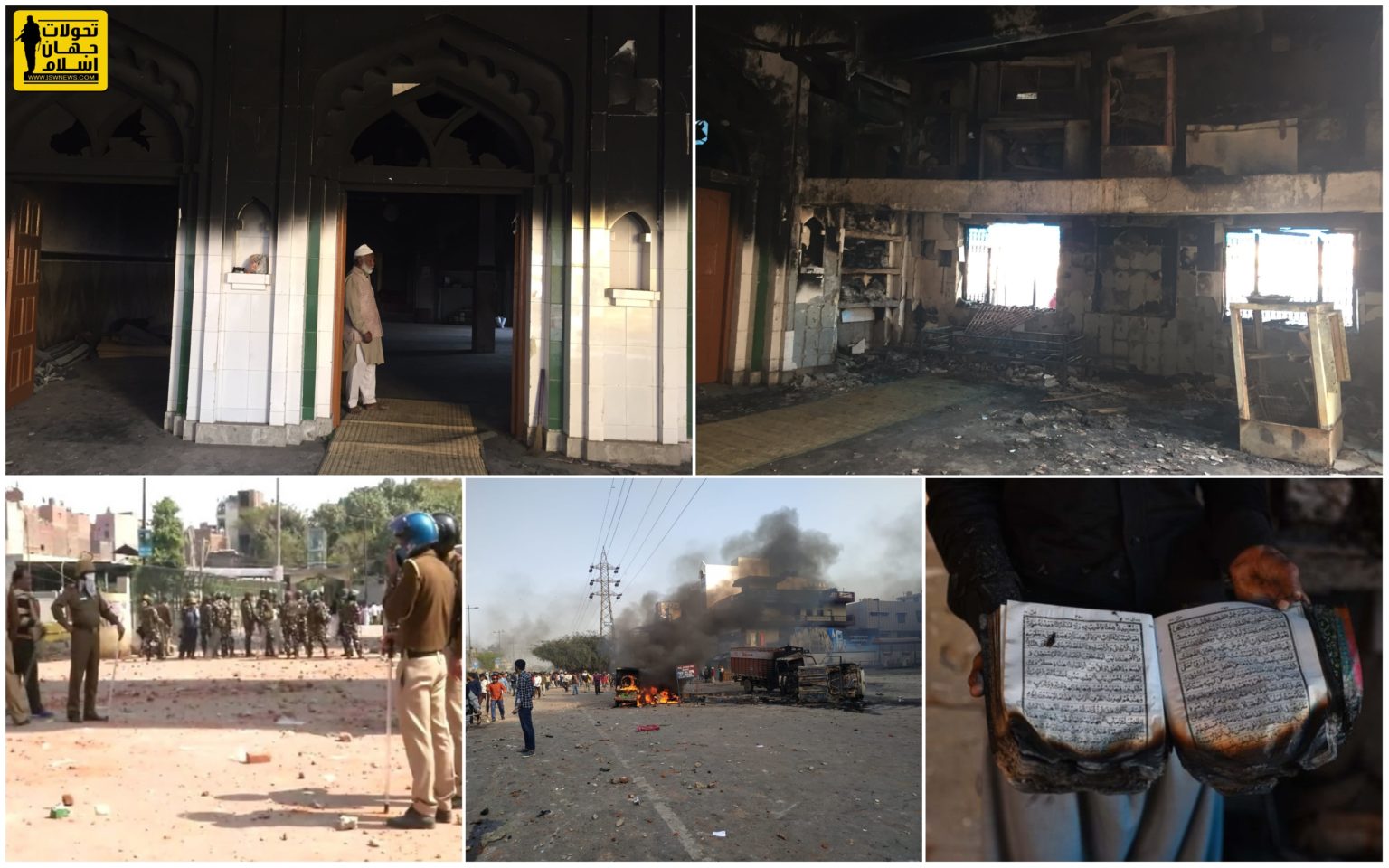
During these riots specially in northeast of New Delhi, some mosques and buildings of Muslims were set ablaze, some Muslims burnt in their homes alive or were beaten hard in the streets.
Indian police stance in many cases was to just watch or even help Hindus in these crimes.
Bigot Hindus stop men in the street and ask for their IDs to see which religion do they belong to and if they would hesitate, they would check their circumcision state in an offensive way and if he was proven Muslim, he would be beaten to death.
Anyhow the discrimination against Muslim Indians is fruit of a project started in 1955 endorsed by the West and separation of Pakistan and Bangladesh, unending war and blood shedding in Kashmir and will continue to kill the last Muslim in the world, unless Muslims come to their guts and change the situation. -
Indian government accuses the police force for violence against Muslims!
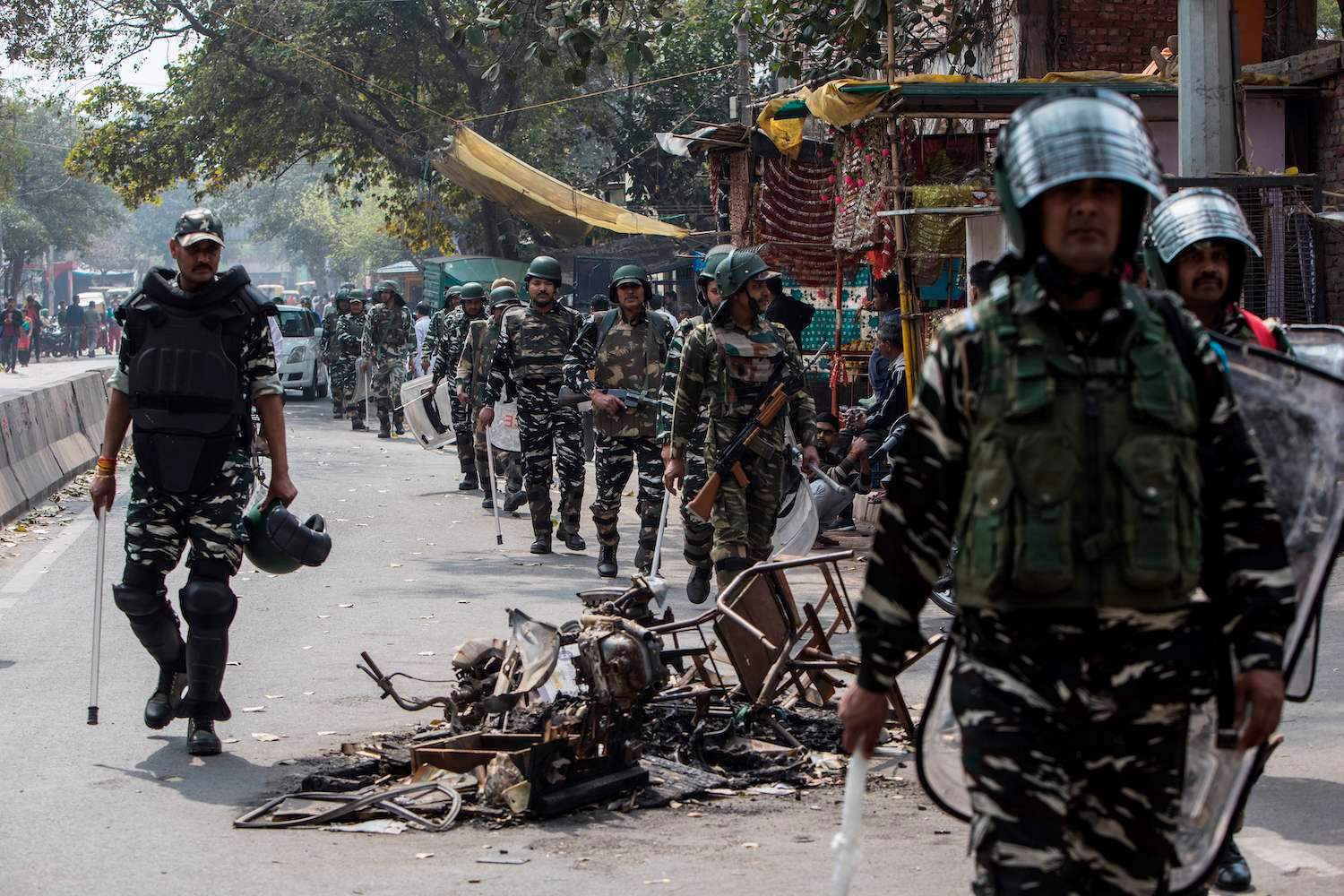
Indian state ministry, accuses the police of capital for its passiveness and lack of action in time and not controlling the situation and said that police failed to stop damages to Muslims assets.
The ministry stated that lack of experience and competency of chief of New Delhi police department is the reason that things got out of control. Therefore, Hindus’ bigot violence and their attack to Muslims resulted in damages and death and injury of many.
Protests in India after the religious discrimination law passed in India’s parliament and Trump’s trip to India were intensified and thousands of Muslims were arrested, hundreds injured and almost 50 Muslims martyred. -
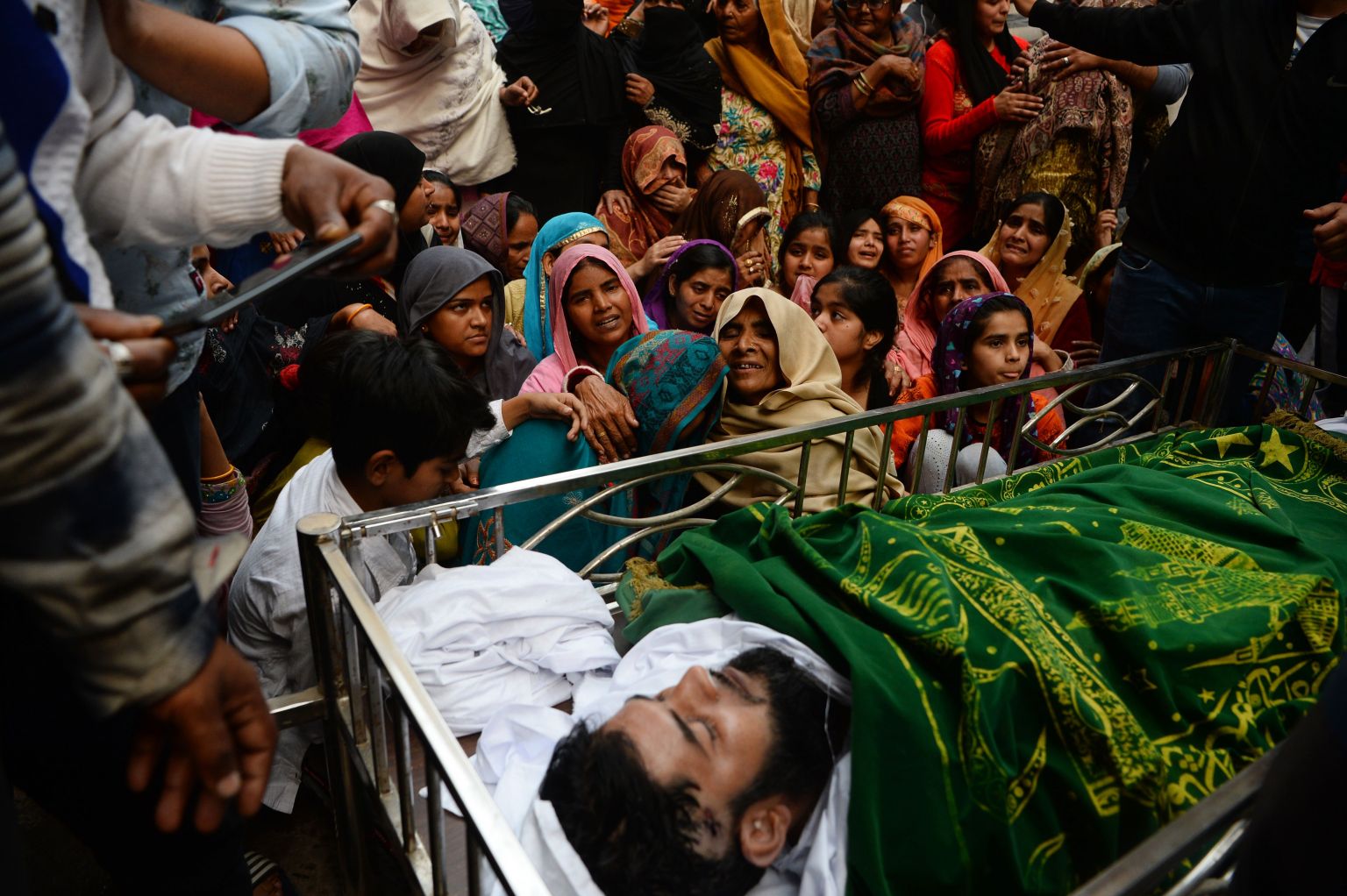
Leader of Iran’s Islamic revolution decried Muslim Indian genocide
It reads in his tweet:
“The hearts of Muslims all over the world are grieving over the massacre of Muslims in India. The govt of India should confront extremist Hindus & their parties & stop the massacre of Muslims in order to prevent India’s isolation from the world of Islam.”
Due to extreme Hindus and government forces of India attacking to Muslims protesting discrimination so far more than 40 Muslims martyred and hundreds injured. -
India summons Iran’s ambassador!
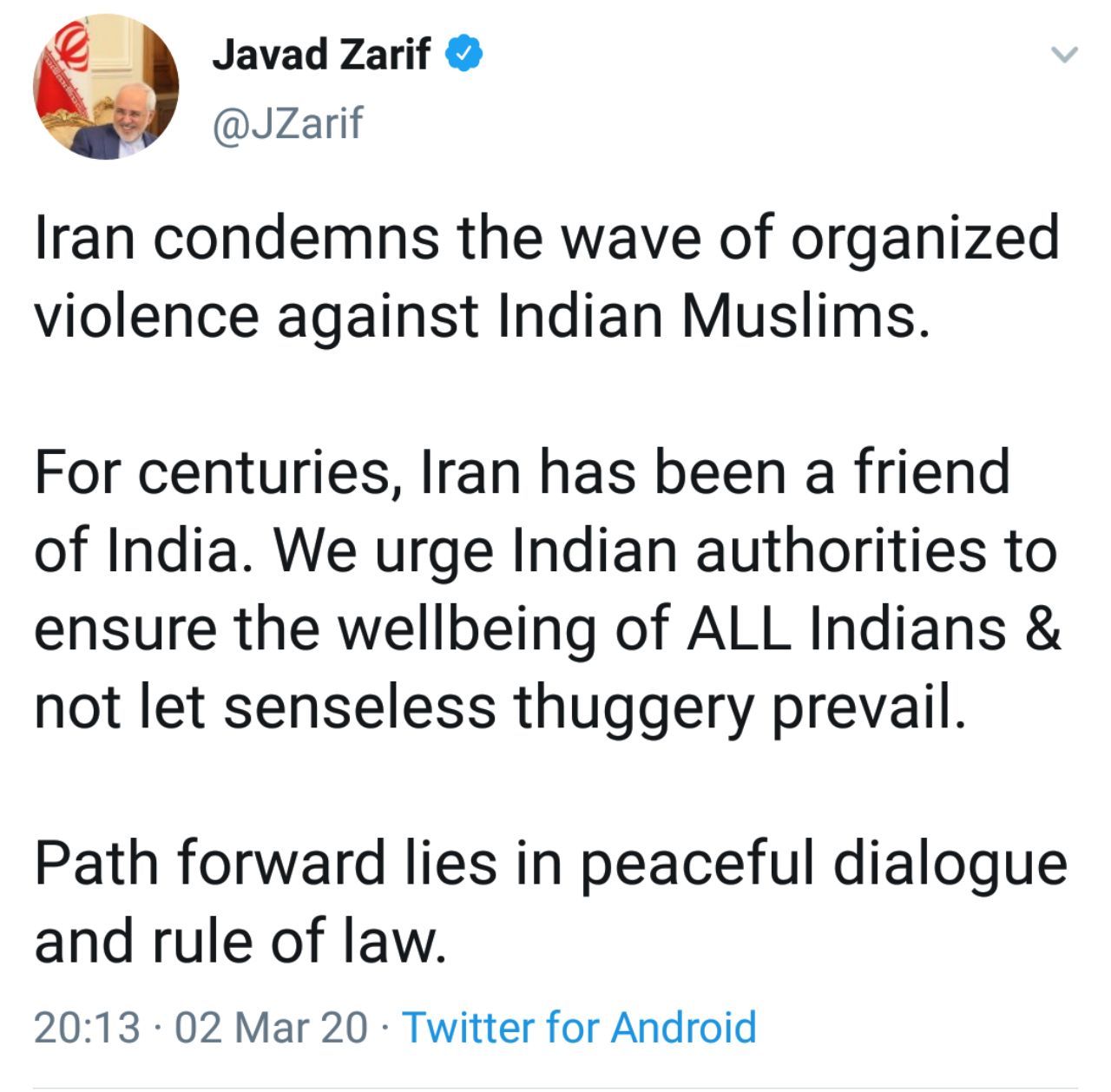
Mr. Zarif in his tweet decrying violence against Muslims in India wrote: “Iran condemns the wave of organized violence against Indian Muslims. For centuries, Iran has been a friend of India. We urge Indian authorities to ensure the wellbeing of ALL Indians & not let senseless thuggery prevail.
Path forward lies in peaceful dialogue and rule of law.”
In recent days the violence against Muslims has intensified greatly and Hindus have attacked mosques and Muslim inhabited areas brutally.
Islamic countries have not shown support for state oppressed Muslims in India, Myanmar, China, Kashmir, etc. Considering Iran and India relationship, it is expected that Iran is pioneer to support Indian Muslims. -
Indian Muslims intensified protests
Indian Muslims protests started after the racist bill passed in India’s parliament and intensified with Trump’s trip. Indian security forces imprisoned thousand people.
According to Indian media 30 people were killed with direct bullet and 12 died in hospital.
Indian state media call these protests “Islamic terrorism” and claimed the dead ones are killed by ISIS terrorists, etc. -
Trump’s Jinx in India!
Protests started when parliament of India passed a bill to give citizenship to non-Muslim minorities of Afghanistan, Pakistan and Bangladesh on 10 December 2019.
The protests intensified by Trump’s expensive trip to India. New Delhi’s local authorities response to intensified protests was to issue curfew in this state and India’s PM invited protesters to peace.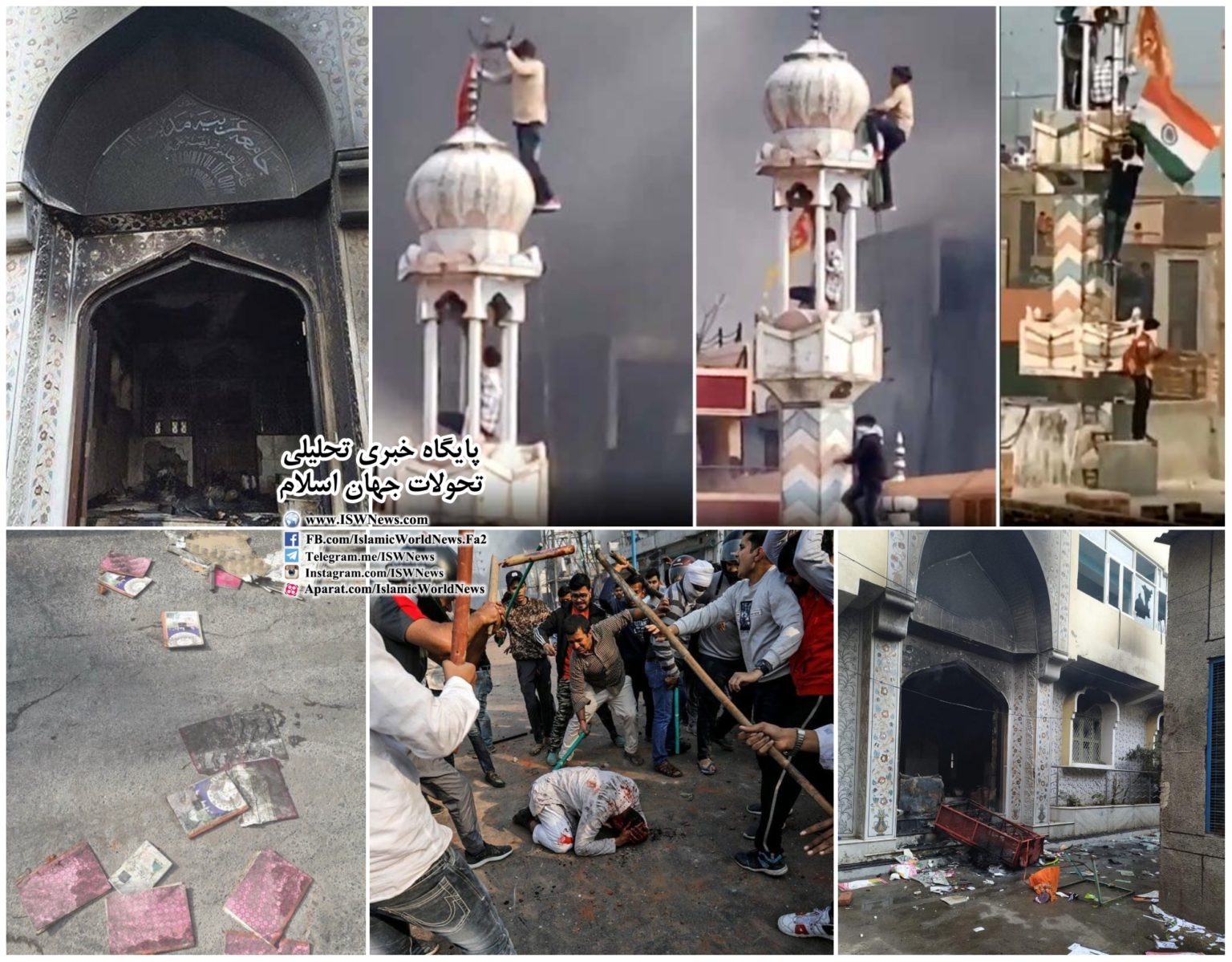
Pictures of insulting Muslims in India in recent days -
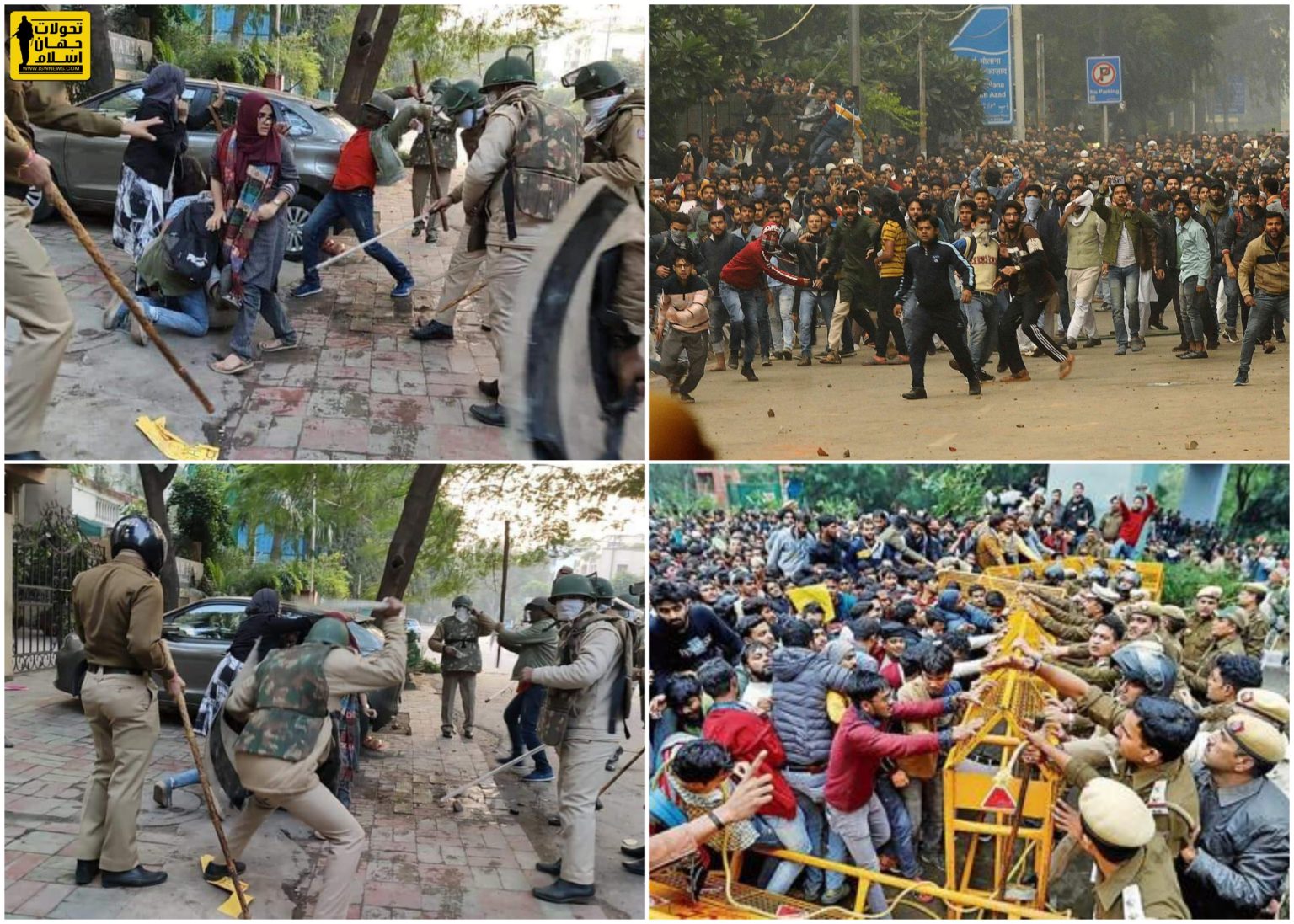
Indian Muslims Protesting Against the Government
Indian police attacking protesting students of Jamia Millia Islamic university arrested and wounded some students and desecrated the mosque of the university.
The protests started in other provinces such as Uttar Pradesh, Mumbai and Bengaluru.
Some of actors and directors of Bollywood also showed support for students and protesters and blamed police violence.
Other Indian Muslims also started to condemn police and government and solidarity with students using #WeStandWithAMU hashtag.
The bill proposed by the government, which was passed in both Senate and Parliament, enables non Muslim immigrants of Afghanistan, Bangladesh and Pakistan who came before 2015 to get citizenship.
Narendra Modi administration called the bill correct and should be implemented. -
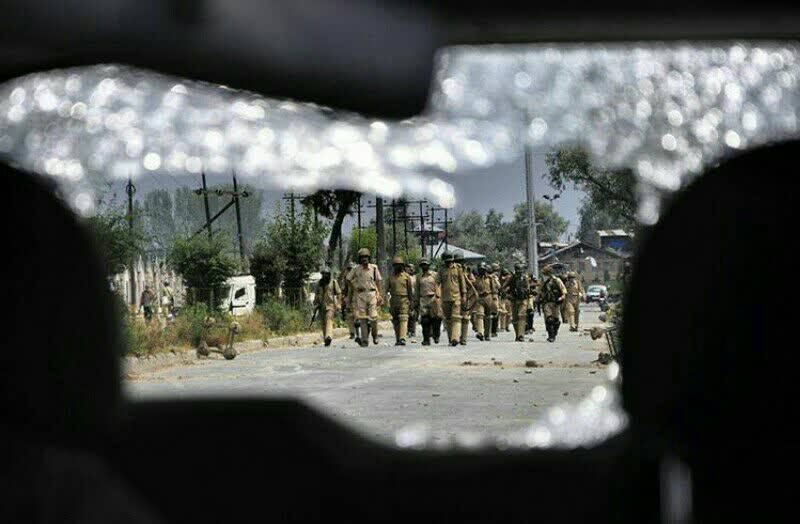
Latest Update on Kashmir, 19 November 2019
According to Kashmir locals, this is the latest situation in Kashmir after the cancellation of Kashmir autonomous:
1- Prohibitation of gatherings and ritual ceremonies: Ritual ceremonies such as celebration for birthday of Prophet Muhammad (PBUH) in Kashmir mosque or any kind of Kashmirian traditional gatherings in mosque prohibited.
2- Changing the names of the places and areas in Kashmir: The Indian government has in the past renamed Srinagar the capital of Kashmir. The names of stadiums and other areas of Kashmir have also changed in recent days.
3- Sayed Ali Shah Geelani, one of Kashmir leaders, in a letter to Pakistani Prime Minister Imran Khan, called for cancellation of Shimla and Lahore treaties.
Geelani has also called for Pakistan to sue India at the UN.
Curfew took place in Kashmir from late July this year.
The abolition of Kashmir’s autonomy was also announced on August 5 by Indian Prime Minister Narendra Modi on the pretext of fighting corruption in Kashmir and the future of India. Following these decisions, the border clashes between India and Pakistan have intensified.
Pakistan, Iran and Turkey have supported Kashmir so far.