According to the latest information, Israeli forces in the northern sector of Gaza have reached the vicinity of the Salatin Cemetery, located south of Atatra.
Additionally, the Israeli army made significant progress in the central region yesterday, advancing to the areas of “Abu al-Ajin” and “al-Jaafarawi” in the southeast of Deir al-Balah.
In the southern region of Rafah, the Israeli army has moved forward to the Al-Firdous School, located west of Rafah, and in the area of Tel al-Sultan.
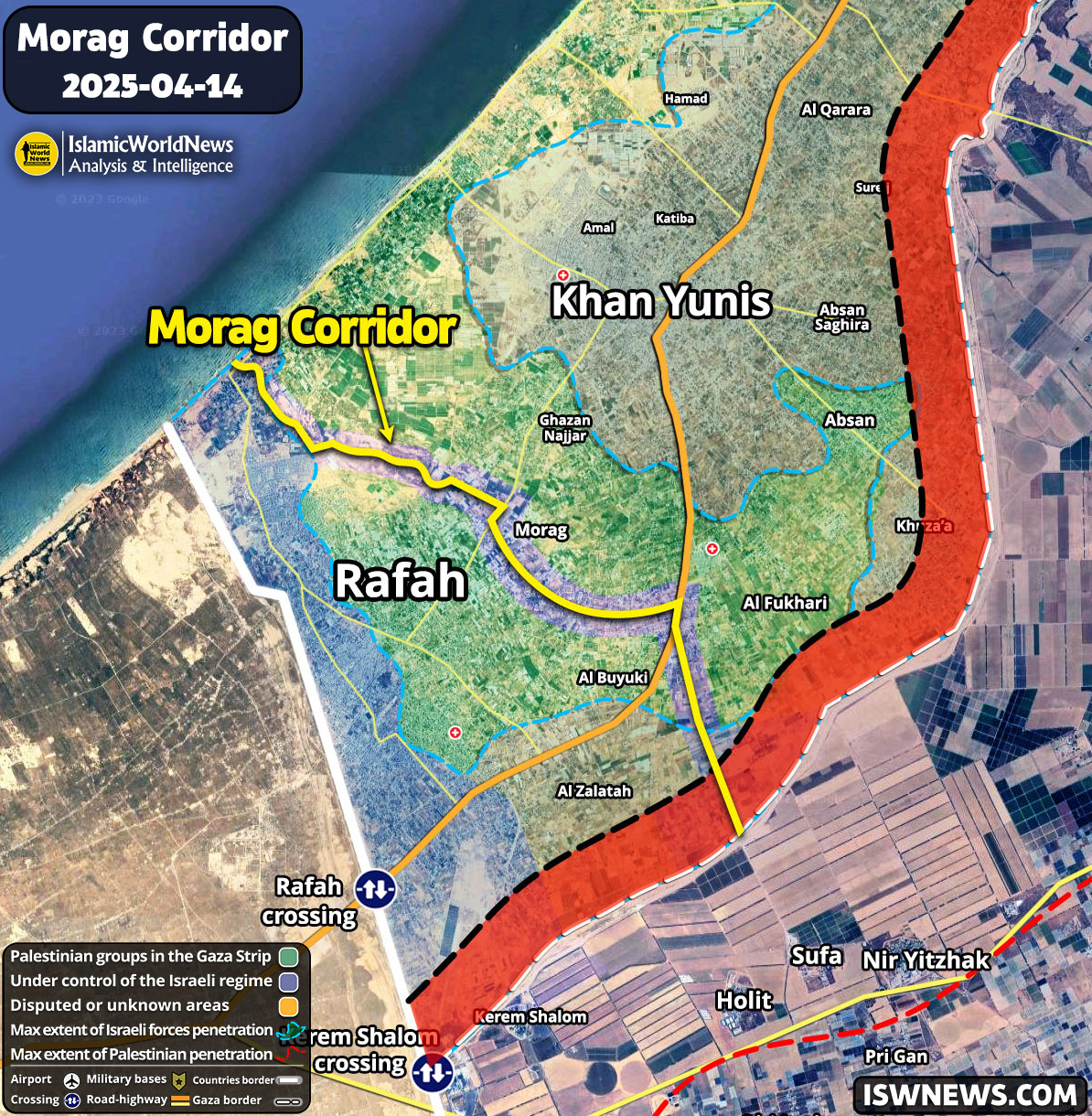
With the creation of this 12-kilometer corridor, the land connection between Khan Yunis and Rafah was completely cut off.
The operation on the Morag axis is being carried out by the forces of the 36th Division, the Golani Brigade, and the 188th Brigade of the Israeli army.
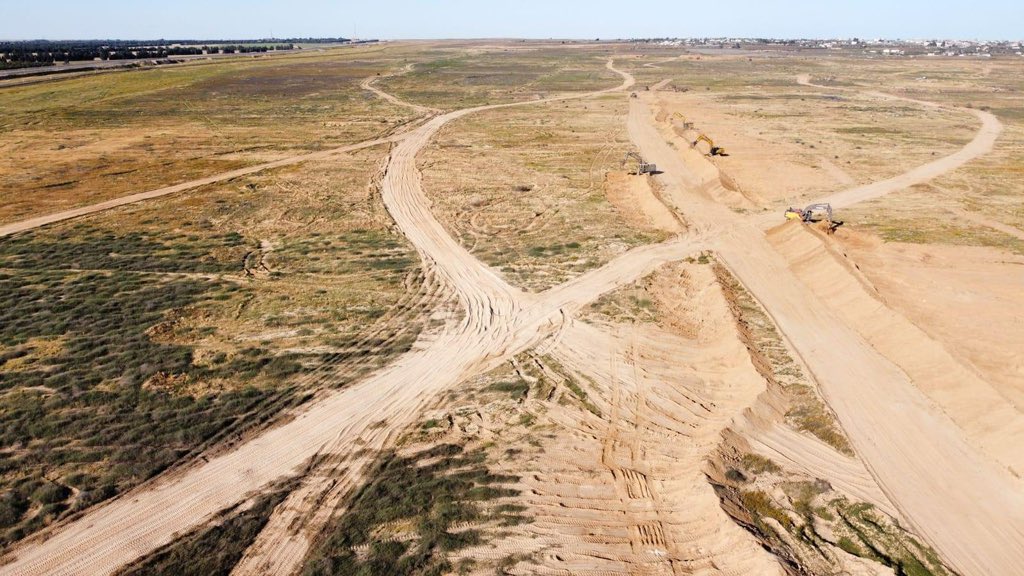
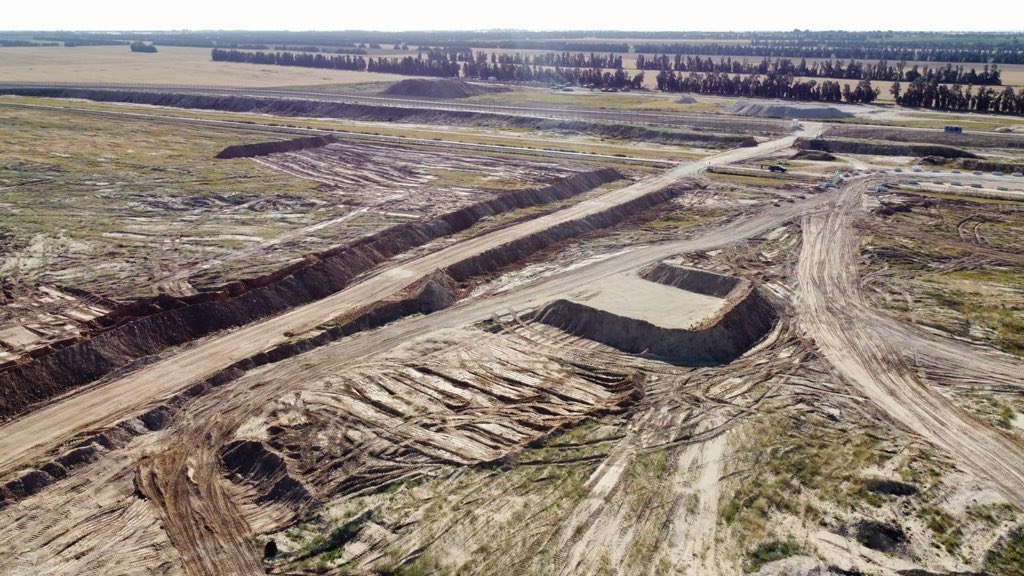
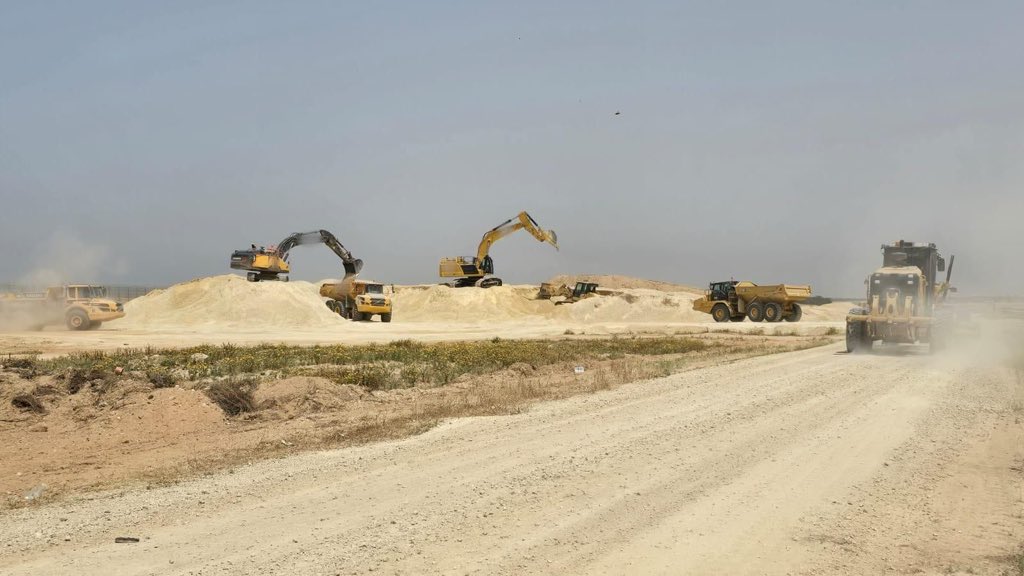
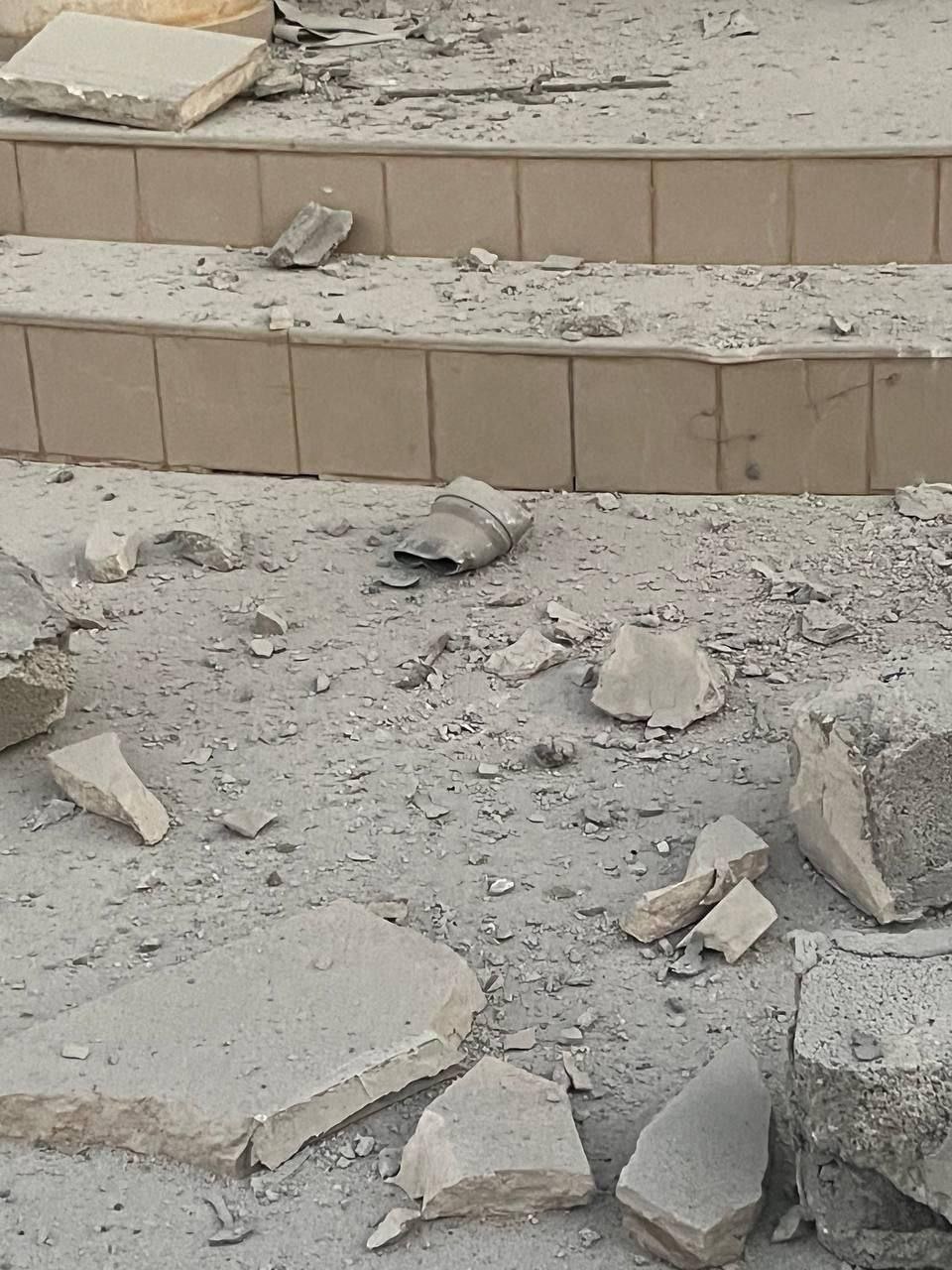
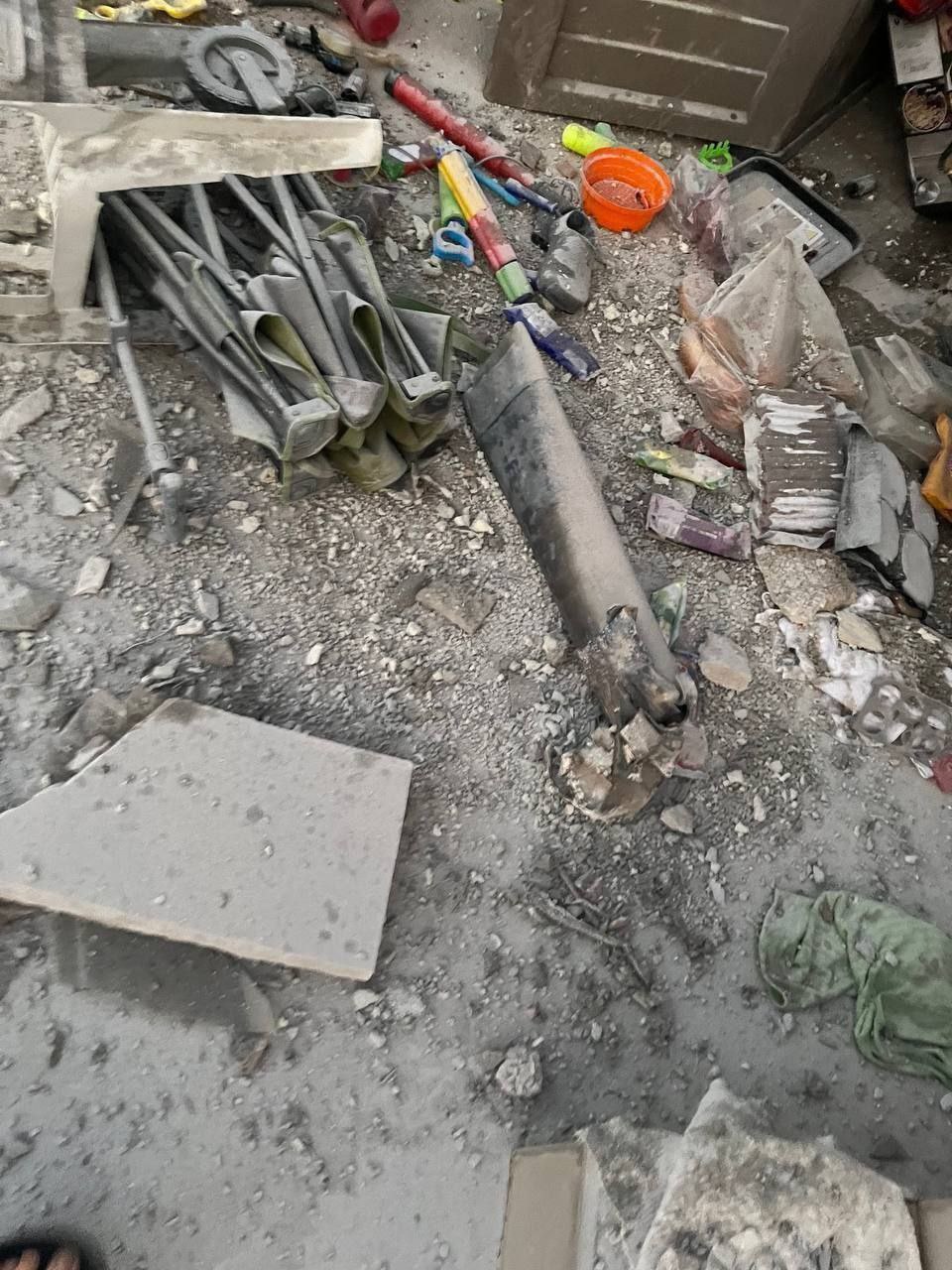
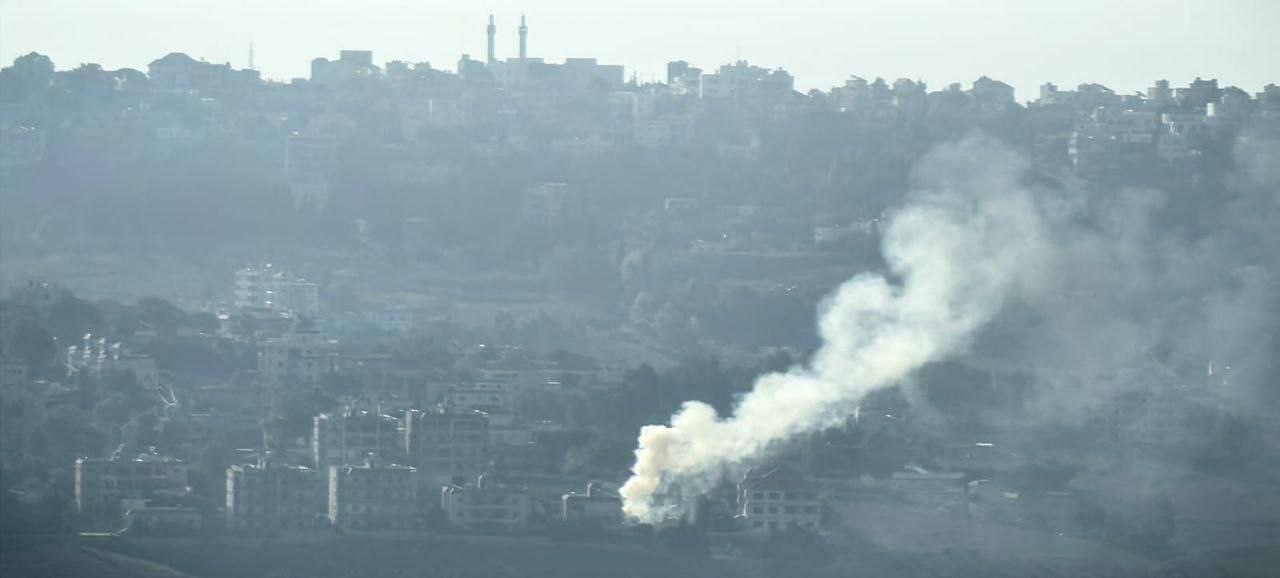
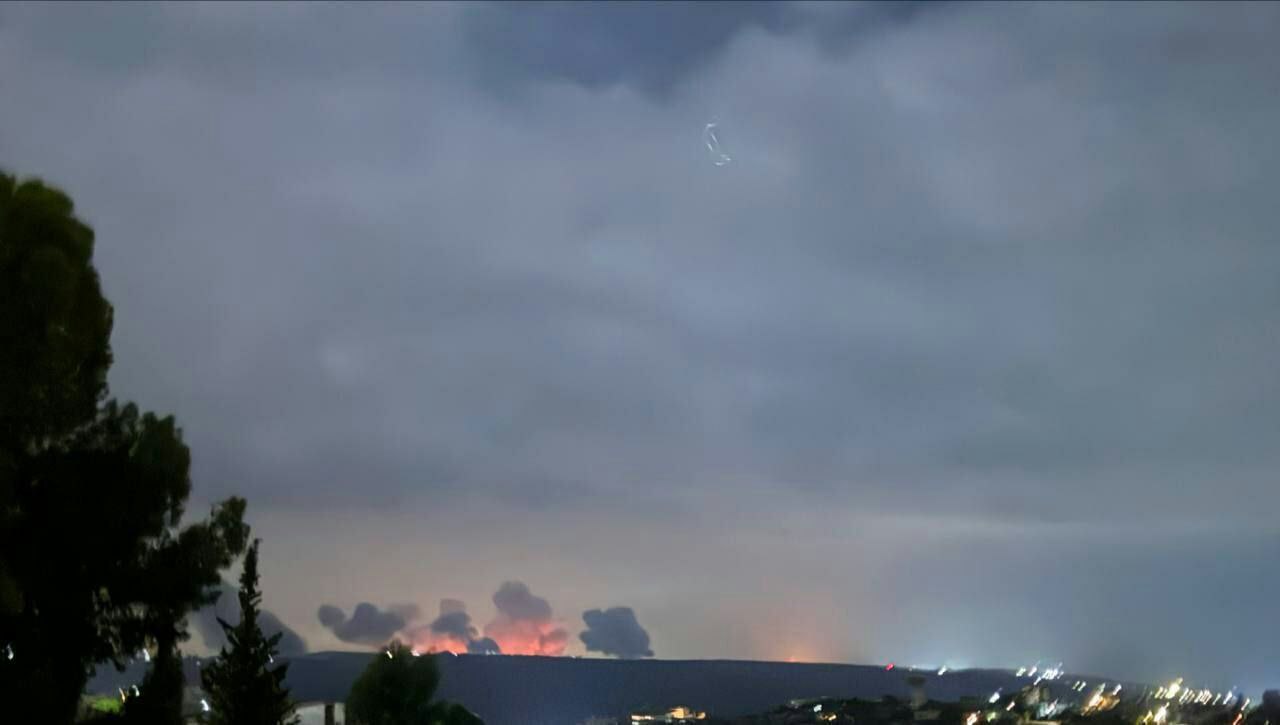
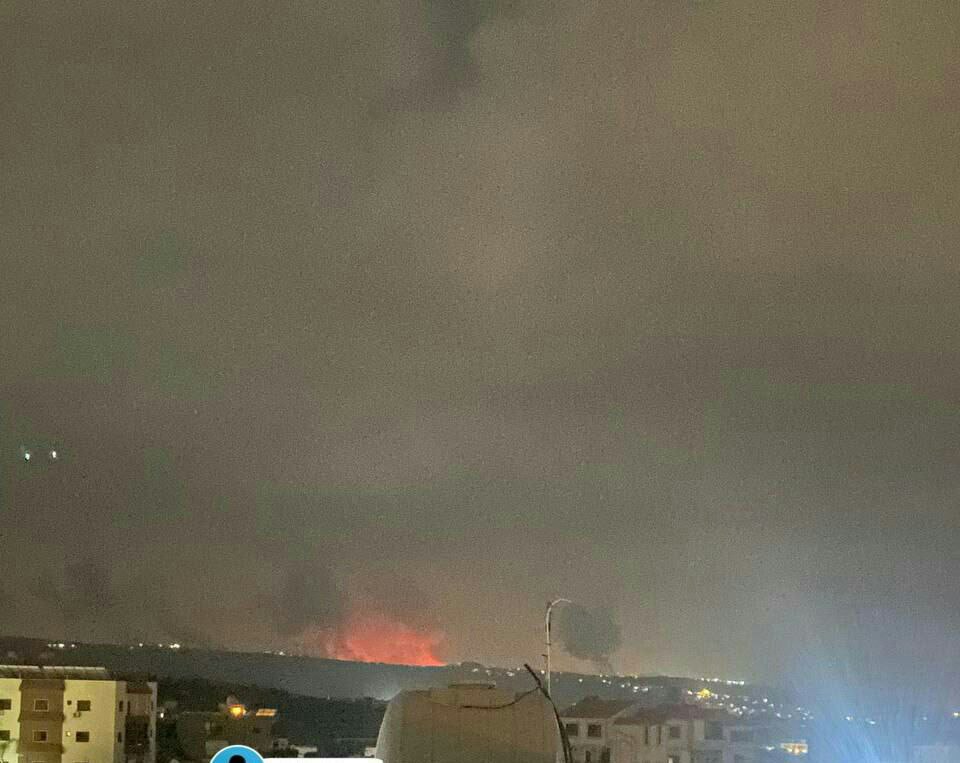
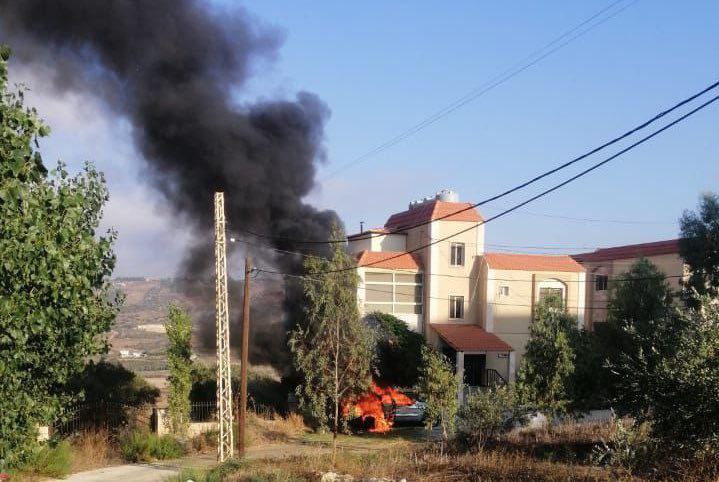
Images of Morag Corridor published by the Israeli army
The Morag corridor, which the Zionists refer to as Philadelphia 2, is important for the Israeli regime in several ways. With the construction of this corridor, the operation to clear Rafah and fight resistance groups will become easier than before, and the Israeli army will begin the process of searching for resistance tunnels. Tel Aviv also plans to use this axis as a lever of pressure in negotiations with the Palestinian resistance.
The Zionists believe that by building this axis, the movements of resistance groups will be limited and the transfer of weapons or supplies by resistance groups will not be as in the past. From a military point of view, one of the main goals of building this corridor is to cut off the supply lines of Palestinian resistance groups between Rafah and Khan Yunis.
The Morag axis is also considered one of the most important agricultural areas in the southern Gaza Strip. The deployment of the Israeli army on this axis will deprive the Gaza Strip of its most important agricultural resources.
Under the ceasefire agreement, the Israeli army will gradually withdraw from various areas of the Gaza Strip over the coming days and weeks, in stages.
Initial Withdrawal: Israeli forces left the southern areas of Beit Lahia and Jabalia yesterday, re-establishing the connection between northern Gaza and Gaza City. Displaced residents in the north are returning home.
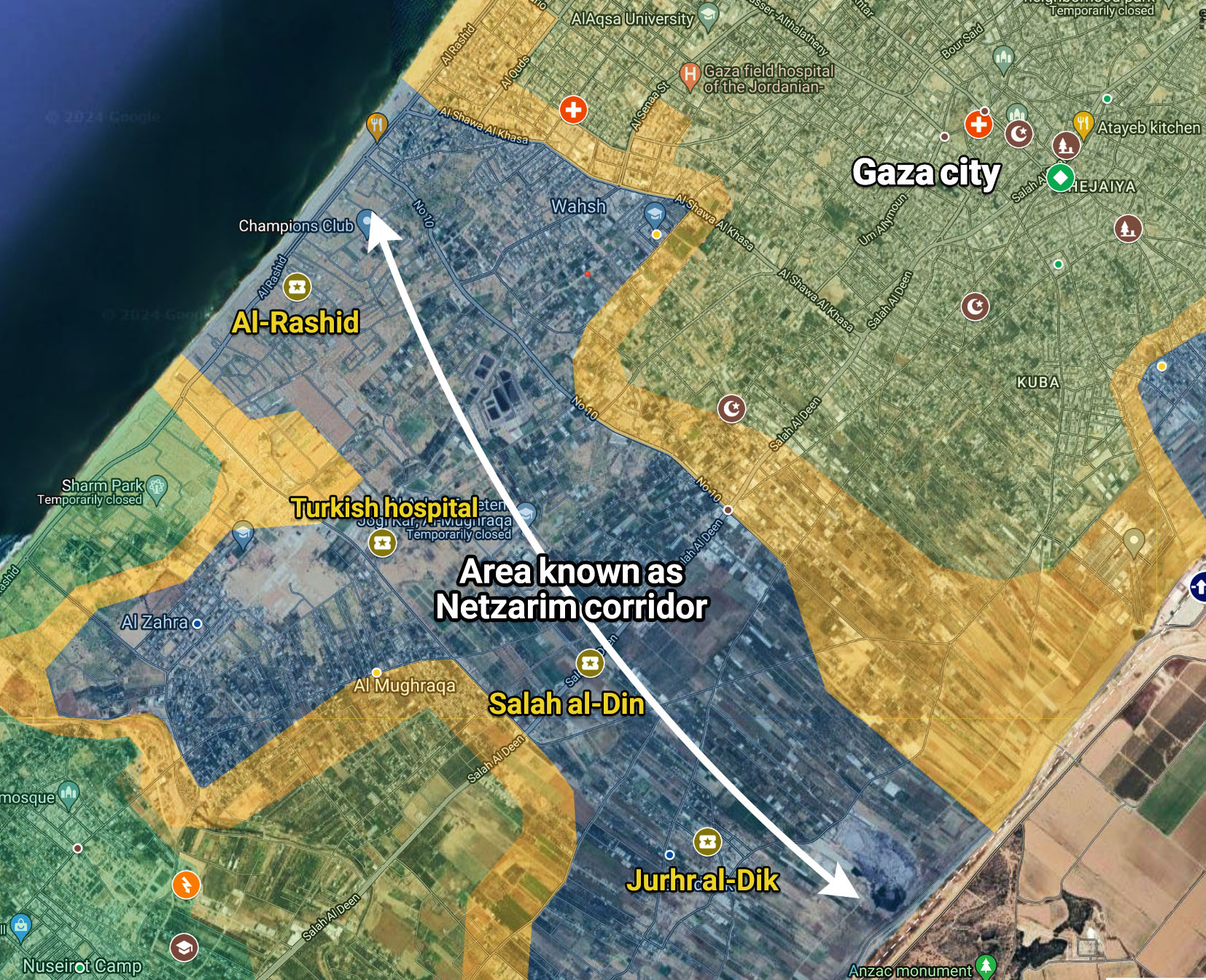
Next Steps: On the seventh day of the agreement, Israeli forces will begin withdrawing from the Netzarim axis in central Gaza. They will initially move from Al-Rashid Street to Salah al-Din Street, and by the twenty-second day, will retreat to the buffer zone on the Gaza border, reopening travel routes for Palestinians.
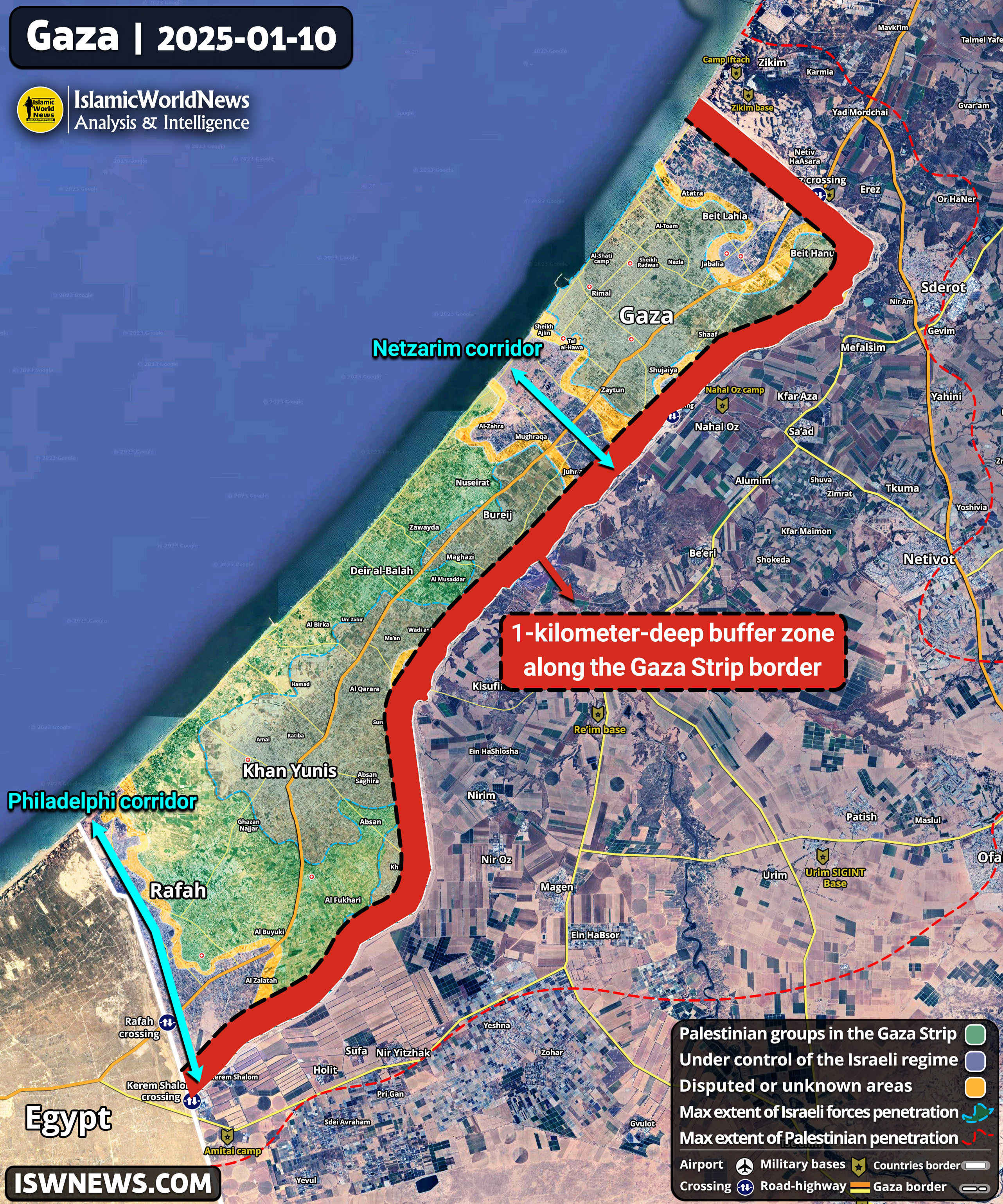
Final Phase: On the 50th day, Israeli forces will fully withdraw from southern Gaza and the Philadelphi axis, redeploying to a 1-kilometer-deep buffer zone along the Gaza border.
Avichay Adraee, the Arab spokesman for the Israeli army, released a map showing the locations of Israeli forces in Gaza. He noted that currently, movement from south to north Gaza is dangerous due to Israeli presence on the Netzarim axis. Starting next week, Palestinian civilians will be able to return to northern Gaza. Activities such as fishing, swimming, diving, and approaching buffer zones, the Rafah crossing, and the Philadelphia axis will remain prohibited.
The buffer zone covers an area of 58 square kilometers, accounting for 16 percent of the total Gaza Strip area. In this zone, at least 4,100 buildings have been completely destroyed. Previously, the buffer zone depth was 300 meters, but the Israeli army increased it to around 1 kilometer in recent months.
Additionally, in the Netzarim axis in central Gaza Strip, an area of 49 square kilometers, or 13.5 percent of the Gaza Strip, has been occupied by the Israeli army, with residential buildings completely destroyed. The Netzarim axis was established during the Israeli army’s ground operations to cut off land connections between Gaza City and southern Gaza Strip. The Zionist regime has established four bases in this axis to consolidate its positions and enhance its presence and influence.
The so-called Netzarim corridor and four Israeli army bases on this axis
Here’s a rephrased version:
In the Philadelphia axis south of Rafah in the southern Gaza Strip, the Israeli army has occupied 12 square kilometers, equivalent to 3 percent of the total Gaza Strip area. To maintain a permanent presence, the Israeli military has destroyed at least 6,932 buildings in this zone.
Consequently, approximately 32.5 percent of the Gaza Strip is currently destroyed and occupied by the Israeli military. These areas are permanently occupied by Israeli forces, with troops stationed there constantly. In other areas of the Gaza Strip, the presence of Zionist forces manifests through short-term, temporary operations and raids.
The buffer zone on the border between the Gaza Strip and the occupied territories on the Netzarim and Philadelphi axis
The extensive and total destruction of buildings in these areas has made it impossible for the Palestinian refugees to return.
In recent months, the Israeli army has laid the groundwork for the permanent occupation of parts of Gaza and the creation of buffer zones by conducting several military operations in the north, center, and south of the Gaza Strip. According to Israeli claims, these buffer zones and the continuous presence of Israeli soldiers aim to tighten the siege on Gaza’s resistance forces and, in turn, reduce attacks on Israeli settlements around Gaza.
However, recent actions by resistance fighters indicate that the presence of Israeli soldiers has not completely halted their attacks. Despite the buffer zones and the continuous raids by Israeli soldiers in various parts of the Gaza Strip, rocket attacks by resistance groups persist.
The establishment of buffer zones and the complete withdrawal of Israeli soldiers from Gaza have long been contentious issues in negotiations between Hamas and the Israeli regime. Recently, there has been speculation about the possible withdrawal of Israeli forces from the Netzarim and Philadelphi axes as part of an initial ceasefire agreement, but this has not yet been confirmed, and negotiations are still ongoing without specific conclusions.
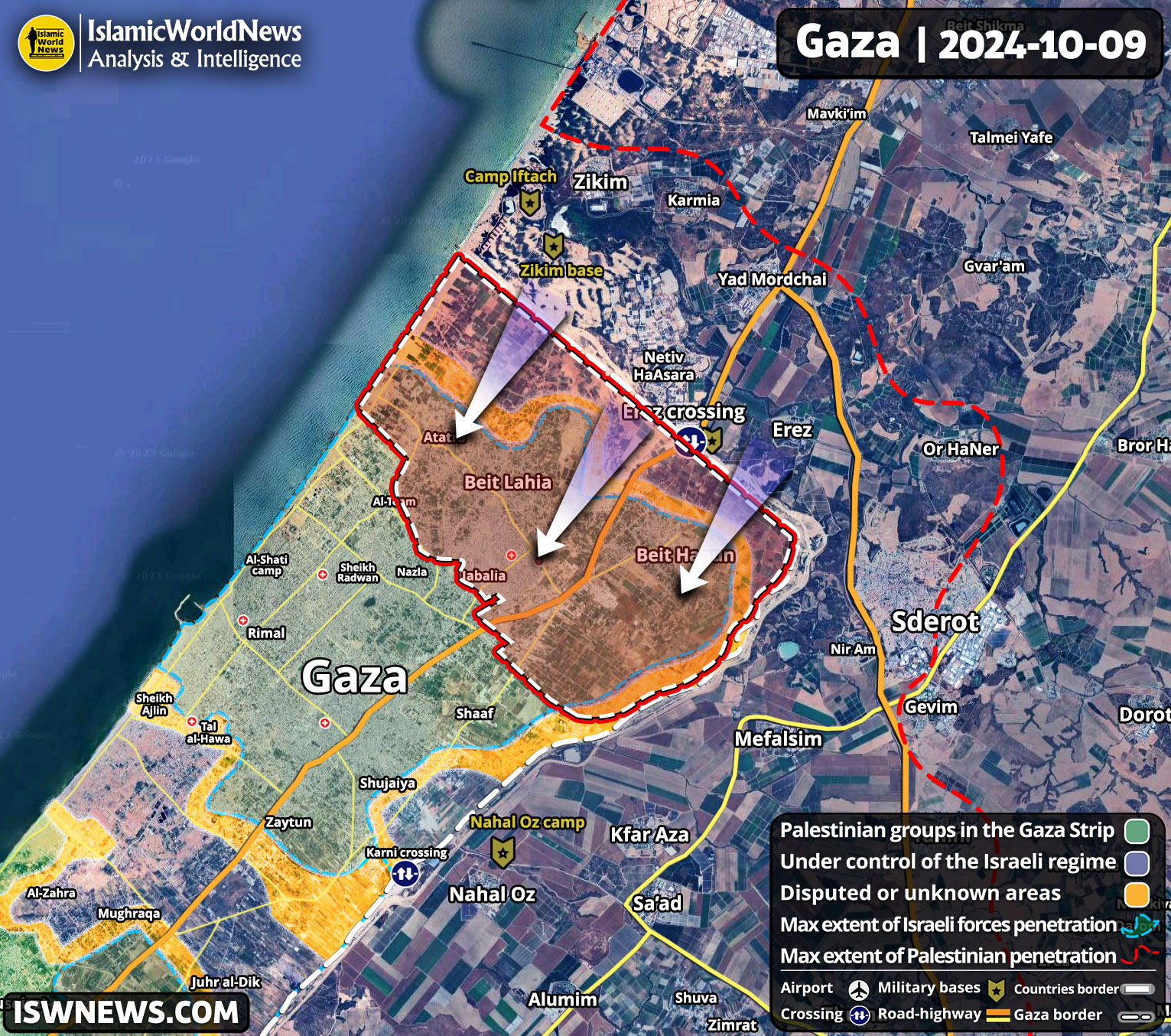
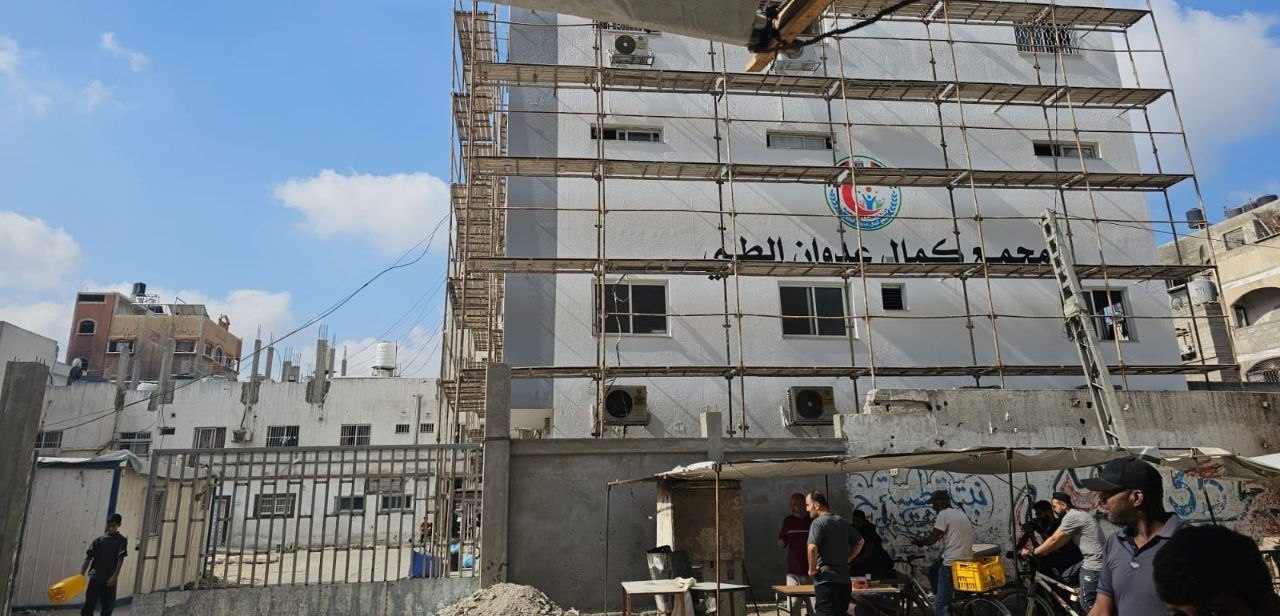
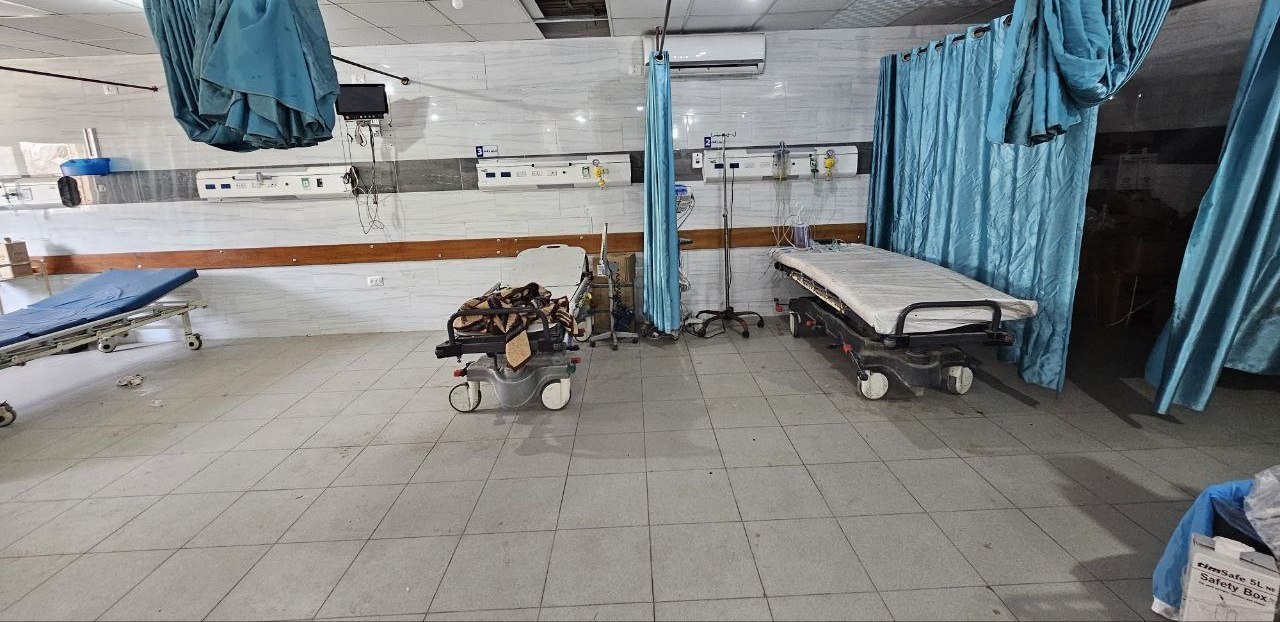
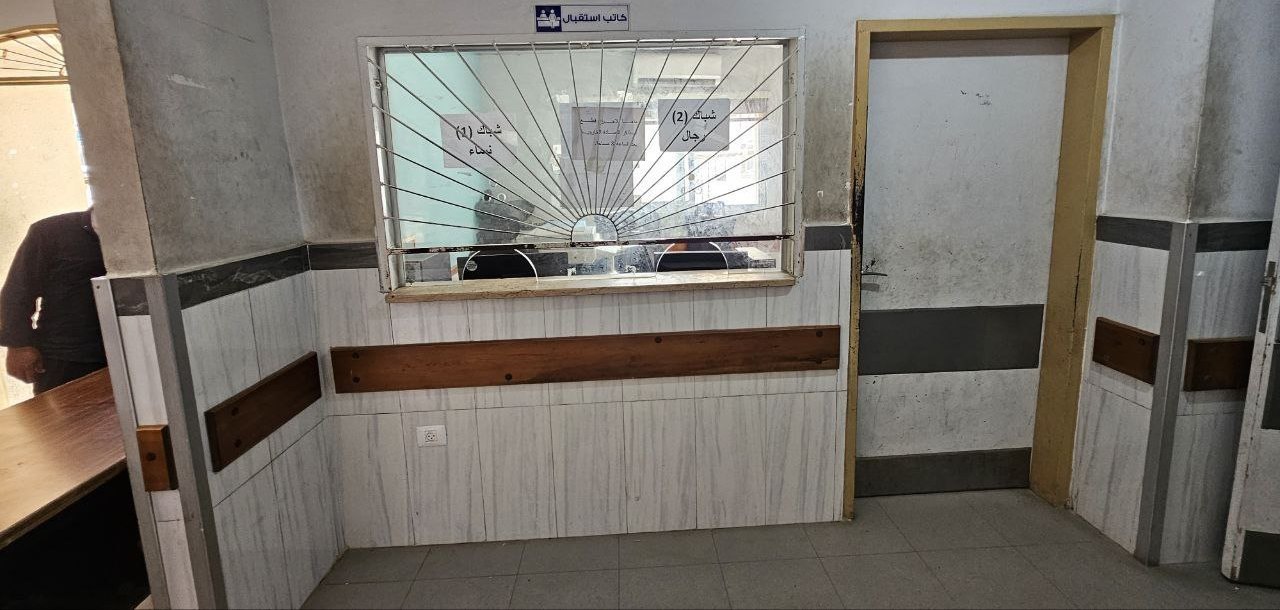
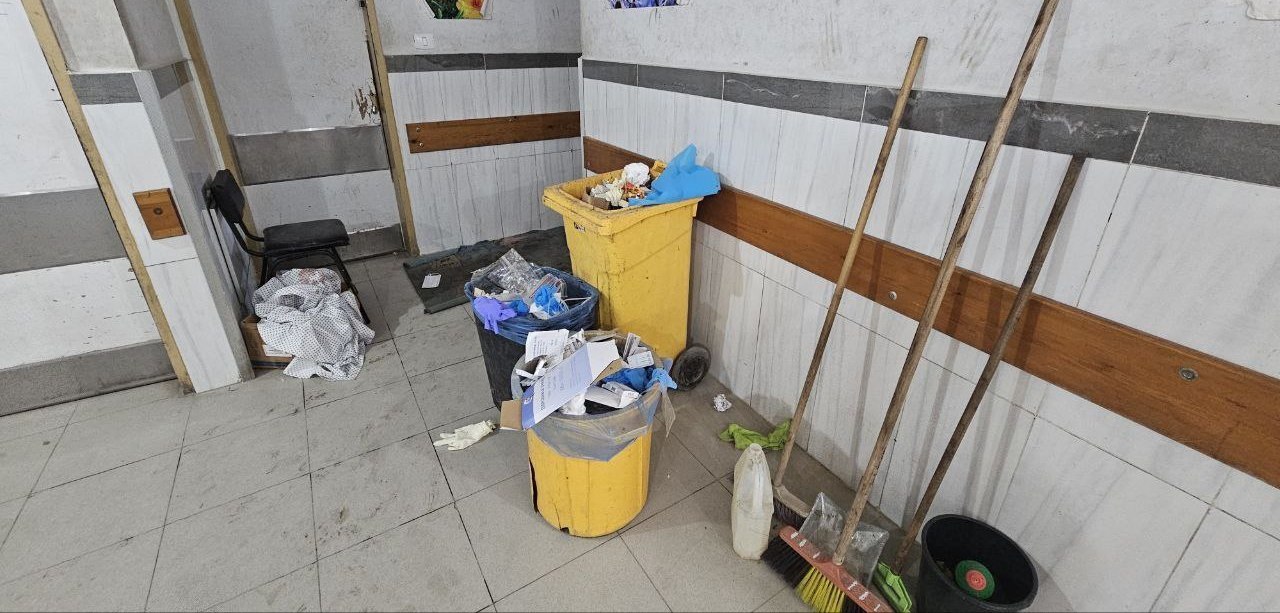
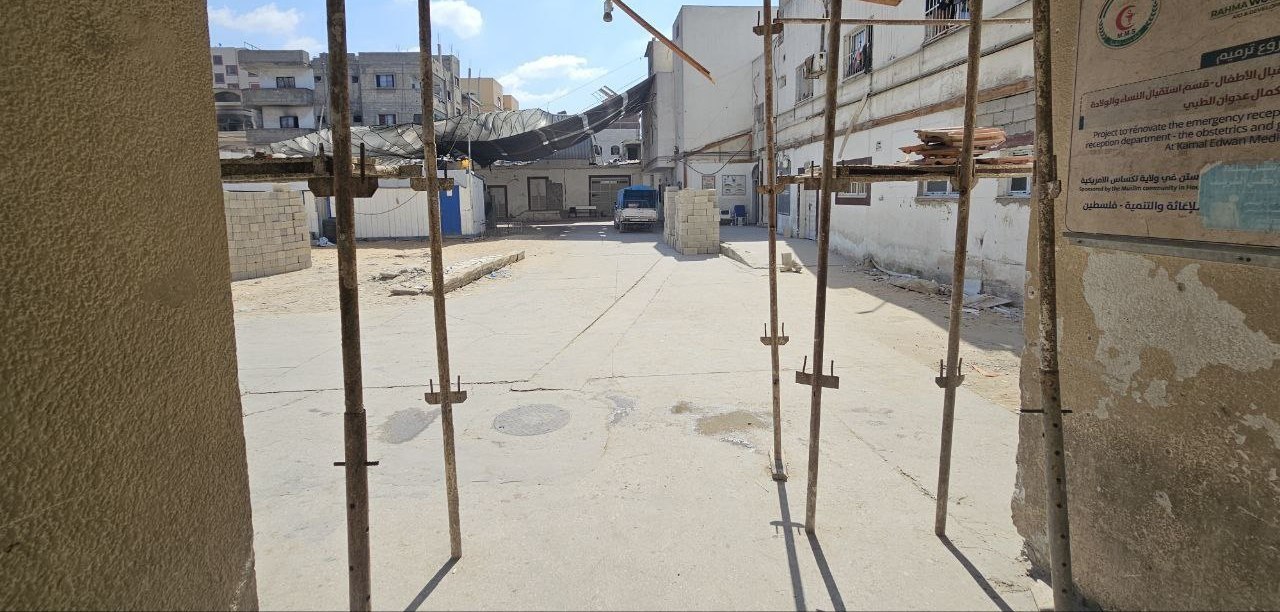
The Israeli regime’s troops, supported by artillery and under heavy air attacks, have begun their advances towards some areas in northern Gaza and in the first step of the operation occupied Kamal Adwan Hospital and its surrounding areas.
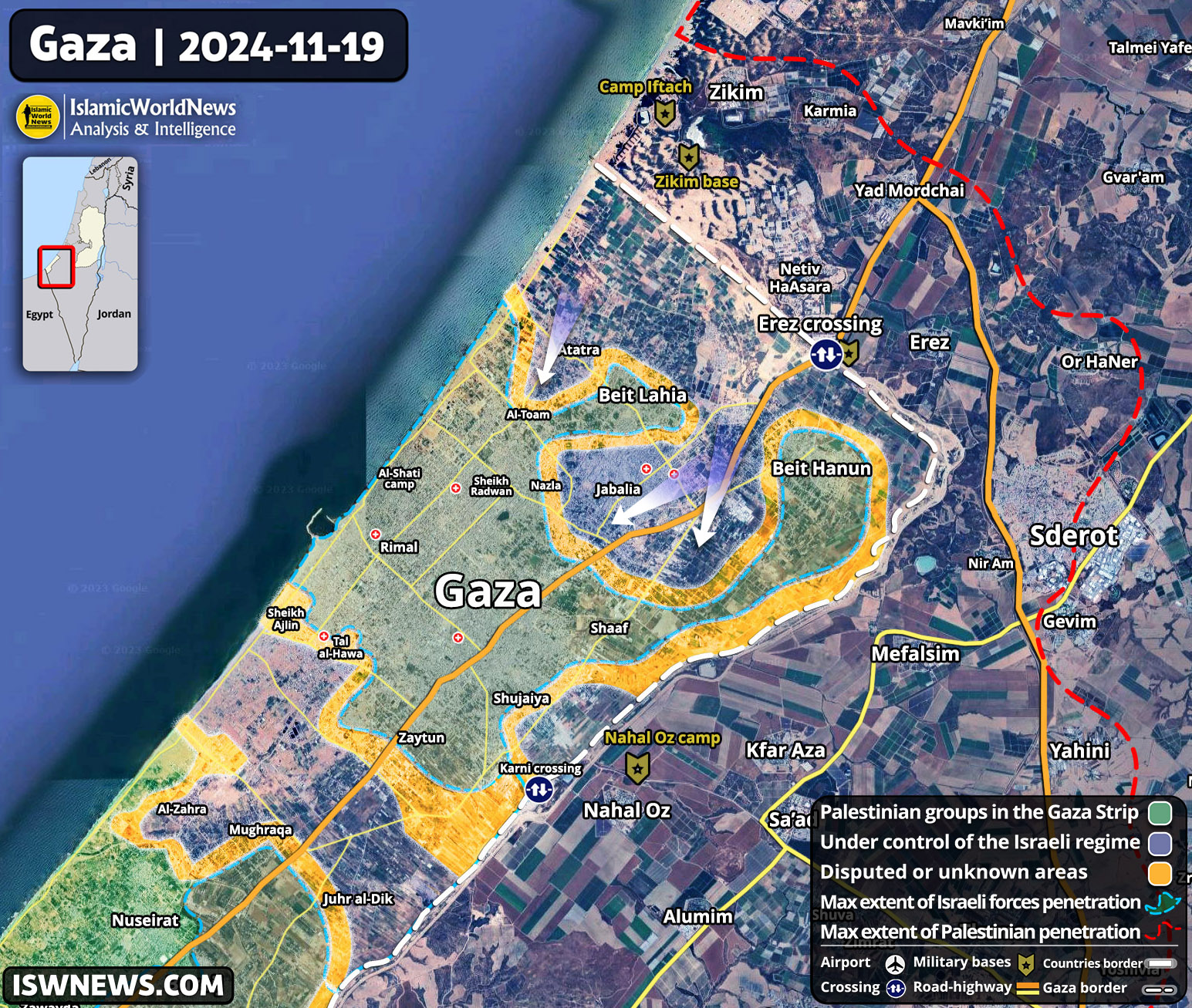
The Israeli army has Gradually expanded the scope of its military operations and dispatched its forces to the southern and eastern areas of the city of Jabalia. Advancing in the mentioned fronts, Israeli military forces have exploded and completely destroyed Palestinian homes with the aim of forcibly relocating them to the central and southern Gaza Strip. After the presence of Israeli troops in the south and east of Jabalia, the Israeli regime’s army focused on the western and northwestern areas of Jabalia.
Videos released by the Izz al-Din Al-Qassam Brigades, the military wing of the Palestinian resistance movement Hamas, show that clashes are currently taking place around Al-Saftawi Square and Al-Bahr Street in eastern Jabalia.
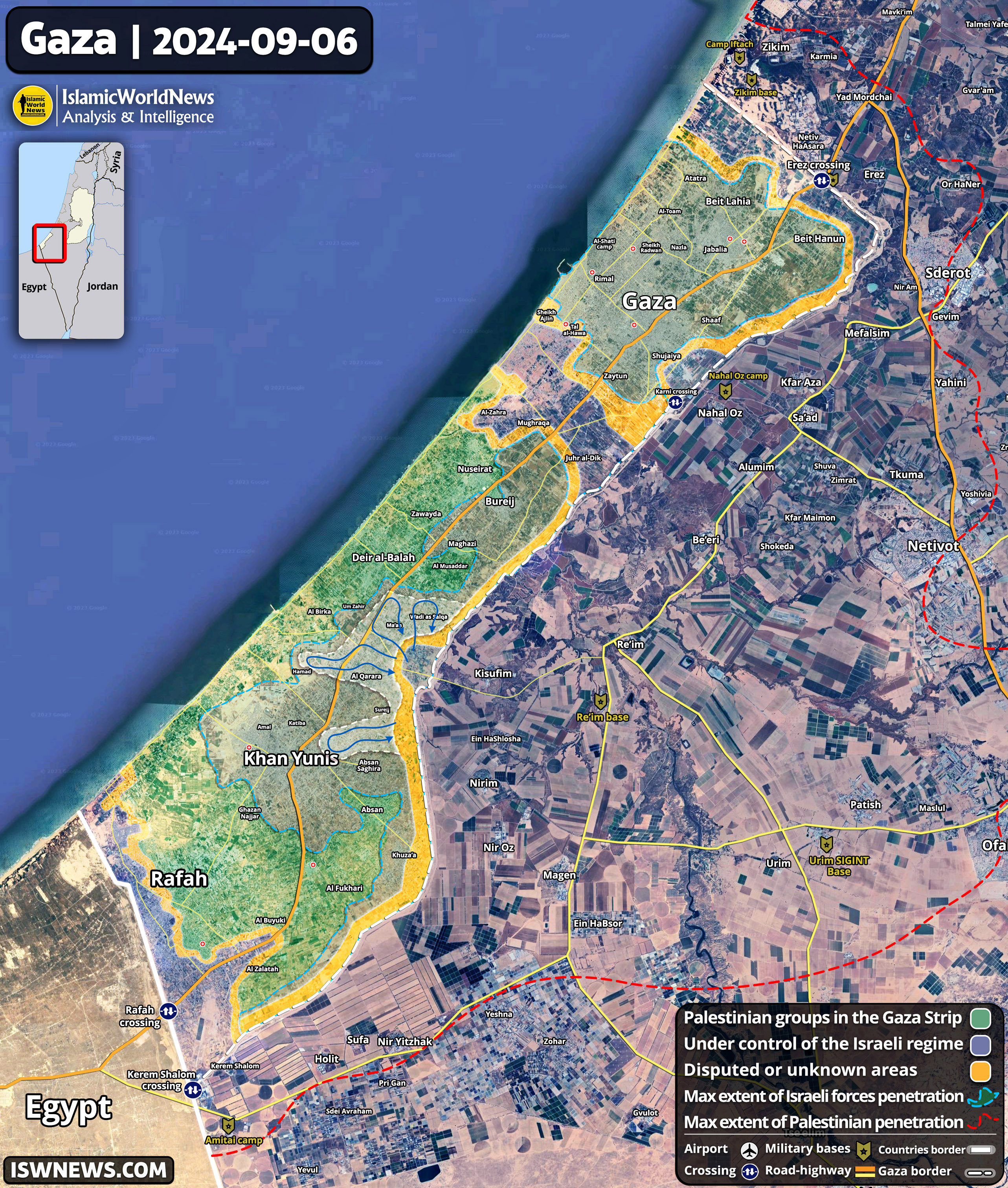
Latest military situation in the northern Gaza Strip – click to view full size
In recent days, Al-Qassam fighters targeted several Israeli army personnel, bulldozers, and tanks in the western fronts of Jabalia. Videos of some of these operations have also been released.
In the Beit Lahia front, clashes continue in the eastern and northern fronts. Over the past four days, Al-Qassam forces have targeted at least 11 Israeli troops, 2 Merkava tanks, one armored personnel carrier, and one bulldozer of the Israeli regime’s army in the outskirts of Beit Lahia. The Israeli military is trying to clear the path for ground forces to advance in this front through heavy air attacks.
Following the recent military operations in northern Gaza, it seems that the Israeli regime’s army intends to expand the so-called buffer zone at the Gaza border to the middle of Gaza City. Previously, this buffer zone was located several kilometers from the Gaza border. The expansion of the buffer zone into the depth of the Gaza Strip effectively facilitates its permanent occupation by the regime’s forces.
The Israeli regime’s army has launched a large-scale invasion of the Gaza Strip since the evening of October 27, 2023. Since the onset of the Israeli operations in Gaza, 43,922 Palestinians have been martyred and 103,898 others have been injured. On the other hand, the number of casualties reported by the Israeli regime since the initiation of the ground assault on the Gaza Strip has reached 379 military personnel.
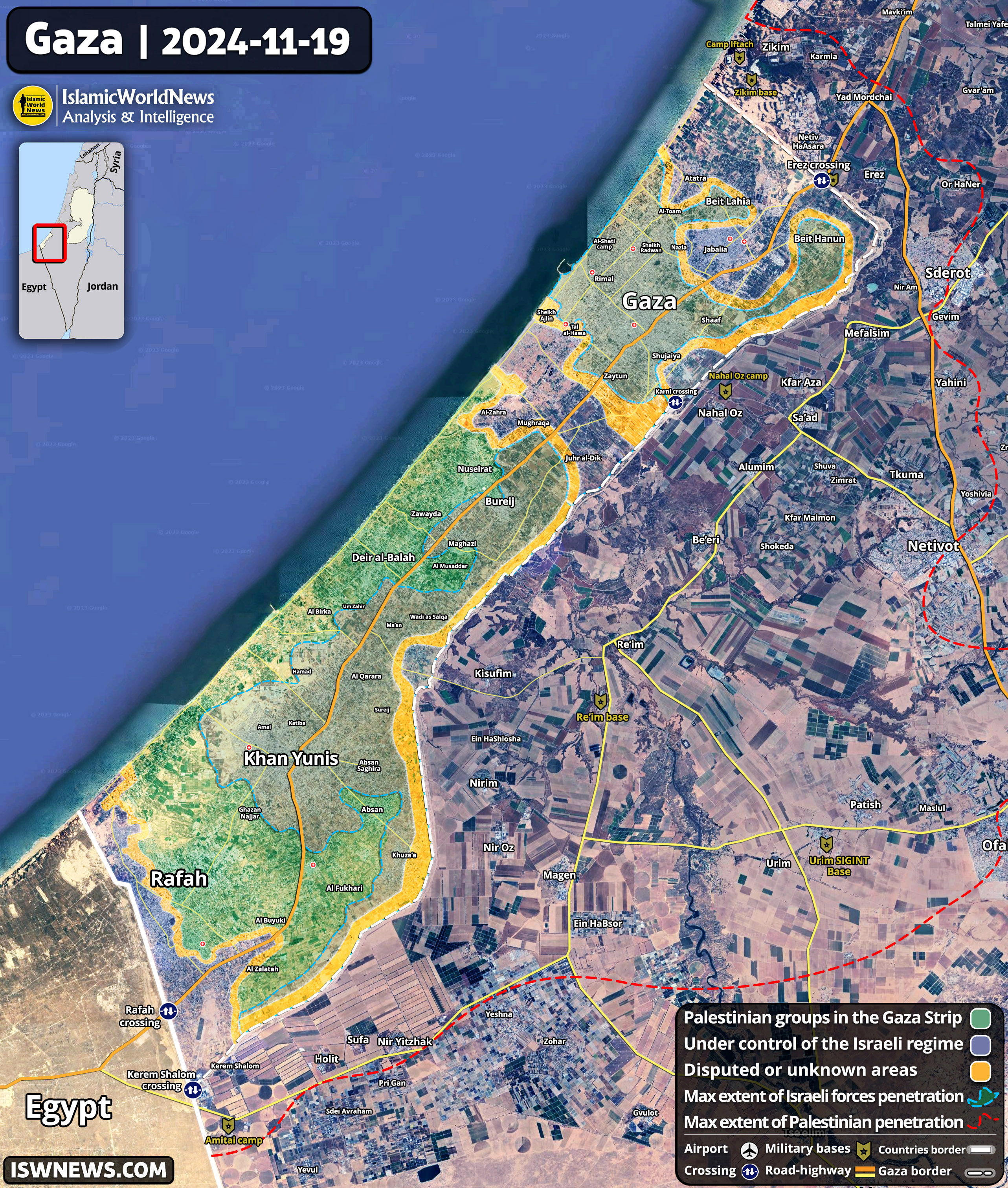
Latest military situation in the Gaza Strip – click to view full size
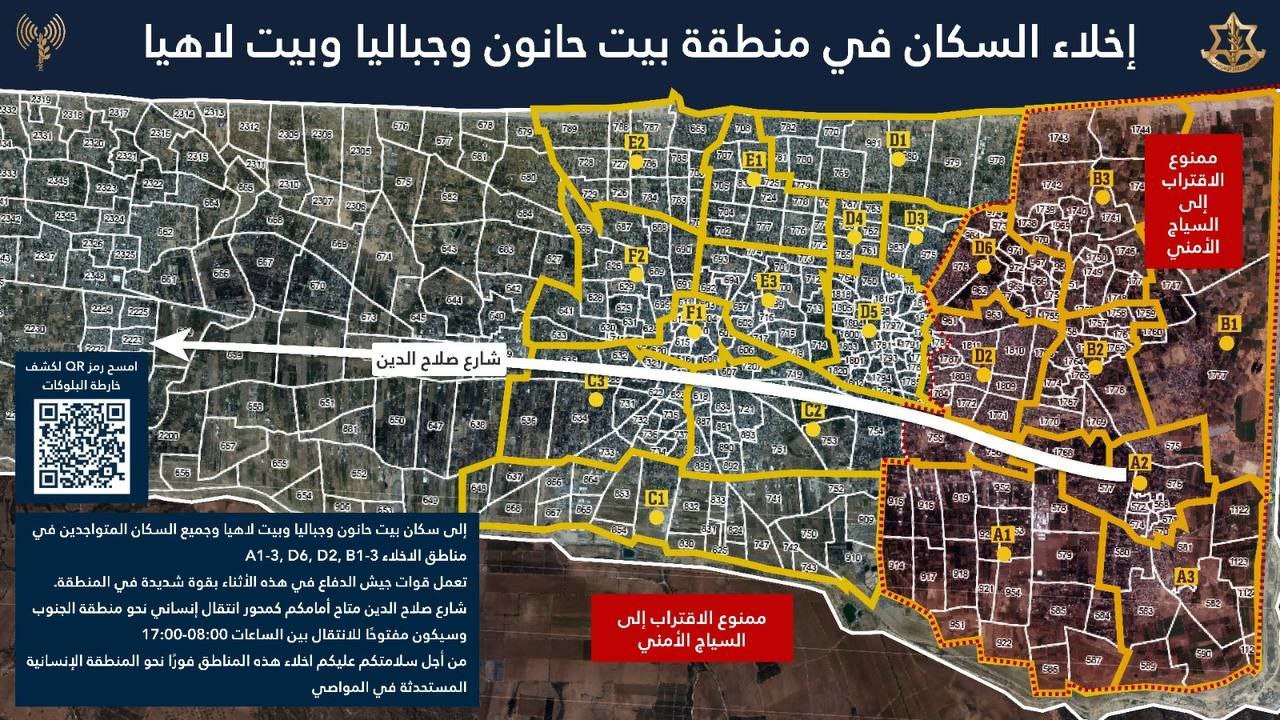
According to the statement, residents of Beit Hanoun, Beit Lahia, and Jabalia cities have been asked to leave these areas and move towards the southern regions of the Gaza Strip. The mentioned areas are expected to witness air and ground attacks by the 62nd Infantry Brigade of the occupying regime.
The spokesperson for the Israeli military announced three days ago that the 162nd Infantry Brigade would head to the city of Jabalia after accomplishing its mission in the city of Rafah and would kick off military operations in this area.
In addition, evacuation orders have been issued for Kamal Adwan, Indonesian, and Al-Awda hospitals as well. Doctors and medical staff at these health centers are forced to leave the area; otherwise, there is a risk that they may experience the massacre, which had taken place at Al-Shifa hospital by the Israeli regime’s forces.
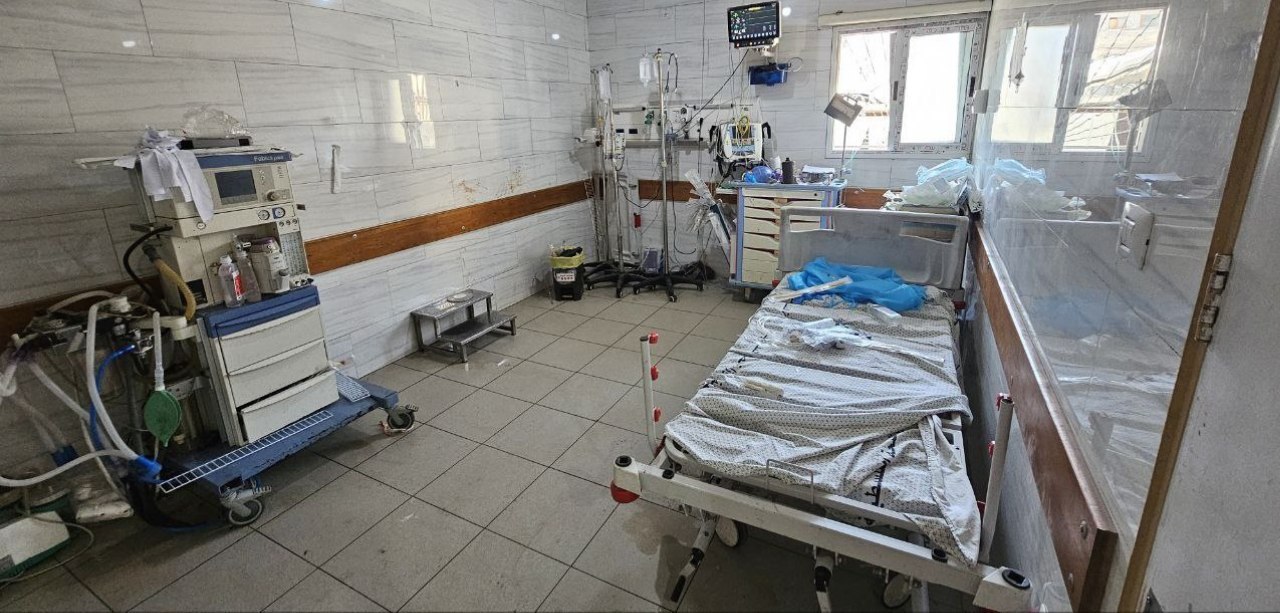
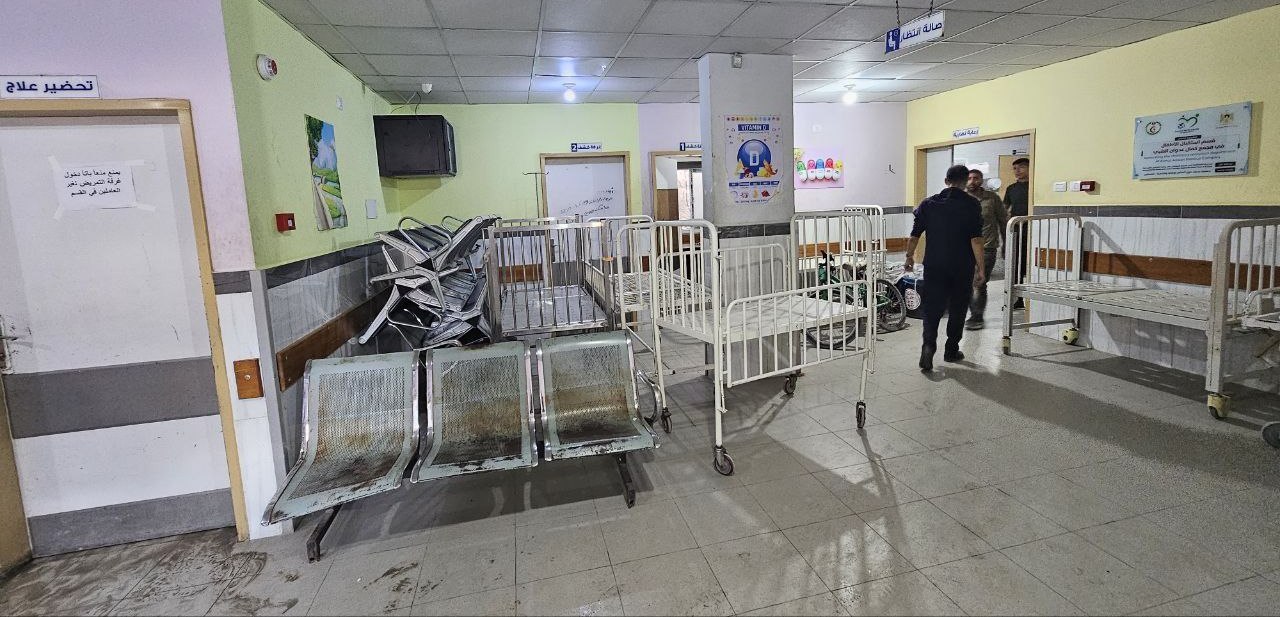
Suspension of Kamal Adwan Hospital
The latest information on the battlefield indicate that the Israeli army has completely blocked the Abu Sharakh intersection; therefore, the occupying forces have completed the siege of the Jabalia camp, and the only exit route for civilians has been closed.
The areas of Al Difa’a Al Madani (Civil Defense), Al-Tawam, and Bir al-Najjah are also under air and artillery strikes by the Israeli military, and dozens of Palestinians’ homes have been targeted in recent hours. Moreover, neighborhoods and areas to the east, north, and west of the Jabalia camp have been reported to be under heavy artillery attacks.
The warning announcement released by
Following the onset of the Israeli ground assault in southern Lebanon, this is the fourth time that the Tel Aviv regime has issued a statement and conducted military operations in the Gaza Strip. This move indicates that despite the battle in southern Lebanon, the regime’s focus has not shifted from the Gaza Strip; rather, it is trying to exit as quickly as possible from the quagmire of the prolonged confrontation it is engaged in Gaza.
The recent attacks on the northern Gaza Strip may be the first major step towards breaking this deadlock that the Israeli regime is still facing in the besieged area. It appears that the Israeli army plans to expand the so-called buffer zone at the Gaza border to halfway into the middle of the city of Gaza. Earlier, that buffer zone was located a few kilometers from the Gaza border with the occupied territories of Palestine. The expansion of the zone into the depths of the Gaza Strip is expected to effectively pave the way for the permanent occupation of the strip by the Tel Aviv regime.
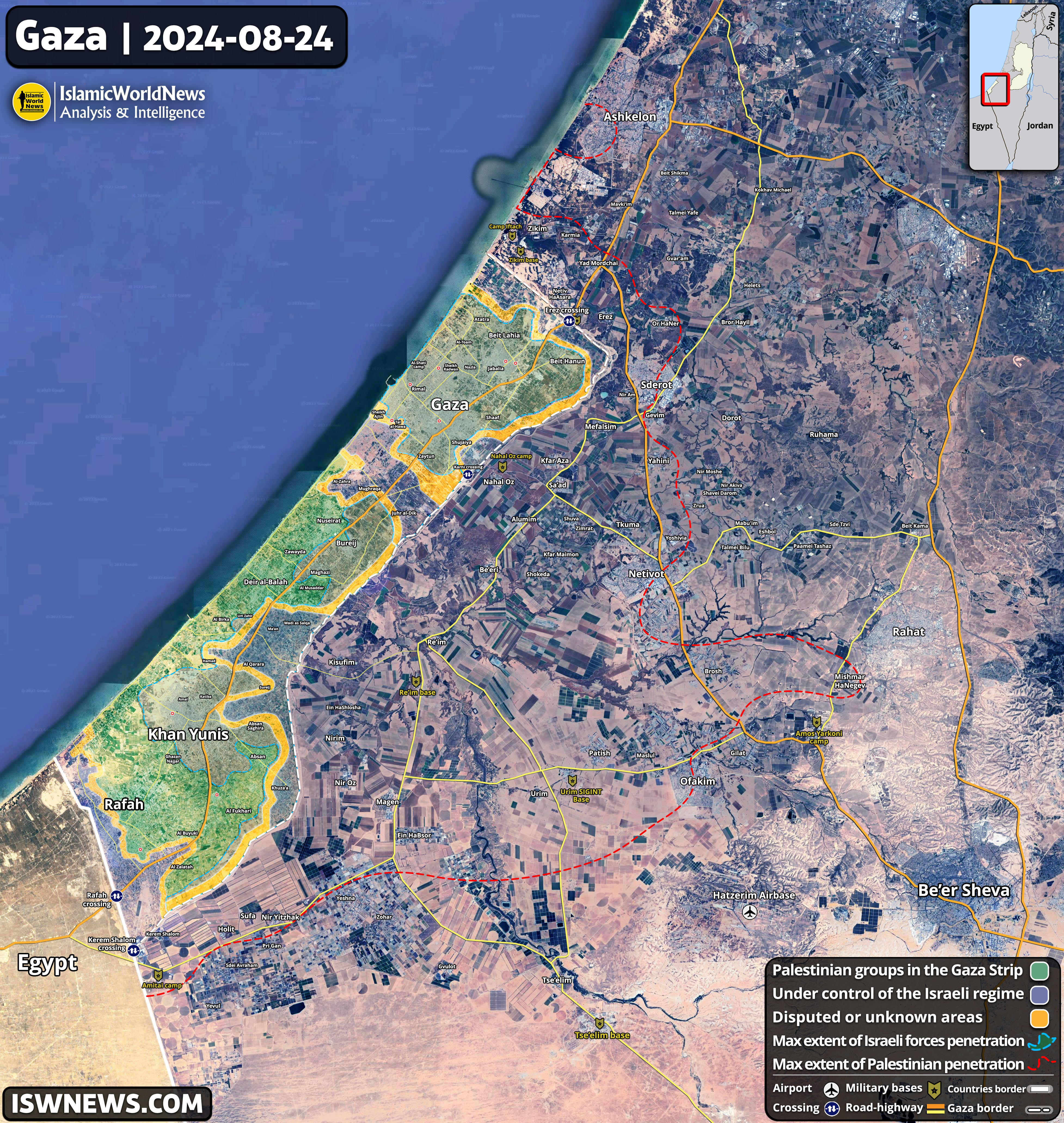
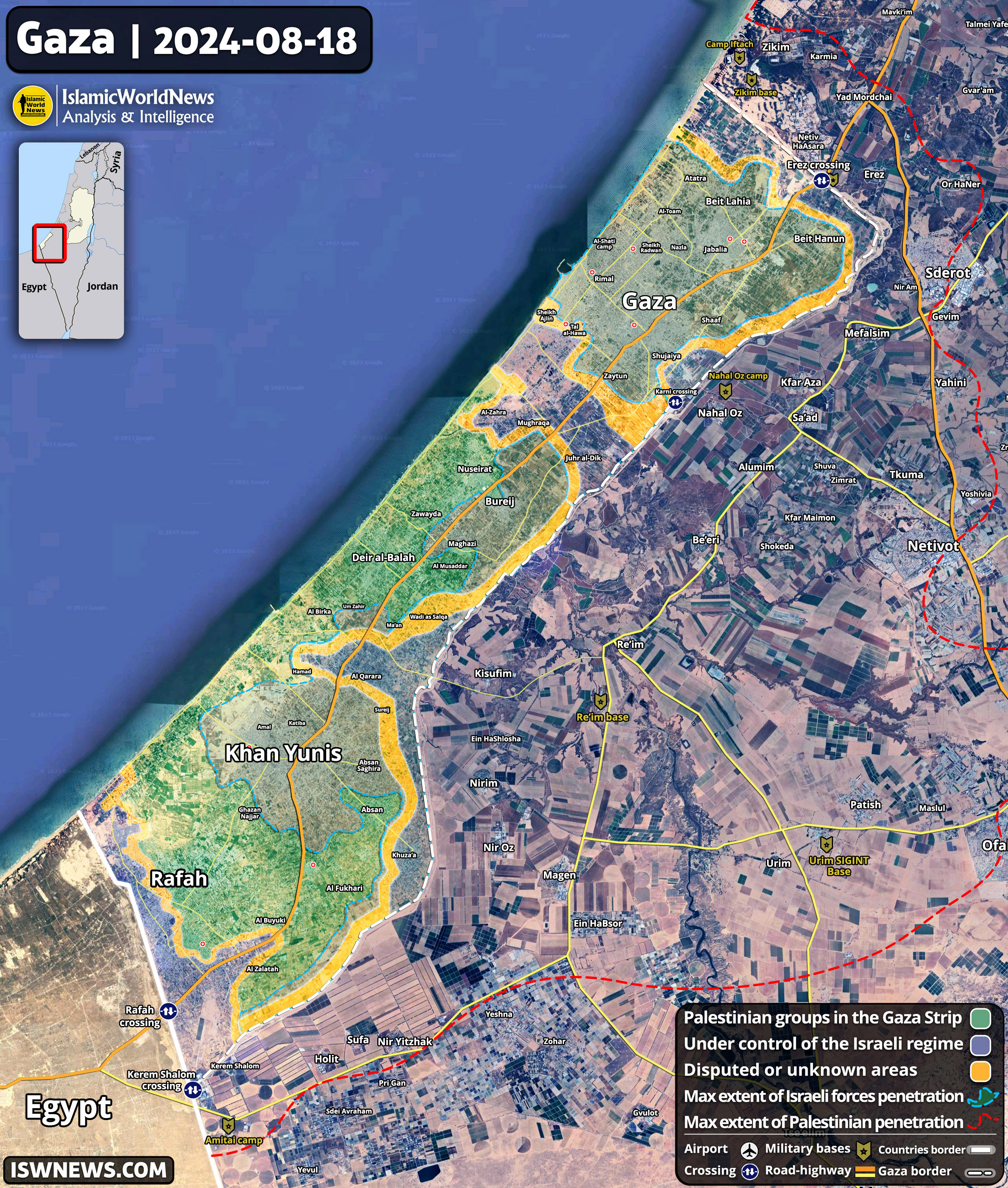
There has been no change in the lines of contact, and the conflict between the Israeli military forces and Palestinian resistance fighters continue in the city of Rafah located in the southern Gaza Strip.
The Israeli forces are still present on the Netzarim axis in the south of Gaza City, situated in the northern Gaza Strip. The confrontations are also underway in the regions in the vicinity of Tel al-Hawa and around the Islamic University of Gaza (IUG).
Given the process of the confrontations in the course of the past month, it seems that the regime’s military is not only incapable of capturing the Gaza Strip entirely, but also has slight desire to do so, and the fights have long entered a post-attrition stage.
The battles on the northern front of Palestine, the skirmishes in the West Bank, the uncertain condition in the Israeli-occupied territories due to the likelihood of a retaliatory attack by Iran, as well as the unclear and indecisive process of the indirect talks between the warrying parties for a ceasefire in the Gaza Strip are among the reasons that have caused a relative tranquility in the circumstances in the besieged area.
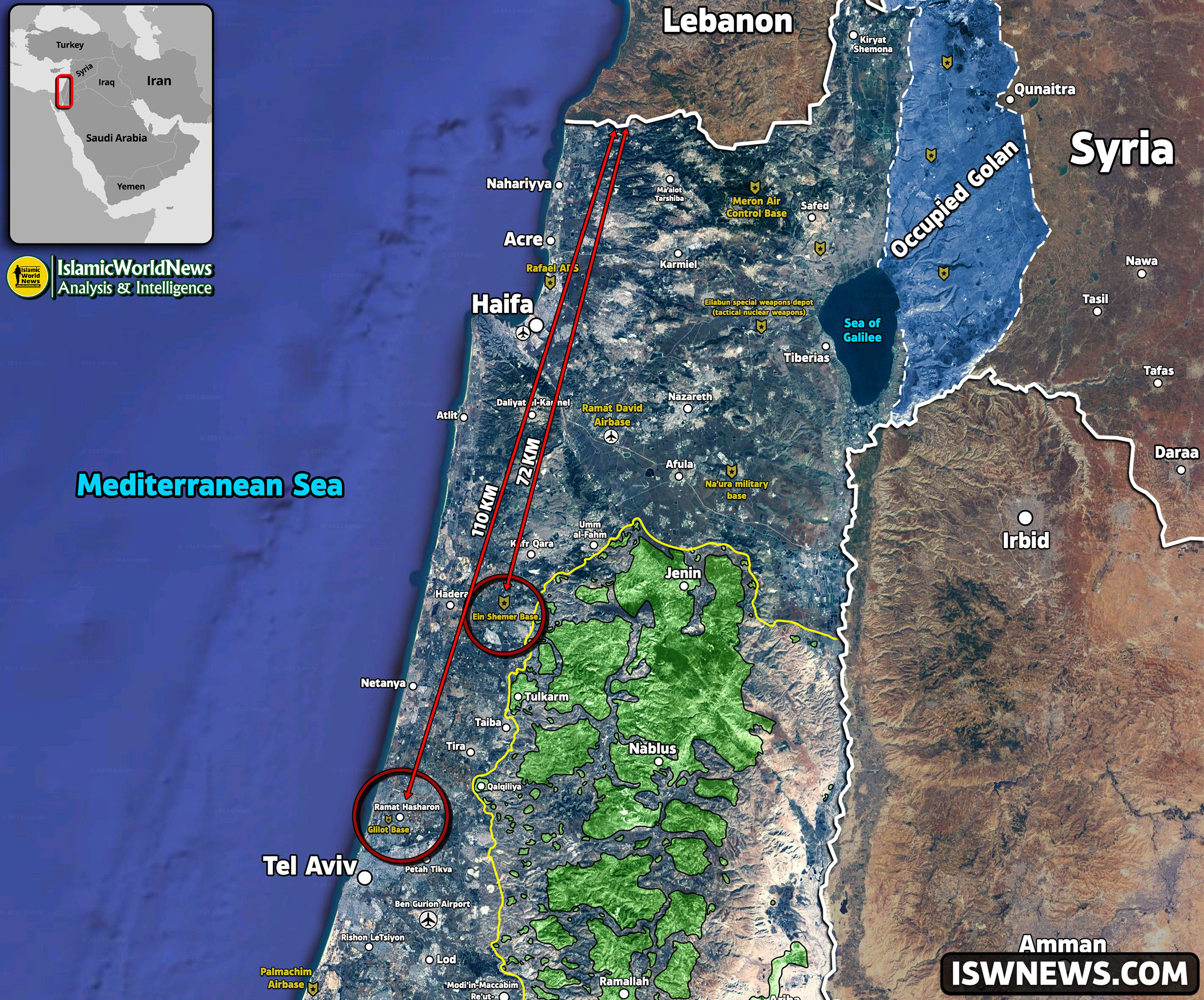
Ein Shemer base: This base is a multi-layered missile air defense base protected by Arrow, David’s Sling and Iron Dome air defense systems. This base is the headquarters of the Menashe Regional Brigade and its airport runway is the test site for various drones. Ein Shemer base is 72 km away from the southern border of Lebanon.
Glilot base: Glilot base is the main headquarters of the Israeli Military Intelligence (Aman) and its subordinate “Unit 8200”, as well as the school of communications of the military intelligence department. This area is located in the north of Tel Aviv and is 110 km away from the Lebanese border.
According to the Secretary General of Hezbollah, Glilot and Ein Shemer bases were the main target of ‘Operation Arbaeen Day‘ and were hit by suicide drones.
This operation is the 110th Hezbollah drone attack against the positions of the Israeli army during the recent Palestinian war.
At the beginning of the operation, Hezbollah overwhelmed the Israeli air defenses by firing some 340 rockets, then sent its suicide drones swarms towards Ein Shemer and Glilot. Hezbollah reportedly used various drones, such as Shahed-101 and Al-Nuras (Sammad-2) and Ababil-2.
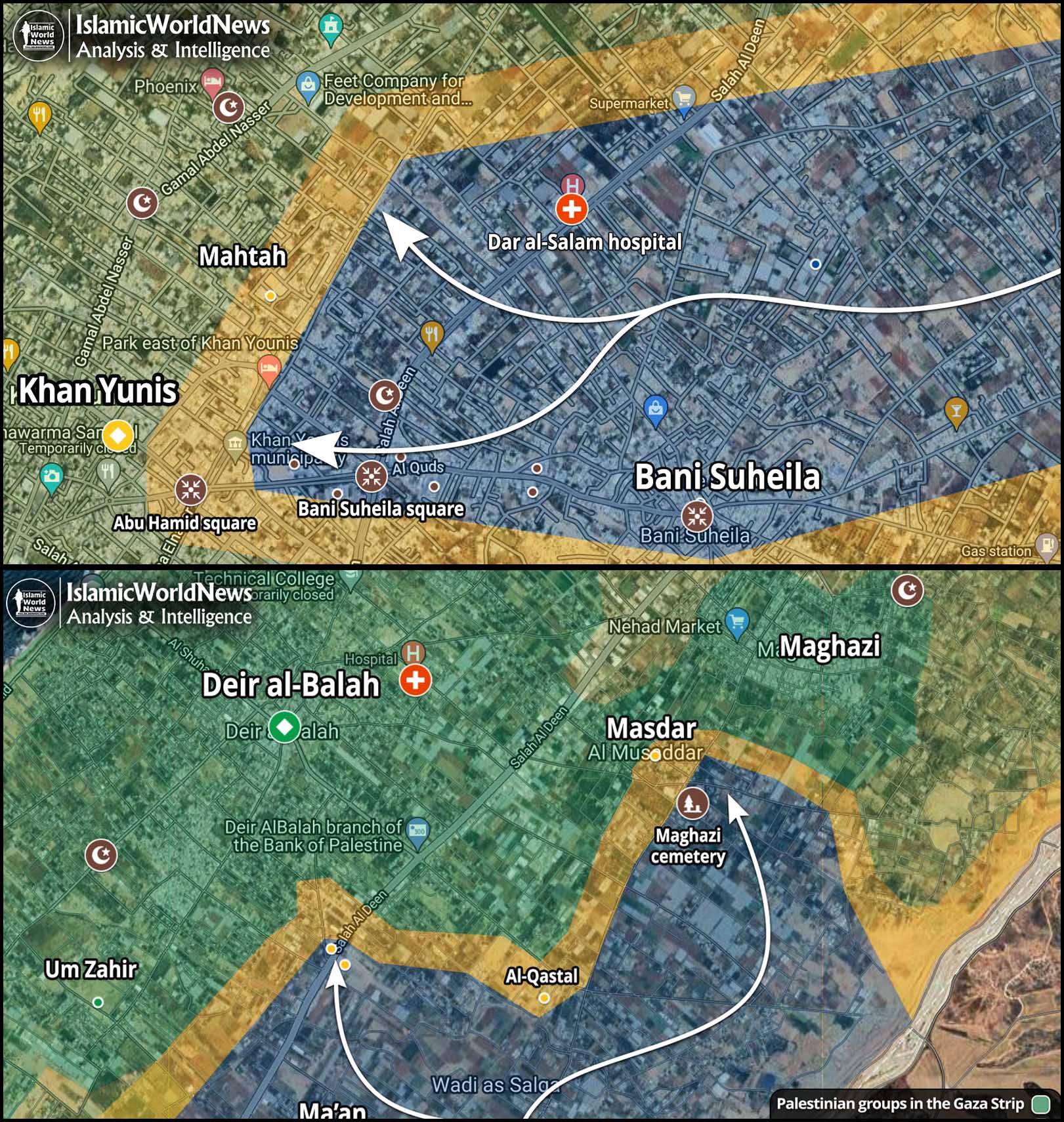
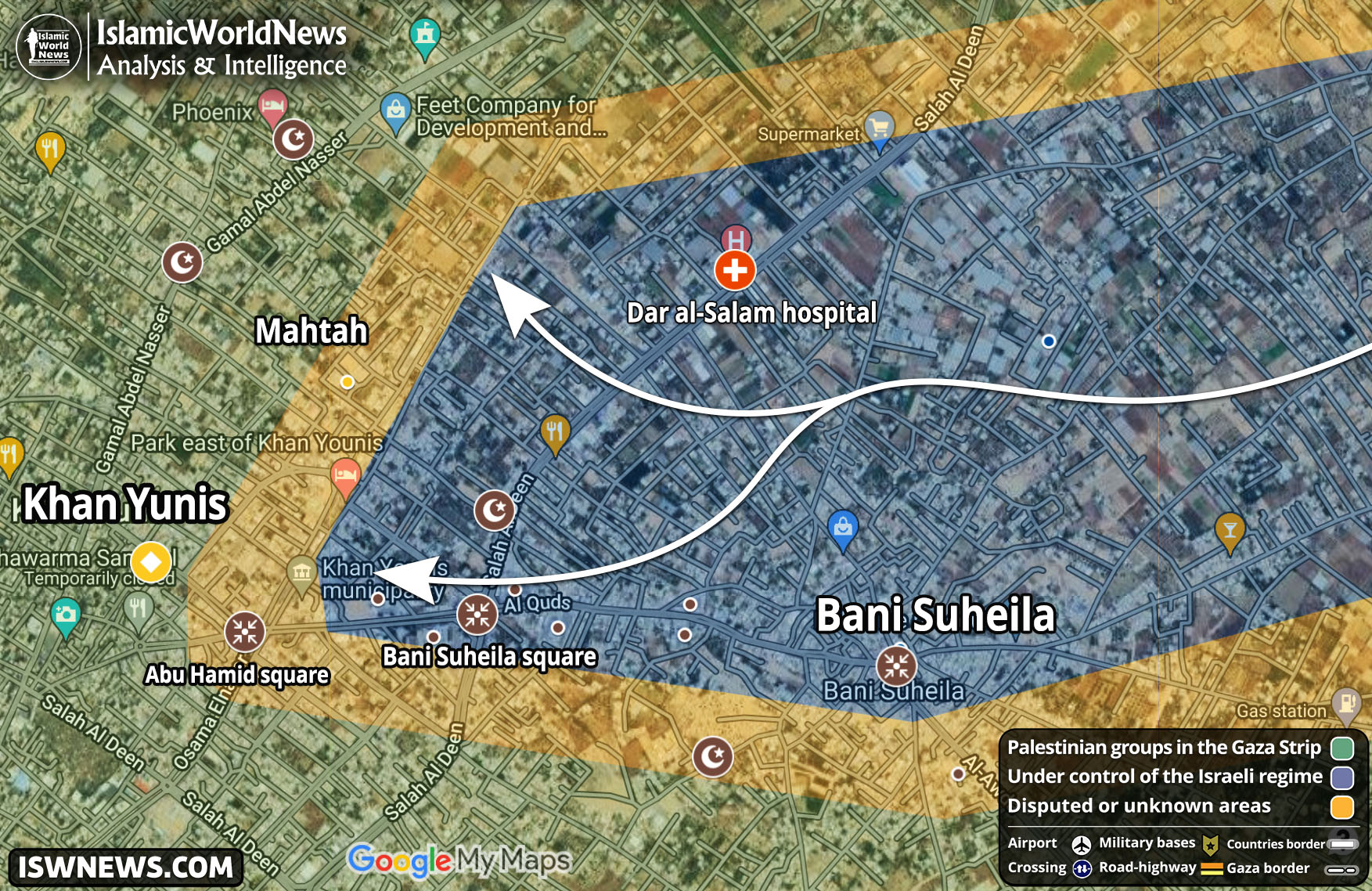
In the Khan Younis axis in the south of the Gaza Strip, during the past 24 hours, the Israeli army again entered the center of Khan Younis by crossing the Bani Suheila square. Israeli forces are currently located in the Khan Yunis Center near Abu Hamid Square and around the Department of Education in the Mahtah area.
During the past months, the Israeli army had advanced to Khan Yunis center. But finally, the Israeli army withdrew from these areas. It is unclear whether the Israeli army will expand its advance to the west of the city or if this operation is only a short-term raid.
Israeli advances into the central areas of Khan Yunis
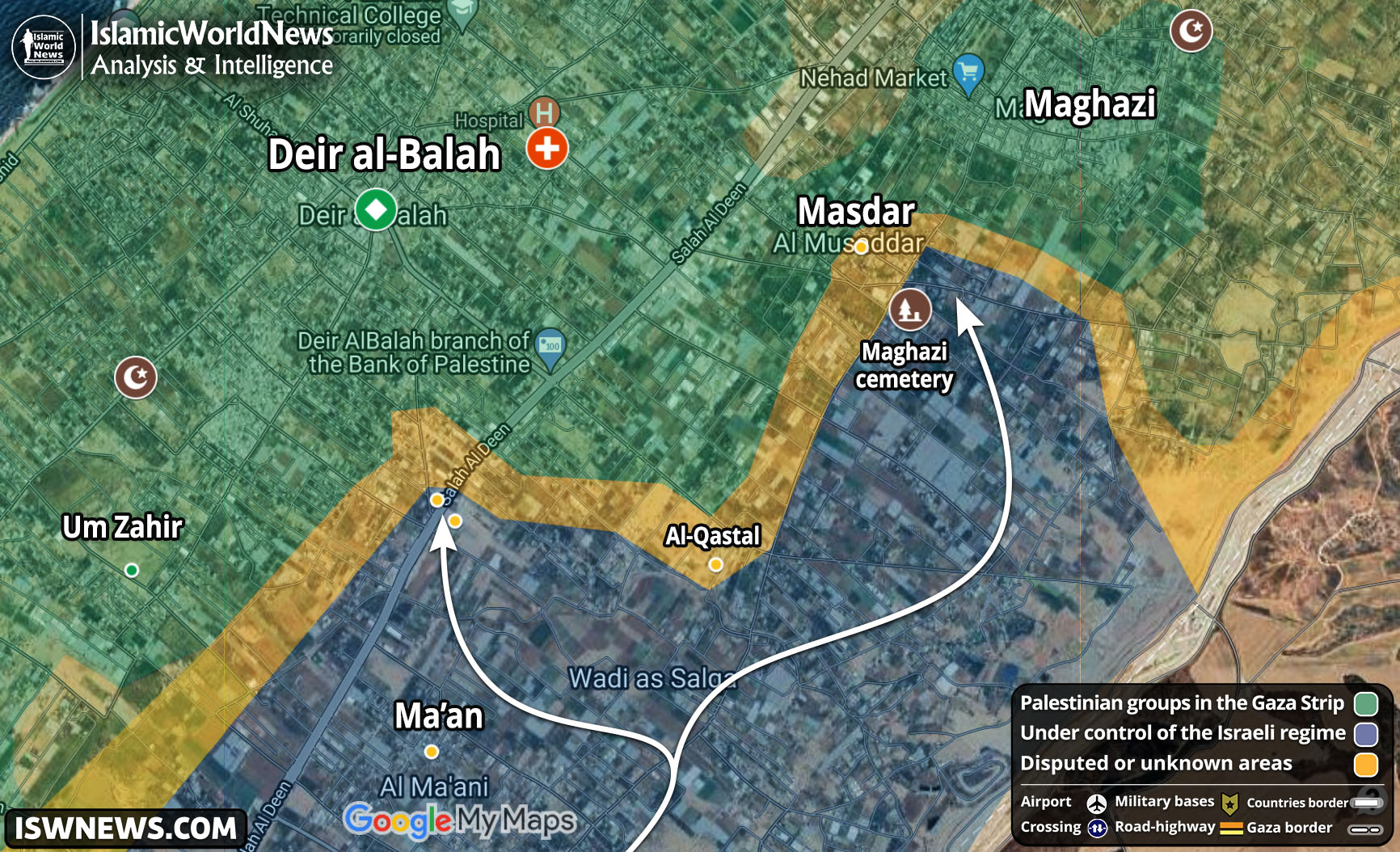
In the center of the Gaza Strip, following the military operation in the Wadi al-Salqa axis, Israeli army advanced along the Salah al-Din road to the south of Deir al-Balah and also to the south of Maghazi. Heavy clashes continue in the mentioned axes.
Israeli advances near Deir al-Balah and Maghazi
Fighting in the Gaza Strip continues as ceasefire negotiations between the Israeli regime and the Hamas movement in Cairo have hit an impasse.
The ceasefire talks were held on Thursday and Friday last week in Doha, Qatar, without any particular achievement. Another round of negotiations are underway in Cairo, the capital of Egypt, between mediators and Israeli military and intelligence officials.
Nevertheless, the delegations of the Hamas movement and Israel have each opposed the clauses of the agreement that were presented by the mediators.
Izzat al-Risheq, a member of the political bureau of the Islamic resistance movement Hamas, emphasized that the negotiating delegation of this movement left Cairo on Sunday evening after meeting with Egyptian and Qatari mediators and being informed of the new demands of the Israeli regime.
Izzat al-Risheq pointed out that the Hamas delegation wants to oblige the Israeli regime to adhere to the agreements made on July 2 based on the items mentioned in Biden’s speech and the UN Security Council resolution. But Israel has added new conditions to the agreement and violates the agreement.
Israelis introduced new conditions, making it harder to reach a lasting ceasefire. Under the new terms, Israel intends to maintain control over the Netzarim corridor and Philadelfia axis and Rafah border crossing as well as other areas in the Gaza Strip, showing no willingness to withdraw from Gaza and offering no significant concessions to the other party.
Although the Palestinians are strongly looking for a ceasefire agreement and the end of the war, on the other hand, they insist on their positions to realize the interests of the Palestinian nation. The Palestinians demand a comperhensive ceasefire, the complete withdrawal of Israeli forces from the Gaza Strip, the free return of Palestinians to their homes in the northern part of the Strip, and the exchange of prisoners.
Due to Israel’s obstructions, it seems that the peace talks have reached a dead end.The Hamas movement has announced that it will no longer participate in the negotiations.
The dispute over the Philadelphia axis is one of the main obstacles on the way to the conclusion of negotiations and the signing of a ceasefire agreement and exchange of prisoners. While the Palestinians and Egypt insist that the Israeli forces withdraw from the axis of Philadelphia, Netzarim corridor and the Rafah crossing, Netanyahu still insists on occupying these axes and has so far failed the negotiations with his positions and is still prolonging the war.
Mediation efforts of the United States, Egypt and Qatar to establish a ceasefire in the Gaza Strip in exchange for the release of 110 Israeli prisoners in the Gaza Strip began a few months ago. After several rounds of indirect negotiations in Egypt and Qatar, the parties to the conflict have not yet reached an agreement. These negotiations have not yielded results due to Netanyahu’s refusal to stop the war and genocide in Gaza.
The war in Gaza has left more than 40,500 martyrs and more than 93,500 wounded. The humanitarian situation is dire and is getting worse due to the restrictions imposed by the Israeli regime on the entry of food and medicine into the Gaza Strip.
Hezbollah declared in its initial statement concerning the rocket and drone strikes this morning that in response to the terrorist assault by the Israeli regime’s army in the suburb of the Lebanese capital city Beirut and the cowardly assassination of the senior commander of the resistance movement, Fuad Shukr, the positions of the Israeli army in the northern settlements of occupied Palestine and its military bases in the occupied Golan Heights have been pounded with at least 320 rockets and a large number of suicide drones.
According to the initial statement, the first phase of the retaliatory operation has been accomplished with full success. The first phase included targeting Israeli barracks and military sites in order to pave the way for the passage of combat drones towards their envisioned targets deep inside the positions of the Israeli regime.
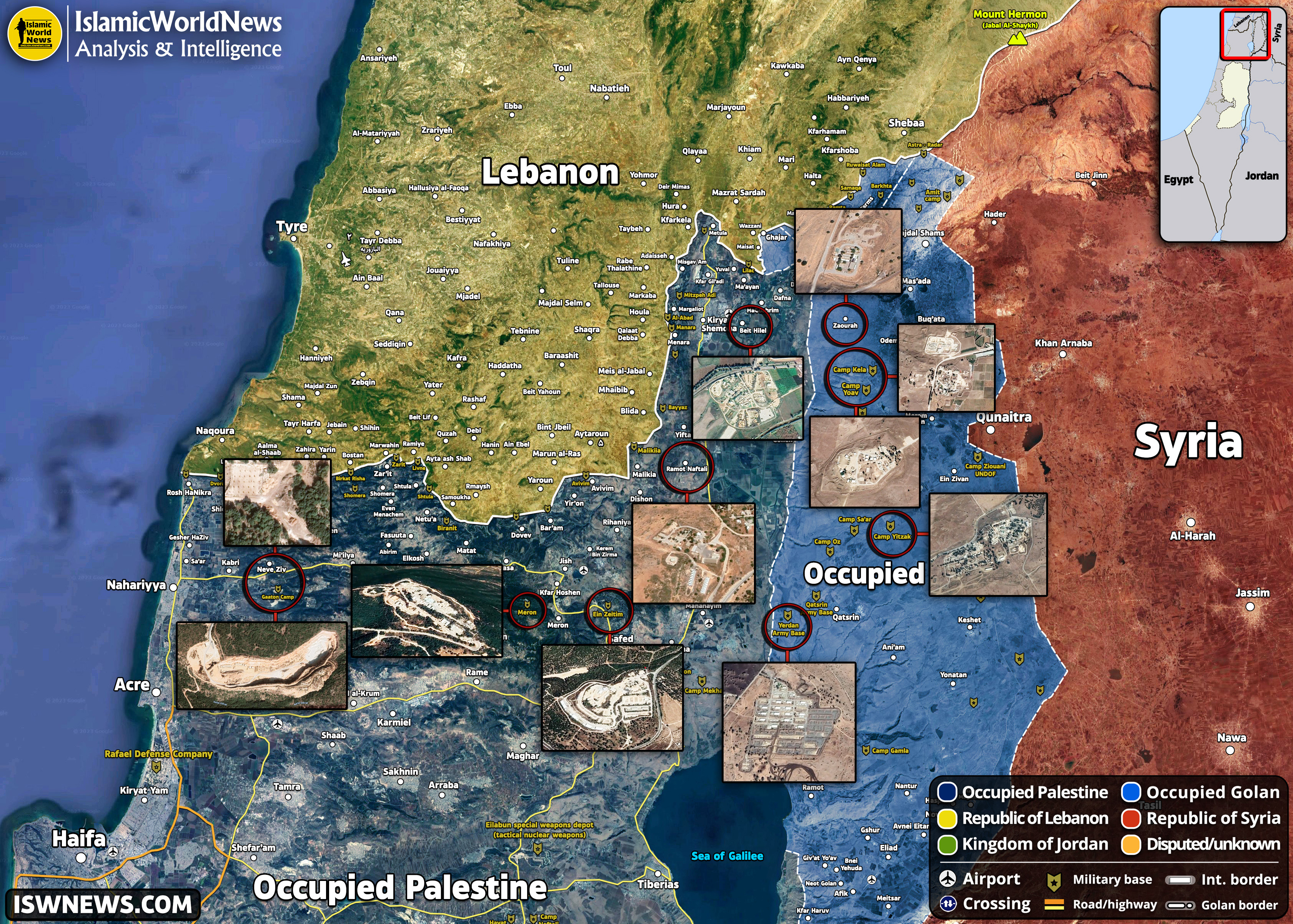
The list of military sites and regions, which were targeted during the first phase of the retaliatory operation is as follows: 1- Meron air control base 2- Neve Ziv artillery base 3- Ga’aton base 4- Al-Zaoura artillery base in the occupied Golan 5- Sahl Brigade HQ in Beit Hillel 6- Camp Kela in the occupied Golan 7- Camp Yuav in the occupied Golan 8- Camp Yitzak in the occupied Golan 9- Yarden military base in the occupied Golan 10- Ein Zeitim base north of Safed town 11- Ramot Naftali barracks
The military sites and areas that were targeted in this phase of the operation
As it is obvious in the video footages, the Israelis have made extensive preparations to counter Hezbollah’s missile attacks. Hezbollah also noted in its statement that the rockets were fired in order to pave the way for its suicide drones to reach their targets.
Israeli air defense systems intercepting rockets fired from Lebanese soil (1).Israeli air defense systems intercepting rockets fired from Lebanese soil (2).
The Israeli regime’s army claimed in a new report that Hezbollah’s strike was carried out firing 210 rockets and 20 suicide drones. According to Admiral Daniel Hagari, the spokesman for the Israeli regime’s army, a number of drones were reported to have blown up in the northern areas of occupied Palestine.
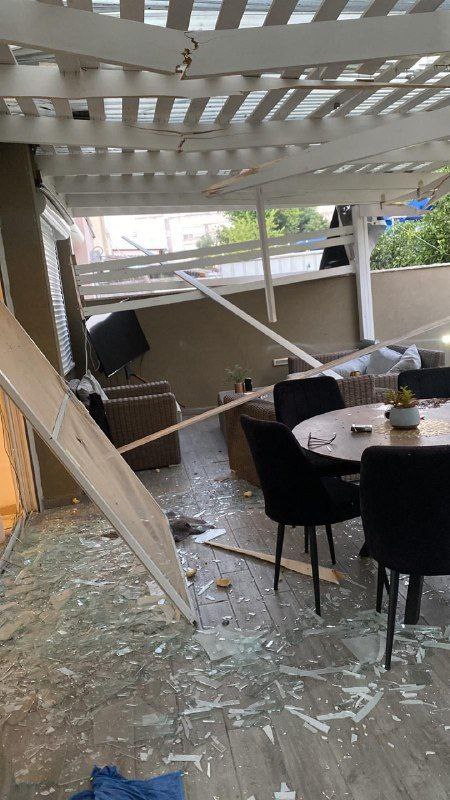
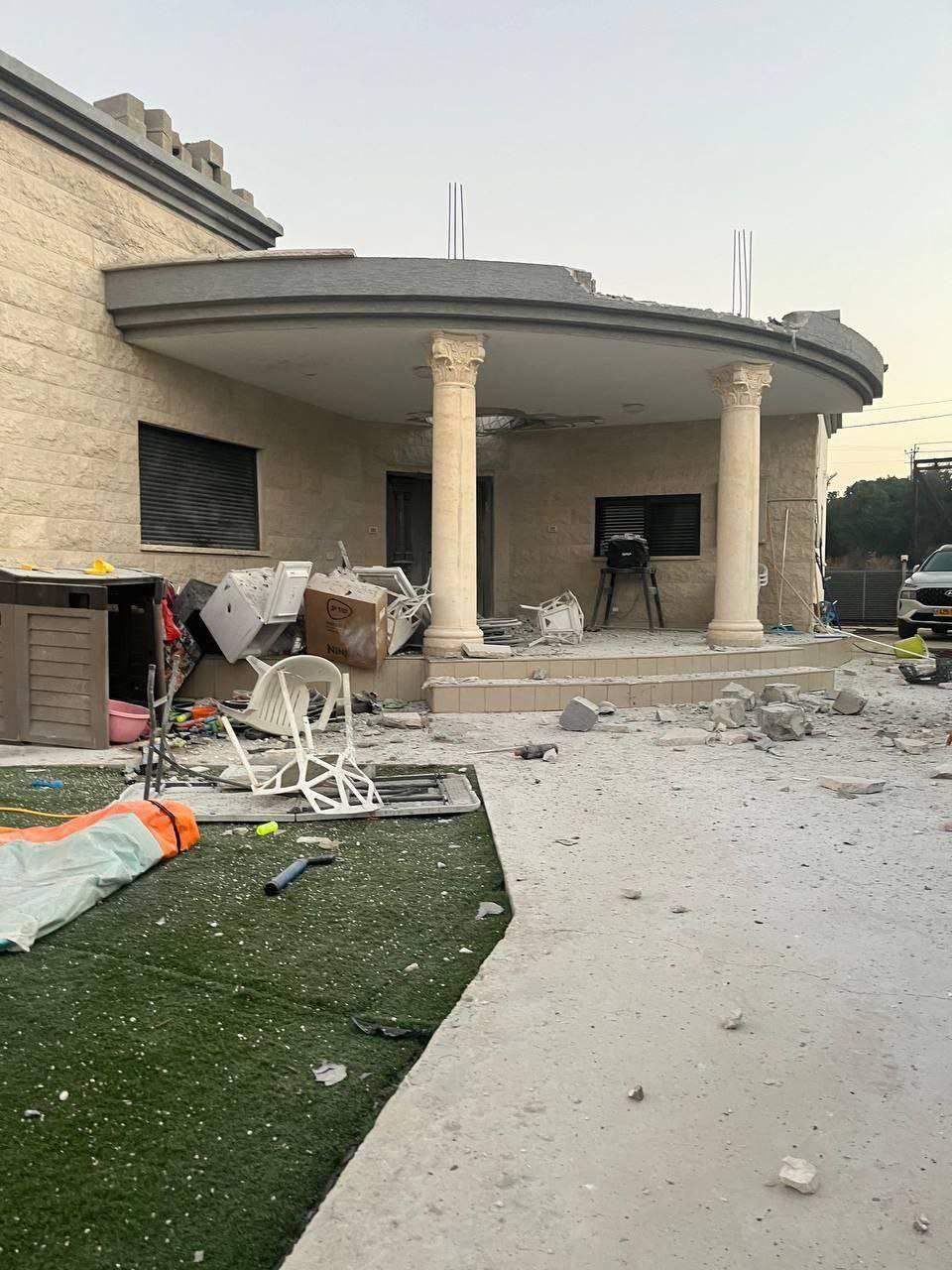
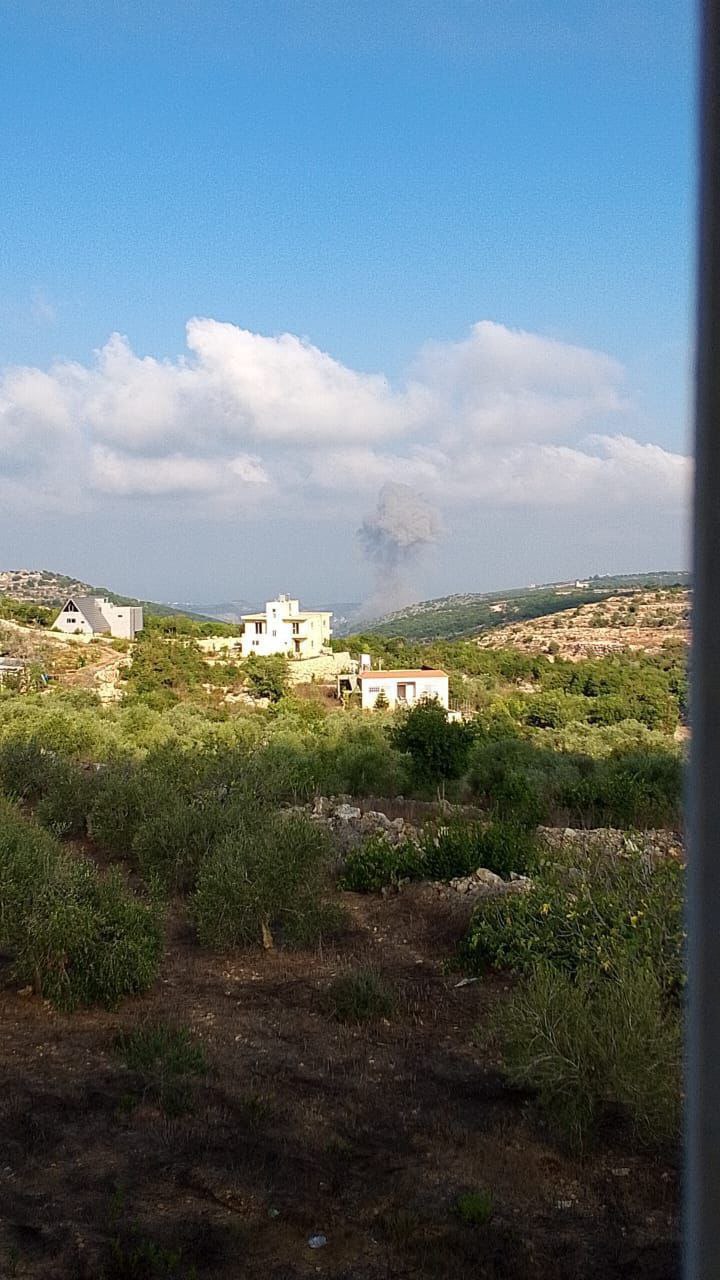
The collapse of the wreckage of Hezbollah’s rockets or missiles launched by the Israeli army caused fires and extensive destruction of buildings in the occupied territories of Palestine.
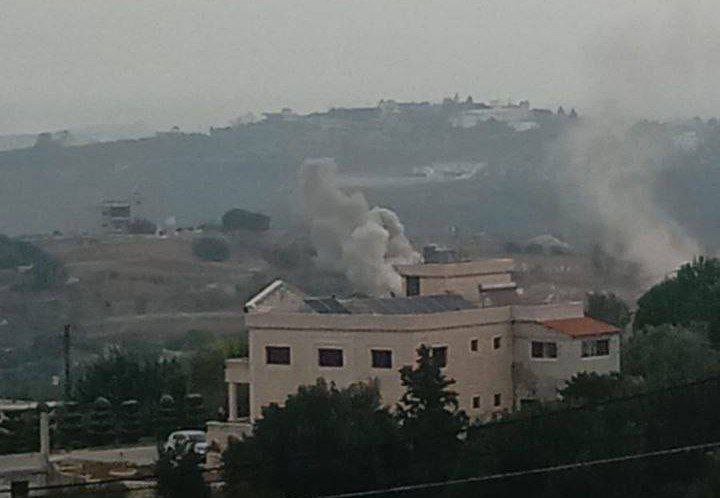
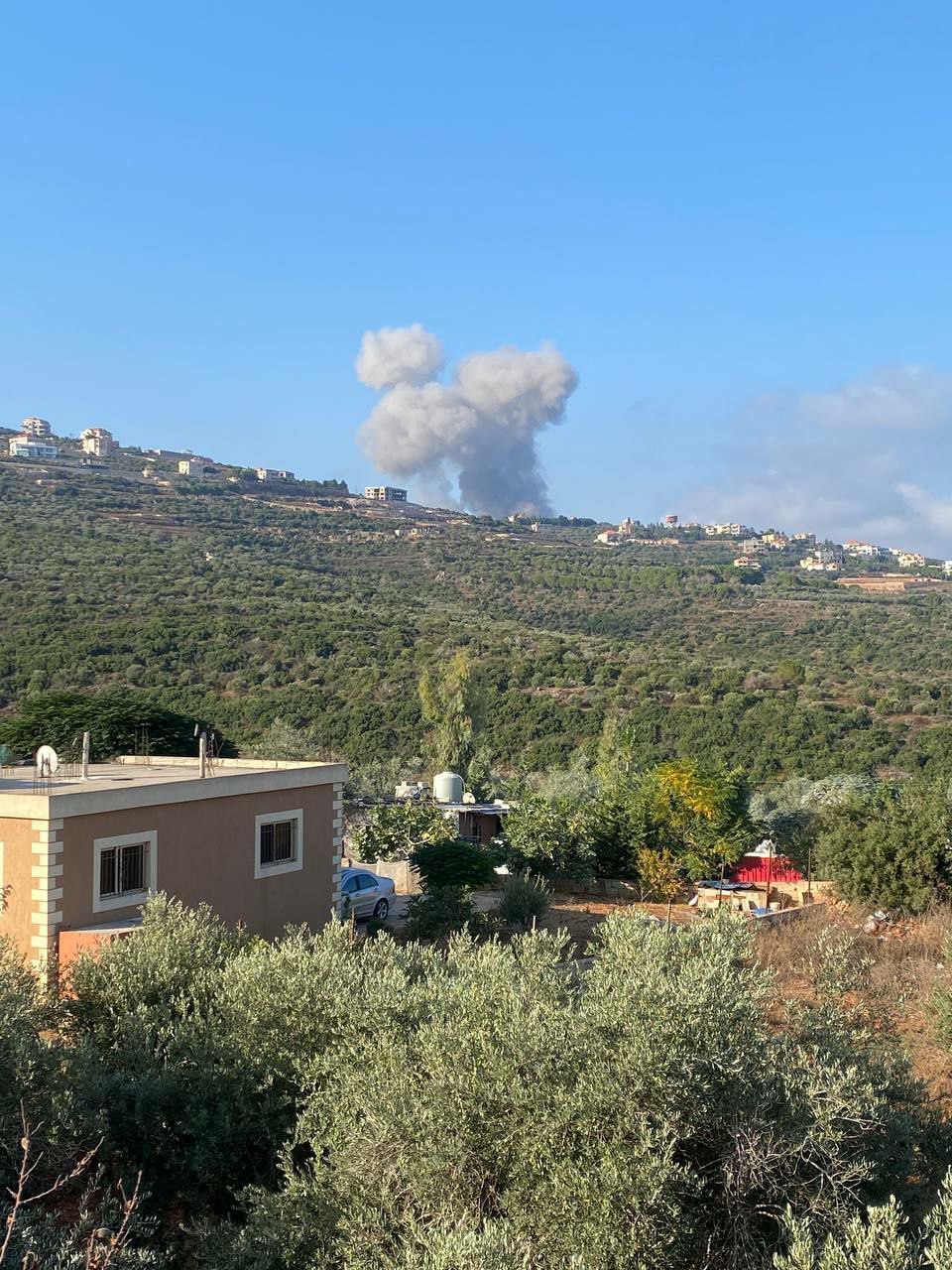
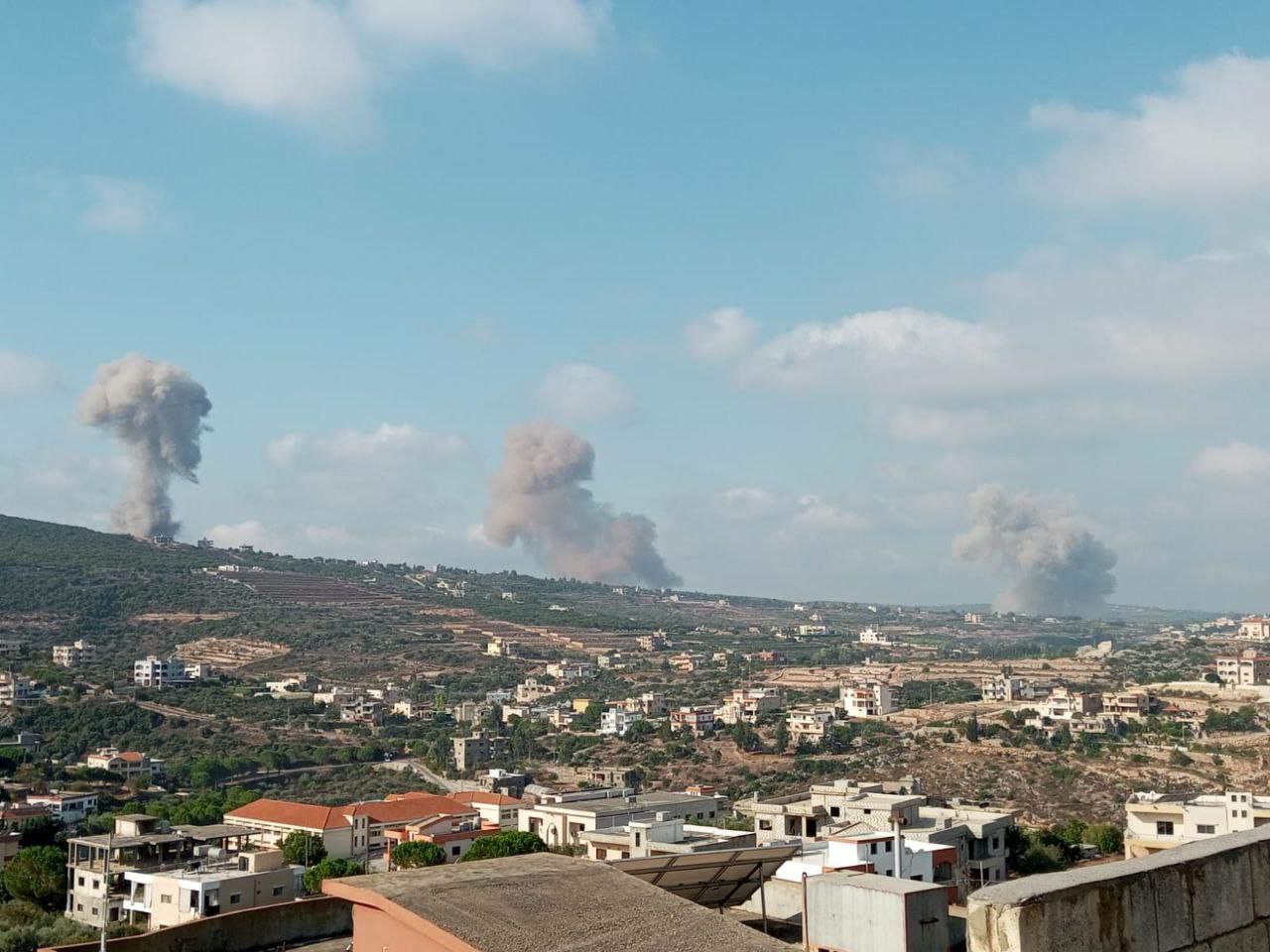
Aftermath of Hezbollah rocket attacks in the northern areas of occupied Palestine, including the towns of Nahariya and AcreA video of a Hezbollah suicide drone flying and hitting road 959 in the occupied GolanThe moment an Israeli malfunctioned air defense missile hit an Israeli warboat in the coast of Nahariya. One Israeli was killed
Certain Western and Israeli media quoted officials of the Tel Aviv regime as saying that the US and Israeli armies had accurate information 24 hours prior to this morning strike that Hezbollah had decided to conduct a major retaliatory attack on the Israeli regime by 5 a.m. local time on Sunday, and therefore, Israeli fighter jets have been attacking the areas of Zibqine, between Siddiqi and Yater, Baslia, Haris, Beit Yahoun, Mlikh, Tayr Harfa, Chama, Tel Armez, Deir Siriane, Kfar Melki, Ain Qana, Kounine, Hadath and several other areas in southern Lebanon.
The US and Israeli reports have not yet been officially confirmed by the officials of the two warrying sides (Hezbollah and Israel), but given the uncertain results of Hezbollah’s operation and the full readiness of the Israeli army to repel the strike, it seems that the nature of the resistance movement’s retaliatory attack has been discovered by American and British planes, and adequate preparations have been made to repel it through extensive and 24-hour surveillance. The Israeli military claimed that more than 100 warplanes participated in a pre-emptive attack on Lebanon, pounding the launch sites of more than 6,000 rockets.
Israeli army shared the footage of the alleged preemptive airstrikes in southern LebanonIsraeli airstrikes in southern Lebanon
Nevertheless, Hezbollah rejected alleged reports in the Western media about the Israeli enemy’s pre-emptive attacks and the disruption of the Lebanese resistance retaliatory operations in its third statement. Hezbollah highlighted in this statement that all the combat drones were launched from their positions at the specified times and crossed the Lebanese-Palestinian border towards the preplanned position in different directions. Such claims are ridiculous and opposing the realities on the ground, and will be denied and addressed in today’s speech by Sayyed Hassan Nasrallah, the Secretary-General of the Lebanese resistance movement Hezbollah. The secretary-general of Hezbollah made a speech at 18:30 Sunday evening on the recent developments.
The Tel Aviv regime’s military forces have extremely intensified their air and artillery strikes on the municipality of Bani Suheila and its adjacent areas, including al-Zaneh district, for 24 hours since Thursday August 22.
Following these assaults, the Israeli regime’s infantry forces advanced on the eastern axis of Bani Suheila municipality with air support, and now confrontations between Israeli military forces and Palestinian resistance fighters are ongoing around Al-Alam Square and Dar es Salaam Hospital in Khan Younis city, located in the southern Gaza Strip.
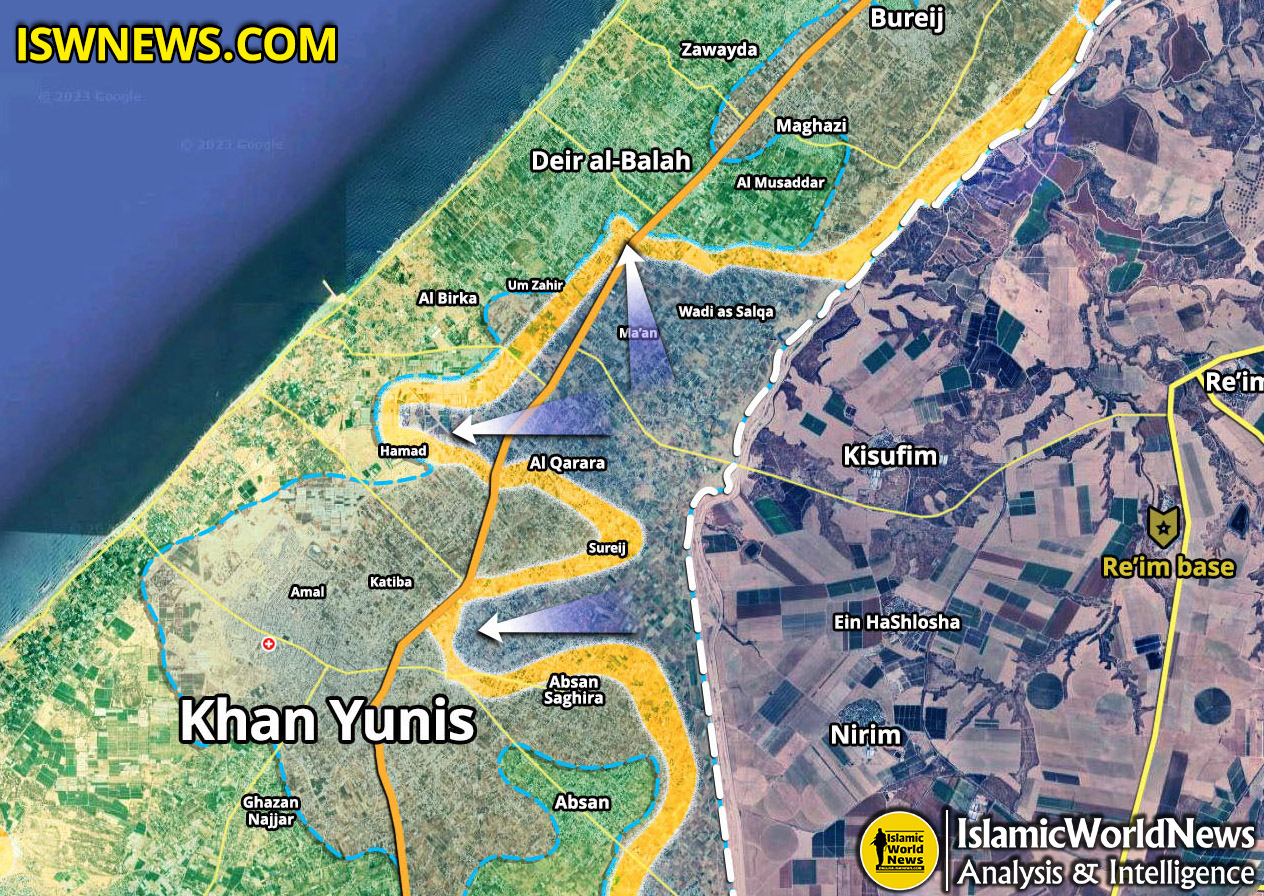
The Israeli regime’s forces advanced towards Deir al-Balah city in continuation of last week’s military operations on the Al-Qarara and Wadi as-Salqa axis in addition to the north of Khan Younis city. Israeli forces have also advanced to the schools of Deir al-Balah city as well as Mazra’a Street, and the two warrying sides are currently continuing clashes in the southern suburbs of Deir al-Balah city.
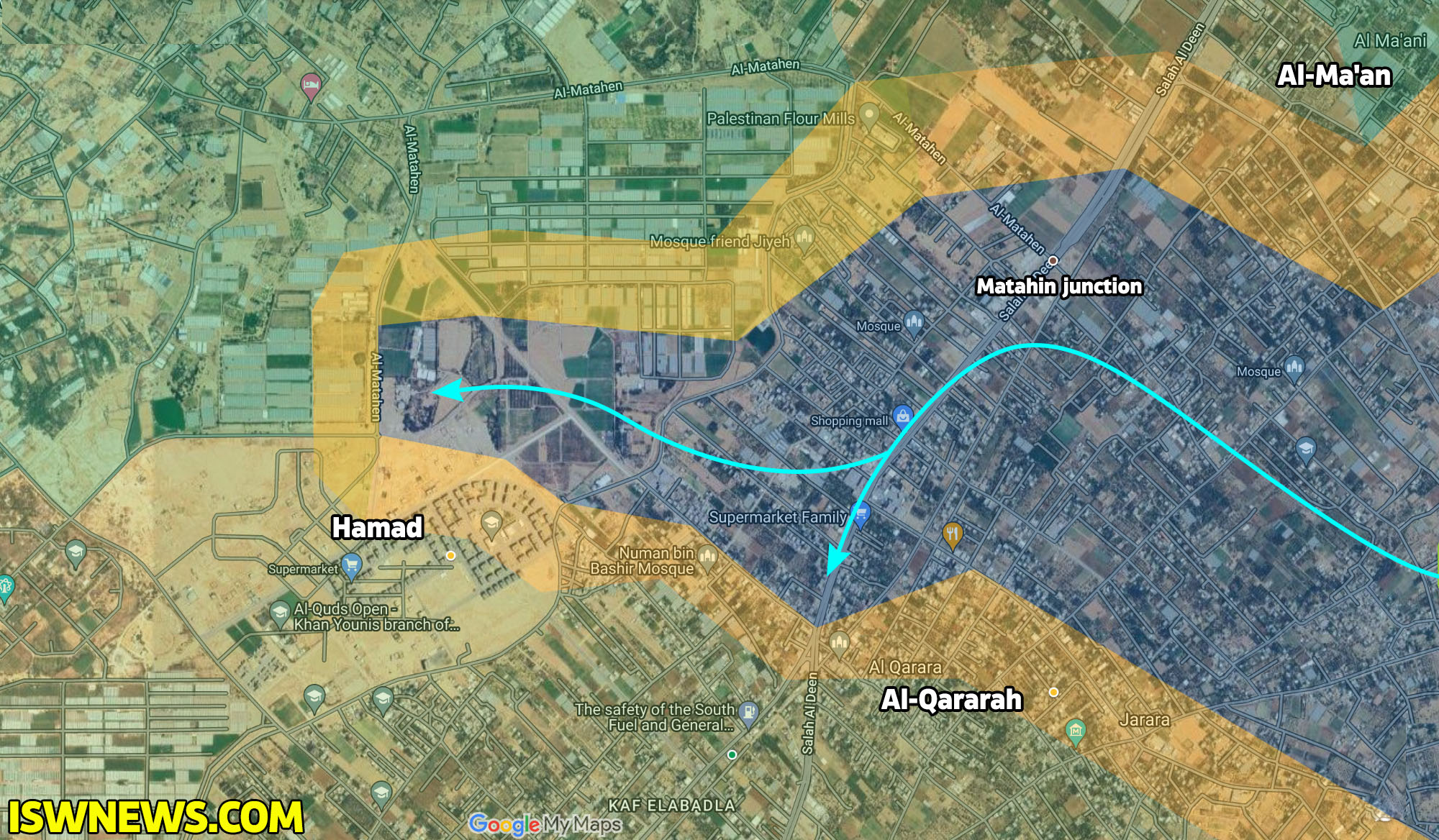
Israeli military forces are still stationed eastern axis of Hamad town in northwestern Khan Yunis city, and they have not succeeded in achieving any significant changes in this region.
The Israeli regime continues its military operations in the aforementioned areas while the regime’s army pulled out from the usurped territories last month after an operation in the Khan Yunis axis. The Tel Aviv regime’s army is not capable of setting up a long-term presence in the occupied territories and will have to withdraw from those areas sooner or later.
The Israeli regime’s ongoing military assaults take place following the failure of ceasefire negotiation in the Qatari capital Doha last week. It seems that the regime is carrying out aimless attacks such as the aforementioned ones and using them as leverage on the Palestinian resistance groups to achieve political gains.
The Israeli regime’s armed forces have kicked off new military operations in some regions since Saturday, and announced the compulsory evacuation of the areas of Al-Maghazi, Salah al-Din, Al-Farouq and Al-Amal neighborhoods, as well as blocks 973, 974, 978, 979, 1738 to 1745.
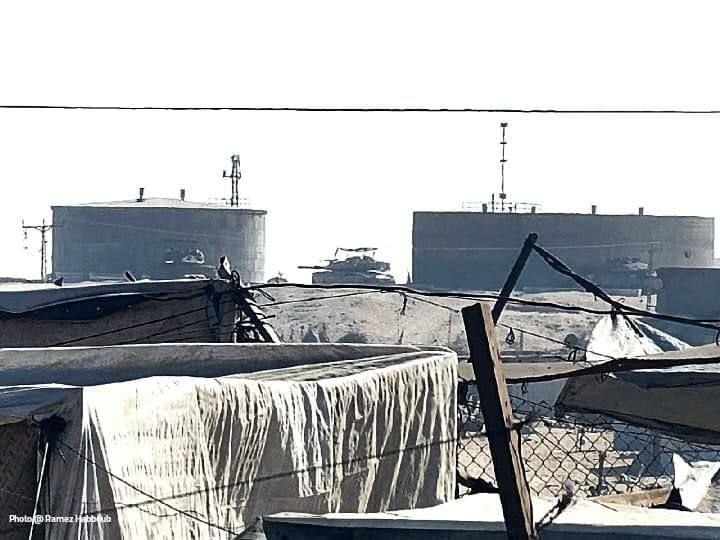
Fierce clashes continued in the areas of Wadi Salqa and al-Qararah, and Israeli military forces advanced from the al-Matahin intersection towards the town of Hamad, north of Khan Younis in southern Gaza over the past 24 hours, and some Israeli tanks are now deployed north of Hamad town.
Israeli tanks north of Hamad town
The Israeli regime claimed that its military forces launched the incursion because the Palestinian resistance movement Hamas and other resistance groups fired rockets from that area into the occupied territories of Palestine. However, it seems that the ground operations and the advances on the southern axes of the Gaza Strip, which are coincided with the ceasefire talks and international endeavors to reach a new truce agreement, are aimed at putting more pressure on the Palestinian resistance groups and squeezing more concessions in any possible ceasefire.
In this respect, some Hebrew-language media outlets claimed that the Israeli cabinet under warmongering Prime Minister Benjamin Netanyahu has ordered the regime’s army to exacerbate the intensity of the fighting in the Gaza Strip in order to enhance the regime’s upper-hand in the negotiations.
It is worth mentioning that the Israeli regime’s genocidal aggression on the Gaza Strip has left at least 40,099 people martyred and 92,609 wounded.