Israel Ceasefire Violations: Strikes Targeted Southern Lebanon
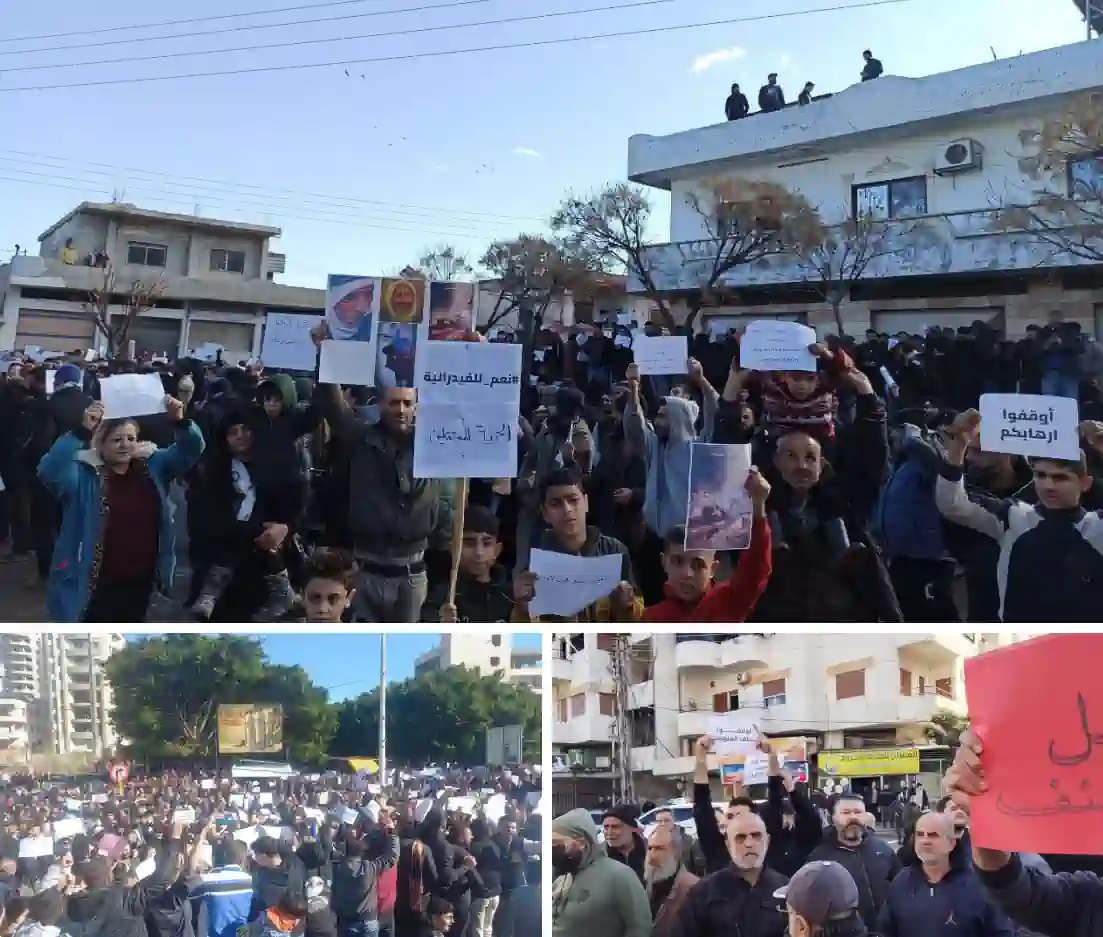
Another ceasefire violation by Israel: Israeli drones this morning targeted a civilian car on the al-Bissariyeh road south of Sidon. At least one person was killed in this attack.
According to local sources in Shabwah province, a U.S. MQ-9 drone carried out two airstrikes targeting the location of an al-Qaeda member in Wadi Khura, situated in the district of Markhah al-Sufla in southwestern Shabwah.
Omar Ahmed, head of the Board of Commissioners of Iraq’s Independent High Electoral Commission, announced that voter turnout in Iraq’s special elections reached 82.42%.
The Tomahawk is a subsonic, long-range, precision-guided cruise missile launched from submarines and surface platforms. Designed for deep land strikes and targeting high-value assets, it has become a cornerstone of U.S. military strike operations over the past half-century. Its ability to fly at low altitude, employ advanced combined guidance systems, and—on modern variants—retarget mid-flight, makes it a highly versatile and reliable weapon.
The Israeli newspaper Haaretz reported: Israeli intelligence assessments indicate that Hezbollah, after suffering heavy losses in recent attacks, is rebuilding its military capabilities and organizational structure, particularly in areas north of the Litani River—an action that Tel Aviv describes as a “violation of the ceasefire” following the 2006 war.
As reported in Israeli media, following the failure of airstrikes targeting Yemen’s energy and service infrastructure, Israeli intelligence agencies have shifted their focus toward recruiting informants and gathering field intelligence to disrupt Yemen’s military support for Palestine.
As violent clashes intensify across Sudan, the terrorist group ISIS has begun positioning itself as a potential actor in the country’s crisis by publishing ideological content in its official magazine Al-Naba.
Earlier today, the United States Air Force conducted a test launch of an unarmed intercontinental ballistic missile of the Minuteman III class from Vandenberg Space Force Base in California.
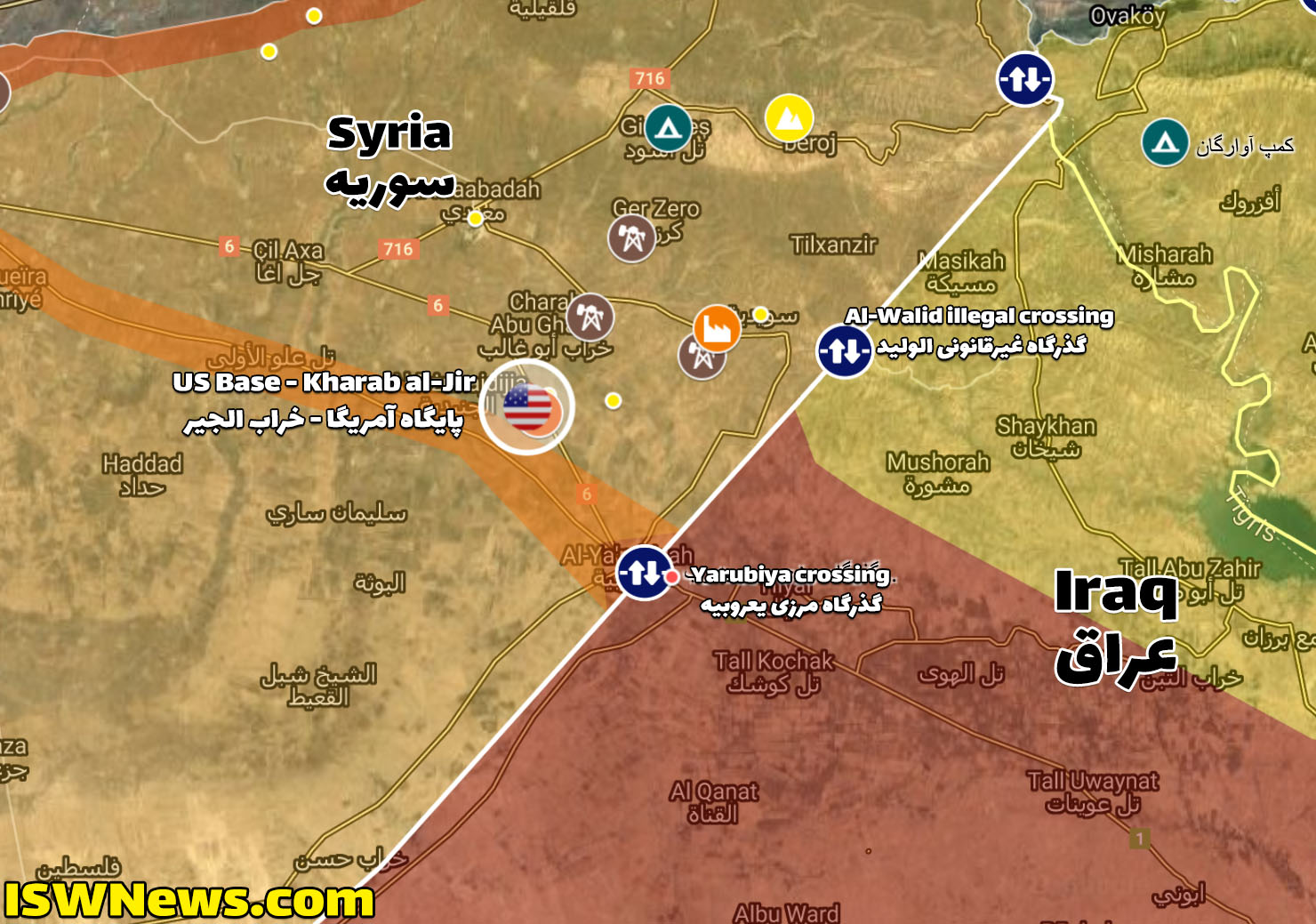
Iraq is at a defining stage in its political evolution where the convergence of external pressures—namely Iranian influence and Turkish military presence—with the central government’s financial crisis and the complex internal power structure, particularly the multifaceted role of the Popular Mobilization Forces (PMF), has seriously undermined the country’s prospects for political and security stability. The PMF now functions as a semi-institutional force that, while possessing defensive capabilities and social legitimacy, also operates through political, economic, and transnational networks that influence the behavior of some of its units. This increases the likelihood of autonomous actions, local clashes, or demonstrations of force.
Reports indicate that Israel’s military spending since the onset of its war on Gaza in October 2023 has reached approximately $76.3 billion (250 billion shekels).
The Burevestnik (Буревестник) missile system is a Russian cruise-like weapon distinguished by two groundbreaking features: it carries a nuclear warhead and is powered by a nuclear propulsion unit. This technological fusion enables sustained energy and thrust—capabilities that conventional chemical-fueled systems typically cannot maintain. As a result, Burevestnik stands apart conceptually and operationally from other strategic and cruise systems, aiming to overcome traditional limitations in range and endurance through nuclear energy.
This article explores Azerbaijan’s evolving security and military strategy, which over the past two years has combined active diplomacy with extensive militarization. Through the acquisition of advanced weaponry from Turkey, Pakistan, and Israel, the development of multi-layered air defense systems, and technical and training cooperation with NATO, Baku aims to solidify its role as a key power in the South Caucasus. This approach not only enhances deterrence but also shifts the regional balance of power, increasing security pressure on Iran, Armenia, and Russia. In this discussion, we examine the dimensions of Azerbaijan’s militarization, its geopolitical objectives, regional implications, and possible future scenarios in the South Caucasus.