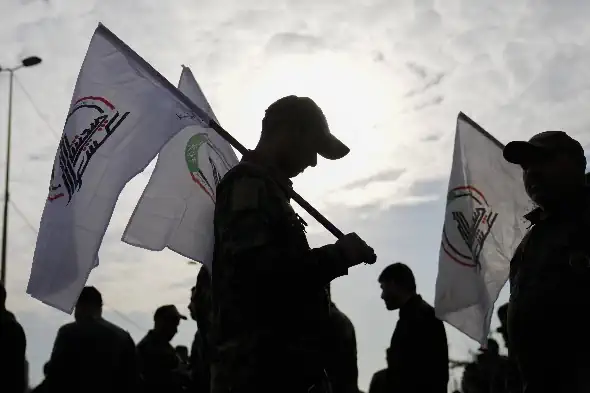
Three Americans Killed in Syria!
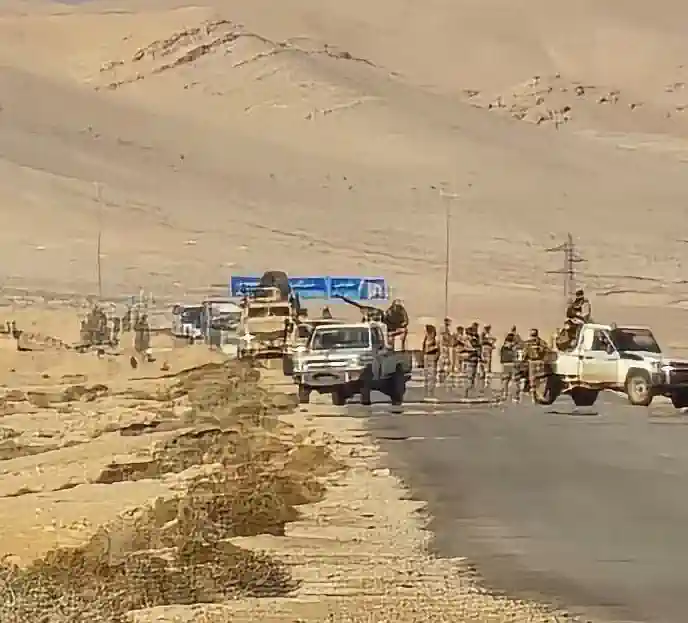
During yesterday’s attack on a joint U.S.–Syrian military convoy near Palmyra, two American soldiers and one American interpreter were killed, while several others—including Syrian personnel—were wounded.
The recent water and energy accord between Turkey and Iraq—beginning with the financing mechanism for water projects signed in early 2024 and expanded into combined oil–water packages in November 2025—marks a strategic shift in managing the Tigris–Euphrates basin. In practice, Ankara has strengthened its ability to regulate water flow, quality, and allocation into Iraq through legal, technical, and financial frameworks, the entry of Turkish companies, and project financing. Baghdad, instead of exercising full sovereignty over shared resources, is gradually ceding long‑term access and decision‑making to foreign partners, particularly Turkey and its international allies. This situation carries serious legal, economic, environmental, and security implications for Iraq’s internal stability, agricultural productivity, food security, and strategic independence.
The National Resistance Front of Afghanistan has claimed responsibility for the recent explosion in Darah district of Panjshir province, asserting that 17 Taliban members—including the commander of a special forces base—were killed and five others wounded.
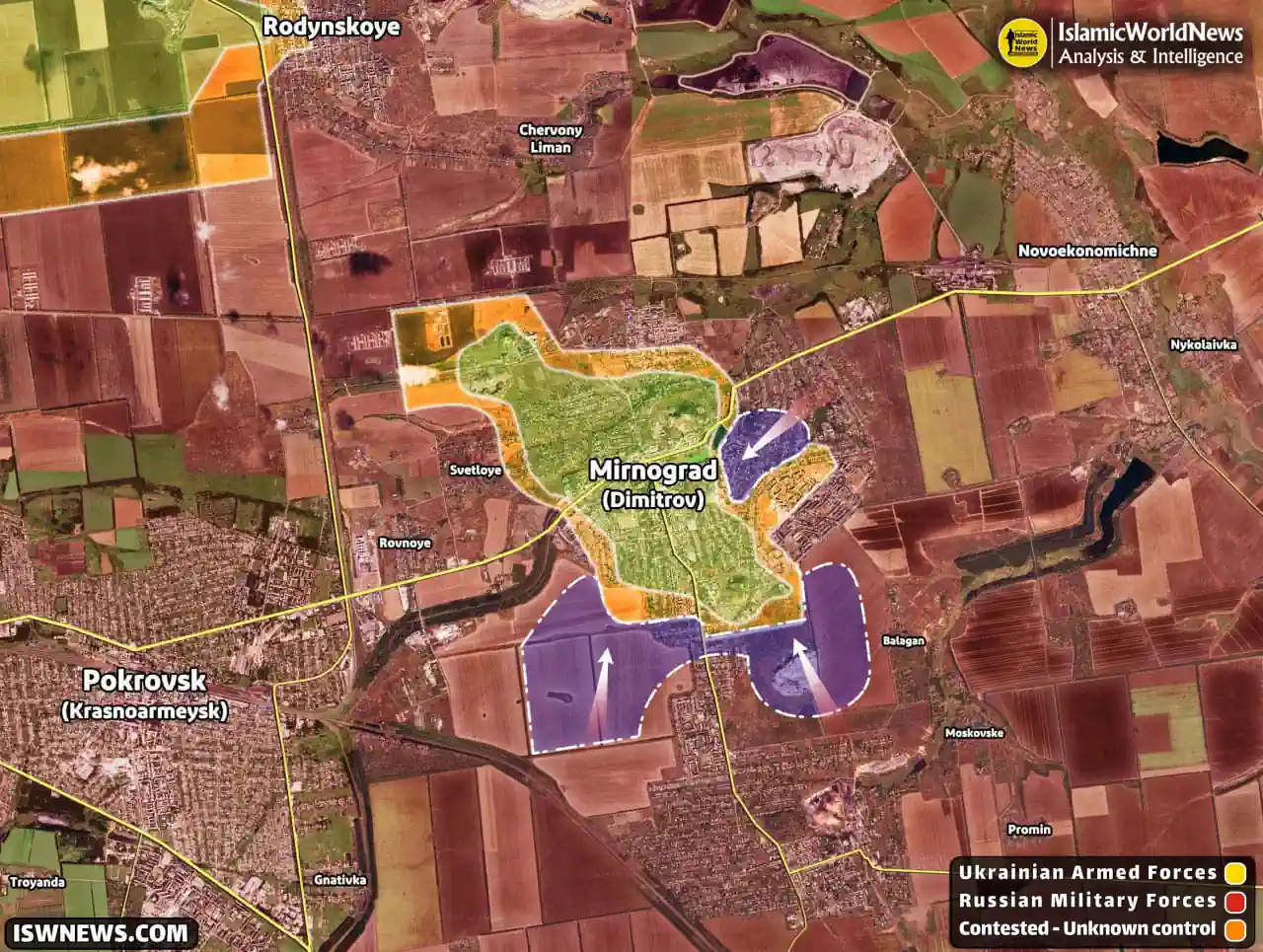
Russian forces have continued their offensive in the besieged city of Mirnograd, pushing deeper into the eastern sectors and reaching the city center. Additional gains have reportedly been made in the southern neighborhoods and nearby farmland.
Recent developments show that escalating Israeli attacks in southern Lebanon, coupled with the ineffectiveness of Lebanon’s change in representation level at the ceasefire committee, have further complicated the political and security landscape.
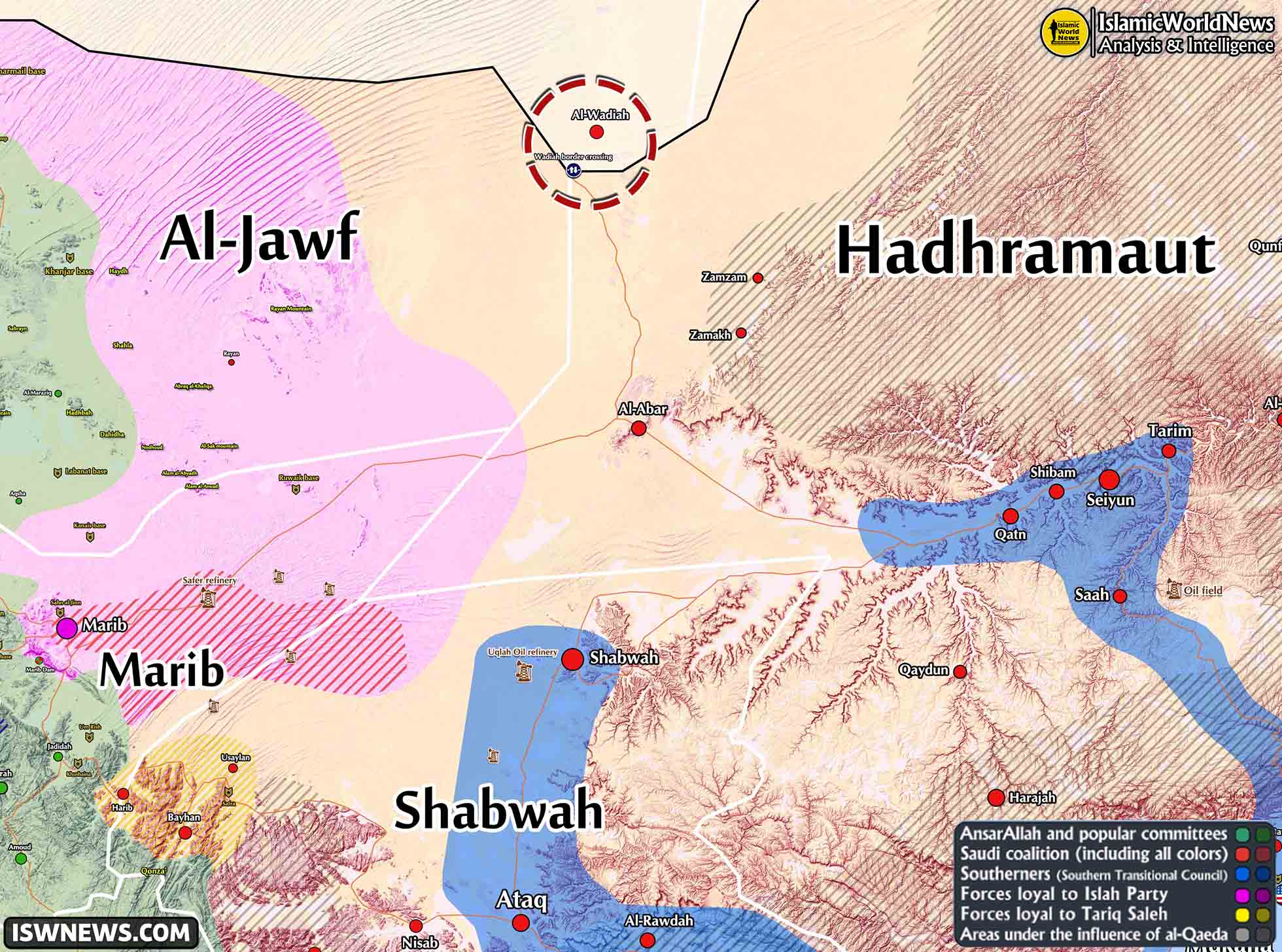
Following a warning message from Saudi authorities to the Southern Transitional Council and the flight of Saudi army Apache helicopters over the northern desert of Hadhramaut province, southern fighters pulled back from the al‑Abr–Khasha road and the al‑Khasha area, handing these positions over to Al‑Dara‘ al‑Watan forces.
The third session of the trilateral joint committee between Iran, Saudi Arabia, and China was convened on Tuesday, December 18, in Tehran.
Following recent developments in eastern Yemen and the advance of the Southern Transitional Council toward northern Hadhramaut, the Saudi government has halted operations at the Al‑Wadi‘ah border crossing between Saudi Arabia and northern Yemen.
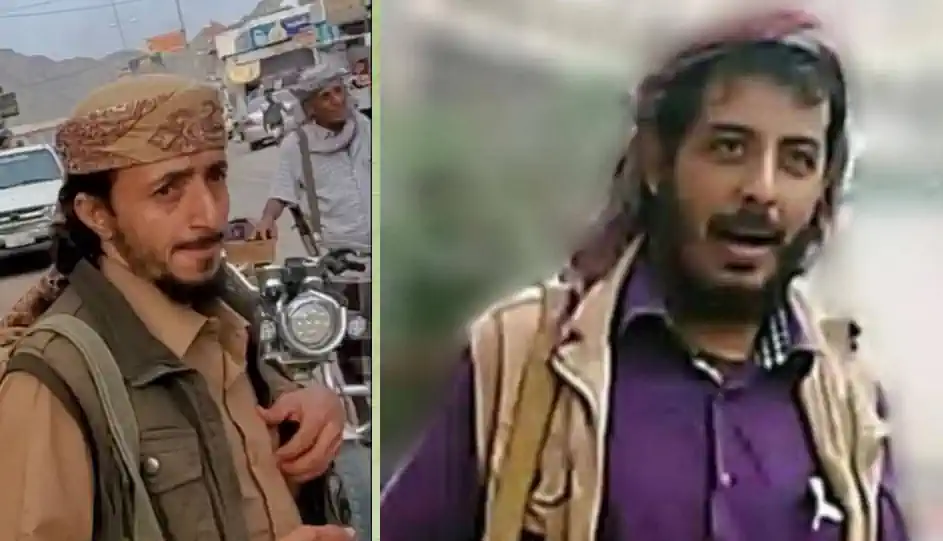
American drones carried out a strike in Marib province, killing two senior figures of the al‑Qaeda terrorist organization. On the evening of Monday, December 8, U.S. military drones targeted a motorcycle near a farm in the al‑Hadhun area, northeast of Marib city. The attack killed Abu Ubaidah al‑Hadhrami, a field commander of al‑Qaeda, and Anis […]
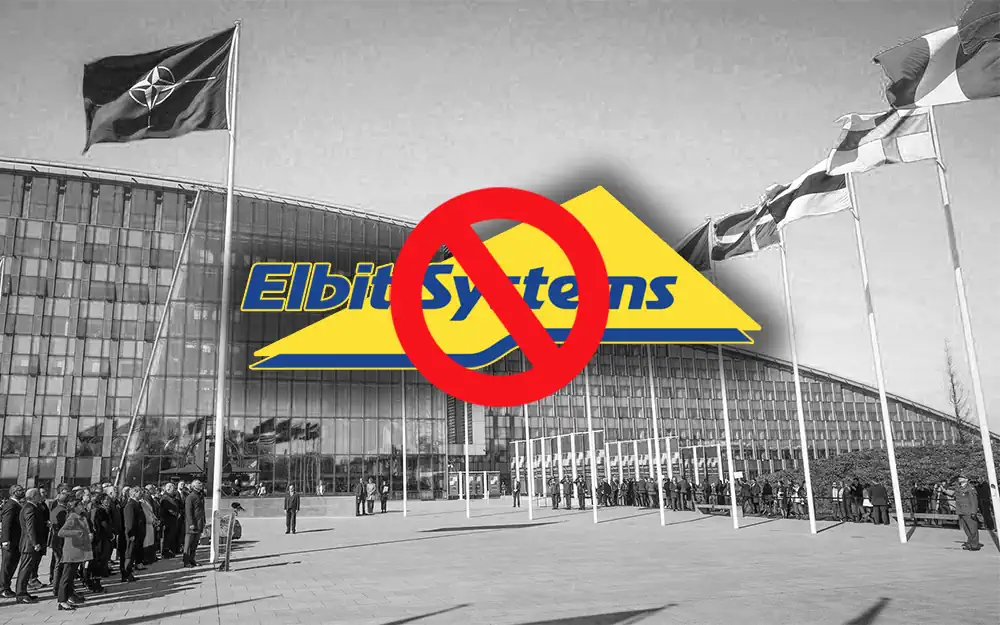
An investigative report by European media outlets reveals that Elbit Systems, Israel’s largest arms manufacturer, has been suspended from NATO procurement tenders due to its alleged involvement in a major corruption case within the NATO Support and Procurement Agency (NSPA).
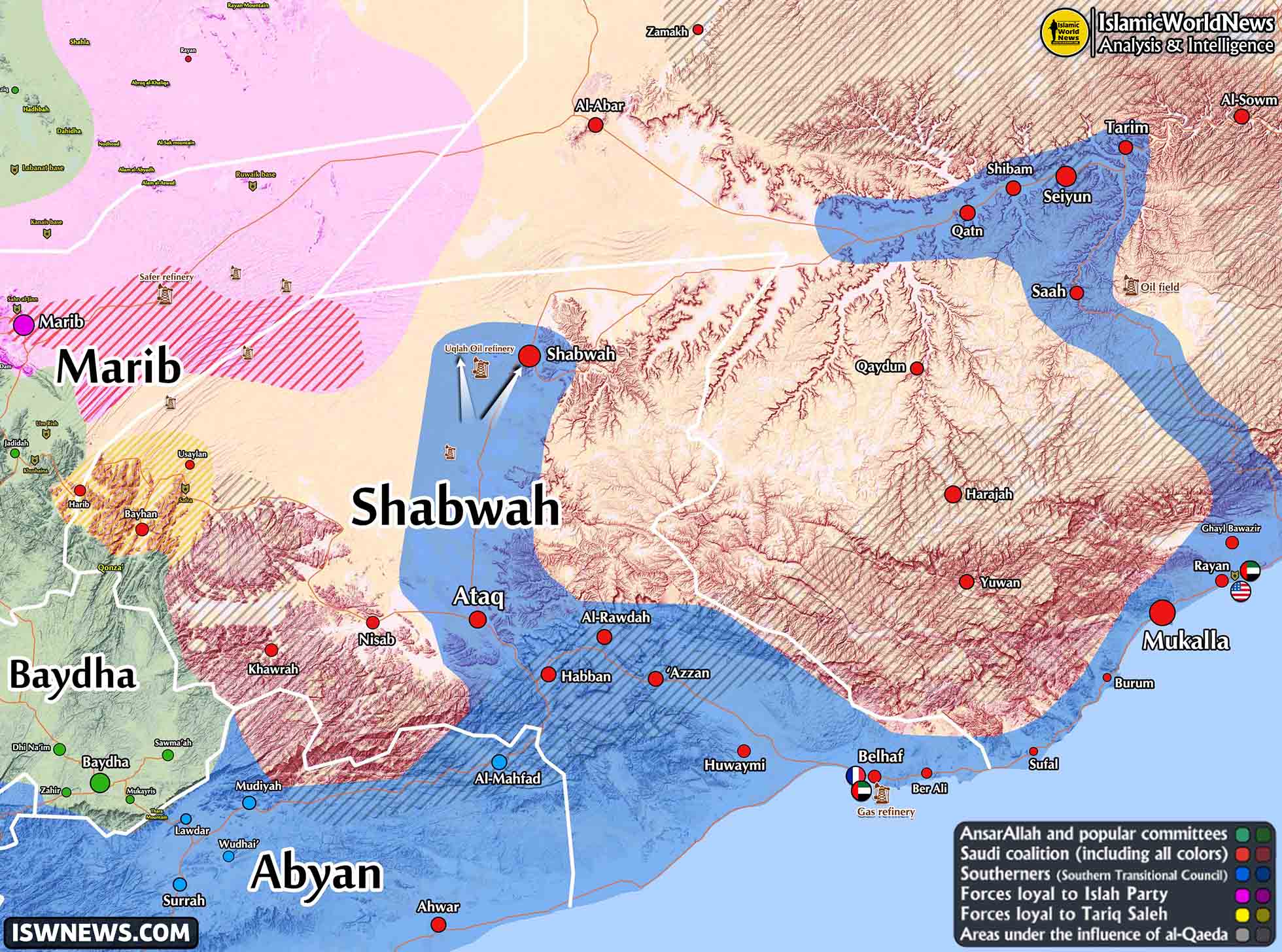
Following the advances of Southern Transitional Council (STC) fighters in Hadramaut province, the positions of the Islah Party in Shabwa have also been weakened. A convoy of Shabwa Defense Forces succeeded in taking control of the al‑Aqla oil facilities. After capturing the field, Shabwa Defense Forces established checkpoints around it.
The appointment of Mark Savaya, a Chaldean‑Assyrian Iraqi‑American entrepreneur, as the U.S. President’s Special Envoy for Iraq in November 2025 was seen as more than a routine diplomatic move. It came at a time of rising tensions between Washington and resistance groups, with Iraq approaching parliamentary elections. Analysts view this as part of the Trump administration’s broader strategy to redefine Iraq’s role in the regional order and curb Iranian influence. Sawaya, beyond his symbolic position as a representative of Christian minorities, has been tasked with a multi‑faceted mission: rebuilding Baghdad–Washington relations, strengthening U.S. investment and economic presence, and reshaping Iraq’s security structure in line with Western interests.