ISIS Releases Infographic Detailing Recent Operations in Eastern Syria
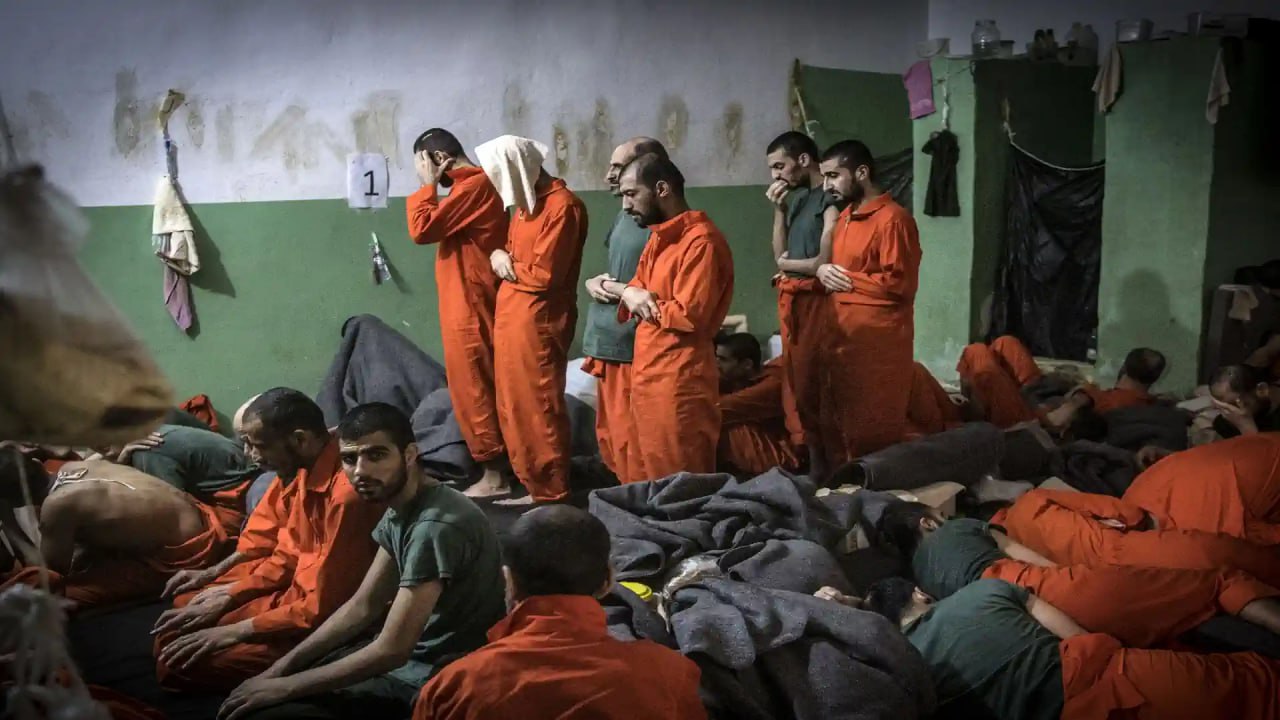
In the latest issue (No. 517) of its weekly publication Al-Naba, ISIS published an infographic summarizing its activities over the past 70 days in eastern Syria.
During a meeting in Moscow, Russian President Vladimir Putin announced that the Russia–Syria Joint Cooperation Committee will soon resume its activities. Both sides emphasized the expansion of strategic and economic relations.
In this text, we examine Al-Sudani’s efforts to establish ties with Al-Jolani’s administration and outline the reasons behind them. Overall, ten factors can be identified, grouped into four categories. In recent years, several security-related files have emerged between the two countries, with the following being the most notable.
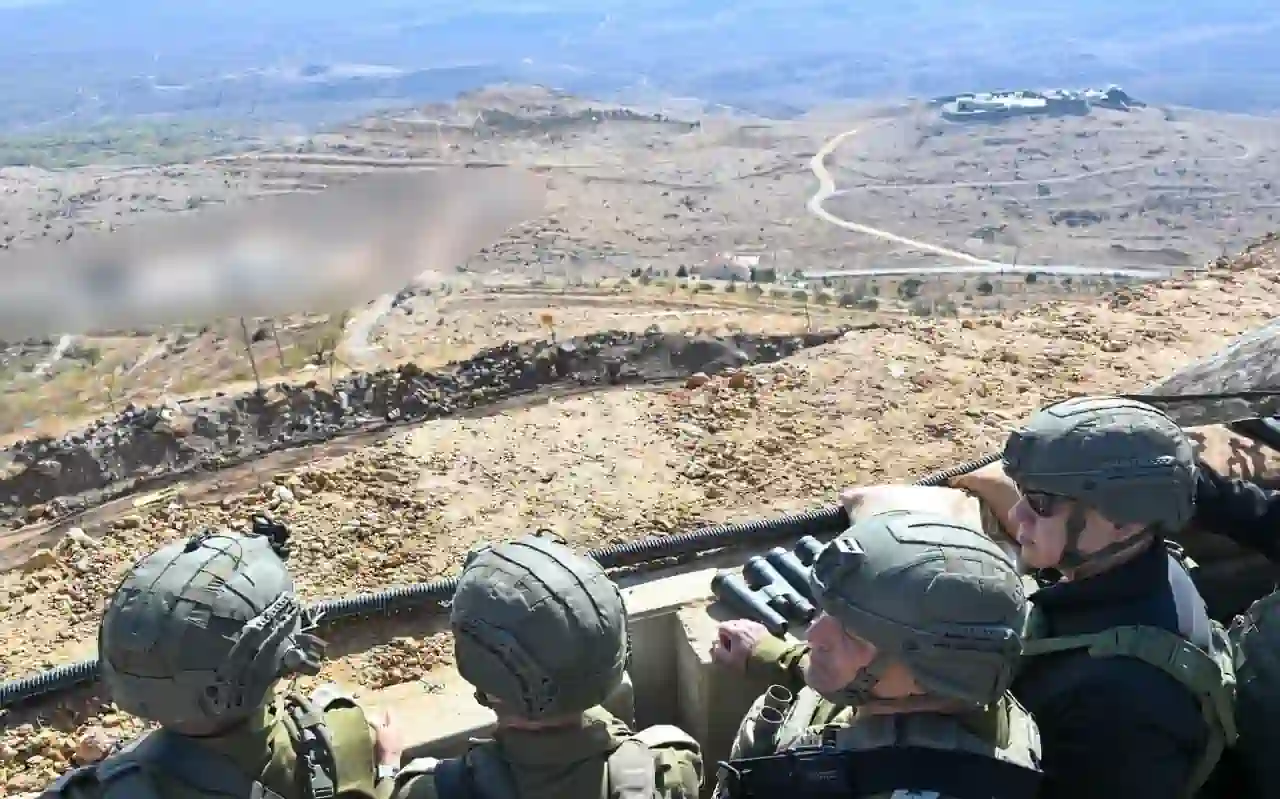
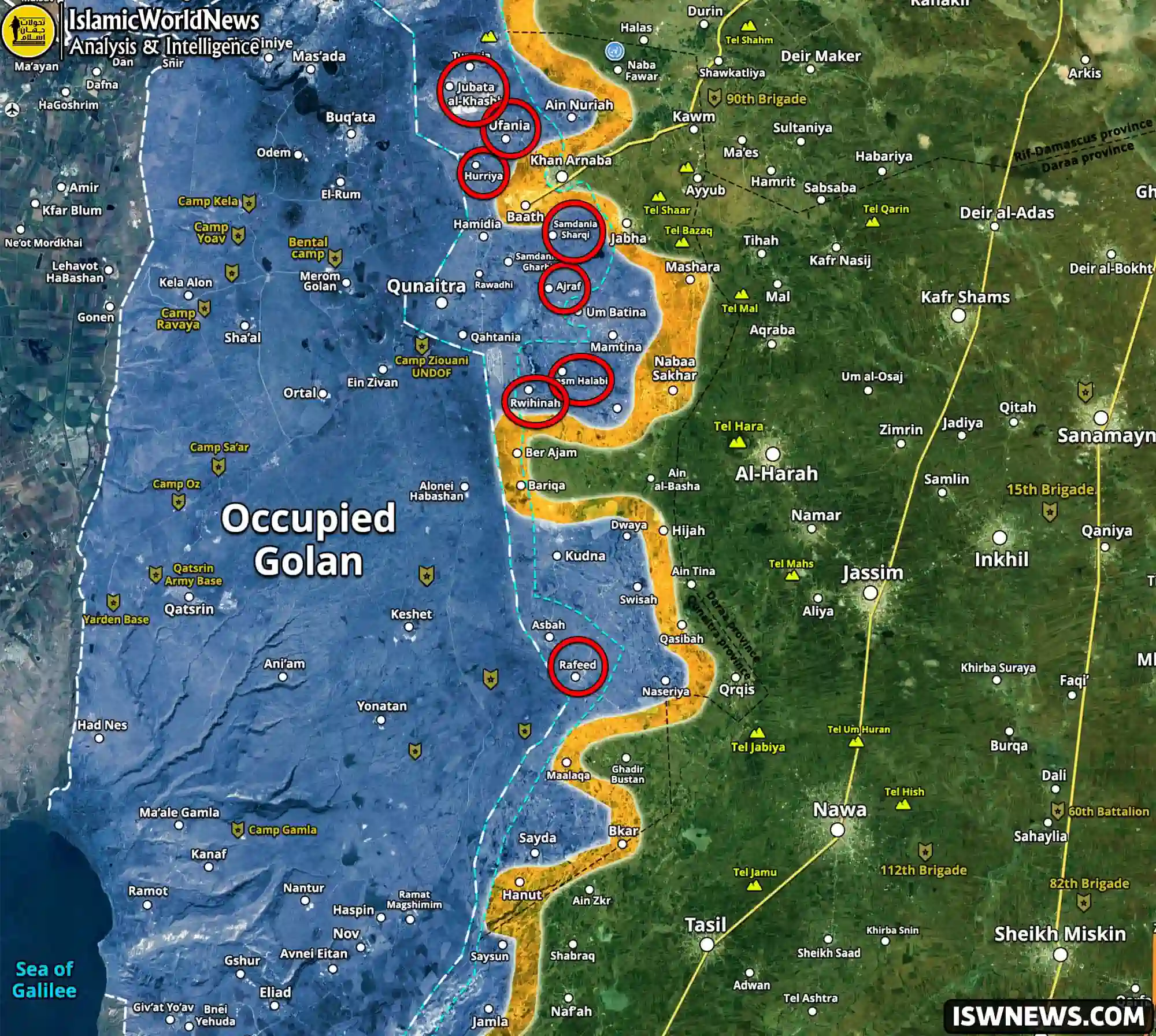
Over the past 24 hours, Israeli military forces have carried out several field operations and maneuvers in Quneitra province. These activities have primarily taken place along strategic routes connecting key villages and included the setup of temporary checkpoints.
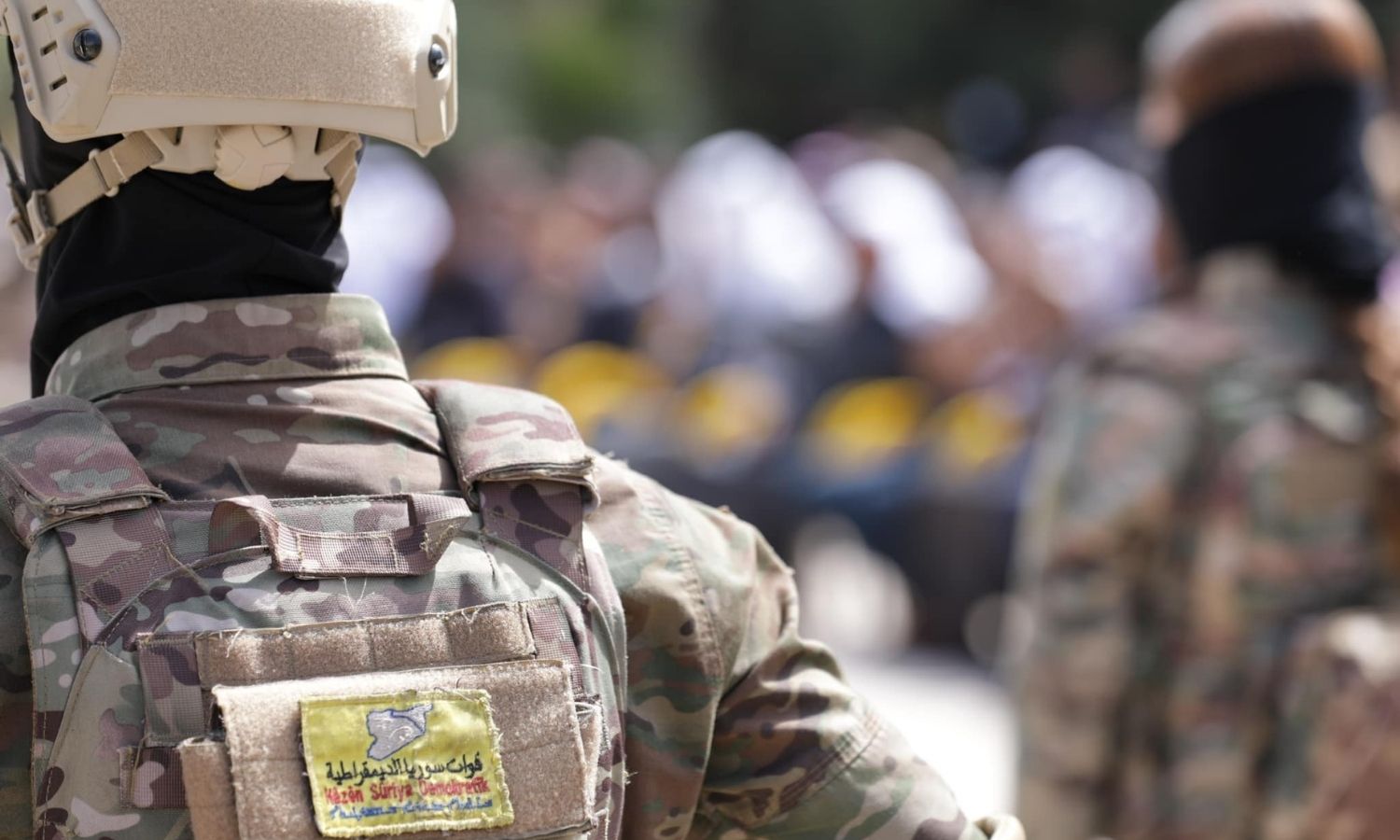
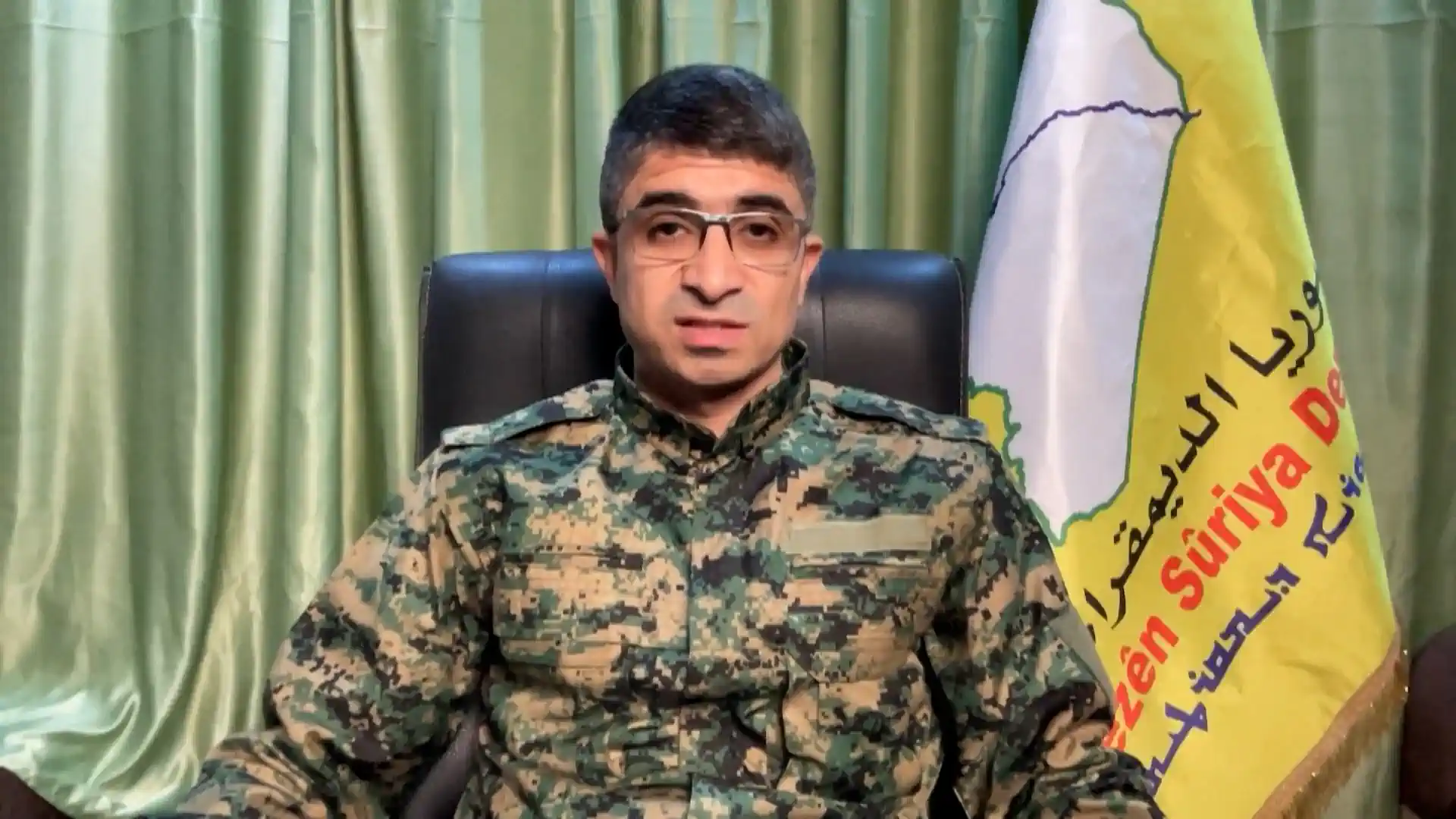
Mazloum Abdi, Commander-in-Chief of the Syrian Democratic Forces (SDF), stated in an interview with a Kurdish network that negotiations took place last week between delegations from the Autonomous Administration of North and East Syria (AANES) and officials from Syria’s interim government in Damascus
A roadside bomb explosion in the town of Jabab, located in Syria’s Daraa province, killed Maher Kanhosh, a former commander of the Khalid ibn al-Walid group—an ISIS-affiliated faction.
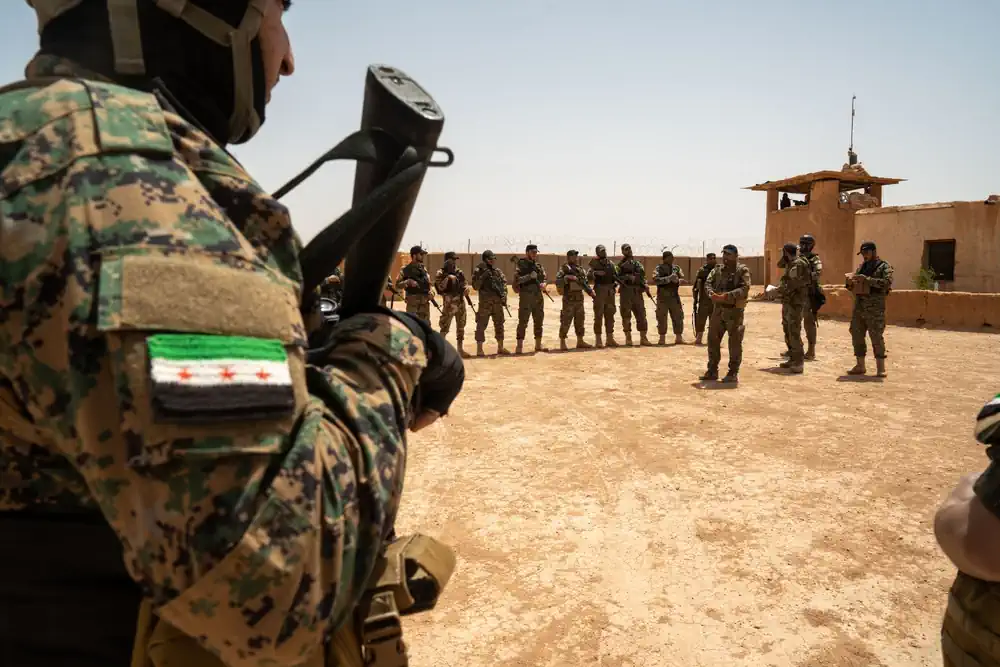
The United States Senate, in its recent session, overwhelmingly passed the draft defense budget for fiscal year 2026. According to the resolution, the U.S. government is authorized to allocate $130 million from the total defense budget to support the Syrian Democratic Forces (SDF) in the northeast and the Free Syrian Army (Jaysh al-Suriya al-Hurra) in southern Syria.
Syrian Foreign Minister Asaad al-Shaibani visited Beirut on October 10, accompanied by Justice Minister Mazhar al-Wais and Intelligence Chief Hassan Salama. He held talks with Lebanese President Joseph Aoun and Prime Minister Nawaf Salam.
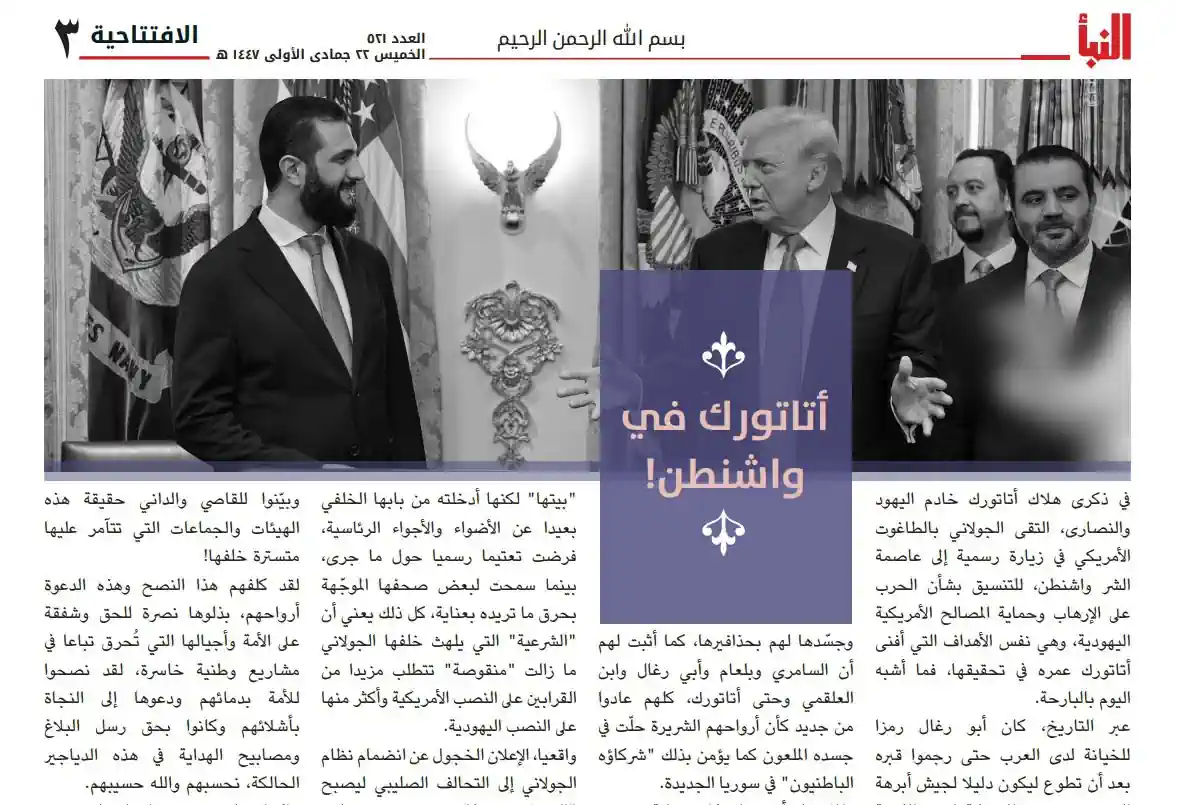
Abu Mohammad al-Jolani (Ahmad al-Shara), acting president of Syria, held talks in Damascus with Thomas Barrack, U.S. special envoy for Syrian affairs, and Gen. Charles Bird Cooper, commander of U.S. Central Command (CENTCOM).
After two nights of armed confrontations between Syrian government forces and the Syrian Democratic Forces (SDF) in Aleppo’s Kurdish neighborhoods of Ashrafiyeh and Sheikh Maqsoud, hostilities have now ceased. The pause follows an SDF request to initiate negotiations and propose a ceasefire.
Tensions flared again last night between the Syrian Army and Syrian Democratic Forces (SDF) in eastern Aleppo. The SDF accused Damascus of launching drone and artillery strikes on Deir Hafer, injuring seven personnel—three in a drone attack and four from a strike on an internal security patrol.
The Druze minority—spread across Syria, Lebanon, Jordan, and the occupied territories—follows a secretive, independent faith rooted in Islam but infused with diverse teachings. In Syria, they number over half a million, making up roughly 3% of the population. Known for loyalty to their host nations, Druze communities have played mediating roles in Lebanon and even serve in Israel’s military, unlike other Arab minorities. Despite political differences, strong familial and cultural ties sustain a shared sense of identity across borders.