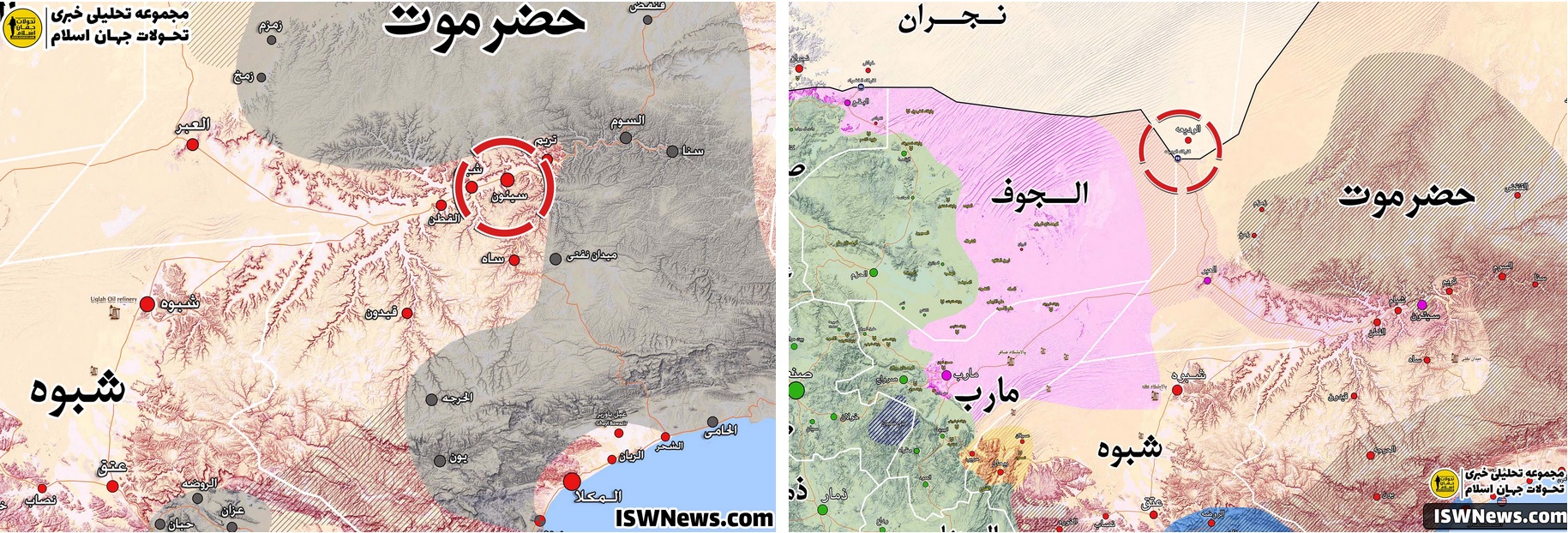
Hadhramaut: On June 3, the Yemeni Congregation for Reform (Al-Islah Party) announced its readiness to engage in a decisive battle against militants affiliated with the Southern Transitional Council (STC) in Hadhramaut Governorate. This event coincided with the arrival of extensive auxiliary forces of the militants of the Yemeni Congregation for Reform in the form of Al-Dara al-Watan forces to the city of Seiyun and the Al-Wadea border crossing in preparation for the upcoming battle.
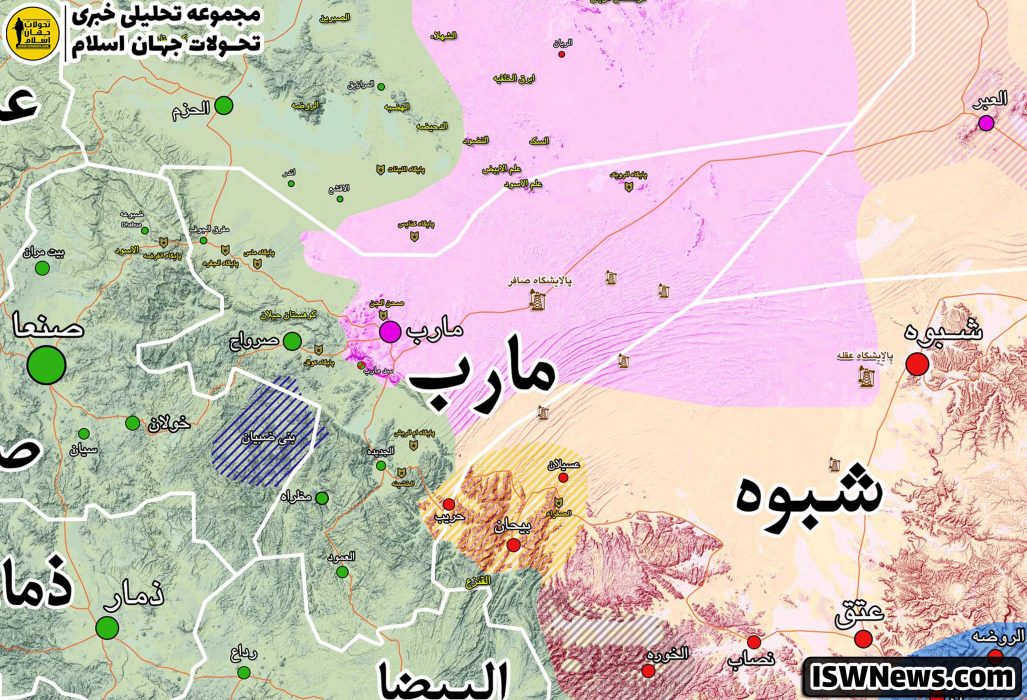
Marib: On June 3, American reconnaissance drones flew for several hours in the sky of the city of Marib. The city of Marib is under the control of the Yemeni Congregation for Reform militants. Given the past attacks by American drones on elements of the al-Qaeda terrorist group in Marib, it is likely that this flight was also carried out for the same reason.
Sana’a: During the operation of the Ansar Allah security forces against the illegal annual general assembly of the Baha’i community in the city of Sana’a, 17 Yemeni Baha’is, including five women, were arrested. The human rights watchdog in Yemen has called for the immediate release of the individuals and the condemnation of Ansar Allah’s actions against the Baha’i sect in Yemen.
Al Hudaydah: – On June 2, a Mi-17 helicopter of the Yemeni Air Force patrolled the coast of Al Hudaydah Governorate. The helicopter had previously been used in the Marib battles and to assist the besieged town of Al-Durayhimi in 2018 to 2020.
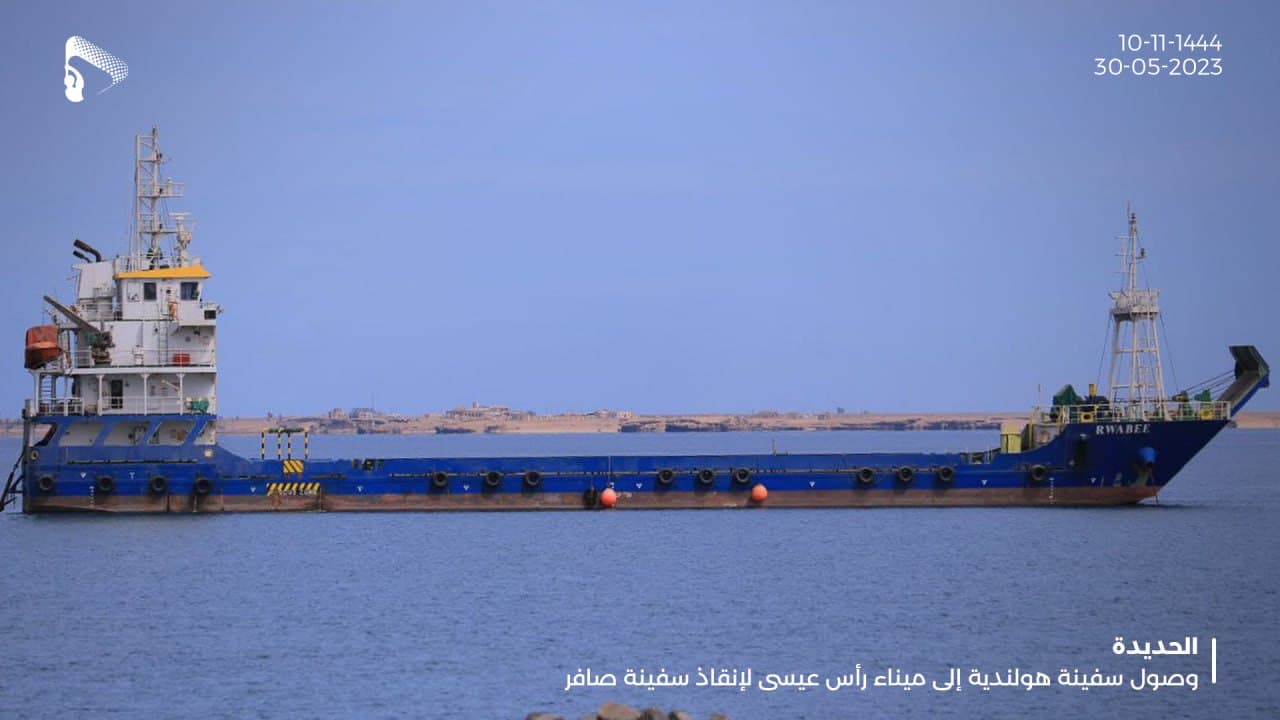
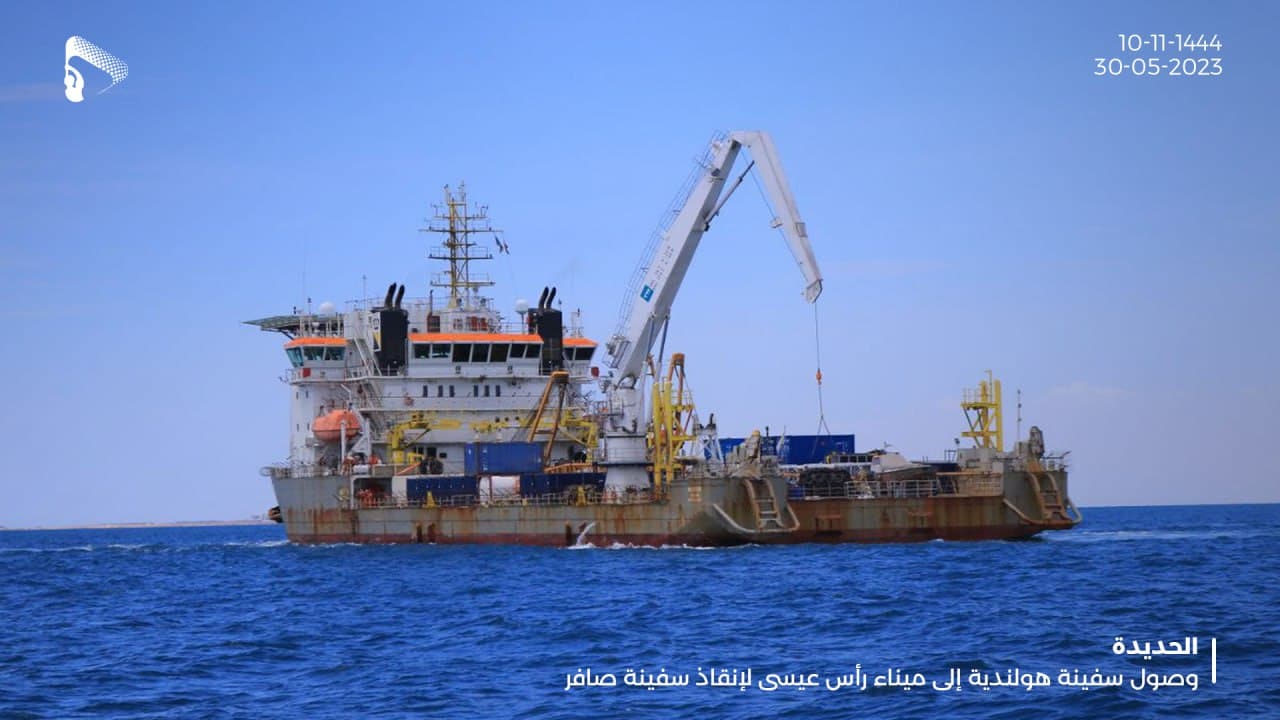
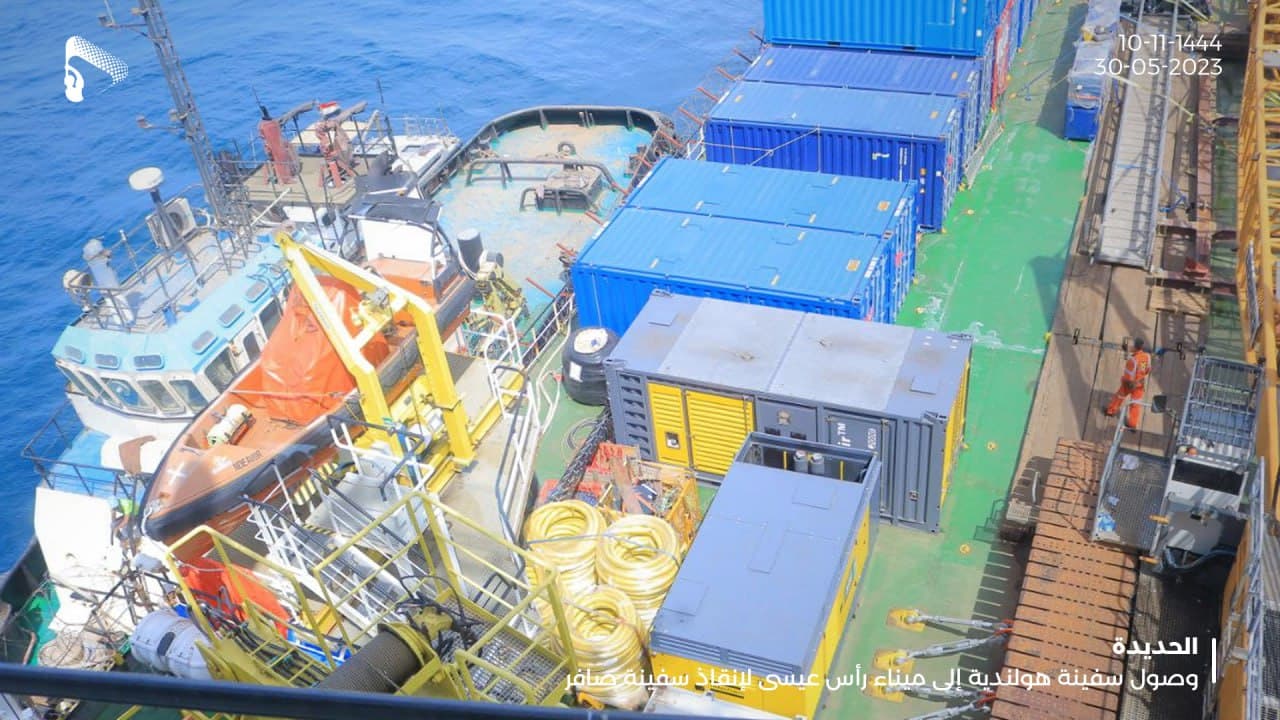
– On May 31, the Dutch ship “Ndeavor” entered Ras Isa port in Al Hudaydah Governorate for rescue operation and prevention of oil leakage from the Safer tanker in the Red Sea. The Committee for Monitoring the Implementation of the FSO Safer supertanker repair and maintenance agreement held a press conference with the presence of domestic and international media upon the arrival of the Dutch repair and maintenance team in Al Hudaydah. David Gressly, UN Coordinator for Humanitarian Affairs in Yemen, said at the conference that crude oil pumping operations on this ship will begin within ten days to two weeks. He also announced that FSO Safer supertanker safety operations will be carried out in four stages, including emptying oil from the tank.
– On June 7, local sources reported that repair work had been completed and Al Hudaydah airport was ready to carry out UN flights. The sources say that a number of UN experts will soon enter Al Hudaydah airport from Djibouti to transport equipment and carry out logistical preparations for emptying oil from the Safer super tanker.
– Saudi-led coalition forces violated the ongoing ceasefire 345 times in Al Hudaydah fronts over the past 48 hours. The ceasefire includes cessation of bombardment and flight of offensive and reconnaissance drones, artillery attacks, gunfire and other violations.
– Saudi-led coalition’s drones pounded Ansar Allah movement’s positions in Hays district and Maqbanah and Al-Jabaliyah districts 17 times over the past 48 hours.
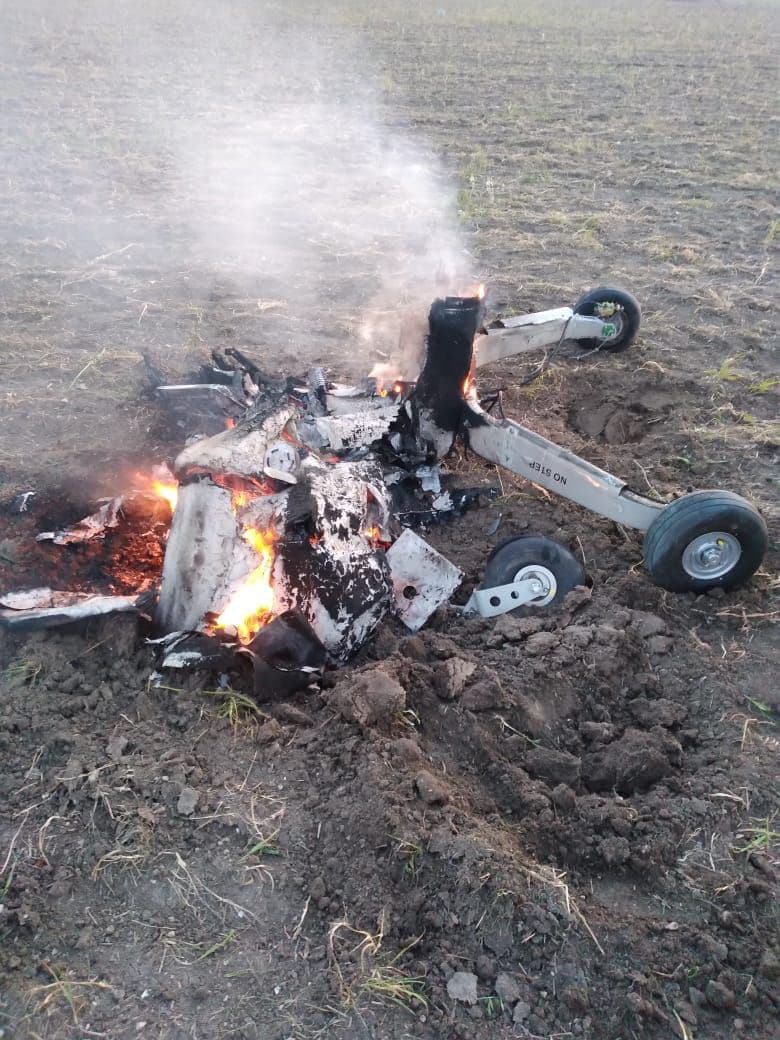
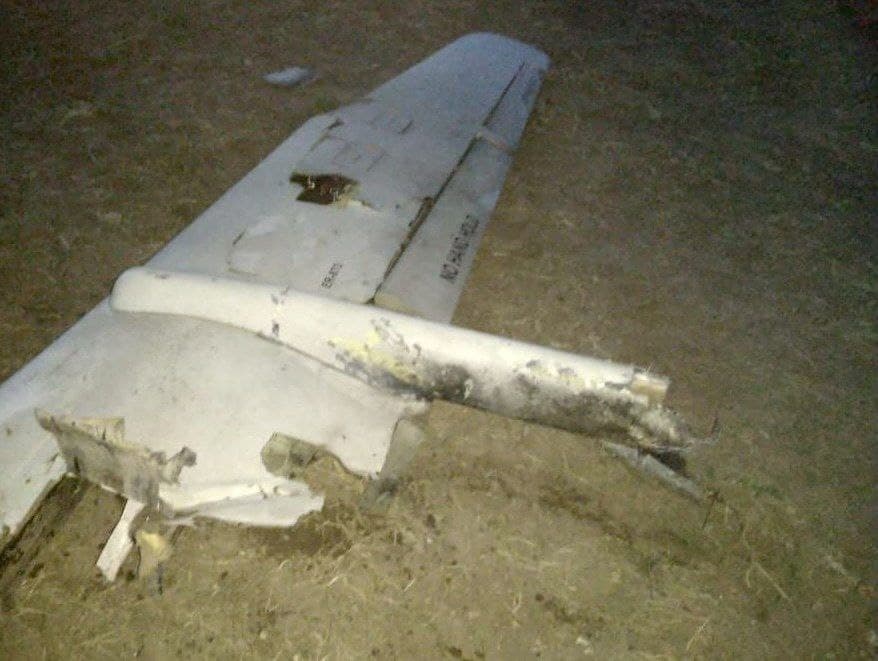
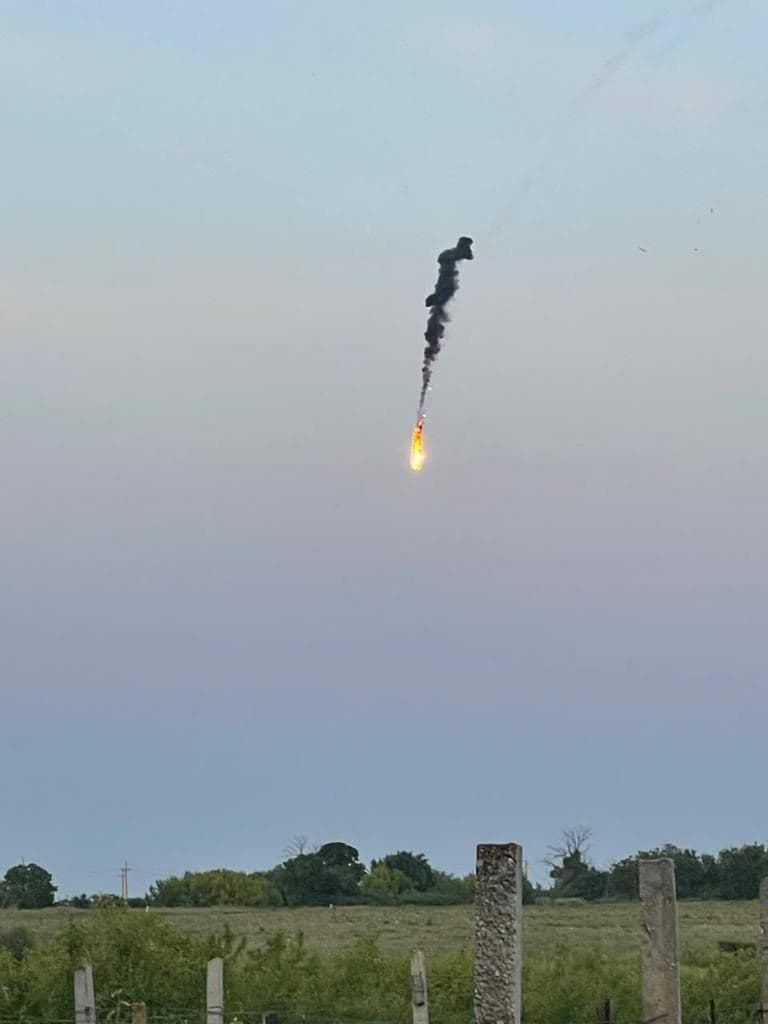
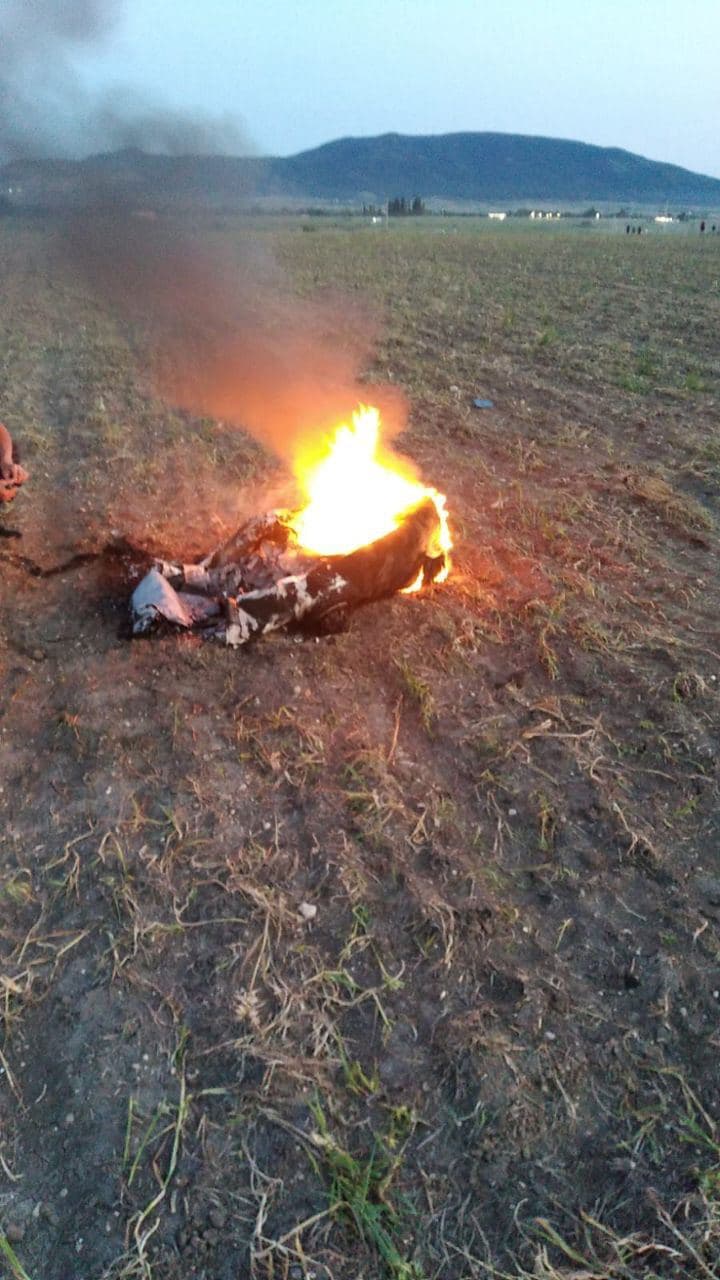
At first, local sources in the Crimean peninsula said that the Russian air defense systems shot down an unknown drone in the eastern regions of Crimea on the evening of June 6. A little later, with the release of images of the wreckage of the targeted drone, it was revealed that this drone is of the Mohajar-6 type. Also, in another image, the wreckage of the drone can be seen burning, which rejects the idea that it fell due to a technical defect. Therefore, it is most likely that it was targeted by the Russian air defense and by mistake.
This is the second Mohajer-6 drone to be shot down during the war in Ukraine. Previously, in 23 September 2022, a Mohajer-6 crashed in the Black Sea near the coast of Odesa, which confirmed the claim of selling Iranian UAVs to Russia.
Mohajer-6 is a medium-class multirole drone and Iran’s most successful export drone. So far, Iran exported this drone to countries like Iraq (Hashd al-Shaabi), Ethiopia, Venezuela and Russia.
Alleged wreckage of Mohajer-6 drone downed in Crimea
So far, no group has claimed responsibility for this attack, but considering previous attacks, it is likely that this attack was carried out by the Iraqi resistance groups.
This is the second rocket attack against Bashiqa military base in 2023. It is worth mentioning that last time, in February 1, the Bashiqa military base was targeted with 20 rockets fired by the slamic Resistance Liwa Ahrar al-Iraq.
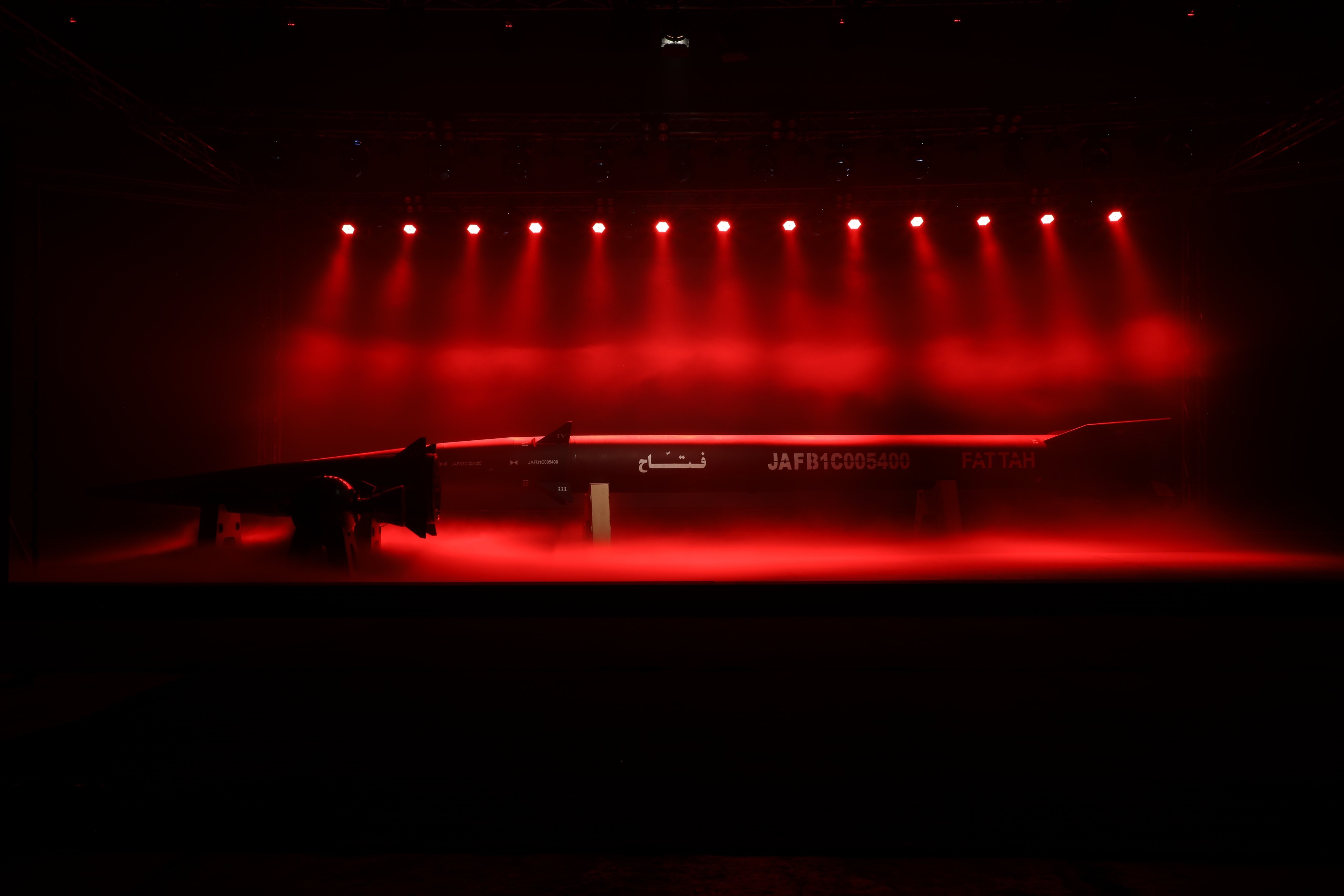
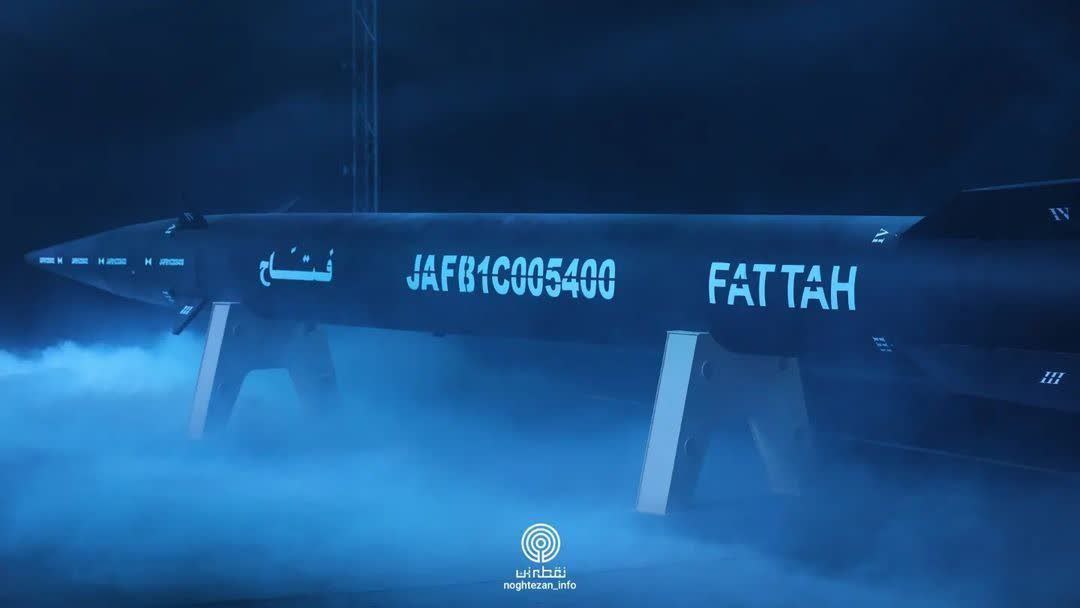
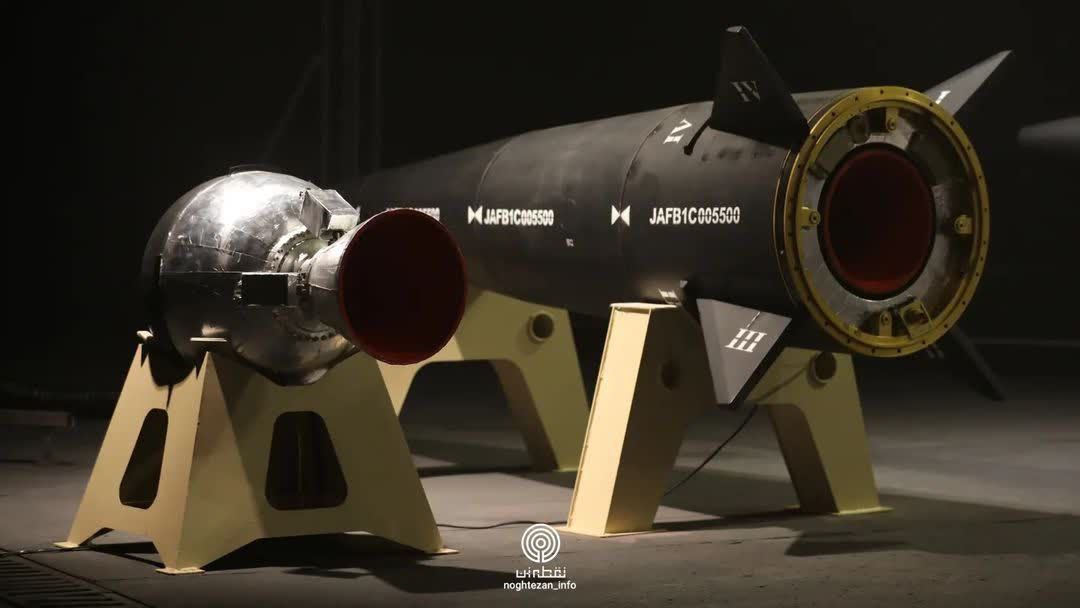
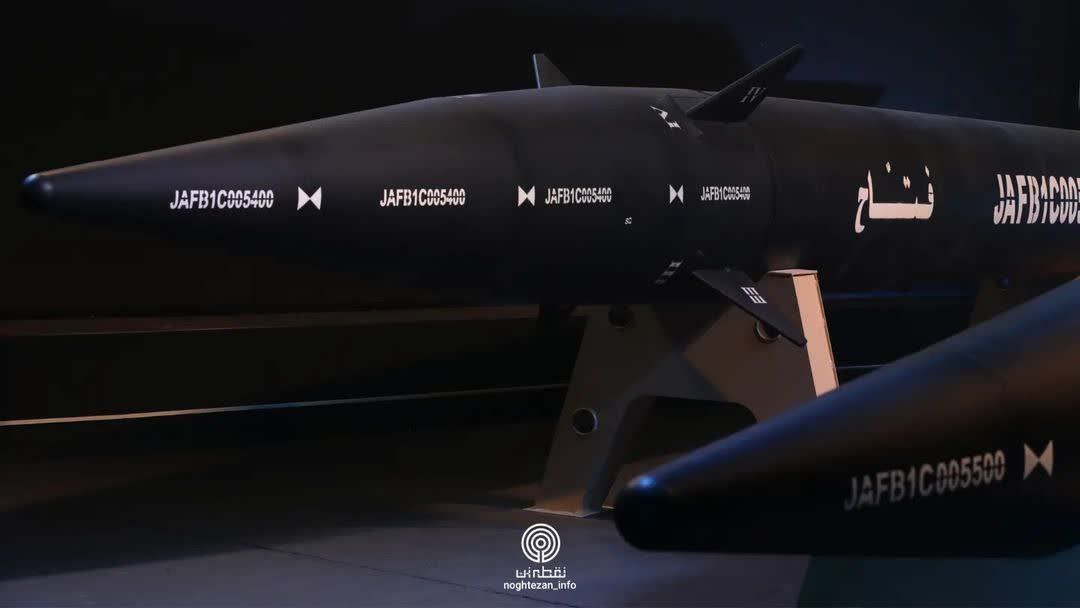
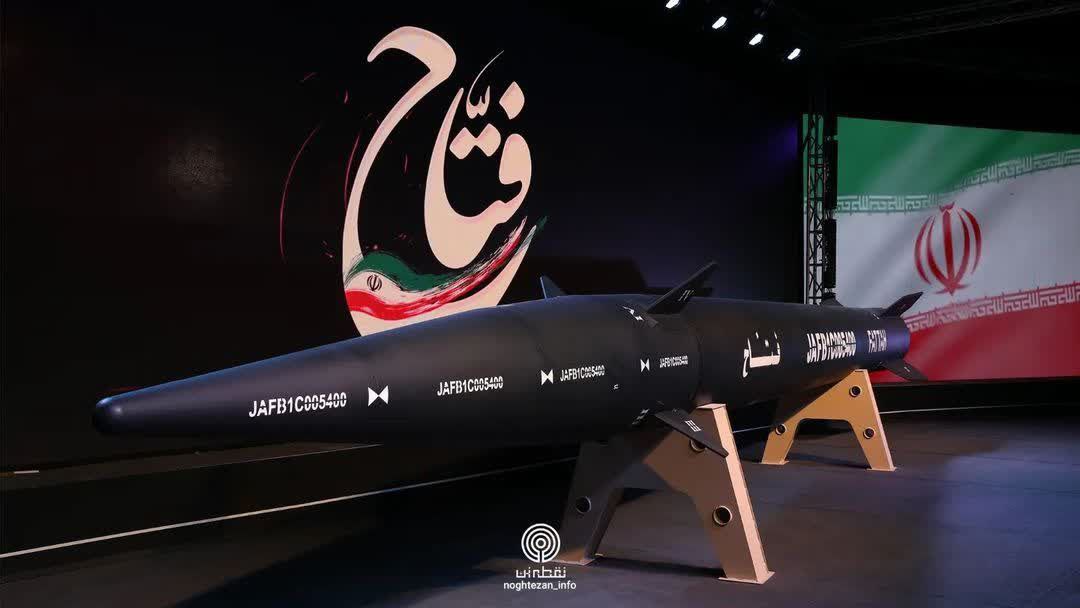
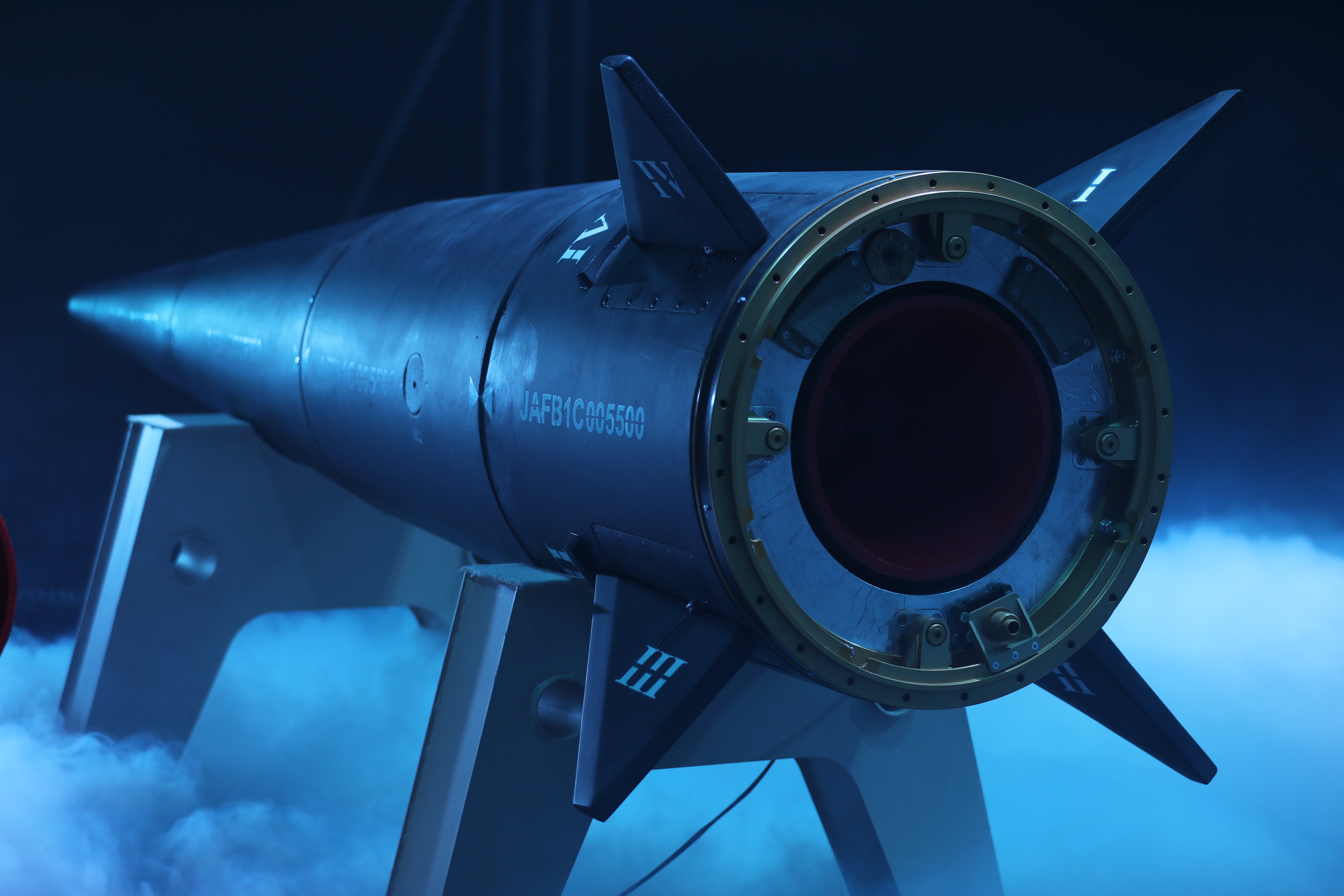
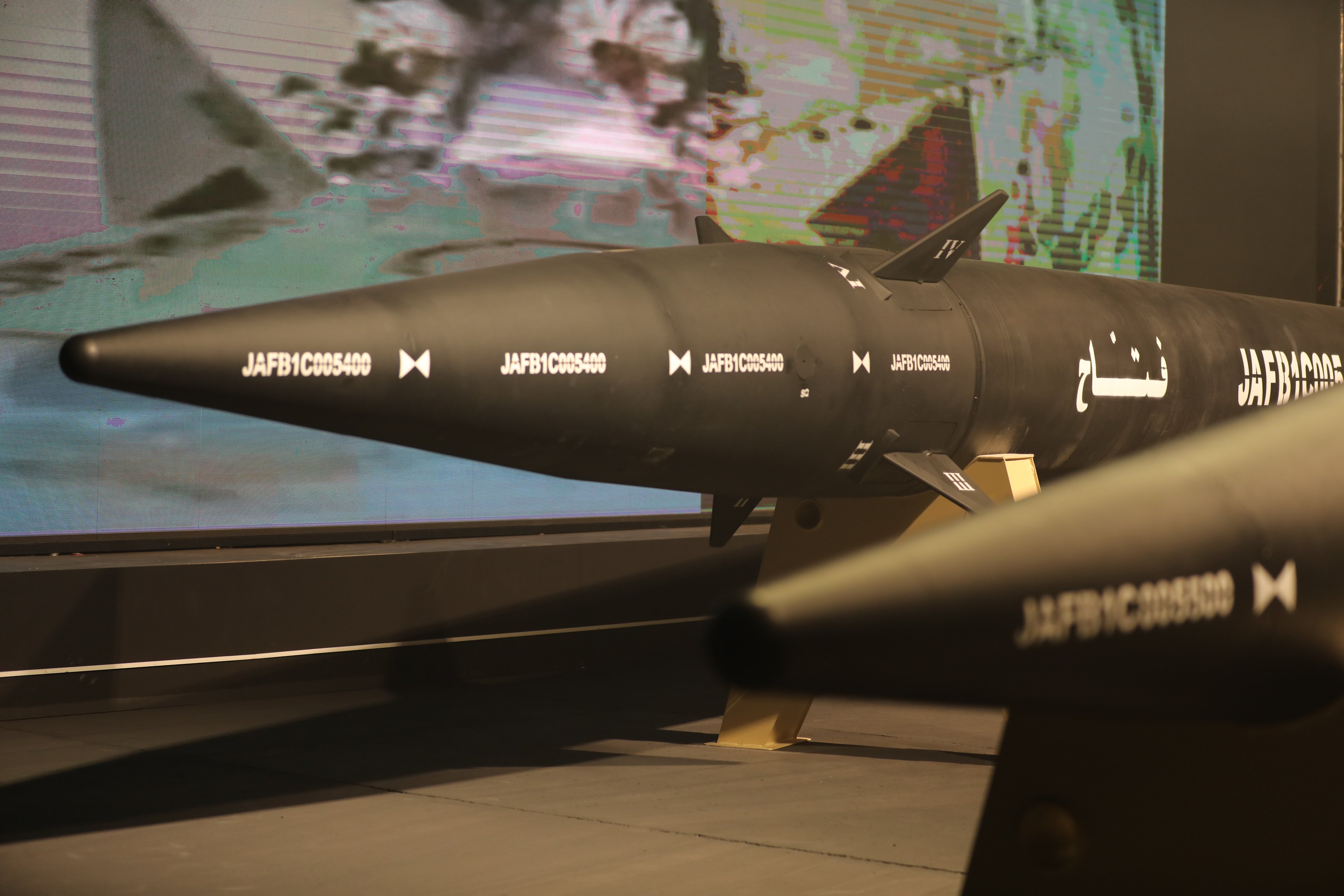
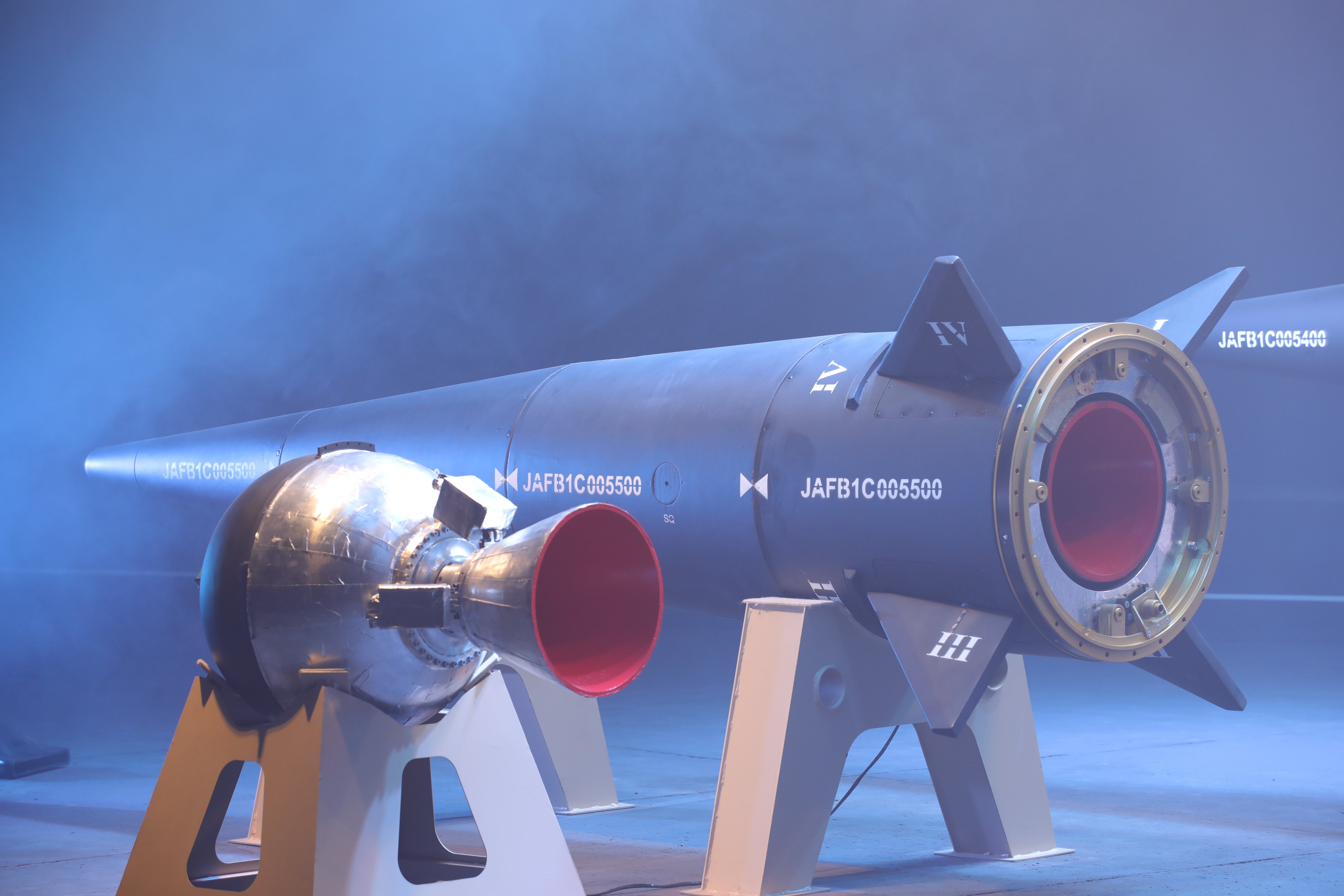
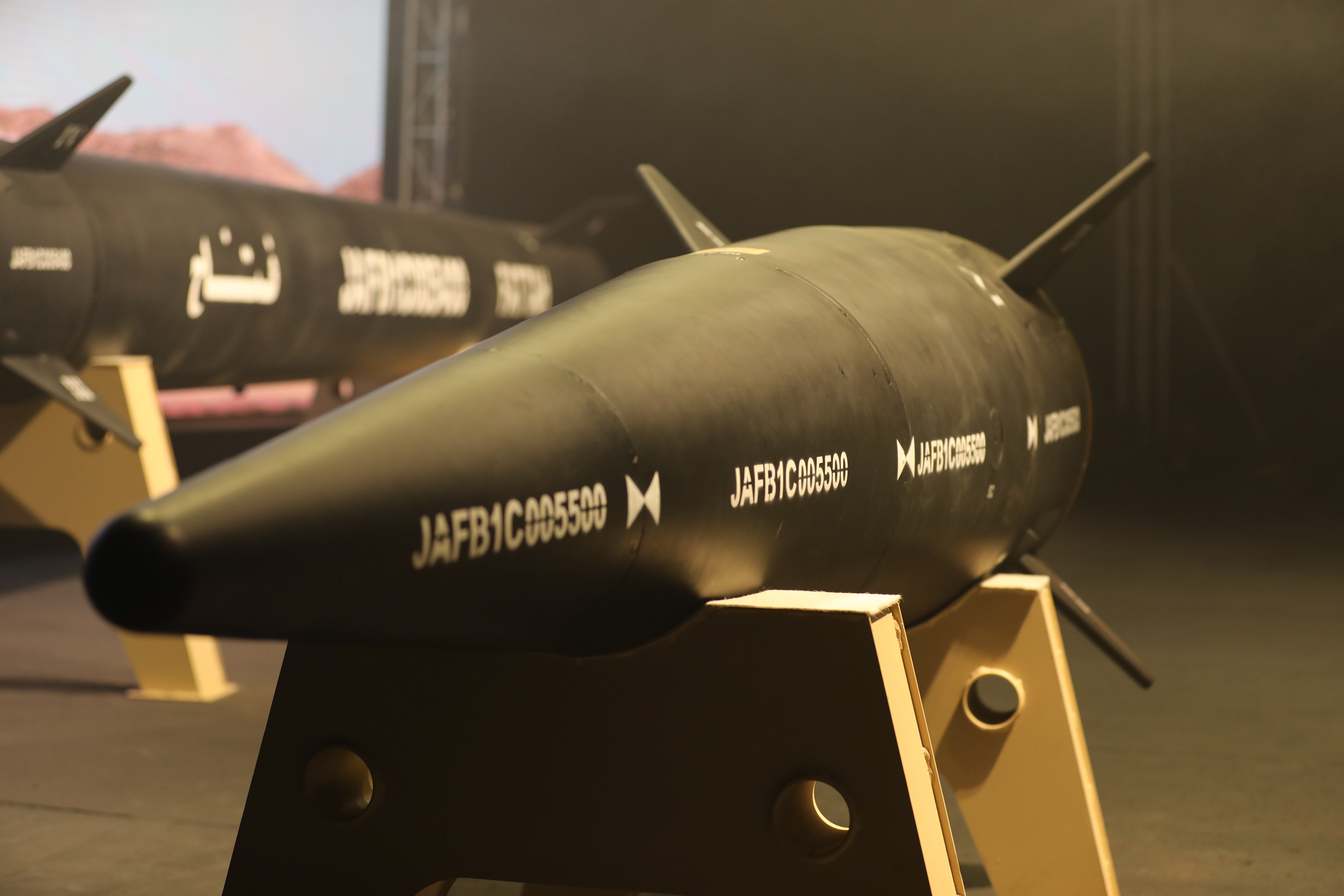
The state-of-the-art strategic achievement of the Islamic Revolution Guards Corps’ Aerospace Force was unveiled on June 6 in the presence of President Ebrahim Raisi and Commander-in-Chief of the Islamic Revolution Guards Corps Major General Hossein Salami as well as Commander of the IRGC Aerospace Force Brigadier General Amir-Ali Hajizadeh at the headquarters of the force.
The Fattah hypersonic missile possesses a range of 1,400 kilometers and it is capable of penetrating all missile shield systems and destroying them. This type of missile is among the state-of-the-art weapons and equipment that are currently being produced and utilized by countries such as the United States, Russia and China.
The hypersonic missile enjoys significant accuracy, very high speed, and extraordinary maneuverability as well as the ability to become undetectable and penetrate radar systems.
The Fattah missile has tactical capabilities due to its solid fuel propulsion system as well as its ability to reach very high speeds and also to perform various maneuvers inside and outside the atmosphere of the earth in order to overcome various types of air defense systems of enemies. The range of this missile is 1400 kilometers and it is said that its speed prior to hitting the target is 13 to 15 Mach.
Fattah hypersonic missile unveiling ceremony in Tehran, June 6 – click to view full size
Brigadier General Hajizadeh said at the unveiling ceremony of the Fattah hypersonic missile that the missile, which was unveiled today, is a rare missile in the world; in such a way that thanks to the unveiling of the missile, Iran turned into one of the four countries possessing the technology.
He went on to say that there is not any no anti-missile projectile, which can hit the Fattah missile, because of its technology; while there is an anti-missiles for other weapons such as tanks, ships, airplanes and so on, and even anti-missiles have been built for other missiles. According to the military official, there is no missile shield that has been very successful in the face of this type of missile; on the other hand, three missiles must be fired to hit one hypersonic missile, and of course, the price of one anti-missile projectile is 20 times more expensive than the targeted missile.
He further stated that the Fattah missile cannot be destroyed by any missile due to its movement in different directions and altitudes; because anti-missile projectiles move according to a specific vector, which have a lower speed comparing to the speed of the hypersonic missiles.
Advertising video of Fattah missile – A video of the launching steps and how it works until hitting the target
The IRGC Aerospace Force commander also emphasized that missile program in Iran has been supported and approved by the Supreme Commander-in-Chief Ayatollah Seyyed Ali Khamenei from the day one up to now. When we presented a report on the construction of the missile to the Supreme Leader, He designated the missile as “Fattah,” he added.
Hajizadeh noted that the cooperation between the Revolution Guards Corps and the government has never been as much as it is now; therefore, we are very grateful for the collaboration by the Ministry of Defense.
It should be mentioned that earlier in October 2022, Hajizadeh declared on the sidelines of the martyrdom anniversary of Tehrani Moghadam at the headquarters of the IRGC Aerospace Force that they are working on manufacturing a hypersonic ballistic missile, saying that the missile has a high speed and can maneuver inside and outside the atmosphere.
After awhile, he elaborated on Iran’s hypersonic missiles during his presence on a televised program in March 2023, noting that the speed of Iran’s hypersonic missiles is more than 12 to 13 Mach and the most important advantage of the hypersonic missiles is that the enemies will not be able to destroy them by using their missile defense systems and he confidently said that the foes will not be able to build a system to counter such missiles for coming decades.
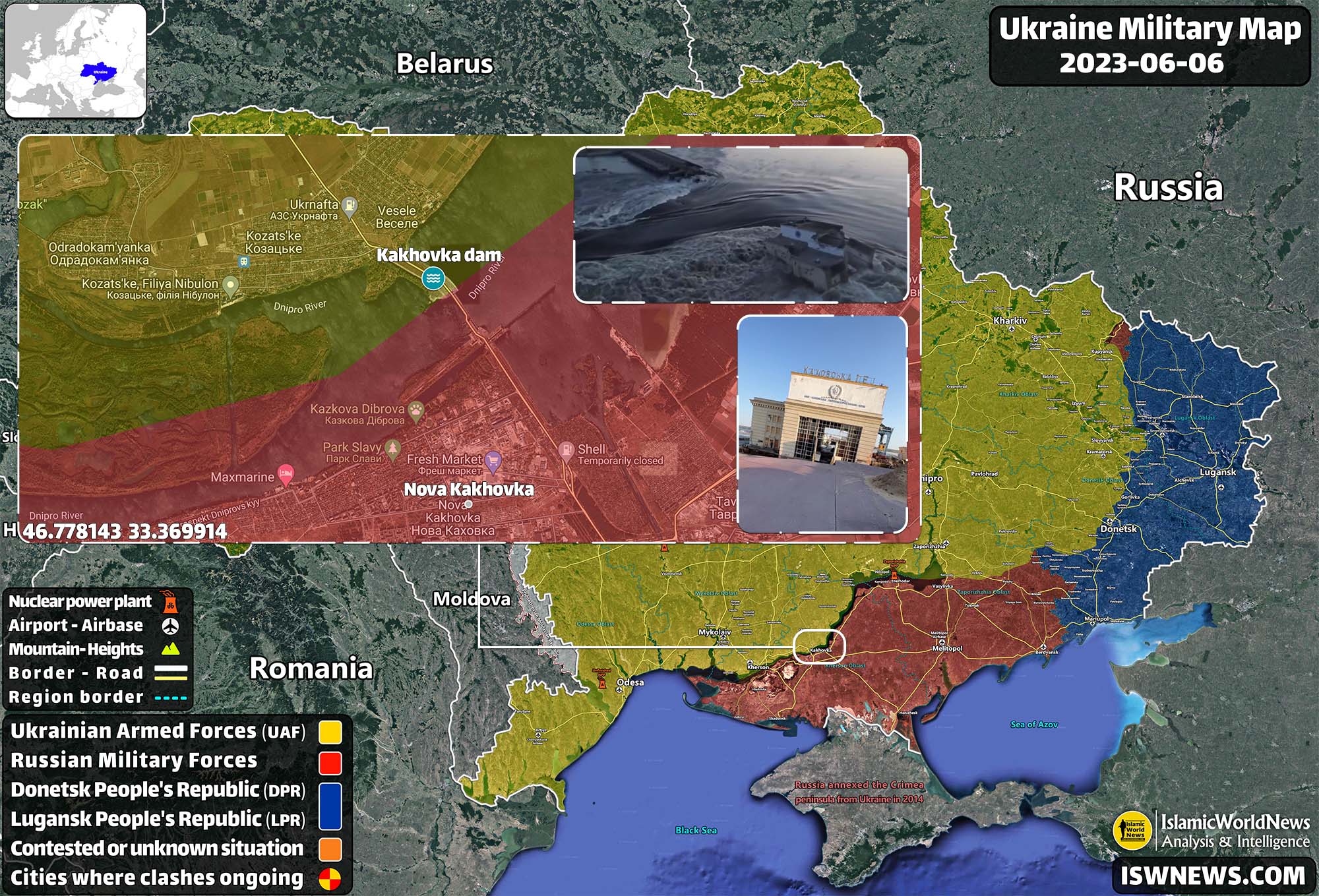
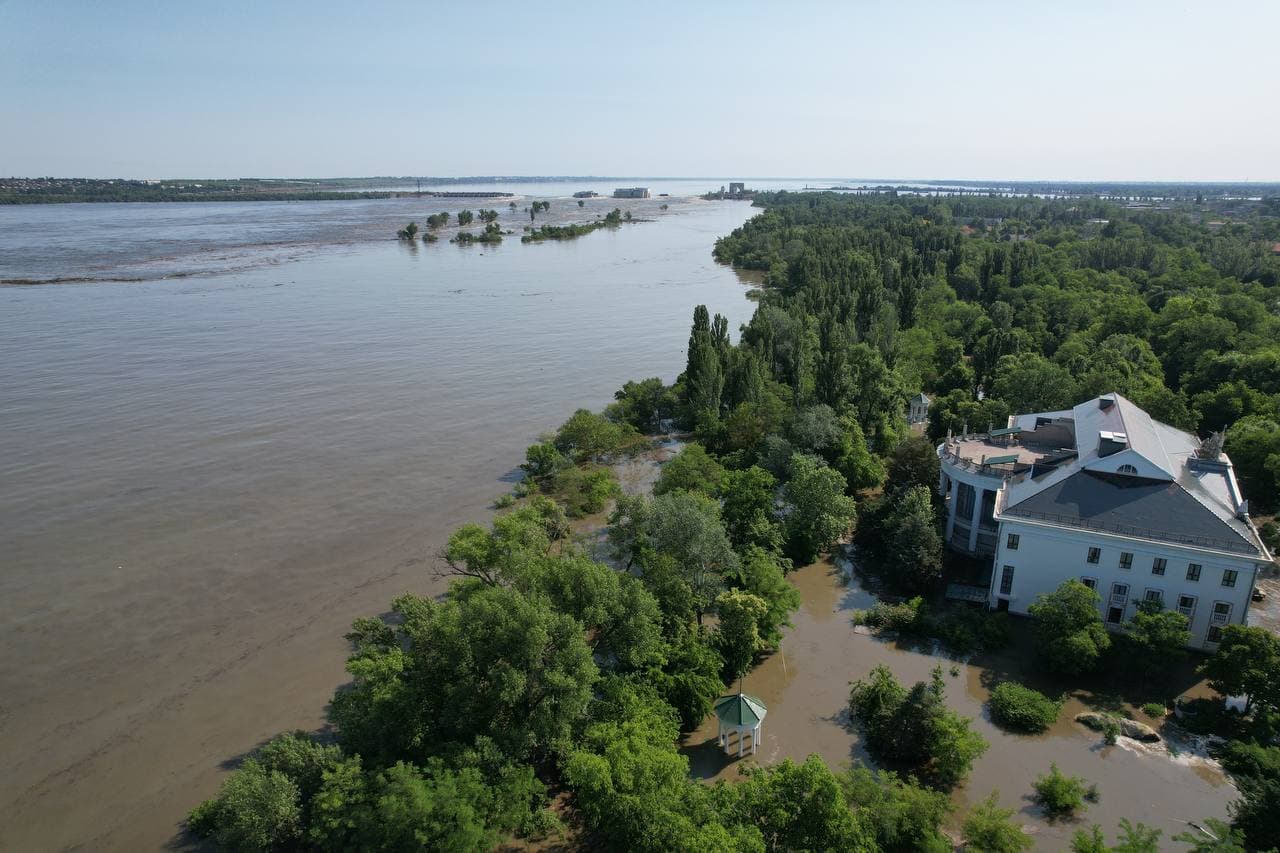
The Armed Forces of Ukraine claims that the Russian army blew up the dam, but Russian media outlets, quoting local sources, allege that the dam was blown up because of a Ukrainian strike.
The Nova Kakhovka dam was built on the Dnieper River in 1956 to supply water to the Kakhovka hydroelectric power plant and also to supply water to the Crimean Peninsula as well as the Zaporizhzhya nuclear power plant. The dam has a reservoir of 18 cubic kilometers, and it is 30 meters high and 3200 meters long.
Given the establishment of a defensive line by Russian military forces at the eastern bank of of the Dnieper River and the river’s role as a natural barrier, which prevents from Ukraine’s attacks to the east of the Dnieper, it is likely that the Ukrainian army planned to destroy the Russian defense line by launching a water flow in this direction. Moreover, as a result of the declining of water level in the Dnieper River, it will be easier for Ukrainian boats to cross the river.
Click to view full sizeKakhovka dam after destructionKakhovka dam after destructionThe city of Nova Kakhovka after the destruction of the Kakhovka Dam
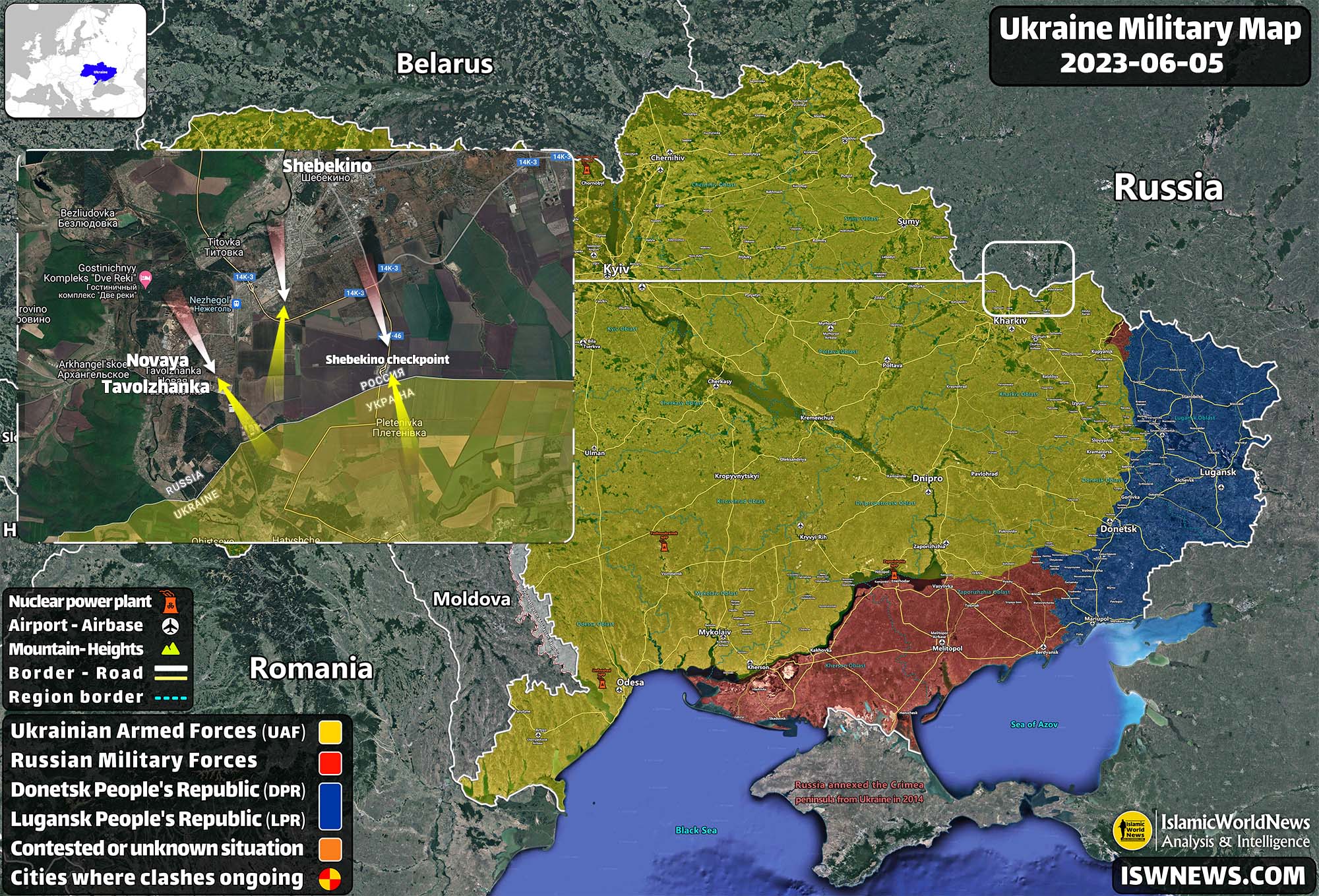
Russia’s media outlets have reported that the Russian Armed Forces along with border guards and other units of the Federal Security Service (FSB) succeeded in repelling a strike by the Armed Forces of Ukraine and the militants of the Russian Volunteer Corps (RDK) to carry out a terrorist operation in the town of Shchekino (Shchyokino) in the western of Belgorod region.
According to the Russian reports, two military groups from the Armed Forces of Ukraine and the Russian Volunteer Corps (RDK) with the support of tanks and artillery of the Ukrainian army intended to enter the towns of Novaya Tavolzhanka and Shchekino in Russian territory at 3 am (Moscow time) on Thursday (June 1), but their attack was unsuccessful due to the efforts made by the Russian military forces.
The Russian Ministry of Defense declared that in the operation, fighter jets carried out 11 air strikes and artillery units carried out 77 attacks against the Ukrainian forces. The military operation resulted in the death of more than 30 Ukrainian forces as well as the destruction of four armored vehicles, one Grad rocket launcher and a military van.
In the beginning of the confrontation, Ukrainian armed forces succeeded in capturing a Shebekino border post, and militants of the Russian Volunteer Corps also infiltrated the towns of Novaya Tavolzhanka and Shebekino, where they took some Russian army forces captive.
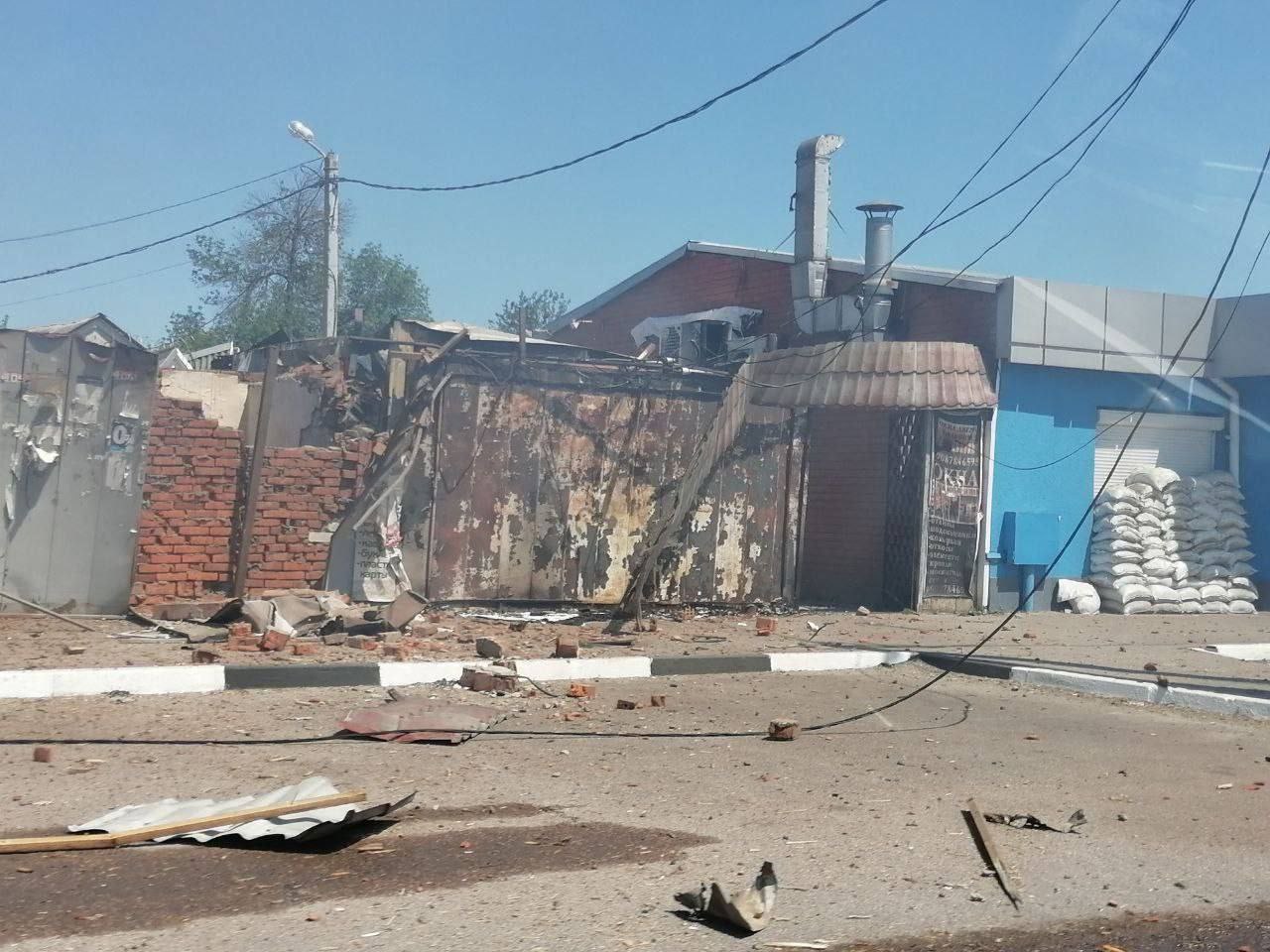
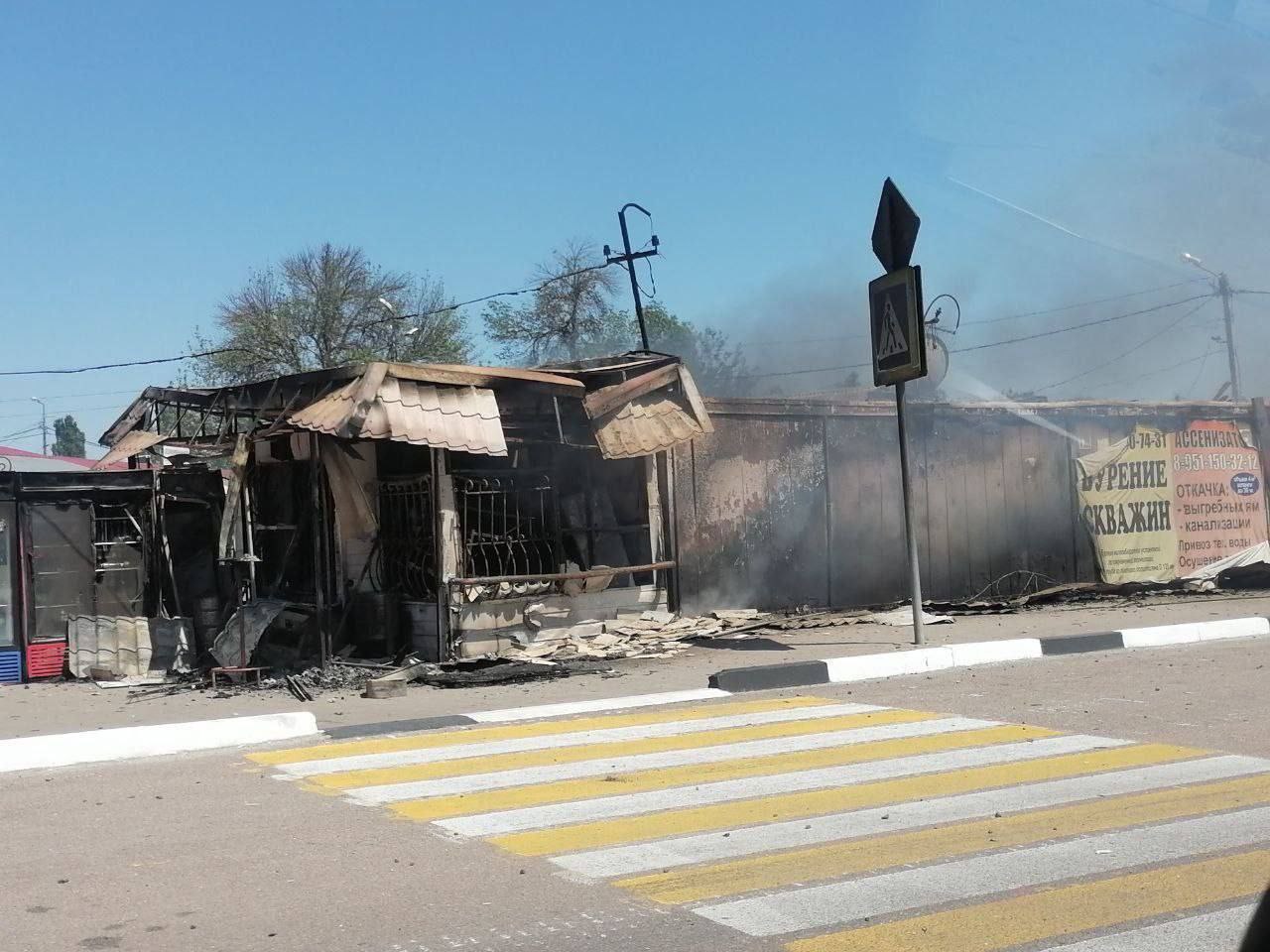
However, after a few minutes the Russian Armed Forces bombarded the positions of Ukrainian military forces at the Shebekino border post and RDK militants in the towns of Novaya Tavolzhanka and Shebekino; then the Russians cleared the areas from the control of Ukrainian armed forces and militants of the Russian Volunteer Corps.
After this initial encounter, militants of the Russian Volunteer Corps offered local Russian authorities a prisoner swap at the church of Novaya Tavolzhanka town in a video message. And governor of Belgorod Vyacheslav Gladkov responded positively to the prisoner exchange request and demanded the delivery of prisoners at the Shebekino post, but the exchange meeting turned into a conflict and Russians attacked the exchange site in an air strike.
Then, militants of the Russian Volunteer Corps released a new video in which they rejected Governor Belgorod’s offer to meet at Shebekino post and announced that there would be no exchange of Russian war prisoners. (Video No. 4) The images show a total of 13 prisoners, 10 out of the number were visible present at the video recording location and three others were injured and lying on beds.
No further details have been released about the final outcome of the conflict and the fate of Russian prisoners, but Russia claims to have recaptured border areas, while the Ukrainian military forces and RDK militants released videos on June 4 to deny retreating to the Ukrainian territory. According to the video Number 5, the RDK militants are still present on the outskirts of Novaya Tavolzhanka border town and Shebekino post with the support of the Ukrainian Armed Forces, and it seems that the conflict in Russian territory is still ongoing.
Simultaneous with the mentioned attack, the Ukrainian Armed Forces launched other strikes on the Zaporozhye and Donetsk fronts, which the Russian Ministry of Defense claims to have repelled. However, field reports show that the fighting is still ongoing in the areas and some sources speak of the start of a spring operation by the Ukrainian Armed Forces, which was declared some months earlier.
Click to view full sizeRDK forces inviting Belgorod authorities to exchange prisoners in Novaya Tavolzhanka regionThe positive response of Vyacheslav Gladkov, the governor of Belgorod, to the request of Ukrainians for the exchange of prisonersUkrainian rocket attack on Shebekino checkpointThe prisoners of the Russian army in the captivity of the RDK forces and the cancellation of the exchange of prisoners by these forcesRDK forces in Novaya Tavolzhanka settlementImages of Shebekino settlement after the bombing and conflict between Russian and Ukrainian forces
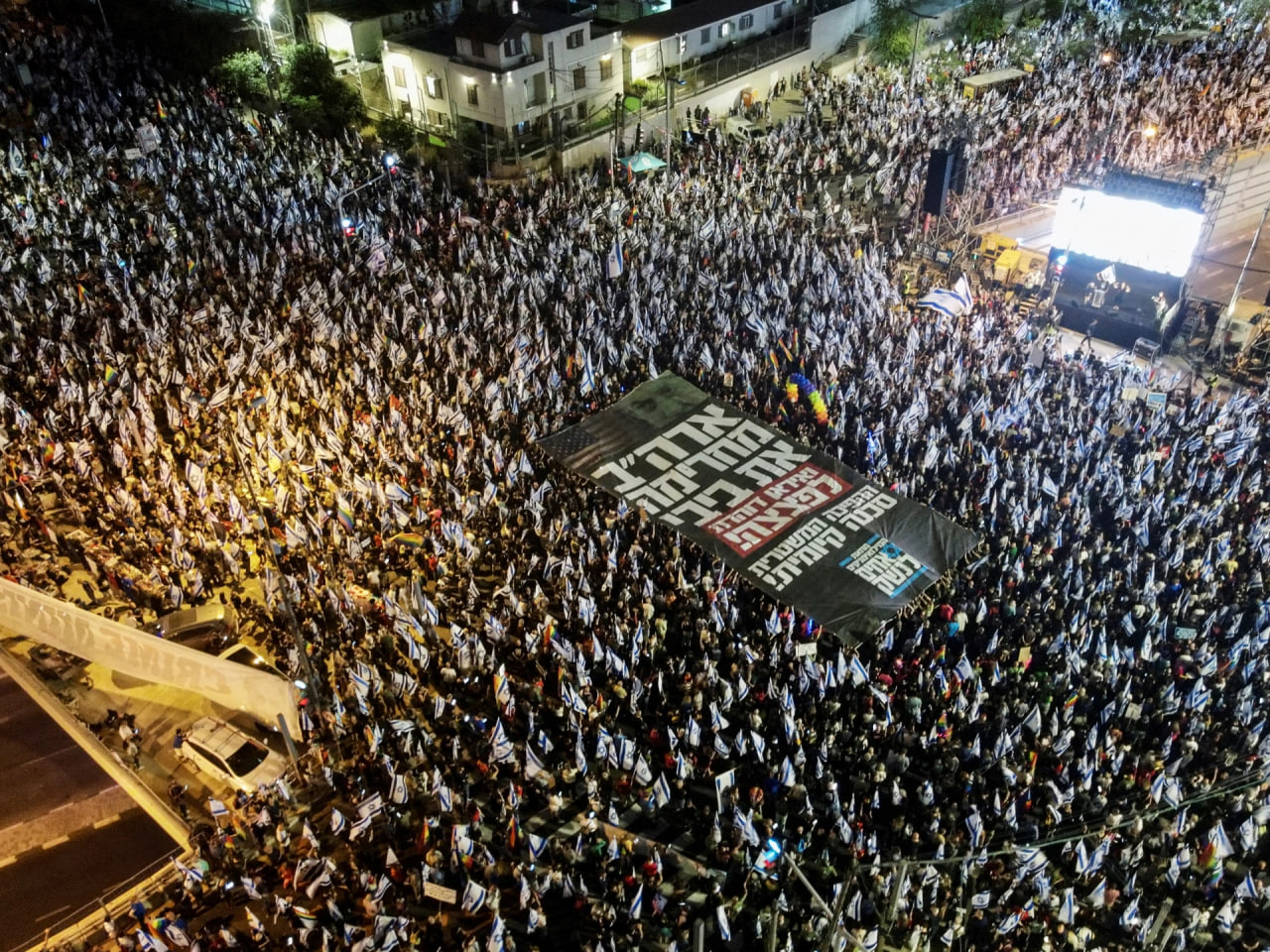
On June 3, more than one hundred thousand Israeli settlers demonstrated in Tel Aviv and several other cities against the Prime Minister Benjamin Netanyahu’s controversial judicial reform plans.
The Israeli protesters announced: We will continue our demonstrations to show the authorities even if they stop the reform plan, we will remain still ready, and they will not be able to pass laws by resorting to deceptive ways.
Netanyahu and his radical cabinet members claim that the aim of the structural reforms concerning the Israeli regime’s judicial system is to create a balance between the legislative and judicial authorities, but angry protesters are of the opinion that the new Israeli cabinet’s proposed judicial reforms will strike a disturbing blow to the independence of the regime’s judiciary system.
It should be mentioned that Israeli settlers’ demonstrations continue every Saturday in different cities.
The gatherings, which were set up in protest against Netanyahu’s judicial reform program, have now entered their 22nd week in a row. The Israeli regime’s prime minister declared on March 27 that he stopped his controversial plan regarding to the regime’s judicial system; however, the settlers still continue the demonstrations.
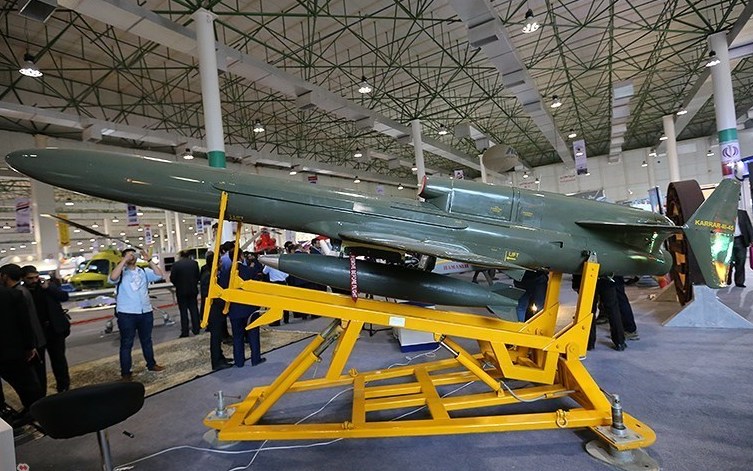
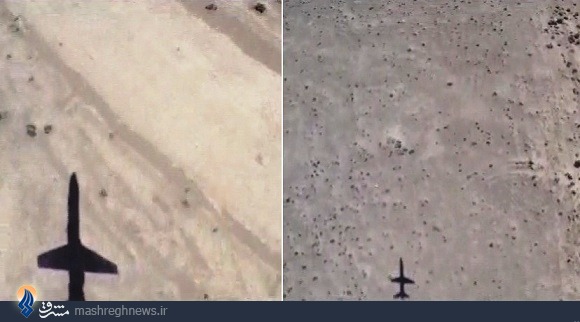
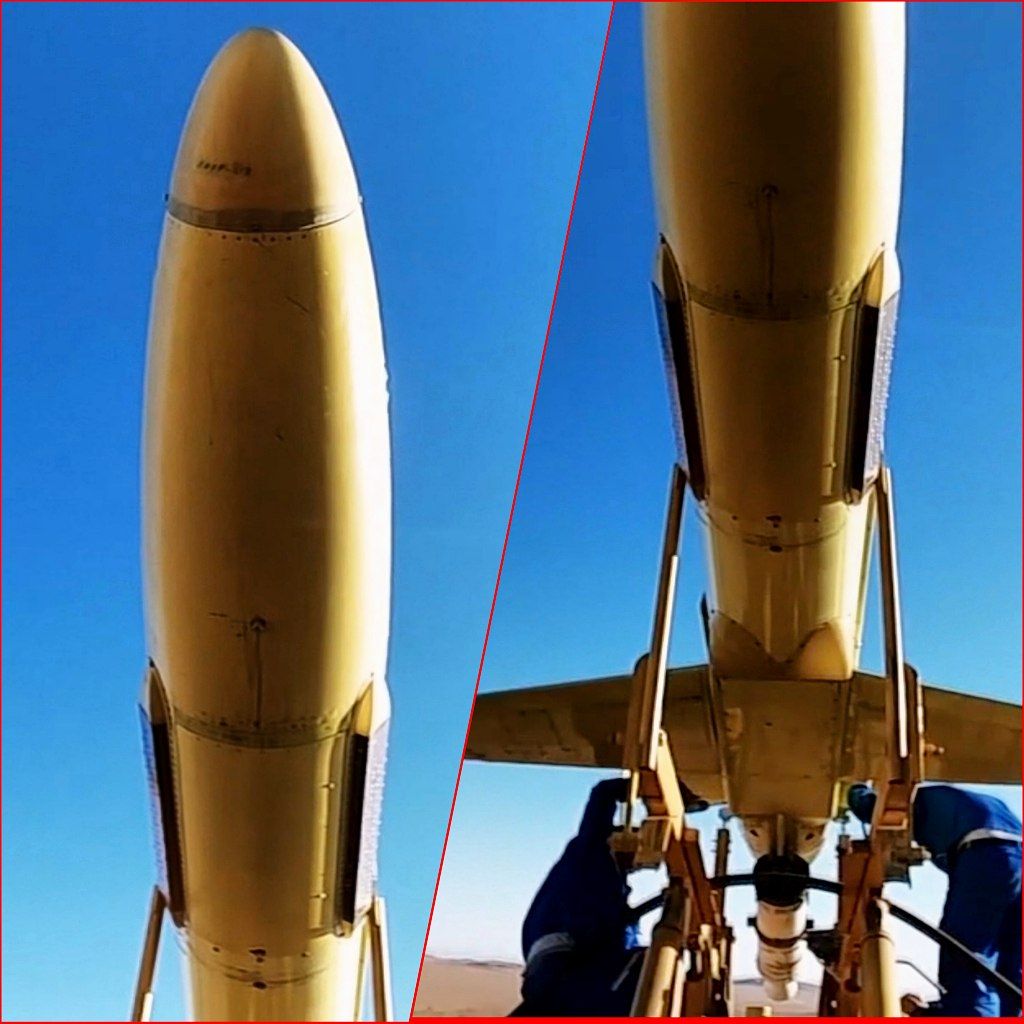
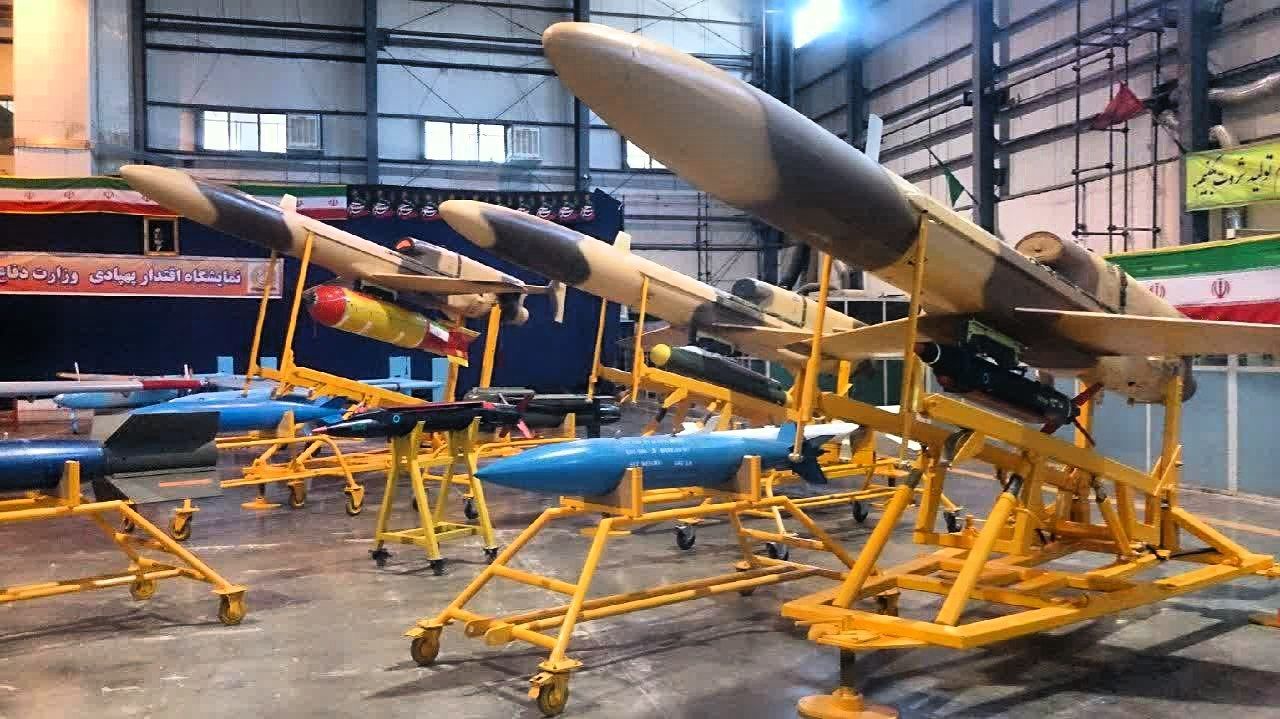
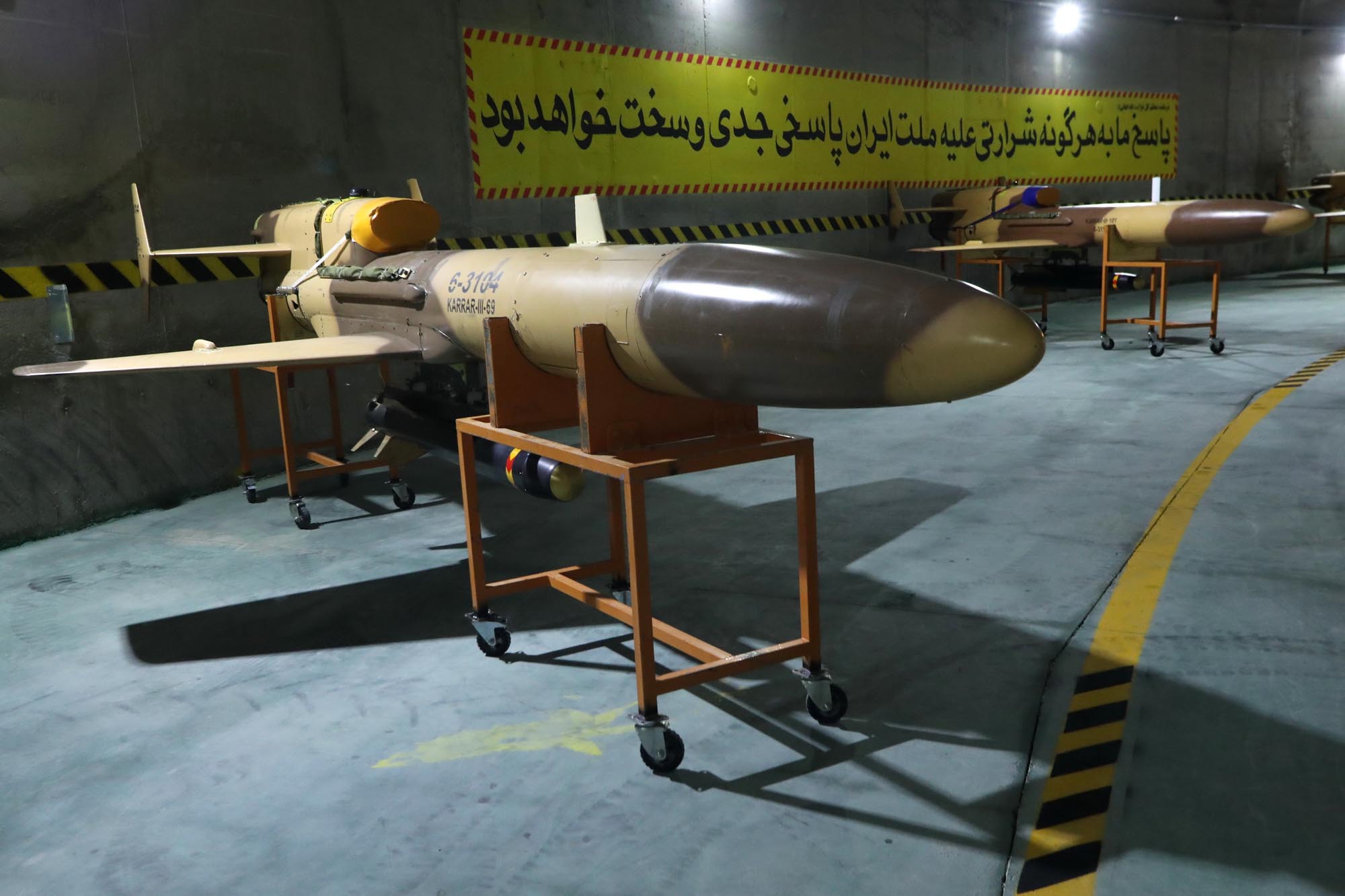
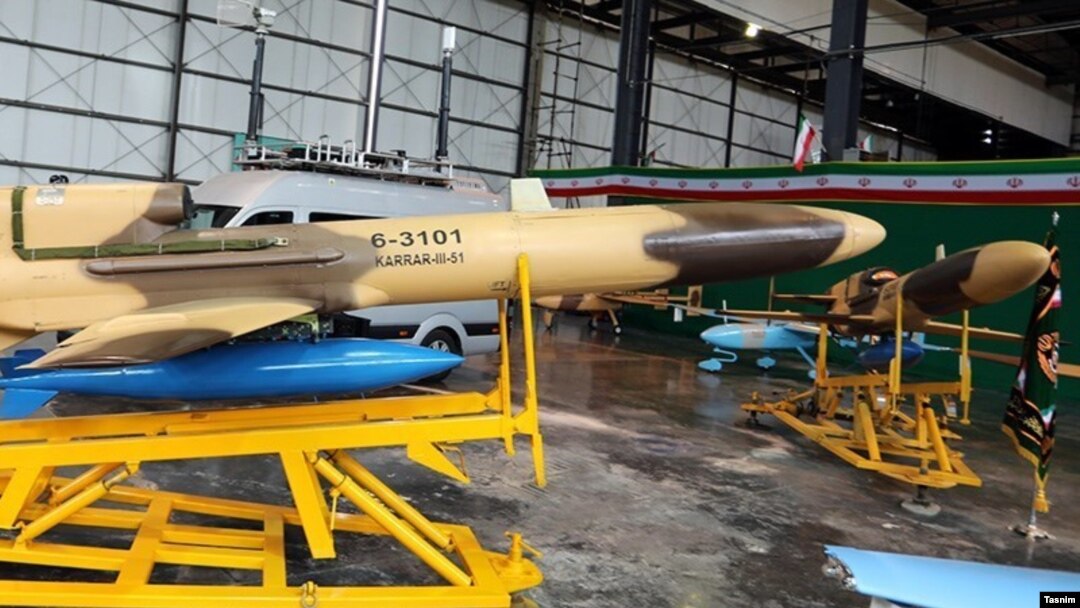
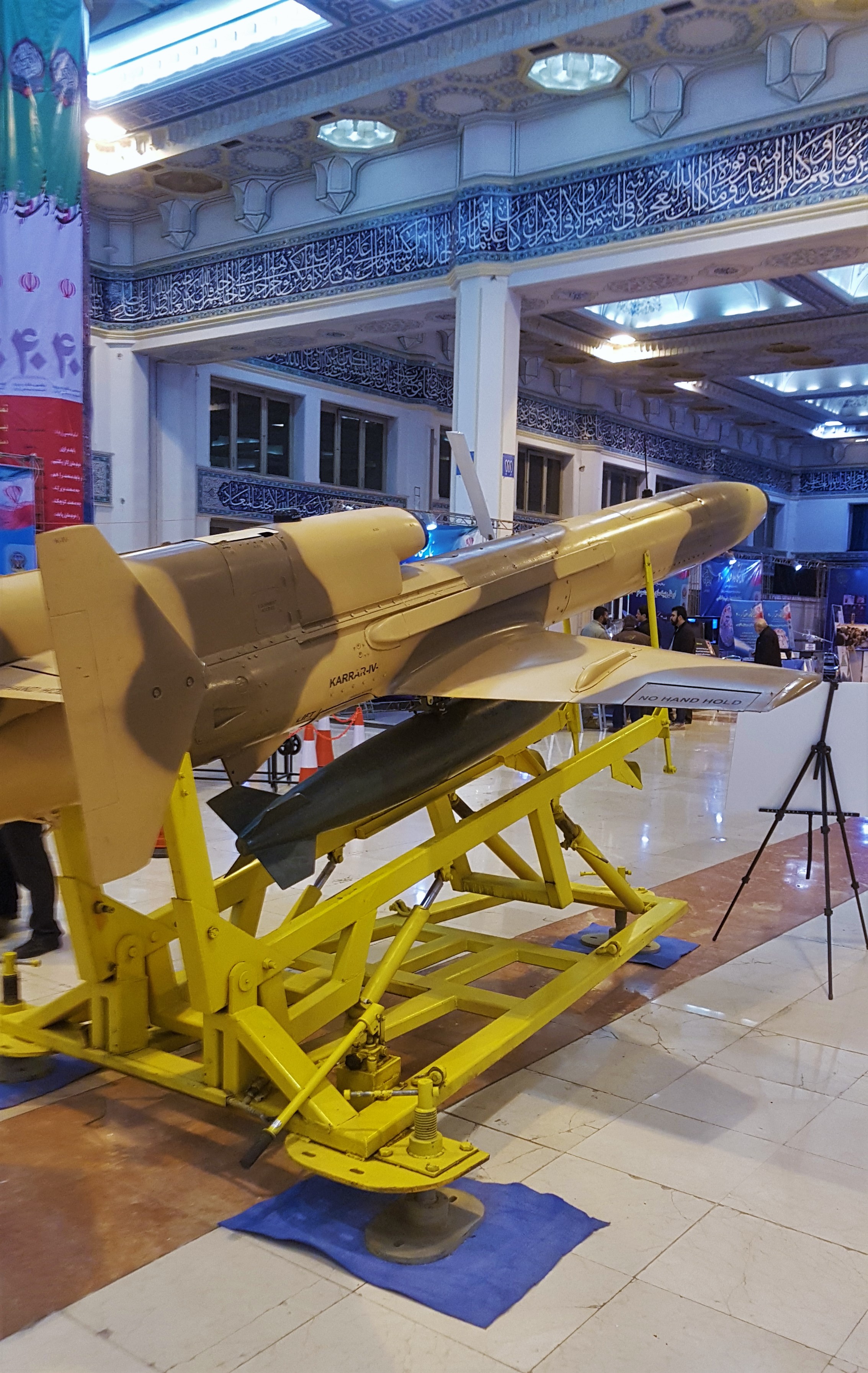
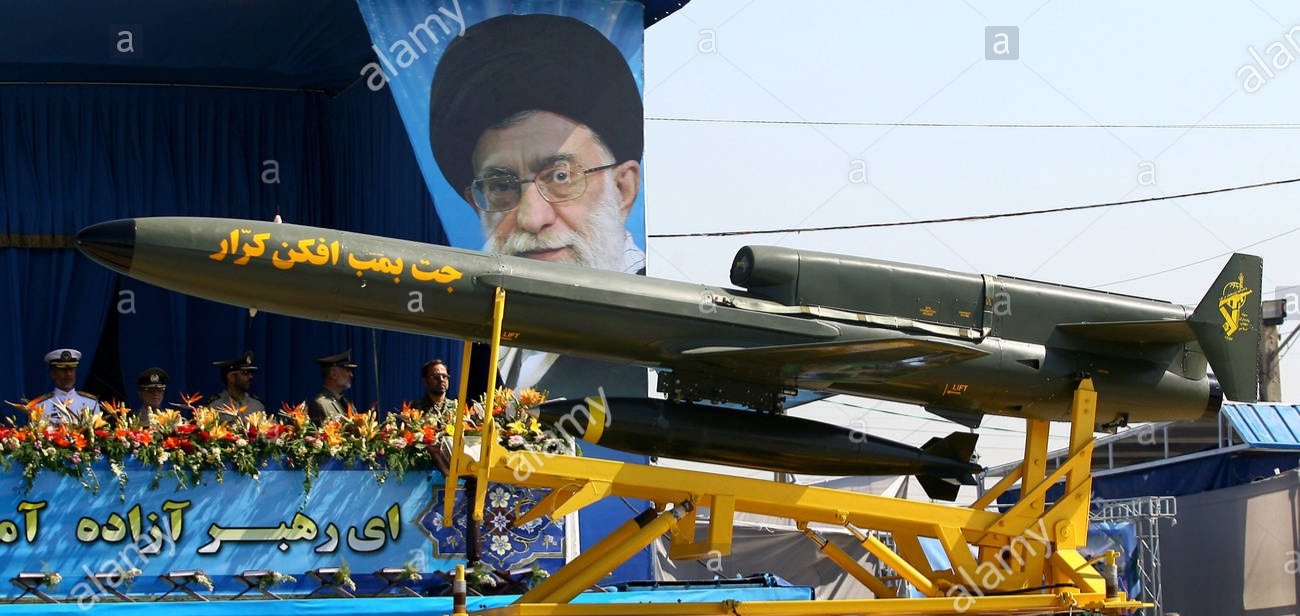
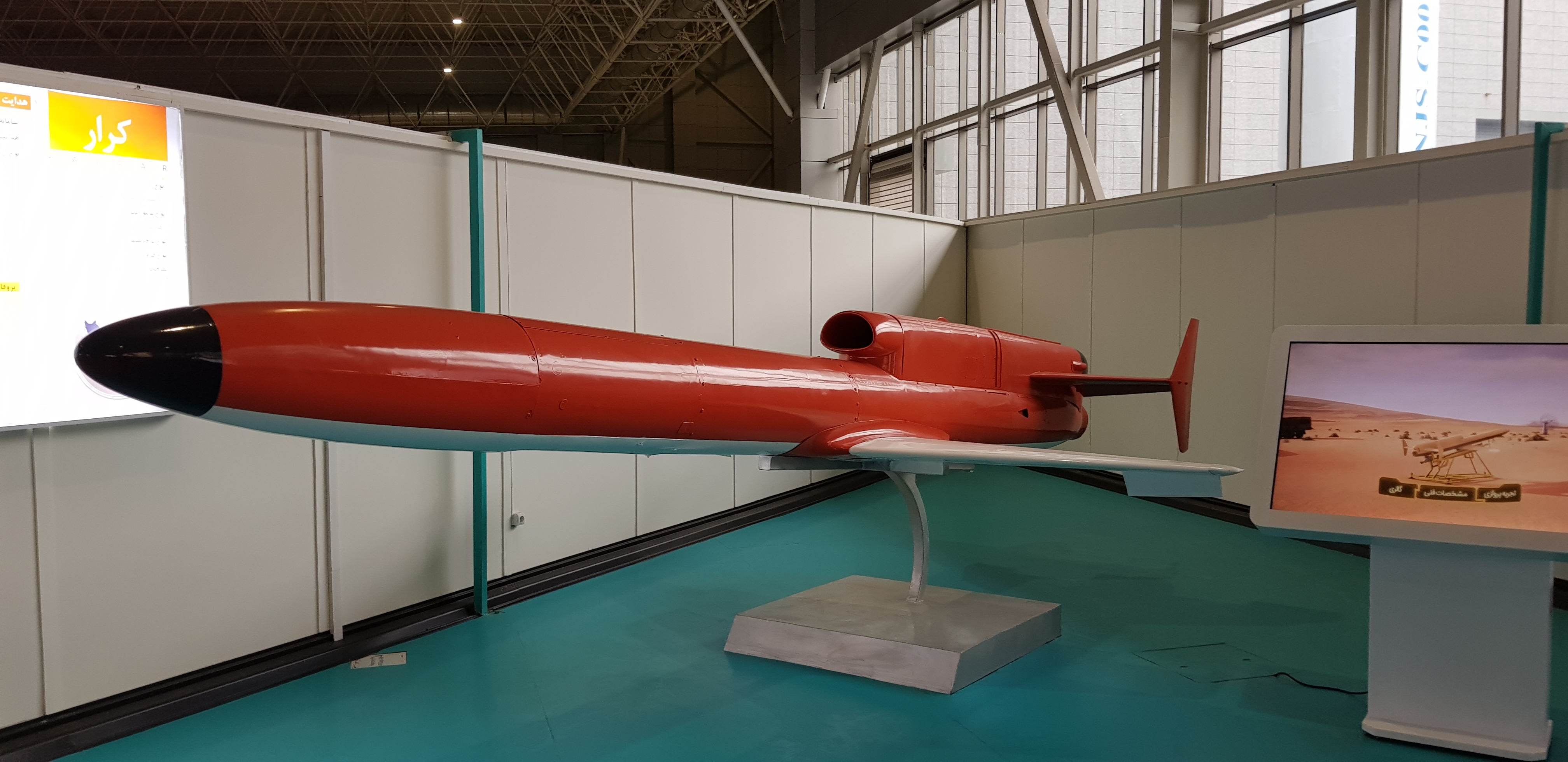
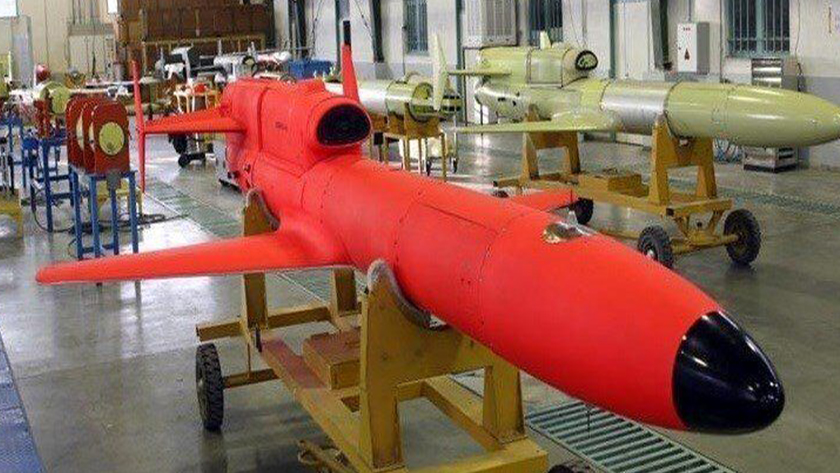
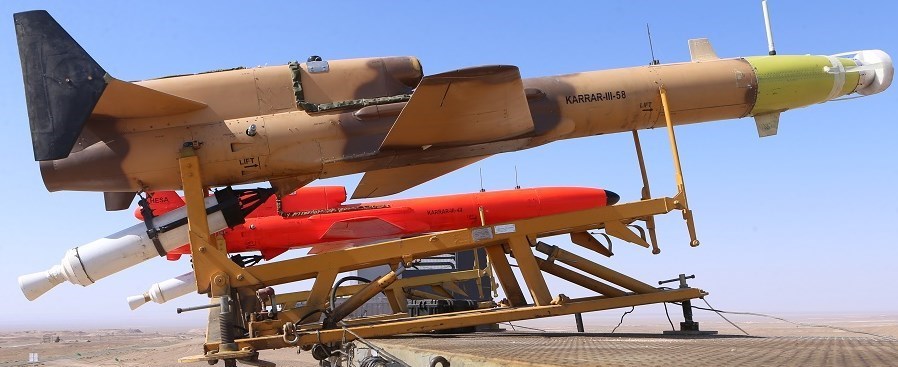
Karrar multirole drone is the first Iranian drone that can carry and use a wide range of weapons, including air-to-air and air-to-surface missiles, using a single platform. This UAV is produced by the Iran Aircraft Manufacturing Industrial Company (HESA), which is under the Ministry of Defense, and has been used by various departments of the Iranian Armed Forces.
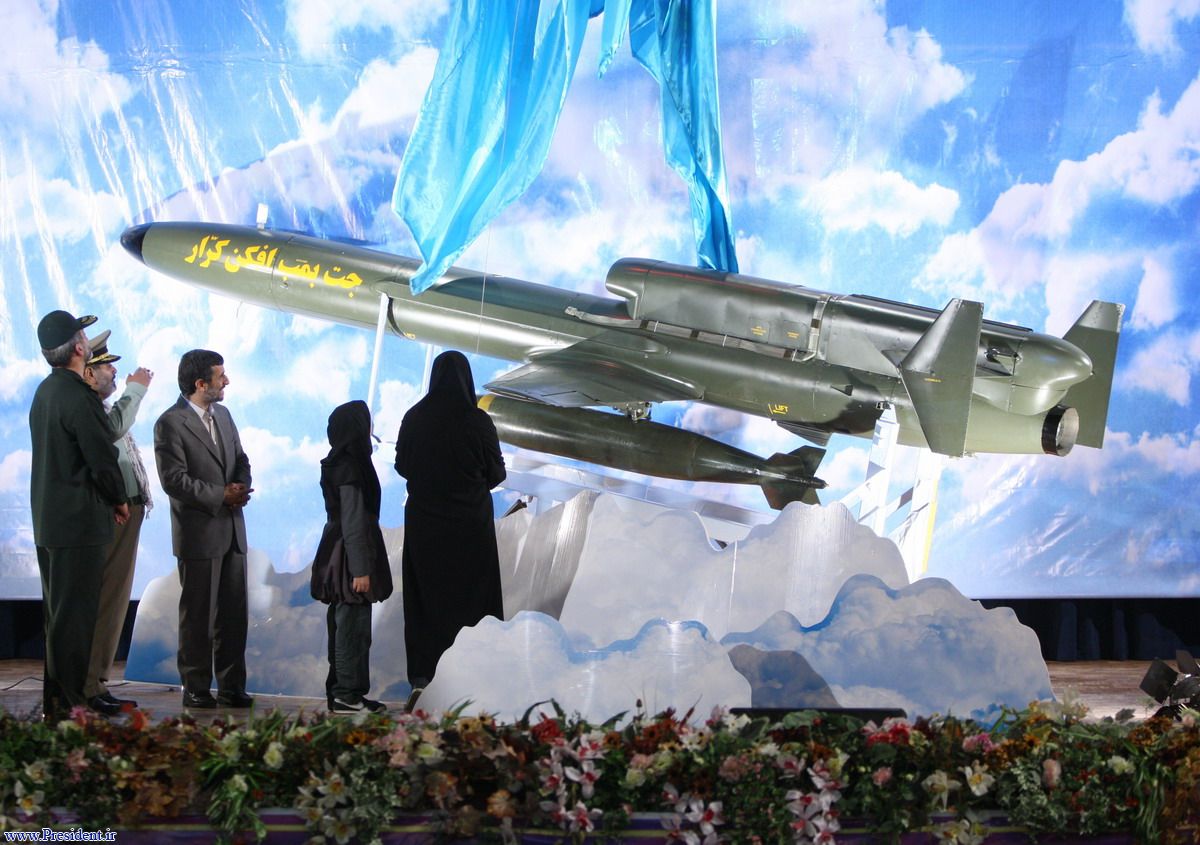
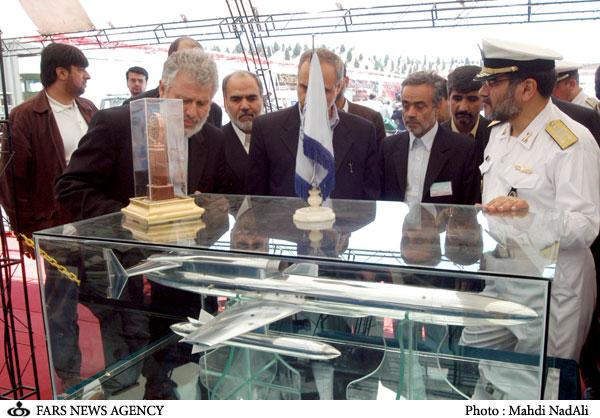
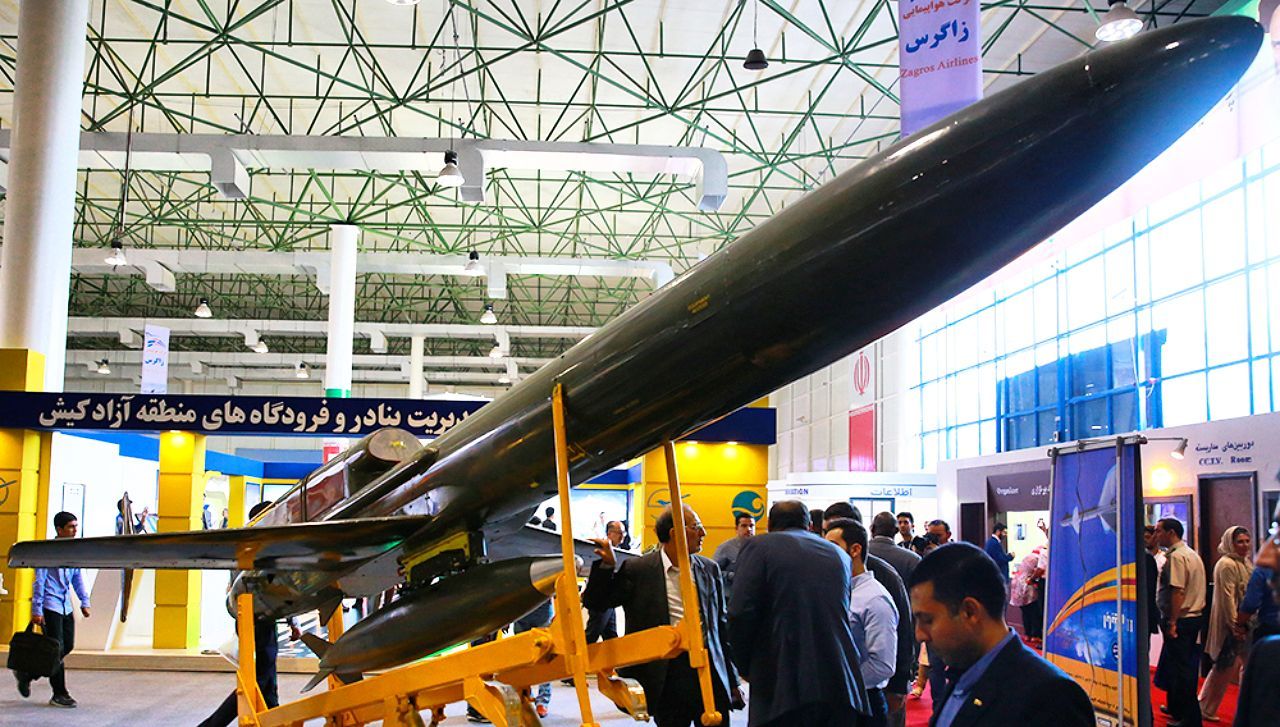
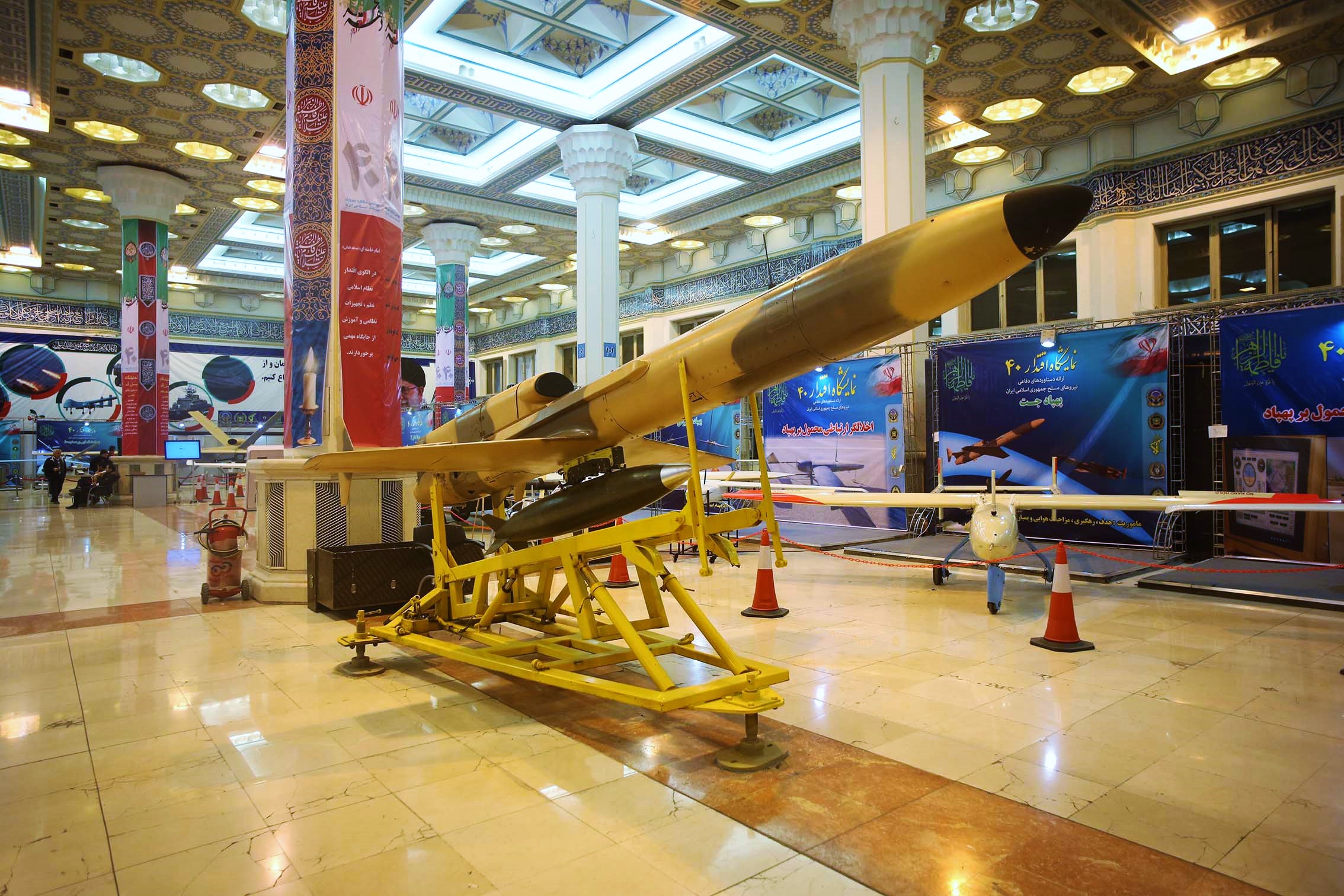
History: A maquette of Karrar UAV was first seen in 2004 at a military equipment exhibition, and later in 2010, it was unveiled under the name “Karrar Bomber Drone” during a ceremony attended by the then president of Iran. The exact date of the start of the production and use of the Karrar is not known and has not been officially announced, but the year 2010 can be considered as the year of its entry into service.
From the very beginning of its unveiling, the Karrar UAV carried a Mark 82 unguided bomb weighing 500 pounds (226.79 kg), and it was said that this UAV could also carry a cruise missile. In 2013, the news of using the Kosar cruise missile on the Karrar UAV was published, which increased the capabilities of the Karrar due to Kosar’s 100 kg weight and 25 km range.
In 2014, Mersad air defense system was tested using Karrar UAV. In this test, Karrar was used as a target drone for testing the air defense system and train the air-defense crews.
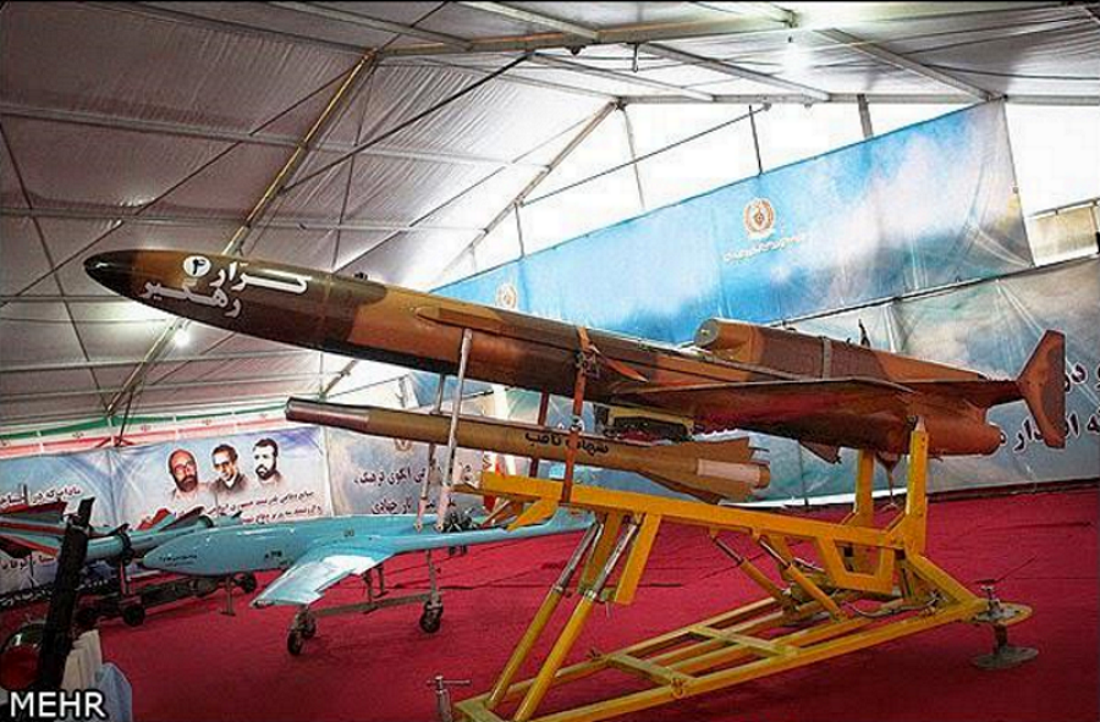
The different introduction of the Karrar UAV in 2018 with the name “Karrar-4 Interceptor” which carried the Shahab Thaqeb missile showed that this drone has generations and each of these generations is defined based on the type of mission; But this generation was never stated clearly.
At the unveiling ceremony of Yasin, Balaban and Qaem 1, 5 and 9 bombs in 2019, Amir Hatami, the then Minister of Defense, announced that the Yasin glide bomb can be released from the Karrar drone. Yasin glide bomb is the result of adding a wing and guidance kit to the Mark 82 bomb, which was previously used by the Karrar drone.
Introduction of Karrar 4 interceptor with Shahab Thaqeb missile in 2018The unveiling ceremony of the Karrar UAV in 2010 with the name of the Karrar Bomber Jet and the installation of a Mark 82 bomb under the bodyMaquette of Karrar in an exhibition in 2004 with the presence of Admiral ShamkhaniClick to view full size
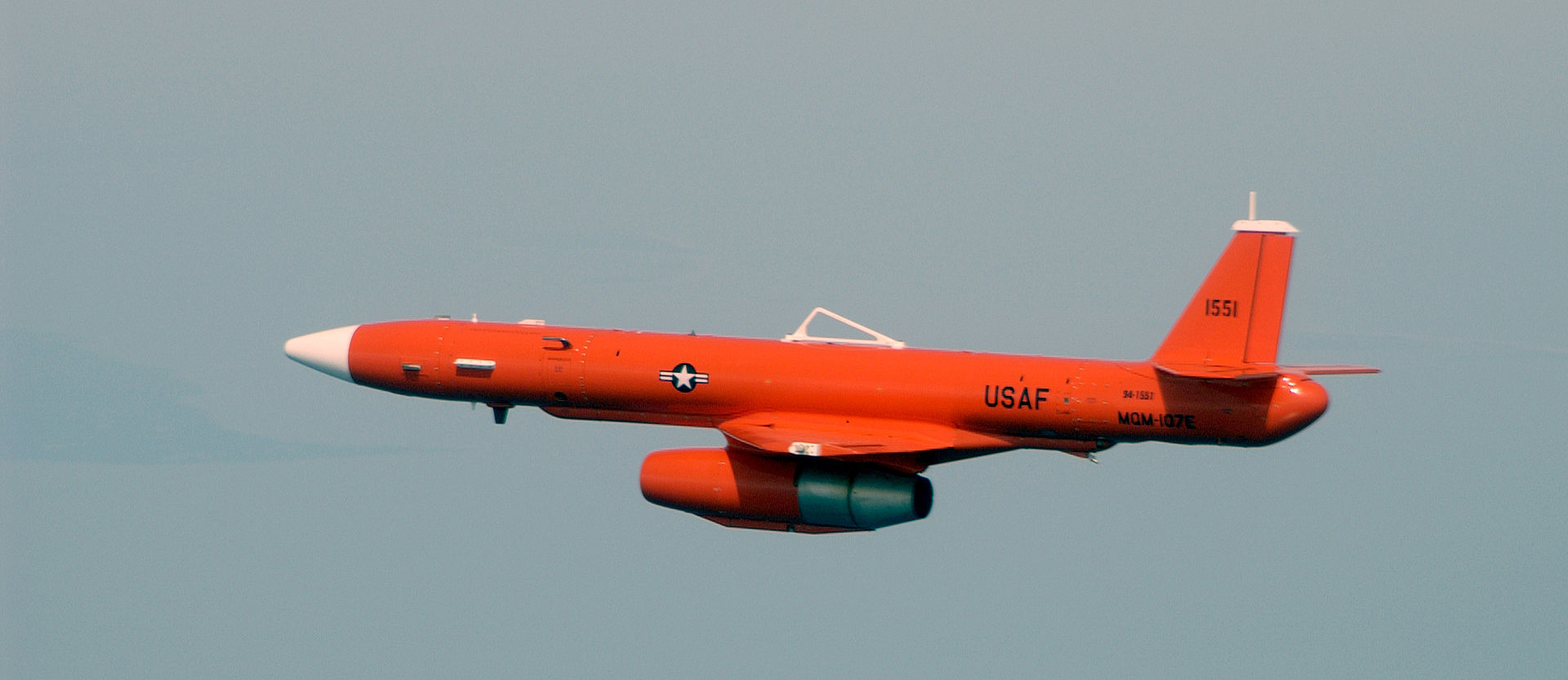
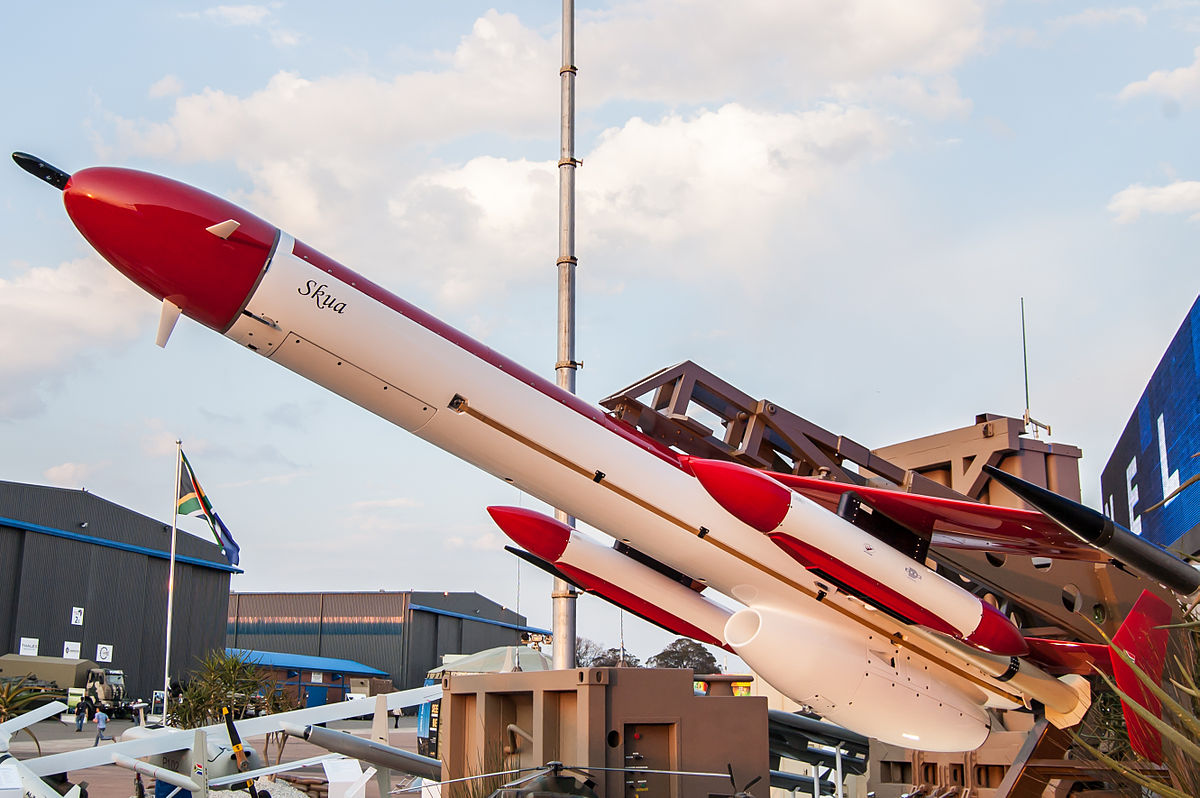
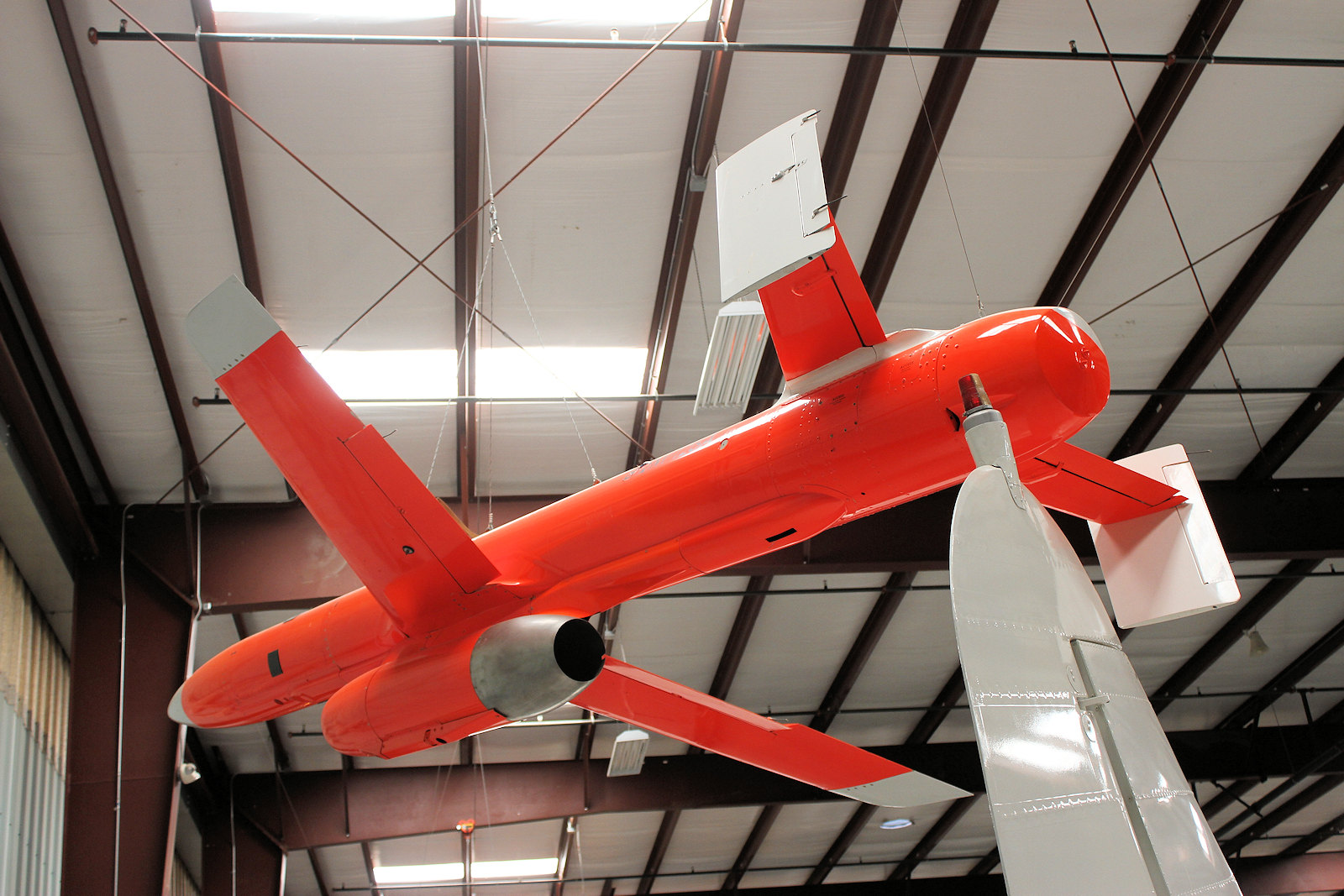
Design: The Karrar multirole drone is a derivative of the American 1970s-era Beechcraft MQM-107 Streaker target drone. The MQM-107A drone was purchased before the Iranian Islamic Revolution to be used as a target drone in defense exercises. In fact, in terms of appearance, the Karrar UAV is more similar to the Skua UAV made in South Africa. Nevertheless, in general, Karrar drone is very different from Skua and MQM-107 drones.
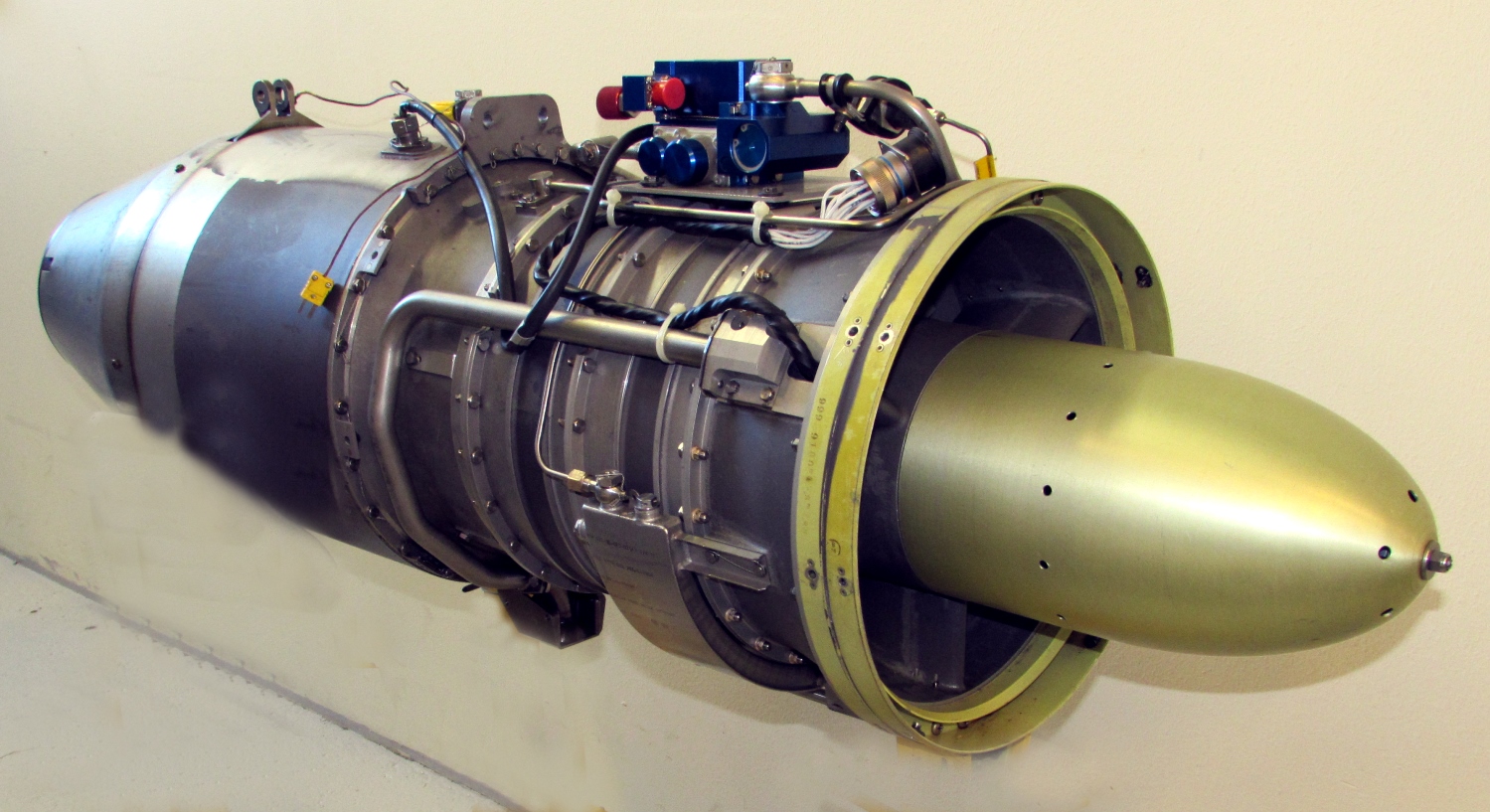
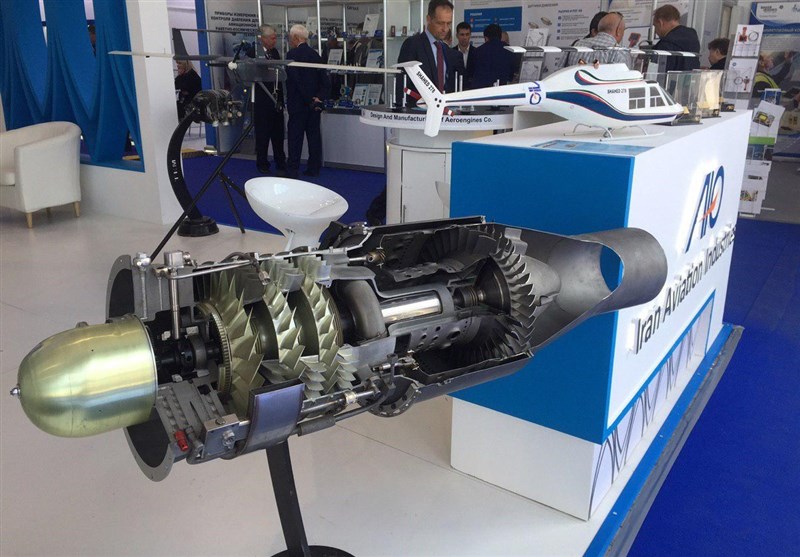
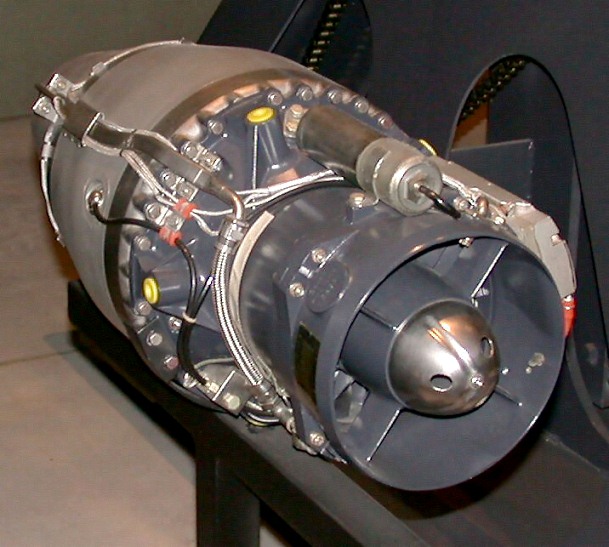
To produce Karrar drone, it was first necessary to redesign the engine used in the American version. The MQM-107A drone delivered to Iran used the Teledyne CAE J402 engine, which was considered an old engine and was no longer used in America. In another model of this UAV, which is known by the suffix B, that is, the MQM-107B model, the French microturbo TRI 60-2 074 turbojet engine is used. So, Iran designed and produced the Toloue-4 jet engine based on the same French TRI 60 engine that was used on MQM-107B model. The French TRI 60 engine has many variants, but the TRI 60-2 074 engine is most similar to the Toloue-4 turbojet engine. The TRI 60-2 074 engine is a triaxial microjet with three axial compressors, a combustion chamber and a turbine stage, which has a diameter of 33 cm, a length of 124 cm, and a weight of 61 kg, and produces a maximum force of 3.4 kilonewtons (KN). The Toloue-4 jet engine, which is the Iranian indigenously produced variant of this engine, is also a triaxial turbojet engine with three axial compressors, a combustion chamber and a turbine stage, and has a diameter of 33 cm, length of 130 cm, weight of 55 kg, and a maximum power of 3450 newtons (N). The Toloue-4 engine is slightly longer and weighs less than its French counterpart.
The Toloue-4 turbojet engine is also used in the Noor cruise missile and the Ya-Ali cruise missile.
The French TRI 60-2 074 turbojet engineIranian Toloue 4 turbojet engineTeledyne CAE J402 engine used in the American MQM-107A droneClick to view full size
Considering the repeated comparison of the Karrar drone with the American MQM-107 drone, we will discuss the differences in appearance between this design and its American model.
The first difference is in the tail fins, which are similar to the design of Skua drone made in South Africa and not similar to the American model. The BQM-126A UAV is another UAV that is similar to the Karrar in terms of its tail fins, but the wings and the tips of the tail fins in the BQM-126A and the Karrar are completely different, and in this sense, it is more similar to the South African model.
The second difference is the location of the drone engine, which is not similar to any of the mentioned drones. In the American and African variant, the engine is placed under its body, but in the Iranian variant, this engine is placed along the body and at its end. The reason for this special design is the use of a hardpoint under the belly to carry 250 kg of weapons.
The third difference and also a similarity is the location of the main wing. In the Iranian variant, the main wing is attached under the body. In the African variant, the wings are located on the body, and in the American variant also the wings are located under the body.
It cannot be denied that the Karrar is modeled after another drone, but the design of the American target drone and the Iranian Karrar drone are both derived from the idea of simplifying the manufacture of weapons and making them less expensive, which allows for mass and cheap production.
American target drone MQM-107ESkua UAV made in South AfricaKarrar multipurpose droneBQM-126A UAVClick to view full size
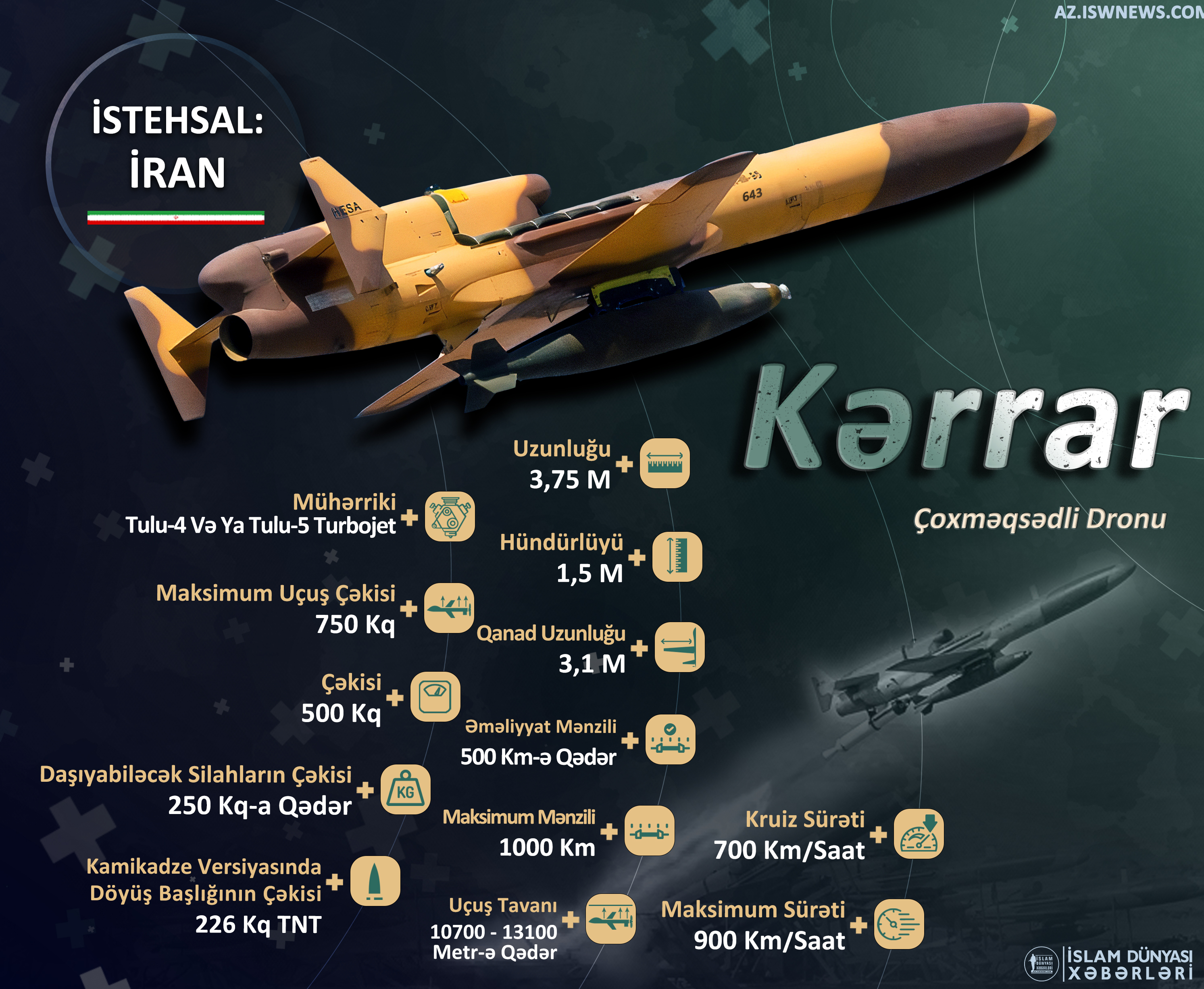
Variants: According to the way of introducing the Karrar multipurpose drone, it seems that this drone has four generations. Many sources stated that there have been changes in the dimensions, but due to the fact that not all the characteristics have been announced in each generation and the lack of sufficient documents, this issue cannot be denied or confirmed. First generation: Karrar bomber drone At the time of its unveiling in 2010, the Karrar drone carried the title of bomber. The reason for this name was the use of Karrar as a drone that carried and used unguided air-to-ground bombs such as Mark-82 bomb. The published test video of Karar drone show the high accuracy of this UAV when using a free fall bomb. Second generation: No reliable information has been published about the second generation of the Karrar UAV, but it seems that this variant was launched for a completely different mission, which pushed the generation to the sidelines at the time of unveiling. For this variant, it has a range of 1000 km and a maximum speed of 900 km/h with the possibility of carrying 226 kg of explosives. Third generation: This variant has a length of 3.75, a wingspan of 3.1 and a height of 1.5 meters, and a maximum take-off weight of 750 kg with the ability to carry a cargo of 250 kg. Other features of Karrar-3 UAV include a flight ceiling of 35,000 feet equivalent to 10,670 meters, max speed of 700 km/h, a cruising speed of 650 km/h, and a flight duration of 1 hour and 15 minutes. In this variant, Toloue 4 jet engine with JP-4 fuel is used and the body is mainly made of aluminum. Fourth generation: Karar interceptor drone This variant of drone was first seen carrying a Shahab Thaqeb missile in 2018, which was later named Karrar 4 Interceptor. This UAV is used as one of the complementary components in offensive and defensive systems, and due to the possibility of firing it from the back of the trailer, it can be launched from near the borders towards the hostile aircraft to engage with it. The interceptor variant has been a regular part of many Iranian military exercises. This drone was able to intercept a P-8 reconnaissance aircraft that was trying to collect information from a military exercise in 2022. The P-8 forced to retreat from the training area.
It should be noted that for all Karrar models, the ability to fly up to a height of 40,000 feet, equivalent to 12.2 km, and a final speed of 900 km/h have been stated. Karrar UAVs have a range of up to 200 km (Karar-3) when flying with direct communication with the ground station, and between 800 and 1000 km when flying automatically without the need for constant communication with the station.
A video of “Karrar Interceptor drone” that intercepts another Karrar drone
Engine: As we said earlier, the Karrar drone uses Toloue 4 turbojet engine in most of the variants. However, in 2022, a variant of Karrar equipped with Toloue-5 turbojet engine was used to test Sayyad 4B missile for the Bavar 373 air defense system. Karrar drone with Toloue 5 turbojet engine was able to reach a height of 43000 feet equivalent to 13.1 km and a speed of 733 km/h at that height.
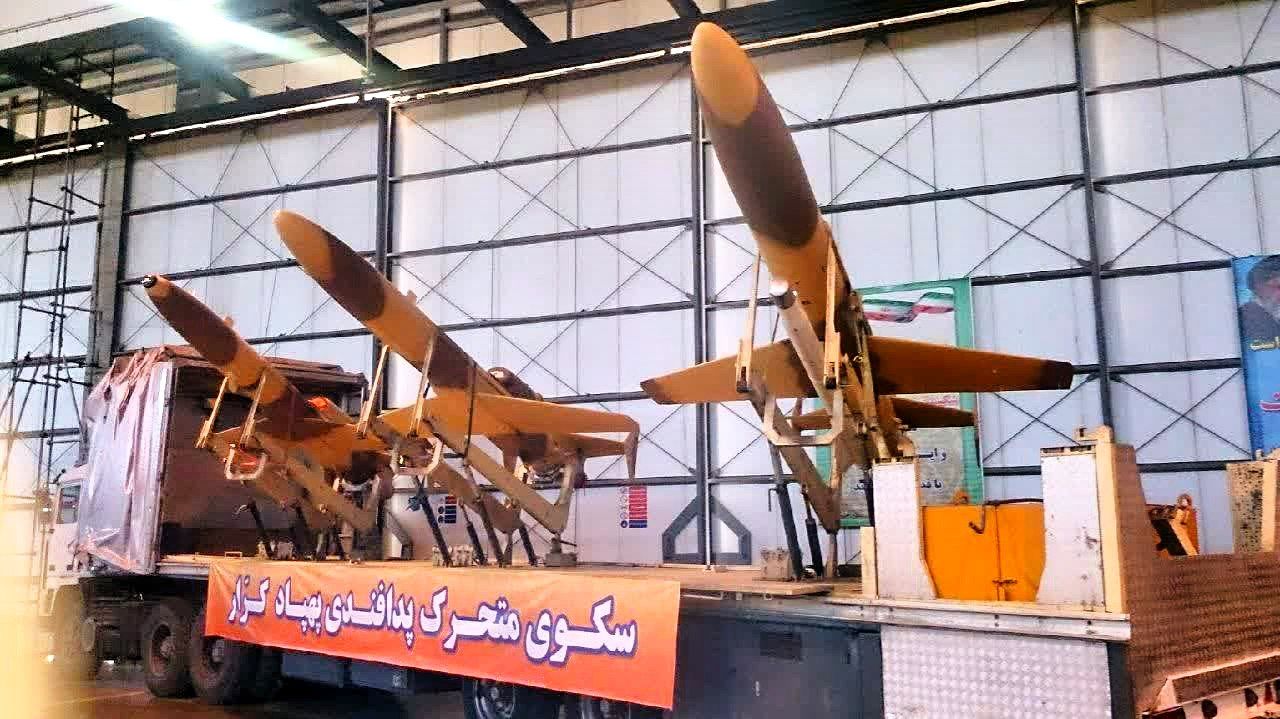
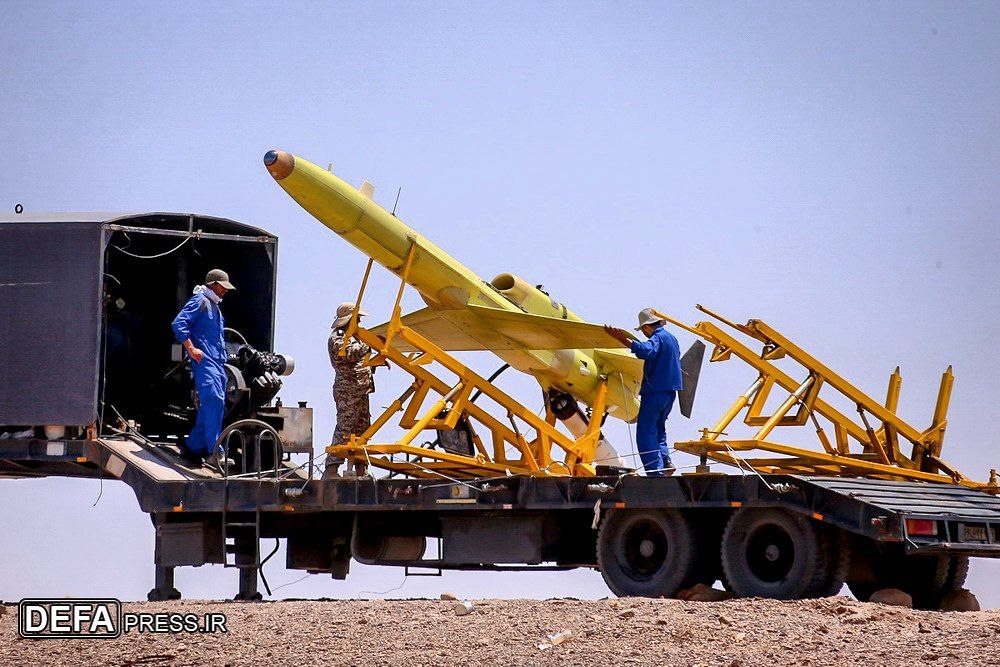
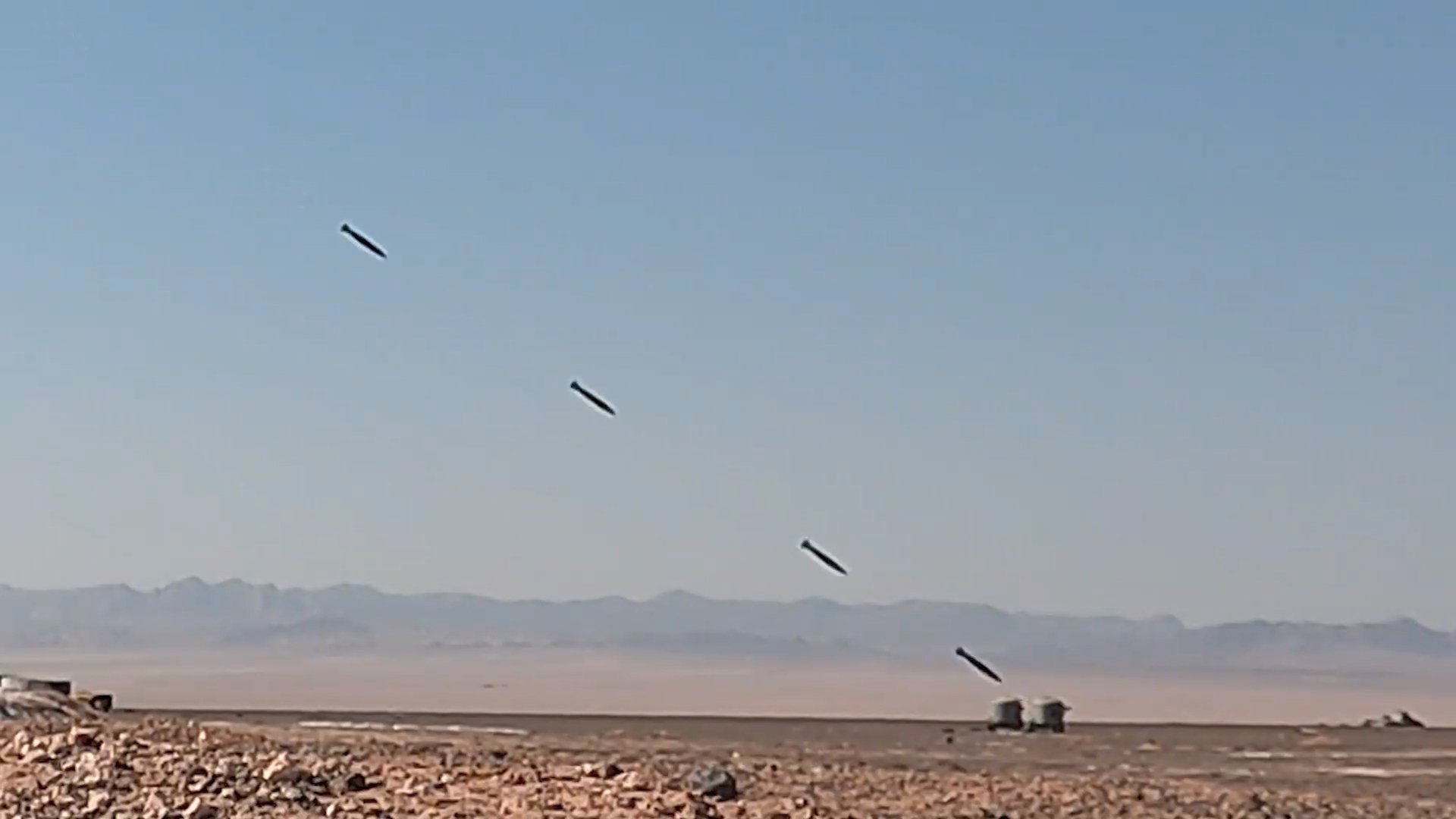
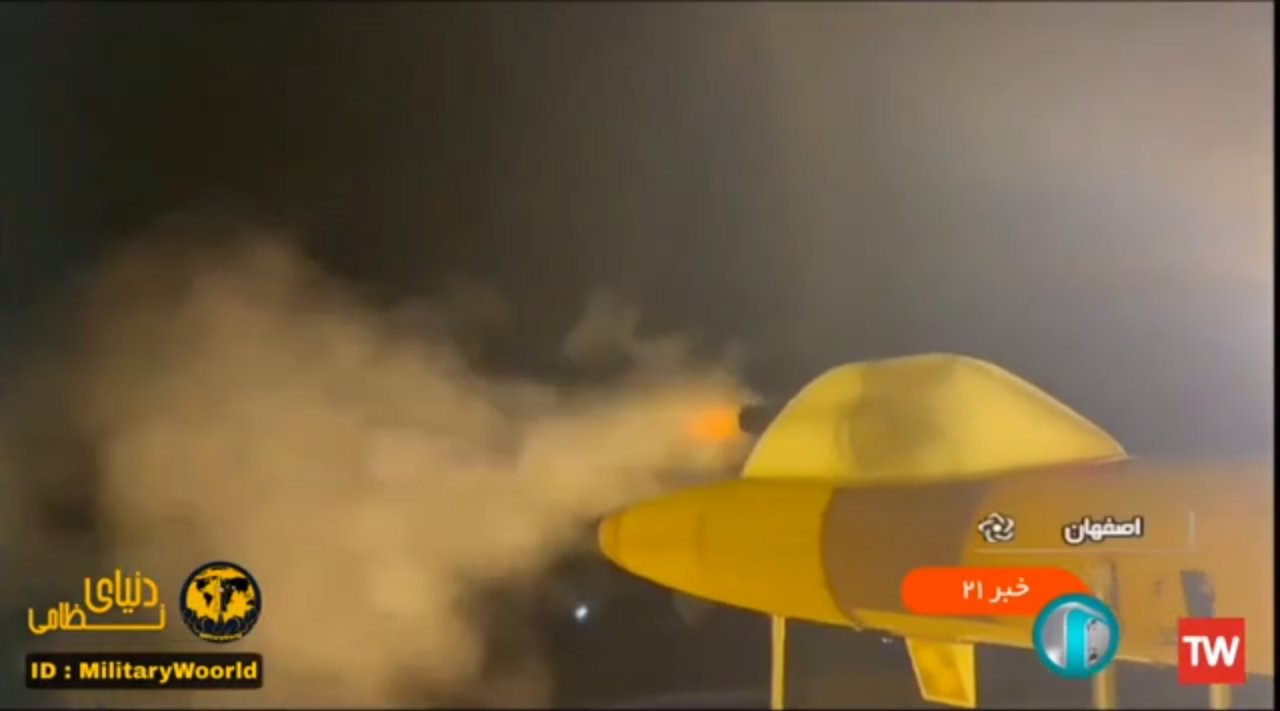
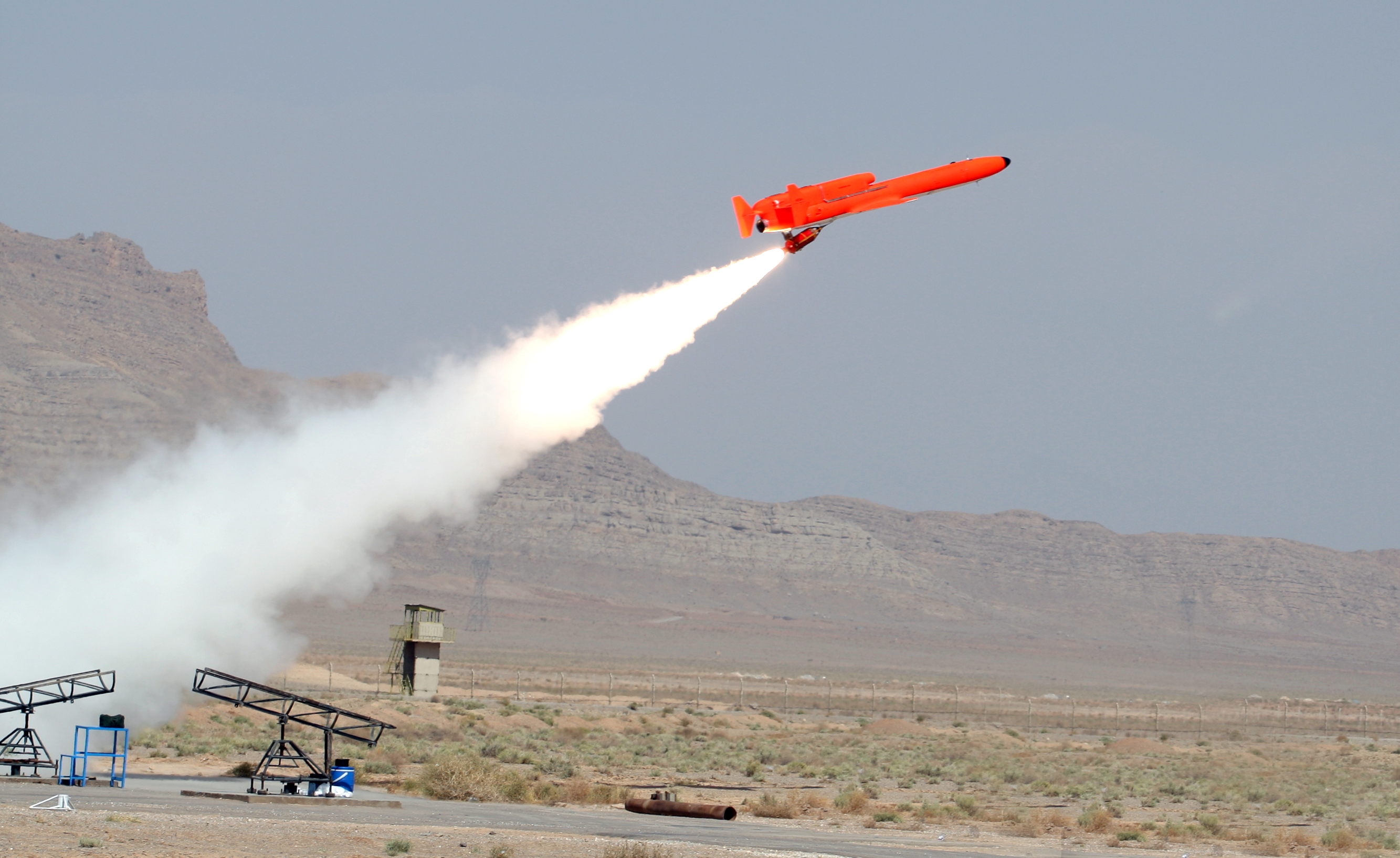
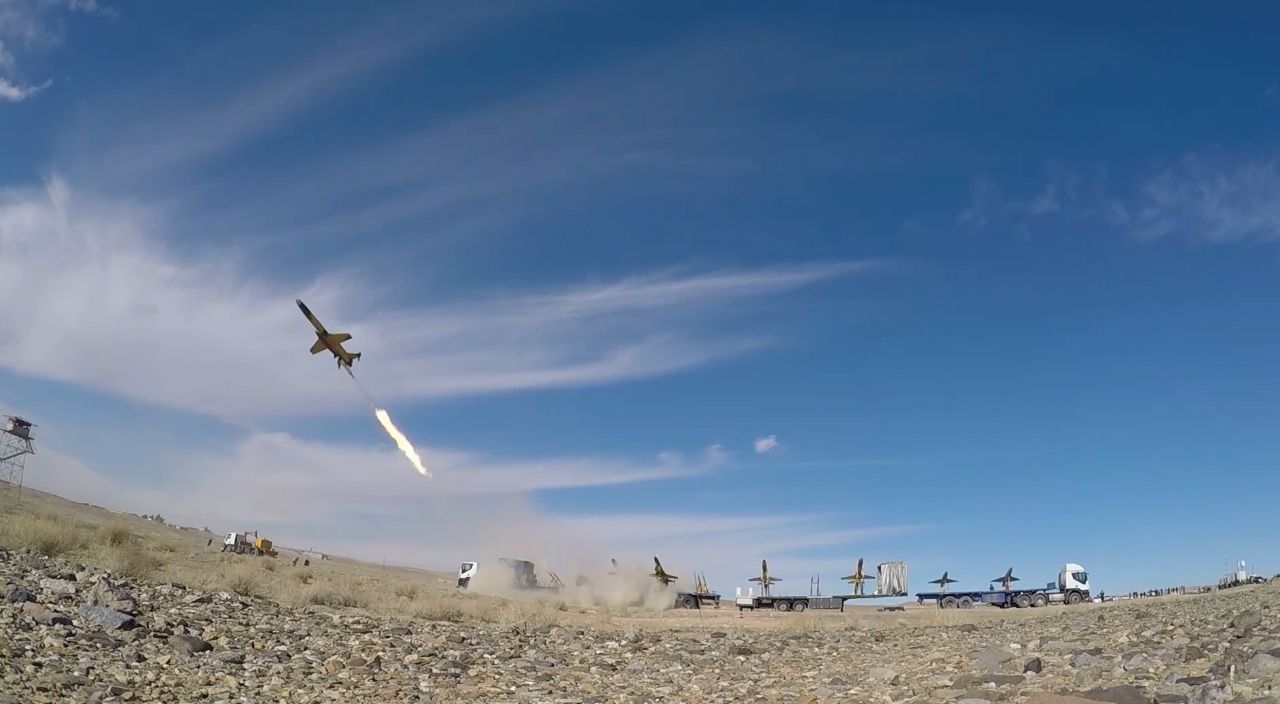
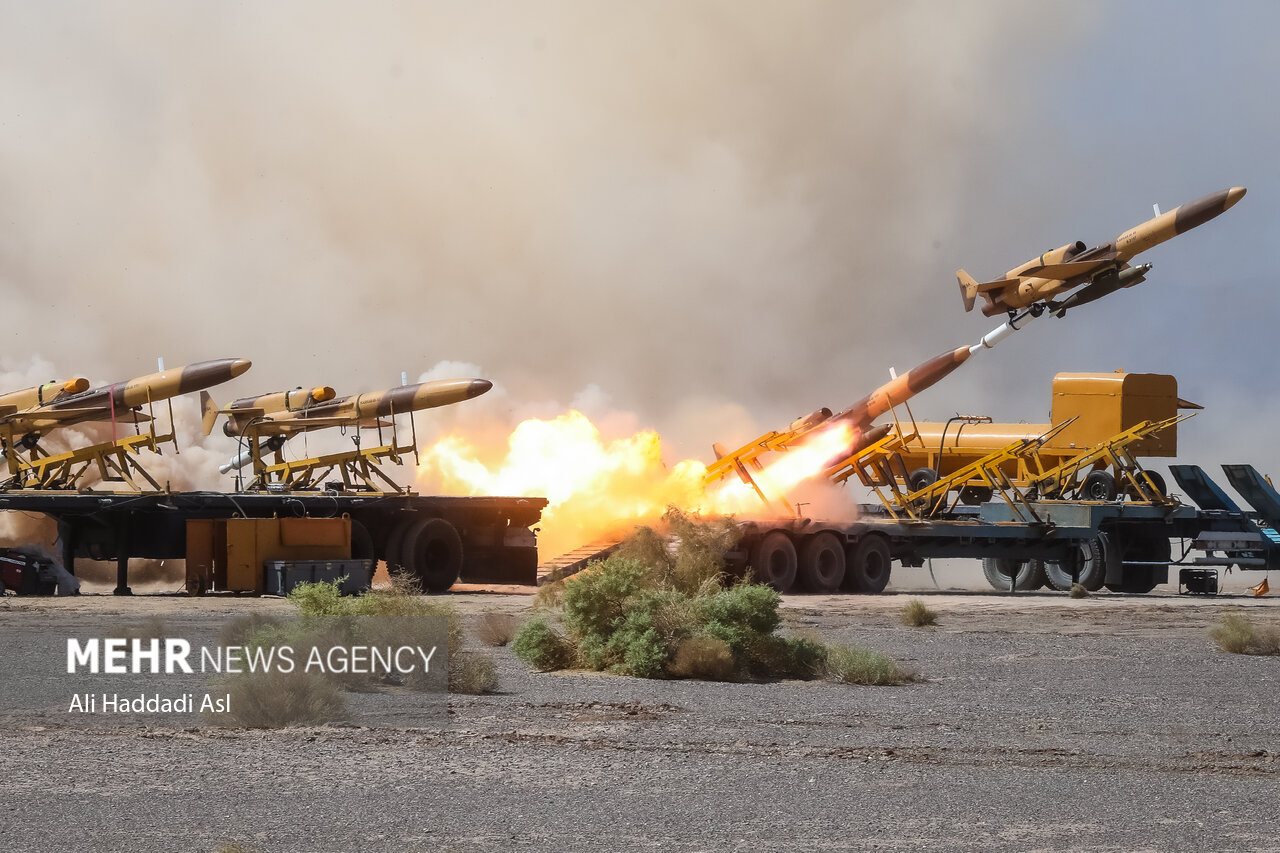
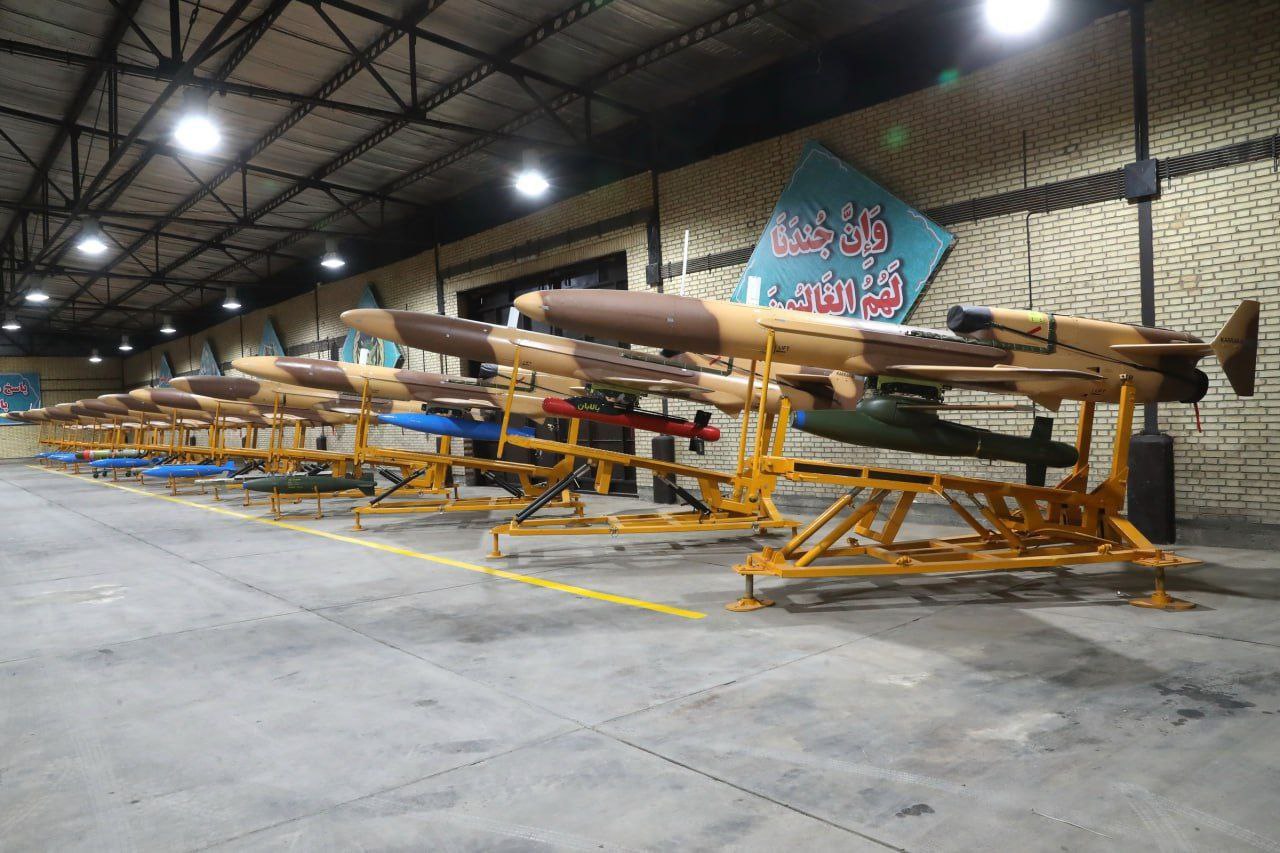
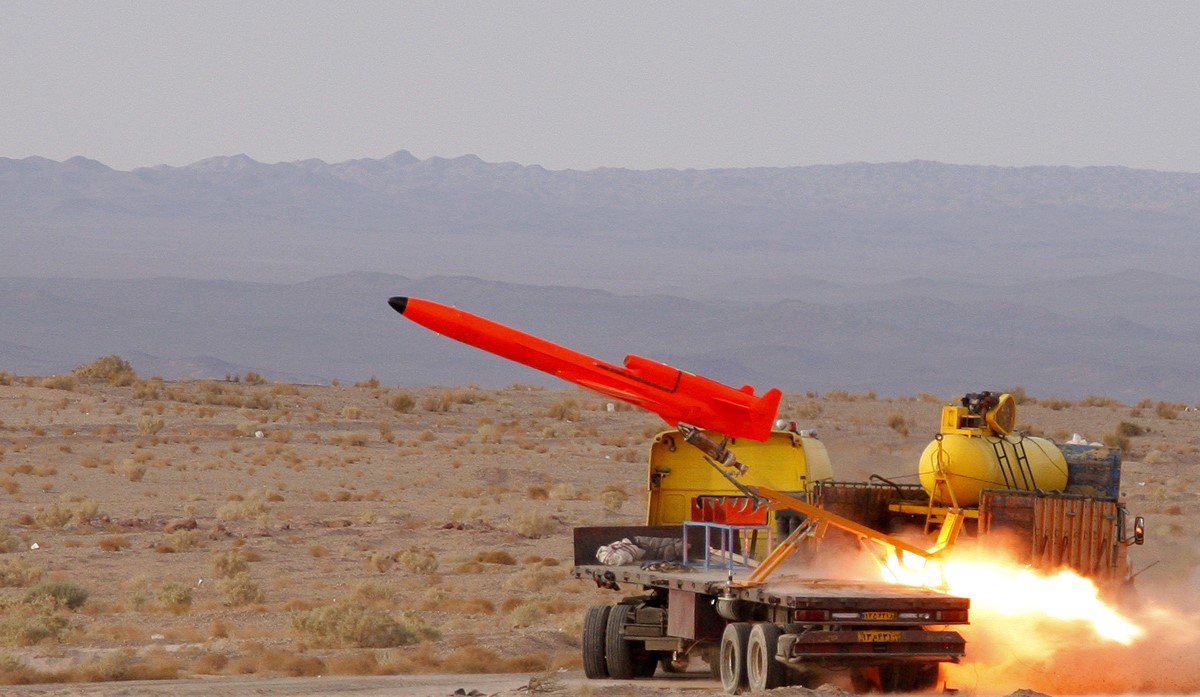
Launching method: The Karrar UAV is launched with the Rocket Assist Take-Off (RATO) mechanism and takes help from the booster to get the initial acceleration. With this booster and its engine, Karrar can fly with a maximum weight of 750 kg, of which 250 kg is weapons. In order to make it possible to use this drone tactically and more widely, a carrier vehicle was designed that carries three drones in ready-to-launch state. The carrier vehicle tent also folds up easily so that it is possible to quickly carry out the operation and then move away from the operation area. This combination greatly increases the survivability on the battlefield for Karrar and its carrier vehicle.
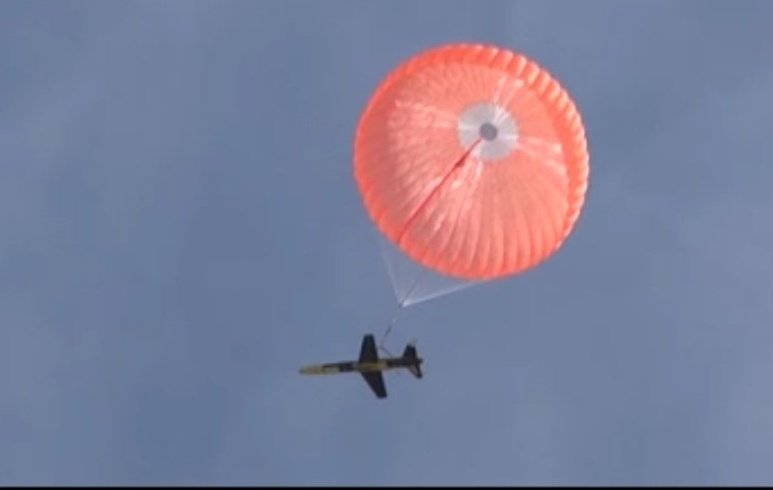
It should be noted that the Karrar does not need a runway for landing, and a parachute is used to recover it.
The truck carrying the Karrar UAV, its tent is easily folded, and it carries three Karrar UAVs, one version of which is armed with the Shahab Thaqeb missile.Landing of Karrar UAV using a parachuteClick to view full size
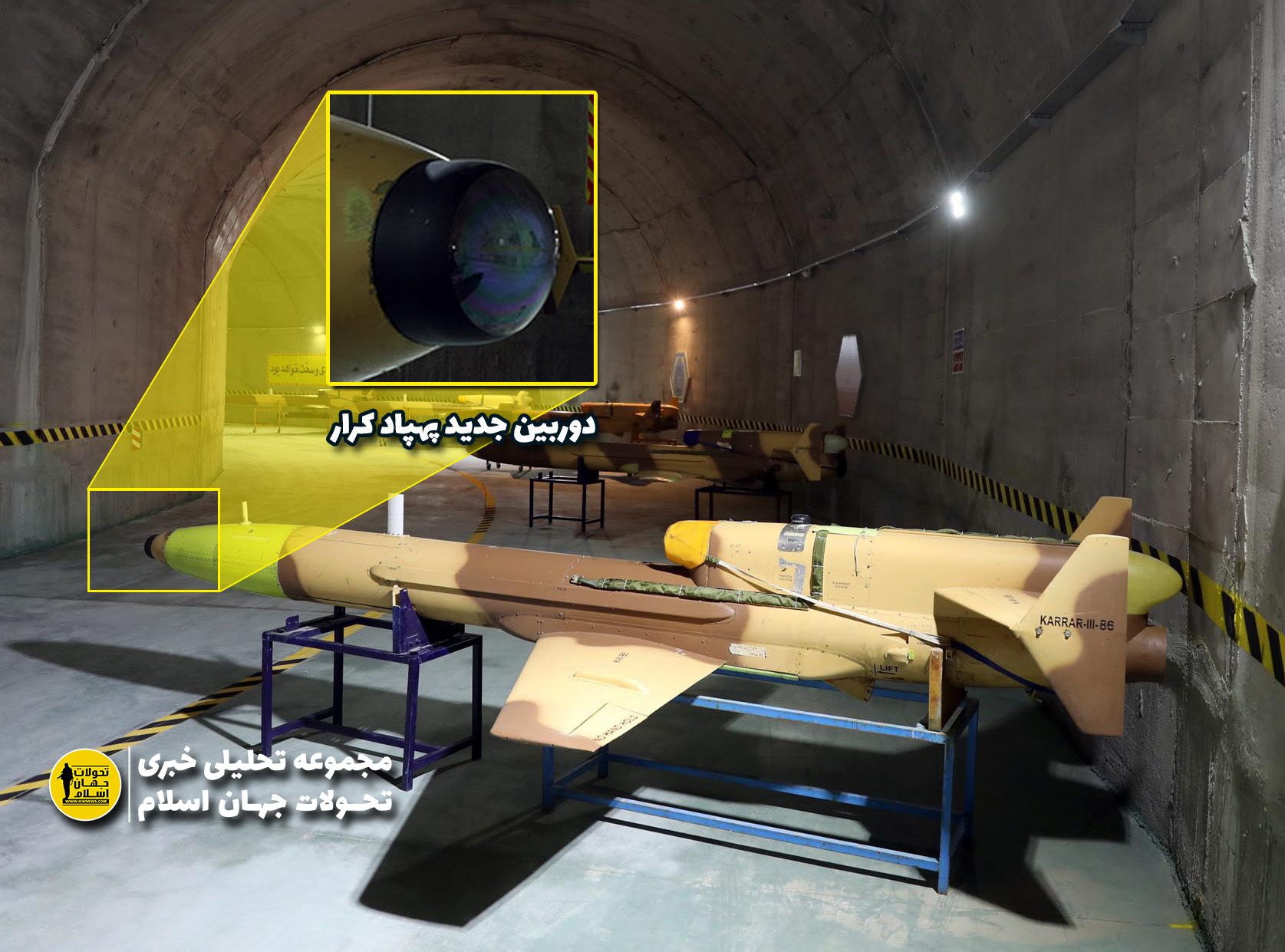
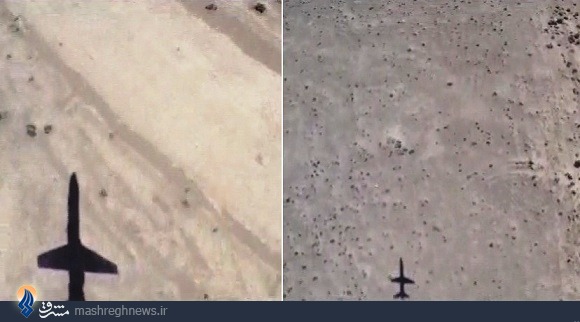
Sensors: It seems that Karrar did not have a front camera in its prototypes and used only one camera under the body that is fixed to see the ground and targets. Later, with the introduction of the “Karrar Interceptor”, it was revealed that this drone has a camera in its nose that can detect the target at a distance of 30 km and lock onto the target at a distance of 3 km. The Karrar Interceptor was actually an aid to the country’s air defense system to fill the void of an interceptor fighter jet and also to increase the response time by being constantly present at the border areas. The front camera of this UAV has 360-degree surveillance capabilities and increases the ability to detect both aerial and ground targets.
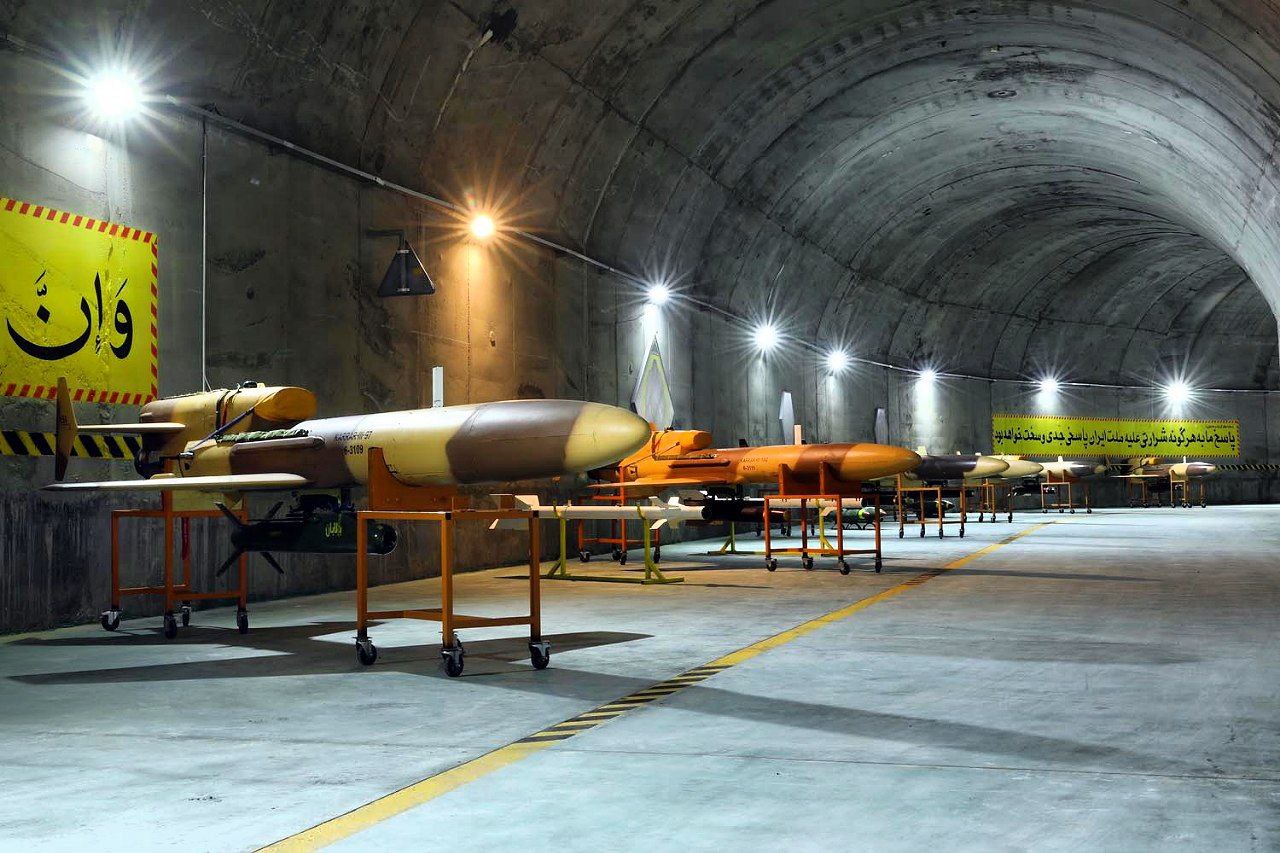
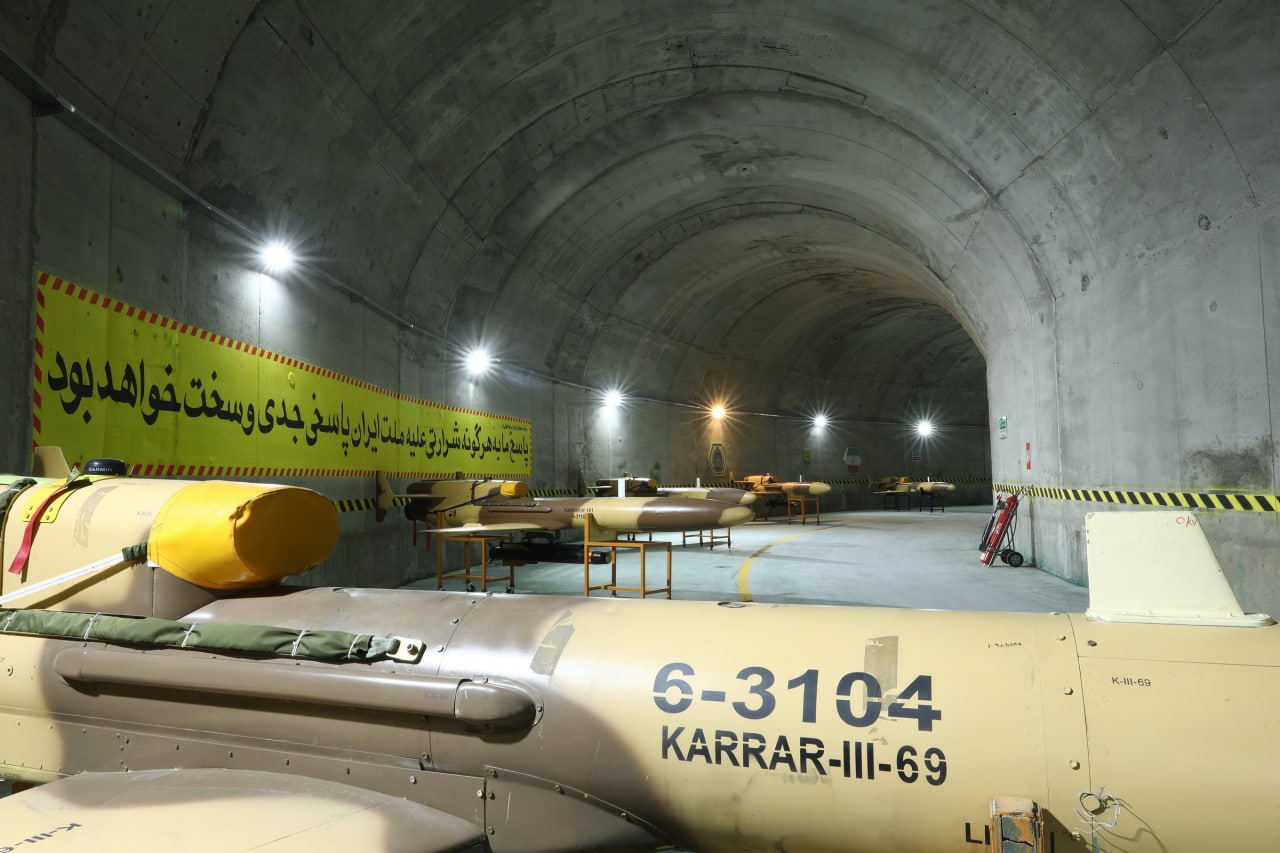
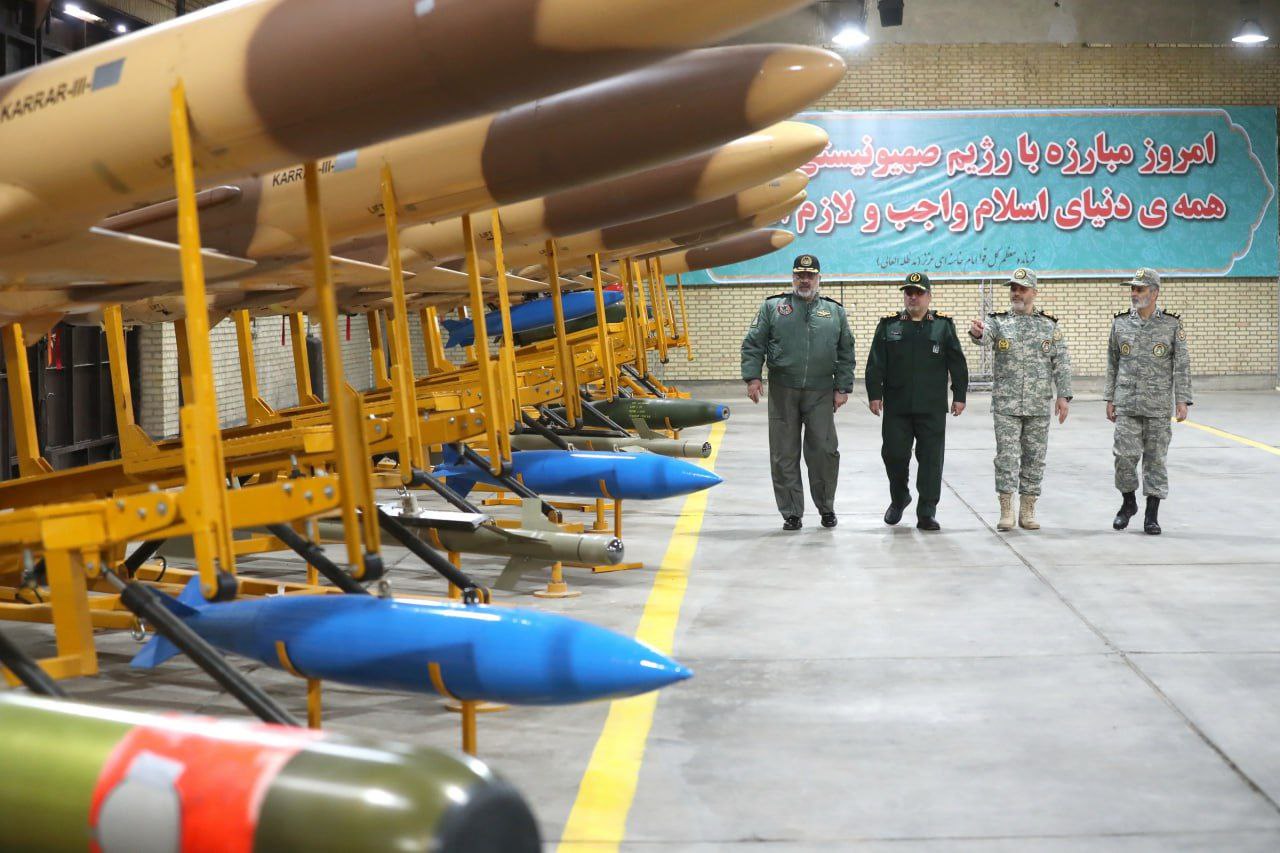
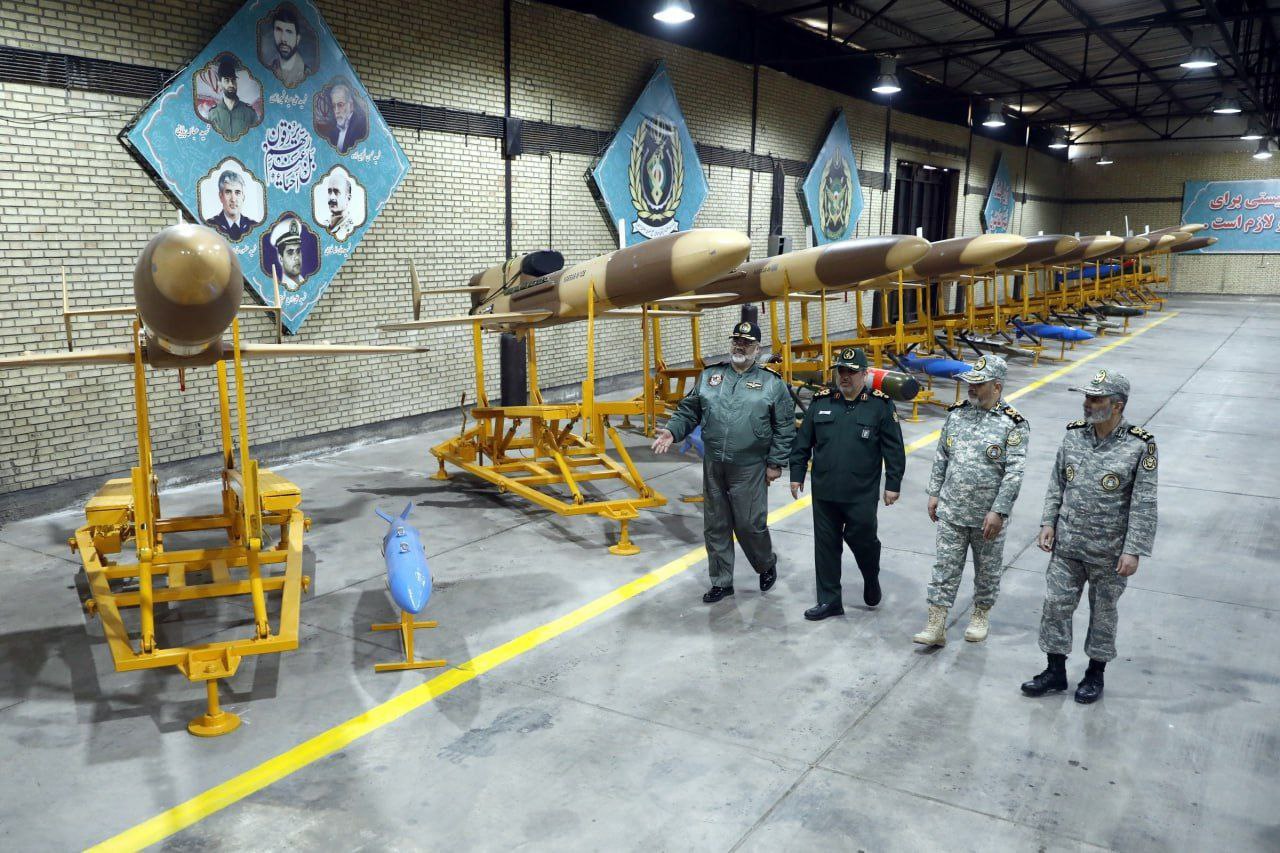
A new version of the Karrar was seen at the unveiling ceremony of the Army’s Eagle 44 underground base, which is equipped with a front camera and gives the UAV a wider field of vision.
The prototype of the Karrar interceptor with a front cameraThe prototype of Karrar UAV without a front cameraThe new camera of Karrar with a wider field of vision – At the Eagle 44 underground baseThe images of the underbelly camera of Karrar droneClick to view full size
Guidance system: Karrar’s guidance for accurate hitting of Mark 82 unguided free-fall bombs can be related to the existence of a type of guidance such as Constantly Computed Impact Point (CCIP). In this method, all factors such as wind, speed, target’s movement, gravity, projectile launch velocity, projectile drag and other factors that can affect targeting are calculated and provided to the main computer. The set of information and calculations is finally provided to the operator, which allows the drone to release the bomb accurately. So, the set of these factors, which is actually an inertial guidance, along with the presence of the underbelly camera and GPS, allows this drone to accurately hit the free fall bomb.
Launching of MK-82 unguided bomb by Karar UAV and accurate hitting of the bomb on the target
Radar equipment: In the first prototypes of Karrar and in its production workshop, a variant of the Karrar UAV was seen, which seemed to contain some kind of radar. Also, a type of Karrar carrying two Kosar bombs, each mounted on one wing, can be seen, but such a combat combination has never been seen after that. Another variant of Karrar has also been seen in the exercises, which seems to carry a special type of radar. It is not clear if this radar is for observing the environment or if it is a electronic warfare system to disrupt the enemy’s air defense systems.
An old image of the Karar varietyThe Karrar’s underbelly camera footageA type of radar used in the nose of a droneClick to view full size
The third-generation Karrar drone can be guided by the ground station up to 200 km. Probably, this number has increased to 300 km in the next generations. However, it is still not possible to guide the Karrar “suicide version”, at it’s maximum range which is 1000 km. But what is the solution for guiding the Karrar in a range of 1000 km? The only way to guide Karrar drone in a range of 1000 km is to guide it like a cruise missile. This variant most likely has some kind of terrain radar and TERCOM (terrain contour matching) system, which provides the possibility of automatic guidance similar to a cruise missile. It is also stated that there is a possibility of changing the target for the Karrar suicide drone, which seems logical considering the presence of GPS and the possibility of receiving GPS coordinates.
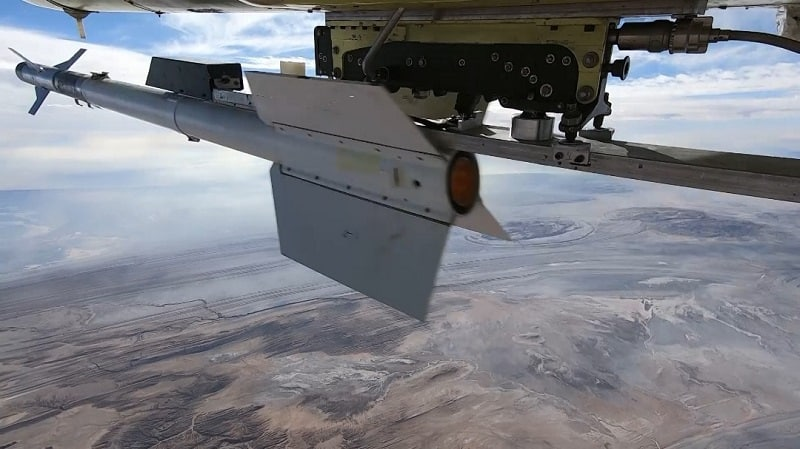
Karrar armament: From the first day of its introduction, the Karrar drone was seen with Mark 82 unguided bomb. In subsequent variants, this drone has been able to carry the Kosar anti-ship missile weighing 100 kg. In a video at an unveiling ceremony, it was revealed that this drone can carry weapons such as Simorgh cluster bomb, Yasin glide bomb (the same Mark 82 bomb with guidance kit), Balaban glide bomb, 500 pound laser guided bomb (similar to GBU-12B), Azarakhsh air-to-air and anti-tank missile and Shafagh (enhanced) missile. Of course, the Karrar drone has the capability of carrying bombs and other missiles weighing up to 250 kg, which may not be installed on it or may be installed on Karrar in the future.
A set of weapons that Karrar can carryAn image of the accuracy of a free fall bomb dropped by the Karrar droneA Karrar drone carrying Shafagh (enhanced) missileFiring the air-to-air version of the Azarakhsh missile from the Karrar droneClick to view full size
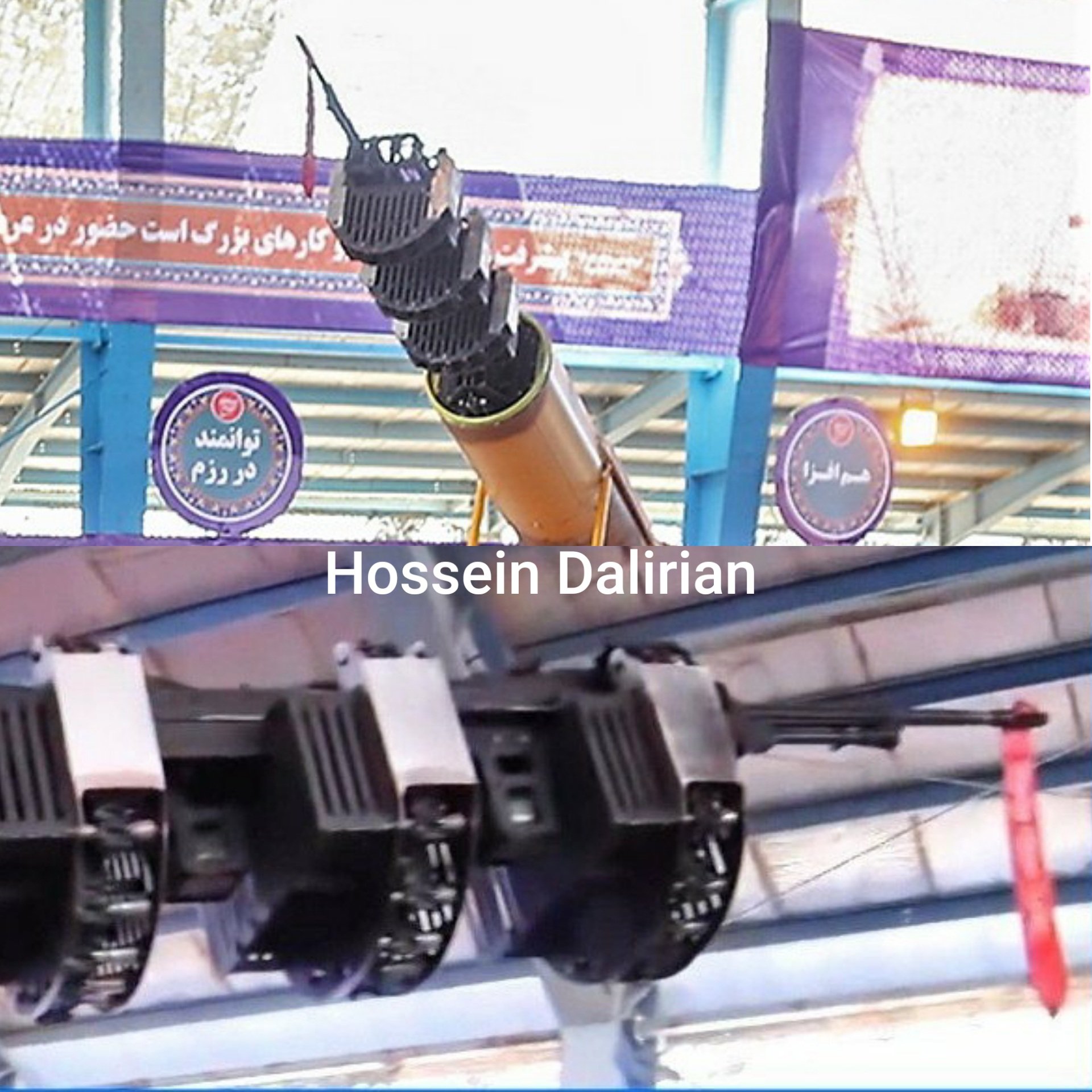
In addition to carrying all kinds of bombs and missiles, the Karrar drone can also carry rapid-firing guns, which have been offered in two types until now. The first gun is Akhgar; Akhgar gatling is a six-barreled gatling with 7.62 mm caliber and 45 kg weight, which was originally developed for helicopters. The second is the installation of three 7.62 mm light guns in one package and in the nose of Karrar drone. The operational level of these versions is not known, but it is possible to hunt drones or low-speed air targets with these guns.
Installation of the Akhgar gatling on Karrar droneInstallation of a machine gun and an empty place for two other machine guns on the nose of Karrar droneClick to view full size
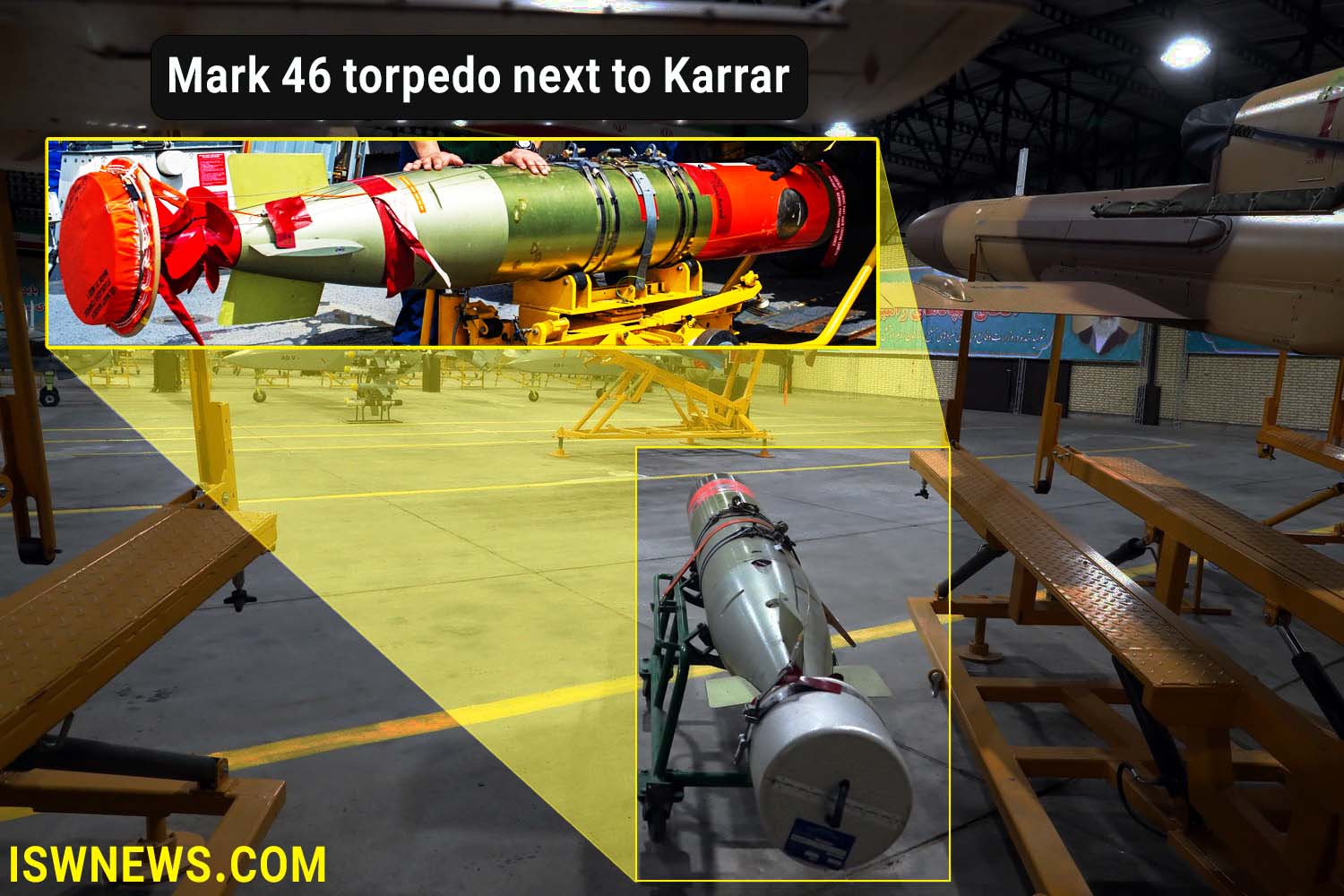
In addition to mentioned weapons, an air-launched torpedo has also been installed on the Karrar drone. The Mark 46 torpedo installed on the Karrar is a light air-launched torpedo with a weight of 230 kg, which can destroy all types of submarine targets with a 43.9 kg warhead and a range of 11 km.
Due to the use of wide range of weapons that Karrar can carry, it is capable of conducting a various range of missions; Therefore, the Karrar drone can be considered and named as the first multirole drone in the world!
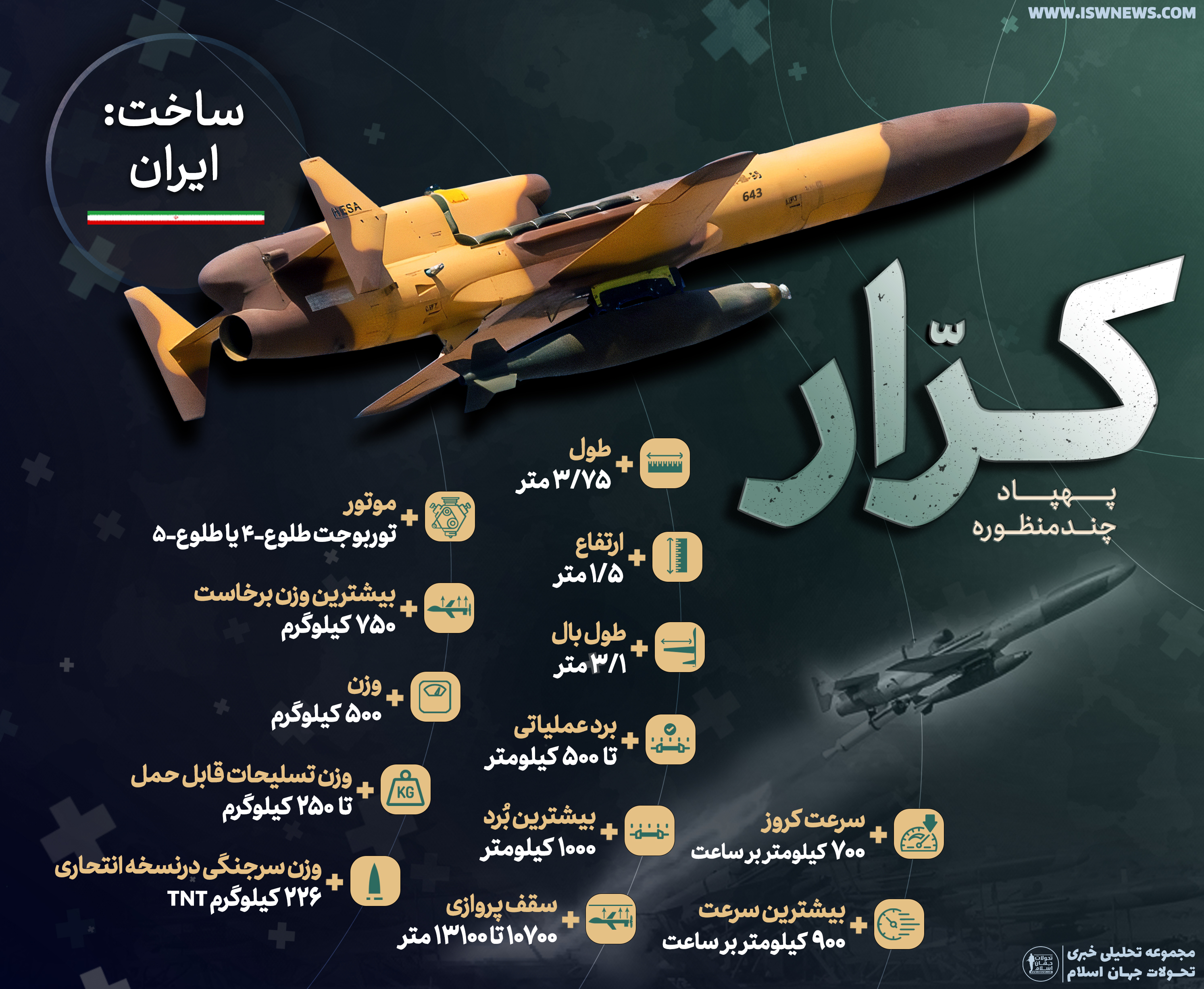
Karrar drone specifications: Role: multirole drone Length: 3.75 meters Wingspan: 3.1 meters Height: 1.5 meters Maximum take-off weight: 750 kg Weight: 500 kg Weapons payload: up to 250 kg Weight of warhead in the suicide version: 226 kg of TNT Engine: Toloue-4 or Toloue-5 turbojet Cruise speed: 700 km/h Maximum speed: 900 km/h Maximum range: 1000 km Combat range: up to 500 km Flight ceiling: 10700 to 13100 meters Origin: Iran
Karrar multirole drone – click to view full size
More images of Karrar drone:
Click to view full size
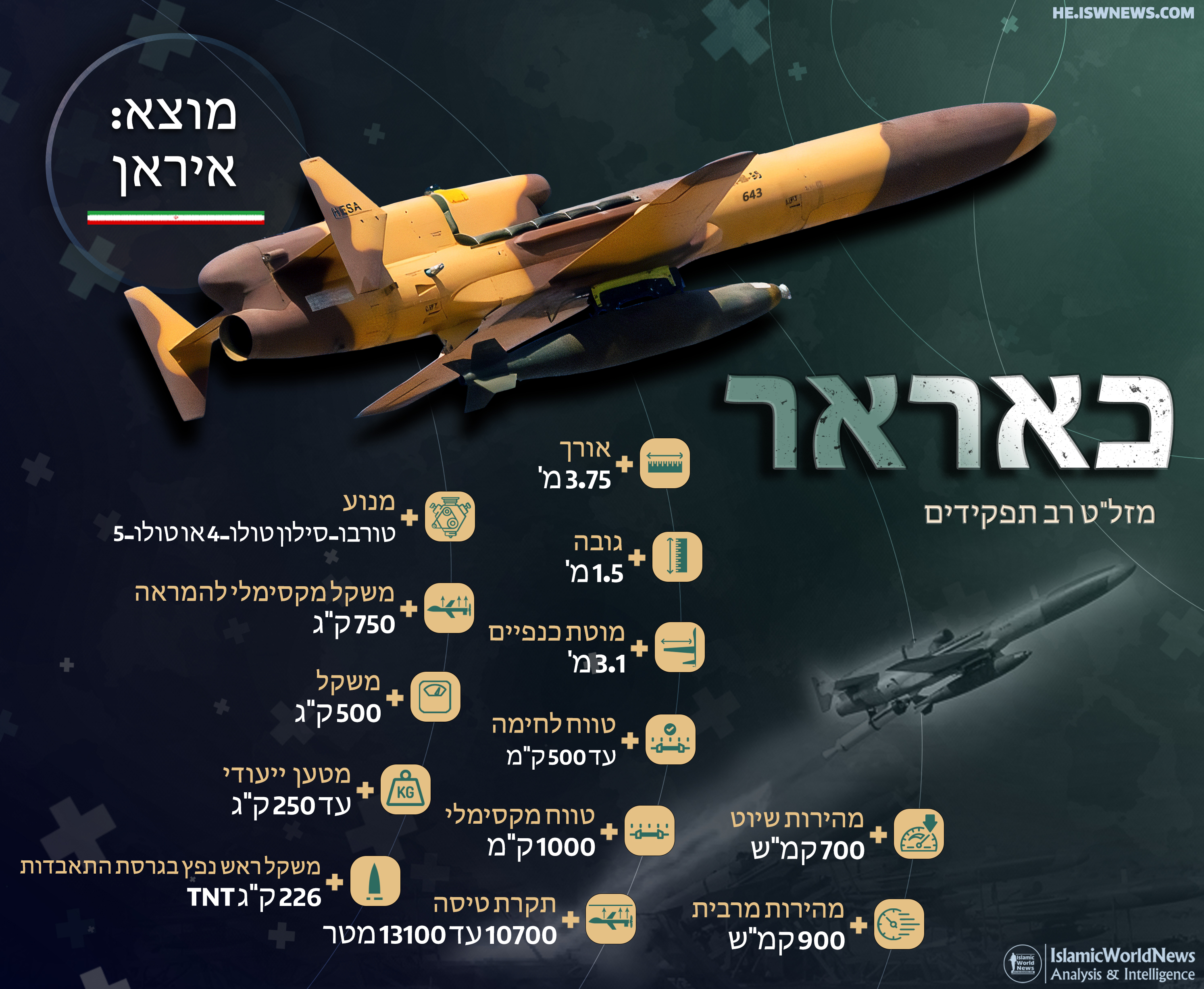
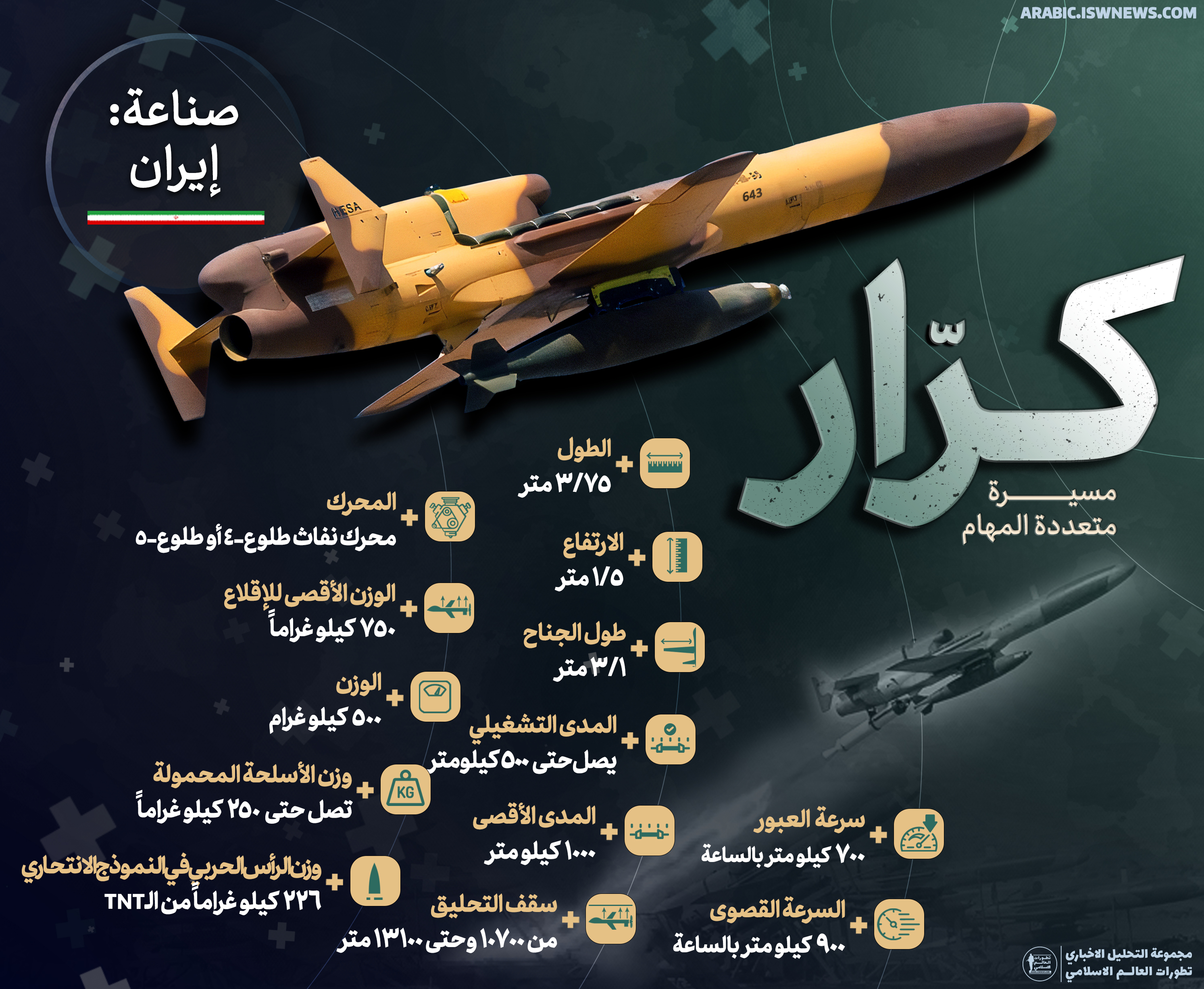
The collection of Karrar UAV posters in Russian, Hebrew, Arabic, Azeri, Kurdish Farsi:
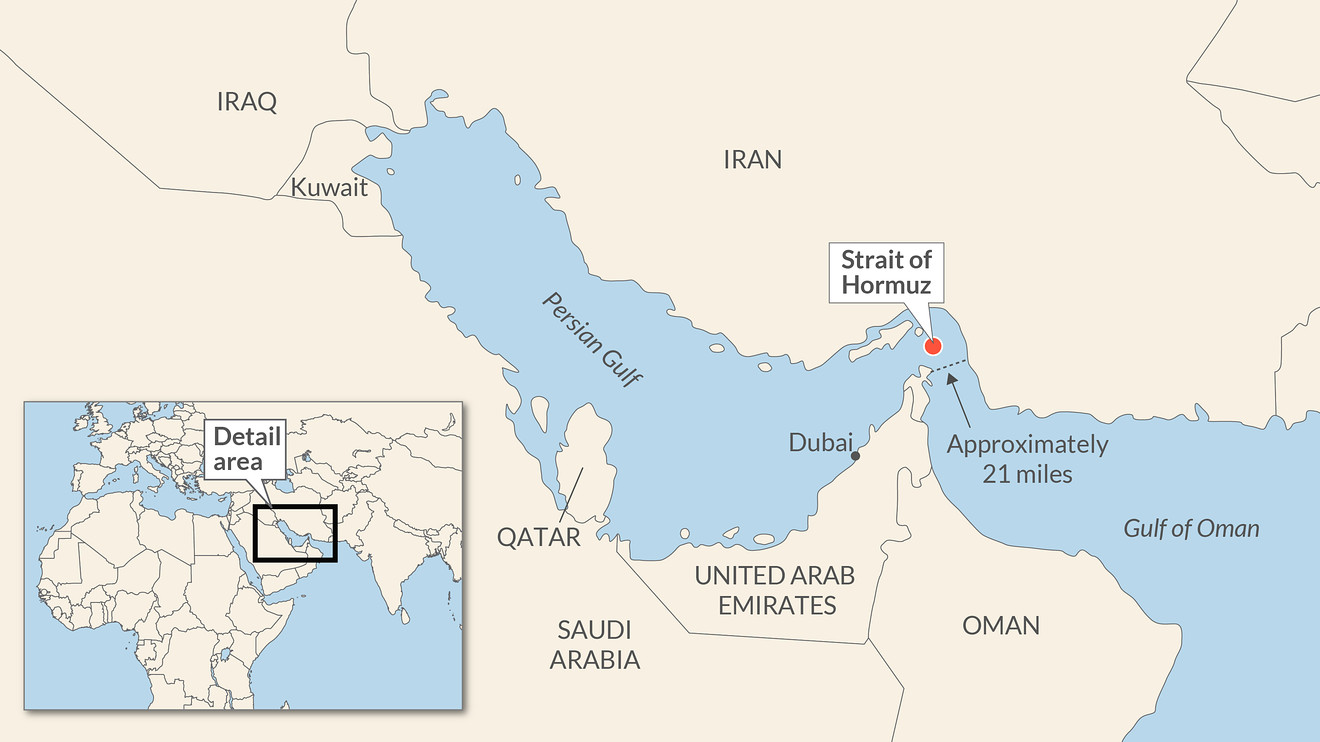
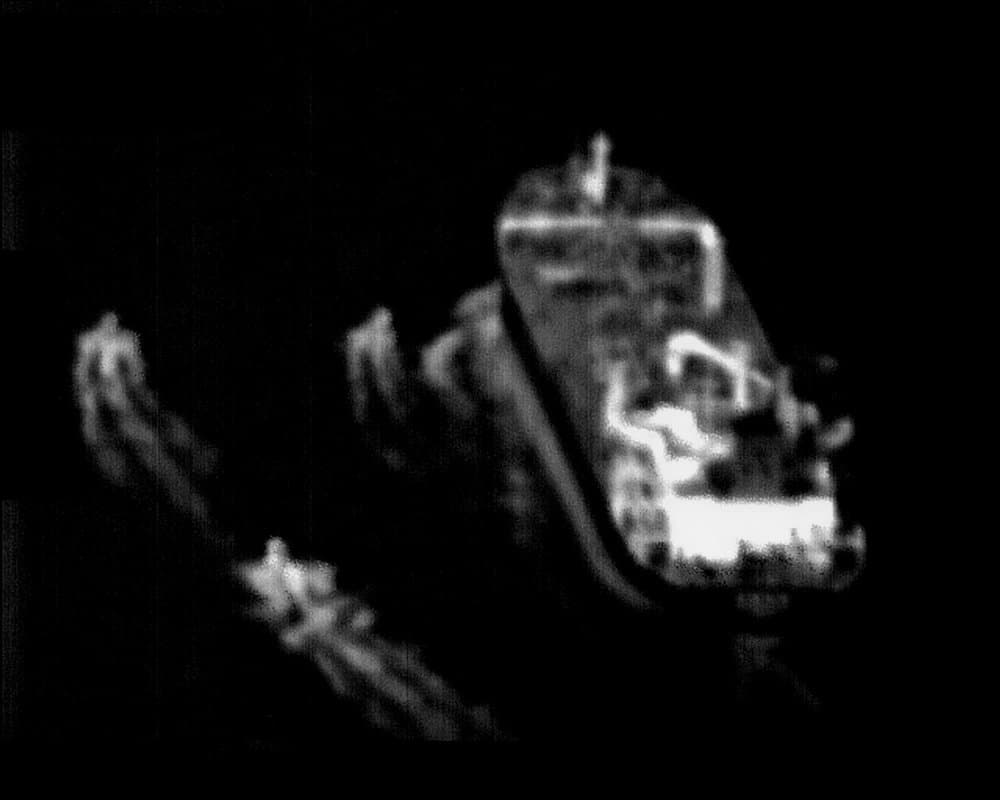
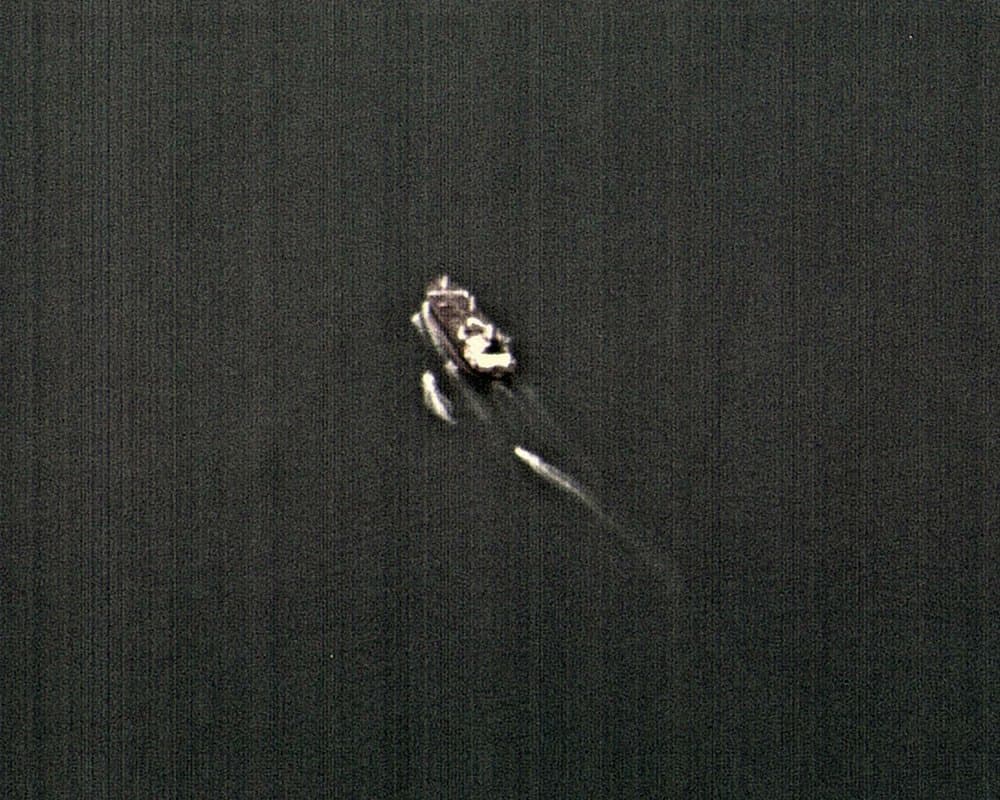
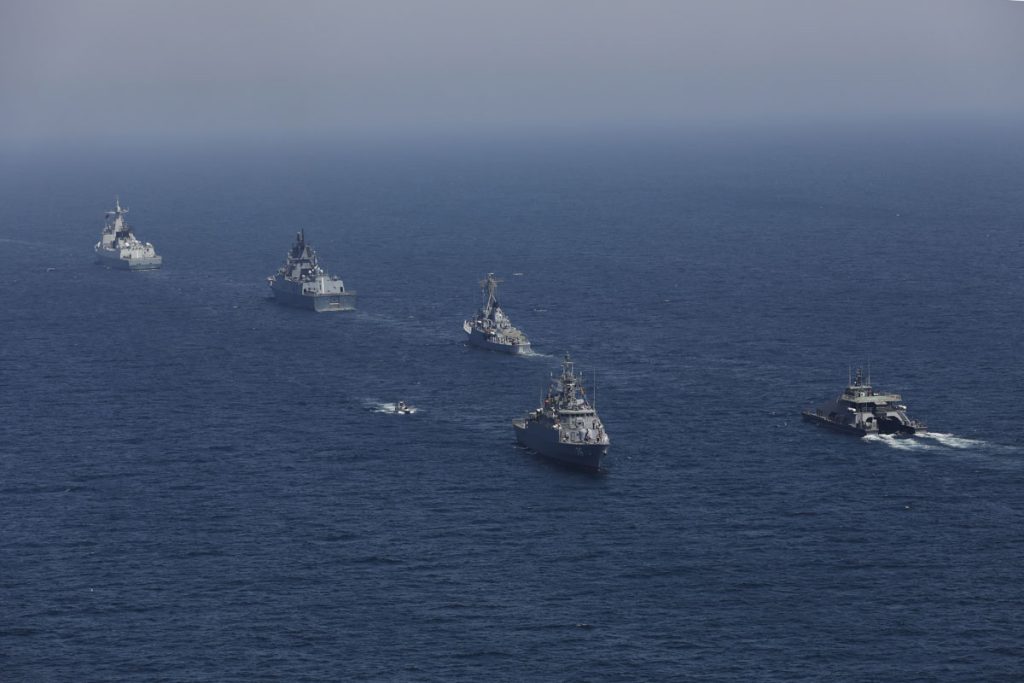
The Fifth Fleet of the terrorist US Navy, which is based in Bahrain, alleged in a statement that three Iranian IRGC boats harassed a commercial vessel in the Strait of Hormuz in the Persian Gulf.
The US Fifth Fleet went on to say that the IRGC boats moved back after the British Royal Navy had an emergency contact with the US Navy.
The news story has been released in a situation that on June 4, the United States’ military officials expressed dissatisfaction on Iran’s plan to form a maritime coalition with regional states.
US 5th Fleet spokesperson Commander Tim Hawkins claimed in an interview with Western media outlets on Sunday that the number one country, which is behind of instability in the region (Iran) alleges that it wants to form a maritime alliance to protect waters that they themselves threaten!
He further claimed that this argue is not coherent, because Iran attacked 15 international-flagged commercial vessels over the past two years and it seized some of them; therefore, these actions are important and that is why we are strengthening our defense around the Strait of Hormuz along with our partners.
Images published of the alleged IRGC boats next to the British ship in the Strait of Hormuz
The Iranian rear admiral pointed in the interview to the desire of countries located in the north of the Indian Ocean to collaborate jointly in securing the region in cooperation with the Islamic Republic of Iran. He declared that a joint naval alliance will be formed between Iran and other regional states such as Saudi Arabia, United Arab Emirates (UAE), Qatar, Bahrain and Iraq.
The regional alliance comprised of Iran and the Arab littoral states of the Persian Gulf would take shape while Russia and China are also cooperating with the Islamic Republic in a trans-regional coalition and have held numerous military exercises within the framework of the tripartite coalition.
The commander of the Islamic Republic of Iran Navy further referred to the development of a tripartite naval coalition between Russia, China and Iran, as well as the formation of other regional alliances, saying that as soon as possible, we will witness that our region is free from any unjustified military force and that the people of the region will be able to resort to their own soldiers in order to be dominant in their security field.
In response to a question about which countries are requesting the formation of such alliances, Rear Admiral Irani said that we had joint plan of action in cooperation with Oman earlier and at present Saudi Arabia has set the objective and pursued that. The United Arab Emirates, Qatar, Bahrain, Iraq, Pakistan and India are among the countries, he added.
Qatari media outlets had previously asserted that Iran and the Arab states of the region had agreed upon forming a joint naval alliance in cooperation with China in a bid to ensure maritime security in the Persian Gulf.
The development of Iran’s naval activities and the formation of regional and trans-regional alliances has been the most important strategy of the Islamic Republic of Iran Navy in the past decade. The target of the Islamic Republic of Iran in implementing such a policy is to pave the way for expelling Western military forces in particular the American troops from the West Asia region, as well as to fade away the foreign forces’ interference in developments occurring in the region.
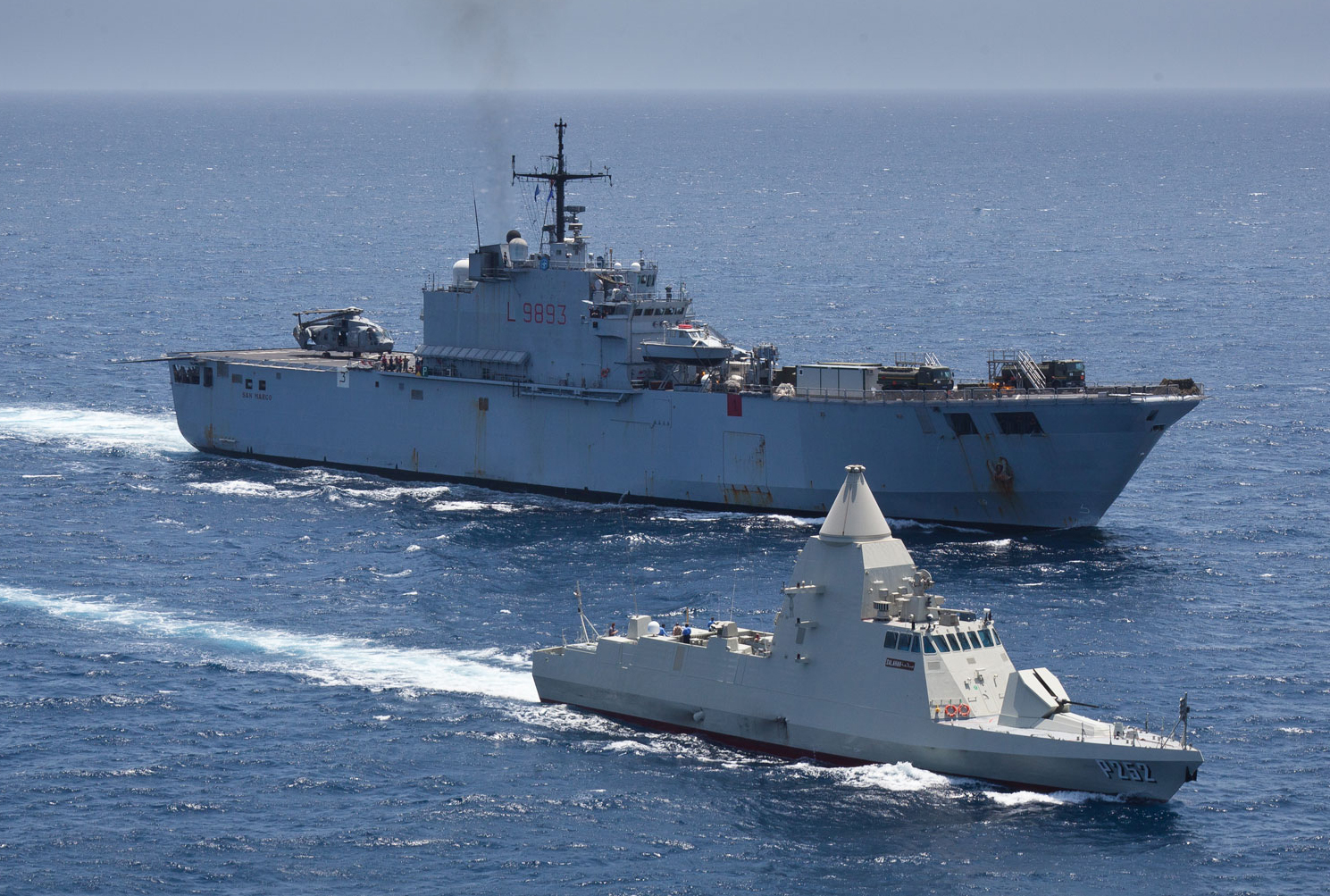
The UAE Ministry of Foreign Affairs announced on May 31 that the country had halted its contribution to the “Combined Maritime Force” led by the United States two months ago, and that the decision had been made following continuous evaluation with all other partners in the Combined Maritime Force.
The United Arab Emirates also declared that it is committed to conducting peaceful dialogue and pursuing diplomatic means as means for advancing common objectives regarding security and stability in the region.
The UAE keeps on abiding by its commitments to ensure maritime safety in its waters based on a responsible manner.
It is worth mentioning that the United States’ officials have not yet reacted to the decision by the UAE.
The “Combined Maritime Force” is a joint naval organization comprising of 37 states commanded by the US Navy’s Fifth Fleet, which is based in Bahrain.
The purpose of the naval coalition is to ensure maritime security as well as combat terrorism and piracy in the Red Sea and Persian Gulf waterways, in addition to encouraging regional collaborations and bolster safe navigation.
The UAE’s withdrawal from the Combined Maritime Force comes as the ties between the Arab country and Iran have become closer since last year, and tensions between the Islamic Republic and Arab littoral states of the Persian Gulf have decreased.
Certain Qatar-based media outlets have claimed in recent days that Iran and the Arab nations have reached consensus to form a joint naval force in coordination with China, and that they aim to guarantee maritime security in the Persian Gulf.
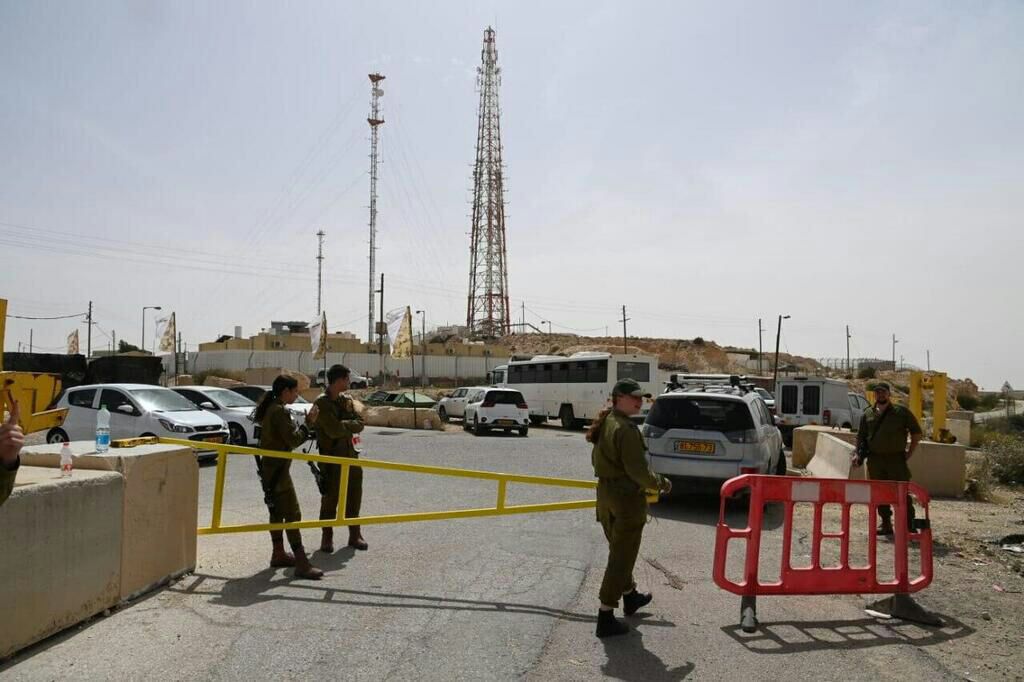
Israeli sources reported on June 3 that an army patrol of the regime was attacked near the Egyptian border and a number of Israeli troopers were seriously injured. While a Hebrew newspaper called Hadashot published different news story, reporting that a soldier was killed in the conflict.
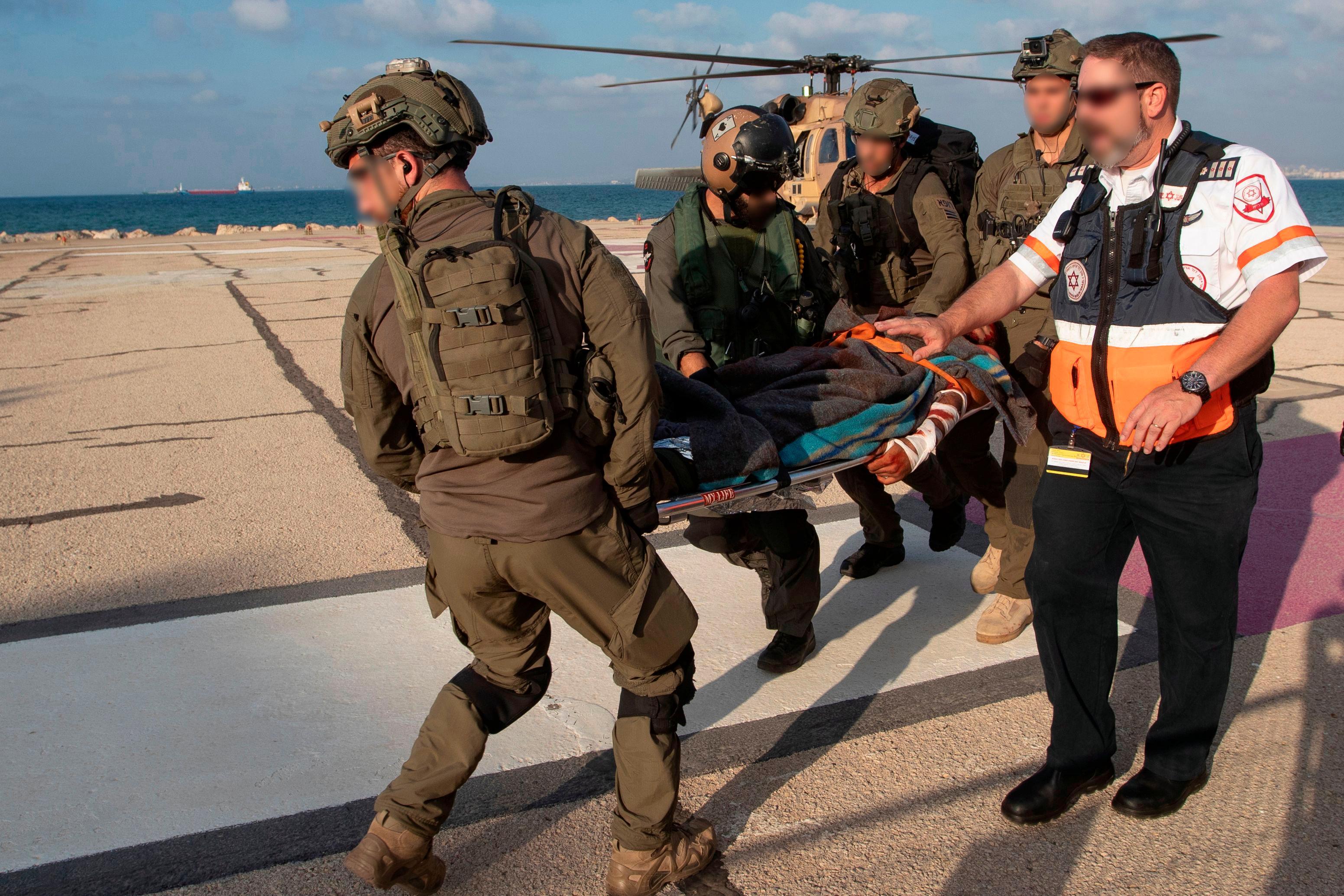
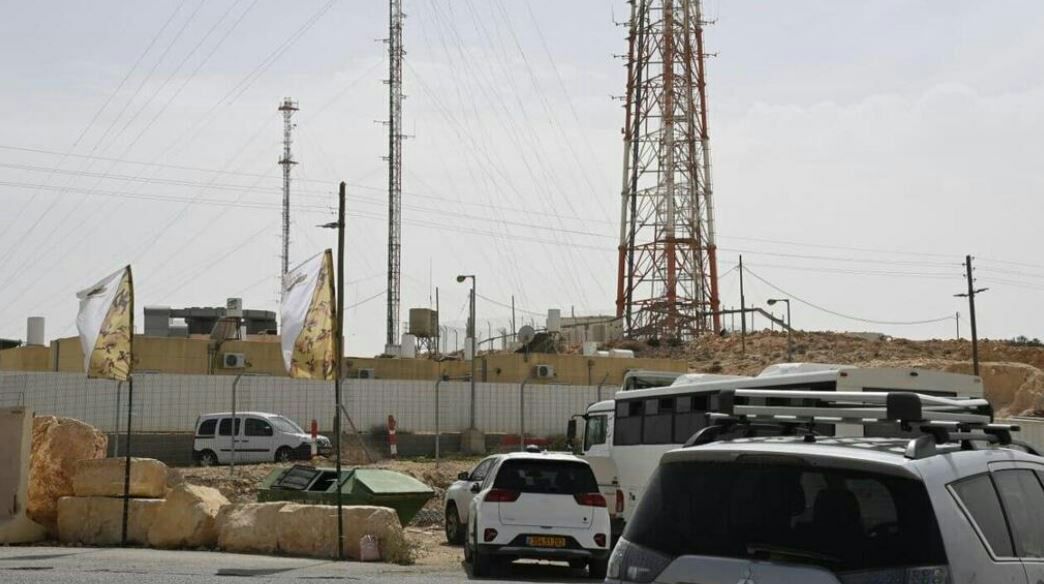
The Israeli regime’s army also declared the exchange of fire between its soldiers and armed militias near the Nitzana Border Crossing on the border with Egypt, adding that a number of military personnel were wounded in the armed incident.
Two out of the several injured troopers were transferred to Soroka Medical Center in Beersheba or Beer Sheva, the largest city in the Negev desert.
Initially, the IDF said that two soldiers manning a guard post between Mount Sagi and Mount Harif in the Negev desert were shot and killed by a gunman who managed to infiltrate into Israel from Egypt. The military didn’t identify the two slain soldiers, a male and a female.
The IDF later said that there was a further exchange of fire in the same area, which resulted in the suspected gunman and another soldier being killed. The identity of the third slain soldier was not revealed.
IDF spokesman Rear Admiral Daniel Hagari told reporters that the male soldier and female soldier were found dead by an officer in their post after they did not answer calls on the radio in the early morning. Later in the afternoon, clashes broke out near the post, as Israeli troops were carrying out searches for the suspected attacker.
Based on the Israeli army’s claim, the most recent incident, which occurred on the border with Egypt, is related to security issues and it does not have anything to do with criminal affairs.
Moreover, the Israeli regime’s army has dispatched a large number of military support forces to the clash area.
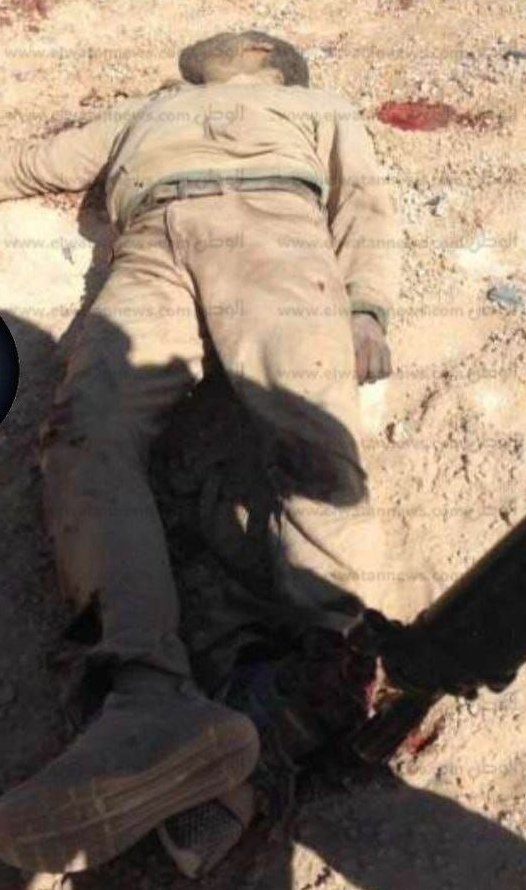
Later, the IDF revealed that the gunman was an Egyptian policeman.
The alleged image of Egyptian soldier
The Egyptian army also announced in a statement: “Today (Saturday), one of the Egyptian security forces pursued drug smugglers in the border areas, after which he crossed the border security barriers and exchanged fire with the Israeli border guard forces. During this conflict, three Israeli soldiers were killed and several others were wounded, and this (Egyptian) security force also died.”
It’s worth mentioning that Egypt and Israel signed a peace treaty in 1979, ending decades of war. Since then, the security situation along their joint border has been stable.