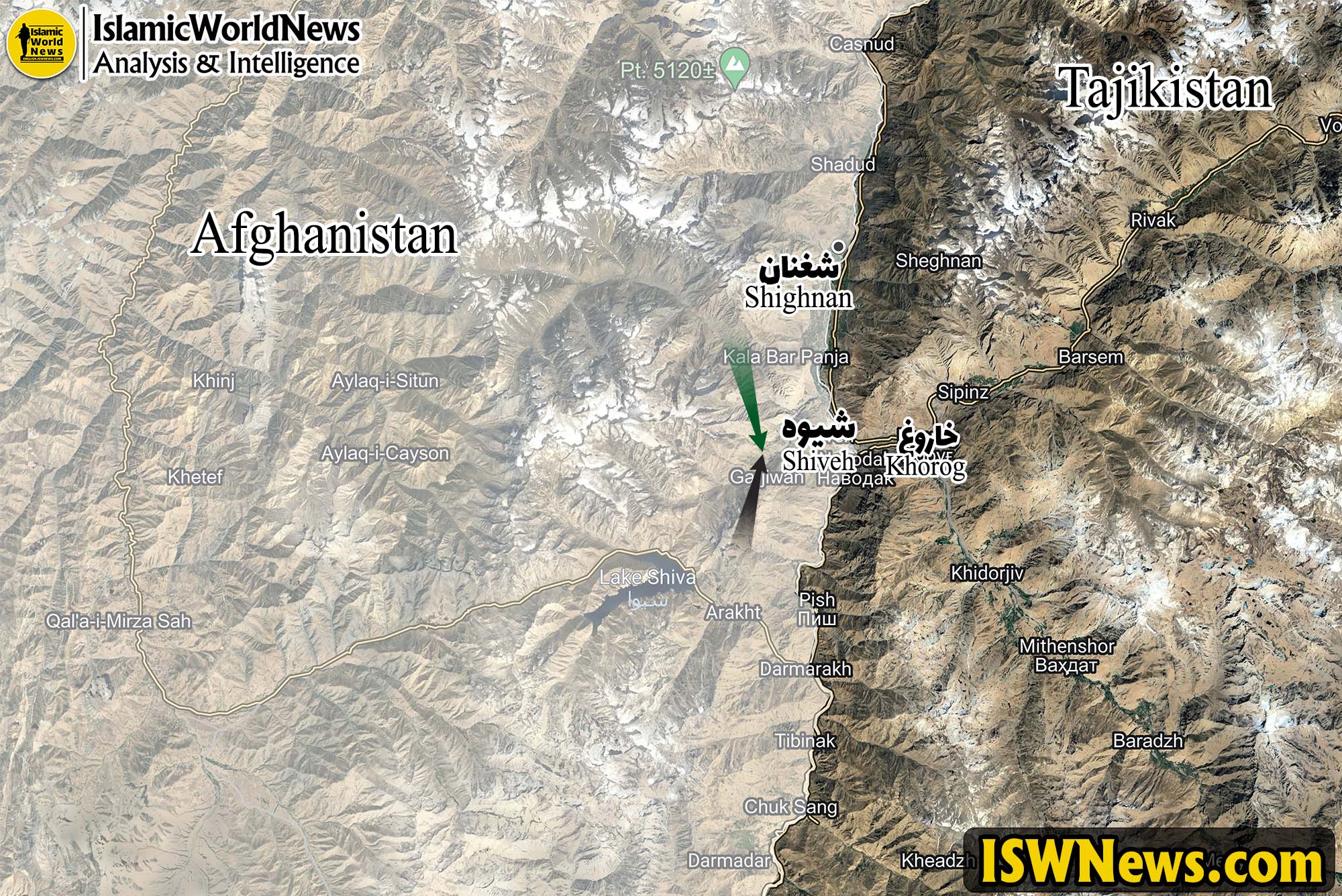
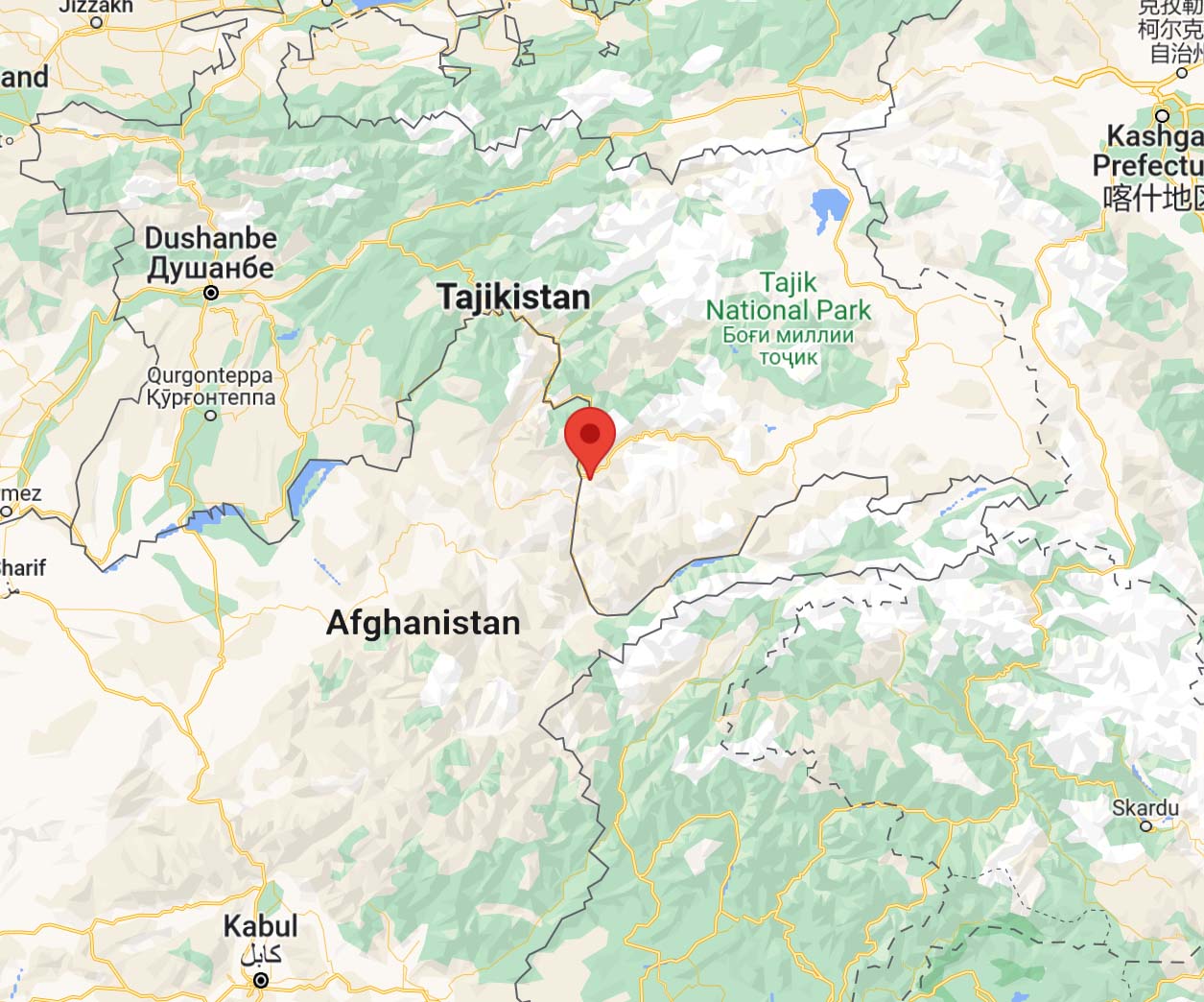
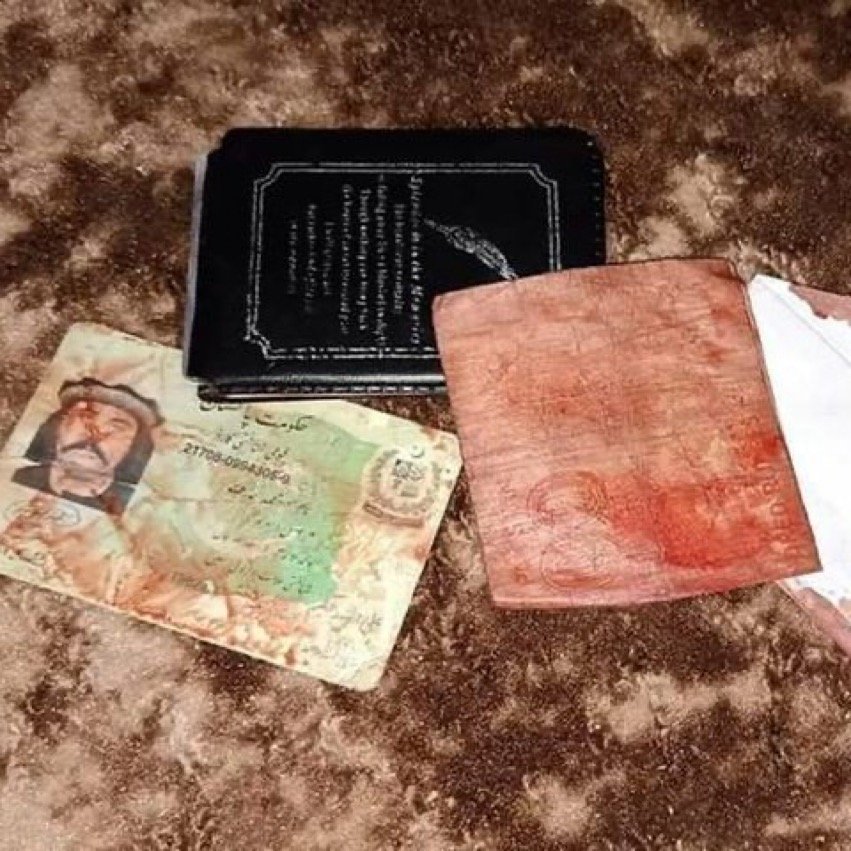
As a result of clashes between Taliban militants and Ahmad Massoud’s forces in the border area of Shiva in the Shaghnan district and the highlands of Shahda district in Badakhshan province, four members of Ahmad Massoud’s forces, including one of their field commanders named Mohammad Tahir, were killed and two others were wounded and three others were captured by the Taliban.
Also, according to media affiliated with Ahmad Massoud, 18 Taliban militants were killed in these clashes, including Qari Rahmatullah Yaftali, the field commander of the Taliban’s Badri Brigade, and 27 others were wounded.
The intensity of clashes were so high that the Taliban had to ask Omari and Badri brigades in Kunduz province to send reinforcements.
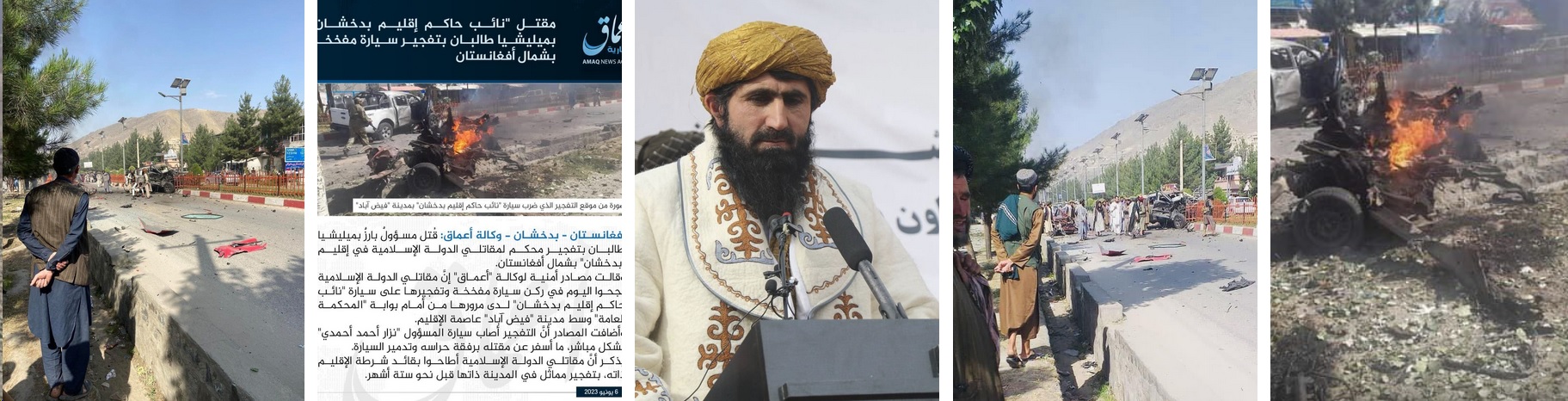
On Tuesday (June 6), a convoy carrying local Taliban officials in Badakhshan province in Faizabad town, the center of Badakhshan province, was targeted by the ISIS terrorist group.
The attack was carried out via explosion of a bomb-laden vehicle at the Dadsetani intersection, which ended up in the killing of eight Taliban officials, including deputy governor of the Taliban in Badakhshan province Molavi Nisar Ahmad Ahmadi. The ISIS terrorist group took responsibility for the attack hours after it was carried out by issuing a statement.
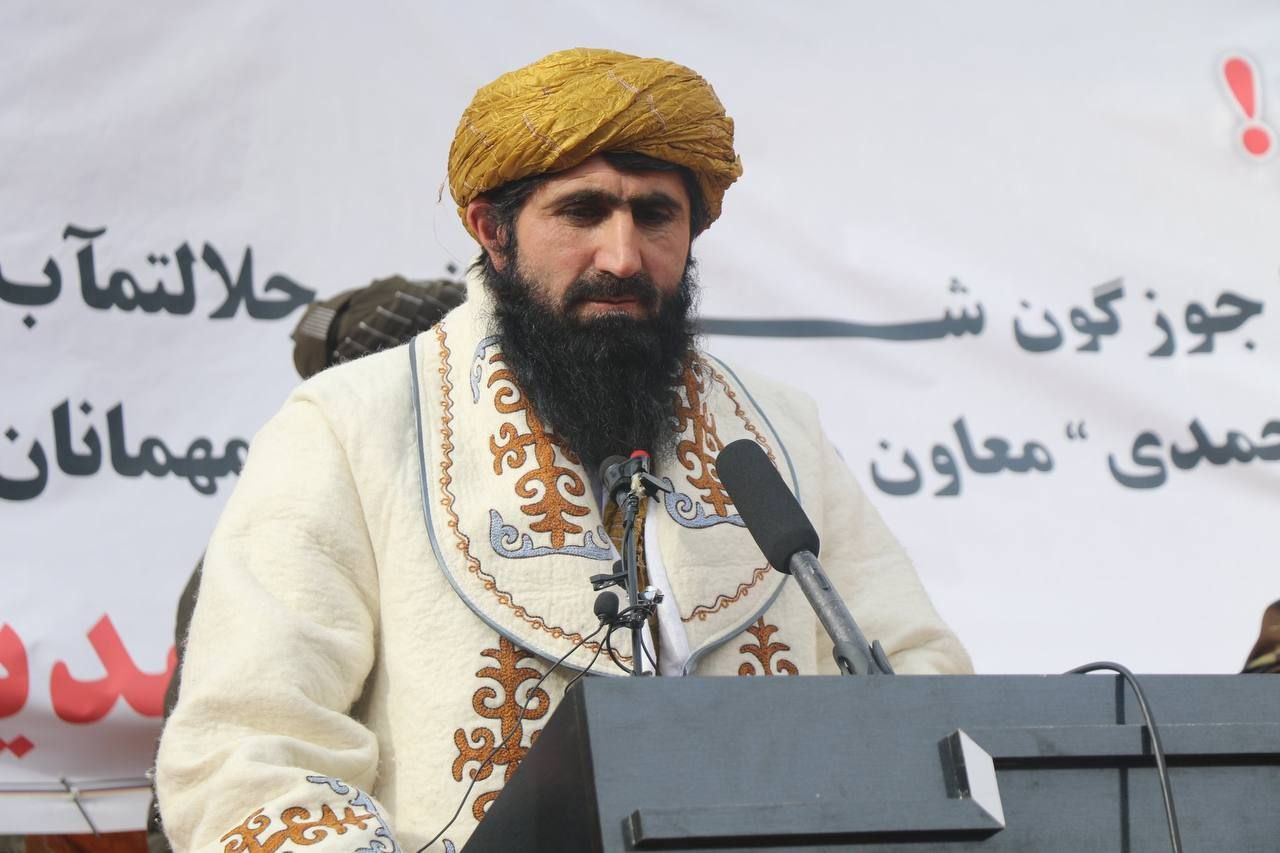
Pictures of Molavi Nisar Ahmad Ahmadi, deputy governor of the Taliban in Badakhshan and the place of his assassination
Two days after the attack, another terrorist attacked the funeral ceremony of Molavi Nisar Ahmad Ahmadi at the Nabawi Mosque in Faizabad town and blew himself up among the people present in the mosque.
The explosion also led to the killing of at least 16 Taliban forces and injuring more than 50 others.
It should be noted that dozens of middle-ranking members and local officials of the Taliban group attended the funeral ceremony of deputy governor of the Taliban in Badakhshan province Molvi Nisar Ahmad Ahmadi at the Nabawi Grand Mosque in Faizabad town, who were targeted by a suicide bomber.
Among those present at the funeral ceremony were Minister of Economy of the Taliban caretaker government Qari Din Mohammad Hanif, former security commander of the Taliban in Baghlan province Molvi Safiullah Samim and prayer Imam of Nabawi Grand Mosque Qari Ehsanullah.
It is worth mentioning that the names of Molvi Safiullah and Qari Ehsanullah have been mentioned among those killed in the terrorist attack.
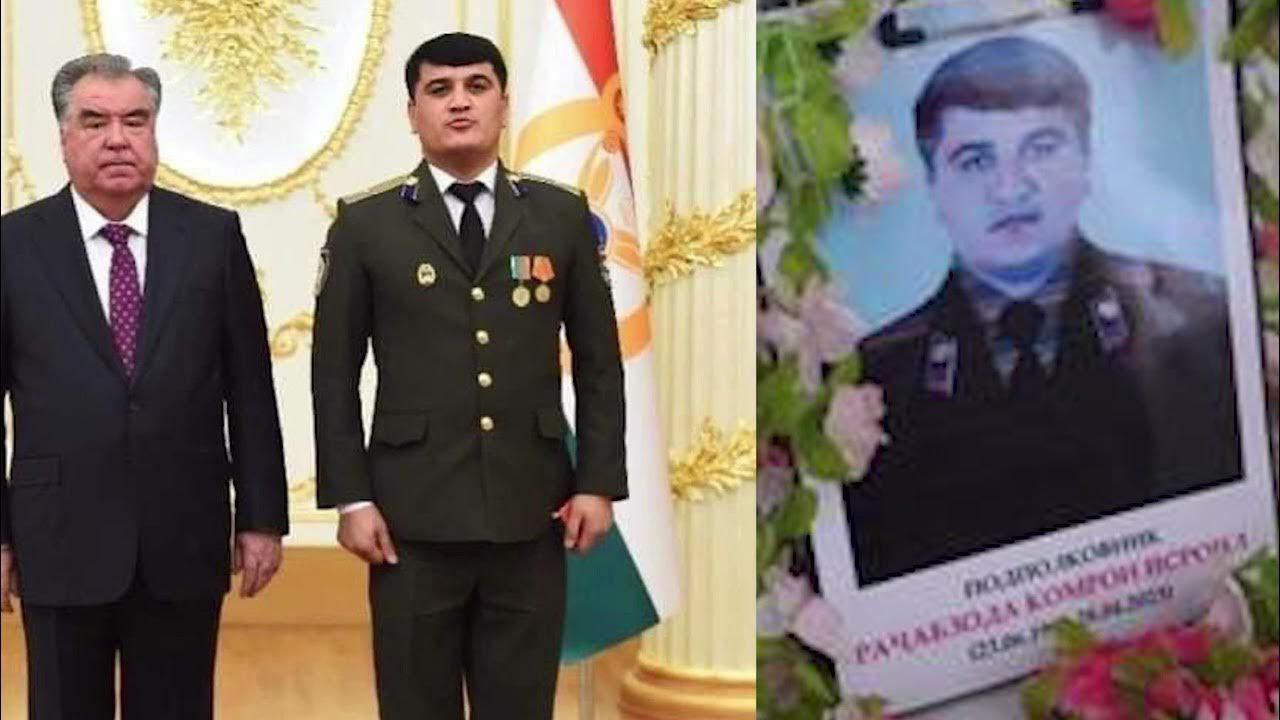
According to a report by sources affiliated to the government of Tajikistan, Kamran Rajabzade was killed in the security district 184 under supervision of the Tishar checkpoint in the Gorno-Badakhshan province, an autonomous region in eastern Tajikistan, as a result of an armed conflict between the security forces and unidentified militants in Kharog town on May 8.
The sources mentioned that the exact number of the unidentified militants was eight, who illegally entered the territory of Tajikistan early on May 8th. They entered from the border areas of Afghanistan, but the Tajik security forces realized them and after hiding in an unspecified area started an attack on the infiltrators. The government sources also claim that three members of the militant group were detained and five others could flee to Afghanistan.
Khorog town, near the Afghanistan border
In accordance with the on the ground investigations of a field source of the ISWnews, there are three narratives on the incident:
1- The first version is the narrative of the government sources, saying that Kamran Rajabzade was killed in a patrol mission in the joint border areas with Afghanistan. Regarding the issue, it should be said that Rajabzade is the highest security official in Kharoug city; moreover, the head of border guard is under Rajabzade’s command; so, why should a senior security official patrol the borderline?
2- The second narrative mentions that Rajabzade had connection with drug and weapon traffickers and he was killed by those traffickers in a face-to-face meeting because of an armed conflict or after a dispute; therefore, the government of Tajikistan held Rajabzade’s burial ceremony incredibly in a speedy and compact way.
3- The third version of narration comes from local sources in Khorogh city. The top security officer was one of the main elements in suppressing the last year protests in Gorno-Badakhshan as well as the killing of opponents of President Emomali Rahmon’s government, including Mohammed Baker Mohammed Bakerov; therefore, Rajabzade was assassinated by opponents of the Tajik government. Seemingly the third narrative is somehow closer to the reality.
Furthermore, the border guards of Tajikistan shot at two unidentified armed persons on the border of Gorno-Badakhshan province with Afghanistan on April 26, when the people were trying to infiltrate into the soil of Tajikistan, and the incident left both armed individuals dead. A number of local sources in Afghanistan said that the armed people were elements of the Jamaat Ansarullah group in Tajikistan.
It should be mentioned that in the negotiations between the Taliban and representatives of the National Security Committee of Tajikistan in Khorog on March 24, the government of Tajikistan called for the extradition of Mohammad Sharif (also known as Mahdi Arsalan), the commander of Jamaat Ansarullah in Tajikistan, in return for handing over Afghanistan’s embassy in Dushanbe.
The Taliban rejected the request, and announced that it is committed to the transfer of the militants of the Jamaat Ansarullah of Tajikistan from the border towns of Gorno-Badakhshan province.
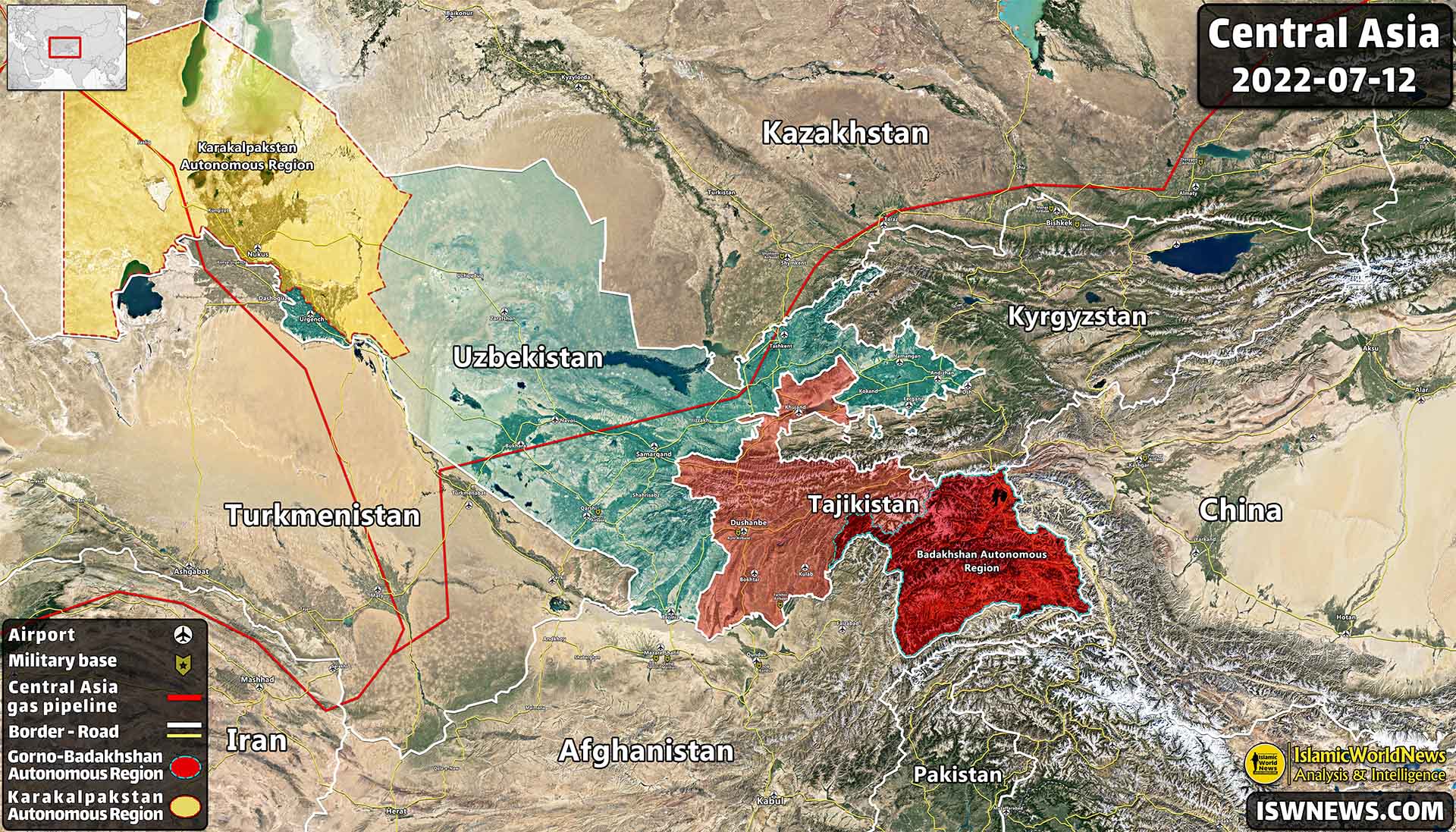
During the last year, Central Asia has witnessed different crises, from street protests to military conflicts at different levels. Also, the activities of political movements and the military officials of various countries in the Central Asian region, especially the Americans, have increased the importance of this situation. The crises of this region can be defined as follows:
1- Afghanistan crisis and America’s effort to influence more in Central Asia: After a year passed since the Taliban came to power in Afghanistan and also the withdrawal of the American forces from the country, a big security vacuum was created in the region and most of the Central Asian countries started their relations with the Taliban in limited condition. But in the meantime, Tajikistan publicly supported Ahmad Massoud forces and rejected the general interaction with the Taliban government. This issue arises from a close relationship with America. In general, the goal of the Americans for the warm relationship with Tajikistan is to continue to be present in the Central Asian region so that they can firstly penetrate into the backyard of Russia, China and Iran and also continue to play a role in the Afghanistan developments. America was defeated by Pakistan’s negative response regarding the construction of the base and several other things at the beginning of this matter; But now with the HUMINT policy, support for non-governmental organizations (NGOs) as well as training and military and security assistance, it has increased its influence in Tajikistan. One of the reasons for Putin’s recent visit to Tajikistan was the concern about the increase of American activities. In less than a month, three high-ranking American officials, Donald Lowe, Tom West, and General Michael Kurilla, had traveled to Tajikistan.
Rocket attacks by ISIS and unknown groups from Afghanistan to Tajikistan, Uzbekistan and Turkmenistan were also among the other events that happened in the last few months, and this issue cannot be analyzed until its dimensions are hidden.
2- Suppression of popular protests in Tajikistan’s Badakhshan: Since 2012, the mountainous Badakhshan Autonomous Region of Tajikistan has been the source of popular protests and severe repressions by the government of Emomali Rahmon. This issue has intensified since November 2021 and its peak can be seen in the assassination of “Martyr Mohammad Baqer MohammadBaqerov”, one of the popular leaders of this region. Also, other local leaders have had a similar fate or have been arrested.
According to the latest field information, the government of Tajikistan seeks to suppress the popular groups in Badakhshan in order to apply its unified and autocratic rule in all of Tajikistan. With the opportunity of Russia’s war with Ukraine and simultaneous regional trips to Iran, Russia and Uzbekistan, “Rahmon” was able to complete his operations for ethnic cleansing in Badakhshan without any pressure. It should be noted that after this tension, the young fighters of Badakhshan either ran away or hid in the mountains, and the atmosphere of suffocation reigned over the city of Kharogh and other cities of Badakhshan province.
3- Uzbekistan and the Karakalpakstan crisis: During the Soviet Union period, the Karakalpakstan region was first included in Kazakhstan, then in Kyrgyzstan, and later in the status of an autonomous republic, and finally it was handed over to the Soviet Republic of Uzbekistan. In 1990, the sovereignty of Karakalpakstan was approved, and at the beginning of 1993, an intergovernmental agreement was signed, according to which the Republic of Karakalpakstan became part of Uzbekistan for 20 years. Karakalpaks believe that their country is not an autonomous region, but an independent country within Uzbekistan.
Karakalpakstan is a parliamentary republic, which has a national flag, official coat of arms, constitution and national anthem, and covers 37.1% of the territory of Uzbekistan. This region has rich resources and reserves of oil, gas and gold, and its population is about 2 million people, who are in the minority compared to the population of 35.3 million Uzbeks.
The separatist tendencies in this republic intensified when the government of Tashkent announced that it was preparing to approve a constitutional amendment, which will remove the sovereignty of the Karakalpaks over their region. On July 5, “Dauletmurat Tazhimuratov”, the leader of Karakalpaks, planned to hold a peaceful rally on this issue, but the situation became tense after his video call. After this, military equipment and counter-insurgency forces were deployed throughout the city of Nukus, the capital of Karakalpakstan and Tazhimuratov was arrested. Of course, the Uzbek government has backed off from changing the constitution and the situation has calmed down. In the last 10 years, the situation in Karakalpakstan has become the hottest topic in the media about Uzbekistan.
It should be noted that the authorities of Tashkent government have not renewed the autonomy agreement of Karakalpakstan since 2003 without polls and elections from the people of Karakalpakstan, and this led to start of these protests.
4- Protests in Kazakhstan: What ignited the protests in Kazakhstan was the increase of fuel prices, but the demands of the protesters have now changed and they want to address broader issues. Kassym-Jomart Tokayev, the president of Kazakhstan, claims that these protests are organized by “terrorist groups” trained outside of Kazakhstan. The president of Kazakhstan declared a state of emergency following these protests across the country and promised to deal severely with the protesters. In a televised speech in the first hours of the protests, he said that he requested the help of the “Collective Security Treaty Organization” (CSTO) to establish stability in his country. Tokayev is the second leader of Kazakhstan after declaring independence from the Soviet Union in 1991. The election of Tokayev in 2019 was condemned by the Organization for Security and Cooperation in Europe (OSCE) on the pretext of not observing democratic standards in the elections.
The presence of CSTO forces in Kazakhstan to suppress protests was one of the notable points.
5- The military aid of the world powers to the countries of the Central Asian region: During the past few months, significant military aid was provided to the countries of the region, most of which was directed to Tajikistan. The establishment of the Ababil 2 drone production line in Tajikistan with the presence of Major General Bagheri, the Commander of the General Staff of the Iranian Armed Forces, the visit of the head of US CENTCOM to Tajikistan and the announcement of US$60 million military aid to Tajikistan (Puma drone, the construction of border posts in the Chaldovar region in the south of Tajikistan, ranger and mountain warfare training to the Tajik military, as well as providing special border equipment to Tajikistan), equipping the Tajik army with Chinese weapons, Russia’s promise to support and equip the Tajik border guards, and the sale of Turkish drones to Kyrgyzstan have been part of these military deals.
Location of US border bases near Aiwaj in Chaldovar region
Based on these developments, it can be concluded that Central Asia has always been in the spotlight due to its high importance, and due to the attention of the world’s military powers and the sending of military aid to this region, it is susceptible to important developments in the future. As Alexander Lukashenko, the President of Belarus, pointed out at the ceremony of the Independence Day of Belarus, Central Asia, like Eastern Europe, is located between two fronts and is a place where global poles clash. But the main issue today is not Ukraine, Belarus, grain and wheat exports, etc. Rather, the main issue is the emergence of new, powerful players in the international arena who have challenged the unipolar structure of the world. Protests and color revolutions, the greater influence of America and China and in contrast to the decrease of Russian influence in Central Asia, the possible role of Iran, etc. are among the things that we will hear more about in the future.
1. Peace Talks: – The government of Ashraf Ghani have freed 98 of Taliban prisoners from Polcharkhi prison of Kabul. – The spokesman for security council of Ashraf Ghani’s government: “Until now 648 of Taliban prisoners were freed and soon the other 850 will be too.”
2. Badakhshan: During a massive Taliban offense against the Yaftal district, Taliban took the control of 7 villages.
3. Faryab: During the attack of a Taliban infiltrator in Yangi village, 3 were killed and 9 more injured.
4. Nangarhar According to the local sources, the intelligence chief of ISIS was arrested by security forces.
5. Helmand: A car bomb exploded in Nahri Saraj. 5 were killed and 5 mote injured.
6. Paktia: In the result of explosion of a handmade bomb in a mosque in Kheyrkoot district, 20 praying man were injured.
7. Pakistan: Arif Vazir, one of top members of Pashtun Tahafuz Movement (PTM) and cousin of Ali Vazir (one of the leaders of this movement) was assassinated by unknown agents in Southern Waziristan. The PTM is one of ethnic organizations in Pakistan which follows the anti-government and anti army policies. D accused Army of Pakistan of spread of terrorism in the region and abuse of ethnic groups in Pakistan.
1. Takhar:
– Heavy engagement between security forces and Taliban in Yangi Qala, Khaja Ghar and Darqad districts.
Taliban’s attack in Khaja Gha was repelled by security forces but towns Yangi Qala and Darqad fell.
Security forces retreated to prevent further casualties, reportedly.
2. Badakhshan:
– Yamgan district is liberated from Taliban after 4 years.
–Kuran Wa Munjan district were also liberated from Taliban by people’s immobilization and uprising.
3. Balkh:
– Local sources reported that officials ordered the forces to retreat from important village Siah Ab and leaving it to Taliban without engagement. By this advance, Taliban has access to east of Shulgara district.
4. Farah:
– Anar Dara district that was occupied by Taliban a few days ago was reclaimed by security forces again.
5. Kabul:
– A suicide bomber detonated his car against entrance of the Army’ Special Ops Corps in Rishkhor, an area between Kabul city’s PD-7 and Chahar Asiab district, in south of Kabul city.
Four ANA soldiers martyred and three other wounded.
Taliban took responsibility of the attack.
1. Farah:
– Engagement between Taliban and security forces in regions Pole Bagh, Rigi, Chahar Bagh and Qalaa Zaman Khan in suburb of Farah town is severe. Taliban casualties 60 reportedly.
– Districts of Shib Kuh and Qalaa Gah besieged by Taliban.
– Anar Darrah town occupied by Taliban.
2. Qunduz:
– According to Afghanistan Ministry of State’s spokesperson, in an operation by security forces Khan Abad is reclaimed from Taliban. Taliban’s casualty reported of 20 killed and 17 injured.
3. Badakhshan:
– Wurduj town after 5 years of occupation by Taliban reclaimed by security forces. 100 Taliban members killed and injured.
4. Latest news of Taliban-US talk:
– Trump ordered the talk to halt after an American in Afghanistan was killed. In a tweet Trump said that he will meet soon with Ashraf Ghani and Taliban leaders but the meeting is cancelled due to Taliban impotence in stopping the attacks.
1. UN confirmed civilians death in Helmand by US airstrike after 48 hours.
UN with a lot of delays stated that due to US airstrike to Garmsir in south of Helmand province 23 civilians including 10 children and 8 women killed and injured.
These crimes are done by foreigners while Afghan justice system cannot hold a trial for them due to Americans judicial immunity. An immunity which is humiliating and does not comply with human right.
2. A census of US firework over Afghanistan in 2018 according to US Airforce Commandment
From beginning of 2018 until the end of October, USAF used 5982 different weapons to bomb Afghanistan and fighters performed 6600 sorties of flights.
3. Farah:
According to local sources more than 80% of Farah land is occupied by Taliban. Shah Mahmoud Na’imi deputy of province parliament stated that efforts of Afghan security forces to provide security has not been fruitful.
4. Iranian embassy in Kabul: American accusations against Iran are to hurt Kabul-Tehran relation.
Brian Hook, US special representative in Iran’s sanction affairs in a speech proclaimed that Tehran is supporting Taliban.
Embassy of Islamic Republic of Iran in a statement to answer the accusations: The stand of US representative about unlawful sanctions on Iran targeting Iran’s weapon support of Taliban which is done to cover US reckless and opaque behavior in Afghanistan, is an effort to deviate public opinion and interrupt the friendly relationship between Islamic Republic of Iran and Islamic Republic of Afghanistan and Iran declines these evidence less and unreal claims and considers them along with US Iranophobia policy in the region.
5. Badakhshan:
Afghan Army operation in Badakhshan province, caused one commander and 17 Taliban members to be killed.
Afghan Ministry of Defense stated that due to Afghan security forces operations in different points of Afghanistan in the last 24 hours, 57 Taliban members are killed and 13 are injured.
6. Nangarhar:
Four ISIS member are killed due to US UCAV attack to Khogiyani and Pachiragam cities in Nangarhar province.
7. Security returned to Malestan and Jaghuri
Ghazni province officials in a statement announced that security is returned to Malestan and Jaghuri and those who left due to war and insecurity, can return to their homes now.
In the last week, security officials reported to establish 30 security checkpoints in Malestan and Jaghuri to secure the region.