Reports indicate that the drones struck open ground, and the attack did not result in any casualties.
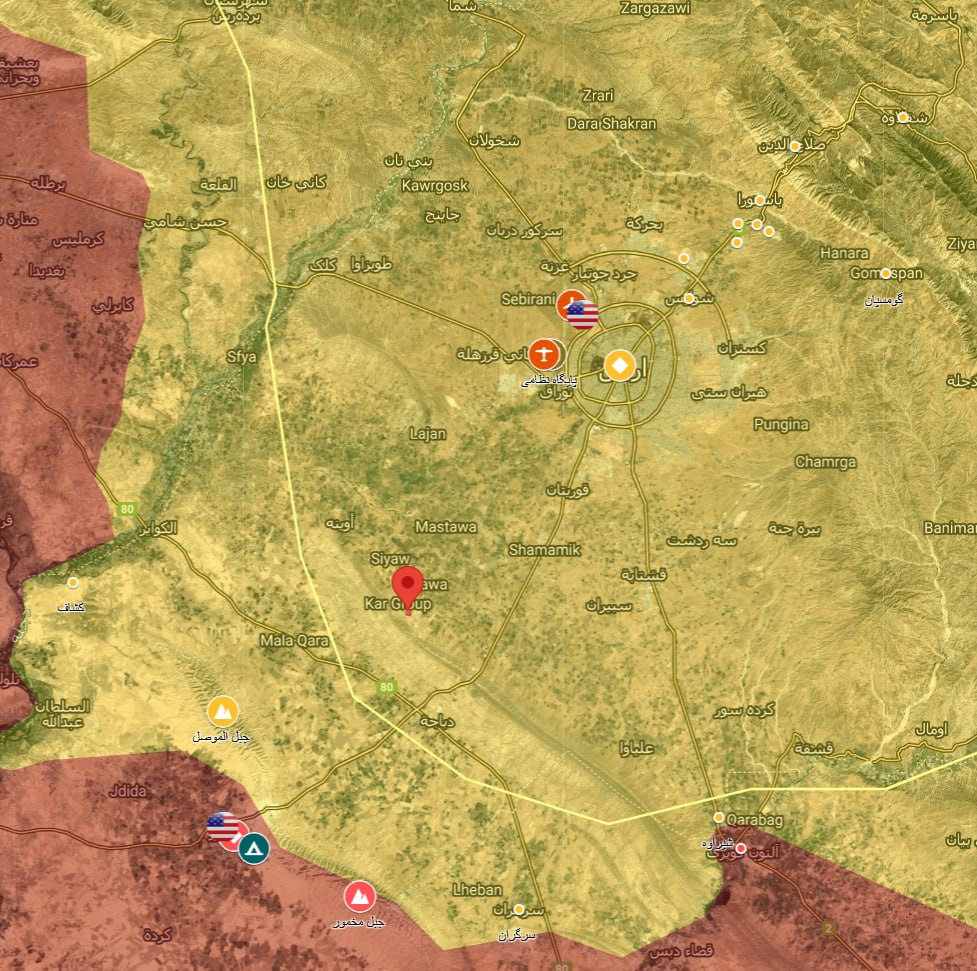
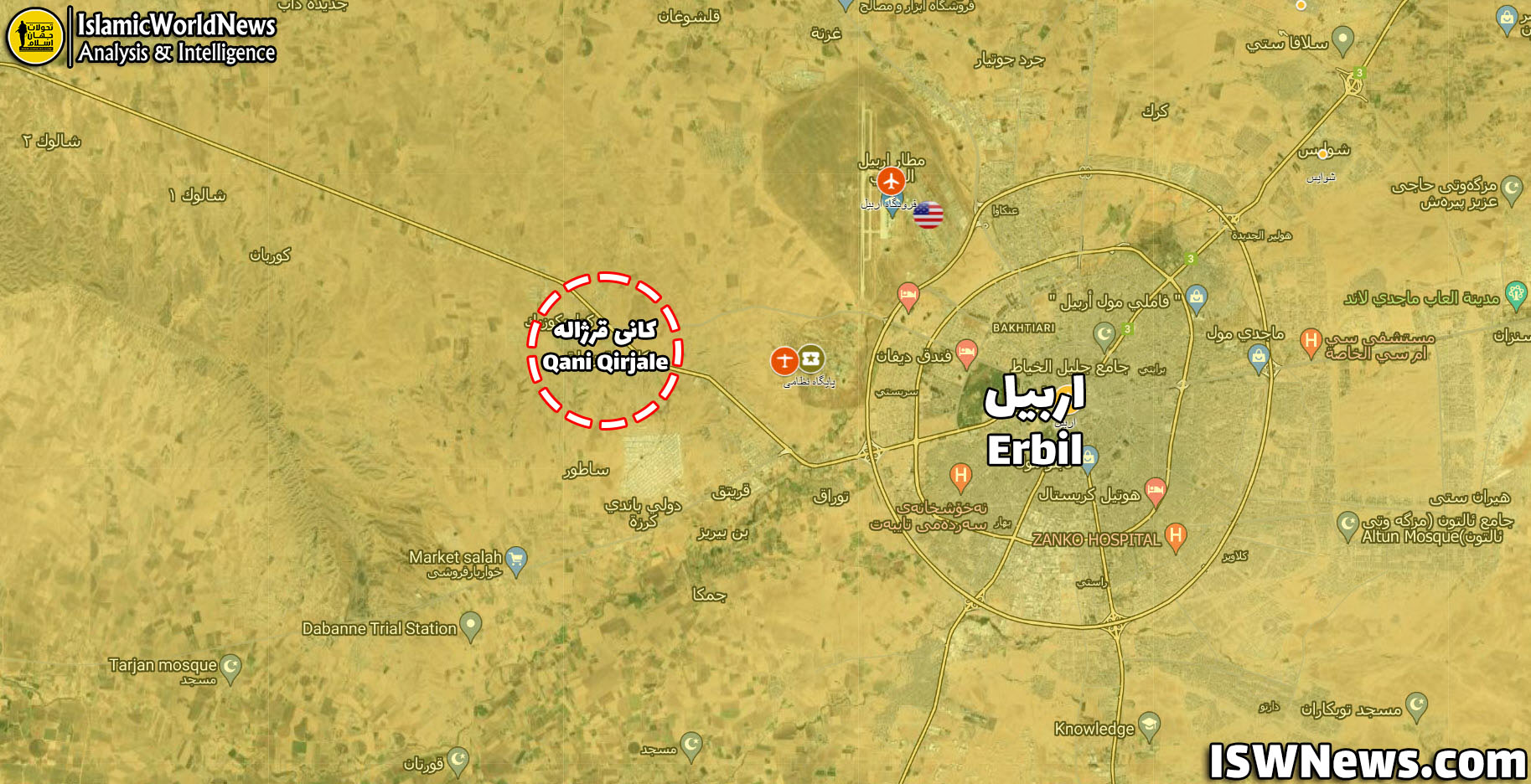
The Iraqi Joint Operations Command confirmed the drone attack on the Khurmala oil field in an official statement.
The Khurmala oil field is a significant oil extraction site located in the Makhmur region of Erbil province. It contains 64 oil wells and covers an area of 355 square kilometers. The estimated oil reserves of this field are approximately 3.5 billion barrels.
No group has claimed responsibility for the attack at this time. This incident marks the third drone attack by unidentified elements targeting locations in Erbil province within recent weeks. Previously, Erbil International Airport was also targeted in two separate drone attacks.
The drone was neutralized at 2:20 AM local time, with no reported casualties or material damage.
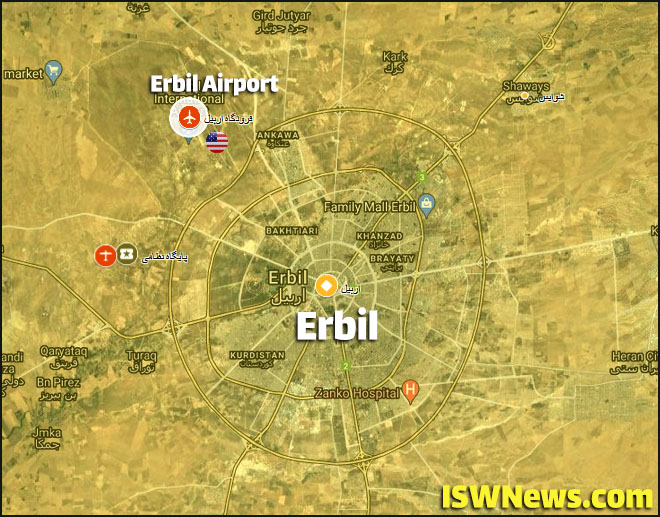
Following the incident, an alarm was activated at the American base located at Erbil Airport. Local sources indicate that the American C-RAM defense systems in Erbil were responsible for shooting down the drone.
A suicide drone was intercepted near Erbil Airport
As of now, no group has claimed responsibility for the attack. It is important to note that this is the second drone attack on Erbil Airport in the past two weeks; previously, unidentified elements had attacked the airport using a Shahed 101 drone.
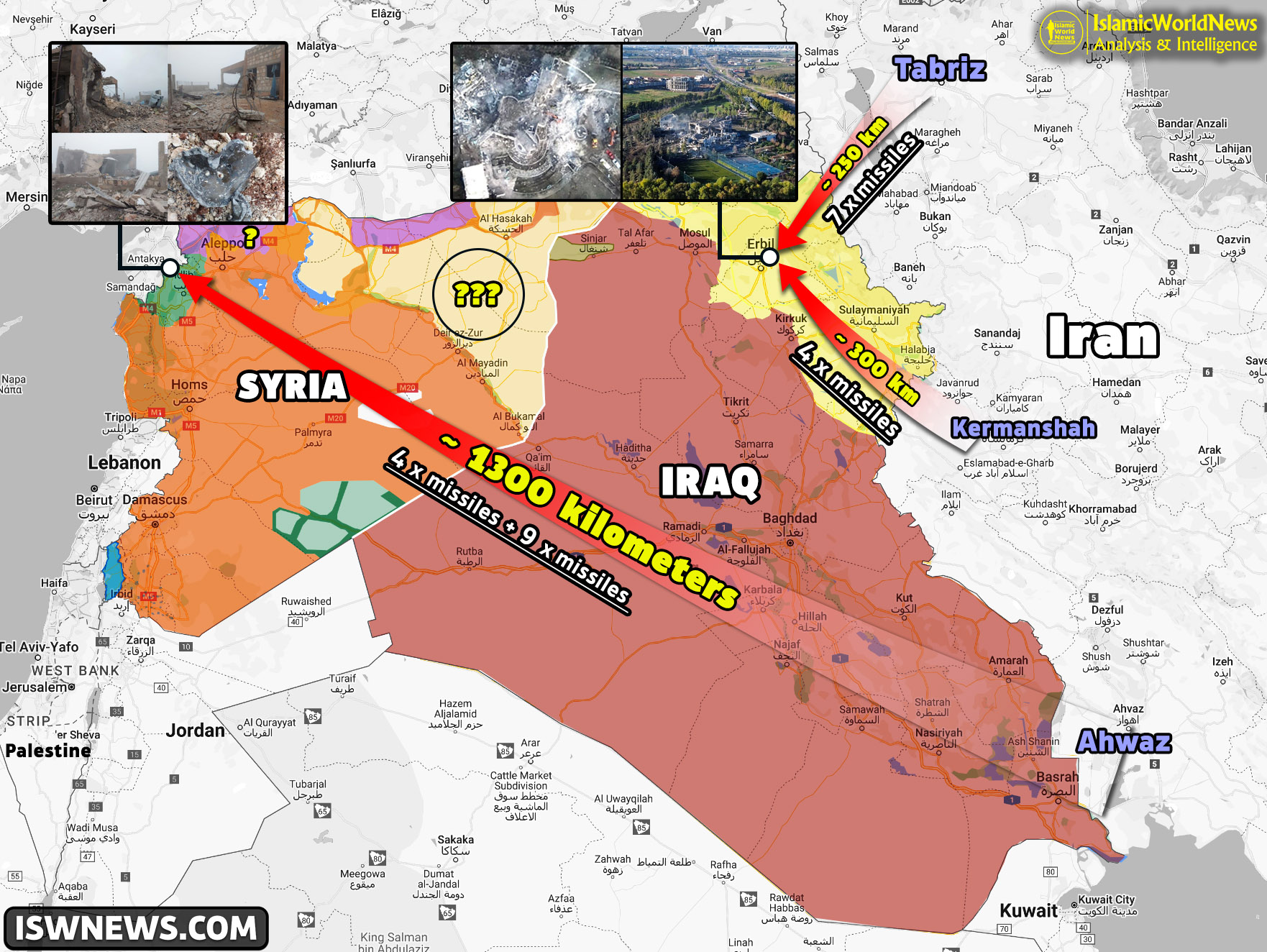
According to the statements made by General Amir Ali Hajizadeh, the commander of the Islamic Revolution Guards Corps Aerospace Force as well as the existing field information, these attacks were carried out against the command and espionage headquarters of the Mossad approximately 10 kilometers far from the Iraqi city of Erbil, and also against the hideouts and training centers of Takfiri groups associated with the ISIS Khorasan branch in the Kafr Takharim area in northern Idlib Governorate of Syria.
The attack on the Mossad headquarters in the Iraqi city of Erbil was carried out by firing 11 Fateh-110 and Fateh-313 missiles. Out of this number, four missiles were launched from western Iranian city of Kermanshah (Tange Kenesht military base) and seven other missiles were launched from the northwest Iranian city of Tabriz (Azarshahr missile site) to hit the targets. Additionally, according to the published videos regarding the Erbil attack, one or two suicide drones were also used, but the Islamic Revolution Guards Corps has not hinted to the drone attacks in their four statements; therefore, details about the number and type of suicide drones used in this operation are not available. Nonetheless, it is highly likely that these drones are of the Shahed 131 or 136 types.
It is worth mentioning that during the attack on the Mossad headquarters in Erbil, four people, including Peshraw Dizayee, a leading figure of the traders close to the Israeli regime as well as Ahzi Amin, who was a former intelligence commander of the Kurdish Peshmerga forces, were killed.
The attack on the terrorist groups in Syria was carried out by firing 13 missiles. Out of this number, four Khaybar-Shekan ballistic missiles were launched from the Darkhoveyn area in southern Khuzestan province, which is located in southwestern Iran. The ballistic missiles were fired towards Idlib Governorate in Syria to target the headquarters of terrorist groups in the Talteta area. Furthermore, nine other missiles were launched towards targets in Syria, but there is no information available about the type of missiles or the targets. However, General Hajizadeh announced in an interview that the terrorists’ positions in the east of the Euphrates River have also been targeted by missile attacks. It seems that based on field reports from the Idlib and Aleppo governorates as well as General Hajizadeh’s statements, some of these 9 missiles have hit the pre-planned targets in northern and eastern Syria.
What are the important points of these military operations?
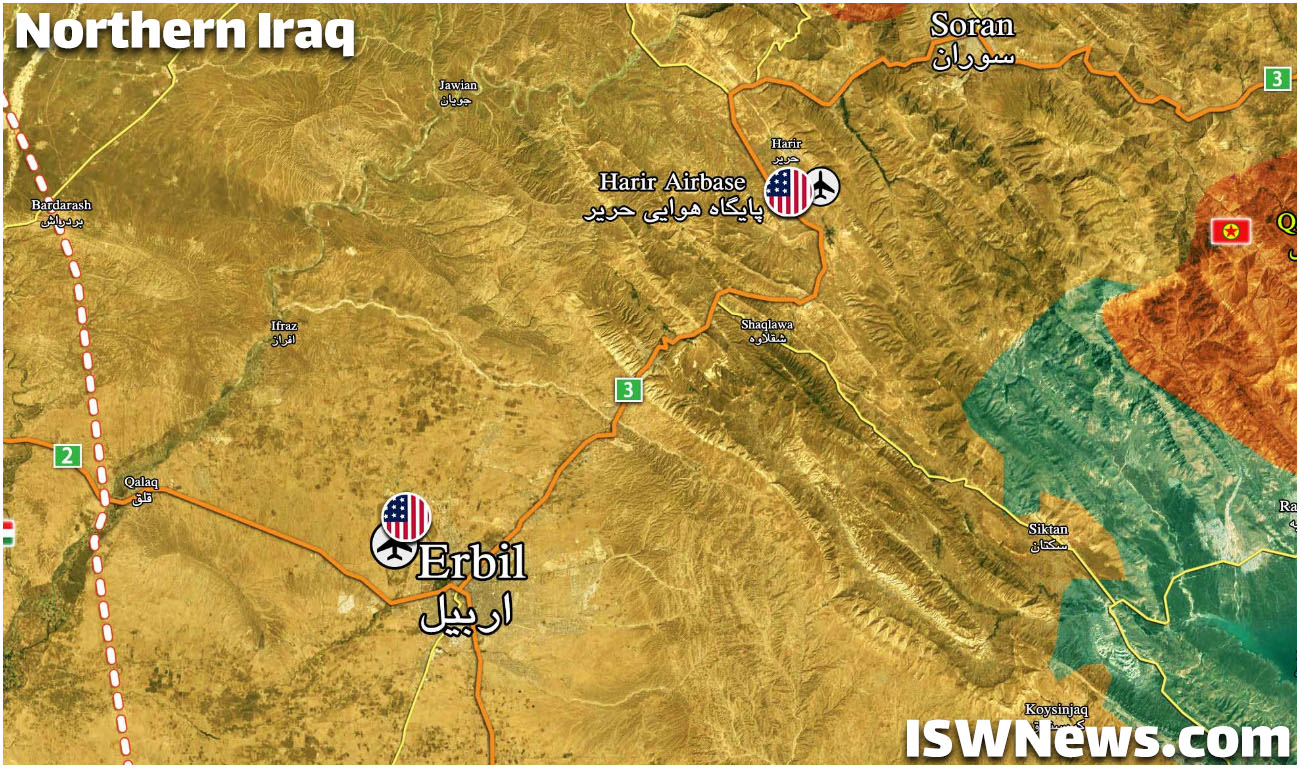
The Islamic Republic of Iran utilized the tactic of “hybrid attack” during conducting of these strikes, which we had previously witnessed in the Aramco attack and over the course of the military operations carried out by the Russian army during the Ukraine war. This means that before the missile strike on Erbil, one or more drones were launched in a bid to engage the US C-RAM defense systems stationed at the Al-Harir air base, and then the ballistic missiles hit the Israeli regime’s headquarters. Additionally, with the firing of 24 missiles, these attacks have been the largest missile operation conducted by Iran up to date.
As stated in the statements of the Islamic Revolution Guards Corps, this operation was conducted in response to terrorist attacks in Kerman city and Sistan and Baluchestan province, as well as the assassinations of the IRGC commander Martyr Sayyed Razi Mousavi and senior leader of Hamas and founding commander of its military wing (the Izz ad-Din al-Qassam Brigades) Martyr Saleh al-Arouri by the Israeli regime. But more importantly, it displays Iran’s missile power and capabilities to the United States and the Israeli regime.
In this operation, the strategic ballistic missile Khaybar Shekan was launched against targets in the battlefield for the first time, which could accurately target objectives within a range of approximately 1260 kilometers (from Darkhoveyn in Khuzestan province to Talteta in northwestern Syria). As the name of this missile suggests, the experts of the Islamic Revolution Guards Corps developed this ballistic missile with the aim of creating the capability to target the Israeli regime’s positions, and the operationalization of Khaybar Shekan in the battlefield serves as a serious and clear warning to the Israeli regime. Furthermore, this operation marks the first missile attack by Iranian forces with a range exceeding 1200 kilometers from inside Iran, and such a missile attack has not been carried out before.
The Counter-Terrorism Group (CTG) of the Kurdistan Regional Government in the north of Iraq announced in a statement that a suicide drone heading towards the international coalition base in Erbil was shot down at 4:45 pm local time.
On the other hand, sources close to the Islamic Resistance in Iraq declared that the control and command center of the US terrorist army’s drone unit was successfully targeted in this attack.
According to analysis made by the IWN, this is the 26th strike by groups affiliated to the Islamic Resistance in Iraq on US army positions in Erbil province over the course of recent weeks.
In this statement, it is stated: “In order to help and support the people of Gaza and in response to the crimes committed by the usurping regime against Palestinian civilians, including women, children and the elderly, Iraqi Islamic resistance fighters targeted a technical espionage center affiliated with the Zionist regime in the northeast of Erbil with appropriate weapons.“
According to the analysis made by the IWN, this is the eighth attack by the Iraqi resistance against the positions of the Zionist regime in the region in recent weeks.
So far, no information about the damage of this attack has been published.
On December 3, the positions of American occupiers at the Erbil International Airport (EIA), which is located in northern Iraq, were targeted by the Iraqi Islamic Resistance’s drone strikes.
According to investigations made by the ISWnews, this is the nineteenth attack by Iraqi resistance groups on US military positions in the Erbil province during recent weeks.
On November 7, the Islamic Front for the Iraqi Resistance targeted the positions of the US occupiers near Erbil International Airport in Iraq with a drone strike.
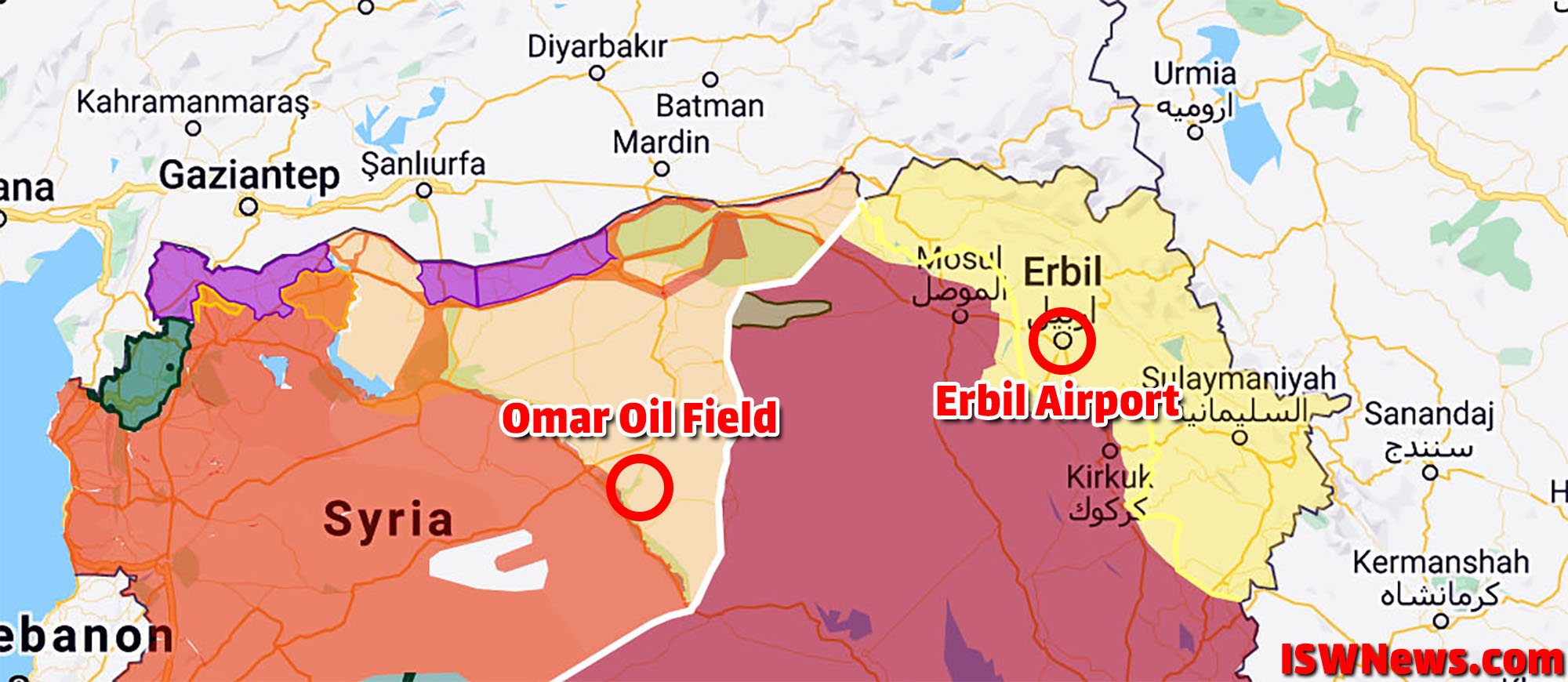
Shortly after this attack, the positions of the US-led coalition in the Al-Omar oil field located in the Deir ez-Zor Governorate of Syria also became the target of the Iraqi Islamic Front for the Iraqi Resistance’s drone attack.
So far, details of the material and human casualties of these two attacks have not been released.
According to the analysis by the ISWnews, these are the ninth attack on the United States military bases at the Al-Omar oil field and the eighth strike on US positions in the Iraqi province of Erbil in recent days.
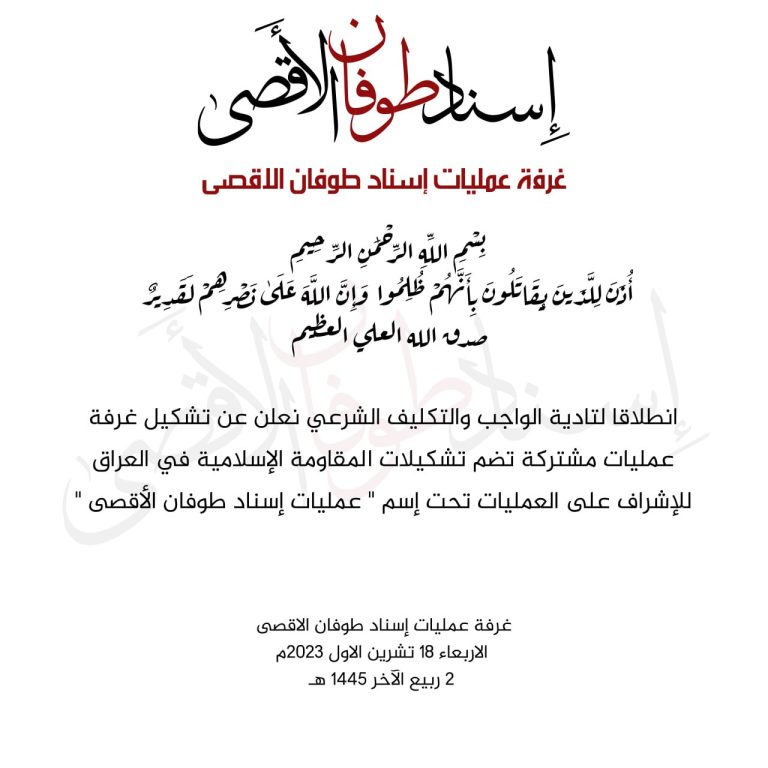
On October 18, Iraqi resistance groups announced the formation of a joint operations room named Tufan al-Aqsa (Al-Aqsa Storm) in Iraq to carry out their religious duty and support the Operation Al-Aqsa Storm in the Gaza Strip.
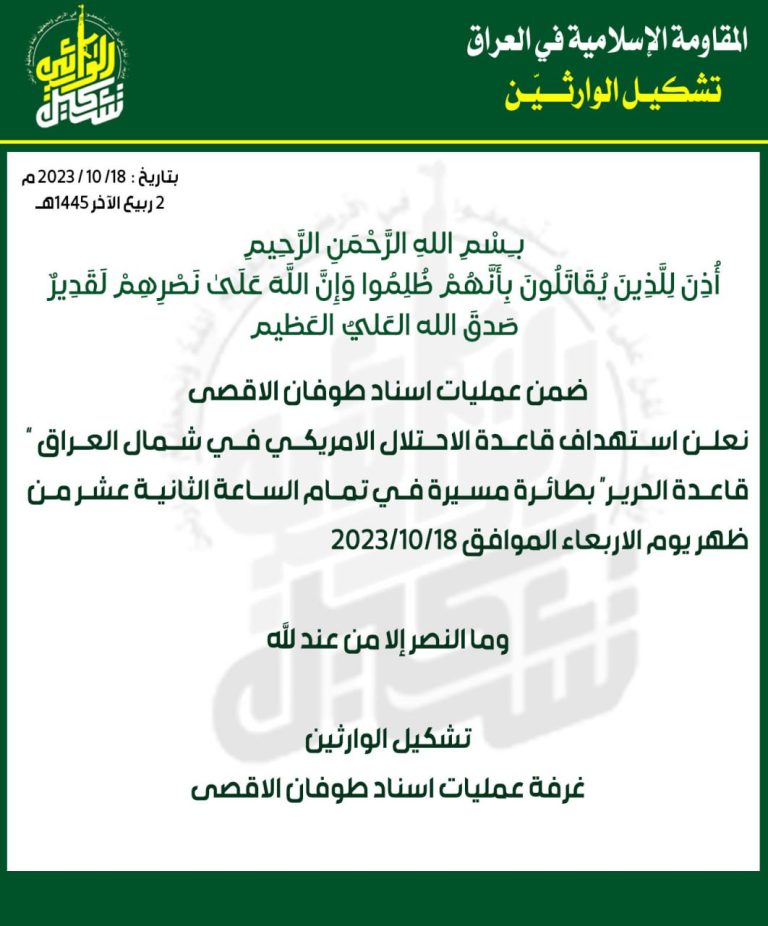
After the announcement was released, the Tashkil al-Waritheen resistance group declared that at 12 pm on Wednesday, the US military headquarters at Al-Harir Air Base in northeastern Erbil, were targeted by a drone attack by their group.
Statement of the Joint Operations Room in Iraq
In addition to the attack, the Tashkil al-Warithin resistance group has a record of drone attacks on American terrorists’ positions in Kuwait as well as in Homs Governorate in Syria.
According to local sources, after the explosion, gunshots were heard from this base and the US aircraft made a reconnaissance flight over the area.
There is no information about the number of casualties and the details of this incident, and until this moment Iraqi and American authorities have not commented on this incident.
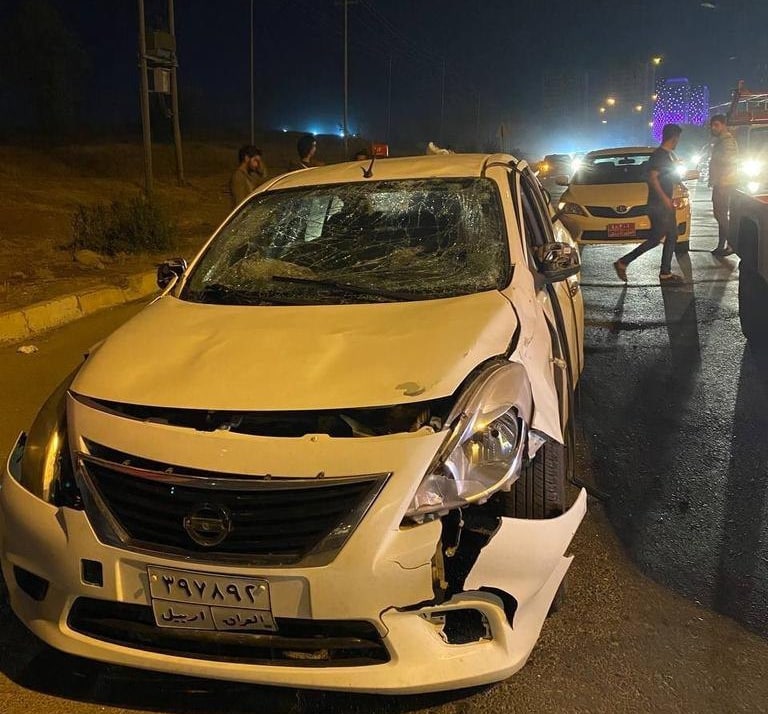
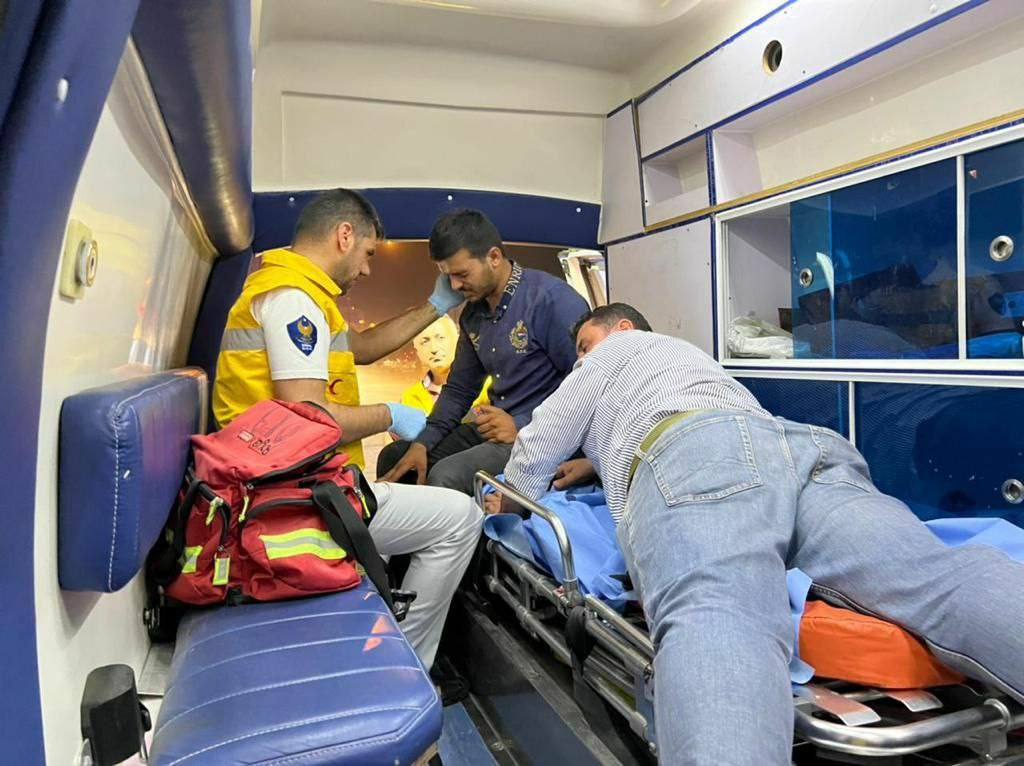
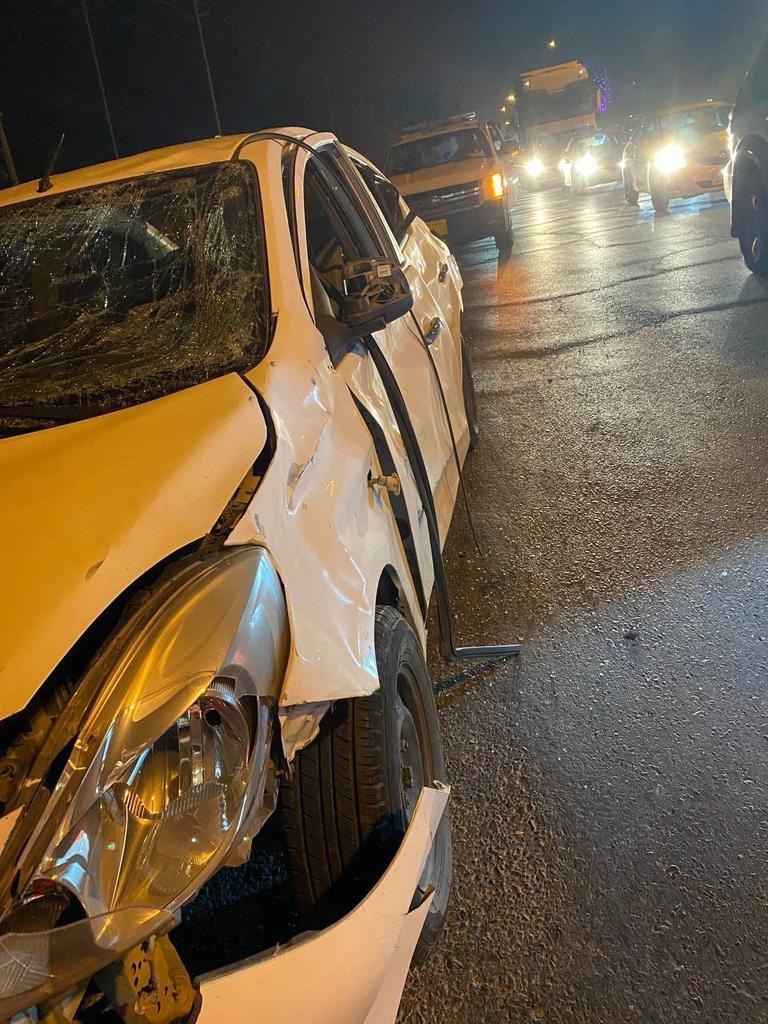
On June 8, at around 9:35 pm local time, a suicide drone struck Pirmam Road near the city of Erbil. According to the Iraqi Kurdistan Regional Anti-Terrorism Organization, three civilians were injured and several vehicles were damaged during the attack.
So far no group has claimed responsibility for the attack.
It should be noted that several security agencies and consulates of Germany, the United States and the United Arab Emirates are located near the Pirmam area.
The Minister of Interior of the Kurdistan Region confirmed the news of the drone attack in the Pirmam area and announced that the attacks were carried out by some outlaw groups. Following the attack, Iraqi Kurdistan Regional Government (KRG) Prime Minister Masrour Barzani and Iraqi Prime Minister Mustafa al-Kadhimi spoke by telephone about launching a joint operation to identify the perpetrators of the attack and punish them.
#Iraq#Israel At 21:42 local time, Ilak Ron, a senior official of the Mossad assassination unit, reportedly was killed in a suicide drone attack on Pirmam Road in north of #Erbil. The United States has issued a Level 4 warning for travel to Libya and Iran… pic.twitter.com/HvuBNYSzgM
Some local media outlets believe that the initial target of the drone attack was the US Consulate in Erbil, which was shot down by Kurdish security forces, but a number of other media outlets claim that several members of the Israeli Mossad intelligence agency were killed in the attack. One person named “Ilak Ron”, the commander of the Zionist assassination squad, reportedly was killed.
Local sources also said that the main vehicles targeted were SUVs and that security forces did not allow anyone to take pictures or videos of them.
Footage from the drone attack in Erbil
So far, no credible evidence of this claim has been published, but in a strange move, the media of the Kurdistan Region have published images of the injured in this incident, in which no traces of injuries can be seen! Also, the level and type of injuries of the people in the picture are not commensurate with the extent of the destruction of the car, and this reinforces the speculations about a targeted drone attack on the car carrying the Israeli Mossad operatives.
Slight injuries that do not match with the images of drone attack on vehicleImages of the targeted vehicle in the Pirmam roadA video of the remains of the suicide drone
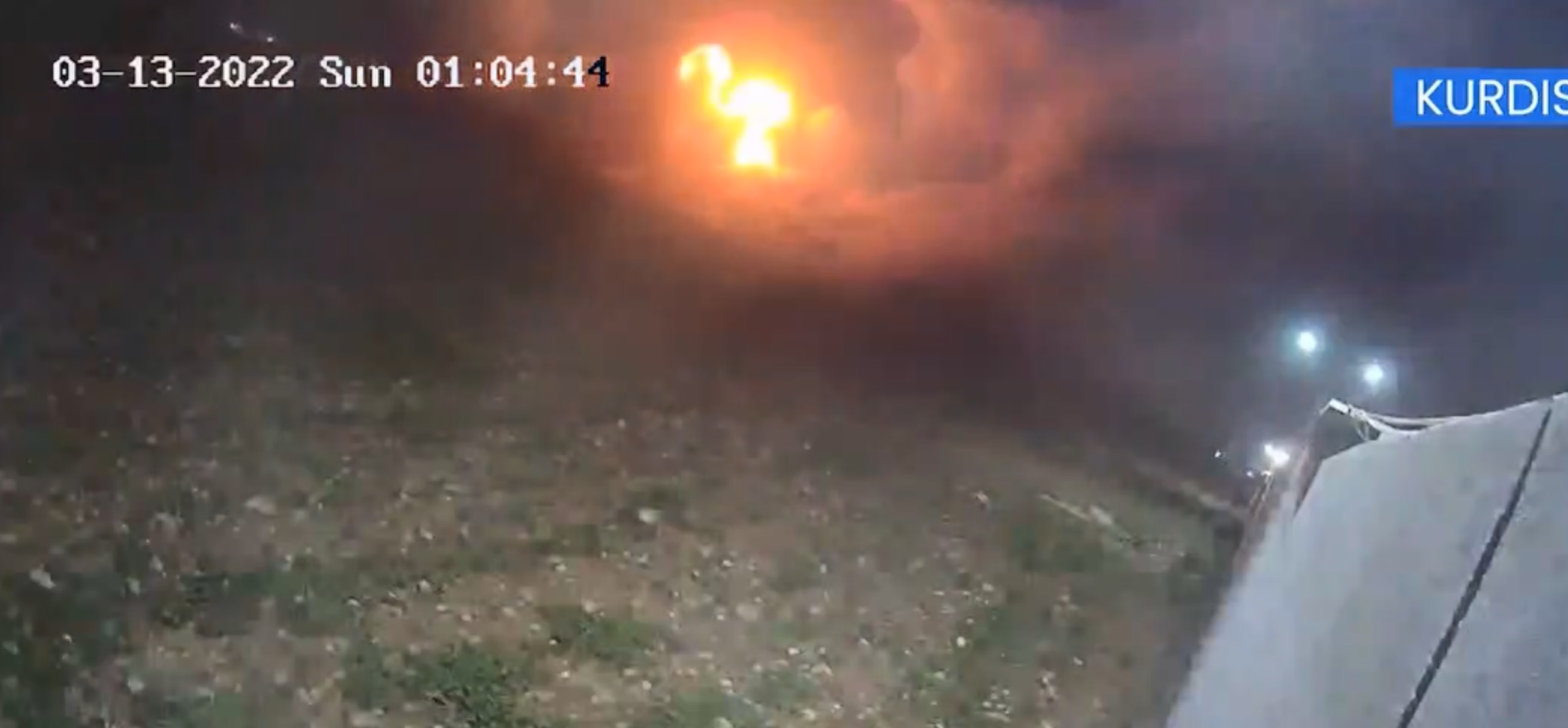
Based on the time of the CCTV cameras, it is possible to confirm that eight missiles hit the building (villa).
A secondary explosion in the final seconds of this video could indicate the presence of ammunition or explosives in the Mossad headquarters.
Some media outlets have quoted Iranian military sources as saying that Israeli and other countries intelligence forces were present at the time of the attack, and hence the possibility of casualties is very likely.