There has not been released any information about the casualties and damages of the rocket attack so far.
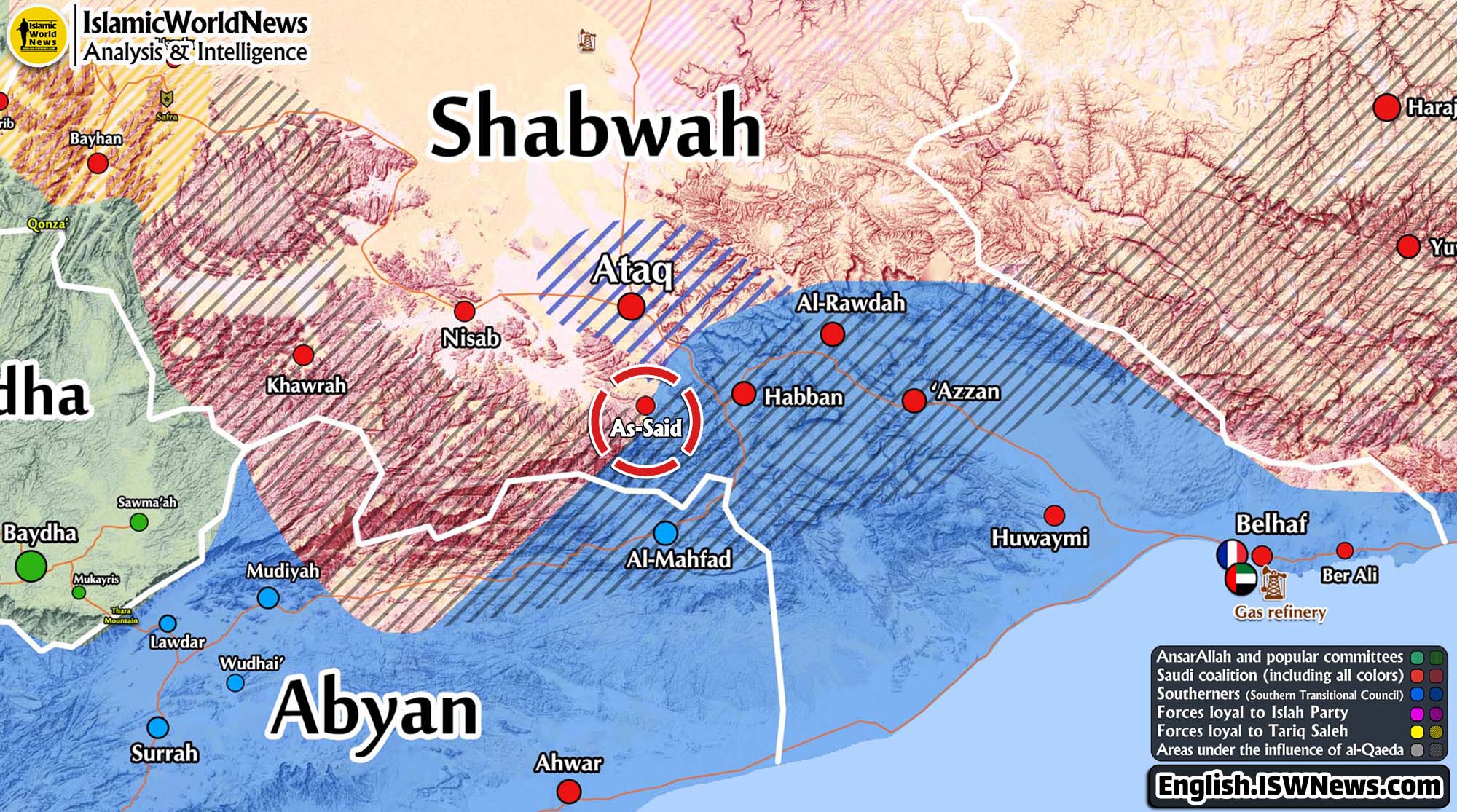
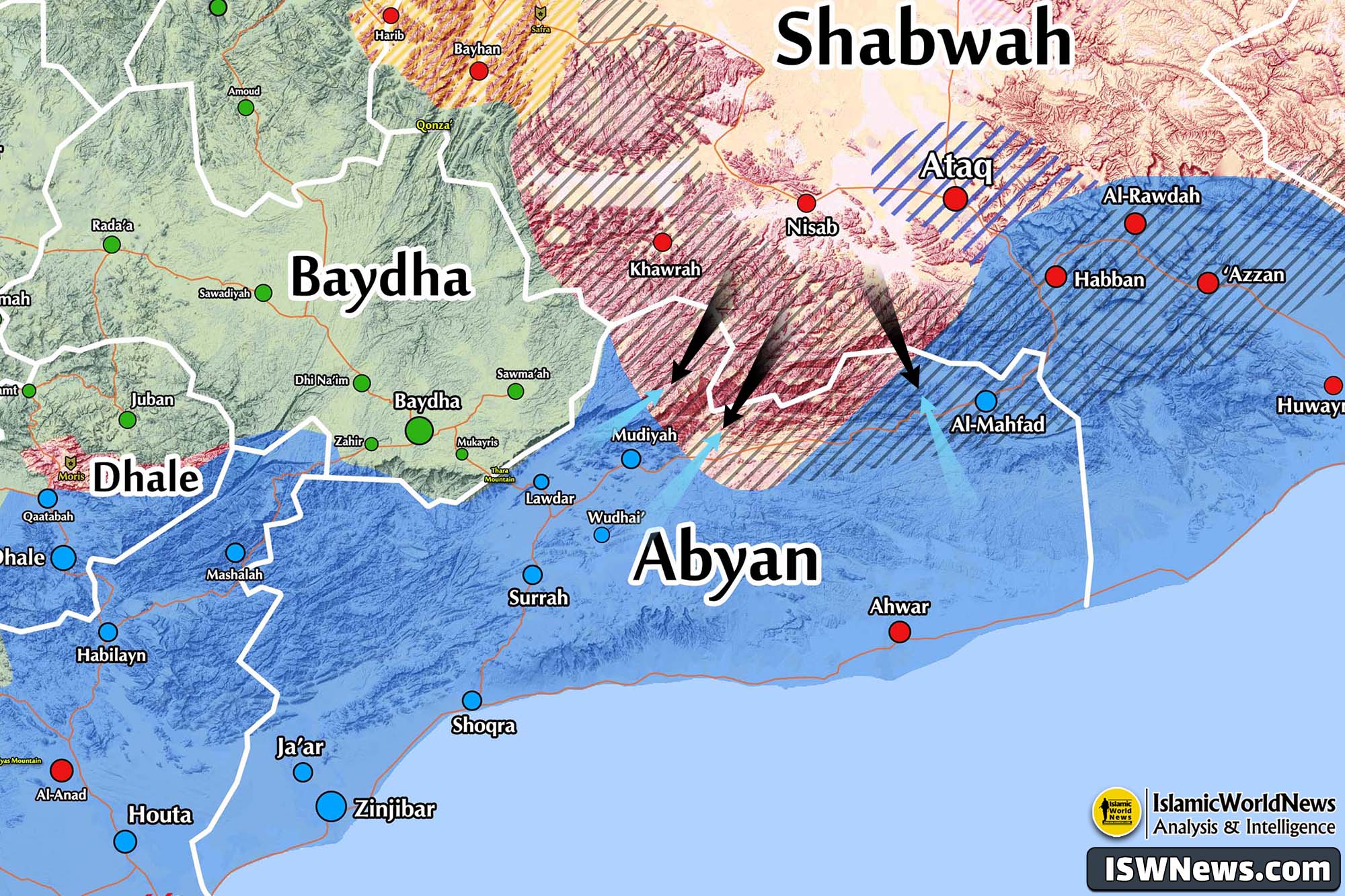
A few days ago, the positions of the Shabwa Defense Forces loyal to the Southern Transitional Council (STC) near the city of Ataq, located in the center of Shabwa Governorate, were hit by several mortar shells by unknown armed people.
Given the presence of the Al-Qaeda terrorist group in Shabwah Governorate and the increase in its activities in recent months, it is likely that these attacks were carried out by Al-Qaeda elements.
Therefore, Al-Qaeda has diversified its attacks on positions of the militants loyal to the Southern Transitional Council and it also targeted its enemies with light rockets.
They resort to tactics such as creating insecurity and inflicting casualties as the most effective way to push back the STC from Shabwah Governorate.
As a result of such tactics, the assassination of Abdul Latif Al-Sayed could also lead to unpleasant events for the Southern Transitional Council (STC) forces.
Following a ceasefire between the Saudi-led coalition and the Ansar Allah movement, tension and conflict shifted within the factions affiliated to the Saudi-led coalition, and the chaos caused by this conflict caused Al-Qaeda to be able to attract new financial resources, to be able to advertise again in two important governorates of Shabwa and Abyan. So, the Al-Qaeda terrorist group succeeded in recruiting members and returning to competitions in occupied areas of Yemen.
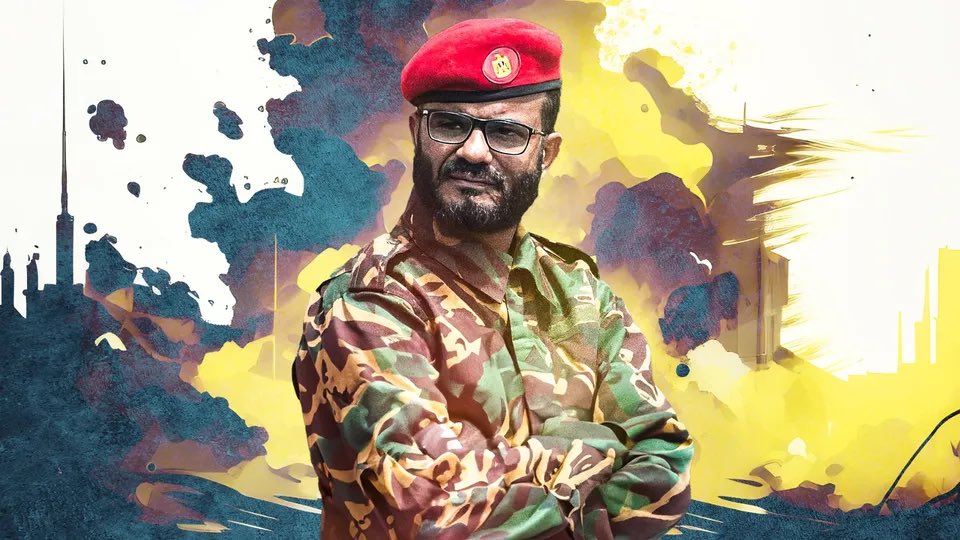
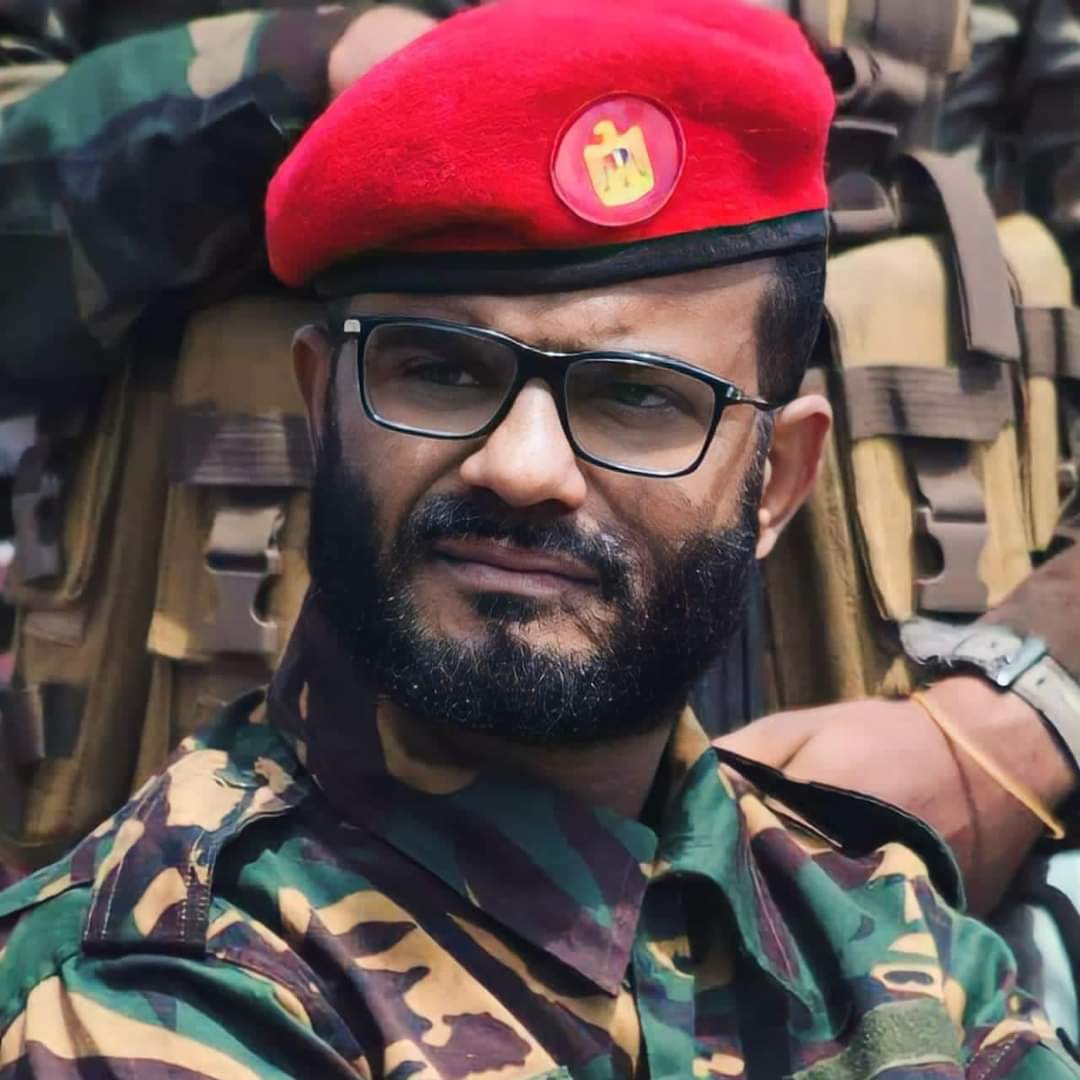
For weeks, we have witnessed bombings and assassinations in the north of Abyan Governorate, the last of which was the killing of Abdul Latif Al-Sayed, commander of the Southern Transitional Council forces in Al-Jannan region in Mudiyah district of the governorate.
Al-Qaeda used C4 explosives in this attack and in addition to Abdul Latif they attacked five other STC militants, whose conditions have not yet been determined, and it seems that there is no senior official among them.
Who is Abdul Latif Al-Sayed?
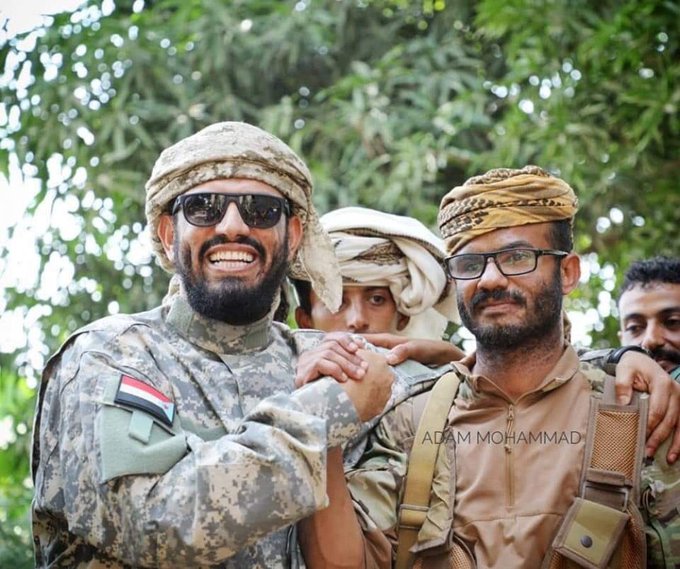
Abdul Latif Muhammad Husein Bafaqih, known as Al-Sayed, was one of the local commanders of Ja’ar town on the coastal areas of Abyan Governorate who joined Ansar al-Sharia (Al-Qaeda’s ally in Yemen) during the downfall of Ali Abdullah Saleh’s government and took control of several coastal cities of Abyan, including Ja’ar and Zinjibar towns.
After the establishment of Abdrabbuh Mansur Hadi’s government, like many local commanders, he was attracted by this government’s financial proposals and separated from Ansar al-Sharia.
His new position led to the strengthening of his social base and he became one of the local commanders of the Southern Committee. With the formation of the Southern Transitional Council, Al-Sayed joined Major General Eidros Qasim Al-Zubaidi and commanded various conflicts in southern Yemen, including southern conflicts with militants of the Yemeni Congregation for Reform, frequently called al-Islah Party, in Abyan Governorate.
What are the dimensions of Abdul Latif Al-Sayed’s assassination and its impact on developments in southern Yemen?
The assassination of Abdul Latif Al-Sayed was not the first operation that Al-Qaeda carried out to strike the Southern Transitional Council.
Also, this was not the first assassination attempt against Abdul Latif Al-Sayed, and several unsuccessful attempts had been made to kill him before, in one of which his left eye was injured and in a bombing on May 10, 2021, he was injured in the hand.
The assassination of Abdul Latif Al-Sayed took place a few days after he was appointed by Eidros Qasim Al-Zubaidi, head of the Southern Transitional Council, as commander of the Hizam al-Amni (Security Belt Forces) forces in Abyan Governorate.
As soon as he received the post, he offered peace to the tribes allied with Al-Qaeda and sent representatives to request that their militants stop attacking the STC forces in exchange for joining the armed forces of the Southern Transitional Council and settling in Mudiyah and Al-Mahfad districts.
It seems that this proposal was a serious threat to Al-Qaeda’s future in southern Yemen. to such a great degree that they had to remove him from their path. What Al-Qaeda and its supporters want is to intensify conflict and reduce the power of the Southern Transitional Council in southern Yemen.
This is in line with Saudi Arabia’s objectives, and from this perspective, the claim of media outlets affiliated to the Southern Transitional Council about Saudi Arabia’s financial support for Al-Qaeda is not a false report and there is a possibility of such support from them.
The assassination of Abdul Latif Al-Sayed was a great loss for the Southern Transitional Council and the successor vacuum could lead to the collapse of STC positions in Abyan Governorate.
This trend has many dimensions and in order to analyze it, we must wait for US movements on the southwestern coast of Yemen, Al-Qaeda’s reaction to the vacuum of STC command in Abyan Governorate, as well as actions by the United Arab Emirates (UAE) and Saudi Arabia in southern Yemen and so on.
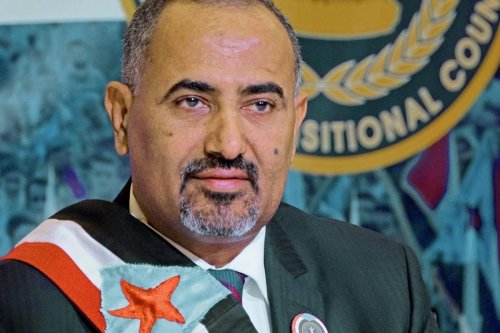
Abdul Latif Al-Sayed, the assassinated commander of Southern Transitional Council in Abyan province
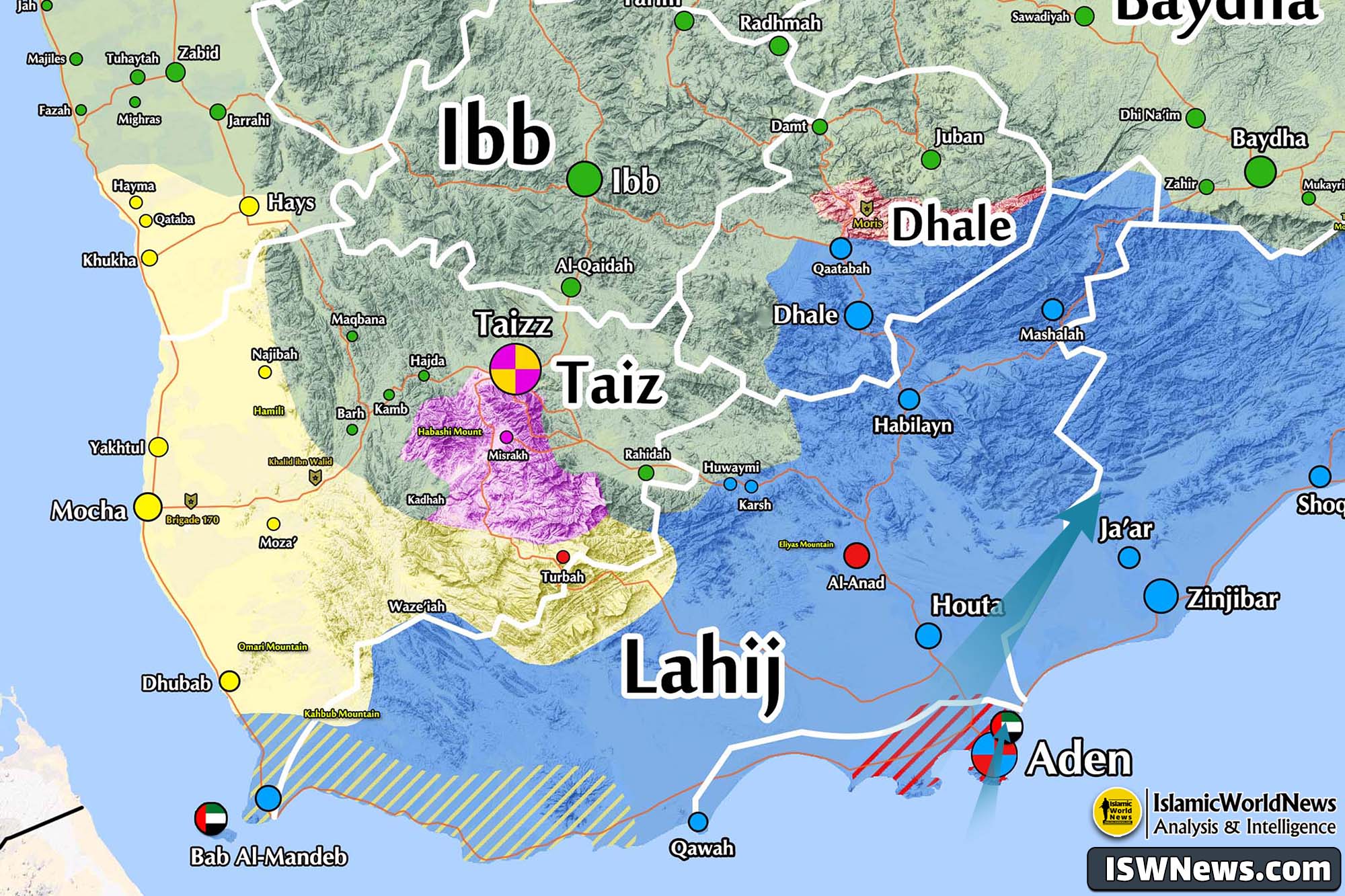
ISWNews Analysis Group: After Major General Aidarous Qassem Abdulaziz Al-Zubaidi, who is head of the Southern Transitional Council, ordered his deputy Abd Al-Rahman Al-Mahrami, known as Abu Zaraa’a Al-Mahrami, to implement the plan to integrate the southern militants into the Yemeni resigned government’s ministry of defense; the forces of the first support brigade were transferred from Al-Buraiqeh district in Aden Governorate to Jabal al Barq al Ahmer in the area of Atafin in Kitaf as well as Ba Tays village area in Abyan Governorate.
Moreover, the forces of the Presidential Storm Brigade left the Presidential Palace and moved to Al-Sulban military base.
According to local sources, the third move by the Southern Transitional Council will be the transfer of the third Support and Reinforcement Brigades (SRB) forces under the command of Nabil Al-Mashoushi from Aden as well as the transfer of the first infantry forces from Jabal Hadid peak.
The transfer of the Southern Transitional Council militants from Aden is an action that leads to control of this city by a faction affiliated to Saudi Arabia and it is expected to strengthen the position of the resigned government of Yemen in establishing a government in occupied areas of Yemen.
Behind the scenes of this displacement is US ambassador to Yemen Stephen Fagin, and until his recent lobbies and trip to Aden, the STC leaders were not willing to execute Saudi Arabia’s orders.
The decline of the Southern Transitional Council power in Aden delays the implementation of a separation project in southern Yemen and if no other disagreement arises between the Saudi-led coalition factions, it will open up more opportunities for the resigned government of Yemen to restart war against the Ansar Allah movement.
As a result of an IED attack on a vehicle carrying the field commanders of Southern Transitional Council in the Al-Baqira area, in the east of Mudiyah district, three STC commanders were killed: Saddam Al-Saadi, the commander of the 3rd brigade battalion, Aref Nasser Makani, the head of the Baqira Center in the Transitional Council, and Ghassan Al-Qadimi.
Considering the beginning of the new round of Al-Qaeda attacks on STC positions in Abyan province, which started on July 22, this assassination most likely Mudiyah-Abyanwas also carried out by the operatives of this terrorist group.
ISWNews Analysis Group: The attacks resulted in the killing and wounding of militants on both sides, with most of the casualties and damages inflicted on the Southern Transitional Council.
The escalation of Al-Qaeda attacks is taking place in the shadow of competition by Saudi Arabia and the United Arab Emirates (UAE) for control of Abyan Governorate.
A great number of local media and analysts consider Al-Qaeda’s movements against the Southern Transitional Council to be a project commissioned by Saudi Arabia.
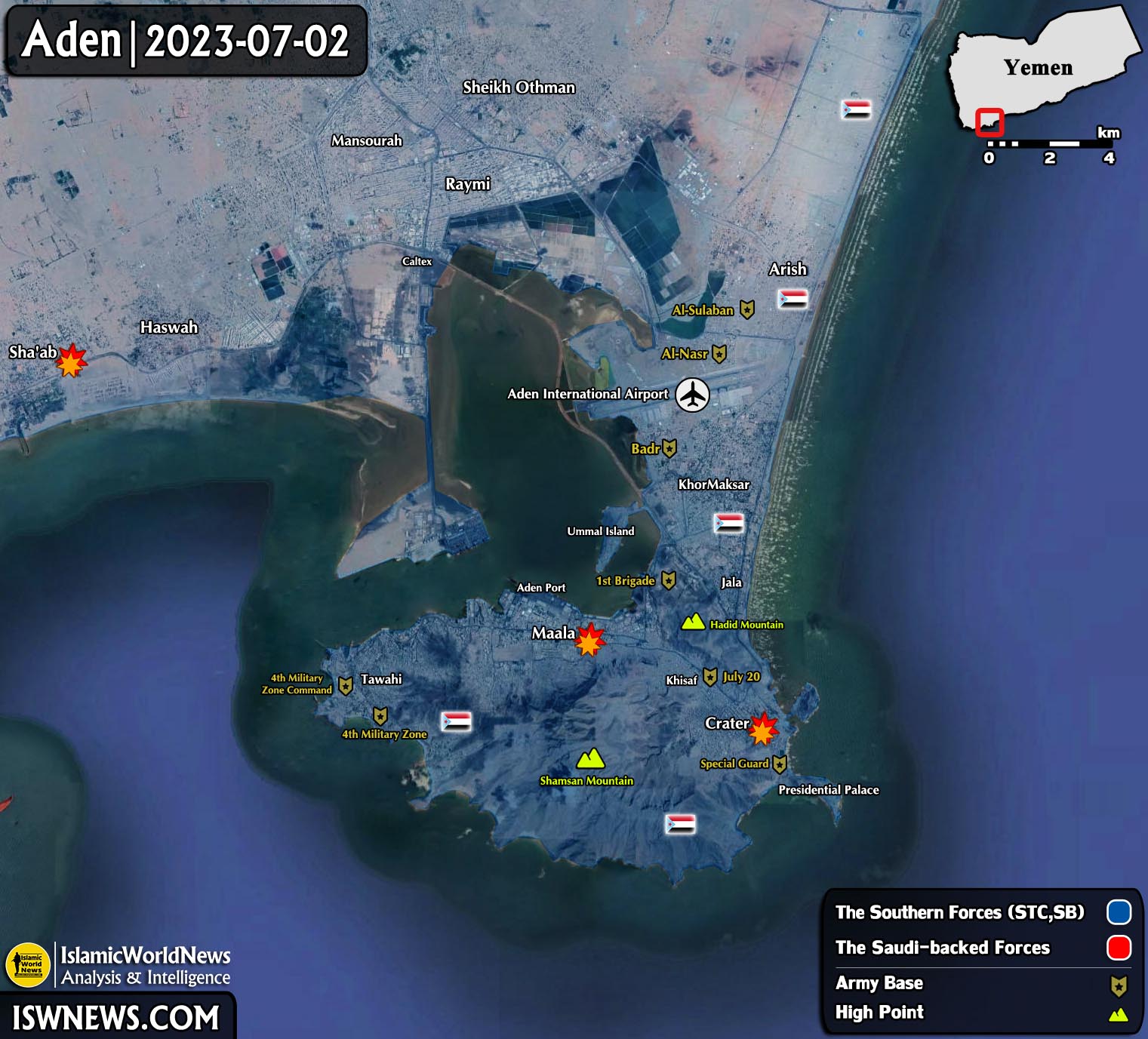
On July 30, after a woman complained to the police station in Al-Ma’ala district over being harassed by son of one of Aden’s security commanders, the Al-Hizam Amni security forces backed by the Southern Transitional Council (STC) went to this person’s house.
This move led to violence and clashes between the two sides, and one of the Al-Hizam Amni security forces was wounded by a bullet from the security commander, who later succumbed to injury after being transferred to the hospital.
Following the fatal incident, the Al-Hizam security forces went to the residence of the security commander to arrest and punish him, but this time the security commander was killed by the Al-Hizam Amni forces.
This incident has led to continued chaos in the city of Aden, and up to now an arms depot belonging to the Al-Hizam security forces has been exploded in the Al-Sha’ab neighborhood and a restaurant in the Crater district of the Aden Governorate has caught fire.
The city of Aden has witnessed violent clashes since Friday evening, which indicates that security chaos in occupied areas of Yemen has its roots in economic pressures and the inability of Yemen’s resigned government to resolve political and security woes.
Explosion of the weapons and ammunition warehouse of Hizam al-Amni forces in Sha’ab area
ISWNews Analysis Group – The chairman of the Southern Transitional Council (STC) and a member of the presidential council of the resigned Yemeni government, said in an interview with the English newspaper The Guardian that the West should accept a new reality in which northern Yemen is run by the Houthis (Ansar Allah Movement) and the south by the Southern Transitional Council.
Al-Zoubaidi said about coming talks on Yemen that the negotiation should have answers for the new reality of Yemen, especially for southern regions. The talks are mostly under Saudi supervision, which wants to find a way out of a war that is estimated to have left more than 250,000 dead.
The STC head assured Western countries that maritime lines, ports and oil fields in southern Yemen, which are strategically important, will be safe under the STC leadership. Al-Zoubaidi went on to say that he would apply all United Nations and international rules in the southern areas. He also warned if we are not there, the Houthis who are supported by Iran, would replace that area and they would be able to control the Bab al-Mandab Strait, which is a vital waterway for international trade.
The head of the Southern Transitional Council also pledged to hold a referendum under the United Nations’ supervision and international law before the independence of the Southern region. He also announced his readiness to prepare voter lists and said he would cooperate with the International Criminal Court (ICC) to investigate war crimes.
The goal of the Southern Transitional Council is to divide current Yemen and return to the borders of southern and northern Yemen, which was in place before the 1990s. Currently, the Southern Transitional Council is competing and fighting with other factions supported by the Saudi-led coalition, especially the Reform Party, the terrorist group al-Qaeda, Vice President of the Yemeni Presidential Leadership Council Brigadier General Tariq Saleh and so on over the control of southern Yemen.
The Southern Transitional Council says they do not accept any political-religious movement, but the forces of Amaliqah, an extremist group of the residents in southern Yemen, are allied with the STC.
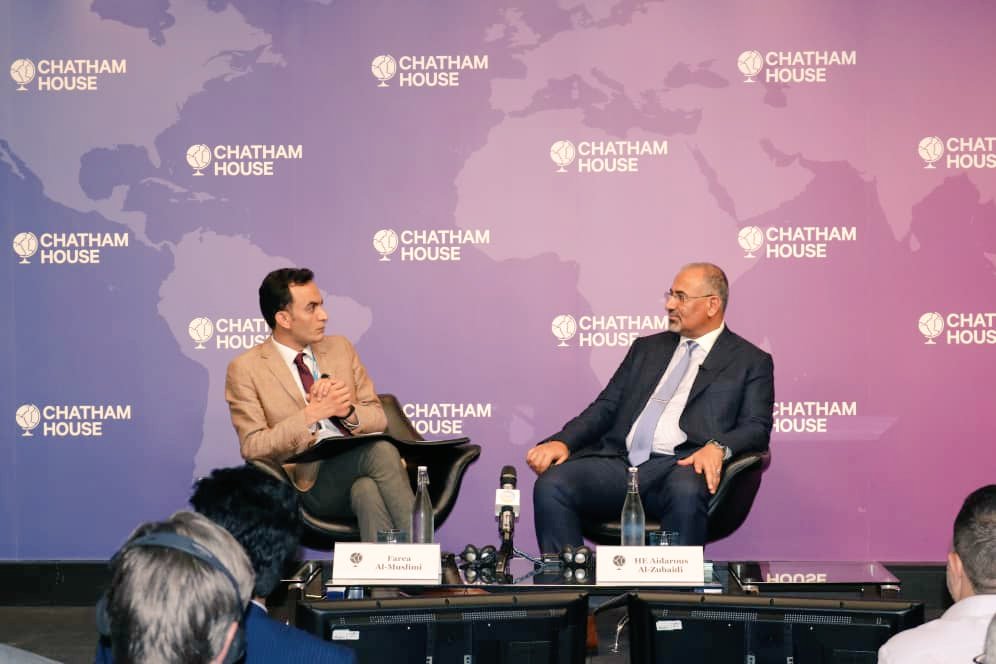
As a result of the improvement of Yemen peace talks, the officials of the Southern Transitional Council stepped up their efforts to achieve their demands, and therefore, Aidarus al-Zoubaidi has recently traveled to Britain to negotiate with Western states, and the result of the trip was a Chatham House meeting and interviews with prominent Western media outlets, including The Guardian newspaper.
The main supporter of the Southern Transitional Council in its path is Britain in the first place and the United Arab Emirates (UAE) in the second place. Saudi Arabia is not willing to accept the Southern Transitional Council, because it means that the Saudis imposed eight years of war against Yemen to eventually hand over control of northern and western regions to the Ansar Allah Movement and the southern regions to the Southern Transitional Council.
Thus, Saudi Arabia is trying to form the “Hadhramaut Council” to discourage the Southern Transitional Council from controlling Hadramout Governorate and balance the scene with the power of the Yemeni Congregation for Reform, frequently called al-Islah, as well as Al-Dara Al-Watan in Aden, Marib and Shabwa and in inaccessible areas of Abyan and Shabwa governorates with the use of al-Qaeda leverage.
Some Southern Transitional Council officials expect future Yemen talks may occur between the group and the Ansar Allah Movement, but so far Saudi Arabia has refused to bring any representatives from the Southern Transitional Council into the negotiating cycle, but also the resigned government has not played any role in that process.
ISWNews Analysis Group – Al-Zoubaidi, head of the Southern Transitional Council and a member of the Presidential Council of the resigned Yemeni government, spoke to reporters about recent developments in Yemen, especially in southern regions during a press conference at the Chatham House think tank in London, Britain.
In response to a question about recent tensions with the presidential council of the resigned Yemeni government, Al-Zoubaidi said that we will reconsider our contribution to the council and its officials.
Touching upon the establishment of the Hadhramout Council by Saudi Arabia, he said that we have no details about the Hadhramout Council.
Hadhramout is also one of the southern fractions that will participate in the freedom dialogue for southern Yemen.
Al-Zoubaidi considered the transformation of the resigned government as inevitable, and the STC official claimed that he had been offered to become president of Yemen, but he was not seeking power and was seeking to revive the state in southern Yemen, and that he would not back down from this position.
The STC president went on to say that the independence of the South Yemen will be negotiated with the international community and regional powers, and that the Southern Transitional Council will not take any steps individually at the current stage.
The Southern Transitional Council also considers political Islamic parties as a threat to security of the southern regions in Yemen as well as other Arab countries in the region.
The weakening of the position of the resigned Yemeni government and the deterioration of living conditions in southern regions have caused members of the Southern Transitional Council to take advantage of the opportunity and once again raise the issue of separating the war-stricken Arab country into South and North Yemen.
Officials of the Southern Transitional Council are calling for the partition of Yemen and have announced that they are militarily prepared to confront any opposing power.
It should be mentioned that the Chatham House is a non-governmental think tank in Britain, which analyzes strategic challenges in the world as well as security, economic and political issues especially foreign policy of the European country.
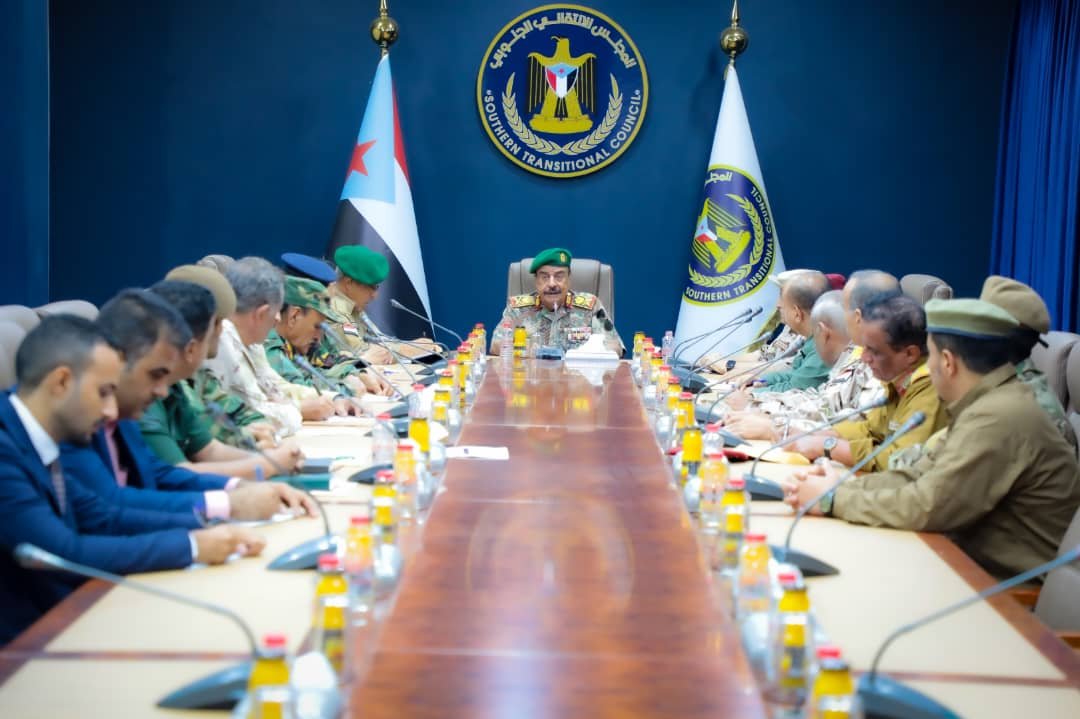
The senior military and security members of the Southern Transitional Council held an important meeting on June 15 with the Vice President of the Chairman of the Southern National Assembly Major General Ahmed Saeed bin Brik at its headquarters in Aden.
They discussed recent developments in Yemen and talked about the escalation of the crisis in Aden.
Bin Brik said that the political process is facing instability and there is not any prospect for continuation of the farce process in Aden.
He also candidly declared that the Southern Transitional Council will do everything possible to exit from the Presidential Leadership Council and the appointed government of Maeen Abdulmalik Saeed.
Bin Brik went on to say that the Presidential Leadership Council and the appointed government have failed to improve the economic situation and that they are on the verge of collapse. At the end of his remarks, the deputy head of the Southern Transitional Council emphasized that the STC forces will fight hard for their existence and that they will not retreat at any cost. The Southern Transitional Council asked all its military and security units to maintain full readiness and vigilance to confront any possible plans by the resigned government. In response to the threat, commander-in-chief of the armed forces of the resigned government Major General Saghir bin Aziz visited the Al-Rawik base in the north of Marib city and he also met with the second guard unit of the Presidency Council.
He emphasized his support for the Presidential Leadership Council of the resigned government of Yemen. The announcement of the existence of the Southern Transitional Council comes as developments in occupied areas of Yemen, especially in Aden, show that they are on the verge of a popular uprising against the appointed government of Abdul-Malik and the Presidential Leadership Council of the resigned government of the Arab country.
The economic revenues of the resigned government have sharply declined due to Ansar Allah movement’s efforts to hinder the illegal oil and gas exports, and the Saudi-led coalition’s financial support is only used for military competition between various factions, with no benefits for the people of the conflict zones.
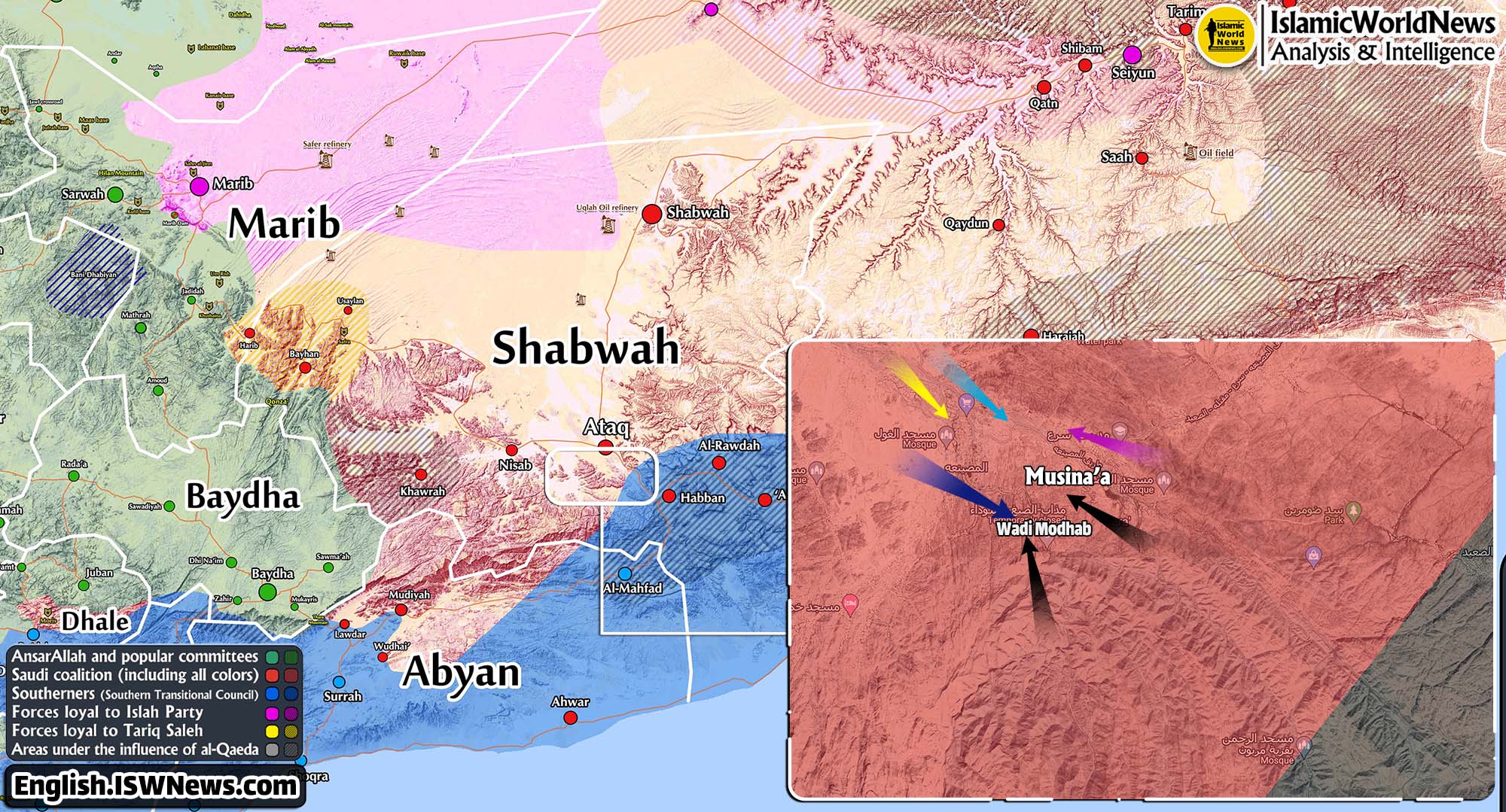
Following the increase of activities of Yemeni Congregation for Reform (Al-Islah Party) militants in Shabwah Governorate, as well as the recent attacks by Al-Qaeda terrorists on the Al-Mosina’a district, the US drones attacked the positions of Al-Qaeda terrorists in the Wadi Madhab area early morning on June 15.
In addition to targeting Al-Qaeda group’s position, the US drone attack is considered their first step in supporting the Shabwa Defense Forces and the Southern Transitional Council (STC).
Al-Qaeda terrorists carried out at least five strikes on the positions of the Shabwa Defense Forces and the Southern Transitional Council militants in the Al-Mosina’a town over the past three days, leading to the deaths of several Shabwa Defense Forces personnel, including their commander in Al-Mosina’a Salim Hirsi Al-Tawsali.
According to images released by Al-Qaeda-affiliated media outlets, terrorists of the group used drones or quad-copters in their attacks on the positions of Shabwa Defense Forces, but the quality and aftermath of the strike has not been determined so far.
The widespread assault by Al-Qaeda on the Al-Mosina’a town is another development in their ongoing conflicts with the Southern Transitional Council forces in Shabwa, Abyan, and other governorates.
The killing of Abdullah Al-Bani, who was a prominent member and supporter of the Al-Islah Party, prompted the group to take revenge of the Shabwa Defense Forces and start attacking Al-Mosina’a town.
However, the United States’ support for the Southern Transitional Council has made the situation more complicated, which would strengthen the position of the Southerner Transitional Council militants in Shabwa Governorate.
The issue will also affect the potential attacks by Al-Islah Party militants, who enjoy the support of Saudi Arabia from the northern axis of the city of Ataq in the center of Shabwa Governorate.
As a result of the attack by al-Islah Party militants on the Southern Transitional Council at the Al-Qana’a checkpoint located in the Al-Mosina’a town of Al-Said district, two STC militants were killed and three others were injured.
According to local sources, the raid was carried out by al-Islah Party militants and resulted in the killing of one of its own militants and the injury of two others. As a result of the confrontation, three military vehicles and an arms depot at the Al-Qana’ah military checkpoint were also demolished.
The strike by al-Islah Party militants on STC positions in Al-Masna’a took place after one of al-Islah Party field commanders named Abdullah Al-Bani was killed in an ambush by the Shabwa Defense Forces, which is affiliated to the United Arab Emirates (UAE) in Bayhan town in western Yemen; thus, its militants vowed to take revenge on Southern Transitional Council forces.
It is worth mentioning that the Shabwa Defense Forces and the Southern Transitional Council are under the protection of the United Arab Emirates, and the al-Islah Party is under the protection of Saudi Arabia.
The power struggle and tension between these armed groups were intensified after the UAE-backed militants took control of Ataq city, capital of Shabwah Governorate, as well as most regions of the governorate in July 2022.
Since September 2022 the Southern Transitional Council president has not been able to enter the city; although, the STC militants have refused to hand over their military bases in that area.
These developments could cause fierce skirmishes between the Southern Transitional Council and the Saudi-led coalition forces, but they refuted such a confrontation because of being scared of losing the conflict. Of course, the United Arab Emirates (UAE) played a role and due to the fact that the door of negotiations is still open, fierce fighting did not occur in the southern Yemen.
Meanwhile, the Yemeni Congregation for Reform, frequently called al-Islah Party welcomed a decision by Yemeni politician serving as the chairman of the Presidential Leadership Council Rashad Muhammad al-Alimi to remove members of the Southern Transitional Council from positions of the resigned government.
Simultaneous with the tensions between the Islah Party and the Southern Transitional Council, the Islah Party’s leader Salah Batis expressed readiness to take part in clashes erupting in southern city of Aden on February 26.
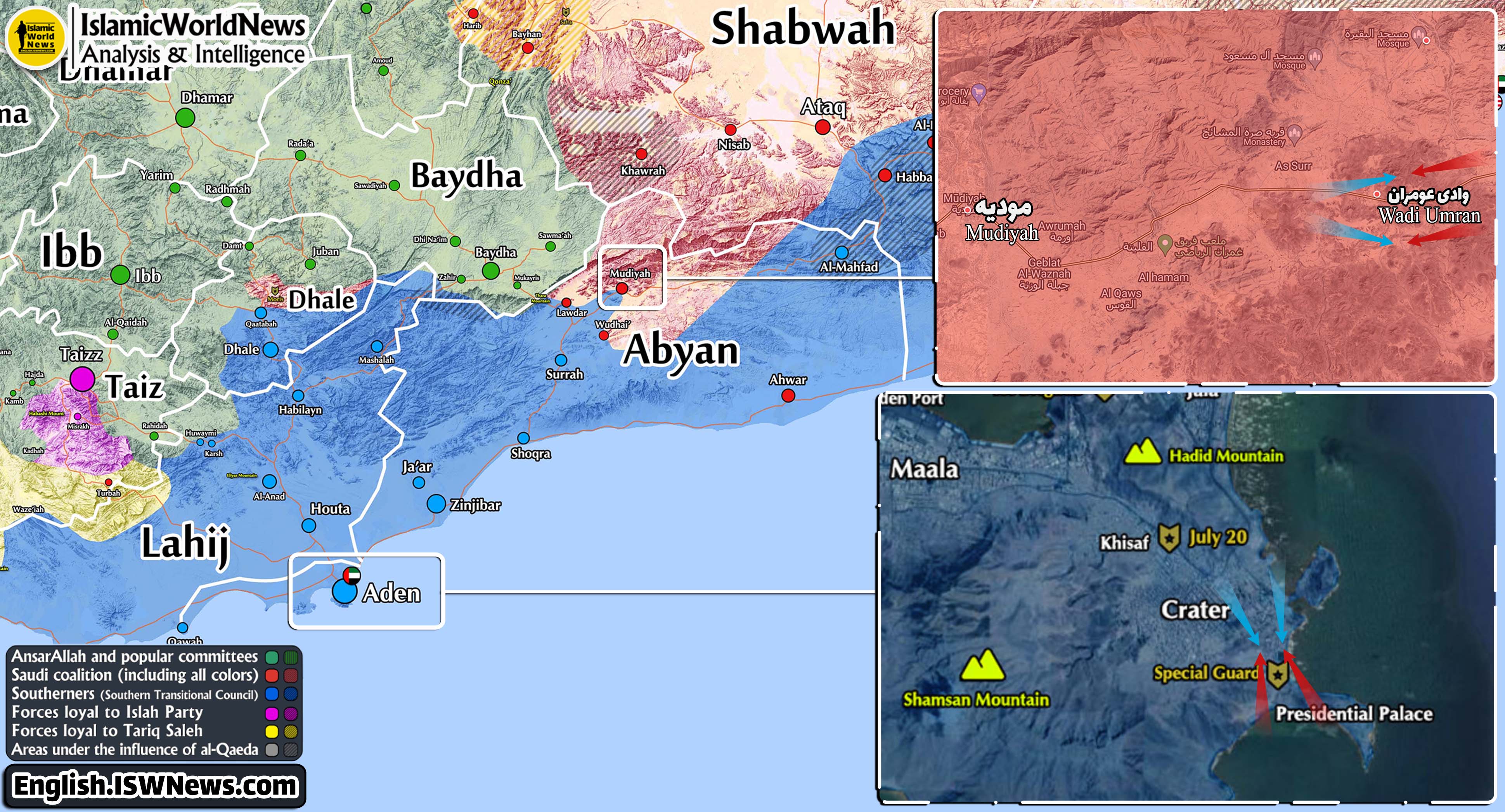
On February 22, the Southern Transitional Council recalled four brigades of its militants from Ahwar town in south central Yemen and dispatched them to Mudiyah village in northern Abyan Governorate as a result of tensions between the STC and the Saudi-led coalition.
Mudiyah tribes continued advancing in Umran Wadi region and captured some checkpoints on February 26.
In Aden, the Saudi-led forces and the Al-Dara Al-Watan militants reacted to the arbitrary withdrawal of Prime Minister of Yemen’s resigned government Maeen Abdulmalik Saeed from Aden to Cairo, Egyptian capital, they sealed his residence and avoided the entry of staff and ministers to Al-Maashiq Palace, and even issued unlimited time off for them. These acts by the Saudis can be seen as their reaction to the STC’s threats to sack and expel pro-Saudi forces from southern provinces of Yemen as well as hand over fronts in southern areas to the Ansar Allah movement.
The Southern Transitional Council militants gathered in streets of Crater district of the Aden Governorate and blocked the entrance of the area in response to the Saudi-led coalition’s measures. Furthermore, a convoy of vehicles carrying Governor of Aden Governorate Ahmed Hamed Lamlas, who is a member of the Southern Transitional Council, was raided by unknown armed people in Crater district on February 26. The governor of Aden survived the assassination attempt, while two of his security guards were injured.