Tag: Tehran

  • Iran Leader: Tehran Welcomes Restoration Of Ties With Egypt

    Iran Leader: Tehran Welcomes Restoration Of Ties With Egypt

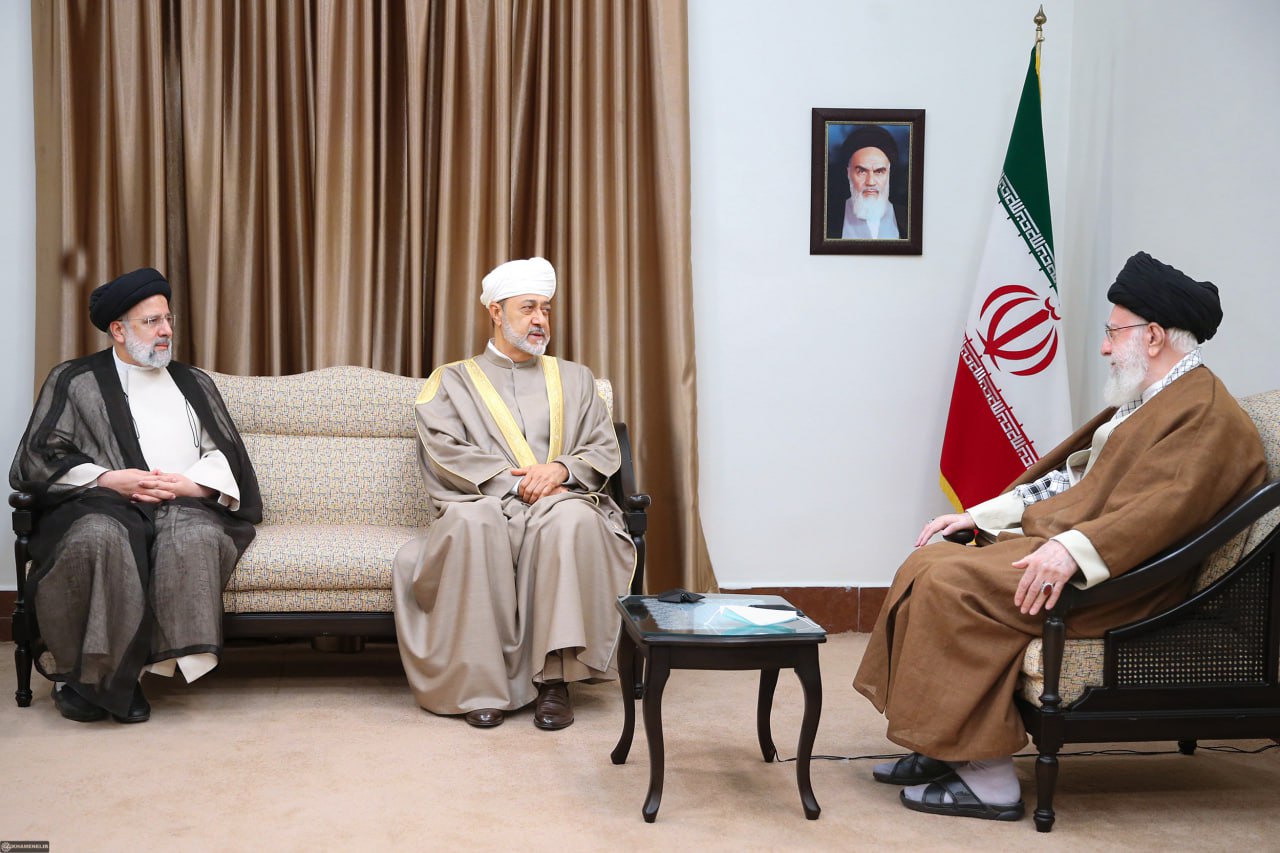
    The Supreme Leader of the Islamic Revolution referred to the Sultan of Oman’s statements regarding Egypt’s desire to resume relationship with the Islamic Republic of Iran, emphasizing that we welcome the stance and have no problem in this respect.

    Ayatollah Khamenei described Iran-Oman relations as long-standing and good in the meeting in Tehran and said that we believe expanding relationship between the two countries in all fields is in the interest of both sides.

    The Leader of the Islamic Revolution also pointed to the danger of the Israeli regime’s presence in the region and stated that the policy of the Israeli regime and its advocates is based on creating discord and lack of tranquility in the West Asia region, so all states in the region should pay heed to the issue.

    Ayatollah Khamenei further stated that the increase of collaborations between Muscat and Tehran is of great importance, because the two nations have a very important commonality in the Strait of Hormuz.

    Touching upon the Sultan of Oman’s expression of satisfaction with the resumption of Iran-Saudi relations, Ayatollah Khamenei stated that such issues are the results of the appropriate policies adopted by President Ebrahim Raisi’s administration to expand and strengthen relationships with neighbors and other states in the region.

    During the meeting, which was also attended by President of the Islamic Republic of Iran Ebrahim Raisi, the Sultan of Oman expressed great satisfaction with the meeting with the Leader of the Islamic Revolution, underscoring that Muscat’s policy is founded on expanding relations with neighbors in particular the Islamic Republic of Iran.

    Haitham bin Tariq Al Said also said that the two sides exchanged views on various fields of cooperation during Tehran negotiations; so, Oman hopes that as a result of the continuation of such consultations, the relationship between the two nations will develop further and its practical outcome will be visible for both parties.

  • Iraqi, Iranian Top Security Advisors Meet In Tehran

    Iraqi, Iranian Top Security Advisors Meet In Tehran

    During the meeting, Ahmadian pointed out to the common religious and long civilizational commonalities between Iraq and Iran, describing it as a guarantee for profound and extensive ties between the two nations.

    The Iranian official said that the Islamic Republic of Iran’s policy has always been based on supporting a government in Iraq, which has its roots in the will of the Iraqi people.

    He also stipulated that the martyrs of the two neighboring countries together have made great sacrifices in fighting terrorism and insecurity, and that the most prominent instance of the joint efforts occurred when the great resistance commanders such as Iranian Lieutenant General Qassem Soleimani and former Member of the Council of Representatives of Iraq Abu Mahdi al-Muhandis were martyred in a US attack in Baghdad on January 3, 2020.

    Ahmadian described a recent security agreement between Iraq and Iran, which is the result of months of dialogue and joint efforts of the relevant institutions of the two nations, as a very appropriate and strategic measure and called for the precise implementation of the security accord.

    The secretary of Iran’s Supreme National Security Council went on to say that the Islamic Republic expects the Iraqi government to end the presence of anti-Iran elements in the Arab country as soon as possible within the framework of the agreement and guarantee the security of the neighboring country’s borderlines with Iran.

    The Islamic Republic of Iran is determined to develop and deepen comprehensive relationship with neighboring states in particular the friendly and brotherly country of Iraq, he said, noting that Tehran is ready for cooperation and interaction in all aspects at bilateral and multilateral levels.

    Al-Araji, for his part, congratulated Ahmadian on his appointment as the secretary of the Supreme National Security Council of the Islamic Republic of Iran and wished him success, saying that the Iraqi government and its national security body are determined and prepared to continue close and persistent communication in all arenas of collaborations with the Islamic Republic of Iran as before.

    The Arab official pointed to the brilliant relationship between the two neighboring states that have always been lasting, saying that we consider Iraq’s security as Iran’s one and vice versa.

    Continuous consultations between senior authorities of the two nations will help speed up the implementation of bilateral agreements especially in economic and security dimensions, and are prerequisite for stability and progress of the two states, al-Araji argued.

    Along with a high-ranking delegation, I have come to meet you and I emphasize Iraq’s commitment to the agreement, which was recently signed between the two nations, he added.

    Iraq’s national security adviser also mentioned that the security accord has its roots in our faith and belief, because we consider the stability and development of Iran and Iraq to be an assurance for enhancing the national security of both countries and creating a platform for peace and progress in the West Asia region.

    It is worth mentioning that the former secretary of Iran’s Supreme National Security Council Ali Shamkhani met with his Iraqi counterpart Qasim al-Araji in Iraq’s capital city Baghdad and the two sides held talks on March 19, 2023.

    Following the meeting, a ceremony was held in the presence of Iraq’s Prime Minister Mohammed Shia’ Al Sudani; then, a joint security cooperation agreement between Iraq and Iran was inked by the then secretary of Iran’s Supreme National Security Council and the national security adviser of Iraq’s prime minister.

    Read more: Ali Akbar Ahmadian Appointed As Secretary of Iran’s National Security Council

  • What Is Belarus-Iran Axis Of Coop. Amid Lukasheno’s Visit To Tehran?

    What Is Belarus-Iran Axis Of Coop. Amid Lukasheno’s Visit To Tehran?

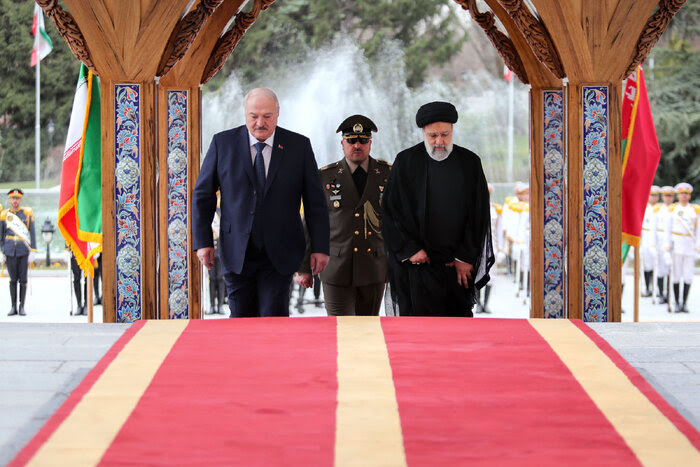
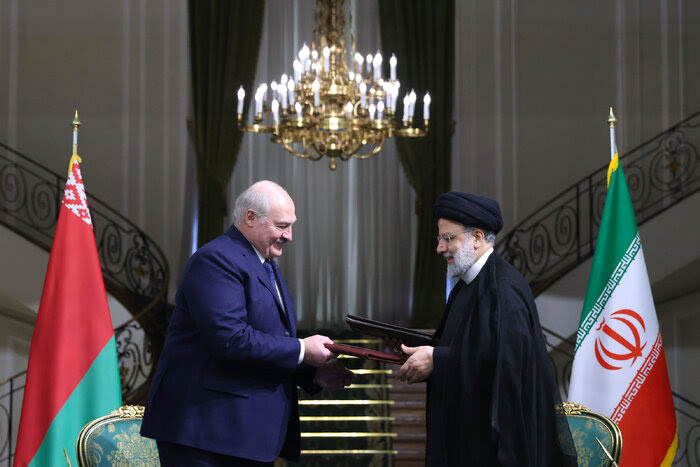
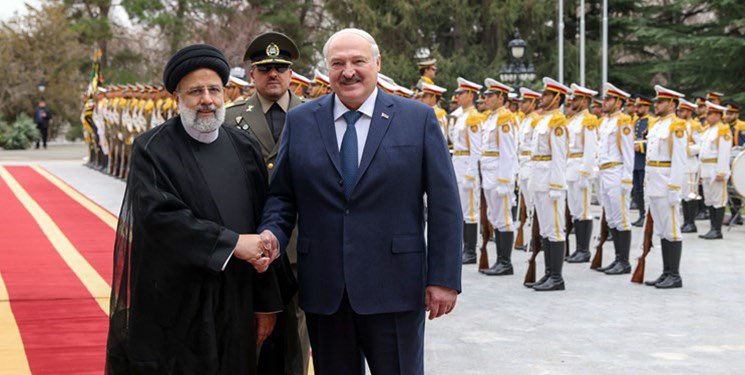
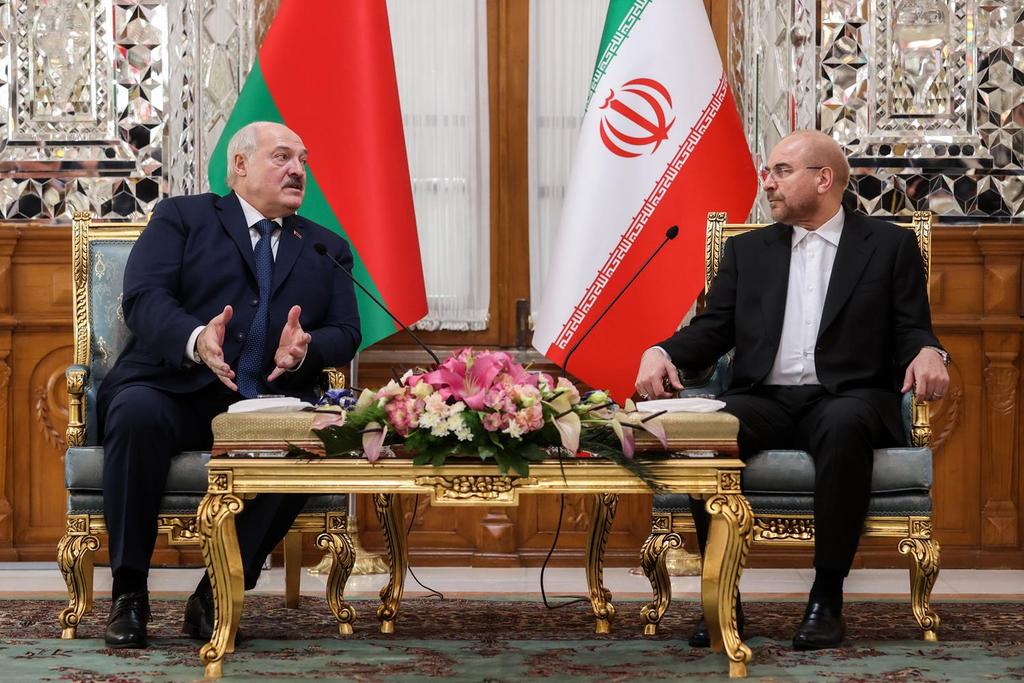
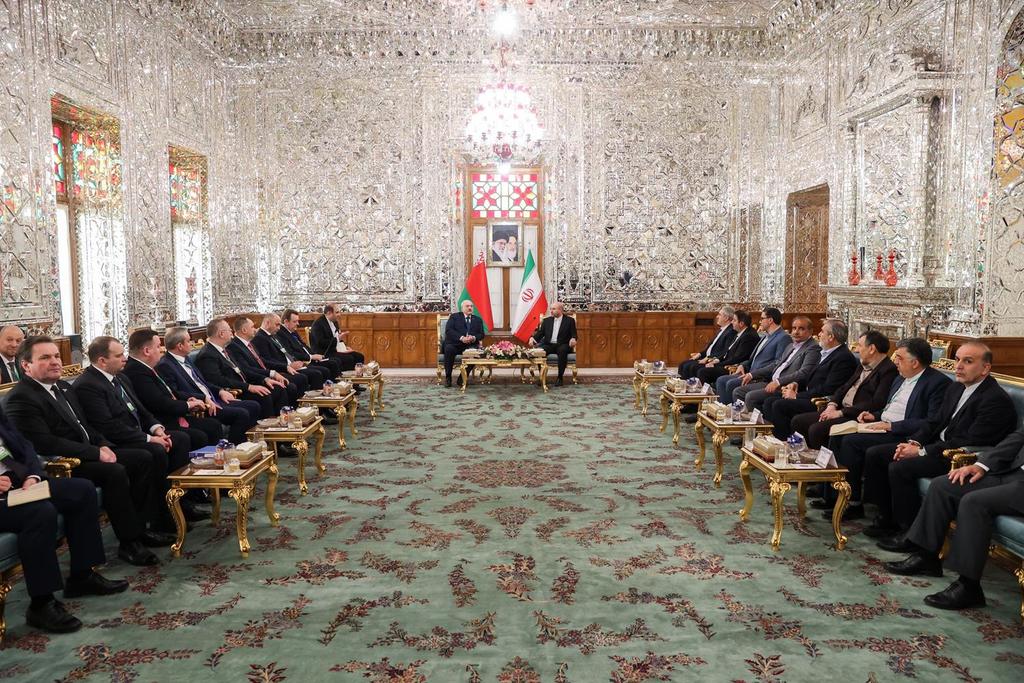
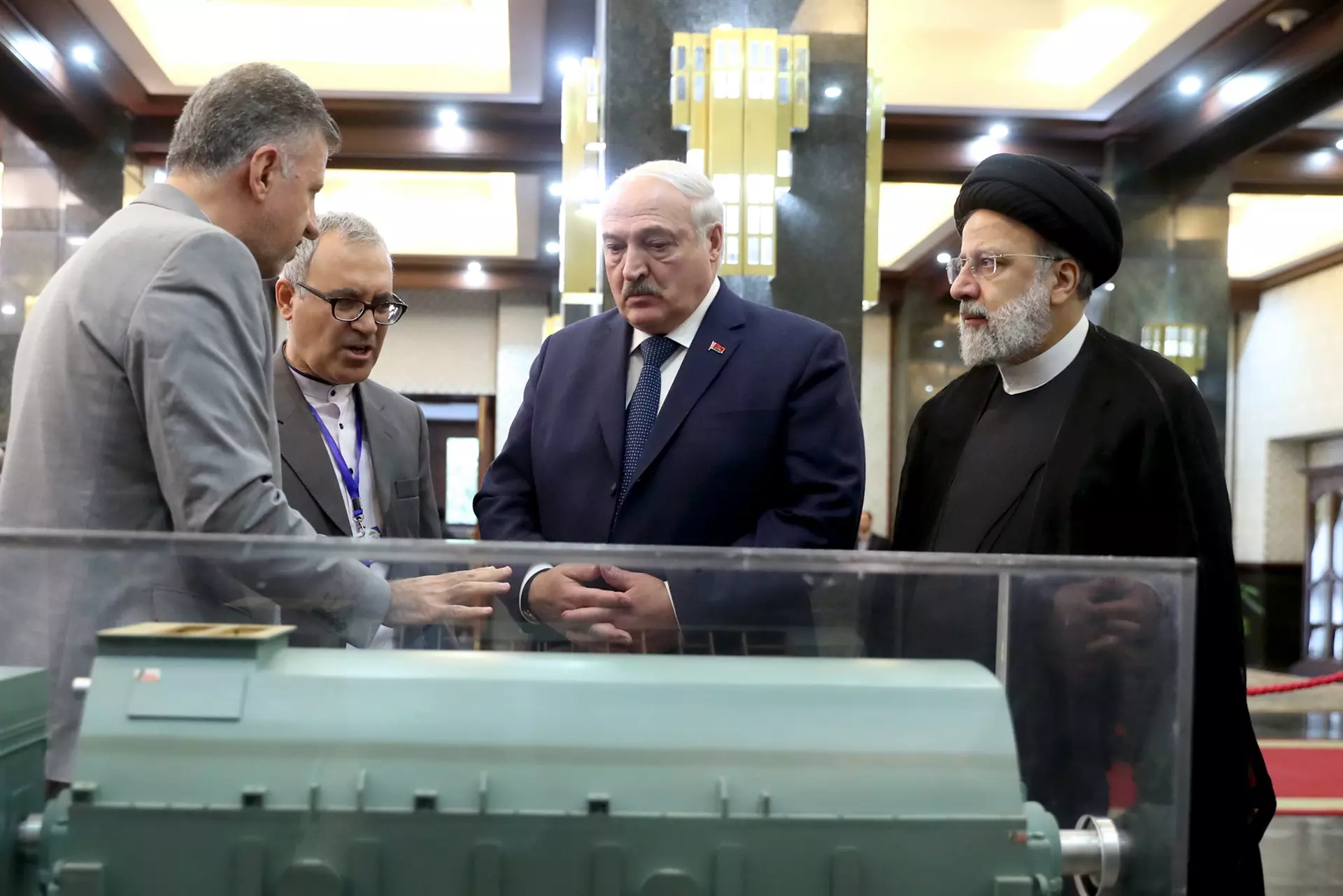
    Kukashenko arrived in Tehran on Monday (March 13, 2023) ahead of the 30th anniversary of initiating bilateral ties between Belarus and Iran. His two-day visit was made at an official invitation by his Iranian counterpart.

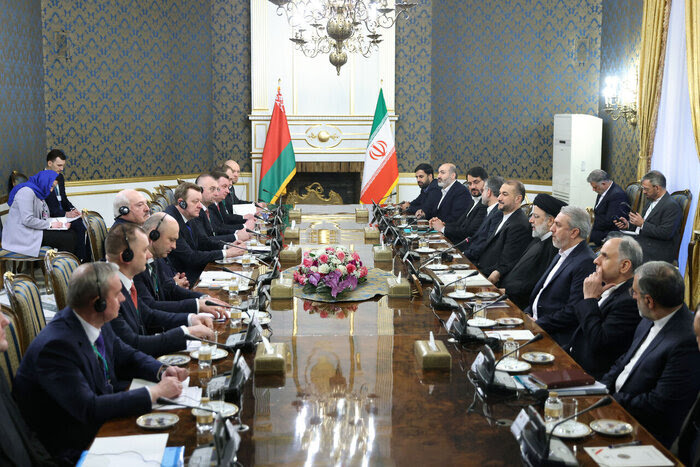
    Both presidents held talks on the sidelines of the 16th summit of the Shanghai Cooperation Organization in Samarkand, Uzbekistan, in September 2022. They underlined on the need for preparing a roadmap to develop bilateral collaborations. The cooperation is in line with both nations’ determination to strengthen economic, trade, transportation, agriculture, culture and art exchanges as prisoners swap and an executive document on the 30th anniversary of establishing diplomatic ties.

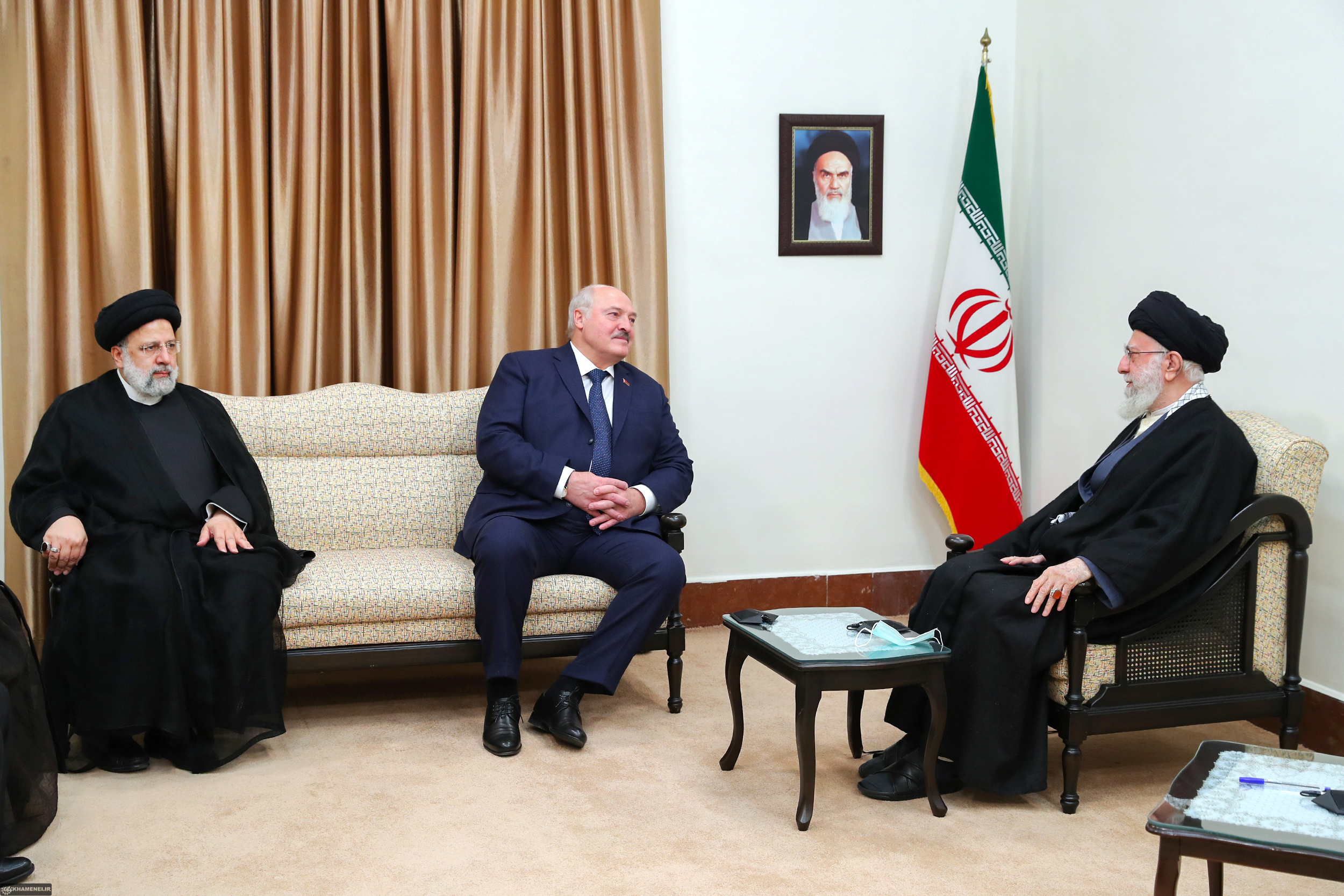
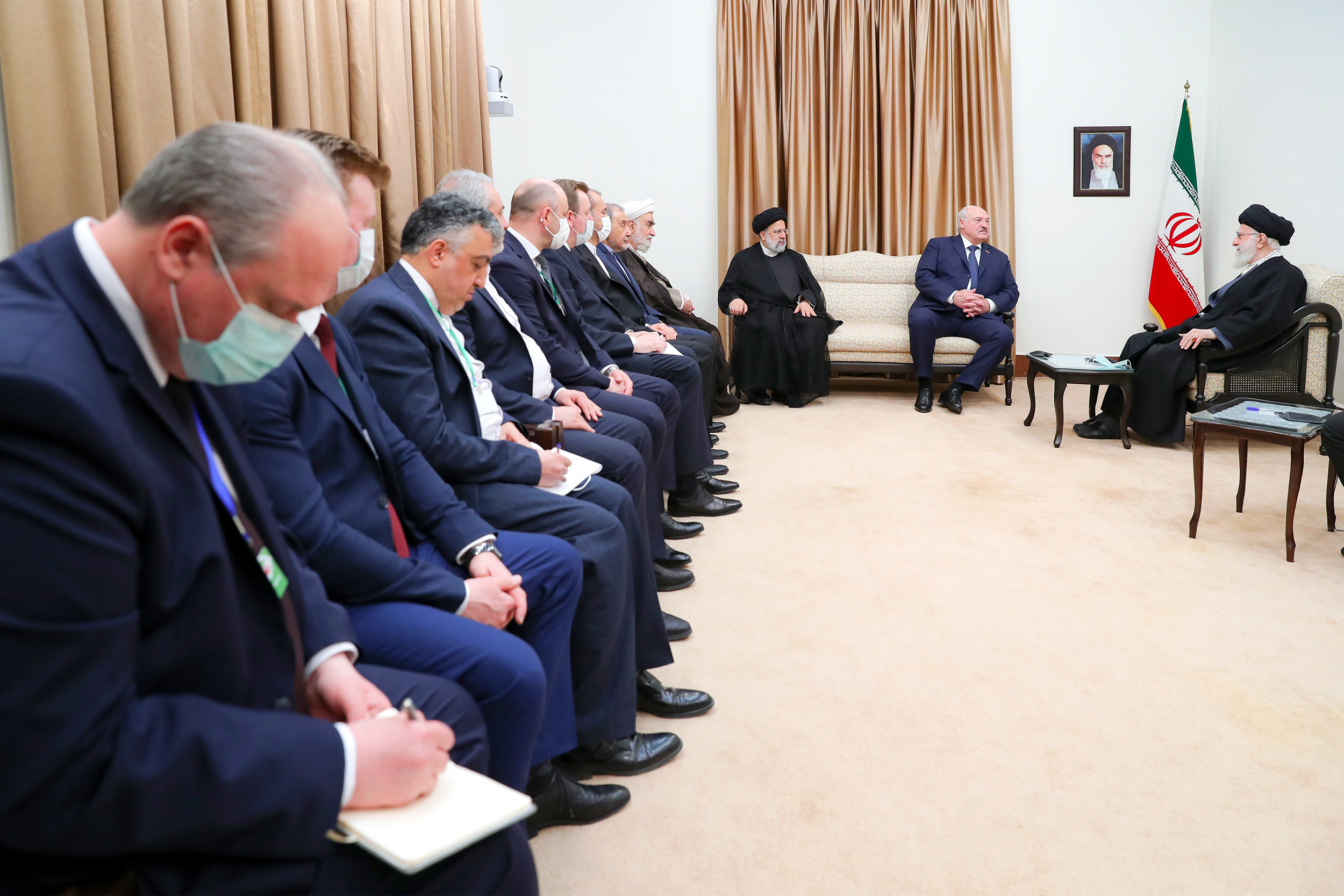
    Following the signing ceremony of the MoUs, President Kukashenko along with President Raisi met with Imam Khamenei, when the Supreme Leader stated that the cooperation capacities between the two countries are higher than the current level.

    The Supreme Leader underlined that given the determination of both sides to implement agreements, the level of relationship should improve significantly, and that Belarus and Iran enjoy numerous commonalities, including the fact that both nations are facing the bullying sanctions by the US and certain Western states. The countries, which have been targeted by the US-imposed sanctions, should cooperate with each other and create a joint front in order to defuse the sanction policy and we believe that the job can be done, Imam Khamenei noted, adding if those countries that the US imposed sanctions on them use each other’s capacity, the benefit of the cooperation will be abundant for all sides.

    The United States started imposing sanctions on Iran from the onset of the victory of the Islamic Revolution, and Washington imposed the ruthless sanctions on the country over past 12 years, the Leader said, noting that the harsh sanctions made Iran understand its own capabilities and internal might; so, during the time when Iran was suffering from the sanctions, the ground was paved for many progresses in the country and Iran could achieve wonderful advances in different arenas, including in science and technology, in medicine and biology, in aerospace, in nuclear technology and nanotech.

    According to the Leader, the grounds for cooperation between Belarus and Iran in scientific and technological development as well as in trade and political activities are available at international communities, and in the implementation of the International North–South Transport Corridor along with Russia; thus, both Minsk and Tehran should try to implement it.

    The agreements and talks should not be left behind in meetings, but they should be implemented through special follow-up and identified timing, Ayatollah Khamenei said, arguing that spirituality can play the role of a motivator for nations.

    Lukashenko, for his part, expressed satisfaction with his meeting with the Supreme Leader, saying that he came to Iran to assure he is determined to open a new page to expand bilateral ties, and that with the support and cooperation by the Iranian president, all agreements will be implemented in due timing and special follow-ups.

    Iran achieved wonderful experiences and progresses during the sanction period, and we believe if the embargo circumstance is being used properly, it can be an opportunity for advancement, the Belarusian president said, adding that his goal of the visit to Iran is close acquaintance with Iran’s achievements.

    The current hard situation at international arena has uncovered real and unreal friends for us, and we are determined to pursue particular cooperation with real friends, he argued.

    Considering the remarks made by the Belarusian and Iranian officials as well as released data by Eastern media outlets, the probable axis of collaborations between Belarus and Iran can include the following points:

    -The adoption of joint stances by both countries in the Shanghai Cooperation Organization (SCO) and the Eurasian Economic Union (EAEU), which will be effective to increase economic exchanges between the two nations and other independent states. Imam Khamenei underlined the need for forming an economic-military alliance between anti-Western countries, when he received the Belarusian president. The idea can be proposed at next sessions of the SCO and EAEU, and the member states can pursue a roadmap to form such an alliance.

    -The emphasis on Belarus’ usage of the capacity of the International North–South Transport Corridor especially inside Iran’s territory. The corridor can be very helpful for the economy of the East European states, including Belarus, that do not have access to international waters.

    -The export of industrial, medical and other equipment from Iran to Belarus. Given the fact that Minsk is still grappling with the negative healthcare aftermaths of 1986 explosion at the Chernobyl Nuclear Power Plant in Ukraine, the Iran-made medical equipment can find appropriate market in Belarus.

    -The sale of arms and ammunition such as Iran-made drones and missiles to Belarus. The experience of Russia-Ukraine war has shown the leaders in Belarus and other states, which are suffering from the sanctions imposed by the US and Europe, that the tension between the East and the West fronts can drag them into a battle field. Thus, the Iranian weaponries, which have been tested in different conflicts, can play a key role in guaranteeing their security.

    -The import of livestock, grains and chemical fertilizers from Belarus.

  • Attack On The Azerbaijani Embassy In Tehran + Video

    Attack On The Azerbaijani Embassy In Tehran + Video

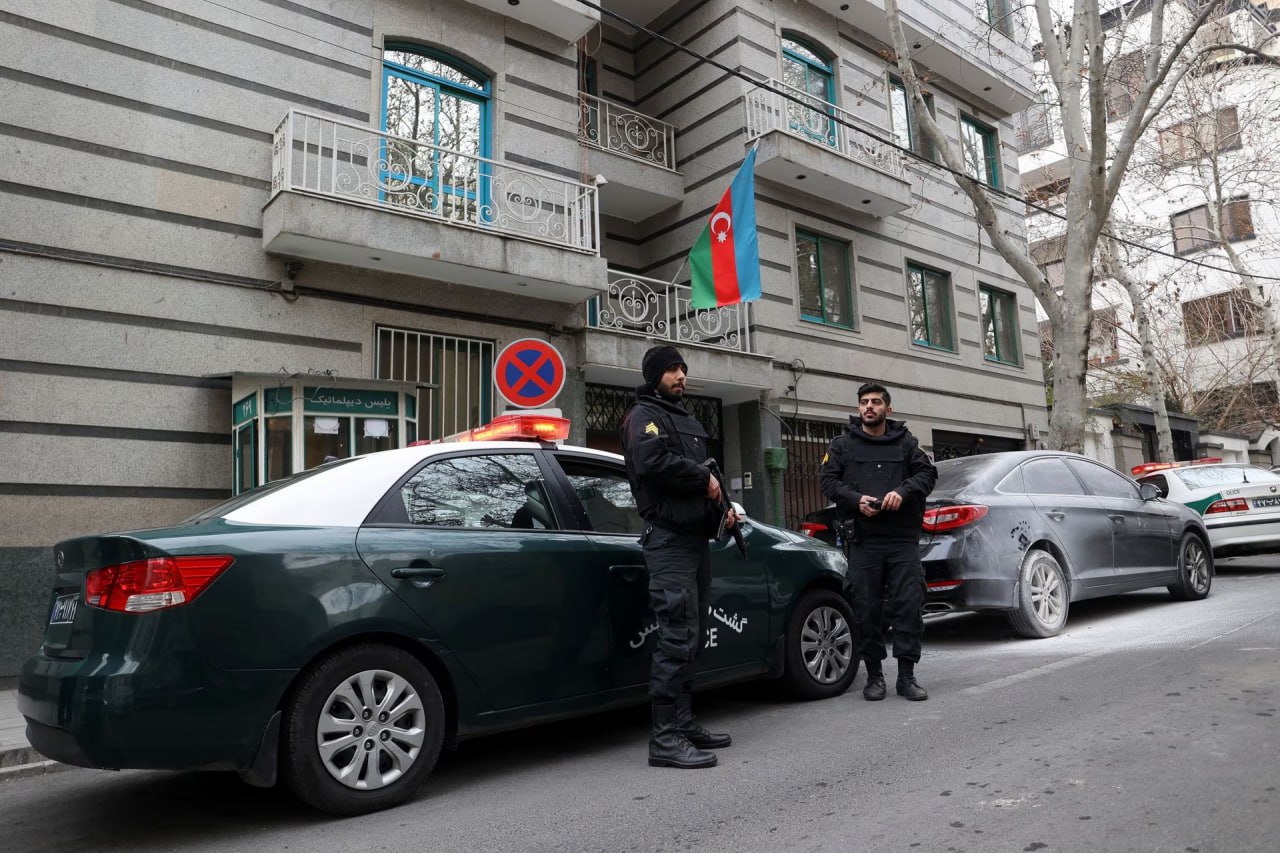
    As a result of an armed attack by an unknown assailant on the Embassy of the Republic of Azerbaijan in Tehran, at 8:32 on Friday, 27th of January, Orkhan Asgarov, the head of the embassy’s security team, was killed and two of its employees were injured. The armed person was arrested by the security forces of the embassy.

    The moment the armed person entered the Azerbaijan Embassy and starts shooting

    According to the statements by the Tehran Police, the attacker came to the Azerbaijan embassy with two children and entered the embassy and started shooting at the security agents with a firearm (Kalashnikov). The attacker stated that his motivation for this action was personal and family problems. In his initial confession, he said:

    “In April of this year, my wife went to the Azerbaijan Embassy in Tehran and has not returned home. During my repeated visits to the Embassy of the Republic of Azerbaijan in Tehran, I did not receive any response from them, and I thought that my wife was present at the Embassy of the Republic of Azerbaijan in Tehran and was not willing to meet me. This morning I decided to go to the embassy with the Kalashnikov that I had already prepared.”

    Conversation between the police forces and the perpetrator of the armed attack on the embassy of the Republic of Azerbaijan

    The Foreign Ministries of Iran, Russia and Turkey as well as some other countries condemned this incident by issuing statements while expressing their condolences to their Azerbaijani counterparts.

    On 28 January, the President of Iran Ebrahim Raisi called the President of Azerbaijan Ilham Aliyev by phone. Raisi expressed his condolences to Aliyev and the family of Orkhan Asgarov, wishing the injured a speedy recovery. Aliyev expressed his strong condemnation of the attack, which he called a terrorist act, and expressed his hope for thorough and transparent investigation and punishment of the perpetrator to the full extent of the law. Aliyev also mentioned the courage of one guard who managed to disarm the attacker and thus prevent further casualties.

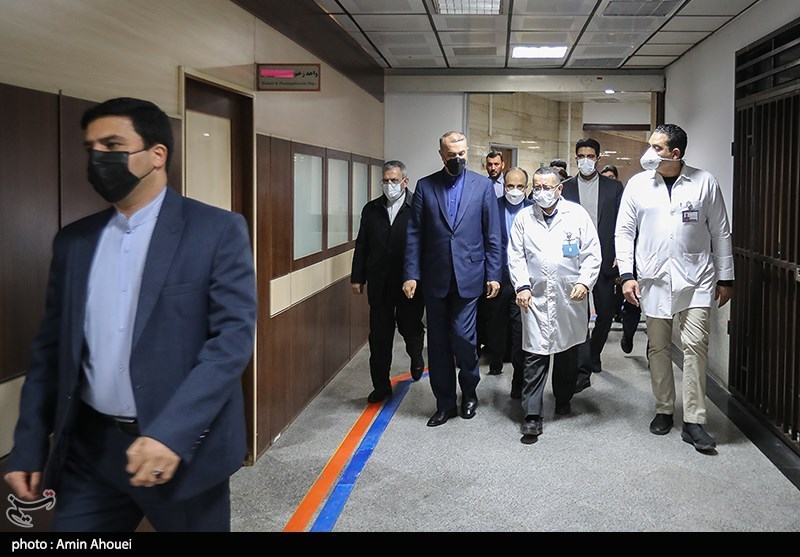
    Iranian Foreign Minister, Hossein Amir-Abdollahian during a telephone conversation with his Azerbaijani counterpart expressed regret at the incident that killed one diplomat and wounded two of the embassy staff and offered condolences to the Azerbaijani foreign minister and the family of the deceased diplomat. He also warned that the enemies of the two countries could take advantage of this incident, saying Baku and Tehran should not let their ties be affected by the attack.

    Initial video from the scene of the incident at the Embassy of the Republic of Azerbaijan in Tehran
    Conversation between the Embassy employees with Brigadier General Hossein Rahimi, the Police Commander of Greater Tehran
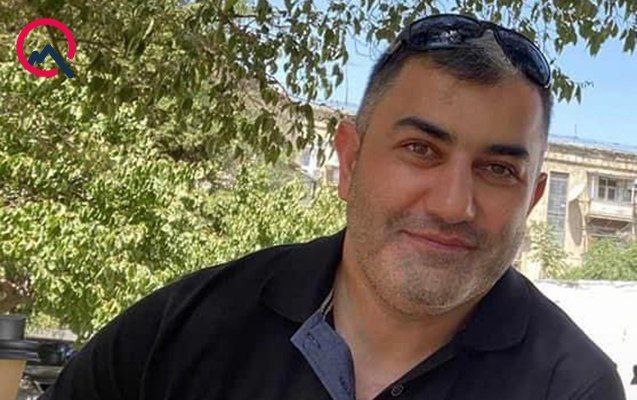
    Orkhan Asgarov, head of the security team of the Embassy of the Republic of Azerbaijan, who was shot dead by the attacker
  • Huge gas tank explosion east of Tehran

    Huge gas tank explosion east of Tehran

    Images that showed an orange light went viral at around 00:30 am local time on Friday (08:00 p.m. GMT on Thursday). Rumors were circulating that the blast has occurred in an ammunition depot but later it was rejected by the Defense Ministry.

    Last night explosion

    It is revealed now that last night incident was an explosion of industrial gas storages near the one of the Ministry of Defense sites east of Tehran.
    However the blast had nothing to do with military installations…

    Report from the area of explosion
  • Breaking: British ambassador arrested in Tehran

    Breaking: British ambassador arrested in Tehran

    Today evening, during the rally of some people in front of Amir Kabir University, British ambassador in Tehran that was there and was trying for organization, incitement and guiding some radical and anarchist activities, was arrested for some hours.

    The objections have been said to him after his arresting. This ambassador was released after some hours, but it is said that he will be summoned and this issue will be pursued.

    Informed sources have said that a shop in front of Amir Kabir University, was the main place of the British ambassador’s coordinations regarding this event.

  • Qatar’s foreign minister arrived in Tehran

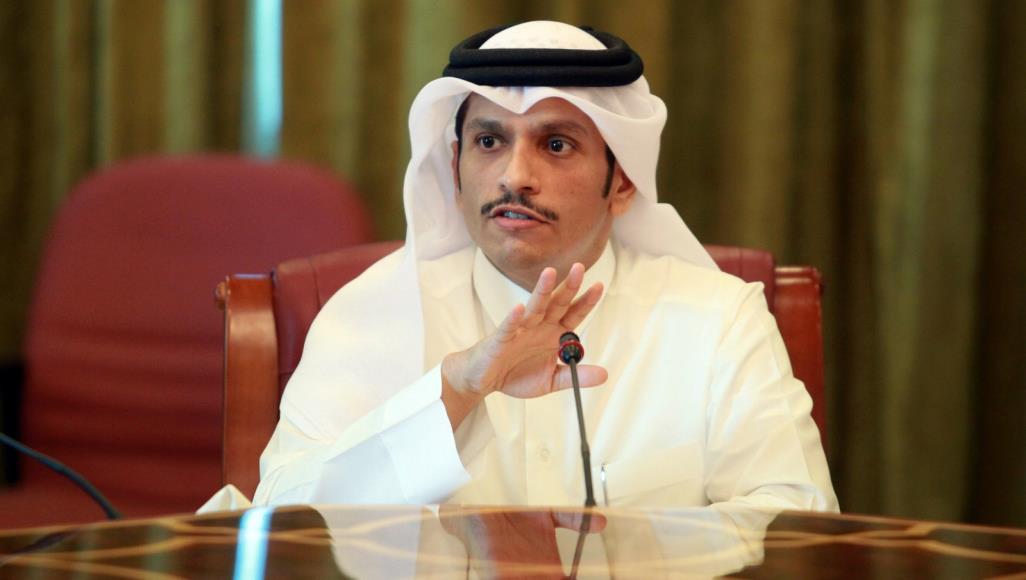
    Qatar’s foreign minister arrived in Tehran

    The trip is to convince Iranians not to attack US bases in Qatar. The Qataris have reacted passively to the recent US terrorist attack in Baghdad and have only demanded restraint on both sides without condemning the attack.

    US troops are present at Al Udeid Air Base and Sayliyah Army Base in Qatar.

  • Images: Iran Showcases Downed US Drones in Tehran

    Images: Iran Showcases Downed US Drones in Tehran

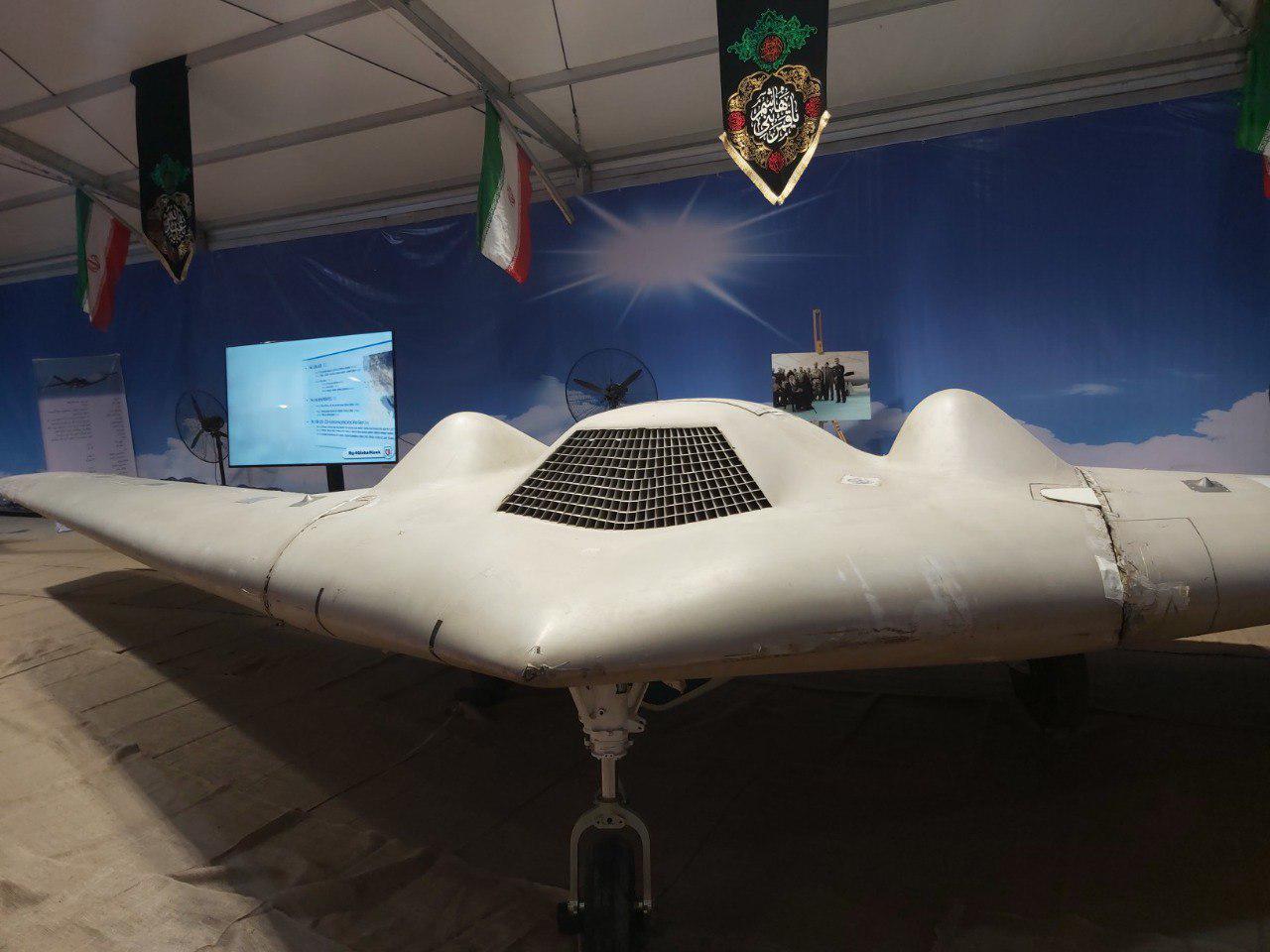
    On September 21, the Islamic Revolutionary Guard Corps(IRGC) organized an exhibition of captured or destroyed Western drones under the name of “Hunting Vultures”.


  • Muqtada al-Sadr Appears in Tehran

    Muqtada al-Sadr Appears in Tehran

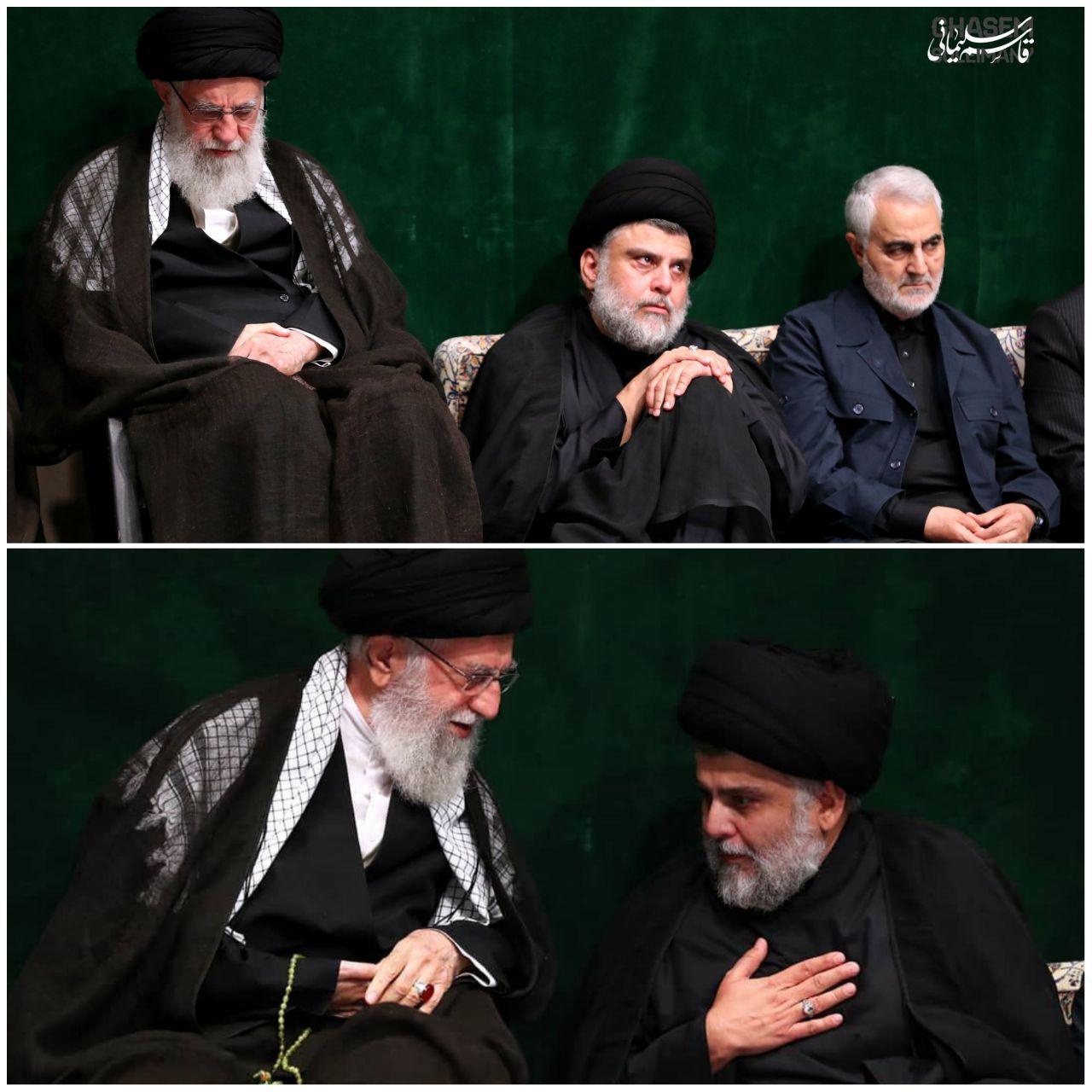
    Sayyed Hassan Nasrallah’s remarks on Iran last night, Sayyed Abdulmalek al-Houthi’s speech about the axis of Resistance and presence of Muqtada al-Sadr in Iran, transmitted the message of unity among the Shiites of the world, with leadership of Imam Khamenei to the enemies of Iran.

  • Rouhani: ” No talks with Trump unless sanctions are lifted”

    Rouhani: ” No talks with Trump unless sanctions are lifted”

    He said Tehran has never wanted nuclear weapons and we will continue to scale back from nuclear commitments if our interests are not guaranteed.
  • Putin and Erdogan Discuss about Idlib and Northern Syria, Meeting in Moscow

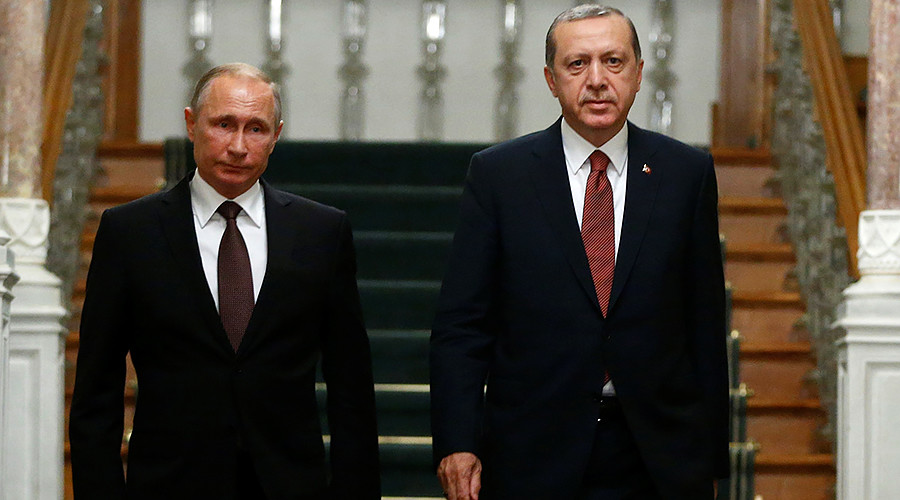
    Putin and Erdogan Discuss about Idlib and Northern Syria, Meeting in Moscow

    In a press briefing after the meeting, it was stated that Russia and Turkey had reached a new agreement on the issue of Idlib.


    One of these agreements is the establishment of a “Demilitarized Zone” in Idlib. This summer, Russia and Turkey in a similar meeting agreed on this particular issue, but it had not been implemented properly.


    The Russian president also supported the talks between the Damascus government and Kurdish leaders, saying that “If such steps will indeed be taken, it will be a positive change. It will help stabilize the situation in this troubled region of the Syrian state, which is currently under control of Kurdish forces”, he said.


    The Turkish president revealed that Washington had given positive signals regarding the creation of a “Safe Zone” in northeastern Syria, and noted that Russia has no problem with that.

    He also said that “Ankara and Moscow will continue their fight against terrorist groups in the province of Idlib”.


    The next Syria summit will be a trilateral summit between Moscow, Ankara and Tehran, which the exact date of this summit has not been announced yet.

  • What you didn’t know about Tehran’s terrorist attacks

    What you didn’t know about Tehran’s terrorist attacks

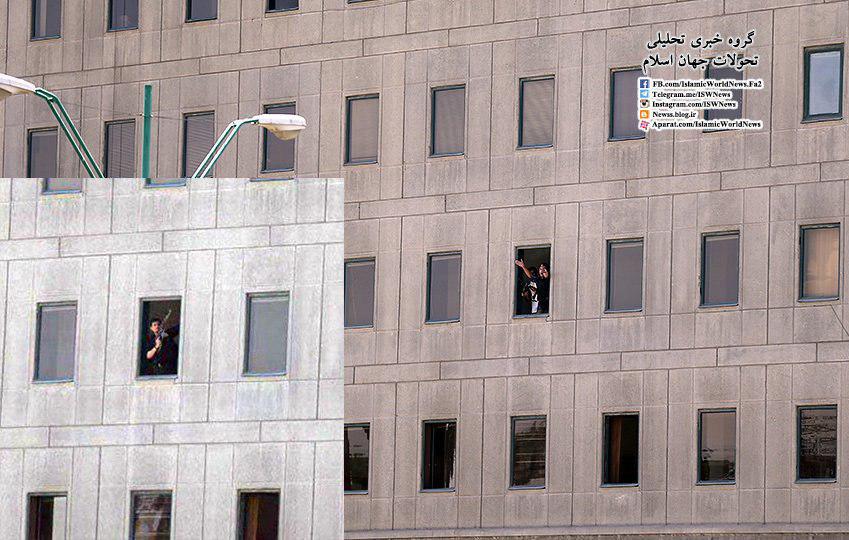
    There’s been much talk recently of the motives behind the terrorist attacks that targeted Iran’s parliament and the shrine of Ayatollah Khomeini in Tehran, and there will be much talk in media outlets on those responsible. Despite the fact that ISIS claimed responsibility for this attack, certain ambiguities still exist regarding the operators behind them.

    Looking into the previous instances of ISIS’s terrorist attacks around the world, one would conclude that this is not the work of ISIS. Taking the videos that were circulated of the attackers that had been recorded in the days prior to the attacks into question, none of these were circulated in the name of ISIS, nor did they show its banner. Moreover, on the day of the attack, there were no indicators pointing towards ISIS or its black banner.

    Saudi Arabia’s Al-Arabiya TV was the first media outlet to broadcast the video sent by the attackers, and after that, ISIS’s Aamaq broadcast that same video, announcing that ISIS claims responsibility for the attack. In reality, the fact that the attackers spoke Arabic in the video would have one think that they are affiliated with ISIS, and it’s easier to believe that ISIS would be behind it.

    The question that comes to mind is, if ISIS was not behind these attacks, then why did it claim responsibility for them? In answering this question it must be said that one of ISIS’s goals has always been to showcase itself, and show its capabilities on the international level, performing terrorist attacks around the world to show that it has the ability to perform such actions all over the world, such as its attacks in European countries and elsewhere. Furthermore, ISIS sees Iran as one of its most important enemies, and had threatened to perform terrorist attacks against it time and time again, always failing to perform any attacks on Iranian soil. It so follows that these latest attacks are the best chance for it to make some political gains without putting up any of the costs.

    Another question that comes to mind is: who are the true perpetrators of the Tehran attacks then? The “Ansar al-Islam” organization is a radical Sunni organization, active in Iranian and Iraqi Kurdistan, is anti-Iranian, and has deep religious and ethnic differences with the Shia system ruling Iran. It has arranged a number of operations against the Iranian state in the past, and some informed sources have cited them as being behind the Tehran attacks. We will discuss this group’s role in the management and the execution of the attacks as we go along.

    Mullah Krekar is one of the well-known Salafi figures of Halabja in Iraqi Kurdistan. He had been a follower of Osama bin Laden in Afghanistan for a number of years and fought alongside him. Upon his return to Halabja he began spreading Salafi Jihadism in Iraqi Kurdistan, founding Ansar al-Islam, which simultaneously fought against Saddam Hussein and the Taliban and Barzani movements. After 9/11, he added fighting the U.S to his agenda.

    Abu Musab al-Zarqawi left Afghanistan, settling in Iranian and Iraqi Kurdistan. The members of Ansar al-Islam, who were mostly Sunni Kurds from Iraq and Iran, were placed under his ideological and intellectual tutelage. This is why this organization considers Al-Zarqawi to be its spiritual leader.

    During Zarqawi’s stay in Iraq, especially in August 2003, three months after the fall of Saddam Hussein in Iraq, he planned and led the Najaf attacks which resulted in the assassination of Sayyid Mohammad Baqer al-Hakim, the head of the Shia Supreme Council of Iraq on August 29th, in the shrine of Imam Ali, the first Imam of Twelver Shia Muslims. After the incident, he established “Tanzim al-Jihad fi Bilad al-Rafidayn”, Al-Qaeda’s Iraq branch, which eventually came to form ISIS.

    Throughout their period of activity, Ansar al-Islam managed to gain great ideological and intellectual influence among Iranian Kurds, leading to the formation of the “Tawhid and Jihad” group. This group, through its commencement of operations since 2011, managed to impose itself as a serious player among Jihadi groups. Furthermore, being the earliest of Salafi Jihadist groups in Iran, it began to spread the ideas of ISIS when the latter revealed itself, and a number of them have gone to fight in Syria and Iraq with ISIS. The group was active in Western Iran and its neighbor Iraq, and enjoyed financial support from some of the region’s wealthier countries whose politics run counter to Iran’s.

    Another matter is that anti-Iran groups, apart from their relations with anti-Iran countries, also possess relations with other anti-Iran groups, and cooperate with one another. One of the oldest of these groups is the MEK, which in the post-revolutionary period had many differences with Ayatollah Khomeini, Iran’s then supreme leader, and began fighting the new rule. This organization, in its efforts to combat the Iranian administration, has relations with all anti-Iranian groups, including Ansar al-Islam, and cooperates with them. The MEK enjoys political and social support from the U.S, as well as financial support from Saudi Arabia.

    Some informed sources have said almost 50 members of Ansar al-Islam, all of whom are Iranian, Kurdish Sunni Muslims, operate from a base linked to the MOC operations room in Jordan, under the military and operational tutelage of the MEK, and are now ready to launch wide attacks inside Iranian soil.

    These sources have also added that the MEK handled the planning of these latest operations, and that Ansar al-Islam executed them on the anniversary of al-Zarqawi’s death. However, because of Iran’s security forces’ grip on Iranian and Iraqi Kurdistan, and their fears of backlash from Iran, Ansar al-Islam decided it was better to conceal their responsibility for these operations, remaining silent, and letting ISIS claim responsibility for them.

    It is noticeable that Saudi Arabia’s king, Iran’s traditional opponent in the region, has supported all radical anti-Iran groups, and even political opposition outside of Iran, such as the MEK, both financially and morally. So much so that Prince Turki al-Faysal, the former head of Saudi Intelligence, in his speech before the MEK’s yearly conference in 2016 in Paris, announced Saudi Arabia’s full support of the organization, as well as all anti-Iran groups.

    Saudi Arabia will continue to support these groups in the possibility that Iran, a Shia Islamist country, might be weakened or its system of government changed. Saudi Arabia has accused Iran, on a number of occasions, of supporting terrorism and exporting its revolution to other countries, and interfering in the internal affairs of Arab countries. Mohammad bin Salman, the Saudi Minister of Defense and Deputy Crown Prince, has very recently accused Iran of trying to control the entire region, and threatened to create instability and take the war to within Iranian soil. Meanwhile, refuting Saudi claims, Iran’s minister of defense said that if Saudi Arabia should start a war with Iran, nowhere will remain safe in Saudi Arabia but for Mecca and Medina, which are sacred ground. Taking all these factors into question, are the Tehran attacks also a message that the Middle East will be the arena of a military bout between Iran and Saudi Arabia?