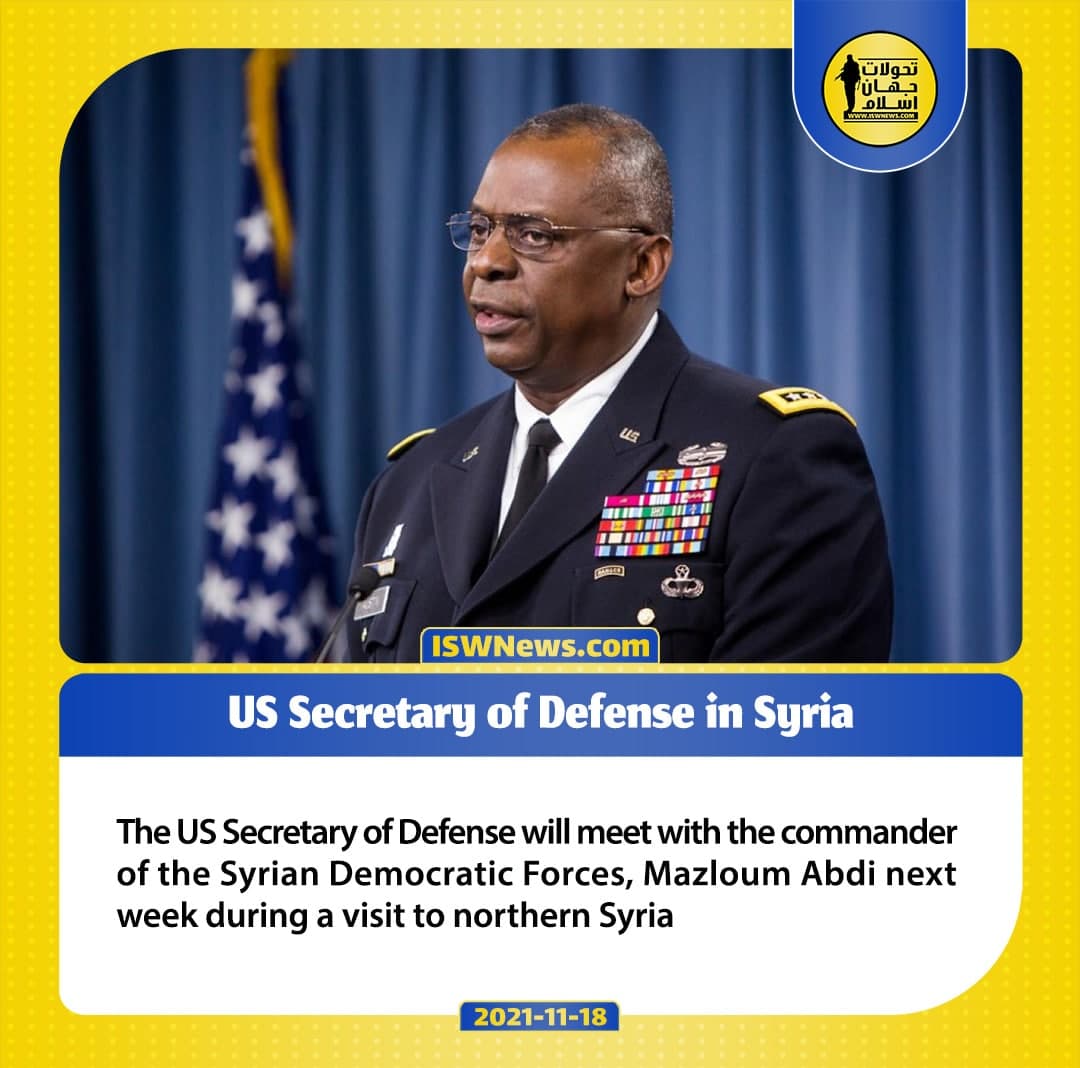
During his visit to northeastern Syria next week, US Secretary of Defense Lloyd Austin will meet with Mazlum Abdi, commander of the Syrian Democratic Forces (SDF). The Secretary of Defense will also visit US military bases in northern and eastern Syria and the headquarters of the US-led International Coalition Forces in the city of Hasakah.
It is worth mentioning that a few days ago, Ethan Goldrich, the Deputy Assistant Secretary of State for Near Eastern Affairs with responsibility for the Levant (Syria, Jordan, Lebanon), headed a US delegation to Mazlum Abdi and met with SDF officials.
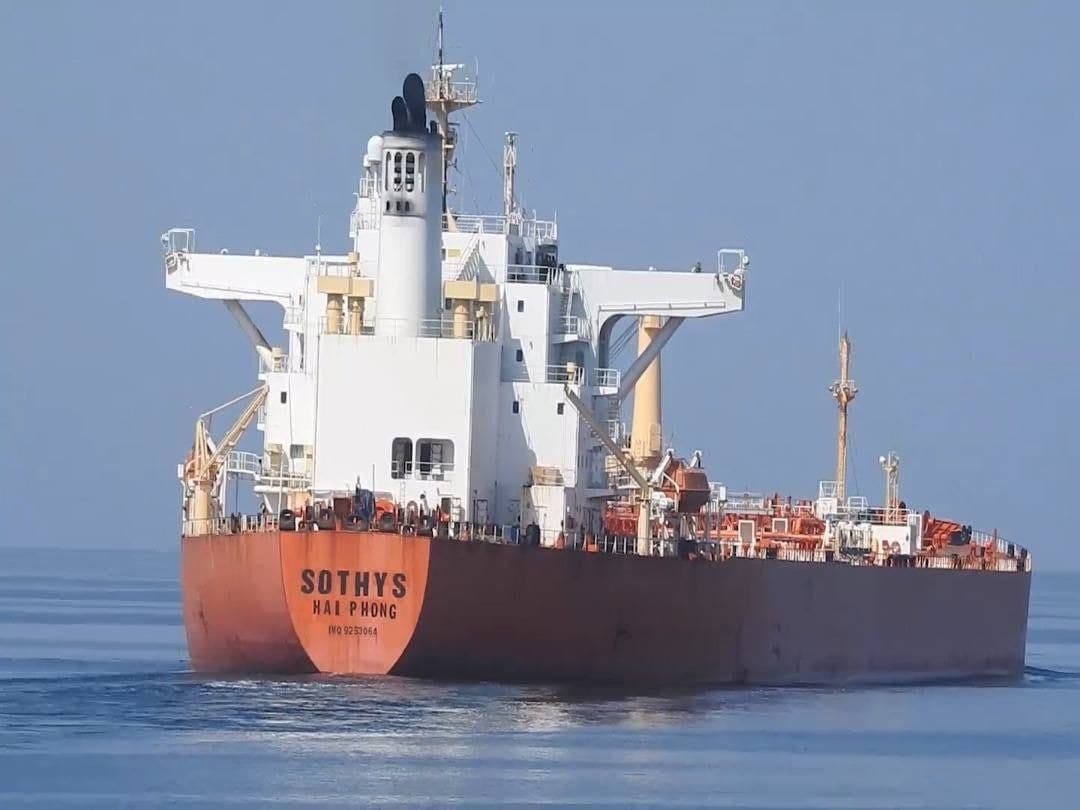
The Sothys left a position off Iran’s Bandar Abbas port and had reached international waters in the nearby Gulf of Oman early Wednesday.
“Admiral Tangsiri” the commander of IRGC Navy said in a meeting with “General Salami” the commander of the IRGC in this regard: “After a long period of intelligence work and continuous monitoring, when the tanker carrying the stolen Iranian oil was about 40 miles off the coast of Jask and in international waters, the selected units began to seize and transfer the tanker to the territorial waters and the coast of our country. With an airdrop operation and the deployment of IRGC special forces on SOTHYS’s deck, American warships approached the scene and took up the warlike position. To prevent our mission from being carried out, the Americans twice flew their drones and helicopters in support of the oil thieves. The Americans’ claim that “we had only monitored the seizure” is a big lie. The distance of American ships with our ships and forces was less than 30 meters. If they were to monitor, they could do so from a distance or even by using planes and drones.”
The operation to retrieve Iranian oil by the IRGC navy took place on October 25, which was met with a reaction and a state of war between American warships and helicopters. After that, on November 3, the IRGC described the incident and released documentary videos of the confrontation, which were accompanied by contradictory denials and claims by the United States.
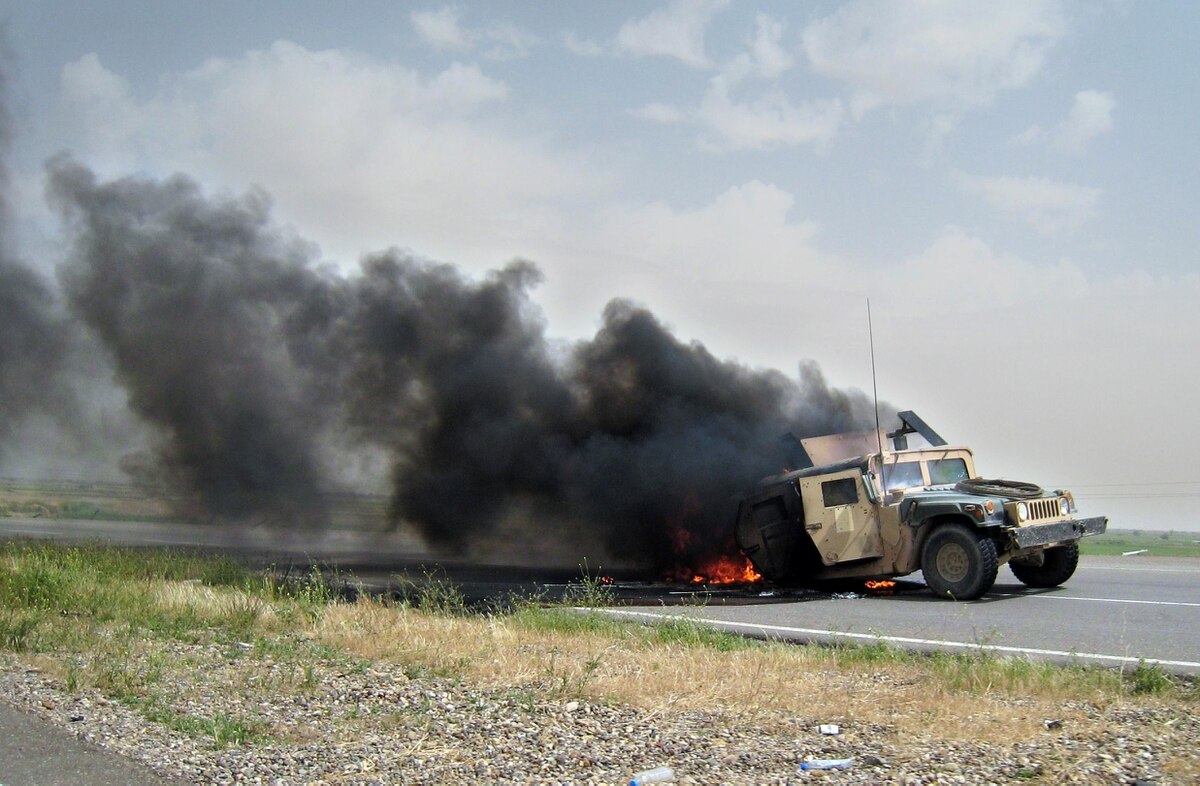
According to the Ashab al-Kahf Resistance Group, the attacks took place on November 7th. Earlier, on October 21 and 22, two logistics convoys of the American occupiers in Diwaniyah and Babil provinces were also targeted by the group.
According to data obtained by ISWNews, this is the 167th attacks by Iraqi resistance groups on US logistical convoys since March 21. Of these, 39 attacks were carried out in Babel province and 33 attacks were carried out in Diwaniyah province.
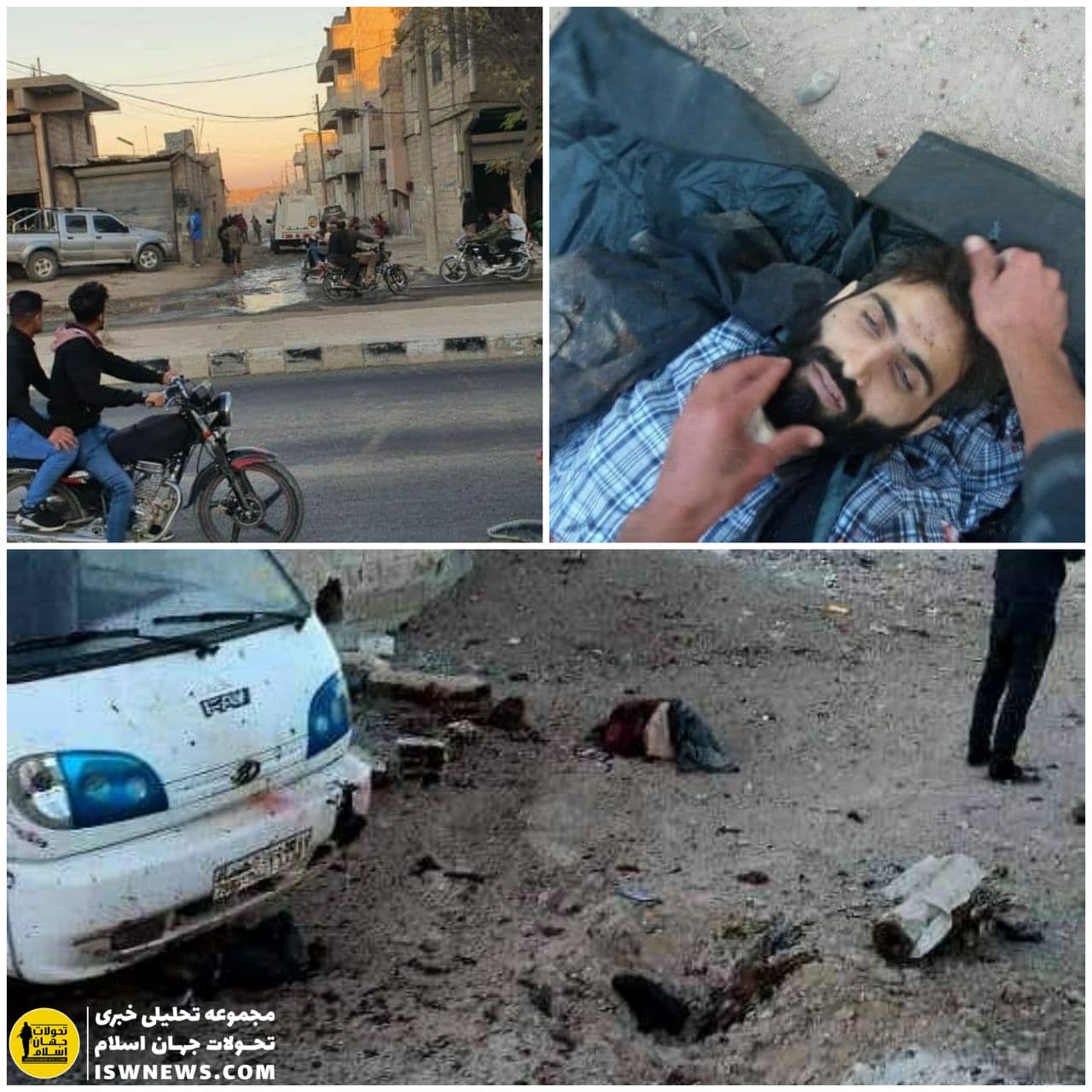
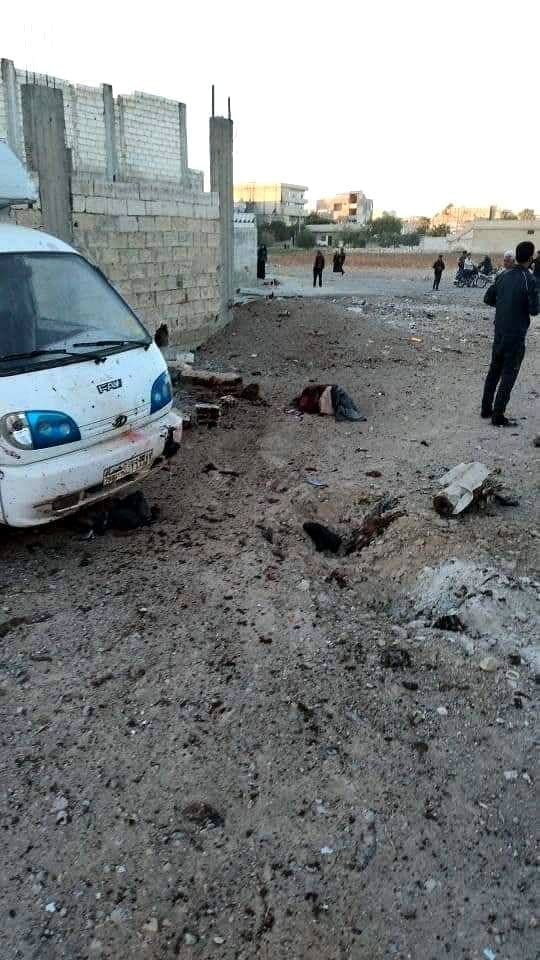
On November 7, a US drone targeted a car at the entrance to the city of Jarabulus. Local sources suspected that the attack was carried out by Turkish drones, but further investigation revealed that the attack was carried out by an American drone using a Hellfire R9X missile known as Ninja missile, which resulted in killing of an alleged former ISIS commander Abu Abdo Al-Hamwi.
It should be noted that the city of Jarabulus is under control of the Turkish-backed forces.
The R9X is a non-explosive kinetic projectile that does not carry a warhead and opens when it hits a target with razor blades like it to penetrate the vehicle or destroy the target. Known as the US Secret Missile until years ago, it is used to carry out precision strikes and reduce the risk of civilian casualties in crowded places, despite its inhumane performance, which leads to the fragmentation of the target.
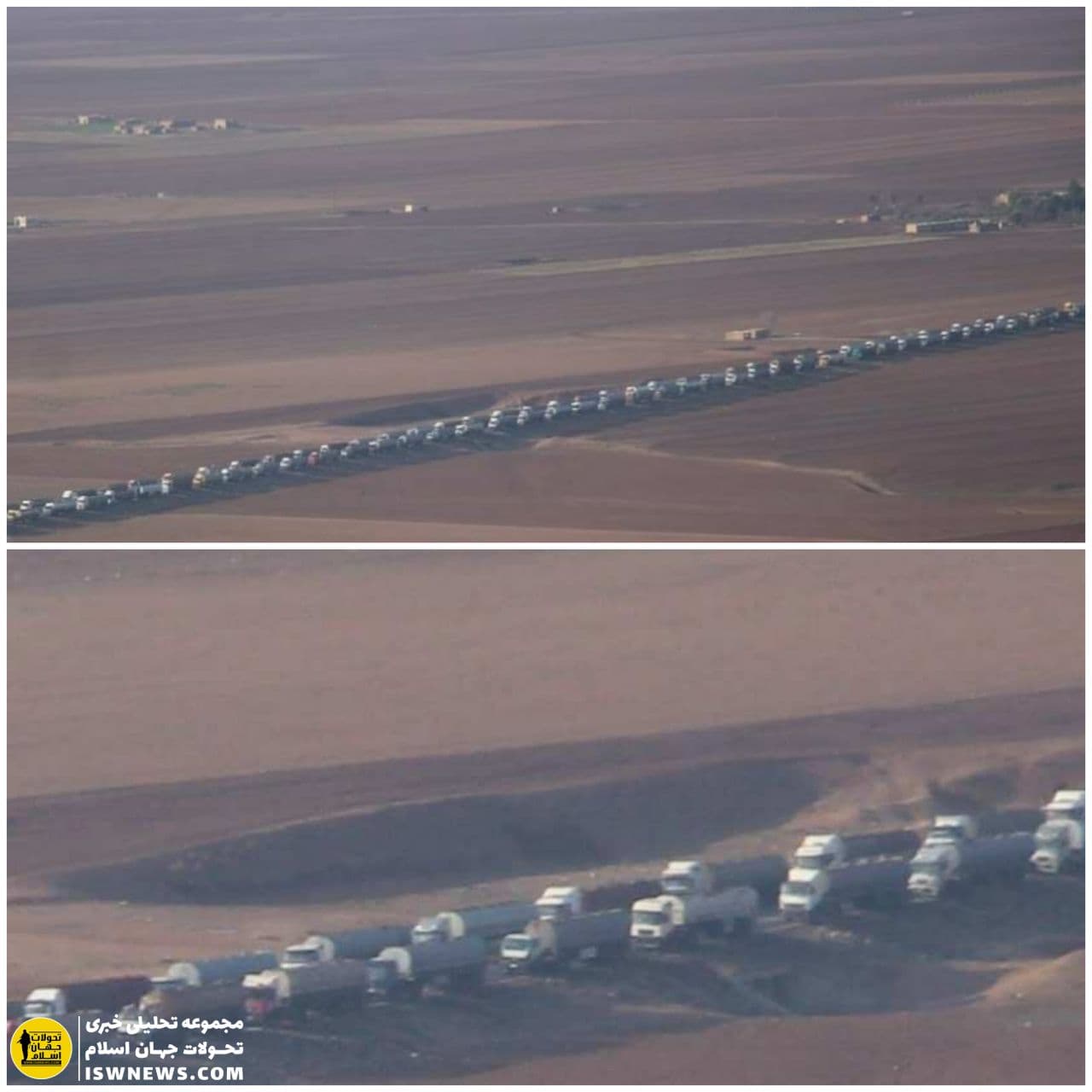
A Russian drone in Qamishli has filmed a column of oil tankers carrying Syrian oil en route to Iraq through the Syrian province of Hasakah through the illegal al-Walid crossing.
Another convoy of 40 trucks carrying weapons and ammunition, believed to belong to the Syrian Democratic Forces (SDF), was also spotted in the footages.
Although the United States has attributed its presence in Syria to fighting ISIS and protecting Syria’s oil resources!, the actions of US troops in Iraq and Syria show their sinister intentions for countries in the region.
Location of the illegal al-Walid crossing on the Iraq-Syria border
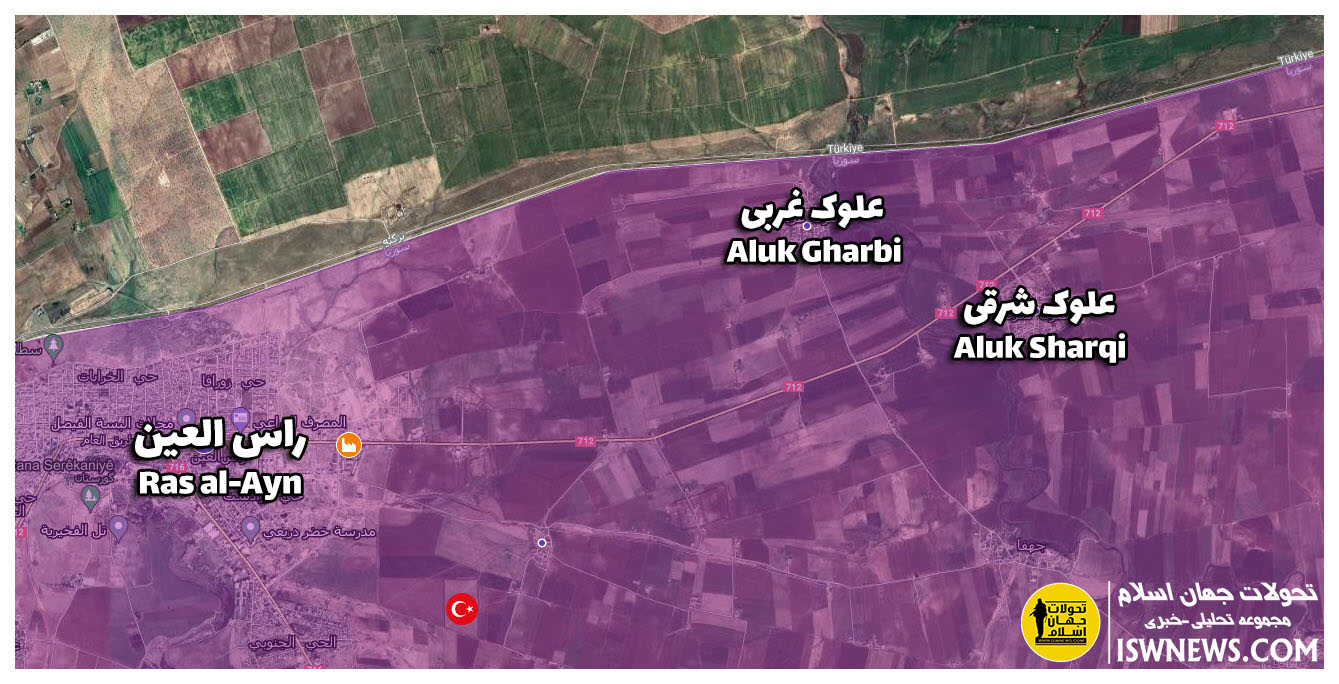
On Wednesday morning, American helicopters carried out an airdrop operation to evacuate four individuals from the Hourana neighborhood in the city of Ras al-Ain. Interestingly, the operation was carried out without the intervention of Turkish Army and Turkish-backed militants near the Turkish border. According to available information, the transported individuals were former ISIS elements.
Following the withdrawal of US helicopters from the area, Ahrar al-Sharqiya militants, in coordination with the Turkish military, entered the homes of former ISIS commanders to conduct further investigations, detaining three people accused of links to ISIS.
Earlier, the US helicopters transported two more individuals from the Alouk area on the outskirts of Ras al-Ain to its illegal base in al-Shaddadi.
These operations show that there is close coordination between the United States and Turkish intelligence regarding the rescue of ISIS leaders. The transfer of former ISIS leaders by the Americans comes as tensions in northern Syria have escalated due to the possibility of military action by Ankara and Turkish-backed militants.
It should be noted that the city of Ras Al-Ain has been occupied by Turkish forces since 2019 during an operation called Peace Spring in northeastern Syria.
According to Iranian official statements, during an operation in Sea of Oman, US warships confiscated an Iranian oil tanker carrying export oil and were transporting its oil cargo to another tanker, SOTHYS, to an unknown destination.
Simultaneously with this apparent piracy, the Islamic Revolutionary Guard Corps navy carried out a heliborne operation and IRGC troops landed on the tanker and directed it to the Iranian territorial waters.
The US forces then used several boats and warships to pursue and block the oil tanker route, but failed with the decisive and authoritative entry of the IRGC navy.
According to a statement by the Islamic Revolutionary Guard Corps, the oil tanker carrying Iranian oil docked in Bandar Abbas at 8:00 AM on October 25. The tanker used by the United States to steal Iranian oil is said to belong to Saudi Arabia.
The US piracy in Gulf of Oman is the third in two months against Iran’s navy in international waters and the West Asian region. It should be noted that the actions of the United States and Israel against the Iranian navy are part of their comprehensive war against Iran and the Islamic Resistance.
According to data obtained by ISWNews, this is the 163th attacks by Iraqi resistance groups on US logistical convoys since March 21. Of these, 26 attacks were carried out in Baghdad province.
At around 23:34 local time on the evening of October 13th, Israeli warplanes used the airspace of the US-occupied Al-Tanf area to launch an attack on the Tadmur area and a telecommunication tower, during which a Syrian soldier was killed and three others were wounded. Following the attack, the Syrian Allied Operation Room issued a statement saying that it would retaliate the attack and will avenge the blood of the martyrs and the wounded.
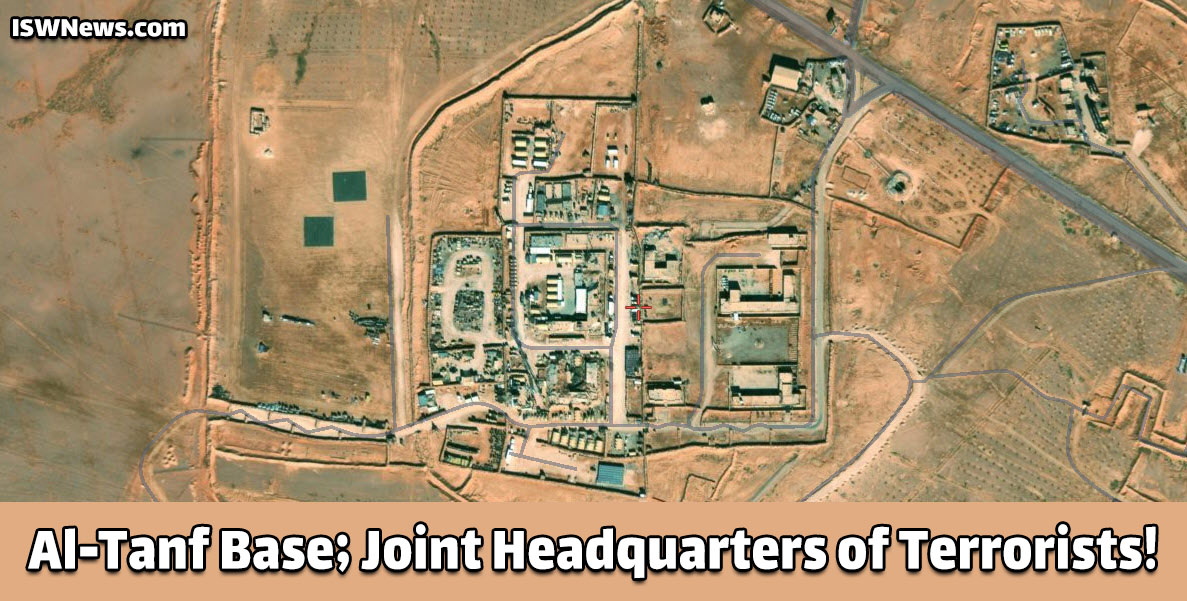
A few days later, on the evening of October 20th, the positions of the US military and its militants at Al-Tanf base were targeted by suicide drones. Shortly afterwards, images leaked from the base showed that at least three points at the base had been targeted and destroyed by drones. The scale of the damages to the base forced the CENTCOM to react, and they issued a statement blaming Iran for the attack, saying that five suicide drones were used in the attack and that no American forces were killed neither injured. The US-backed Maghawir al-Thawra militants also carried out a ridiculous propaganda by transferring a number of civilians to the targeted areas and publishing pictures of crying children, which not only did not deceive anyone, but also made fun of the group’s official Twitter account.
And where is the Al-Tanf base?
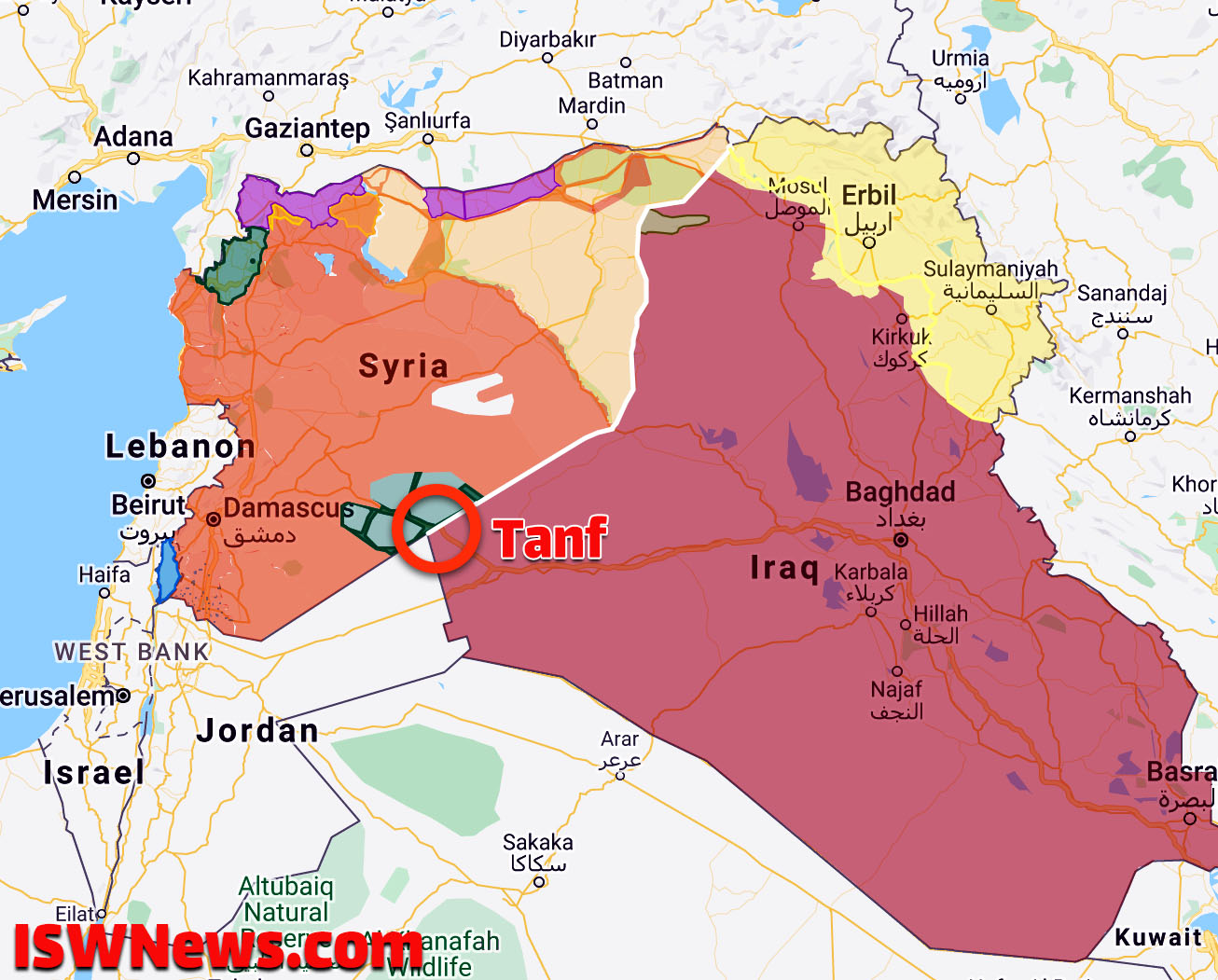
Al-Tanf base is located in the border triangle of Syria, Iraq and Jordan. The location of the base on the border between Iraq, Syria and Jordan and the Al-Waleed border crossing on Iraq and on the Baghdad-Damascus road has made Al-Tanf base one of the most important and strategic US bases in the West of Asia.
The base plays a key role in training, providing weapons and intelligence support to Syrian opposition militants, and seeks to destabilize the Iraqi-Syrian border and influence the Iran-Mediterranean communication route by moving and providing widespread support to ISIS operatives. Documents and reports from the Iraqi-Syrian border guards show that US forces stationed at the base are playing an important role in transporting ISIS terrorists from Kurdish militant prisons to various parts of Iraq and Syria.
Al-Tanf region in the border triangle of Syria, Iraq and Jordan
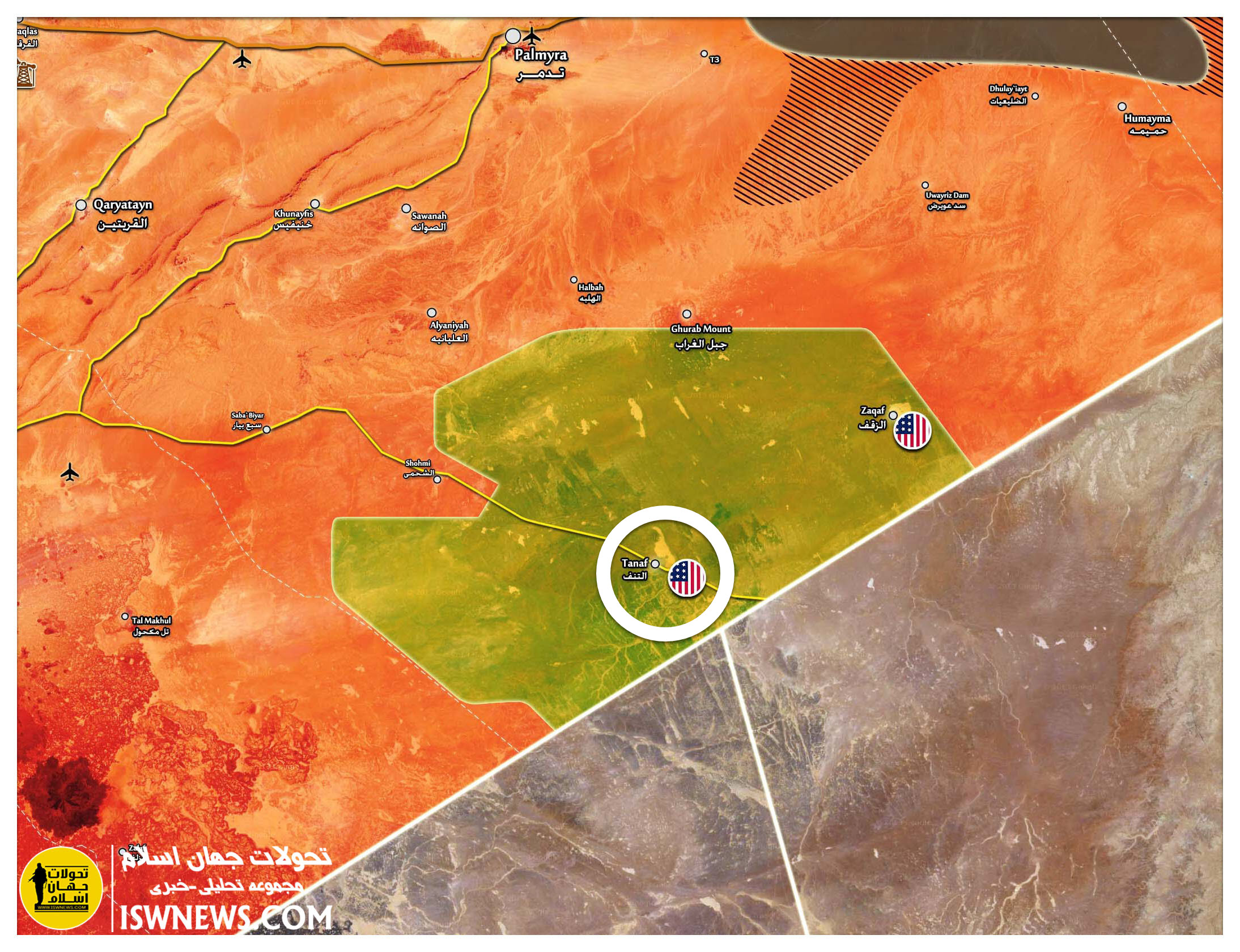
The Al-Tanf area has been occupied by US forces for years, and contrary to what US say, due to their presence in the area, it has become an insecure place for the Syrian and Iraqi governments and a place for sedition and attack on Syria and Iraq sovereignty; An area where Syrian Army forces and Iraqi resistance groups are not allowed to approach within a 55-kilometer radius. By occupying this region, the United States believes that it has blocked Iran’s direct land access from Tehran-Baghdad-Rutba to Damascus; But is that really the case? The answer is clear: Absolutely not!
In addition to these issues, the use of airspace of the Al-Tanf region by Israeli regime warplanes in recent attacks and attacks on Syria in recent years prompted the Syrian Allied Operation Room to decide to retaliate against these attacks. In the past, we have seen attacks in Syria against the positions of the American occupiers, but the drone strike on Al-Tanf is the first of its kind and can be considered as a turning point and the beginning of such attacks. Eye for an eye! Attack against attack. In a way that Israel and the United States understand that for every aggression and attack, there will be a painful and reciprocal attack and response. This will be the key to entering the field of deterrence against the United States and Israel in Syria.
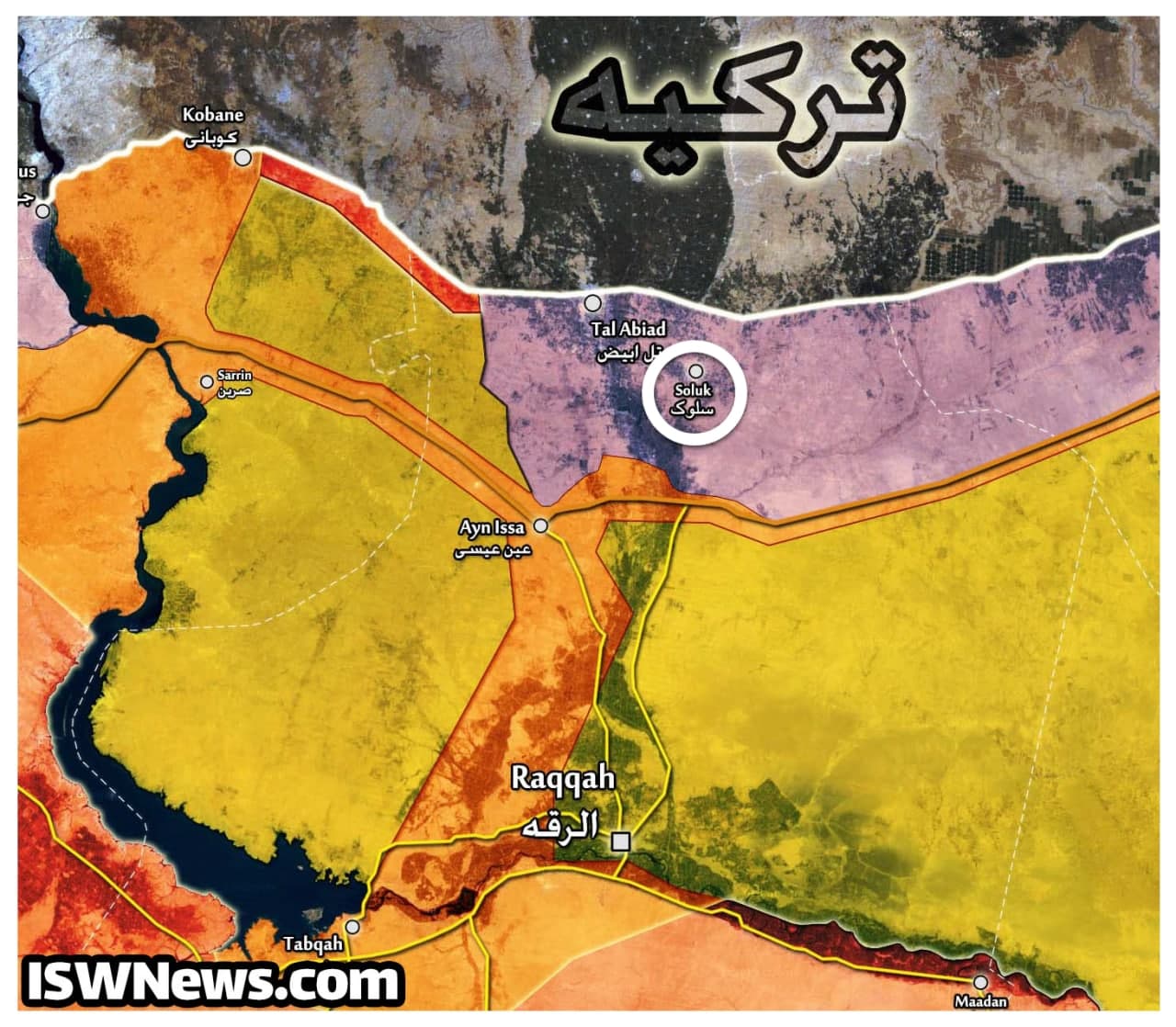
On October 22, a US MQ-9 drone struck a target on the outskirts of the village of Soluk, north of Raqqa, and assassinated an alleged al-Qaeda field commander. A spokesman for the CENTCOM claimed that Abdul Hamid Matar, a key al-Qaeda leader had been killed by a US airstrike in Syria.
Also on September 20th, a US MQ-9B SkyGuardian drone targeted a vehicle belonging to the al-Qaeda-linked Hurras al-dDin group on the Idlib-Binnish road, killing two of its commanders known as “Abu al-Bara al-Tunisi” and “Abu Hamza al-Yamani”. (More details)
In the last hour of Wednesday, local sources reported the sound of an explosion at the Al Tanf base belonging to the US military. Later, it became clear that the positions of the US military and the “Maghawir al-Thawra” militants at the Al Tanf area had been (probably) attacked by a combination of drones and rockets.
Sources claim that the attack was carried out by at least five drones and the US air defense systems deployed in the area were not able to shot down the drones.
“None of the American troops stationed at the base were injured,” a CENTCOM military official told the media. “We maintain the inherent right of self-defense and will respond at a time and place of our choosing., the US Central Command said.
The US is threatening the Axis of Resistance forces while last week, after the Israeli air strike on Tadmur, which was carried out using Jordanian airspace and the Al Tanf area, the Syrian Allied Operations Room issued a statement: “In retaliation for this attack we will respond and will avenge the blood of the martyrs and the wounded, and the response will be very harsh.”
Hence, in light of last week’s events, the rocket/drone attack on the US occupation positions in Al Tanf appears to be in response to Israeli missile strikes that twice bombed resistance positions at T4 Airbase and the Tadmur area.
Exact details of the damage and casualties of American troops have not been released yet. But if the casualties are not sufficiently effective, as in similar operations in the past, there will not be enough deterrence for the Axis of Resistance in Syria, and we will again see continued Israeli and US aggression and bombardment of resistance positions in Syria.
The Al Tanf area in southeastern Syria has been occupied by US forces for years, and Syrian Army and resistance forces are not allowed to approach within a 55-kilometer radius of the area. (Online map)
According to data obtained by ISWNews, this is the 162nd attacks by Iraqi resistance groups on US logistical convoys since March 21. Of these, 21 attacks were carried out in Dhi Qar province.