Category: Editor’s Picks

  • Bernard Levy, a mysterious man who was hid in chaos of Iraqi Kurdistan referendum

    Bernard Levy, a mysterious man who was hid in chaos of Iraqi Kurdistan referendum

    Many analysts call him one of the main theoreticians of the “Arab Spring” in the region, and now his presence in Iraq and under such circumstances can not be for no reason!

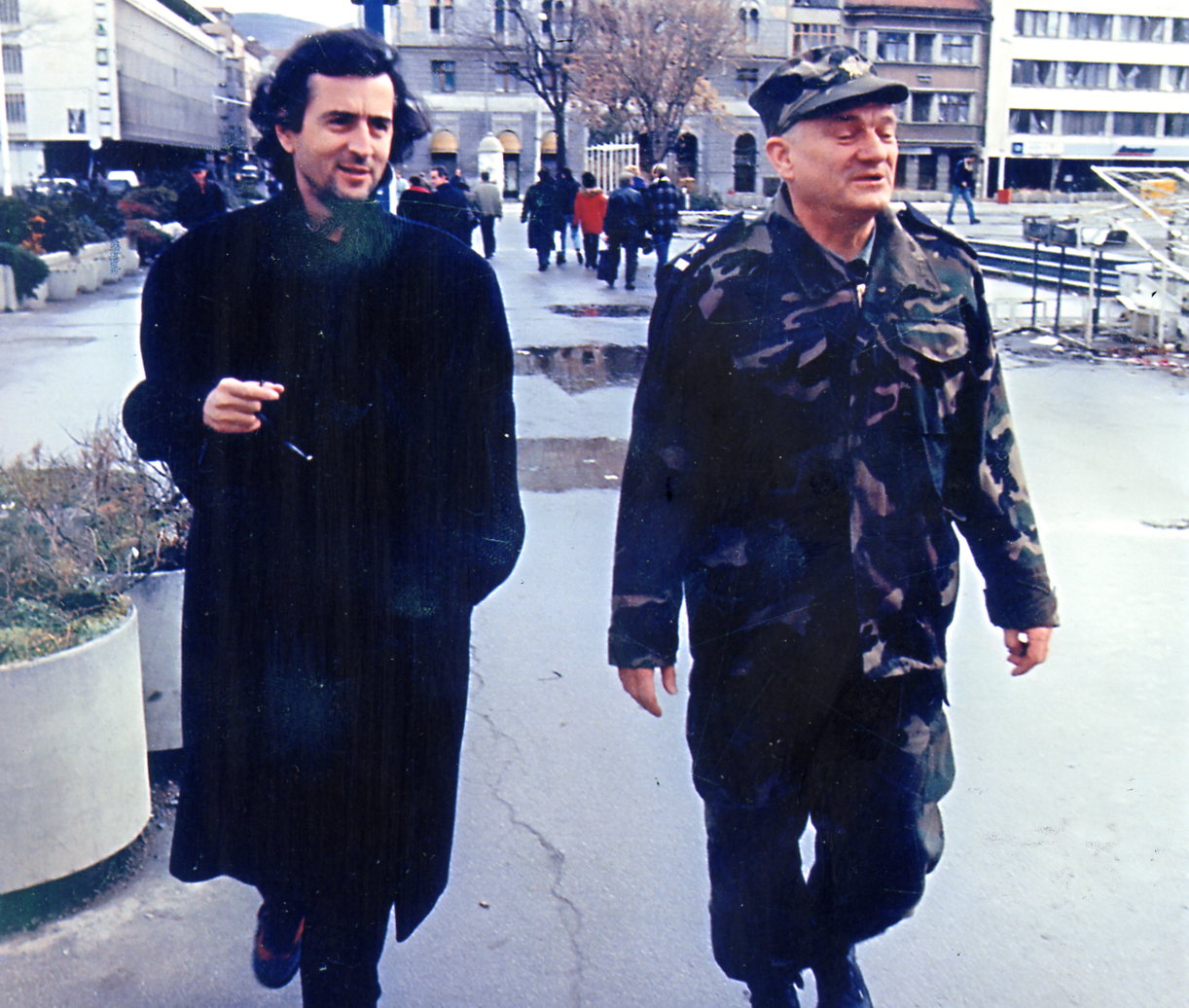
    Looking at the depths of the sensitive events of the region, you can clearly see the presence of Bernard, from Afghanistan to Sudan, from Egypt to Tunisia and Libya, from Bosnia to Ukraine, and … He is everywhere! in the anti-Muammar Gaddafi rebel room, along with Ahmad Shah Massoud, along with the leader of the South Sudan rebels, … And in his last major presence in the region in the Kurdish region of Iraq on the day of the referendum and meeting with the Barzani family.

    Bernard-Henri Lévy with Massoud Barzani, the Day After the Kurdistan Referendum

    Bernard-Henry Levy introduces himself as a proud Jew. Apart from more than forty years of intellectual and practical work in numerous books and numerous articles in the press with a variety of topics, his work record can be divided into three categories:

    1- Complete opposition to the political and legal manifestations of Islam

    Levy, who was named the forty-fifth most influential Jewish figure in the 2010 Israeli Jerusalem Post, and his followers believed he is the greatest current think-thanker of France

    In one of his latest books, “Left in Dark Times: A Stand Against the New Barbarism” has shown how he thinks of Islamism.

    Critics of the book believe that in this book, he has equated terrorism, Islamism, and Arab mentality to justifying the persistence of colonialist violence in the Middle East.

    In other words, Levy has tried to summarize the resistance of people in the colonized countries as a violence, and  make it irrational and justify its suppression

    Levi, who introduce the veil of Muslim women as a means of desegregation them, introduced their ideal Islam the kind of Islam that is in Kurdish region of Iraq.

    2- Unconditional support for the Israeli regime

    In 1967, when Bernard Henry Levy was 19, when he informed of the war between the Arabs and Israel, quickly went to the embassy in Paris to declare readiness to go to war, but the six-day war lasted less than that Levy couldn’t take the opportunity to go to the occupied territories.

    43 years later, Levy said that he “does not recognize any army more democratic than the Israeli army,” which showed that he still has an indefinite commitment to this regime, which is also apparent from the many images of his meeting with the senior officials of the regime.

    Meeting with Shimon Peres

    3- Constant presence in the bloody chaos of the Islamic world

    Levy wrote his first known book in 1973 two years after the break-up of Pakistan into two parts of Pakistan and Bangladesh about nationalism in Bangladesh and from that day on, not only commented and acted on the riots of the Islamic world but also he has been present in them.

    In the middle of the last decade of the twentieth century, Levy was present in Bosnia, then headed for Afghanistan, and met with Abdul Rashid Dostum and Ahmad Shah Massoud.

    He was present in southern Sudan in the era of separatism;

    In 2008, in Russian-Georgian conflict he supported the west-backed side in Georgia;

    in 2011 with rising conflicts in arab countries he participated in libyan war and convinced his old friend nicola sarkozy to military interfere in Libya; in the same years, he tried many times to justify military intervention in Syria and to overthrow the government of Syria;

    In 2014 and 2015 he pursued the goals of the Russian opposition in Ukraine;

    and his year he started filming to justify her favorite map, “breakdown of countries in region into smaller countries”

    Along with the South Sudanese rebels
    Meeting with South Sudanese rebel leader John Garang
    Meeting with Ahmad Shah Massoud
    In Bosnia
    Bernard Levy In Bamyan, Afghanistan
  • Iconic Martyr Hojaji Laid to Rest in Central Iran

    Iconic Martyr Hojaji Laid to Rest in Central Iran

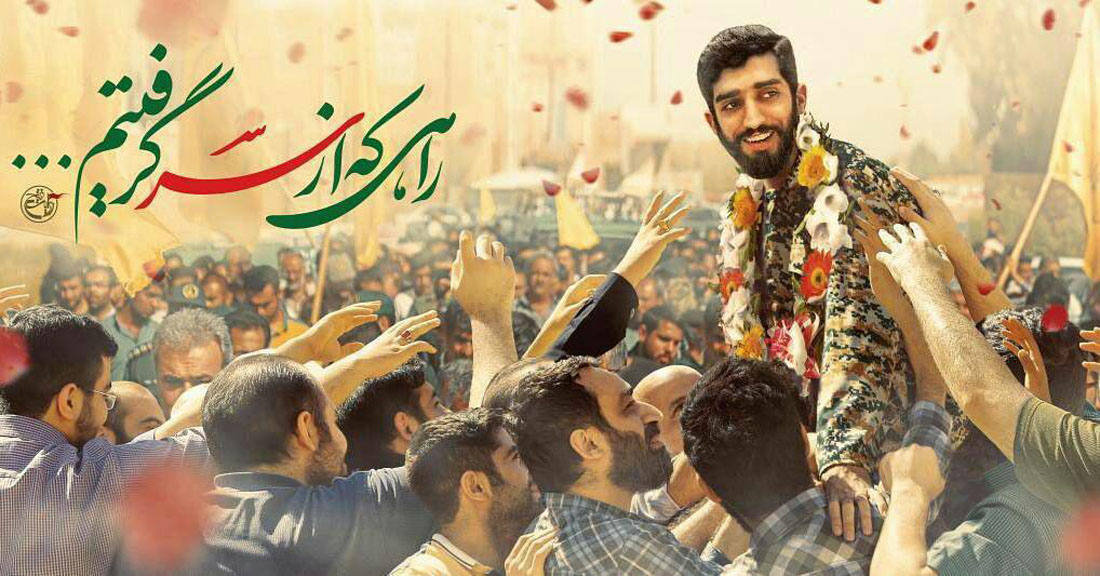
    A huge crowd of mourners from different walks of life attended the funeral of Martyr Mohsen Hojaji. He was buried in his hometown of Najaf Abad in Isfahan Province in central Iran, following a funeral procession there on Thursday.

    Hojaji was a member of the Iranian military advisory team, which assists the Syria army in its counter-terrorism operations against Takfiri terrorists. He was taken hostage by Daesh terrorists near the Iraqi border on August 7 and beheaded two days later.

    Another mass funeral procession was held for the iconic Martyr Hojaji in the Iranian capital, Tehran, on Wednesday.

    Leader of the Islamic Revolution Ayatollah Seyed Ali Khamenei attended the funeral in Tehran and prayed near Hojaji’s Iranian-flag-wrapped casket.

    Imam Khamenei also met the family of the revered young martyr and praised their fortitude.

    Since the martyrdom of 25-year-old Mohsen Hojaji, many Iranian artists have memorialized his death in videos and paintings.

    The Lebanese Hezbollah Resistance Movement on August 31 received the body of Hojaji from Daesh based on a ceasefire deal between the two sides.

    The transfer of Lebanon’s captured soldiers and two martyrs, as well as the body of Martyr Hojaji, took place after the buses carrying Daesh militants and their families arrived in the ancient city of Palmyra in Homs Province, according to media reports.

    Source

  • 13 Arab and 7 Turkmen Party of Kirkuk boycotted the referendum in Kirkuk due to the illegality

    13 Arab and 7 Turkmen Party of Kirkuk boycotted the referendum in Kirkuk due to the illegality

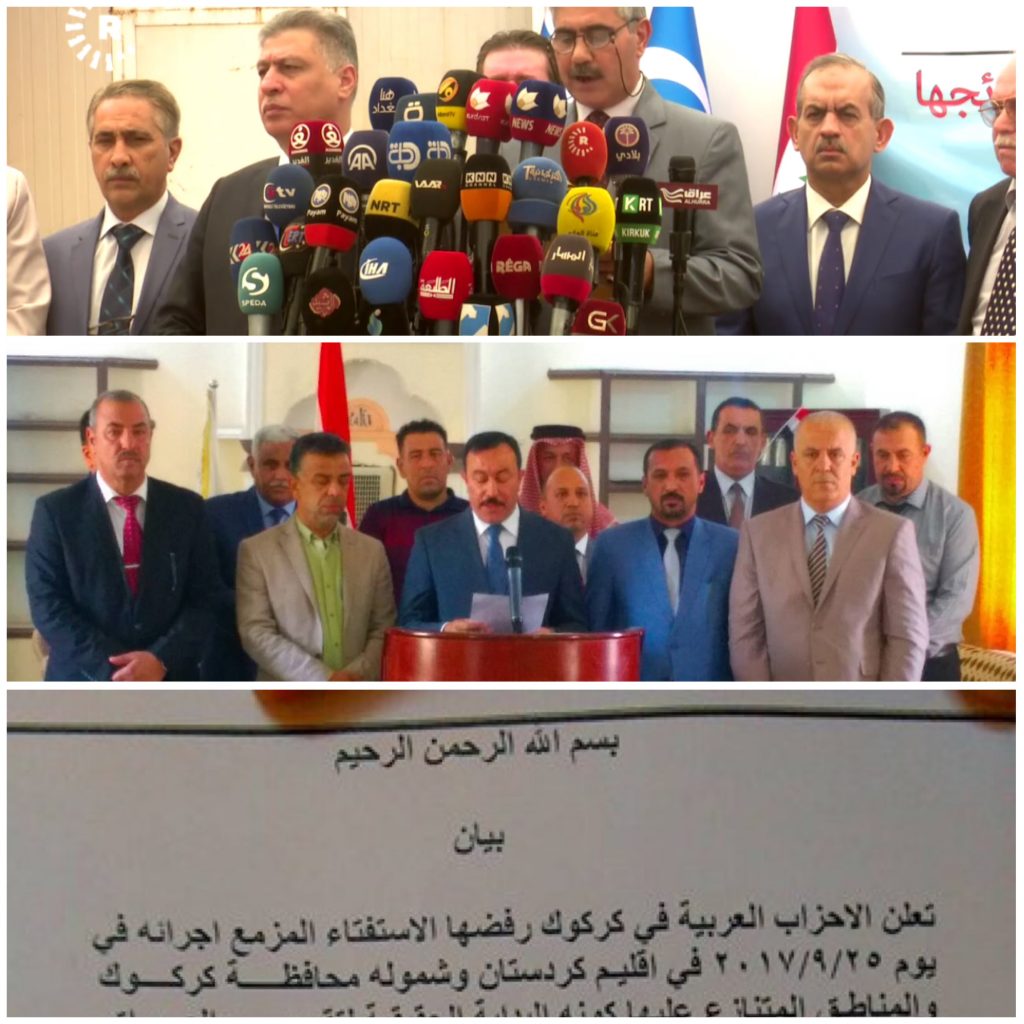
    In the statement that published by the Turkmen parties and the Kirkuk Arab parties on Saturday it has been mentioned that approving the referendum by the Kirkuk Provincial Council in the absence of the Turkmen and Arab parties of this province on 29/8/2017 is illegal and it is on the contrary to the constitution of Iraq.

    Meanwhile, Mas`oud Barzani has been conducting interviews with television agencies in recent days and interviewed with agencies such as Al Arabiyah, BBC Persian and several other agencies. The words used mostly by Barzani in these interviews was, “Kurdish readiness to use the weapons to hold Kirkuk,” “we want Kirkuk to be the symbol of ethnic and religious coexistence,” and perhaps it is most importantly, “the condition for postponing the referendum” .
    – “Kurdish readiness to use the weapons to hold Kirkuk,”
    These​ conditions and differences between parties and ethnic groups in Kirkuk, and since Kirkuk is now officially affiliated with and part of the central government of the country.
    With Barzani’s threat that they will use weapons to keep Kirkuk and his stubbornness the city will not have appropriate status after this referendum…

    – “We want the kirkuk to be the symbol of ethnic and religious coexistence.”
    The Kirkuk Provincial Council is composed of 41 seats, without the participation of Turkmens and the majority of Arabs on 29/8/2017, the Kurds of this association with 26 seats, were able to vote in a referendum in Kirkuk,  It is also one of the signs of the lack of coexistence and the abuse of being the majority in this province.

    – “The condition for postponing the referendum”
    While Barzani faced with a lack of international support (other than the Israeli, Saudi and Emirati regimes), and faced with the opposition of the central government of Iraq, Turkey, Iran, the United States and other European countries as they say this referendum should not be hold or should be postponed.
    Several times he has asked for a guarantee to postpone referendum to another time on another date, in reply to a journalist asked “how may you accept to postpone the referendum” he said that to approve of not holding a referendum setting another date in the Iraqi parliament can be one of these guarantees.
    *While the referendum has no legitimacy so far, it can be one of the same excuses that many believe is to gain interests like the previous years from the central government.


    Barzani’s-led party, by using Eqlim’s(Iraqi Kurdistan) parliament as a weapon more than two years ago, prevented  from adopting several laws to adjust Eqlim’s department and prevented the entry of the parliament’s chairman from the Guran (change) party into the city of Erbil and the Parliament building and In practice, the doors of this parliament remains closed until today And the government that holds the presidency and its key ministries, manages the parliament without supervision.

    But this time Barzani, in order to legitimize his referendum, is now trying to activate the same parliament that he has shut down, but on one condition that the presidential of the Eqlim should not be voted, which has been opposed by several other parties.

    The latest news is that Barzani intends to use the method used to approve the referendum in Kirkuk, and through the Eqlim’s parliament and by gathering a majority of the members, despite the absence of the chairman and vice president of Parliament, legitimize this referendum.

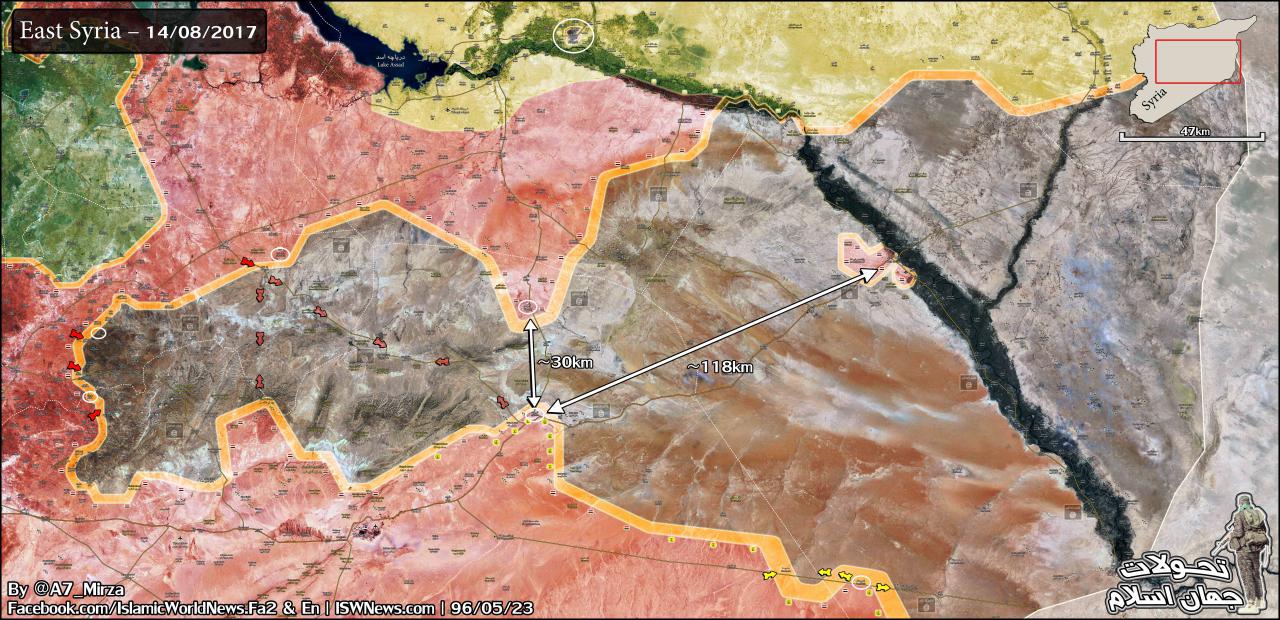
  • Breaking the siege of the Deir Ezzor ; strategic and important / Review

    Breaking the siege of the Deir Ezzor ; strategic and important / Review

    The most important news of the military situation in these days of Syria and perhaps the whole region is the breaking of the three-year-old siege of the most strategic city of Deir Ezzor in the eastern desert of Syria , the diamond of Euphrates and the oil-richest province of Syria.

    Perhaps in the first place this is not new or important news, and this massive coverage of the news and the happiness of the Syrian people looks weird. But with a deeper look at the developments in Syria, and especially over the past two years, we will take note of the importance of the issue. The series of events that led to break the siege of Deir Ezzor began with a similar incident in the northwest of the country; the 2-year-old blockade of the Kuwayris military airport in the east of the strategic city of Aleppo, and breaking the siege of Aleppo.

    The reader may ask what is the connection between Aleppo in the northwest of Syria, with the east of this country and the breakdown of the Deir Ezzor siege ?! Let’s go back five years and seven months to clarify.

    After the first sparks of civil protest in early 2011, the protests turned into armed rebellions with the direct engagement, provocation and arming of Western countries, including the United States, France and Britain, as well as regional allies including Saudi Arabia, Turkey, Jordan And Qatar, as well as the Zionist regime, has entered an unprecedented crisis in the political history of the world. During the continuing fall of the Syria’s various cities and regions, it was the turn of emergence of the most dangerous and powerful group, ISIS, the Islamic state of Iraq and Syria.

    ISIL, which transferred its belief from the deserts between Iraq and Syria! and its non-indigenous human resources (more than half its troops) from Turkey into Syria, saw Deir Ezzor as the point of his life. So, after failing to fully control it, ISIL quickly had chosen the Raqqah, the closest city to the strategic location of Deir Ezzor, as its capital. The forces of ISIL which called themselves the forces of “Khalafah” captured with incredible speed small and large cities one after the other and soon over 50% of Syria’s 185,000-kilometer area was lost from the army and other terrorist groups, especially The Free Syrian Army (FSA) has and even they penetrated into some of the southern districts of Damascus, and reached to the hundred meters distance to the holly shrine of Zainab.

    In the meantime, several areas were surrounded by takfiri groups(radicals), including the Kuwayris Military Airport,  Deir-Ezzor City, Nubl and Al-Zahra towns, and then the villages of Fua and Kafraya.

    In the most critical days of Syria, when politicians and military men heard the sound of the war in the presidential palace and actually saw the fall of the government probable, it was the axis of resistance and the thoughtful act of Imam Khamenei and the courage of the commanders and militants, such as Shahid Sardar Hamedani, come to help Syria that was the most important ally in Iraq-Iran war. In the first step, the training of volunteers (National Defense Force, NDF) and the formation of resistance groups to defend neighborhoods and villages, and then the urban warfare training, were put on the agenda of the army.

    The end of 2014 was the first turning point in the developments in the Syrian crisis, which the resistance forces were able to defend first what they had and prevent the collapse of the Assad government, and in a major development in September 2015 convinced Russia to enter with air support, the Syrian army started the offensive phase and cleared the lost areas.

    With a slow and erosive but positive development, the forces of resistance strike the most powerful terrorist group in the world those who imagined to rule Iraq and Syria and then to other parts of the region. Finally, on November 11, 2015, the two-year siege of the Kuwires Airport broke down.

    But the most important victory of the resistance axis was in the city of Aleppo, a city where all the supporters of the terrorists were insisting on expulse Syrian government and led the battles in this city directly by its intelligence officers and managed to occupy more than 40% of this strategic city. The battle of Aleppo was known for its importance for both sides as the “Mother of Wars” or “Stalingrad of Syria.” But after the breaking of the Kuwayris airport blockade and the advance of the united forces towards this city, and after months of heavy clashes and so many martyrs of resistance forces & Syrian army, this was again the will of the resistance, which overcome the international and regional powers and their related terrorists, the city of Aleppo was completely liberated on December 14, December 23rd.

    Aleppo’s liberation had many effects on both the psychological and military dimensions.

    ?In the psychological aspect, it actually meant the end of the dream of the supporters of terrorism in Syria to remove Bashar al-Assad government , as the American senator Lindsay Graham called the victory of Assad in Aleppo as a nightmare for the U.S . This marvelous victory was the second turning point in the Syrian crisis, which led to a fundamental change in the political and military equations of the two sides of the conflict, absolutely after that we had never heard and we will never hear about the theme that Assad must go…

    ?In the military dimension, the withdrawal of armed support from Turkey (in the operation to remove the siege of the cities of Nubl and Al-Zahra), the military groups and the change of the battle lines have caused that hundreds or even thousands of Syrian army forces be free, including the elite forces of Soheil Hasan, commander of the Tiger forces By consolidating its position in the northwest and gradually moving towards the south and east, he has made his decision to liberate the eastern regions, in particular the city of Deir-Ezzor, and in this way, cities and important areas such as the Tadmur (Palmyra), Al-Sukhnah, Eastern Badia, and by liberating whole Homs and Hama provinces they provided a major victory near the Euphrates River.

    ? Deir Ezzor, the strategic bridge of the Euphrates, and the important point of the Syrian desert, is so critical that the United States began to bombed the positions of the Syrian army during several air strikes to take the Deir Ezzor from the central government.

    ? The broken siege of Deir Ezzor and the imminent liberation of the city, such as the liberation of Aleppo, will be the beginning of the total liberation of the Deir Ezzor province, the richest province of Syria in terms of oil resources, and then the ultimate victory of the resistance axis against ISIL terrorists, which is expected Over the next few months – as military experts say, about four months – as a result the illegitimate ISIL caliphate(government) in Syria, will completely be vanished and all the occupied areas of this group will back.

    ? Finally, we can say the first indication of the importance of breaking the Deir Ezzor siege appeared only two days later, with the announcement of expulsion of military groups(terrorists) from the deserts of Damascus and Homs (about 14,000 square kilometers).

  • Reaction of AbdolMalek Badroddin to crimes against Muslims of Myanmar

    Reaction of AbdolMalek Badroddin to crimes against Muslims of Myanmar

    • We insist on necessity of immediate actions for stopping crimes and genocide against Burma Muslims
    • International passivity and U.S. encouraging policy for Buddhists to dominate Muslims is a great shame for western countries
    • We regret for the passivity of Arab states in the region towards crimes against Myanmar Muslims
    • U.S. imperialism and Western countries use human rights and values only for deceiving others
    • Those who claim that they are the leader of Islamic nations and adhere Islamic values are solely instigating the sedition
    • Crimes committed against Burma Muslims are done in the shade of passivity of Arab states and national conspiracies of Arab nations.
    • Myanmar Muslims are Sunni; However there is no voice from Al-Saud and Al-Nahyan !

  • Myanmar Security Forces Killed About 100 Rohingya Muslims – Reports

    Myanmar Security Forces Killed About 100 Rohingya Muslims – Reports

    Hundreds of Rohingya villagers fled from Rakhine province in northwestern Myanmar to Bangladish borders since the violence intensified.

    According to Bangladesh border guards, Myanmar security forces opened fire against hundreds of Rohingya Muslims fleeing Rakhine area and taking refuge in the border highlands.

    At least 100 people lost their lives, according to reports.

    There are still no confirmed reports about the possible casualties because the media is not allowed in the area.

    Rohingya Muslims are a core of the militant group named “the Rohingya Freedom Army” (Harakat Al-Yaqin) which is responsible for the recent attacks against Myanmar government forces. The attacks resulted in the death of about 70 soldiers.

    The deployment of forces and military equipmet to north and west Myanmar indicate a high intensity of the clashes.

    Noor al Islam, head of the Arakan Rohingya National Organisation based in London said that an independent commission should be set up to examine the killing of Muslims in Myanmar, as well as to implement recommendations of the UN in the area.
    Translation provided by SouthFront

  • Saudi-led coalition has committed another crime, 48 people were martyred by targeting a hotel.

    Saudi-led coalition has committed another crime, 48 people were martyred by targeting a hotel.

    The spokesman for the Arab coalition claims that the attack is targeting a “legitimate military high-value target” and victims are military soldiers. However, the released images show the presence of children and civilians.

    After this attack, the roof of the hotel collapsed and, as it is evident from the pictures, many people remained debris and martyred.

    In recent months, the severity of Saudi crimes has been more than ever before, and the killings are so severe and cruel that the UN and human rights institutions have spoken and protested. Organizations that usually do not respond to Saudi crimes against the people of Yemen.

    According to reports from the same human rights organizations, Yemen suffered more air strikes in the first half of this year than in the whole of 2016. These bombings, more than anything else, force people to leave their homes .

    According to the latest information, by the beginning of April 2017, about 12,000 people in Yemen have been martyred in the past two years.

  • Leaked UN Report: Saudi-led Coalition Is Responsible For Over Half Of Child Deaths In Yemen

    Leaked UN Report: Saudi-led Coalition Is Responsible For Over Half Of Child Deaths In Yemen

    According to the report obtained by Reuters, “attacks carried out by air caused over half of all child casualties, with at least 349 killed and 333 injured”. The report says that the deaths were “unacceptably high”.

    The report insists that 51% of all child deaths and injuries in Yemen last year were the result of military actions of the Saudi-led coalition.

    The Saudi-led coalition destroyed more than 28 schools in Yemen, the report added.

    The obtained text was reportedly drafted by UN Secretary-General Antonio Guterres’ special envoy for children and armed conflict, Virginia Gamba, acting on a request from the UN Security Council.

    However, Guterres still has to approve the report. If this is done, the report will be released this month.

    The report will be a serious problem for the UN secretary-general because if he releases the report, he will damage the UN’s relations with Saudi Arabia and its allies. If he does not release the report, he will be accused of undermining the UN’s commitment to human rights.

    In February, Gutierrez suggested to his senior advisors to postpone the release of the report for three to six month in hope that it may motivate Saudi-led coalition to improve its human right performance in Yemen and particularly the rights of children in war.

    Gutierrez will allegedly receive the final report this week.

    The signing of the de-escalation agreement in Avril 2016 reportedly reduced the civilian casualties. However, the actual death toll can be higher than the provided in the report because of a lack of access to documents that can provide accurate info on the civilian casualties.

    According to reports, there is still no final decision on the countries that would be added to the final list of countries that violate the human rights.

  • ISIS Defense Lines Collapsing in Center of Syria Rapidly

    ISIS Defense Lines Collapsing in Center of Syria Rapidly

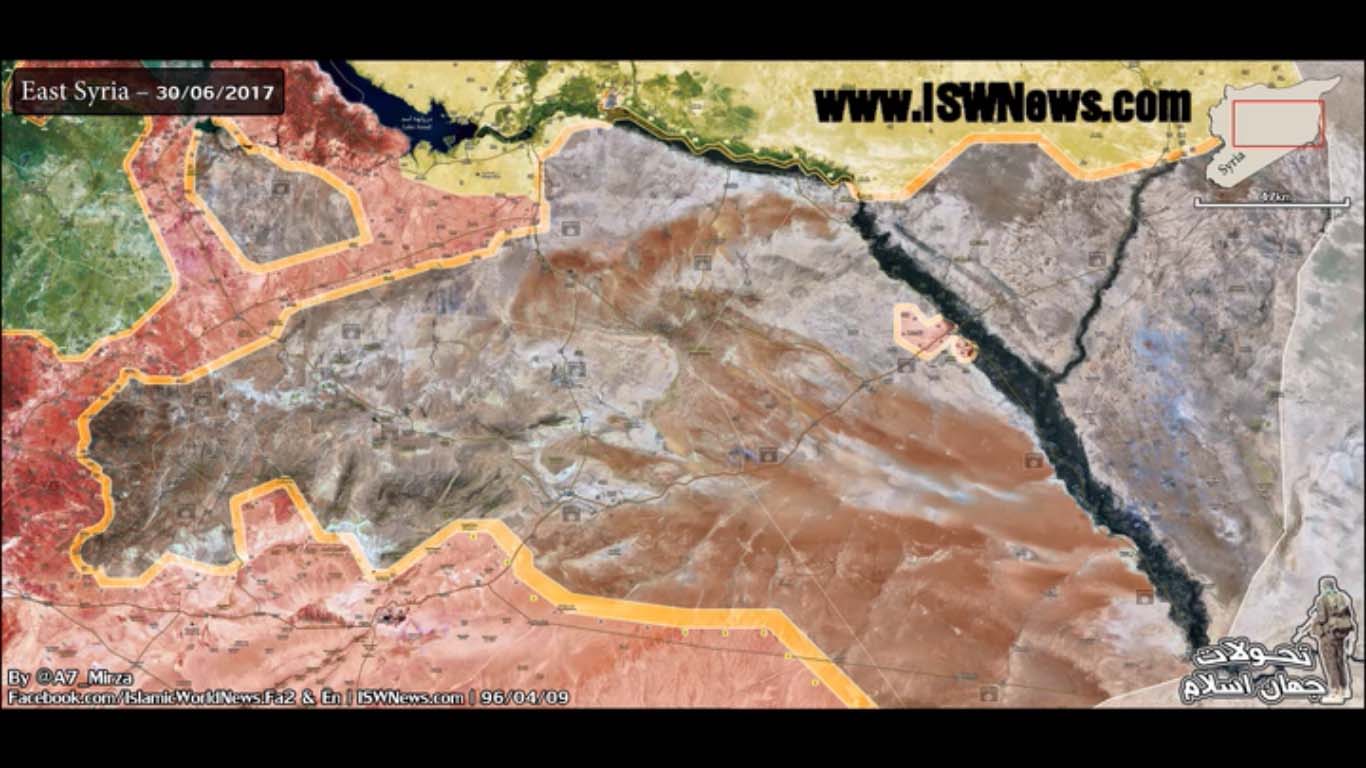
    As Soheil Hasan forces advancement is continued around Tayebe, areas of Qasr Hayr Sharqi , al-Soq, Hajanah mountain, Rujm al-Hajanah near by Deir ez-Zor province have been liberated.
    In other side in Sukhnah, forces have moved forward in the eastern-north of the town of Sukhnah and have tightened ISIS troops siege while they have taken some heights and Abou Zelleh area.
    Now, practically ISIS are encircled in the second pocket, but wisely a path for their escape and hunting them down is left behind.
    Reports about successes in the eastern areas far away from Sukhnah toward Al-Najib are not verifiable yet.
    Today’s another success gained in the south of the Huwaysis that Forces liberated the Abediyah village. This location entirely will be cleared so soon.
    In addition, army’s pressure on ISIS terrorists lines is increased in the south of Sheikh Halal and Sae’n. Today the SAA has a direct vision to Hasu al- Elbavi and Jinni al- Elbavi.
    if ISIS collapse pattern continues as well,more proceeding will occur in these areas.

    HD Map Here : Download

  • ISIS Attack And Alleged US-led Airstrikes Against Popular Mobilization Units In al-Jamouna Area At Syrian-Iraqi Border

    ISIS Attack And Alleged US-led Airstrikes Against Popular Mobilization Units In al-Jamouna Area At Syrian-Iraqi Border

    General info

    The desert area between Iraq and Syria has been controlled by radical jihadists for a long time. Both Syria and Iraq have been unable to secure this large area and it has become a foothold used by al-Qaeda and ISIS.

    As the ISIS influence had been growing, the roads in this desert area became an important supply line used by ISIS to transfer infantry, weapons and military equipment.

    With the start of the ISIS decline about a year and a half ago, the terrorist group made a special effort in order to maintain control over the desert. Constant Syrian and Russian airstrikes on ISIS targets and a lack of the support from local tribes were undermining the ISIS power in the area. At the same time, ISIS remained very powerful on the Iraqi side of the border even in 2017 when the key ISIS stronghold of Mosul was liberated in the country.

    The successes of anti-ISIS forces in Mosul, Palmyra, in central Syria and along the Syrian-Iraqi border and the start of the battle for Raqqah, ISIS increased operations in the Akashat desert.

    In genreal, ISIS conducts surprise attacks with one or several  suicide bomber then shell its opponents with heavy gun fire from multiple directions. Then, if the terrorist group wants to capture the area, ISIS infantrymen join the operation.

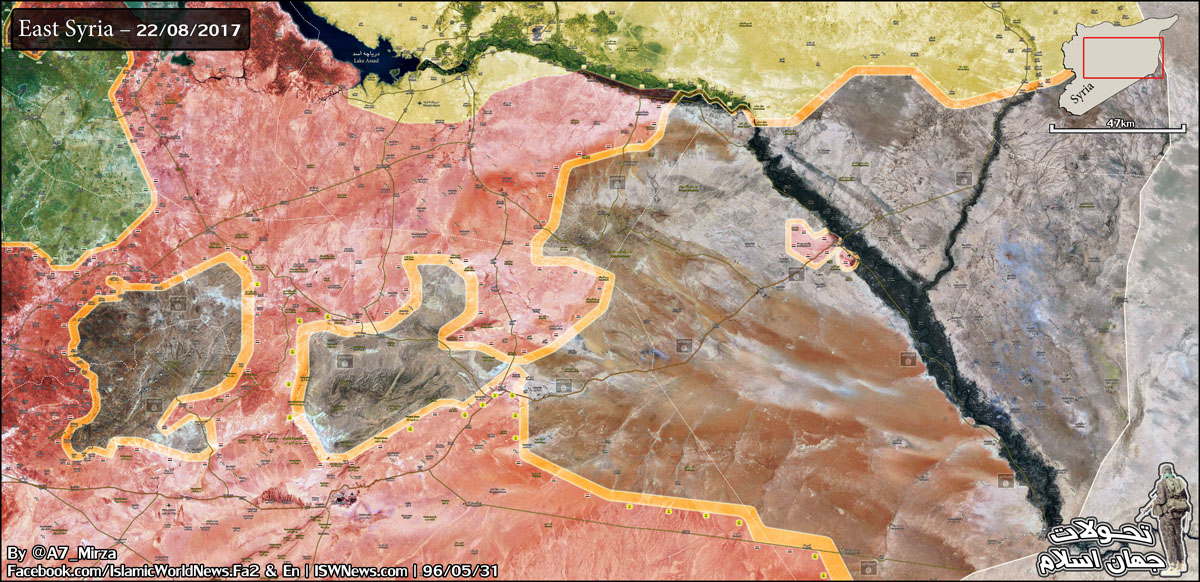
    The area of ISIS attacks in the Iraqi desert is highlighted (yellow) in the map below. ISIS has conducted at least 7 relatively large attacks the Iraqi army since the Syrian army and its allies reached the borders bypassing the al-Tanf area earlier this year.

    Review: ISIS Attack And Alleged US-led Airstrikes Against Popular Mobilization Units In al-Jamouna Area At Syrian-Iraqi Border

    Click to see the full-size map

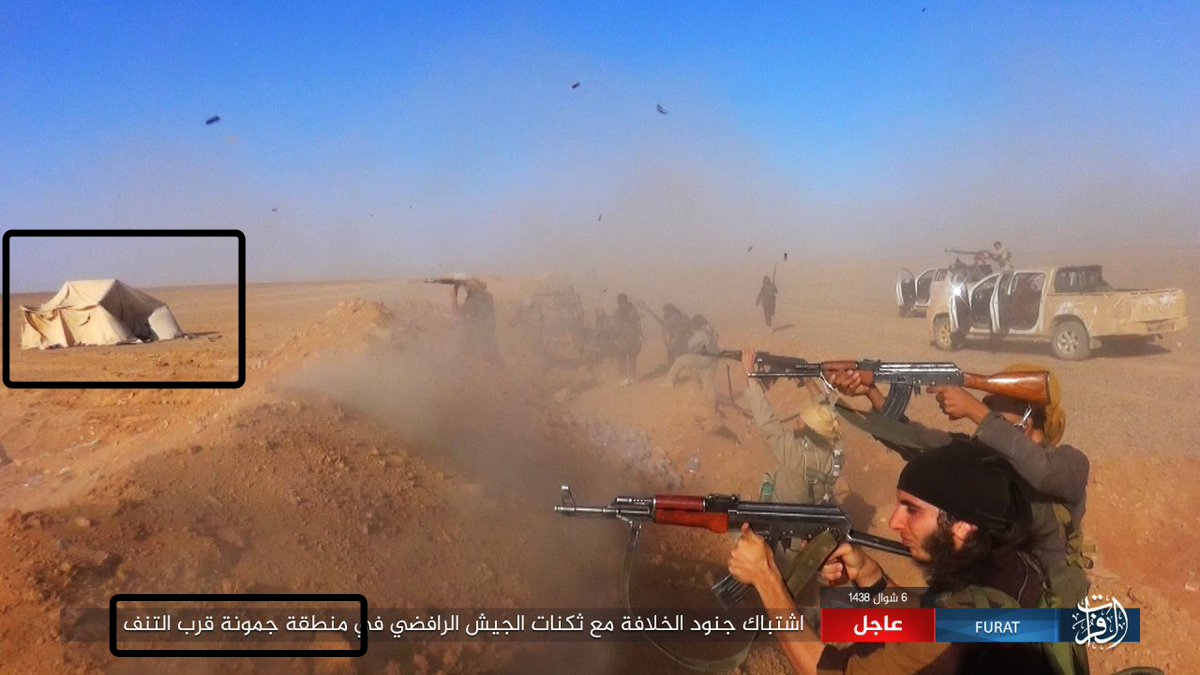
    One of the  previous attacks also took place in Al-Jamouna area. Following images show it.

    Review: ISIS Attack And Alleged US-led Airstrikes Against Popular Mobilization Units In al-Jamouna Area At Syrian-Iraqi Border

    Click to see the full-size image

    The US-led coalition bombing

    The map below shows the overall situation in the area.

    According to the PMU statement and local sources the US-led coalition conducted military strikes on fortified positions of the PMU located about 2 kilometers from the Syrian-Iraqi border, inside Iraq. However, the ISIS attack took place in another place in the al-Jamouna area. ISIS repotedly advanced on the newly constructed positions (their exact location is unknown).
    Review: ISIS Attack And Alleged US-led Airstrikes Against Popular Mobilization Units In al-Jamouna Area At Syrian-Iraqi Border

    Click to see the full-size image

    Considering the available photos and videos, it’s possible to suggest that ISIS attacked PMU units working on establishing fortified positions in order to strengthen their presence in the border area.

    Pictures of the ISIS attack:

    Review: ISIS Attack And Alleged US-led Airstrikes Against Popular Mobilization Units In al-Jamouna Area At Syrian-Iraqi Border

    Click to see the full-size image

    ISIS photos and videos

    As usual, ISIS did not avoid releasing evidence that could increase the morale of its member. The ISIS video started with showing 15 dead ISIS fighters killed during the attack against the PMU. Thus, the real ISIS casualties could be higher. It’s clear that the ISIS media avoided releasing all info about the group’s casualties.

    In turn, according to various sources, between 40 and 80 PMU members were killed as a result of the ISIS attack and the alleged strikes of the US-led coalition.

    Review: ISIS Attack And Alleged US-led Airstrikes Against Popular Mobilization Units In al-Jamouna Area At Syrian-Iraqi Border

    Click to see the full-size image

    Conclusion

    Despite wide combat expirience, the resistance forces still has some weak points. Their enemies are well aware of these points and know how they can use them. At the same time, the resistance forces face some difficulties because they are composed mainly of voluntary and non-permanent forces.

    The forces gathering in an environment that increase their weakness is the biggest factor in this incident.

    In general, ISIS conducts its attacks when the resistance forces are the least vigilant. For example, a hour before the morning prayers involves the drowsiness of many forces and the provision of the adequate light. ISIS uses the element of surprise and engages with them in a close combat. Furthermore, ISIS has a wide expirience of clashes in desert areas.

    The ISIS video allows to see that the PMU had set up no fortifications to defend its forces. Although, the new base was under constructuion but even the core of the base didn’t have notable fortifications. Many tents were located without any defense.

    There were dozens of vehicles and construction equipment that could easily be used for the construction of temporary trenches and fortifications. However, this was not done.

    ISIS started its attack with heavy caliber fire in the twilight. The video allows to see that many PMU members were not even carrying personal weapons. Despite fact that the video allows to see more than 5 PMU vehicles with high caliber machine guns, no signs were spotted that the PMU was using them.

  • Latest field developments in central Syria + What is the next move ?!

    Latest field developments in central Syria + What is the next move ?!

    The recent developments in central Syria have paved the way for the Syrian military and their allies to reach areas in the region that were once securely under the Islamic State’s (ISIL) control.

    However, with the Syrian Arab Army’s recent advance in the southern countryside of Al-Raqqa, the prospect of a complete victory against the Islamic State has become a reality.

    Victory at Al-Sukhnah:

    The Islamic State’s biggest loss in central Syria this year was not at Palmyra; it was the strategic desert city of Al-Sukhnah, which was considered the terrorist group’s main stronghold in this region.

    While the battle was not easy, the Syrian Army and their allies were able to finally break-through the enemy’s defenses earlier this month and begin a two week long process to liberate the city.

    With Al-Sukhnah liberated, the Syrian Arab Army and their allies from Liwaa Fatemiyoun and Hezbollah were able to push north from the city and begin an imperative operation to clear the rugged terrain between the Al-Raqqa and Homs governorates.

    Special Airborne Operation:

    Al-Sukhnah was no doubt a devastating defeat for ISIL, but it would also be the stepping stone for the Syrian Army’s airborne operation that resulted in the liberation of more than 20km of territory between the Al-Raqqa and Homs governorates this past weekend.

    Led by the airborne units of the Tiger Forces, the Syrian Army landed well behind enemy lines this past weekend, surprising the terrorist group with a powerful assault at the Al-Kadeer area.

    Following the death of more than 30 Islamic State terrorists, the Syrian Army was able to liberate Al-Kadeer and Makman, allowing them to link up with their forces and clear 20km of ground.

    Al-Kom’s liberation: 

    The Syrian Arab Army is still rolling along the Homs-Raqqa axis after launching another powerful assault on Monday morning that targeted the strategic Al-Kom(Kawm) area.

    Unable to hold their positions, the Islamic State was forced to frantically retreat from several points in the area after the Syrian Army plowed their front-lines.

    By nightfall on Monday, the Syrian Arab Army had successfully taken control of the Al-Kom area, forcing the Islamic State to withdraw all of their forces to Taybah in preparation for a massive enemy assault.

    The Road to Besiege ISIL in Central Syria

    The Syrian Army has now descended upon the Taybah area of the Homs Governorate, where they hope to link up with their troops & Resistance forces south of their positions.

    The only thing standing in the Syrian Army’s way is a large Islamic State force that is attempting to save their comrades in central Syria by preserving their last supply line from the east.

    If ISIL loses Taybah in the coming days, then their forces in the Hama and Homs governorates will be effectively besieged from all sides.


    Review other active axes

    On the Humaymah-T2 axis ; Despite the fire control of the Army and Resistance over the Hamima , the area has not yet completely cleared ,due to the geographic situation of the area and ISIS repeatedly attacking the desert-based bases in the (like what is happening in the Iraq-Syria border) and preventing forces to advance. With advancement in the south-east and reaching forces to Duwaykhilah area, Humaymah will be surrounded . So this strategy paves the way for further progress on Humaymah axis

    In south of Ithiriya axis ; SAA NDF advances and gained some territories in south of Ithriya especially in south of Duwaylib mount.
    Jbab Marina has been liberated ans some progress made between Jbab Marina and Ithiya mount.
    If SAA could break through ISIS defence lines and liberate the Ber Qatna, it would be the begginnig of operation in this axis towards Sukhnah or Sha’er mountain

    In east of Salamiyah axis ; Like always, this front is one the hot fronts for SAA forces, but the lazy one ! Most of the operations in this axis were done for repelling ISIS attacks or extending security belt for strategic areas and villages or diversion ops …

    Therefore in recent days military sources reported some SAA movements in Tarfawi and east of Mab`ujah axis but there is no signifcant changes military maps yet.

    please click on maps for download in original size