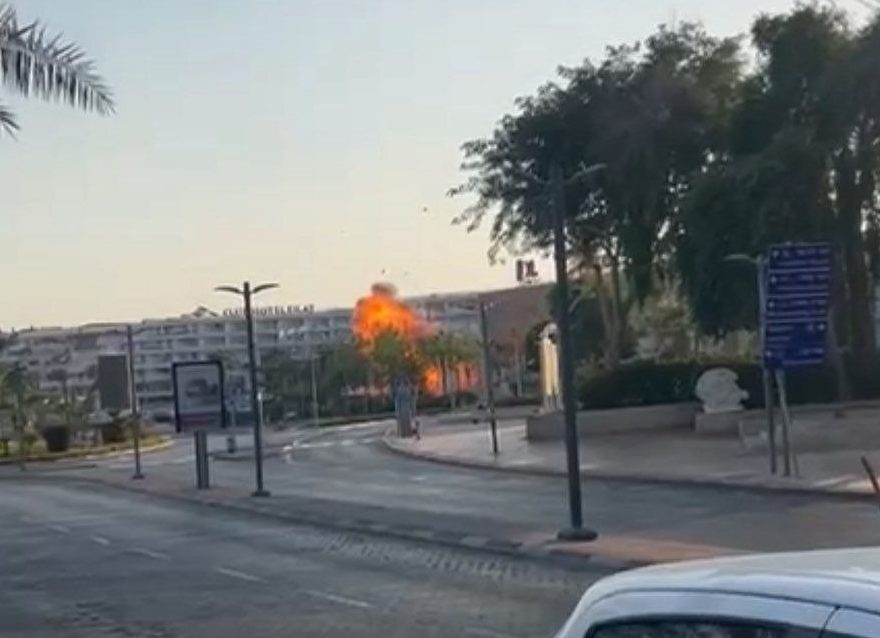
Continuous Yemeni Drone Strikes on Occupied Territories
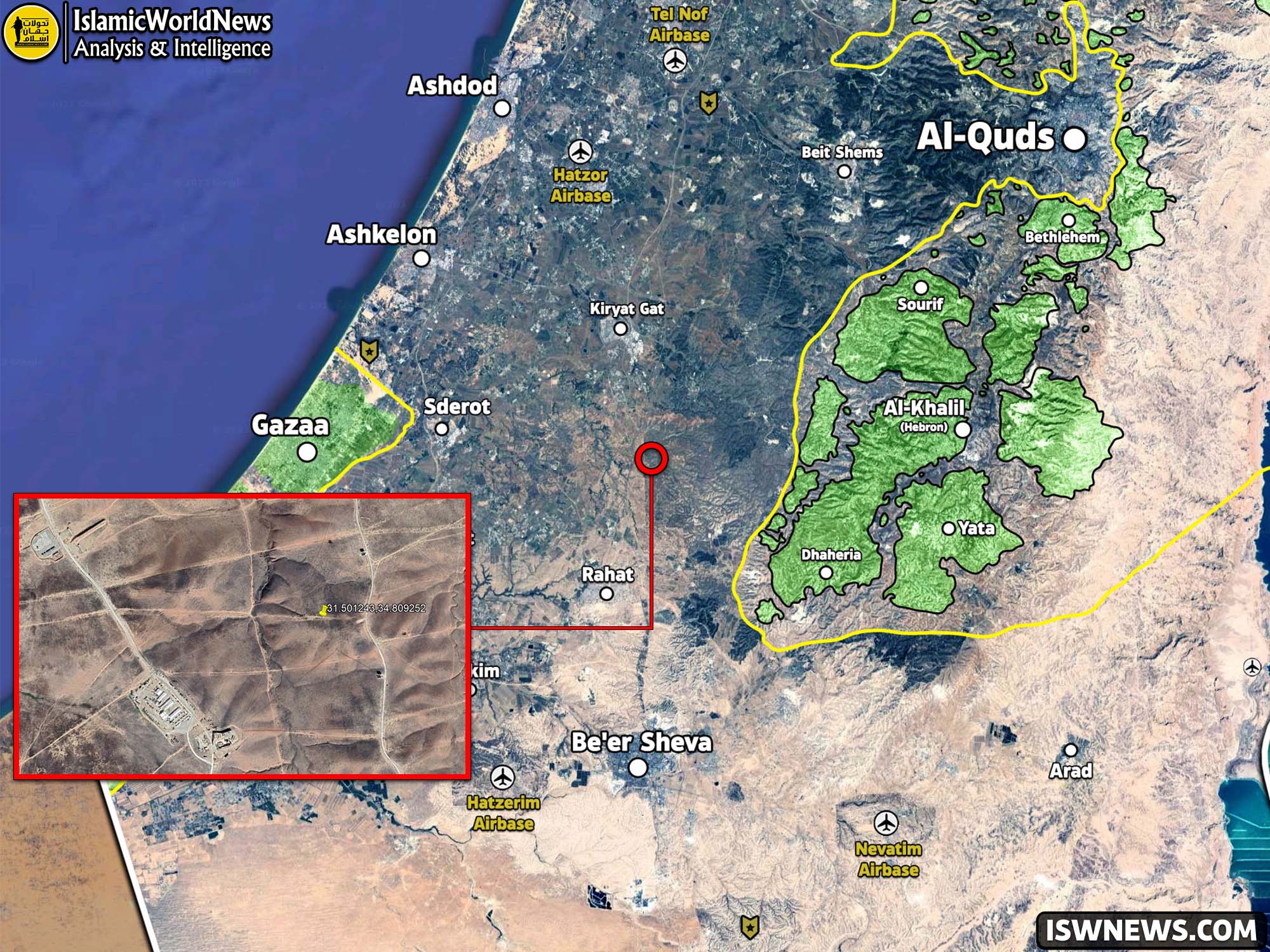
In recent days, Yemeni armed forces have launched attacks on positions of the Zionist regime in southern occupied Palestine using at least four suicide drones.
According to local sources, the Zionist regime has established radar and early-warning systems on Zuqar Island in the western shores of Hudaydah in the Red Sea, with support from the UAE and forces of Yemen’s former government.
Several vessels from the humanitarian “Sumud” flotilla were struck by drone attacks in the Mediterranean Sea. At least 15 drones flew over the convoy, with 12 direct strikes hitting 9 boats. More than 13 explosions were heard near the ships, and unidentified objects were reportedly dropped on 10 vessels, causing damage.
The recent meeting in Damascus between Abu Mohammad al-Julani (Ahmed al-Sharaa), head of Syria’s interim government, and Ibrahim Kalin, chief of Turkey’s National Intelligence Organization (MIT), has reignited attention on Syria’s evolving political landscape and the flurry of regional and international negotiations surrounding it. The timing of this meeting—just days after Israel proposed a no-fly zone in southern Syria and following visits by U.S. envoy Tom Barrack and Jordanian Foreign Minister Ayman Safadi—suggests a coordinated diplomatic effort rather than coincidence.
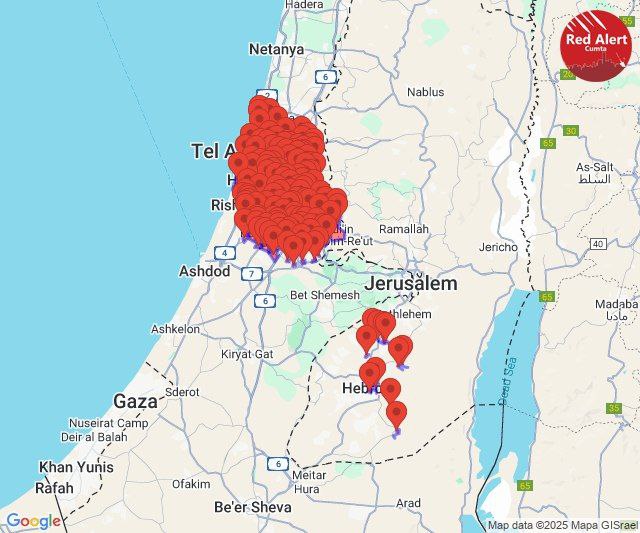
In retaliation for Israel’s recent strike on Yemen and in continued support of Palestine, Yemeni armed forces launched a series of drone and ballistic missile attacks targeting Israeli positions in Tel Aviv, Eilat, and Be’er Sheva.
A roadside bomb detonated along the path of an Israeli military vehicle in Rafah, located in the southern Gaza Strip, resulting in the deaths of at least four Israeli soldiers and injuring eight others. Several of the wounded are reported to be in critical condition.
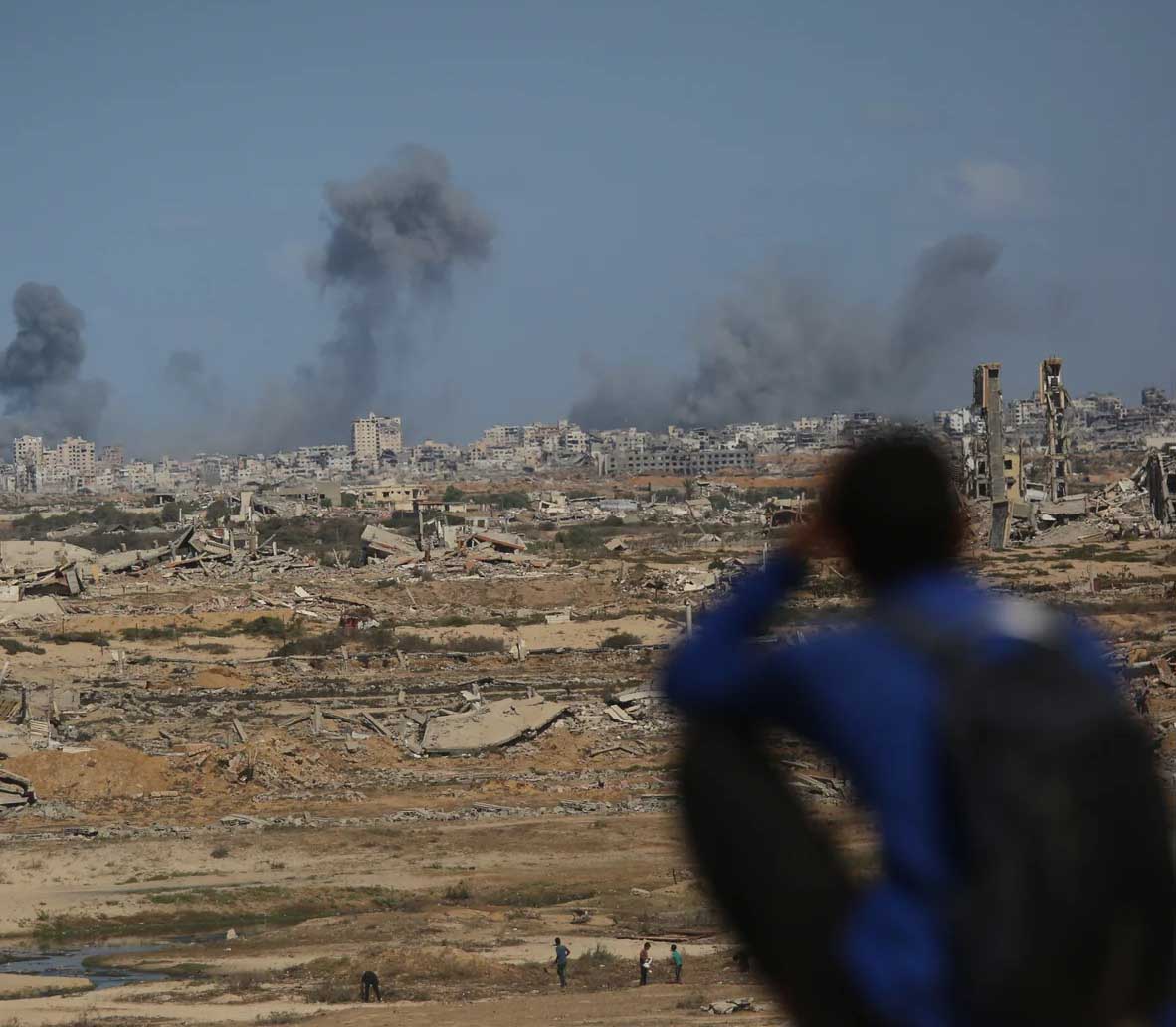
Since early morning, Israeli regime has launched intense air and artillery strikes on multiple locations across Gaza, including the telecom towers in the northwest of Gaza City, Al-Bureij refugee camp, Khan Younis, the southern and central districts of Gaza City, Sheikh Radwan neighborhood, and the northern outskirts of Khan Younis
Following the launch of the ground phase of Operation Gideon’s Chariots II, Israeli air and artillery attacks on Gaza City and surrounding areas have escalated dramatically. These brutal strikes aimed at depopulating Gaza to facilitate a more secure and aggressive ground invasion.
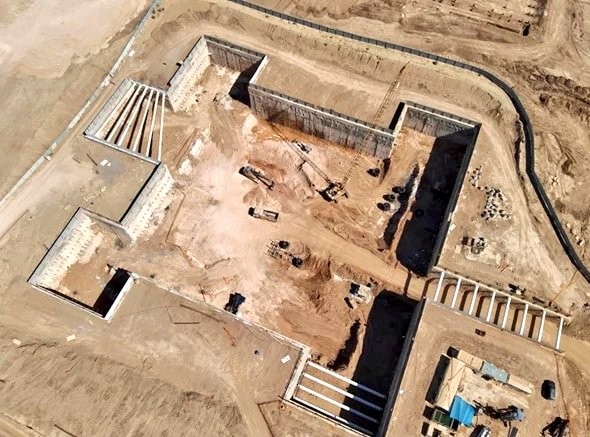
In the aftermath of the 12-day war with Iran and the October 2023 missile attacks, the Israeli military has launched a new initiative to expand the construction of reinforced concrete shelters inside residential homes. This move reflects Tel Aviv’s ongoing anxiety over missile and drone threats from the Axis of Resistance.
Israel’s Defense Ministry has announced preparations for a new phase of conflict with Iran and Yemen, citing the high costs of intercepting ballistic missiles and the need for accelerated military readiness. To that end, it is forming a Supreme Armaments Council to streamline weapons procurement and strategic planning.
Among Islamic countries, Turkey’s current government is unfortunately considered one of the main economic and commercial suppliers to the Zionist regime. Over the past two years, following the military aggression of the Zionist regime against Gaza and the rise of public protests, the Turkish government—under pressure from public opinion—has intensified its so-called anti-Israel stance. However, based on available evidence, these positions appear more symbolic than genuine. Despite loud statements from Turkish and Israeli officials about cutting economic and trade ties, in practice, cooperation between the two countries continues both secretly and openly.
Yemen’s military launched attacks on Israeli targets, striking both Tel Aviv and Ramon Airport using a hypersonic ballistic missile and a suicide drone.