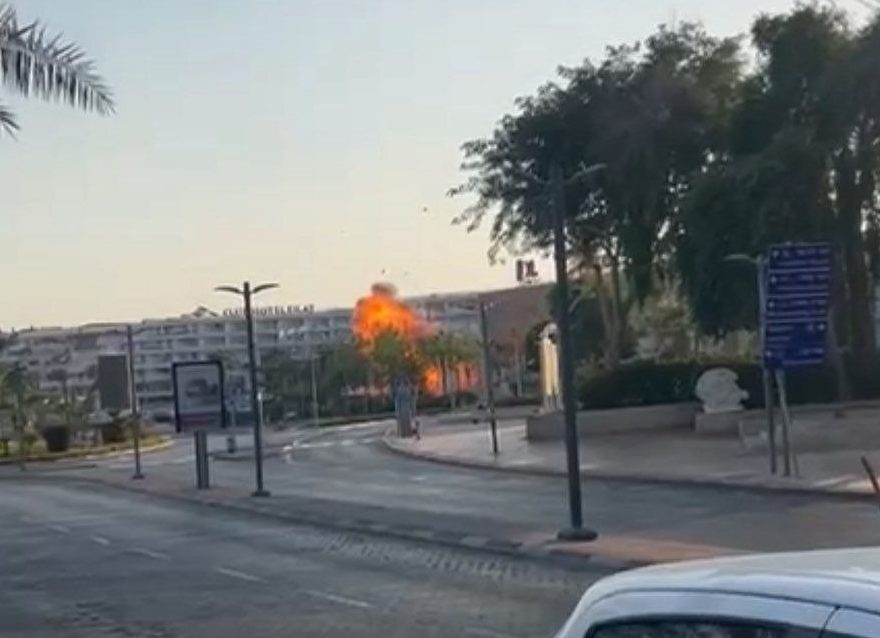
Yemen’s Army Drone Attacks Against Israel
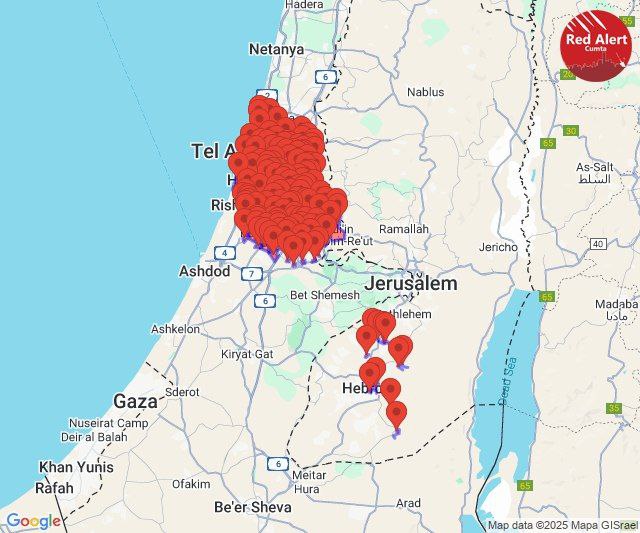
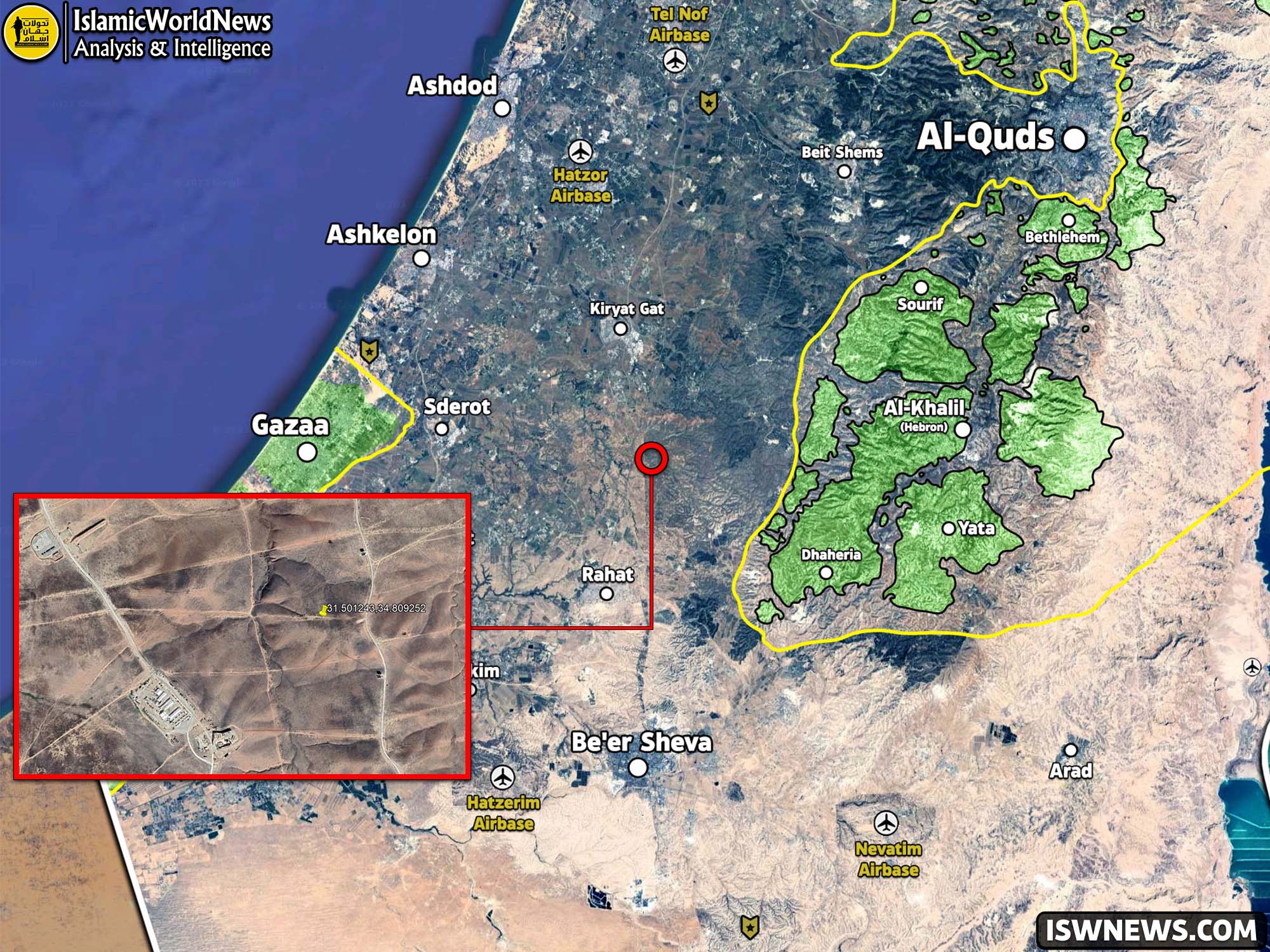
On August 8, the Yemeni armed forces launched an attack on Ben Gurion Airport on the outskirts of Tel Aviv, as well as on vital targets in the Ashkelon and Beersheba areas, utilizing suicide drones.
Iranian authorities on August 6 executed a man convicted of passing information to the Mossad spy agency about a nuclear scientist killed during the 12-day war with Israel in June, the judiciary said.
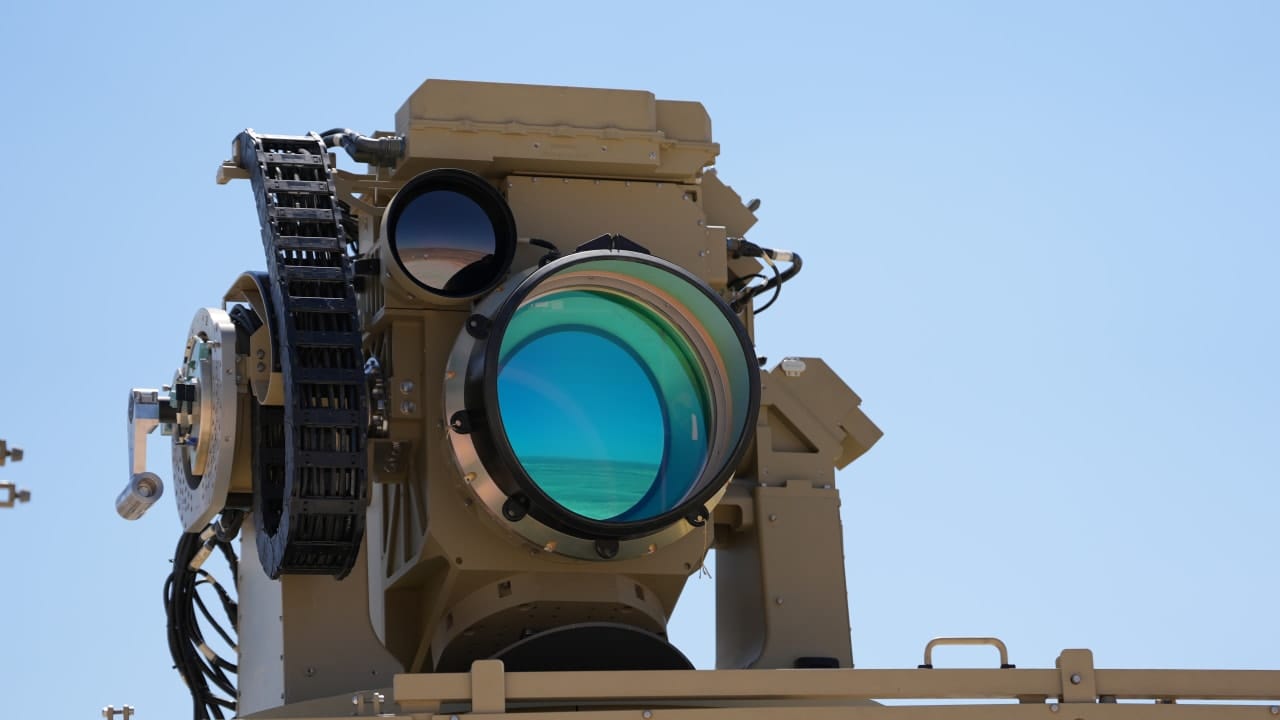
Raytheon’s Multi-Spectral Targeting Systems (MTS) represent a suite of advanced technologies for modern Intelligence, Surveillance, and Reconnaissance (ISR) operations and precision targeting. These systems are employed by the U.S. military’s three branches, NATO members, and other U.S. allies. The MTS family—which includes models such as MTS-A, MTS-B, MTS-C, MS-110, and MS-177—has accumulated nearly four million hours of operational flight time to date.
Poland’s elite JW Formoza unit is currently testing unmanned surface vessels (USVs) developed by the American startup HavocAI. These trials aim to replicate Ukraine’s successful naval warfare tactics, which have been employed by the Security Service of Ukraine (SSU), the Defense Intelligence Directorate (GUR), and other military units against Russia.
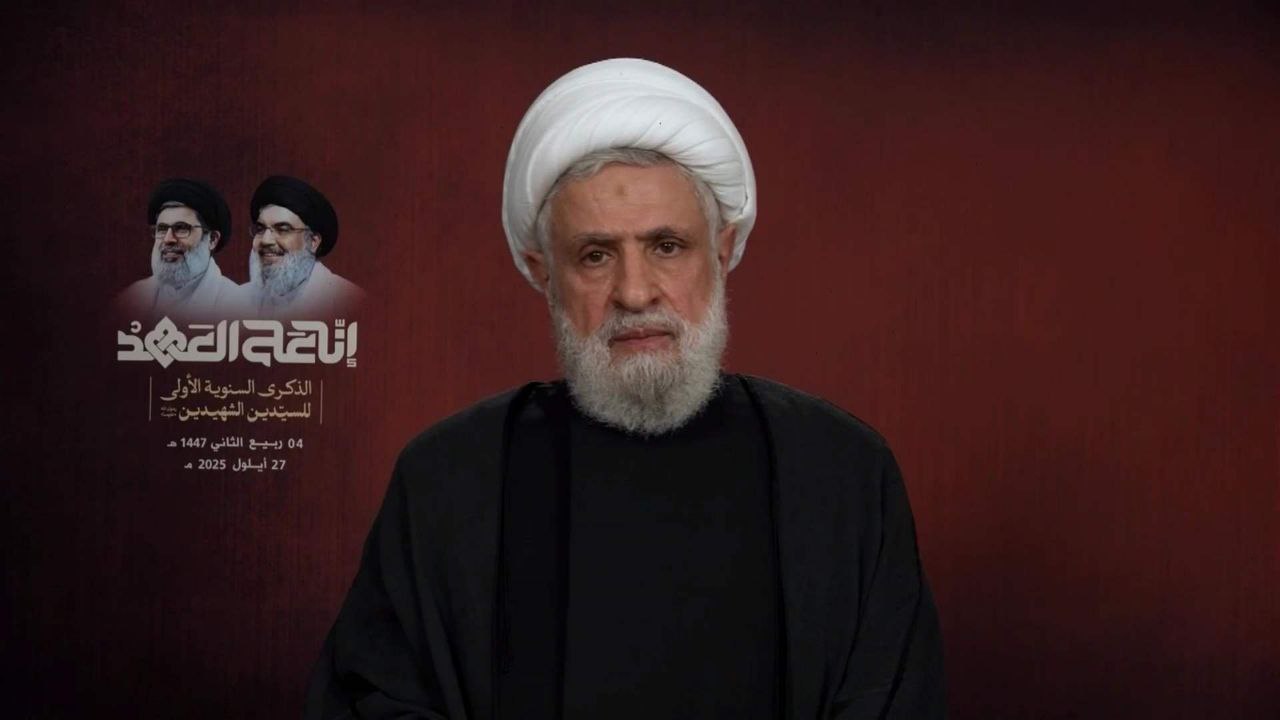
Hezbollah has released a video reaffirming its stance against disarming the resistance, responding to the upcoming high-level Lebanese government meeting chaired by Prime Minister Najib Mikati, which is set to discuss the issue of resistance disarmament.
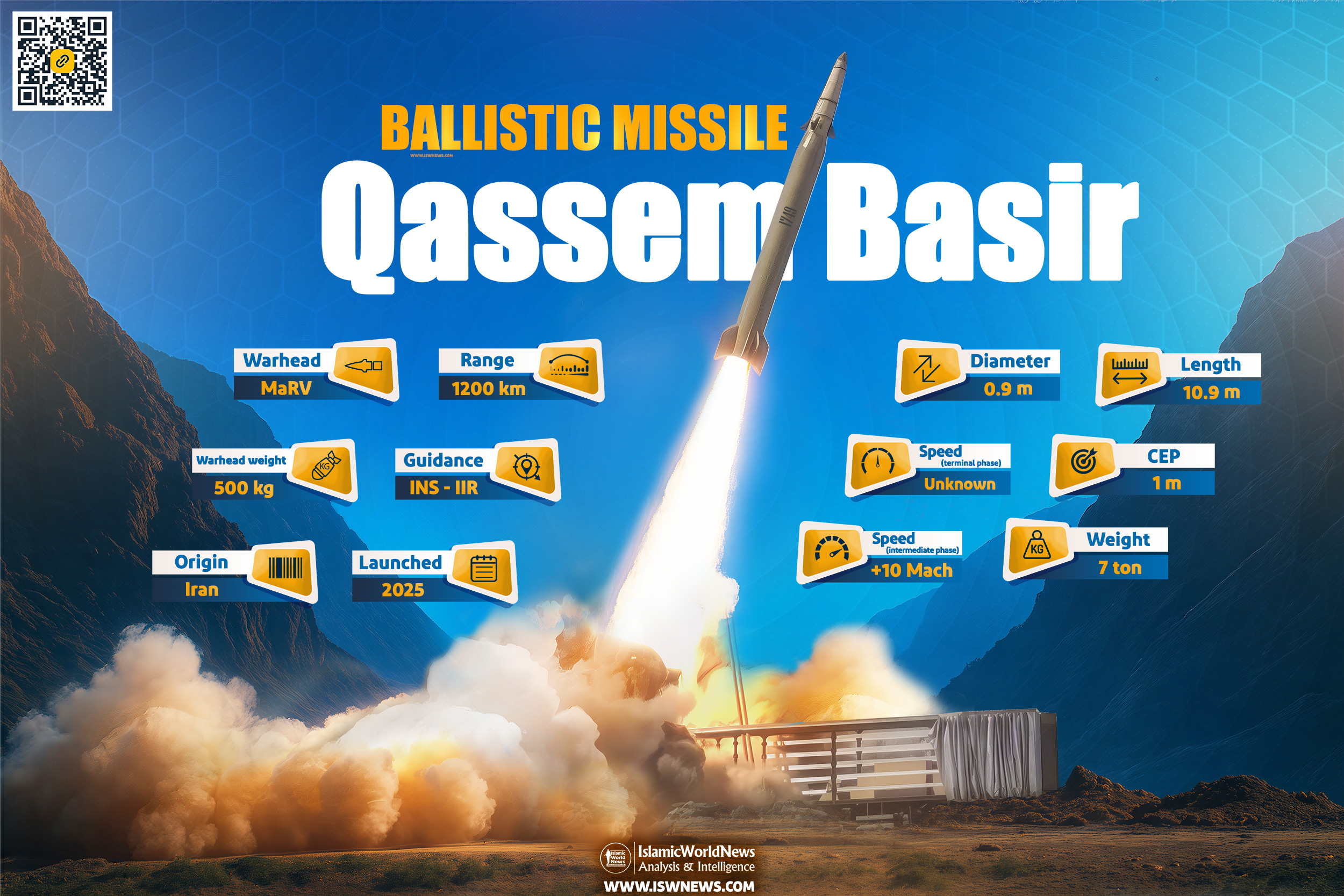
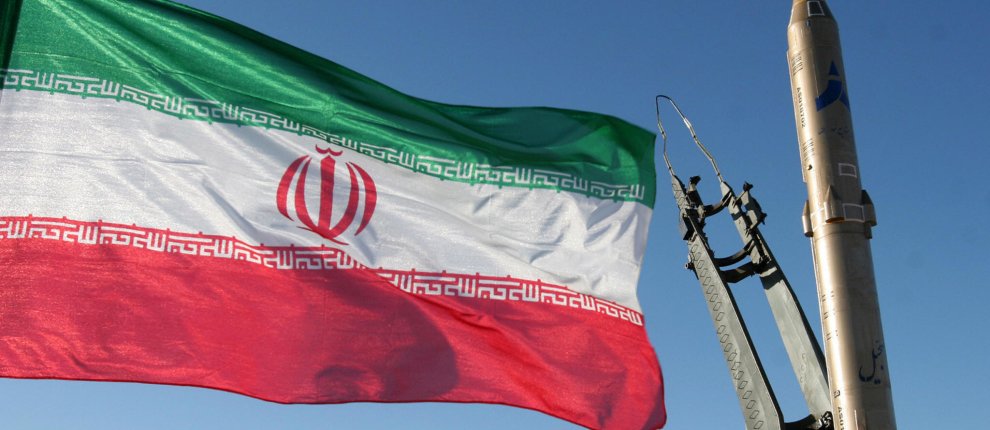
Operation True Promise 3 is the designation of a military operation undertaken by the Iranian armed forces in response to the Israeli aggression that lasted 12 days. During this operation, the Iranian forces launched over 300 ballistic missiles, along with a significant number of cruise missiles and suicide drones, targeting positions of the Zionist regime in occupied Palestine. This action resulted in more than 97 successful hits.
Following the October 7 attack, the Israeli regime initiated the extensive deployment of artificial intelligence in its military operations, including integration with facial-recognition systems to identify wounded combatants, audio-analysis of communications to geolocate targets, and Arabic-language natural-language processing to monitor messages and social-media traffic. These technologies have been employed in the targeted assassination of Hamas commanders and the recovery of hostages, and have been incrementally refined over time.
The Yemeni Armed Forces conducted drone attacks targeting Israeli military installations in Jaffa (Tel Aviv), Ashkelon, and Haifa Port during three separate military operations.
Advanced tracking technologies used by the Israeli regime in military operations are capable of identifying individuals through walls. Equipment from the company Camero is especially utilized in the suppression of Palestinians and on the battlefield, illustrating how so-called humanitarian technologies are repurposed for military objectives.
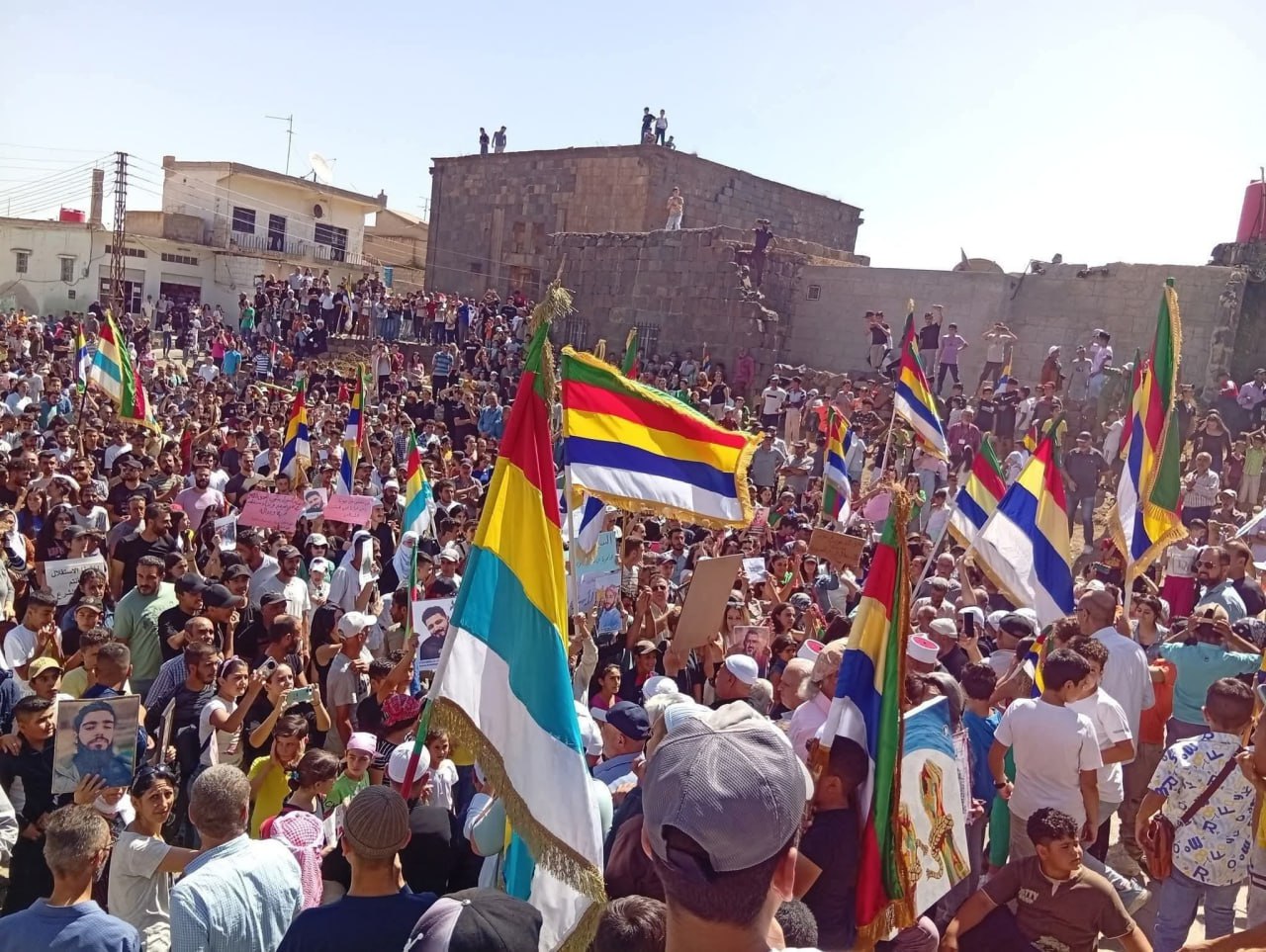
Armed clashes between Druze militants and the internal security forces of the Julani government in Sweida province have resumed after approximately ten days of a ceasefire.
After years of civil war and the collapse of the Assad government, Syria faces one of the most severe electricity crises in its history. Ahmad al-Shar’a had previously announced his goal of providing eight hours of electricity per day by late February, but power supply has dwindled to the extent that people have access to electricity for only one to two hours a day. This crisis not only disrupts daily life but also poses a major challenge to the country’s political and economic stability. In such circumstances, various options have been proposed to resolve the crisis, one of which includes using gas resources from the occupied territories.
Recent drone attacks on oilfields in the Kurdistan Region of Iraq have disrupted oil production and infrastructure, intensifying political and economic tensions between the central government of Iraq and the Kurdistan Region.