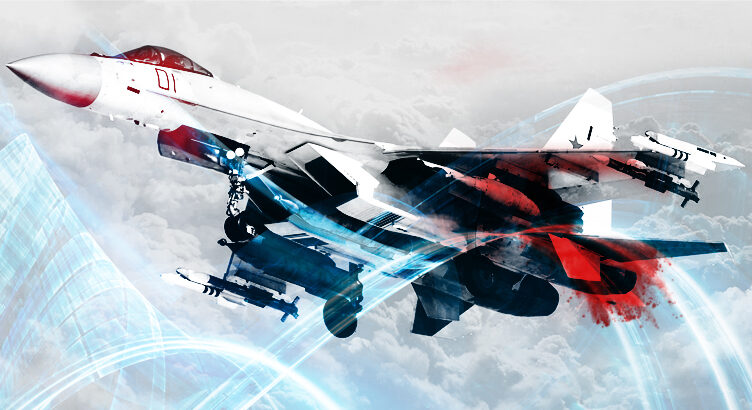
“Plans have been finalized for Sukhoi Su-35 fighter jets, Mil Mi-28 attack helicopters and Yak-130 jet trainers to join the combat units of Iran’s Army,” Brigadier General Mehdi Farahi said.
Brig. Gen. Farahi added that three advanced aircraft will be definitely at Iran’s disposal and the processes are currently underway.
The Islamic Republic of Iran Air Force (IRIAF) has only a few dozen strike aircraft, including Soviet-era fighter jets as well as aging United States-made models acquired before the 1979 Islamic Revolution.
In April, Iran announced that it had finalized a deal to buy Su-35 fighter jets from Russia. Under the deal, the IRIAF is supposed to receive a total of 24 Su-35s which were originally built for Egypt as a part of a contract that was thwarted by the U.S.
Sukhoi designed the Su-35 to engage all types of aerial targets in long and close ranged air battles as well as to attack ground and sea-surface targets including those covered by air defenses and located far behind the frontline.
Later in September, Iran received a first batch of Yak-130 training and light combat jets from Russia. The delivery marked the first time new jets entered service with the IRIAF since the 1990s, when Iran received a few MiG-29s from Russia.
The Yak-130 was originally designed by Yakovlev for training missions. As an advanced trainer, the jet is able to replicate the characteristics of several fourth-generation and fifth-generation fighters, including the Su-35. The jet can also perform light-attack and reconnaissance duties.
Unlike the Su-35 and Yak-130, there were no reports about Iran purchasing Mi-28 attack helicopters before Brig. Gen. Farahi announcement.
The Mi-28, designed by Mil, is an all-weather, day-night, military tandem, two-seat anti-armor attack helicopter. It carries a single gun in an under-nose barbette, plus external loads carried on pylons beneath stub wings.
Russian-Iranian military cooperation grew significantly in the last few years. Washington claims that Tehran supplied Moscow with hundreds of suicide and combat drones in the last few months for use in the ongoing special military operation in Ukraine.
Today, the Israeli military killed a Palestinian youth named “Yasin al-Samar” in Beitunia settlement west of Ramallah, a 17-year-old Palestinian named “Malik al-Barghouti” in the village of Kafr Ain in the northwest of Ramallah and a 14-year-old Palestinian child named “Omar Vahdan” in the city of Tubas.
Clashes continue in Jenin tonight. It is said that more than 100 military vehicles and more than 1000 Israeli forces are involved in Israel’s attack on Jenin tonight. On the one hand, the Israeli regime releases a number of Palestinian prisoners during the prisoner exchange agreement, and on the other hand, it kidnaps dozens of other people in the West Bank every day, and this process continues on a daily basis!
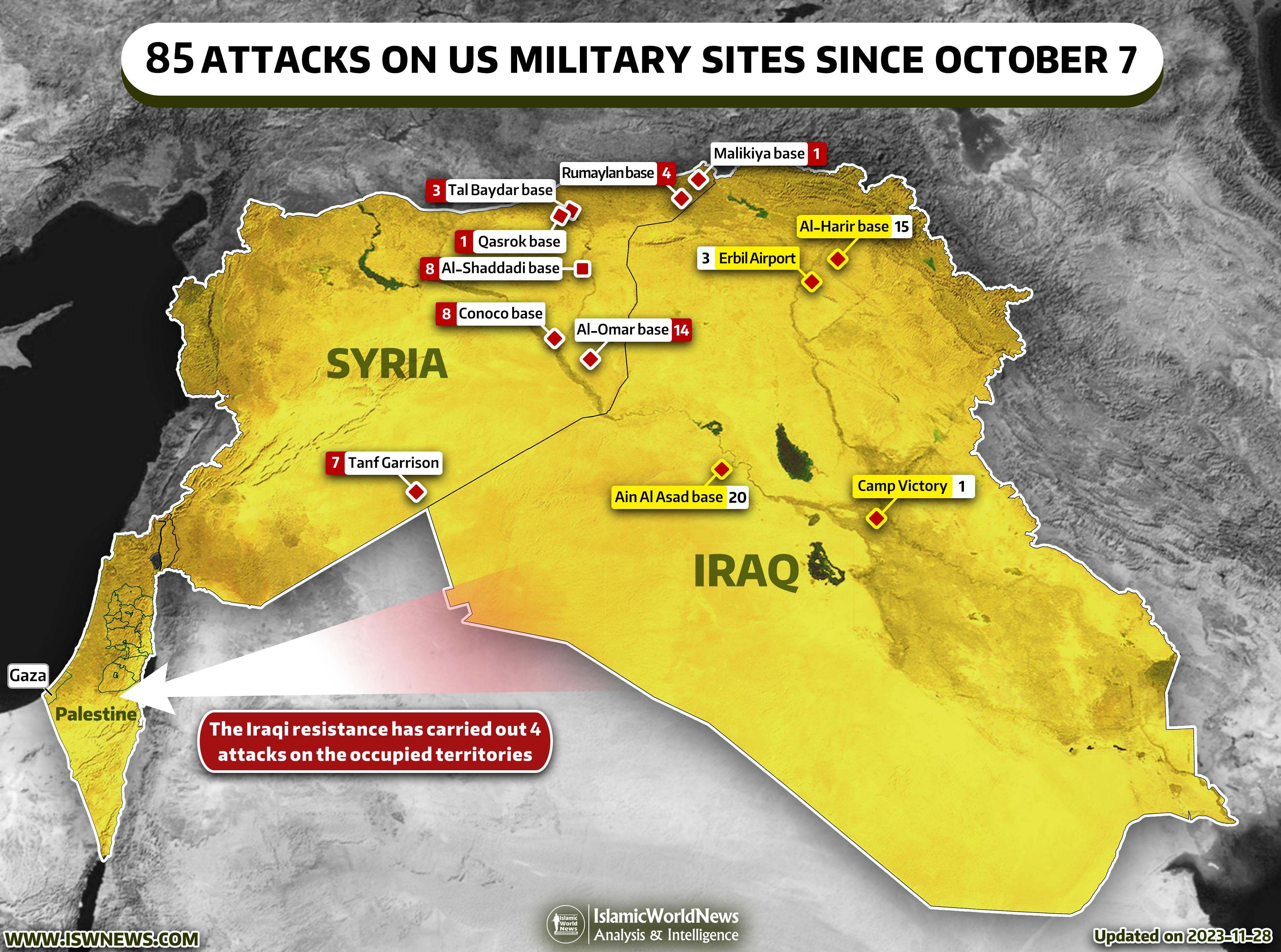
A few days ago, the Secretary-General of the Iraqi Kataib Hezbollah group Abu Hussein al-Hamidawi declared in a statement that resistance forces’ attacks against American bases during the ceasefire in the Gaza Strip had decreased.
It seems that one of the reasons that the Israeli regime accepted the ceasefire in the Gaza Strip was the increase in pressures and attacks by resistance groups against the United States’ military bases in the West Asia region.
The cessation of strike and the joining of resistance groups in Iraq and Syria to the ceasefire shows that the increase or decrease in attacks against the United States’ military forces in the region is directly related to the actions of the Israeli regime against the Palestinian people in the Gaza Strip.
According to investigations made by the IWN, the Islamic resistance groups have targeted American occupying forces’ positions at least 46 times in Syria and 39 times in Iraq since the onset of the current conflict until two days ago (temporary cessation), as well as four direct attacks on Israeli-occupied territories.
Abu Obaida, the spokesperson for the Izz ad-Din Al-Qassam Brigades, announced in a Telegram message that as a result of the Israeli enemy’s blatant violation of the ceasefire in the northern Gaza Strip, a field confrontation occurred and our fighters confronted it.
As long as the enemy is committed to the ceasefire, we will also act accordingly, and we ask mediators to put pressure on the occupying regime to adhere to all the provisions of the ceasefire on land and in the air.
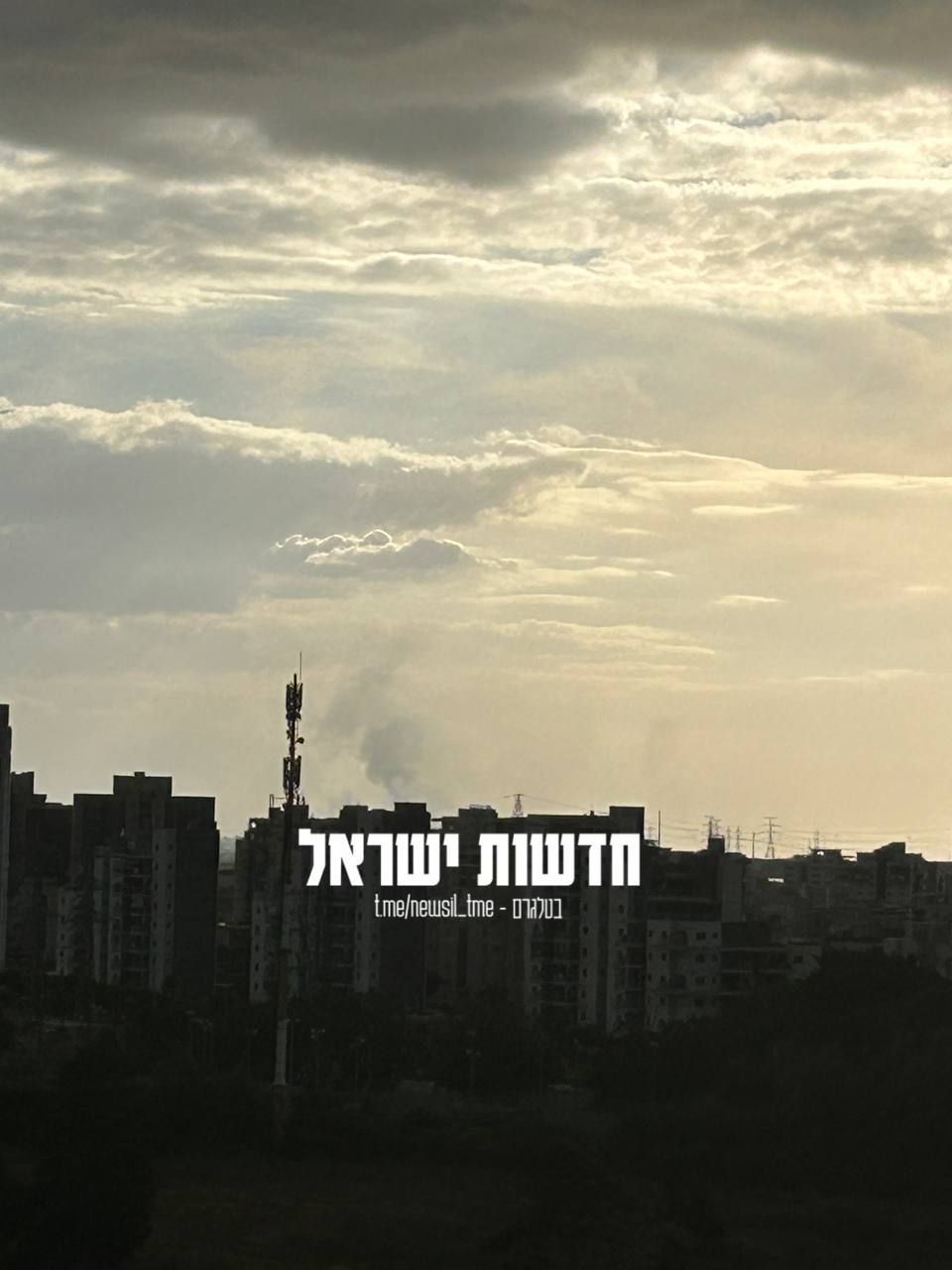
It should be noted that Palestinian media reported on Tuesday morning (November 28) of an Israeli attack on Sheikh Radwan neighborhood and Shati refugee camp in the northwest of Gaza City.
The Zionist regime’s media outlets claimed that Israeli military vehicles in the northern Gaza Strip were targeted by shooting and three bombs exploded, resulting in casualties and damage.
The Israeli army previously violated temporary ceasefires with the aim of targeting civilians in the east of Al-Maghazi camp, Tel Al-Hawa, north of Wadi Gaza and eastern areas of Rafah city, which led to the martyrdom of three Palestinians and injuries to 18 others.
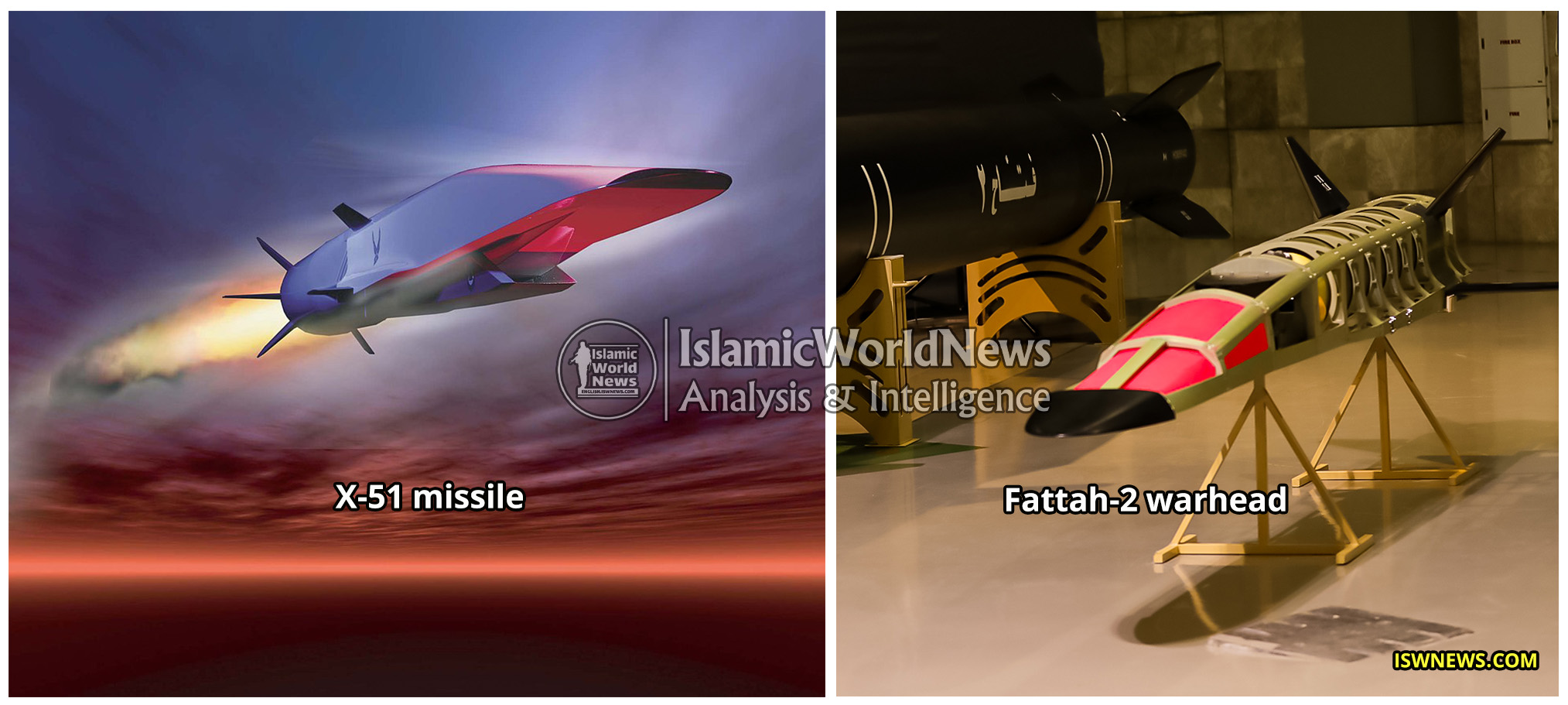
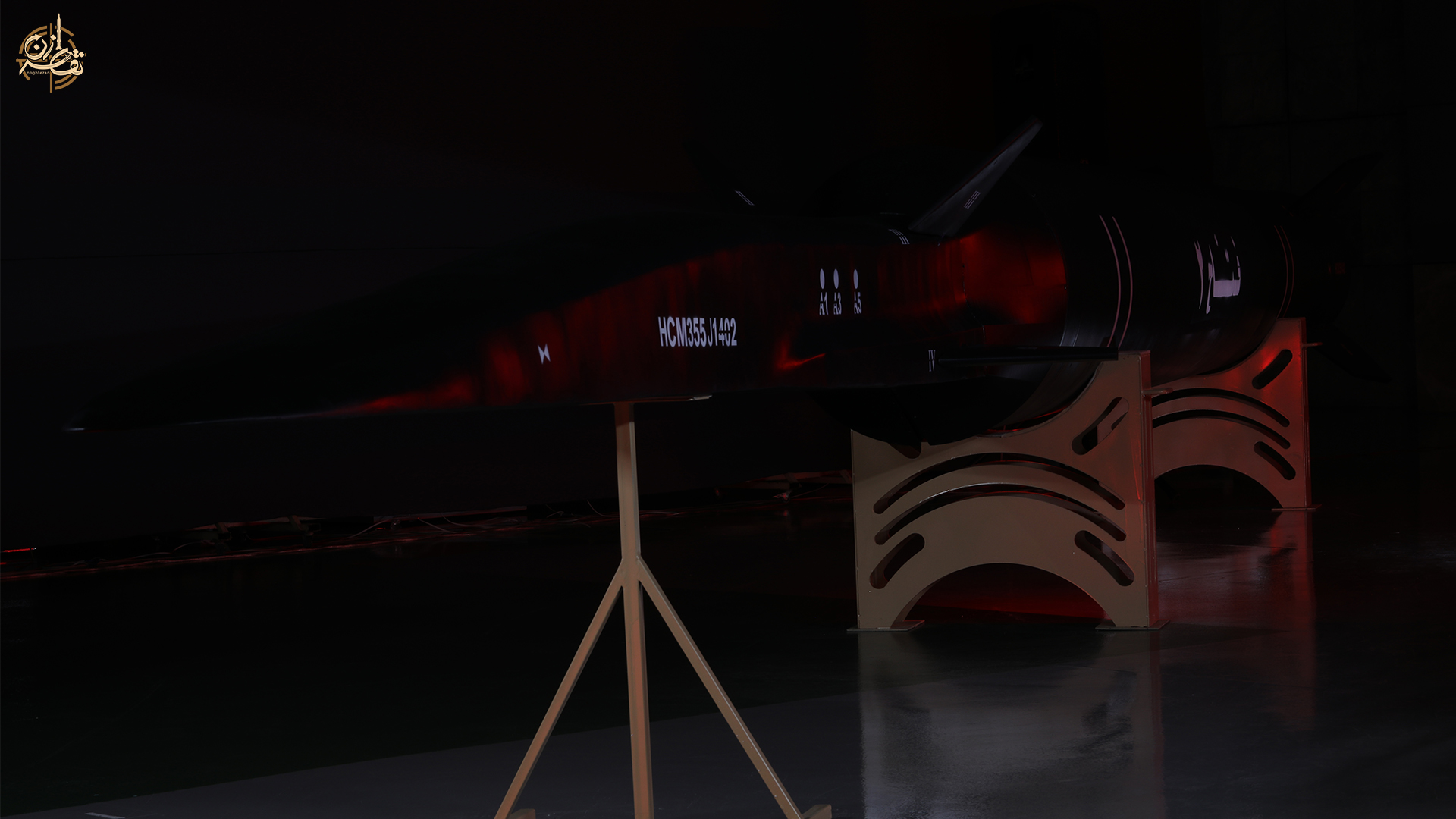
The Fattah-2 missile utilizes the configuration of hypersonic cruise missiles. The acronym HCM, which stands for Hypersonic Cruise Missile, is written on its nose cone. The shape and combination of the nose cone is similar to the X-51 hypersonic cruise missile. However, the X-51 missile uses a ramjet engine that requires air intake, whereas in the Fattah-2 missile, air intake and ramjet engines are removed, and instead, a liquid fuel rocket engine is used. This will not affect the missile’s performance.
Phrase “HCM” meaning hypersonic cruise missile on Fattah-2 body
Design: The Fattah-2 missile consists of two parts. The first part is the Fattah solid fuel booster, which has not changed from the initial version. The second part is the gliding warhead, which separates from the booster and has a liquid fuel rocket engine.
The overall shape of the Fattah-2 gliding warhead is very similar to the Boeing X-51 missile, but with the difference that its air intake has been eliminated and a rocket engine is used instead of a ramjet engine.
Similarity of Fattah-2 and X-51 warheads
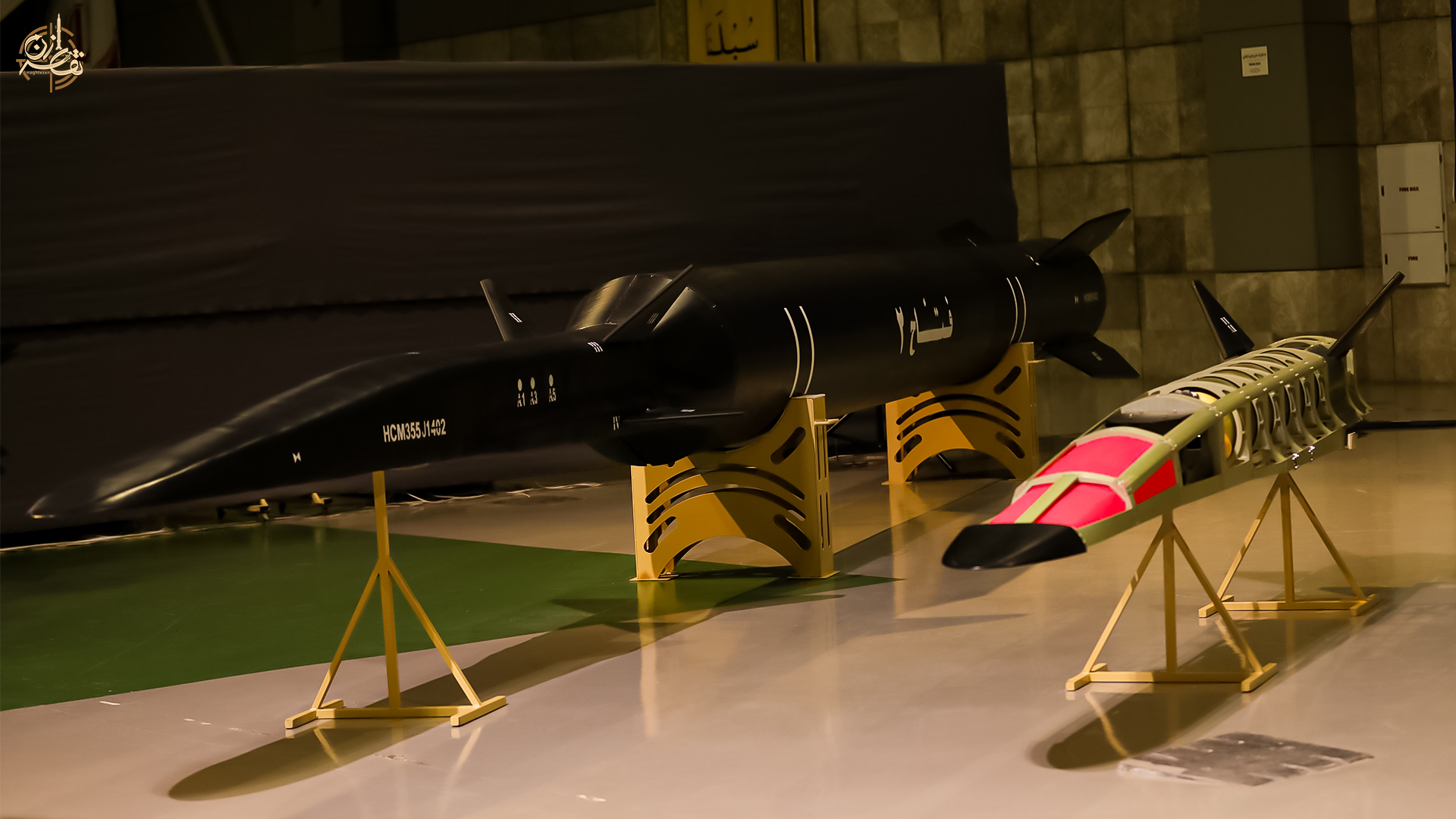
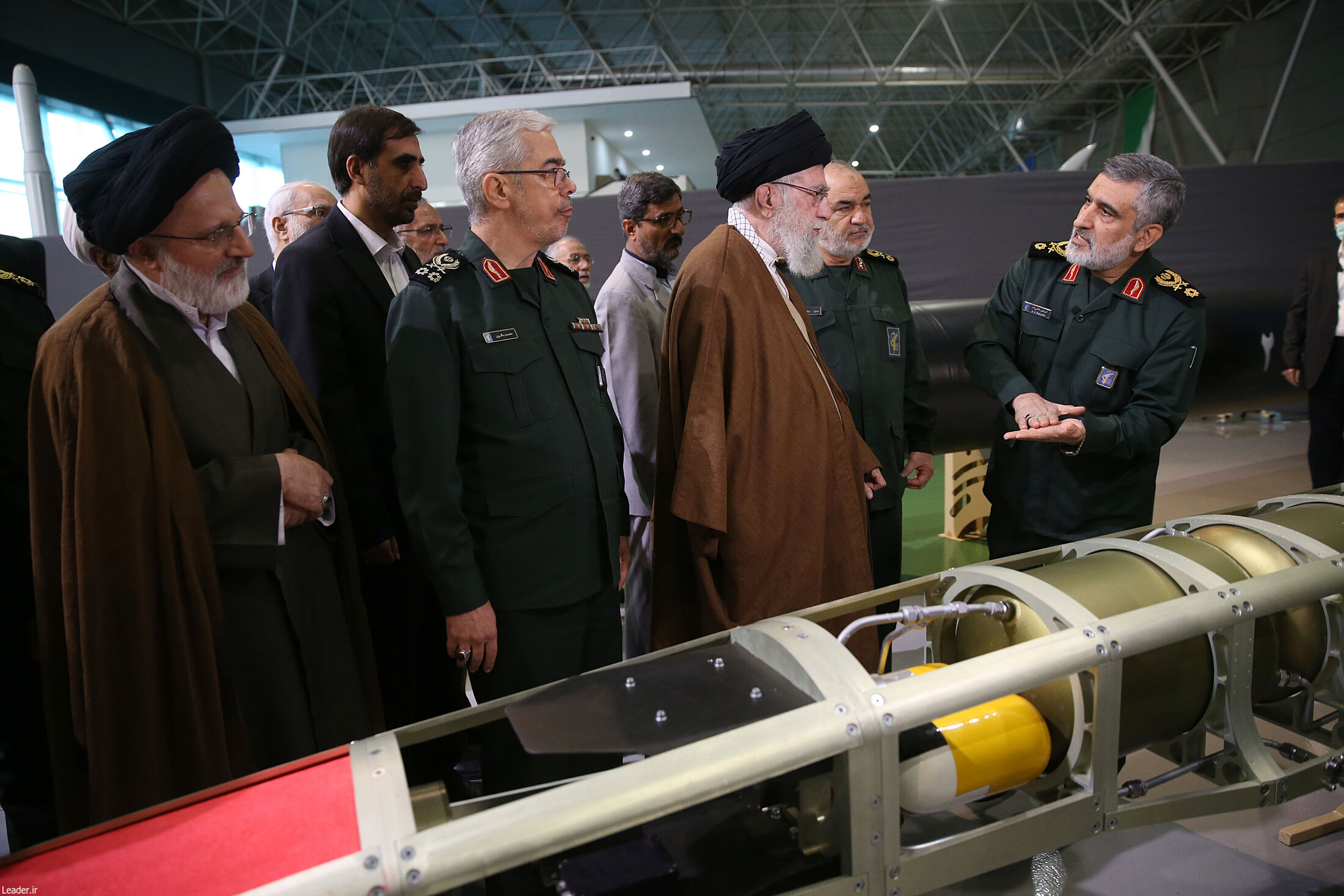
The explosive material is located at the beginning of the warhead, followed by an inertial guidance and GPS system along with a computer that is responsible for guiding the warhead to the final stage of impact. After the guidance system, there is a detonator container (yellow piece), followed by a liquid fuel tank and an oxidizer tank, and finally a rocket engine that appears to have the ability to change the missile’s trajectory.
Various components of Fattah-2 warhead
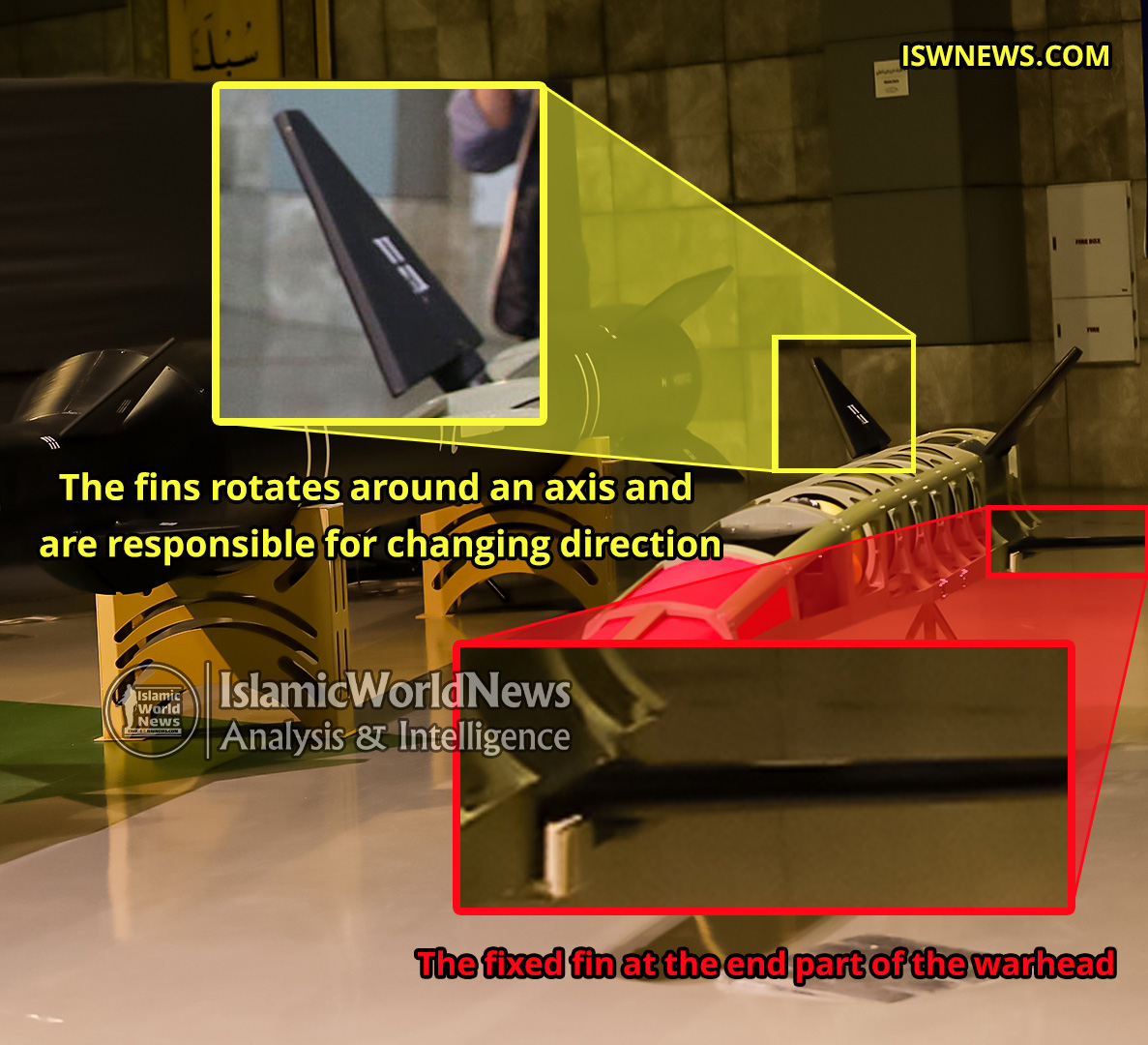
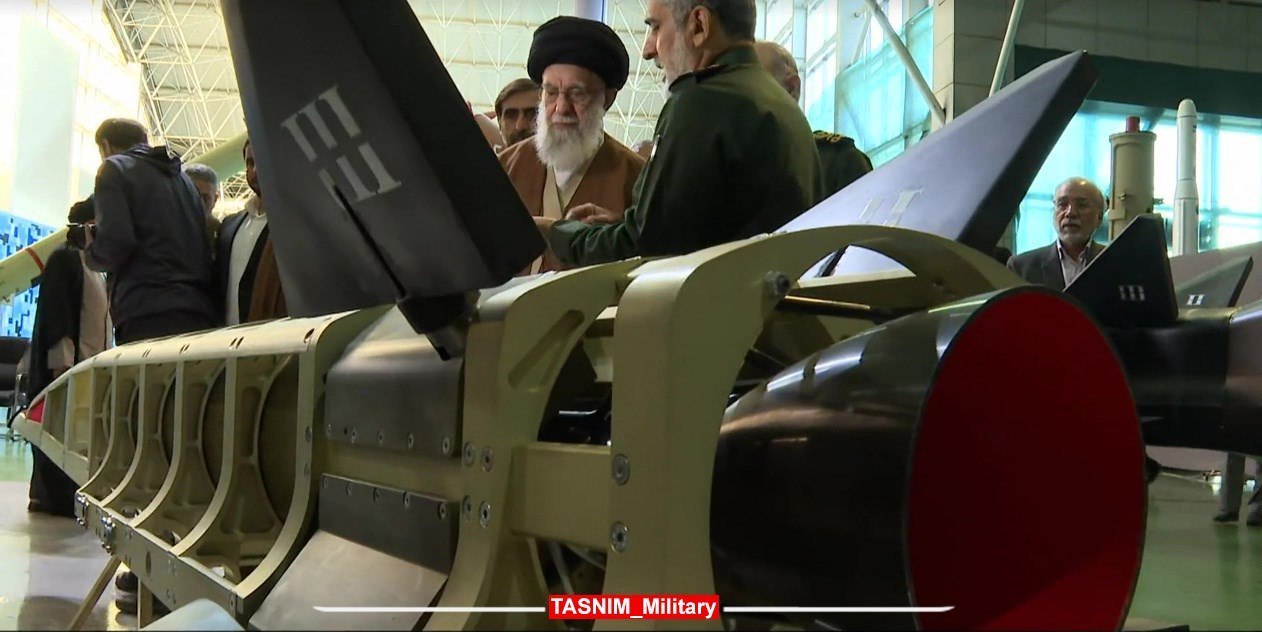
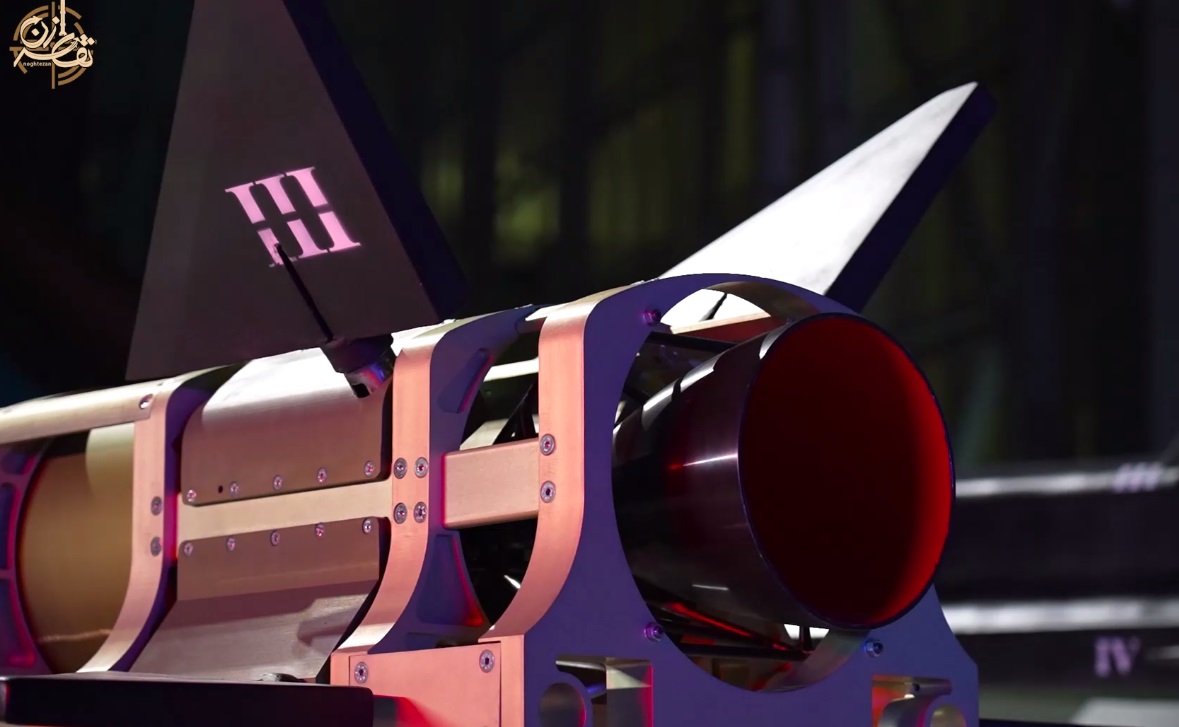
At the end of the warhead, there are four fins, two of which form a line with the bottom of the warhead and are fixed, responsible for producing lift force. The other two fins are designed to change direction and have the ability to rotate around an axis connected to the body.
Four fins, two of which are fixed and two other fins with the ability to change the direction
The speed of this missile is stated as Mach 10 in some sources, but it is unclear for how long this speed can be sustained. However, it can be assumed that the speed exceeds Mach 5 at the moment of impact. The range of the missile has been reported as 1500 to 1800 kilometers by some news agencies, but it is unlikely that the range will be significantly different from that of the Fattah-1 missile, and a range of less than 1400 kilometers does not seem reasonable for Iran’s operational needs.
The operation of the Fattah-2 missile: The solid fuel booster of the Fattah-2 missile carries it to a certain altitude from space, and then the warhead separates from it and moves towards the atmosphere. In this state, the missile will travel at a fast falling rate until it reaches the atmosphere, and then, like an HGV (Hypersonic Glide Vehicle), it will glide to the ground in the atmosphere at an altitude of less than 100 kilometers. Considering the high speed announced for the Fattah booster in Fattah-1, it must be more than Mach 15 at the time of entering the atmosphere. Therefore, due to the high lift force of the Fattah-2 warhead, it must spend a considerable amount of time gliding in the atmosphere and continuously reduce its altitude.
In a part of the middle stage and at the end of the warhead, it drastically reduces its altitude and its speed also decreases. In this stage, the rocket engine embedded in the warhead turns on and stabilizes the warhead’s speed at Mach 5 or higher. The Fattah-2 warhead spends a lot of time at low altitudes and will cruise through the final stage of its path like cruise missiles thanks to its engine. A significant point is the amount of drag force and tolerance for high-speed entry into the atmosphere because aerodynamically, the warhead is not designed for such speeds.
Conventional designs of hypersonic cruise missiles use a booster for initial speed and a ramjet engine for further movement along their path, and they are often launched from aircraft. These engines have a risk of reducing their speed to less than Mach 5 at their maximum range due to fuel shortages. However, Fattah-2 uses a solid fuel ballistic missile booster for movement in a part of its path and reaching an initial speed of more than Mach 15, which provides the missile with a considerable speed for a long time. Then, at the end of its path or near the point of impact, it uses an engine to compensate for the speed reduction and stabilize its speed at Mach 5. This is an interesting and very creative idea that has been implemented by Iranian experts. This initiative eliminates the limitations of HGVs for the Aerospace Force of the Islamic Revolution Guards Corps (IRGC).
Unlike conventional HGV versions, the Fattah-2 warhead is more suitable for flying at low altitudes. Most HGVs travel much of their path at an altitude of less than 100 kilometers and more than 30 kilometers, where air density is lower. However, the Fattah missile can fly in an altitude of less than 12 kilometers due to its aerodynamic shape, but it seems to try to maintain itself at an altitude between 12 and 30 kilometers to experience less speed reduction. Overall, the Fattah-2 missile is more of a hypersonic glide vehicle than a hypersonic cruise missile. However, its performance includes both types of hypersonic missiles.
It can be said that the operation of the Fattah-2 missile is a completely unconventional definition compared to other conventional hypersonic missiles, and the Fattah-2 missile has created a new classification and standard in this field: Hypersonic Cruise Glide Vehicle (HCGV).
It should be mentioned that the feature of not using a ramjet engine does not exclude this warhead from the hypersonic category. Also, using a rocket to start flight and fly into space cannot prevent the cruise flight of intermediate and final stages. Iran’s technology in making ramjet engines for use in long-range hypersonic weapons has not yet reached its final evolution. Therefore, having all the components available and the ability to mass-produce Fattah-2 is a suitable and creative solution to overcome the current technological gap. Clearly, this technological bottleneck will also be resolved in the near future.
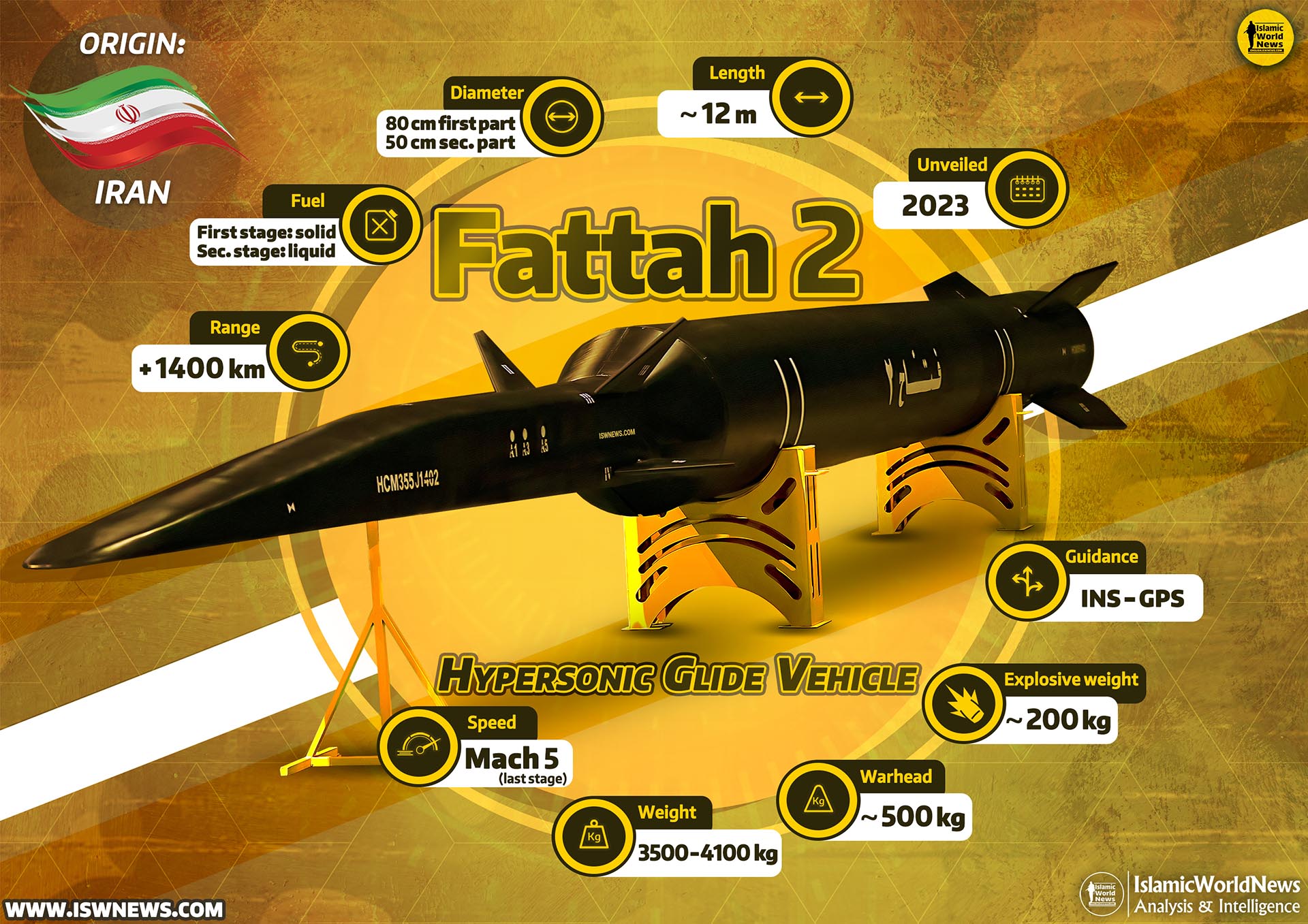
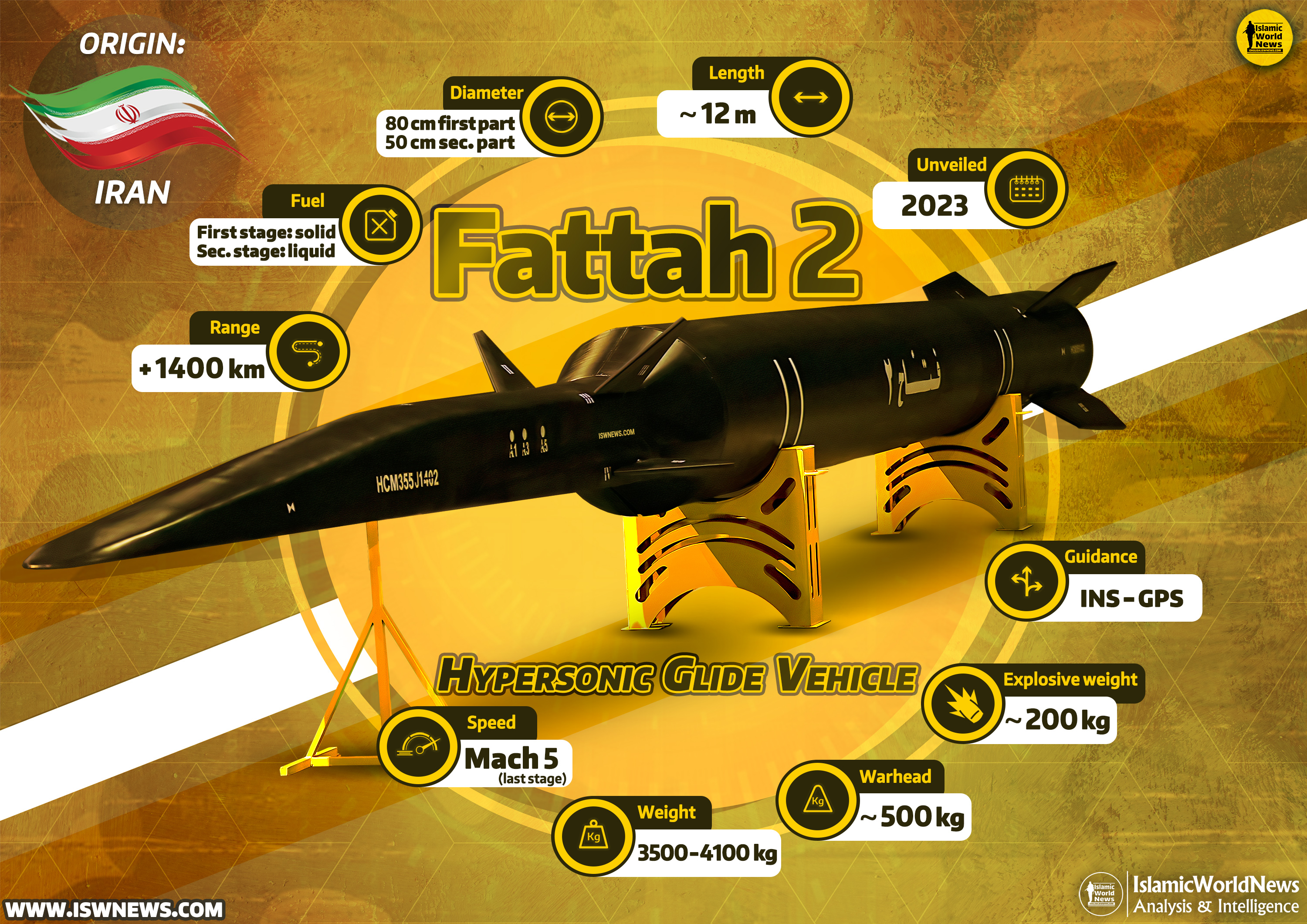
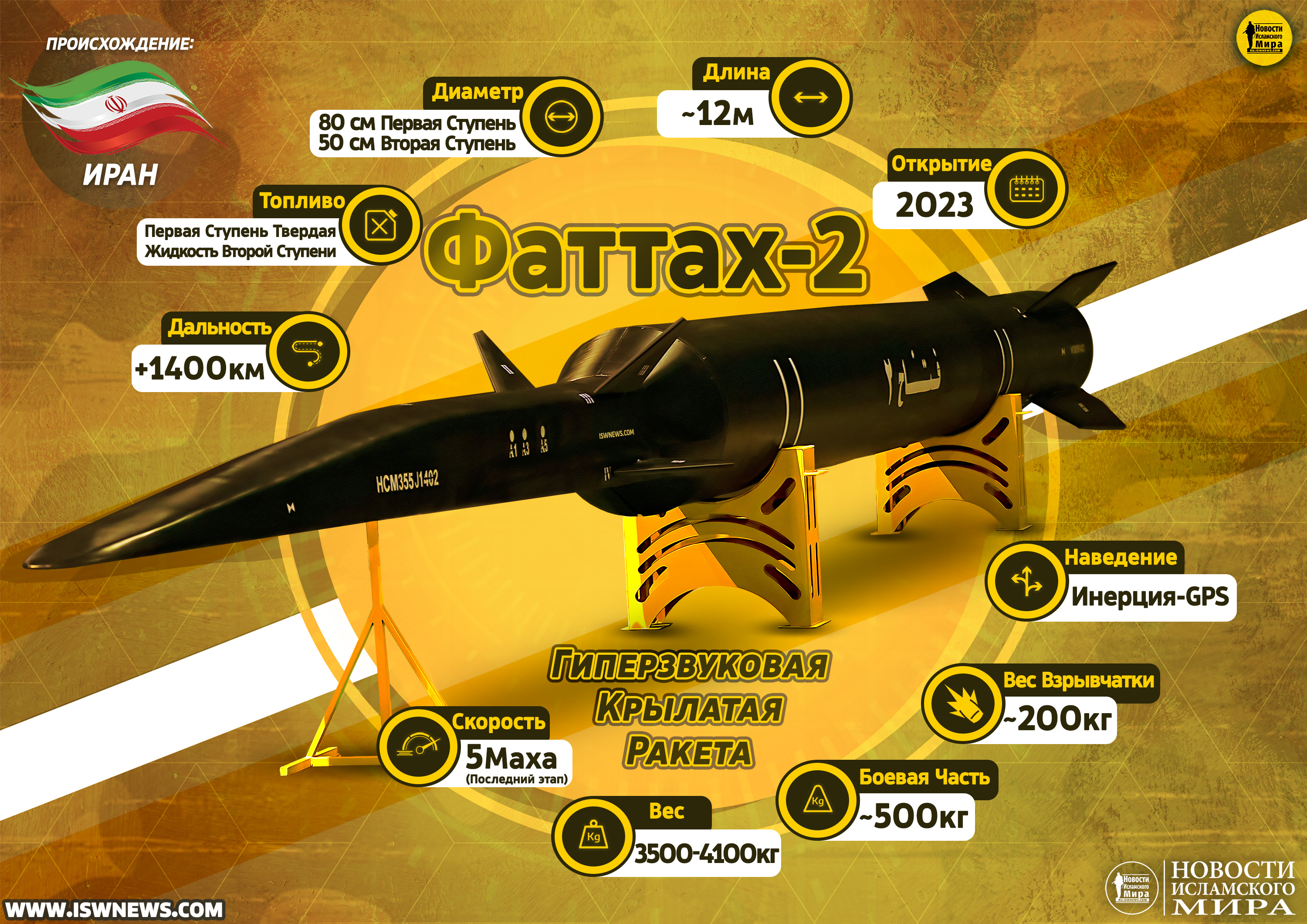
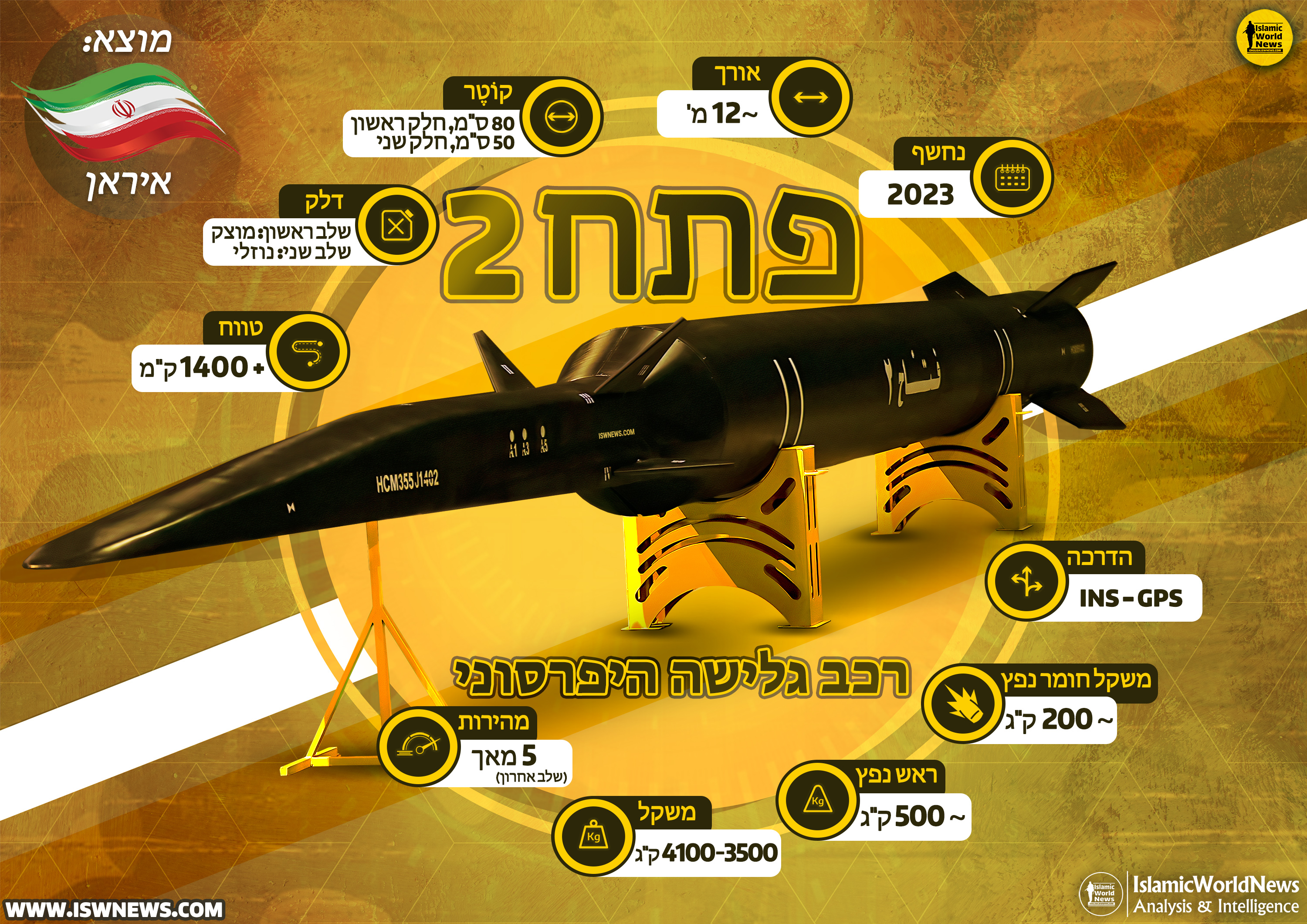
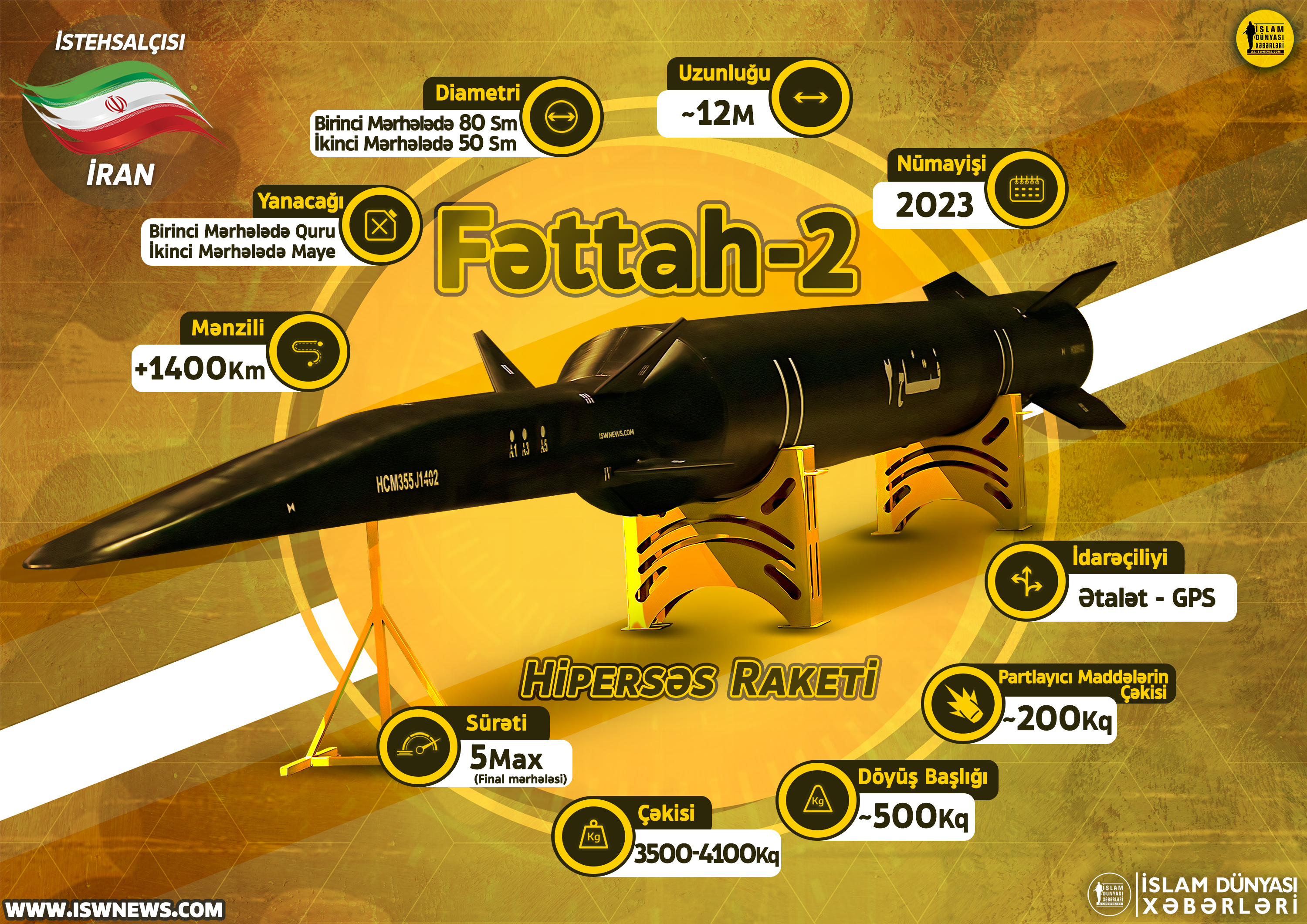
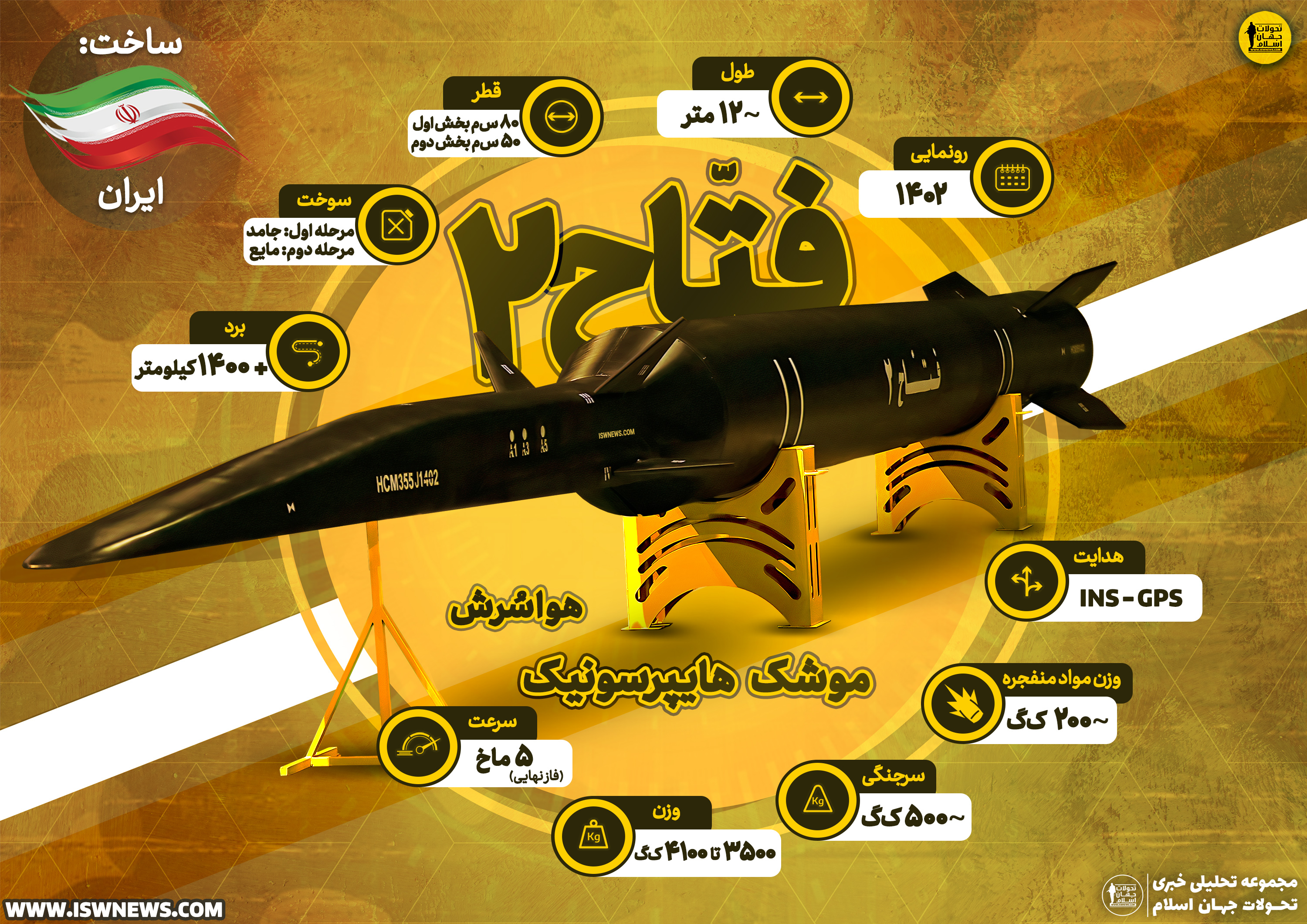
Specifications of Fattah-2 hypersonic missile: Type: Hypersonic Glide Vehicle (HGV) Country of Origin: Iran Producer: IRGC Aerospace Force Unveiled: 2023 Length: ~ 12 meters Diameter: 80 cm first part, 50 cm second part Fuel: First stage: solid Second stage: liquid Range: more than 1400 km Speed: ~ Mach 5 (in the last phase), ~ Mach 15 (in the first phase) Weight: 3500 to 4100 kg Warhead: ~ 500 kg Explosives weight: ~ 200 kg Guidance: combination of INS and GPS
Fattah 2 hypersonic missile – click to view in full size
More images of Fattah-2 missile:
Click to view in full size
Infographics of Fattah-2 hypersonic glide vehicle in Russian, Hebrew, Farsi and Azeri:
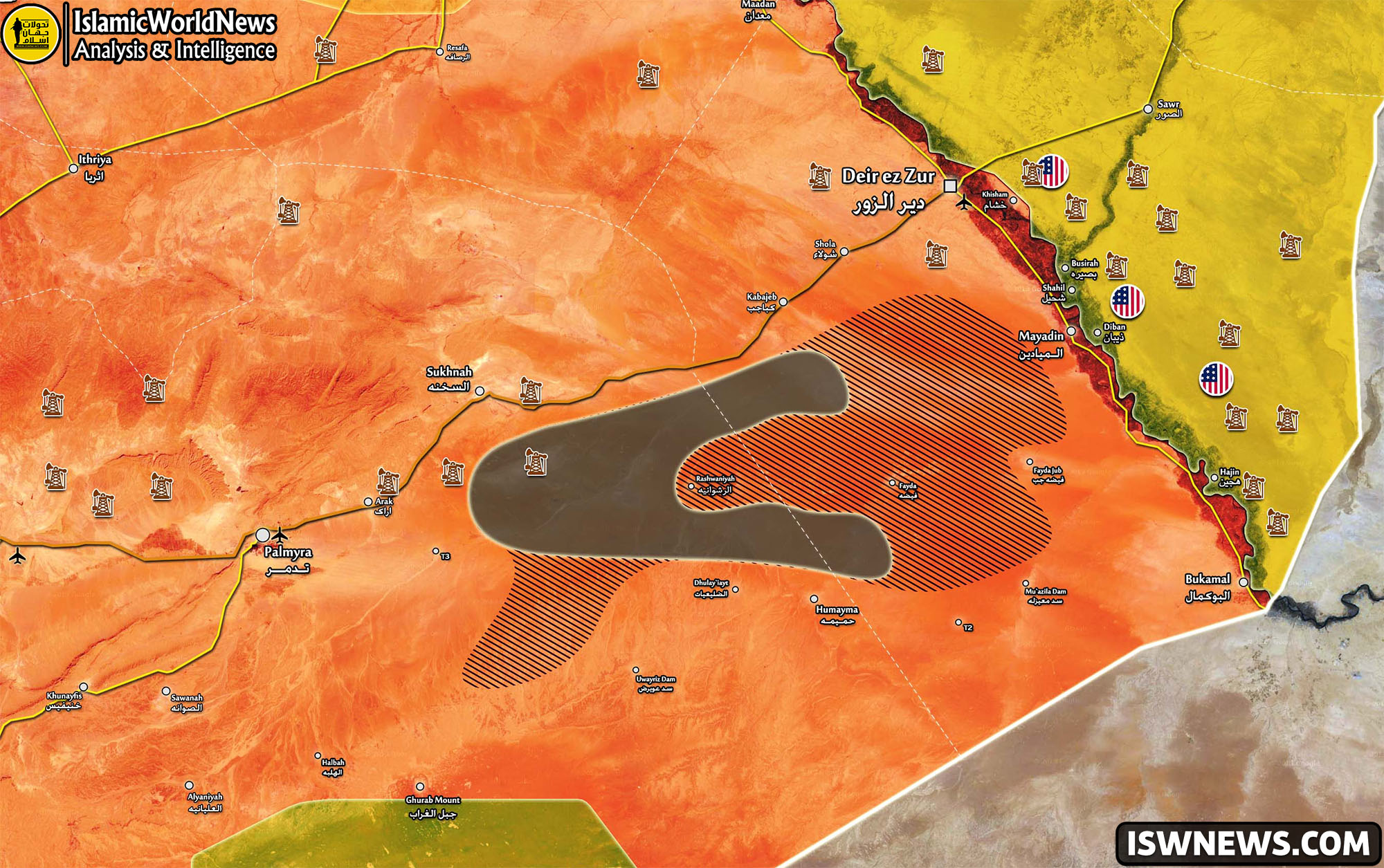
In the course of the Syrian military operations against the hideouts of the terrorist group in Deir ez-Zor Governorate, 4 members of the Syrian National Defense Forces were martyred and 18 others were wounded due to a mine explosion.
In continuation of these military operations, the forces of the Al-Quds Brigade clashed with ISIS terrorists in the Syrian Desert, also known as the North Arabian Desert, during which 10 members of the Al-Quds Brigade were martyred and 6 others were wounded in the exchange of fire.
Furthermore, ISIS terrorists carried out attacks on positions of Syria’s armed forces in the Syrian Desert in recent Eastern-Syriadays, resulting in the injury of several Syrian soldiers.
In the latest attack by ISIS terrorists on the positions of the Syrian army in Homs Governorate, members of this terrorist group stormed the headquarters of the National Defense Forces near the famous Palmyra Castle, known as Fakhr-al-Din al-Ma’ani Castle, during which three Syrian soldiers were wounded.
The increase in movements by ISIS terrorists during the past week prompted Syrian commanders to order the start of operations in the Syrian desert to clear some suspicious areas as well as to hunt and detain ISIS elements. These operations kicked off some days ago and continued until today.
1-Saada: As a result of the recent four-day artillery strikes by the Saudi-led coalition on the Aal Thabit neighborhood in the Qatabir district, as well as on Al-Raqo and Aal Sheikh areas in the Munbah district, and the Shada district, two civilians, including an African immigrant, were martyred, and 10 others were injured.
2-Taiz: On November 24, several explosions occurred in the positions of the United Arab Emirate’s forces on the Perim Island, located in the Bab al-Mandab Strait. The cause of these explosions has not been determined yet, and some sources have suggested the possibility that these explosions were caused by the Ansar Allah movement’s missile attacks. Other sources have attributed the explosions to the UAE’s construction operations.
3-Abyan: On November 25, due to a bomb blast on the route of the armed forces’ convoy of the Southern Transitional Council (STC) in the Wadi Omran area, one of the STC militants was killed, and several others were injured.
4-Aden: Adel Al-Madwari, a journalist with the STC, reported on his X (former Twitter) account that UAE-backed Tariq Saleh, the nephew of the former president Ali Abdullah Saleh, has deployed his commando unit led by Fahman Al-Ghabas in the Mafraq Al-Qawah region in the Al Buraiqeh district.
5-The UK-based newspaper The Guardian claimed in a report that Saudi Arabia and the Ansar Allah movement of Yemen are in the process of signing an agreement in which the Ansar Allah will commit to cease security threats against Saudi borders in exchange for the payment of Yemeni government employees’ salaries from oil revenues, unification of exchange rates, and abandonment of the plan for dividing southern Yemen.
6- The Pentagon announced that the initial assessment regarding the Central Park oil tanker indicates that the gunmen who attacked the ship were Somalis and the incident is linked to piracy. Previously, Western and American media claimed that the attack was carried out by Ansar Allah. But after the pressure of public opinion in social media, the US corrected its claim.
On Sunday, the United States resorted to a media propaganda campaign in collaboration with the United Kingdom Maritime Trade Operations (UKMTO) and the Israeli regime’s media outlets, claiming that armed individuals attacked an oil tanker carrying chemical materials in the Gulf of Aden and made an emergency contact with this tanker.
However, the armed attack was doomed to failure as a result of the timely reaction by the US Navy, and the tanker is currently out of harm’s way, the Westerners alleged. Moreover, five people have been arrested in regard of this incident, and no details of their identities have been released so far.
In this respect, the United States Central Command (CENTCOM) once again claimed that the Ansar Allah movement attacked the position of an American warship in the Gulf of Aden with two ballistic missiles last night. It added that these two missiles landed within 10 miles (16 kilometers) of the American warship and caused no damage.
Pentagon officials have announced to the US media outlets that they consider this incident as an escalation of tension and a major threat from the Ansar Allah movement.
The United States’ allegations are being made while Yemeni authorities have rejected attempts to seize a ship in the Gulf of Aden.
In addition, claims such as Ansar Allah’s maritime action in the Gulf of Aden and firing ballistic missiles at moving maritime targets are measures that are unprecedented during the eight-year war in Yemen and are not compatible with the field realities of Yemen! Although, the Ansar Allah movement possesses various cruise missiles and suicide drones at its disposal for targeting moving targets, especially the United States’ ships.
Also, the coasts of the Gulf of Aden are not under the control of the Ansar Allah movement, and even if we assume the United States’ claim as true, when a ship is seized, it must travel about 400 kilometers to the port of Al Hudaydah.
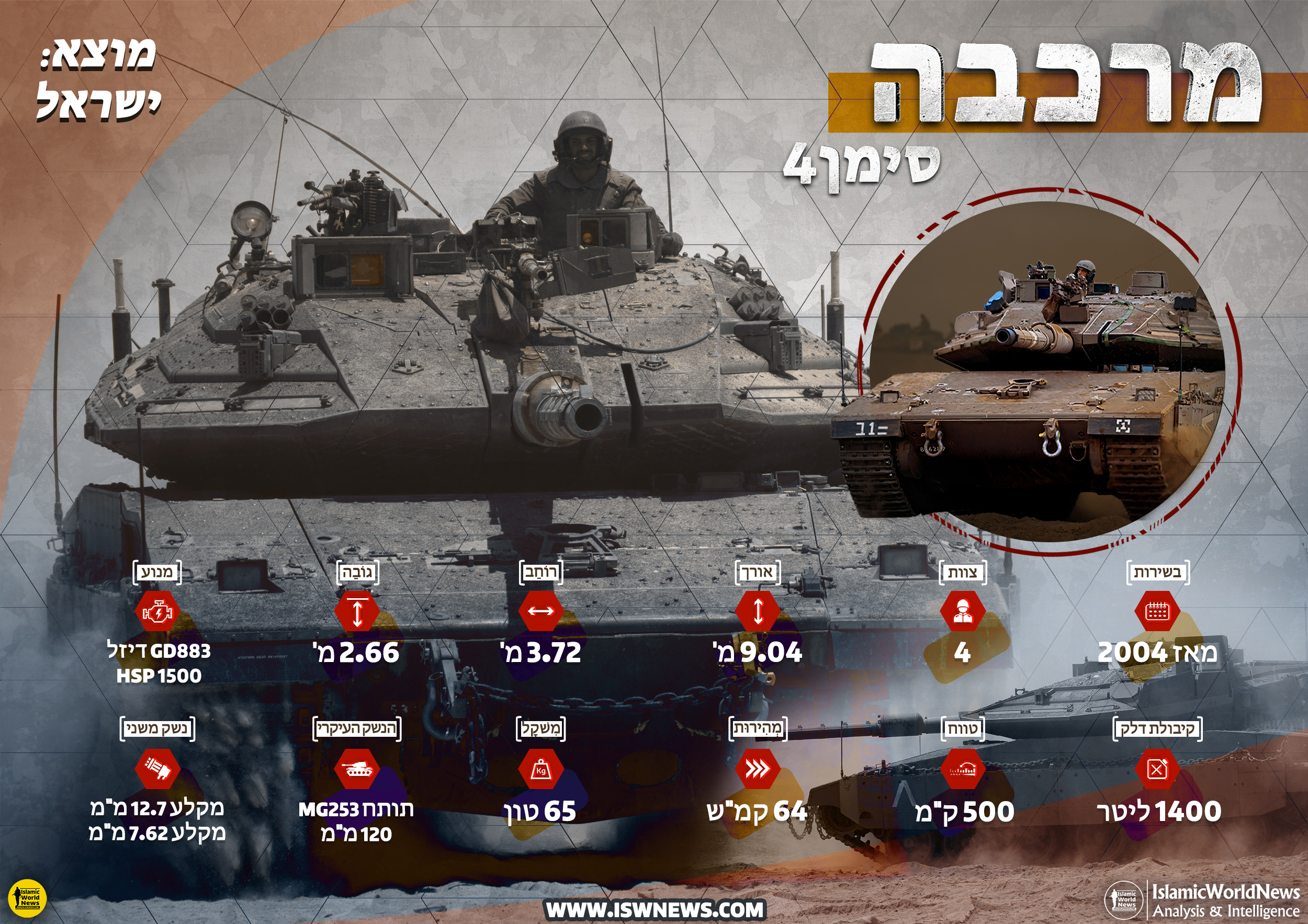
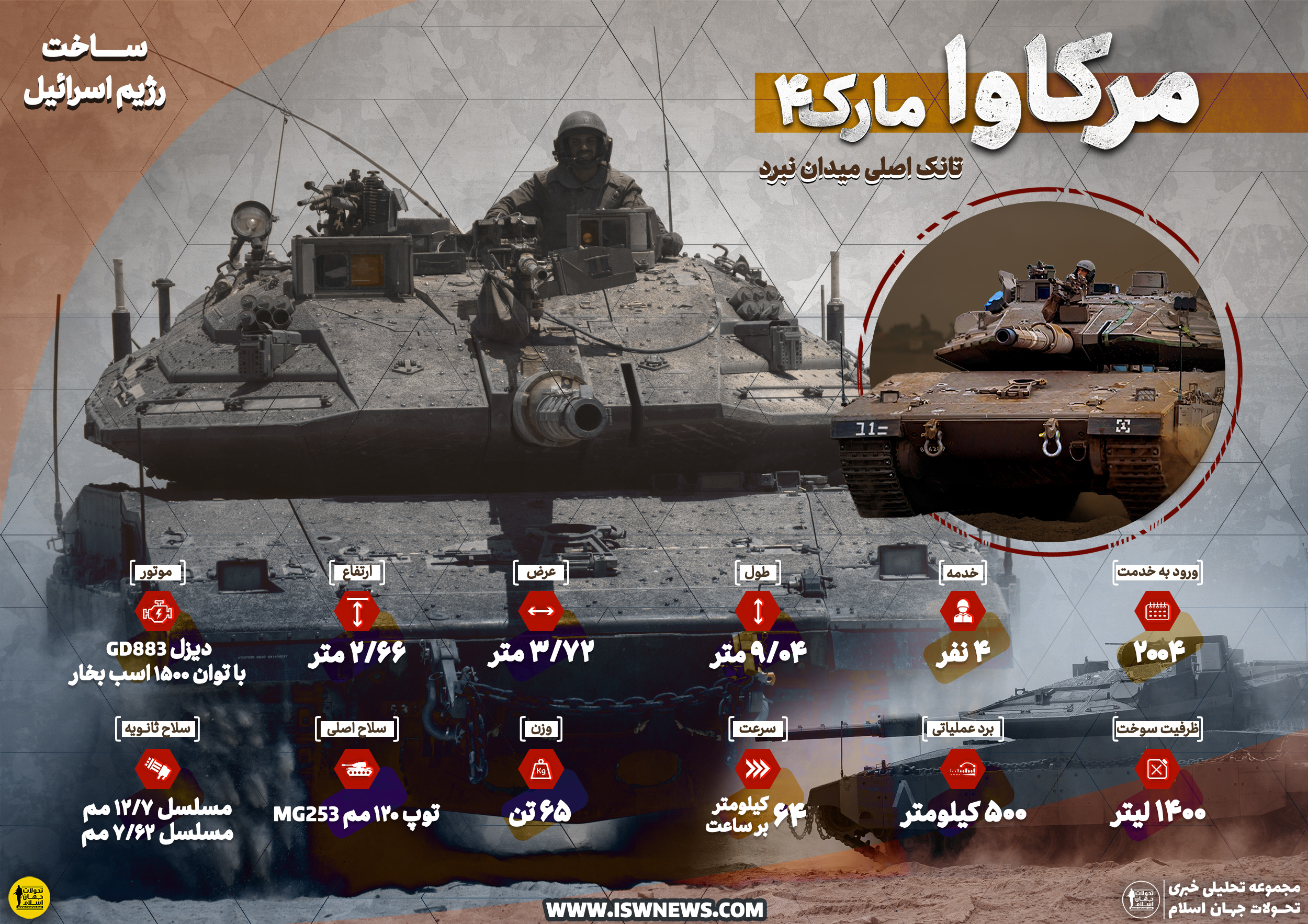
The Merkava tank is a series of main battle tanks (MBT) made by Israel, which forms the backbone of the armored corps of this regime. The word Merkava means “chariot” and is derived from the “holy chariot” in the Torah. This tank is developed in the “Merkava and Armored Combat Vehicles Division” of the Israeli Ministry of Defense, and most of its parts are manufactured in Israel.
The development of Merkava set began in 1970, and it has been produced and put into service in four original versions and several updates. Merkava Mark 4 Barak is the latest version of this tank that entered service from 2023.
Specifications of Merkava Mark 4: Type: Main Battle Tank Origin: Israel Manufacturer: MANTAK Unveiled: 1999 In service: since 2004 Crew: 4 (tank commander, driver, gunner, loader) Length: 9.04 meters (including gun barrel), and 7.60 meters (excluding gun barrel) Width: 3.72 meters Height: 2.66 meters Engine: GD883 diesel engine with 1500 horsepower Fuel capacity: 1400 liters Operational range: 500 km Speed: 64 km/h on road, and 55 km/h off road Mass: 65 tons Main weapon: MG253 120 mm smoothbore gun Secondary weapon: 12.7 mm machine gun and 7.62 mm machine gun
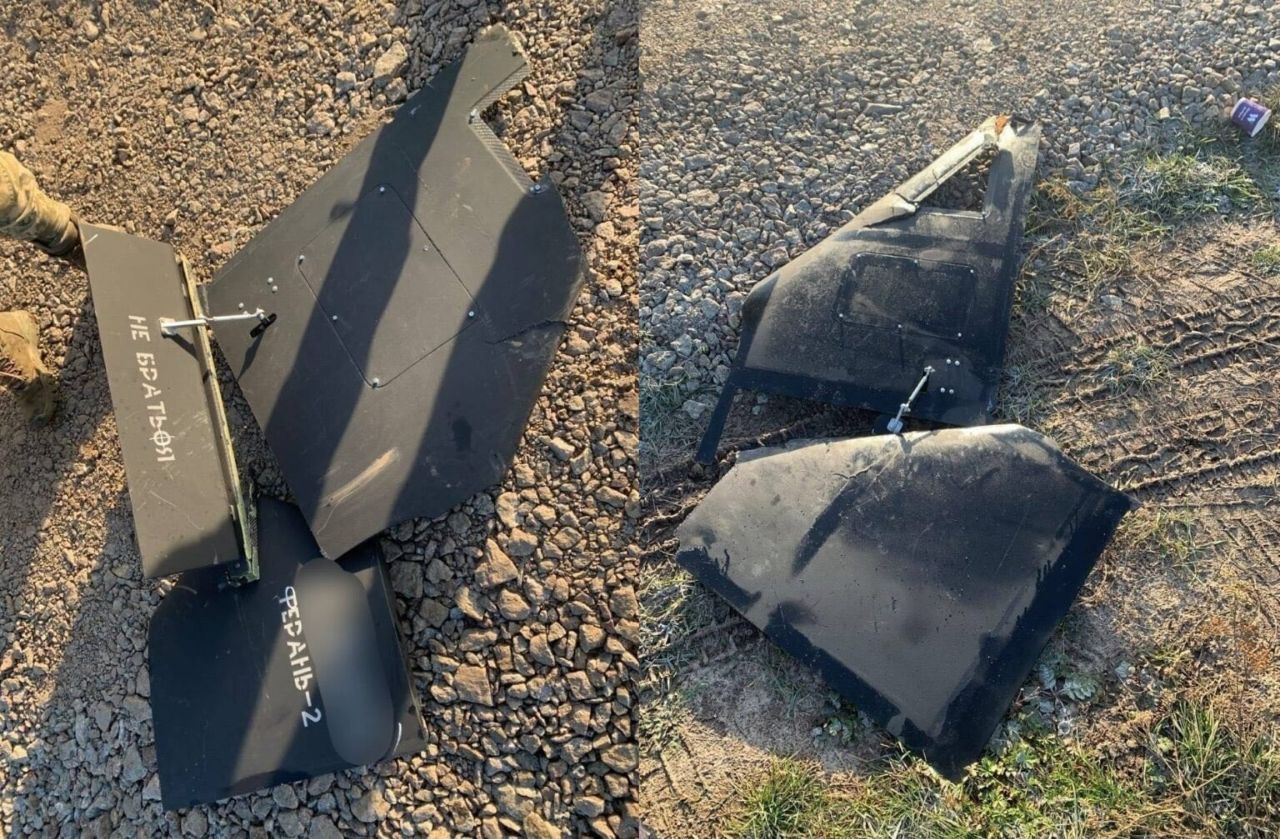
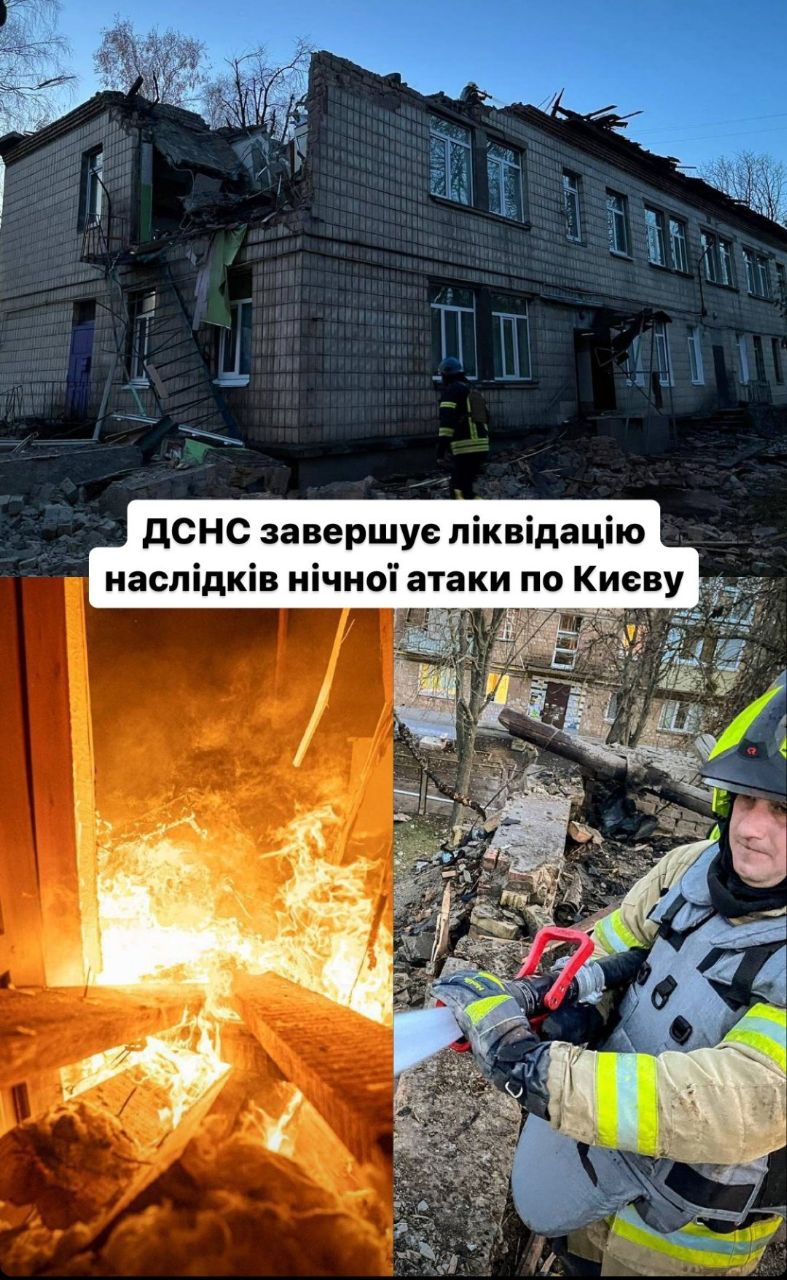
According to Ukrainian officials, this was the largest Russian drone strike since the start of the Russia-Ukraine war. The Ukrainian army claims that air defense systems have managed to destroy 74 of these drones.
According to the officials of the Ministry of Energy of Ukraine, as a result of these attacks, 77 residential buildings and 120 institutions were left without electricity. In addition, Boryspil International Airport and one of the energy infrastructure facilities in the east of Kiev city have also been hit.
It’s worth mentioning that on November 26, also more explosions were reported across the war-torn country. The areas of Kirovograd, Mykolaiv, Zaporozhie, Kharkiv and Summy witnessed explosions, most likely due to Russian drone and missile attacks or Ukrainian air defense activities.
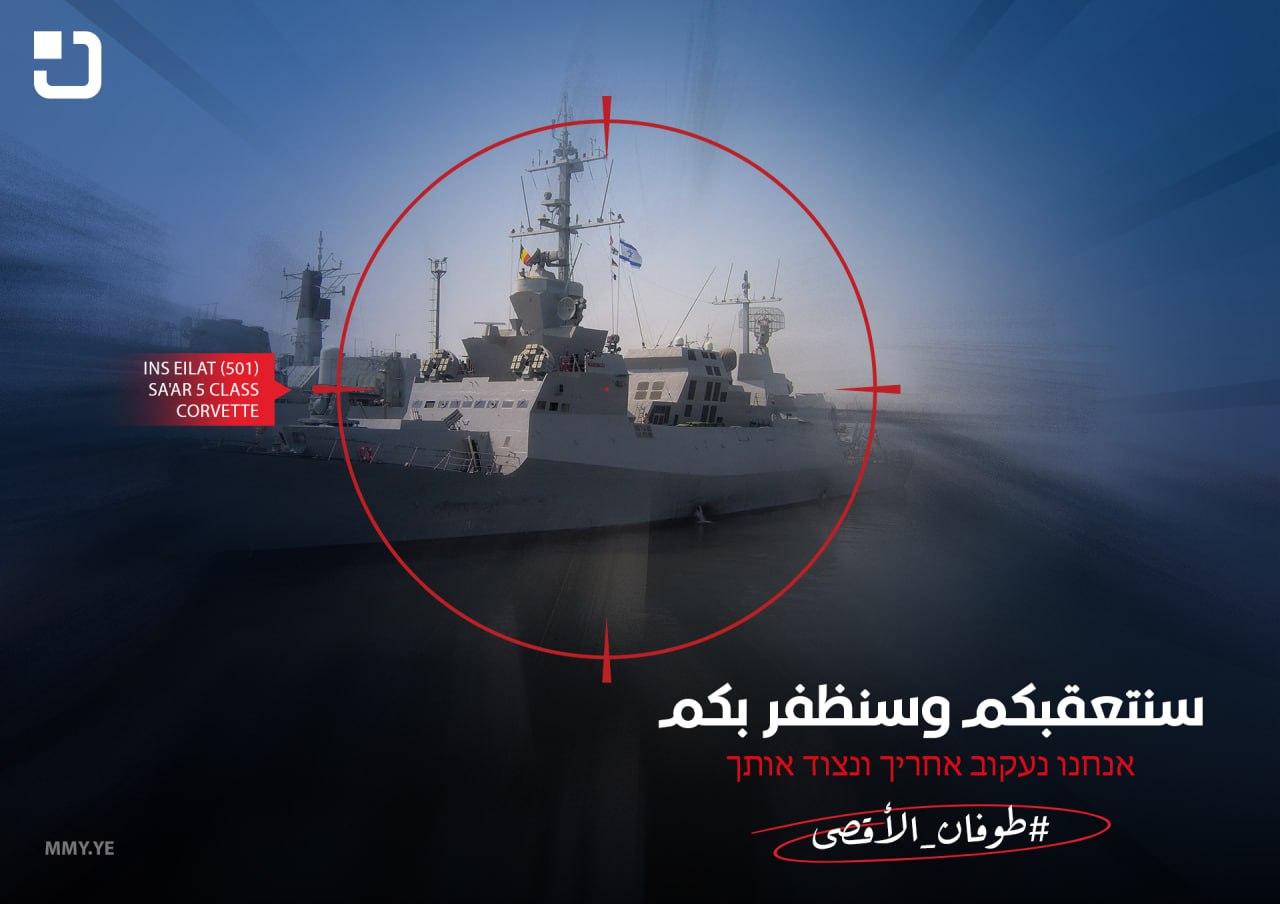
In an interview with an Israeli TV channel, a former Israeli security official referred to the missile and naval threats from Yemen as a major problem for the Tel Aviv regime and called for an evaluation and solution by Israeli political and military leaders.
Giora Eiland, a retired Major General of the Israel Defense Forces and a former head of the Israeli National Security Council, discussed the current state of war and stated that Israel is facing numerous problems in Gaza, the northern front, the closure of the Red Sea to Israeli ships, and tensions on the West Bank.
He then went on to examine the threats from Yemen against Israel, saying: “Our problem with Yemen is their position in the southern Gulf of Aden, and this problem is greater than their missile threat. If they seize more Israeli ships, this problem will become bigger. Yemen is truly a strategic threat to Israel, and it seems that the Americans do not give it the importance it deserves and prefer not to go to war with them.”
The Armed Forces of Yemen have been directly involved in the fight against Israel since October 19, supporting the Palestinian people and resistance movements.
Some of the Israeli media could not tolerate this defeat and attributed it to Brigadier General Abdolreza Shahlaei, commander of the Islamic Revolution Guards Corps (IRGC) Quds Force in Yemen. Israel’s inability to respond to multiple attacks by the Yemeni army has led the regime to call for the United States’ intervention to control Yemen’s actions.