Blog

  • Iraqis Hold Anti-US Rally In Baghdad

    Iraqis Hold Anti-US Rally In Baghdad

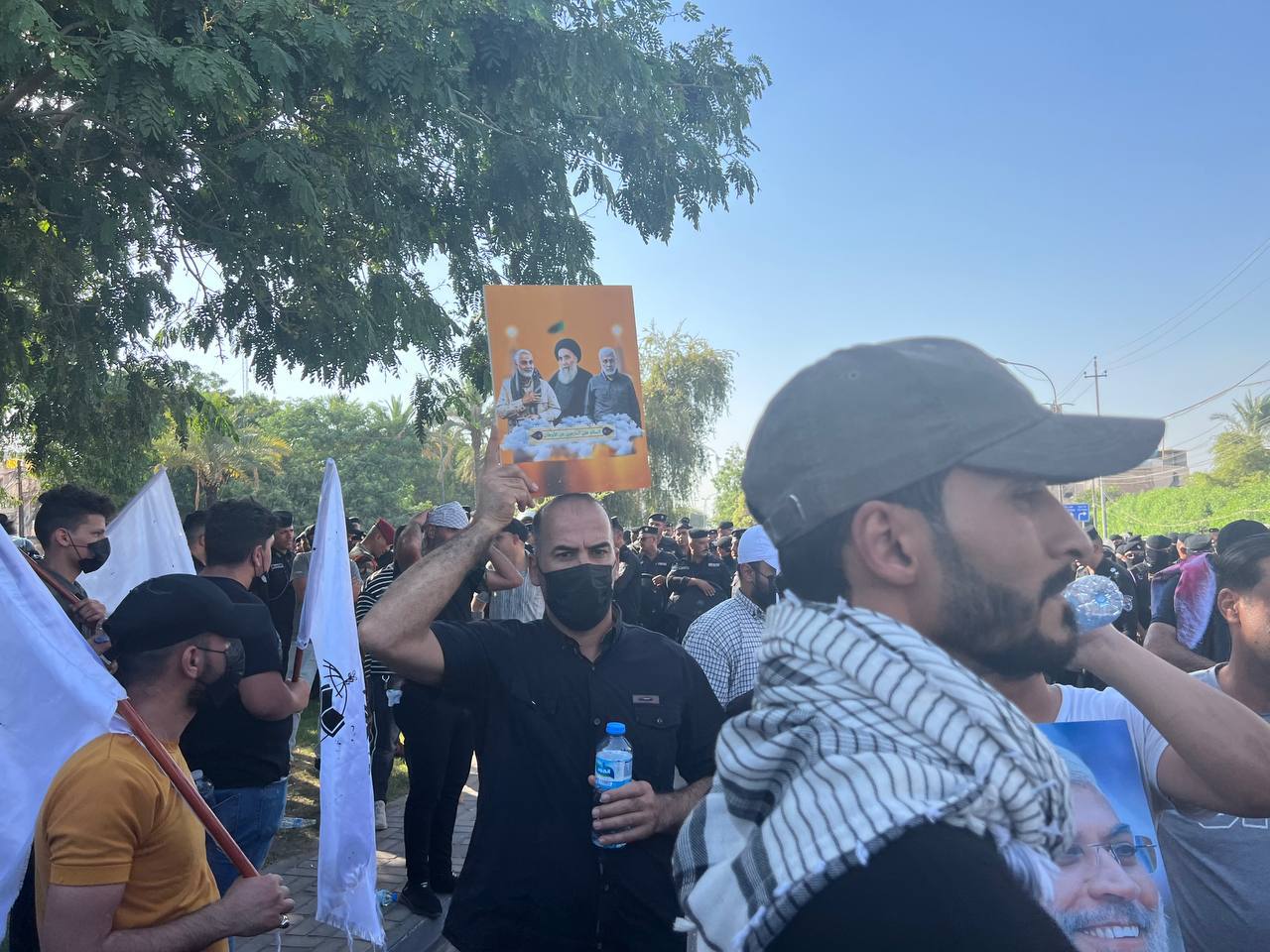
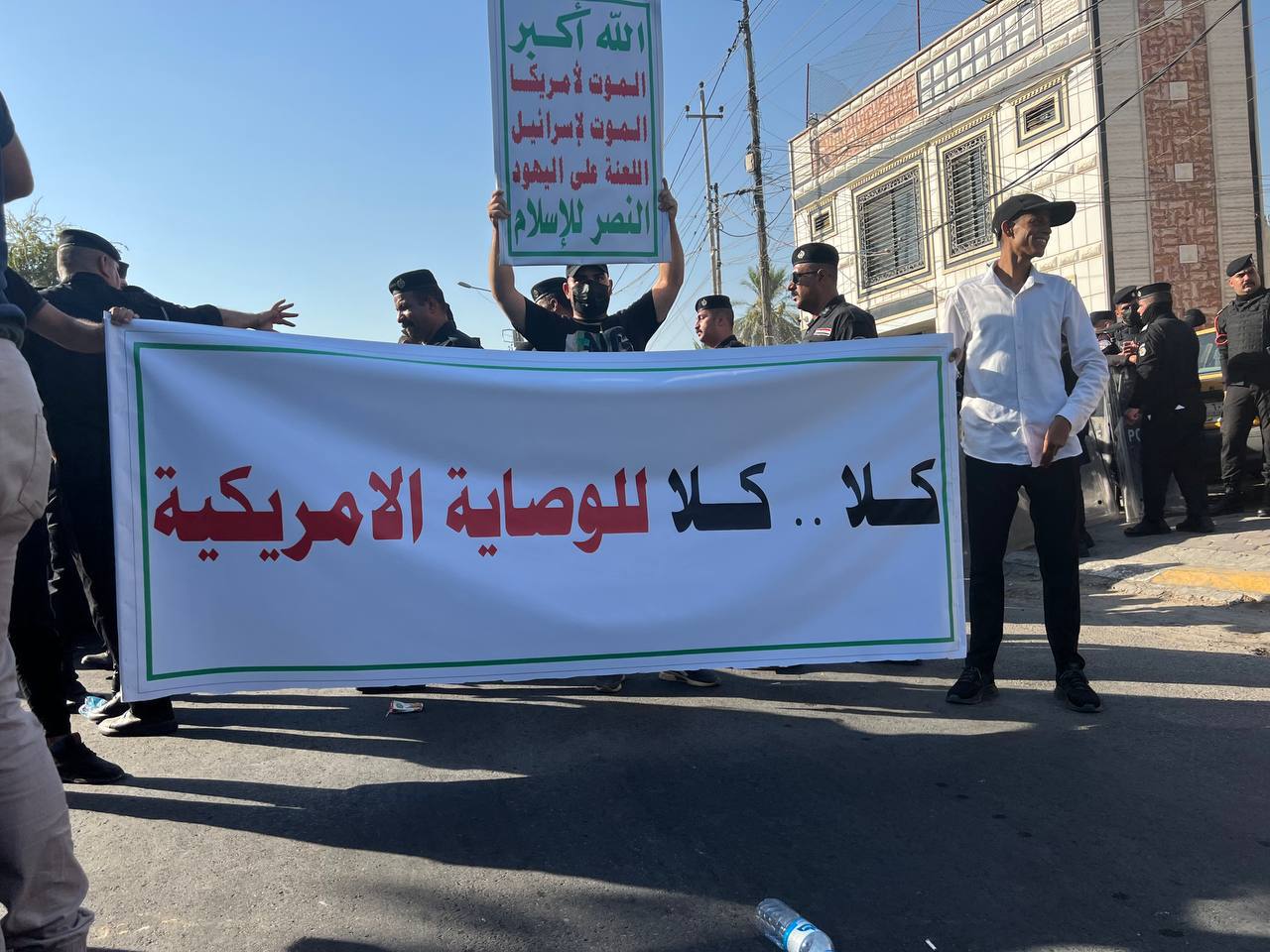
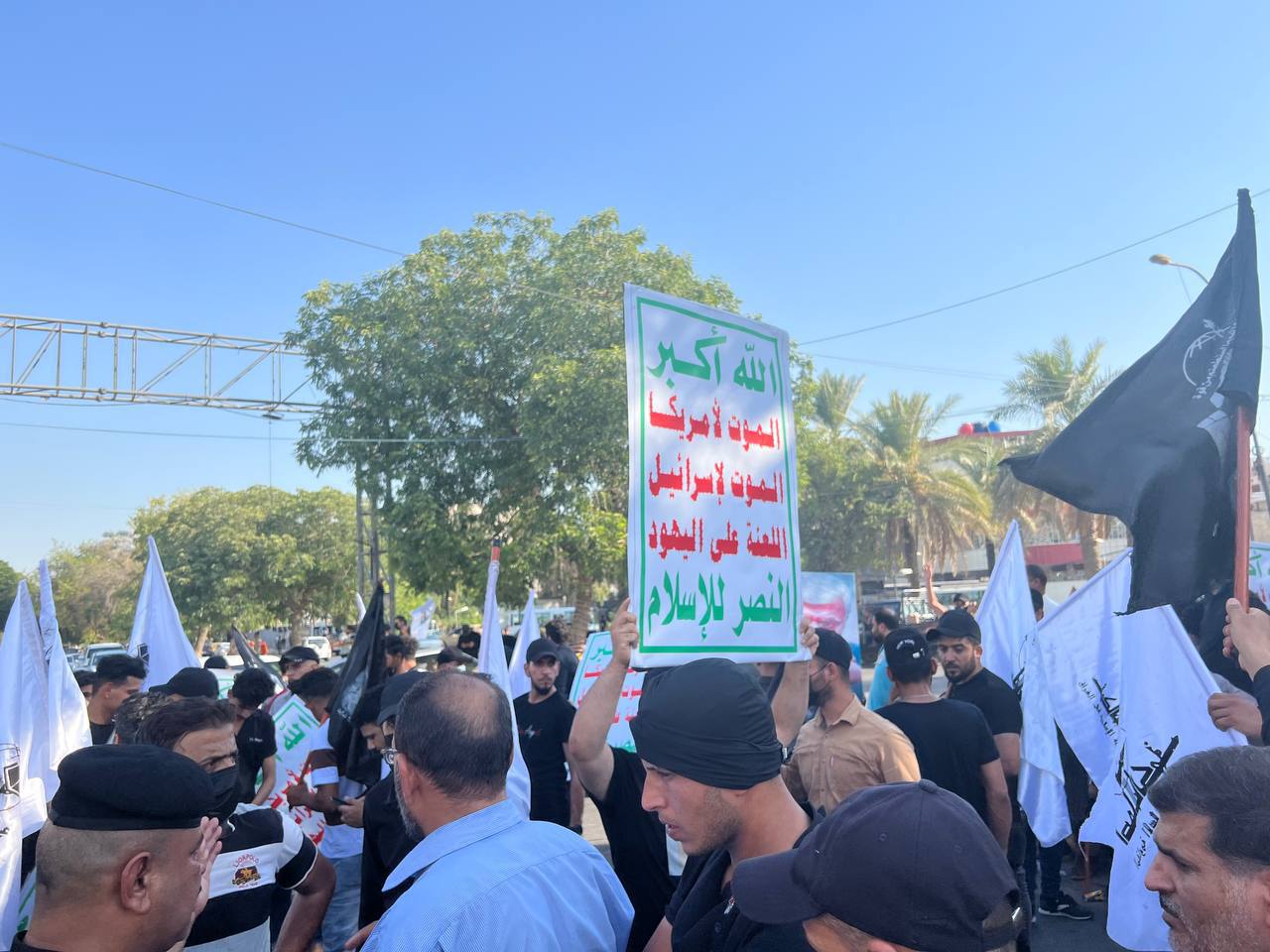
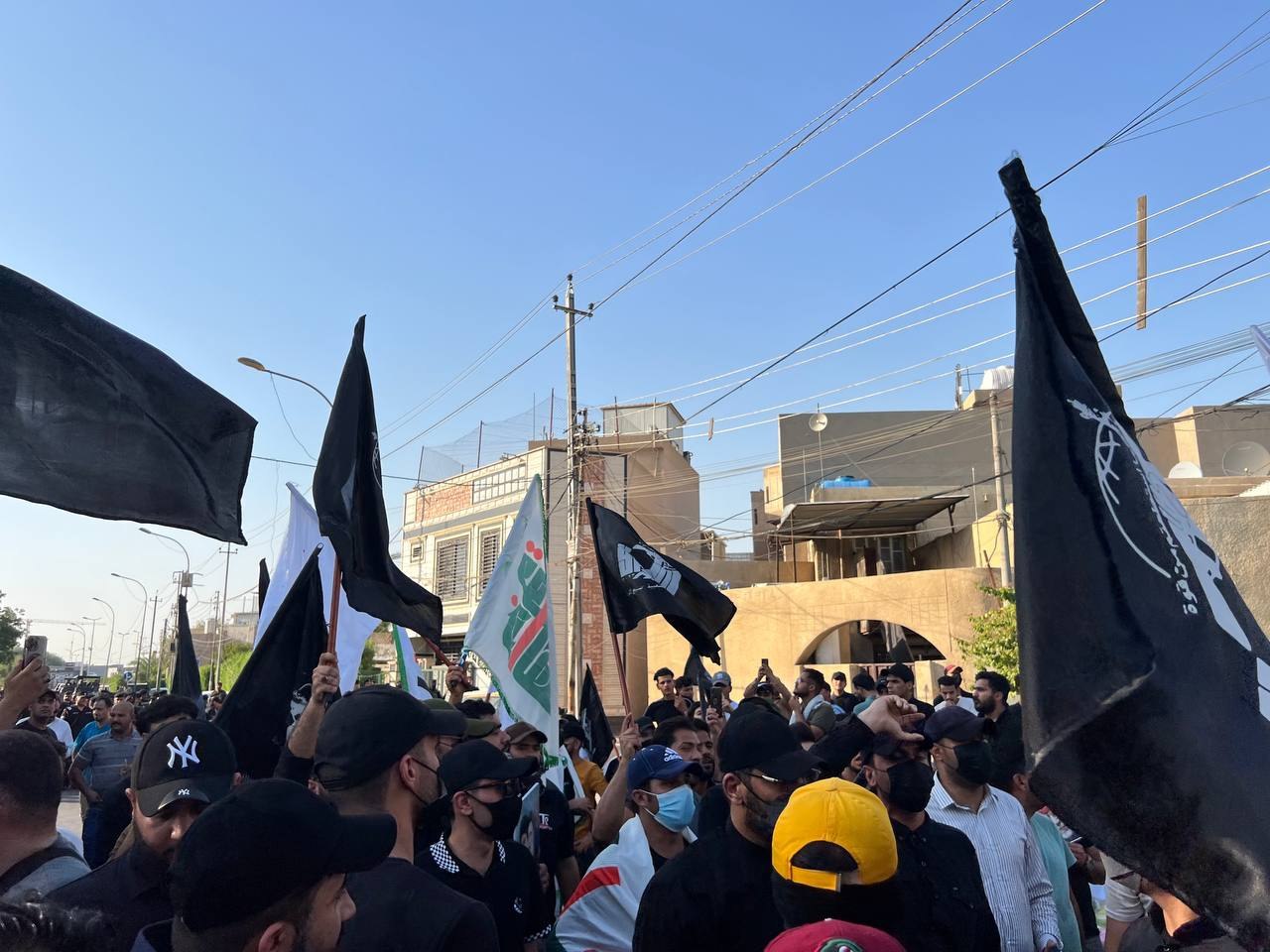
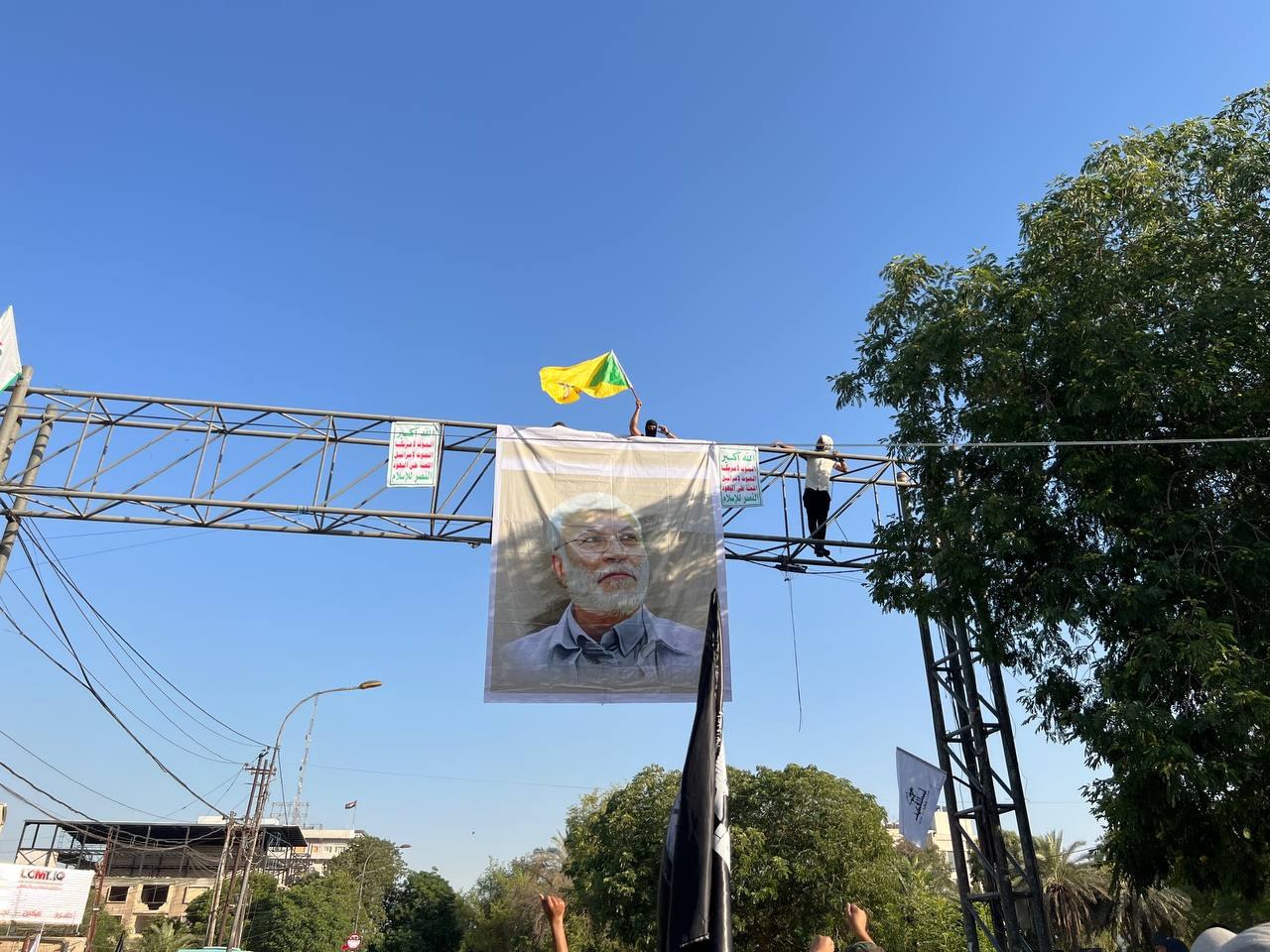
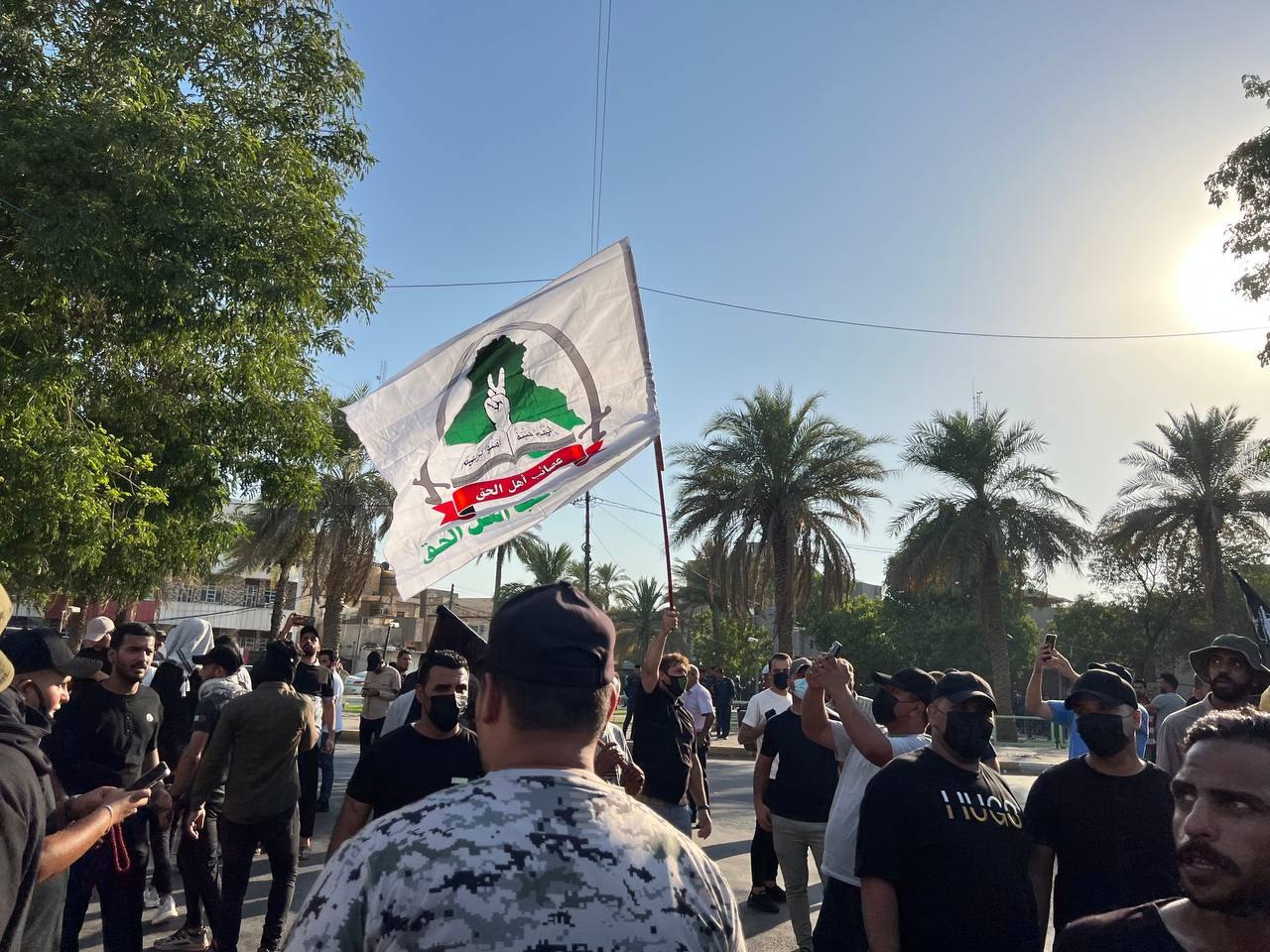
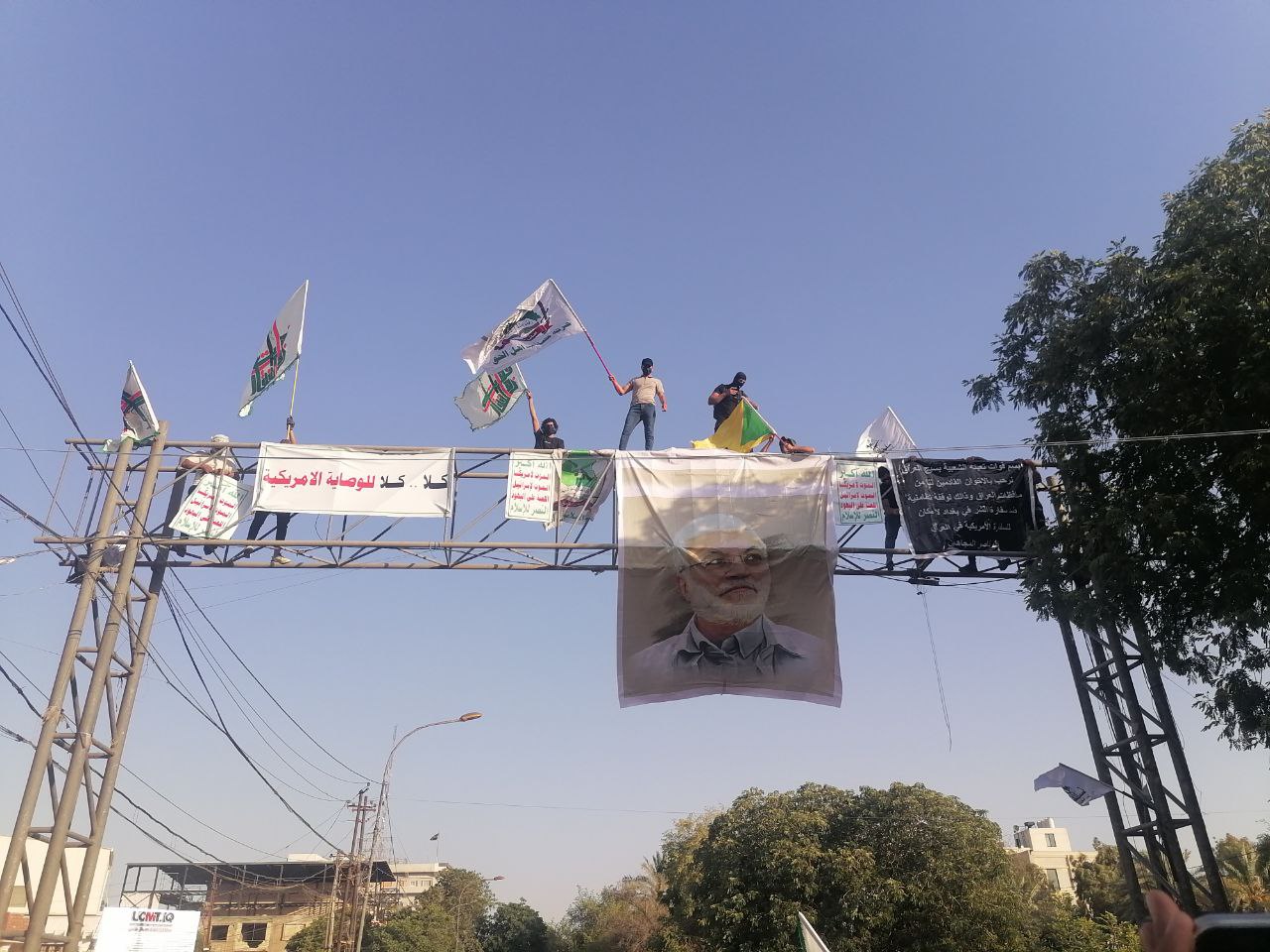
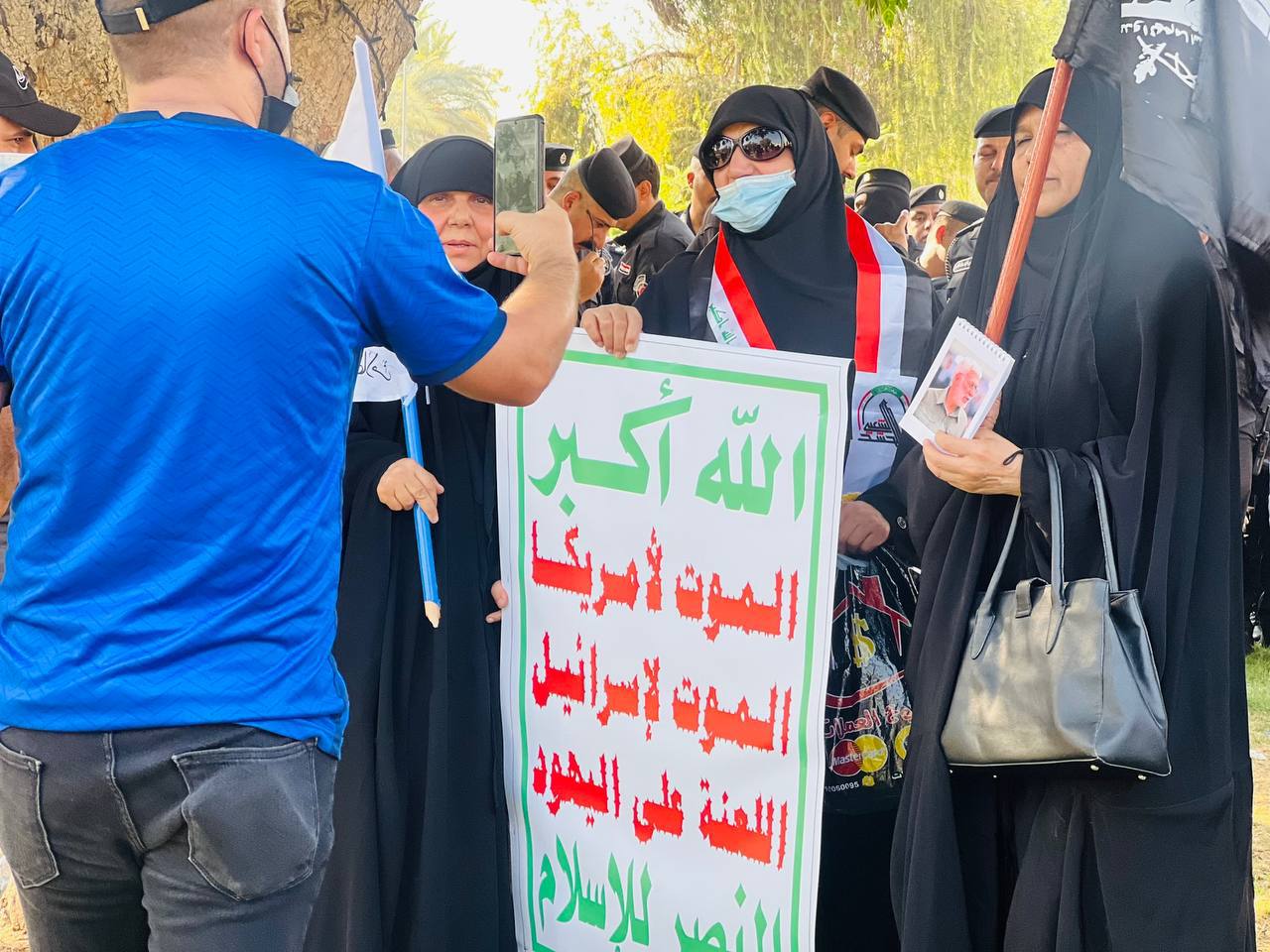
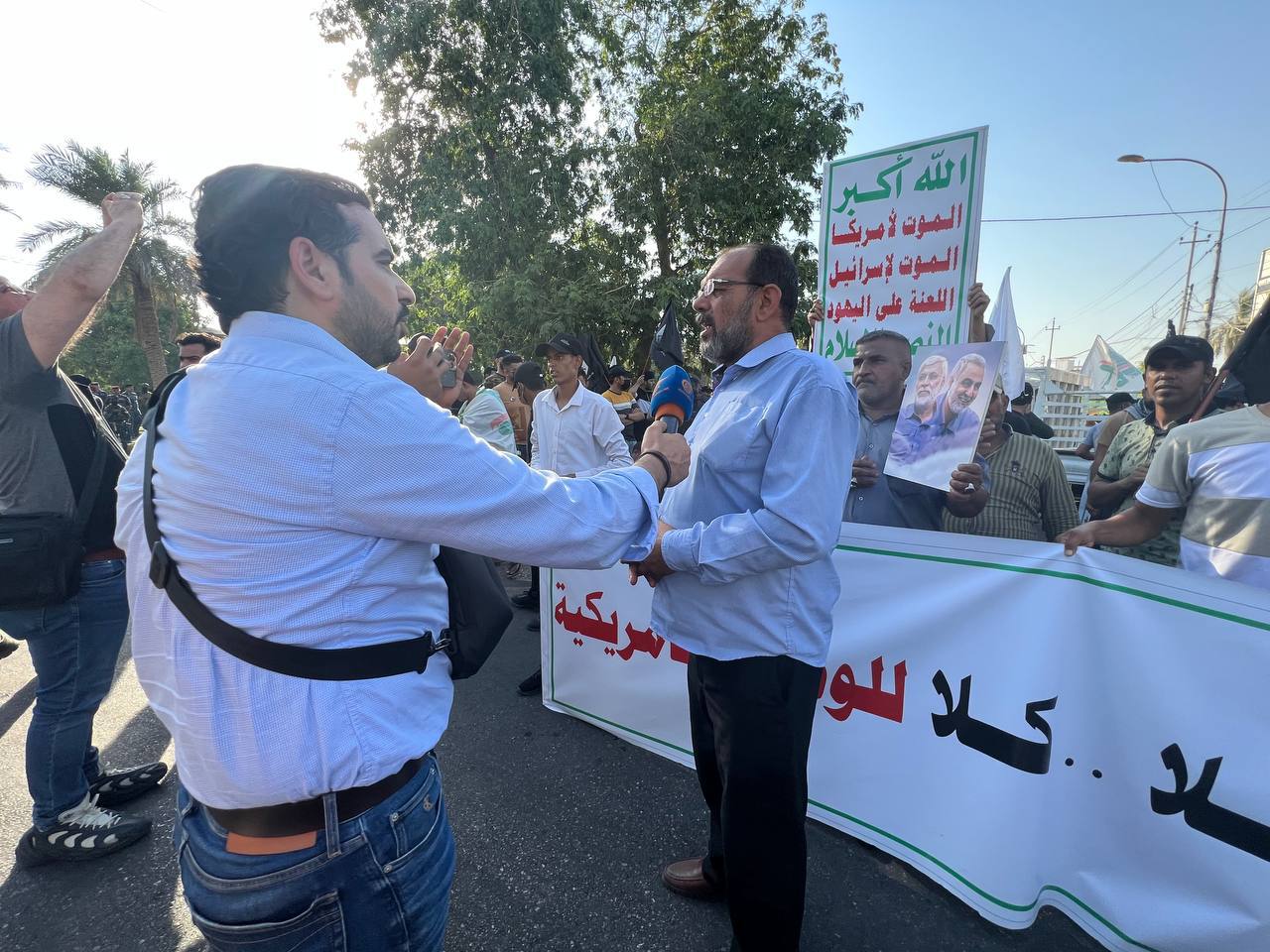
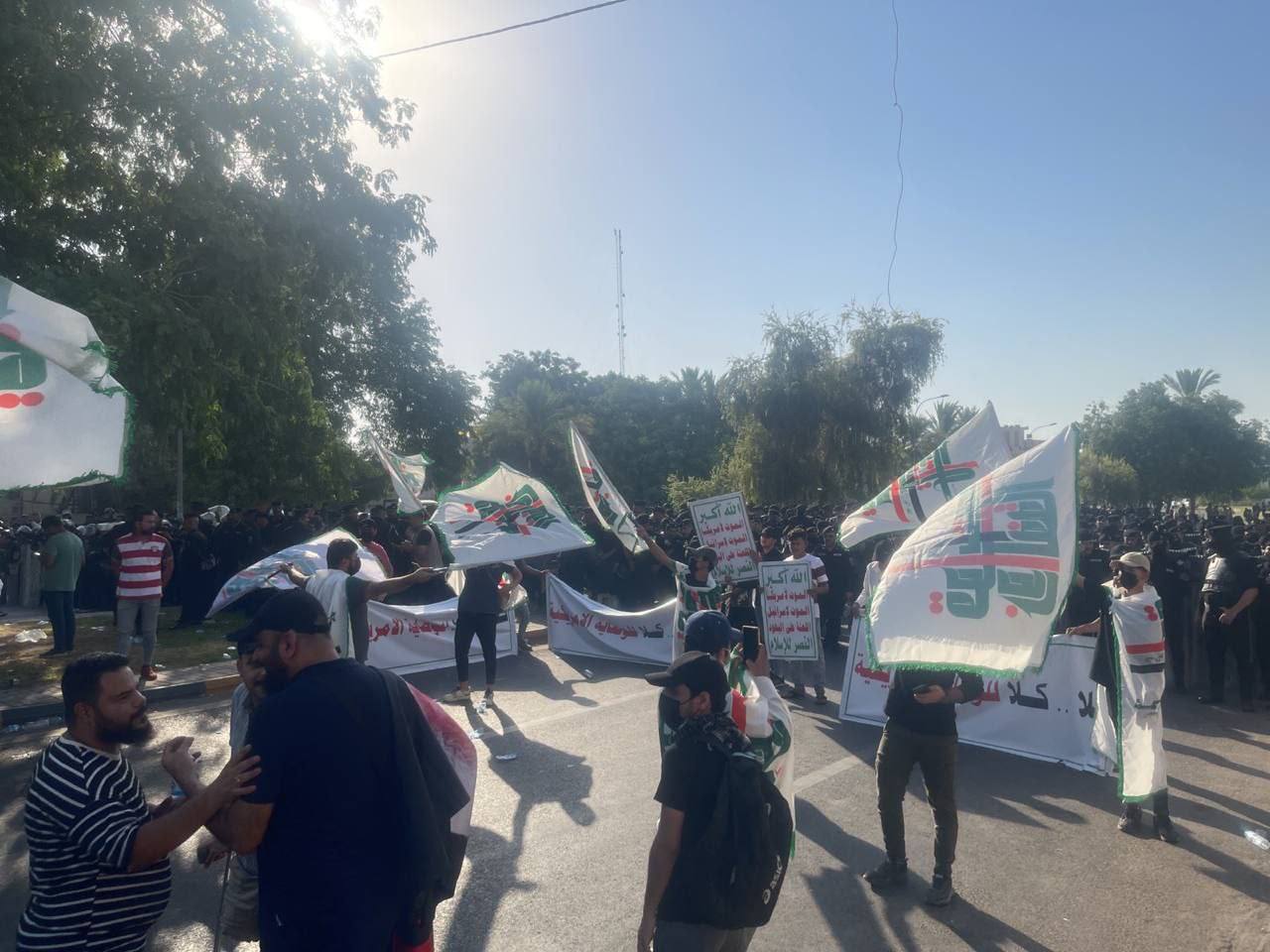
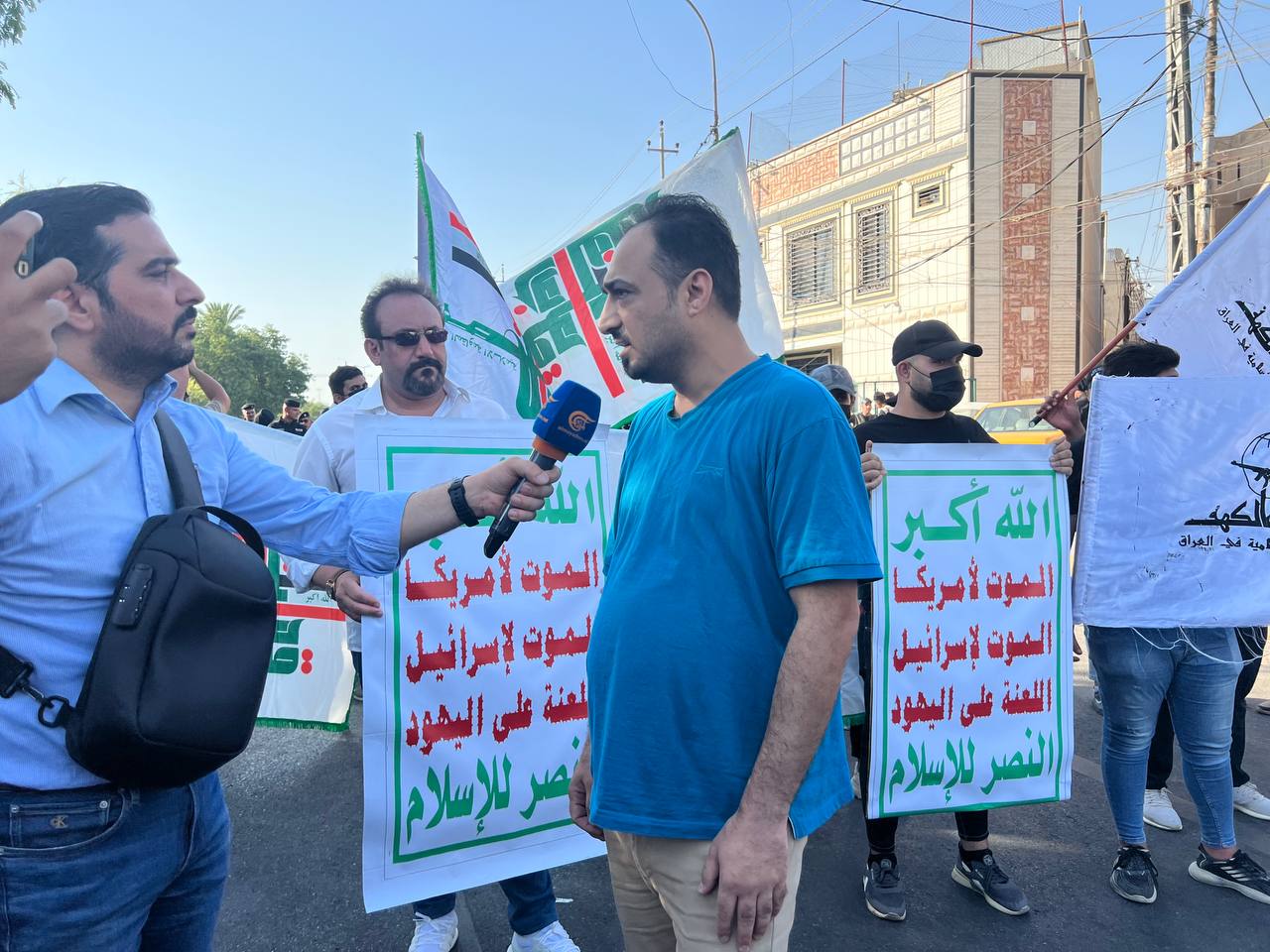
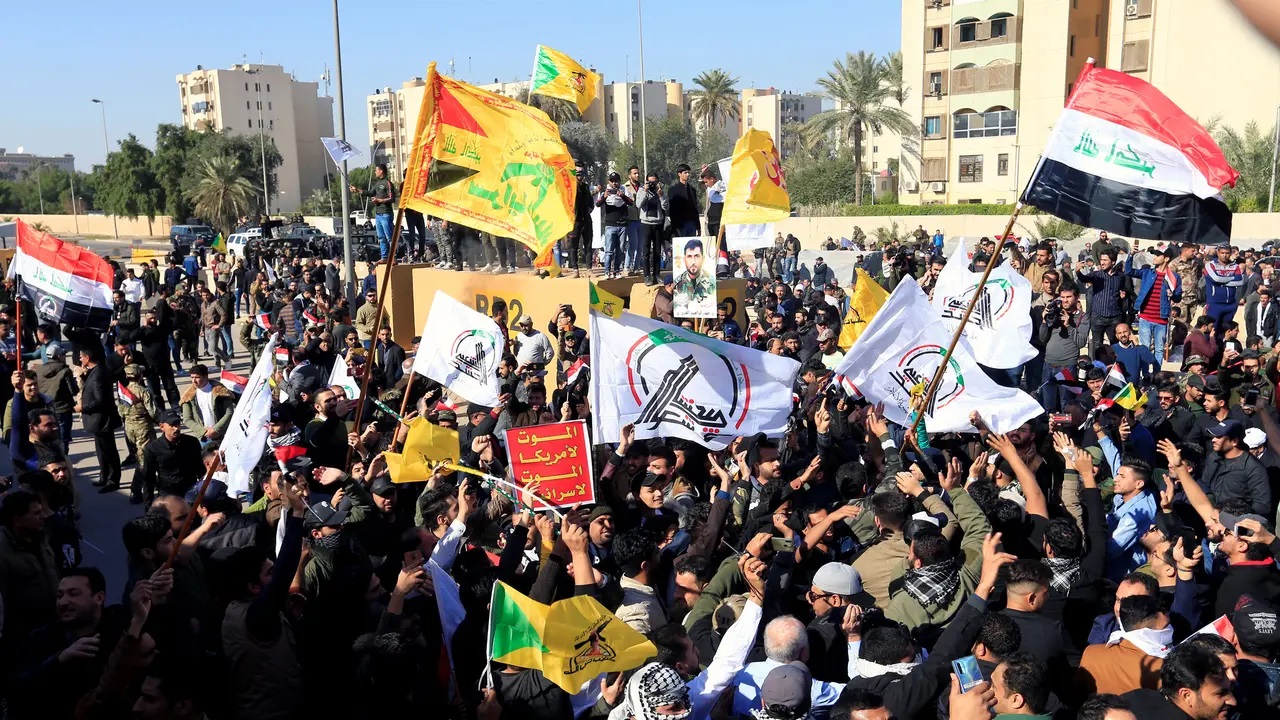
    ISWNews Analysis Group: On July 14, people from different districts of Iraq gathered in Baghdad to protest against the United States’ interference in the country’s internal affairs as well as in Baghdad’s relationship with its neighboring countries.

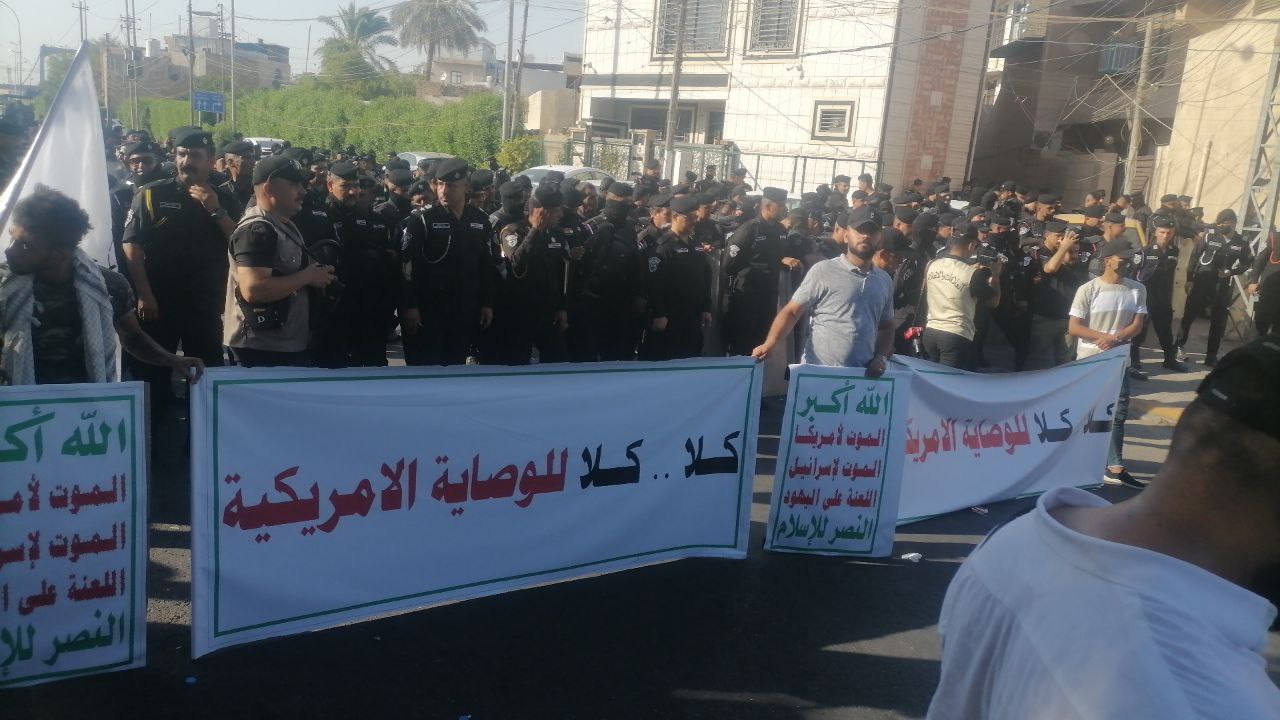
    Close to the time of holding protest rally near the US embassy in Baghdad, Iraqi security forces were stationed near the suspension bridge in the capital city’s Green Zone.

    It is said that around three thousand security forces were stationed around that area to prevent the possible entry of protesters into the Green Zone.

    After the start of the demonstrations, dozens of Iraqi youths chanted slogans such as God is great and the US is the Great Satan, No to the US and No to Israel to show their resentment against the US and Israel in protest against US interference in Iraq’s internal affairs as well as the presence of Zionist regime’s elements in the Arab country.

    Iraqi protesters emphasized their determination to dismantle the US embassy and expel its ambassador, who interferes in most of Iraq’s internal affairs.

    Hassan Salem and Saud Al-Saadi, both representatives of the Iraqi parliament, also attended the anti-US demonstrations near Baghdad’s Green Zone on Saturday

    It is worth mentioning that the Shia resistance group named As’hab al-Kahf issue a statement earlier on July 12 in order to invite the Iraqi people to hold demonstrations in front of the US embassy in Baghdad.

  • Resistance Group Calls For Demonstrations In Front Of US Embassy In Baghdad!

    Resistance Group Calls For Demonstrations In Front Of US Embassy In Baghdad!

    ISWNews Analysis Group: On July 12, the Shia resistance group As’hab al-Kahf issued a statement, addressing the Iraqi people by saying that the fighters of Islamic resistance groups are your brothers and children, who have not and will not participate in any of the enemy’s projects against the holy religion of Islam.

    The statement also reads that we, the children of Islam and Shia sect, invite you to protest against the enemy of Islam and the Satan’s den, which is called the US embassy.

    We emphasize that our protests are to defend the rights of Iraq and its people, and that they are not related to any political factions or groups, it added.

    According to the announcement of the Shia resistance group of As’hab al-Kahf, this protest rally will be held in front of the US embassy in Baghdad on Friday.

  • Second Fatal Raid By Tehreek-E-Jihad Against Pakistan Army In Balochistan + Video

    Second Fatal Raid By Tehreek-E-Jihad Against Pakistan Army In Balochistan + Video

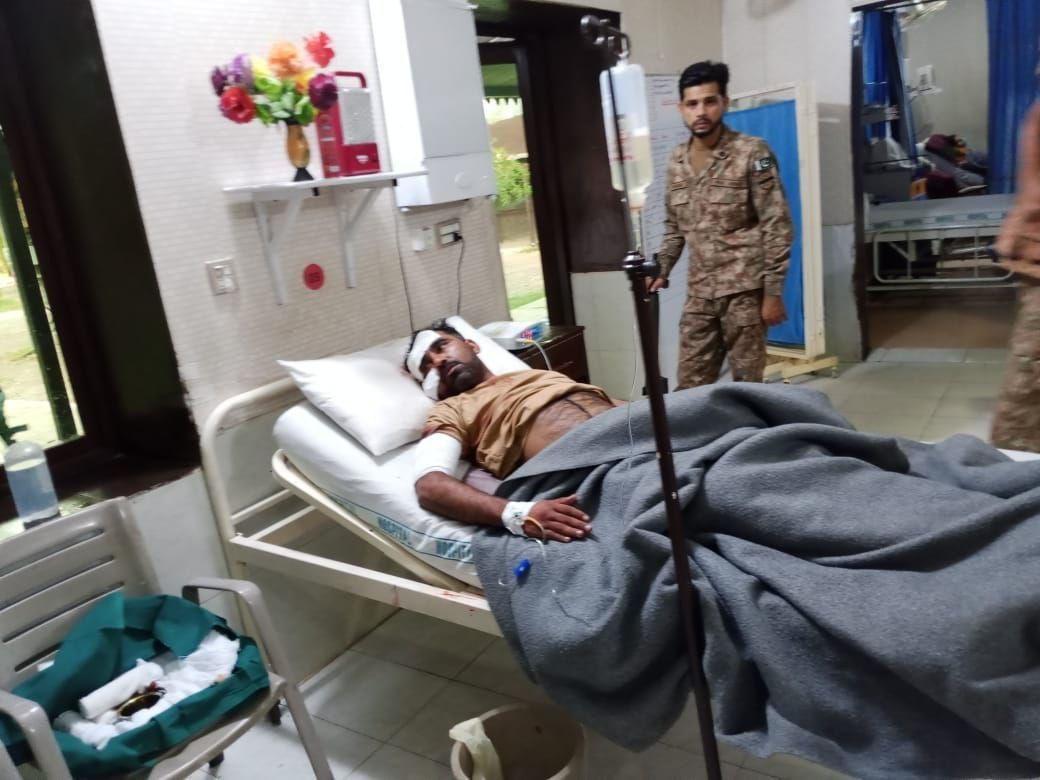
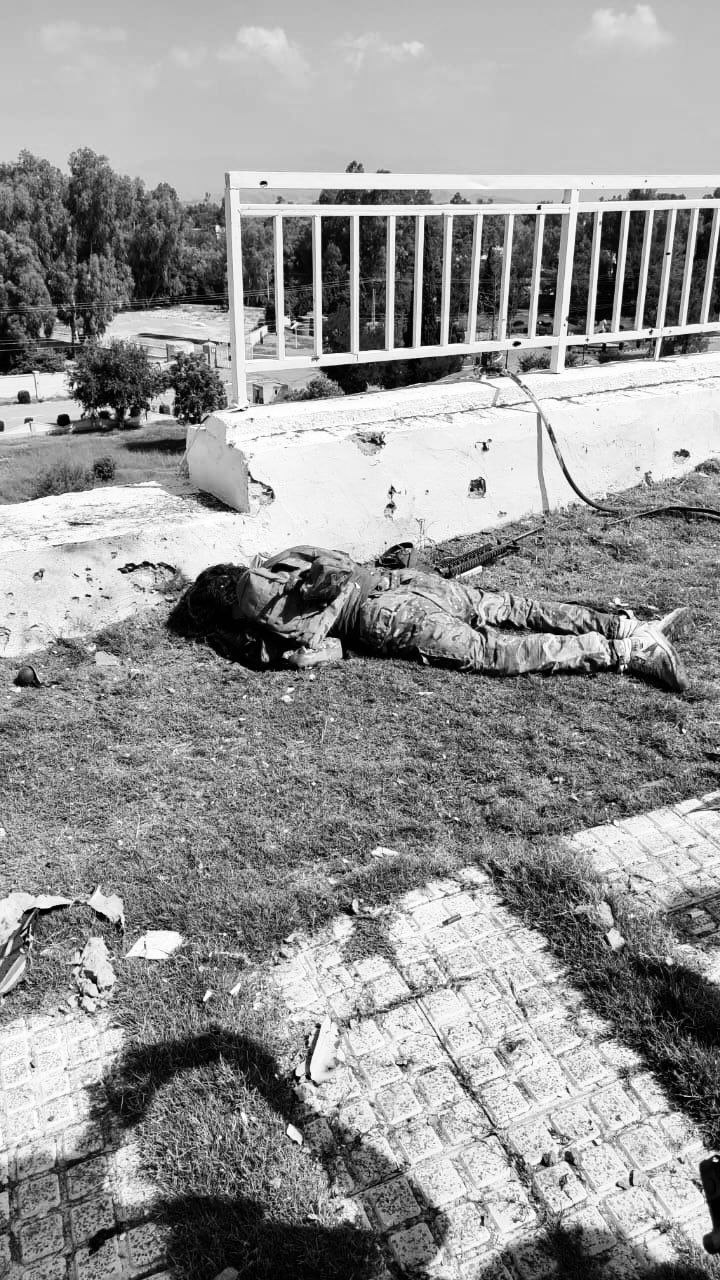
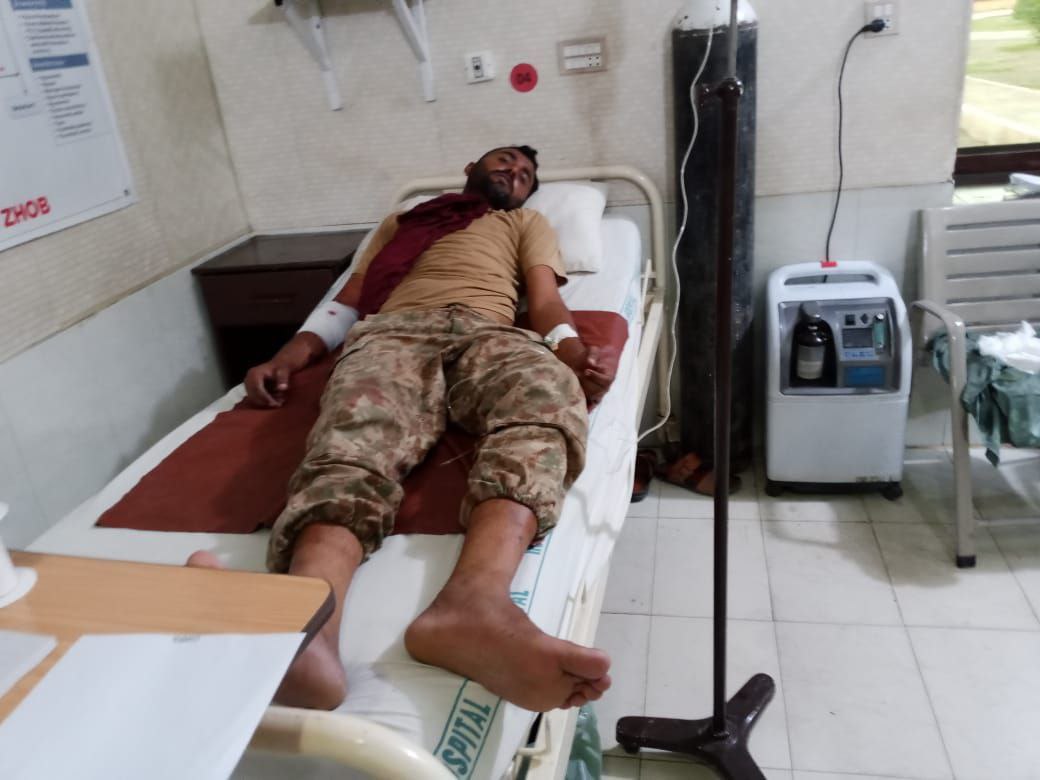
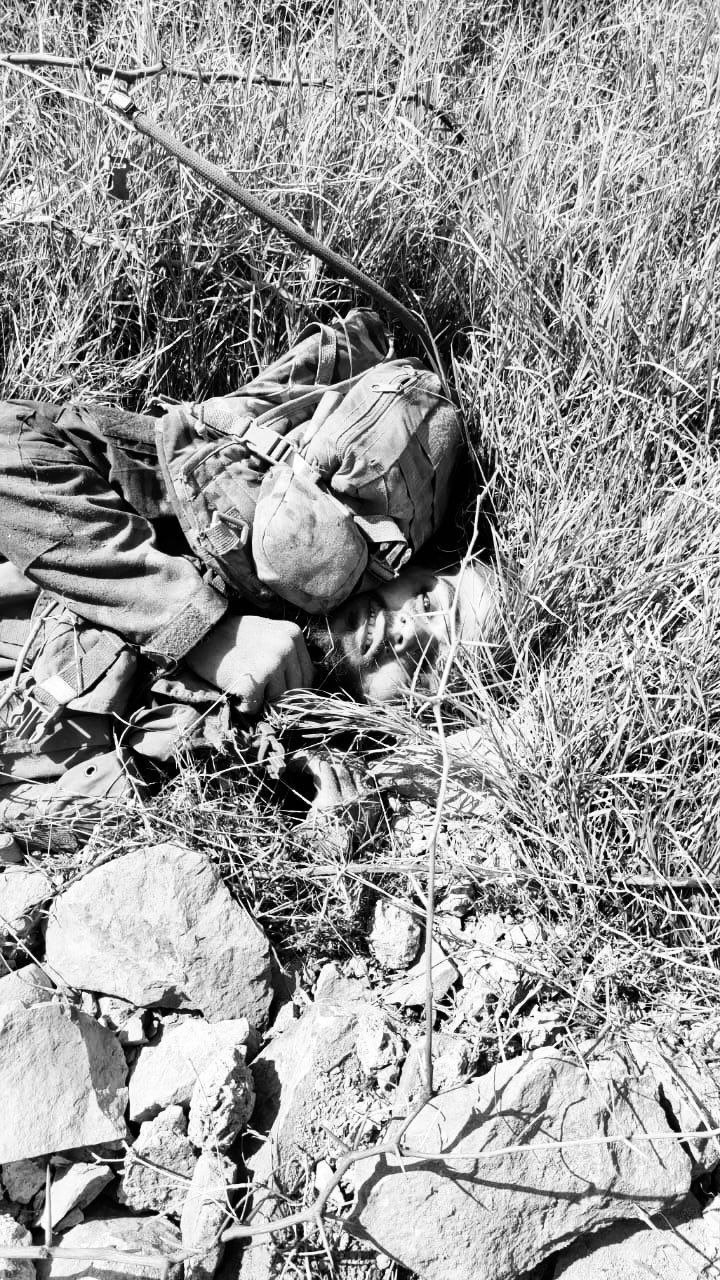
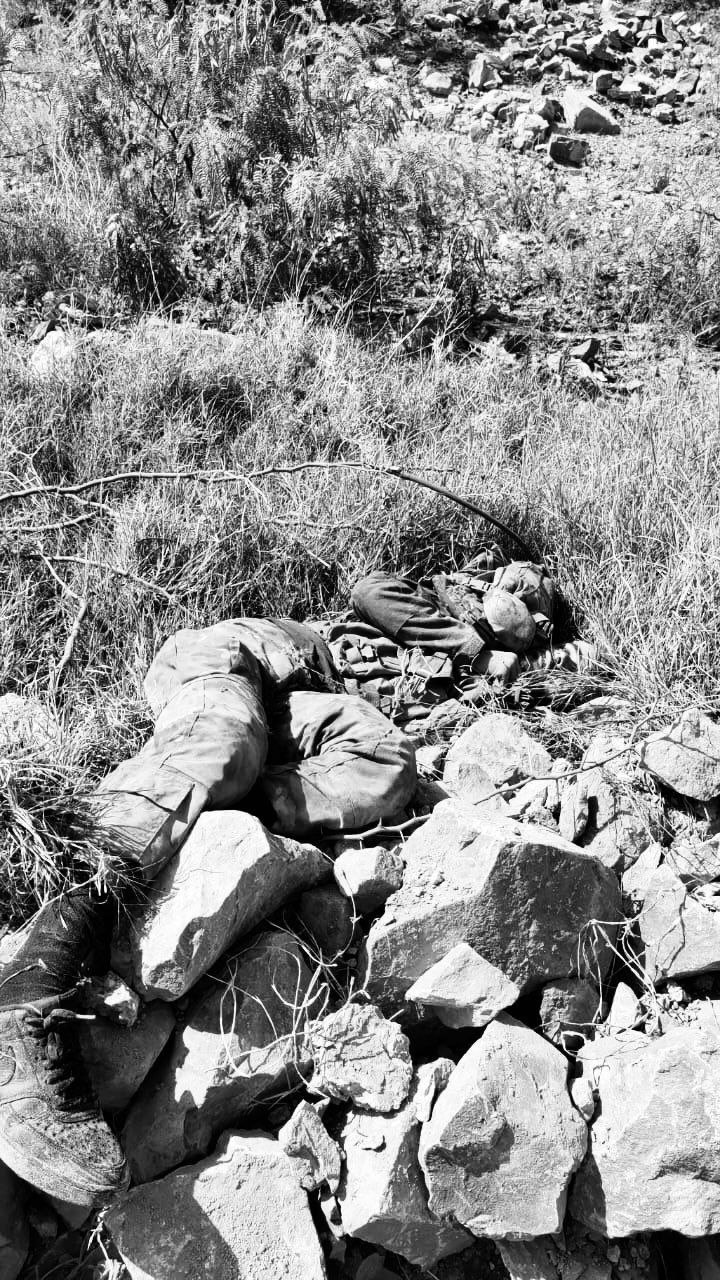
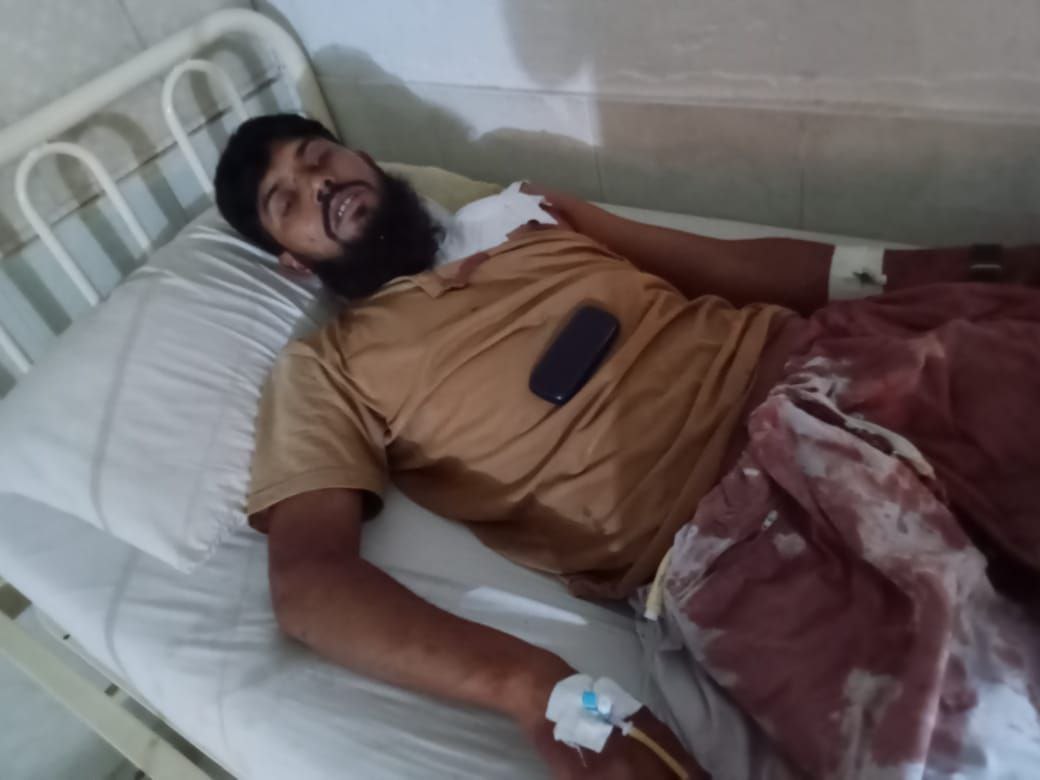
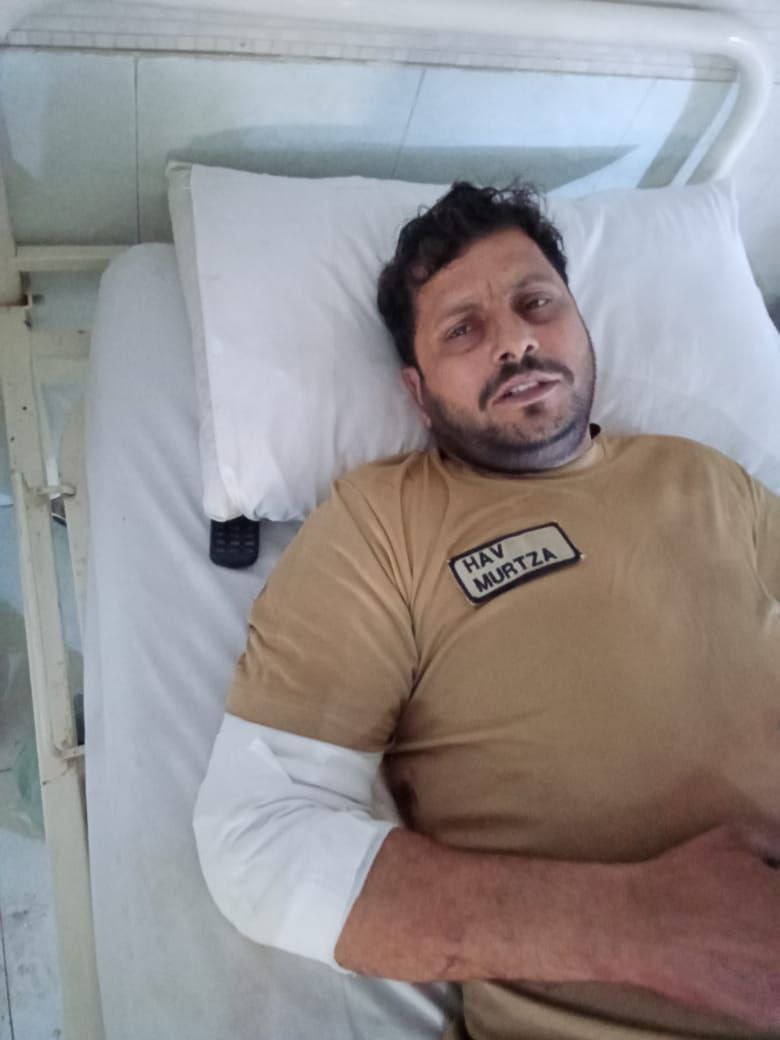
    ISWNews Analysis Group: As a result of the attack by militants of the Tehreek-e-Jihad Pakistan (a subsidiary of the Tehreek-e-Taliban Pakistan) on a Pakistani army base in the Zhob area of Balochistan province, 29 Pakistani soldiers and 5 militants of Tehreek-e-Jihad Pakistan were killed and wounded.

    This is the second lethal raid by militants of Tehreek-e-Jihad Pakistan (TJP) on a Pakistani army base in Balochistan province in less than four months.

    On May 12, militants of the group also assaulted a border military base of the Pakistani army in the town of Muslim Bagh, located in the Killa Saifullah District of Balochistan province, killing more than 30 Pakistani soldiers. During the raid some six militants from Tehreek-e-Taliban were also killed.

    Video: Clash of TJP militants with Pakistan Army
  • Siege Of Shia Muslims Tightened In Parachinar

    Siege Of Shia Muslims Tightened In Parachinar

    ISWNews Analysis Group: In continuation of the armed conflicts between Takfiris and Shia tribes in Parachinar town, hundreds of armed Taliban militants from Afghanistan as well as other Takfiri groups crossed the border areas of Mirzaki, Mangal Karkin and Mangal Aryon in Dand Aw Patan district of Paktia province to the Shia-populated area of ​​Pewar in the western parts of Parachinar town, the center of Kurram Agency, which is located in Kohat Division of Khyber Pakhtunkhwa province.

    Takfiri terrorists, who are mostly militants from groups affiliated to the Taliban both in Afghanistan and Pakistan, besieged the Shia-populated area of ​​Pewar from four sides, and attacked the area twice in less than 12 hours using light and heavy weapons. It seems that they are likely to be Lashkar-e-Jhangvi and al-Qaeda terrorist organizations, with approximately 1,000 to 1,500 armed members.

    A number of attacks by Takfiri terrorists on Shia tribes have also been reported in Karkala and Balish Khel regions.

    According to local sources, since the onset of the armed clashes between Takfiri groups and Shia tribes, at least 12 people have been killed and 42 others injured.

    Parachinar conflicts – click to view in full size

    It should be noted that recently the Tehrik-e-Taliban Pakistan (TTP) group denied involvement in the Parachinar clashes and its members’ involvement in this tension in a statement, emphasizing the existence of secret intelligence agencies behind these clashes.

    However, close relations between the Tehrik-e-Taliban Pakistan, an umbrella organization of various militant groups operating along the Afghan–Pakistani border has issued a statement, ruling out any involvement of the group and its members in the recent confrontations in Parachinar town.

    The TTP underlined that some intelligence agencies have been involved in the armed clashes; however, it denied accusations on the TTP militants’ close ties with the Taliban caretaker government and the dispatching of Taliban militants and other Takfiri groups from Afghanistan to Parachinar town. Despite the denial statement by the Tehrik-e-Taliban group, the likelihood of participation of the terrorist group’s elements in the Parachinar clashes has been increased to the highest possible level.

    Read more: 6 People Killed In Takfiri Terrorists’ Raid On Pakistan’s Parachinar

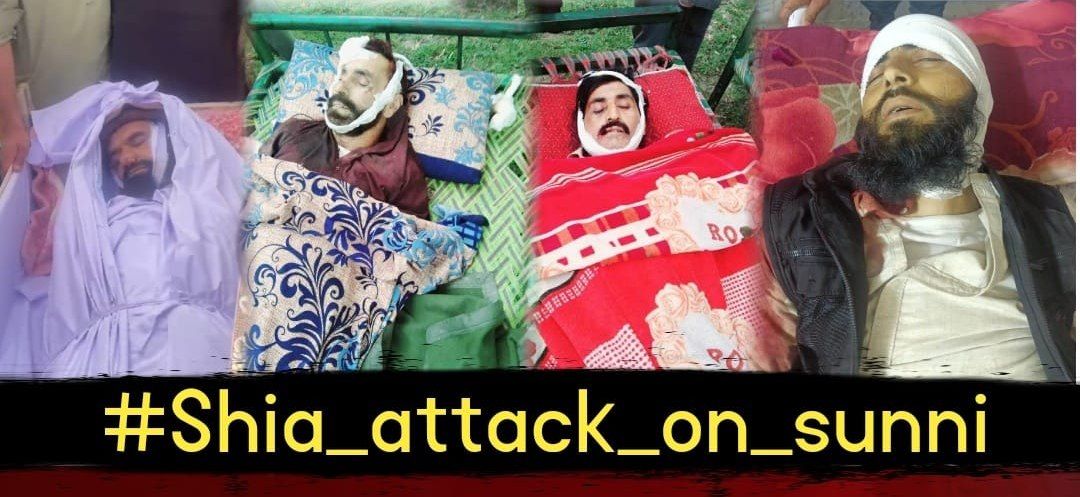
    A picture of the bodies of the Takfiris of Kurram Agency district who were killed in the counter attack of Parachinar Shiites. In their messages, the Takfiris have called Parachinar Shiites terrorists and claim that Shiites have attacked Sunni families! But in fact, they were the initiators of this conflict, and the published images prove the false claim about Shia attacks on Sunni women and children.
  • 3 Turkish Military Personnel Killed In Northern Iraq

    3 Turkish Military Personnel Killed In Northern Iraq

    ISWNews Analysis Group: On July 13, the Ministry of National Defense admitted that three of its soldiers were killed during the “Claw-Lock” operation in northern regions of the neighboring Arab country of Iraq.

    As a result of the new casualties, the number of death toll of the Turkish army in the “Claw-Lock” operation, which began at dawn on April 18, 2022, by order of Turkish Minister of Defense Hulusi Akar against the Kurdistan Workers’ Party (PKK) militants in northern Iraq, increased to 77 dead.

    On June 12, the Ministry of National Defense declared that two of its soldiers were killed during the “Claw-Lock” operation in northern Iraq as well.

  • 88 Israelis Nabbed In Anti-Netanyahu Protest! (Video)

    88 Israelis Nabbed In Anti-Netanyahu Protest! (Video)

    ISWNews Analysis Group: On July 10, the Israeli Knesset approved the main clause of a controversial “Judicial Reforms” bill, known as “reasonableness standard,” which will reduce the authorities and competencies of the Israeli regime’s Supreme Court.

    Some 64 members of the Knesset voted in favor of the clause and 56 others opposed it.  

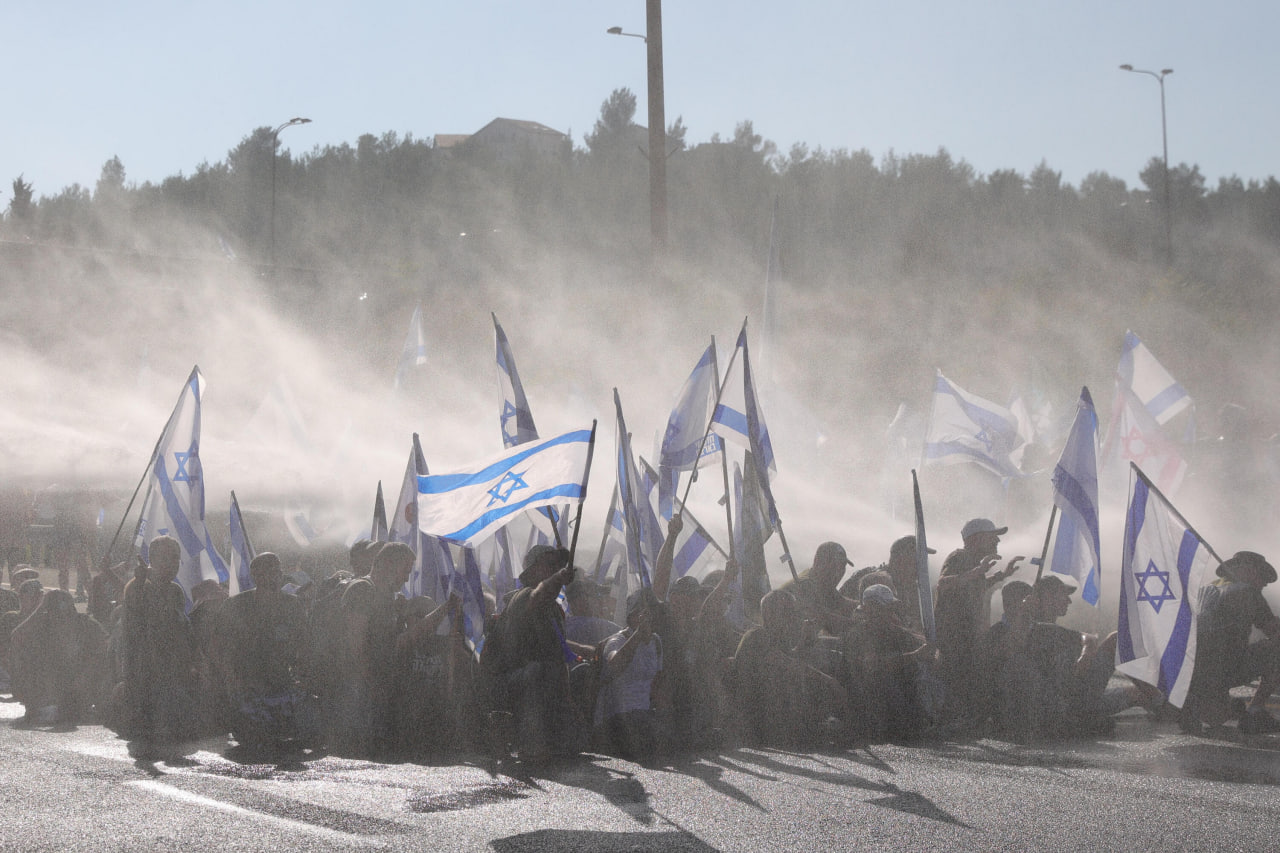
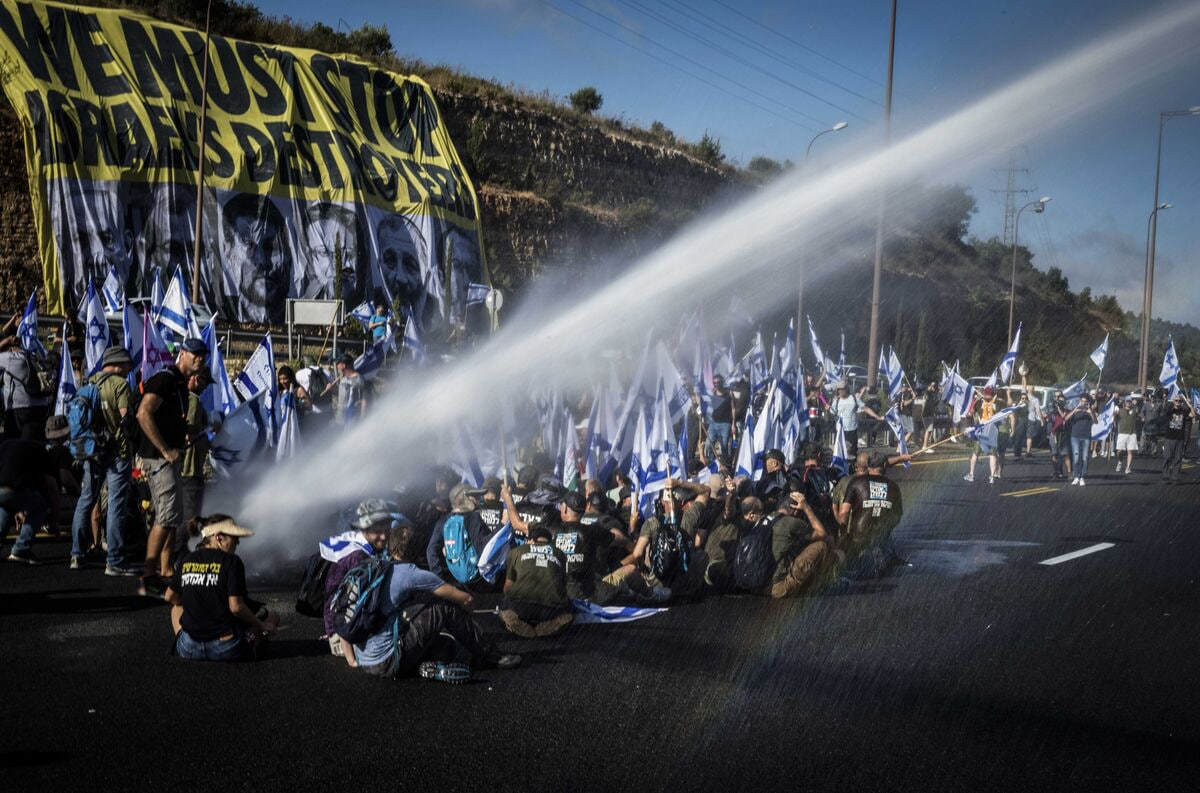
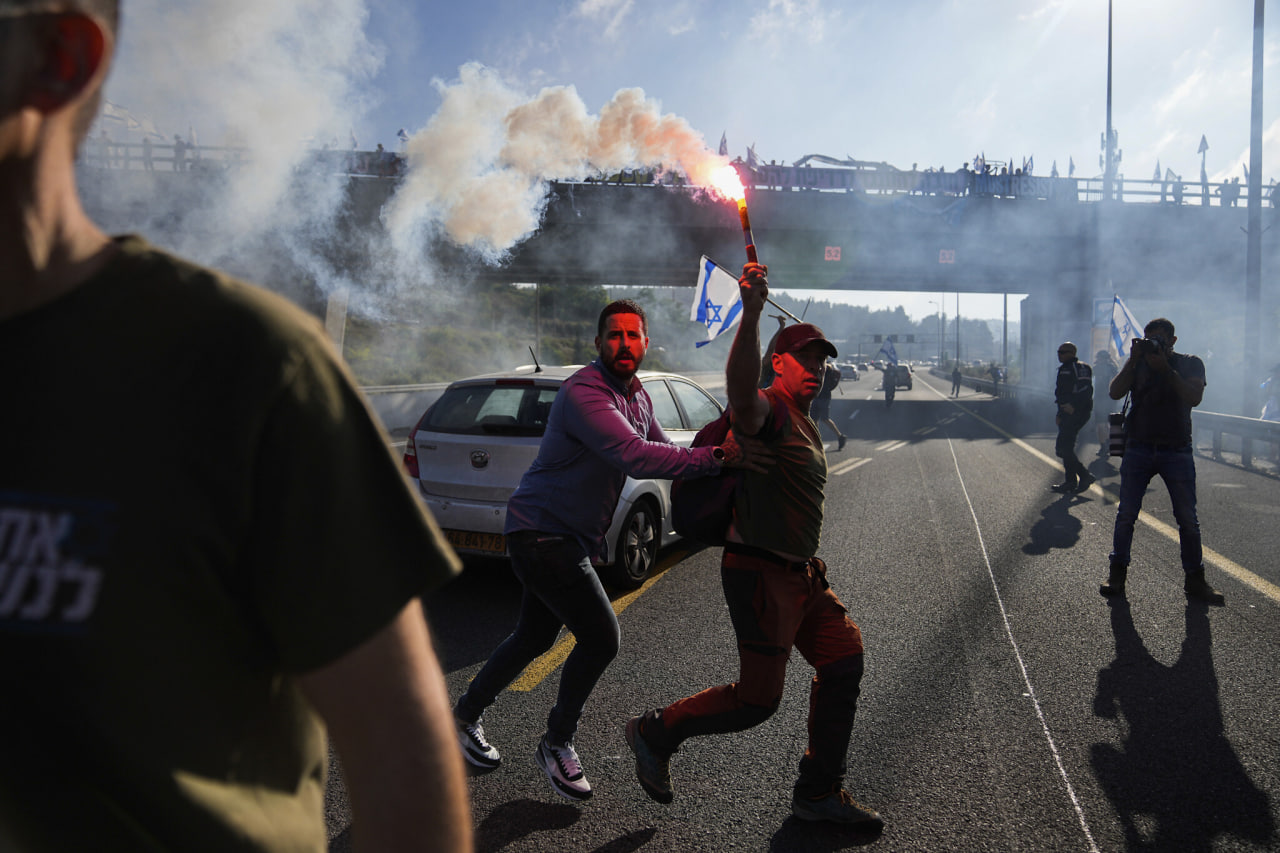
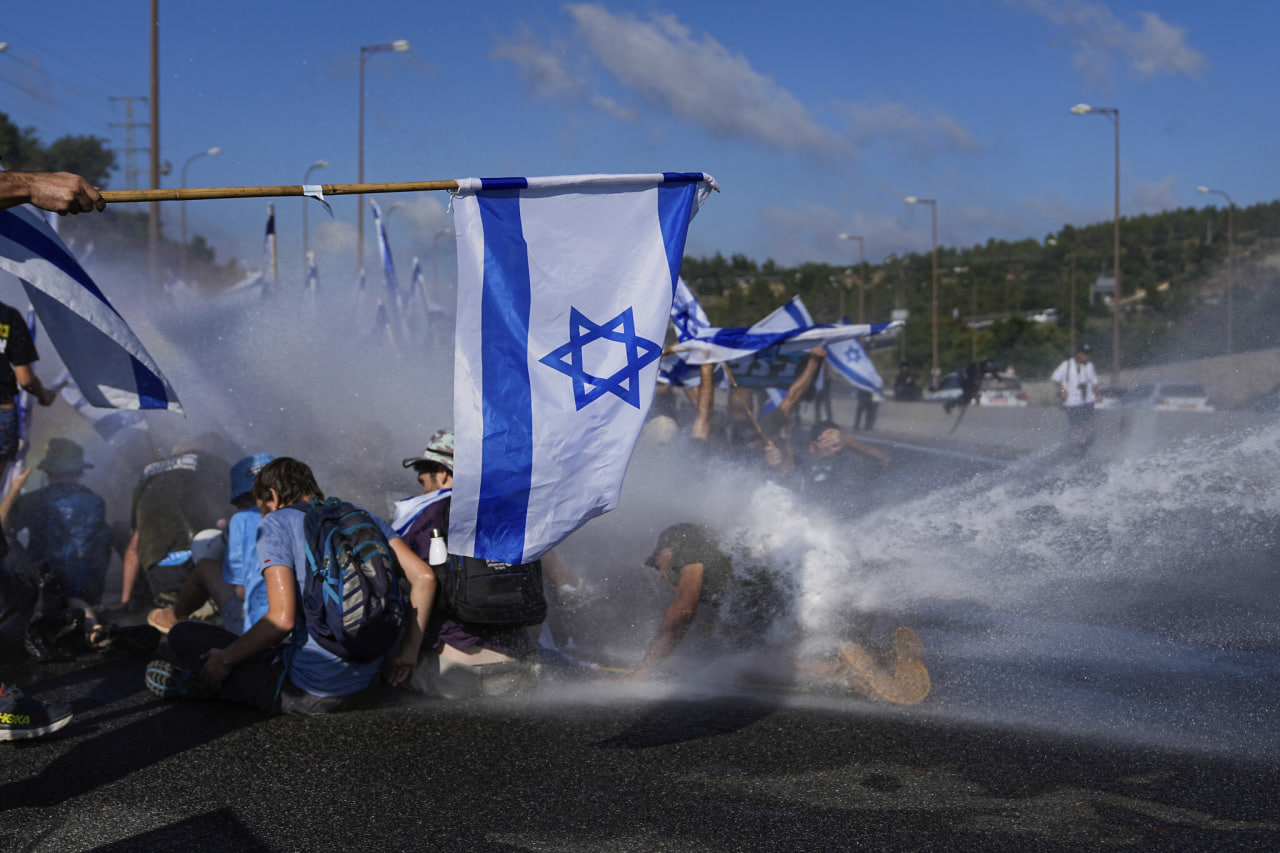
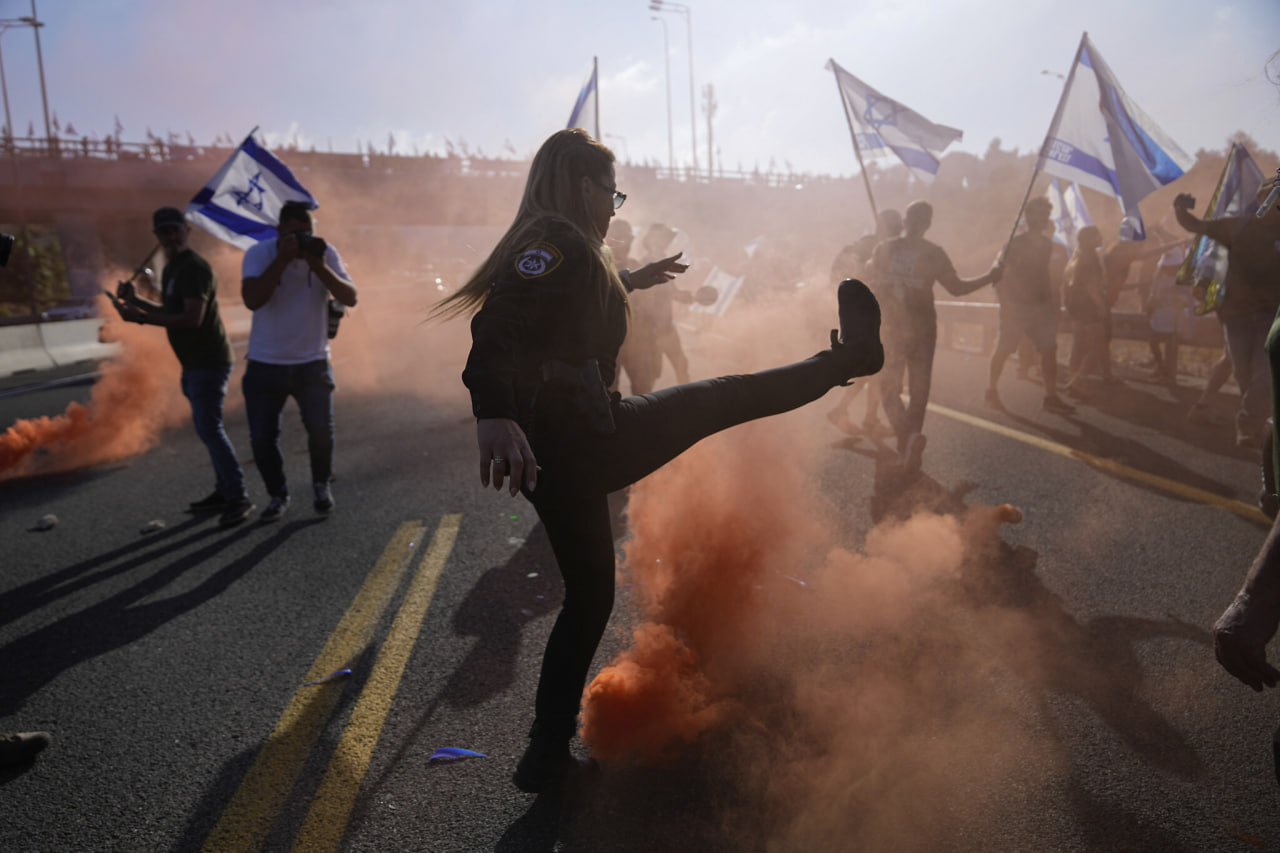
    After the adoption of the clause, nationwide protests kicked off in the occupied territories of Palestine and numerous demonstrators took to the streets, blocked main roads and set fire to car tires, demanding a halt to the adoption of the so-called judicial reform bill, which was proposed by Israeli Prime Minister Benjamin Netanyahu.

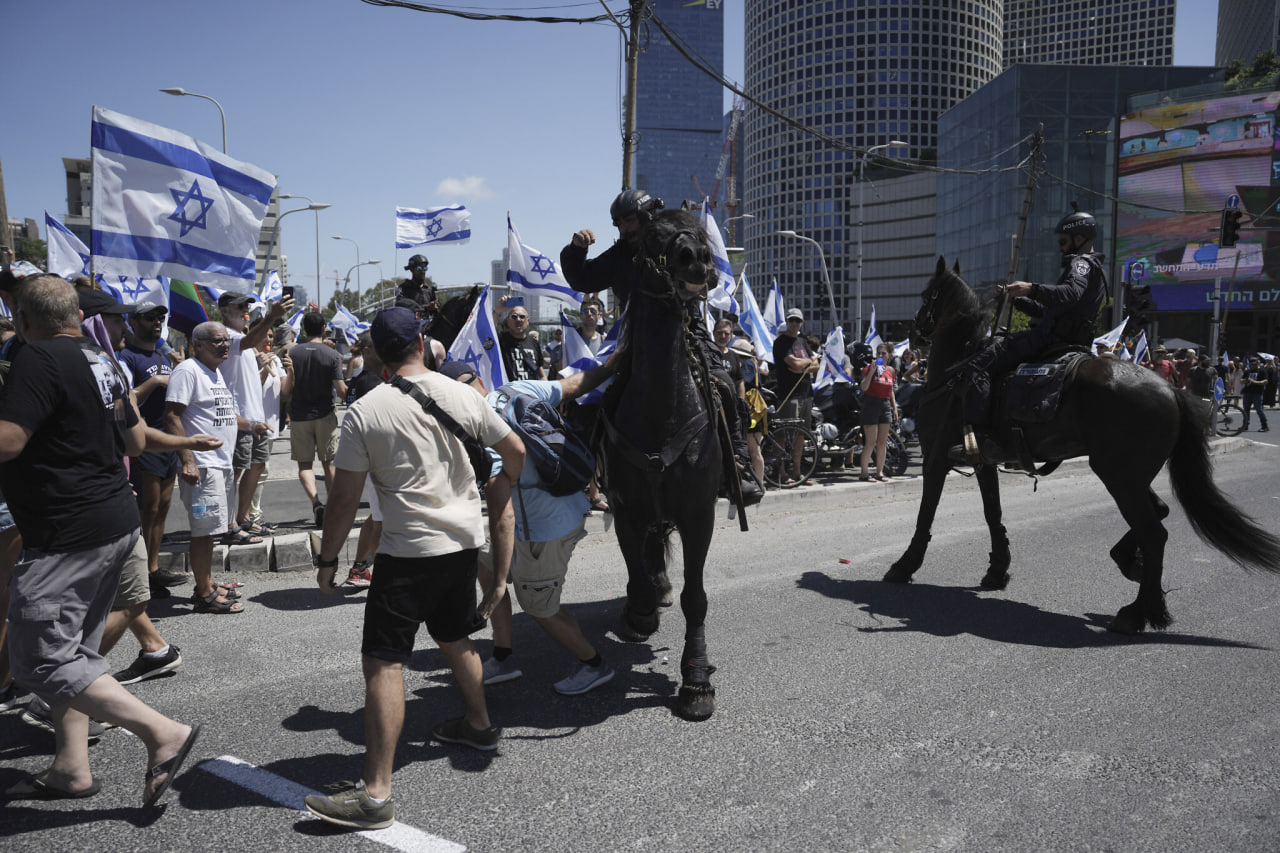
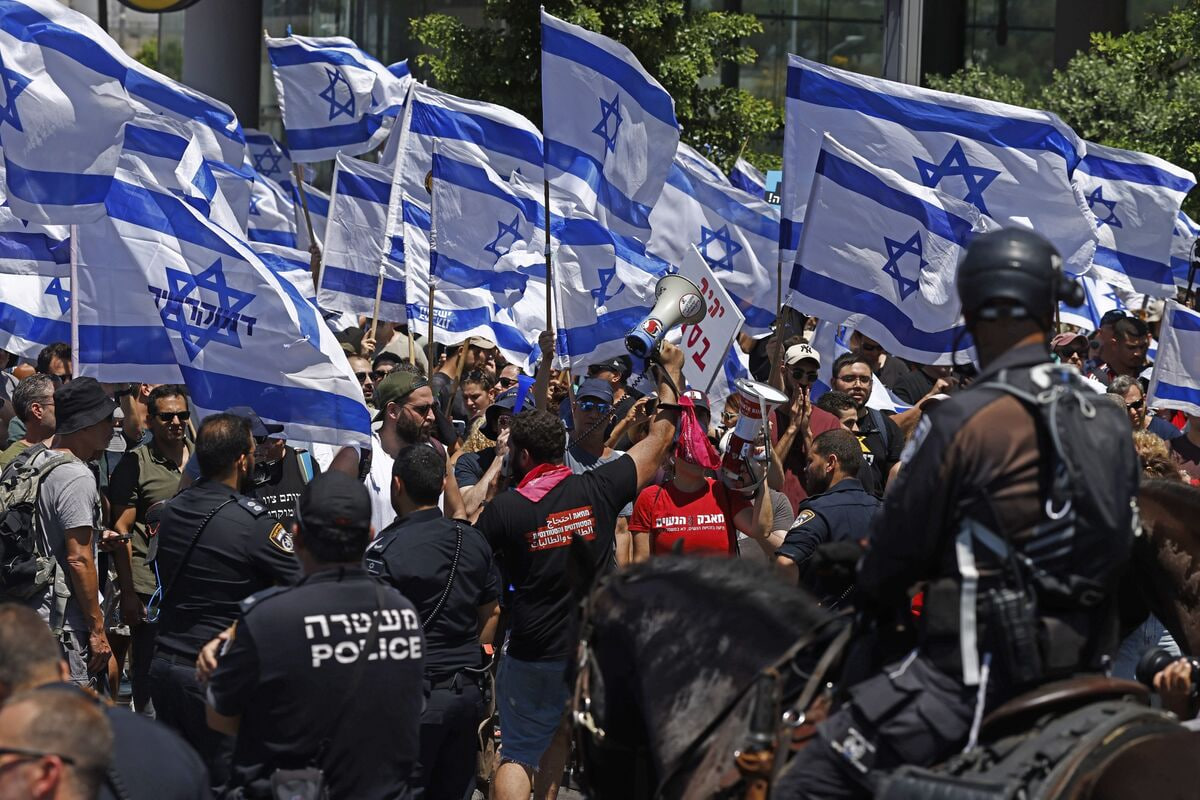
    Other Israeli protesters also gathered in front of the building of the Israeli regime’s Supreme Court and several other areas Tuesday morning, and minutes after the beginning of the protest rallies, the angry protesters clashed with Israeli police forces.

    According to Hebrew-language sources, police forces arrested at least 88 protesters across the Palestinian occupied lands over their protest against the controversial judicial reform bill from Tuesday morning.

    The Israeli regime’s police forces are trying to control protest rallies using water cannons and tear gas. The Hebrew-language news site Walla also reported that protests against the judicial coup will be held tonight at the Ben Gurion International Airport, in front of Isaac Herzog’s house, head of the Israeli regime, as well as the US embassy in Tel Aviv.

    After the release of the news story, the Israeli regime’s police stationed many of their forces at the Ben Gurion Airport to prevent closure of the airport by protesters against the Netanyah government’s judicial coup.

    It is worth mentioning that various cities in the occupied territories of Palestine witnessed the largest protest rallies in recent weeks, which have been in protest against the so-called judicial reforms and some decisions and actions by Prime Minister Benjamin Netanyahu.

    Protesters are of the opinion that the controversial judicial reforms proposed by the Israeli regime’s new government will deal a devastating blow to the independence of the regime’s judicial system, but the prime minister and supporters of the controversial bill claim that the judiciary has too much power, and that it interferes with the executive branch.

    Haaretz photographer Rami Shlush was arrested by police during a protest in Haifa.
    Israeli police clash with demonstrators against the judicial reform plan in Tel Aviv
    A video of Israelis protesting against Netanyahu’s judicial reform plan
    Video of of Israeli regime police clashing with protesters
  • Ansar Allah’s Powerful Maneuver At Entrances Of Marib Governorate (Video)

    Ansar Allah’s Powerful Maneuver At Entrances Of Marib Governorate (Video)

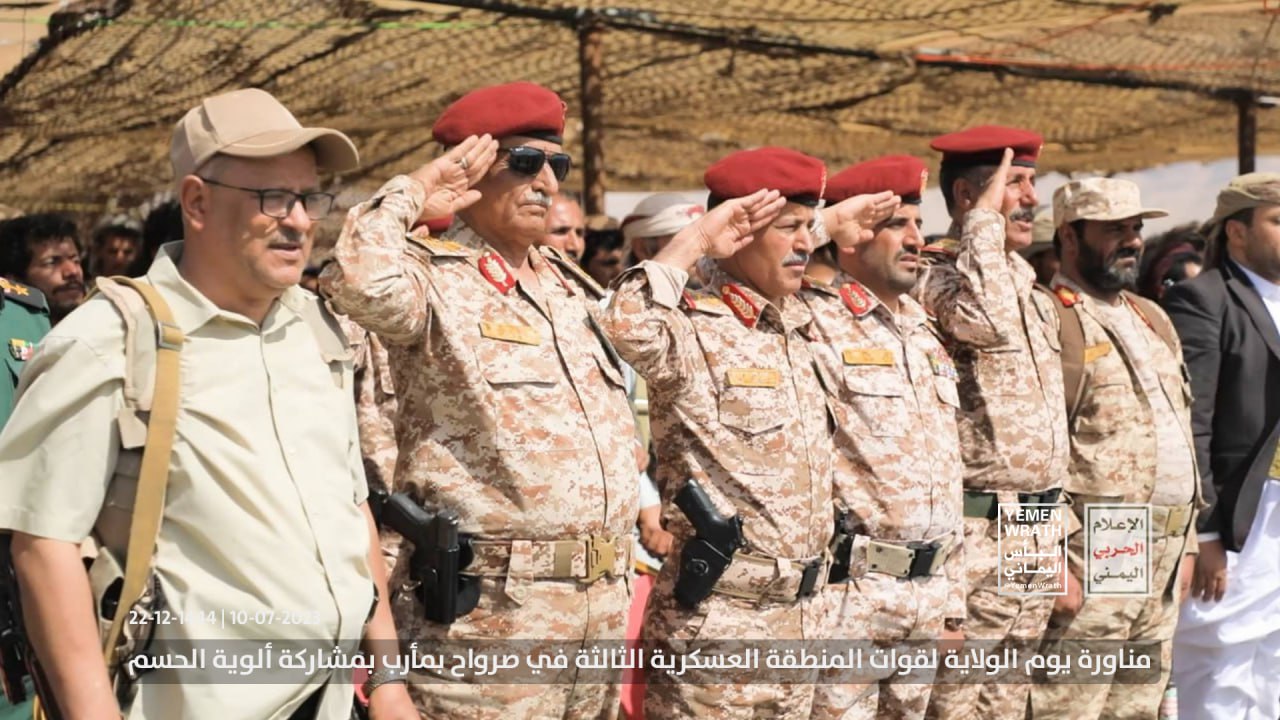
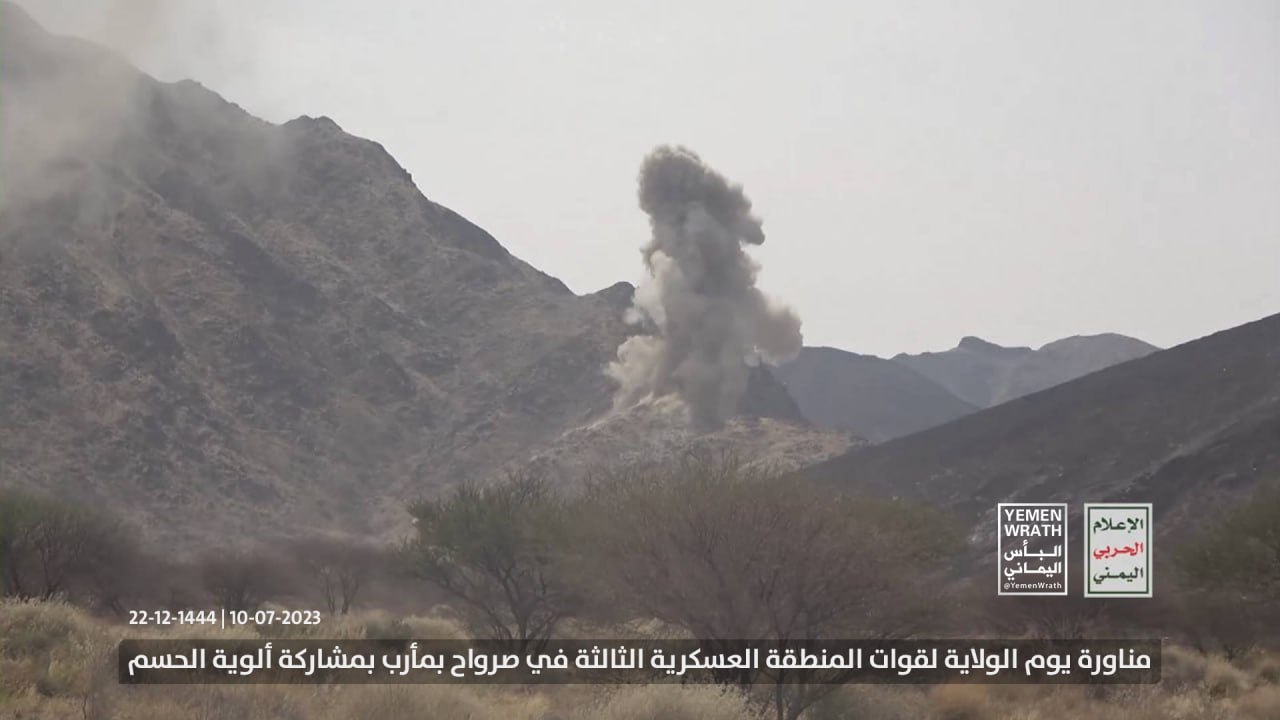
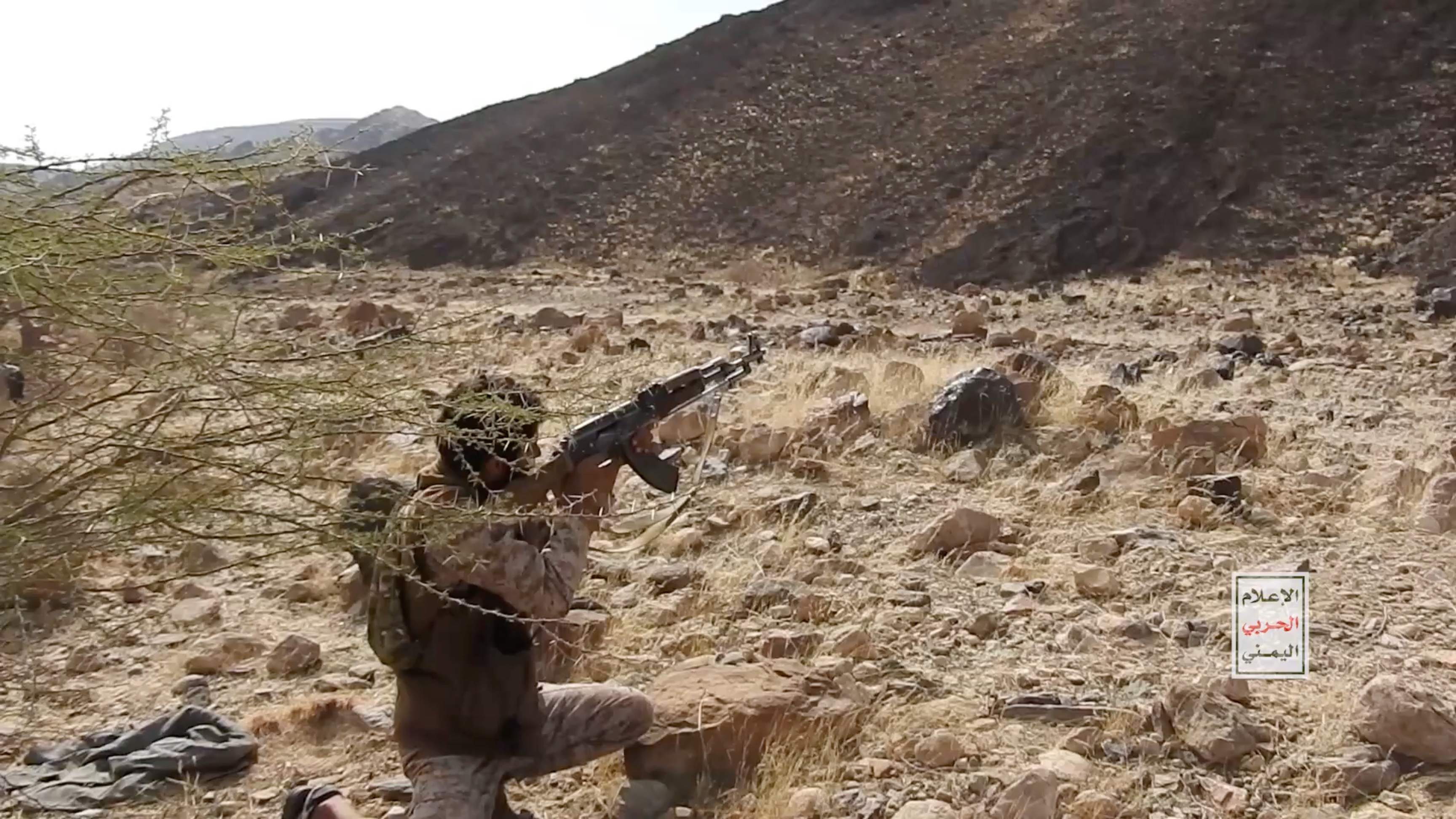
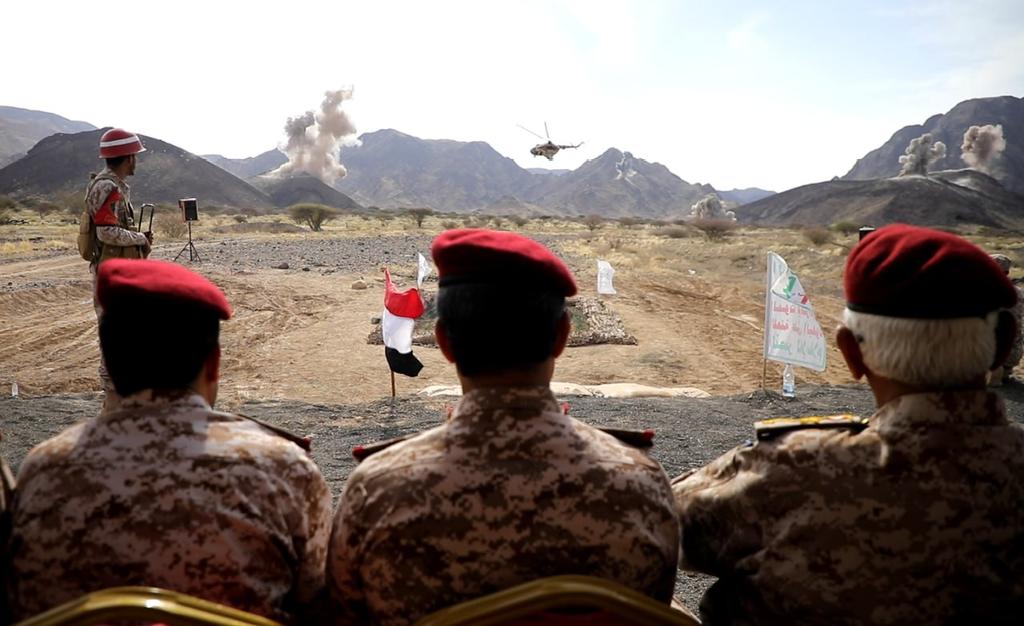
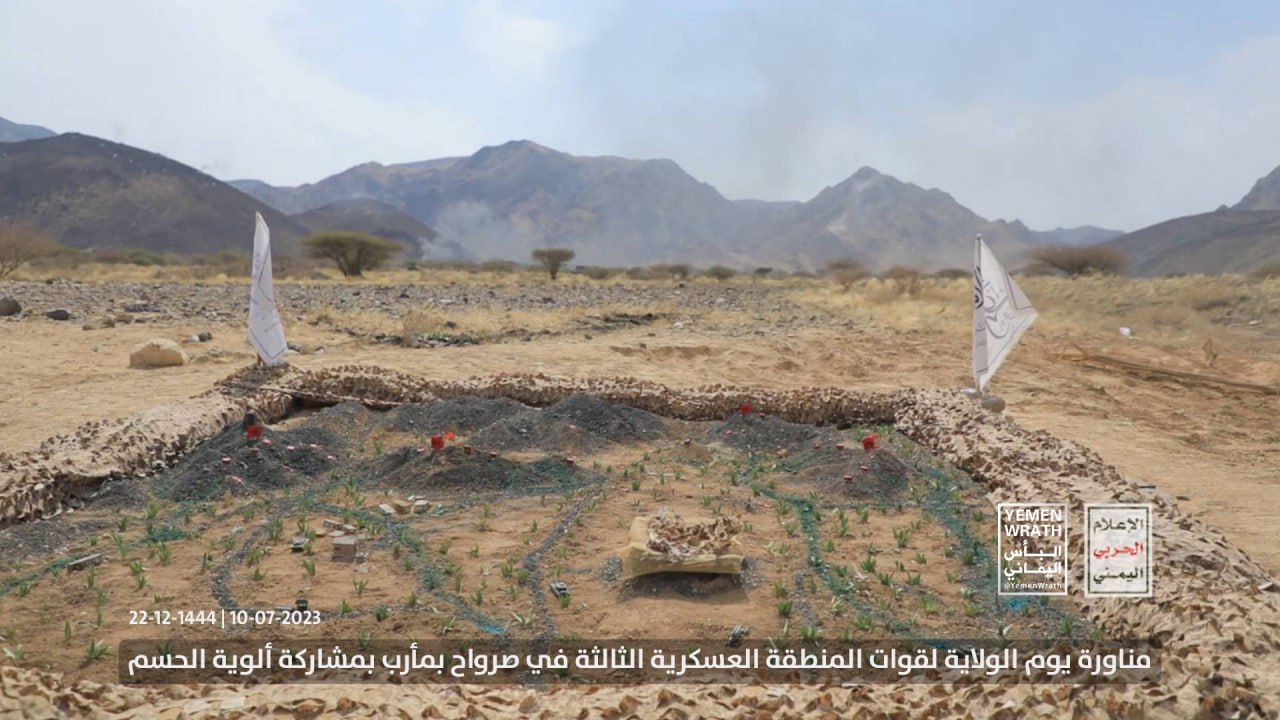
    ISWNews Analysis Group: On Monday (July 10), the Ansar Allah movement and Yemeni armed forces held the unprecedented military maneuver on the outskirts of Marib city, which is one of the most important footholds of the Saudi-led coalition and the Saudi-backed resigned government of Yemen.

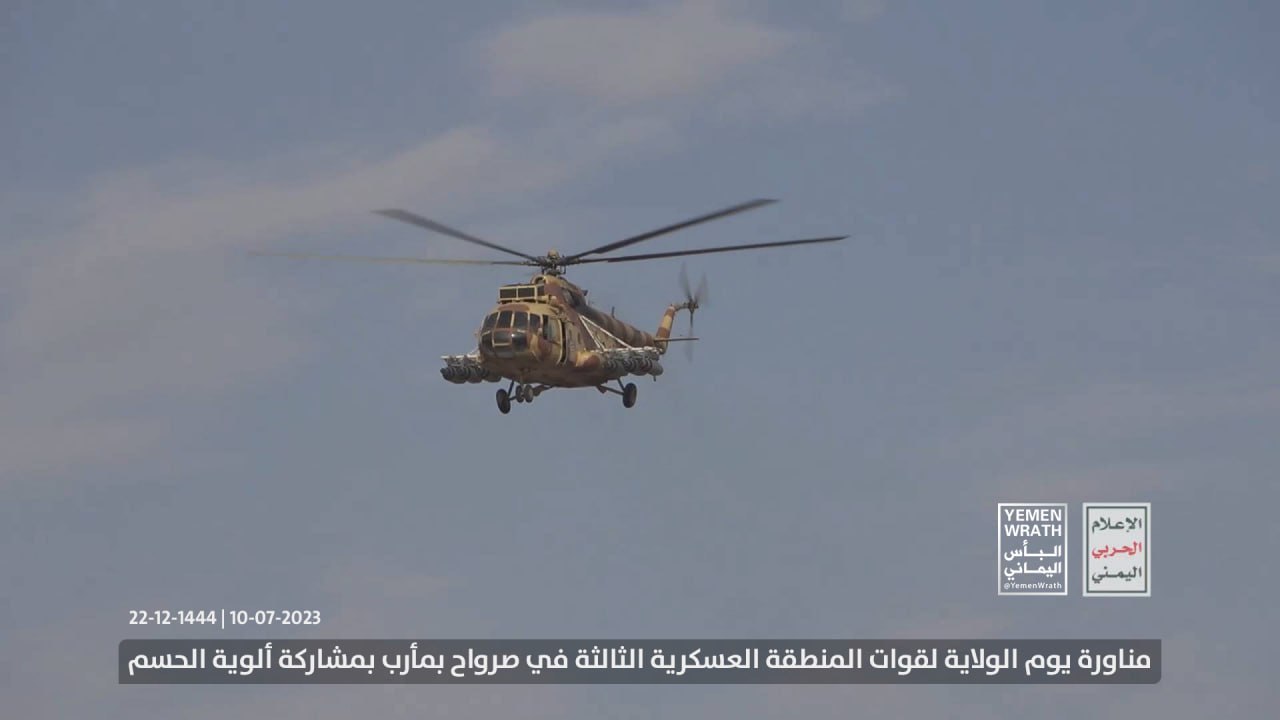
    The military exercise was held in Sirwah district, and the images of the maneuver under the title “Day of Guardianship” were publicized.

    Ansar Allah military drill in Sarwah in the west of Marib province

    The Ansar Allah movement used artillery equipment, Rajoum Quadcopters and Mi-17 helicopters in the military exercise.

    The Ansar Allah movement’s military maneuvers are in response to escalating tensions and threats from the Saudi-led coalition against Yemen, and they come following the suspension of peace negotiations with Saudi Arabia.

    According to local sources in capital Sana’a, the Saudi authorities did not agree with Ansar Allah’s proposals to pay government employees’ salaries from Yemen’s oil and gas revenues; therefore, the movement’s leaders ordered a halt to talks with negotiators from Riyadh.

  • 6 People Killed In Takfiri Terrorists’ Raid On Pakistan’s Parachinar

    6 People Killed In Takfiri Terrorists’ Raid On Pakistan’s Parachinar

    ISWNews Analysis Group: As a result of the escalation of land disputes between the Shia and Takfiri tribes of Boshahreh Bangash and Dander, the Takfiris besieged the Shia village of Peywar at midnight on July 9 and targeted the residents of the village with light and heavy weapons, which ended up in the martyrdom of one of the residents of the village and injury of several others.

    Following the fatal incident, Shia militants also attacked Takfiri positions, where they killed and injured several Takfiri elements.

    Because of the increase in armed clashes, Taliban militants also crossed from mountainous regions around the Tri-Mangal border crossing in Paktia province in eastern Afghanistan and raided Shia areas in support of Takfiri militants.

    The Takfiri militants, due to unresolved land disputes and high casualties in their recent clashes with Shia forces, asked their elders to declare jihad (religious fight) against Shia people and seek help from the Taliban forces and Afghanistan.

    At present, the armed clashes have temporarily subsided (until the end of Monday, July 10) as a result of mediation by the local tribal council (Jirga-e-Qaumi).

    Nevertheless, there are serious concerns about the expansion of clashes between Shia and Takfiri forces as well as the resumption of crimes by Pakistani-Afghan Takfiri armed groups against Shia population in Parachinar, which is a small Pashtun town.

    On the other hand, the arrival of Zainabiyoun Brigade to defend Shia tribes in Parachinar can also add fuel to the fire of armed conflicts and be a strong reason for declaring jihad and sending Takfiris from the region to the town.

    Furthermore, the intervention of Pakistani-Afghan Takfiri militant groups in sectarian clashes in Kurram Agency would deal a devastating blow to Islamabad’s government and could be the opening of a sectarian confrontation in other parts of the country.

    Direction of clashes between Takfiris and Shiites of Parachinar in Kurram Agency – click to view in full size
  • Identification Of Formation And History Of Activities Of Tehrik-E-Taliban Pakistan

    Identification Of Formation And History Of Activities Of Tehrik-E-Taliban Pakistan

    In the early 1990s, Hafiz Muhammad Saeed and Abdullah Azzam, two of Osama bin Laden’s mentors, the leader of the Al-Qaeda terrorist group, created another terrorist group called Lashkar-e-Taiba, and Maulana Sufi Muhammad set up the Tehreek Nifaz Shariat-i-Muhammadi group in Pakistan. Members of the extremist group were sent to Afghanistan along with Al-Qaeda members to fight against the then Soviet Union.
    After the victory of the Mojahedin-e Afghan in Afghanistan, these groups found the opportunity to create military training bases on both sides of the Durand Line ( forms the Afghanistan–Pakistan border, a 2,670-kilometre international land border between Afghanistan and Pakistan in South Asia) and built dozens of training bases in those areas. The bases of extremist groups such as Lashkar-e-Taiba, Jaish-e-Mohammed and Al-Qaeda were located in the Muridke area of Lahore province, Pakistan, under the supervision of Pakistan’s Inter-Services Intelligence (ISI), which trained paramilitary forces and transferred them into Afghanistan.
    All members of these groups were involved in the conquest of Afghanistan, because of the fact that members of these groups had participated in jihad (fight) against the communist government of Afghanistan and had sacrificed for the success of the Taliban Islamic Emirate in the war-torn country. Eventually, in 2007 the foreign conquerors of the Afghan war, who were consisted of 13 Pakistani militant groups, reached a conclusion to unite and found Tehrik-e-Taliban Pakistan (TTP) umbrella organization.

    The examination and identification of the Tehrik-i-Taliban Pakistan movement is not possible without referring to the history of the Taliban in Afghanistan. Because on the one hand, these two groups are linked to each other in terms of political structure and beliefs, and on the other hand, their hideouts, human resources, spiritual and military leaders have close ties with each other along the Durand Line.

    The term “Taliban” was originally used to describe a political and ideological group that emerged in 1994 in the border town of Spin Boldak, Kandahar province, located in southern Afghanistan, having its roots in a Deobandi Islamic school of thought as well as the Wahhabi belief. They conquered the important city of Kandahar with a fatwa of jihad from their spiritual leader Mullah Mohammad Omar Mujahid and then, they set out for the city of Jalalabad and the capital of Afghanistan, Kabul, in a bid to overthrow the then communist government in the country.
    At a time when the Taliban were engaged in jihad to overthrow the communist government in Afghanistan and then, it clashed with the Mujahideen government composed of Tajiks, Hazaras, and Uzbeks, the tribal areas of Pakistan, including North and South Waziristan districts, were their safe route and arms supply line. Following the Taliban’s three years rule over Afghanistan and the terrorist attack in the United States on September 11, 2001, some Western countries led by the US and NATO kicked off invading Afghanistan with Pakistan’s green light. Simultaneously with the attack by the US and NATO forces on Afghanistan in 2001, radical members of the Afghan Taliban, including the Uzbek Taliban, the Islamic Movement of Uzbekistan (IMU), the Chechen immigrants, the East Turkestan Islamic Party, as well as several Arab members of the Al-Qaeda terrorist group took refuge in northern and northwestern Pakistan (North and South Waziristan districts).

    Pakistan’s cooperation with the US in attacking Afghanistan, along with former Pakistani Prime Minister Pervez Musharraf’s order to besiege Pakistan’s tribal areas and arrest Al-Qaeda fugitives despite coordination with tribal elders, turn into a headache for the Pakistani army.
    The Pakistani army entered South Waziristan District in 2003 after five decades and it continued the military operations to North Waziristan District in order to arrest Al-Qaeda members. The killing of tribal elders and spiritual figures in these areas by the Pakistani army led to the first clash between the Pakistani army and the Afghan Taliban, Al-Qaeda, Lashkar-e-Taiba, Jaish-e-Mohammed, and armed tribesmen from North and South Waziristan districts in 2004. Those clashes led to the withdrawal of the Pakistani army from Waziristan and the tribes took control of these areas.

    The failure of the plan to set up an Islamic government in Pakistan as well as the sectarian and ethnic structure, the educational system of religious schools based on Wahhabism sect, the dispatch of Pakistani jihadi forces to Afghanistan, economic and social disorder, especially in North and South Waziristan districts, foreign and domestic support by anonymous individuals and various groups are among the reasons for the formation of the Taliban group in Pakistan.

    However, the drone attack by the United States’ Central Intelligence Agency (CIA) on a religious school affiliated to Tehrik-e-Nifaz-e-Shariat-e-Mohammadi in Bajaur Agency (District) in 2206, which caused several casualties, was the main cause of the emergence of the Tehrik-e-Taliban Pakistan. For the reason that it prompted all armed and radical groups in Pakistan to declare jihad against the US and the Pakistani government.
    In 2007, numerous militants from 13 groups, including Mullah Nazir’s group in North Waziristan District, Tehrik-e-Nifaz-e-Shariat-e-Mohammadi led by Sufi Muhammad, Jaish-e-Mohammed, Lashkar-e-Taiba, Al-Qaeda, Afghan Taliban fugitives and other groups with different races led by Baitullah Mehsud from North Waziristan District founded the Tehrik-e-Taliban Pakistan. They declared their goal as defending Prophet Muhammad’s religion, fighting against the Pakistani and the US army, and establishing an Islamic emirate with the focus on the Pashtun people in Pakistan.
    In 2008, leader of the Afghan Taliban Mullah Mohammad Omar Mujahid dispatched a delegation led by Mullah Abdullah Zakir to Pakistan and asked for financial assistance from the Pakistani Taliban. Mullah Mohammad Omar Mujahid also asked the Pakistani Taliban to put aside their differences and to help him fight the US and NATO by sending troops.
    Baitullah Mehsud, Hafiz Gul Bahadur and Mullah Nazir who had a history of fighting in Afghanistan accepted the proposal of the leader of the Afghan Taliban and pledged allegiance to Mullah Mohammad Omar Mujahid; so, they formed a council of mujahideen union. However, this council did not last more than a year and did not have any specific performance.
    The clash between Tehrik-e-Taliban Pakistan and the army of the country was not very intense until 2007. But in 2007 to 2009, the volume of clashes intensified sharply. So, all military operations of armed groups against the Pakistani army from 2001 to 2007, which were about 30 operations and the volume of operations reached 269 attacks from 2007 to 2009. These clashes mostly took place in Khyber Pakhtunkhwa tribal areas and other border regions witnessed fewer tensions.

    The most important operation of the Pakistani Taliban can be considered the assassination of former prime minister and leader of the Pakistan People’s Party Benazir Bhutto. The assassination was carried out on December 27, 2007 by a suicide bomber named Karamatullah Bilal from Pakistani militants; he also had a history of membership in the Al-Qaeda terrorist group. After firing several bullets at Bhutto, he carried out a suicide operation and took the lives of 22 people, including Benazir Bhutto.
    However, Al-Qaeda denied any involvement in the suicide attack and eventually, Baitullah Mehsud, leader of the Pakistani Taliban, was identified as the first suspect in the assassination of Benazir Bhutto. In the following months, he was wanted by the government of Prime Minister Pervez Musharraf due to other terrorist attacks until he was killed in a drone operation by the US Central intelligence Agency (CIA) in North Waziristan in 2009.
    However, his death was not confirmed by the spokesman for the Tehrik-e-Taliban Pakistan and the cause of his death was stated as illness. Two days after the death of Baitullah Mehsud, the 42-member council of the Taliban appointed his deputy Hakimullah Mehsud as the leader of the group. He intensified jihadi operations against the army and government of Pakistan as well as the expanded attacks against Shia civilians. Then, he was killed in a drone attack by the US Central Intelligence Agency in North Waziristan District in 2013. After the death of Hakimullah Mehsud, the 42-member council of the Taliban also appointed Maulana Qazi Fazlullah Hayat as the leader of the Tehrik-e-Taliban Pakistan.

    The deadliest military operations of the Tehrik-e-Taliban Pakistan movement against the Pakistani army and government took place on December 16, 2014. In the attack, five members of the Pakistani Taliban entered the country’s Defense Ministry’s military university in Peshawar province, while wearing uniforms. As a result of the attack, 149 military students who were children of army soldiers were killed and 122 others were injured.
    After these attacks, the Pakistani army tried to enter into talks with the Tehrik-e-Taliban Pakistan movement. Following the first sessions of talks between government representatives and the TTP, Maulana Omar’s sect separated from the Tehrik-e-Taliban Pakistan movement to show their objection. At the end of 2014, Mehsud’s sect also announced its separation from the Tehrik-e-Taliban Pakistan movement and it established a branch of the Tehrik-e-Taliban in South Waziristan District. This separation dealt a heavy blow to the organizational structure of the Tehrik-e-Taliban Pakistan movement and even despite the joining of the Jamaat-ul-Ahrar group led by Omar Khalid Khorasani to the Tehrik-i-Taliban Pakistan movement, their situation did not improve much.

    Read more: Tehrik-i-Taliban Pakistan And The Jamaat-ul-Ahrar Group

    The most important operations against the Pakistani army positions can be considered as an attack on PNS Mehran Air Station in Karachi and a 15-hour-long clash with the military forces that resulted in the killing of 13 Pakistani soldiers and the destruction of several military aircraft. The second deadliest attack of the decade also took place in 2016. In this suicide attack, which was carried out by a member of Jamaat-ul-Ahrar terrorist group (a subsidiary of the Tehrik-e-Taliban Pakistan) at a ceremony honoring Christmas in an amusement park in eastern Lahore province, more than 70 Pakistani Christians were killed and injured.

    After Qazi Fazlullah Hayat was killed by the US forces in Kunar province in eastern Afghanistan and the second leader of the Tehrik-e-Taliban Pakistan movement Khalid Mehsud was killed by the American forces in Paktika province in Afghanistan in 2017, another commander of Tehrik-e-Taliban Pakistan named Noor Wali Mehsud from Mehsud tribe in South Waziristan District was appointed as the new leader of Tehrik-e-Taliban Pakistan movement.
    Noor Wali Mehsud was from Miran Shah town of South Waziristan District, who had studied religious lessons in Faisalabad area of Punjab province. He is one of the most radical leaders of Tehrik-e-Taliban Pakistan who participated in the war between the Afghan Taliban and the United Front or Northern Alliance (Ahmad Shah Massoud and …). After Noor Wali Mehsud was appointed as the leader of Tehrik-e-Taliban Pakistan, Mehsud’s sect also rejoined Tehrik-e-Taliban Pakistan movement after three years.

    Currently, Tehrik-e-Taliban Pakistan movement cooperates with various sub-branches militant groups throughout this country and foreign groups from the Haqqani Network to the Jaish ul-Adl. The active members of the group are estimated to be between 20k to 25k people, and 6 thousand of whom have been sent to help the Afghan Taliban.

    At the same time when the US forces withdrew from the war-stricken country of Afghanistan and the downfall of the Afghan government in Kabul on August 15, 2021, the Tehrik-e-Taliban Pakistan movement, which was under pressure from the Pakistani army, entered into talks with the government in Islamabad with the mediation of Sirajuddin Haqqani, leader of Haqqani Network.
    During these negotiations, representatives of the Tehrik-e-Taliban Pakistan movement demanded the implementation of the Islamic laws and traditions in Pakistan’s tribal areas as well as the release of prisoners affiliated to the Taliban sect, who have been arrested by the government forces. The requests were accepted by the Pakistani government and a short-term ceasefire was established following the negotiations. But shortly afterwards, the government in Pakistan did not take any action to implement the demands and then, the Taliban resumed their attacks and as a result of this situation, the attempts for reconciliations doomed to fail.

    In general, it seems that achieving a sustainable peace in Pakistan is a difficult path. Because the country’s society is still facing incorrect tribal cultures and the so-called Islamic government has not been able to meet the expectations and values of an “Islamic government” that was pursued by the groups such as the Tehrik-e-Taliban Pakistan movement. On the other hand, the Pakistani army has the first say in the country’s nationwide programs and their anti-terrorism plan has so far caused more than 18,000 casualties on the Tehrik-e-Taliban Pakistan movement and other groups. Given such conditions, talking about sustainable peace in Pakistan is nothing more than a slogan.

    Author: Ahmad Alavi, correspondent and analyst of Afghanistan and Central Asia

  • Coordination Framework Urges Baghdad To Coordinate With US For Immediate Release Of Iranian Assets

    Coordination Framework Urges Baghdad To Coordinate With US For Immediate Release Of Iranian Assets

    ISWNews Analysis Group: The Iraq’s Coordination Framework’s statement emphasized that the issue of electricity and the reduction of its supply in difficult weather conditions and intense heat put severe pressure on Iraqi citizens.

    The statement went on to say that after reviewing and following up the issue, the Coordination Framework calls on the Iraqi government to contact the US side through the Ministry of Foreign Affairs and persuade the American government to immediately release Iran’s claims for gas exports to Iraq and refrain from politically exploiting the case, which has a negative impact on the livelihood of Iraqi citizens.

    It is worth noting that before the release of the statement, Iraqi Electricity Ministry Spokesman Ahmad Musa said that the ministry had paid its debts to Iran for gas imports to the Trade Bank of Iraq, but there are problems in delivering the money to Iran due to the US-imposed sanctions.

    In the years following the occupation of Iraq and the continued presence of the United States’ military forces in the Arab country, the American occupiers’ sabotage in Iraq has always prevented independent activities by governments established in Baghdad; therefore, Iraq and its people have always been taken hostage to the United States’ political and economic demands.

  • Ansar Allah’s Drone Attack On Pro-Hadi Forces Gathering In Western Taiz (Map)

    Ansar Allah’s Drone Attack On Pro-Hadi Forces Gathering In Western Taiz (Map)

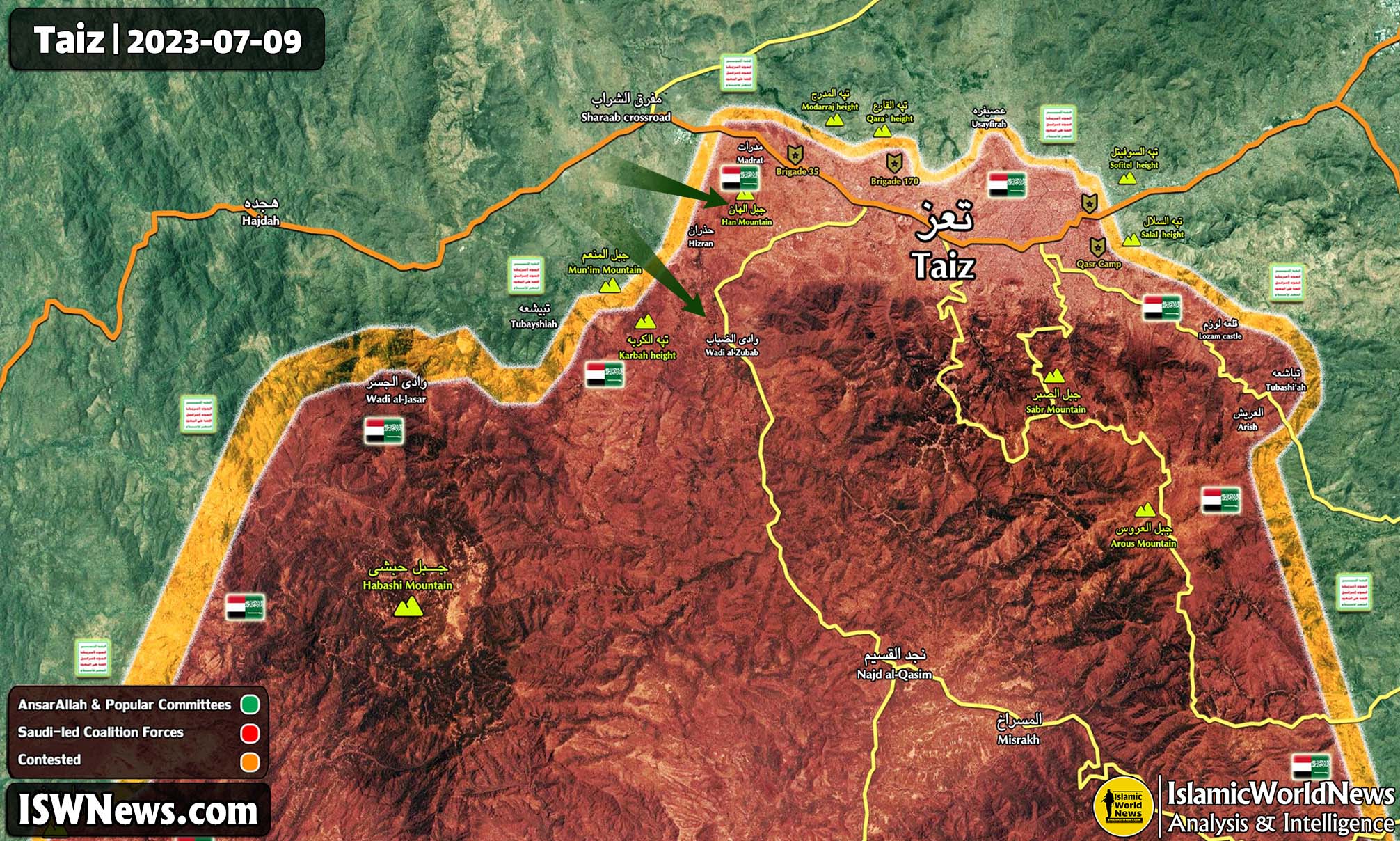
    ISWNews Analysis Group: According to the command center of the pro-Hadi forces in Taiz Governorate, two Ansar Allah drones pounded the gathering in the Al-Dhabab area on Saturday, July 8.

    As a result of the attack, two militants affiliated to the resigned government, including Omar Abdullah Al-Sabri, commander of the western front of Taiz, were killed and at least seven others were injured.

    Some local media outlets also reported that the location of the gathering of the resigned government forces was identified on Mount Han, which is on the front line of engagements between the pro-Hadi forces and the Ansar Allah fighters and it is the origin of many mortar attacks against the Ansar Allah movements.
    Thus, it is likely that Ansar Allah fighters carried out the attacks in response to repeated violations of the ongoing ceasefire by the resigned government forces on the Taiz front.

    However, the Ansar Allah-affiliated media outlets and officials have not yet reacted to the news story.
    The Taiz city is currently under the control of the Yemeni Congregation for Reform or frequently called as al-Islah Party forces and Tareq Mohammed Abdullah Saleh, Yemeni military commander and the nephew of the late President Ali Abdullah Saleh, as well as some independent armed groups.

    The pro-Hadi resigned government forces claim that the Ansar Allah movement besieged the Taiz city during the past eight years and it does not allow humanitarian aid to pass through the northern road.

    They propagate the claim while the western road and southern areas of Taiz Governorate are under the control of al-Islah Party militants as well as Tareq Mohammed Abdullah Saleh’s forces, and internal tensions between such groups have limited access to the Taiz city.

    In spite of the facts, the Ansar Allah movement repeatedly voluntarily reopened the Sana’a-Taiz road, but al-Islah Party’s militants prevented non-military vehicles from entering the Taiz city.

    Map: Direction of Ansar Allah drone attack on the gathering of Hadi forces in the west of Taiz – click to view in full size
  • Over 150k Israelis Protest Against Netanyahu

    Over 150k Israelis Protest Against Netanyahu

    ISWNews Analysis Group: Following the increase of the number of protests, the Hebrew news website Walla reported that more than 420 members of the reserve unit of the Israeli Army’s naval commandos declared that they will not continue their military services until Benjamin Netanyahu’s judicial reform plan is completely halted.

    Former head of the Israeli regime’s Security Agency (Shin Bet), Ami Ayalon, said that the division and fragmentation in Israel are deeper than ever and that a judicial coup will destroy the army.

    Furthermore, last night, thousands of Israelis gathered outside the house of Defense Minister Yoav Galant, accusing him of promoting Netanyahu’s controversial judicial reform plan.

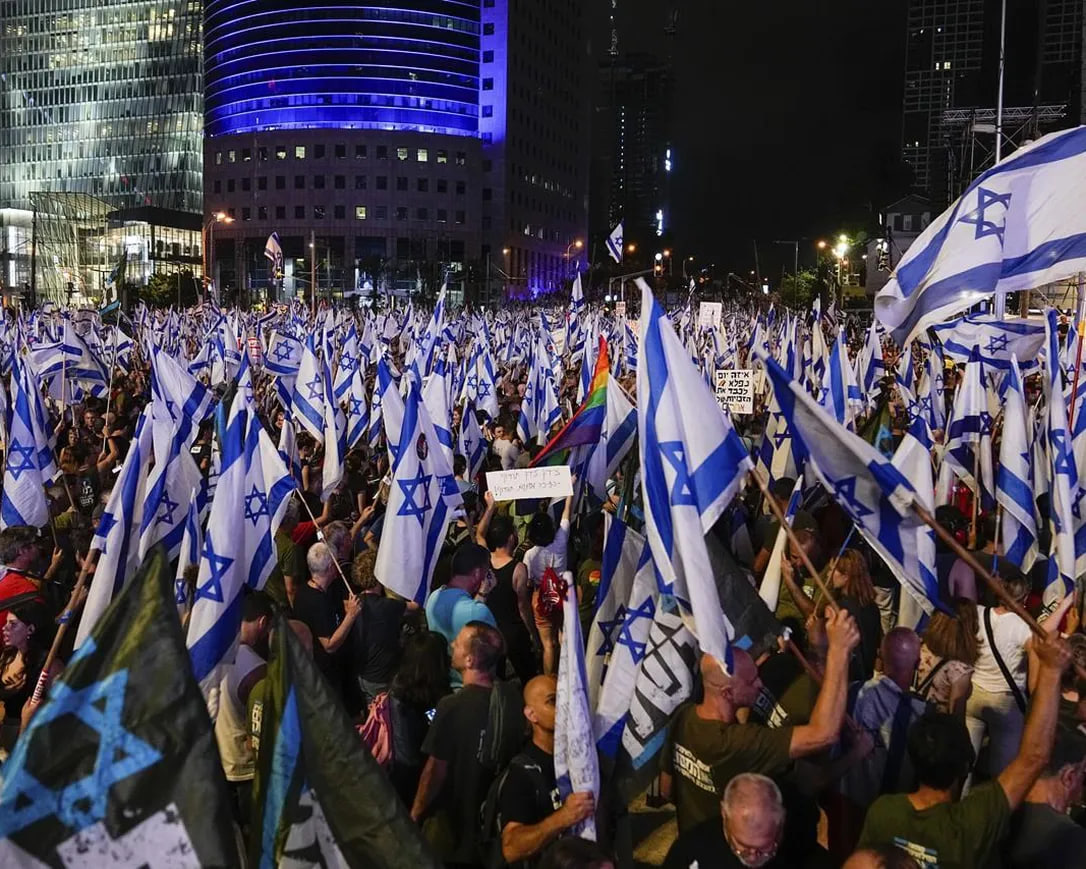
    It is worth mentioning that Israelis’ rallies continue in various occupied Palestinian cities every Saturday in protest against Netanyahu’s so-called judicial reform program.

    The protest rallies, which have been held for 27 weeks in a row, are still ongoing despite the prime minister’s announcement on March 27th to halt his controversial plan regarding the judicial system of the regime.

    Read more: Thousands Of Israelis Demonstrate Against Netanyahu In Occupied Palestine

    Demonstrations against Netanyahu in occupied Palestine