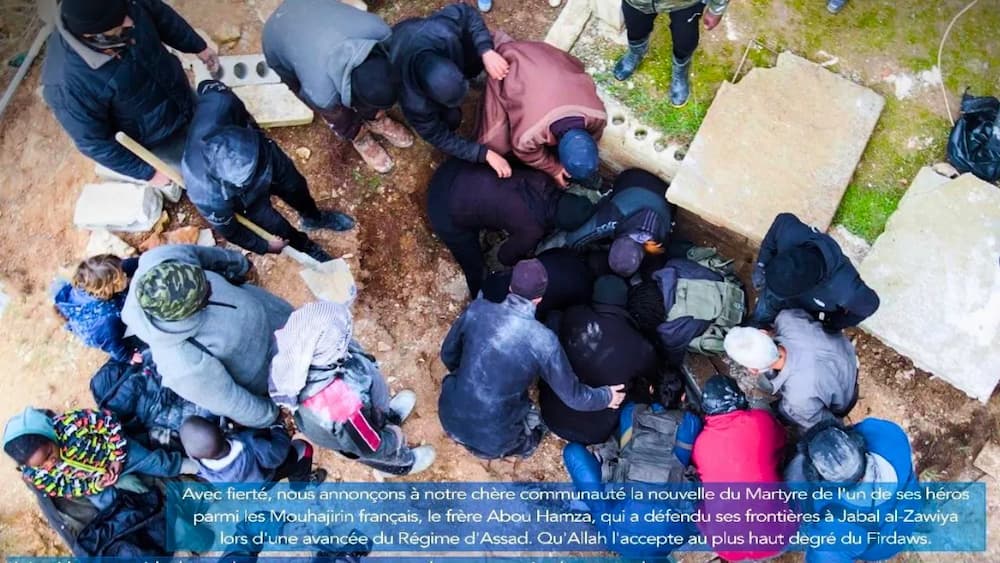
The Al-Gharba militants confirmed the death of Abu Hamza Al-Fransi in the Syrian army strikes on the Jabal al-Zawiyah region, which is located in the south of Idlib Governorate.
Abu Hamzah came from the Nice city in southern France. He arrived in Syria in 2017 in order to join the militants groups.
It is noteworthy that there are different militant groups like the Al-Gharba sect, who are less influential than the Hay’at Tahrir al-Sham (HTS) in that region, which is under the control of Tahrir al-Sham in Idlib Governorate and the surrounding areas. The Al-Gharba sect comprises French and Belgian militants and the group was founded by a French-Senegalese man called Omar Omes.
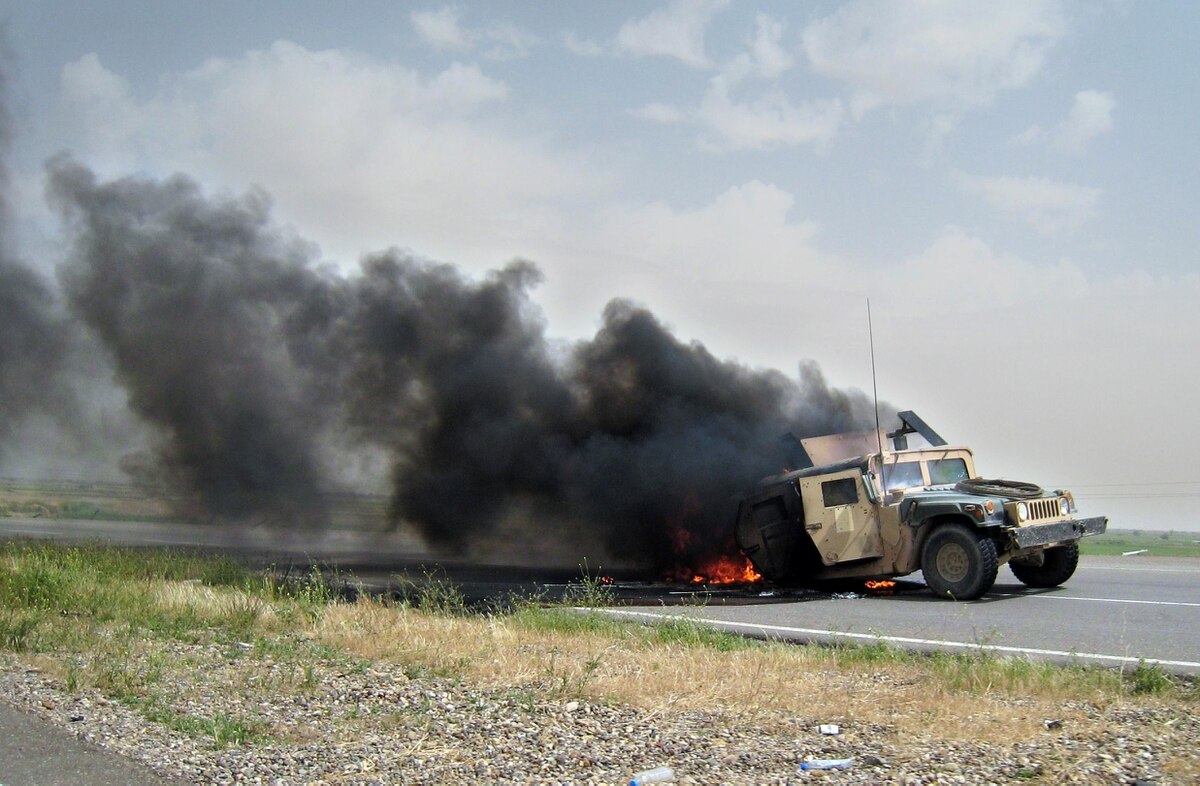
According to local sources, the attack was carried out at around 1 a.m. local time. So far, no information has been released about the amount of damage caused by this attack. This attack was the second attack on American convoys in Iraq since the beginning of 2023. Earlier, on January 12, a US logistical convoy was attacked in Al-Taji area, north of Baghdad.
This attack took place while a few days ago, “Mohammed Shia al-Sudani”, the Prime Minister and Commander-in-Chief of the Iraqi Armed Forces, in an interview with the “Wall Street Journal” stated that foreign forces are still needed and defended the presence of American forces in Iraq and did not set a timetable for their withdrawal.
It seems that if Iraqi officials and senior officials do not seriously pursue the issue of the expelling of foreign troops, especially American troops, the resistance groups will increase their attacks against American military positions and convoys in Iraq.
It is noteworthy that in 2022, Iraqi resistance groups carried out 102 IED, drone and rocket attacks against positions, logistical and military convoys of the American occupiers in Iraq.
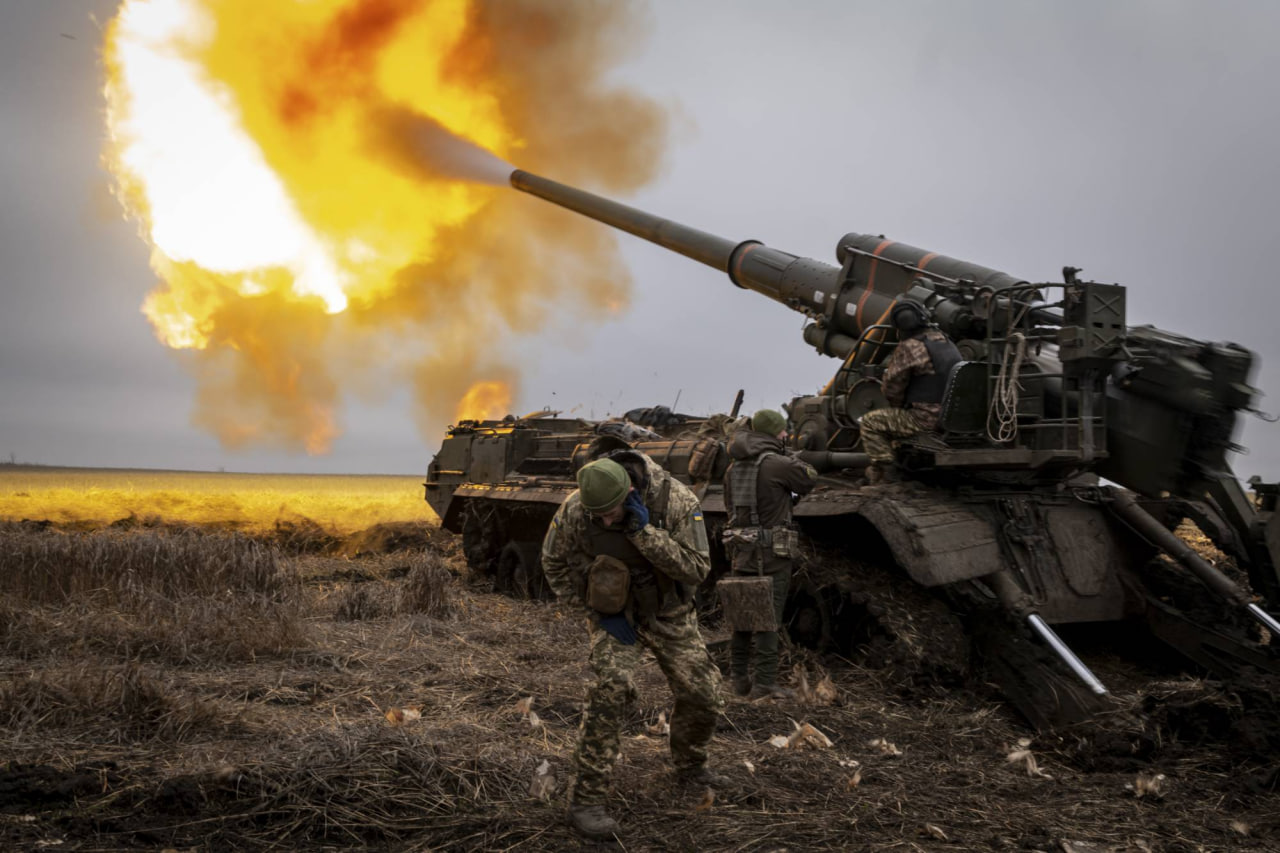
The Russia-Ukraine conflict turned into a war of attrition and an artillery duel, in which the two sides fire thousands of shots per day and night. Hence, the ammunition of the Ukrainian army significantly reduced to the level that the armed forces utilize Soviet-era weaponries and they chiefly turned to the usage of artillery and ammunition donated by the United States and other Western allies.
In accordance with certain military experts, the artillery is the backbone of the Russian and Ukrainian firepower in the ground battle, and to some extent the outcome of the conflict between the two sides depends upon the artillery might and the quantity of munitions. In such a situation that the United States’ weaponry stockpile significantly reduced because of the shipment of arms to Ukraine, and the US arms manufacturers have not thus far attuned to the pace of the Russia-Ukraine military conflict, the Pentagon sees another option to send artillery ammunition to Ukraine in order to fill the existing gap.
The Western media outlets reported that following Kyiv’s constant requests from the Tel Aviv regime to dispatch military aid to help the Ukrainians in their confrontation with the Russian army, the United States succeeded in persuading the Zionist interim regime in this respect.
According to New York Times, Washington and Tel Aviv reached an agreement to ship 155 mm artillery shells to Ukraine, which have been stored in Pentagon arsenals in the occupied territories of Palestine. The agreement consists of the shipment of 300k artillery shells to Ukraine, half of the amount was transferred to Europe and is expected to be sent to the Ukrainian army through Poland.
It is worth noting that the former Tel Aviv cabinet had opposed sending these ammunitions from American warehouses to Ukraine due to the fear of Russia’s possible reaction, but after the official request of US Secretary of Defense Lloyd Austin from the Zionist regime, former Prime Minister Yair Lapid agreed with the request of the Americans.
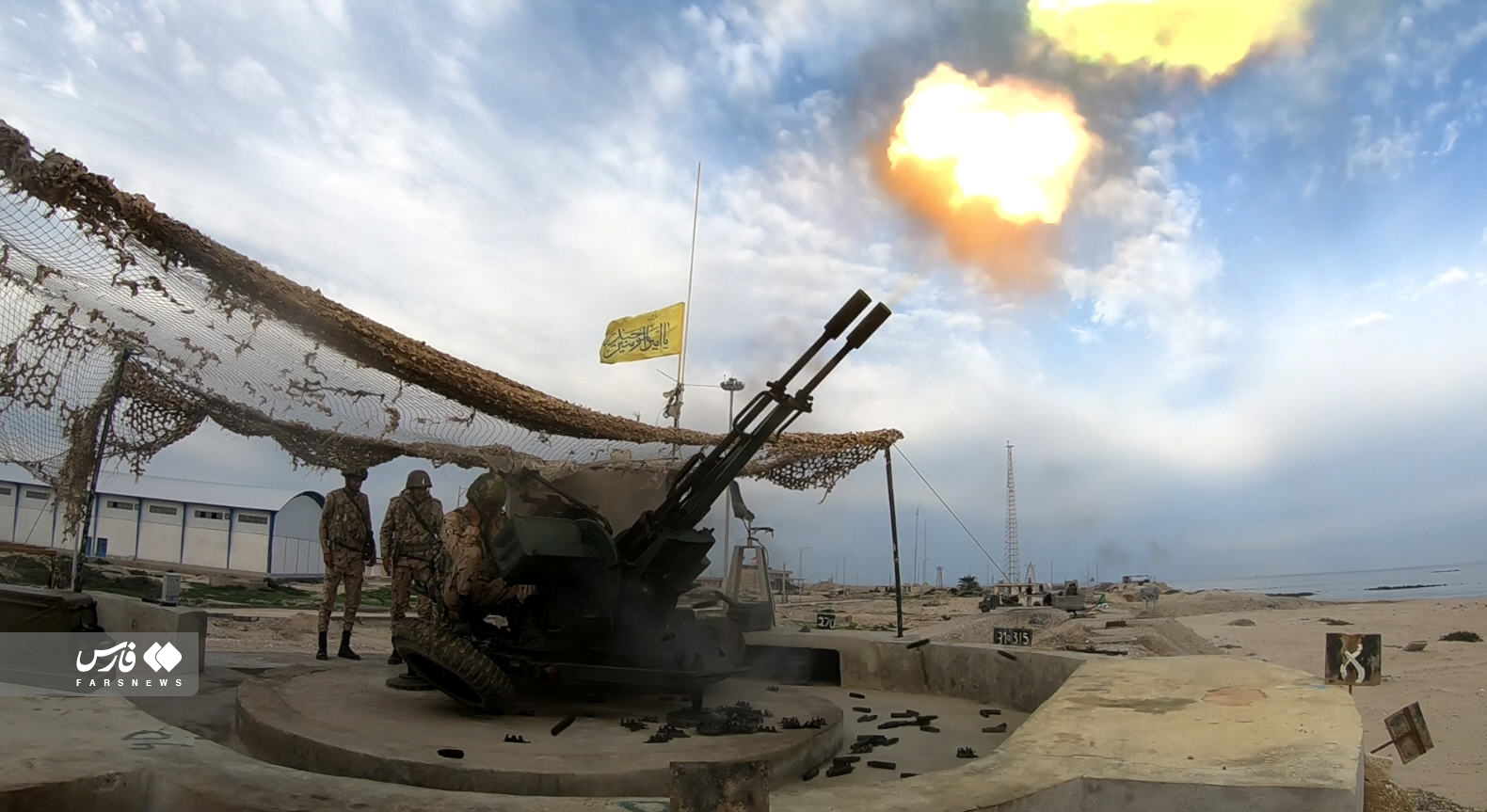
The military drills of Martyr General Nasrullah Shafi’i was held in order to pave the ground for estimating the abilities and preparedness of the Navy of the Army of the Guardians of the Islamic Revolution in the face of threats in the Persian Gulf.
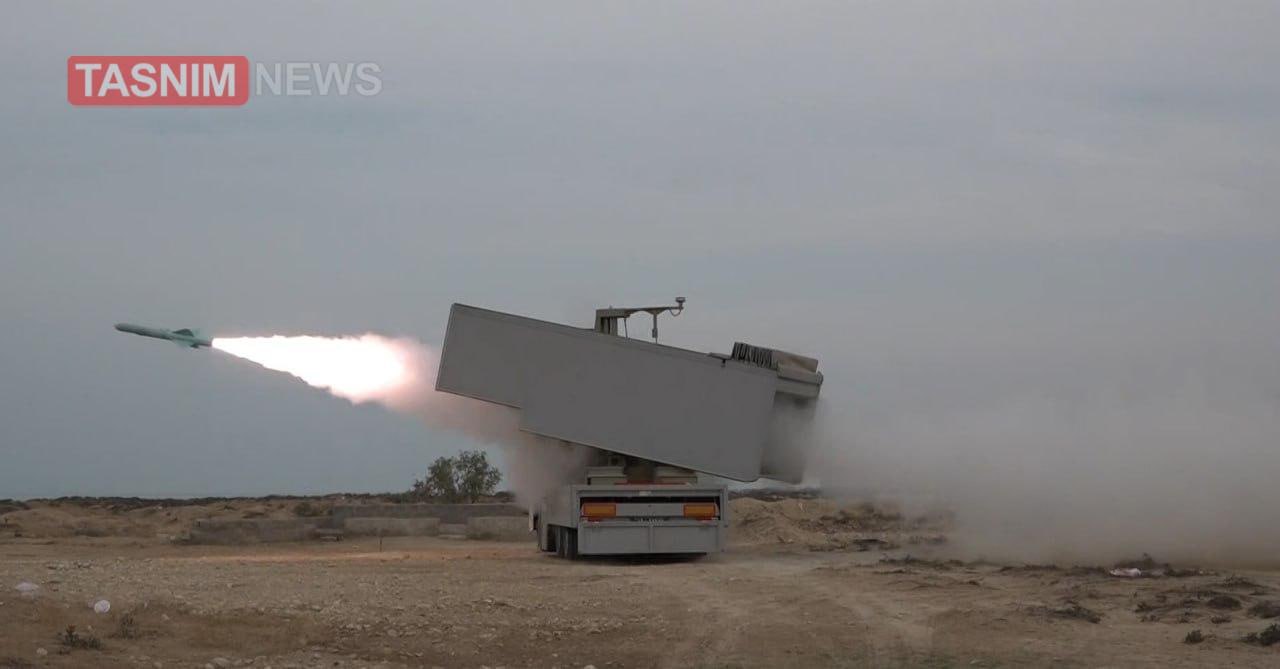
According to Commander of the IRGC Navy Rear Admiral Ali-Reza Tangsiri, the drills composed of the marine cruise missile systems of various classes; bomber and spotting drones capable of hitting multiple and simultaneous targets; unmanned intelligent subsurface systems; helicopter rocket firing, special rangers’ heliborne in moving and floating positions; the authoritative parade of the popular naval mobilization; and other defense power of the IRGC Navy, which showed completely appropriate performances.
Video report of the exercise of Martyr General Nasrullah Shafi’i
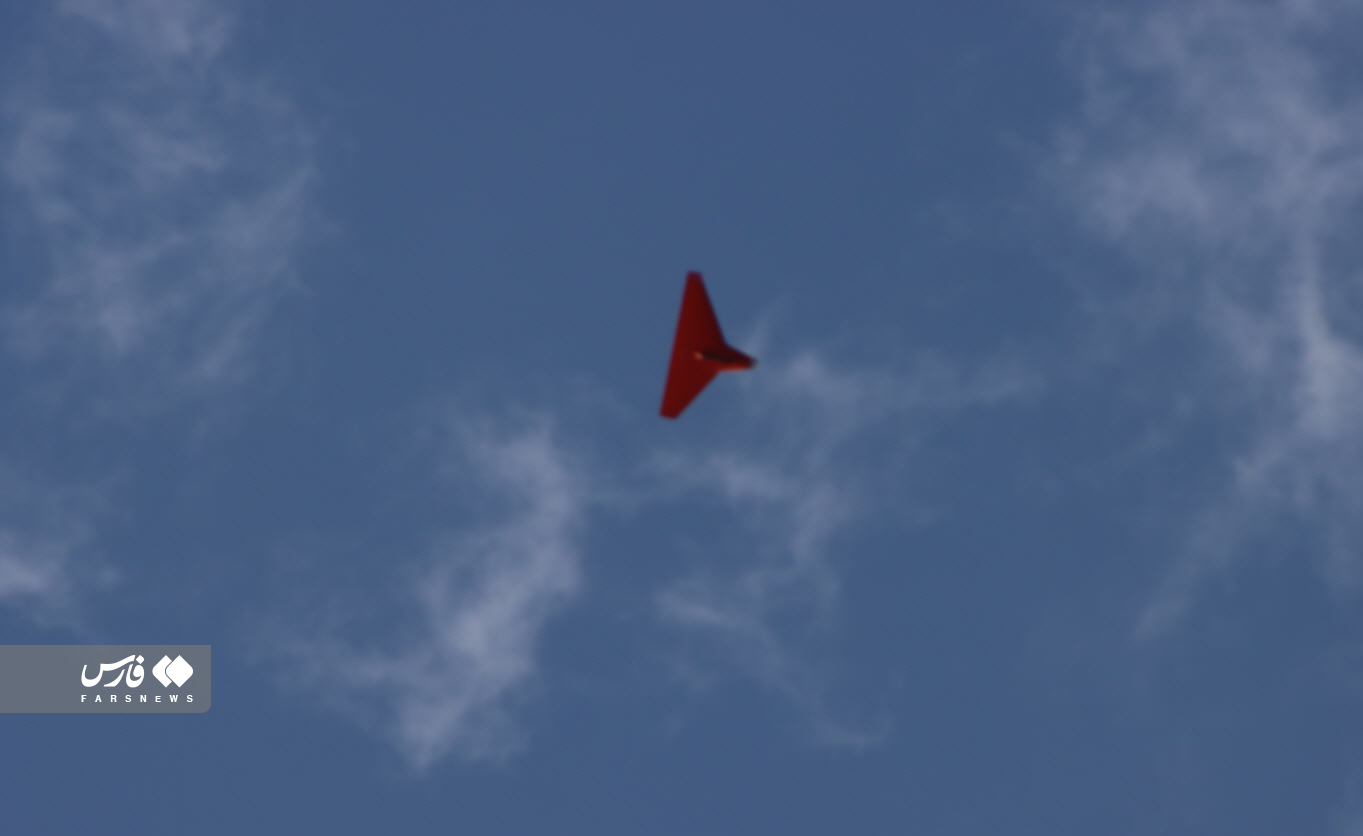
In the video above, the operation of Mohajer-6, Ababil-2, Ababil-3, Samad-3 (Shahed x) drones and Noor, Zafar, Noor and Ghadir anti-ship missiles and other missile systems and indigenous military equipment are shown.
Admiral Tangsiri said that the diversity and large-scale firing and explosions in the coastal areas of Farsi Island to display powerful defense, the use of smart subsurface arms to strike and destroy the foe’s naval and coastal bases and facilities, the broad organization and usage of the Orange Force of the hypothetical enemy in the range of the real foe have been among other programs of the military drills, which have been implemented appropriately.
The military exercise and other drills of Iran’s armed forces are being carrid out consistent with the plan to maintain preparedness of the land, sea and air forces of the army and IRGC to encounter external threats in various regions of the Islamic state, including the Persian Gulf’s waters, the Sea of Oman and the Strait of Hormuz.
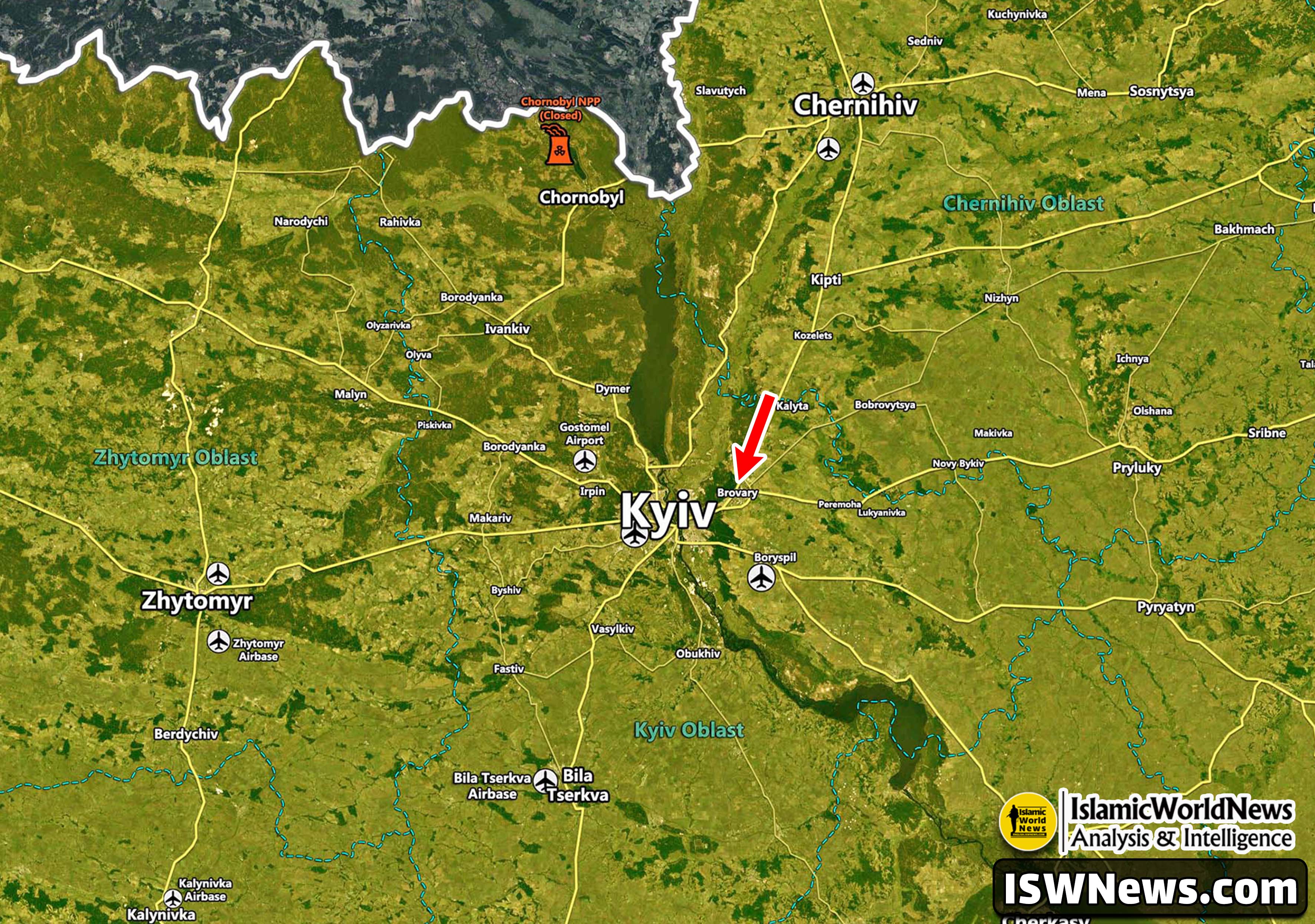
The crash of the Eurocopter Super Puma transport helicopter (EC225) belonging to the Ministry of Interior of Ukraine in the city of Brovary, east of Kyiv, left at least 16 dead and 29 wounded.
Nine people were on board of the helicopter, including Denys Monastyrsky and his deputy Yevhen Yenin as well as Deputy Minister of Foreign Affairs of Ukraine Yurii Lubkovych. The incident occurred in vicinity of a kindergarten and several residential buildings in Brovary. The explosion caused by the fall of this helicopter has killed the passengers of this helicopter and at least ten children and kindergarten staff.
The media reports and statements made by the Ukrainian officials did not specify the exact cause and other details of the fatal incident, and the helicopter probably fell down because of a technical defect or sabotage by Russian agents.
From left to right: Interior Minister Denys Monastyrsky, Deputy Interior Minister Yevhen Yenin, and Secretary of the Ministry of Interior Yurii Lubkovych of UkrainePictures of the transport helicopter of the Ministry of Interior of Ukraine and its crash site in the city of Brovary
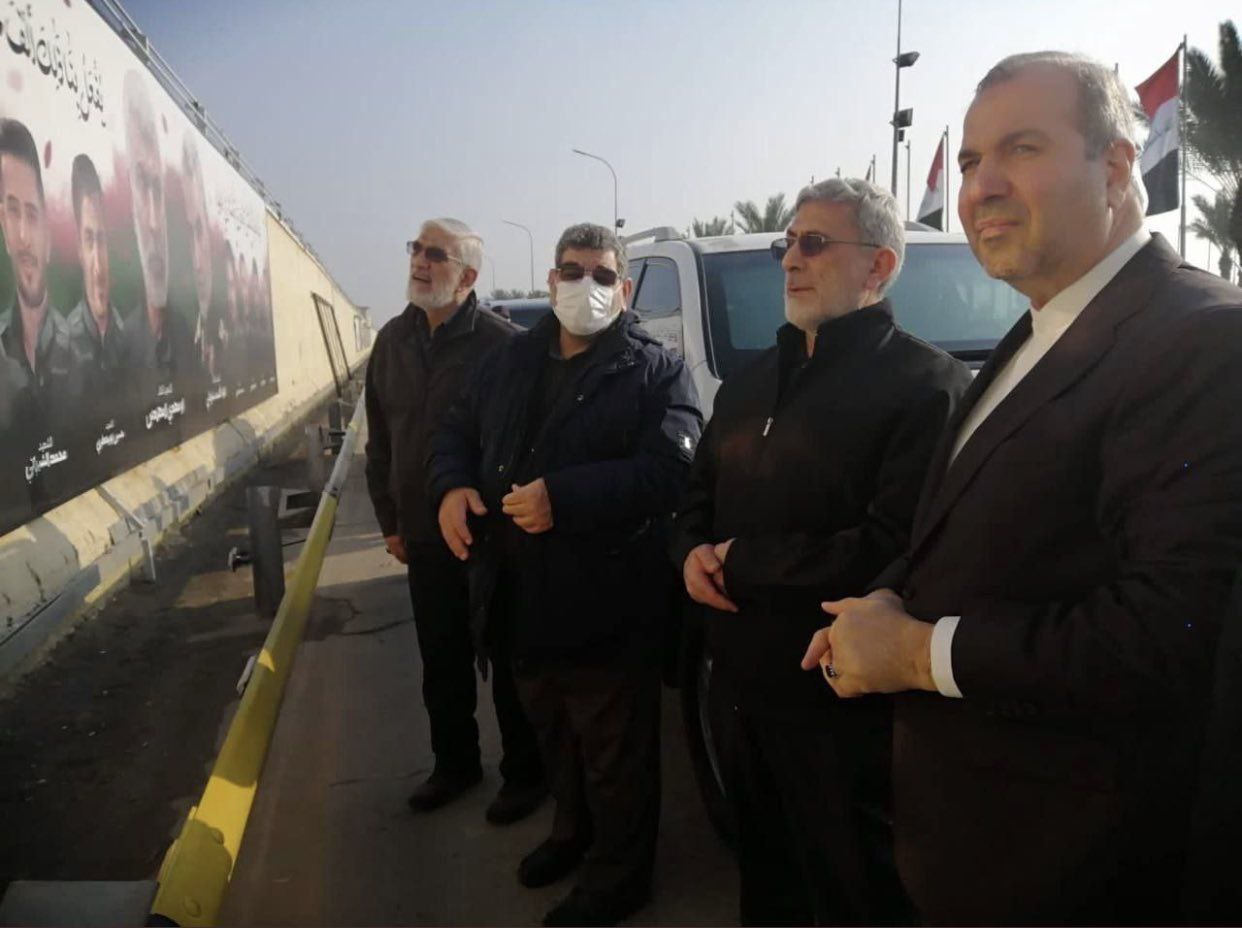
1- Baghdad – On January 11, Prime Minister of the Kurdistan Region of Iraq Masrour Barzani met and conferred with Iraqi Prime Minister Mohammed Shia Al-Sudani in capital Baghdad. In the meeting, the two sides held talks on the most significant national issues as well as the collaboration between the central government and the Kurdistan Region were discussed with the aim of providing better services to the Iraqi people throughout the country. – On January 11, Speaker of Iraq’s Parliament Mohammed Al-Halboosi met with his Jordanian counterpart Ahmad al-Safadi in the Iraqi capital. – On January 12, the Iraqi resistance groups attacked a logistics convoy belonging to the US invaders in al-Taji region of Baghdad province. – On January 13, the ISIS terrorist group issued a statement declaring that its elements attacked a joint patrol convoy, comprising of the Iraqi army and anti-terrorism forces in the Al-Tabi district of Tarmiya town in north of Baghdad. – On January 16, Commander of the Quds Force of the Islamic Revolution Guards Corps (IRGC) Esmail Qaani visited the location of martyrdom of General Qasem Soleimani and Iraqi Martyr Abu Mahdi Al-Muhandis in a trip to Baghdad. – On January 16, the personnel of the 12th Brigade of the Popular Mobilization Forces kicked off an operation in Taramiya area in north of the Iraqi capital to hunt and capture ISIS terrorists. – On January 16, Iraqi Prime Minister Mohammed Shia al-Sudani held talks with White House Coordinator for the Middle East and North Africa as well as US President Joe Biden’s envoy Brett McGurk on US-Iraq relationship and the ways to reinforce the ties at various levels and in different fields. – On January 16, Commander of the Quds Force of the Islamic Revolution Guards Corps (IRGC) Esmail Qaani took part in the funeral service of the wife of martyr Seyed Mohammad Baqir Hakim, a senior Iraqi Shia Islamic Scholar and the leader of the Supreme Council for Islamic Revolution in Iraq (SCIRI).
Esmail Qaani in the funeral service of the wife of martyr Seyed Mohammad Baqir Hakim
2- Salah Al-Din: The security officials of Salah Al-Din province announced that the Iraqi security forces and Hashd al-Shaabi are on high alert to repel any ISIS attack.
3- Sulaymaniyah: On January 13, Kormor gas field in the Chamchamal region of Iraqi Kurdistan, which is under the management of the UAE-based Dana Gas Company, was targeted by a rocket attack by unknown groups.
4- Diyala: On January 11, ISIS news sources announced the attack of elements of this terrorist group on the Iraqi police headquarters in al-Binkani village in al-Miqdadiyah region. According to ISIS, as a result of this operation, one police force was martyred and another person was injured.
5- Kirkuk: On January 14, Abdul Amir Rashid Yarallah, Chief of the General Staff of the Army and Qais Al-Mohammadavi, Deputy Head of the Iraqi Joint Operations Headquarters, arrived in Kirkuk province to inspect the latest security situation.
6- Iraqi Interior Minister Abdul Amir al-Shammari announced the deployment of 6,000 auxiliary police forces at border bases with the aim of controlling Iraq’s borders with Iran and Turkey.
The upgrade of the Su-35 kicked off from 1980s, when the Russians started developing the Su-27. The fighter jet was introduced as the Su-27 in the first place; in fact, the Russians sought to manufacture a more powerful version of the Su-27 to improve its maneuverability, Avionics (Aviation Electronic), longer range and more powerful engine of the jet. Thus, the first version of the fighter jet conducted the initial flight in June 1988, and then, 15 Su-27 were manufactured prior to the collapse of the Soviet Union.
Following the downfall of the Soviet Union, the Sukhoi Company changed the name of the fighter jet to Su-35 with the aim of attracting purchasers from the global export markets. In 2003, the company initiated the second big upgrade of the fighters and the first flight of the new version took place in February 2008. The aim was to maintain the Russian Air Force fleet up-to-date in order to fill the gap between the fourth and fifth generations of fighter jets as long as the fifth generation of fighters of Russia’s Sukhoi PAK FA would be ready.
The Su-35 fighter jet is considered as the “fourth generation ++” of the fighter jets, which was seen as the most powerful and the most advanced fighter of Russian aerial superiority before the fifth generation Su-57 in order to carry out different defensive and offensive missions.
Performing a combined maneuver of the Sukhoi-35, which is a combination of the three techniques of the Cobra maneuver, the hook maneuver to the left and an additional back, shows off the agility and maneuverability of the Sukhoi-35.
Design and development of Su-35 The first design of the Su-35 dates back to early 1980s, at the same time when the Su-27 entered service with the Soviet Army. The final version of the Su-27 is identified with the name T-10S. The operation to upgrade the Su-27M began in 1982 and the design was accepted in 1983 with the name T-10M.
The design of the Su-27M is widely similar to the Su-27; however, when it comes to manufacturing the fuselage of the Su-27M, they used small canards in the fighter jet cabin, which is located slightly ahead of main wings. The usage of canards gives the fighter jet an opportunity to carry out maneuvers of higher intensity, while it does not need any revamp and amplification of the key structure. The other transformations to the version comprise longer tail fins, aerial refueling system as well as larger wheels on the front of fuselage of the fighter jet. Other than the abovementioned issues, one of the distinguishing features of the fighter jet is the usage of an up-to-date fire control system.
The extra powerful turbofan engines and the usage of lightweight composite materials as well as aluminum and lithium alloys are among other features applied in the fighter jet.
The radar installed on the fighter jet is multi-purpose and able to spot targets on the ground.
When the N011 Bars radar was installed on the Su-27M for the first time, it transformed the fighter jet from an air defense jet to a multirole fighter. Contrary to the N001 Myech radar, the N011 Bars radar is being installed on the Su-27 and is capable of detecting 10 targets as well as at the same time directing two missiles against merely one target; furthermore, the radar, which is installed on the Su-27M, can detect 15 targets and is capable of engaging with six targets.
N011 Bars radar
The Russians installed radar named N012 on the back of the fighter plus the main radar in order to detect missiles fired at the fighter jet. The design was applied on the Su-27M first, and the fighter jet is the first combat plane to be equipped with this sort of capability. In succeeding designs, the radar was detached from the rear of the Su-35 fighter, and the existing Sukhoi-35 fighters do not possess such radars; however, the fighters were equipped with the electronic warfare and jamming systems in the rear section.
Test and operation of Su-35 The Sukhoi Company kicked off manufacturing the first aircraft called the T10M-1 in 1987 that was alike in appearance to the T-10S. Sukhoi’s chief pilot Oleg Tsoi carried out the first flight of the aircraft on June 28, 1988.
Following the manufacturing of two prototypes, the design of the fighter jet was handed over to Russia’s Far East region to be manufactured at the KnAAPO factory. The first real edition of the fighter jet is identified as T10M-3. Actually, the version is the first original edition of Su-27M, which was manufactured by KnAAPO and the aircraft made its first flight in April 1992. At that time, the Soviet Union collapsed and political developments caused delay of the manufacture of the fighter jet, and they manufactured merely two test editions and nine main versions of the fighter until 1995.
The Su-27M (T10M-3) design was first shown to the public at the Farnborough Airshow in 1992. A third prototype, the T10M-3, was unveiled at the Dubai Air Show in 1993, at which time Sukhoi renamed the fighter to Su-35. The Sukhoi-35 made several air shows over the next few years, including at the MAKS Airshow in 1993 and 1995, as well as the ILA Berlin Air Show in 1994.
During the Su-35’s flight test and test programs, it was found that the aircraft did not have good control during the cobra and tailslide maneuvers. Therefore, the 11th version of the Su-27M with the model number T10M-11 was made by KnAAPO in 1995 exclusively for the installation of an engine equipped with a thrust vectoring nozzle. Finally, this change ended in the construction of the first and only Su-37 fighter.
The first and only Sukhoi-37 model
15 prototypes of the Su-35 fighter (i.e. Su-27M) 15 prototype versions of Su-27M have been made, which are described in the following order:
Sukhoi with body number 88
There is no image of the two prototypes with body numbers 86 and 87.
Sukhoi with body number 701-702-703
Sukhoi with body number 704 was a test bed and there is no picture of it.
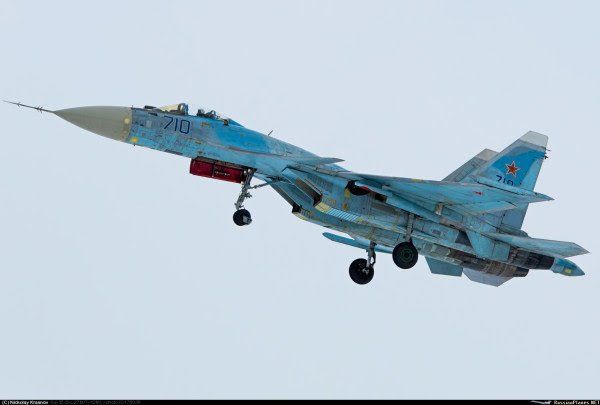
Sukhoi with body number 705-706-707Sukhoi with body number 708-709-710
It should be noted that the tenth version of the Su-27M fighter, named T10M-10, was equipped with AL-41F1S engines to perform tests related to the Sukhoi Su-57 fighter. The picture of Sukhoi with body number 710 above is related to this model.
Sukhoi with body number 711 – this model was equipped with an engine with thrust vectoring nozzle, which eventually became known as the Su-37 fighter.Sukhoi with body number 712 – along with 703 were owned by Russian Knights acrobat team for some time.
First official version: Su-27M/Su-35 It is a single-seat version known by the code T-10M. The two initial versions of this model are equipped with a different structure in the front part of the body.
Second official version: Su-37 It is a technology proof version and it is actually the 11th version of Su-27M which is equipped with flight control system, new cabin, N011M radar and AL-31FP engines equipped with thrust vectoring nozzle.
Sukhoi 37 fighter engine equipped with a thrust vectoring nozzle
Third official version: Su-35UB It is a two-seat and training version designed and manufactured by KnAAPO factory. This version is known as T-10UBM-1 and is equipped with the same body as Su-30MKK. Also, the tail fins of this fighter are longer than the Su-27M version. The Su-35UB fighter is equipped with the electronic systems of the Su-30MKK fighter. The engines of this version are of AL-31FP type and are equipped with thrust vectoring nozzle. Although the Su-35UB fighter is a trainer aircraft, it has all the capabilities of a full fighter jet.
Su-35UB fighter
Fourth official version: Su-35BM It is a single-seat version and a redesign of the Su-27. This version has significant changes in the air intakes, the radar of this version has been updated to the N035 Irbis-E type, and also the engines of this version are AL-41F1S, which is equipped with a thrust vectoring nozzle. Another name of this version is T-10BM.
Fifth official version: Su-35S The Sukhoi-35S is a redesign of the T-10BM design for the Russian Air Force and the main operational version of this fighter. “S” stands for the Russian word Stroyevoy meaning “Combatant”.
Salient features of Sukhoi-35 fighter The AL-41F1S Sukhoi-35 engine is equipped with thrust vectoring nozzle. The Su-35’s thrust vectoring system and integrated thrust and flight control systems allow the aircraft to achieve “super-maneuverability” and enable it to perform post-stall maneuvers at low speeds. The AL-41F1S engine gives the Su-35 the ability to maintain supersonic speed without the use of afterburners. According to Carlo Kopp of the Australian Air Power think tank, such a “supercruise” feature allows the Su-35 to engage with the enemy at a higher speed and altitude and increase the range of its long-range missiles by 30 to 40 percent.
Thrust vectoring nozzle on a Sukhoi Su-35S
The Su-35 fighter uses the powerful N035 Irbis-E passive electronically scanned array radar. This radar has the ability to detect targets from a distance of 400 km. This radar has the ability to identify 30 targets and can engage with 8 targets simultaneously. In addition to the above, the radar has the ability to identify ground targets by providing high-resolution images using synthetic-aperture radar (SAR) mode.
N035 Irbis-E radarThe range and ability of the Sukhoi 35 radar to detect other fighters
According to some sources, the Su-35 fighter has the ability to identify and destroy the F-15 fighter from a distance of 400 km, the F-16 F/A-18 fighter and the Typhoon from a distance of 300 to 350 km, the F-35 fighter from a distance of 60 and the F-22 fighter from a distance of 35 km. The pulse doppler radar of the F-15 fighter has a range of about 175 km.
The Su-35 fighter is equipped with the L175M Khibiny-M electronic warfare system to deal with the enemy. The system is designed for radio direction-finding and probing signal source irradiation allowing it to distort reflected signal parameters. This system helps to delay aircraft detection; mask the true subject against false reflections; cause range finding difficulties namely in speed and angular positions; degrading maintenance mode TWS when scanning antenna beam radar; and increase the time and difficulty of capturing an object during real-time active scanning.
Khibiny-M electronic warfare system installed on the wing tips of Sukhoi-35
In May 2024, new images of the Sukhoi-35 fighter jet were published, which show that this fighter jet is also equipped with the newer L-420 Khibiny-U electronic countermeasures system.
Images of the SU-35S multirole fighter equipped with L-420 Khibiny-U anti-electronic warfare, which was delivered to the Russian army in May 2024.
Su-35 is equipped with an OLS-35 optoelectronic targeting system ahead of the cockpit to provide other forms of tracking including infra-red search and track. OLS-35 comprises a heat-seeker, a laser rangefinder/designator and a TV camera along with new algorithms and advanced software to outperform its predecessor installed on the Su-27/Su-30 aircraft family. The OLS-35 provides a coverage of +/-90 in azimuth and +60/-15 in elevation with a target acquisition range for non-afterburning aerial targets of 50 km facing up to target’s front hemisphere and 90 km facing up to rear hemisphere. The laser rangefinder features a five-meter Circular Error Probable (CEP) and ranges up to 20 km for aerial targets and 30 km for targets on the ground.
OLS-35 advanced infrared search and track (IRST)
In the cabin section, while the design of the Su-27M cabin had avionics equipment suitable for a multipurpose fighter, but in the flight tests, the inefficiency of the cabin for the effective use of the fighter’s weapons was determined. Therefore, the cockpit and its systems were redesigned and optimized. In the new design, the information management system of aircraft’s avionics suite had been changed so that it now has two digital computers which process information from the flight- and weapons-control systems. The information is then displayed on two 9 in × 12 in (23 cm × 30 cm) multi-function liquid crystal displays, which replaced the smaller multi-function cathode-ray tube displays found on the Su-27M. The pilot can also view critical flight information on the head-up display,[42] and is equipped with Hands On Throttle-And-Stick (HOTAS) controls.
Su-35S cockpit layout: a head-up display, two multi-function liquid crystal displays, and a control stick with HOTAS controlsA view of the cabin of an early Sukhoi-35
Sukhoi-35 is equipped with a GSh-30-1 30 mm automatic cannon in the armament section. This fighter has 12 external hardpoints for loading all types of missiles for air, land and sea targets as well as anti-radar missiles. These hardpoints can also load a variety of guided bombs. The arrangement of 12 Hardpoints is as follows: 2 wingtip rails, and 10 wing and fuselage stations with a capacity of 8,000 kg.
12 hardpoints of the Sukhoi-35 fighter The Su-35’s 30 mm GSh-30-1 automatic cannon
Su-35 export market The Sukhoi-35 fighter to attract export customers in Dubai in 1993 and piloted by Viktor Pugachev engaged in an aerial battle with the Su-30MK fighter. After this, the fighter once again flew in air shows in Berlin, Paris and Moscow and showed its features to the public.
In the late 1990s and early 2000s, Sukhoi had negotiations with South Korean officials to sell the fighter, but the negotiations were unsuccessful. The company also presented its designs to Brazil, China and the UAE.
Egypt was one of the main customers of Su-35 and ordered 24 of this aircraft to Russia. But this order was canceled due to US threats. The US had threatened Egypt that if it buys fighters from Russia, it will be subject to US sanctions. Also, Indonesia, which had ordered 11 planes of this fighter, along with Algeria, canceled the order and purchase plans of Sukhoi-35 for similar reasons.
Currently, Russia with 88 and China with 24 planes are among the main users of this fighter.
According to Sukhoi’s estimate, this company has the ability to sell 160 of these fighters to Latin American countries, Southeast Asia and the Middle East. The first order of this fighter was made by the Ministry of Defense of Russia in 2009, which was 64 aircraft.
A video of the taxi, takeoff, flight and performing a number of maneuvers and landings of the Russian Air Force Sukhoi-35
Sukhoi Su-35 Specifications: Role: Multi-role fighter, air superiority fighter Manufacturer: Soviet Union/Russia Year of manufacture: Su-27M version from 1987 to 1995 and Su-35S version from 2007 until now First flight: Su-27M version in 1988 and Su-35S version in 2008 Length: 21.9 meters Wing length: 15.3 meters Height: 5.9 meters Crew: 1 Empty weight: 19,000 kg Maximum take-off weight: 34.500 kg Engine: 2 Saturn AL-41F1S afterburner turbofan engines Maximum speed: 2.400 km/h Maximum range: 3.600 km Flight ceiling: 18,000 meters (59,000 feet)
Su-35 Armament: Guns: 1 × internal 30 mm Gryazev-Shipunov GSh-30-1 autocannon with 150 rounds
KAB-500KR and KAB-1500KR and GBU-500T and GBU-1000T TV guided bombs KAB-500L, KAB-1500L, GBU-500, and GBU-1000 laser guided bombs KAB-500OD guided bomb KAB-500S-E satellite guided bomb
S-25 340 mm rocket
Vympel R-73 short-range air-to-air missile with a range of 30 km All versions of the Vympel R-27 medium-range air-to-air missile with a range of 40 to 170 km Vympel NPO R-77 medium-range air-to-air missile with a range of 80 to 200 km Vympel R-37M air-to-air missile with a range of 400 km Kh-29 air-to-surface missile with a range of 10 to 12 km 3M-14AE surface-to-air missile with a range of 300 km
Kh-36 cruise missile with a range of 120 km Kh-65SE cruise missile with a range of 600 km Kh-SD cruise missile with a range of 300 to 1,900 km
Kh-31A/AD anti-ship missile with a range of 25 to 105 km Kh-59 anti-ship missile with a range of 290 km Kh-35U anti-ship missile with a range of 300 km 3M-54AE1 anti-ship missile with a range of 300 km Kh-61 anti-ship missile with a range of 300 to 600 km
Kh-25MP anti-radar missile with a range of 60 km Kh-31P anti-radar missile with a range of 110 km Kh-58 anti-radar missile with a range of more than 120 km
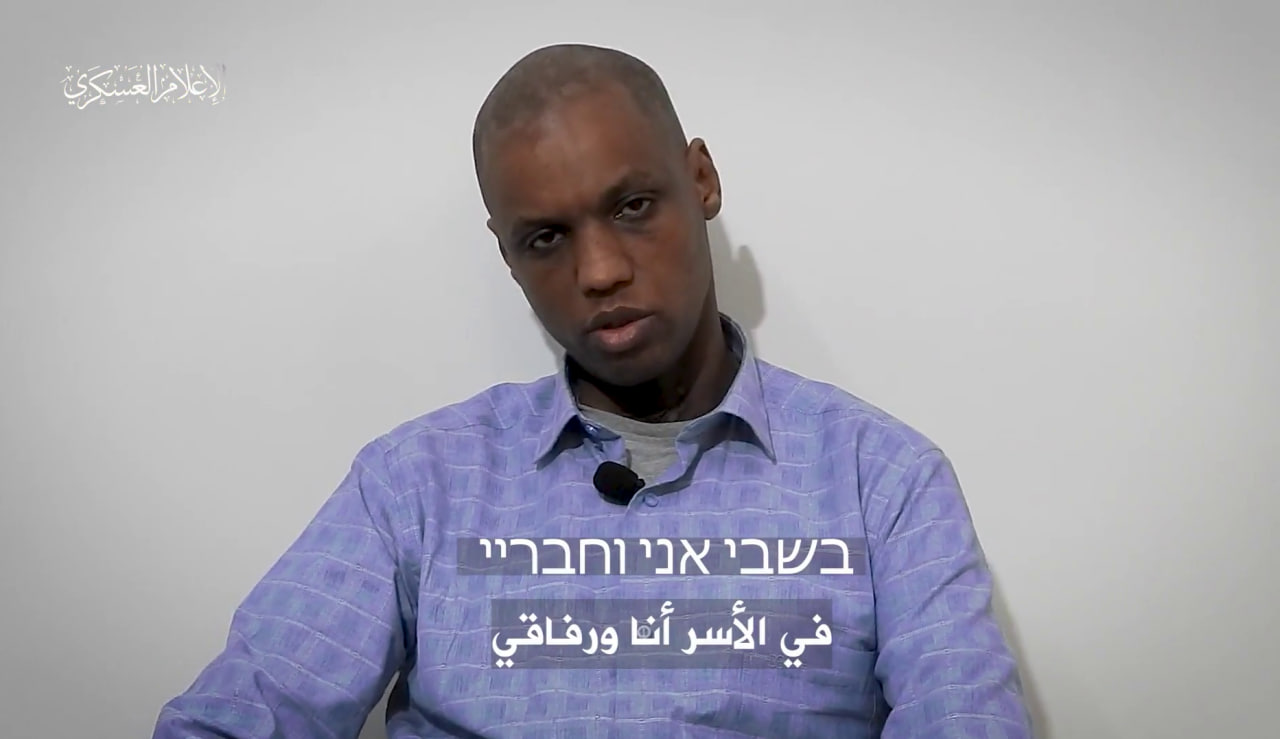
On January 16, al-Qassam Brigades, the military branch of the Palestinian Hamas movement, released a video of Avera Mengistu, a captured Zionist soldier, at the same time as the inauguration ceremony of the former and new chiefs of the General Staff of the Israeli regime’s army.
Al-Qassam, in a message addressed to Herzi Halevi, said: “Aviv Kochavi, the former chief of the army general staff, despite his claims, failed to release the Zionist prisoners, and his successor, today, must prepare himself for this failure and its continuation.”
In this video that was published by the Shadow Unit of al-Qassam Brigades, the captive soldier said while introducing himself: “After all these years of suffering and pain, how long me and my friends will be in captivity?”
The release of this video caused a widespread response by Israelis. The family of the Israeli military prisoner issued a statement saying: “We have reviewed this video several times and it shows that he is still alive and the Israeli cabinet must act to return him to his home. This is the first time we see him after several years of captivity.”
Apart from this Israeli prisoner, al-Qassam Brigades has been holding three other Zionist soldiers named “Hadar Goldin”, “Hisham al-Sayed” and “Oron Shaul” since the Israeli attack on Gaza in 2014. Also, on July 31, al-Qassam Brigades published a picture of “Hedar Goldin” and “Oron Shaul” with the title “Your government is lying”. This video was released on the eve of the eighth anniversary of “Hedar Goldin” captivity.
Read more: Publication of the picture of two captured Israeli soldiers by Kataib al-Qassam
It is worth mentioning that yesterday, the inauguration and introduction ceremony of the Chiefs of the General Staff of the Zionist regime was held in the presence of Prime Minister Benjamin Netanyahu, Minister of War Yoaf Galant, the new Chief of the General Staff of the Army, Herzi Halevi, and the former Chief of the General Staff of the Israeli Army, Aviv Kokhavi. And Holloway started his career by being promoted to the rank of general as the new chief of the general staff of the Israeli army.
Molavi Mohammad Asif Zakir, the commander of the 2nd Brigade (Border Brigade) of the 203rd Mansouri Division, on January 12, announced in a letter to the intelligence department and other departments of this division that the ISIS terrorist group is planning to send 7,000 new troops to the Afghanistan’s northern provinces. These militants had trained in Pakistan’s Khyber Pakhtunkhwa province and will be transferred to Afghanistan individually and in groups.
The 203rd Mansouri Division of Taliban also announced that ISIS terrorists, led by a Pakistani named “Muslim Kut Wal” in the training centers built in the mountainous areas of Tira Rishgol, Koko Khel, Abijer and Gondeh Ghari located in the Khyber Pakhtunkhwa province, completed ideological-jihadi training courses. These militants are supposed to enter Afghanistan through Azra district in Logar province, Jaji district in Paktia province, Alishang district in Laghman province and Nangarhar province and then go to the northern provinces of Afghanistan to fight with the Taliban.
Following this report, the Taliban has ordered all the military personnel of the 2nd Brigade of the 203rd Mansouri Division to carefully check all people entering Afghanistan at the borders of Nangarhar, Logar, Paktia and Laghman provinces and not to allow ISIS members to enter Afghanistan.
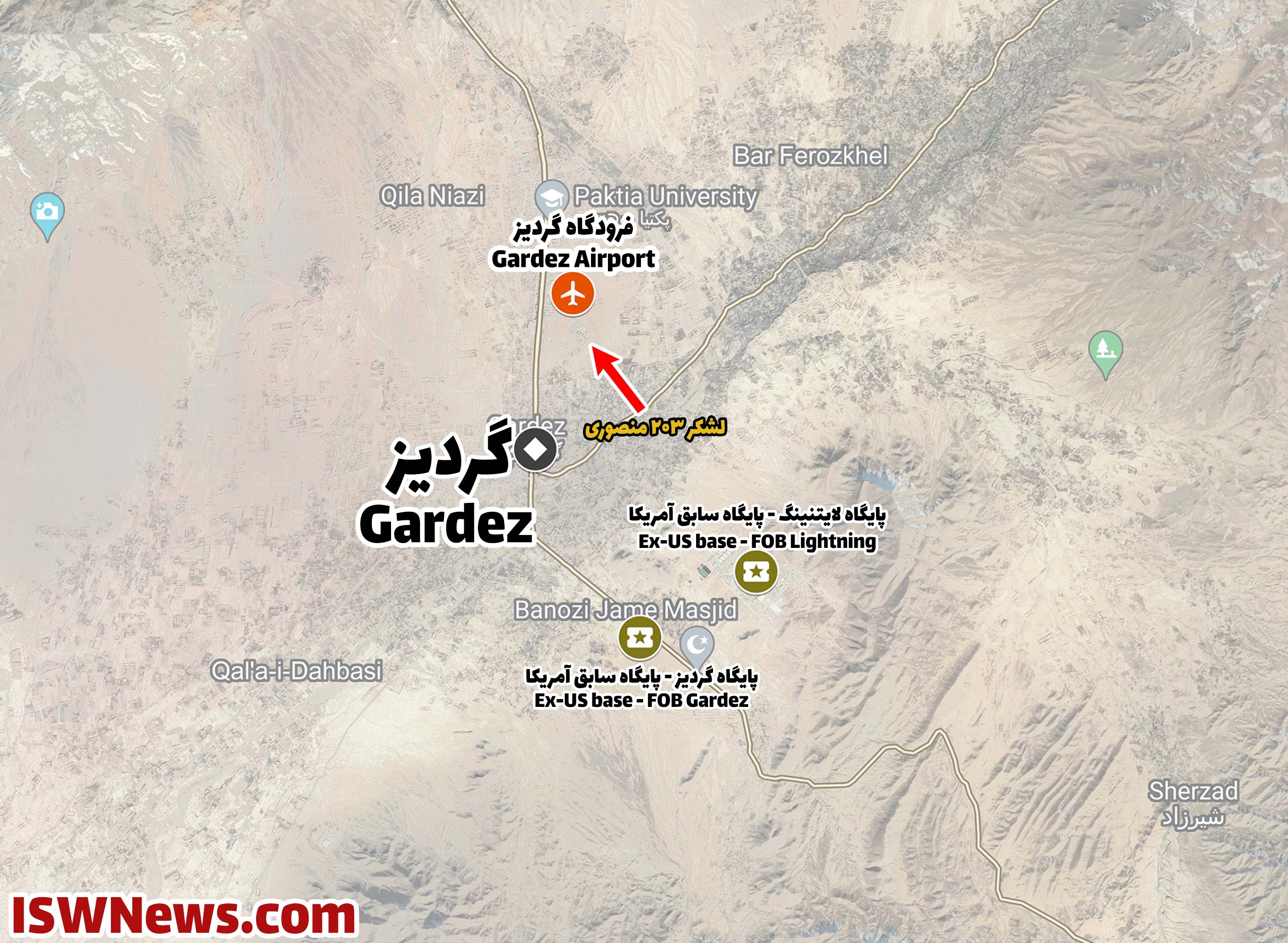
It should be noted that the main base of the 203rd Mansouri Division is located in the outskirts of Gardez Airport, the capital of Paktia province. This division is responsible for providing security in the southeastern regions of Afghanistan, and its second brigade is responsible for protecting the Durand border line (Afghanistan-Pakistan border). This base was attacked by unknown drones (probably American) on September 8, 2022.
1- Saudi F15S fighter on March 27, 2015, Gulf of Aden 2- Saudi AH-64D helicopter on May 7, 2015, Al-Boqa, Saada area 3- Moroccan F16C fighter on May 10, 2015, Wadi Nashur 4- Saudi Seeker400 UAV, July 3, 2015, Al-Boqa 5- Saudi AH-64D helicopter, August 5, 2015, Jizan 6- Saudi AH-64D helicopter, August 21, 2015, Jizan 7- UAE Schiebel Camcopter S-100, August 25, 2015, Makiras, Abyan Province 8- UAE Schiebel Camcopter S-100, October 25, 2015, Al-Abdiyah, Marib Province 9- Bahrain F16C fighter, December 30, 2015, Jizan 10- UAE MQ-1 Predator UAV, January 19, 2016, Sanaa 11- Saudi Selex ES Falco UAV, February 3, 2016, Midi, Hajjah province 12- UAE Schiebel Camcopter S-100, February 27, 2016, Dhubab, Taiz province 13- UAE Mirage 2000 fighter, March 13, 2016, Al-Bariqa, Aden 14- UAE AH-64D UAE helicopter, June 12, 2016, Gulf of Aden 15- UAE NSA407 helicopter, June 13, 2016, Al-Bariqa, Aden 16- Saudi AH-64D helicopter, July 25, 2016, Beer Al-Maraziq, Al-Jawf 17- Saudi Seeker400 UAV, August 16, 2016, Kataf, Saada province 18- UAE Wing Loong UAV, September 26, 2016, Kholan, Sanaa province 19- Saudi AH-64D helicopter, December 30, 2016, Najran 20- US V-22 Osprey Helicopter, January 29, 2017, Al-Baydha province 21- Saudi SA 365F Helicopter, January 30, 2017, Al-Hudaydah coast (on the Al-Madinah frigate) 22- UAE MQ-1B Predator UAV, February 14, 2017, Al-Manin, Marib province 23- Jordanian F16A fighter, February 24, 2017, Najran 24- Saudi S-70A helicopter, April 18, 2017, Marib province 25- UAE Schiebel Camcopter S-100, June 21, 2017, Dhubab, Taiz province 26- UAE AH-60L helicopter, August 11, 2017, Wadi Amaqin, Shabwa province 27- Saudi Seeker 400 UAV, August 15, 2017, Al-Boqa, Saada province 28- US UH-60M helicopter, August 25, 2017, Gulf of Aden 29- UAE AT-802U aircraft, September 11, 2017, Gulf of Aden 30- Saudi Eurofighter Typhoon fighter, September 13, 2017, Abyan province 31- US MQ-9 UAV, October 1, 2017, Sanaa 32- UAE AH-64D Helicopter, October 17, 2017, Khab and Shaaf, Jawf province 33- Saudi S-70A helicopter, November 5, 2017, Abha 34- Saudi Panavia Tornado fighter, January 7, 2018, Kataf, Saada province 35- Saudi F-15S fighter, March 21, 2018, Saada province 36- Saudi CH-4B UAV, July 12, 2018, Al-Rabu’ah 37- Saudi Panavia Tornado fighter, July 12, 2018, Asir 38- Saudi CH-4B UAV, August 30, 2018, Jizan 39- UAE Schiebel Camcopter S-100, September 2, 2018, Al-Jah, Hudaydah province 40- Saudi AH-64D helicopter, September 14, 2018, Al-Mahra province 41- Seeker 400 UAE UAV, November 26, 2018, Al-Jabaliya, Hudaydah province 42- Saudi CH-4V UAV, December 23, 2018, Saada province 43- US MQ-9 UAV, March 23, 2019, Hamdan, Saada province 44- Saudi CH-4B UAV, April 11, 2019, Hadhramaut province 45- UAE Wing Loong, April 19, 2019, Saada province 46- UAE RQ-1E Predator UAV, May 15, 2019, Bani Matar, Sanaa 47- UAE Schiebel Camcopter S-100, June 2, 2019, Hays, Hudaydah area 48- US MQ-9 UAV, June 7, 2019, Al-Zaafran, Hudaydah province 49- US MQ-9 UAV, August 20, 2019, Al-Dhamar province 50- UAE Shiebel Camcopter S-100, November 1, 2019, Raas Issa, Hudaydah province 51- Saudi AH-64D helicopter, November 29, 2019, Asir 52- Saudi Wing Loong UAV, November 30, 2019, Hayran, Hajjah province 53- Saudi Luna X2000 UAV, December 4, 2019, Saada province 54- Saudi Karayel UAV, December 30, 2019, Al-Salif, Hudaydah province 55- Saudi CH-4V UAV, January 7, 2020, Khab and Shaaf, Jawf province 56- Saudi Panavia Tornado fighter, February 14, 2020, Jawf province 57- Saudi RQ-20 UAV, August 2, 2021, Haradh, Al-Hajjah province 58- Saudi CH-4B UAV, December 21, 2020, Marib Province 59- Saudi Karayel UAV, January 6, 2021, Jawf province 60- Saudi CH-4B UAV, February 12, 2021, Marib province 61- Saudi Karayel UAV, March 7, 2021, Jawf province 62- Saudi CH-4B UAV, March 23, 2021, Sarwah, Marib province 63- Saudi Wing Loong UAV, May 21, 2021, Najran 64- Saudi CH-4B drone, May 23, 2021, Jawf province 65- Saudi Scan Eagle UAV, June 19, 2021, Marib province 66- Saudi Scan Eagle UAV, June 21, 2021, Marib province 67- Saudi Scan Eagle UAV, August 14, 2021, Madghal, Marib province 68- Saudi Wing Loong UAV, September 13, 2021, Kataf, Saada province 69- Saudi Scan Eagle UAV, September 27, 2021, Madghal, Marib province 70- Saudi CH-4 UAV, October 6, 2021, Jubah, Marib province 71- Saudi RQ-20 UAV, October 7, 2021, at the Jizan border 72- Saudi Scan Eagle UAV, November 9, 2021, Al-Juba, Marib province 73- Saudi Scan Eagle UAV, November 13, 2021, Al-Juba, Marib province 74- Saudi CH-4 UAV, December 1, 2021, in Al-Amshia area, Amran province 75- Saudi Scan Eagle UAV, December 4, 2021, Al-Juba, Marib province 76- Saudi Scan Eagle UAV, December 8, 2021, Al-Juba, Marib province 77- Saudi CH-4 UAV, December 8, 2021, Al-Wadi, Marib province 78- Saudi Scan Eagle UAV, December 10, 2021, Sarwah, Marib province 79- Saudi CH-4 UAV, December 14, 2021, Usaylan, Shabwa province 80- Saudi Scan Eagle UAV, December 16, 2021, Al-Wadi, Marib province 81- Saudi Scan Eagle UAV, December 25, 2021, Yatmah, Khab and Al-Shaaf, Al-Jawf province 82- UAE Wing Loong UAV, January 5, 2022, Usaylan, Shabwa province 83- UAE Wing Loong UAV, January 11, 2022, Ain Shabwah province 84- Saudi Scan Eagle UAV, January 29, 2022, Al Juba, Marib Province 85- Saudi CH-4 UAV, February 10, 2022, Harad, Hajjah province 86- UAE MQ-1 UAV, February 25, 2022, Al-Jawf province 87- Saudi Scan Eagle UAV, February 25, 2022, Al Juba, Marib Province 88- Saudi Scan Eagle UAV, February 28, 2022, Harad, Hajjah province 89- Saudi Scan Eagle UAV, March 8, 2022, Harad, Hajjah province 90- Saudi Scan Eagle UAV, March 29, 2022, Al-Wadi, Marib province 91- Saudi CH-4 UAV, May 4, 2022, Harad, Hajjah province 92- Saudi Karayel UAV, May 21, 2022, Hayran, Hajjah province 93- Saudi CH-4 UAV, May 23, 2022, Sana’a, Sana’a province 94- Saudi Wing Loong UAV, May 24, 2022, Kataf, Saada province
(Last update on 16 January 2023)
Click to view full size
“Saudi Coalition and US Aircraft Losses in Yemen War” poster in Persian, Arabic, Kurdish, Azerbaijani, Russian:
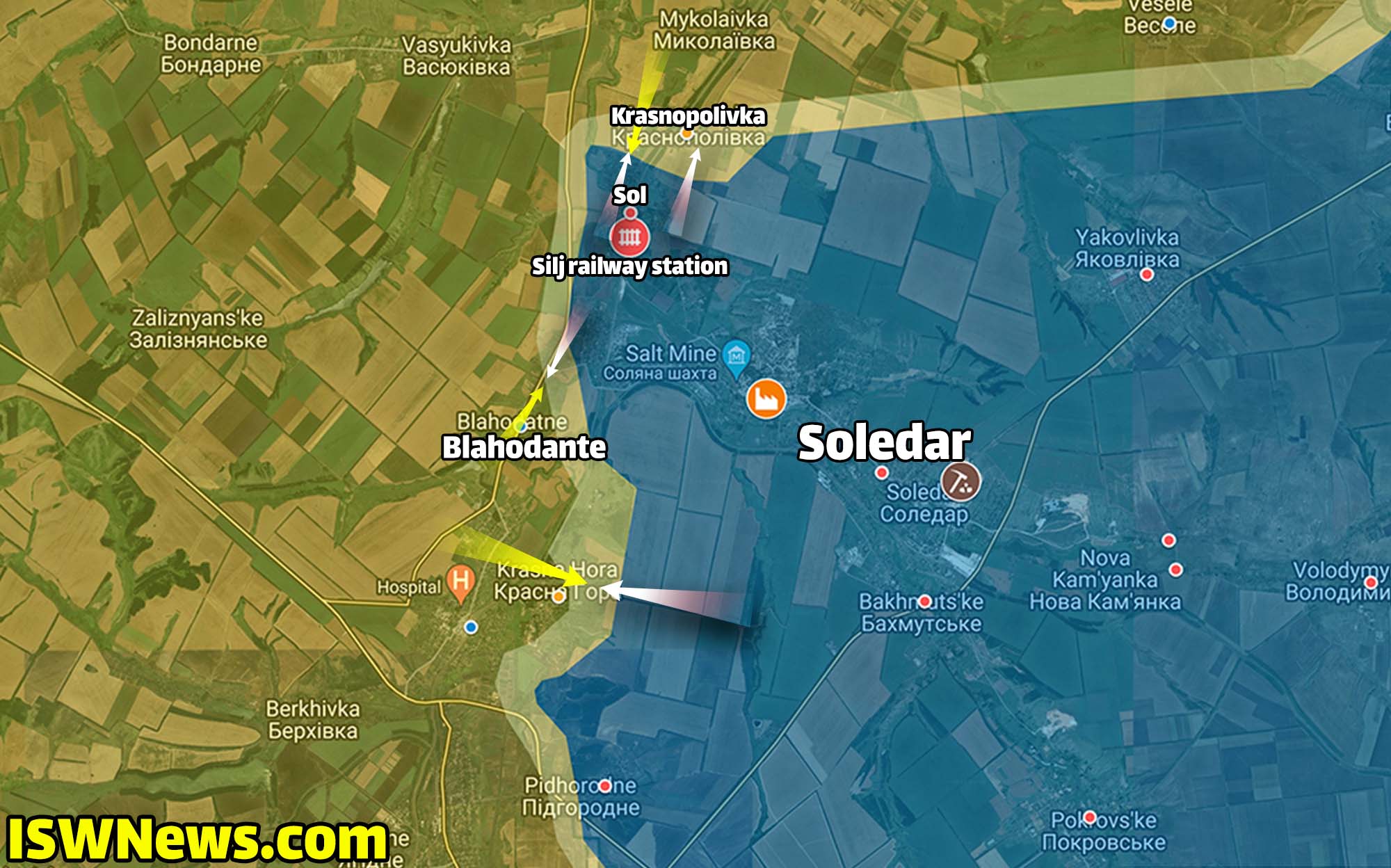
The Russian-led forces captured Sol (Sil) village and Sil railway station located in north of Soledar town. With the advance, the Bakhmut-Siversk road was completely cut off and the logistics route of the Ukrainian army was also blocked. It is important to note that this railway station was considered an important transportation center, And control over it, eliminated the possibility of a direct logistic connection between the towns of Bakhmut and Siversk, the two main points of Ukrainian defense line in the north of Donetsk oblast.
The Russian operation in this axis continues along the Bakhmut-Siversk road. The village of Krasnopolivka in the north of Sol and Blahodante in the south are the next targets of the Russian forces. Heavy clashes between the Ukrainian and Russian armies continue in the mentioned areas.
Also, clashes continue north of Pidhorodne in Krasna Gora and near Paraskoviivka. The capture of these two areas enhances the process of besieging the city of Bakhmut from the north.
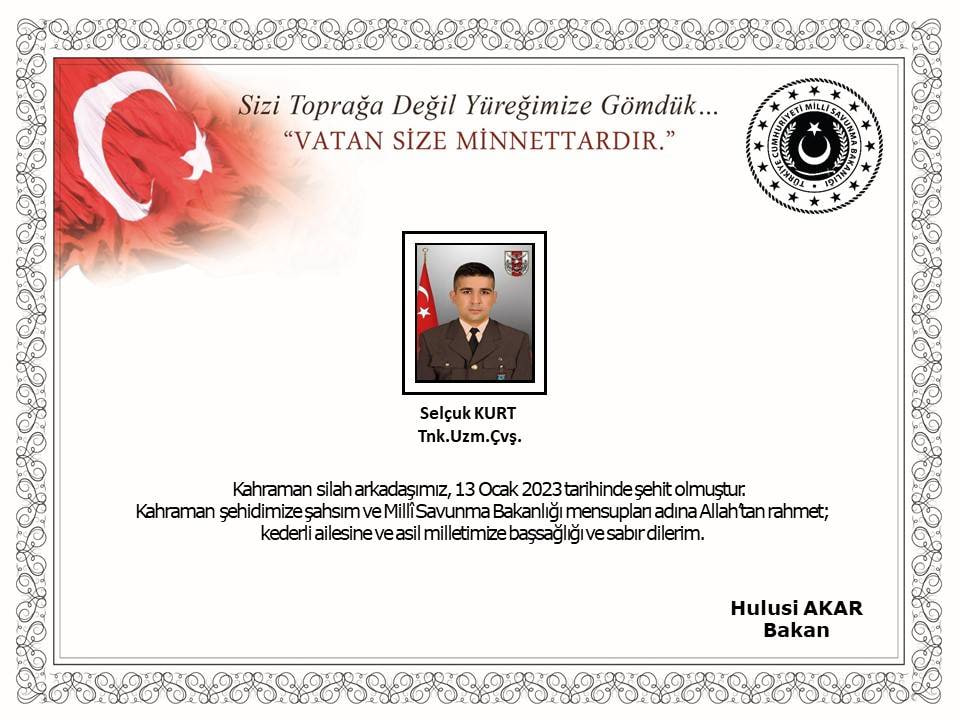
According to the statement of the Turkish ministry, the personnel was injured very seriously in a rocket attack by the Kurdish militants on a Turkish base in Hazwan village near al-Bab city in northern Aleppo Governorate, northwestern Syria. The man was moved to a healthcare center, but he succumbed to injuries.
In drone and artillery attacks, the Turkish Army targeted some strongholds of the Kurdish militants in Tal Rifat, Maranaz, Bineh, Abin and Zor Maghar in Aleppo Governorate in response to the fatal attack. Turkiye announced that 11 Kurdish militants were killed in the retaliatory attacks.
On September 9, 2022, also, the Ministry of National Defense declared that a Turkish military personnel was killed during the Operation Olive Branch in northern Syria.