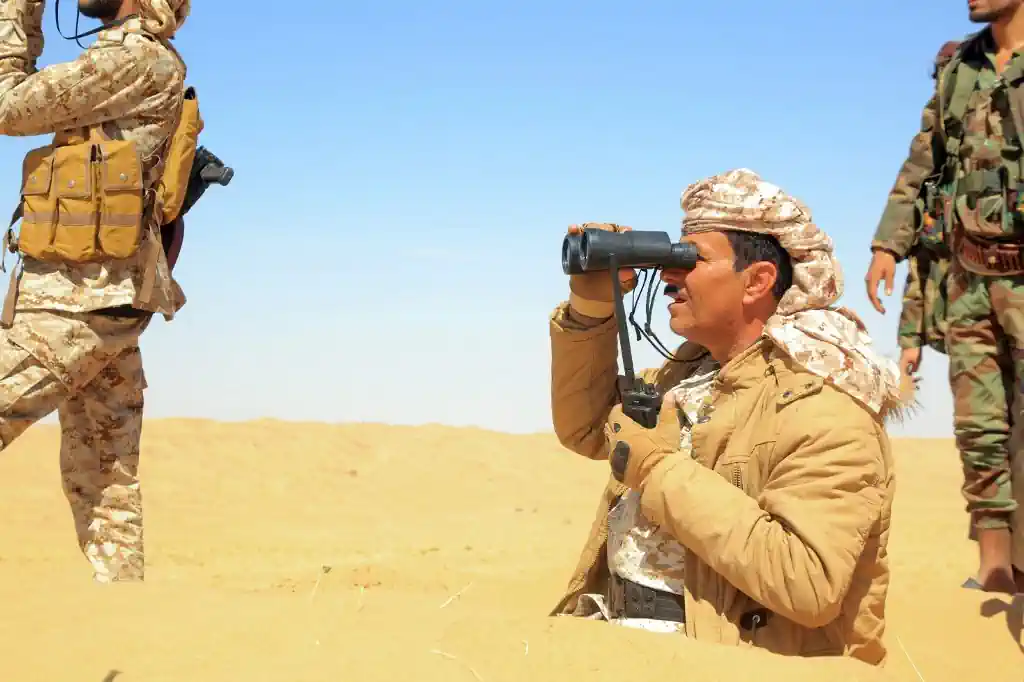
During the visit, U.S. advisors reportedly gathered detailed intelligence on the brigades’ structure, including personnel numbers, combat capabilities, weaponry, and deployment zones along active fronts against Yemeni armed forces.
It appears that the United States is preparing for a possible ground operation aimed at curbing the actions of Yemeni forces against Israel, with plans to utilize UAE-supported factions—particularly the Giants Brigades and loyalists of Tareq Saleh. This strategy has reportedly been under joint consideration by the U.S., UK, and Israel for several months.
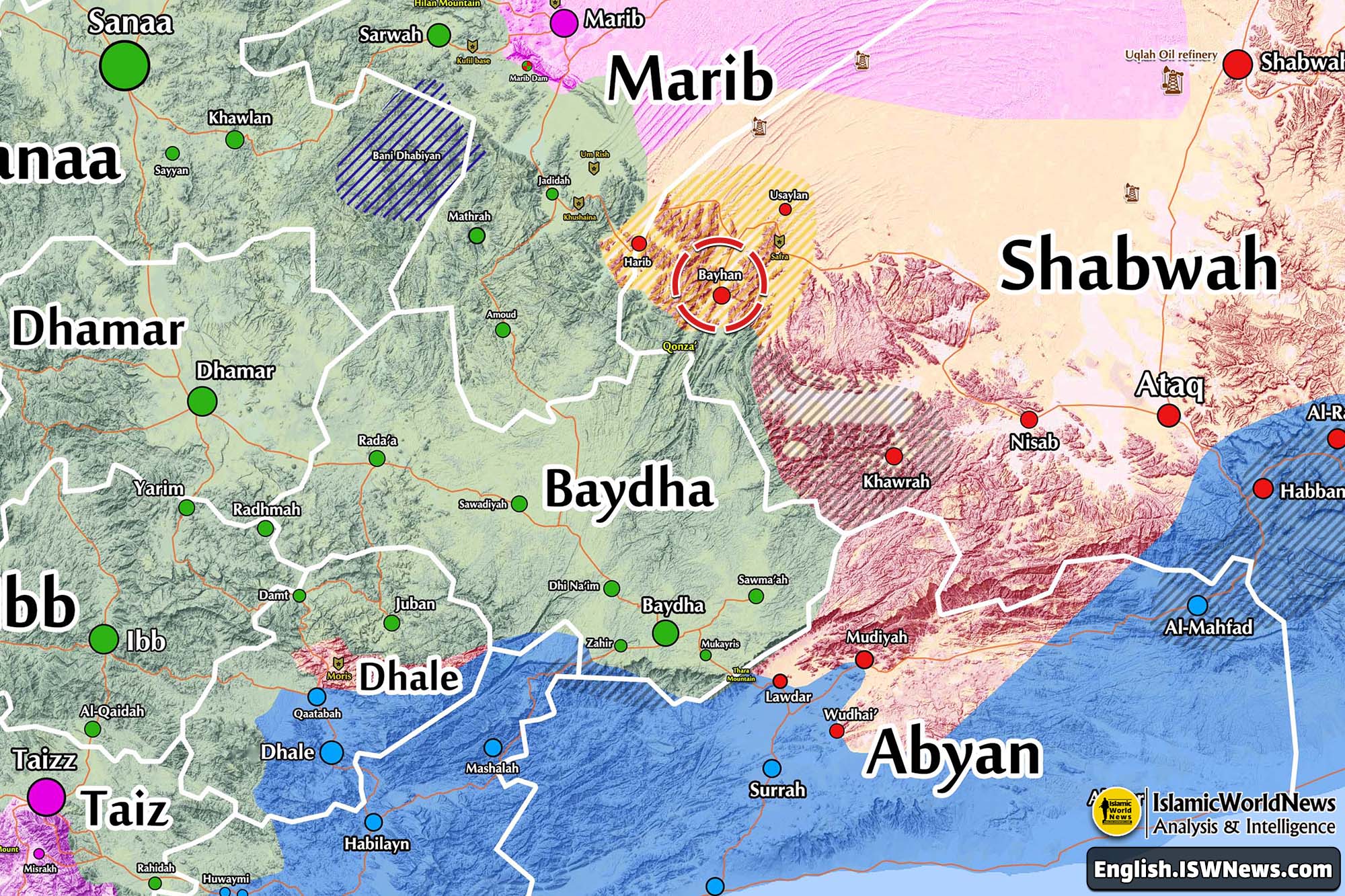
On April 8, Al Amaliqah Brigades succeeded in taking control of Bayhan al Qisab, a town in western Yemen, after confrontation with militants of a son of Governor of resigned government in Shabwa Awad bin Al-Wazir Al-Awlaki.
The conflict was triggered by a dispute over collecting tolls in al-Alia market; then, the forces of the Shabwa Defense withdrew from Bayhan al Qisab.
Bayhan al Qisab town is one of the oil-rich regions in Shabwah Governorate, which has been under the control of militants affiliated to the Saudi-led coalition; so, its oil revenues and other incomes of the region are being paid to the Al Amaliqah Brigades and the Southern Transitional Council (STC).
Recent conflicts in the areas, which have been usurped by the Saudi-led coalition, have turned into a routine activity of different fractions affiliated to the coalition, and each of the forces make their all-out efforts to expand their control on towns in southern and eastern governorates of the war-hit Arab country.
In the new round of offensive attacks on the positions of the Amaliqa Brigades and Shabwa Defense Forces, Ansar Allah movement succeeded in capturing Khashiba Ridge, Shamakh Arba’a and Al-Hillah areas in Markha al-Oliya district. The regions are among the defense lines of the Saudi-led militants in the western parts of Shabwah Governorate. The Ansar Allah movement retreated from these regions after inflicting heavy losses and tolls on the Amaliqa Brigades and Shabwa Defense Forces as well as destroying the trenches and defense facilities of the coalition forces.
The second round of the offensive attack by the Ansar Allah fighters kicked off on March 27 in Markha al-Oliya district and they concluded the strike on March 28.
The Amaliqa Brigades released images to claim that they could shoot down a Rased reconnaissance drone and a Rajum hexacopter.
The offensive attacks by the Ansar Allah movement in Harib district, located in southern Marib Governorate, as well as the western front of Shabwah Governorate started following provocation and violation of the ceasefire by the Amaliqa Brigades in middle of March 2023. The scale of tolls and losses has astonished the authorities of the Shabwah Governorate.
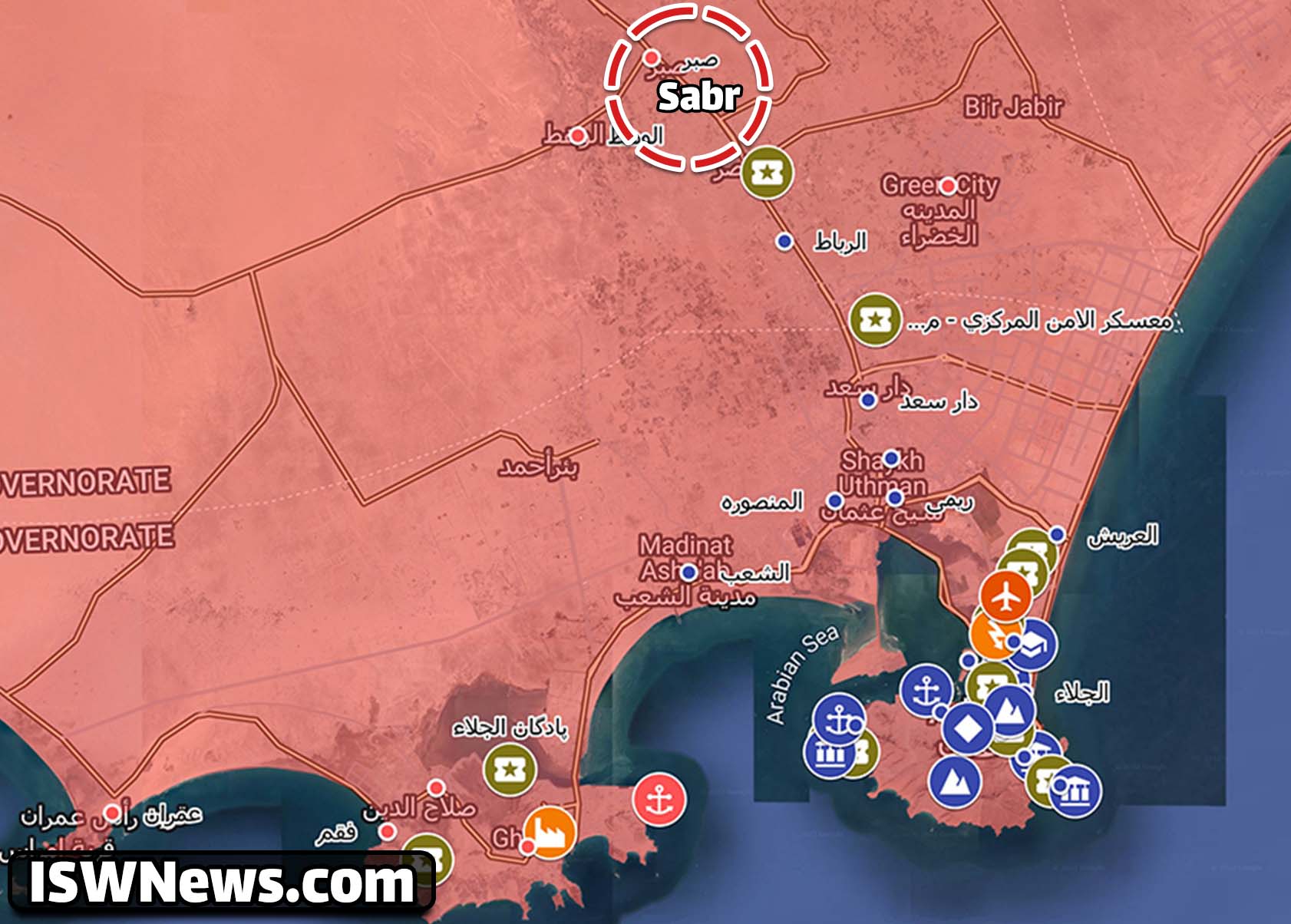
One person was killed and several others were injured when an unknown armed person threw an explosive device into Al-Saeed Mosque in Sabr town, located in Tabn district in Lahj province. This attack took place during sunset prayer and the presence of Major General Azzam al-Maghribi al-Sabihi, the commander of the second brigade of Amaliqah forces in this mosque.
Azzam al-Maghribi is one of the most prominent Salafi and radical leaders of the Saudi coalition, who is in charge of the second brigade of the Al-Amaliqah forces. After the increase of political competition and military conflict between the members of the presidential council of the resigned government of Yemen, Al-Maghribi plays an active role in the conflict with the armed members of the Southern Transitional Council. Therefore, it is possible that the attacker carried out this attack under the orders of the southerners…
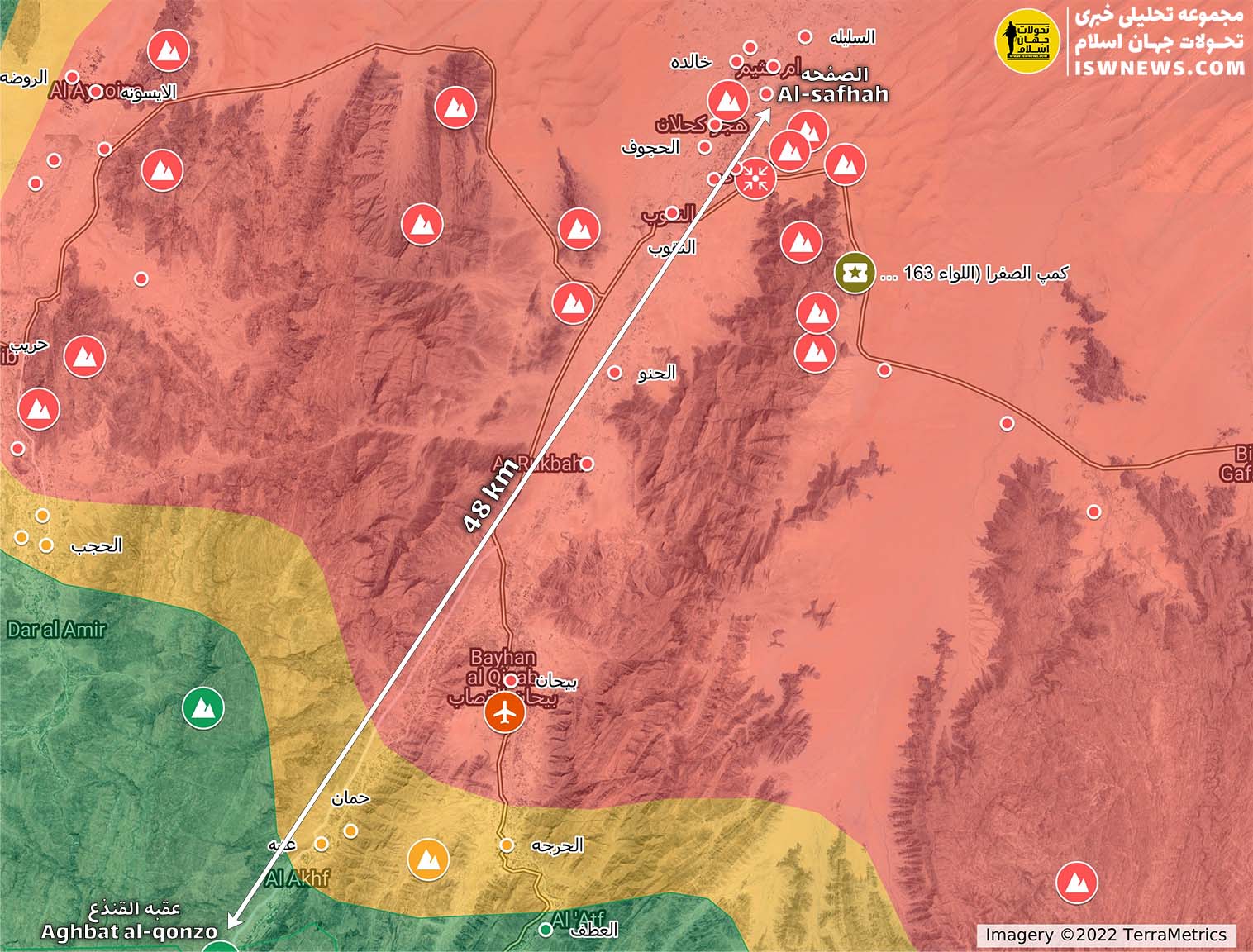
The missile attack was carried out in the last hours of last night, January 28, against a gathering of Amaliqa forces (Giant Brigades) in the al-Safhah area of Usaylan.
According to Brigadier General Yahya al-Sari’, a spokesman for the Yemeni Armed Forces, several military and armored vehicles were destroyed and at least 40 militants and commanders of the Amalqa forces were killed and wounded during the attack.
Considering the distance of Ansar Allah positions to al-Safhah area (48 km) and also the history of Ansar Allah missile attacks, the type of missile used in this attack was probably the Badr P-1 missile.
On November 12, 2021, an order was issued by the Saudi coalition command, which surprised many analysts and the media. In an unexpected move, they ordered the withdrawal of coalition forces from most parts of al-Hudaydah and the west coast of Yemen. According to this order, all the forces of the “National Resistance”, including the forces under the command of Tariq Saleh, Tihamah, Amaliqa and joint forces, evacuated the northern and eastern areas of al-Hudaydah and the western areas of al-Durayhimi, al-Jah and al-Tuhaita.
The most reasonable theory was assumed the fact that this retreat is done to strengthen the Shabwa and Marib fronts, and these retreats will continue until the Hays-Khukhah region in Hudaydah province.
Ansar Allah rapid advance on the Marib and Shabwa fronts had confused and weakened the Saudi coalition ground forces, and the coalition had not been able to stop Ansar Allah by sending al-Qaeda and ISIS militants. They needed trained and experienced forces to protect the city of Marib and keep Ansar Allah away from the city of Ataq, the capital of Shabwa province. With the Sudanese fleeing and the killing of mercenaries and elements of al-Qaeda and ISIS, there was no choice left for the coalition except al-Amaliqa (Giant Brigades) and Tariq Saleh forces.
According to the latest estimates from the Yemeni fronts, the Saudi coalition divided its forces on the west coast as follows: Tariq Saleh forces remained south of al-Hudaydah province to prevent possible Ansar Allah attacks, and some of them moved to the northern and western fronts of Marib.
The Tihamah forces, along with Tariq Saleh forces, carried out an operation called the “Golden Arc” around the town of Hays, which did not yield any specific results. The joint forces and the Amaliqa forces also entered the city of Ataq to retake western areas of Shabwa province.
This transfer of forces was the result of a secret agreement between the Saudis and the UAE. The UAE appears to have achieved the keys of Shabwa province in exchange for helping the Saudis to keep the Marib city. Of course, this issue will be protested by the tribes loyal to “Mansour Hadi”, and there is a possibility of a clash between Mansour Hadi supporters and the southerners in Shabwa province.
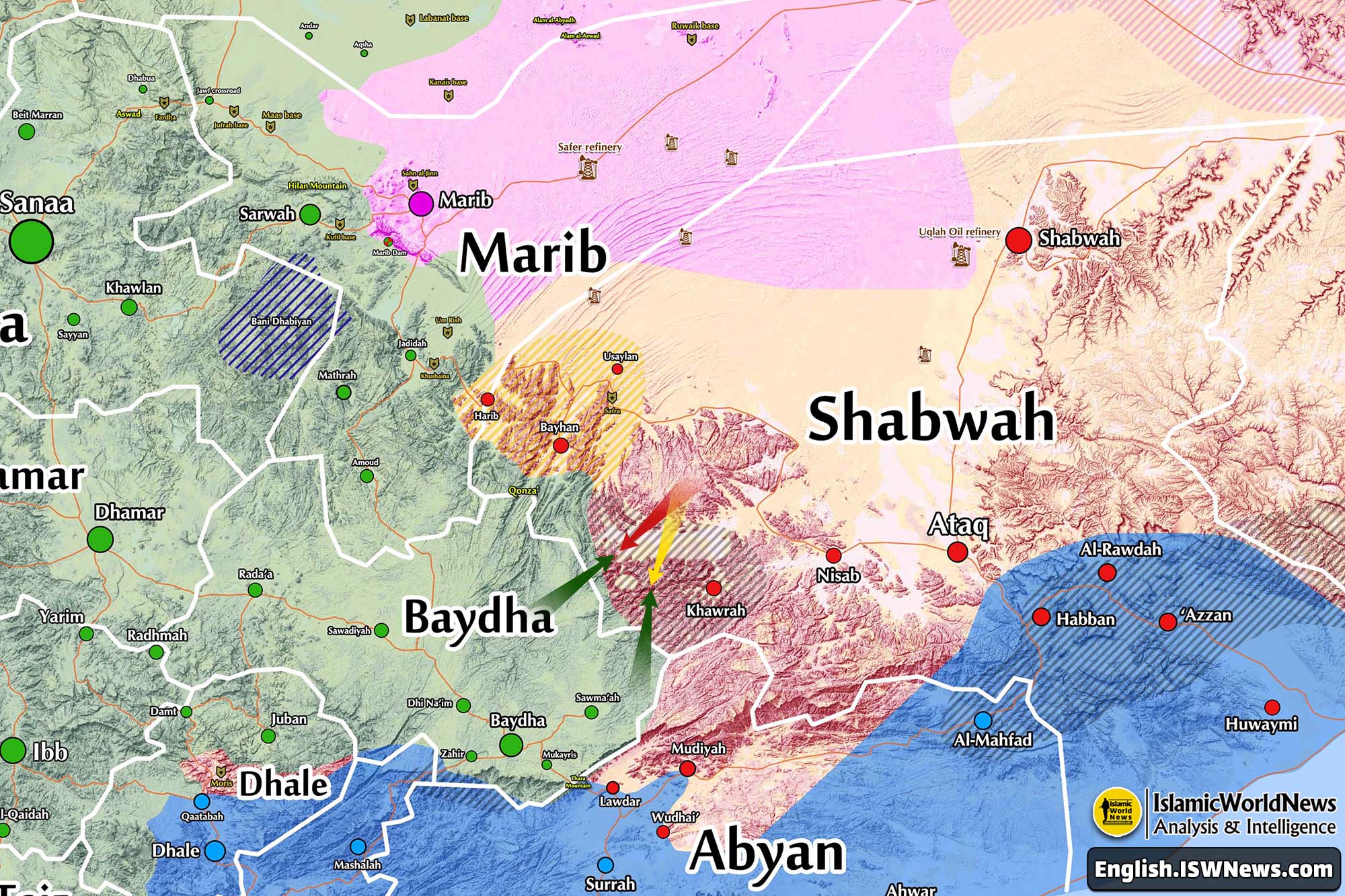
In any case, Amaliqa and joint forces under the command of Saudi Arabia and with the special support of the UAE entered the battles of Shabwa. In the first step, the UAE enticed the sheikhs of the tribes of Usayilan and Bayhan, and this led to the cancellation of peace agreements between Ansar Allah and tribes of Belharith. Thus, Ansar Allah set up a defensive line in the southern highlands of Beyhan and Ain district and prepared itself to counter a large-scale military operation by the Saudi coalition in the area.
From January 11, the conflict was transferred to the north of the Harib district, and finally the Harib district center came under the control of Saudi coalition on January 24.
According to the latest news from the Shabwa and Marib fronts, Ansar Allah’s first defensive line in the south of Beyhan remains stable. But the situation in the district of Ain is in favor of Saudi coalition.
The Saudi coalition in the south of Marib seeks to break Ansar Allah’s second line of defense from the al-Ma’laa heights to Haniyeh mountain, as well as advancing on the axis of Abdiyah district. If this line is also broken, Ansar Allah’s positions in al-Juba district will be weakened and the way will be opened for the coalition to move forward. The fall of these areas will eventually force Ansar Allah to retreat from the al-Balaq heights and the southern areas of the city of Marib. Because they will be under a quasi-siege from the north, east and south.
Simultaneously with the transfer of most of the Amaliqa forces to the central regions of Yemen, other forces under the control of the Saudi coalition, such as the Joint Forces and Mansour Hadi forces, have been deployed on the southern fronts of Marib. On the other hand, the Minister of Defense of Hadi government, Mohammad Al-Maqdashi, has visited the southern fronts of Marib, which marks the imminent operation of Mansour Hadi’s forces to retake the al-Balaq al-Sharqi heights, and Ansar Allah must prepare for a heavy battle on this front.
In general, for Ansar Allah, the future is not very pleasant for the battles of the Marib and Shabwa fronts. Ansar Allah’s delay on the western and southern fronts of Marib, for a variety of reasons, provided an opportunity for coalition forces to regroup And the Saudis brought the UAE back on the battlefield with impressive concessions. The unification of the UAE and Saudi Arabia and the use of Amaliqa forces, etc. will turn the Marib war to an erosive one. This will save the Saudis from being removed from the Yemen equation in the short term, and will increase the UAE influence in the central regions of Yemen. But Ansar Allah also has effective leverages that can thwart the Saudi coalition plans as in the past. Time will prove everything.
According to pro-Saudi coalition media, the Amaliqa Forces Command recalled five brigades of its fighters from the southern fronts of Marib and transferred them to the city of Ataq.
It should be noted that the leaders of the Southern Transitional Council had announced their participation in the Saudi coalition operation until the recapture of the districts of Shabwa province from Ansar Allah. But they expanded their military operation into the Harib district in Marib province. However, the end of operation was announced today.
This unexpected decision to end the operation and withdrawal of Amaliqa forces could be the result of one or more of the following: 1- The losses and casualties of the Saudi coalition forces, especially the Amaliqa forces on the battlefield with Ansar Allah, were much higher than their calculations and level of expectations. 2- Ansar Allah’s security and economic blow to the UAE by carrying out Operation Hurricane Yemen in two stages. 3- US and UN pressure on the UAE and Saudi Arabia to stop airstrikes on Yemeni cities. 4- International mediations between Ansar Allah and the UAE. 5- Ending the agreement between the UAE and Saudi Arabia and achieving the goals of this agreement.
Also, some local analysts believe that in exchange for helping the Saudi coalition to fight Ansar Allah in Marib province, the UAE has taken control of some districts and oil areas in Shabwa province and the port of Belhaf on the southern coast of Yemen from the Saudis.
The word Al-Amaliqa or Amaliq in Arab culture means strong and large people. Throughout history, the Jews also called their enemies Amaliq and considered Amaliqa as an adjective for their enemies. The last time the word was used in a speech by Jewish leaders was in 2010 by Benjamin Netanyahu, who called the Iranians a new Amaliqah.
But in Yemen, the Al-Amaliqah Forces are a militant group formed in 1971 at the suggestion of Major General Hassan al-Omari during the presidency of Ibrahim al-Hamdi.
Al-Amaliqah forces fought with the Socialist separatists in the south during the 1994 civil war in support of the Northern Alliance. Al-Amaliqa clashes with the southerners in Abyan province led to the defeat of the southerners and the depletion of their power in other battles, and Yemen came under the complete control of Ali Abdullah Saleh. Al-Amaliqah forces were also used by Ali Abdullah Saleh during the Six Wars of Saada. They fought in various battles against the supporters of the martyr “Sayyed Hussein Badruddin al-Houthi” in Saada and northern Yemen. Al-Amaliqa forces were then distributed to other brigades of the Yemeni army and practically disbanded.
After the Yemeni revolution and the beginning of the battles between Ansar Allah and the supporters of Abdrabbuh Mansur Hadi, a number of former commanders of Al-Amaliqa, with the support of the Saudi coalition, reorganized their groups and took part in the battles in the southern regions of Yemen. The organization of the Al-Amaliqa forces expanded during the Saudi coalition attack on the west coast of Yemen, and the ground attack was carried out with their role.
The Giant Brigades is now largely organized by the UAE, and most of its forces are recruited by this country. Most of the body of this group consists of the Wahhabis of Dammaj, Kataib Abu al-Abbas in Taiz, the Salafis of southern Yemen from the areas of Yafi’ to Lahij.
The Saudi coalition media put the number of Al-Amaliqah (Giant) Brigades at about 30,000. However, depending on the deployment of these forces in Yemen, their number is estimated at 15,000 to 20,000.
The Giant Brigades has bases in Aden and Lahij, and until the last few months they were stationed in the fronts of al-Hudaydah and Taiz. But after three years of erosive fighting in al-Hudaydah, they withdrew from al-Hudaydah on the orders of the Saudi coalition and were sent to the Shabwa and Marib fronts.