Tag: Audience Question

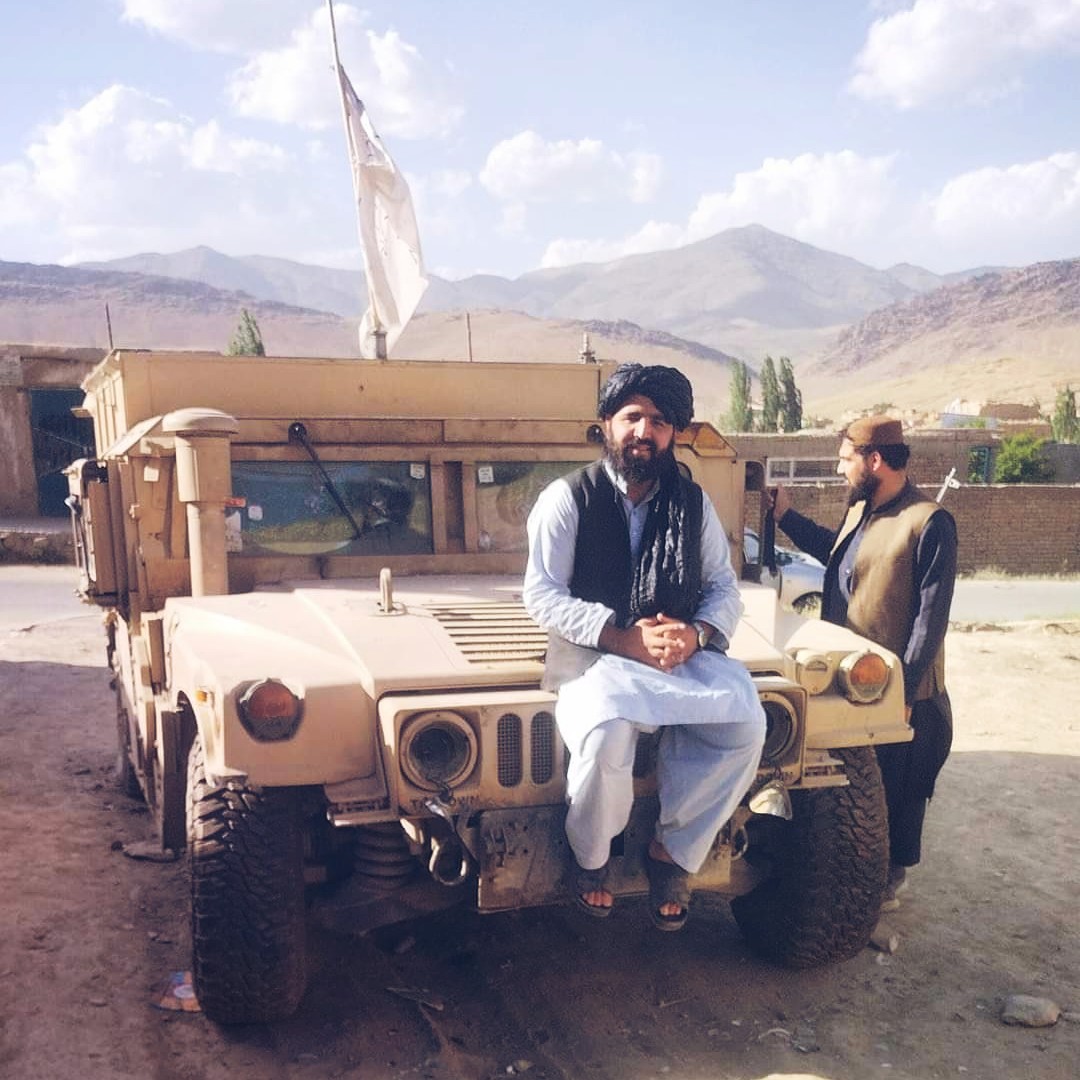
  • What is the reason behind falling of government controlled areas and Taliban gaining power again?

    What is the reason behind falling of government controlled areas and Taliban gaining power again?

    The question can be answered from different aspects:

    1- Following announcement that US and NATO forces evacuating Afghanistan, Taliban’s fear of foreign troops reaction to their attacks has decreased and during the probation time, which took several months, the leaders of the group reached the conclusion that US officials claims are real and if their forces are not attacked they don’t react to Taliban. Therefore, Taliban militants attacked more towns in which foreign forces are not.

    2- Taliban had the ability to capture some of the areas, towns or even provinces, but didn’t have the power to hold them and reaction of the foreign forces made them to retreat. In general Afghanistan security forces cannot stop Taliban from advancing and Taliban cannot stabilize and hold their positions.

    3- Some of these towns don’t have a special position or area and therefore less important. Taliban doesn’t have a hard job to occupy them since security forces have low number and capabilities in them and either retreat or surrender.

    4- Army and security forces usually bring the governorate and police HQ to another town when one town is fallen and reject that the town was occupied by Taliban. This trick has been used many times in Afghanistan war.

    5- An important reason that the towns are falling is due to assigning Pashtoons as police chief or governor. Ashraf Ghani’s administration has the fear that Shia or non-Pashtun ethnicity to gain power, therefore, they assign Pashtuns to high rank positions. This increased the vulnerability of the towns to fall and increased the discontent between other ethnicities. Being from same ethnicity with most of Taliban militants, Pashtuns do not resist enough against Taliban and show leniency. Ethnicity is another important reason behind continuation of war and political tensions in Afghanistan.
  • Audience Question: Houthis or Ansar Allah?

    Audience Question: Houthis or Ansar Allah?

    Answer:
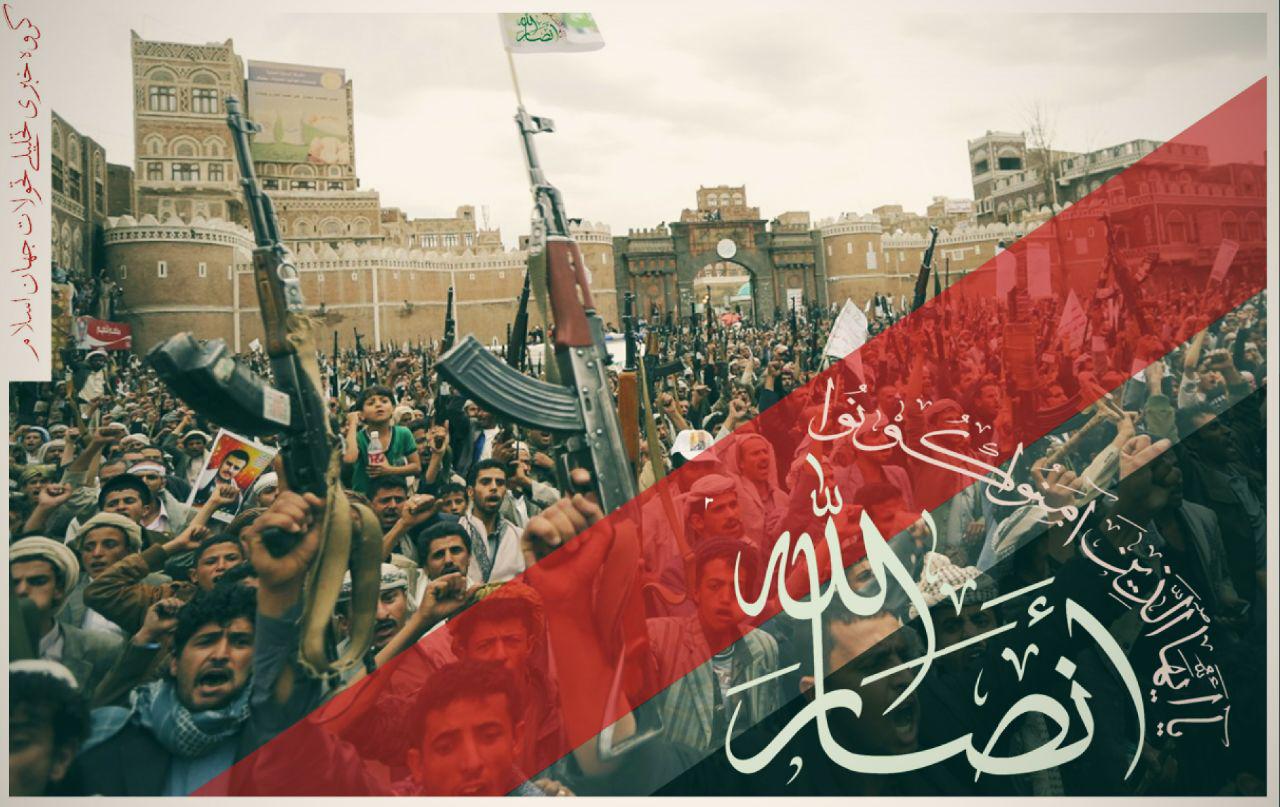
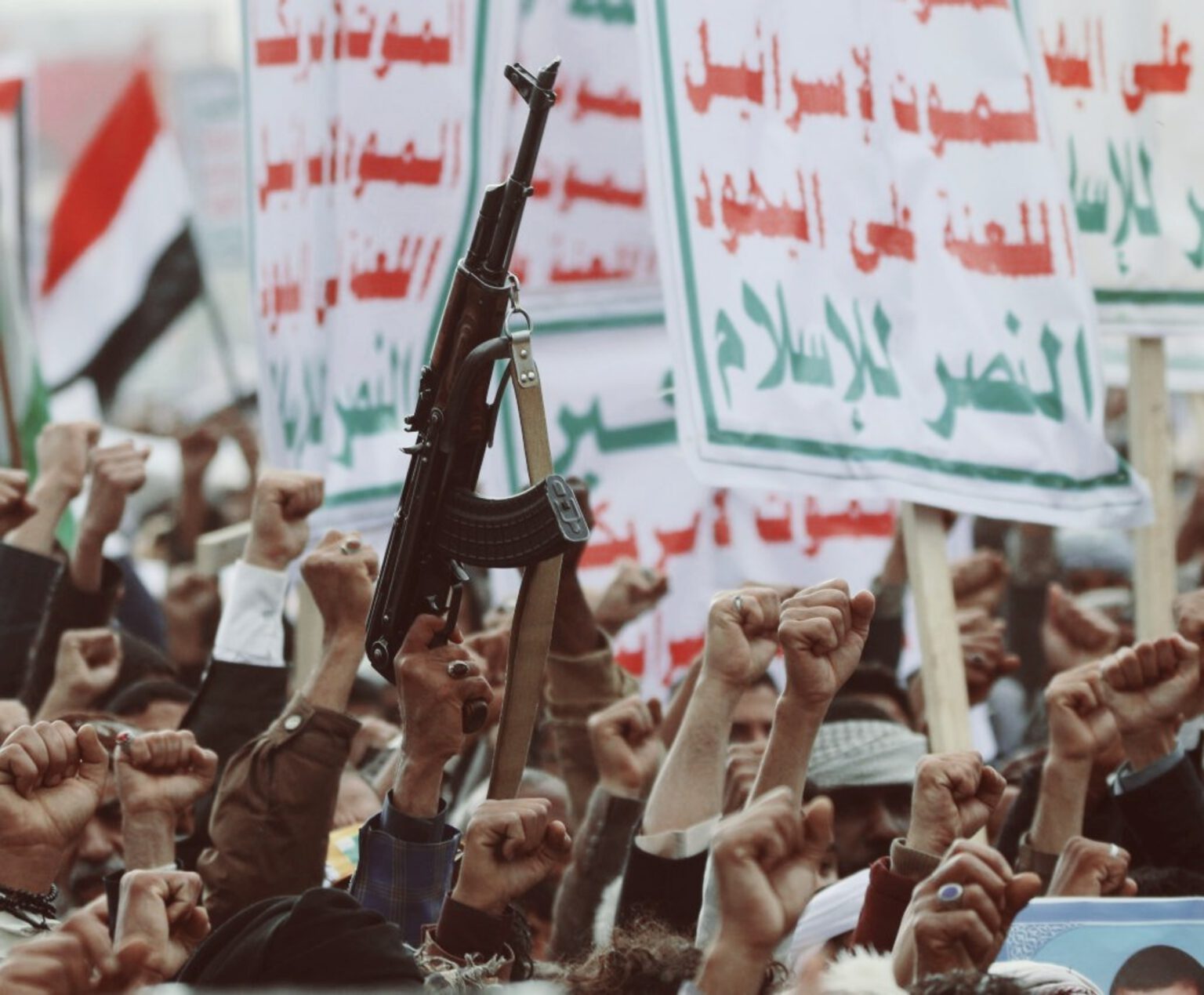
    Ansar Allah movement is a Yemeni movement which was founded by martyr Sayyid Hussein Badreddin al-Houthi and was known as “the Believing Youth” before.

    The movement was known as Houthis as well between Yemenis and media at the early years of the activities. Houthis comes from the family of Sayyid Hussein Badreddin, the founder of the movement, which is the name of a district in Amran province, north of Yemen.

    What is wrong with using Houthis for Ansar Allah movement?

    Like other countries of west of Asia, Yemen also had many races and tribes, which was influential on the government of the area.
    This is used by western media mastermind to label a vast popular movement in Yemen by name of a tribe and to label the current war as a tribal war. Dividing Islamic countries is usually done using two methods: 1. Religion and 2. Race
    In Yemen the race is being used by Saudis.
    This doesn’t mean that the religious differences are not used for discord and dividing in Yemen but the racial and tribal differences are the main trick for warmongering.
    Therefore using Houthis for the popular vast movement of Yemeni Ansar Allah helps the MSM to overlook tens of parties, political movement and tribes and millions of people who joined Ansar Allah.

    To further read and understand about the demographics of different provinces of Yemen, it is highly recommended to read series of “Answering Key Questions” articles.

  • Audience Question: Is it possible to reunite south of Saudi provinces back to Yemen?

    Audience Question: Is it possible to reunite south of Saudi provinces back to Yemen?

    Answer:
    1- After Ottoman empire era, some of Saudi Arabia southern areas were claimed by Saudis from Zaidiyyah Imams government in some short wars. Later in a series of negotiations in Taif city, then ruler of Yemen (Yahya Muhammad Hamid ed-Din) agreed to union of some areas to Saudi Arabia.
    This doesn’t mean that these areas are not occupied but then government of Yemen agreed to union of them to Saudi Arabia.

    2- Yemen, Saudi Arabia and in general Islamic states have different tribes and races. Some of the tribes in provinces Najran, Asir an Jizan such as Yam tribe are loyal to Saudi Arabia and some of them even fight for Saudi coalition in war of Yemen. (To confirm you can cross check the names of casualties of Saudi army with names of tribes of south of Saudi coalition.)

    3- It is said that Saudis claimed the reason to assault Yemen is Iran’s ambition but this is only one reason to attack Yemen. The main reason in official and media are claimed to be “defending the lawful government in Yemen”, i.e., resigned government of Mansour Hadi, (Persian Gulf Cooperation Council considers resigned government of Mansour Hadi as the lawful government in Yemen) and “fighting with terrorism” and that is why the name of Saudi coalition is “Arab Coalition”.

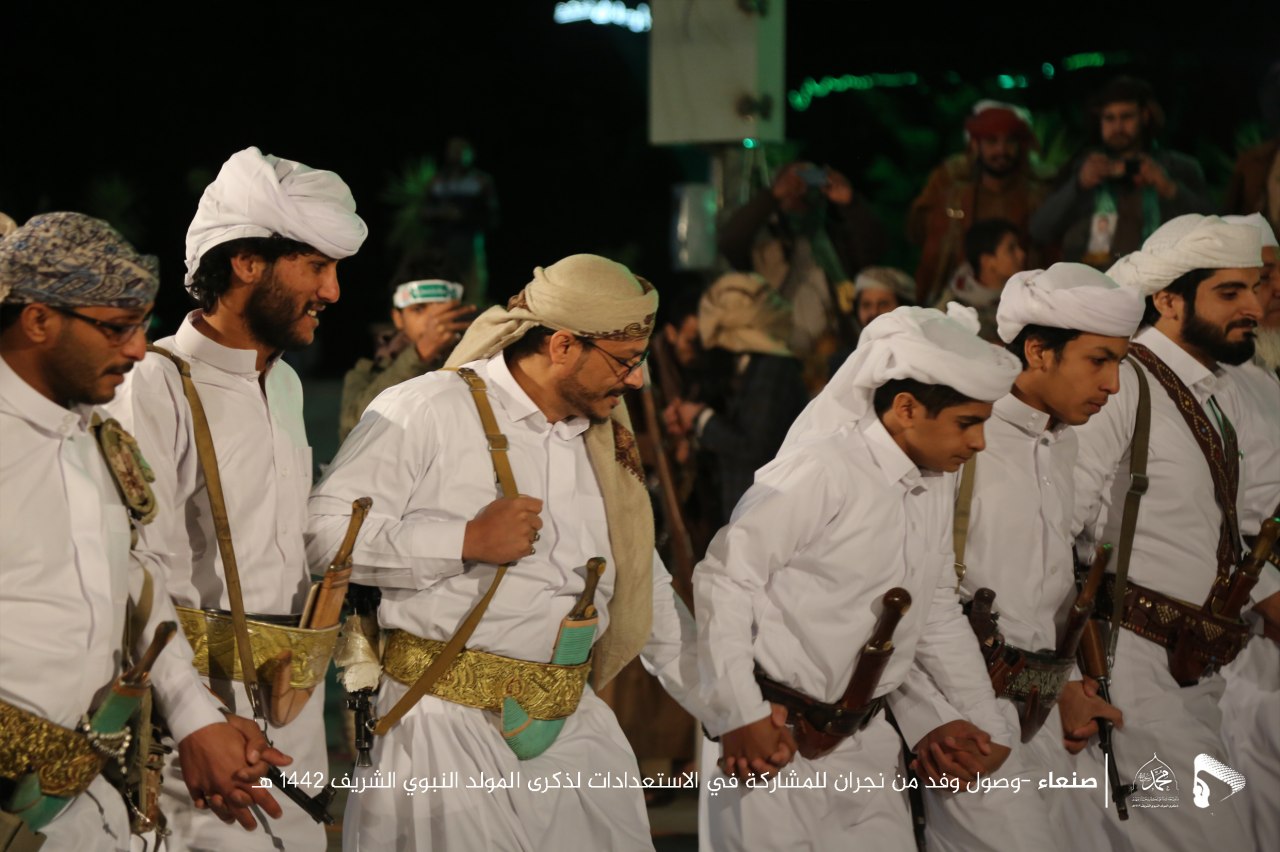
    4- Participation of Najran delegation in holy Prophet birthday anniversary ceremonies in Yemen is more due to the tribal relations of the area and these travels have always happened, thus, they are not a real threat to Saudi sovereignty.
    The tendency to be part of great Yemen can be seen in some tribes and people in south of Saudi Arabia but it is not at threat level to Saudi coalition or an opportunity for Ansar Allah.

    YOUR SUPPORT IS CRITICAL TO KEEP ISWNews ALIVE

  • Audience Question: Answering three important questions regarding AnsarAllah and Saudi coalition conflicts

    Audience Question: Answering three important questions regarding AnsarAllah and Saudi coalition conflicts

    Questions:
    1. As far as I follow Ansar Allah does not have any conflict with Al Qaeda and ISIS, why?
    2. Why Ansar Allah’s operations are limited and only in a few provinces?
    3. The situation is Al Hudaydah is strange. Why Ansar Allah does not answer Saudi coalition violations of ceasefire?

    Answers:
    1. Al Qaeda mainly activates in southern areas, where Mansoor Hadi forces are present and not Ansar Allah. In fact, Al Qaeda is deep inside areas controlled by Mansoor Hadi and does not have a front line with AnsarAllah.
    Al- Baydha province is an exception, in which Al Qaeda militants present in Suma’ah district and Zahir outskirts.
    ISIS terrorists are sporadically present in north of Radaa’ and in recent years became very weak due to Ansar Allah’s operations.
    It is noteworthy that these terrorist groups are close to Saudi coalition and Mansoor Hadi and usually fight under Saudi coalition forces in different fronts.
    In recent months in cleansing operations of Ansar Allah in Al Jawf and Marib there were found clear evidences of ISIS presence. In recent conflicts of north of Baydha Saudi coalition strengthened Yaser al-Awadhi with ISIS and Al Qaeda reinforcement.

    2. Ansar Allah launches its operations using specific tactics. Considering the harsh siege imposed on Yemen from air, ground and sea, Ansar Allah is using the strategy of saving and increasing the efficiency and only enters some fronts extensively which results in significant advances( or setbacks) and major strategic changes.
    As an example, last month Saudi coalition attacked Nihm front from all aspects which (could) led to important changes in Sanaa front. Ansar Allah reclaimed the lands and expanded the attack until the threat was neutralized. Another extensive attack by Ansar Allah is in north of Baydha front which is still continuing aiming to infiltrate into Marib province.

    3. Ansar Allah’s main answer to Saudi coalition ceasefire violation is repeating missile and drone attacks to depth of Saudi.
    In Al Hudaydah, both sides are steering to middle course, but if we look closer, Ansar Allah has slightly upper hand. By this ceasefire the danger of losing the strategic harbor of Al Hudaydah and fighting in extensive terrainless lands in western coast are away for a long time, even though Ansar Allah positions in the west coast are bombed daily. The battle would be very difficult and costly for Ansar Allah considering Saudi coalition supremacy in sea and air. On the other hand avoiding this conflict gave Ansar Allah a good time to focus on other fronts such as al Jawf, Baydha and Marib.

  • Audience Question: Did Ansar Allah Liberated 95% of al-Jawf?

    Audience Question: Did Ansar Allah Liberated 95% of al-Jawf?

    Question:
    Hello, i have some questions about Yemen.
    First of all, what do you think about General Yahya Sari’s statement that 95% of al-Jawf province has been liberated?
    Because according to your maps 95% of al-Jawf is not liberated and it is being said that Ansar Allah through al-jawf to Rub’ al Khali and then by connecting themselves to Oman can bring in weapons and…
    My second question is whether Ansar Allah has advanced in Hadhramaut? What is your opinion?

    Answer:
    Hello, the al-Jawf province consists of 12 districts which 11 of it is in western hemisphere and one district named “Khab and al-Shaaf”, which includes 82% of this province, is in eastern hemisphere of this province.
    The geography of al-jawf is mostly desert and inhabitable. The density and concentration of population is in western hemisphere. This is why that the spokesman for Yemen’s Armed Forces said that 95% of al-Jawf province is liberated. Consider that cleaning the remaining regions of al-Jawf is not of priority and is not necessary for Ansar Allah. Becasuse this desert region is not of use and strategic role in the process of war. Also entering the vast desert regions in order to gain access to Oman is not logical for Ansar Allah.

    And about the second question the news of Ansar Allah’s entrance to Hadhramaut is false and the Ansar Allah forces have not entered this province from the beginning of the war.
    If you watch the Yemen map you will see our points more comprehensible and tangible.

    Click to see the full size map