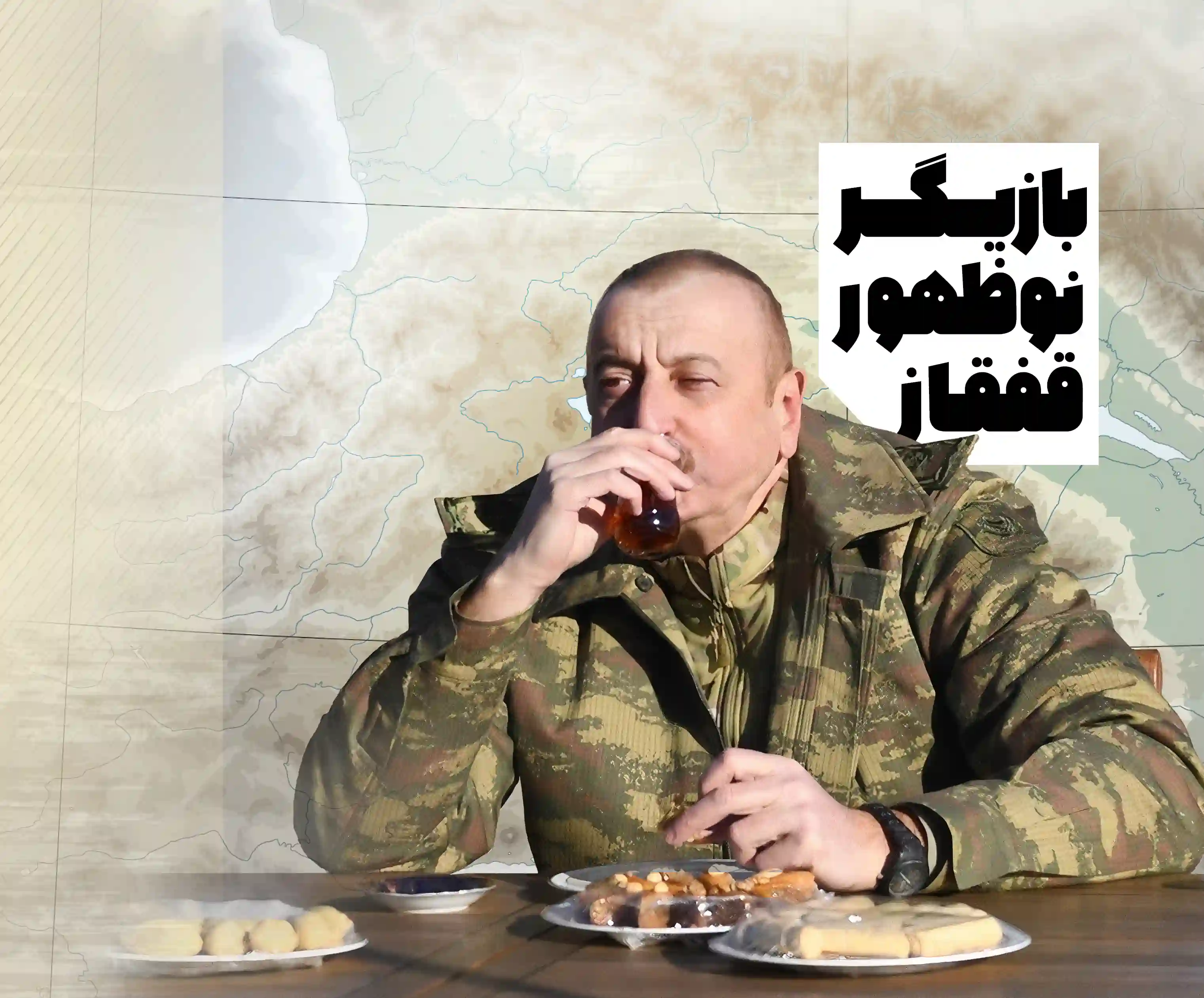
Over the last two years, Azerbaijan has adopted a new model of hybrid security diplomacy, blending an assertive foreign policy with large-scale arms procurement and military restructuring. This policy fits within a broader strategy to boost deterrence capacity and elevate Baku’s geopolitical standing in the security landscape of the South Caucasus and its surroundings. Key elements of this strategy include the expansion of layered air defense systems, enhancement of artillery and armored capabilities, development of drone infrastructure with reconnaissance and precision-strike capabilities, and deepening of training and cyber cooperation with NATO and its key partners such as Turkey, Pakistan, and several European countries.
This trajectory reflects Azerbaijan’s effort to transition from a posture of territorial isolation to one of active regional security engagement. It not only redefines the balance of power in the South Caucasus but also raises the geopolitical cost of conflict and narrows the strategic options of neighboring actors—particularly Iran, Armenia, and Russia.
Key Developments: Azerbaijan’s Expanding Military Strategy
The purchase of 48 self-propelled Nora B-52NG howitzers from Serbia marks a significant step in Azerbaijan’s effort to restructure its heavy artillery, aimed at enhancing operational mobility and deep-strike capabilities. In parallel, the acquisition of advanced Barak-MX air defense systems from Israeli military industries reflects Baku’s ambition to establish a multi-layered protective shield and reduce vulnerability to missile and drone threats. In the air force domain, the procurement of fighter jets and attack drones—especially from Turkey and Pakistan—signals a shift toward a network-centric warfare doctrine, emphasizing technological superiority over manpower.
Simultaneously, Azerbaijan has redefined its training, management, and doctrinal capacities through integration with Western security structures, particularly via NATO’s defense institution development programs. This process has been accompanied by growing cyber and technical cooperation with European and regional partners, gradually aligning Azerbaijan’s defense institutions with NATO standards. Beyond its technical and military dimensions, this trend sends a clear political message: strengthening security ties with the Western bloc, counterbalancing pressure from Russia and Iran, and positioning Azerbaijan as an active player in the emerging security architecture of the South Caucasus.
Air Defense
The acquisition of Barak-MX systems and the overhaul of various defense layers—including Pantsir-S1, S-300PMU2, upgraded Soviet-era 9K33 OSA systems, Iron Dome batteries, and armored vehicles equipped with SPIKE NLOS missiles—demonstrates Azerbaijan’s pursuit of a comprehensive air defense network. This evolution has made Azerbaijan one of the few post-Soviet states capable of integrating Russian, Israeli, and Turkish technologies into a unified defense structure.
In the realm of drones and smart weaponry, the deployment of Akinci attack drones and the expansion of data-driven training infrastructure have boosted Azerbaijan’s capacity for precision strikes, rapid reconnaissance, and network-based combat. The country also operates at least 600 MLRS units, including 100 guided systems with capabilities surpassing HIMARS.
Air Force and Fighter Jets
Azerbaijan’s growing partnership with Pakistan for the acquisition and training of JF-17 Thunder fighter jets lays the groundwork for a homegrown air force and mutual deterrence against regional threats. This collaboration reflects a strategic convergence among Islamabad, Ankara, and Baku, potentially leading to the formation of a new military bloc in Eurasia.
At the same time, multi-billion-dollar defense allocations—especially between 2024 and 2026—highlight a shift toward militarizing the national economy and prioritizing hard security over traditional diplomacy. This trajectory is confirmed by official Azerbaijani data indicating a 15–20% annual increase in defense spending and major arms deals with partners such as Israel and Turkey.
Regional Implications: Azerbaijan’s Expanding Military Posture and Strategic Diplomacy
Azerbaijan’s growing drone and missile capabilities are reshaping the security landscape of the South Caucasus, with direct consequences for neighboring powers. For Iran, the increased range and precision of Azerbaijani systems enhance surveillance and intelligence-gathering along its borders, intensifying strategic pressure on Tehran. Armenia faces a widening military imbalance, raising the risk of renewed conflict—especially as Yerevan continues rebuilding its armed forces after the 2020 war. For Russia, Baku’s deepening ties with NATO and Israel challenge Moscow’s traditional sphere of influence in the region and may lead to a redrawing of military alignments across the Caucasus.
Geopolitical Dimension and Military Diplomacy
Azerbaijan has built a multilayered security network by leveraging strategic partnerships with Turkey and Pakistan, and through extensive intelligence and technological cooperation with Israel. This framework allows Baku to balance competing Eastern and Western blocs. Active participation in NATO programs such as DEEP and cybersecurity initiatives with European countries has reduced Azerbaijan’s historical dependence on Russia and positioned it as NATO’s southern gateway in the Caucasus.
This dual-track policy—military modernization paired with diplomatic outreach—has elevated Azerbaijan’s geostrategic value in broader energy and security calculations. Recent developments underscore this shift:
- Slovak Chief of Staff General Daniel Zmeko visited Baku, touring the cyber defense center and air force command, where AI systems for military infrastructure protection were showcased.
- A trilateral defense summit between Azerbaijan, Georgia, and Turkey focused on securing regional transport corridors and conducting joint military exercises.
- Initial defense talks with Bosnia and Herzegovina for 2026 included training exchanges and strategic cooperation.
- Azerbaijan shared drone warfare expertise with Georgia and hosted cybersecurity and IT infrastructure meetings centered on AI and joint communication networks.
These moves reflect Azerbaijan’s commitment to integrating active diplomacy, technological collaboration, and enhanced military and cyber capabilities to secure its role in the emerging regional security architecture.
In essence, Azerbaijan’s defense transformation is not just about deterrence—it’s part of a broader strategy to become a multidimensional actor capable of balancing between global security blocs and leveraging its geography as a geostrategic asset in regional power competition.
Emerging Scenarios: Azerbaijan’s Military and Diplomatic Trajectory in the South Caucasus
Azerbaijan’s evolving military and diplomatic posture presents a range of potential scenarios, each with complex implications for regional security, power dynamics, and deterrence mechanisms in the South Caucasus and its surroundings.
1. Regional Arms Race Intensification
Continued expansion of Baku’s arms acquisitions raises the likelihood of a regional arms race. Neighboring countries—including Armenia, Georgia, and even Iran—may feel compelled to rapidly upgrade their defense capabilities, leading to the accumulation of advanced weaponry in an already tense and confined strategic environment.
2. Rising Risk of Limited or Miscalculated Clashes
The growing reliance on combat drones, precision-guided missiles, and layered air defense systems increases the temptation for preemptive action. In the event of miscommunication or flawed threat assessments, these capabilities could accelerate the escalation of localized conflicts into broader crises.
3. Escalation in Cyber and Intelligence Warfare
The integration of surveillance technologies and electronic warfare into Azerbaijan’s military doctrine, coupled with technical cooperation with NATO and Israel, intensifies competition in the cyber domain. This could pose new threats to the critical infrastructure and information networks of neighboring states.
Taken together, these scenarios reflect Baku’s ambition to become a decisive military actor in the South Caucasus. However, in the absence of sustained security dialogue, the region risks entering a cycle of arms buildup, psychological pressure, and hybrid operations. Managing this trajectory will require a proactive, multilateral approach grounded in strategic foresight.