Tag: Iran

  • Iran President Receives Envoys From Azerbaijan, Armenia

    Iran President Receives Envoys From Azerbaijan, Armenia

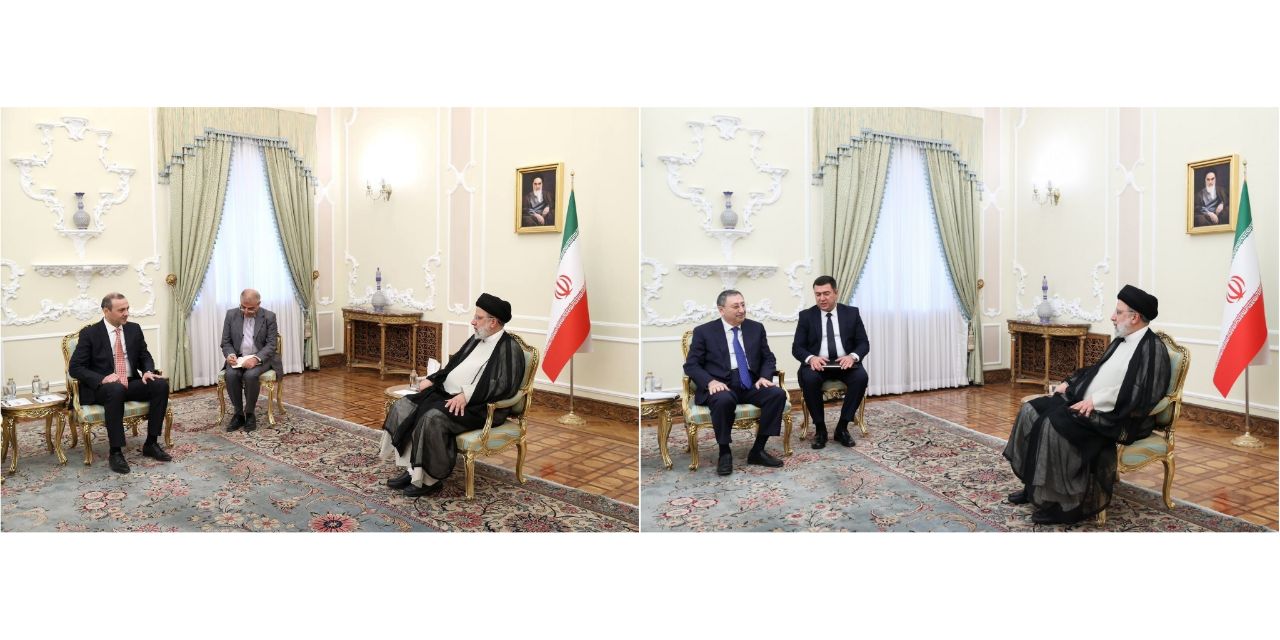
    ISWNews Analysis Group – President Raisi held talks with assistant of Azerbaijani President Ilham Aliyev in special affairs Khalaf Khalaf and secretary of the Security Council of Armenia Armen Grigoryan, when the president and the two representatives discussed developments in the Caucasus region.

    In the meetings, the Iranian president stressed the need to enhance relations between these northern neighbors and Iran with the aim of countering plots that aim to create divisions and disrupt the bilateral relations between Armenia and Azerbaijan.

    Raisi went on to say that the Islamic Republic of Iran, as a powerful neighbor of both Azerbaijan and Armenia, is fully prepared to help resolve the two countries’ disputes and problems.

    Emphasizing the importance of maintaining border lines and the existing geopolitical structure of the region, the president stated that Iran welcomes regional dialogues in the form of 3+3 or any other format that can contribute to resolving issues and opening up avenues for cooperation between Azerbaijan and Armenia.

    He further noted that the countries in the region have the capacity to resolve regional problems and that the engagement of foreign countries into the region, under any pretext, is not in the best interest of any of the regional states.

    Mohammad Jamshidi, the Iranian president’s deputy chief of staff for political affairs, said that in both meetings, the President emphasized that the Zangezur Corridor serves as a platform for NATO’s presence in the region and poses a threat to national security, which the Islamic Republic of Iran strongly opposes.

    Simultaneously with these meetings, Chief of Staff of the Armed Forces of Iran General Mohammad Bagheri announced the readiness to send observers to the borders of Armenia and the Republic of Azerbaijan.
  • 1402 Joint Drone Exercise Of The Islamic Republic Of Iran Army

    1402 Joint Drone Exercise Of The Islamic Republic Of Iran Army

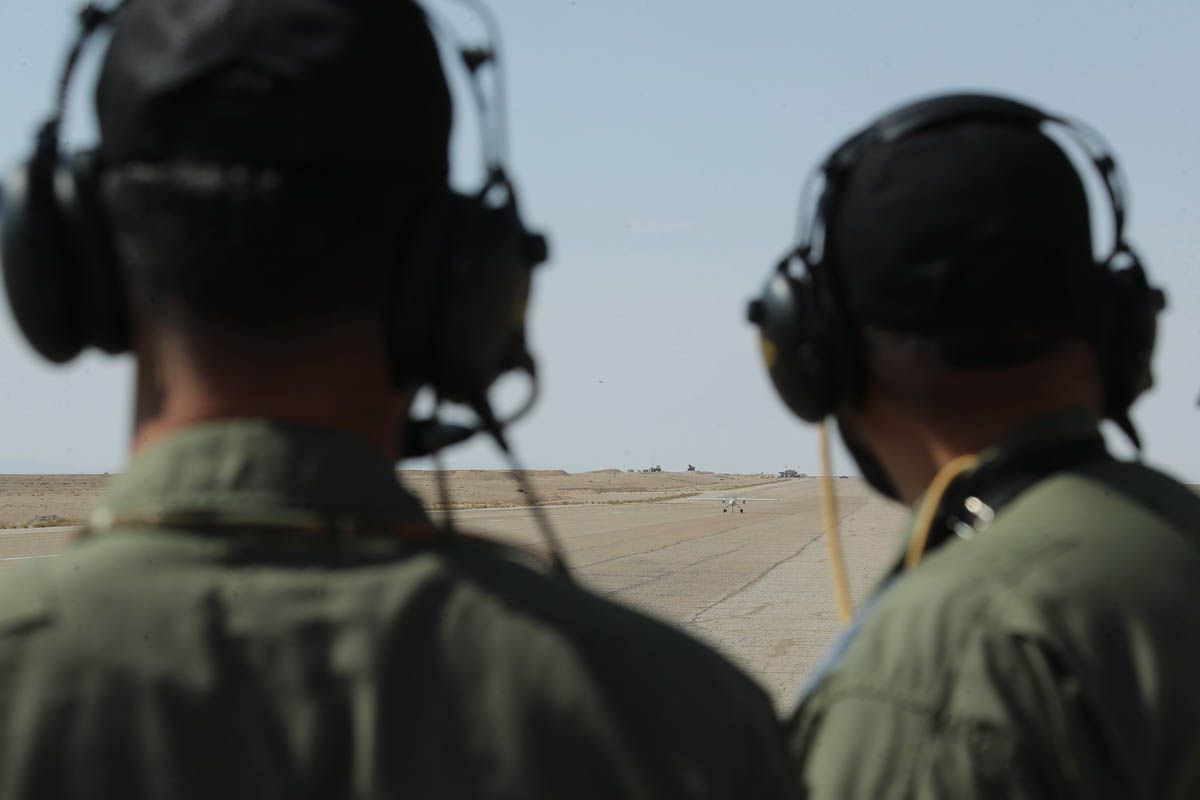
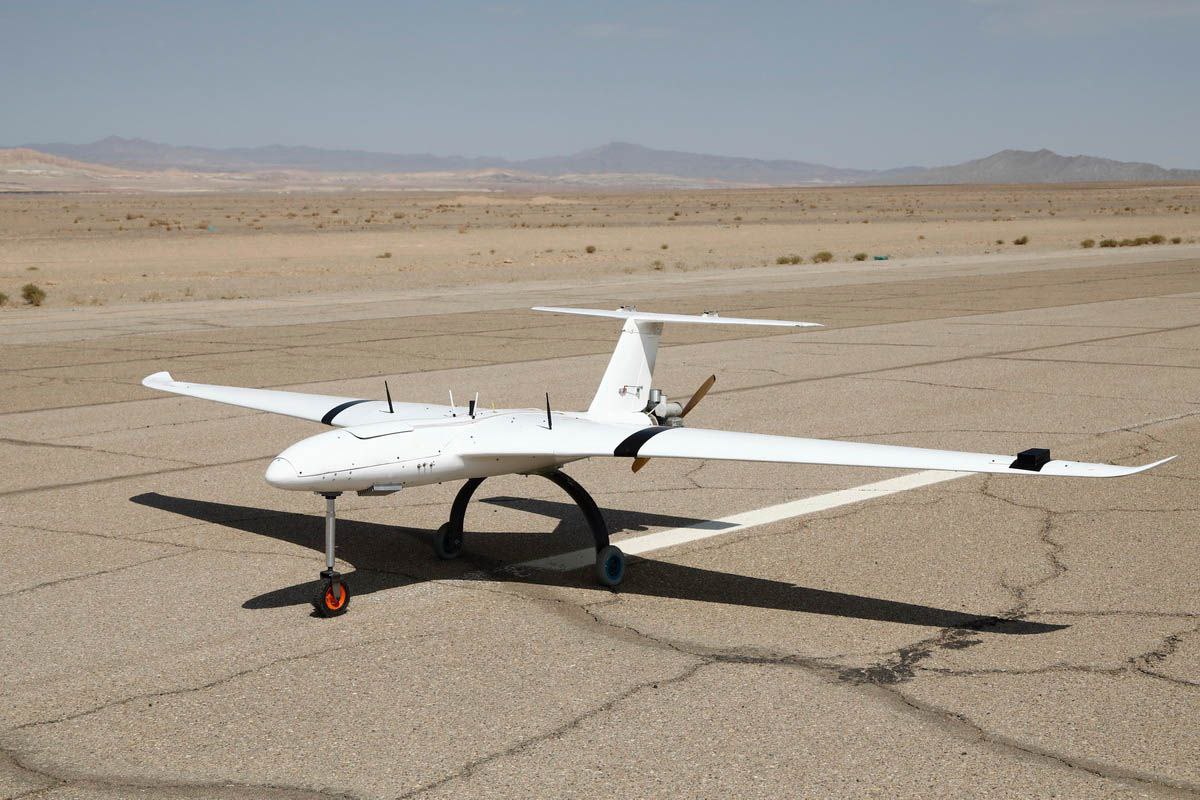
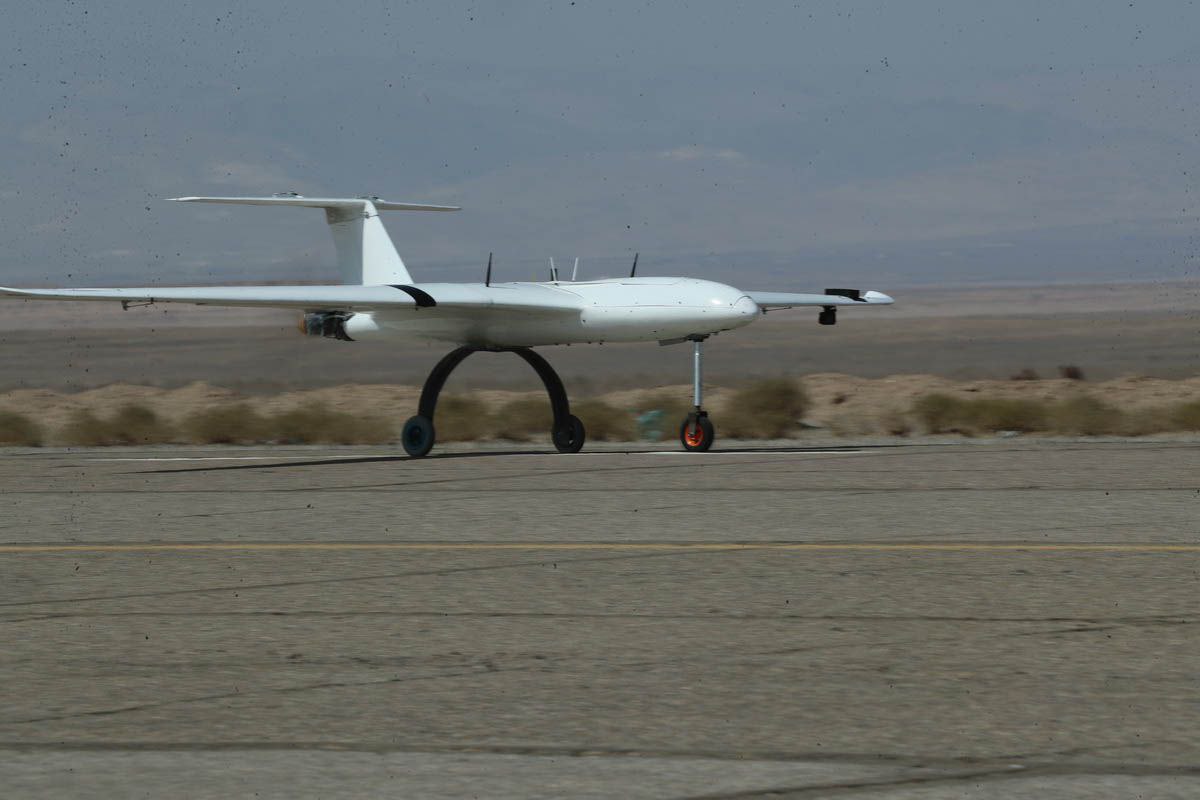
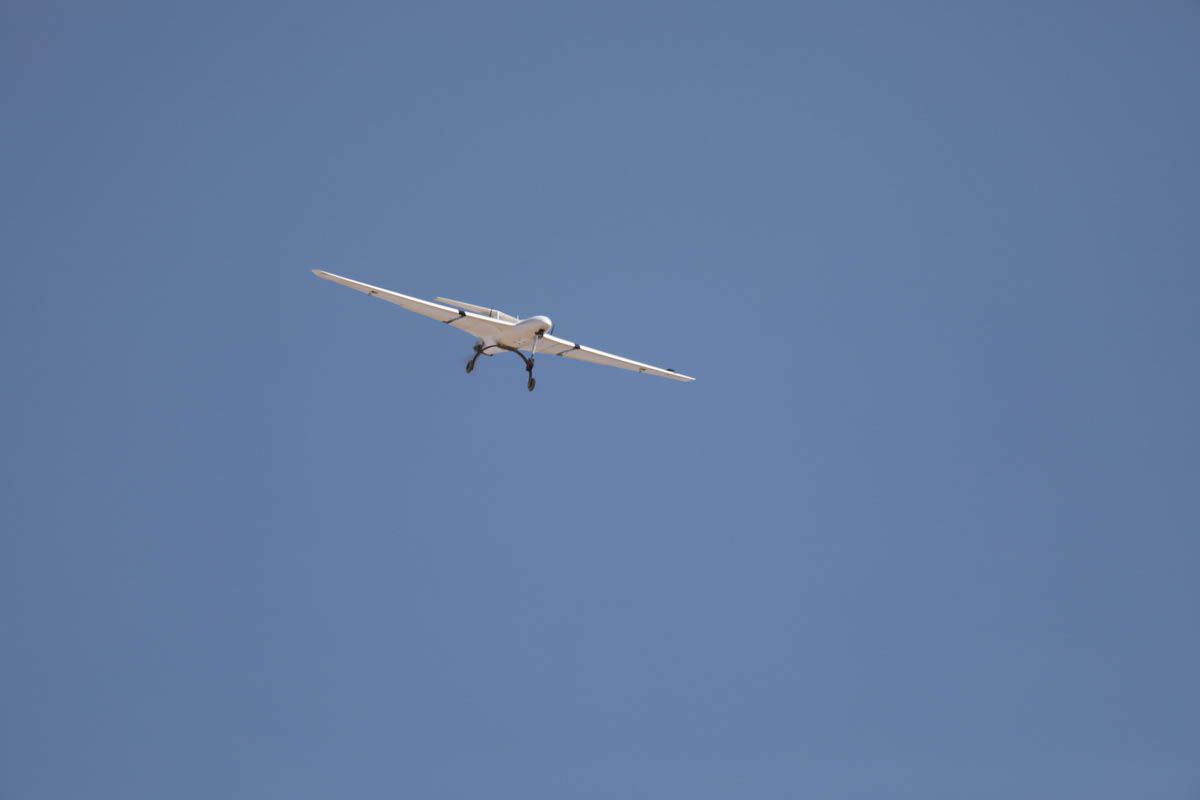
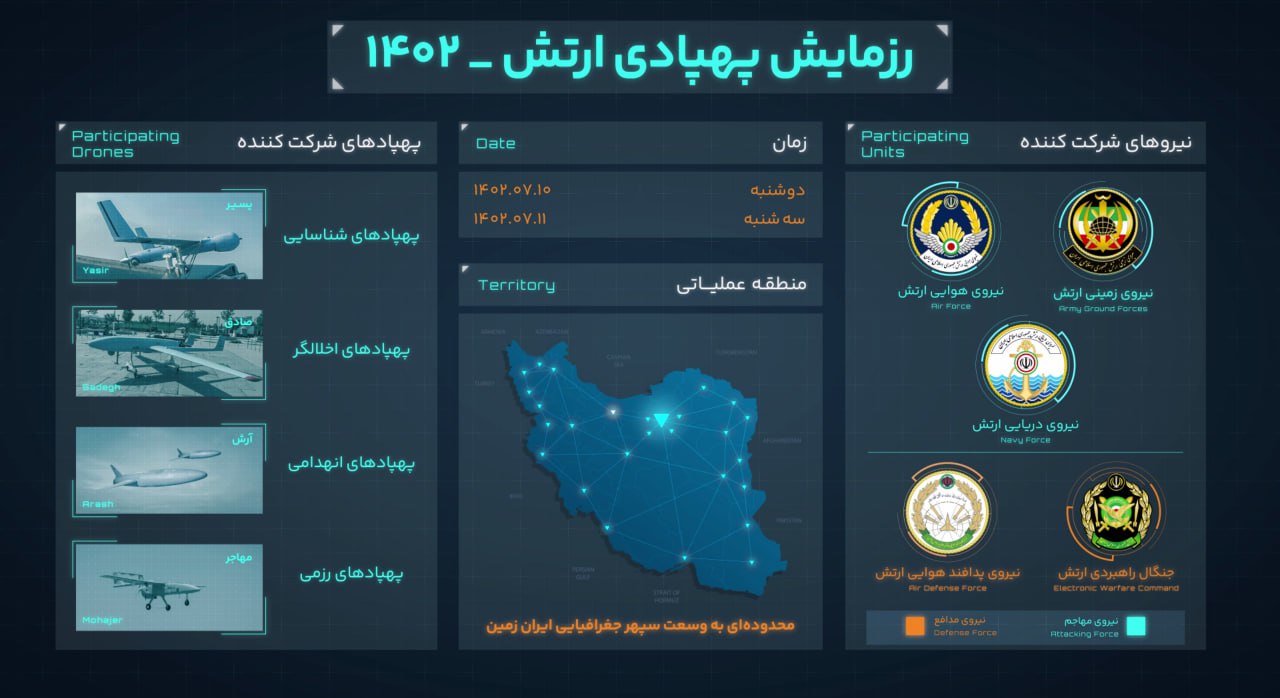
    Deputy Chief of the Iranian Army for Coordination Rear Admiral Habibollah Sayyari, who is in charge of the command of the 1402 Joint Drone Exercise, said that the joint drone drills of the army started on Tuesday morning with the participation of nearly 200 types of drones from selected units of the four branches of armed forces of the Islamic Republic of Iran, extending from the Persian Gulf and the Oman Sea in the south to the eastern, western, northern and central regions of the country.

    The rear admiral went on to say that surveillance and reconnaissance drones from the army’s four branches successfully carried out border monitoring operations, identification of targets, and observing of the exercise area in the early hours of the joint military exercise.

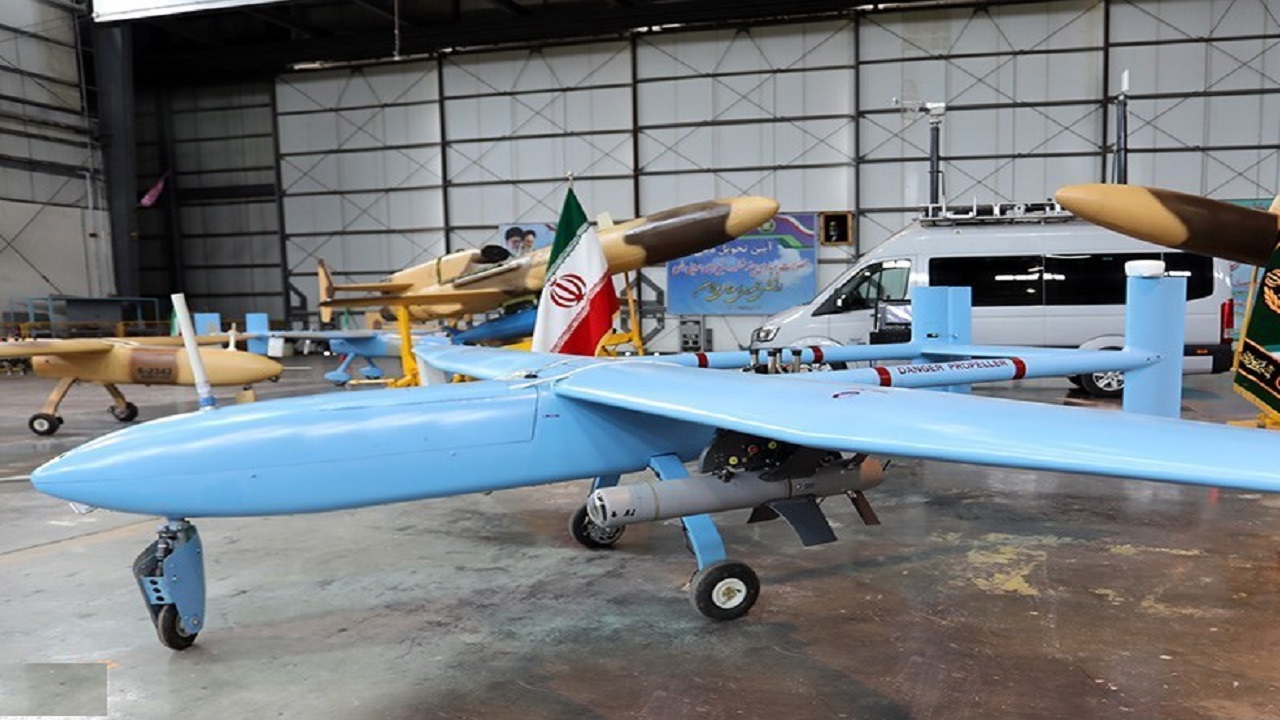
    In this phase of the military exercise, various types of drones such as Chamrosh, Yasir, Sadeq, Pelican, Ababil 3, Ababil 4, Ababil 5, Kaman 12, Yazdan, Mohajer 2, and Mohajer 6 flew from various drone bases of the Islamic Republic of Iran Army to observe and identify targets, as well as to monitor and patrol the desired areas along land, air, and sea borders, as well as international waters.

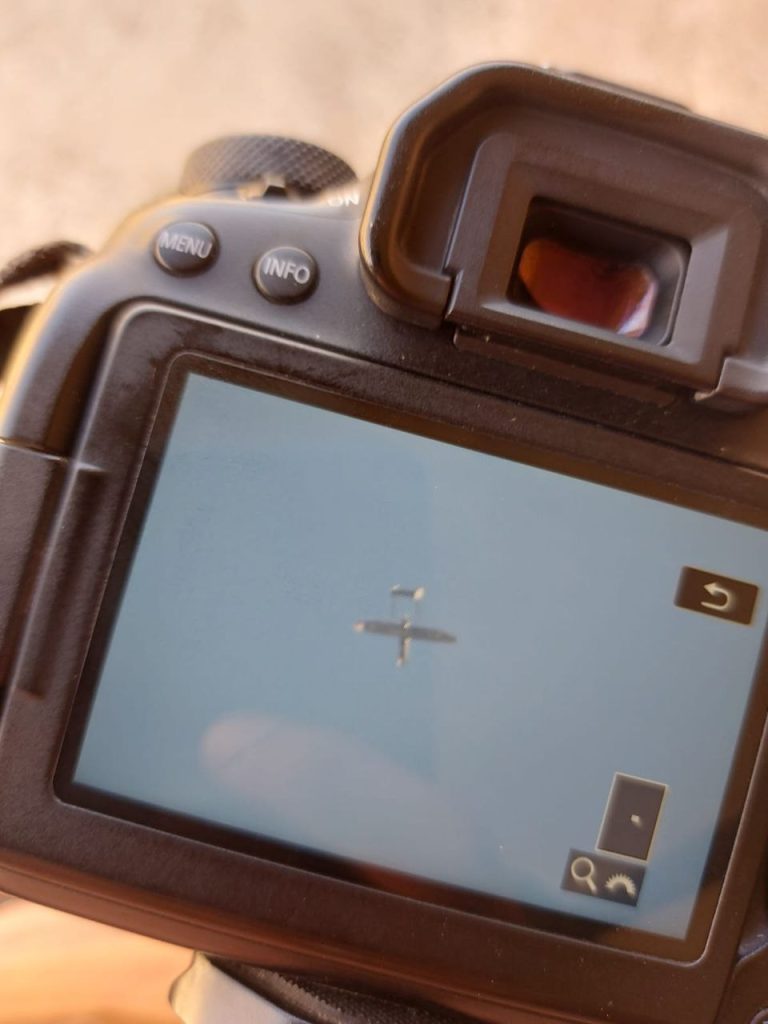
    In the drill, Iran used an Ababil-5 UAV to monitor a US Navy destroyer. The drone successfully tracked an Arleigh Burke-class destroyer in the Indian Ocean for approximately a day.

    Observation of the American Arleigh Burke-class destroyer by the Ababil 5 drone

    Rear Admiral Syyari also emphasized that maintaining and enhancing combat readiness is an essential principle of the Islamic country’s army, and the implementation of these exercises throughout the year is aimed at conducting practical training regarding scientific know-how in the exercise environment and field, as well as carrying out assigned missions.

    Brigadier General Alireza Sheikh, the spokesperson for the 1402 Joint Drone Exercise of the Army, said that in the operational phase of the joint drone exercise of the Iranian Army, various combat drones from the army’s four branches hit set targets in the exercise area using weapons with precision and pinpoint accuracy.

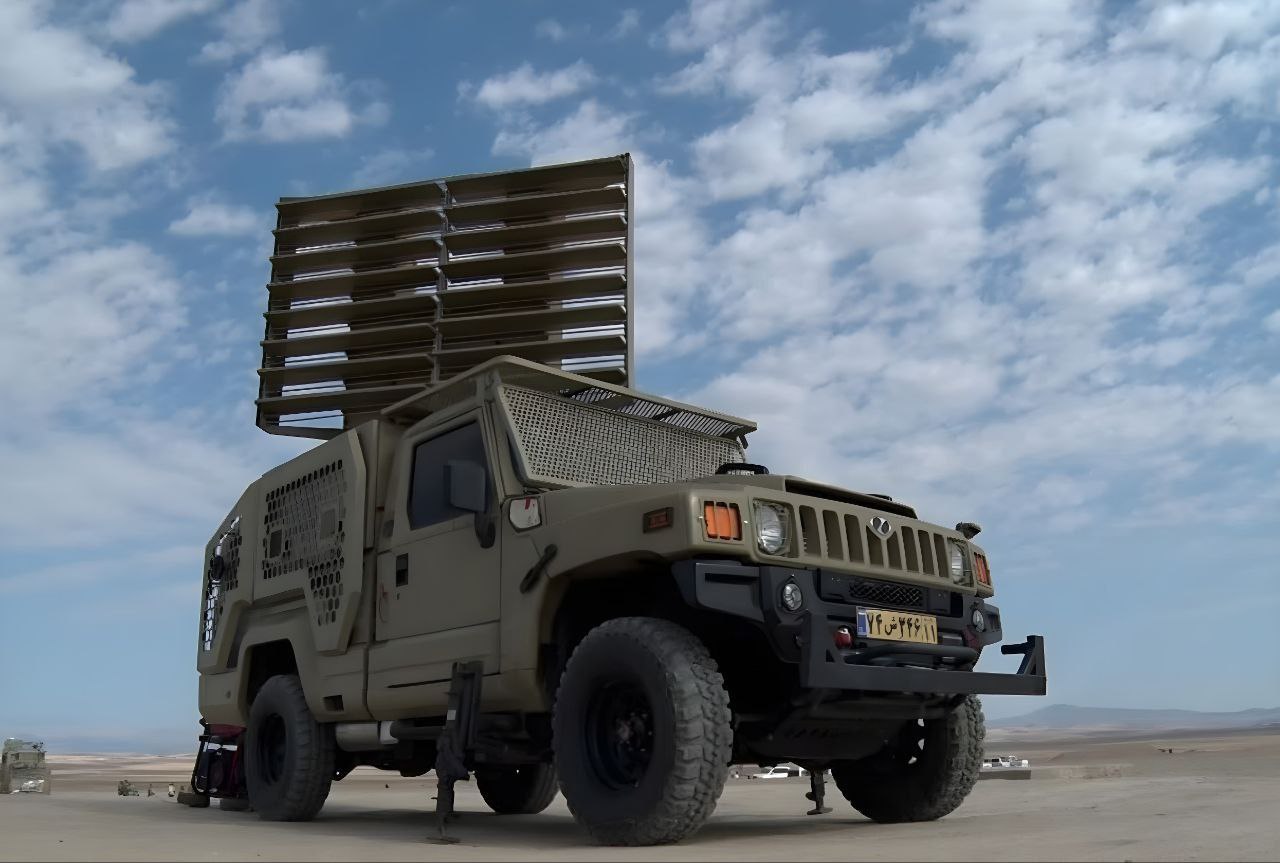
    Shahid Jalilvand radar system

    On the other hand, Deputy for Operation of Air Defense Force of the Islamic Republic of Iran Army Brigadier General Reza Khajeh said on the sidelines of the 1402 Joint Drone Exercise that we were able to identify and monitor the aircraft moving towards the area using our domestically manufactured radars, especially the Shahid (Martyr) Jalilvand Radar System, which became operational and it was used for the first time in this exercise. The Shahid Jalilvand Radar System, which was designed and produced to increase the air defense detection capability in medium-range, is considered one of the phased array radars and is capable of detecting and identifying low cross-section micro air vehicle targets.

    According to the images released from this military exercise, the Kaman 19 drone carried out its first operational flight in the army’s 1402 Joint Drone Exercise. This drone, with a continuous flight endurance of 24 hours, can be used in electronic warfare.

    A report of the 1402 joint drone exercise of the Islamic Republic of Iran Army
  • Iran’s Revolutionary Guard Announces Successful Launch Of Third Military Satellite + Video

    Iran’s Revolutionary Guard Announces Successful Launch Of Third Military Satellite + Video

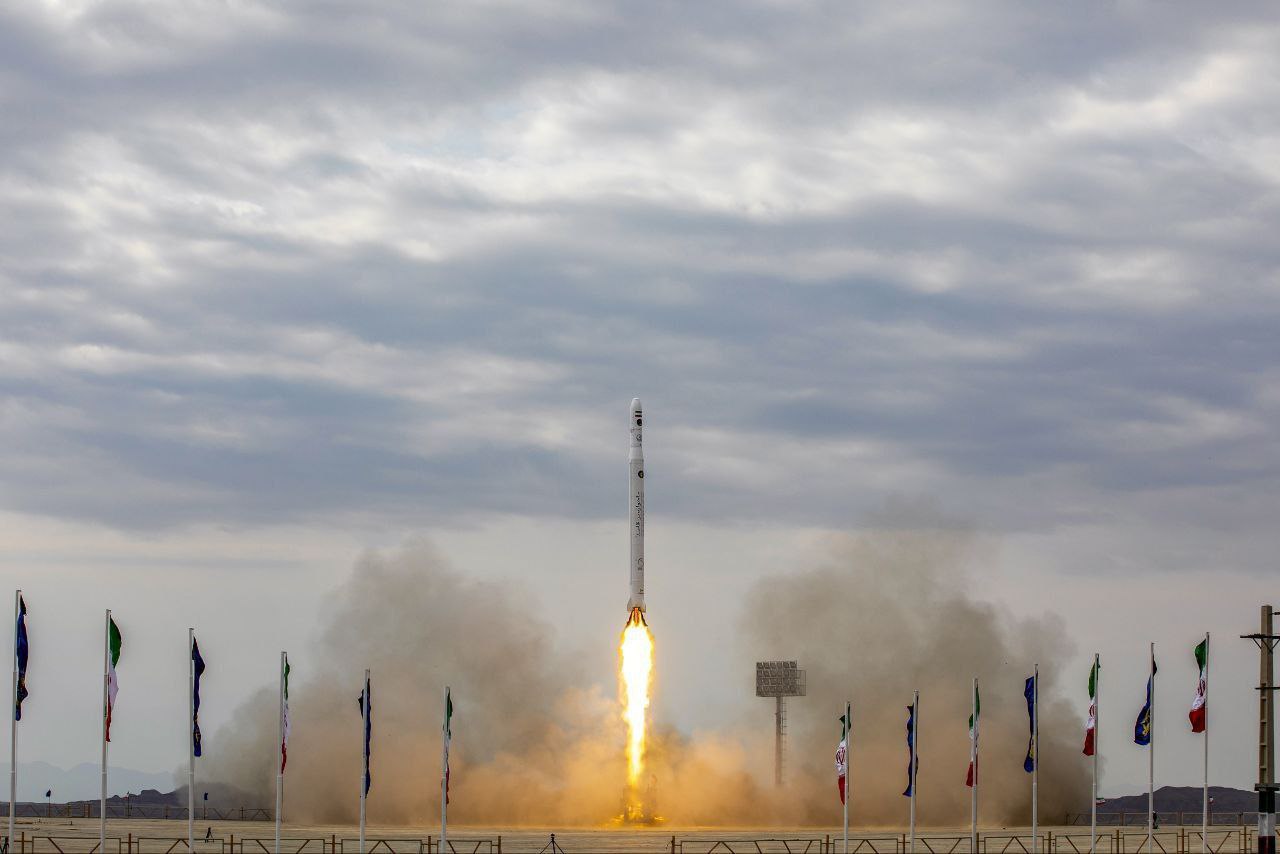
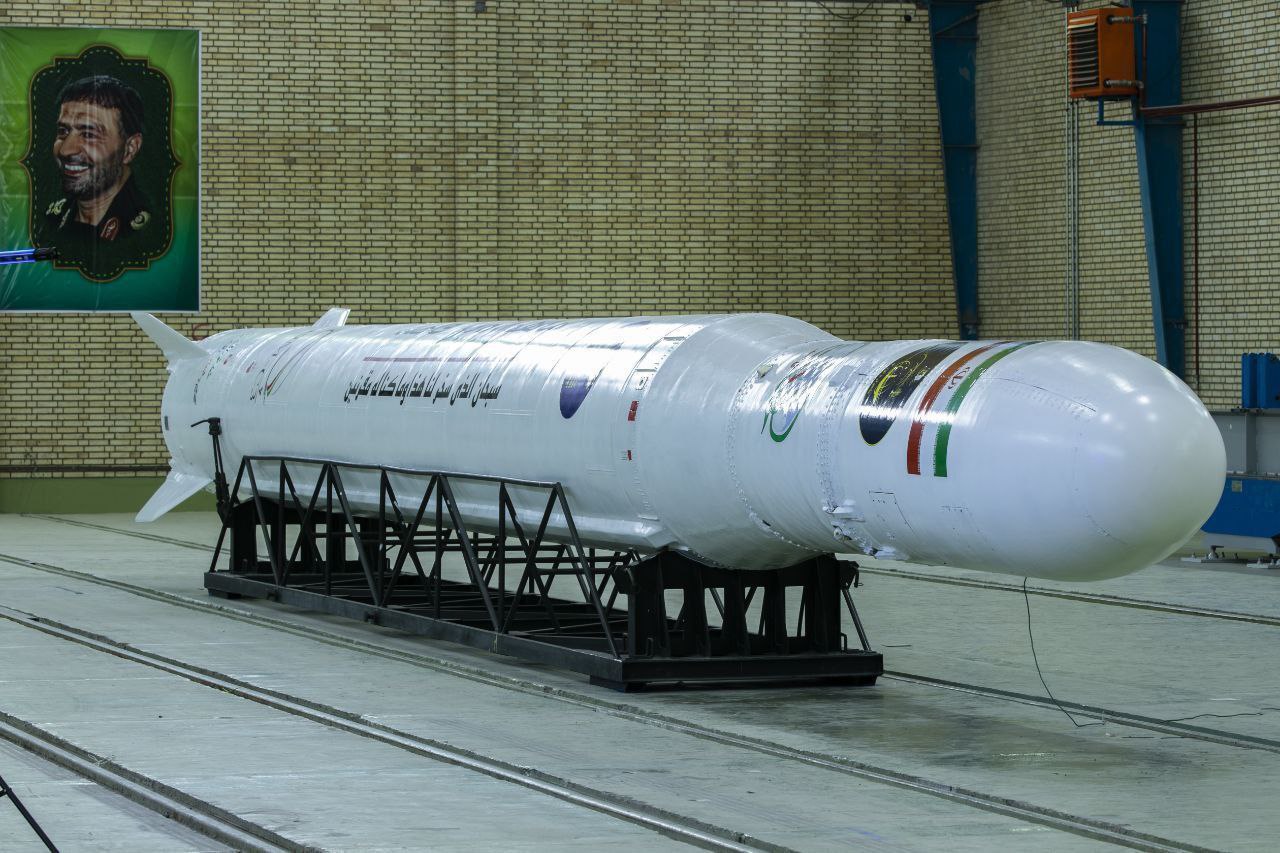
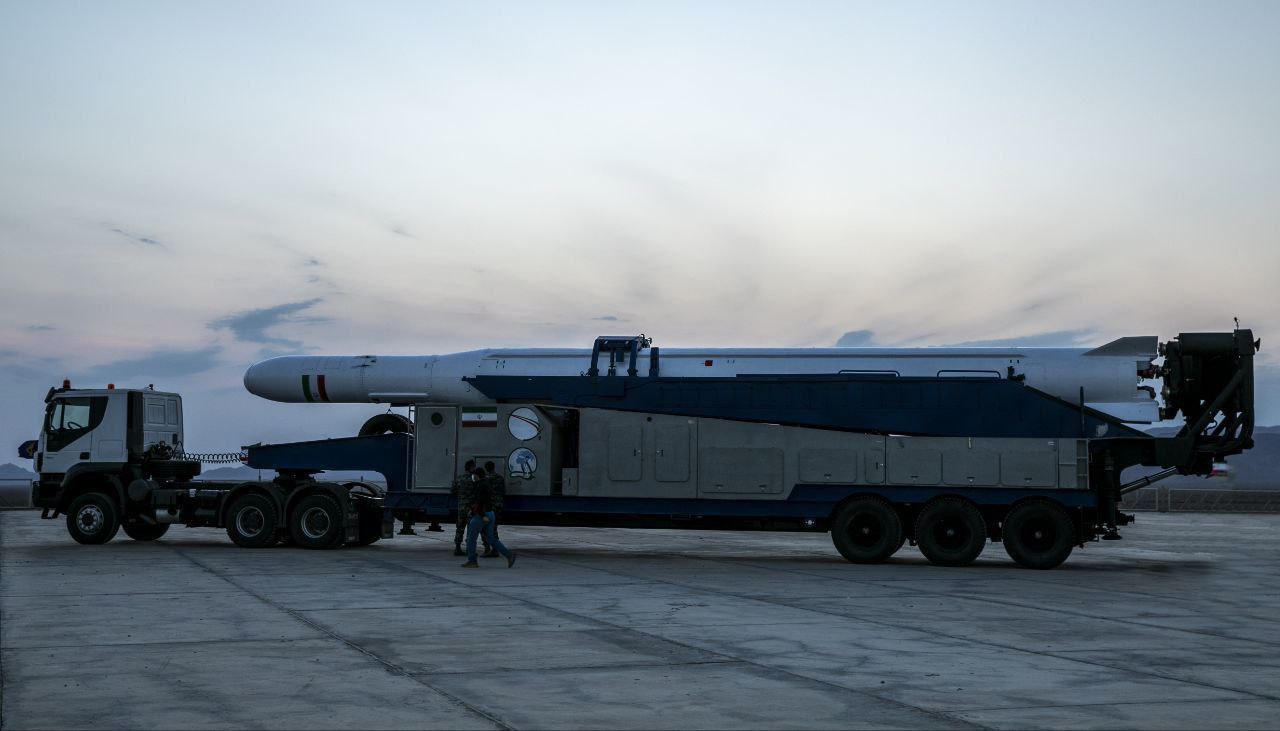
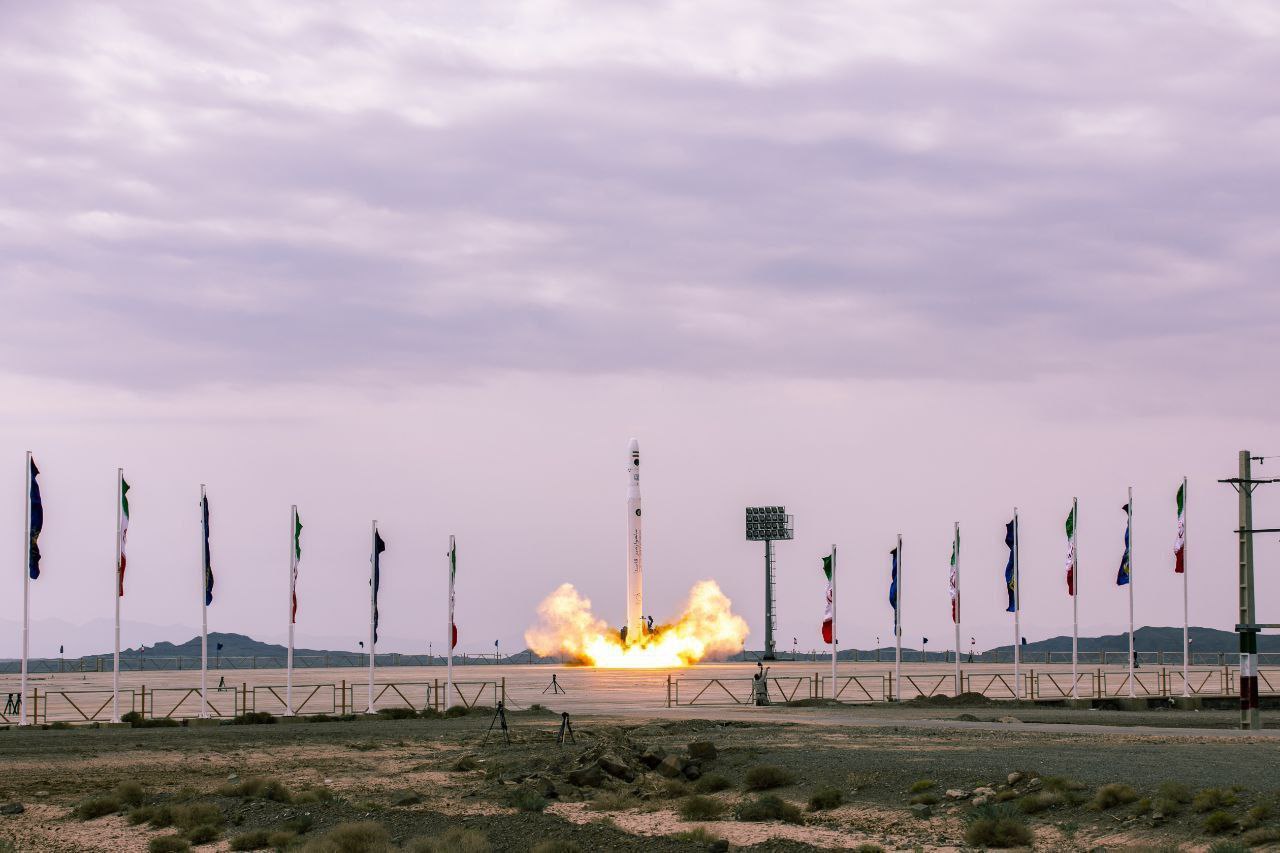
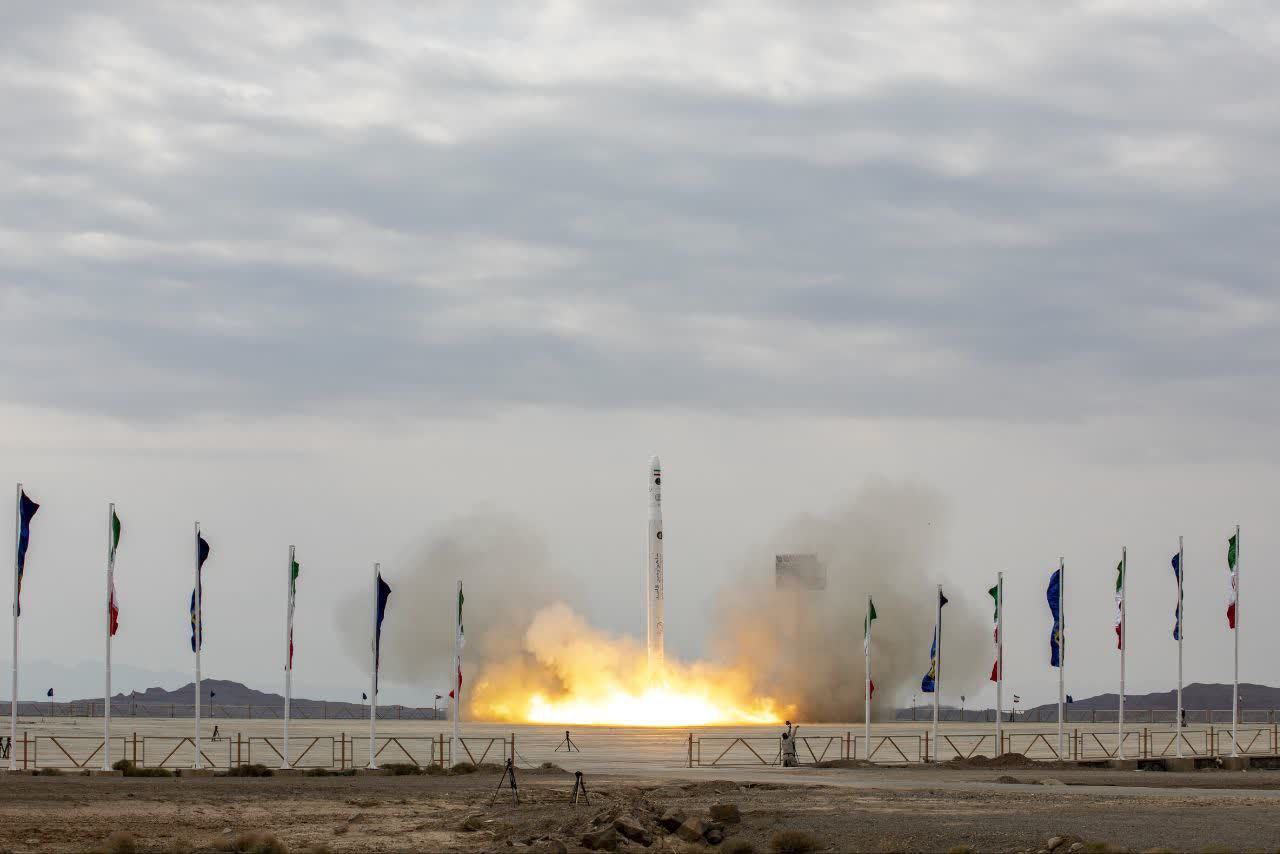
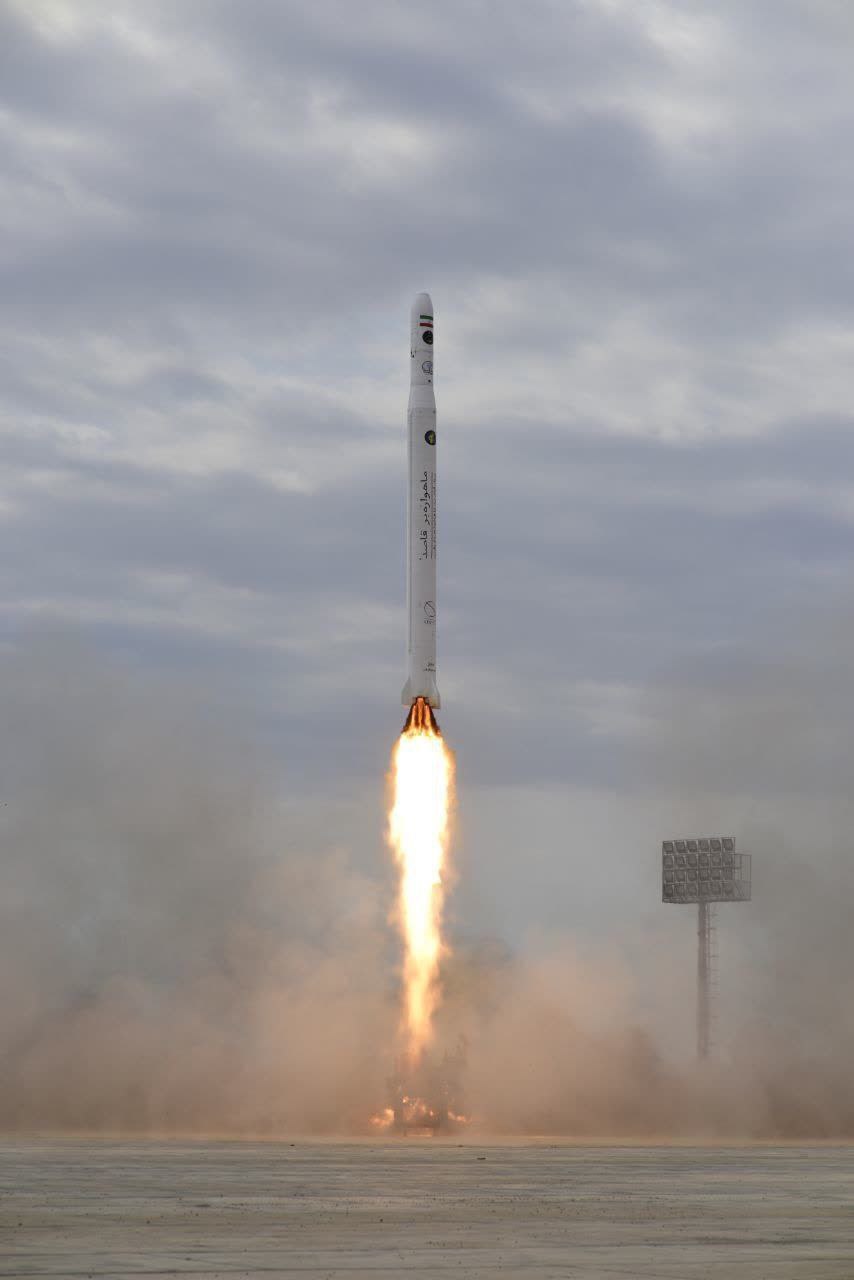
    The Noor 3 imaging satellite was launched by the Qased three-stage expendable small-lift orbital space launch vehicle and is currently orbiting at an altitude of 450 kilometers above the earth’s surface

    The Noor-3 satellite is expected to serve a variety of purposes, including remote sensing, data collection and potentially bolstering Iran’s telecommunications infrastructure.

    The IRGC launched the first Iranian military satellite, Noor-1, in April 2020, and Noor-2 in March 2022. Both were also put in orbit by the Qased launch vehicle, designed and manufactured by the guard’s Aerospace Force.

    Read more: Iran successfully launches second military satellite into orbit + Video

    A video of the stages of launch, separation and performance of the Qased satellite carrier, which placed the Noor-3 satellite in the 450 km orbit.

    The new successful launch came as the United States was tightening sanctions on Iran. On September 19, the Biden administration issued sanctions targeting multiple people and entities in Iran, Russia, China and Turkey in connection with Tehran’s drone and military aircraft development.

    The U.S. military says the same long-range ballistic technology used to put satellites into orbit could also allow Tehran to launch longer-range weapons.

    Read more: Khayyam satellite, Iran’s important step towards the development of space power

    Source: SouthFront

  • Iranian Defense Minister: Iran-Iraq Agreement On Expulsion Of Terrorists Not To Be Extended

    Iranian Defense Minister: Iran-Iraq Agreement On Expulsion Of Terrorists Not To Be Extended

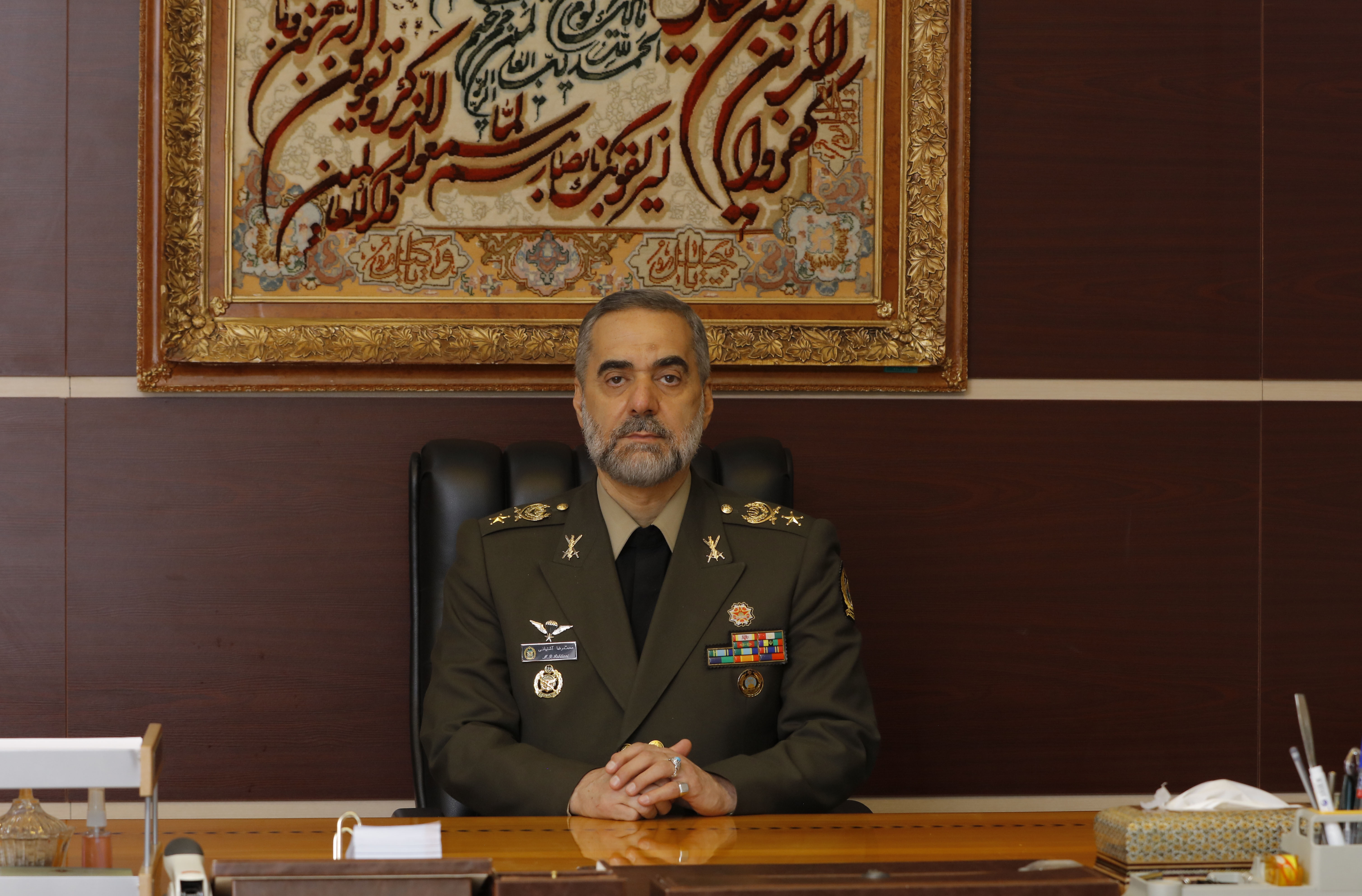
    On September 17, Brigadier General Mohammad-Reza Gharaei Ashtiani, Iran’s Minister of Defense and Armed Forces Logistics, referred to the agreement between Iran and Iraq to disarm and expel terrorists from the Kurdistan region, noting that the Islamic Republic will not extend the deadline, and that Tehran will act according to the agreement we made at due time.

    In an interview with Iran newspaper, Ashtiani pointed to the actions taken by Iraq in this respect, stating that some actions have been taken; we will evaluate in the last minute and make a decision based on the evaluation.

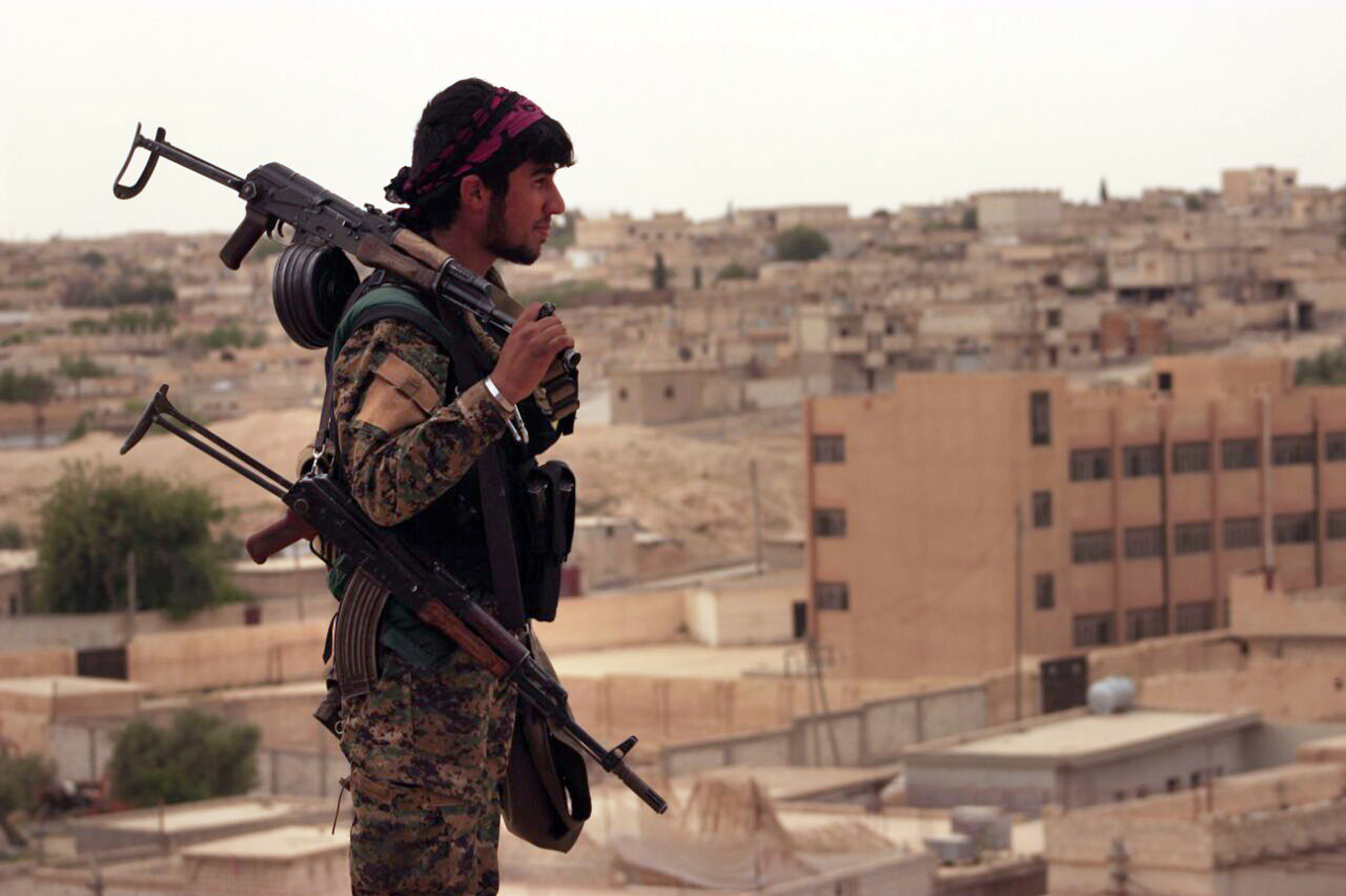
    The statements come as in recent days, armored units, artillery, missiles, drones, and helicopters of the Ground Forces of the Islamic Revolution Guards Corps (IRGC) have been deployed to the northwestern borders of the country.

    Earlier, Brigadier deputy commander for operations of the Islamic Revolution Guards Corps (IRGC) General Abbas Nilforoushan, emphasized that September 19 is the deadline for the Iraqi government to disarm terrorist groups in the Kurdistan region of Iraq.

    Read more: Deadline For Disarming Iraqi Terrorists Ends On September 19!

  • Amir-Abdollahian Says Iran Suggested Plan For Turkish Withdrawal From Syria

    Amir-Abdollahian Says Iran Suggested Plan For Turkish Withdrawal From Syria

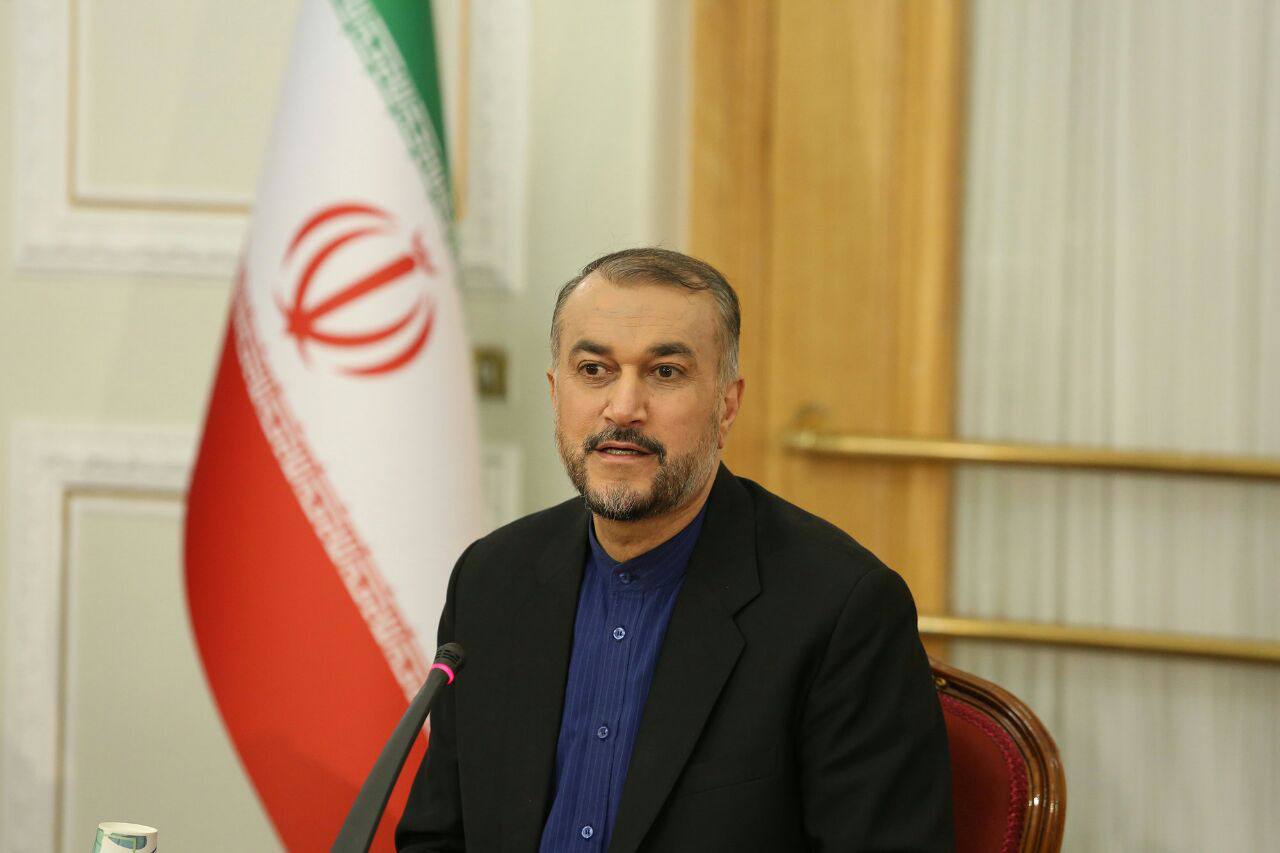
    Speaking to the Iranian Arabic-language newspaper, the minister revealed that Tahran “proposed that Turkey commit, first, to withdrawing its military forces from Syrian territory, and second, that Syria commit to deploying its forces on the border so that Turkish territory is not threatened.”

    Iran and Russia will both act as guarantors, according to Amir-Abdollahian, who didn’t provide any further details on the plan.

    Ankara is still the main backer of Syrian rebels. The Turkish military controls vast parts of Syria’s northern and eastern region. It also maintains a large presence in the northwestern region of Greater Idlib, which is ruled by an al-Qaeda offshoot.

    Iran and Russia have been leading efforts to restore relations between Turkey and Syria. The foreign ministers of the two countries met in Moscow last May. Since then, the normalization process has seen very little progress.

    In July, Turkish President Recep Tayyip Erdogan told reporters that he is open to talks with his Syrian counterpart, Bashar al-Assad, but would not meet him if a withdrawal of Turkish troops from Syria were set as a condition. Later in August, al-Assad blamed Turkey for terrorism in his war-torn country and insisted on the withdrawal of the Turkish military from Syria in an interview with Sky News Arabia.

    Amir-Abdollahian’s remarks indicate that Iran and Russia are making much efforts to bring Turkey and Syria together away from the media. Still, the serious disagreements between Erdogan and al-Assad means that a normalization agreement may still be far.

    Originally posted on SouthFront

  • Iranian Intelligence Seizes Shipment Of American Stun Guns That On Its Way To Rioters

    Iranian Intelligence Seizes Shipment Of American Stun Guns That On Its Way To Rioters

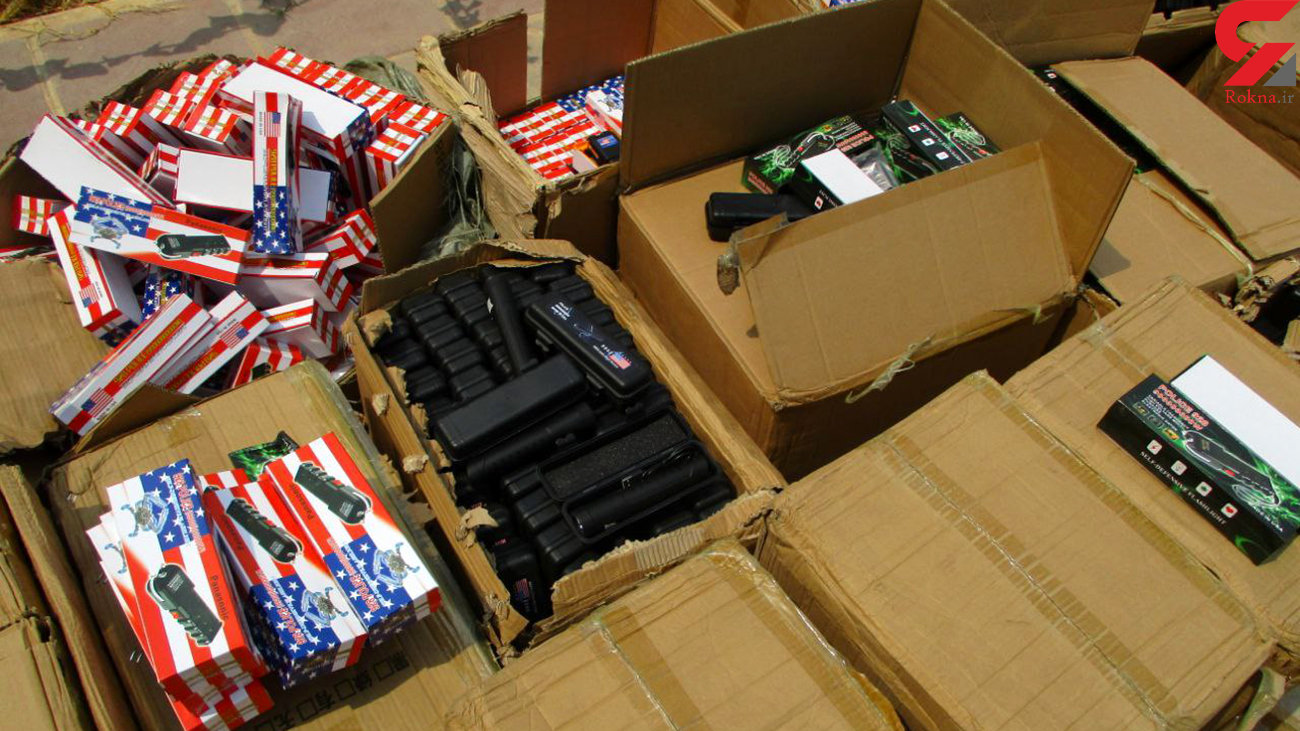
    Head of the Justice Ministry’s office in the southern Iranian province of Hormozgan, Mojtaba Qahremani, said that the large shipment includes over 6,000 stun guns. Intelligence agents seized the shipment from a ship close to the port city of Khamir, according to the official.

    The preliminary inquiry indicates that the stun guns were shipped to Iran for the purpose of inciting riots and chaos, Qahremaniadded, noting that two people have been arrested during the intelligence operation.

    Earlier this month, the Iranian Intelligence Ministry and the Intelligence Department of the Islamic Revolutionary Guard Corps announced that they had dismantled a network backed by the United States that was plotting to start riots in the country.

    A wave of protests hit Iran last year following the death of Kurdish Iranian woman Mahsa Amini who was arrested for allegedly breaking Iran’s strict rules on wearing the hijab, the Islamic head covering for women. The violence claimed the lives of at least 200 people.

    Tehran believes that foreign powers, including the U.S. and Israel, are fueling unrest on its territory in order to overthrow the Islamic government that came to power following the 1979 revolution.

    Originally posted SouthFront

  • The Local Authorities Of Anbar Refuses To Accept The Anti-Iranian Armed Groups

    The Local Authorities Of Anbar Refuses To Accept The Anti-Iranian Armed Groups

    While there are talks about the plan to transfer anti-Iranian terrorist groups to the far west of Iraq in Anbar province, the representatives and heads of tribes and commanders of Hashd al-Shaabi (PMU) in this province emphasized their opposition to this plan.

    The representatives, heads of tribes and commanders of the Popular Mobilization Organization in Anbar province of Iraq emphasized that this province is not ready to accept a new problem and the transfer of anti-Iran armed groups to this province.

    Abdul Wahab Al-Bilawi, a member of the Anbar Tribal Sheik Council, also stated that such a plan is completely rejected and absolutely unacceptable and added: “We do not want the province to be involved in international conflicts, while these militants cause security problems in the province.”

    These words were mentioned while the Iraqi Foreign Minister, Fuad Hussein, stated yesterday before his visit to Iran, that the Iraqi government has started the process of transferring anti-Iranian armed groups from areas close to Iran’s borders to camps far from the border as part of the security agreement between Tehran and Iran.

    Read more: Deadline For Disarming Iraqi Terrorists Ends On September 19!

    It is worth mentioning that the Iran’s deadline for the Iraqi government to disarm terrorist groups in the Kurdistan region ends on September 19, 2023.

    Recently, the deputy commander of the IRGC said in an interview with an Iranian media outlet that “we [Iran] expect from our brothers in the Kurdistan region to show brotherliness, because providing terrorists with safe haven in that region, which has become a source of operations against our country, is not consistent with brotherliness or good neighborliness.”

    In this regard, Iraqi Foreign Minister Fuad Hussein arrived in Tehran on September 13 and met and discussed with Hossein Amirabdollahian, Minister of Foreign Affairs of Iran. Fuad Hussein emphasized that the central government of Iraq has fully committed to the Iran-Iraq security agreement and the border security program and the withdrawal of terrorists from the border areas will be carried out by September 15.

    Read more: Are Iran’s armed forces on the brink of a new round of attacks on terrorist groups in Iraqi Kurdistan region?

  • Israeli Minister: Iran Building Airport In Southern Lebanon!

    Israeli Minister: Iran Building Airport In Southern Lebanon!

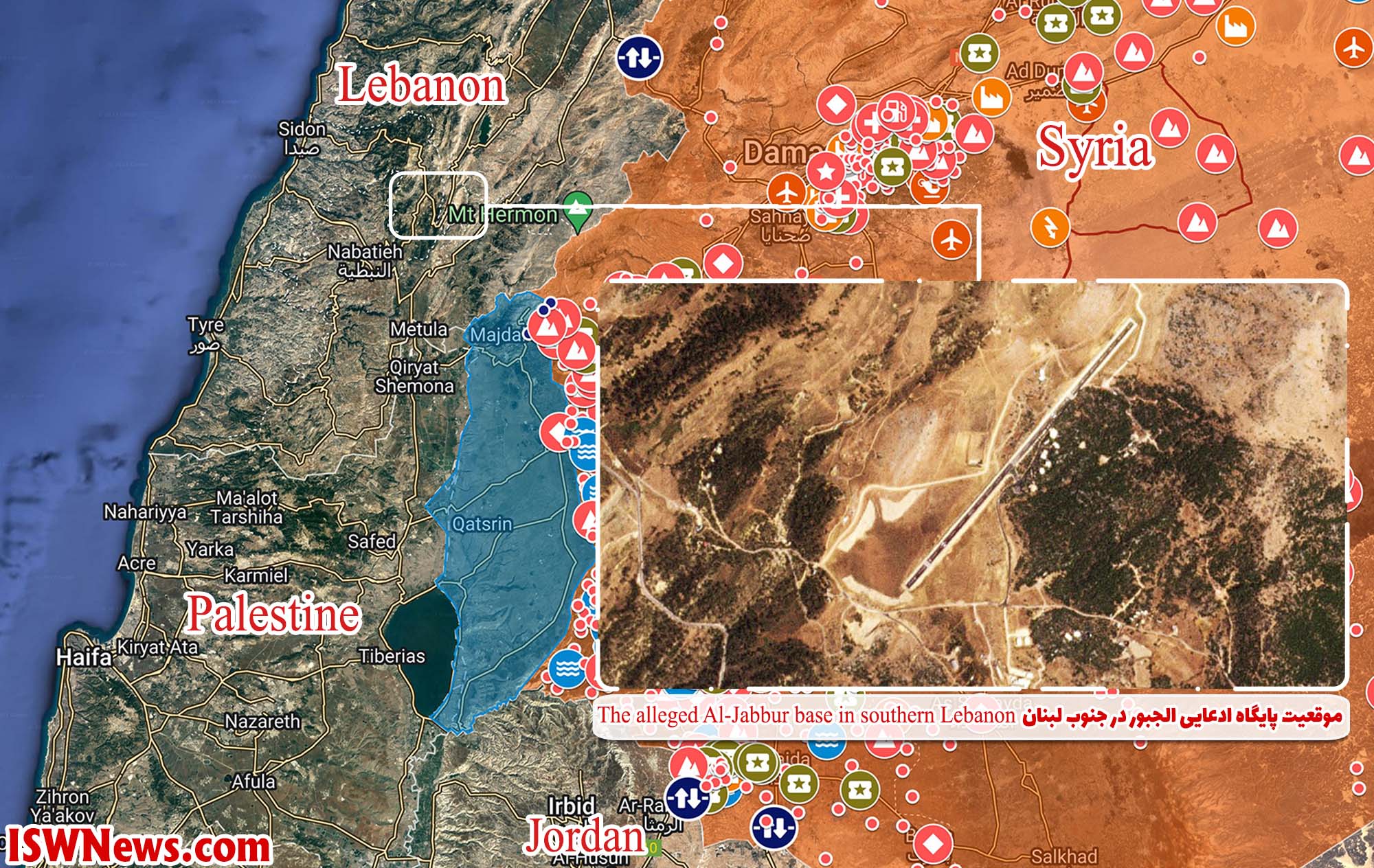
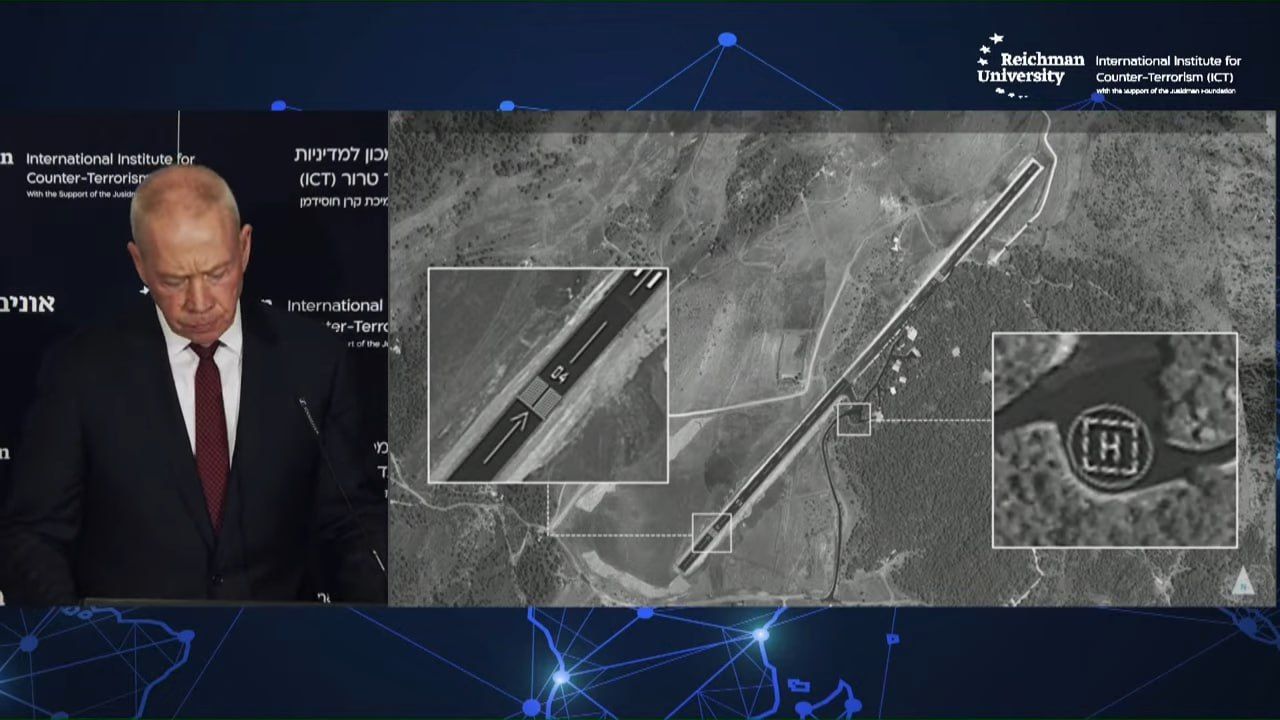
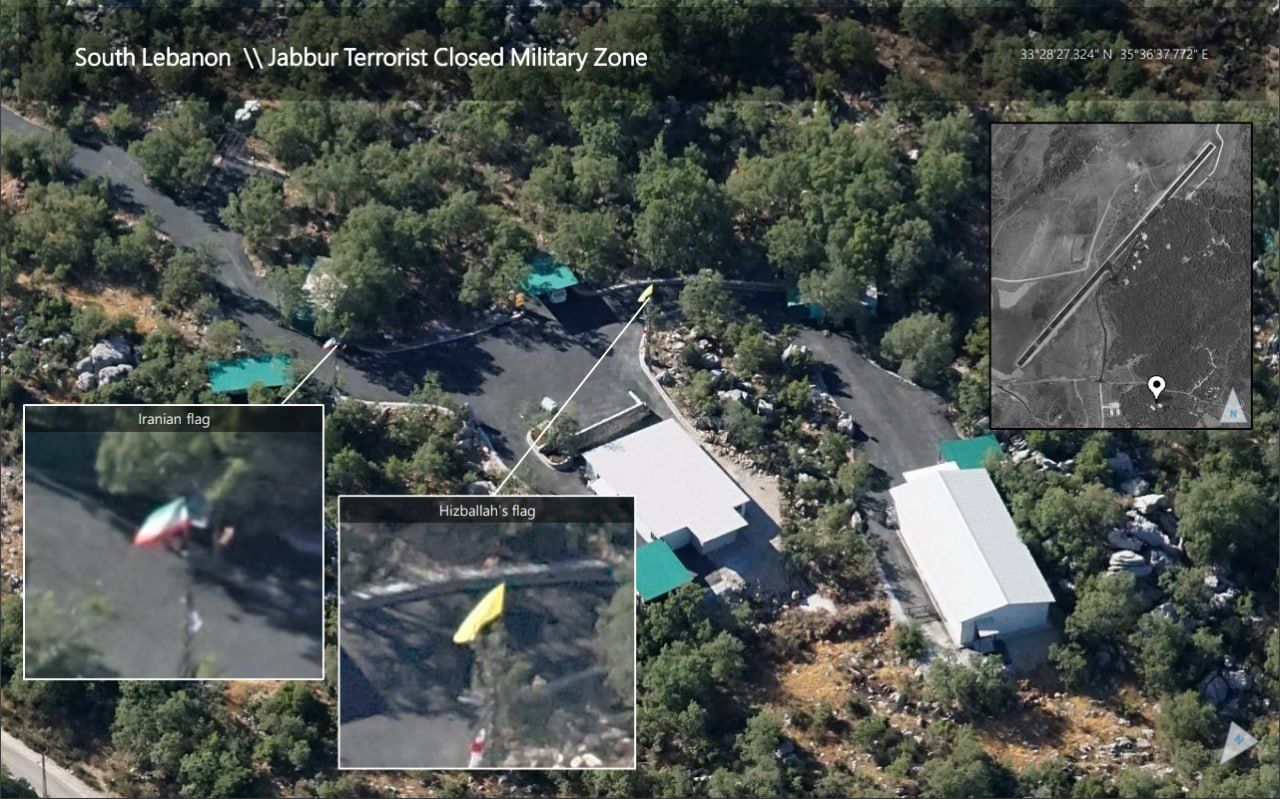
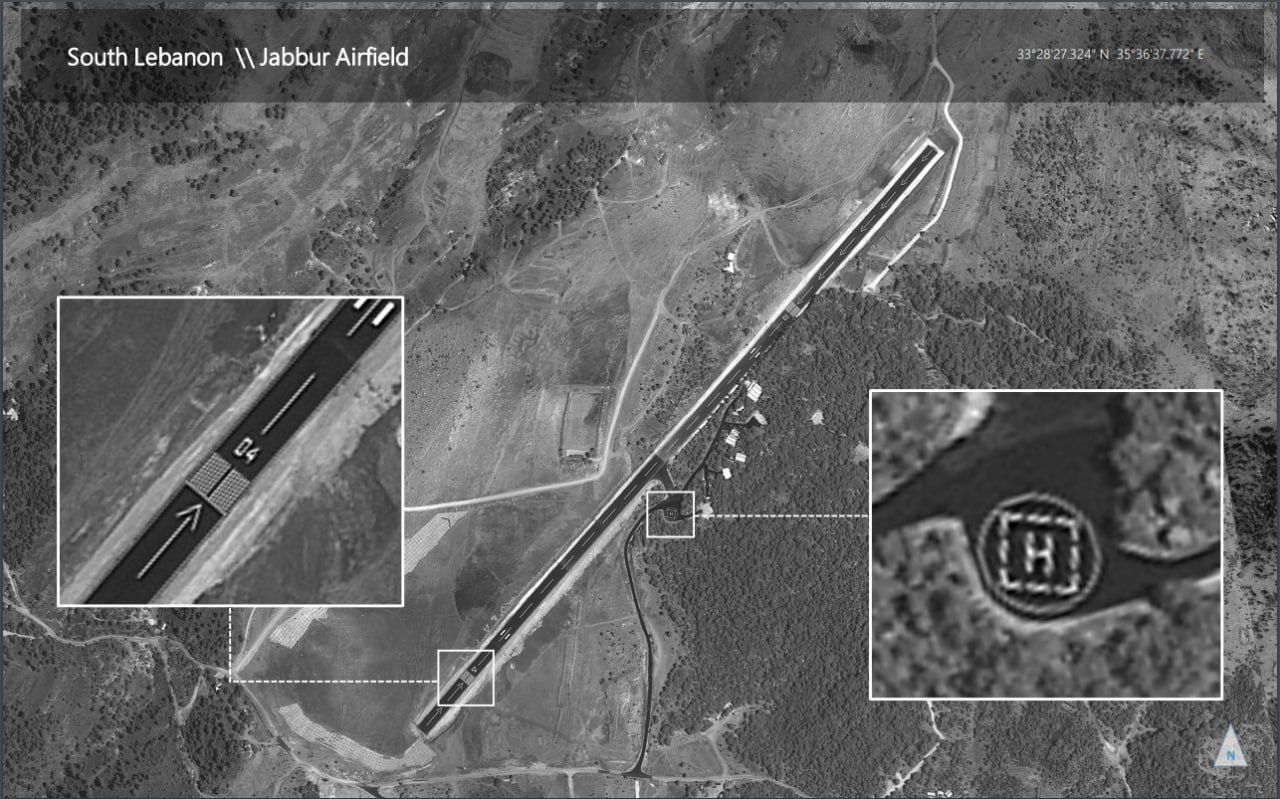
    Yoav Galant, the Israeli regime’s defense minister, claimed at a counter-terrorism policy conference at Reichman University that Iran is building an airport in southern Lebanon, 20 kilometers away from the border of occupied Palestinian territories.

    He went on to say that Iran has created an airport in southern Lebanon for attacking Israel.

    If we reach the stage of conflict, there is no doubt that we will use our destructive power, and Hezbollah and Lebanon will pay a painful and heavy price, the minister added.

    The Israeli minister claimed that Iran is now the biggest threat to the Israeli regime, regional stability, and global order, and that the Islamic Republic is strongly seeking to achieve military nuclear power and it is closer than ever to this goal.

    In the midst of the developments in the Middle East, Iran is gaining geographical and ideological dominance over the region, he acknowledged.

    Iran’s goal is to create a destructive war against Israel while simultaneously striving to acquire nuclear weapons, he alleged, saying that these efforts are detrimental to all neighboring countries.

    These remarks come on September 10 as David Barnea, the head of the Mossad intelligence agency, threatened Iranian officials at a conference at Reichman University with assassination.

  • Deadline For Disarming Iraqi Terrorists Ends On September 19!

    Deadline For Disarming Iraqi Terrorists Ends On September 19!

    The deputy commander of the IRGC said in an interview with an Iranian media outlet that we expect from our brothers in the Kurdistan region to show brotherliness, because providing terrorists with safe haven in that region, which has become a source of operations against our country, is not consistent with brotherliness or good neighborliness.

    After uninterrupted negotiations, we finally signed an agreement with the central government in Baghdad as well as the Kurdistan region, and the deadline of the accord to become operational is on September 19 in terms of scheduling and agreed-upon provisions, he argued.

    Read more: Iraqi, Iranian Top Security Advisors Meet In Tehran

    The brigadier general went on to say that we are committed to all the provisions of the agreement, not one word less or one word more; thus, we expect the other party to also abide by the agreement in the same way as the Islamic Republic of Iran has fulfilled its obligations. Otherwise, the situation will come back to its previous state, and we will be forced to protect the interests of the Iranian people, he warned.

    It should be noted that some time ago, Chief of Staff of the Iranian Armed Forces Major General Mohammad Hossein Bagheri stated at a meeting with commanders of the Ground Forces of the Islamic Revolution Guards Corps that the Iraqi government has time up to September in order to eradicate separatist groups in the Kurdistan region of the Arab country.

    Prime Minister of Iraq Mohammed Shia’ al-Sudani also emphasized the seriousness of his government to implement the provisions of the Tehran-Baghdad security agreement completely. He made the remark in a meeting with a delegation of senior managers from Iranian media outlets yesterday.

    The Iraqi premier said that for various reasons, we as the Iraqi government feel obligated to address Tehran’s security concerns regarding terrorist activities, which are being committed from the Kurdistan region in Iraq. To this end, we have spent over $200 million on this issue and deployed more than 3,000 National Army forces along Iran’s borders and throughout the region, he noted.

    Read more: Are Iran’s armed forces on the brink of a new round of attacks on terrorist groups in Iraqi Kurdistan region?

    In recent months, senior commanders of the Iranian armed forces have warned the Iraqi government and officials in the Kurdistan region of Iraq about the illegal and terrorist movements of certain outlawed groups.

    Given the continued presence of anti-Iran armed groups in the Kurdistan region of Iraq as well as the Iraqi sides’ failure to make proper decisions and implement practical plans to expel or disarm terrorist groups from Iraq’s border areas, the Islamic Republic of reserves its rights to resort to all available capacities to establish security along its western borders after the end of the September 19 deadline.

    Map of the distribution of terrorist groups in the western borders of Iran – click to view in full size

    Read more:
    Iranian missiles pounds terrorist positions in Kurdistan region!
    Iran missile and drone attacks on terrorist groups in Iraq’s Kurdistan + Video

  • Iran-Made Ababil Drone Flies Over Militants’ Positions In Idlib

    Iran-Made Ababil Drone Flies Over Militants’ Positions In Idlib

    Media outlets close to the militants released a video on September 5, showing the surveillance flight of an Iran-made Ababil-3 drone in the southern frontlines of the Idlib Governorate.

    According to the claims made by the militants, this drone flew over various areas of Al-Fatira, Kansafra, Kafr al-Uwayd, and Safuhen.

    Ababil-3 drone image published by the militants

    It appears that the Syrian armed forces employed this drone, because the Ababil-3 drone has been frequently used in recent years by the Syrian army to identify terrorist groups’ positions, guide artillery fire, and assist Russian helicopters in precise bombardment of militants’ headquarters in the Arab country.

    Read more: Military Knowledge: “Ababil 3” Surveillance and Reconnaissance Drone

    Ababil-3 drones have conducted tens of thousands of flight hours for the Syrian army to monitor and detect terrorist groups in various axes, including Hama, Idlib, and northern Latakia, since the peak of the Syrian civil war. And it is said that the Syrian army is largely satisfied with the performance of the Ababil-3 drone.

    It should be noted that the Ababil-3 drone appeared during the Great Prophet 5 military exercise of the Islamic Revolution Guards Corps (IRGC) in 2010 for the first time.

    The range of the Ababil-3 drone is 250 kilometers, and its flight endurance is 8 hours. The maximum flight altitude of the Ababil-3 drone is reported to be 16404.2 feet (5,000 meters), and its maximum speed is also stated as 200 kilometers per hour.

  • Yak-130 Aircraft Entered Iran

    Yak-130 Aircraft Entered Iran

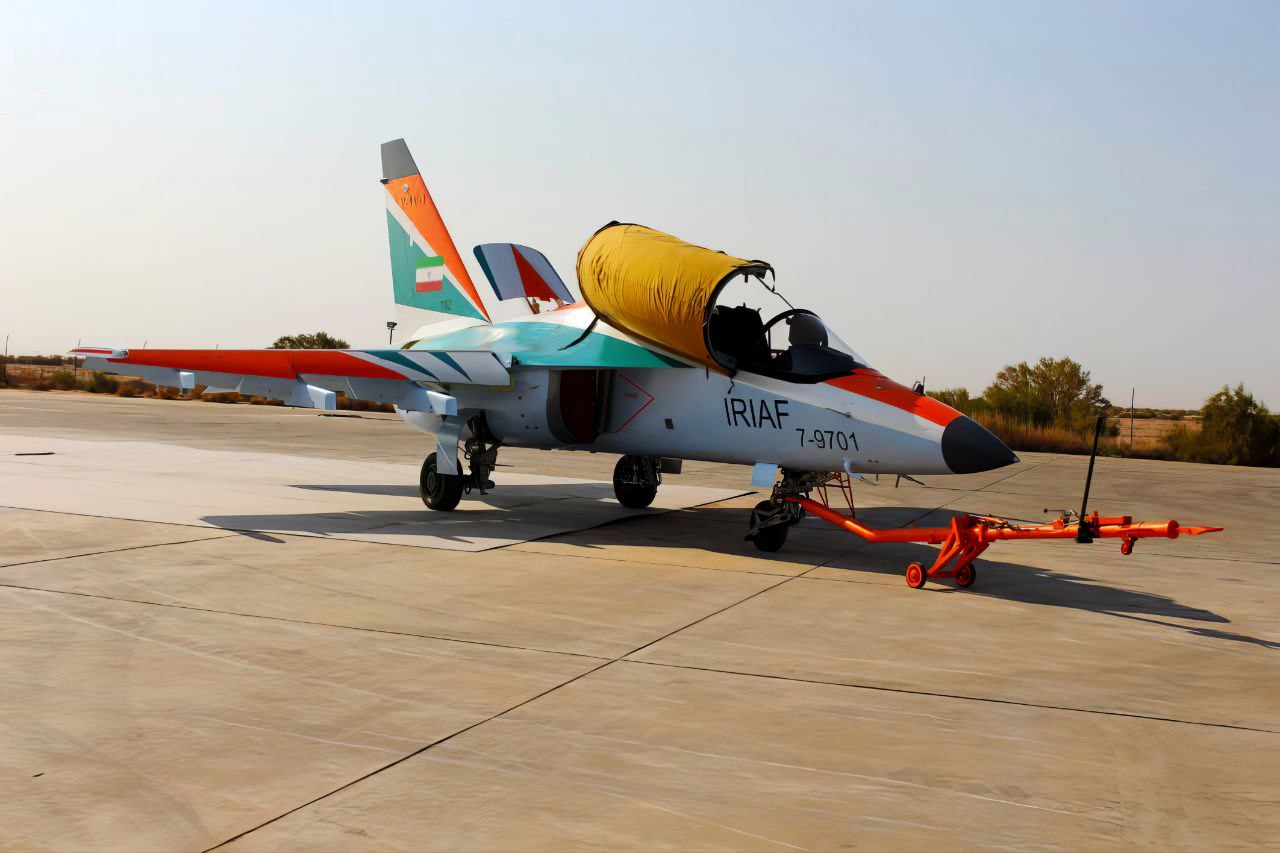
    These trainer fighters have been imported from Russia since last month and will be used to train pilots who are going to fly new generation fighters (probably Sukhoi 35 and Sukhoi 30) of the Iranian Air Force.

    In addition to general training and combat capabilities, the Yak-130 has the ability to simulate the training characteristics of various fighter jets, including the 4th generation and the 5th generation, such as the Sukhoi 57.

  • Iranian Defense Official Provides New Details On Failed Israeli Sabotage Plot

    Iranian Defense Official Provides New Details On Failed Israeli Sabotage Plot

    Speaking in a live interview with the Islamic Republic of Iran News Network (IRINN), Deputy Defense Minister Brigadier General Reza Talaei-Nik said that the plot was uncovered as result of a “multi-year intelligence operation.”

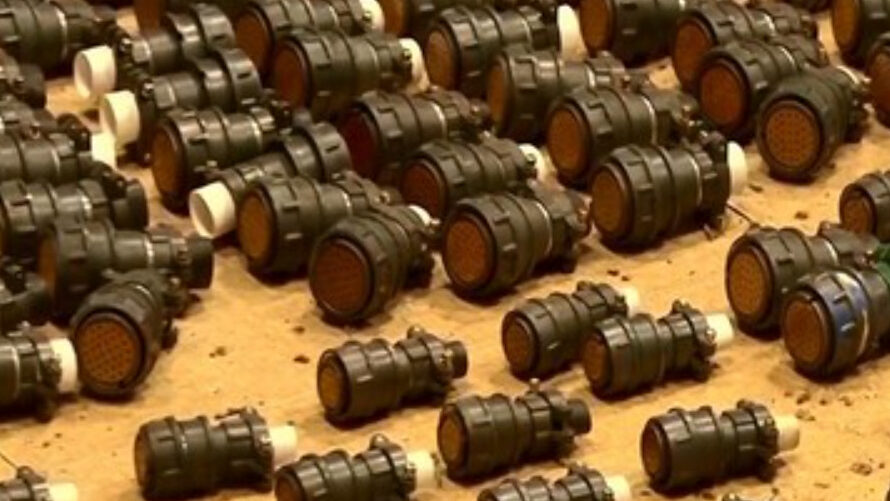
    “Nine years ago, our colleagues were working on one of the networks of the enemy … when they found that the Zionist regime’s Mossad was focusing on some subjects in the defense industry including the connector,” the Mehr News Agency quoted the spokesman as saying during the interview.

    As a part of the foiled plot, Mossad agents wanted to supply faulty military-grade connectors to the Iranian defense industry.

    “Our intelligence forces detected the connectors before they entered the missile system,” Talaei-Nik said.

    The spokesman also noted that the experts of the ministry of defense managed to detach the faulty section from the connectors and rebuild and use them again.

    The connectors were redesigned by the Mossad to cause an explosion within a determined period of time, Talaei-Nik revealed.

    “The enemy did not understand that we had detected [their plot] which means that they wanted to surprise us with an operation on defense systems but they were taken by surprise,” the spokesman added.

    Talaei-Nik noted that the plot would have caused the loss of $19 million of military equipment if it had succeeded as planned.

    The spokesman also stressed that Iran will not hesitate to take serious legal actions against the countries that have collaborated with the Mossad in the plot.

    The whole plot began to fall apart when a trader became suspicious after he noticed that foreign suppliers of the connectors were closely monitoring Iran’s domestic market and the distributors of the parts, said Talaei-Nik, adding that the individual notified officials in the Intelligence Organization of the Defense Ministry.

    The spokesman went on to say that the Iranian intelligence officials, who had already been tipped off, utilized the information to identify the rest of the Mossad network.

    The intelligence department of the Iranian Defense Ministry and the logistics branch of the armed forces were the first to announce the failed Mossad sabotage plot. Israel has not commented on the Iranian allegation, so far.

    The Israeli intelligence orchestrated several attacks against Iranian infrastructure, defense industrial complex and nuclear facilities over the years. The attacks included cyber sabotage, assassinations of key officials and scientists as well as bombings, some of which were carried out with bombs. Iran usually responds by launching its own covert operations against Israeli targets.

    Originally posted on SouthFront