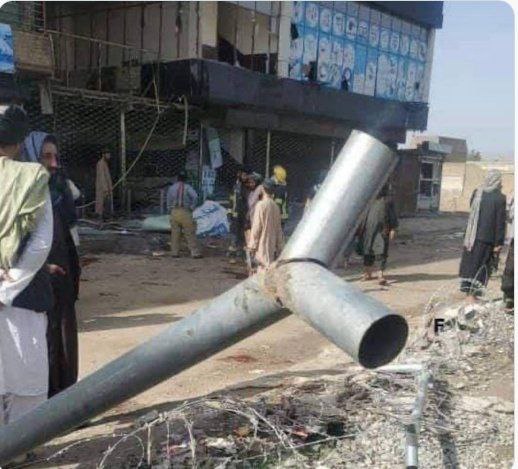
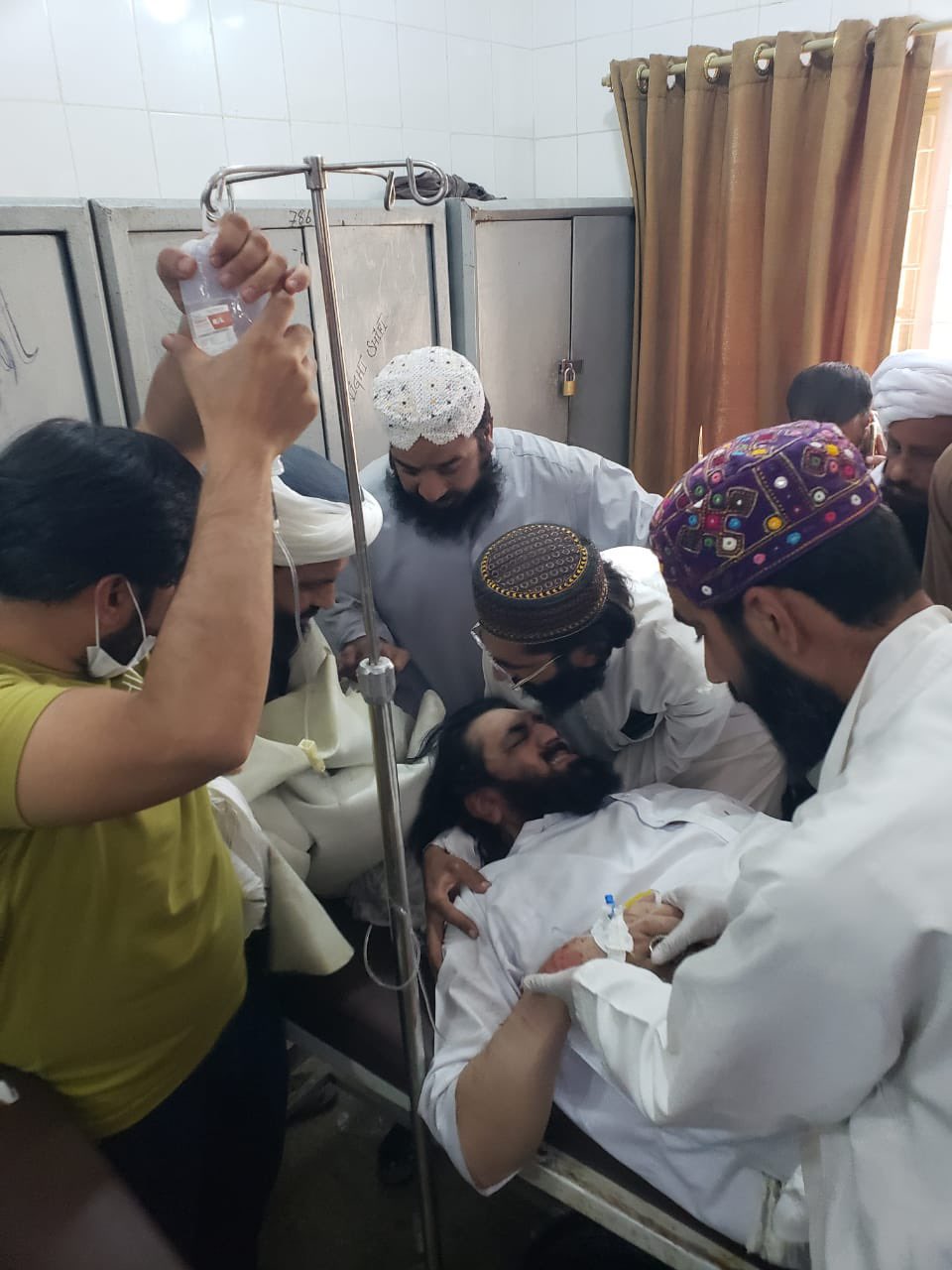
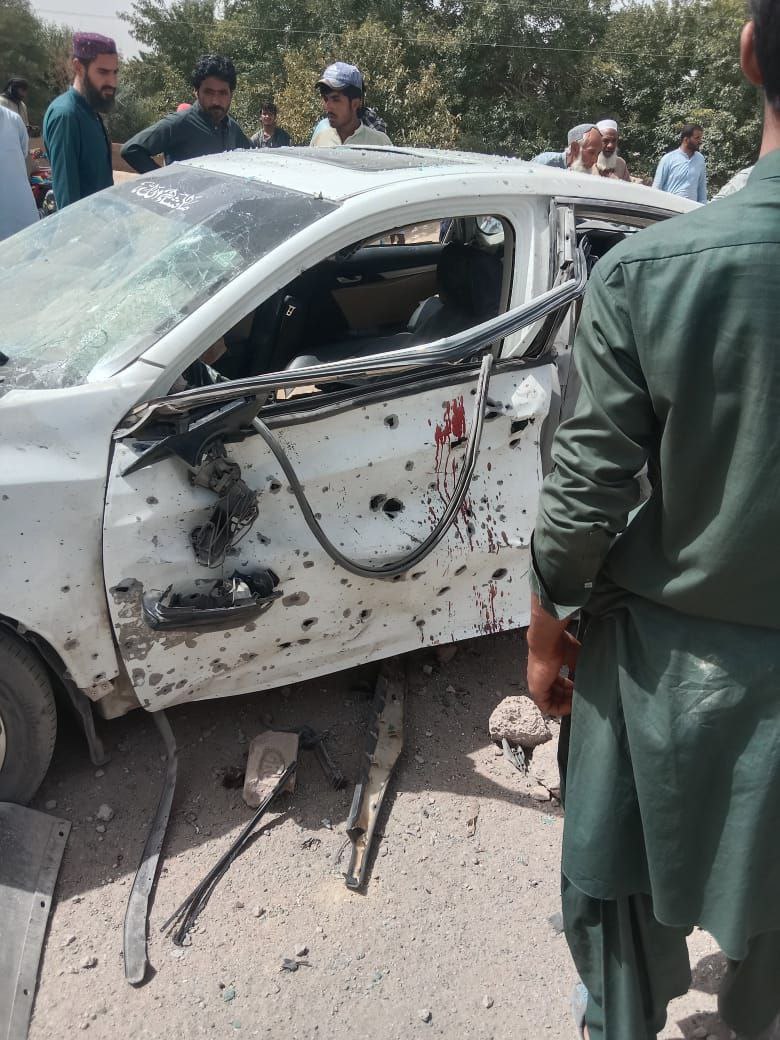
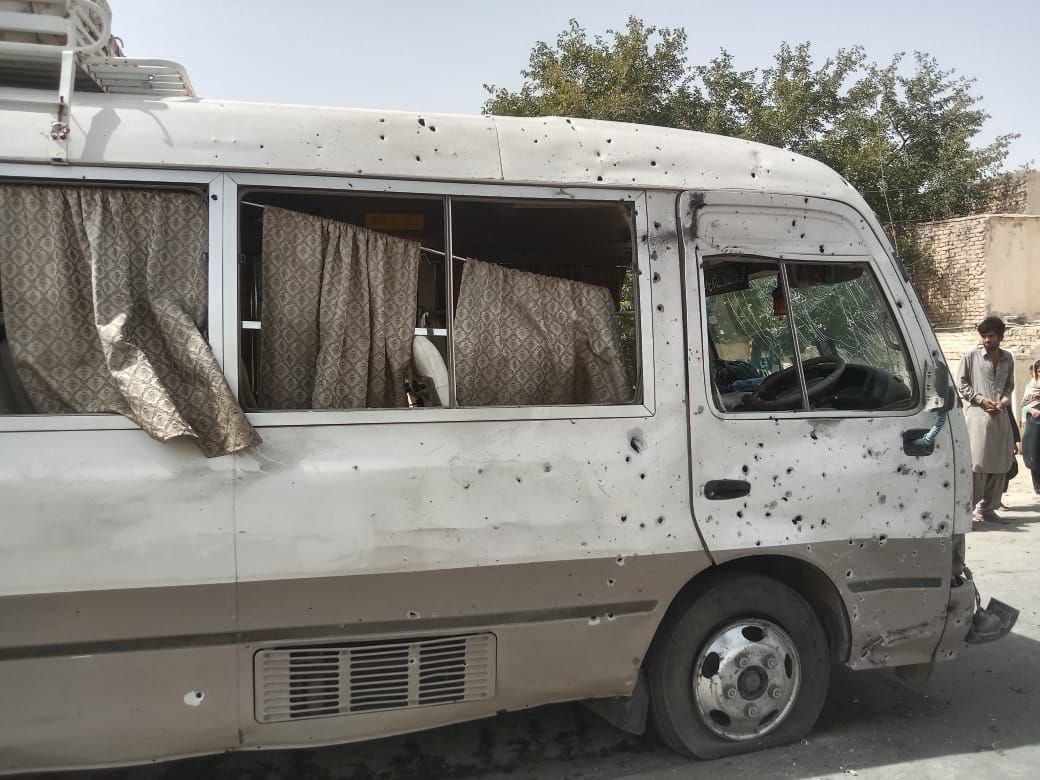
As a result of the terrorist attack on the building of the Kandahar branch of New Kabul Bank located in the first district of the city of Kandahar, at least 21 people were killed and more than 50 others were injured on Thursday morning (March 21).
Taliban officials have stated that this terrorist attack left three dead and 12 injured.
The terrorist group ISIS has issued a statement and claimed responsibility for this terrorist explosion.
According to a report by Al-Mersaad (Taliban’s security media outlet), this attack was planned by Pakistani intelligence agency and carried out by ISIS Khorasan Province militants. This media outlet also alleged that the leadership of ISIS Khorasan Province moved to Pakistan after the group’s defeat in Afghanistan and is in direct or indirect contact with certain neighboring countries.
Such explosions are not a new issue in Afghanistan and have occurred many times before the Taliban’s takeover in Afghanistan, but what makes it is the location of the bombing in Kandahar (the spiritual capital of the Taliban) as well as the timing of the terrorist incident during the increasing tensions between the Taliban caretaker government and Pakistan.
The Khorasan branch of ISIS (ISKP or ISIS-K) has taken responsibility for this attack by publishing a statement.
On July30, ISIS also targeted the gathering of Jamiat Ulema Islam supporters in Bajaur district by a suicide bomber, as a result of which more than 250 people were killed and injured.
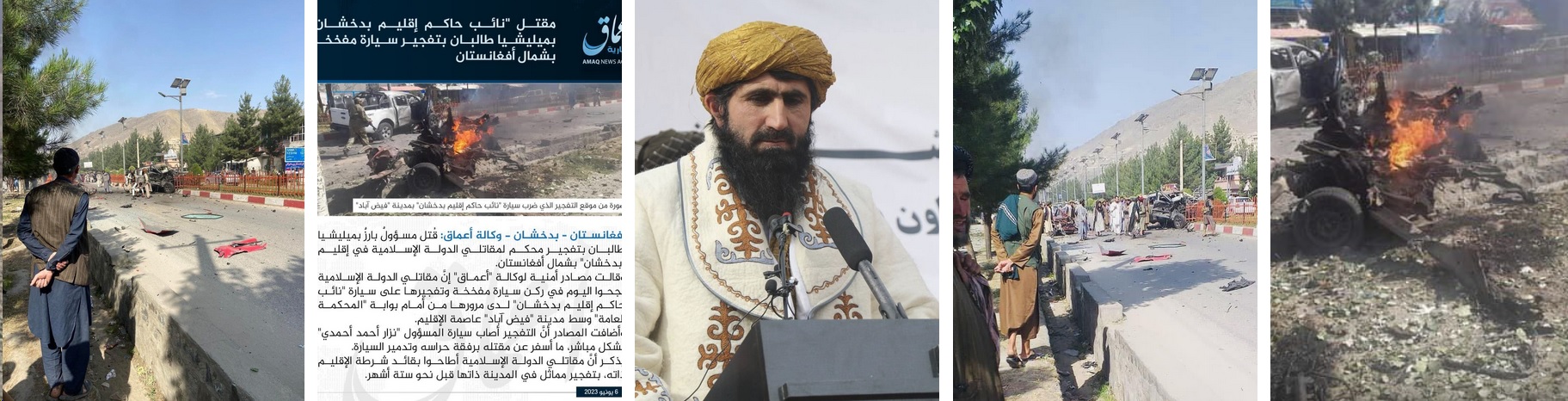
On Tuesday (June 6), a convoy carrying local Taliban officials in Badakhshan province in Faizabad town, the center of Badakhshan province, was targeted by the ISIS terrorist group.
The attack was carried out via explosion of a bomb-laden vehicle at the Dadsetani intersection, which ended up in the killing of eight Taliban officials, including deputy governor of the Taliban in Badakhshan province Molavi Nisar Ahmad Ahmadi. The ISIS terrorist group took responsibility for the attack hours after it was carried out by issuing a statement.
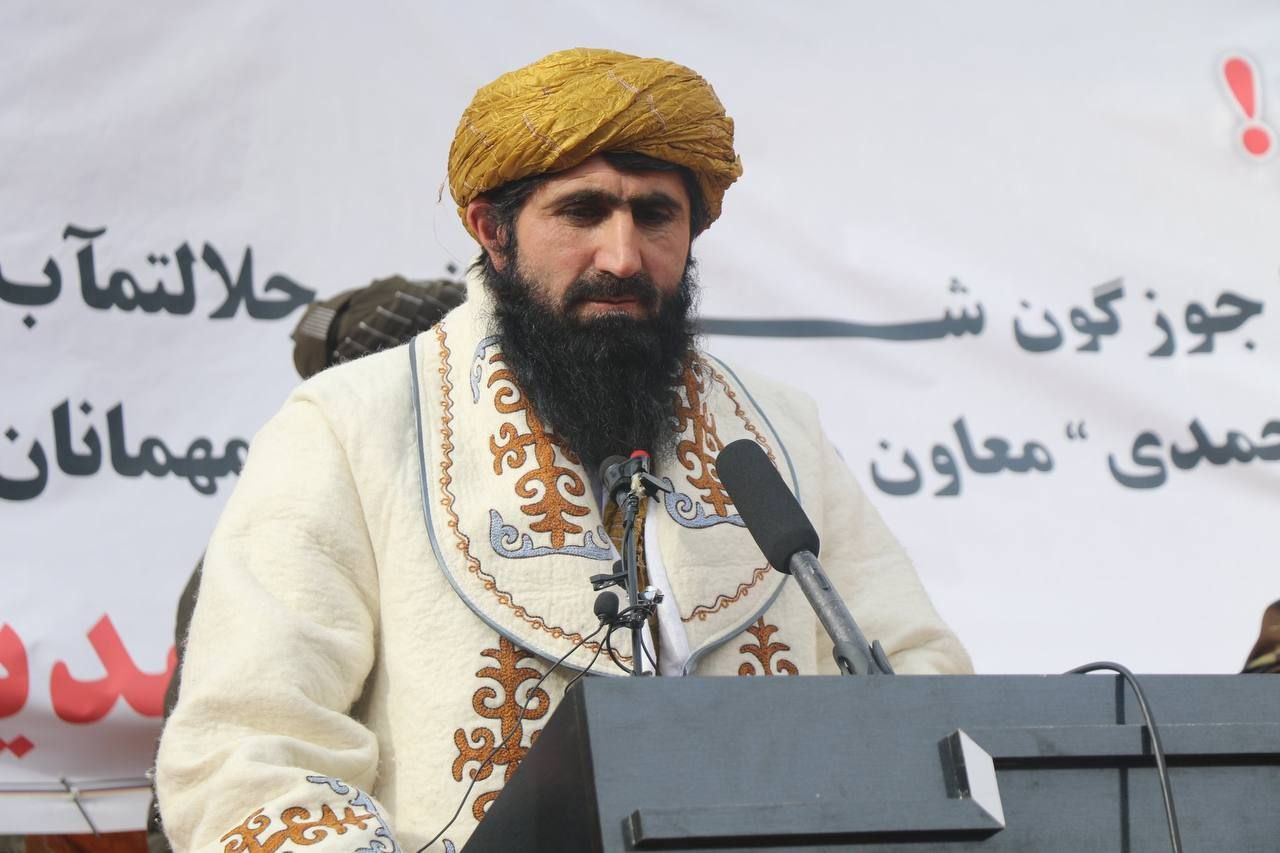
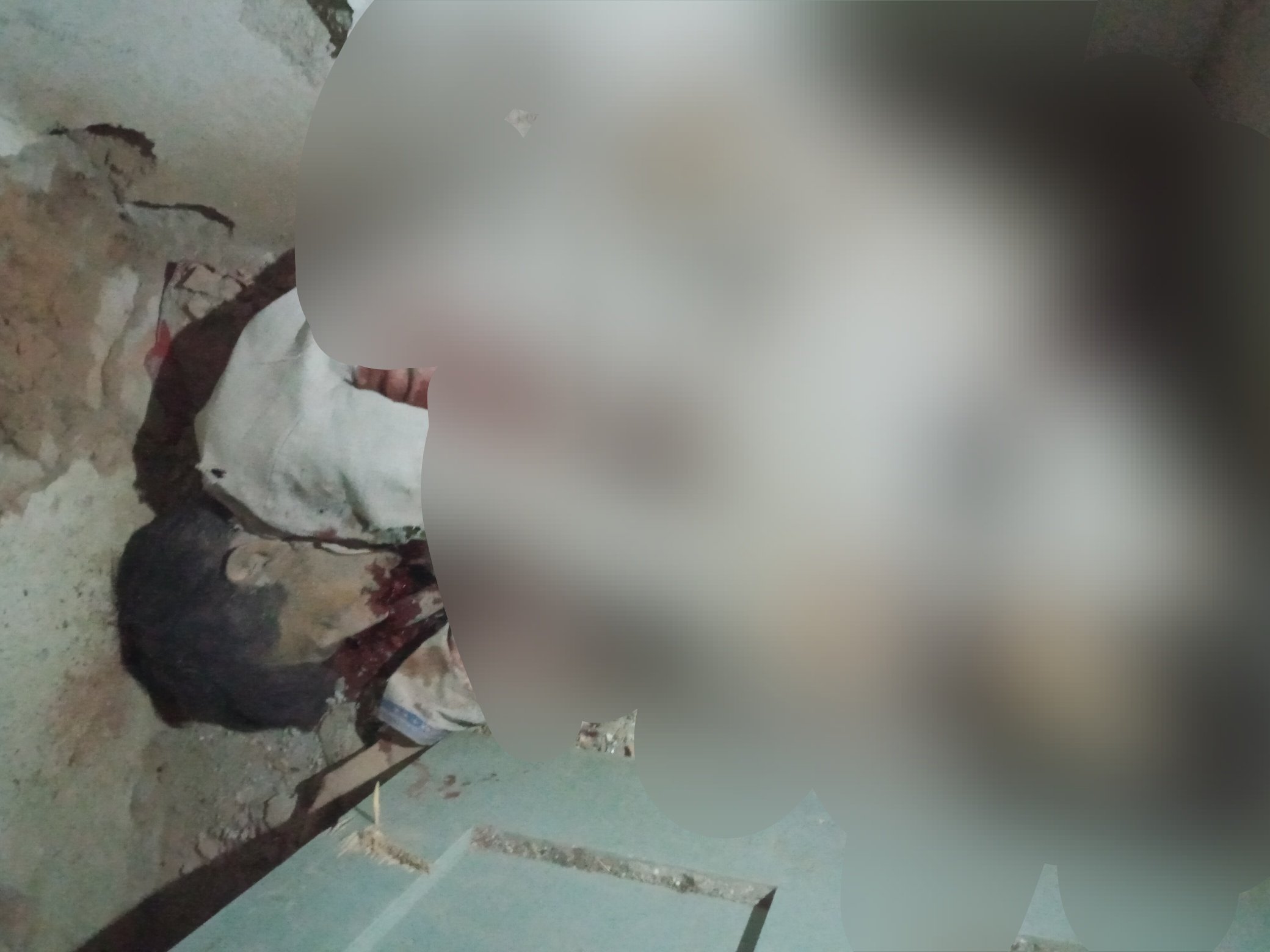
Pictures of Molavi Nisar Ahmad Ahmadi, deputy governor of the Taliban in Badakhshan and the place of his assassination
Two days after the attack, another terrorist attacked the funeral ceremony of Molavi Nisar Ahmad Ahmadi at the Nabawi Mosque in Faizabad town and blew himself up among the people present in the mosque.
The explosion also led to the killing of at least 16 Taliban forces and injuring more than 50 others.
It should be noted that dozens of middle-ranking members and local officials of the Taliban group attended the funeral ceremony of deputy governor of the Taliban in Badakhshan province Molvi Nisar Ahmad Ahmadi at the Nabawi Grand Mosque in Faizabad town, who were targeted by a suicide bomber.
Among those present at the funeral ceremony were Minister of Economy of the Taliban caretaker government Qari Din Mohammad Hanif, former security commander of the Taliban in Baghlan province Molvi Safiullah Samim and prayer Imam of Nabawi Grand Mosque Qari Ehsanullah.
It is worth mentioning that the names of Molvi Safiullah and Qari Ehsanullah have been mentioned among those killed in the terrorist attack.
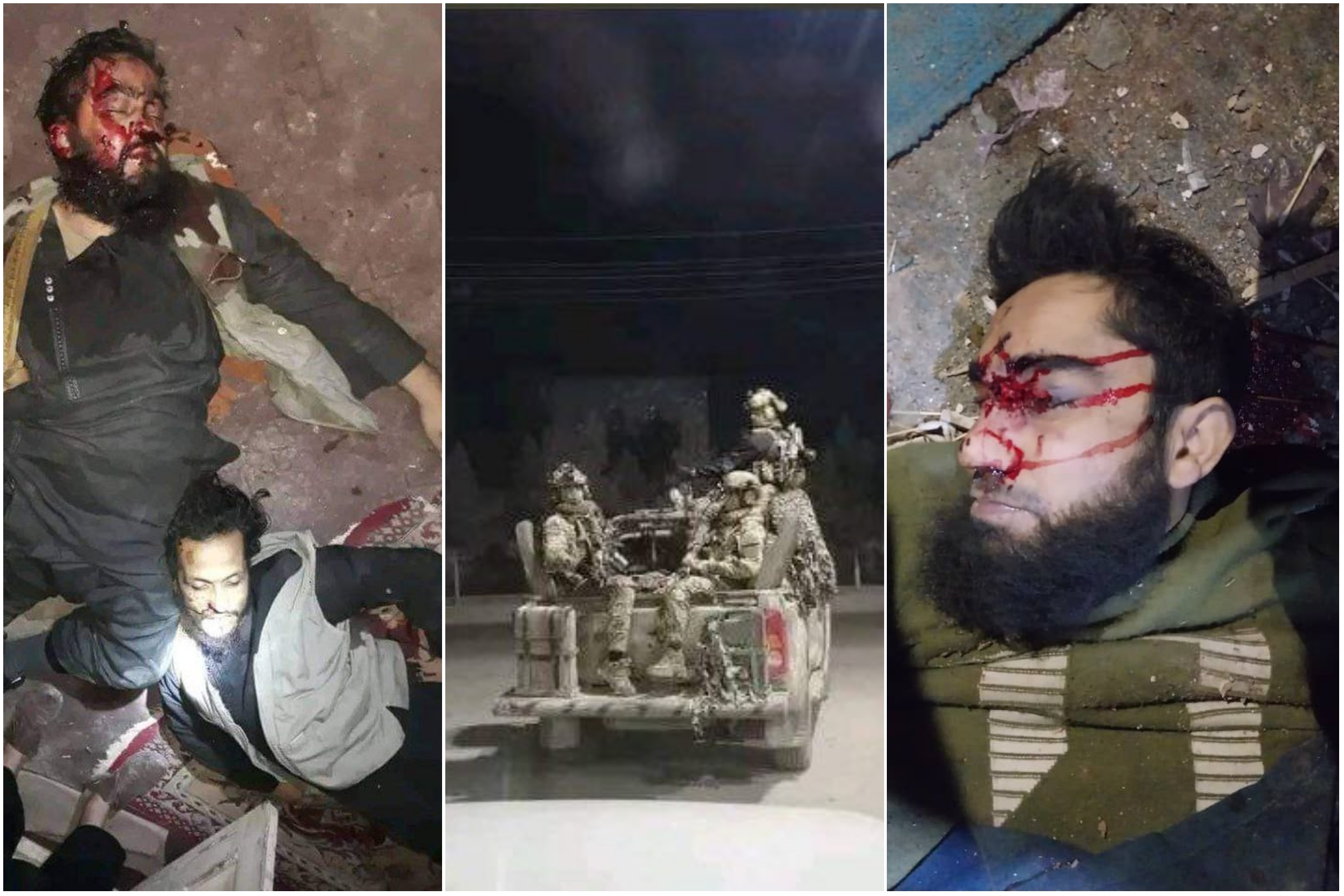
On February 26, the Taliban forces attacked the IS-KP (or ISIS-K) terrorists’ den in Zakerin town located in the 17th district of Kabul, which left three ISIS terrorists dead.
Taliban spokesman Zabihullah Mujahid issued a statement, confirming the news story, and said that all recent terrorist attacks on diplomatic, cultural and religious sites in Kabul have been ordered by Qari Fateh.
Qari Fateh was in charge of military wing of Khorasan branch of the ISIS terrorist group (IS-KP), and then, he was appointed as the IS-KP emir in Kunar, Nangarhar and Nuristan provinces of Afghanistan. He has been recently chosen as the intelligence chief of the IS in Khorasan Province, but he has been identified and then killed by Taliban.
He is the second Islamic State Khorasan Province’s top official, who has been hunted and killed by Taliban’s security forces in the past two months. On February 13, as a result of the operation by Taliban security forces against the hideout of IS foreign operatives in the 8th district of Kabul, 10 members of IS-KP, including Ejaz Hossein Ahangar, alias “Abu Othman Al-Kashmiri”, the leader of IS-KP in the Wilayat Hind, were killed, and 15 others including five women and nine children were arrested.
Molavi Mohammad Asif Zakir, the commander of the 2nd Brigade (Border Brigade) of the 203rd Mansouri Division, on January 12, announced in a letter to the intelligence department and other departments of this division that the ISIS terrorist group is planning to send 7,000 new troops to the Afghanistan’s northern provinces. These militants had trained in Pakistan’s Khyber Pakhtunkhwa province and will be transferred to Afghanistan individually and in groups.
The 203rd Mansouri Division of Taliban also announced that ISIS terrorists, led by a Pakistani named “Muslim Kut Wal” in the training centers built in the mountainous areas of Tira Rishgol, Koko Khel, Abijer and Gondeh Ghari located in the Khyber Pakhtunkhwa province, completed ideological-jihadi training courses. These militants are supposed to enter Afghanistan through Azra district in Logar province, Jaji district in Paktia province, Alishang district in Laghman province and Nangarhar province and then go to the northern provinces of Afghanistan to fight with the Taliban.
Following this report, the Taliban has ordered all the military personnel of the 2nd Brigade of the 203rd Mansouri Division to carefully check all people entering Afghanistan at the borders of Nangarhar, Logar, Paktia and Laghman provinces and not to allow ISIS members to enter Afghanistan.
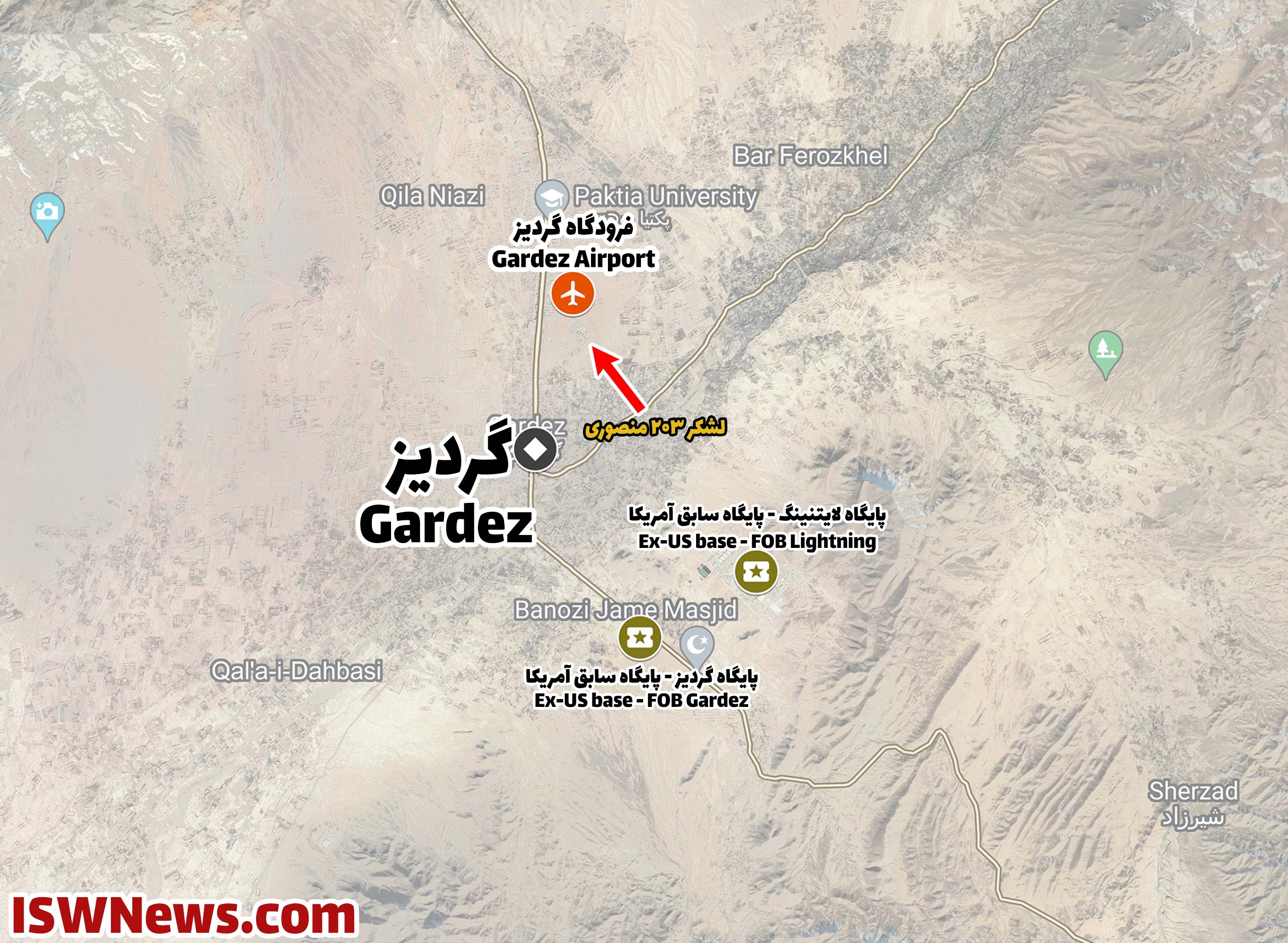
It should be noted that the main base of the 203rd Mansouri Division is located in the outskirts of Gardez Airport, the capital of Paktia province. This division is responsible for providing security in the southeastern regions of Afghanistan, and its second brigade is responsible for protecting the Durand border line (Afghanistan-Pakistan border). This base was attacked by unknown drones (probably American) on September 8, 2022.
It should be noted that some of these groups, such as ISIS-K and the Resistance Movement for Justice, were also active in Afghanistan before the fall of Ashraf Ghani’s government.
The list and details of anti-Taliban groups in Afghanistan are as follows:
1- Resistance Movement for Justice (under the command of Abdul Ghani Alipour): Start of activity in 2013. Activities in Maidan Wardak, Ghor, Daykundi, Ghazni, Uruzgan and Bamyan provinces. A part of the former forces of Hezb-e Wahdat-e Islami and under the influence of Martyr Abdul Ali Mazari are present in this group. Ethnicity: Hazara.
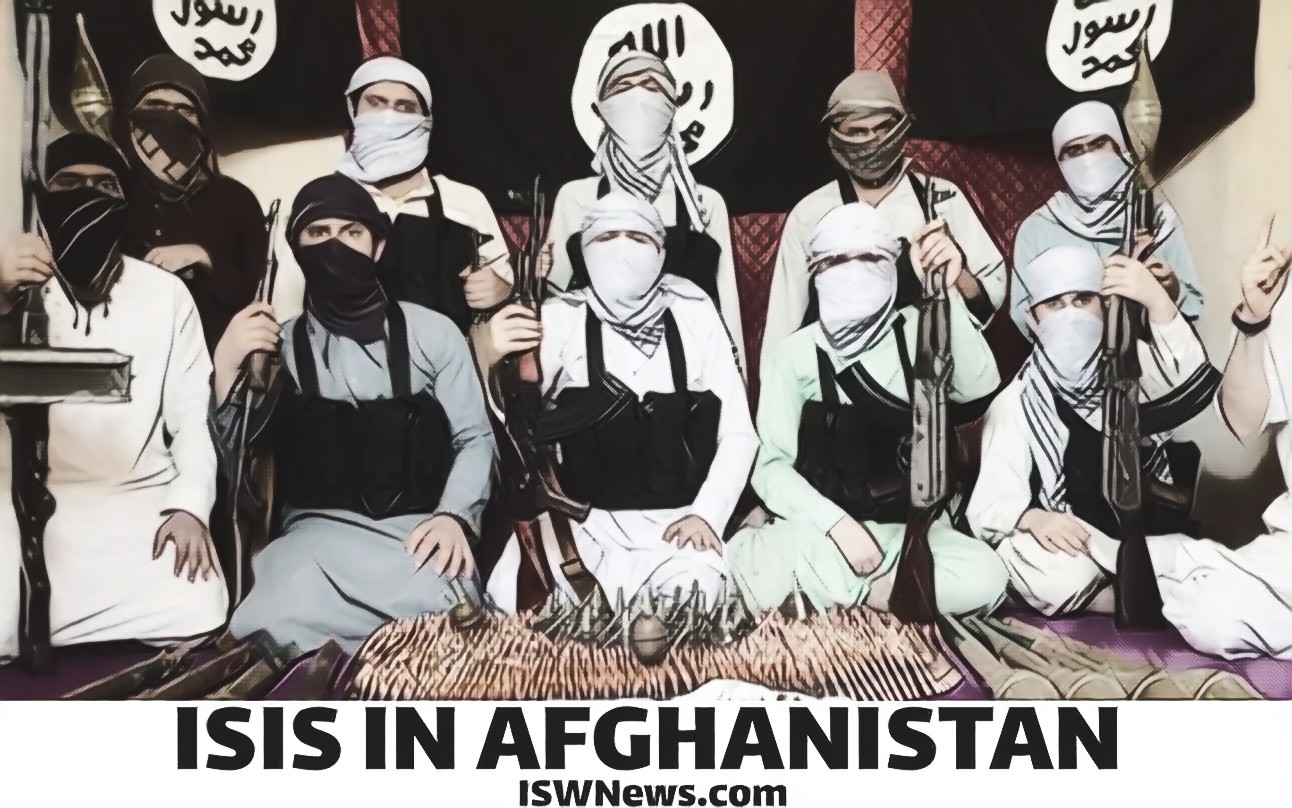
2- ISIS-K (Islamic State – Khorasan Province): Start of activity in April 2015. Activity in the eastern and northern regions of Afghanistan. With Salafi jihadist and Wahhabism tendencies.
3- Afghan National Resistance Front (forces loyal to Ahmad Massoud): Start of activity on 15 August 2021. Activity in Panjshir, Baghlan, Kapisa and Parwan provinces. Ethnicity: Tajik.
4- Afghanistan Freedom Front (forces loyal to General Yasin Zia, Chief of Army Staff of the former government): Start of activity on 4 February 2022. Activity in Takhar, Kunduz and Badakhshan provinces.
5- Afghanistan Free People Front: Start of activity on 7 February 2022. Activities in Khost, Kapisa, Kabul, Parwan and other provinces of Afghanistan. This group does not follow a single and specific commander and they are allies of Ahmad Massoud’s forces.
6- Turkestan Freedom Tigers (forces loyal to Yar Mohammad Dostum, son of General Abdul Rashid Dostum, leader of the National Islamic Movement of Afghanistan): Start of activity on 8 February 2022. Activities in Jawzjan and Faryab provinces. Ethnicity: Uzbek.
7- National Islamic Movement for the Liberation of Afghanistan (forces loyal to General Khaled Aziz, one of the army commanders in of the former government): Start of activity on 23 February 2022. Activity in Nangarhar, Kunar and Helmand provinces. Ethnicity: Pashtun.
8- Freedom and Democracy Front: Start of activity on 24 March 2022. Activities in the Shiite areas and central provinces of Afghanistan. The members of this group follow the thoughts of Martyr Abdul Ali Mazari. Ethnicity: Hazara.
9- Supreme Council of Resistance (forces loyal to Atta Muhammad Nur, one of the heads of Jamiat-e Islami party): Start of activity on 25 March 2022. Activity in the northern and central provinces of Afghanistan. Ethnicity: Tajik and Hazara.
10- People’s Democratic Party of Afghanistan: Start of activity on 9 April 2022. Activity in Kabul province. With the tendency and thoughts of communism.
11- Western Nuristan Liberation Front: Start of activity on 9 April 2022. Activity in Nuristan province.
12- Rise of Freedom: Start of activity on 5 May 2022. Activity in the Sang-2 Takht district located in Daykundi province. Influenced by the thoughts of Martyr Abdul Ali Mazari. Ethnicity: Hazara.
13- Wolf Units (forces loyal to General Abdul Rashid Dostum, leader of the National Islamic Movement of Afghanistan): Start of activity on 6 May 2022. Activity in Barkah district in Baghlan province.
14- Patriotic Front: Start of activity on 10 May 2022. Activity in Ghazni, Kabul and Herat provinces.
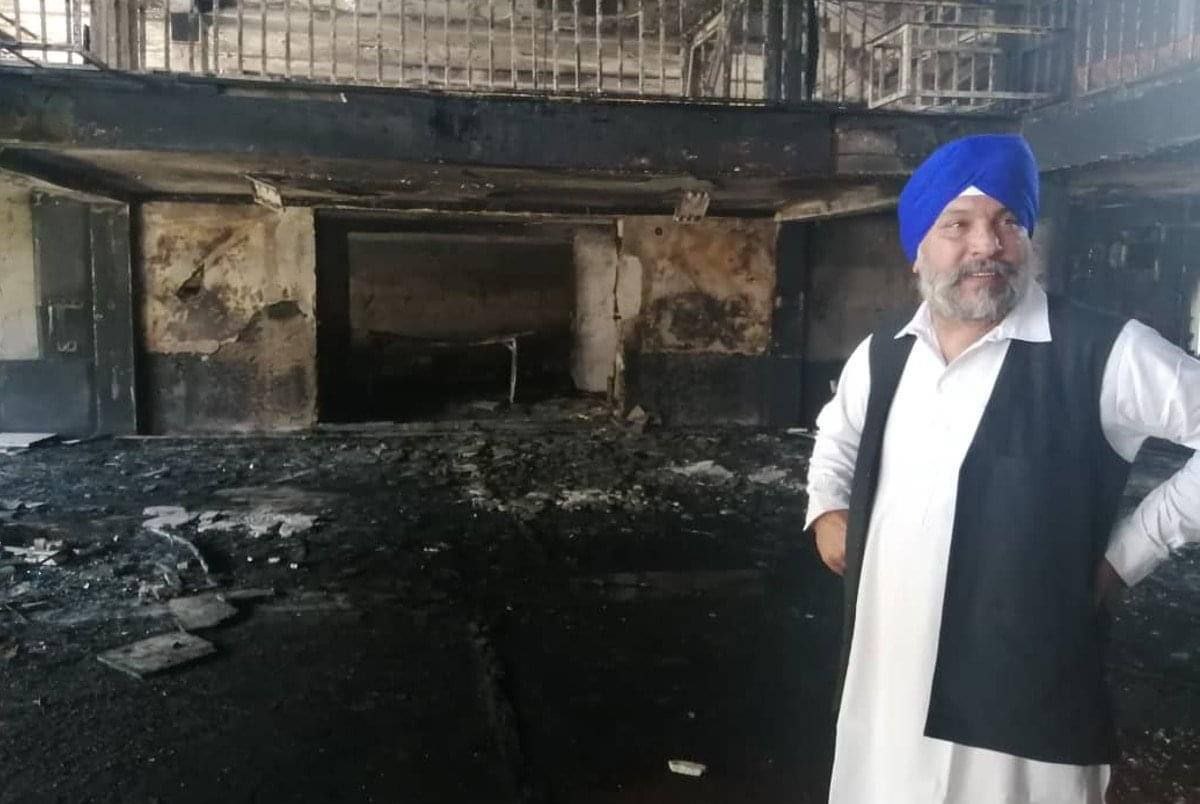
On June 18, ISIS attacked a Hindu religious ceremony in the Gardeneh Bagh Bala Temple in the fourth district of Kabul. The assailants blew up a car and threw several hand grenades into the temple, clashing with Taliban militants responsible for securing Hindu ceremonies. As a result of this terrorist attack, one Hindu minority and one Taliban member were killed and seven other civilians were wounded. Also, all the attackers (probably three) of this terrorist attack were killed by Taliban.
The ISIS-K terrorist group has claimed responsibility for this terrorist attack. In recent years, ISIS has also attacked places and gatherings of the Hindu and Sikh minorities in Afghanistan.
It should be noted that the population of Sikhs and Hindus in Afghanistan until 1970 was about 100 thousand people and lived in the cities of Jalalabad, Ghazni and Kabul. But with the outbreak of civil war in Afghanistan, most of them migrated to India and other countries, and before the Taliban came to power, their population was about a thousand. With new threats and new waves of insecurity, most of these people have also migrated, and according to Sikh minority leaders, only 140 Hindu and Sikh minorities remain in Afghanistan.
Attacks on Hindu religious ceremony in KabulAttacks on Hindu religious ceremony in KabulAttacks on Hindu religious ceremony in KabulAttacks on Hindu religious ceremony in KabulISIS-K claimed responsibility for the attack on Hindu religious ceremony in Kabul
At least two ISIS members were killed and another was arrested in the operation. During the operation, a large amount of light weapons, two suicide belts, 300 kilograms of gunpowder and several sticky bombs were discovered and seized.
According to an ISWNews field source, this is the Taliban’s first intelligence operation this week agaisnt the ISIS hideouts in eastern Afghanistan. However, ISIS activities in eastern and northern Afghanistan continue to increase. Yesterday, ISIS operatives attacked a checkpoint in the town of Sayad in the northern Afghan province of Sar-e-Pul, killing 15 Taliban members.
Clashes between Taliban and ISISAn ISIS element arrested by Taliban
After the fall of Ashraf Ghani government and taking the power by the Taliban, the ISIS activities drastically increased. During the Taliban’s rule, ISIS activities mainly happened in provinces of Kabul, Nangarhar, and Logar. Among these activities several attacks were performed against Shia mosques in northern and southern cities like Kunduz and Kandahar which resulted in horrendous massacres.
By examining the geography of these regions it becomes apparent that the main goal and target of ISIS is murdering the Shias of Afghanistan. Since that the ISIS in Afghanistan does not have enough manpower and instruments to fight the Taliban; and it faces powerful neighbours like Iran, Russia and China, Therefore ISIS does not plan to establish its caliphate or start territorial expansion. Creating a state of fear and insecurity by attacks, explosions and terror is one of the main plans of ISIS in Afghanistan.
According to the reports, which were given to ISWNews by field sources in different cities of Afghanistan, ISIS-K elements are observing the region and secretly operating in some parts of northern Afghanistan. The list of these regions are is follows:
1- Observing the elements of ISIS-K with Turkmen and Uzbek race in town of Aqcha, located in province of Jowzjan 2- Town of Khurram and Sarbagh, Hazrati Sultan, Darah Sof in province of Samangan. 3- Town of Kuhestan in province of Sare Pol 4- Towns of Pashtun Kot, Bilcheragh, Darzab in province of Faryab which the elements of ISIS-K were spotted in roads between the two provinces of Faryab and Jowzjan.
Local sources of ISWNews have reported that the ISIS-K with the support of America, Israel and Turkey have started these activities, and their goal is to recruit soldiers from of Tajik, Turkmen, Uzbek, Pashtun, etc. ethnicities in Afghanistan. They mostly recruit their soldiers from the former government, anti Taliban, and anti Shia forces, because these people are suffering from the current economic crisis, and they can be recruited easily with promises of money, religious incentives, and other instruments.
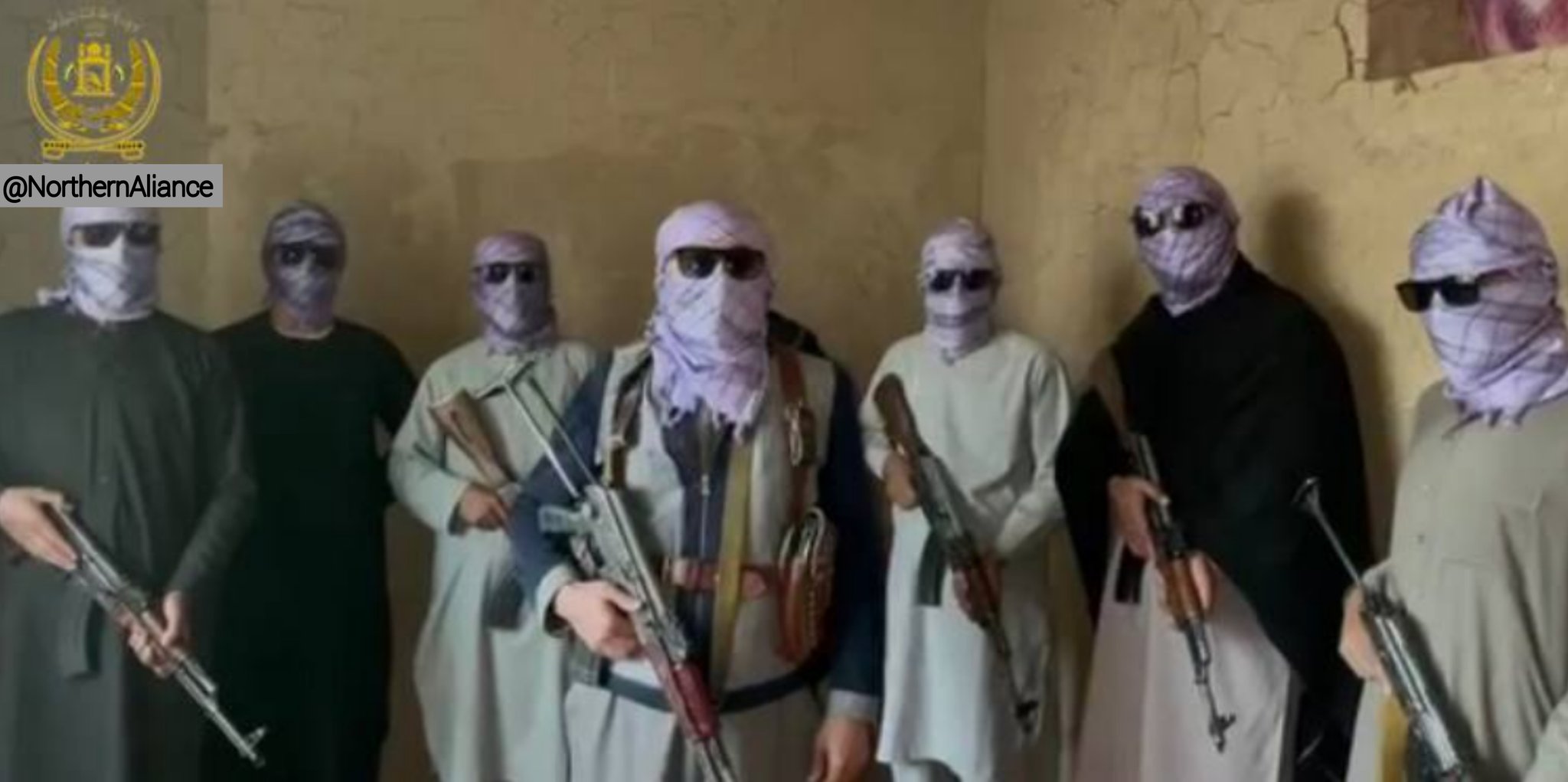
In light of these developments, videos are being published from northern cities which shows that militias with covered faces are introducing themselves as the supporters of the resistance with the leadership of Ahmad Massoud, and promising to Taliban that they will perform heavy offenses and will liberate the cities. Now with comparing the goals of these movements, it seems that these activities are in line with a massive media project, and that the use of ISIS-K from anti Taliban elements can have grave results for the people of Afghanistan.
Unknown gunmen announcing their support for the Resistance Front led by Ahmad Massoud in Jawzjan provinceUnknown gunmen announcing their support for the Resistance Front led by Ahmad Massoud in Kapisa province
in the past 24 hours, the ISIS terrorists orchestrated several attacks in Kabul and Ghazni cities, the details of which are as follows: 1- A bomb exploded in the path of a civilian van in the third district of Kabul city in Dasht-e Barchi district, killing 4 people and injuring 2 others. 2- A bomb exploded in the 13th district of Kabul city at the intersection of Shahid Dehbouri district, according to local sources, one person was killed and 9 others were injured. ISIS in Khorasan (ISIS-K) claims in a statement that the attacks killed more than 20 people. 3- The third explosion occurred in Ghazni city. According to local officials, an unexploded bomb exploded in front of a shop, killing one child and injuring three others.
Meanwhile, the Taliban announced an operation by its special forces in northern Kabul, in which three ISIS members were killed.
According to surveys of ISWNEWS, ISIS has carried out more than five terrorist attacks in Afghanistan in the past week, targeting mosques and civilians. Increasing ISIS attacks in Afghanistan comes as Taliban officials have recently claimed that ISIS is weakened in Afghanistan. Amir Khan Muttaqi, the acting head of the Taliban’s foreign ministry, stated earlier that the ISIS group has been wiped out from the 70% of Afghanistan.