13 Killed, Including Children, in Israeli Bombing of Ain al-Hilweh (Video)
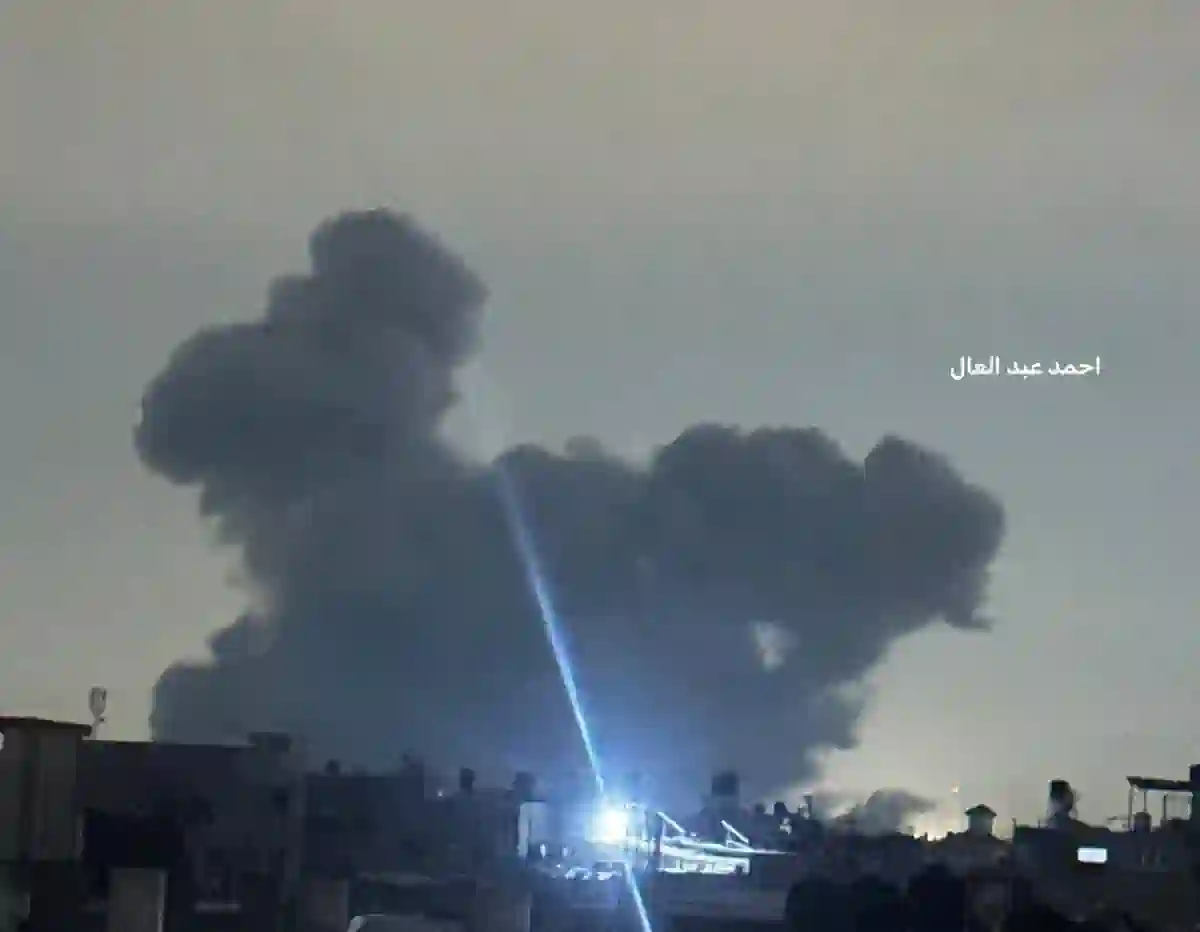
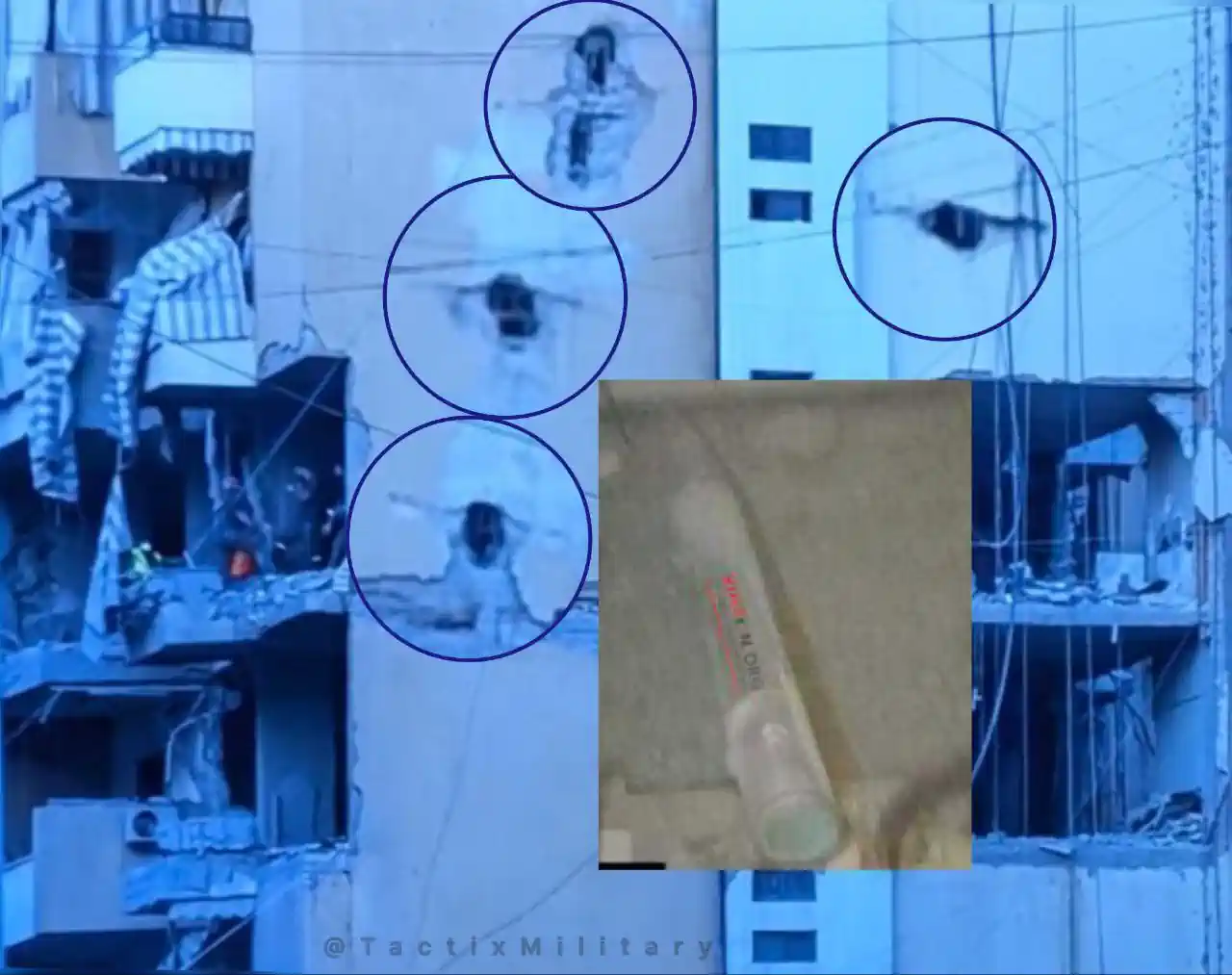
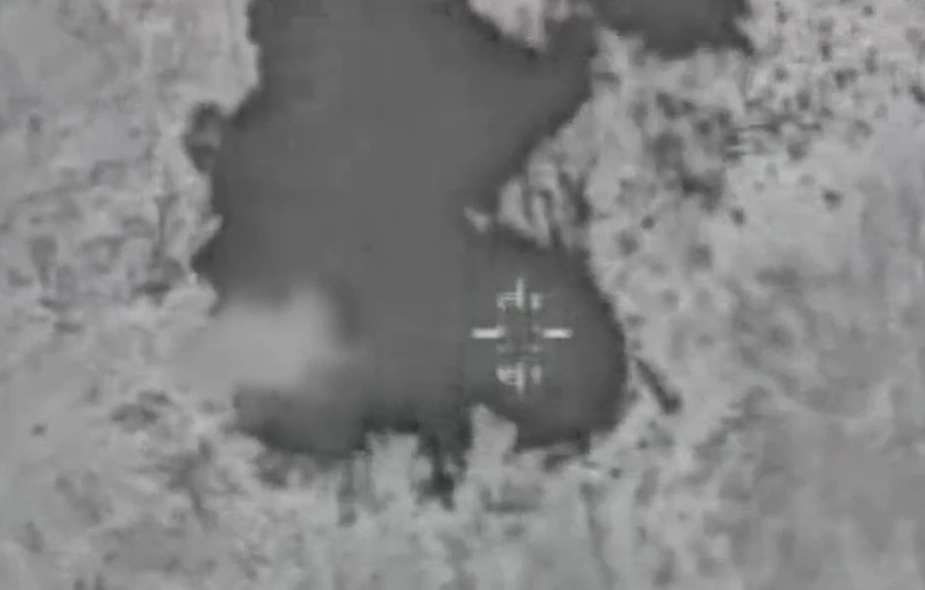
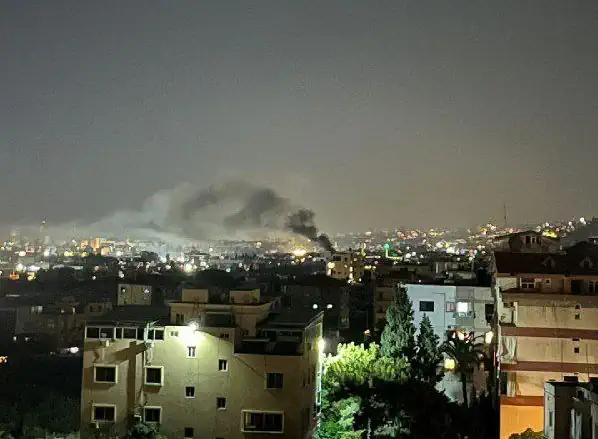
Last night, Israeli fighter jets carried out a terrorist operation, bombing a building in the Ain al-Hilweh camp, located on the outskirts of Sidon in southern Lebanon.
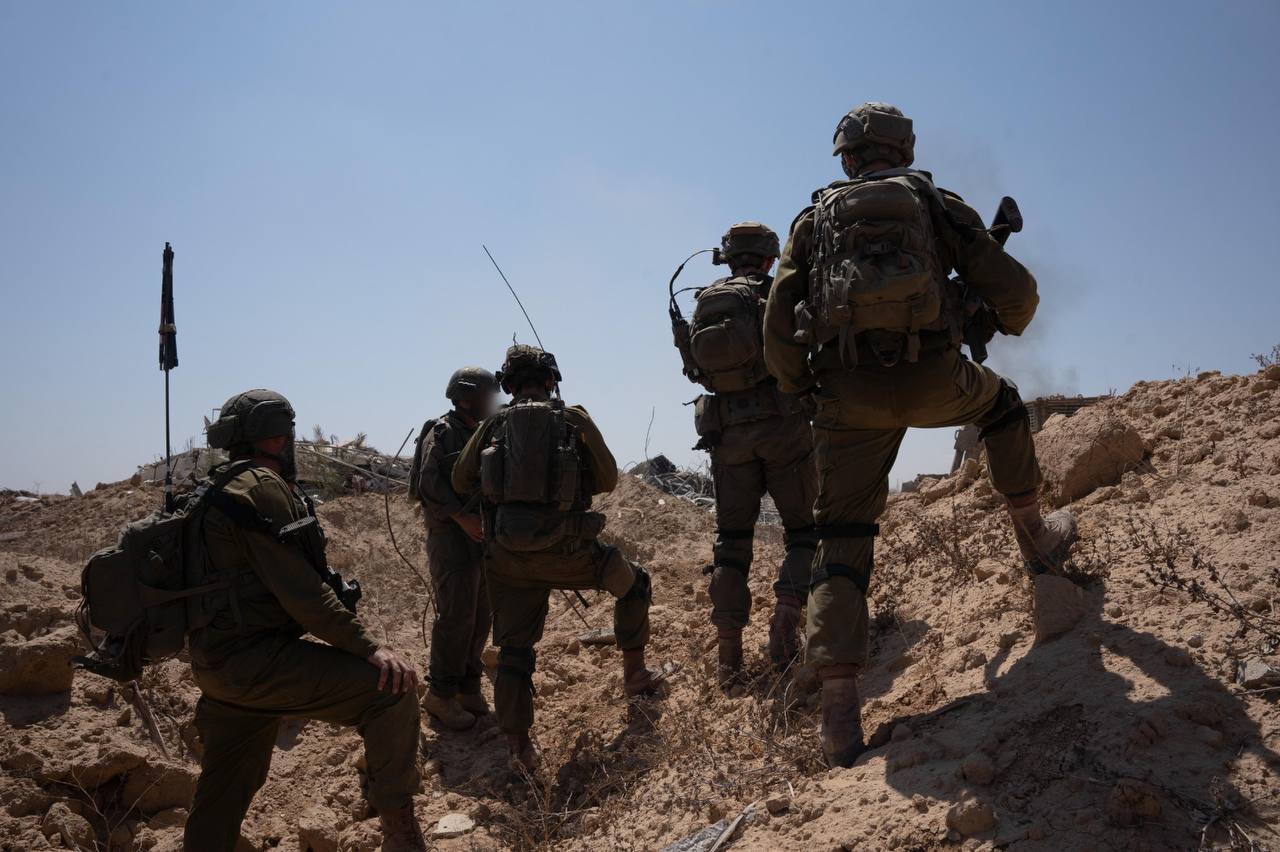
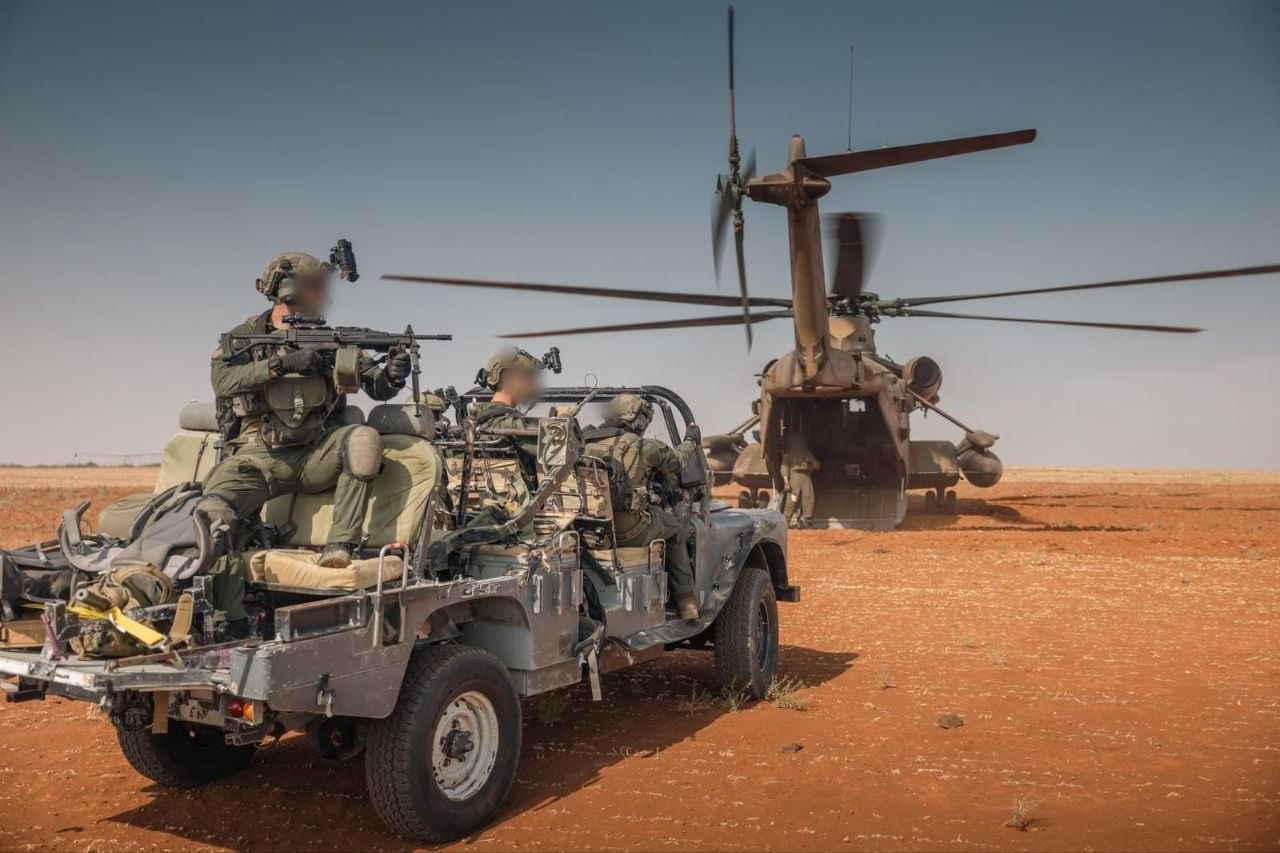
The Israeli military has launched a combined exercise, codenamed “Lion’s Roar”, simulating attacks on the West Bank and Lebanon. The drill involves the participation of the Judea and Samaria Division and the Gilead 96 Division, under the command of Israel’s Central Command, and will last for three days.
Hebrew-language outlets alleged that the United States and Israel have reached a preliminary understanding regarding the fate of al-Qassam Brigades, the military wing of Hamas, in Rafah, southern Gaza. Under this plan, part of the al-Qassam fighters would be relocated from Rafah to other areas under Hamas control within the Gaza Strip.
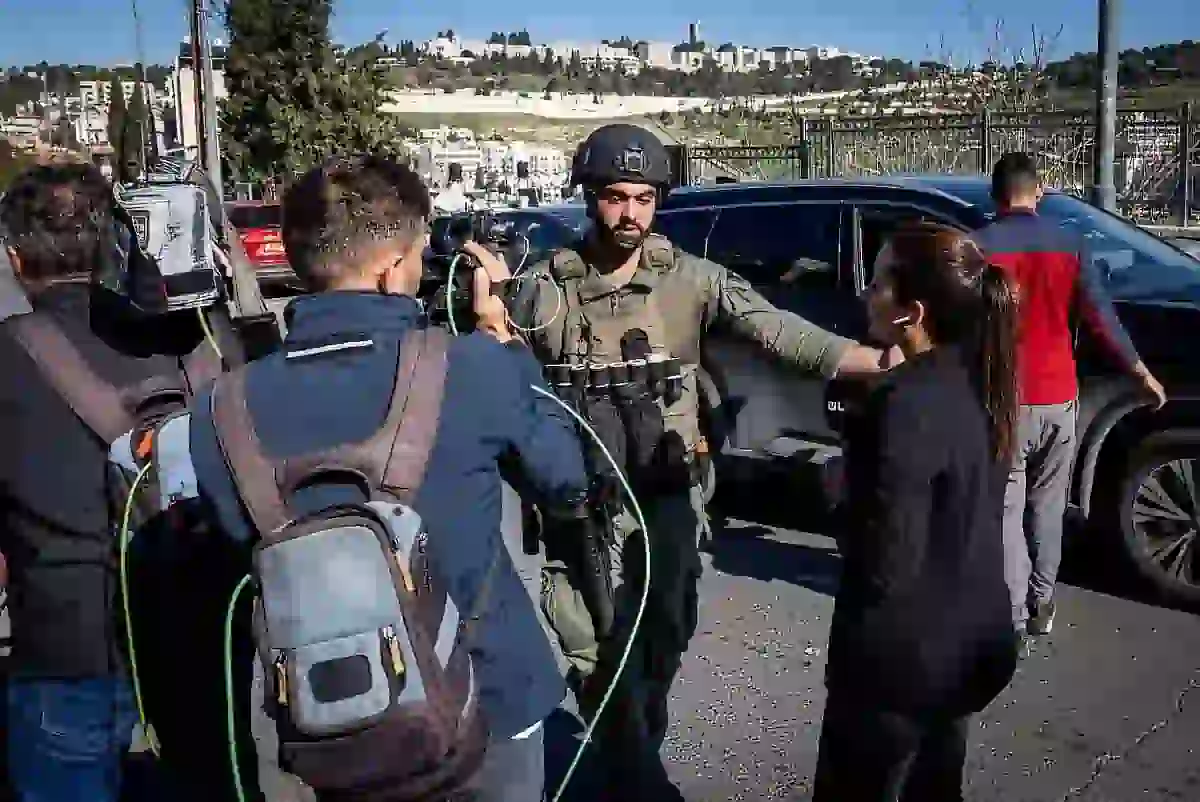
The Israeli parliament (Knesset) has given initial approval to a draft law under which the government may suspend the activities of any foreign media outlet deemed harmful to Israel’s security, without requiring a judicial order. In this vote, 50 members supported the bill while 41 opposed it.
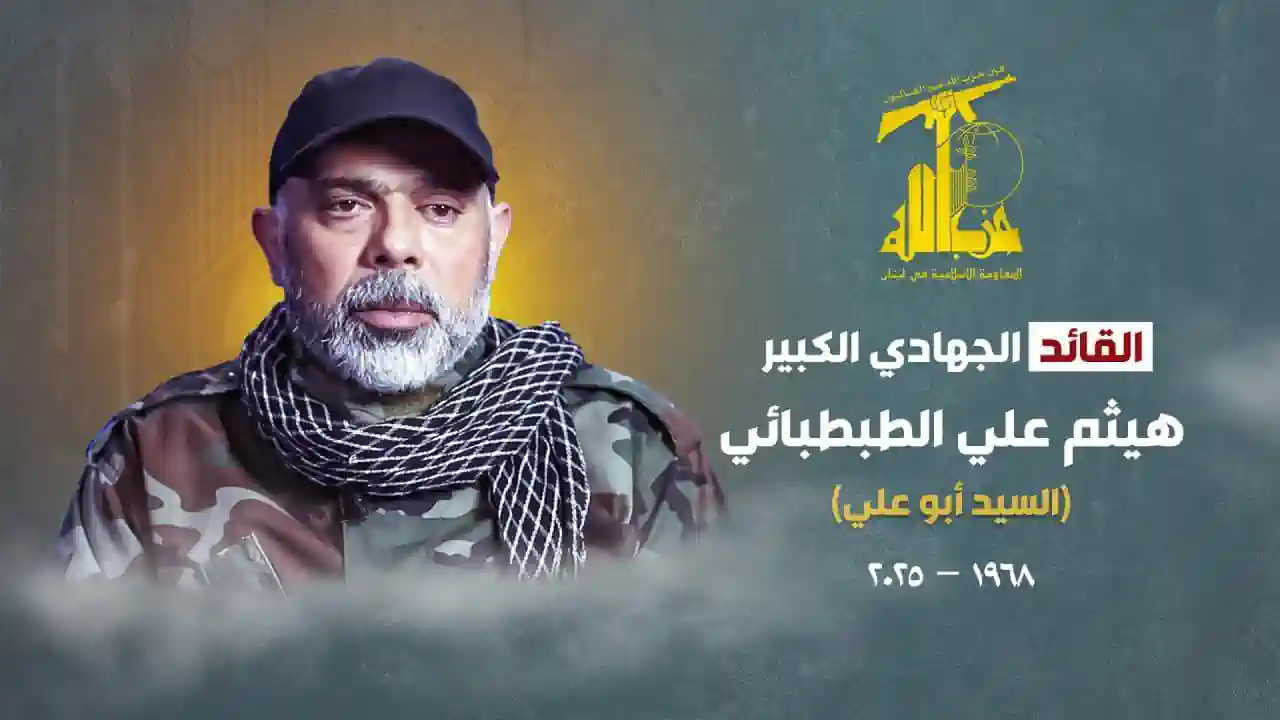
On November 6, Hezbollah’s Public Relations Office issued an official statement addressed to the President, Prime Minister, Speaker of Parliament, and the people of Lebanon, warning against Israeli aggressions and making its position clear.
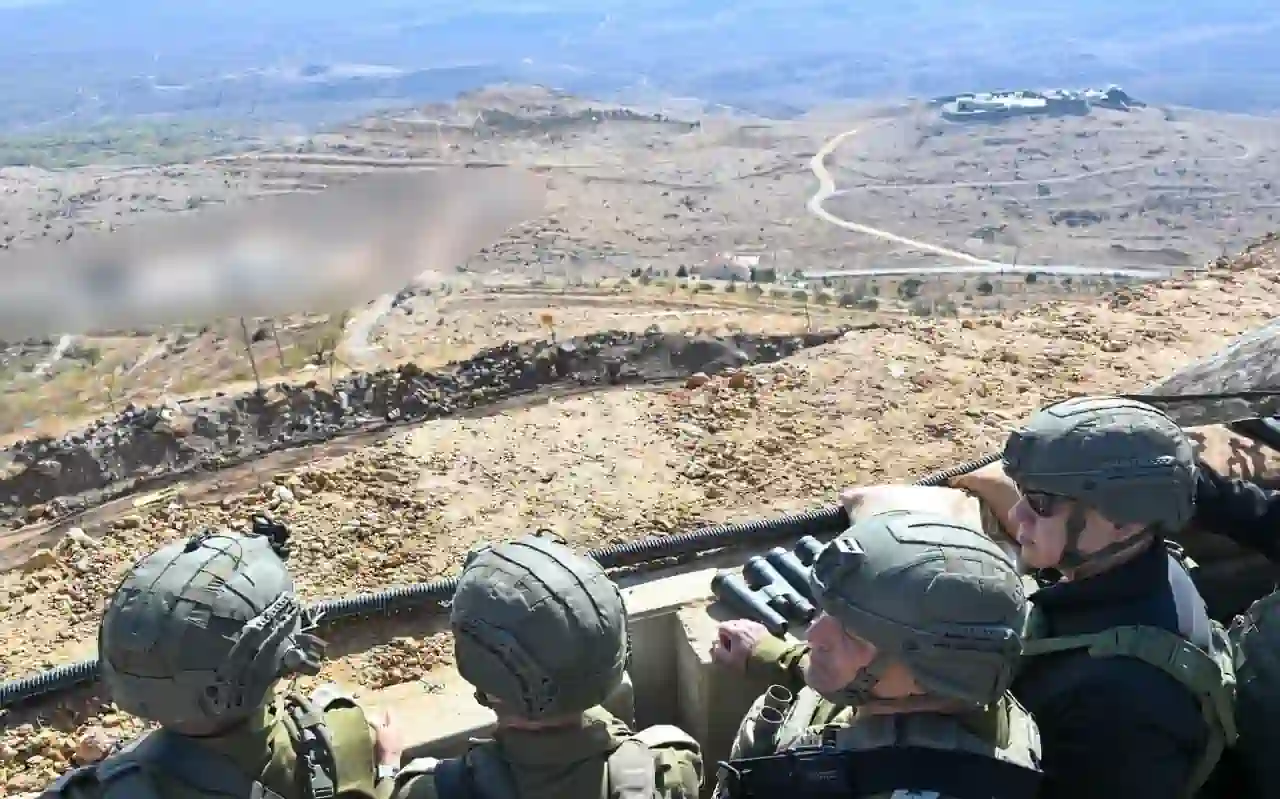
In recent days, Israeli army patrol convoys have operated in the areas of Rasem al-Halabi, al-Ruwayhina, al-Ajraf, al-Sa’ayda, Ain Farikha, al-Mushayrifa, al-Samadaniyah al-Sharqiyah, and Jura al-Sheikh.
Another ceasefire violation by Israel: Israeli drones this morning targeted a civilian car on the al-Bissariyeh road south of Sidon. At least one person was killed in this attack.
The Israeli newspaper Haaretz reported: Israeli intelligence assessments indicate that Hezbollah, after suffering heavy losses in recent attacks, is rebuilding its military capabilities and organizational structure, particularly in areas north of the Litani River—an action that Tel Aviv describes as a “violation of the ceasefire” following the 2006 war.
As reported in Israeli media, following the failure of airstrikes targeting Yemen’s energy and service infrastructure, Israeli intelligence agencies have shifted their focus toward recruiting informants and gathering field intelligence to disrupt Yemen’s military support for Palestine.
Reports indicate that Israel’s military spending since the onset of its war on Gaza in October 2023 has reached approximately $76.3 billion (250 billion shekels).
This article explores Azerbaijan’s evolving security and military strategy, which over the past two years has combined active diplomacy with extensive militarization. Through the acquisition of advanced weaponry from Turkey, Pakistan, and Israel, the development of multi-layered air defense systems, and technical and training cooperation with NATO, Baku aims to solidify its role as a key power in the South Caucasus. This approach not only enhances deterrence but also shifts the regional balance of power, increasing security pressure on Iran, Armenia, and Russia. In this discussion, we examine the dimensions of Azerbaijan’s militarization, its geopolitical objectives, regional implications, and possible future scenarios in the South Caucasus.
Iraqi Defense Minister Thabit al-Abbasi revealed in a televised interview that U.S. Secretary of War Pete Hegseth had informed him via phone call about an imminent military operation in the region