Tag: Red Sea

  • From Classical Confrontation to Geoeconomic Deadlock; Dissecting the Second Phase of the Iran-U.S. War

    From Classical Confrontation to Geoeconomic Deadlock; Dissecting the Second Phase of the Iran-U.S. War

    Iran’s Naval Blockade in the Strait of Hormuz: From Economic Pressure to Global Crisis Contagion

    The naval blockade against Iran—which has effectively already begun—can, at the tactical level, swiftly target the main flow of Tehran’s foreign currency revenues, given that over 90% of its foreign trade and the bulk of its oil exports pass through the Persian Gulf. Disruption along this route could generate daily losses of up to roughly $435 million and, in the short term, even lead to a halt in oil production due to limited storage capacity. However, at the strategic level, the core issue is not the “initial effectiveness” but rather the “sustainability and management of consequences”—since this blockade is being imposed at a global chokepoint through which about 20% of the world’s energy flow transits. Any disruption there would directly translate into higher energy prices, global inflation, and pressure on energy-importing economies, particularly in Asia.

    This interdependence transforms the blockade from a unilateral leverage tool into a “crisis contagion mechanism,” whose costs are transferred to third parties and gradually generate reverse political pressure on Washington. On the other hand, effective implementation of the blockade demands a continuous and extensive naval presence, preparedness to intercept non-Iranian vessels, and acceptance of the risk of confrontation with major powers such as China—a fact which, as analyses explicitly state, turns this operation into an open-ended military commitment that is, in the medium term, “unsustainable.” Furthermore, legal constraints arising from the transit passage regime in the Strait of Hormuz effectively rule out the possibility of complete closure, and any effort to extend the blockade to third-party ships would raise the threshold of conflict from a bilateral to a multilateral level. Consequently, in the current situation, the naval blockade should be analyzed not as a definitive solution, but rather as a pressure instrument with short-term functionality and long-term uncontrollable repercussions—one that, while capable of severely pressuring Iran’s economy in its initial phase, will in all likelihood, over a longer horizon, lead to the erosion of America’s strategic capacity and credibility due to the networked nature of the energy economy and operational limitations. In any case, the issue of the naval blockade of Iran and its feasibility in strategic terms is analyzed as follows:

    Attrition in the “Endless” Mission: Pentagon experts warn that a full blockade of Iran’s ports and coastlines would constitute a massive military operation with no time ceiling. America’s geographic distance and the need for a permanent naval presence render this mission “unsustainable” logistically in the medium and long term, to the point that the U.S. military would effectively lack the capability to fully cover all trade exchanges across such a vast geographical area.

    The Industrial Self-Sanction Trap: Contrary to initial assumptions, this blockade targets the U.S. defense industry even more than Iran. The obstruction of sea lanes halts the trade of critical mineral commodities such as sulfur, which is essential for copper and cobalt extraction. This crisis severely diminishes America’s ability to “repair battle-damaged equipment” and “produce jet engines and drones,” while driving up input prices by as much as 165%.

    Economic Deadlock and Shifting Objectives: A daily cost of $2 billion, with a projected total expenditure of up to $1 trillion, coupled with the inability to eliminate Iran’s underground military capabilities, is pushing Washington toward a strategy of “graceful exit.” In practice, America’s geographic distance and the vulnerability of allied supply chains have minimized Washington’s resilience in the face of a war of attrition.

    Return to Direct Clash between Iran and the United States: From Tactical Pause to the Likelihood of a War of Attrition

    A return to direct confrontation between Iran and the United States depends less on sheer political will than on the disruption of the fragile balance now established between the costs of continuing the war and the costs of retreating. From the American perspective, the main precondition for resuming hostilities is that the naval blockade, economic pressure, and limited airstrike threats fail to compel Tehran to accept Washington’s preferred arrangements—particularly given that, according to available sources, Iran, despite enduring heavy military blows, has not collapsed; rather, it has emerged from the first phase with more uncompromising leadership, buried reserves of enriched uranium, and greater political cohesion. Conversely, from Iran’s standpoint, the condition for re-entering direct war is that Washington or Israel crosses the line from deterrence and pressure into infrastructure warfare, high-level assassinations, intensified blockade, or attempts to impose “unconditional surrender”—because, based on field data in Tehran, the prevailing assessment is that any ceasefire without credible guarantees would merely be a pause for a renewed attack within a shorter interval. For this reason, Iran’s planning horizon is not focused on a quick end to the war, but on readiness for a months-long, attritional conflict. Under such circumstances, the second phase of the war will most likely manifest not as a large-scale ground invasion, but as a hybrid, escalating form of combat.

    The characteristics of this conflict can be outlined as follows: expansion of strikes on Iran’s economic and energy infrastructure by the U.S. and Israel, and in response, reciprocal Iranian attacks on energy facilities, refineries, ports, shipping routes, and American and allied interests in the region—a pattern whose early signs have already been observed in strikes on Assaluyeh, disruptions to Qatar’s LNG capacity, and threats to navigation in the Strait of Hormuz. The decisive point, however, is that the U.S. also faces serious deterrent obstacles to re-entering an unlimited war. In other words, according to some estimates, the cost of war has reached approximately $2 billion per day and could exceed $1 trillion, while the blockade of Hormuz itself places pressure on America’s own defense supply chain, with West Point assessments even describing it as a “pre-logistics crisis” for replenishing equipment and munitions. Hence, the most probable scenario is that, if negotiations fail again, the second phase of the war will not be a lightning offensive, but a multi-level war of attrition, in which the U.S. seeks, without engaging in ground occupation, to incrementally raise the economic and infrastructural costs for Iran, while Iran, relying on the survival of its missile capacity, the Hormuz leverage, and its ability to generate regional insecurity, raises the costs of continued conflict for the U.S., its allies, and the global economy. Thus, the central issue in returning to direct hostilities is not the mere feasibility of initiating war, but each side’s capacity to endure the consequences of its second phase.

    Validating NATO’s Confrontation with the U.S.: Genuine Rupture or Structural Dependency?

    The claim of “NATO confronting the U.S.” reflects, more than an operational scenario, a transition from a value-based alliance to an asymmetric and “transactional” security order. The 2026 U.S. National Defense Strategy, with its absolute prioritization of homeland defense and deterrence of China in the Indo-Pacific region, has reduced NATO to a secondary instrument, placing the main burden of conventional defense against Russia on European allies. This paradigm shift, combined with Washington’s pressure to increase defense spending to 5% of GDP, has deepened the rifts inherited from the first Trump era to the level of a “crisis of strategic trust,” where analysts at think tanks such as Brookings and the IISS regard unilateral U.S. actions as undermining the foundations of Western deterrence.

    The February 2026 war in Iran and the crisis over the proposal to annex Greenland have acted as key accelerators of this operational divergence. The joint U.S.-Israeli strikes on Iran, conducted without sufficient consultation with Brussels, triggered a bipolar reaction across Europe. While countries such as Spain, deeming the war illegal, refused to provide their bases (Rota and Morón) or airspace to U.S. forces, Washington threatened to suspend their membership or sever trade relations entirely, thereby challenging NATO’s cohesion. Simultaneously, the U.S. insistence on acquiring Greenland and the threat of imposing 25% tariffs on European goods have been legally interpreted as violations of Article 1 of the Washington Treaty, and for the first time, intelligence services of long-standing allies such as Denmark were compelled to factor the United States in as a “potential security risk” in their calculations. Despite these unprecedented tensions, structural limitations preclude an outright institutional confrontation, since the 1949 treaty lacks a mechanism for expelling or counteracting members, and Article 13 only provides for voluntary withdrawal. As a result, Europe’s reaction is proceeding not through direct confrontation within NATO, but through the “gradual Europeanization of security” and the activation of parallel structures now taking shape. The “Readiness 2030” plan—with its €800 billion budget and the SAFE financial instrument for joint arms procurement prioritizing European industries—alongside the drafting of the EU’s “Article 42.7 Handbook” as a substitute for NATO’s Article 5, signals a serious effort to manage dependency on America and prepare for the scenario of a potential U.S. exit from the alliance. This process, rather than collapse, has given rise to a “realist NATO,” in which raw power and European defense autonomy replace earlier idealism.

    With the breakdown of negotiations, the likelihood of NATO’s formal entry into war remains near zero, owing to the firm opposition of countries such as Spain and Italy and the lack of consensus over the legal legitimacy of operations. The economic costs arising from $106 oil and a monthly financial burden of €3 billion for Europe, coupled with the closure of the Strait of Hormuz, severely constrain the allies’ financial capacity for a protracted conflict. Militarily, the rapid depletion of U.S. interceptor missile stockpiles (e.g., THAAD and SM-3)—which would take up to six years to replenish—has confronted Washington with a “munitions gap” and weakened NATO’s readiness to defend other fronts. Under these conditions, the most plausible scenario is the continuation of unilateral U.S. intervention with limited support from certain specific allies, alongside the acceleration of European defense independence plans (such as Readiness 2030) to decouple from Washington’s security orbit.

    The Bab al-Mandab Strait and Its Impact in the Second Phase of the Conflict

    In the second phase of the war, the Bab al-Mandab Strait could function as a “complementary chokepoint” and Iran’s most significant strategic leverage mechanism, since Tehran is capable of transforming a regional crisis into an international geoeconomic blockade by affecting 12% of global trade and 22% of container traffic.

    This map shows how two vital energy bottlenecks in the world, the Strait of Hormuz and Bab al-Mandeb, can become tools of geopolitical pressure and disrupt the flow of global trade due to regional tensions.

    Based on analyses from think tanks such as the Israeli regime’s National Security Studies Institute and Al Jazeera, Iran—through its allied proxy Ansarallah—possesses not only the capability to block alternative energy export routes—such as the East-West pipeline in Saudi Arabia that delivers oil to Yanbu port, which still requires passage through this strait to reach Asia—but also, by forcing vessels to reroute around the Cape of Good Hope, it has increased shipping companies’ operational costs by up to $50 million per week and created the risk of oil prices spiking to $150–200 per barrel.
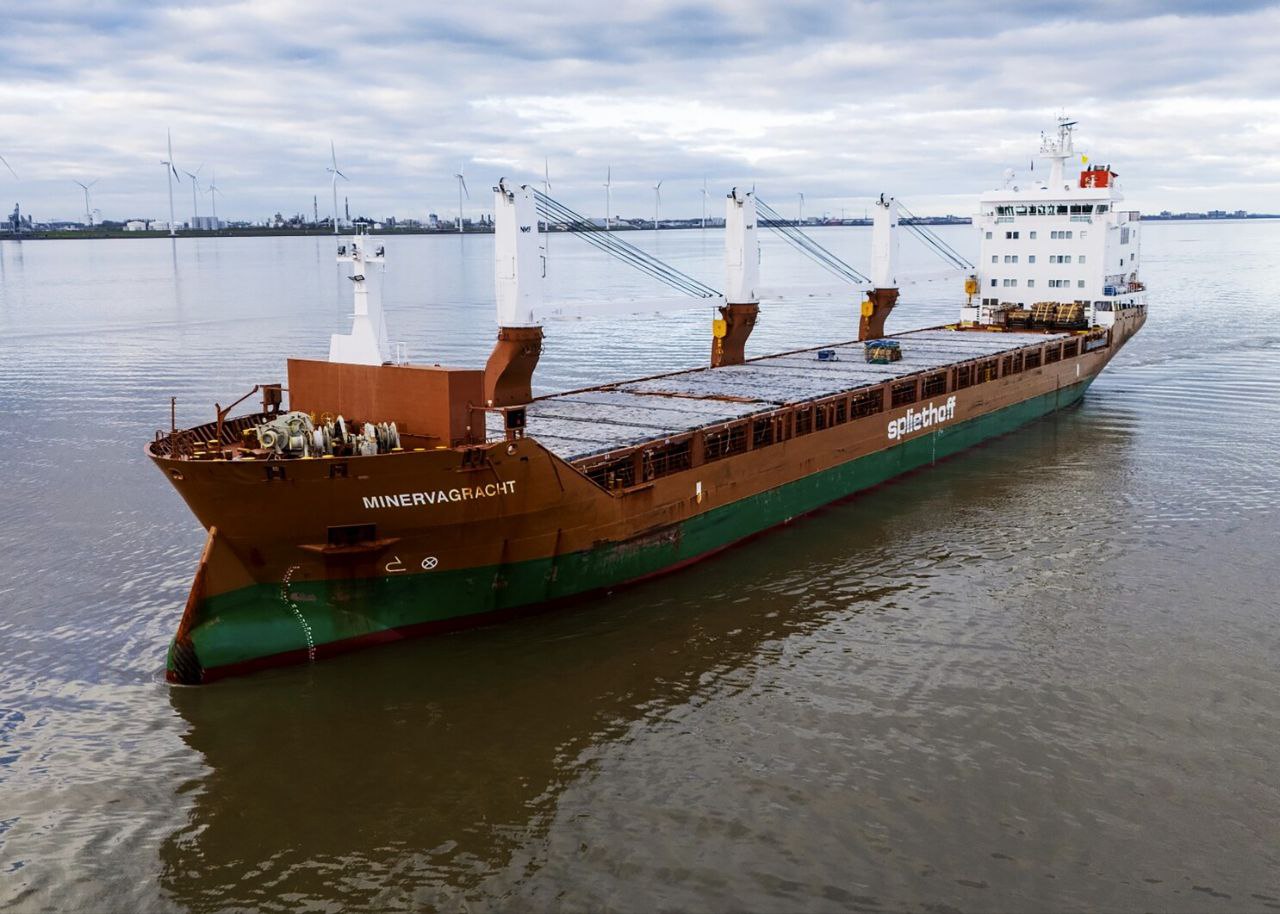
  • Missile Strike Leaves Dutch Cargo Ship MV MINERVAGRACHT Adrift in Red Sea

    Missile Strike Leaves Dutch Cargo Ship MV MINERVAGRACHT Adrift in Red Sea

    According to the EU naval task force operating under Operation Aspides, the missile strike caused a fire onboard and left the vessel in a state of uncontrolled drift. The ship, operated under the Dutch flag, was carrying 19 crew members of Russian, Ukrainian, Filipino, and Sri Lankan nationality. European naval forces responded swiftly, evacuating all crew and transferring them safely to Djibouti.

    The Yemeni Armed Forces have issued a statement confirming that the Dutch-flagged cargo vessel MV MINERVAGRACHT was targeted with a cruise missile.

    According to the statement, the attack was carried out in response to the ship’s violation of Yemen’s declared ban on maritime traffic to Israeli ports by its operating company. The missile strike severely damaged the vessel, placing it at risk of sinking.

    Based on data compiled by the Islamic World News, this marks the 218th military operation by Yemen’s armed forces against vessels linked to Israel, the United States, or the United Kingdom.

    Notably, the 217th operation occurred on September 23, approximately 120 nautical miles east of the Port of Aden. While that earlier attack was not officially announced by Yemeni forces, it was referenced by Ansar Allah leader Sayyed Abdul-Malik al-Houthi in his most recent speech.

    These operations are parts of Yemen’s expanding campaign to pressure Israel and its allies in response to the ongoing war in Gaza. Yemeni Armed Forces have repeatedly stated that their actions in the Red Sea are a direct reaction to Israeli war crimes, including the killing of civilians, destruction of infrastructure, and forced displacement in Gaza.

    The strike on MV MINERVAGRACHT reflects Yemen’s strategic use of maritime operations to challenge regional actors complicit in the siege and bombardment of the Palestinian people.

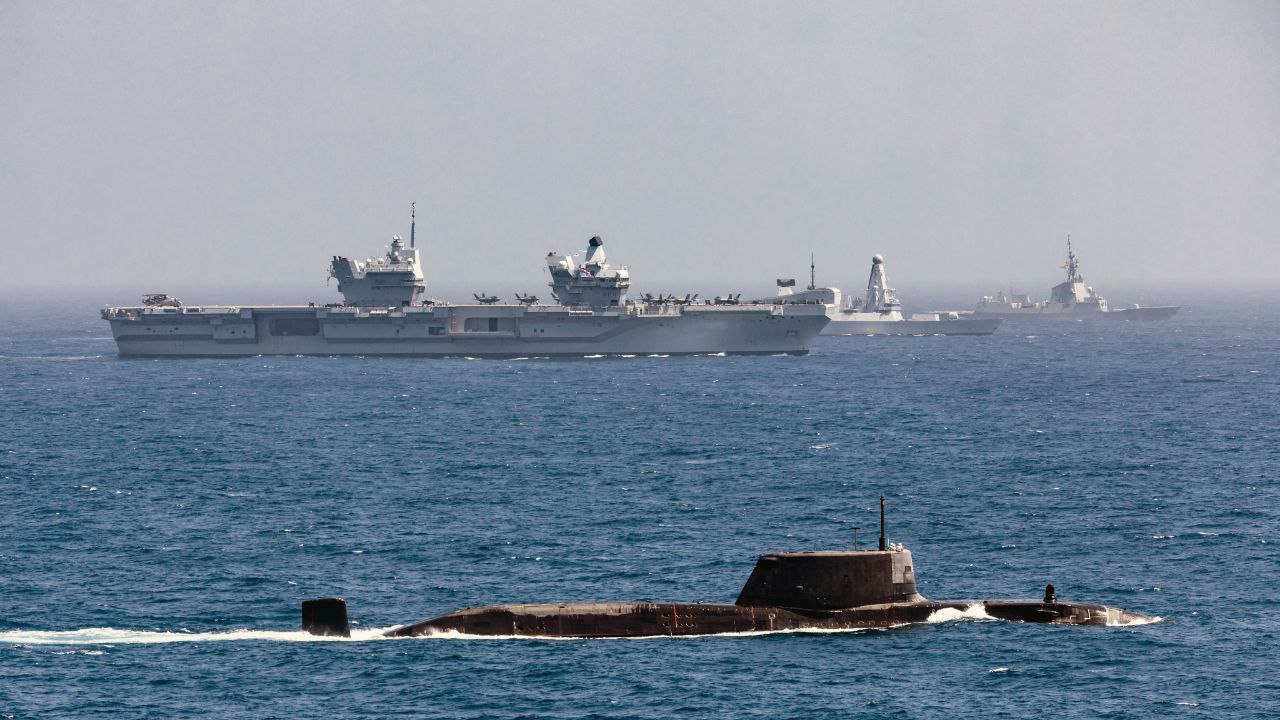
  • European Fleet Enters the Red Sea

    European Fleet Enters the Red Sea

    The CSG25 Fleet includes the aircraft carrier HMS Prince of Wales, the destroyer HMS Dauntless, the frigate HMS Richmond, and the support vessel RFA Tide Spring. It also comprises warships from Norway, Spain, and Canada, as well as several attack and support aircraft, including F-35 fighter jets.

    The fleet departed from Portsmouth in southern England on April 22 and is set to continue its mission in the Indian and Pacific Oceans. After recently passing through the Suez Canal, the fleet plans to navigate the Bab el-Mandeb Strait to reach the Indian Ocean.

    Given that the recent US-Yemen agreement does not involve British ships, there is a possibility that the fleet may encounter Yemeni armed forces in the Red Sea. Consequently, the European fleet has devised plans to respond to any potential Yemeni attacks; if conflict arises, they are prepared to target positions in Yemen using F-35 fighter jets.

    The Yemeni armed forces have previously attacked British-affiliated commercial ships in response to the involvement of British forces and aircraft in the air campaign against Yemen, as well as the UK’s support for Israel’s conflicts in Gaza and Lebanon. Despite a ceasefire agreement brokered by representatives of Trump and Ansar Allah in Oman, tensions remain high. A recent joint British-American military operation against Yemen has gone unanswered by the Yemeni army, heightening the likelihood of a retaliatory response.

    What’s particularly noteworthy about this situation is that Trump’s policies appear to be most detrimental to his allies. The ceasefire agreement with Yemen largely prioritizes American interests, leaving European and Israeli ships vulnerable to attacks from Ansar Allah.

  • Explosion and Fire on a Chinese Ship in the Red Sea

    Explosion and Fire on a Chinese Ship in the Red Sea

    The 1,930-TEU vessel, built in 2022 and owned by Shanghai-based Asean Seas Line, was en route from Jebel Ali to the Suez Canal with Aqaba as its final destination, scheduled to call at Jeddah port on January 29th.

    The all-Chinese crew was safely rescued by a nearby vessel with no injuries reported.

    The incident occurred approximately 226 kilometers northwest of Hudaydah, Yemen, in open waters. Diaplous Maritime Services warned the drifting vessel poses a navigational hazard, while Ambrey suggested the fire might have been caused by hazardous cargo. Thick smoke was seen emanating from the forward section of the ship.

    The ASL Bauhinia remains adrift, with investigations ongoing. The possibility of a Yemeni army attack is ruled out, given the cessation of military operations in the Red Sea and Gulf of Aden in line with the Gaza ceasefire agreement. The US and Israel might portray Yemeni waters as unsafe to justify actions against Yemen, including adding the Ansar Allah movement to the terrorist list.

  • Yemeni Army Challenging Israel, UK In Red Sea, Indian Ocean

    Yemeni Army Challenging Israel, UK In Red Sea, Indian Ocean

    The attacks, executed by the Yemeni naval, missile, and drone units, were a direct retaliation to the aggressions made by the US and UK.

    The facts and figures of the operations are as follows:

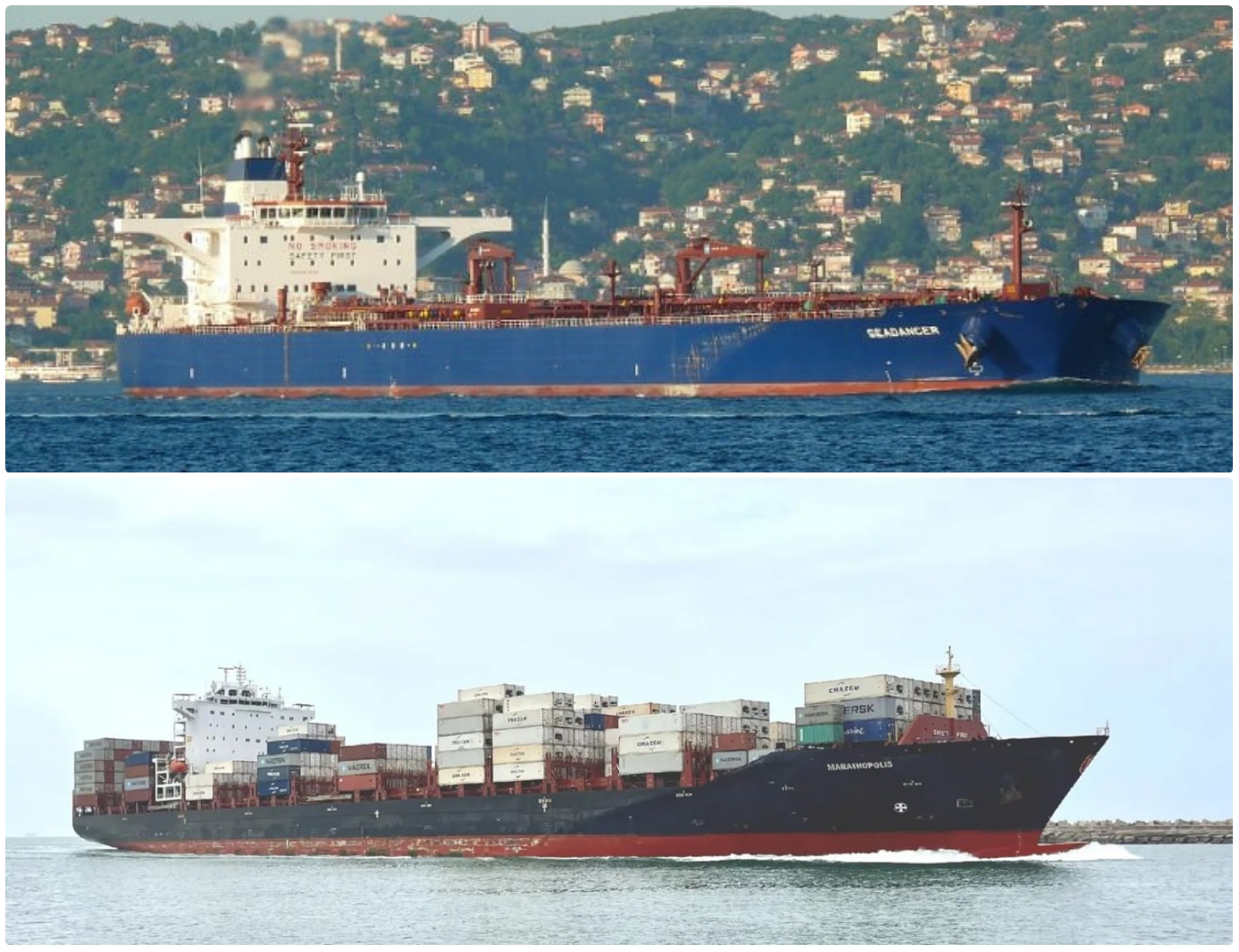
    – The Yemeni Armed Forced attacked the British oil tanker Cordelia Moon in the Red Sea by using eight ballistic and cruise missiles, alongside a suicide drone. This assault resulted in severe damage to the British vessel.

    – In the second operation, the Yemeni army targeted the Marathopolis vessel in the Indian Ocean with a cruise missile.

    – The Yemeni military forces also targeted the Marathopolis for the second time in their third operation, which took place due to its violation of the ban on entering the ports of occupied Palestine in the Arabian Sea. In this strike, it was struck by a suicide drone in the northeastern direction of the Socotra archipelago, resulting in a direct hit at the ship.

    Spokesperson for the Yemeni Armed Forces Brigadier General Yahya Saree affirmed in a statement that Yemeni military operations and the maritime blockade against the Israeli enemy will continue. The retaliatory operations will persist until there is a cessation of Israeli aggression against the Gaza Strip, the lifting of the blockade of the besieged area, and an end to attacks on Lebanon.

  • Yemen Army Demolishes Two Vessels Belonging To Israel

    Yemen Army Demolishes Two Vessels Belonging To Israel

    In a Thursday statement (August 22), Yemeni Armed Forces spokesman Brigadier General Yahya Saree stated that Yemeni naval, drone and missile units assaulted two vessels belonging to the Israeli regime with a number of gunboats, ballistic and cruise missiles, and suicide UAVs.

    This move was carried out in a bid to assist the oppressed people of Palestine and its fighters and in return for the US and UK aggressions on Yemen, including two military operations in the Red Sea and the Gulf of Aden.

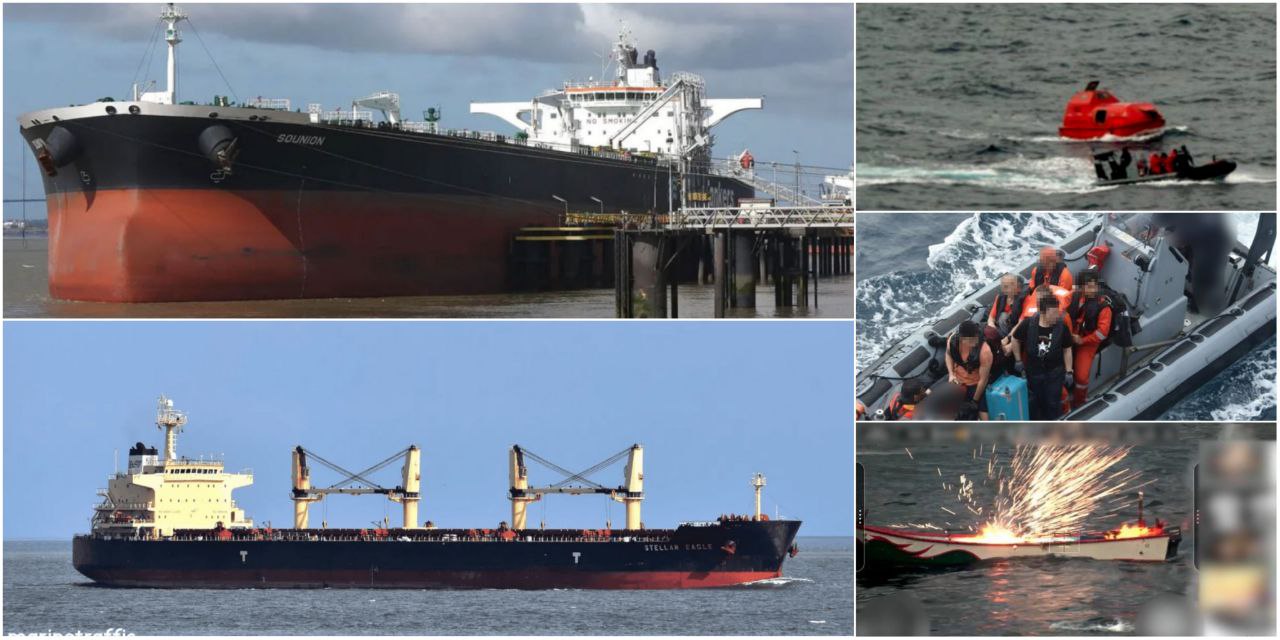
    According to the statement by the spokesman, the oil tanker Sounion, which is owned by a foreign company that deals with the Israeli regime and violates Yemen’s decision to ban entry to the ports of occupied Palestine, was targeted and is at risk of sinking in the first operation of the two aforementioned attacks by the Yemeni army.

    In the second military operation, the ship Sw North Wind I, owned by a company affiliated with the Israeli regime that also defies the Yemenis’ ban on the entry to the ports of occupied Palestine, was targeted in the Gulf of Aden and the Red Sea.

    In its statement, the Yemeni Armed Forces further underlined that they continue to besiege the Israeli enemy and pound all vessels linked with the regime or vessels belonging to companies that deal with Tel Aviv, in the area of the declared military operation in accordance with previous statements. The Yemenis also made it clear that the military attacks would not stop until the end of the anti-Palestinian aggression as well as the lifting of the siege of the Gaza Strip.

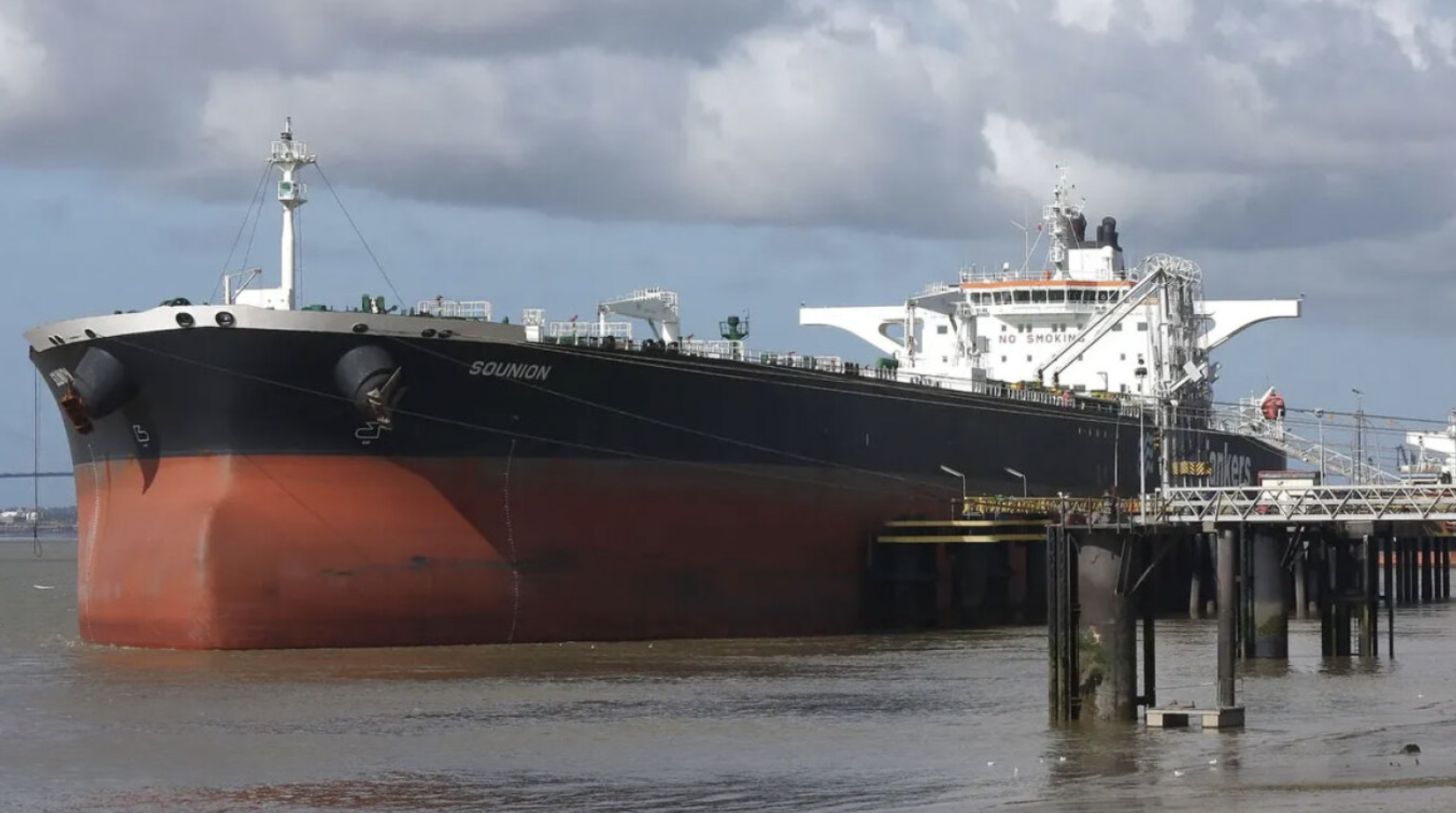
    Archival image of Sounion oil tanker

    The Sounion is a crude oil tanker, which has been sailing under the Greek flag since 2006. According to vessel tracking websites, the tanker was heading from the Iraqi port of Basra to South Africa! However, 77 nautical miles west of the Yemeni port of al-Hydaydah, the ship was targeted by the Yemeni Armed Forces.

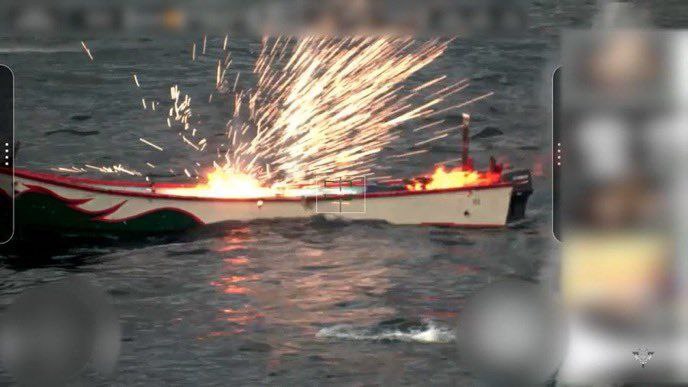
    According to private security firm Vanguard, at the start of the strike, two small boats with a total of around 15 gunmen came close to the Greek tanker. The two boats exchanged small arms fire with Sounion security forces, and then, they retreated nearly two miles. Two unidentified projectiles (possibly a suicide drone) hit the tanker following the clash, but the vessel was able to keep sailing, according to the captain of Sounion oil tanker. A third projectile (possibly a cruise missile) also pounded the ship at around 5 a.m. local time, and the crew reported smoke in the engine room of the tanker following the strike. According to Athens-based Delta Tankers, the crew of the ship managed to put out the fire on the vessel, but the ship’s engine failed and investigations showed that they were unable to restart the tanker.

    At this time, the Sounion tanker with a cargo of 150,000 tons of crude oil is dead in the middle of the Red sea, and according to a report by Reuters, citing a security source, the ship has stopped and docked somewhere between Yemen and Eritrea.

    Sounion has 25 crew members, including two Russians and 23 Filipinos, who are not harmed and reported to be safe and sound. The oil tanker is the third vessel from Athens-based Delta Tankers to be struck in the Red Sea in August. The owner company is now working on a plan to move the attacked tanker to a safer location and repair its engines.

    The European Union’s Red Sea Fleet Command or officially Western Fleet (WF) declared in a statement that it had received a request of help from the captain of Sounion and dispatched a warship to rescue the crew. The European Union’s warship, while transporting the tanker’s crew to the nearest port in Djibouti, claimed to have spotted and destroyed an unmanned surface vessel (USV) as it approached the region. According to the Sea Fleet Command, the Sounion tanker did not request protection from the EU fleet stationed in the Red Sea under the guise of Operation Aspides, and therefore no vessels were present in that area to counter the Ansar Allah movement’s attacks.

    The SW North Wind I is a Panama-flagged bulk carrier, which has been operational since 2009. The vessel is also sailing from the port of Singapore to Egypt, 57 nautical miles south of Aden, when ship was attacked by five ballistic missiles in a two-stage operation.

    Archival image of the ship SW NORTH WIND I

    The Yemeni army’s strikes on the Sounion tanker and the SW North Wind I in the Red Sea and Gulf of Aden are the 153rd and 154th official attacks by the Yemen Armed Forces on illegal ships (Israel, the United States, the United Kingdom, and their affiliated vessels). Ansar Allah Leader Abdul-Malik Badr al-Din al-Houthi announced that the Yemeni Armed Forces attacked 182 illegal ships.

    In line with intensifying military operations in Yemeni waters, the country’s army resorted to conducting crushing attacks on the Sounion tanker in a serious warning to firms that actively cooperate with the Israeli regime. The Ansar Allah leader tries to convince the owners of these companies that the repercussions of relations with the Tel Aviv regime are worse than their benefits, and that the firms should cancel their ties with the Zionists as soon as possible, or never cross the Red Sea or even the Indian Ocean, because the Yemeni army’s missiles and drones are waiting for them.

  • Missile, Drone Strikes By Yemeni Armed Forces From Red Sea To Indian Ocean

    Missile, Drone Strikes By Yemeni Armed Forces From Red Sea To Indian Ocean

    The Yemeni Navy targeted the Israeli ship Pacific-01 in the Red Sea with a number of missiles. Additionally, Yemeni drone forces conducted suicide drone attacks against an American destroyer in the Red Sea.

    The Pacific-01 is a bulk carrier that has been operating under the flag of Vietnam since 2001. The origin and destination of the ship have been mentioned in ship tracking websites and marine radars as one of the ports in Vietnam, but this information is incorrect and the likely destination of this ship has been one of the occupied ports in Palestine.

    Read more: Leader of Ansar Allah: Israeli Ships Are Prohibited From Passing Through The Indian Ocean To South Africa

    Brigadier General Yahya Saree, the official spokesperson for the Yemeni Armed Forces, deemed these attacks as part of executing the orders of Sayyid Abdul-Malik Badreddin al-Houthi to support the people of Palestine who are subjected to oppression, attacks, and siege in the Gaza Strip. He added that the Yemeni armed forces will expand the scope of their military operations against Israeli ships and vessels related to the occupying regime, or heading to the occupied ports of Palestine, to the Indian Ocean and the Bab al-Mandab Strait.

    To this end, the Yemeni armed forces have warned all Israeli ships heading towards or departing from the ports of occupied Palestine not to pass through the Bab al-Mandab Strait, otherwise they will become one of the legitimate targets of the Yemeni armed forces.

    Brigadier General Yahya Saree also emphasized that they will not allow Israeli vessels and any ship traveling through the Red Sea, the Arabian Sea, and the Indian Ocean towards the occupied ports of Palestine unless the attacks on their Palestinian resistance brothers are stropped and the siege of the Gaza Strip is lifted.

    Prior to this statement, the United Kingdom Maritime Trade Operations (UKMTO) reported on March 14 that a missile attack took place some 50 nautical miles southeast of Aden. The UKMTO also reported early this morning that a missile attack occurred 76 miles west of Al Hudaydah Governorate, hitting another ship in the Red Sea. 

    The Yemeni military operation against the Pacific-01 ship marks the 49th strike by Yemen as well as the 50th operation against the American destroyers in the Red Sea. The attack on the three Israeli and American ships marks the 51st, 52nd, and 53rd missile and drone attacks by Yemeni Armed Forces against Israeli, American, and British ships, as well as their affiliates in the Red Sea and the Arabian Sea.

  • Yemeni Army Conducts Missile Attack On British Oil Tanker In Red Sea

    Yemeni Army Conducts Missile Attack On British Oil Tanker In Red Sea

    ▫️General Saree emphasized in the statement that the Yemeni armed forces will continue operations against the shipping of the Israeli regime and its supporters until the end of aggressions and the lifting of the siege on the people of Palestine in the Gaza Strip, and they will not refrain from military operations and expanding engagement in defense of Yemen.

    According to the analysis of the IWN, this is the 32nd attack by the Yemeni armed forces on Israeli, US, UK, and affiliated ships in the Red Sea and the Arabian Sea.

  • Yemen’s Army Targets US And UK Ships In Red Sea

    Yemen’s Army Targets US And UK Ships In Red Sea

    Brigadier General Yahya Saree, the spokesman of the Yemeni Armed Forces, announced the details of the Yemeni navy’s missile attacks on two American and British ships. According to the statement, the Yemeni Navy attacked the ship ‘Star Nasia’ and ‘Morning Tide’ with several naval missiles in two separate operations in the Red Sea. According to Brigadier General Saree, these attacks were precise and hit the targets.

    The Yemeni Armed Forces emphasized that these attacks were carried out within the framework of Yemen’s legitimate right to respond to the aggression and defense of this country, and higher quality military operations will be carried out against all hostile American and British targets in the Red and Arabian seas. The Yemeni army also emphasized the continuation of operations against Israeli ships or ships heading towards occupied Palestinian ports until the blockade is lifted and aggression against the Palestinian people in the Gaza Strip is stopped.

    The details of the ships that were attacked are as follows:
    Star Nasia is a Marshall Islands-flagged bulk carrier that has been operating since 2006. This ship has been moving from Port Said in Egypt to Visakhapatnam port in India.
    The Morning Tide ship is also a Barbados-flagged general cargo ship, which has been operating since 2006 and was sailing from the port of Port Said in Egypt to China.

    According to IWN’s assessment, the Star Nasia and Morning Tide ships are the 28th and 29th ships that have been attacked by missiles and drones by the Yemeni Armed Forces. The Yemenis have announced that this naval operation is aimed at supporting the Palestinian resistance and stopping the war in the Gaza Strip, and that it will only be carried out against American, British, and Israeli ships or their affiliated ships and not the international shipping.

  • Western Media Outlets Accuse Iran Naval Fleet Of Being Responsible For Logistics, Information Operations In Red Sea!

    Western Media Outlets Accuse Iran Naval Fleet Of Being Responsible For Logistics, Information Operations In Red Sea!

    At present, the general cargo ship Behshad (MV BEHSHAD), the logistics frigate Bushehr (IRIS BUSHEHR – 422), and the Alborz frigate (IRIS ALBORZ – 72) belonging to the Iranian Navy are stationed in the waters of the Gulf of Aden and near the Bab al-Mandab Strait.

    Western media outlets and analysts also claim that this naval fleet is behind all missile and drone operations by the Yemeni armed forces, and provides intelligence support for their operations against Israeli ships and the maritime forces of the US-led coalition (Operation Prosperity Guardian). They also alleged that before the outbreak of war in the Gaza Strip, the Iranian naval fleet was in charge of backing Iran’s arms and guiding shipments to the Ansar Allah movement in Yemen.

    Such claims are made at a time when the strategic naval groups of the Iranian Army have been tasked with securing and supporting Iranian and international ships in free waters since early 2009, following repeated piracy incidents against Iranian ships by Somali pirates. The dispatch of the Alborz frigate was aimed at countering potential threats against Iranian ships following intensified deployments of the US-led coalition warships in the Arabian Sea and the Red Sea. The issue of Iran’s arms shipments to Yemen has been among the main accusations leveled by the US-Saudi coalition in recent years, which have been ruled out by Iranian and Yemeni authorities time and again. Furthermore, the process of building and assembling missile and drone systems within Yemen has been confirmed and endorsed in numerous reports by military experts.

    In general, the naval fleet of the Iranian Army has established a naval base in the waters of the Gulf of Aden and the Red Sea for years, and this is not a new development. The objective of Western media outlets’ propaganda campaign against Iran’s naval group is to justify the blows inflicted upon the United States and the Israeli regime by Yemeni armed forces during recent conflicts. They have directly attacked Yemeni positions and forces in three air and missile operations and have faced a broad missile and drone response along with a limited missile strike from the Ansar Allah movement. The United States’ authorities have not published any figures on their own casualties and losses, while some media outlets have reported the deaths or disappearances of two American soldiers (allegedly missing in Somali waters according to the US army) and damages by Yemeni missiles and drones inflicted upon two US and British vessels.

    The naval fleet of the Iranian army in the Gulf of Aden and near the Strait of Bab al-Mandeb – click to view in full size
  • Yemeni Armed Forces Conduct New Operations Against Israel; Yemen Continues Naval Warfare

    Yemeni Armed Forces Conduct New Operations Against Israel; Yemen Continues Naval Warfare

    Brigadier General Yahya Saree, the spokesperson for the Yemeni armed forces, in a statement reaffirming support for the people of Palestine, said: “The Yemeni Navy targeted the commercial ship MSC United with naval strike missiles. The process of targeting this ship took place after its crew, for the third time, refrained from responding to the calls of the Yemeni navy and the warning messages.“

    He also mentioned another attack on Israeli positions and added that the Yemeni Air Force attacked enemy military targets in the Al-Rashrash area (Eilat) and other areas in occupied Palestine with several drones.

    Brigadier General Saree emphasized at the end of this statement that the operations of the Yemeni army will continue until food and medicine enter the Gaza Strip, and Israeli ships and those affiliated with them will be targeted, as stated in previous statements.

    According to analyses made by the IWN, this operation marks the thirteenth missile and drone attack by the Yemeni army against Israeli positions in occupied Palestine. The missile attack on the MSC United ship is also the twelfth action by the Yemeni army against Israeli shipping and related companies.

  • US Army Claims Ansar Allah Conducted Unsuccessful Attacks; Ansar Allah Denied

    US Army Claims Ansar Allah Conducted Unsuccessful Attacks; Ansar Allah Denied

    According to CENTCOM issued a statement on December 23, alleging that Yemen’s Ansar Allah movement fired two ballistic anti-ship missiles towards international shipping lines in the southern Red Sea, but the missiles did not hit any vessels.

    Furthermore, between 15:00 and 20:00 local time in Yemeni capital city Sanaa, the US destroyer USS LABOON was patrolling in the southern Red Sea as part of the US-led Operation Prosperity Guardian when it detected and destroyed four drones from areas under Ansar Allah’s control. There were no casualties or damages reported from this attack as well.

    At 20:00 local time in Sanaa, the United States Naval Forces Central Command received reports of two vessels in the southern Red Sea being under attack. One of the vessels, named BLAAMANEN, a Norwegian-flagged tanker carrying oil and chemicals, was attacked by a suicide drone but did not suffer any damage. The second vessel, named SAIBABA, an Indian-flagged crude oil tanker owned by Gabon, was hit also by a suicide drone, but no damage was reported.

    If the CENTCOM claim is true, these attacks would be the 14th and 15th attempts by the Ansar Allah movement on commercial vessels since October 17.

    The claims made by the US while the Yemeni authorities denied these attacks. Mohammed Abdul-Salam, the spokesman of Ansar Allah and the chief negotiator of Yemen’s National Salvation Government, denied these claims.

    Abdul-Salam said: “While a reconnaissance drone of the Yemeni army was conducting reconnaissance operations in the Red Sea, an American frigate fired frantically at it with multiple weapons. This action shows their state of confusion and anxiety. One of the missiles fired by the American frigate exploded near a ship belonging to Gabon, which was moving from the source of Russia to the south of the Red Sea.“

    He added, “We emphasize that the militarization of the Red Sea by the United States and its allies is a threat to international maritime navigation. If the US and its allies continue on their bully path, the Red Sea will become a burning zone and the countries bordering the Red Sea must realize the reality of the dangers that threaten their national security.“

    Military and political officials from the Yemeni National Salvation Government have repeatedly emphasized that the Yemeni forces’ attacks will be communicated solely through statements by Brigadier General Yahya Saree, the spokesman for the Yemeni Armed Forces, and other countries’ claims do not hold any official recognition.